

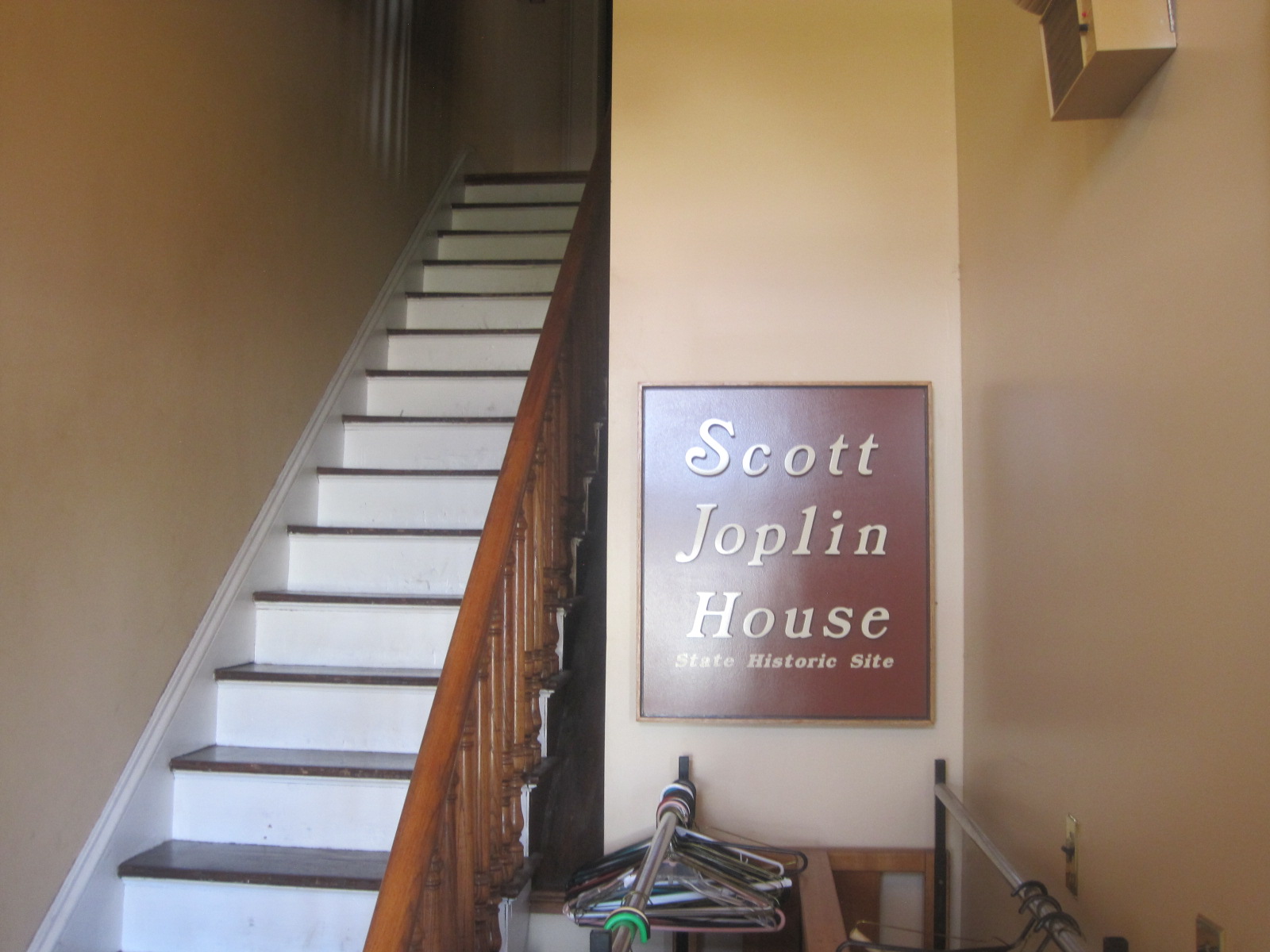
At Scott Joplin’s House

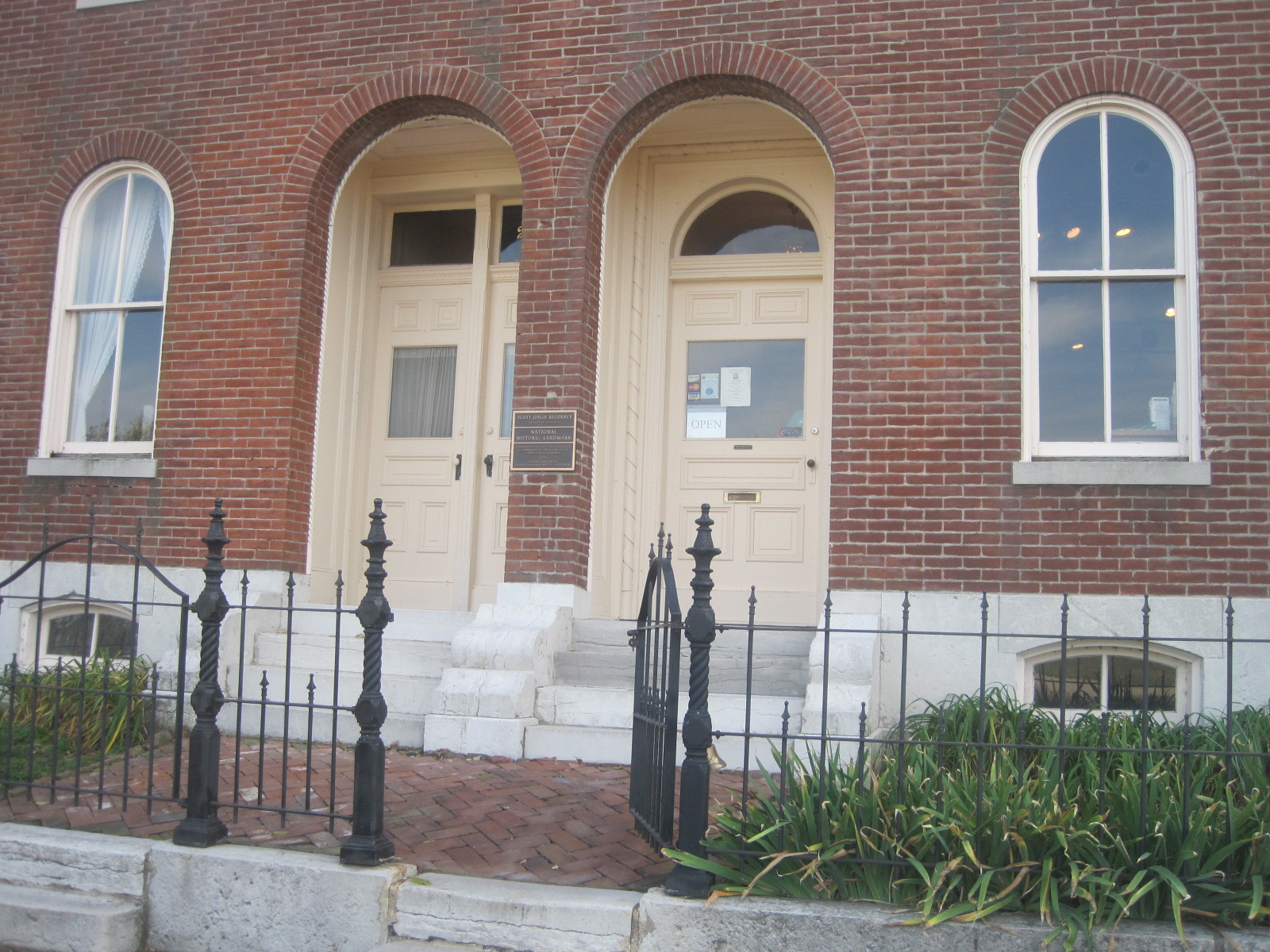
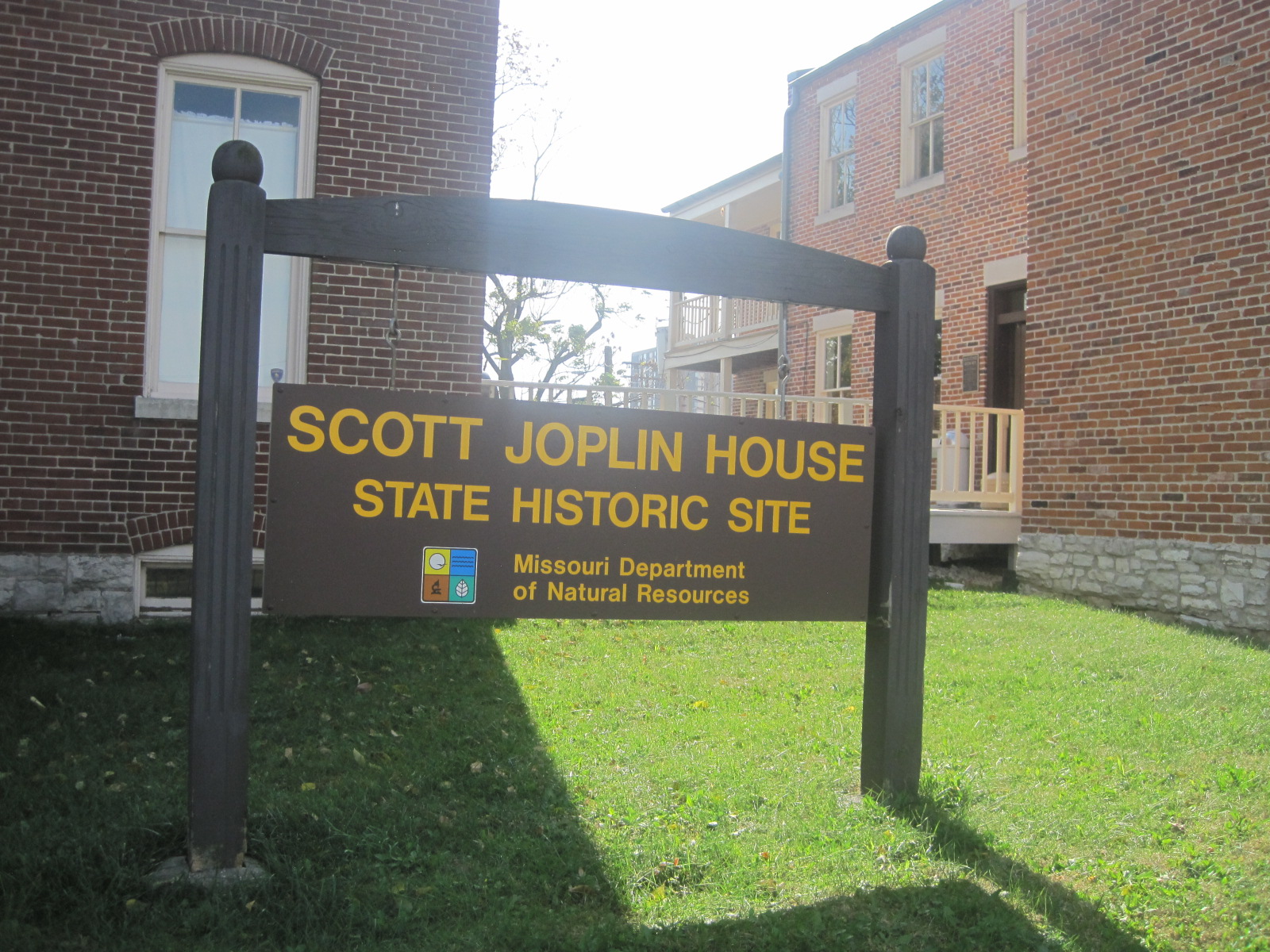
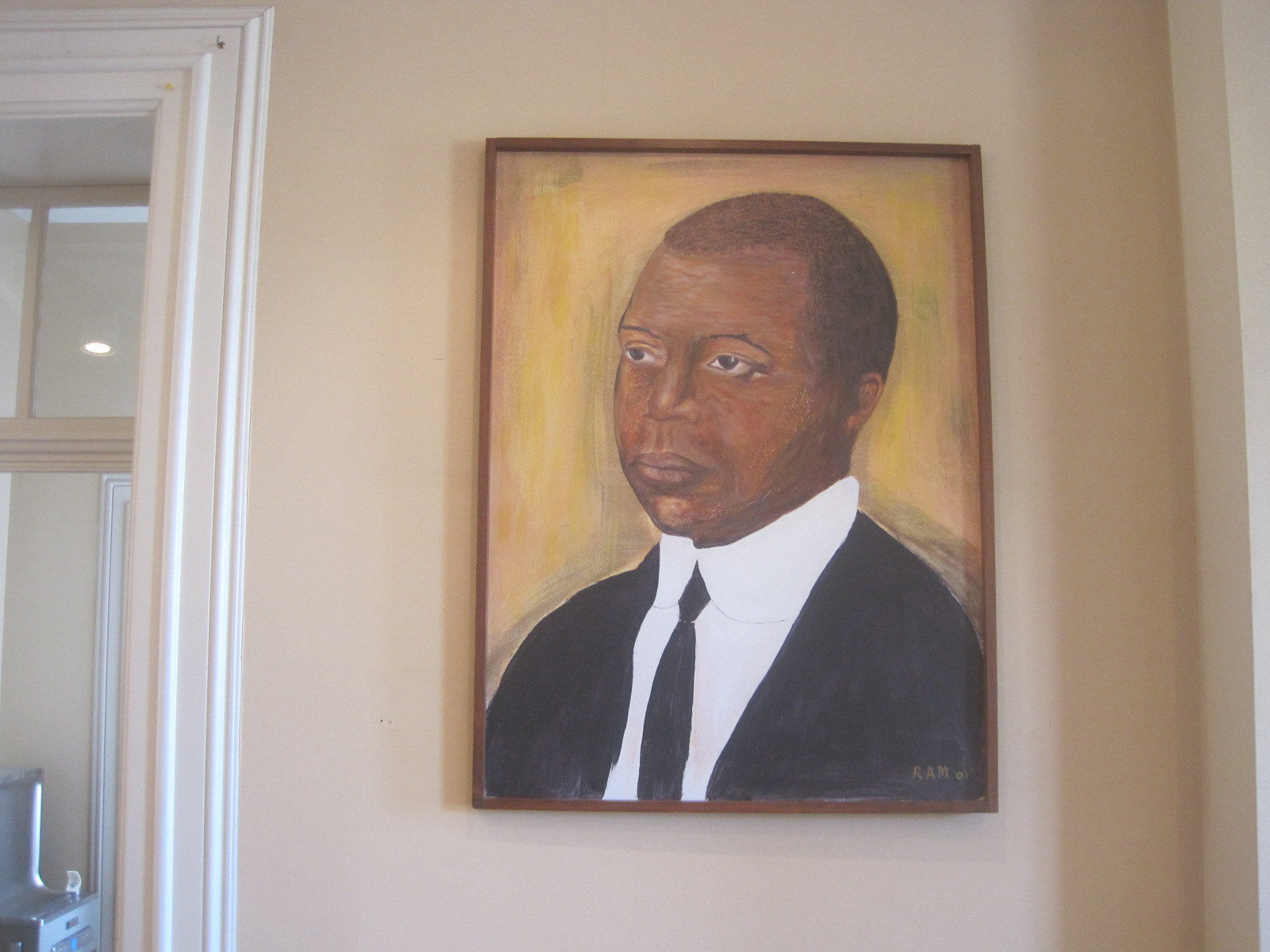
The house of the African American composer of rag-time music Scott Joplin is at 2658A, Delmar Boulevard in St. Louis.

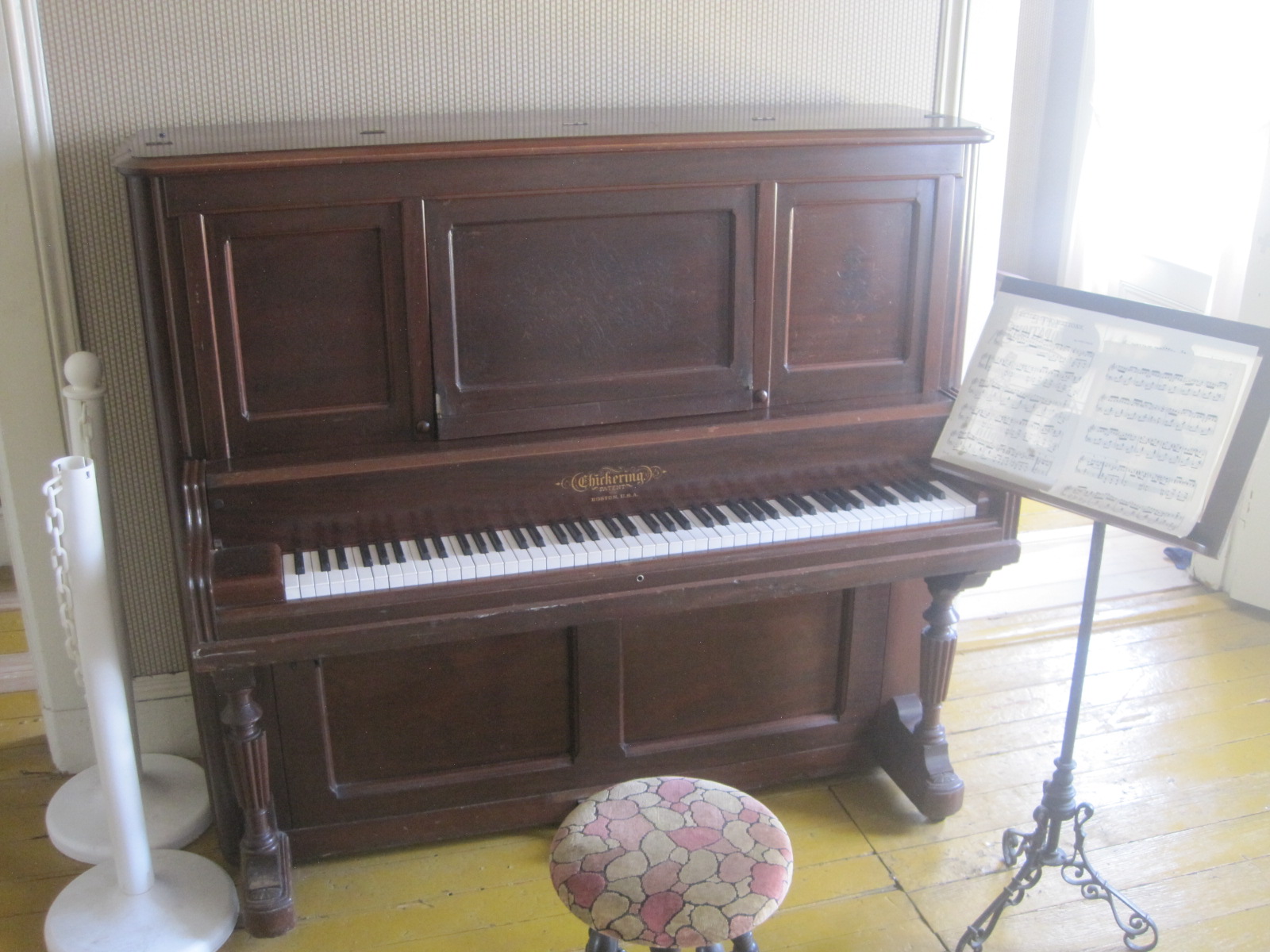
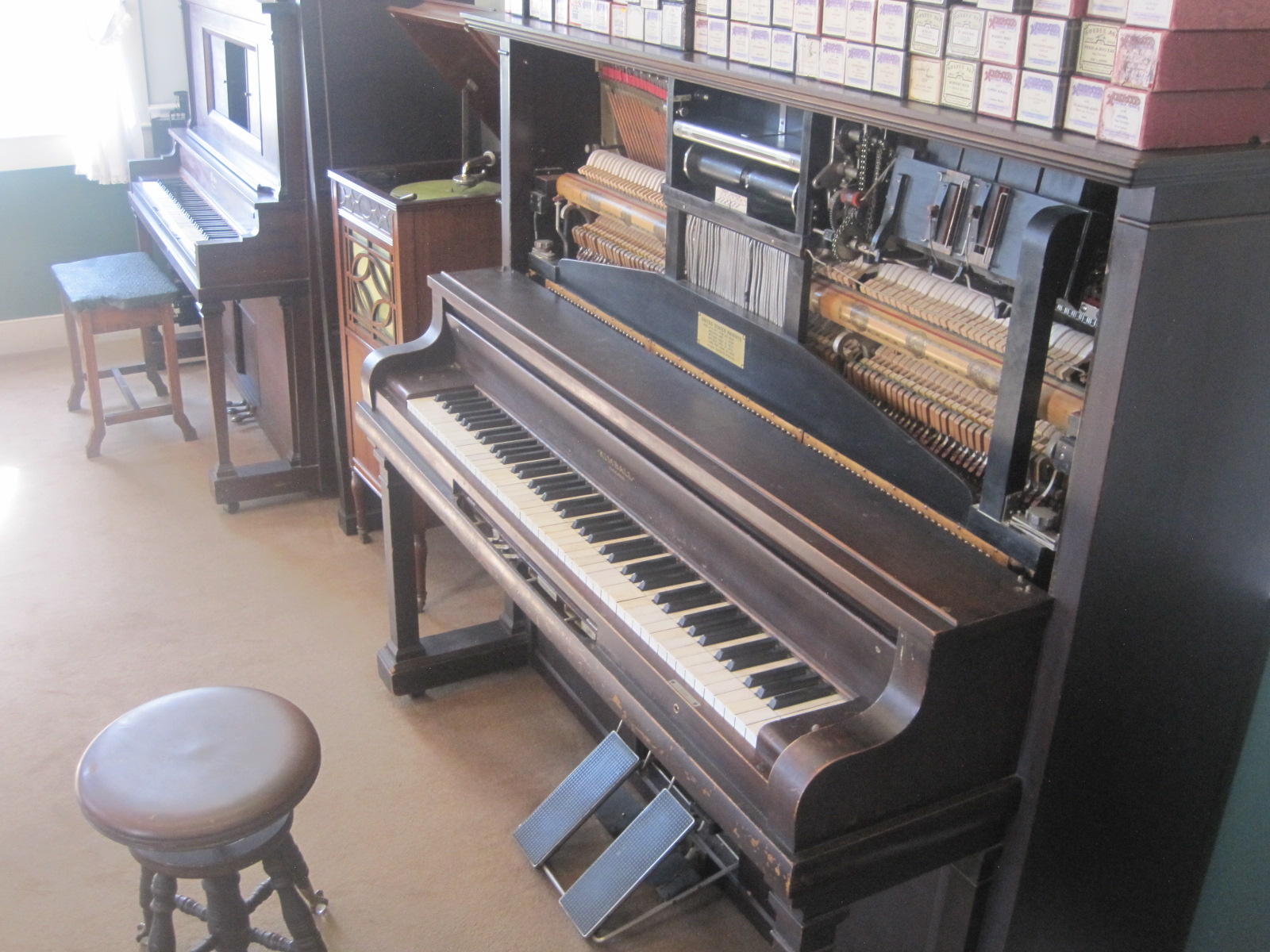
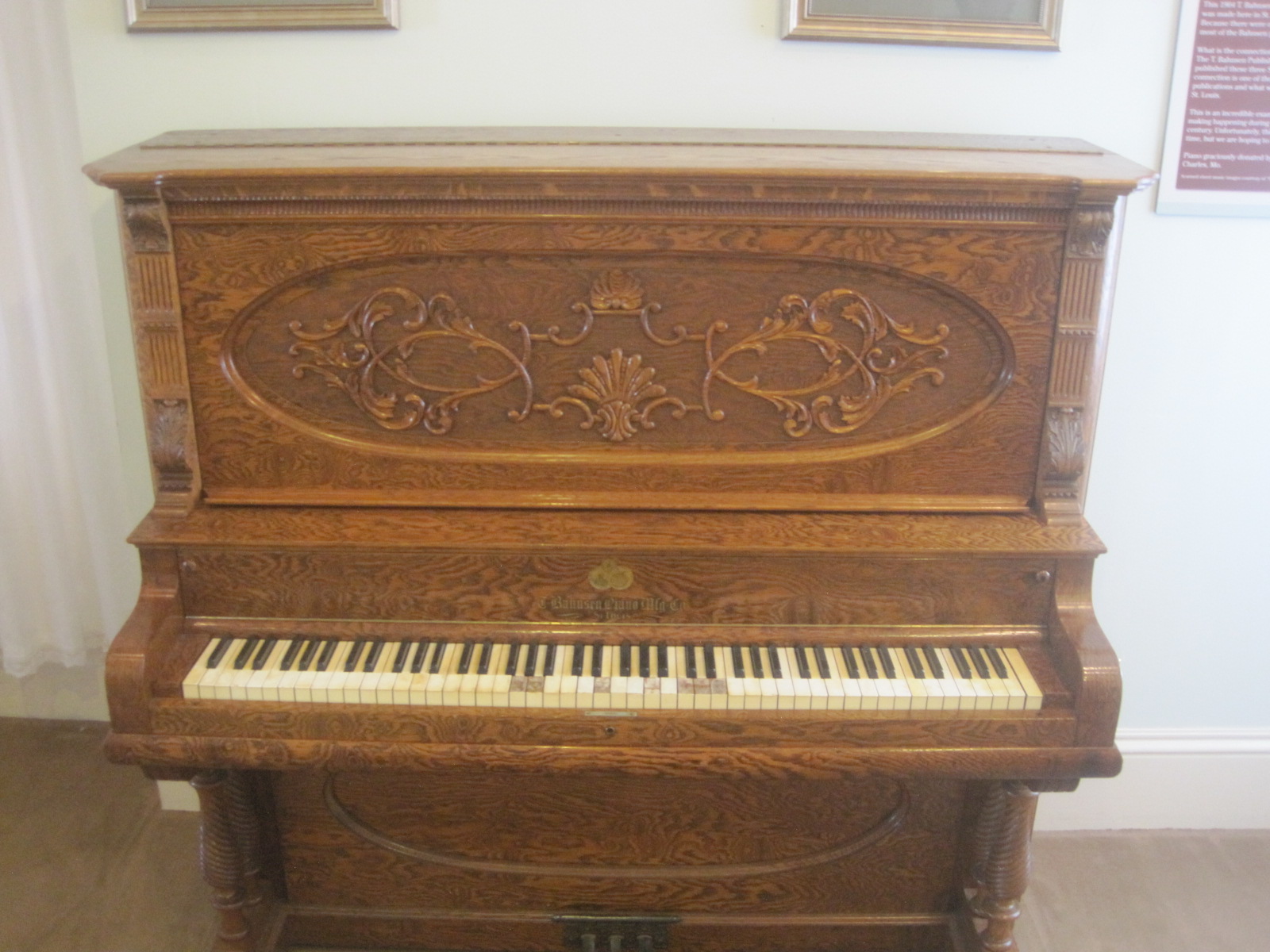
Now a national historical site, it was renovated a few years ago and refurbished with artifacts from the period when Scott Joplin himself lived there, composing in the process his famous The Entertainer. I did say he was African-American, right?

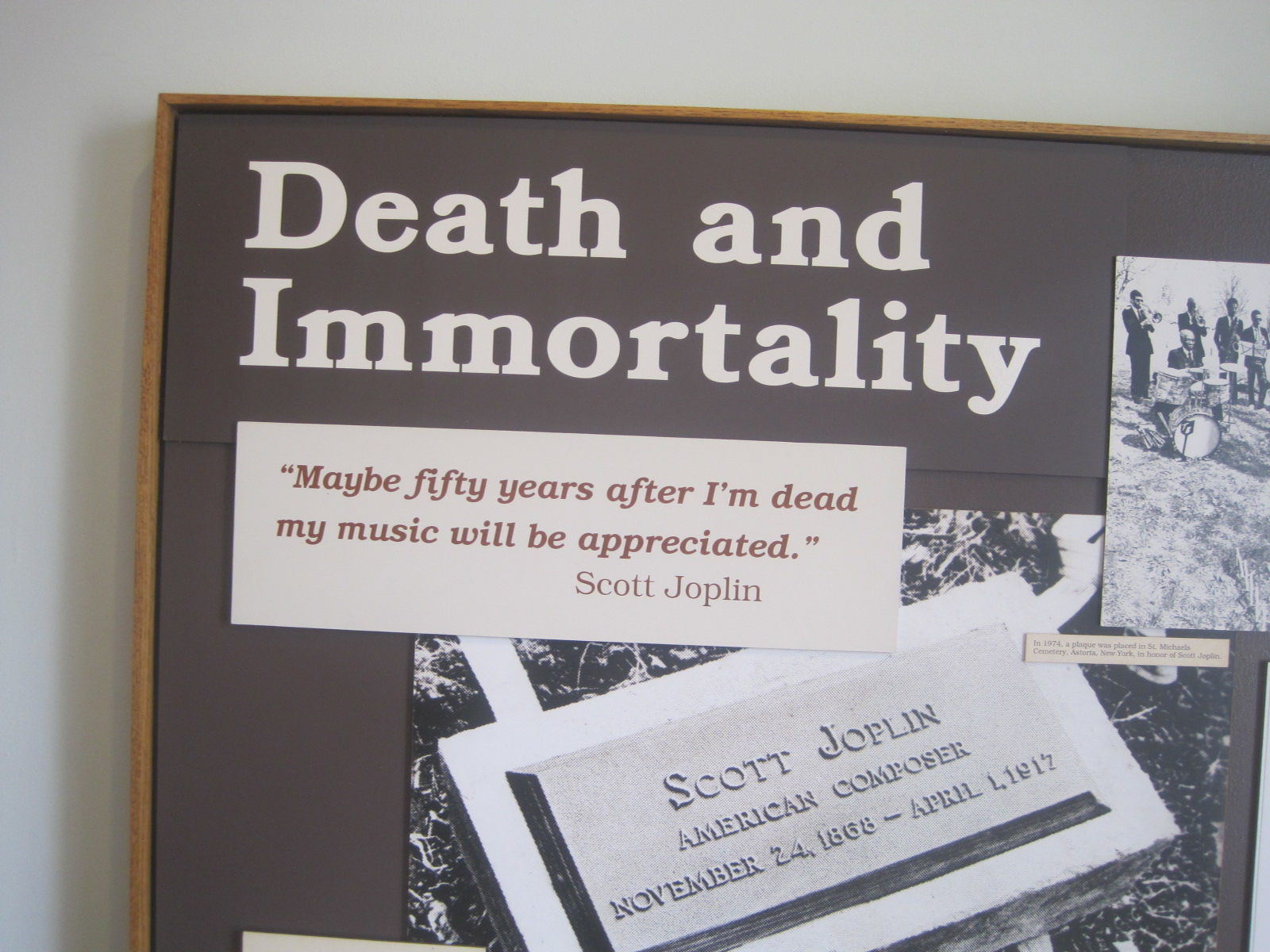
The other thing to say about his life was that much of what has been written about him were obtained through words of mouth. The man himself wasn’t famous enough in his lifetime to deserve much tabloid ink (even though Wiki said he achieved some fame for his compositions and was dubbed “The king of ragtime”. Much of the details of his life in this house itself are shrouded in mystery. The only agreed fact was that he did live there for two years in the early 1900s, and that he wrote The Entertainer while living here. The tune came back to fashion in the 1970s selling into the millions.

(“Ragtime” was the name of a musical form. I never did figure out why they chose to call it that.)

In 1976 Joplin was posthumously awarded a Pulitzer Prize for his contribution to music.
Weekend Plans and Tunes

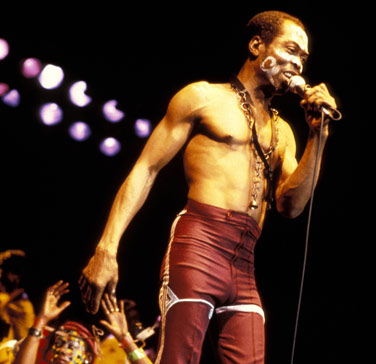
I was singing Fela’s Lady as loudly as possible in the shower today for no reason. It’s a phase that comes and goes. A particular song finds its way back into my consciousness and remains there for days until something else knocks it off. Without doubt one of the musician’s most danceable and happiness inducing tunes, Lady has taken over my consciousness; not just the singing part of the track but the nice arrangement of horns, guitars and drums that introduce it. I now have reason to believe that Fela included so much instrumentation time on his tracks and little singing time so that when the listener feels like listening only to the sounds, they can be catered for without having to endure his voice, or politics.

My weekend has begun. It mostly begins on Thursday evenings when all classes are done. What I’ve been doing since then out of class work is scouring the internet for new places to visit. My search has led me to the Scott Joplin’s House in St. Louis and the Pulitzer Foundation for the Arts Centre also in the city. I have tonight to get much of my course work out of the way then take to the road. I can’t think of something more fun to do this weekend.

Now, those interested in Fela’s ballads should do well to check this out. One of his most famous slow jamz is titled Trouble Sleep Yanga Wake Am as well as Dog Eat Dog and Observation is No Crime. Needless to say, I’m so extremely jealous of those discovering Fela’s music for the very first time. Even for me listening to them again in intervals of weeks, I still get the same thrills of the very first time. Enjoy the weekend, good people.

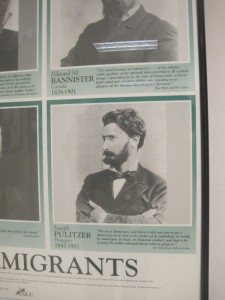
Note on photo: Seen at the International Institute last week. I never knew that Joseph Pulitzer was an immigrant. He came into the country from Hungary.

Be My Man

A single off Asa’s new album got me dancing. Hope you like it.

On Fela Kuti

In within constant replays of Fela’s Don’t make me garan garan and a complete album from the cast recording of Fela! on Broadway on my laptop, my flatmate stopped to wonder what I was listening to that sounded so nice as a mixture of jazz and something he couldn’t place. I told him it was Fela, Nigeria’s famous musical export to the world, and the subject of a coming biopic as well as a multi-award winning play on Broadway.

What I’ve found out within interactions with Americans here so far is not only the ignorance about who Fela was, what he stood for, and how great his influence was, and has now become, but also the depth and greatness of his music and legacy. This is a generalization, I realize. After all, the Broadway play captured the attention of the world and won three Tony awards last year, and has had the participation and support of top Hollywood players including Jay-Z, Patti LaBelle, Jada Pinkett Smith and a few others, and there is a biopic in the making, also by an American film company. It is mainly the young people on campuses that I’d naively expected to have at least got wind of the man’s story in the news enough to be somehow a little interested. Now I know that it is too much to expect that so early (less than two decades) after the man’s death, his name would have become such a household one for young music lovers in the country where he himself was mostly influenced to his style of music.

Fela Kuti would have been 72 on the 15th of this month. A series of events called Felabration are now taking place in Lagos and other spots in the world to celebrate the man, his music and his legacy.

Photo credit: http://www.therealfemioke.com/dbFemi5/?p=189

Going Way Back

I stumbled on a pack of seven albums of a legend called Odolaye Aremu a few weeks ago and my life has never been the same again. The famous exponent of a brand of poetry/music/chant called Dadakuada recorded more than two dozen albums of his brand of art between 1977 and 1990 in Ibadan. He himself is a product of the town of Ilorin. His art spanned decades of politics, religion, social issues, love, lust, feud and music itself, and my first intimations of it must even be earlier than I can even pinpoint, way back to pre-youth, when music was played only on record plates. The reproduction of the albums by the original production company (ORC) in Ibadan for mass distribution in today’s world there is a very welcome development. I’ve particularly had a very pleasant time reconnecting with the curious mix of musical styles hidden within the vein of this particular peculiar art form never since reproduced on this scale by any other indigenous artist before and since the death of Odolaye.

Dadakuada stands in equal stead with Apala, Awurebe, Ijala, amongst many other distinct indigenous styles of musical poetry from the sixties that have all but died off in their original forms. Thanks to digital technology, we still have enough of them now to remind us of the richness of Yoruba poetry, especially of the performance kind that, though commercialized, retained much of their original distinctness.