EVENT: Writing a New Nigeria

Representations of Nigeria in contemporary fiction and poetry

  • Time: Saturday 14 November 2015, 4pm – 5.30pm
  • Venue: Freedom Park, Museum Building
  • Admission: Free

Panelists

  • Elnathan John, author of Born on a Tuesday
  • Abubakar Adam Ibrahim, author of Season of Crimson Blossoms and The Whispering Trees
  • Jumoke Verissimo, poet and author of I Am Memory and The Birth of Illusion
  • Dami Ajayi, poet and author of Clinical Blues
  • Toni Kan, author of Nights of the Creaking Bed and the forthcoming Carnivorous City
  • Kólá Túbòsún, linguist and writer, author of Attempted Speech & Other Fatherhood Poems 

Moderator

  • Wana Udobang, journalist, writer and poet
wanaA selection of celebrated contemporary writers and poets discuss representations of Nigeria in fiction and poetry. The panelists will consider how writers are reflecting the issues and concerns of Nigeria today and their role in holding politicians and society to account. They will debate how Nigerians navigate by language, slipping in and out of character, dialect and language according to the circumstances, and the importance of writing and publishing in languages other than English.

The significance of identity and place will be discussed, with two authors bringing a perspective from Northern Nigeria and another who says he couldn’t live – or write –anywhere but Lagos. There will be an opportunity to hear authors read from their works – and for audience discussion.

‘Writing a New Nigeria’ is a 2-part BBC Radio 4 documentary giving a portrait of Nigeria, seen through the eyes of a new generation of writers and poets, presented by Wana Udobang and including contributions from our panelists. Produced in partnership with the British Council as part of UK/Nigeria 2015–16, it will be available on www.bbc.co.uk/radio4 from 28th November 2015.

___

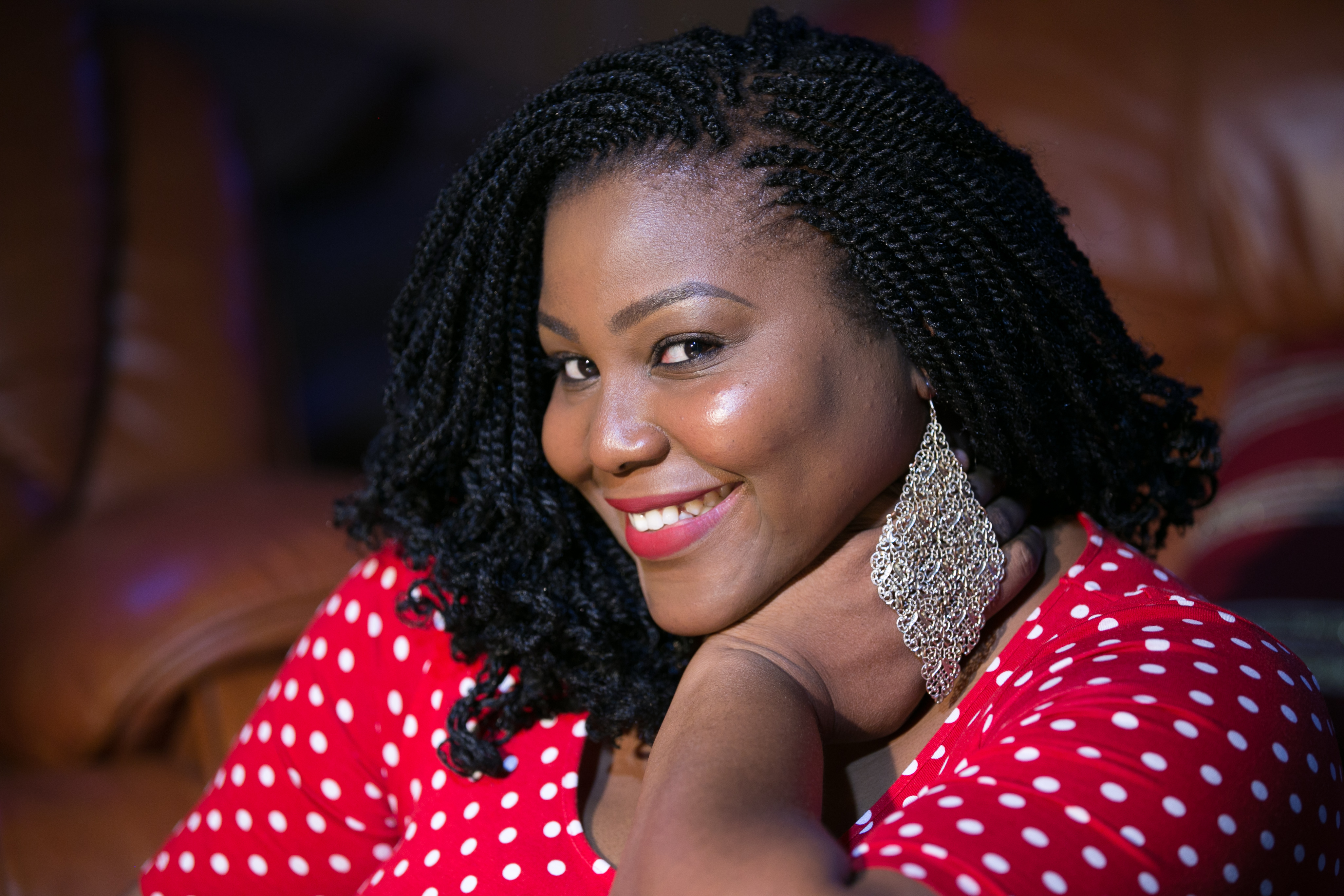
Photo from Lovenwords.com
Writer Things at the Freedom Park

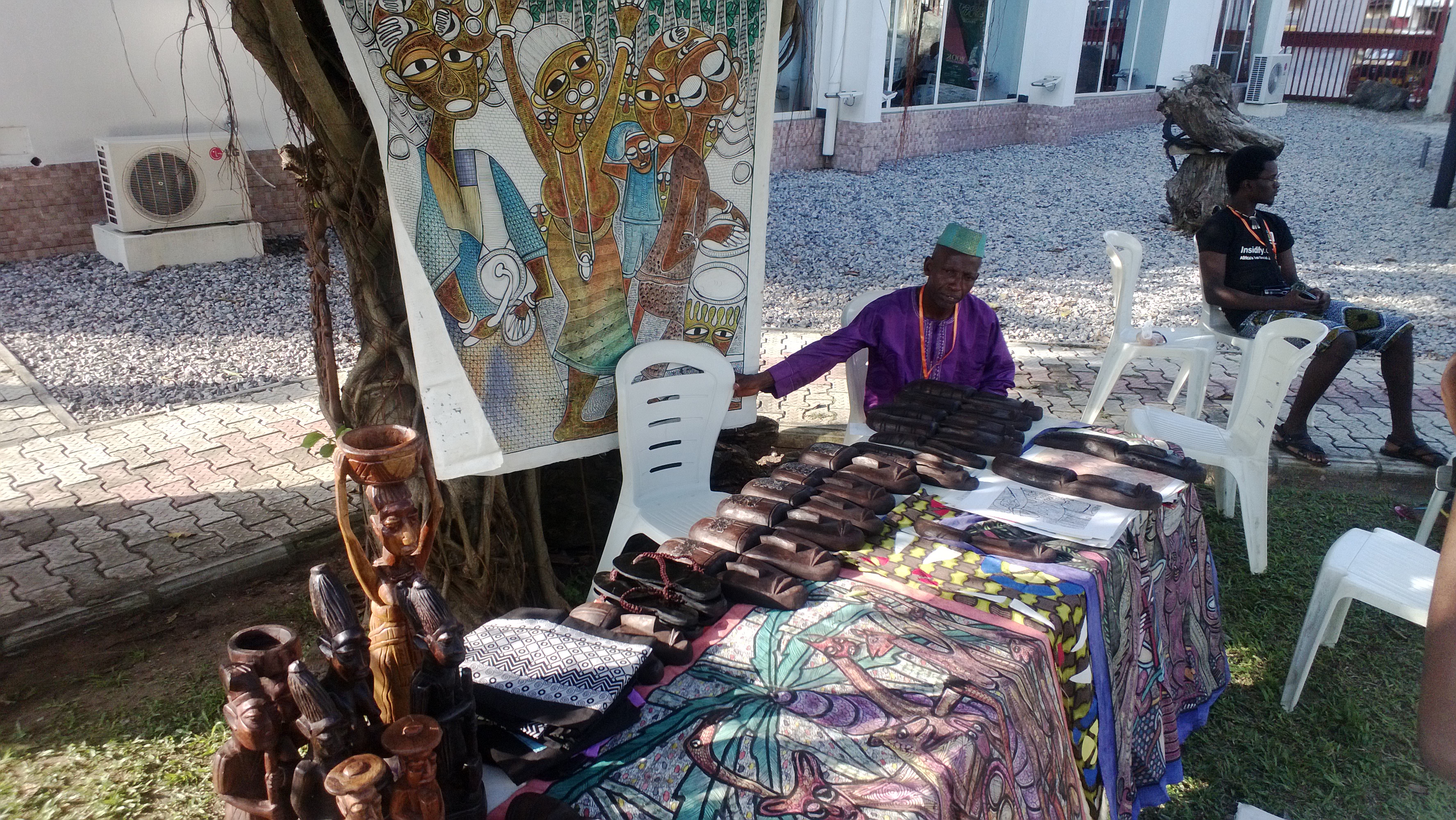
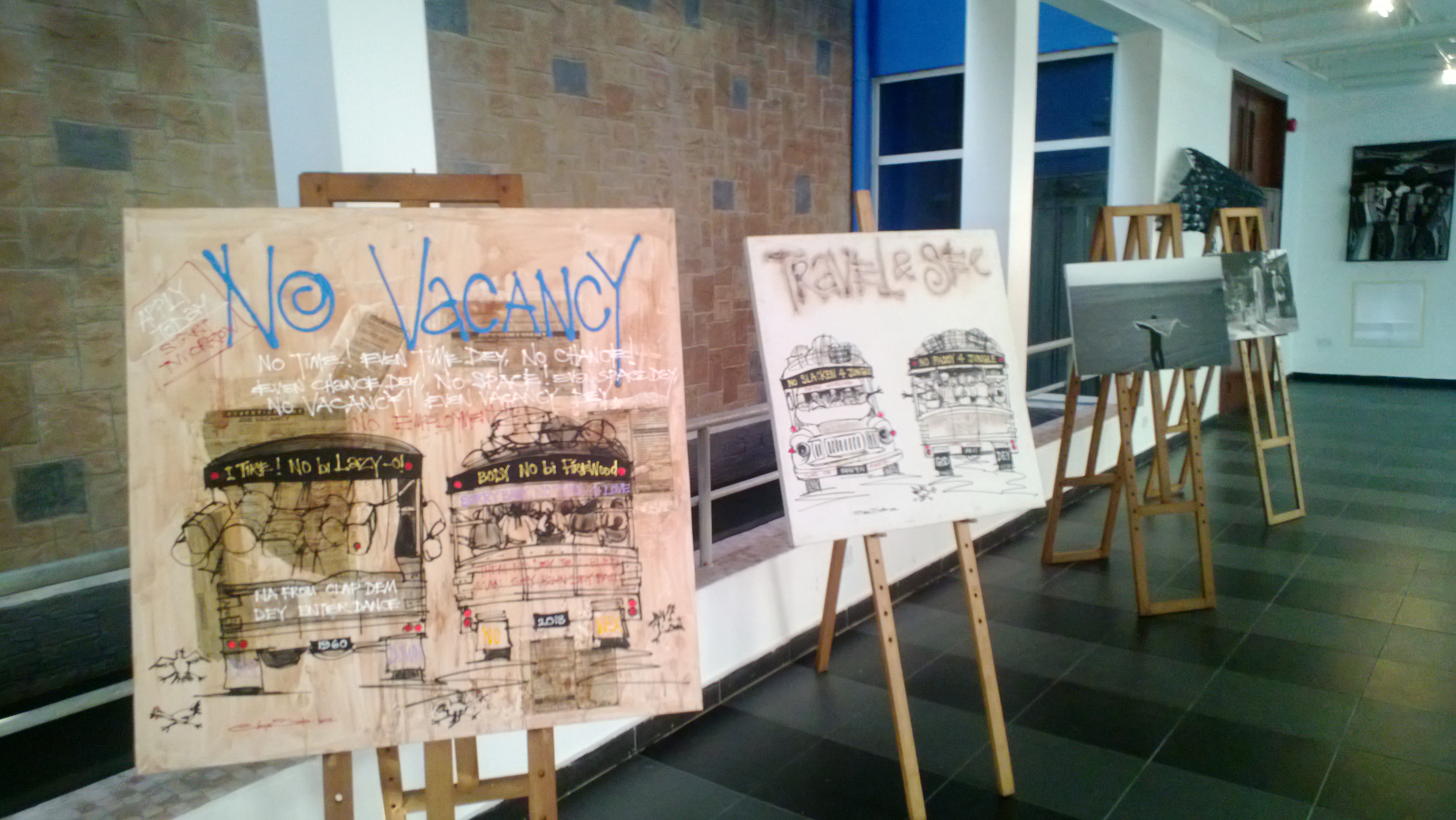
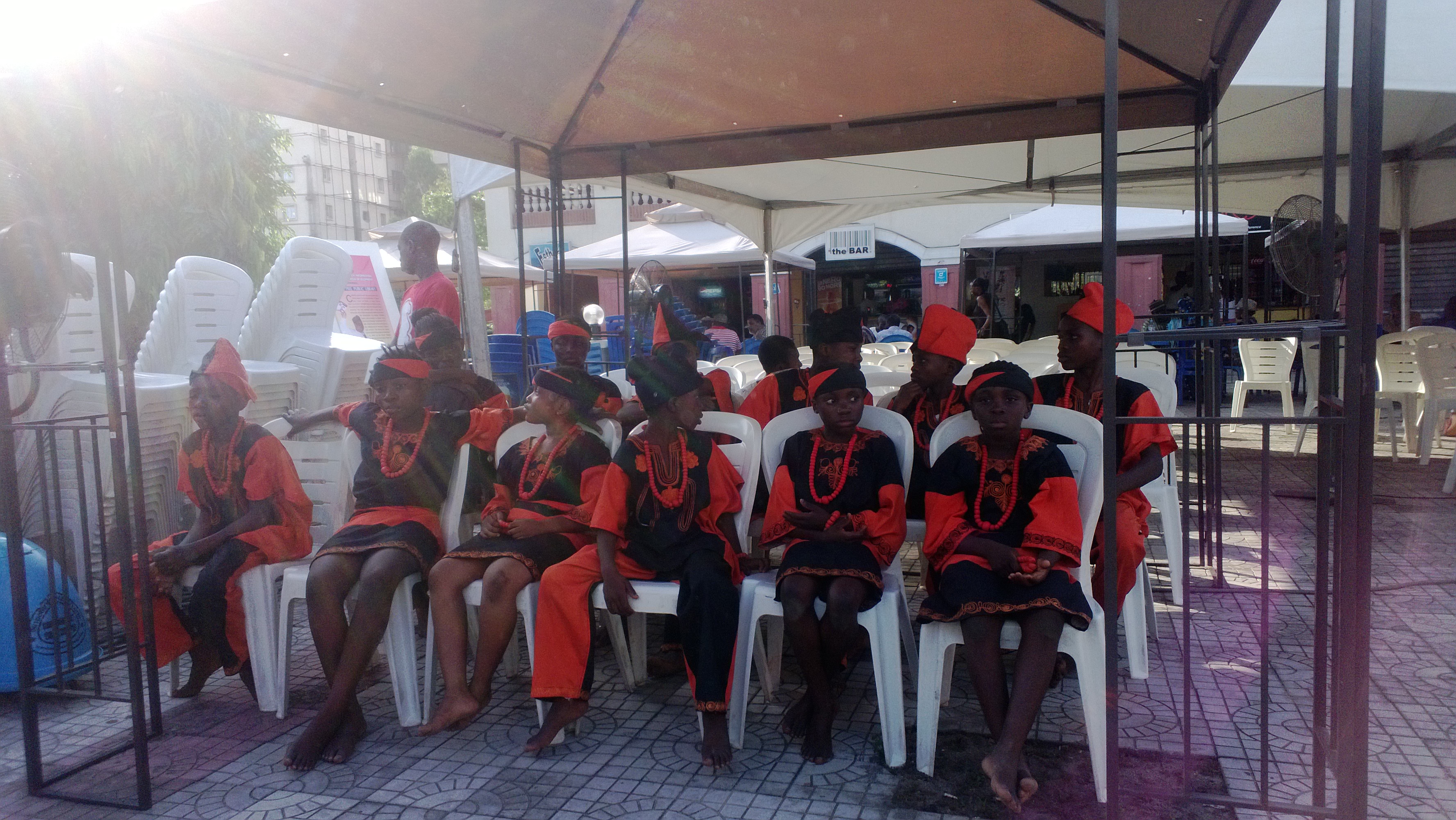
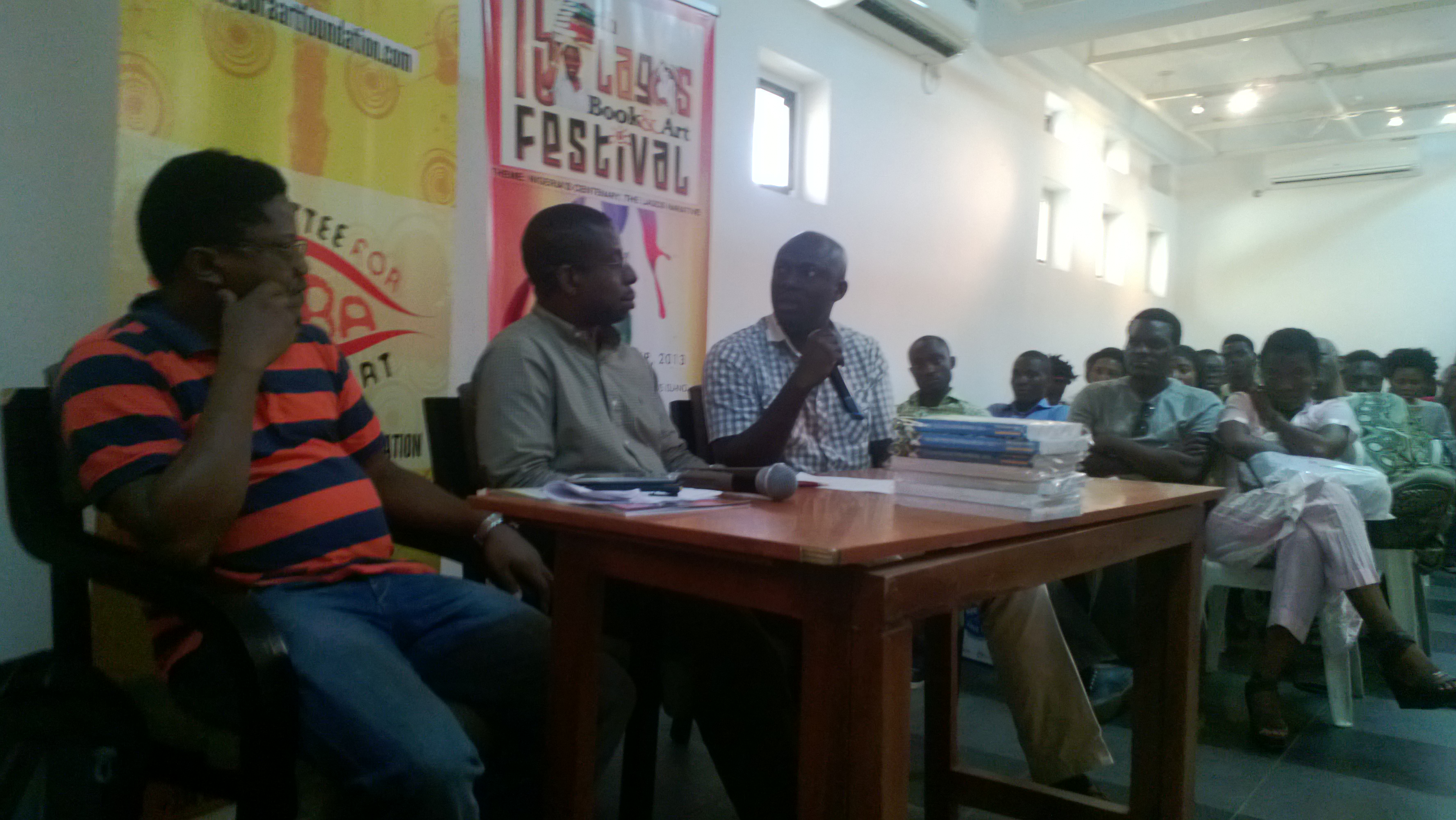
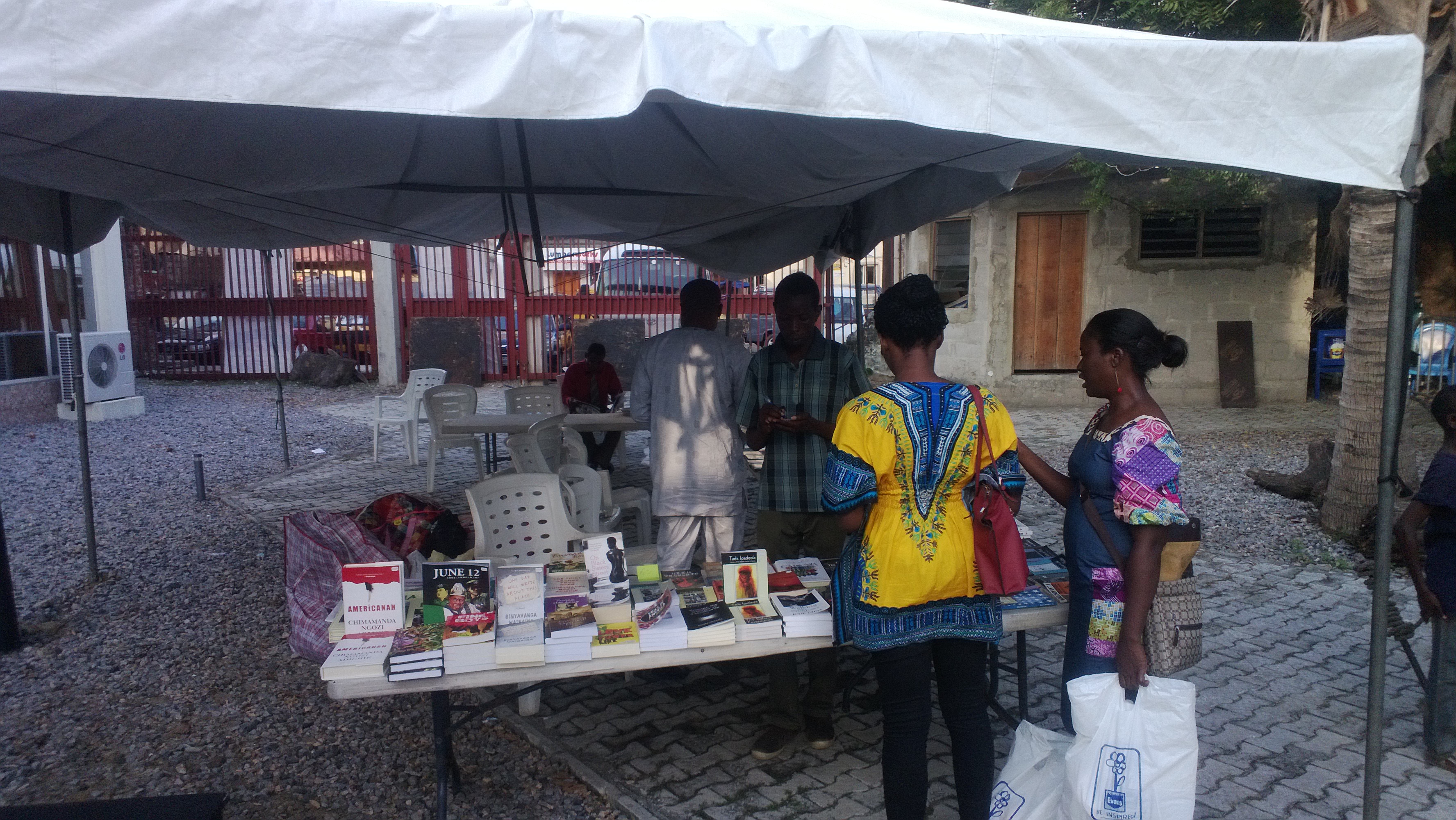
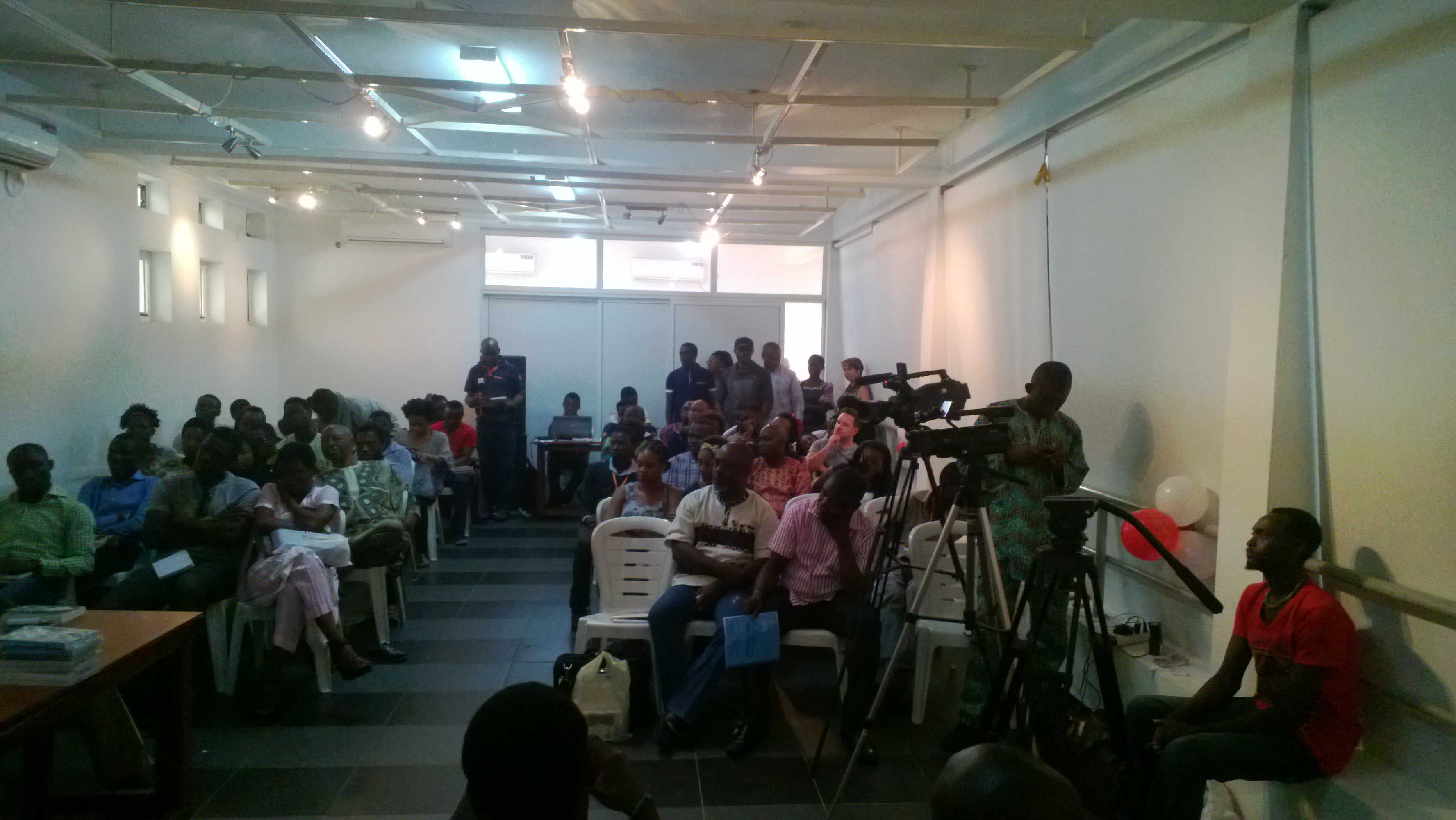
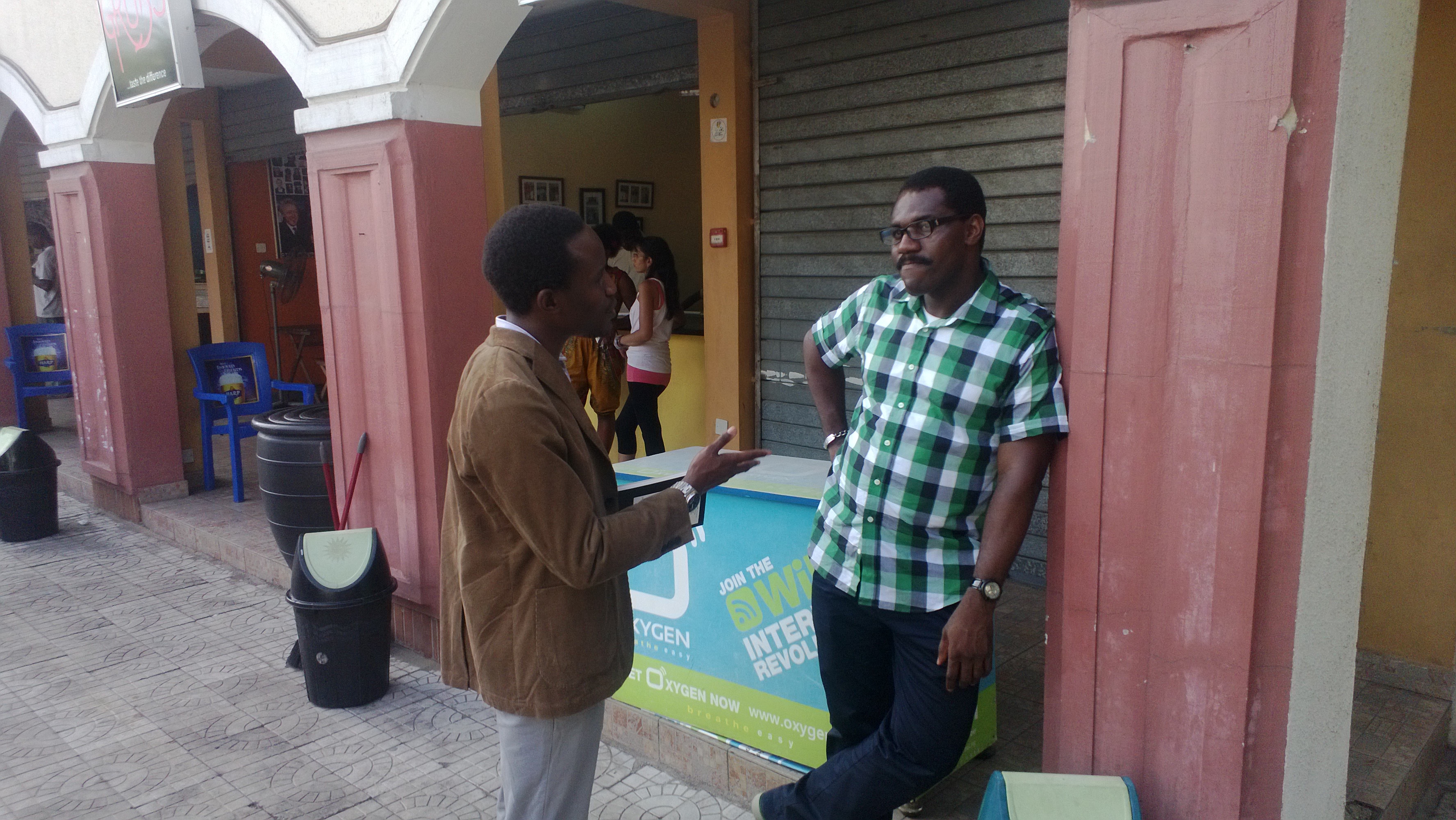
WP_20131116_017WP_20131116_024WP_20131116_026WP_20131116_021The Lagos Arts and Book Festival (LABAF) has come and gone, occupying the spaces of the (now named) Freedom Park on Broad Street. The annual event organized by the Committee for Relevant Arts (CORA) took place between 15th and 17th November, and it featured a number of art-related activities from “Art Stampede” to “Book Trek”, “Jazz Nite”, “Writers’ Seminar”, “Musical Concert”, “Visual Art Exhibition”, among others.

I attended one day of the events on Saturday, which featured a colloquium/workship titled the Caine Prize for Nigerian Writing. It featured discussions by Caine Prize Winner Rotimi Babatunde and Caine Prize Nominee/Finalist Elnathan John. The session was moderated by James Baldwin lookalike Ogaga Ifowodo. Conversation ranged from the influence of foreign money in African literature prizes (with Elnathan taking the position that the source and stature of foreign prizes inadvertently condition the nature and content of African stories, and Rotimi arguing that the effect is negligent, or at best an equally important addition to the dialogue and the medium of storytelling). to the influence of the Caine Prize itself on today’s writing, especially its influence on breeding more fiction than poetry writers.

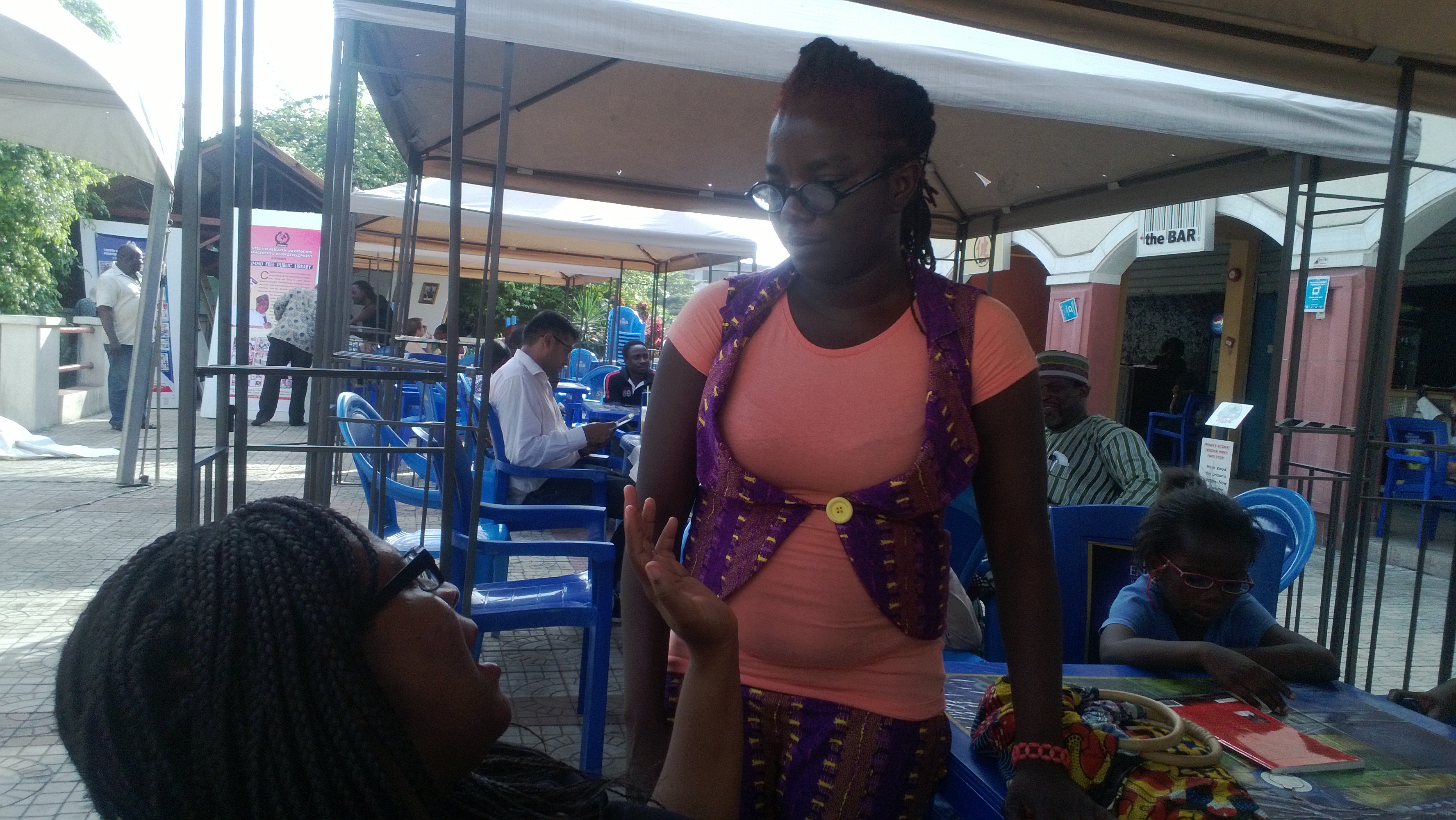
WP_20131116_032WP_20131116_034WP_20131116_030WP_20131116_013WP_20131116_014The Freedom Park where the events took place used to be a colonial minimum-security prison which housed famous inmates like Chief Obafemi Awolowo, Sir Herbert Macaulay, Alhaji Lateef  Jakande, and Chief Anthony Enahoro at some point or the other. It also housed Esther Johnson, arguably its most (in)famous death-row inmate, sentenced to death in 1956 for the murder of her British husband who she stabbed with a pair of scissors in throes of a jealous passion. (More about her here). It has now been turned into a multi-purpose art venue with a serene environment for intellectual exchange. On Saturday however, it was a lively village of countless creative heads.

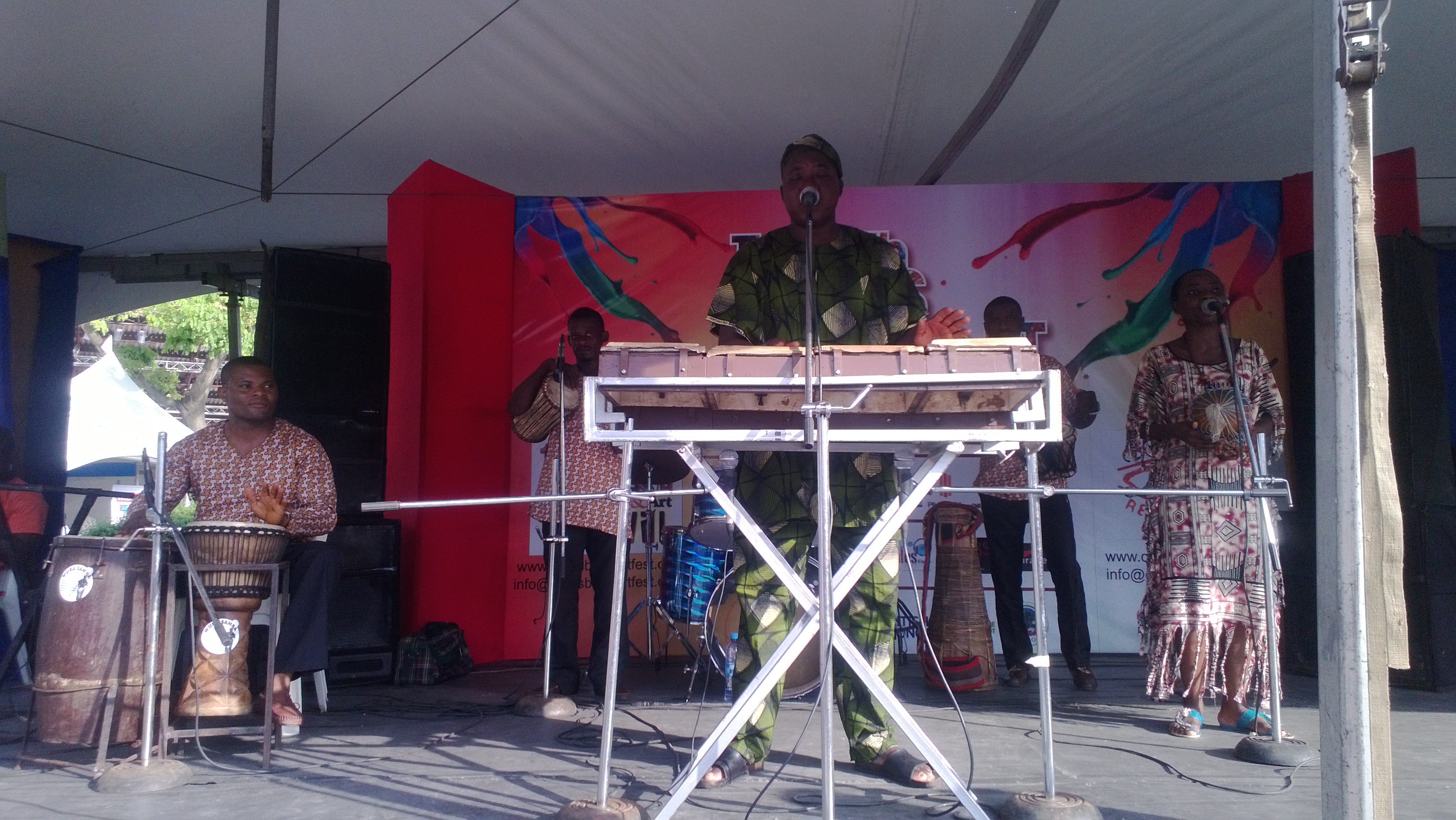
Guests at the Saturday event included writers and artists of various stripes, among whom were Victor Ehikhamenor, Ayodele Olofintuade, Pearl Osibu, Tade Ipadeola, Biyi Olasope, Toni Kan, Tolu Ogunlesi, Jumoke Verissimo, Molara Wood (author of the newly-released and critically acclaimed Indigo, a collection of short stories), Jahman Anikulapo (of CORA), Sylva Nze Ifedigbo among many others. There was music, drumming and dancing, and stage performances by a group of young children. There was also an exhibition of books and arts, with this blogger being able to buy a few – one of which was Teju Cole’s Everyday is for the Thief.

A Guest Post by Omotunde Kasali

16 November, 2012

Today I was at a book festival at the Freedom Park: The Lagos Book and Arts Festival. The morning was sunny and happy but the view from my bus, as it approached the Lagos Island from the Third Mainland Bridge, was curious: the sun was under the clouds, the Island was invisible behind a thick fog and the clouds intercepted ground at the edge of the Island.

At Marina Road I alighted and went to breakfast at a restaurant on Kakawa Street. As I came out the burly figure of Eghosa Imasuen coming up the opposite walkway was what I saw: his chest pushed out, his legs kicking the air and his arms swinging to his back. The thought that he was going to where I had just left came to me and I smiled as I turned into Broad Street and walked the long way down to Freedom Park.

I went into the Kongi’s Harvest Art Gallery to see an arts exhibition. Of all the works on display I am most captivated by a photograph by Uche James-Iroha. In the photo a middle-aged man behind a chalkboard knits his brows and fixes his eyes at the camera. The rest of the picture – the shanty the man is in and the carpentry measurements on the chalkboard – is difficult to piece together to form a complete image. The photo is a puzzle and as one tries to discern the anger on the man’s face, what he is doing in the shanty and what the measurements on the board are for, one is slowly absorbed into the photo.

When I came out of the gallery the events were ready to begin. There were schoolchildren from many schools, there was a book fair, there was an arts fair and there was an audience that rounded the stage. I walked into the fair and I met people I know. I bought Fagunwa’s Ogboju Ode ninu Igbo Irunmole and found myself a seat.

In a few minute the opening event began. Bishop Mathew Kukah spoke to the schoolchildren about books, played with them, danced with them and answered questions from them; a troupe of kids in adire came on stage and delighted the audience; the poet Oyinkansola, a girl of 10, came on stage and read her poem; Tolu Ogunlesi and Bishop Mathew Kukah discussed the bishop’s new book and its concerns with the theme of the festival The Narratives of Conflict.

When it was afternoon I walked into the gallery and went up the first floor where a discussion about books was taking place. I left a few minutes later when sleep began to sneer at me. I came back down into a most enthralling discussion about a book My Life Has a Priceby Tina Okpara, a young lady who in the book tells her story of child abuse in France.

________________

Omotunde Kasali is a writer, photographer and biochemist. He lives in Lagos.