
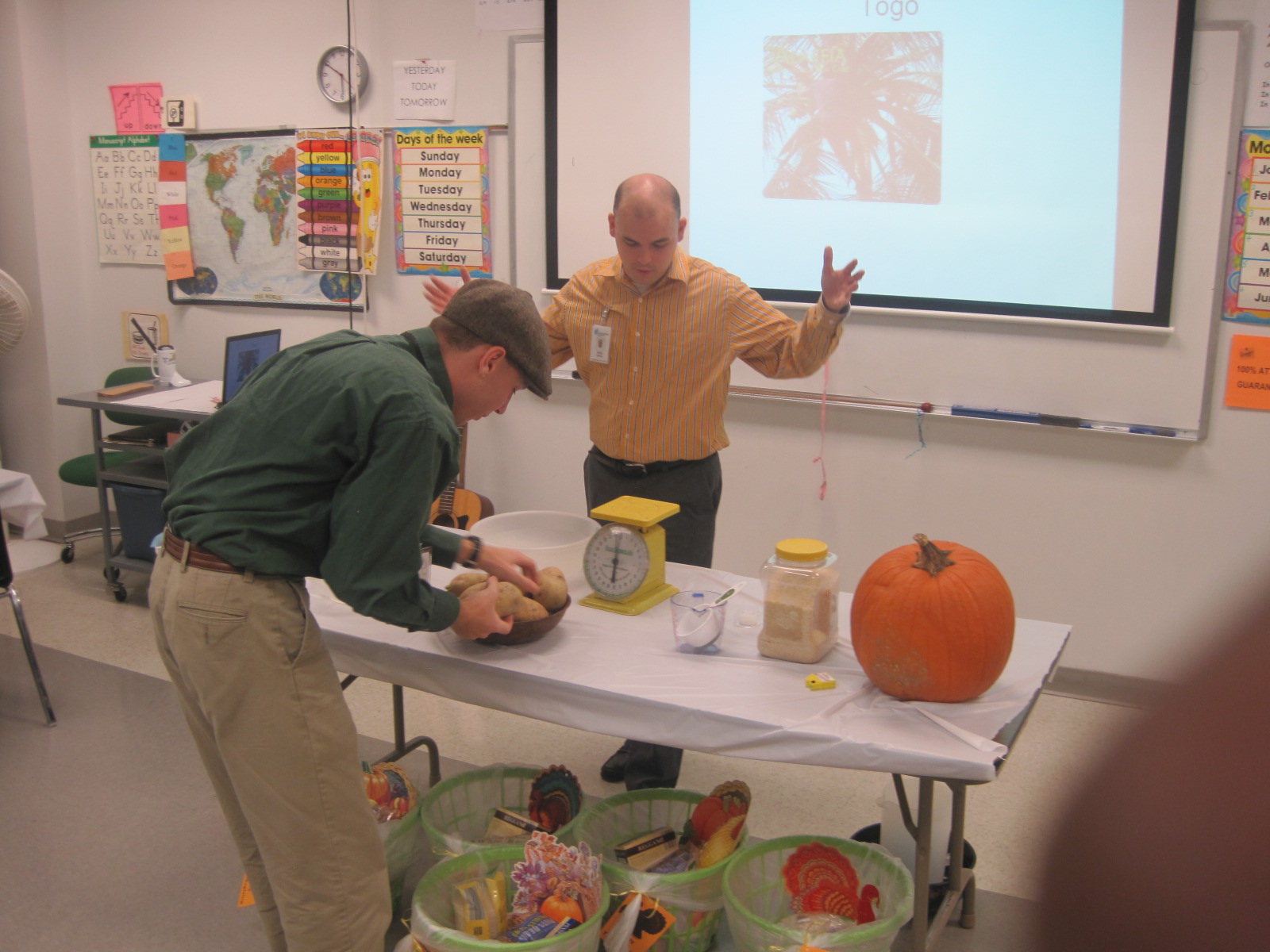
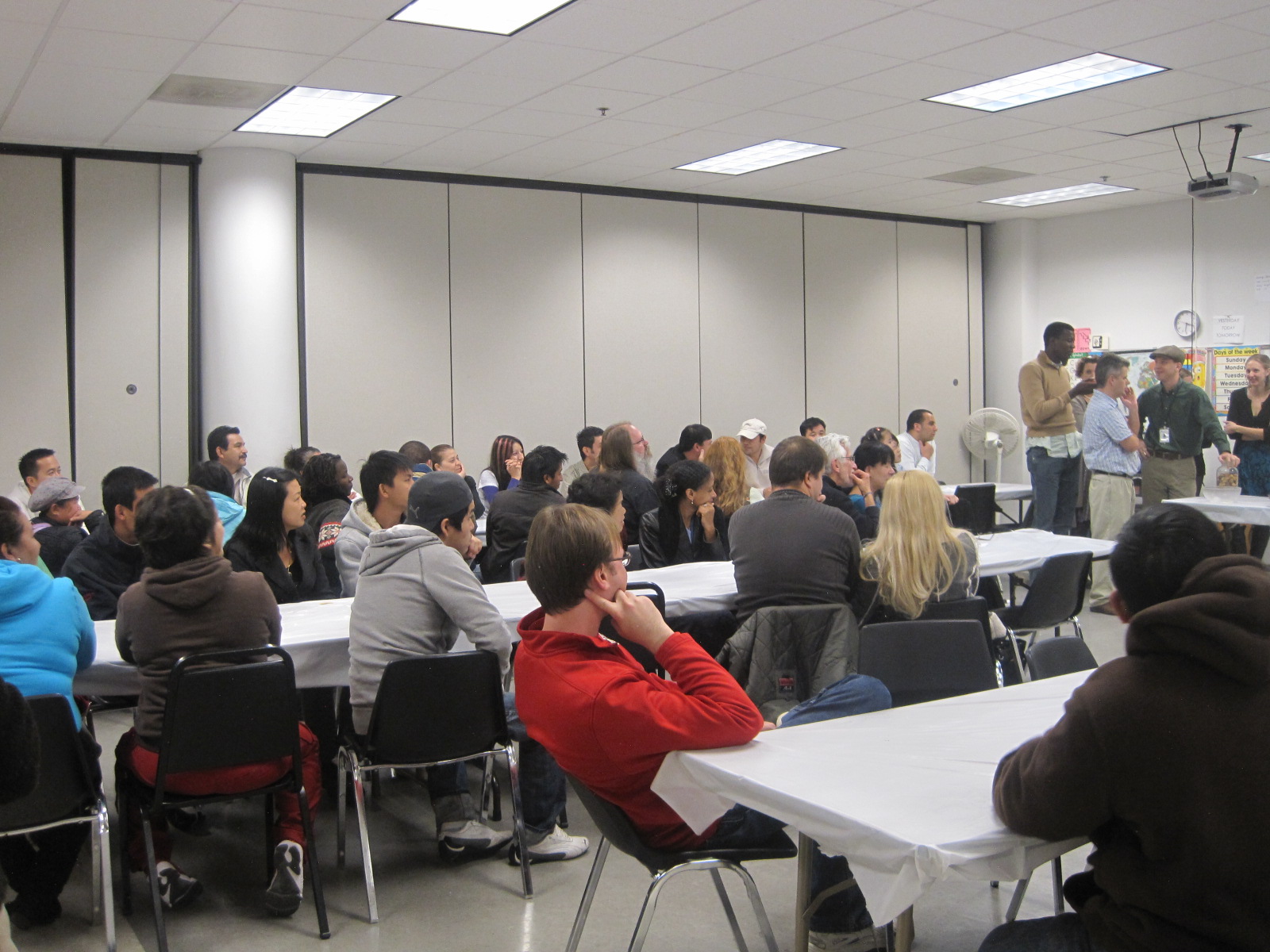

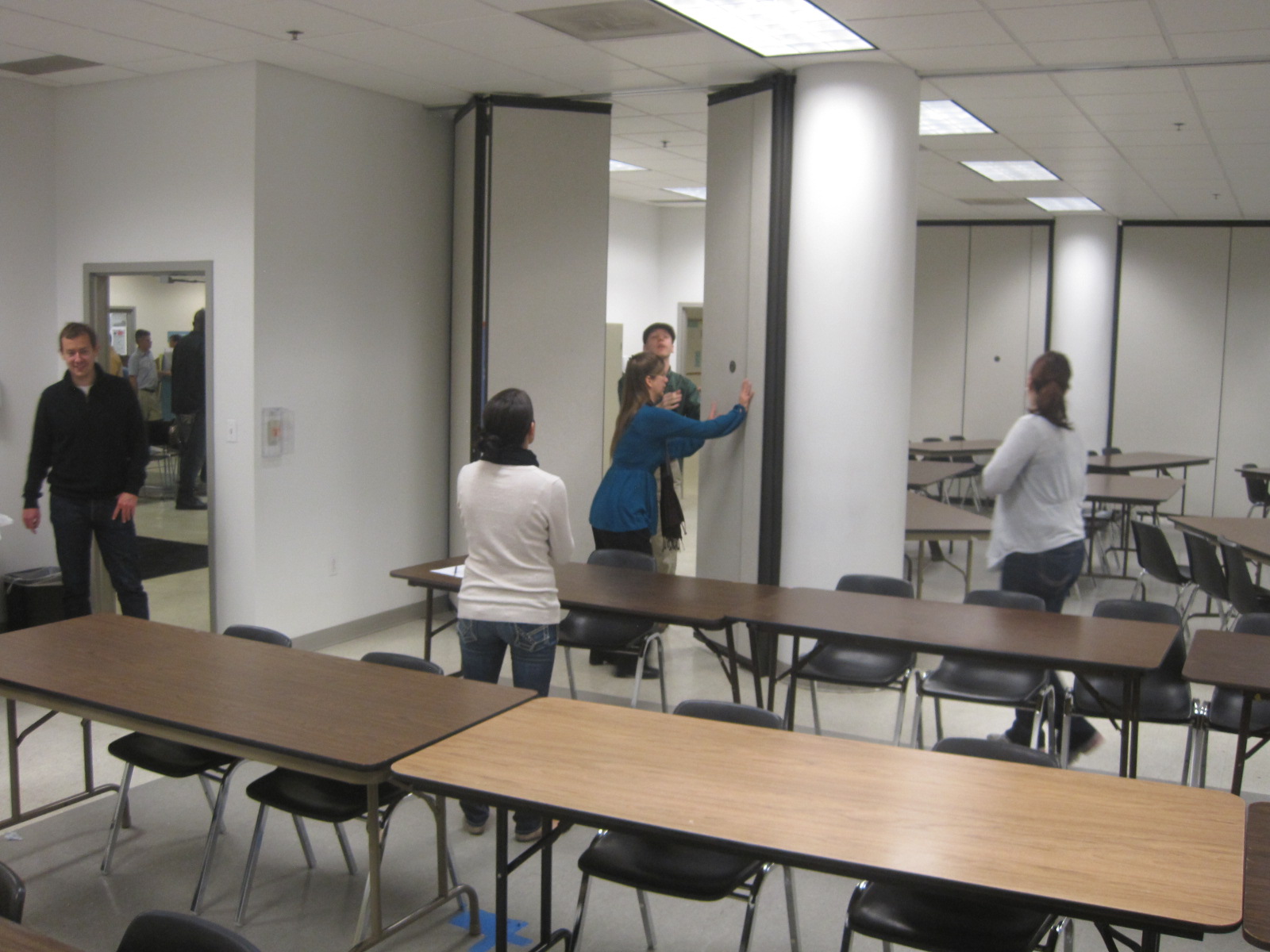
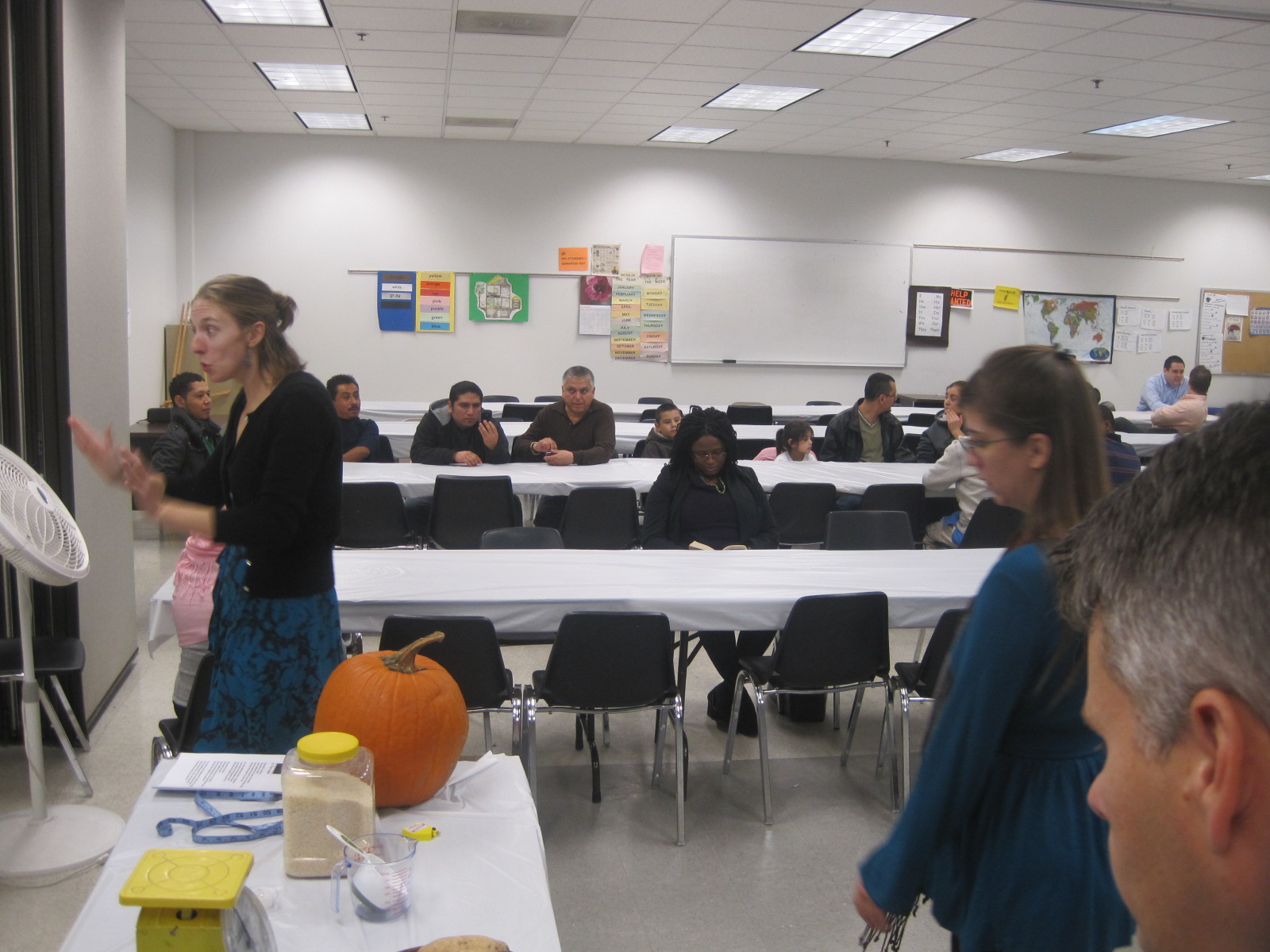
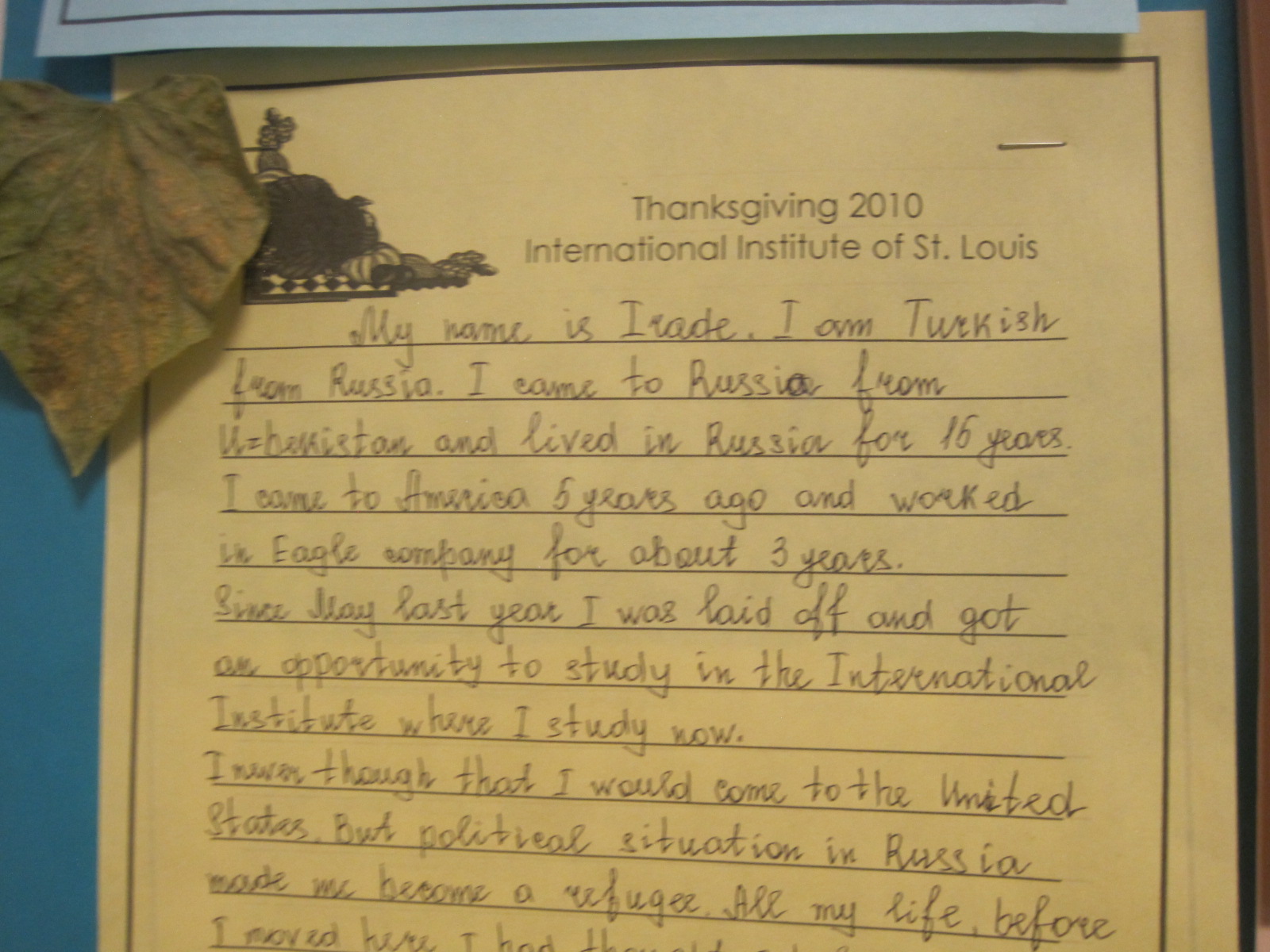
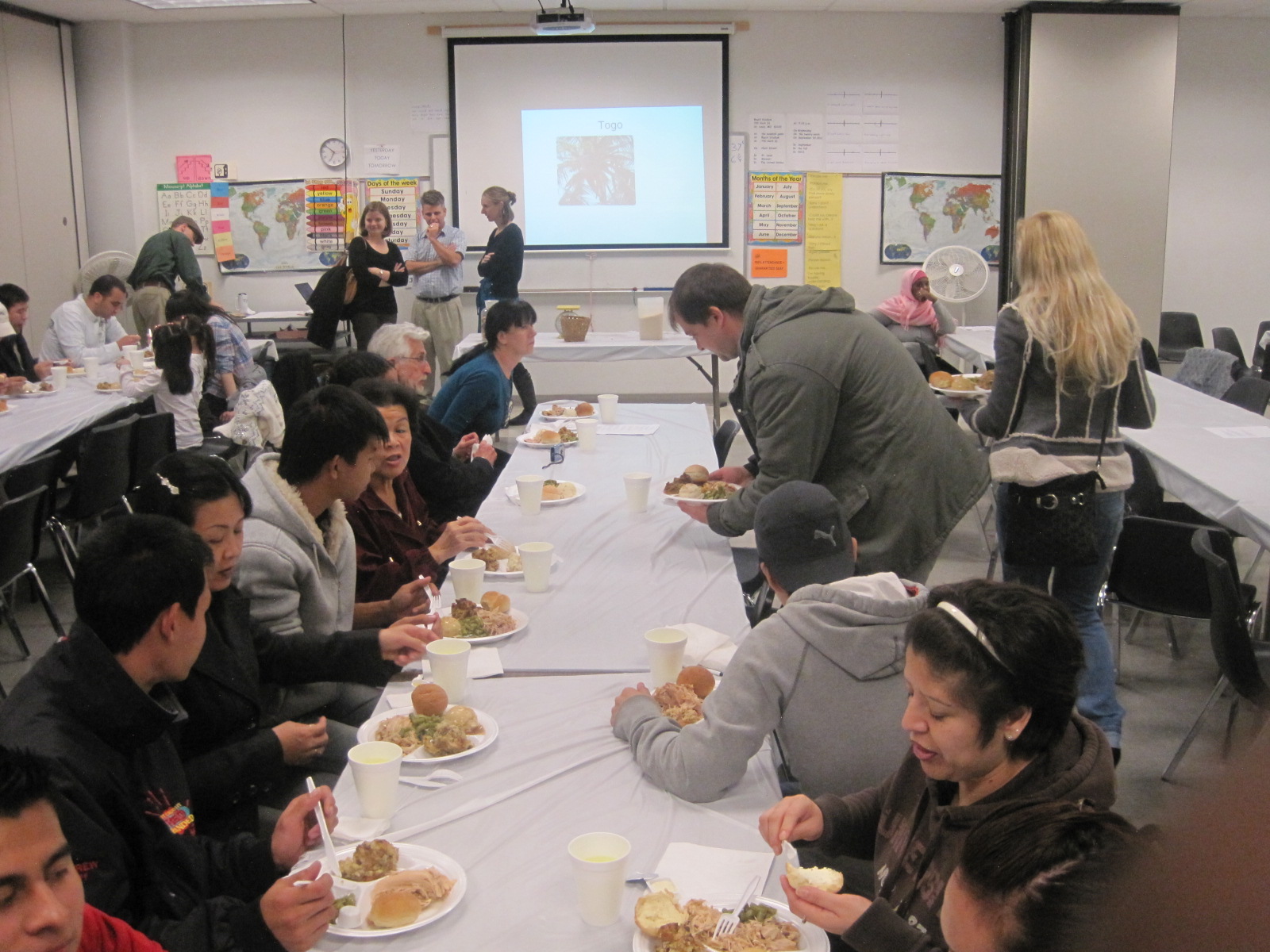
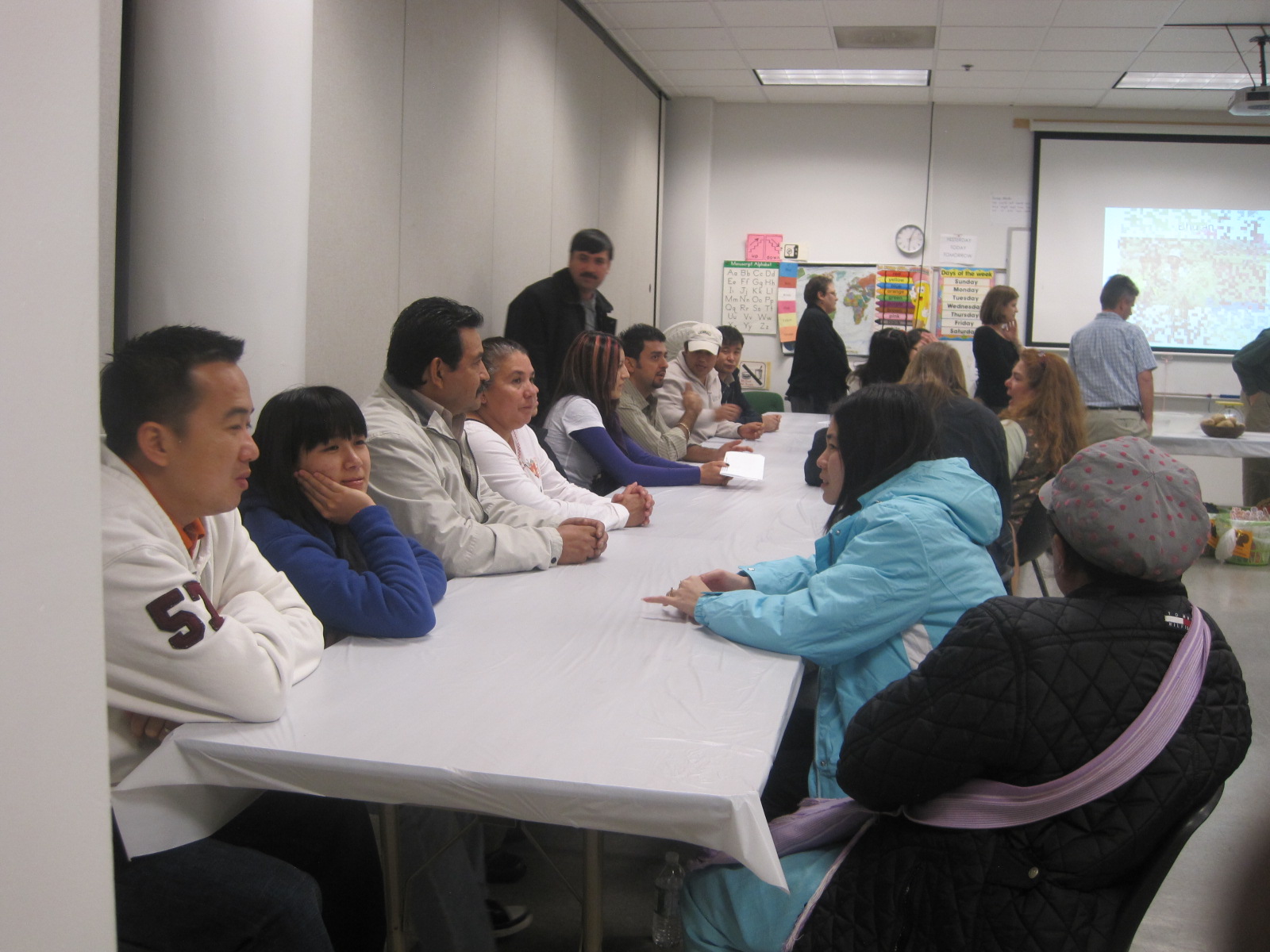
 The International Institute in St. Louis threw a series of early Thanksgiving dinners for students and tutors yesterday.
Here are a few pictures from the event.
The International Institute in St. Louis threw a series of early Thanksgiving dinners for students and tutors yesterday.
Here are a few pictures from the event.
A guest post by Temie Giwa
 I often wonder how people go about deciding which country or countries deserves their allegiance. I suppose if you have lived in one country all your life it wouldn’t matter. However, when you have the special fortune of having dual citizenships then it becomes a topic worth exploration. I am Nigerian. I was born there. I also have an interesting relationship with the USA. I live here, and I vote here. I am often told by my Nigerian friends and colleagues how American I am. And anytime I attempt to pronounce “house, hot, and or home”, I am reminded that I am a proud daughter of Oduduwa, and his stamp remains in my syntax.
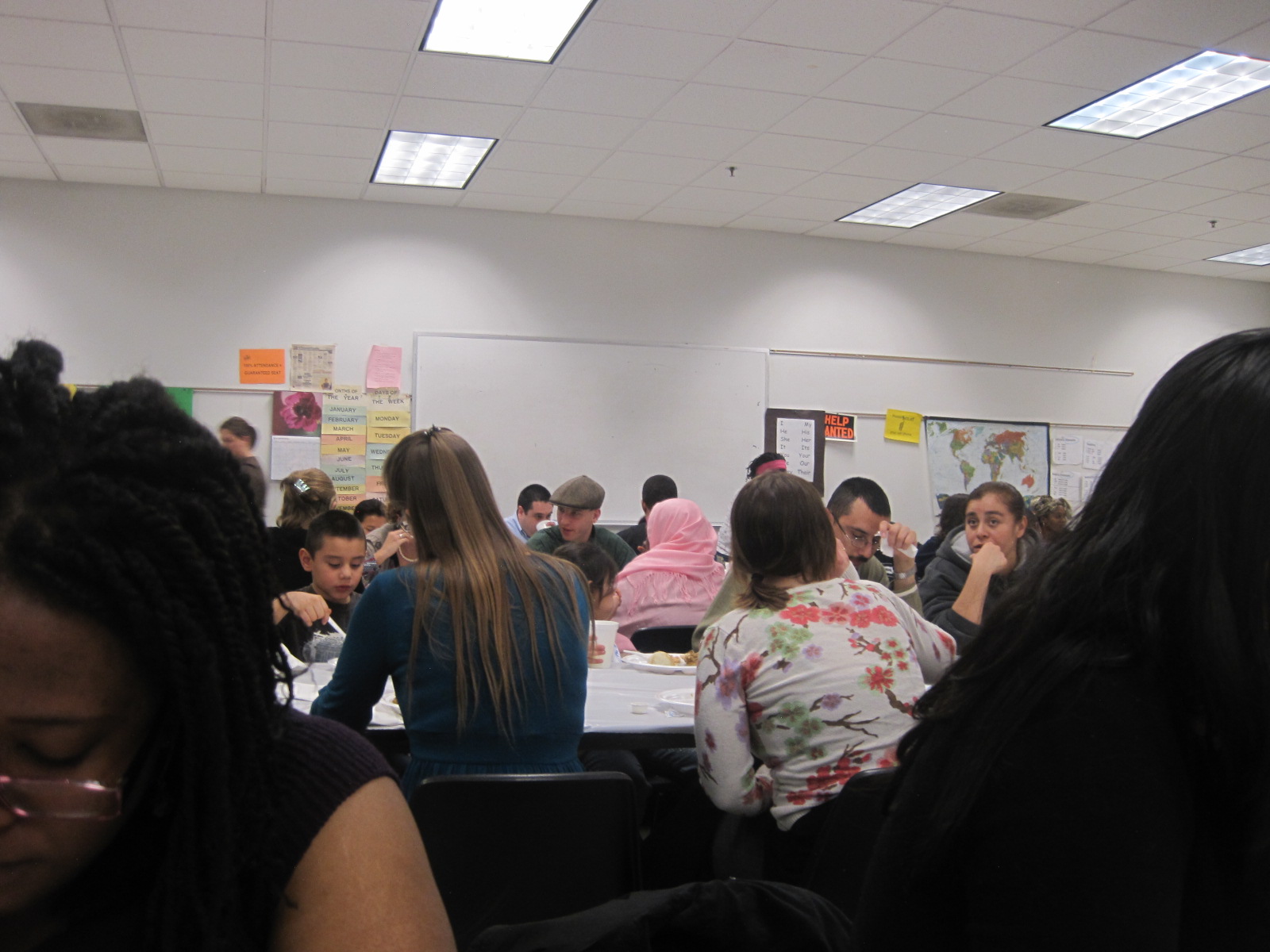 I had the opportunity of spending last evening with a group of individuals learning English and the American culture at the international Institute in St. Louis Missouri. They hail from as far as Bhutan, a little country in the south of Asia and some were Mexicans, our Southern neighbor. I also had a conversation with a Nigerian woman from Ogun State and another from China. They all were interested in America, eager to learn her history and above all so grateful to their teachers and the country that has given them a second chance. For a moment I was touched and I could not help but sing along with everyone to the song that best illustrates the magic that is America. “This Land”. This land, I hope truly belongs to all of them.
 I love Americans, but I never expected to become one, or to like being one. The citizenship was not something I sought nor did I have control over it. My parents gave me a blue passport on my 16th birthday and that was that. I suppose if I had gone through the naturalization process like the men and women in the American citizenship class, I might have felt more comfortable with my American self. Oh I get away with a lot. People already expect me to be loud, obnoxious and fat. So I just shrug away moments when I feel like being loud, obnoxious and fat as my American moments, it suits me well. And whenever I find my self in Nigeria, any rudeness to the elders is automatically forgiven, this I tell you is a major blessing.
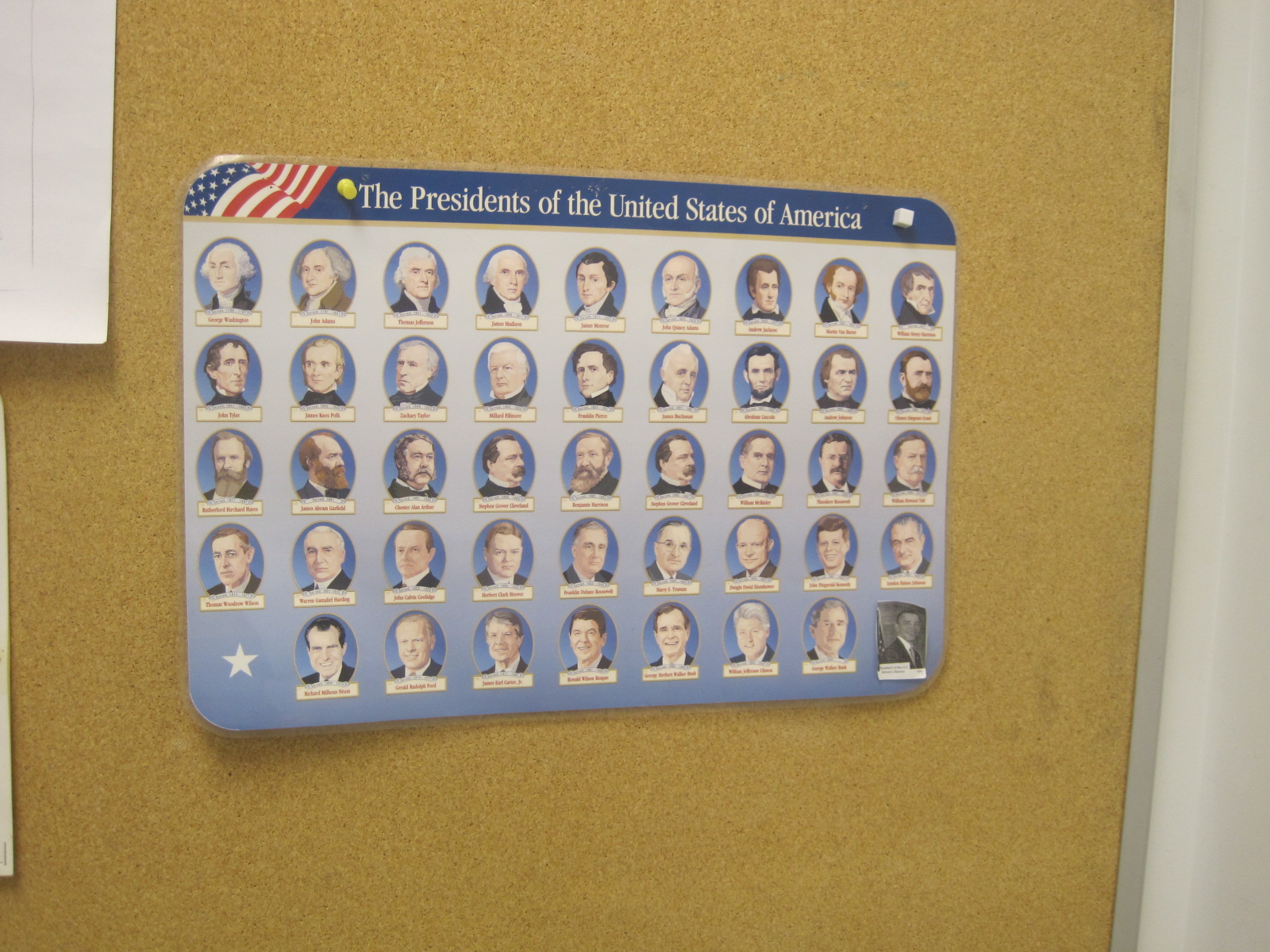
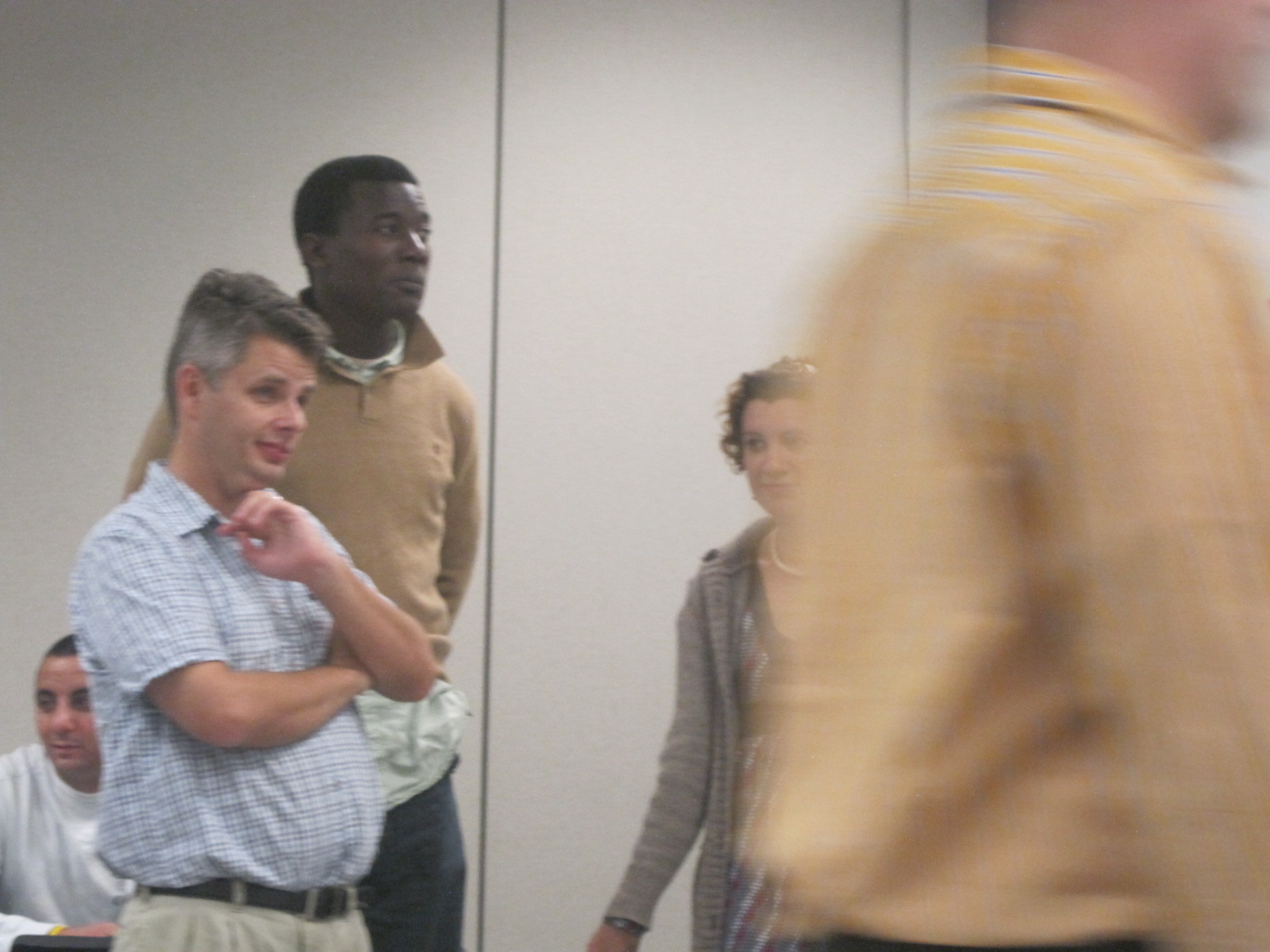 The evening started with a tour of the Institute and one thing that arrested my attention was a little poster displaying famous American immigrants. Among them were Albert Einstein, Madeline Albright, and Pulitzer. These individuals like myself immigrated to the United States and were able to create lives that still inspire the world. The evening proceeded predictably. On the main stage was a PowerPoint presentation of flags and snapshots of all countries whose members have migrated to the United States. Turkeys were given out in celebration of thanksgiving and we sang and laughed and clapped. I am especially thankful for a country that invokes hope in the heart of so many. The people who spend their free time teaching others how to make a new life in a new country are the very essence of what makes this country oh so great.
Yesterday I returned to the Institute at St. Louis to continue my work as a volunteer in adult literacy teaching. Getting to the place was a little easier this time, and the music from the radio helped. Oh, there was this awesome show on the NPR about how the economy of Brazil was turned around by two young men who introduced a new (first virtual, and later real) currency, the URV, and helped to turn the tide of the country’s spiral inflation.
 My student on Monday was a man from Bhutan of between sixty and sixty-five years old. He had never learnt to read or write in his life and was just beginning. I don’t know his condition of coming into the United States and I’m not interested in asking (nor am I even allowed/supposed to, I think), but I was impressed by his interest and a physical joy he expresses in his attitude to learning. Much of what we did on Monday were reading through images, repetition and demonstration. Then later we moved to dictation, crossword puzzles and word scrambles. The most interesting thing about each experience is that even when the students are not performing well in class exercises, there is a certain pride that come across in the faces of each tutor because of the efforts students have put in and the excitement on their faces for even having tried.
The students all come to the Institute everyday and will, after a while, learn sufficient literacy to conduct the business of daily living in the language of the society without help. Maybe not enough to read Dante, Shakespeare or Cervantes, but to do what they must to get through every day. If I could go there everyday of the week, I probably would.
The title of this post is premature, but I’ll leave it as that anyway. Monday was my first time as a volunteer teacher of English at the International Institute so I can’t tell you much about the life of a volunteer. The last time I volunteered for something similar was teaching up north in a Nigerian secondary school a lifetime ago. But that was different not only because it was mandatory but because the subject of that experience were young children who already have some exposure to the English language but only needed to improve on it. This time, I’m dealing with those who had never had any exposure to speaking, reading or writing English but are willing to put themselves through the stress of acquiring it, even at advanced age.
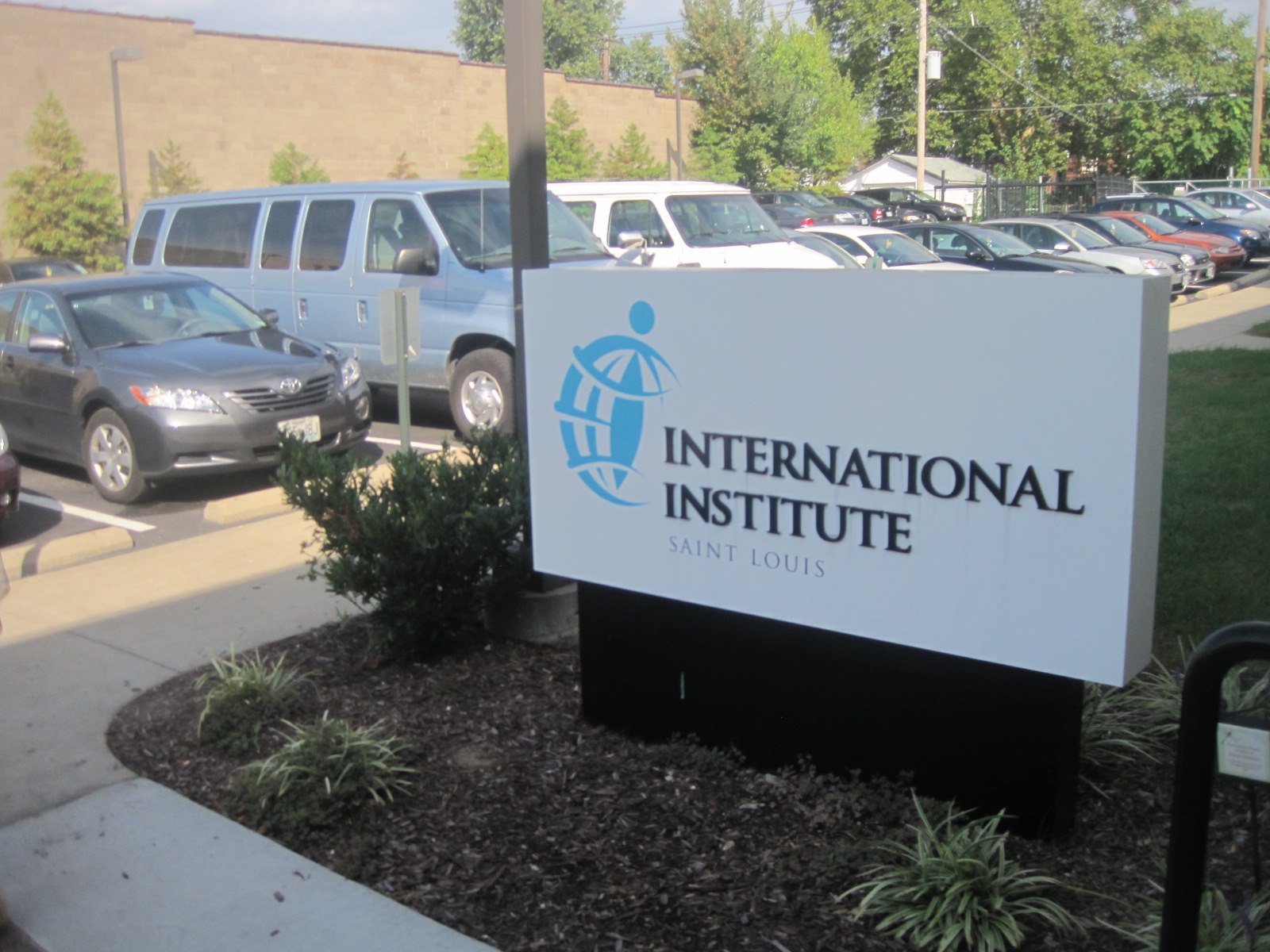
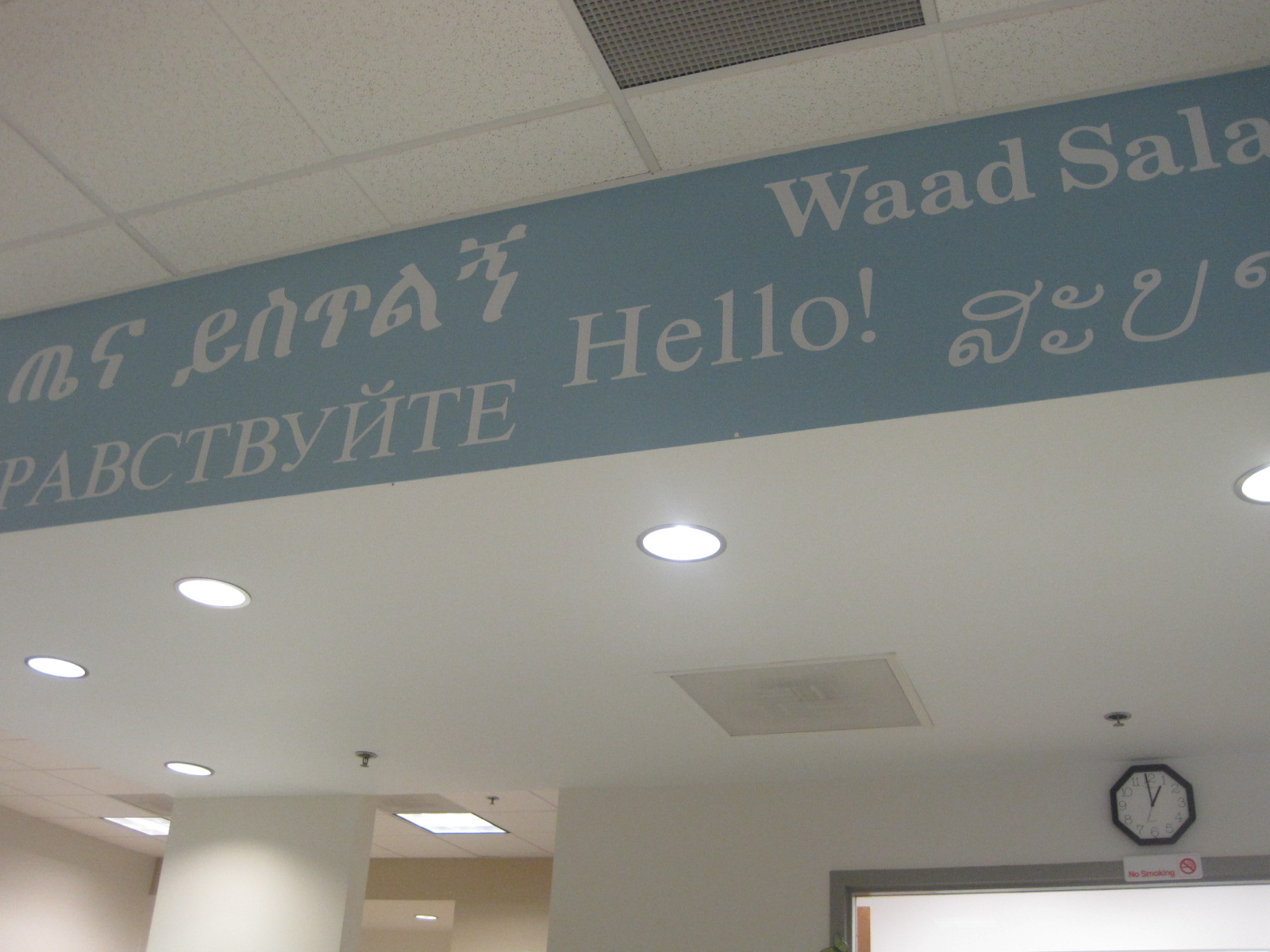 The International Institute in St. Louis is set up to cater for refugees, immigrants and new comers into the United States who do not yet have sufficient knowledge of the English language. Some of them were hearing English being spoken for the first time, many of them never opened a book, and most of them were holding a pencil, and learning to write for the very first time. Volunteers come from different parts of the country and I had heard last week that the Institute would be closing down its adult literacy program as well as the citizenship classes for lack of funding from the government. Yesterday it was confirmed that Institute has just received new funding to continue the programmes, particularly adult literacy one, and so it would continue though the citizenship classes may not.
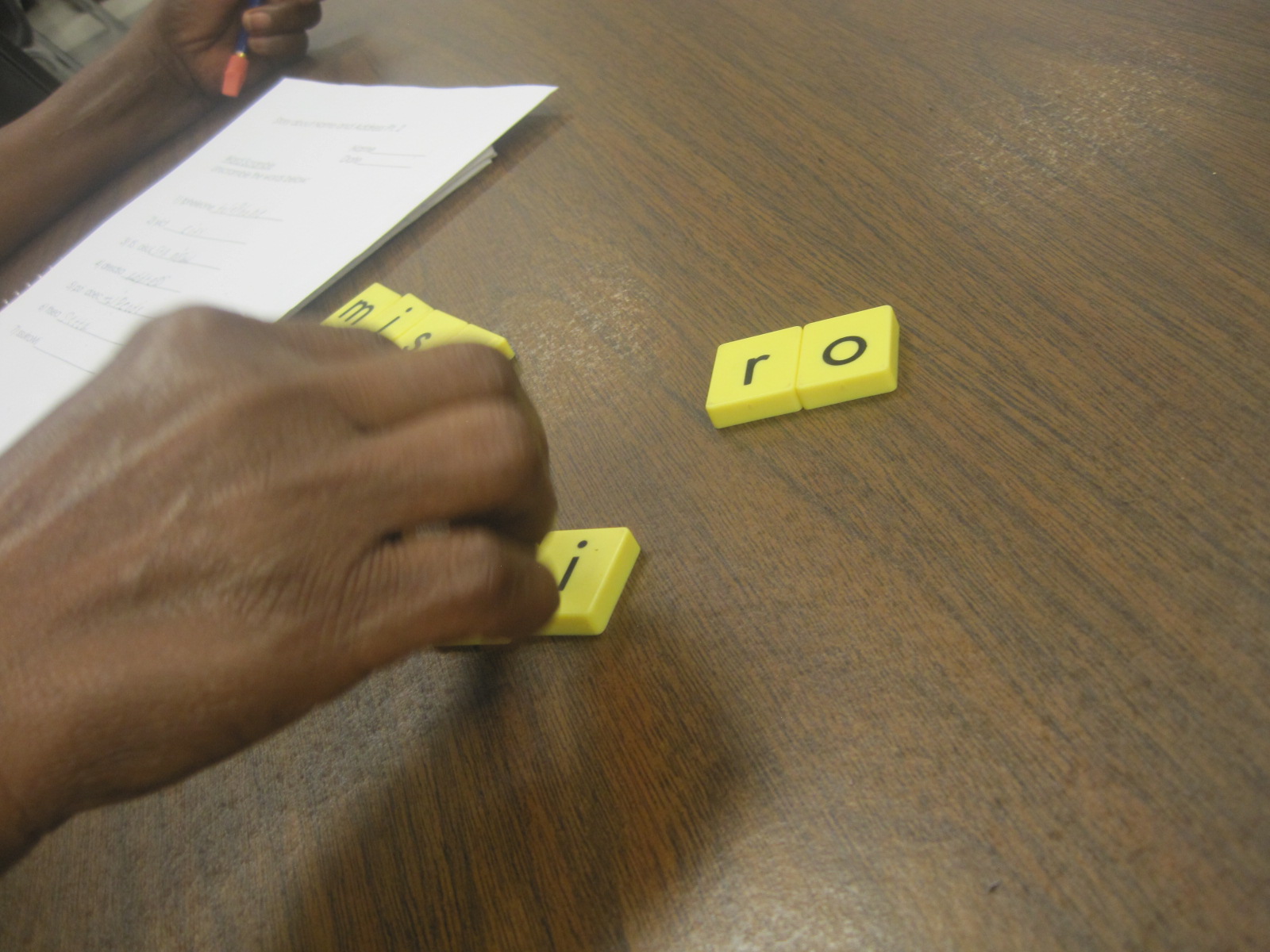 The classes have a very elementary syllabus, as would be expected of a class with such level of student proficiency. The students range in age from thirty to sixty-five and they come from different parts of the world. Our job was to help them read and gain sufficient literacy needed to survive in such a country as this. The books had stories that were easy to read and understand. They also came with pictures, as they should be, and each reading experience was one-on-one, with the students reading along and trying to link text with pictures and ideas. It brought smiles to my face to see grown people show that much enthusiasm to reading. We also did some word scrambling and a few phonic exercises.
What delighted me most is the enthusiasm and confidence of the students at learning. Many of them had been displaced by hard circumstances in their country of birth and had now come to acquire new means of communication in order to survive in a place away from home. They come with their own survival instincts and a rich reservoir of life experiences, but they can’t express them to us because we don’t speak Swahili, Dzongkha/Bhutanese, Spanish, French, Ewe, Gen, Kabiye or any of the languages they speak where they come from. Nor do we want to. It promises to be a rich teaching/learning experience.
There’s a law that I can’t yet name, but it says that if you had all the time in the world, you most likely won’t do as much as you would if you were very busy and occupied all through the day. For now, let’s call it the KTravulaw of Time Management. It is the truth in that law that has prevented me from blogging as much as I should this month, and it’s just as well. Studies are kicking into full gear. If symptoms persist, I will blog less and less until I would be able to write only one post in a month. And maybe that will be Nirvana.
 Before then, I will be busy finishing the autobiography of William Shatner titled Up Till Now. As expected, it has a lot of funny stories of the man’s life, from the time a female gorilla held his balls and wanted to sleep with him to his very many risks taken in life and in his career. And then I can get over my obsession with Fela! the Musical, and the life of those who populate the story, e.g Sandra Iszadore who was the only woman ever to sing lead on a Fela track. Who was she? How did they meet? What was her relationship with Fela like? Was the relationship consummated? And if so, why/how did they separate?
And then I will try to go to St. Louis all by myself for the first time tomorrow with or without a GPS. Thinking about it now, it sounds like an impossible task. But I have signed up as a volunteer at the International Institute where they teach and resettle immigrants and refugees from parts of the world. I would be teaching (very basic and elementary) English, and I look forward to the experience. More than just a chance to see how volunteering works, or how second language speaking adults learn English for the first time, I also need the experience for my pedagogy class. I was at the Institute for the first time last week with a classmate and I was impressed by what they do with little funding from the Government, but now I will have to go there all by myself. If I get lost, I know whom to call. That is if the road police don’t get me first for being confused on the very confusing interstate highways.
Many more things have happened to me since a while, but I can’t tell you right now. I should either be sleeping or reading for the week’s classes. The weekend went by too fast. Have a nice week.