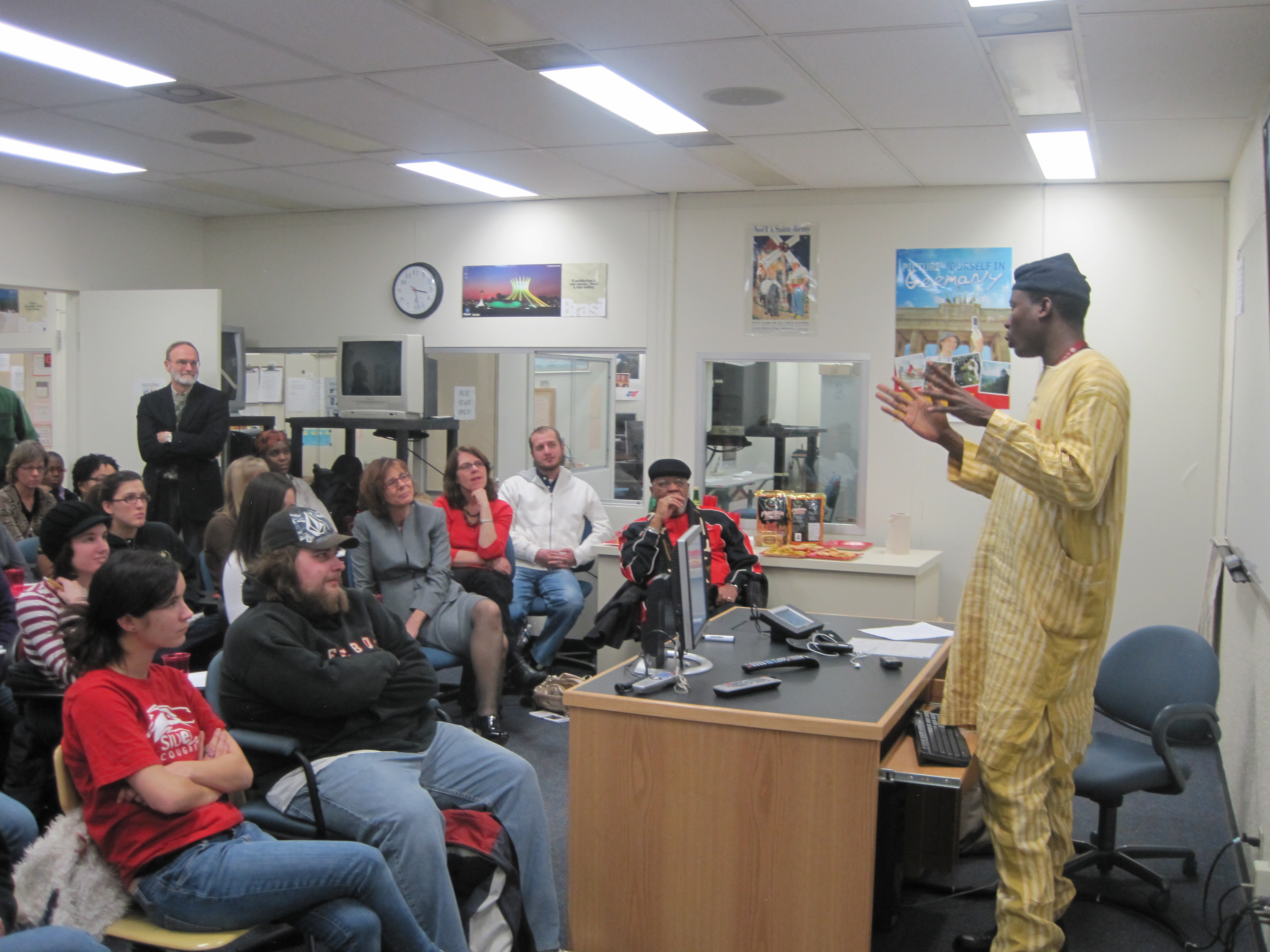
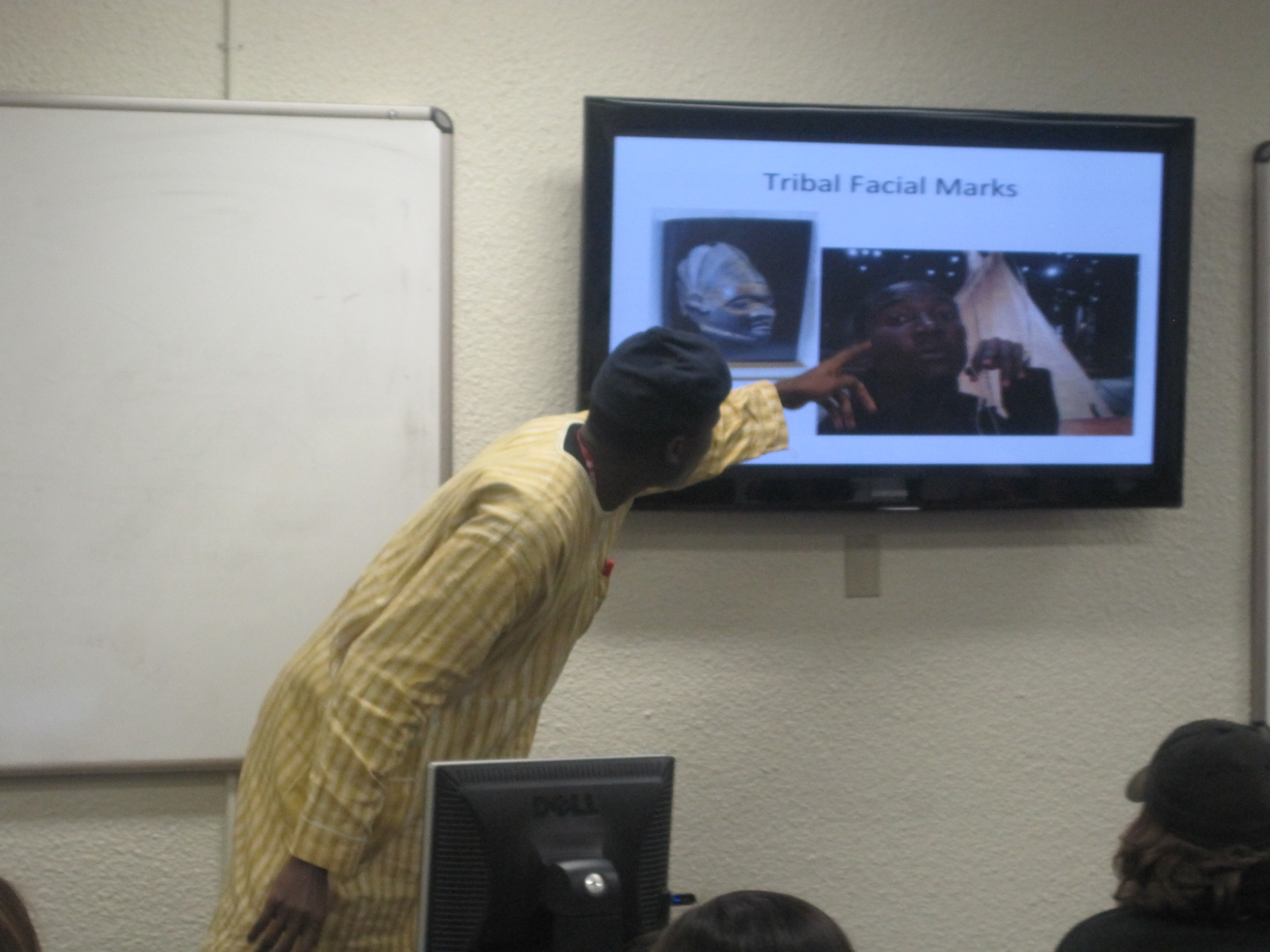
 The most famous story about the origin of the Yoruba people is that we all descended from one man called Oduduwa. It is also the most misleading of stories because the man called Oduduwa who was said to have come from a place called Mecca (or, as historians have agreed, somewhere in the Middle East) most possibly found some indigenous people already living in the area now called Yorubaland when he landed with his travelling party from Mecca, and could not have been the sole progenitor of the now over thirty million people. In any case, he was said to have had only one son, who later had seven. So, for all intent and purposes, it was a conquest, kind of like the Founding Fathers arriving on the American continent from Europe, or Christopher Columbus “discovering” America after a long ride on the ocean, or Mungo Park “discovering” the Niger river. If that is the case, then when as citizens we use the now famous self reference “Omo Oduduwa” to refer to ourselves, we engage in a kind of deceit, or self-disservice, or at least a subservient acceptance of the prehistoric conquest. The verifiable children of the man Oduduwa were the original seven kings who descended from his son Okanbi, and their own living descendants who now occupy the kingship thrones in Oyo, Benin, Popo, Sabe, Ife and two other Yoruba towns. That said, we are all Yorubas, just like the occupants of Britain are now all Brits, not Normans, or Romans, or Celts just because they were once occupied by those forces.
 But where did we come from, the Yorubas? Going by the Oduduwa story, we (at least those Yoruba citizens that have “royal” blood) are all descendants of Oduduwa, who in turn is a descendant of Lamurudu. Lamurudu interestingly is the Yoruba’s corruption of the name Nimrod from the bible, according to the Reverend Johnson in his book The History of the Yoruba. So there it is! We’re confirmed descendants of the Jews. Yet history does not rule out the possibility that Lamurudu/Nimrod was not even the immediate ancestor of the man Oduduwa, or that Oduduwa himself was not the immediate ancestor of Okanbi, so it is fair to take liberties with the fact. It is possible, almost certain by these accounts, that we were descendants of Nimrod the son of Cush, grandson of Ham, great-grandson of Noah. Now, even to me, that’s far removed. Why? Because Nimrod’s personality has never been fully established, and every once powerful civilization from Egypt to Greece to Jewish cultures have their own written perception of him that are not always complimentary.
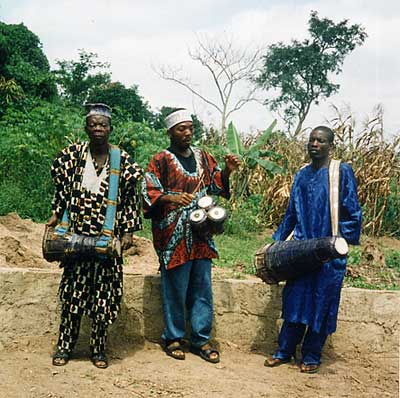
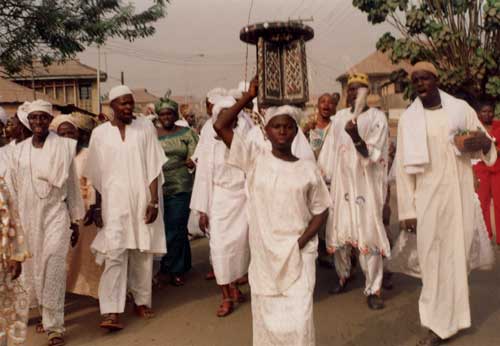
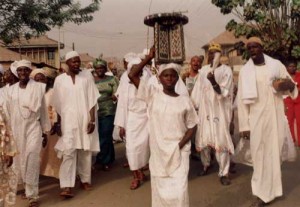 So where did we come from then? A literal mecca? Quite possibly. The islamic civilization has it recorded that many years before/after Mohammed the prophet, many so called idolators were expelled from the city into the world outside. The man Oduduwa and his entourage who later settled South West of the Niger river were believed to have arrived there not only with magic and graven images (which were markers of idolatory for which they were said to have been expelled from the religious middle eastern city in the first place), they also came with peculiar forms of dressing, communication and way of life that marks them as from that part of the world. They worshipped man-made gods, they made sacrifices to them through priests, they wore long robes, greeted each other in a particular way, and their women covered their heads as part of their cultural identity. The staff of Oranmiyan in Ile-Ife today still has the words “Oranmiyan” engraved on it in Jewish letters, and it was erected before the coming of the Europeans to that side of the world. Have you ever wondered why the Yorubas name their children on the eighth day of the birth of the child? I have. Could it be, as suggested to my surprise by an American student in my Yoruba class on Wednesday, that we are following the tradition of the old Hebrews who always circumcised their children on the eight day after birth, as ordained by their God? I don’t know, but I won’t bet against it. There is so much that I don’t know, that I wish I knew. There is so much more we need to know about ourselves.
The real wonder for me is where we are from, we Yorubas who are not descendants of kings or the patriarch Oduduwa. Any takers?
___________
Photo credits:
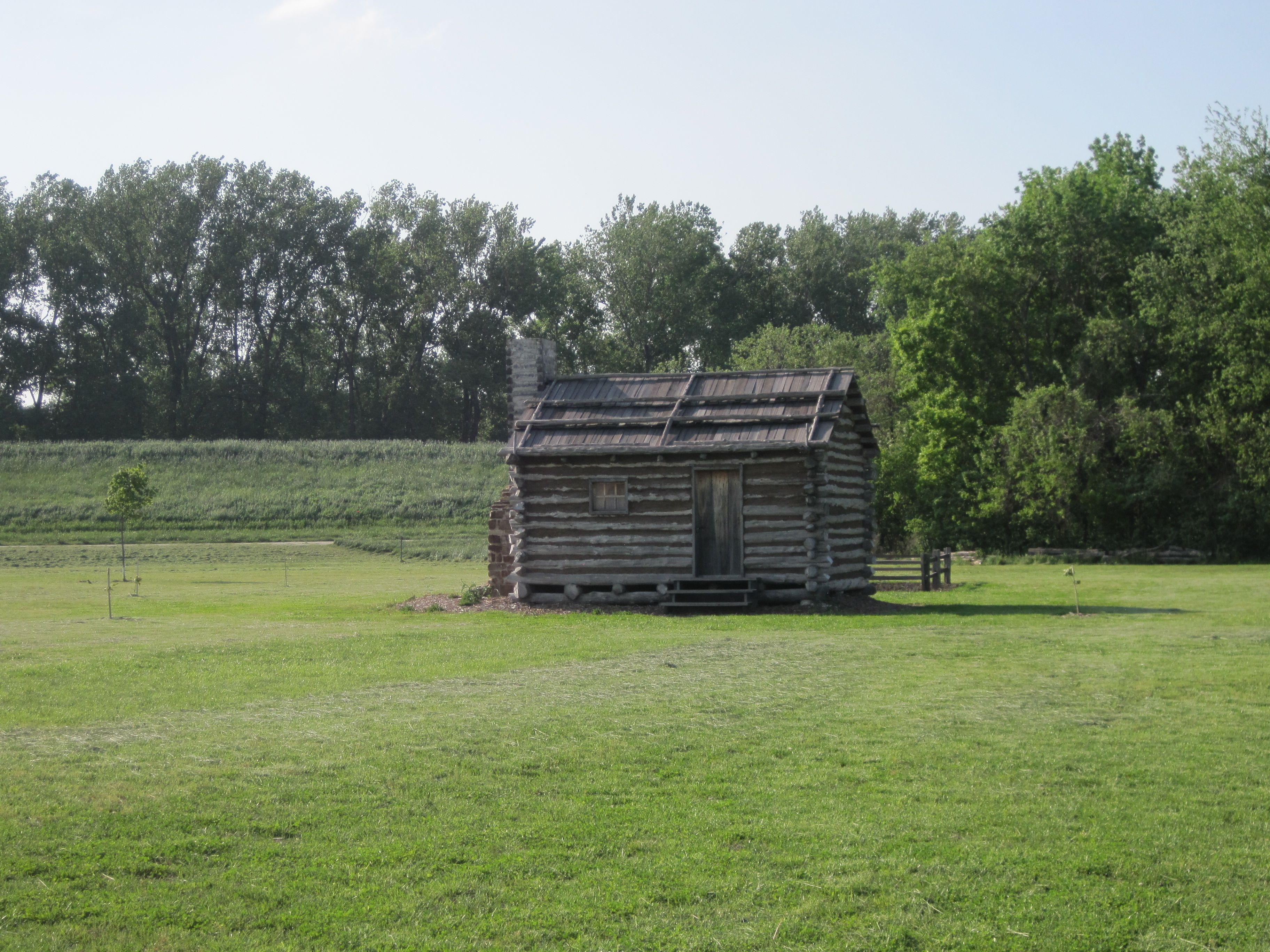
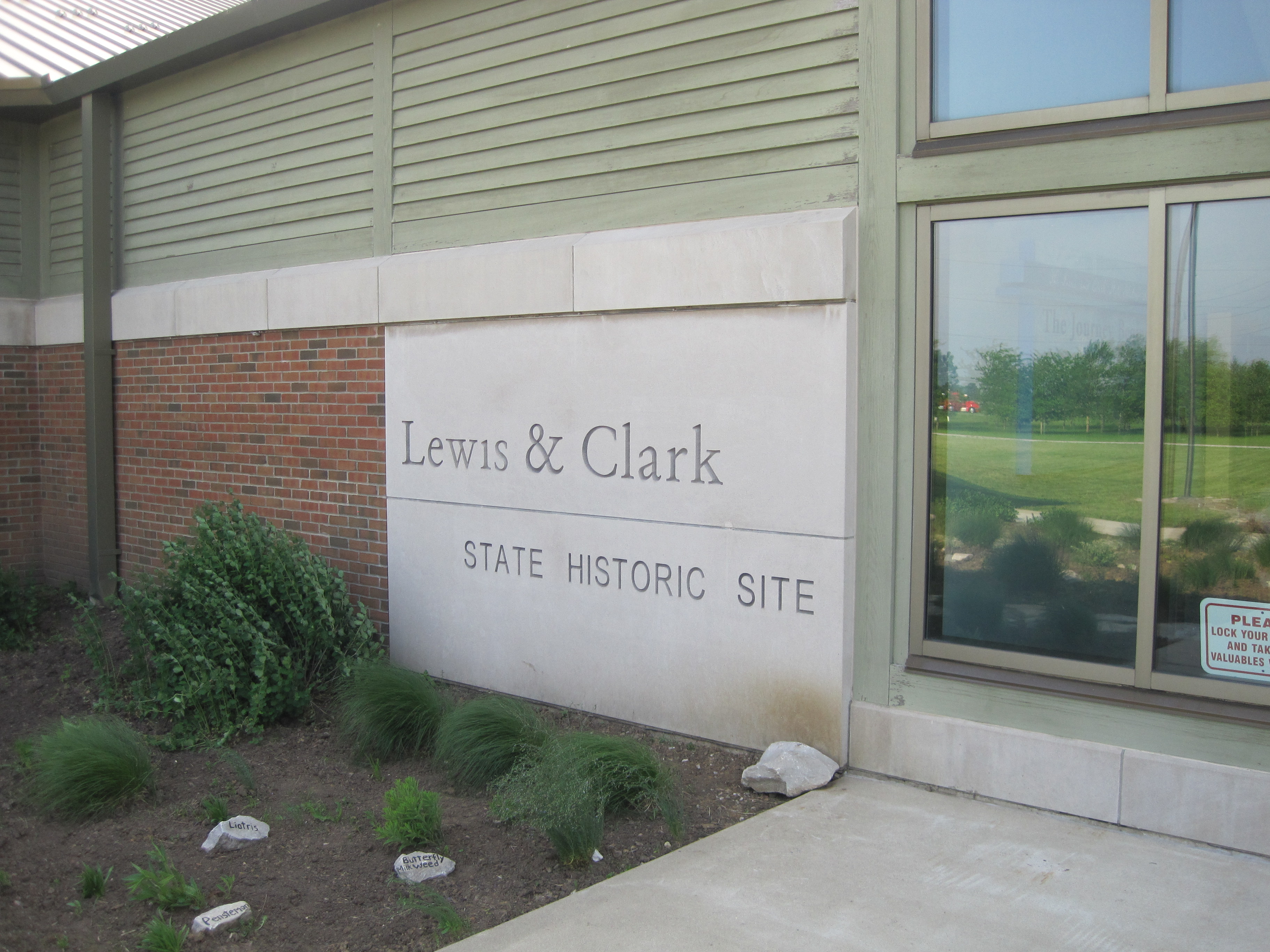
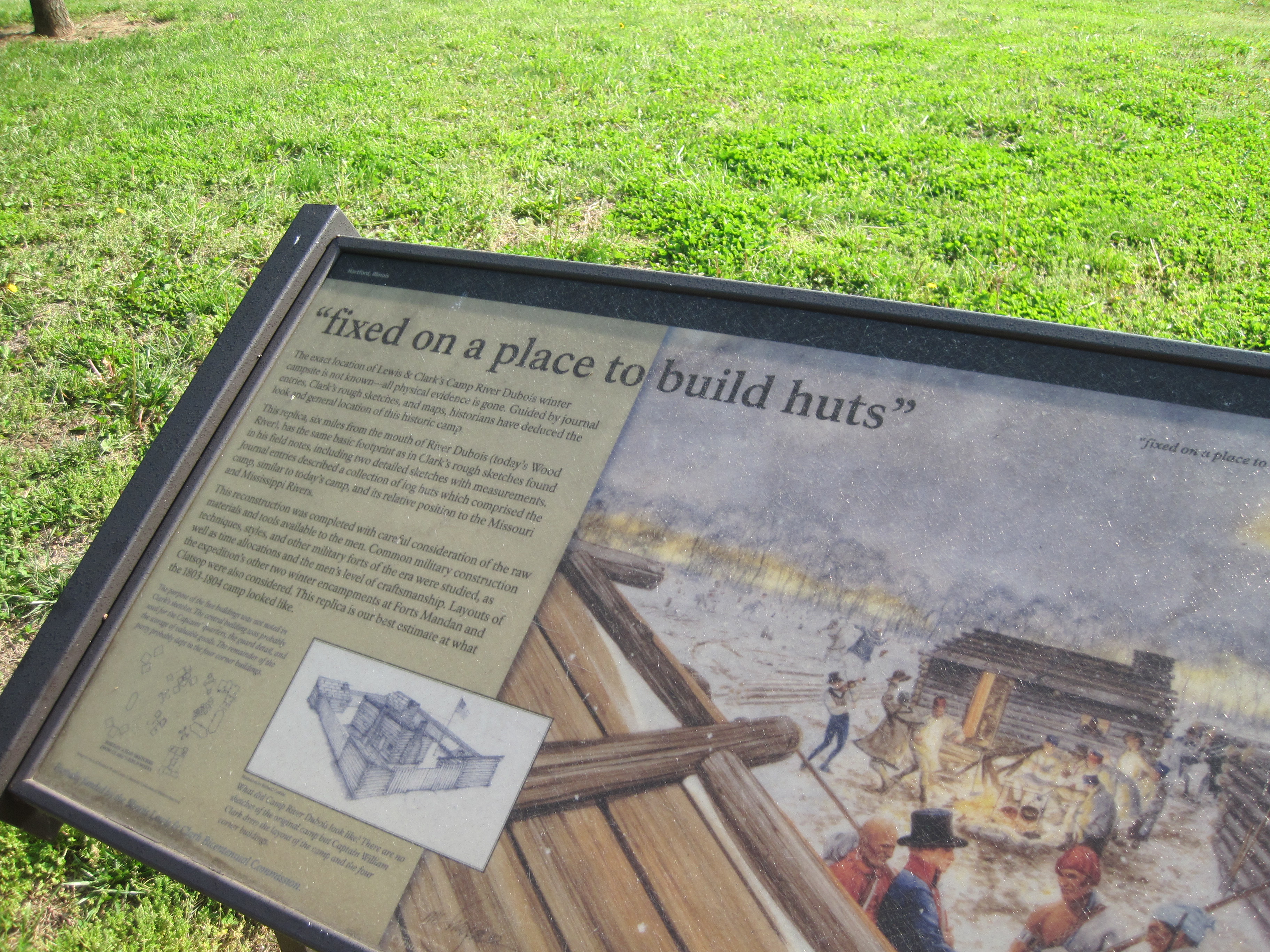 The Lewis and Clark interpretive centre is built to commemorate the spot where the expedition of Meriwether Lewis and William Clark departed on the orders of President Jefferson to discover what lay in the piece of land by then just recently purchased from France. It was called the Louisiana Purchase and it contained what is now must of the Midwest United States reaching to Arkansas, Minnesota and North Dakota. (A most fascinating look-back to those times would wonder what kind of country we would be living in now if the land hadn’t been sold and the land – as it was then – consisted of English speaking people on the east, Native Americans and some French speaking people in the middle and Spanish speaking people on the West.)