The smell is familiar. Almost every family at one time or the other in South-Western Nigeria has kept a chicken farm. And a farm is usually too serious a name for it. Free range chicken running around the house cackling and providing needed amusement for little children with idle hands. There is a rooster that crows unfailingly at five in the morning, and then there is the hen which lays cute little white eggs and then sits on them for about twenty-one days before little chicks come out looking like tiny little dolls. Get close to them while they waddle around their feisty mother around the large compound of the house and see the wrath of a woman (bird) scorned. An angry mother bird is not a pleasant sight to see.
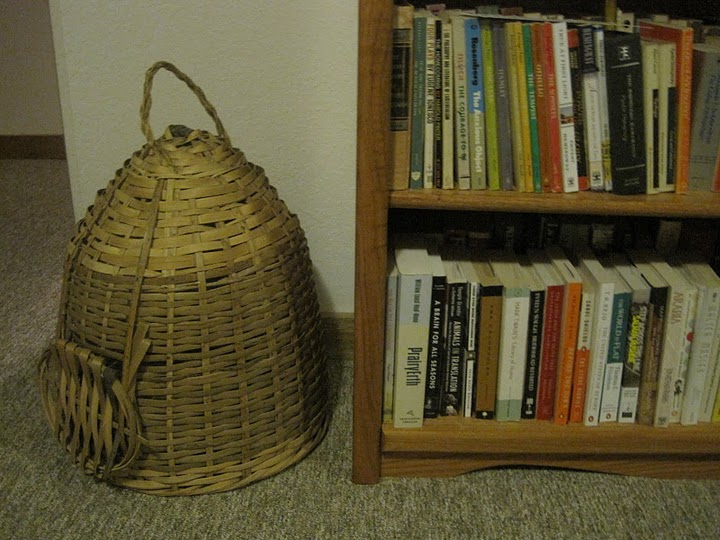 Grandmother had a theory about predating hawks who found these little chicks a delicious specimen and preyed on them regularly for lunch. Paint them in bright red colours and the hawks and kestrels thought they were dangerous aliens and stayed away. I don’t know how well the theory worked but it was usually funner to see the motherbird walking around with a set of red coloured little chicks hand painted with red ink obtained from a certain leaf… The sight of a hawk swooping to pick up its favourite dinner of little chicks from behind the nursing motherbird is usually a sight too, but it happens usually really fast. One moment you have a piece of boiled yam on the way to the mouth. The other, you are staring at a noisy little battle that lasts just a second. A bigger bird has swooped down and made away with its living lunch and the angry mother is out there in the sun wailing in loud chicken cackles. Some times, the other little chicks are still too frightened to come out of where they had gone to hide at the prompting of the mother.
 My first other conscious memory of chicken pens comes from the brown, sometimes black, imported “agric” type ones in fancy cages, fancy feeds and fancy golden eggs. Those lay eggs without mating, get large in no time and usually get slaughtered for Christmas “because they taste good”. But they are never usually allowed to range around the house, staying confined to a specially made pen with saw dust all over its ground which is changed after a few days. Too much work, if only mother cared about that. She was always already too busy worrying about raising us to bother with how much time and effort it took to change dirty saw dust layers on the floor of a large poultry. That, of course, unless we had to do it ourselves. Thinking back to this specific time, it always made it necessary to hope that one didn’t grow old fast enough to be able to take up the responsibility of cleaning a whole room full of chicken dung. It was a hope that never manifested.
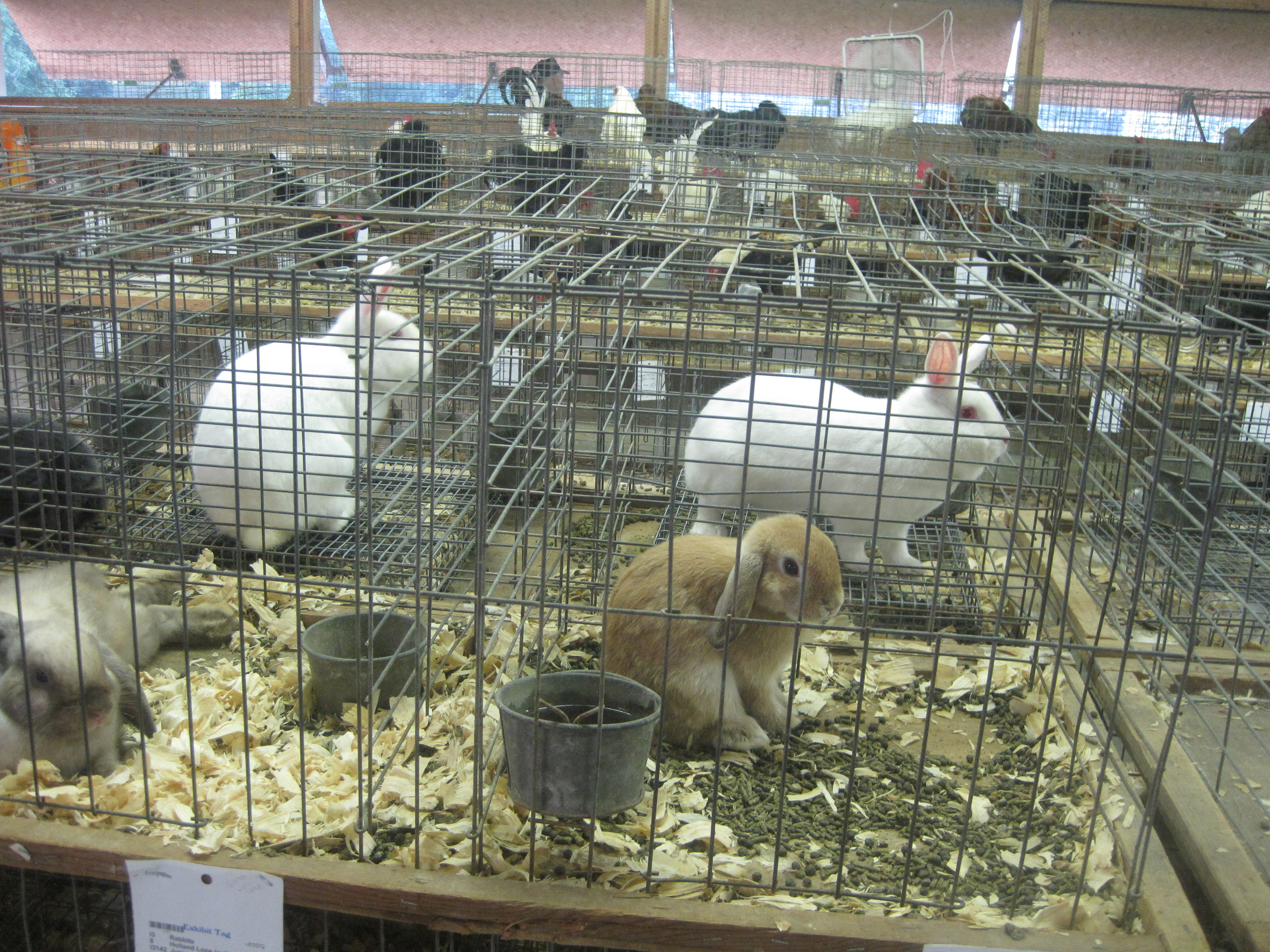
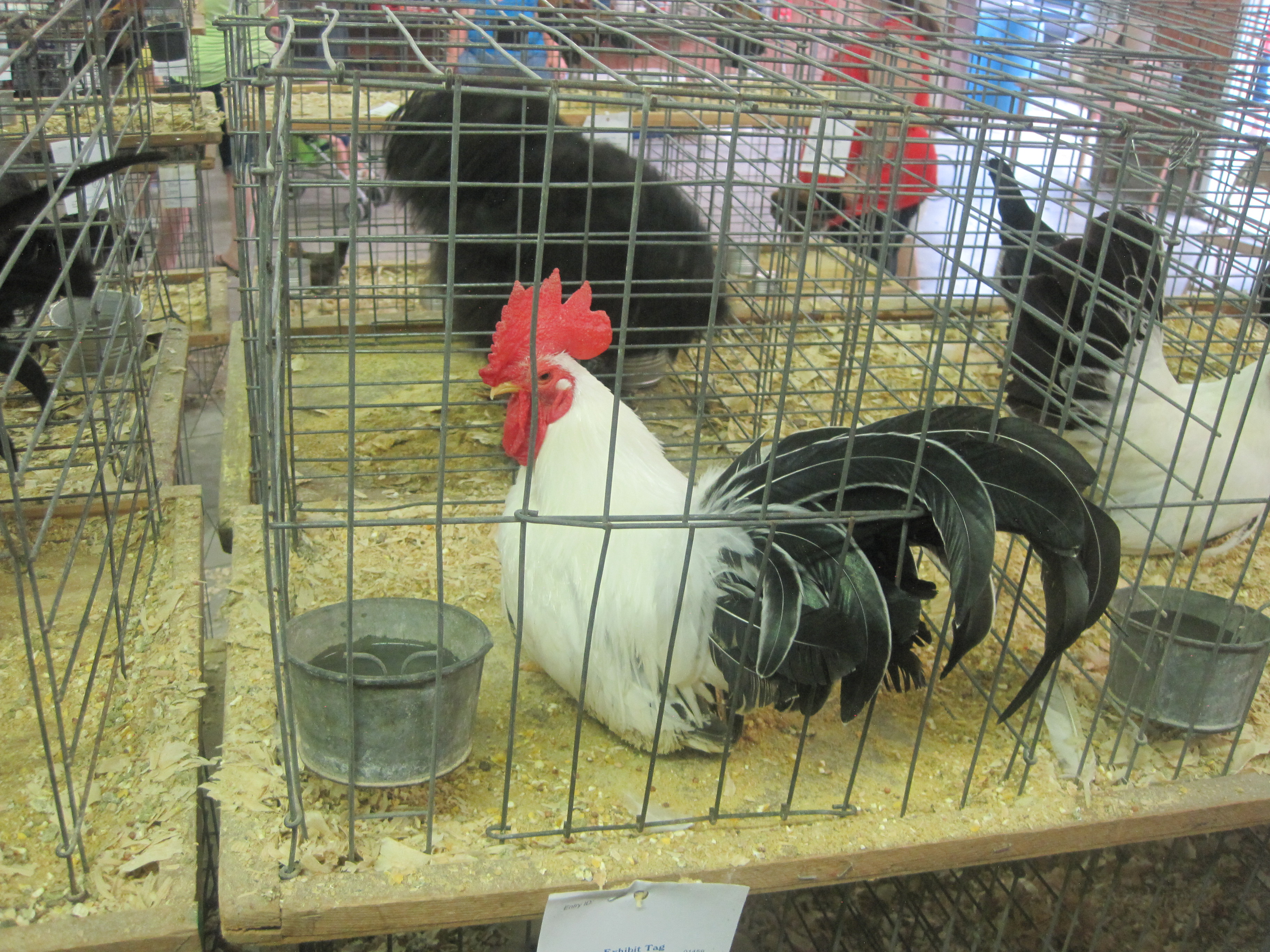
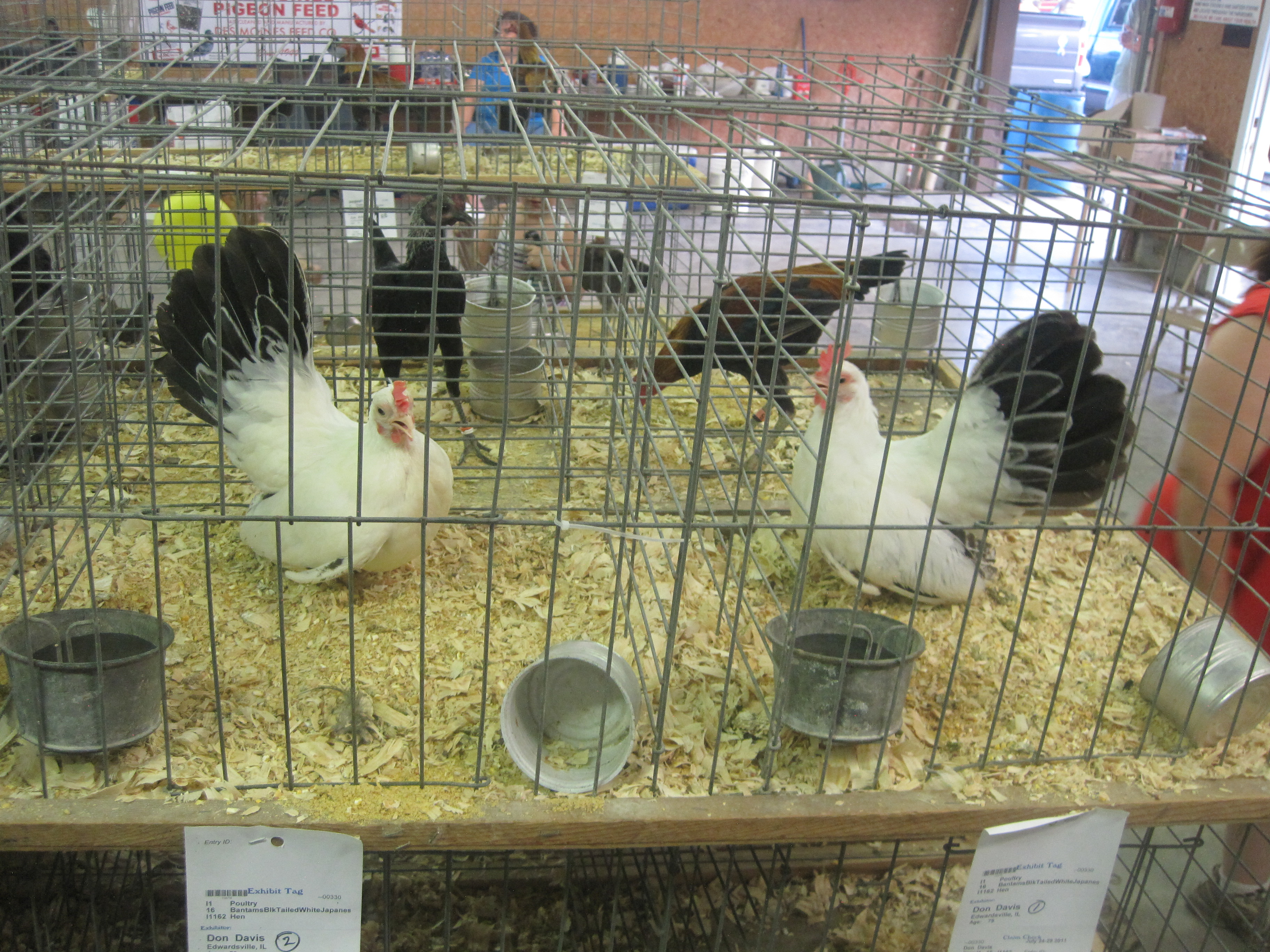 Back to the large smelly room of the county fair in Highland last week was that moment where all that sounded, smelled and surrounded the traveller was a sight from a very distant past. He wasn’t a graduate student travelling with an equally adventurous colleague to check out the “country” side of America in form of a hundred cackling roosters of different shapes and sizes in familiar cages, he was a little boy by his grandmother’s side smelling chicken poo all over the house, discovering the delight in a boiled white egg of a local breeding chicken, crying over the death of one run over by a careless driver, watching her paint little chicks with locally-made crimson dye, running scared of the little white covering around the chicken’s eye whenever it blinks, and wondering with a thousand unanswered questions how chickens always found their way home to roost after such long wanderings around the neighbourhood.
The smell in that room came with a little more than just memories.