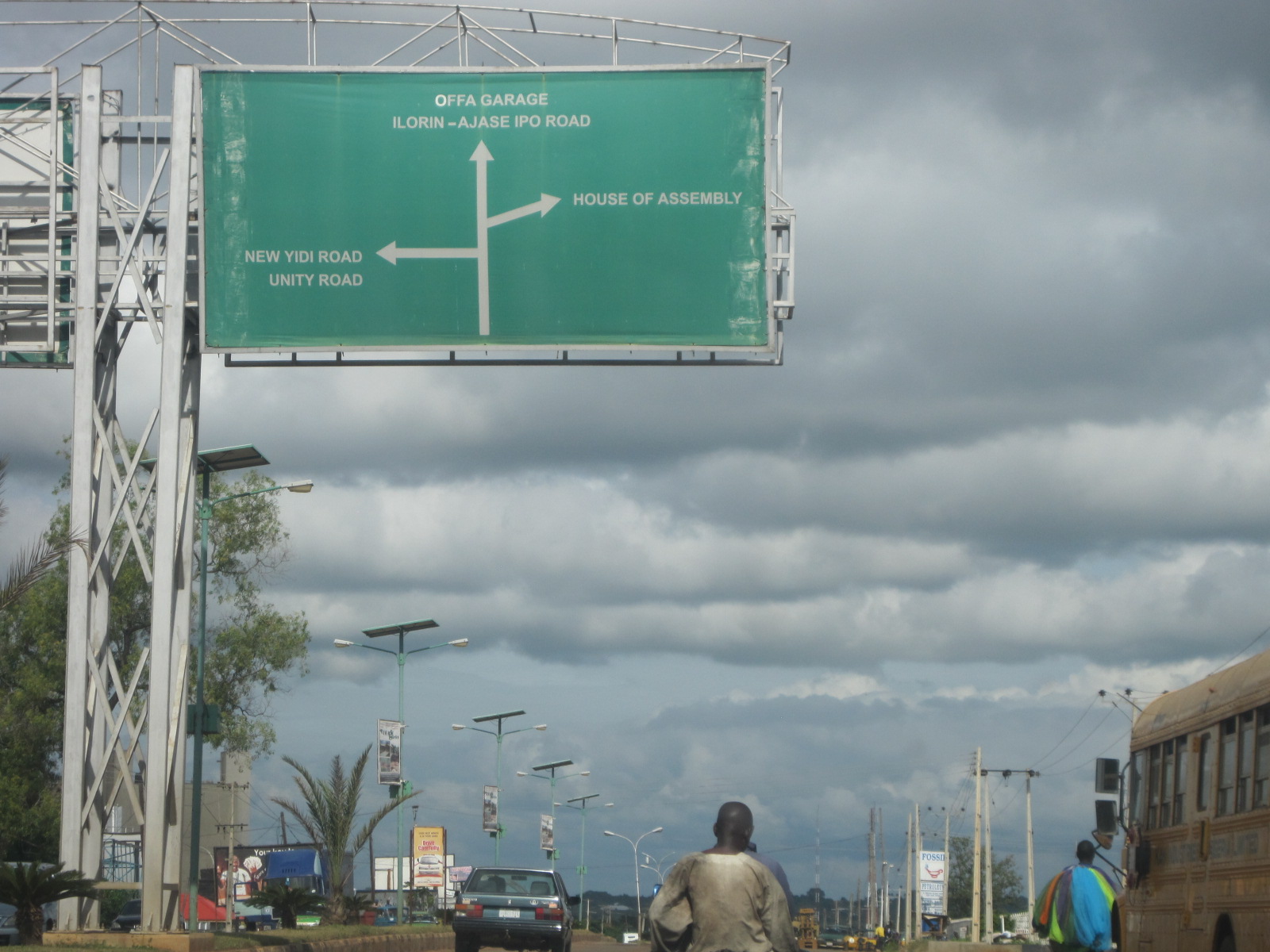
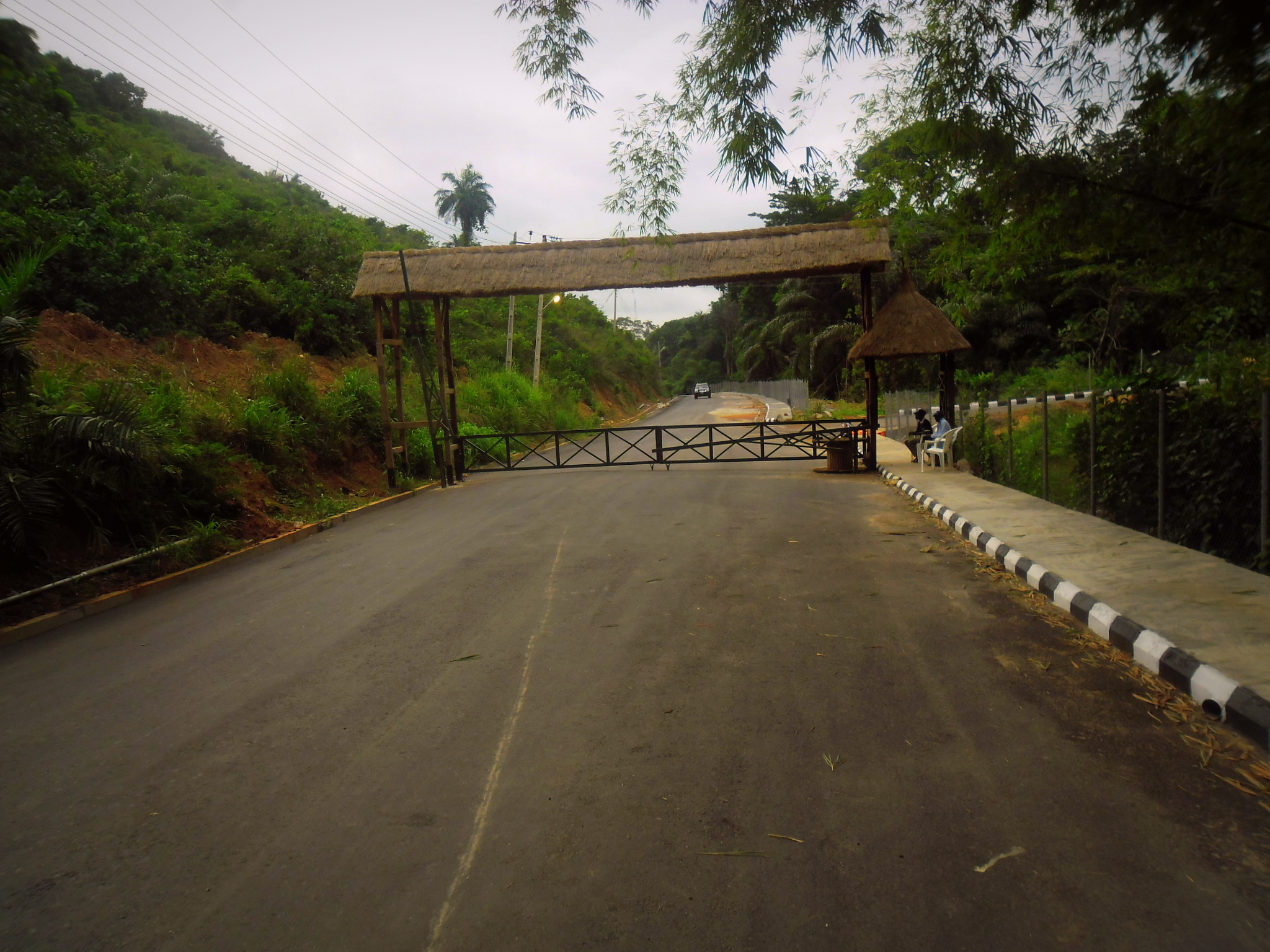
 Ikogosi Ekiti is the home of the nation’s only and most famous warm springs, situated on the hills in Ikogosi Ekiti in Ekiti State of Nigeria. The spring itself originates from the top of a rock formation now situated in what the state government calls the Ikogosi Warm Spring Resort. It is a stretch of land fenced and developed with lodgings, entertainment, halls for events, an amphitheatre, and a beautiful view of nature and the famous spring itself. (It never used to be like this, we’re told. The new government has been working).
I had gone visiting, along with my wife, as a guest of the Future Awards Project who had organized a nationwide gathering of Nigerian youths (described as those between 18 and 35) to brainstorm on the nature of their participation in government and in the shaping of their future. She was a panelist on one of the sessions. The three-day symposium that was well attended by young people from all around Ekiti and Lagos (with a few more jetting in from as far away as Kano) had as invited guests former Vice-President of the World Bank (and current Finance Minister) Ngozi Okonjo-Iweala, governors of Ekiti State (the host, Dr. Kayode Fayemi), Rivers (Rotimi Amechi, who already made news with some of his comments), and a representative of the governor of Delta State. There was also Professor Pat Utomi (one-time presidential aspirant), Tonye Cole, Odia Ofiemun (past president of the Association of Nigerian Authors), and many others in government and in business.
 The symposium turned out a lot of ideas, and bile, and fun, and anger. Peculiar to a gathering of young people, it brimmed with idealism, and questions, and challenges for the present and for the future. I enjoyed it all, the interaction, the camaraderie, the environment, and the food. (I’d never eaten so much yam in three days). The resort was also a fantastic discovery, a treasure hiding in the hills of a faraway city. The cottage we slept in sat on top of the hill, overlooking the source of the warm spring down below. About half of the new lodgings are just recently built while the rest were renovated from their previous deteriorating states. They had been built a long time ago.

Speaking of architecture, one thought that occupied my mind throughout the event (and which I had so desperately tried to ask the host governor of Ekiti State, without success), was why in this 21st century Nigeria, public facilities like this resort built with state money should not have adequate access for disabled citizens. One of the participants, a young dignified lady on a wheelchair, had to be lifted into the venue over a flight of stairs because of the absence of any other means. It is a terrible, disappointing oversight. (This is not peculiar to Ekiti, however, but it deserves to be part of the conversation going forward).
There were also a number of prominent youth leaders of thought and young professionals around the country present, from IT professional Gbenga Sesan to activist/politician Japhet Omojuwa. Needless to say, I was meeting many of these folks for the very first time. A few of them, I was hearing about for the first time as well. The organizers of the program include the EIE (Enough is Enough) Nigeria group who came into limelight after a successful walk on Abuja in March 2010 to protest the state of things in Nigeria. I blogged about that here. By the end of the third day, I had made new friends, met a few old ones, and connected with those I’d known on twitter, but never met in person. It was a warm, happy – if short – respite to the quotidian rote of the Lagos life.
 I returned to Lagos through the same hills that led us to Ikogosi, seven hours later, through the many Ekitis, Ilesha, Ikire, and Ibadan. It was my first time of visiting that part of Ekiti. An accidental admission to one of the young men seated beside me at the newly furnished swimming pool and bar on Saturday night that my immediate ancestors had migrated to Ibadan from Ekiti a few generations ago, and that my father was an Ekiti title-holding chief, has now landed me in hot water of a constant barrage of request to pack my bags away from Lagos as soon as possible, and come back “home”. After all, “a river that forgets its source is in danger of eventual, inevitable drying up.” It’s true.
It was an apt metaphor anyway, since he had said it while we were sitting just a few metres away from the source of the spring that gave the town, and the state, one of its enduring prestigious images.
____