Exploring the Luxor Museum

by Adrienne Chamberlain


In a land where the last remaining structures of the ancient world still stand, you might think that modern museums pale in comparison. However, the marvels of Egypt do not stop at the pyramids, tombs, and temples found across the country. In fact, plenty of the nation’s ancient, fascinating history is preserved in its museums, from excavated sarcophagi down to remarkable ancient relics. In fact, the country’s museums tend to be filled to the brim with thousands of these wonders, but such is not the case with Luxor Museum.

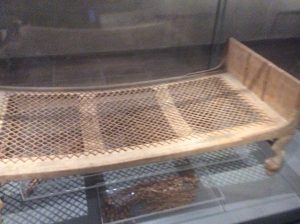
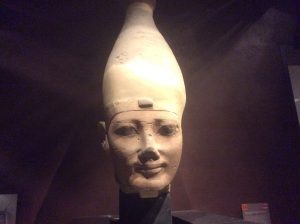
Standing on a corniche overlooking the west bank of the Nile River, the Luxor Museum was established in 1975 by the Egyptian Ministry of Culture. The two-story windowless building is only a fraction of the size of the country’s biggest museum in Cairo, but that’s okay — the Luxor Museum takes pride in the quality of its collection, rather than its quantity.
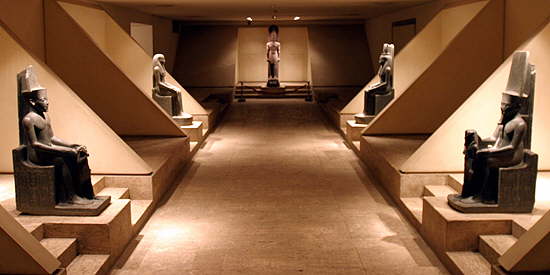
Image Source: EgyptianMuseums.net

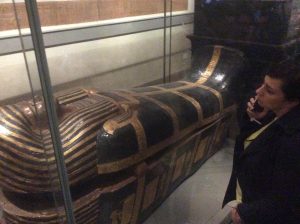
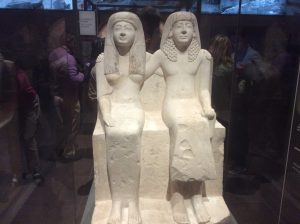
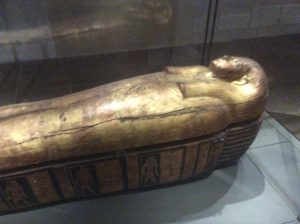
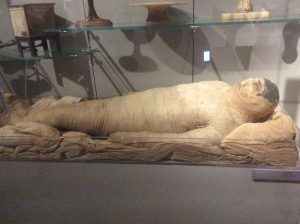
Egypt Today notes that some of the best antiquities inside are the preserved mummies of Ramses II and Ahmose I. These are displayed without their wrappings in one of the museum’s newer wings. The first is regarded as the greatest and most celebrated pharaoh of the New Kingdom, while the second was the founder of the Eighteenth Dynasty. Both are located in a section dedicated to the New Kingdom, which marked a great period of imperial power for the country.
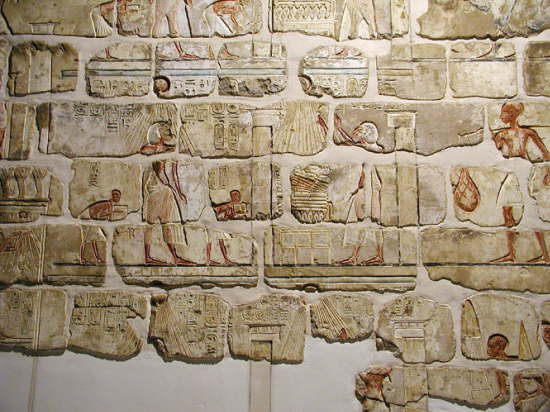
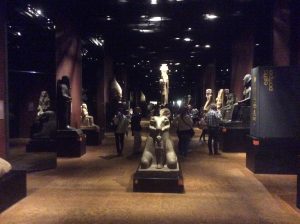
Image Source: EgyptianMuseums.net

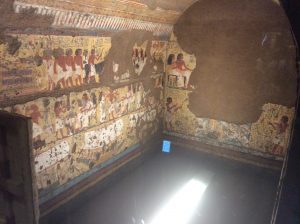
Another of the museum’s main features, this time located on the upper floor, is a reconstructed wall made up of 283 sandstone blocks from the Karnak temple built for Amenhotep IV. The wall illustrates residential and royal scenes as well as solar Jubilee scenes from the first Sed festival. This is a priceless exhibit, as very little of the actual temple remains in modern times.

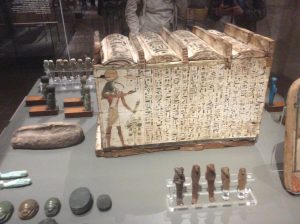
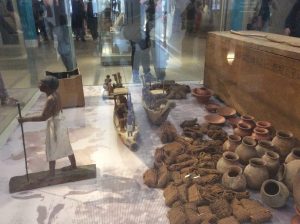
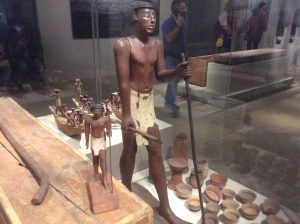
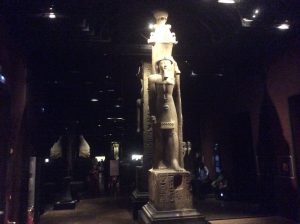
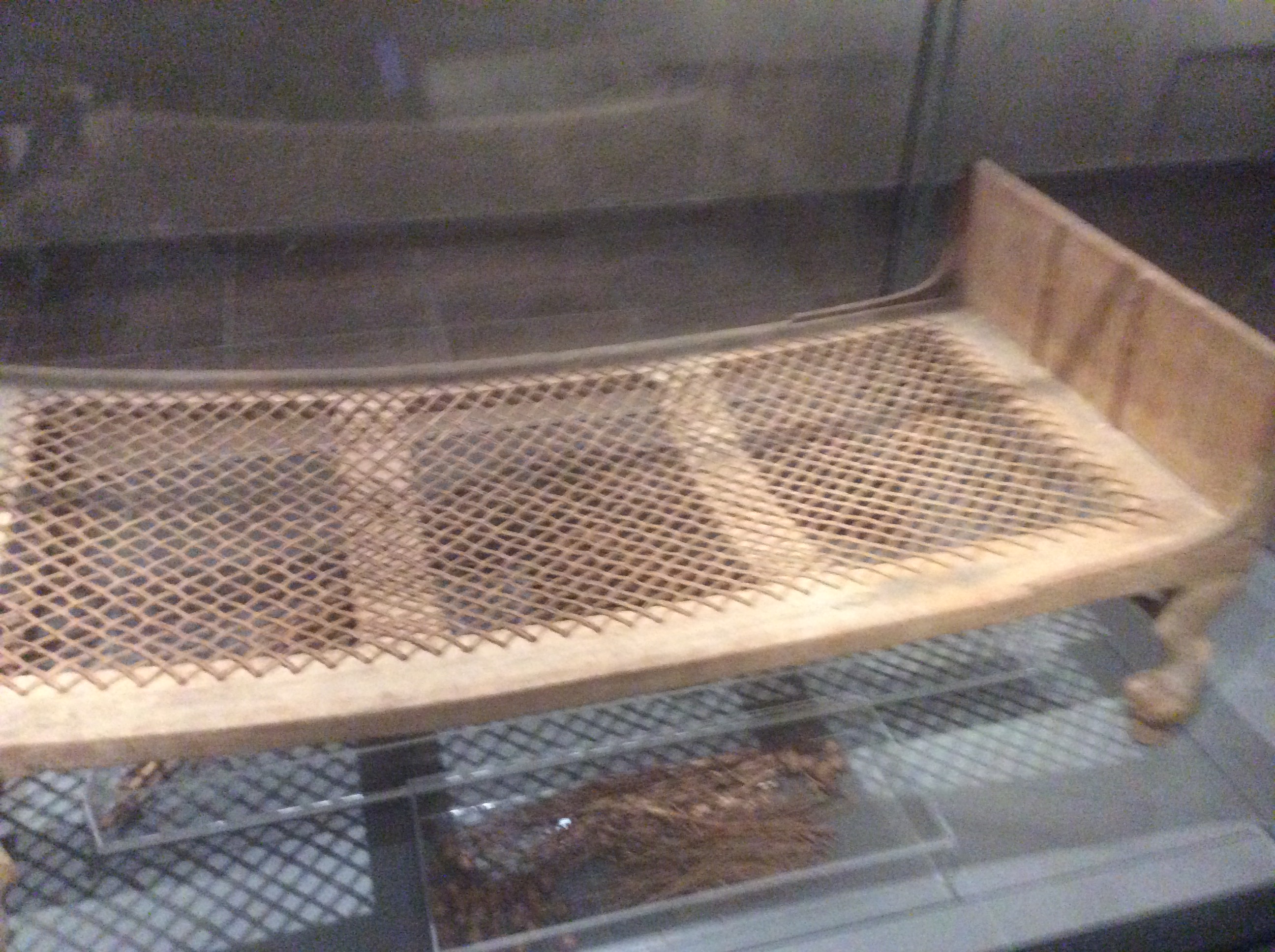
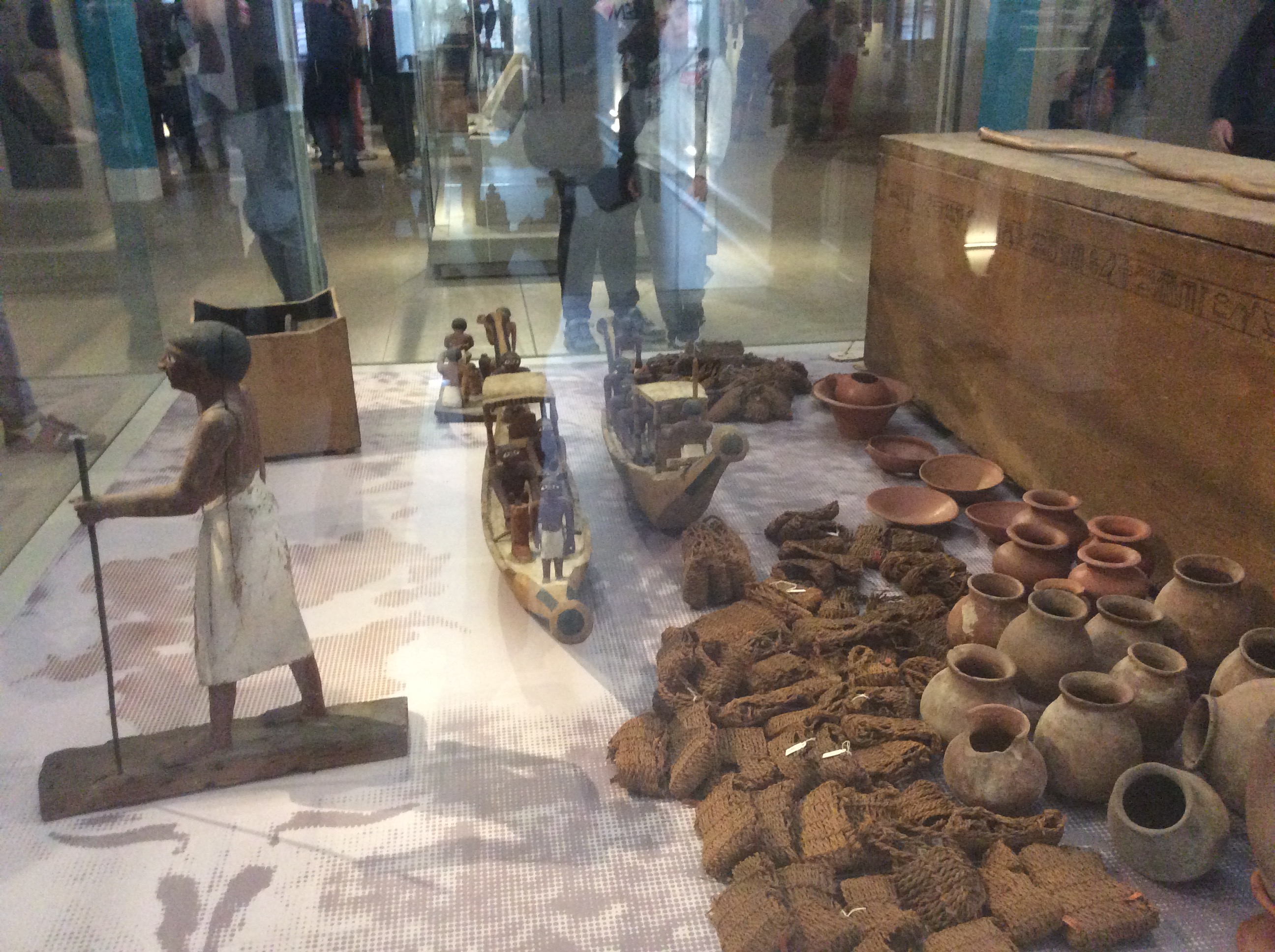
Some other of the museum’s highlights are the artifacts that have been gathered from the tomb of King Tutankhamun. Model boats, sandals, arrows, and figures of servants once decorated the area surrounding his resting place. Because ancient pharaohs believed in the afterlife and kept their most prized belongings close to their burial site in preparation, this is a major part of the museum.
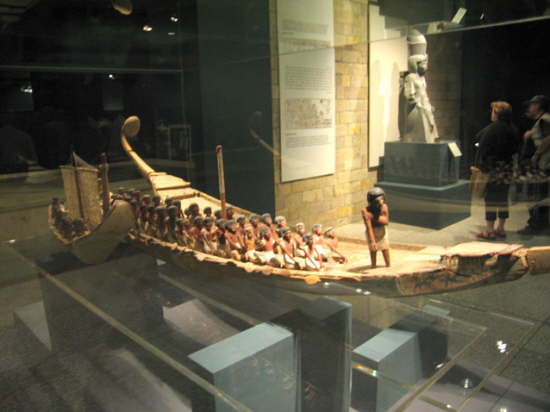
Image Source: EgyptianMuseums.net

Indeed, the scale of the burial site was a major factor in the discovery of Tutankhamun’s tomb in 1922, which received worldwide media attention. It sparked a newfound interest in Ancient Egypt, a fascination that has stood the test of time. Egypt’s rich history is reflected in a wide array of modern media across the world. For instance, the fantastical film Gods of Egypt heavily draws inspiration from Ancient Egypt and even deviates from actual history in favor of creative interpretation. A more traditional depiction can be seen in a slew of video games, particularly in a collection of Egyptian-themed titles on Slingo Slots. Games like Cleopatra’s Riches, Temple of Tut, and Temple of Iris are a nod to the actual ancient history of Egypt. Though there are a few creative liberties, the images featured are more or less based on Egypt’s past — much of which resembles the surviving remnants of the ancient world housed in the Luxor Museum.
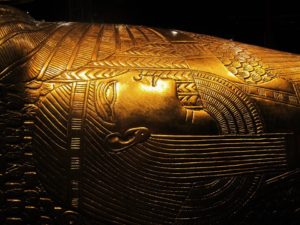
Recently, the Luxor Museum celebrated the 96th anniversary of the discovery of Tutankhamun’s tomb, acknowledging the event as a turning point in the country’s tourism and the world’s interest in it.

Fortunately, you don’t have to fly all the way to Egypt to catch a glimpse of its many relics. If you somehow find yourself in Turin, Italy, and are interested to know more about Egypt’s ancient past, you can also pay a visit to the wonderful Museo Egizio.

—-

Adrienne Chamberlain is a history enthusiast who is particularly interested in the mysteries of the ancient world. She mainly travels to see ancient structures (or at least what’s left of them) for herself. She’s already been to Egypt several times.
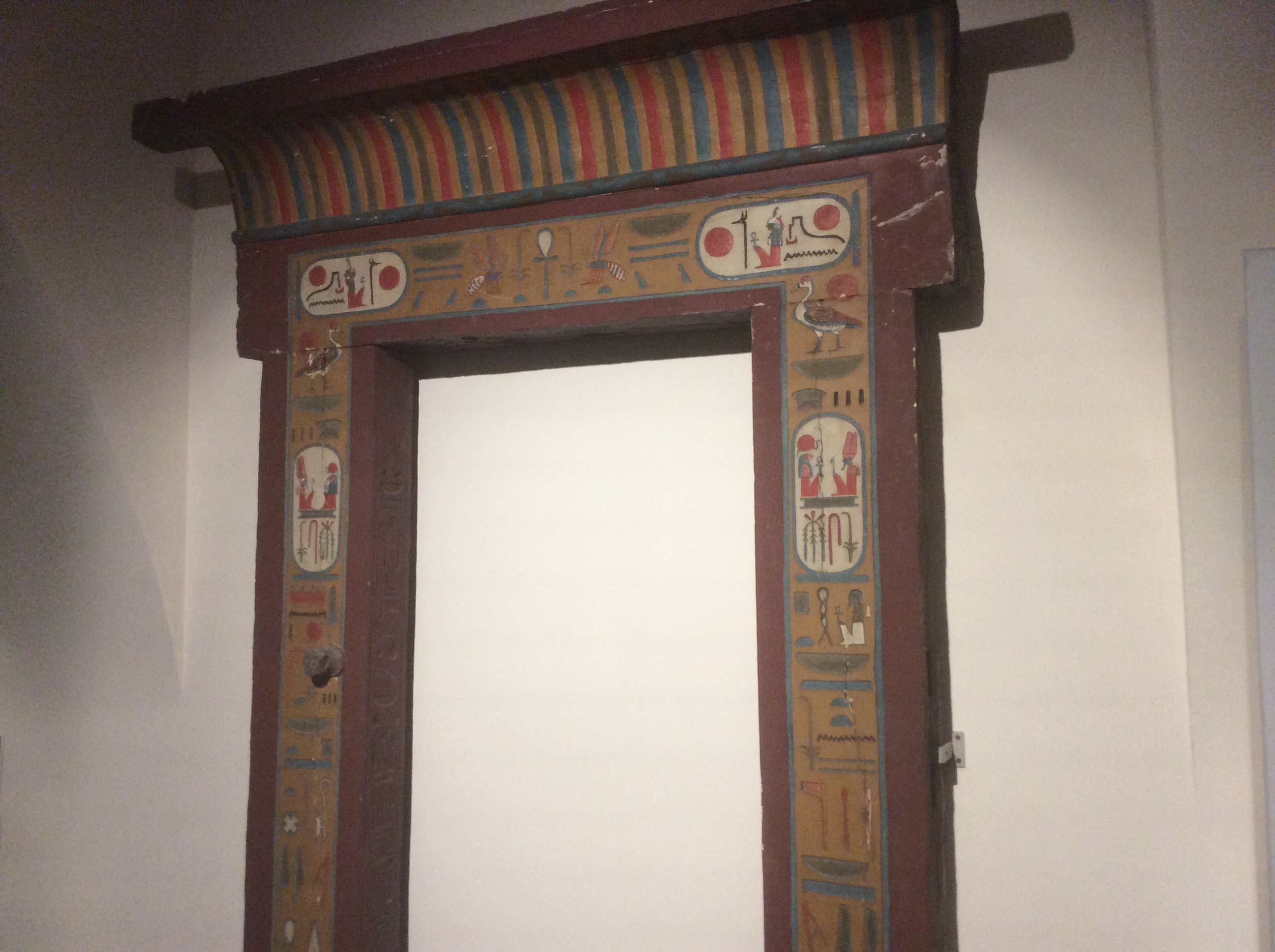
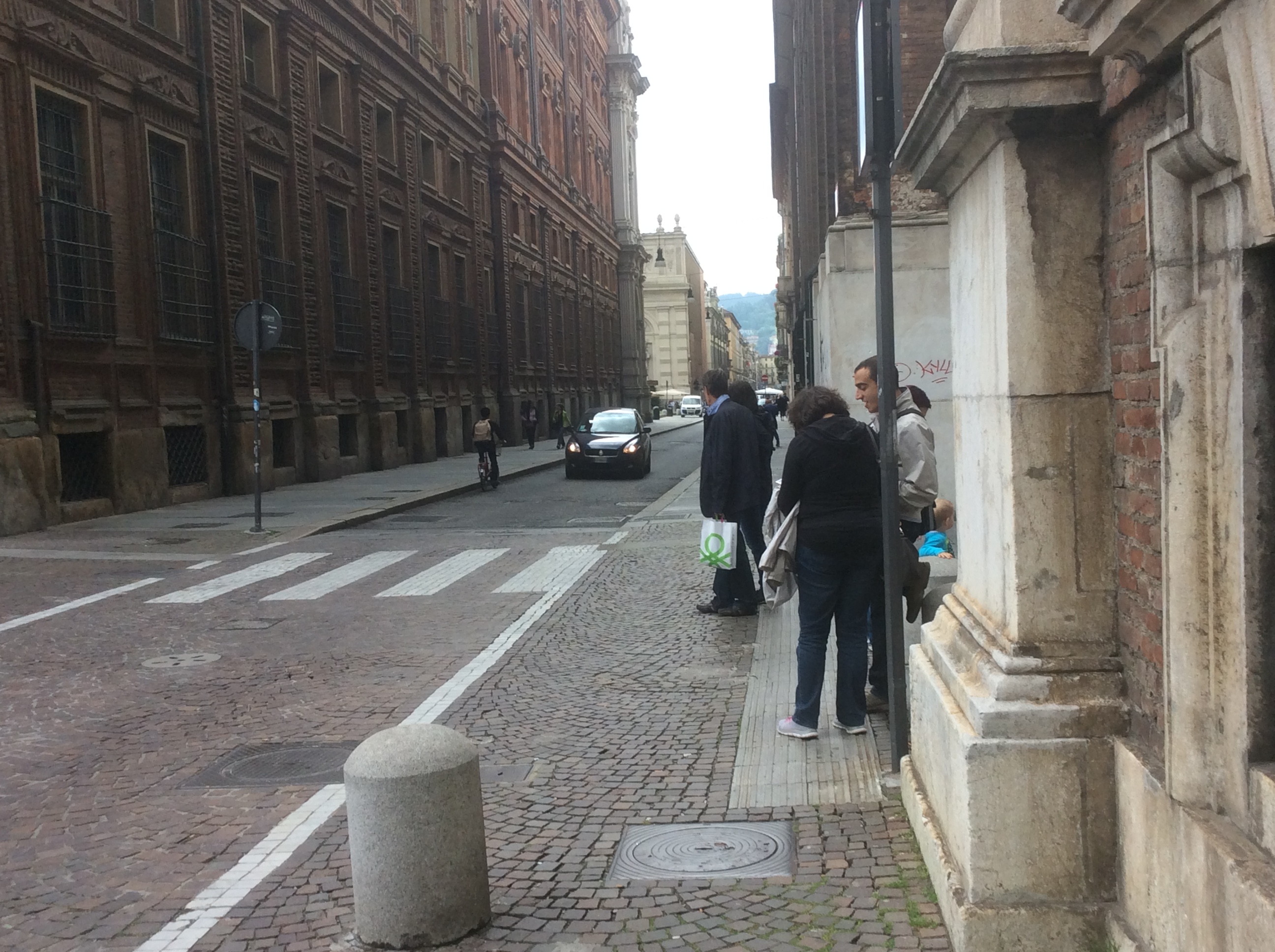
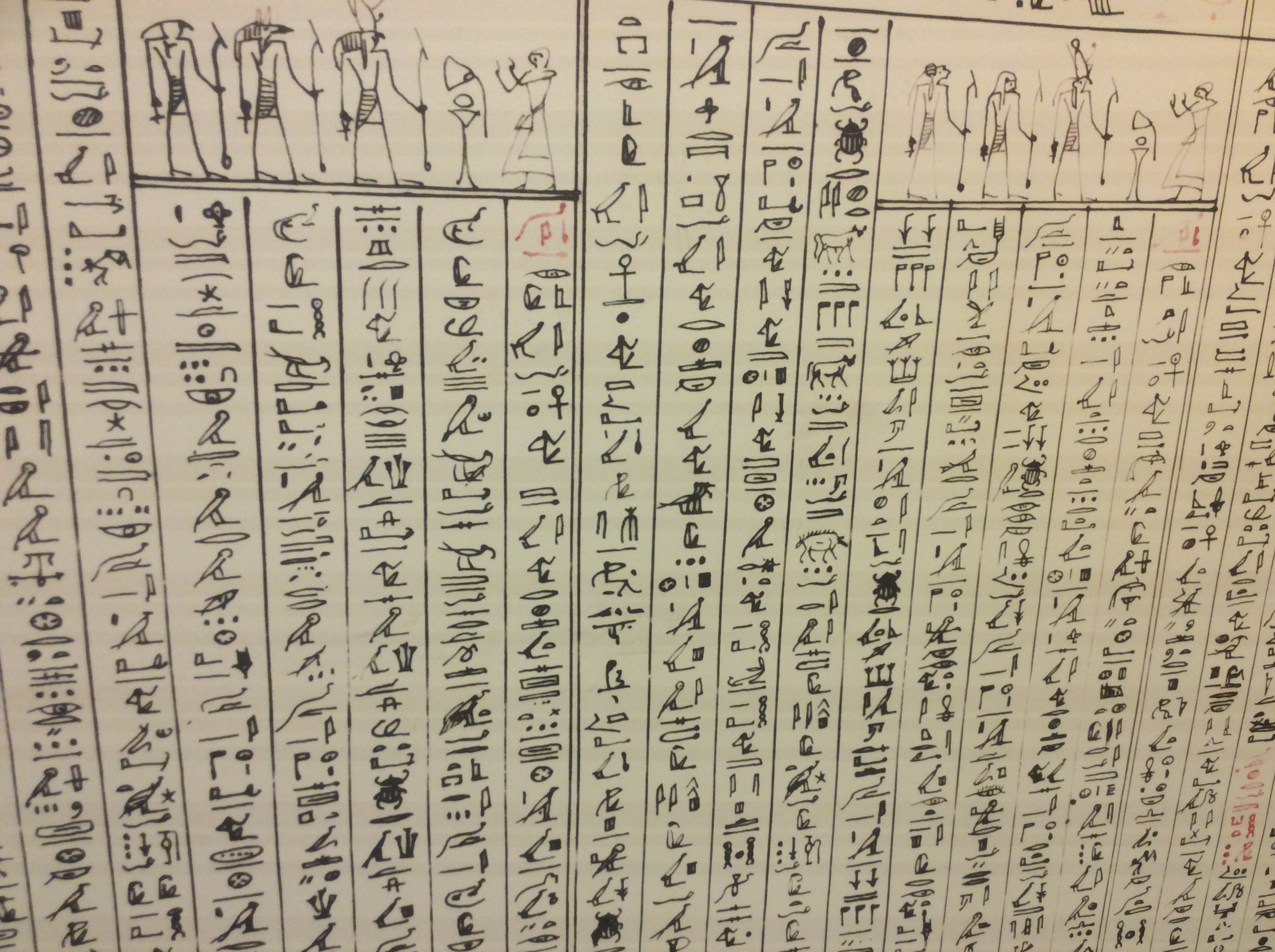
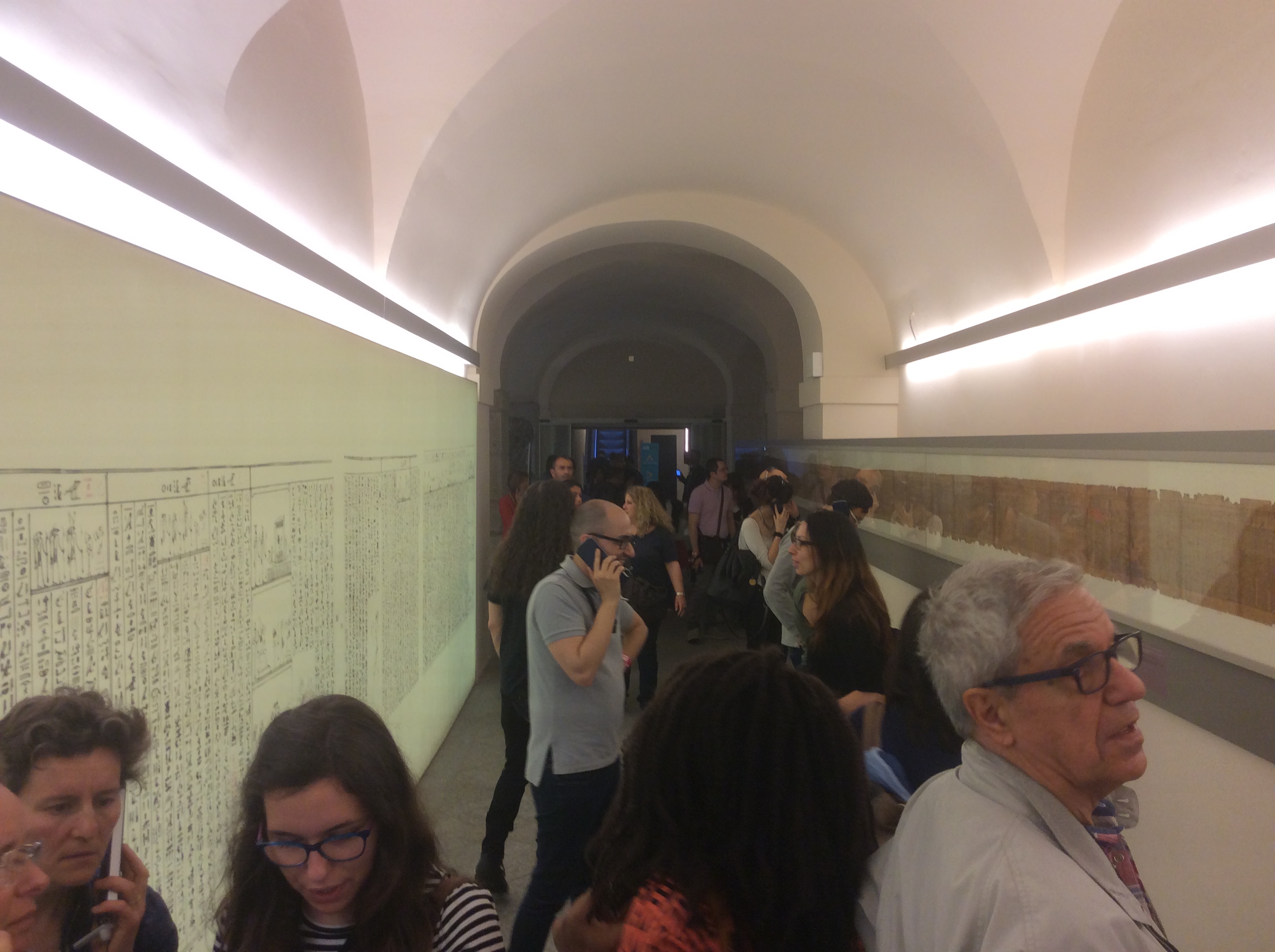
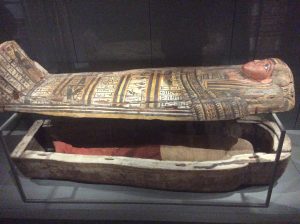
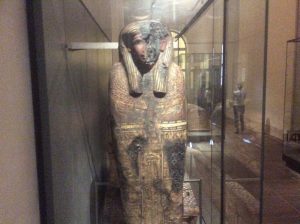
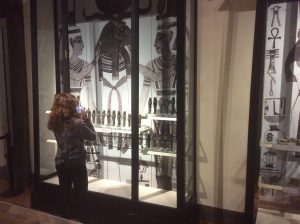
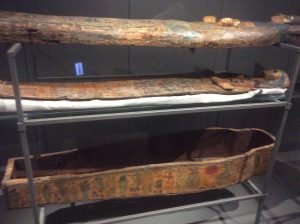
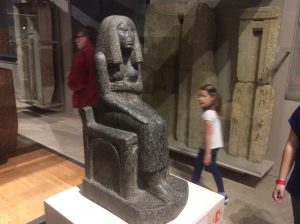
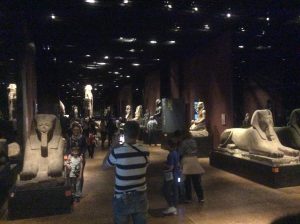
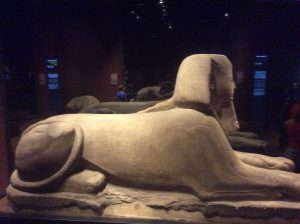
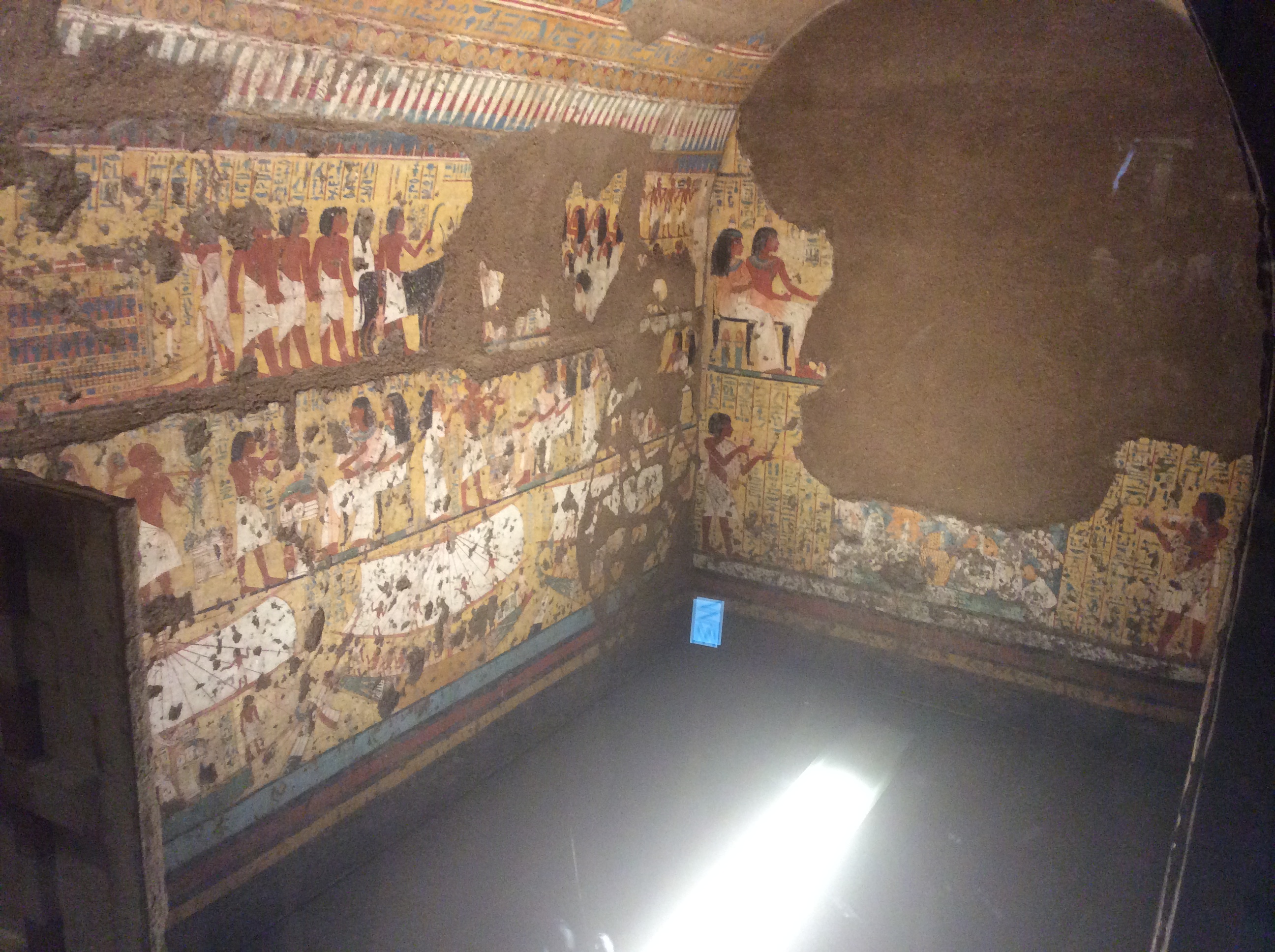
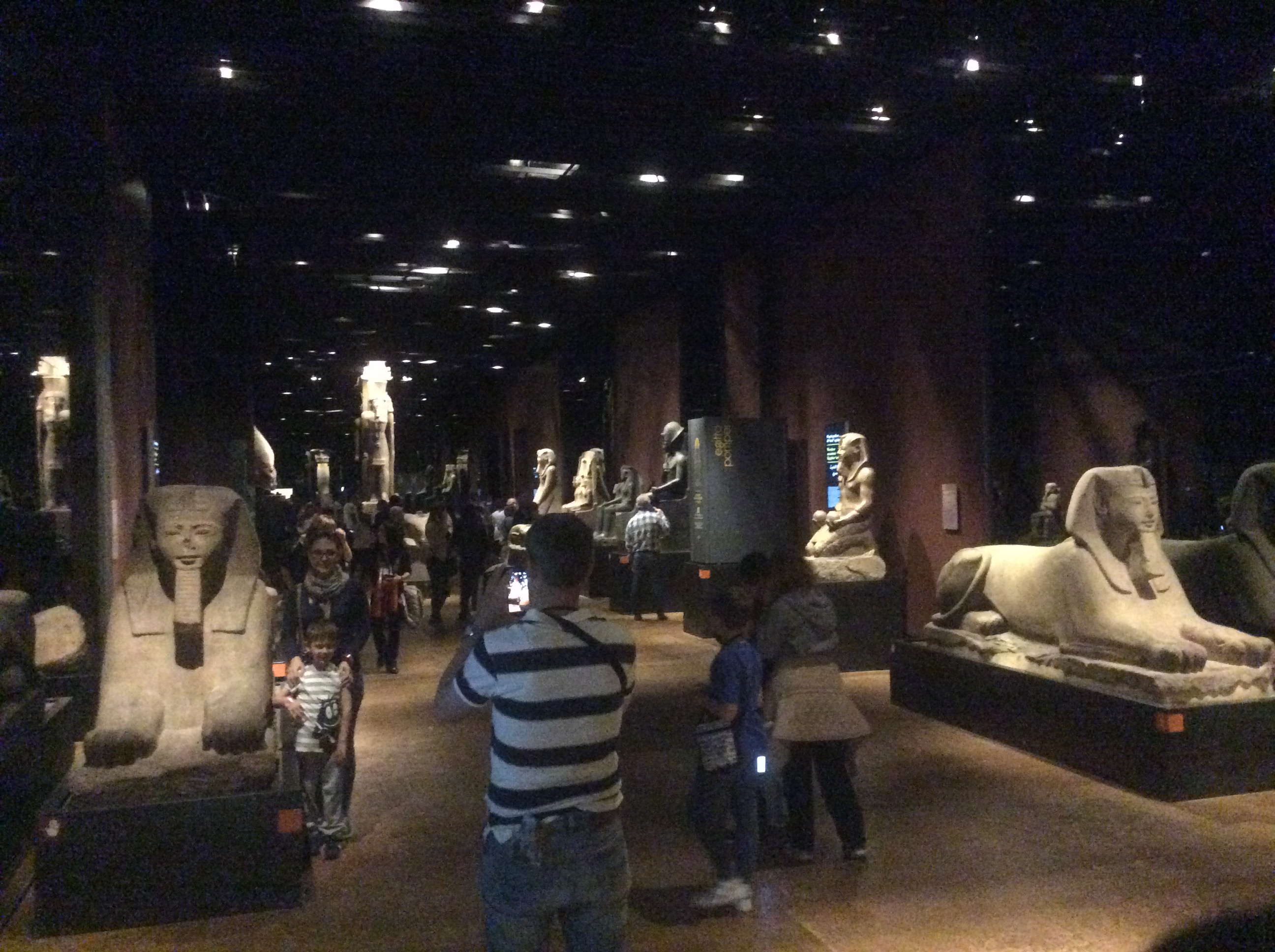
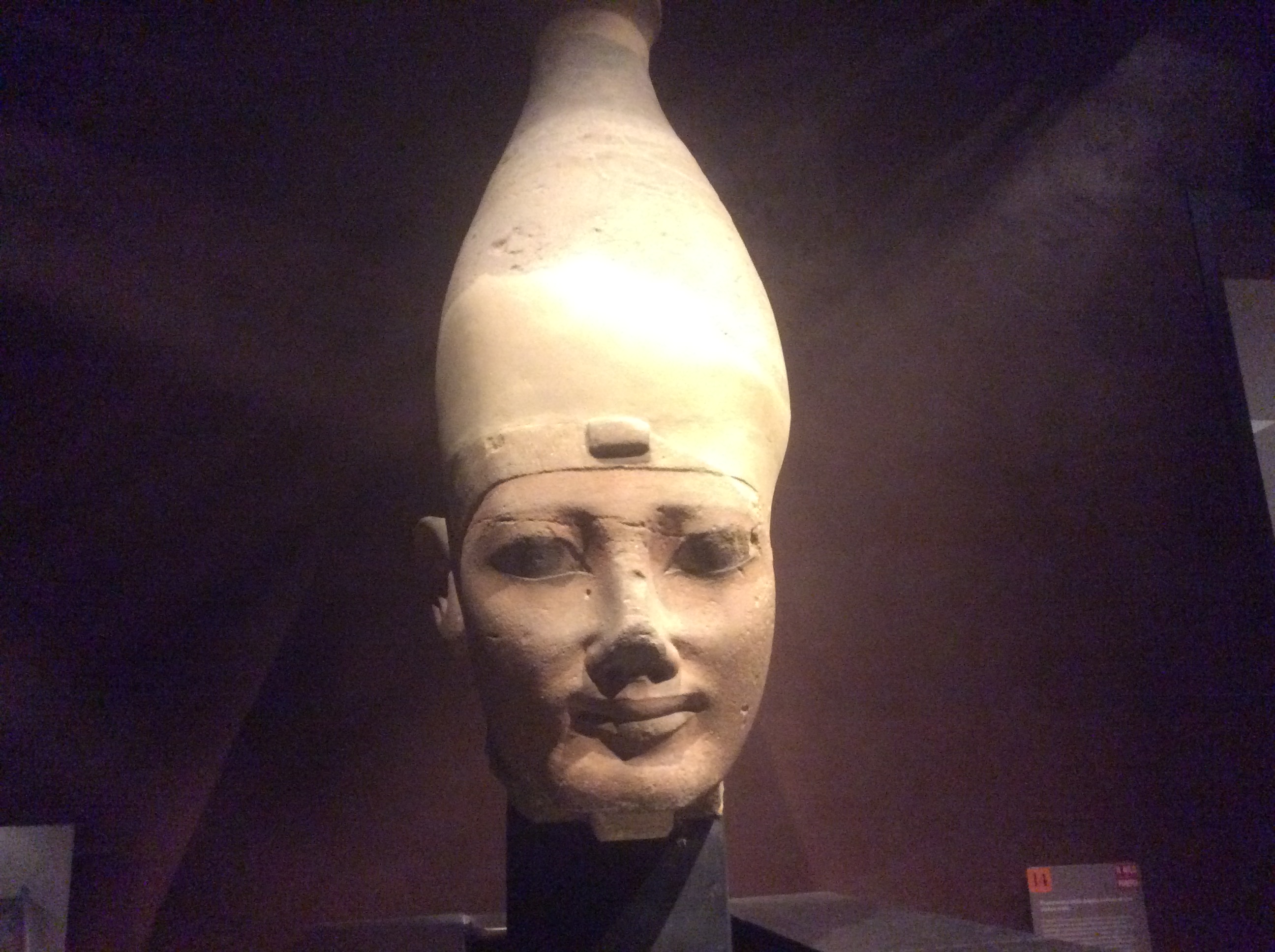
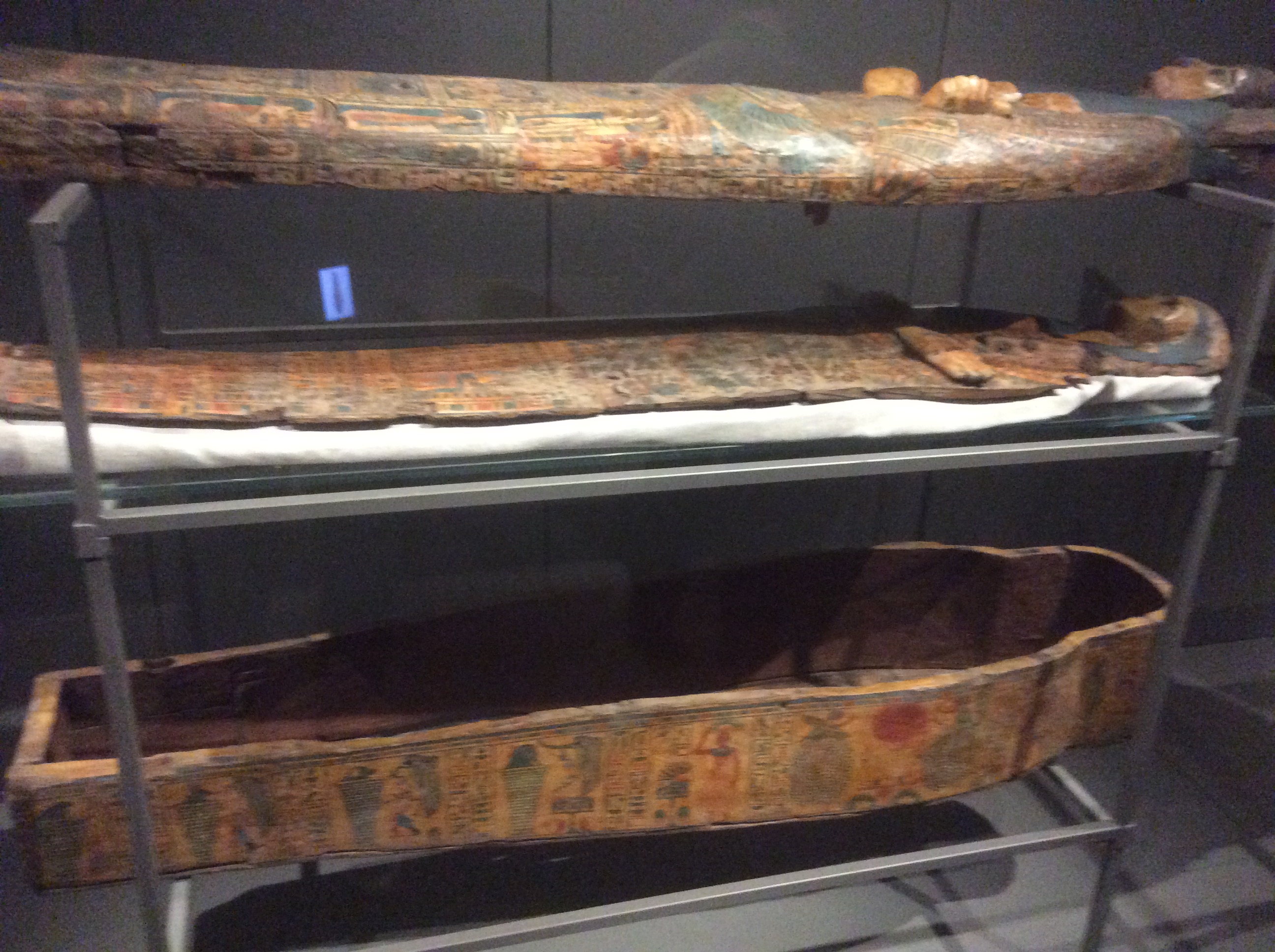
At Museo Egizio: Photos

IMG_5692IMG_5687IMG_5695 IMG_5694IMG_5696IMG_5699IMG_5703IMG_5700IMG_5706IMG_5707IMG_5711IMG_5713IMG_5705IMG_5717IMG_5718IMG_5714IMG_5721IMG_5720IMG_5725IMG_5726IMG_5722IMG_5728IMG_5732IMG_5727IMG_5735IMG_5737IMG_5733IMG_5738

I’d leave this post to speak for itself through the pictures taken at the Turin Egyptian Museum. But I’m leaving the pictures here for another reason: to save my hard drive  from having to store up all of these for all eternity. Photos, like the many of the dead relics in the museum, must – if they will live forever – find a well-visited and well-curated place worthy of their presence.


I must, also, strongly suggest that anyone who cares for ancient history, art, and Egypt should check out the museum. It is worth spending the whole day enjoying, and learning from.


On Dangerous Revolutionaries

There is a curious pattern of dangerous behaviour  now coming out of the Libyan revolt against the government of Moamar Gaddafi. In this frightening CNN report, rebel soldiers looking to exact revenge on the dying regime have found a perfect victim demographic: black sub-saharan African (in this case Nigerians) who are in the country en route to Spain or Italy for a better life.

There is enough to debate about the presence of Nigerian citizens residing legally or illegally in a war-torn country (and the Nigerian government has a duty to protect them as well, to the best of its ability), but a so-called revolution aimed at liberating a country from tyranny should not turn itself into one – at least not so soon – at the expense of foreigners. The fact that they are targeted for their skin colours – as the report states – makes it even more alarming, and worrisome.
In post-Apatheid South Africa a few years ago, a similar thing happened where foreigners (also mostly Nigerians) became a target of xenophobic behaviour by citizens looking for scapegoats in a poor economy. It didn’t matter that just years before then, most of those other African countries had provided asylum for the freedom fighters running away from the oppressive Apatheid government. A similarly disgusting thing happened right after the Egyptian revolution succeeded, when Gael Ghonim – the acclaimed IT mastermind of the whole movement tweeted this. (At least he didn’t have a gun to someone’s head.)

A pattern has emerged here that should be roundly condemned.

All Around the World

As the people’s revolution gains its first major reward in Egypt today by the resignation of the president Hosni Mubarak after 30 years of iron-fisted rule under emergency military laws, let’s hope that the benefits are enduring and sustainable, and that it leads to permanent victory for the people: human rights, real progress, reform, and justice. More importantly, let’s hope it spreads to other places on the continent where the citizens live in fear and poverty under unyielding despots.

Campus Students Protest

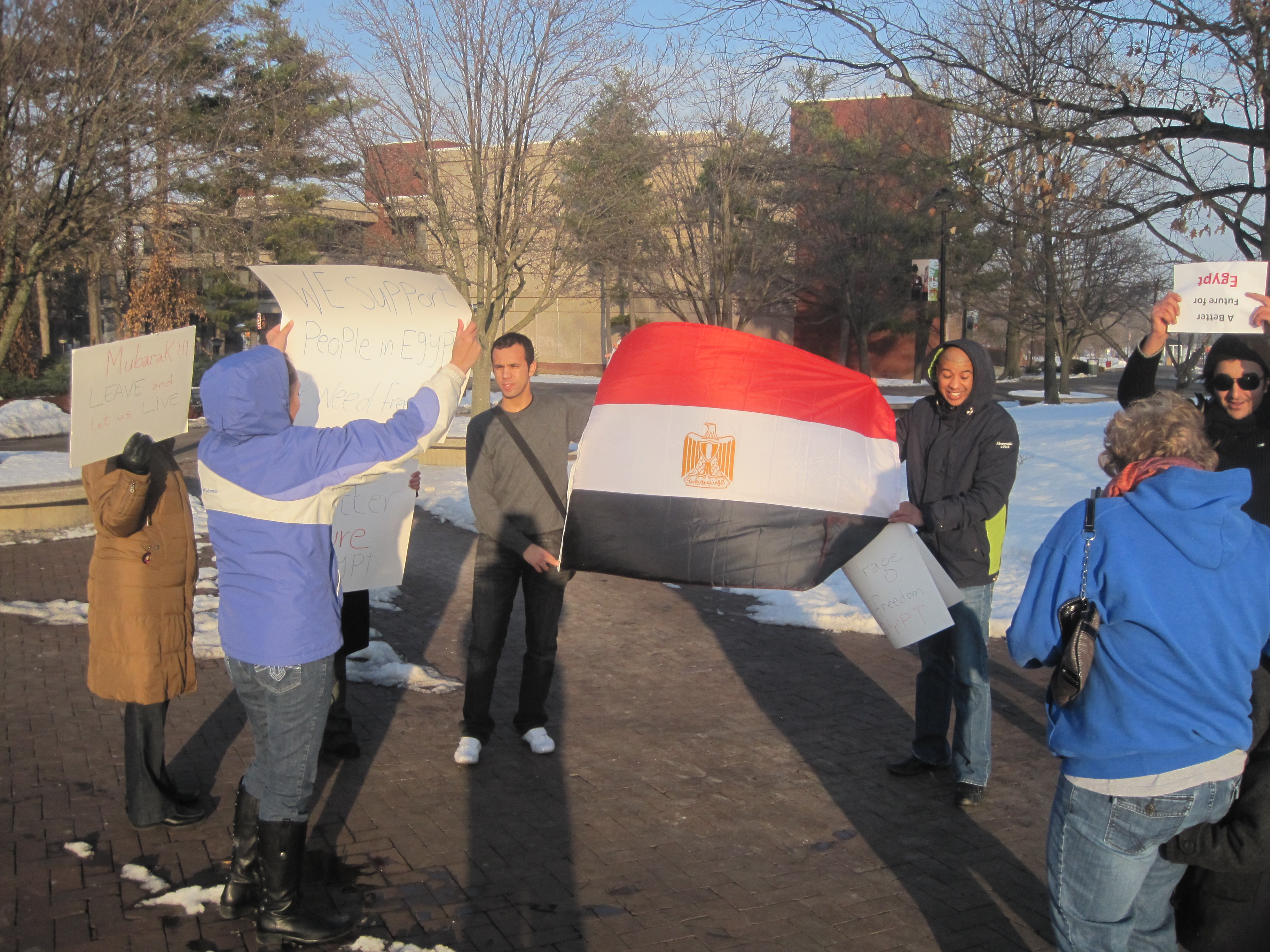
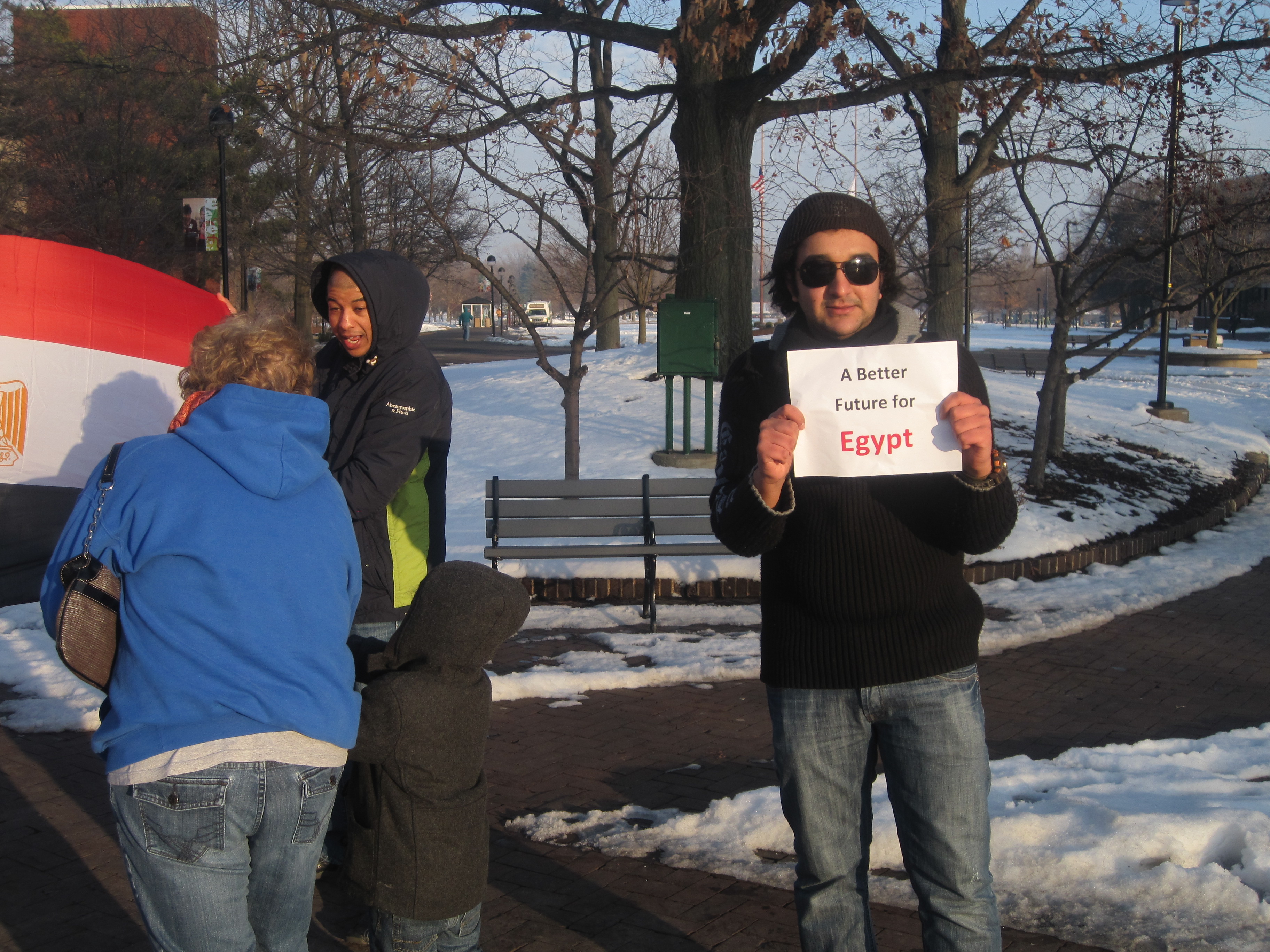
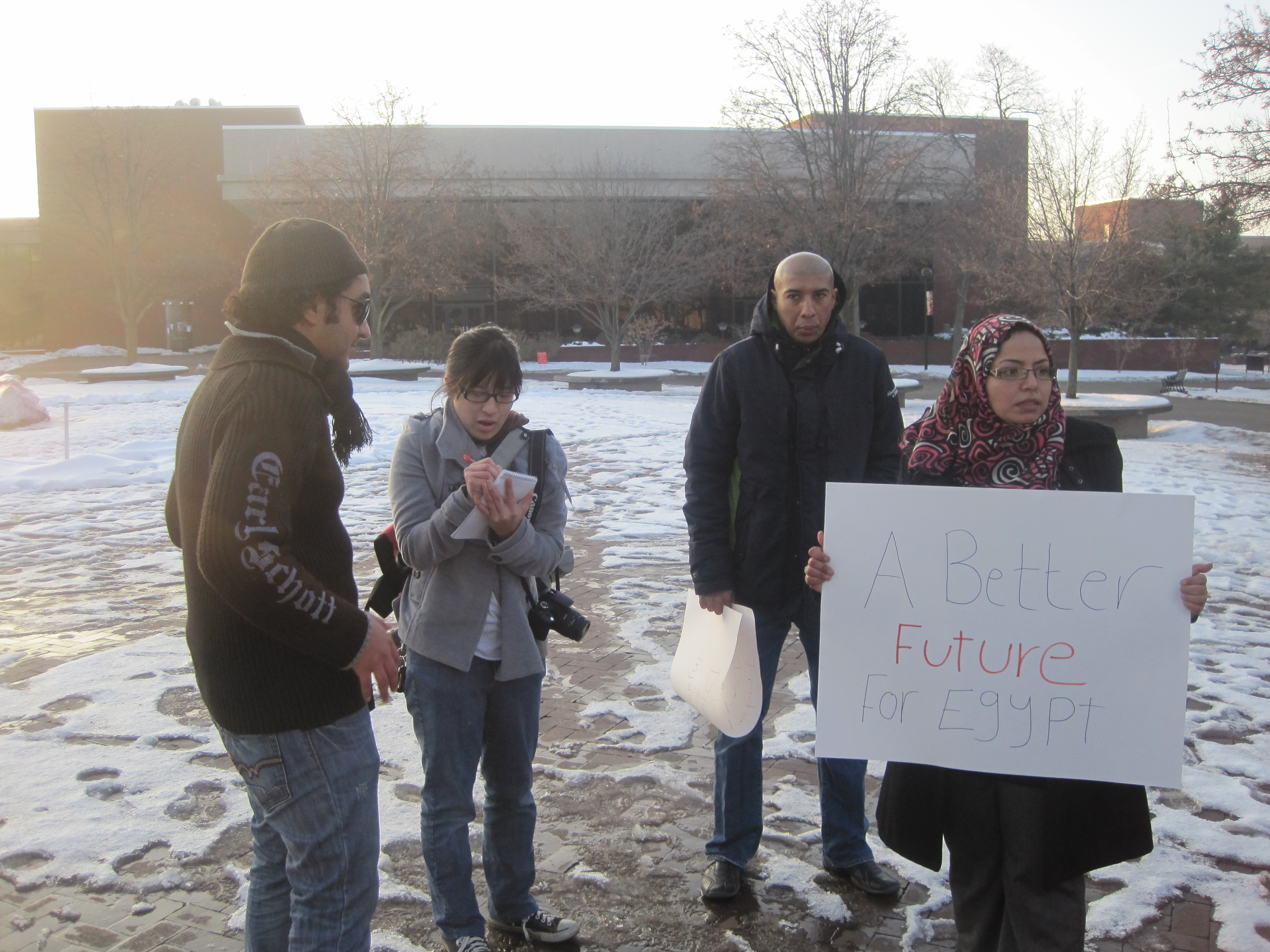
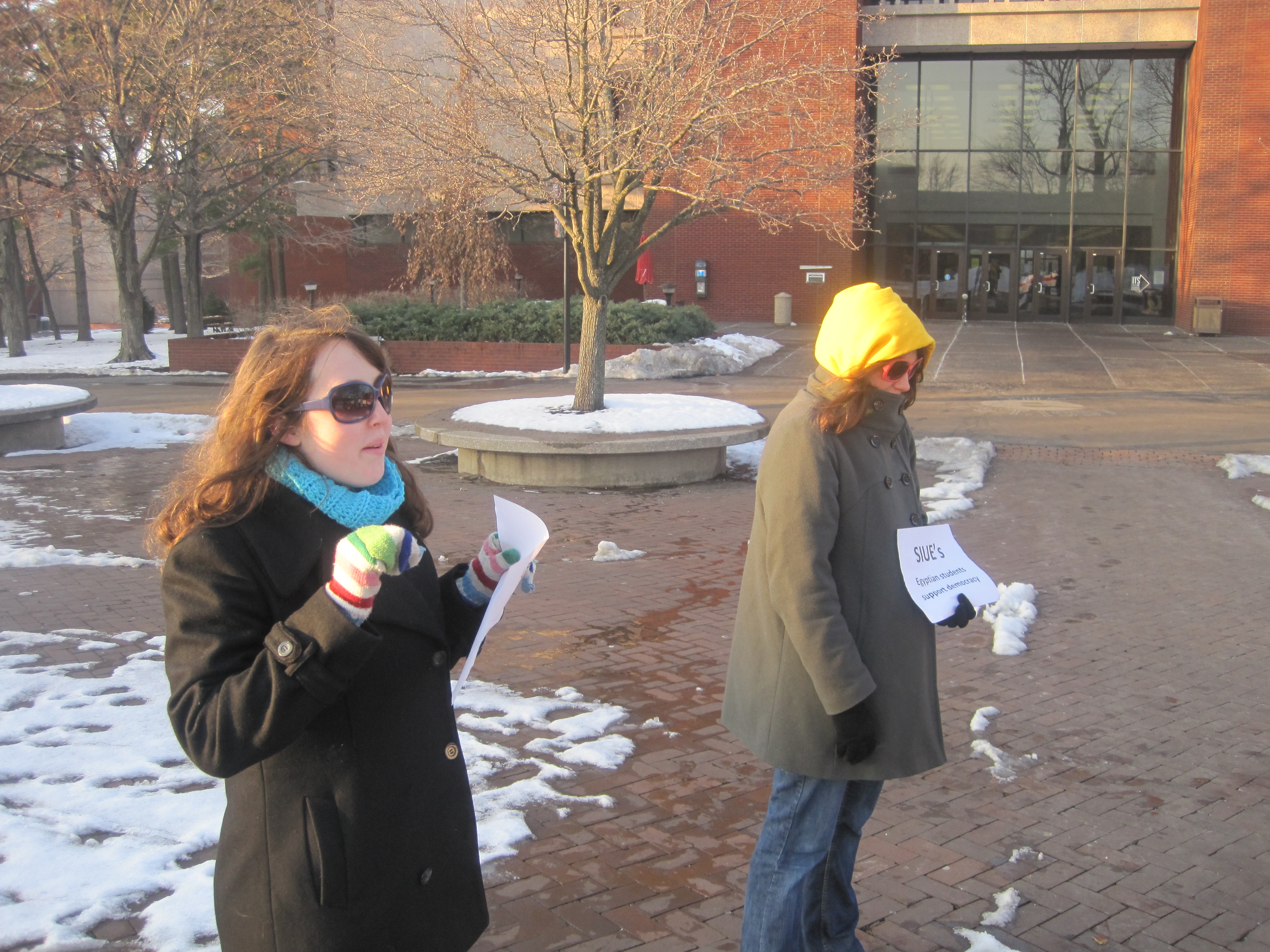
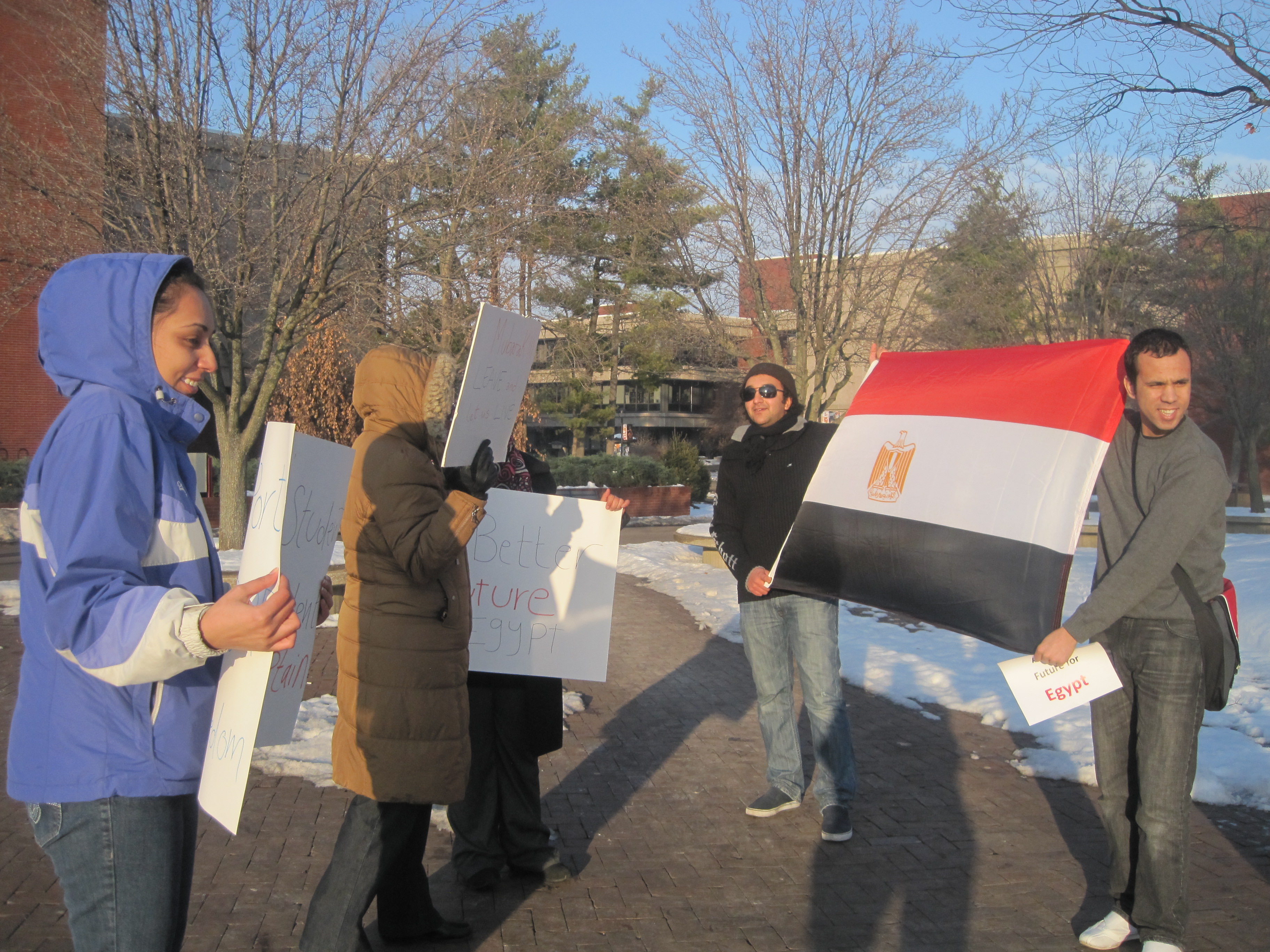
Yesterday, in a temperature of about ten below zero, Egyptian students and friends gathered at the Free Speech Quadrangle on campus to lend a voice to the protests in Egypt calling on President Mubarak to acquiesce to the demands of his citizens, turn mobile phone connections and internet back on, and stop visiting violence on peaceful protesters, and resign his position as president if he is unable to do so.

A reporter from the campus paper The Alestle came around at some point to interview the protesters. It was during this time in protest that we heard that President Mubarak had dissolved his government – an insufficient concession that doesn’t address any of the demands nor take the blame for thirty years of misrule. Among other hopes of the protesters on campus is that the United States which is Egypt’s biggest ally takes a stand with the people rather than with a dictator that has misruled a country for so long. History has shown that ambivalence in situations like this always benefits the oppressors and not the victims.

More protests are planned for St. Louis at the weekend, and at Egyptian embassies around the world.