Village Boy

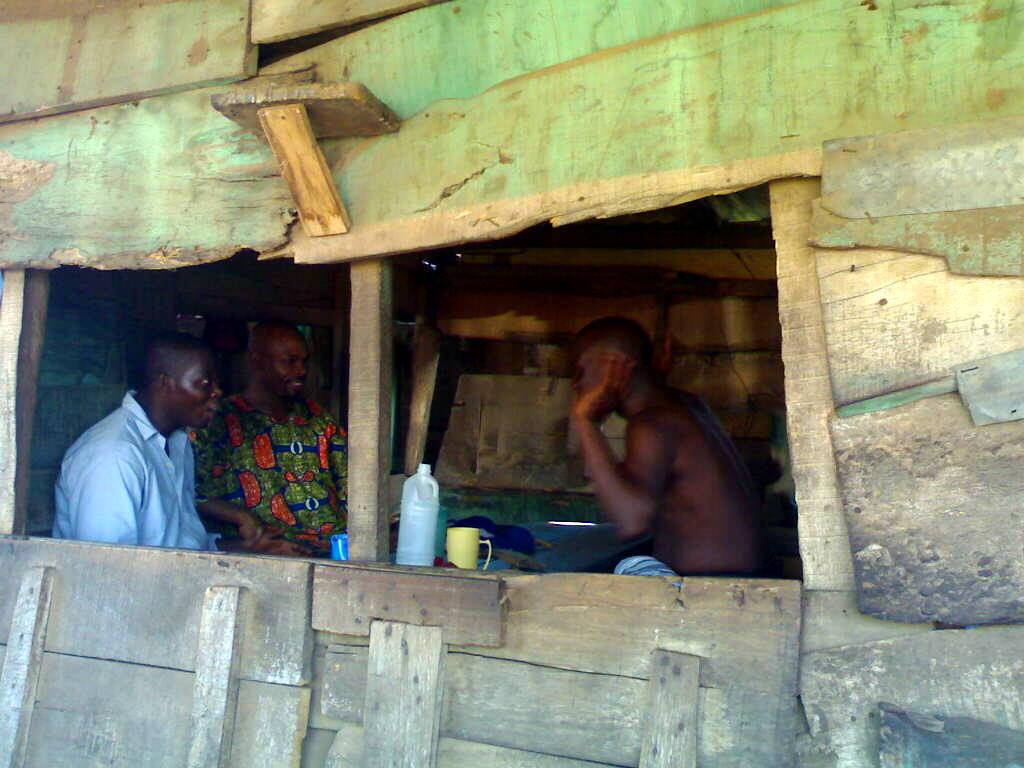
Evenings come with breeze, silence and dust. Across the sky are slivers of brown rustiness finally settling on the town after a long day’s work. A road passes in front of the wooden shack where men young and old sit down to banter in merriment, often with their shirts off. The women sit in groups petting children. When darkness falls and all that lights the day is the moon up in the sky, voices move up and down in modulations that carry the weight of their vain deliberations.
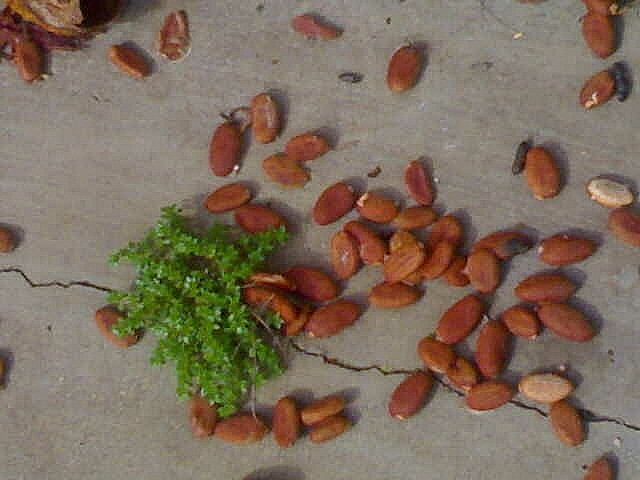
The village is a study of contrasts. On the one side of it is a sprawling mass of huts covered with brown rusted roofs. In the middle of this side of town, also called Aba, was the Christ Apostolic Church – perhaps the only modern building there. Aba burns the eyes with the brown of its thatched huts and of its children’s feet. In a bustling afternoon, the sound of goats and chicken compete with the trail of their smell from one street to another up until the foot of the agbalumo tree…

One hour of traipsing around these edges of the village eventually finds a seven year old boy back at home – a different part of the town. The house overlooks a long equally dusty street that runs from a clinic down to the right hand of the observer to the other part of the village where the barber lives. There is a certain magic in living around here. Grown folks played practical jokes on little children and on each other. A day earlier, on his way back from wandering around the village, he was stopped on the pavement of a certain house where another young boy was being shaven. His head was already bald.

“It’s your lucky day, young man.” A man volunteers. “Stay right where you are. What are you doing around here all by yourself?”

“I was coming from around there. I am going home over there.”

“Why were you staring?”

It is always hard to know where adult conversations were leaning.

“I wasn’t staring. I was on my way home.”

“Like I said, it is your lucky day. All young men your age are being circumcised today.”

What?

“You look frightened. Come closer and sit down here. We’ve been told to go around circumcising all young men like you around town.”

It took a whole minute, then he took off as fast as he could. He never looked back until he got home, panting like a dog. For a long time that evening, he would wonder how grown people managed to make such brutal jokes that seemed at the expense of poor helpless kids scared half to death. And for a longer time after that, he would begin to take a different route home while wandering around the village, but always with a lingering fear that he was not totally out of the grip of mentally bullying elders.
Fading Landscapes

Spoke to mother hours ago. Two men from the landscape of my childhood just passed away. One was Pastor, the leader of one of the first churches that shaped my most vulnerable childhood times. He is around sixty years old. The other was Bro Kenny, younger, the director of the youth arm of the other church I belonged to as a teenager. Together with a select group of agile young people who all lived around that area of our youth, Bro Kenny as we called him then, led us through that period of our young restlessness.

Childhood and youth seems to fade away fast enough, and suddenly becomes a lifetime away. Faces from times past come flashing back, with strong energy currents of a familiar place… worshipers in church about three evenings a week, loving life with purest of enthusiasm, young innocent teenagers developing a crush for the very first time for fellow members of the youth group, trial music composers, dancers, proselytizers, picnickers, thespians, and general happy-go-lucky innocent boys and girls growing up within a bible-based yet liberal upbringing. Childhood was a little stricter, with religious instructions that extended beyond the church walls looming around as a constant threat and bulwark against our otherwise footloose rascally tendencies.

Where did all that go, dusty feet all around Akobo where all of this began? The naivete of youth, and the delightful profundity of biblical directions that sought to explain everything away? The simplicity of the day, the sweetness of the rain, the long pleasant smell of the harmattan at Christmas, the noise of little children during church services, the laughter of grown women and the intensity of their prayers up to heaven, the offering baskets and the coins we put in them, the general fervent intensity of youthfulness and mischief – all just floats around the plate of memory. Maybe this is what one death – or two – does: remind of how much was lost. And more importantly, how much more once was.

Pen for Chickens

The smell is familiar. Almost every family at one time or the other in South-Western Nigeria has kept a chicken farm. And a farm is usually too serious a name for it. Free range chicken running around the house cackling and providing needed amusement for little children with idle hands. There is a rooster that crows unfailingly at five in the morning, and then there is the hen which lays cute little white eggs and then sits on them for about twenty-one days before little chicks come out looking like tiny little dolls. Get close to them while they waddle around their feisty mother around the large compound of the house and see the wrath of a woman (bird) scorned. An angry mother bird is not a pleasant sight to see.

Grandmother had a theory about predating hawks who found these little chicks a delicious specimen and preyed on them regularly for lunch. Paint them in bright red colours and the hawks and kestrels thought they were dangerous aliens and stayed away. I don’t know how well the theory worked but it was usually funner to see the motherbird walking around with a set of red coloured little chicks hand painted with red ink obtained from a certain leaf… The sight of a hawk swooping to pick up its favourite dinner of little chicks from behind the nursing motherbird is usually a sight too, but it happens usually really fast. One moment you have a piece of boiled yam on the way to the mouth. The other, you are staring at a noisy little battle that lasts just a second. A bigger bird has swooped down and made away with its living lunch and the angry mother is out there in the sun wailing in loud chicken cackles. Some times, the other little chicks are still too frightened to come out of where they had gone to hide at the prompting of the mother.

My first other conscious memory of chicken pens comes from the brown, sometimes black, imported “agric” type ones in fancy cages, fancy feeds and fancy golden eggs. Those lay eggs without mating, get large in no time and usually get slaughtered for Christmas “because they taste good”. But they are never usually allowed to range around the house, staying confined to a specially made pen with saw dust all over its ground which is changed after a few days. Too much work, if only mother cared about that. She was always already too busy worrying about raising us to bother with how much time and effort it took to change dirty saw dust layers on the floor of a large poultry. That, of course, unless we had to do it ourselves. Thinking back to this specific time, it always made it necessary to hope that one didn’t grow old fast enough to be able to take up the responsibility of cleaning a whole room full of chicken dung. It was a hope that never manifested.

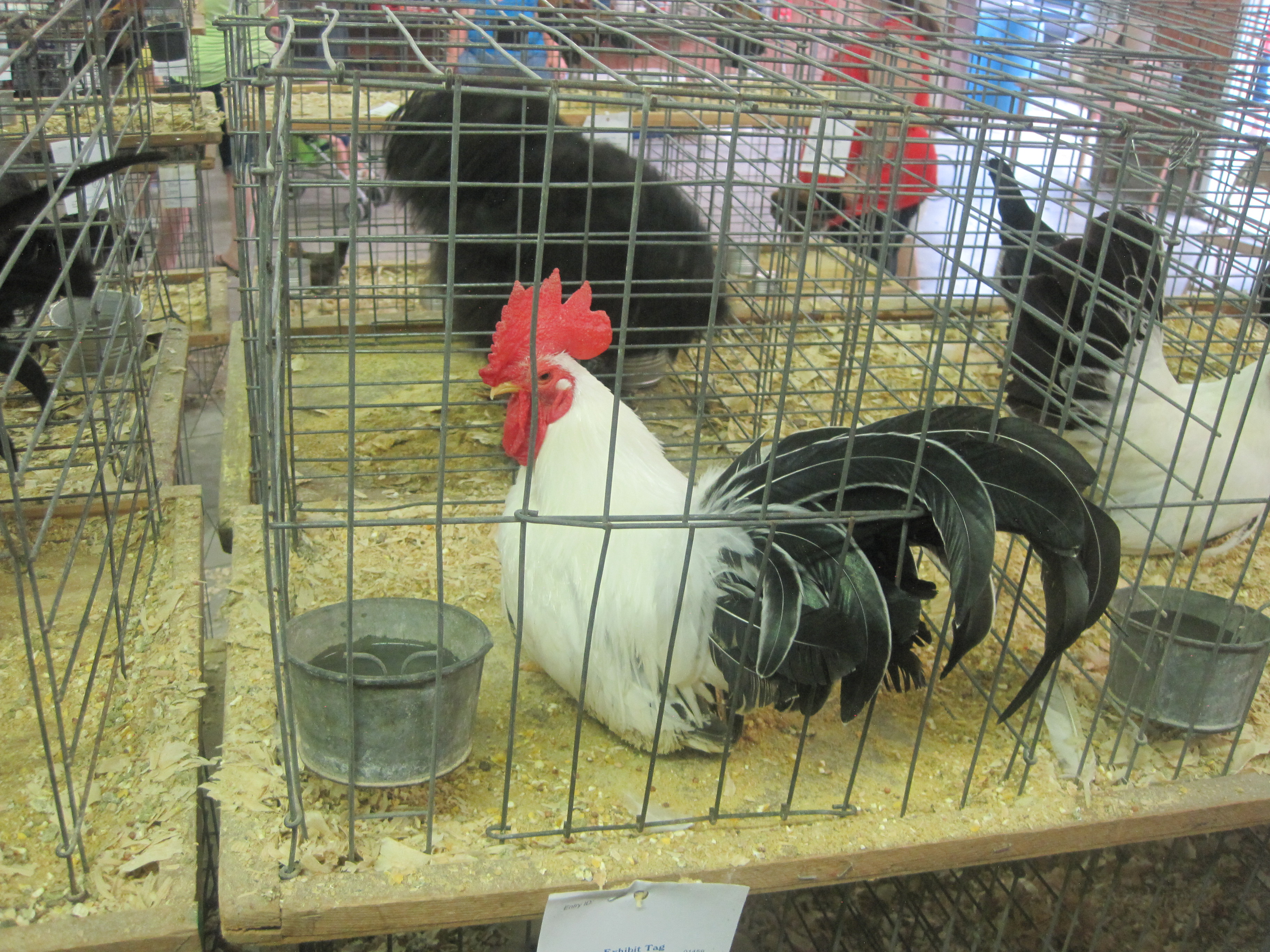
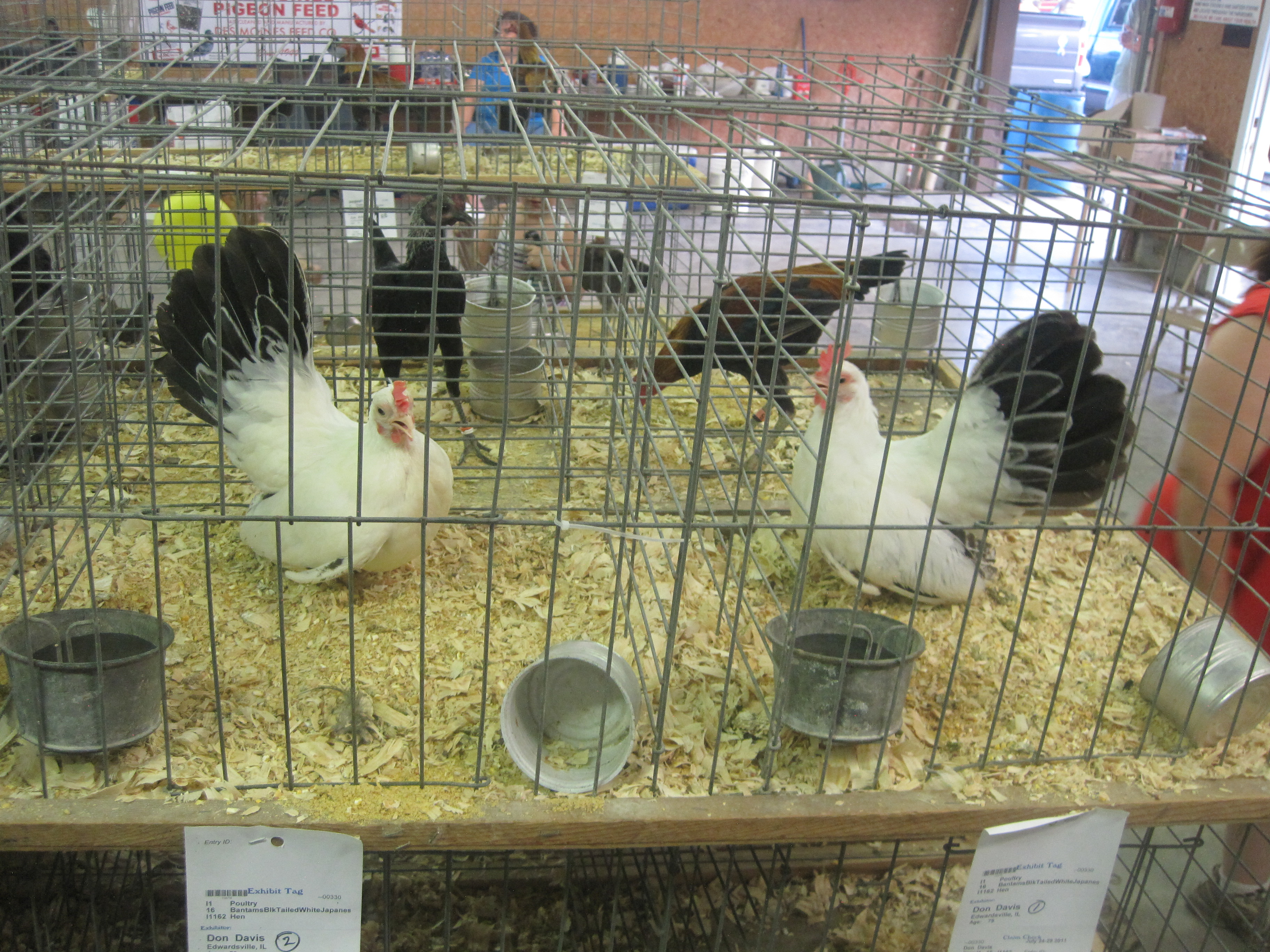
Back to the large smelly room of the county fair in Highland last week was that moment where all that sounded, smelled and surrounded the traveller was a sight from a very distant past. He wasn’t a graduate student travelling with an equally adventurous colleague to check out the “country” side of America in form of a hundred cackling roosters of different shapes and sizes in familiar cages, he was a little boy by his grandmother’s side smelling chicken poo all over the house, discovering the delight in a boiled white egg of a local breeding chicken, crying over the death of one run over by a careless driver, watching her paint little chicks with locally-made crimson dye, running scared of the little white covering around the chicken’s eye whenever it blinks, and wondering with a thousand unanswered questions how chickens always found their way home to roost after such long wanderings around the neighbourhood.

The smell in that room came with a little more than just memories.

Watercolor Memories

The most pleasurable pleasures of my childhood were those I had moving around with father who was a broadcaster, record producer, culture researcher, and writer. There were many more which included haunts of the neighbourhood in Akobo where we lived in Ibadan (at one time West Africa’s largest city). There was a railway line that ran through the area about two miles from where our house was located. The blare of its horns was always piercing through the morning air. I remember the sense of awe and delight the first time I walked onto the tracks for the first time. We had just got back from school, and we walked, and ran, aimlessly around the area through bushes, paths, houses and dusty roads until the rail tracks showed up, then stretched in two directions away from view. I have encountered a few other moments in life where the simple pleasures of new discoveries made everything else seem insignificant, and with memory being the only consolation for their brief, fleeting existence.

I was eight, and father was driving to Akure in an old Isuzu. Hands on the wheel, and hungry, he asked me the excited son to feed him bread from the passenger’s seat since I had two hands free. There was another one with mother at the wheel driving somewhere, and insisting that drivers should never turn their heads back from the road. It was my duty to look out to find the right water bottle we had wanted to buy from many of those hanging out of the many shops we were driving around. Where are those days? Faces come in and out of that seemingly crowded childhood: Seye, the distant cousin who rode a bicycle, and later joined the military; Baba M who drove the brown Toyota van; Lanko Lanko who made bread a few houses away and who – from now distant memory – looked like the biggest woman I had ever seen. Iya Tobi was the one who pilfered grandmother’s kola nuts. Grandfather liked ludo. Grandmother liked singing, and storytelling, and gardening.

The best rationale I can muster for keeping a public journal of thoughts is so as to re-live the delights of a charming childhood and now an equally stimulating adult experience. It is not remarkable that I’m writing this now from a cozy comfort of a Chicago hotel, but there is also something pleasing in the deja vu smell of a new experience reminding of a forgotten past. One of the first water colour drawings I ever made were lost in a hotel drawer.

Secondary School Days

It was always cold and dry in November towards the end of the school year, and the season always came with a certain bubbling feeling and restless feet. School was at Agodi, a stone throw from the governor’s office, and the state prisons. It was bordered by a military housing project/barrack which had some of the best eating shacks we had ever encountered. It was also the only place where we could go have burukutu in the after hours with the little money we could save. Fufu at Barracks was the best, for some reason. It was rock solid, and filling. It was just as well since the majority of the customers of the eating joints were military people expected to be tough, filled, and healthy.

The broadcasting corporation was about two miles away. It had a very large fenced compound where at this time of the year an exhibition was held. It was called an exhibition because it was conceived as a carnival for the Christmas season. In time, it became a spot for gaming, alcohol and peppersoup and not much else. It was the ultimate taboo spot of escape from school, and we took the liberties many times daring the always looming risk of being apprehended by state law enforcements sent out to find school children loitering the streets during school hours. The best way to get to the broadcasting corporation from the school without getting caught was to walk through a winding short-cut road that went through the Officer’s Mess of the Second Mechanized Division located just across the road. I see it now, a quiet living estate with fancy houses and barking dogs. Three, and sometimes four, young school boys in blue checkered shirts trekking across the land under a sometimes scorching sun. In their pockets are a few coins each, and some roasted groundnuts tied in transparent nylons.

The excitement at the exhibition grounds never always justified its anticipation, but it almost always compensated for gloom of confinement that the walls of our school represented. Dry harmattan Novembers on the streets of Bashorun as pesky loose cannon truants from a faraway place looking for a lost piece of their precocious childhoods… were good times. They also featured really dusty feet in rubber sandals.