Guest Post: My Clicker

by Adaeze Ezenwa


I’d like to get a camera, not one of those high-tech contraptions with dials and buttons intended to confuse and confound. I’d want one that is just a simple shutter and lens operation but will make me some stunning pictures. I would not take pictures of people, they do not interest me. I might take pictures of babies though, just because they haven’t learned to be self-conscious before the camera. Their essence would shine through because they aren’t concerned with making a fine picture or in my capturing their most flattering side.

Animals are more appealing to me, goats especially. I’d take pictures of goats, cows and monkeys, no cats or dogs because I do not like either. Then I’d take pictures of houses, interesting houses. I’d find the most fascinating houses, no house built within the last twenty-five years would qualify. In Sapele I found the most beautiful colonial houses, I’m glad that they haven’t been torn down for space to make the monstrosities that are the stamp of the nouvelle rich. I’d travel from town to town and find houses worthy of my clicker, I’d print them in the widest photo paper and hang them everywhere.

 Nigeria is an art treasure trove and my camera would bring a huge portion to life. From the wood carvers of Epe who make the most exquisite carvings of canoes and Ẹ̀yọ̀ masquerades to the Bronze castings of Benin and Ifẹ̀ and the beautiful, beautiful patterns that our weavers produce on clothes that are almost too beautiful to wear. I’d show you the street painters of Lagos who put the Picassos and Monets of this world to shame and the extravagant poetry and glass works of Bida craftsmen. Have you seen the wall art that decorates most Northern palaces? Fret not, my camera will show you all that and more.

I’d go round the country looking for rocks and hills and jaw dropping landscapes. Finding the most beautiful plants and flowers would be my delight, my pleasure and perhaps my salvation. From the tiny sunflowers that line the road to my grandfather’s house but strangely do not grow around the house, to the pale pink hibiscus that makes me wonder if it’s a mutation or a deficiency that bleached the flowers from the variety that produced the bright red blooms that I used to wear in my hair and that has drawn my eyes in every part of Nigeria that I have visited. Not forgetting the Ixora from which my brothers and I sucked the nectar even though we didn’t really like it. We did it because we didn’t want to seem like we were snobbish Lagos children in our hometown, we didn’t know that we would never belong even if we sucked all the Ixora in the world. Ixora might have nectar but they do not hold a candle to the fresh flowers of the Hibiscus that deliver a burst of tangy and sweet when you chew them. The dried flowers make the drink you know as zobo, that red liquid that will stain your tongue and clothes, the same one that southerners are prone to make with ginger. Please stop that nasty habit.

  And the rocks? I’d travel from Ọ̀rẹ̀ to Okpella to Jos and Kaduna in search of hills clothed with the most diverse vegetation you could think of. I’d bring images of majestic rock sides polished by thousands of years of rainfall and of depressions in the earth that makes the houses look like match boxes and the people like ants. Wouldn’t you like to see the green that decorates the rain forest? All the shades of green and a dusting of light brown will give you a peace that words cannot describe and the plenty snails and other bush creatures that make Bendel the home of bushmeat.

Then I’d take pictures of the soil, the light brown sand of the Savannah that drinks up any liquid with a speed that will startle, the rich loamy soil of my hometown that pulses with life and brings only one word to mind- fertile. Then I’d go to Enugu and show the world the baby rocks and monstrous pebbles that the people there call soil. From Benin we’ll see images of that rich red clay that coats everything with a reddish patina before coming to Lagos the city I was born where I’d show the aptly named potopoto. That clingy blackish mass that SUVs like to spray on hapless pedestrians, it’s not surprising that the first thing a Lagosian wants is wheels and metal roof with four windows and a windscreen.

I’d love to take pictures of the sky, of the blue sky dotted with pretty white clouds that remind of Mary’s little lamb. Or the days when the clouds are a duller shade of white and seem heavy without promise of fruit. People of the earth would describe such weather as cloudy, I wouldn’t use such a mundane term. If I could, I’d capture the play of colour that makes the evening sky its canvas. Most of all, I’d like to take a picture of the sky just before a storm- the kind of storm that you’d instinctively know that your umbrella is hopeless against. I’d show you the papers and nylon bags whipped by the frenzy of the wind, show you the sky black with surging rage and the bands of lightning that provide the most amazing contrast you’ve ever seen. Then when the first drops of rain come down, I’d take pictures of the thick fat drops as they hit the earth. Thick and fat like the ones dotting the windscreen of the bus I’m currently sitting in. I am in Benin-city and it always rains here, if I had a camera I’d show you the patterns formed by the raindrops.

I want a camera, will you buy me one?


___________

Adaeze is a writer who recently started referring to herself as one. In another life, she studied pharmacy at the University of Benin and had high hopes of becoming the next Dora. Now she sits in front of her laptop and writes about the everyday trials and joys of a single sistah in Lagos. She still lives with her parents and brothers and she’s married to Jesus.

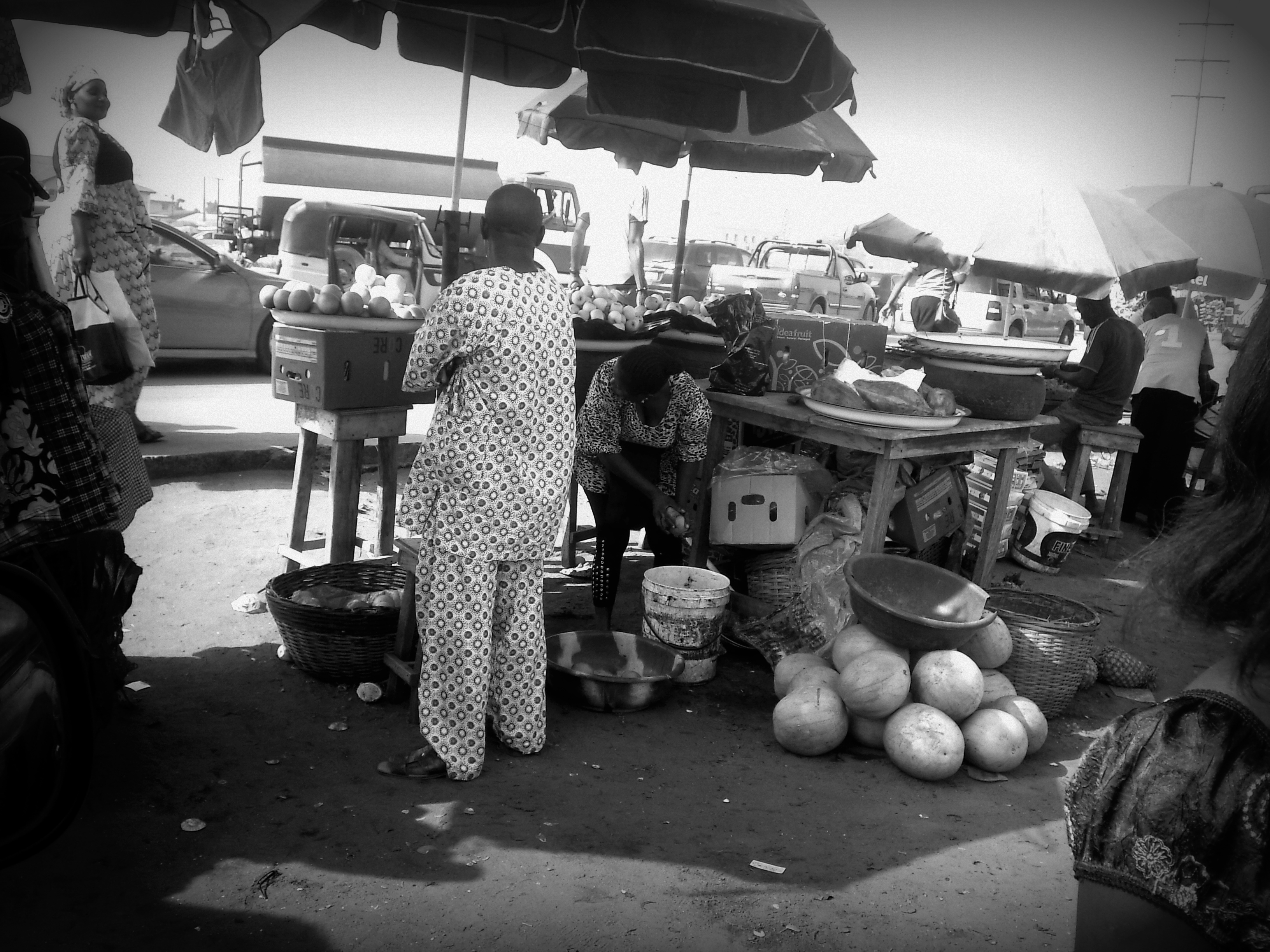
Xperia’s Lagos

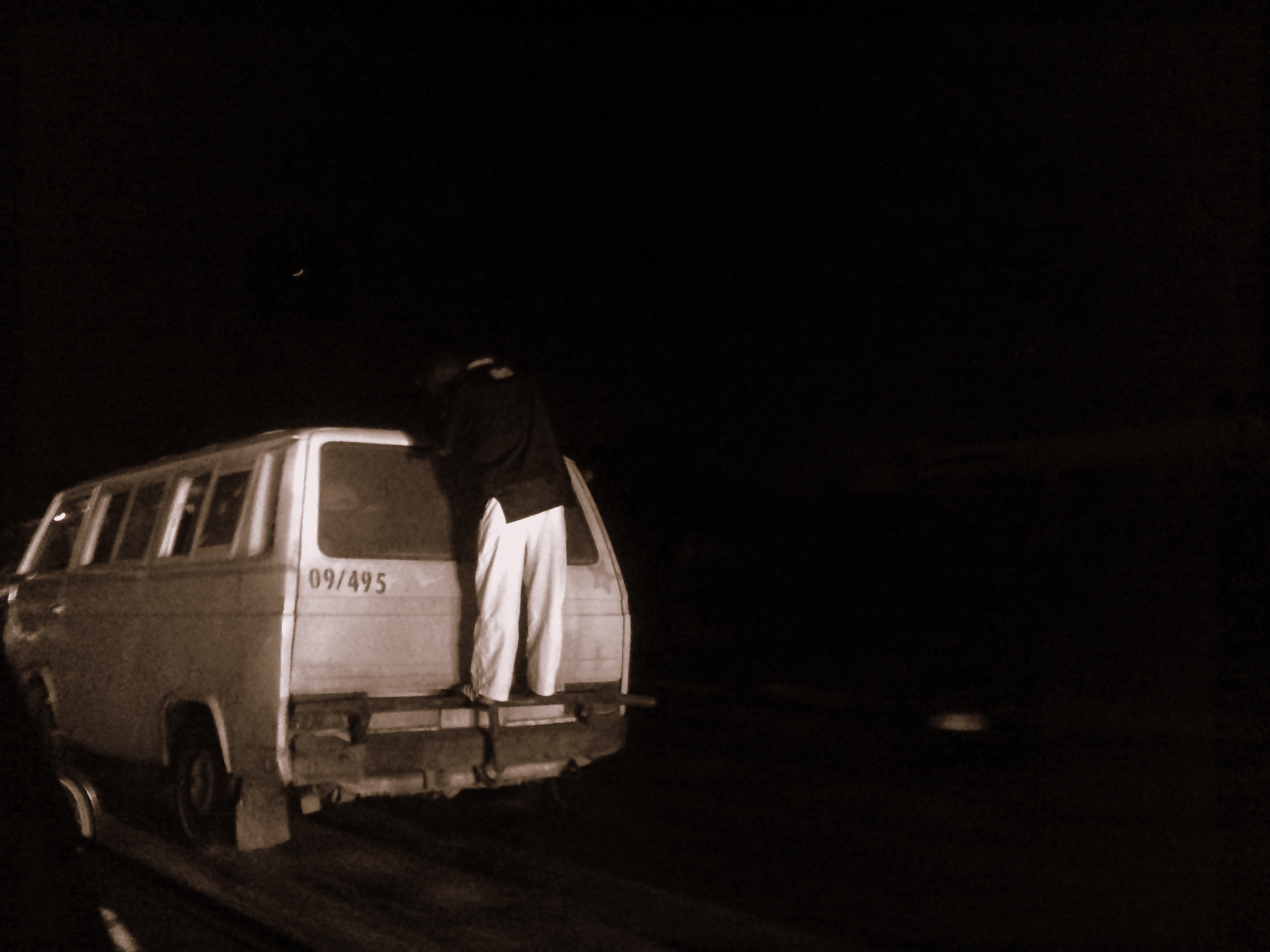
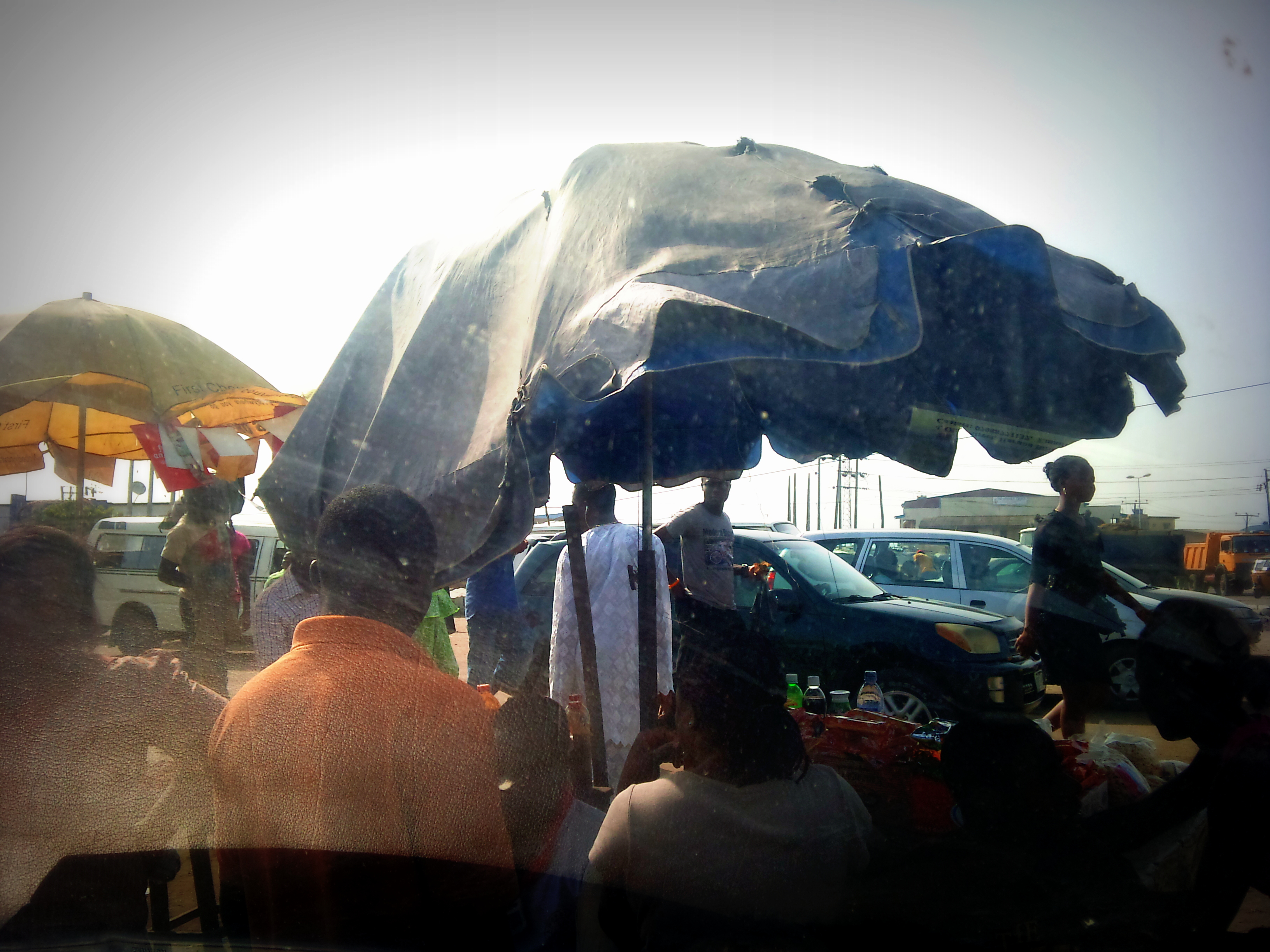
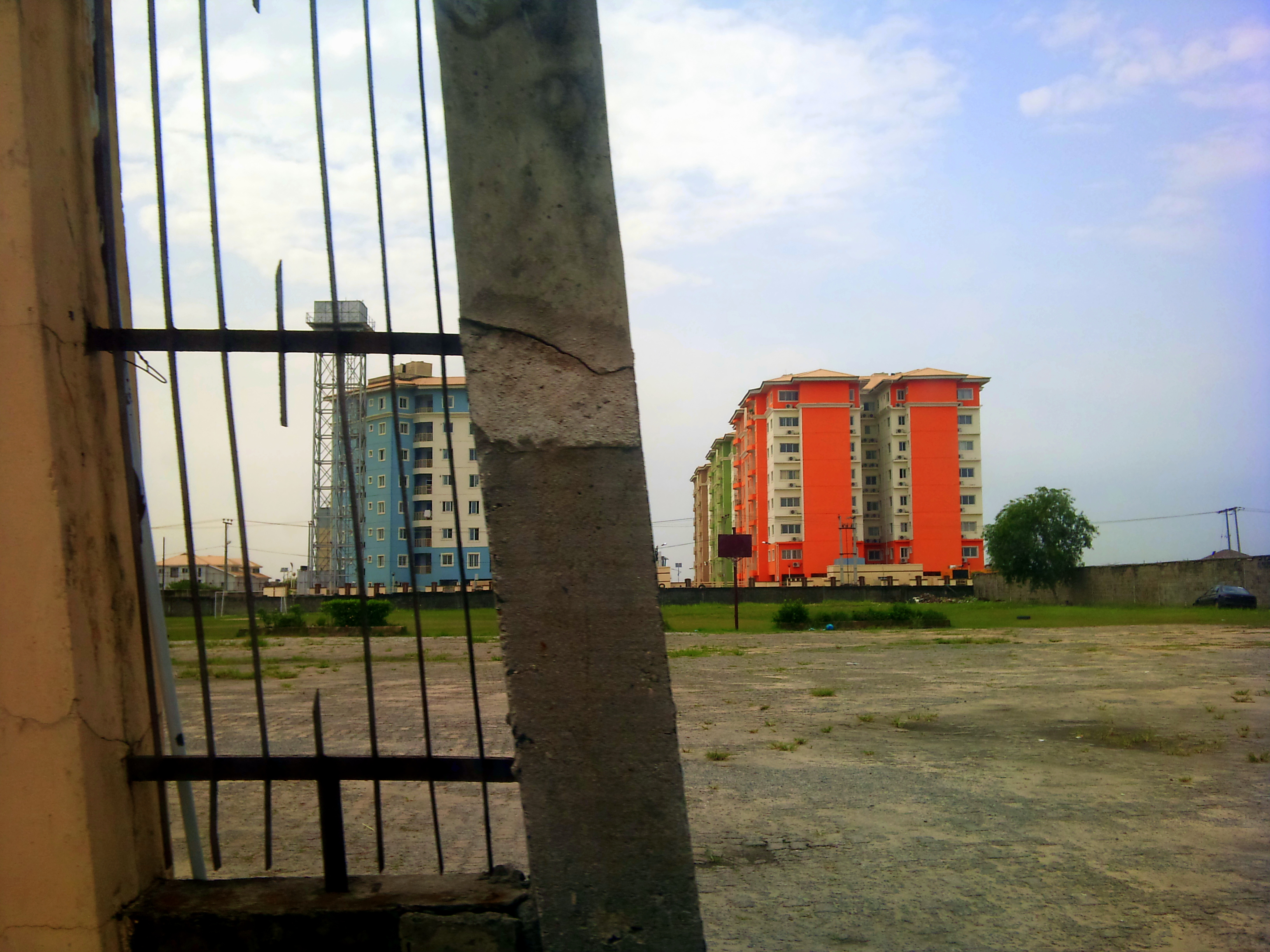
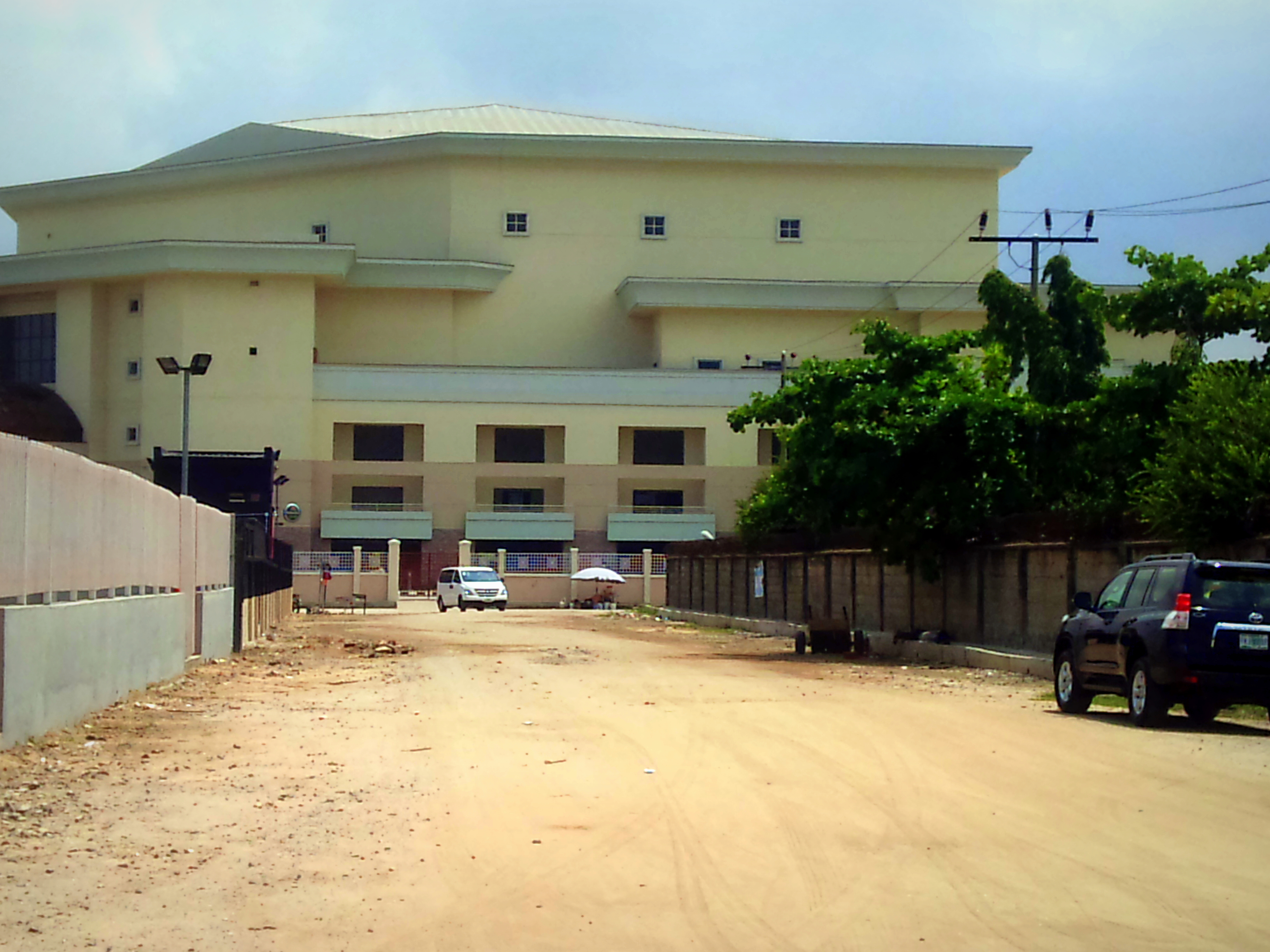
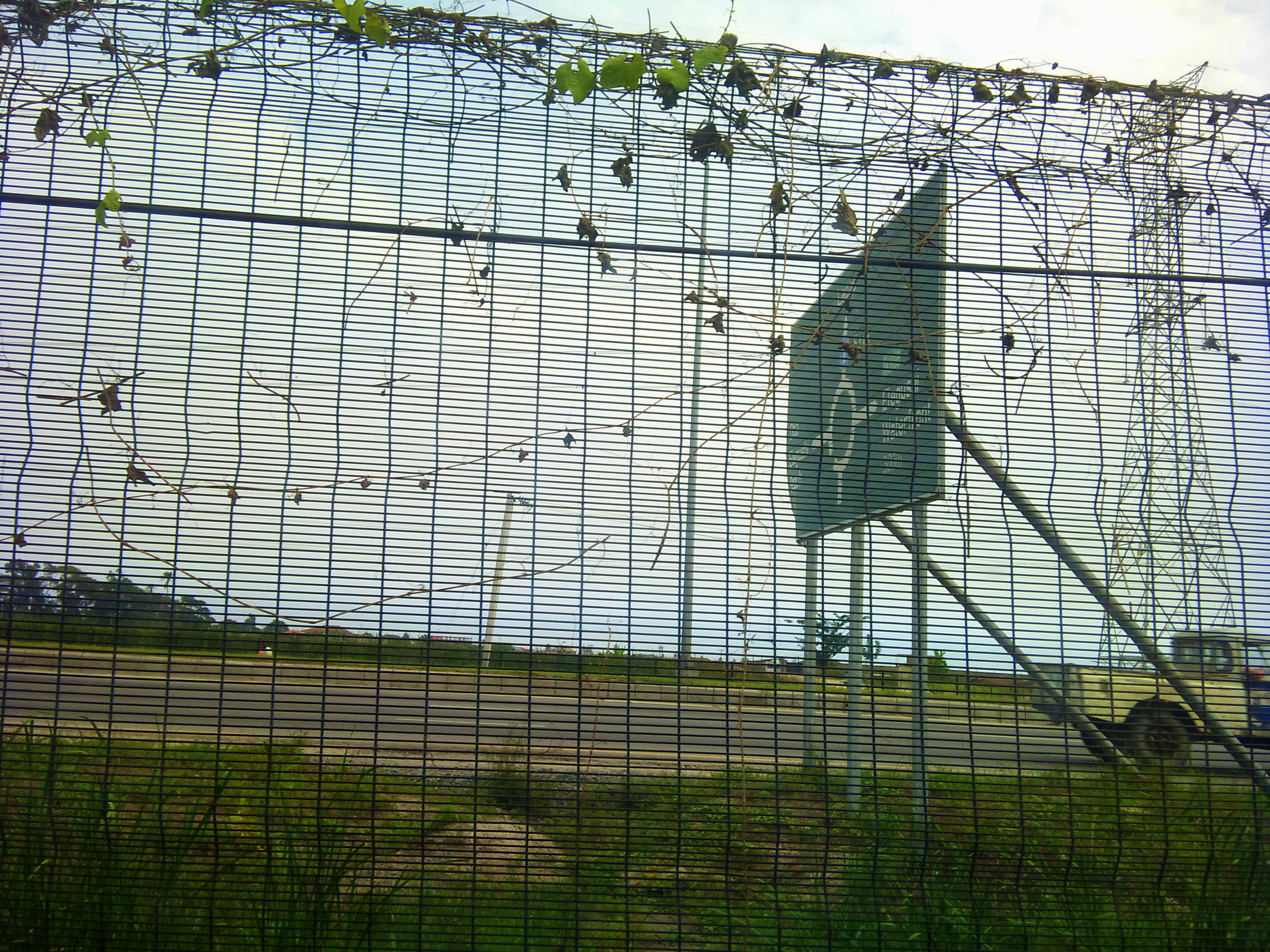
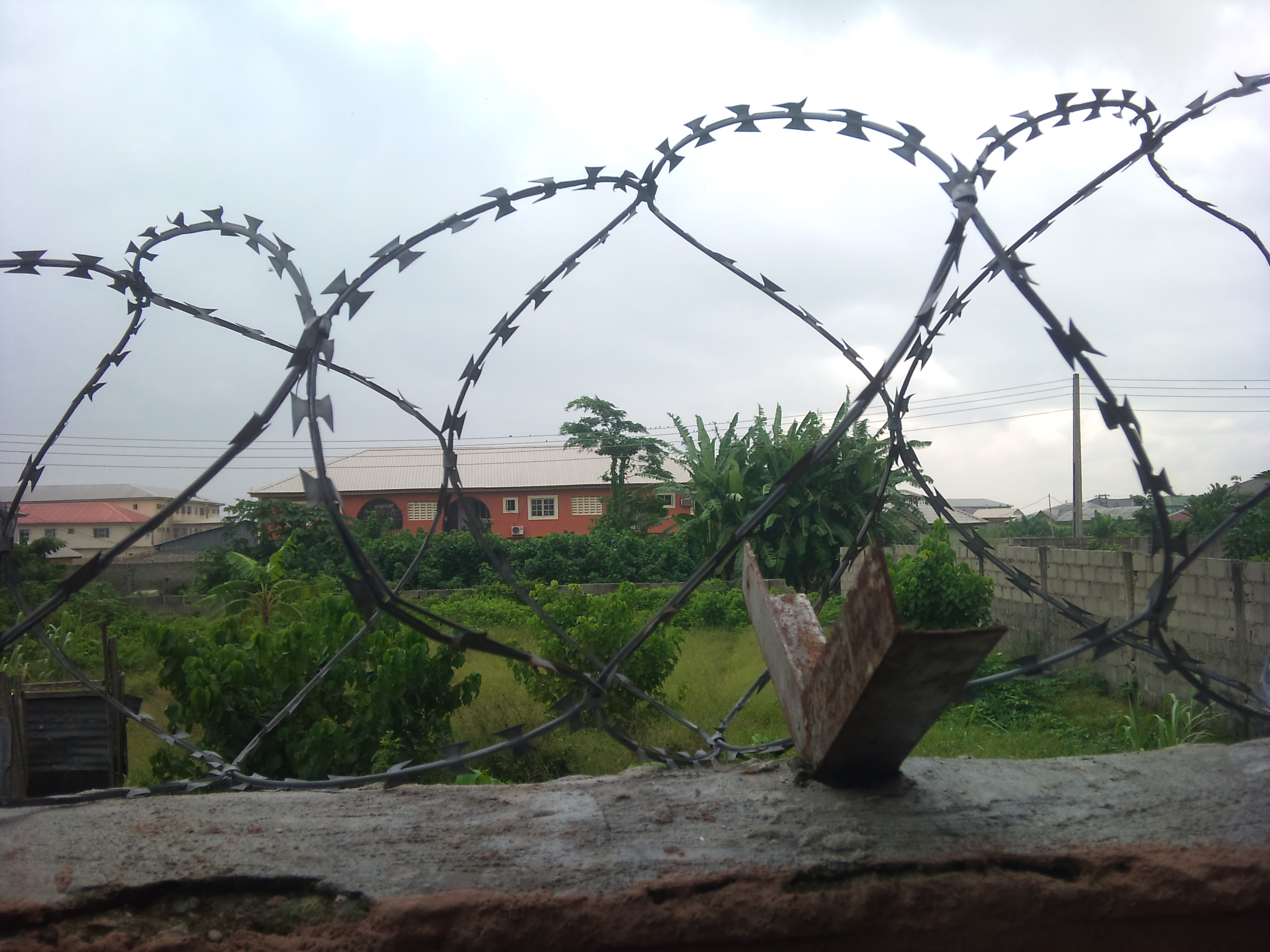
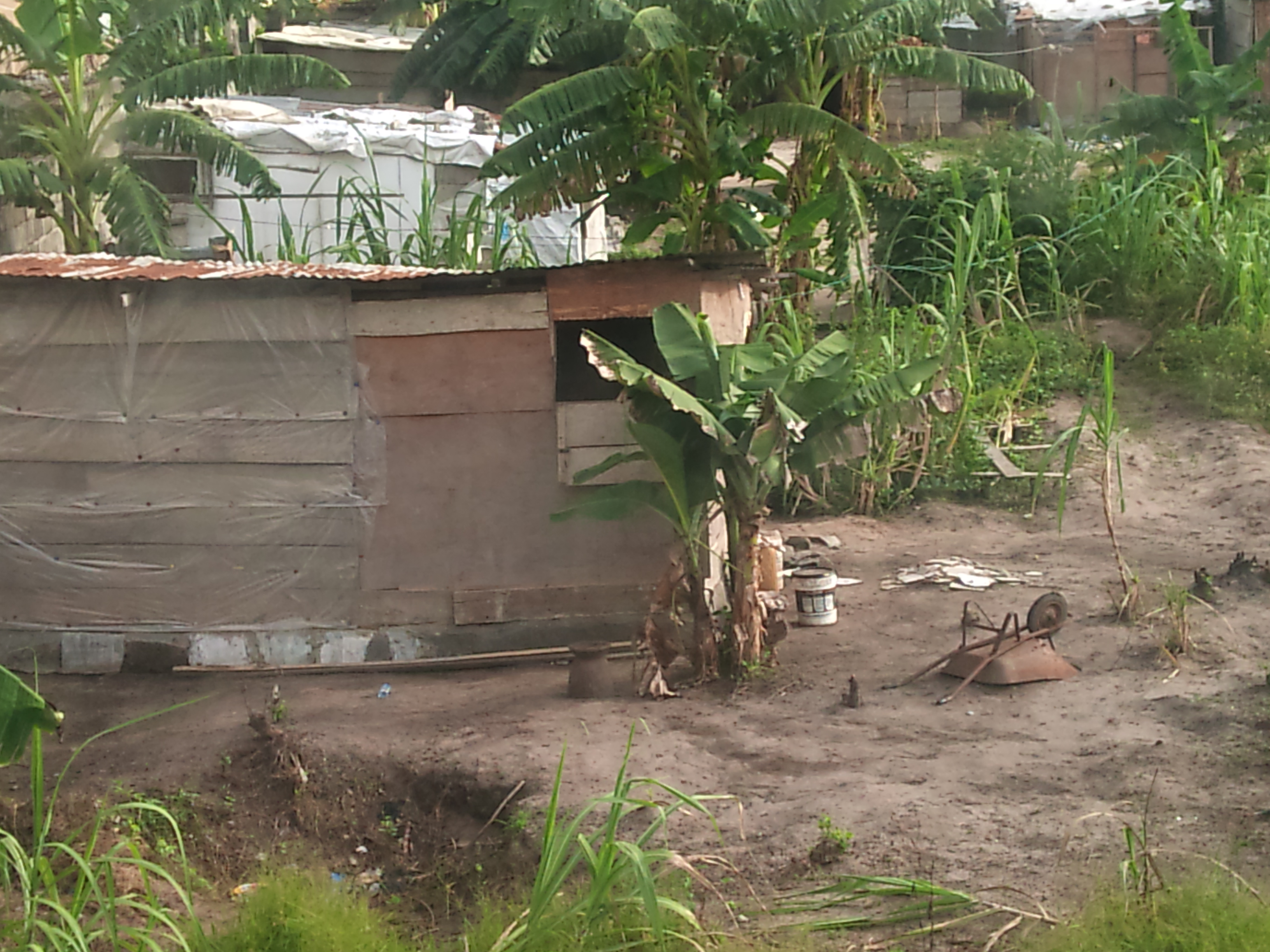
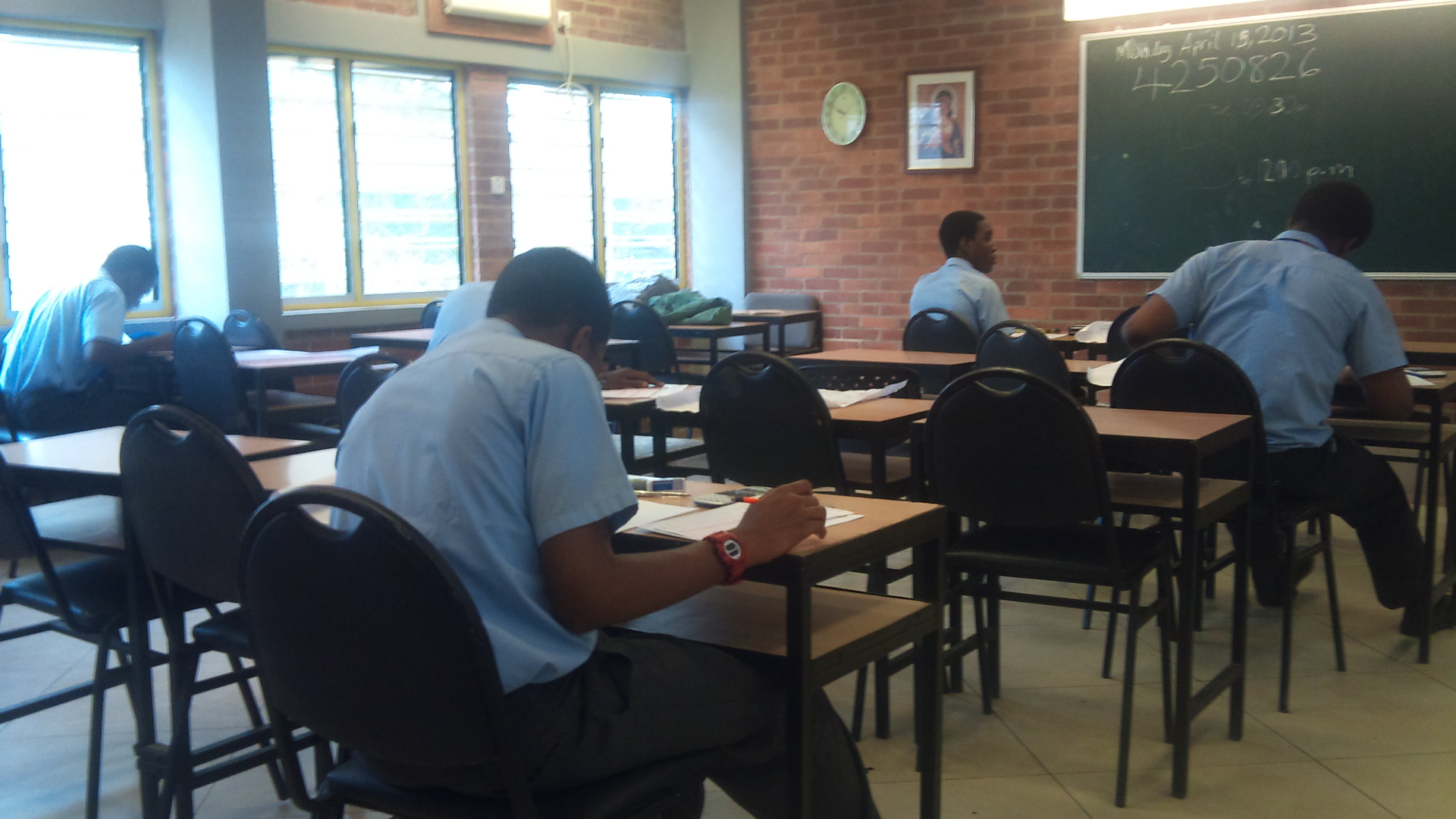
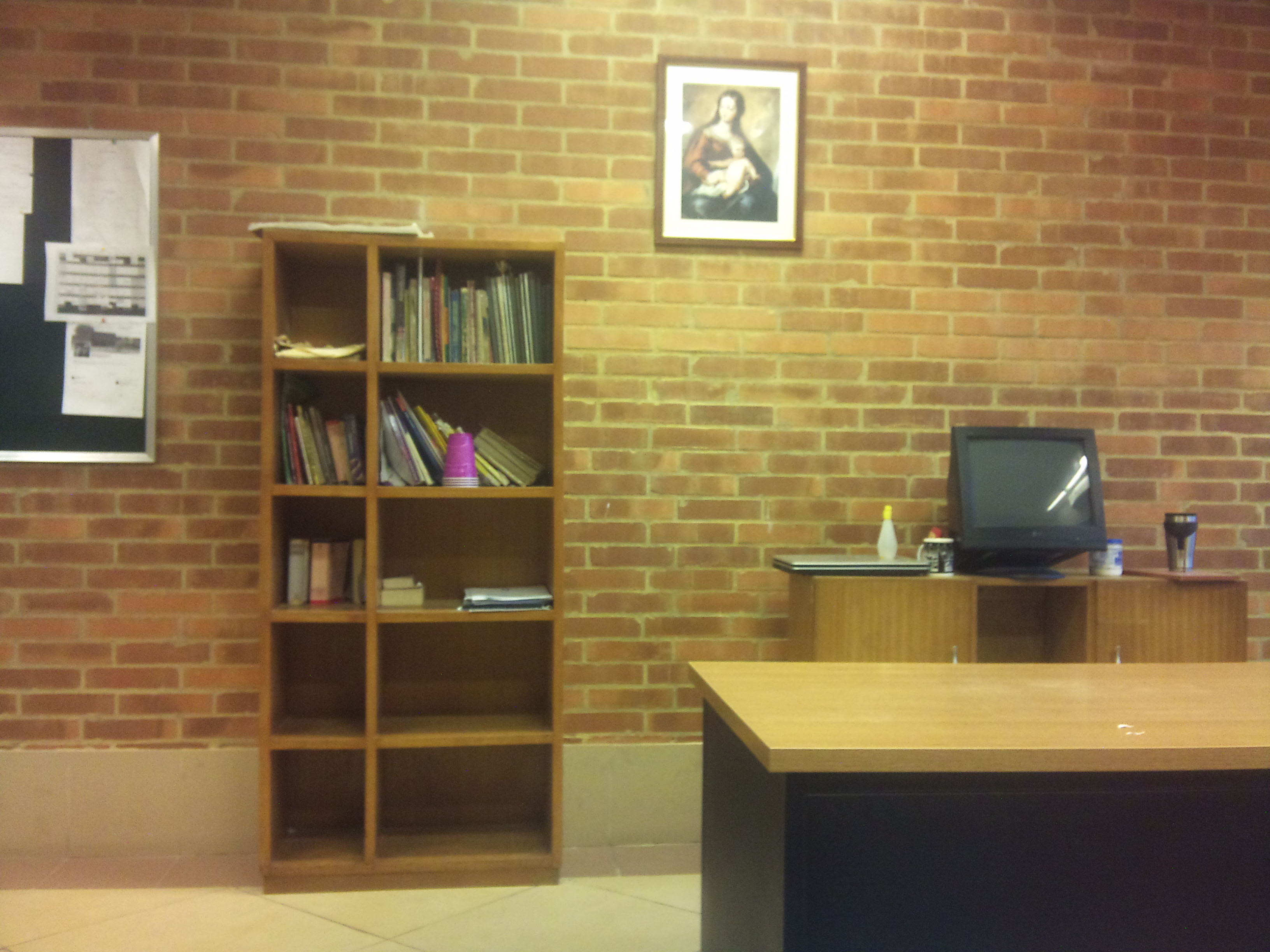
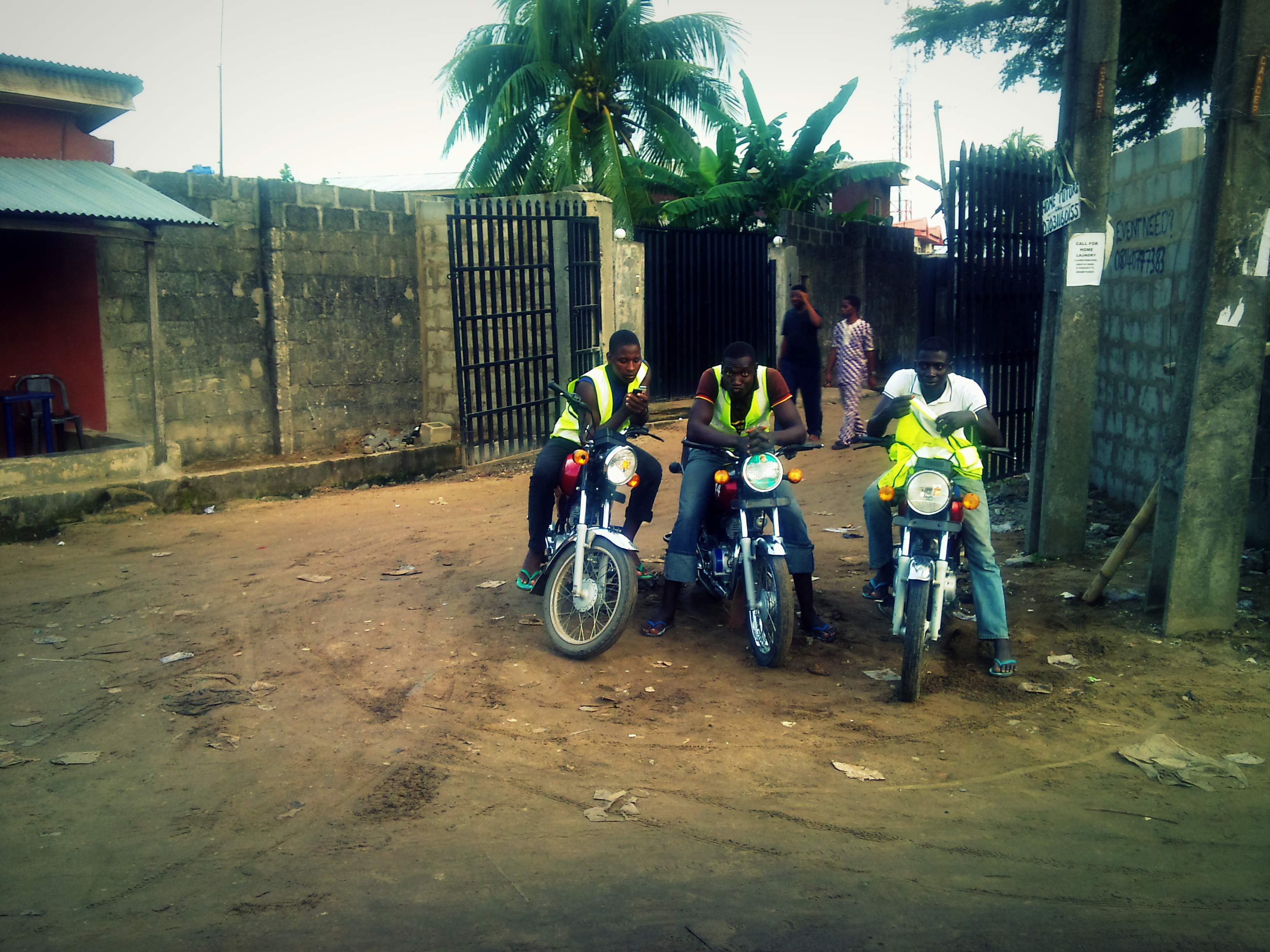
2013-04-19 10.27.32 2013-05-03 16.07.16 Lagos Roulette 2013-05-03 16.07.53 2013-05-03 09.37.23 2013-05-03 09.36.18 2013-04-30 07.00.25 2013-04-26 15.37.32 2013-04-25 11.56.17 2013-04-26 15.40.05Unless Sony Ericsson makes me an offer I can’t refuse, this is the last time I’ll put a name of their brand on a blog title :).  This caveat is necessary in case anyone begins to wonder whether I’ve already been paid to present the camera of one of their better phones in a good light. From how it has worked with me so far, it seems that I don’t need to do that after all. The product speaks for itself.

However, if I do get an offer to try out any of their even better, newer, Xperia versions, it would be nice to compare what I have to what new functionalities they offer. If Google is listening too, I wouldn’t mind trying a Nexus either.

In any case, this post is about a few photos taken around Lagos, Nigeria. Enjoy.

Adventures of a Camera

Camera 360 Camera 360 2013-04-17 08.53.39 2013-04-17 08.15.42 2013-04-15 16.19.49 2013-04-15 09.50.29 Fullscreen capture 4212013 12342 PM.bmp 2013-04-15 07.03.092013-04-20 18.25.09Once upon a time, a camera – a Canon handheld camera. Two cameras, actually, of the same brand, both purchased in the US. That is where the story begins and stops, except for a few other details: each originating in a Radio Shack shop, for about $250, and both ending up lost, along with a treasure trove of photographs that would never again be retrieved. One originated in Providence, Rhode Island, and disappeared at Six Flags, Missouri. The other at Radio Shack, Glen Carbon, and disappeared in a taxi in Lagos Nigeria.

And so one day, a bright idea: why not kill two birds with one stone? The camera on one of the latest Sony Xperia smartphones is reputed to be one of the best in the market. And since in need of a new phone anyway, an investment in a smart phone – the first for this traveler reputed for unexplainable reticence with regards to new technological fads – seemed, all of a sudden, like a good idea. The traveller gains access to the latest perks in mobile technology as well as a handheld camera all embedded in the same device.

It seems now to have worked so far, except for the occasional wait for the camera function to activate when summoned in the middle of another phone function. With thousands of new app functionalities to improve the camera experience, there seems to be something to keep me occupied for a few months to come. And then, a few days ago, I stumbled on Instagram, and the journey is complete. Here’s a platform for showcasing the trial and errors of one’s photographic experiences and experiments with colour and filter.

Enjoy these very few ones around Lagos, through the eyes of an Xperia lens.

Camera Shy

A bright day on a Midwestern campus. Brightness: erratic coming outs of a reclusive sun delights, and occasionally surprises. The campus yard fills up with half naked men and women doing the Naked Mile. The small Canon camera creaks now, almost packed up – a cat with seven lives. One often wonders about the resilience of the poor little thing.  A few months ago, it fell down and lost its digital viewfinder so one has to look through the old viewfinder to take pictures. A few weeks ago, it fell down again and the digital viewfinder came back to life. Then went off again after a few days.

Until it finally succumbs to the inevitable laws of nature, one hears the creaking trudging of a new tool of the modern age. Switch, view, click. One more day in the life of the Canon explorer.

Adventures in (Dis)honesty

There’s no reason why I should be impressed, really. This is how things should be in a normal society. But I guess that the event has sufficiently moved me to write about it only because a few months ago, an even far less careless slip had cost me so much more. What happened then was that I had gone to Six Flags for the first time, with friends, and at some point decided that I would join some of them in swimming. Now my small point-and-shoot Canon camera has always had a spot in its pouch around my waist. My belt always held it firm, and it was easier to bring out at the slightest notice of any memorable sight. Then I had to remove my jeans in public since none of us wanted to go into the locker rooms. We were all outside, beside a tall tree full of leaves. The process must have been: remove shoes, remove socks, unbuckle belt, unbuckle jeans, remove jeans, take everything off the ground and proceed to the pool. Approximately thirty seconds later, when I must havhollye taken not more than twenty steps from that spot, it struck me that my camera was missing, and there was only one place where it could have been: that spot outside the locker room. I went back there and it was missing, for good. I made a report, asked around, hoped and prayed, even searched Craigslist for lost items, but I didn’t get it back. It wasn’t so much for the camera but for the photos in it. In any case, there was no reason for me to have hoped that such a crowded public place like Six Flags would have been a safe place to leave a camera for that long, even for less than a minute. It kind of reminded me of some places in Lagos.

That could be why I may have been impressed when I arrived in class on Wednesday and found that my iPod earphones were still on the front table, exactly where I had forgotten to take it off from after the class on Monday. I have tried to rationalize it this way: the table is used mostly by Professors when they stand in front of the class, and it is not likely that any Professor would fancy a used $30 Apple earphone that doesn’t belong to them. I made a similar rationalization for the many students who had used the class between 3pm on Monday and 1.30pm on Wednesday, yet I did not doubt that a few of them must have noticed it lying there idly seemingly belonging to no one, and just ignored it. I should really not have been impressed. Nothing extraordinary has happened, right? Wrong. Right. I have no idea, but I am not taking up the challenge of my now mischievous self to make an experiment with my iPod classic. Place it carelessly in a public spot and come back after two days to see if it’s still there. That stuff cost me $250!

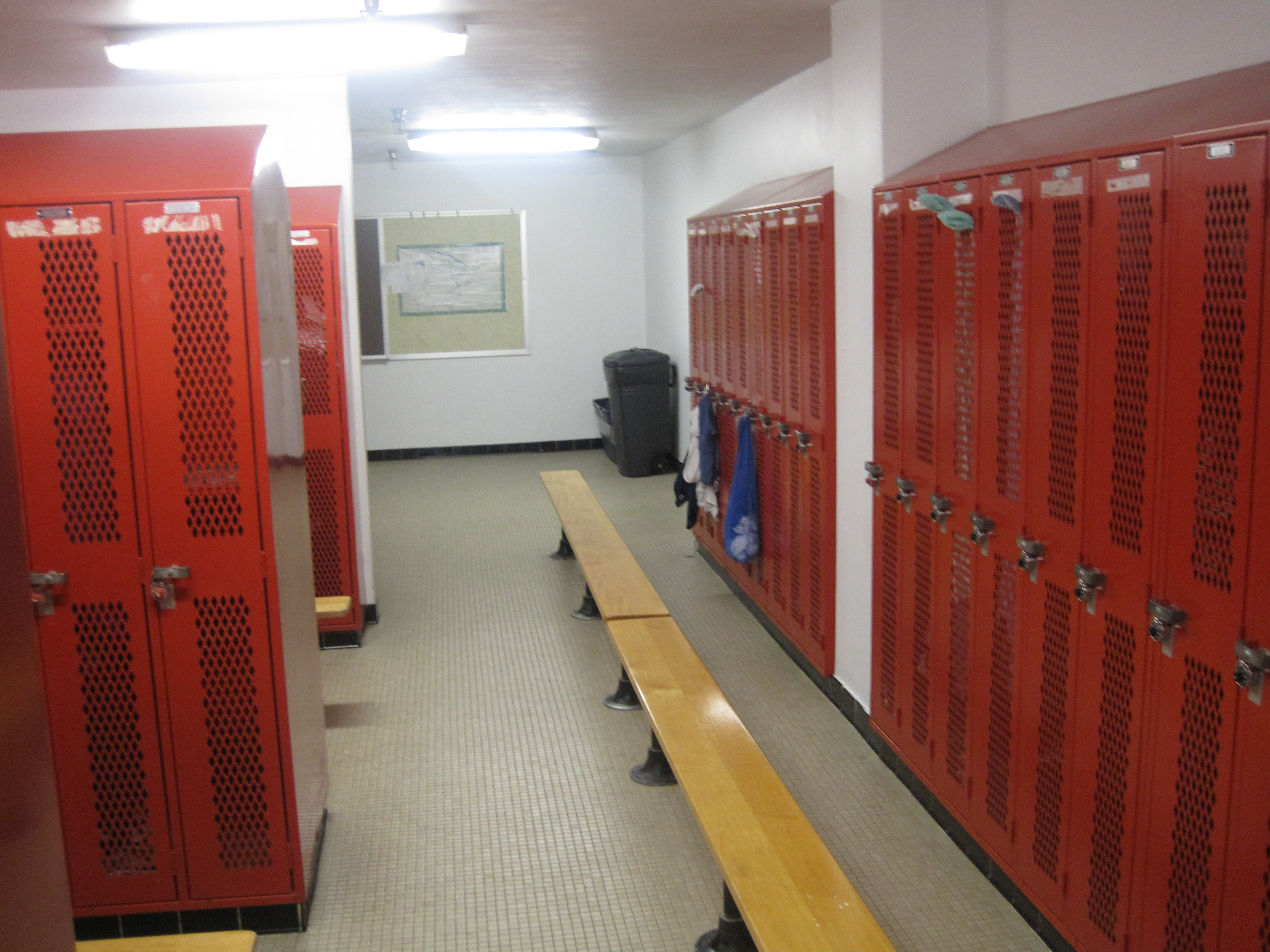
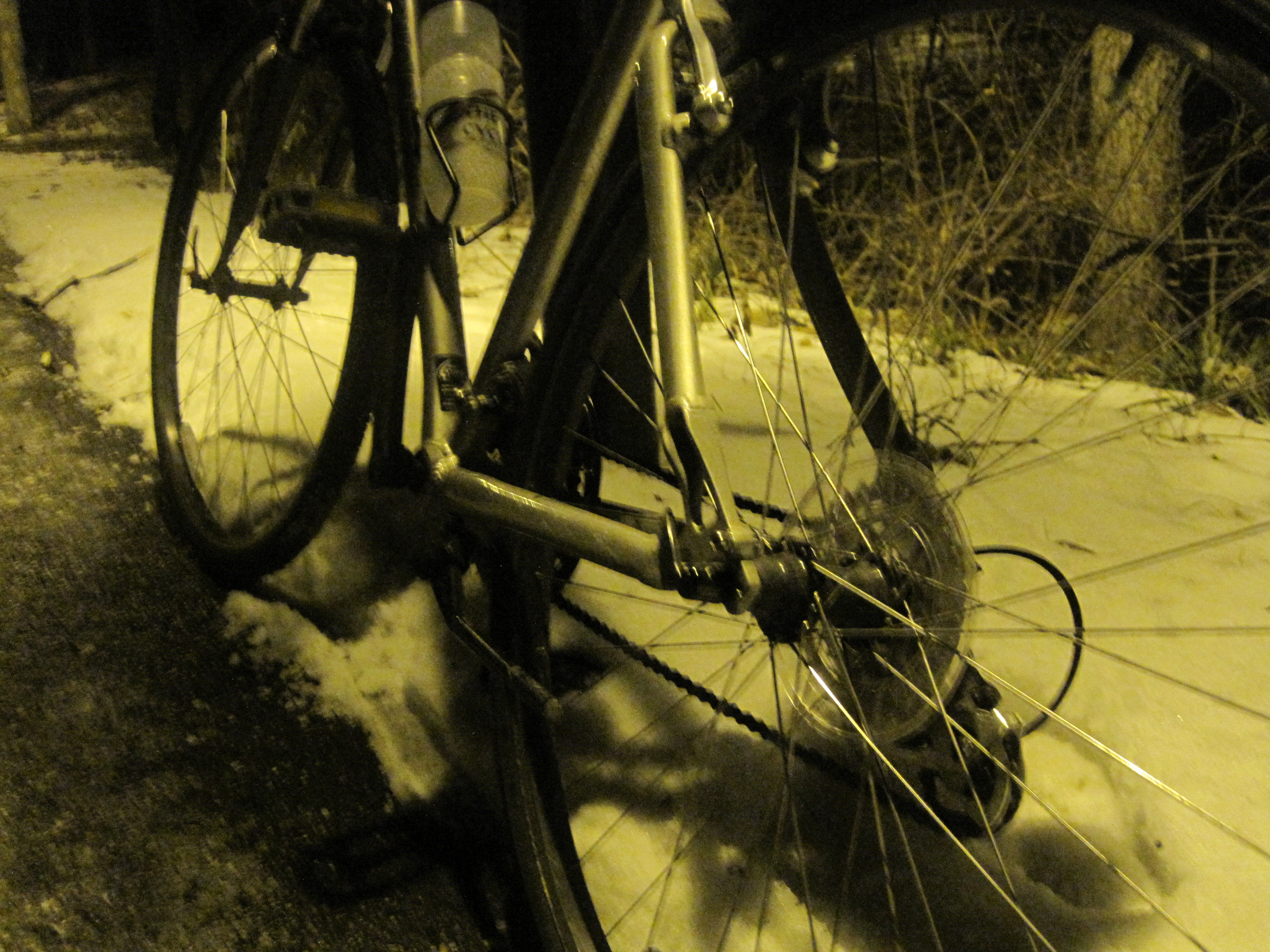
One of the very first things Papa Rudy told me the first day he gave me his bike to take home was this: “Never ever forget to lock the bicycle up whenever you’re outside, cos they’re gonna steal it. That’s why I’ve given you a lock with it.” He spoke in earnest and I did not doubt his conviction for a second that the bike would be stolen if I ever left it outside the house without fastening it properly with a solid lock. The second time I heard this kind of talk was from Holly Ruff, my friend the artist. It was Halloween night. According to her, all the times her bicycles had been stolen, it has always been on Halloween nights, and not always because she didn’t lock them properly. People always seemed bolder on that prank night that they get away, it seems, with anything. For that, she had warned me sternly to not think about coming out of the house with my bicycle – lock or no luck – for that one night. Last week when Mafoya and I went to the swimming pool with Ben, I went with a lock in my bag. But when we were putting our stuff in the available lockers in the gymnasium locker room, Ben looked at me calmly and said, “You don’t have to worry about that. Nobody’ll mess with your shit,” and I sighed, then smiled. My “shit” included a passport, an iPod, my wallet and cards, my camera and some cash, so I shrugged and locked it firmly away anyway. It felt better to be safe than sorry, but we both came back to find our things still intact. I remember having lost my bike helmet on campus more than two times since August. I always found it at the same spot where I left it, untouched. It might be safe to say that this campus environment is generally a safe one for personal items.

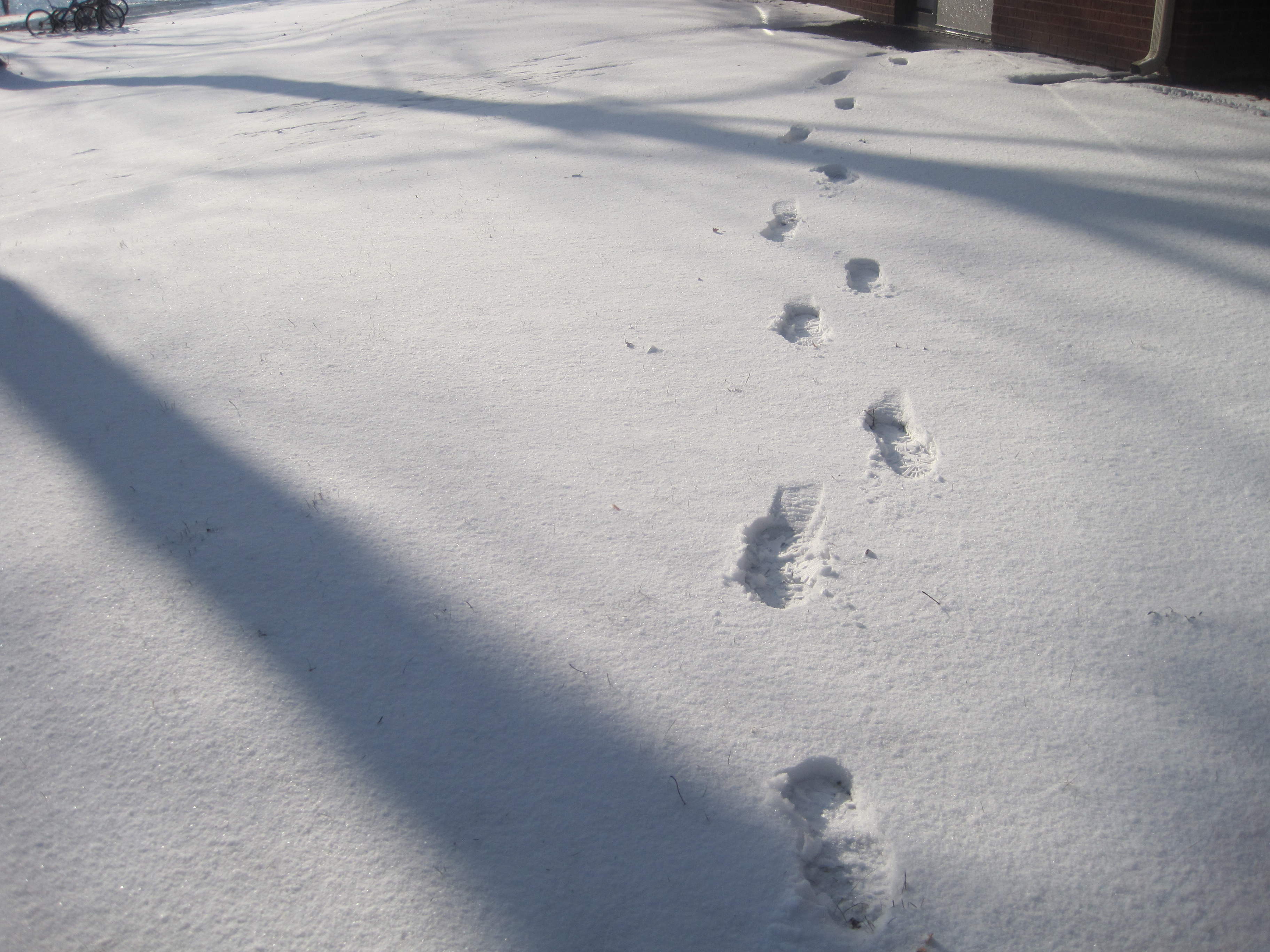
The last time it snowed here, I had gone out for a walk behind my apartment when I noticed a mobile phone in the snow around a series of small footsteps that went out towards the parking lot. Nobody else in sight, and the phone wasting away in the snow, I picked it up and took it into my apartment. Later in the evening, I told Mafoya about it, and we both waited for the owner to show up. He did about seven days later while I was out, and was very grateful that someone had kept his mobile phone for him even though he had no idea where he had lost it. He was a teenager or so. Now, I wonder whether, like me at the sight of my earphones lying there on the table, he was impressed that nobody had taken the item and made it theirs. Perhaps he was relieved, and grateful, that it didn’t take him too long to locate his property after countless calls to the number and no one answering. (I’d left it in the living room and I always missed the calls, not deliberately.) Or perhaps he took it for granted as a contented citizen, believer in the power of good: “Nobody needs another person’s phone anyway. This is America. Everyone has their own mobile phones…

I would never know, because I never met him.