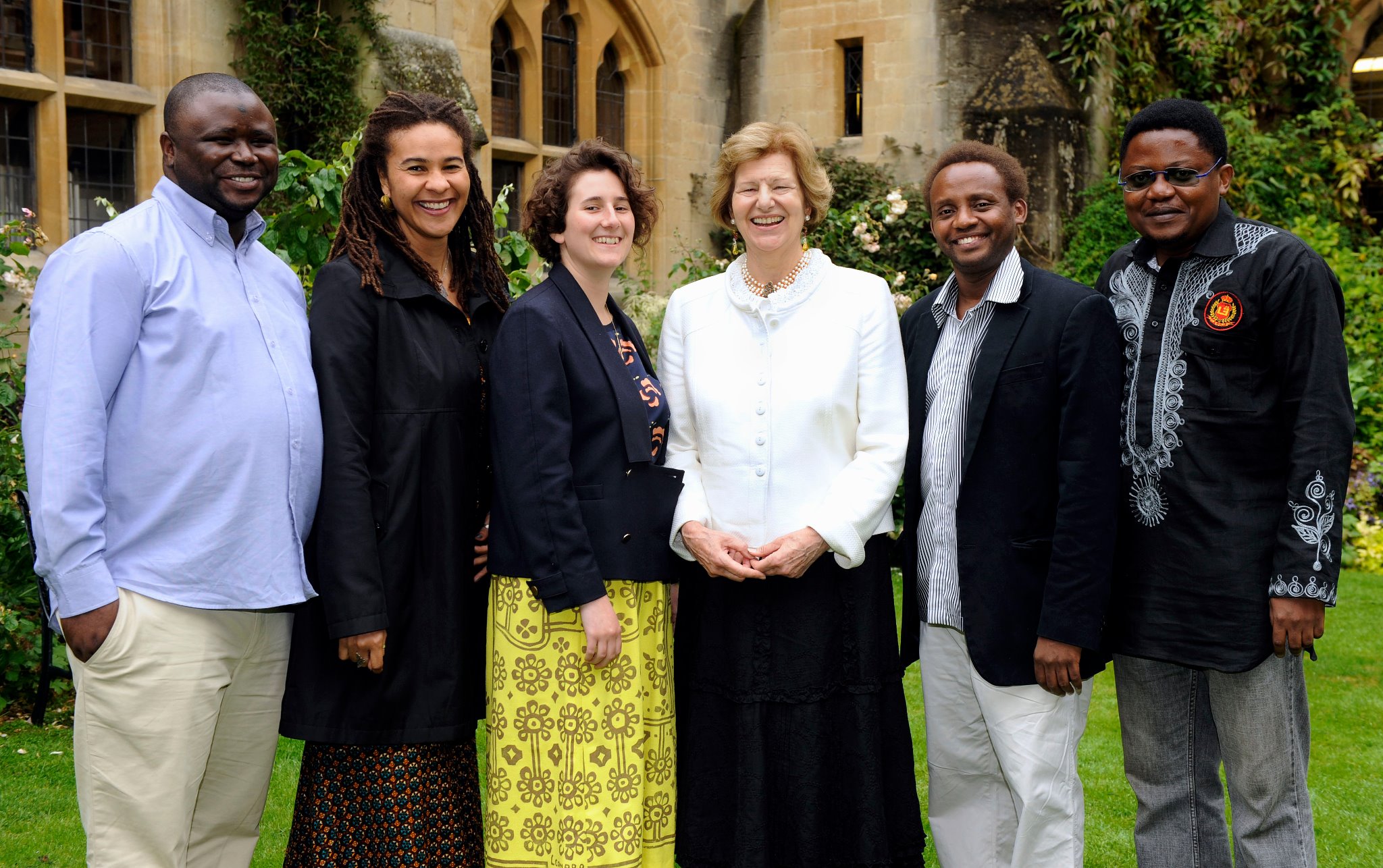
As a symposium participant in an event at the Draper’s Hall, University of Ibadan, at the weekend to celebrate the work of Rotimi Babatunde, winner of the 2012 Caine Prize for African Writing, I made a few points regarding the distinguishing features of Rotimi’s work, and the opportunity it offers for emerging writing. More importantly, the way it conforms to the already established trends in great storytelling.
In craft, Bombay’s Republic distinguishes itself by being able to re-tell a story already told in a longer form in Biyi Bandele’s Burma Boy in a different form, and from a different angle. This is not an easy feat. As a contribution to history, the work also moves between fiction and real life in a way that is not only authentic, but also affecting. Like Eleshin Oba in Wole Soyinka’s famous Death and the King’s Horsemen, and Okonkwo in Chinua Achebe’s Things Fall Apart, the main character in Bombay’s Republic lived at a crossroads of a certain time in history and automatically assumed the perils and rewards of such serendipitous existence.
 As a contribution to language, I made note of my most fascinating discovery, made close to the end of the story, that the author had not used quotation marks at all throughout the text of the short story. That I discovered this towards the end of the piece only added to the interesting point that unlike what prescriptive grammarians would have us believe, our brains usually process text in chunks rather than as individual pieces of written information. Quote marks, as good as they are, and as aesthetically pleasing their presence on the page might me, fade in significance if a story can still be told, brilliantly as was in this case, without any use for their now rather annoying presence.
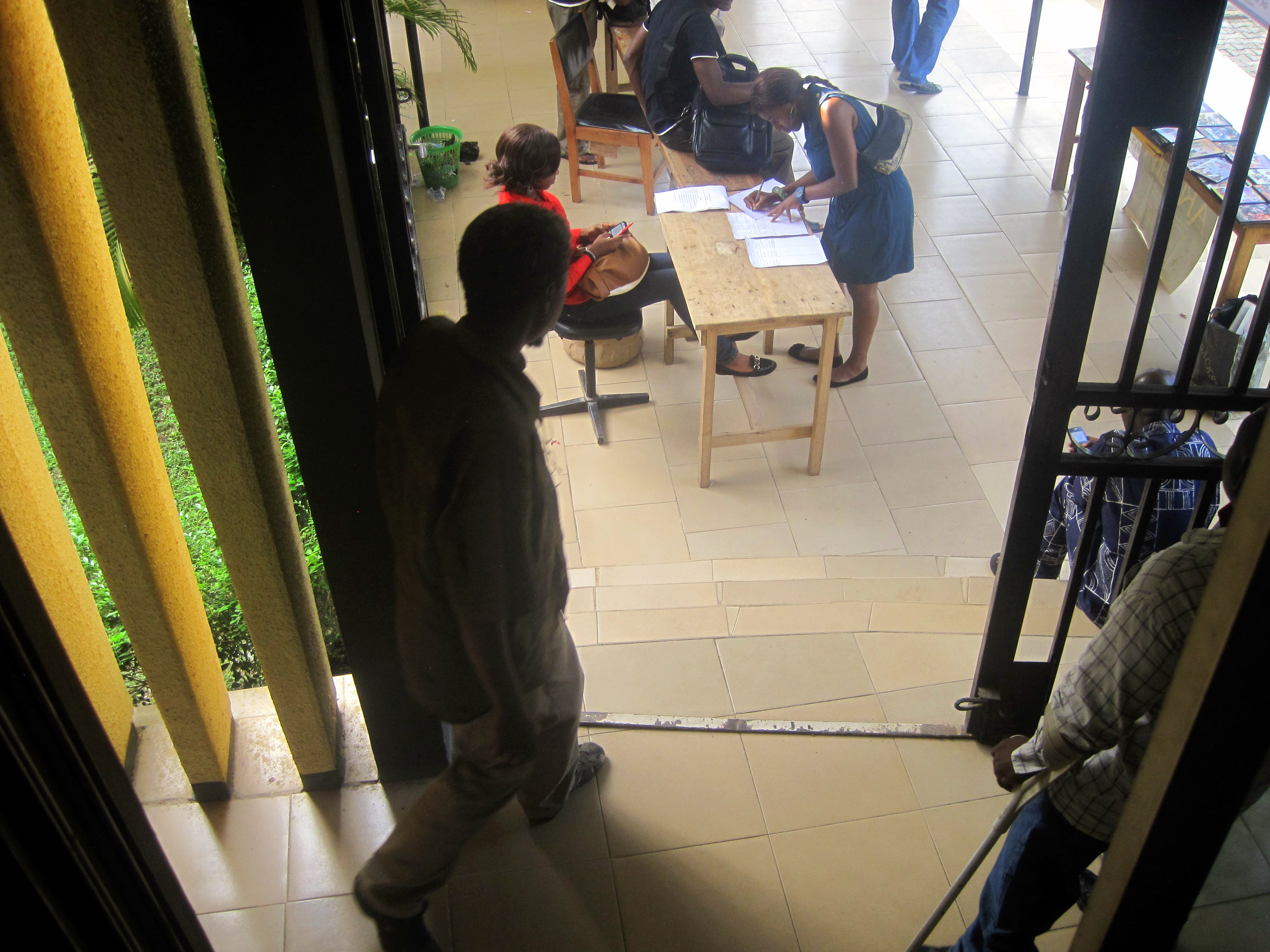
The event was hosted by a Committee of Friends, including Yomi Ogunsanya, Ropo Ewenla, Benson Eluma, Iwalewa Olorunyomi, et al. Other participants included Sola Olorunyomi (Author of Fela: Afrobeat and the Imagined Continent), Benson Eluma, Tade Ipadeola, Niran Okewole, Jumoke Verissimo (Author of I Am Memory), Biyi Olasope, Remi Raji (President of the Association of Nigerian Authors, and poet), Ayodele Olofintuade, and Olisakwe Ukamaka Evelyn.