Nigeria’s Opioid Crises: Codeine

I first heard about the Nigerian codeine epidemic a couple of months ago, when a viral song by Ọlámìdé titled Science Student was released. Until then, I did not know that a drug epidemic was raging on Nigerian streets and taking lots of young men and women with them. But even then, I had no idea that the drug in question was a prescription cough syrup.

My friend – and Nigerian journalist – Ruona Agbroko-Meyer has now done an important documentary work on this crises, exposing the underground market and individuals that sustain the multimillion naira criminal industry. It is a story that has roots in her own personal story but exposes a national problem through investigative journalism and high stakes reporting.

I strongly recommend it. See below, via the BBC.


Ideas of Identity

IMG_4054A BBC Radio 4 feature on Nigerian writing today, with a focus on the diverse ways in which Nigerian writers are interrogating identity, aired today at 12.30pm Lagos Time. The theme was Ideas of Identity.

Along with other contemporary Nigerian writers, I was interviewed on my work in Yorùbá and on the dearth of literature in the local language in the country today.

You can listen to it here. The programme was produced by Jeremy Grange (who himself is passionate about the resurgence of local languages – Welsh in particular – in his native country), recorded in September 2015, and narrated by Wana Udobang.

EVENT: Writing a New Nigeria

Representations of Nigeria in contemporary fiction and poetry

  • Time: Saturday 14 November 2015, 4pm – 5.30pm
  • Venue: Freedom Park, Museum Building
  • Admission: Free

Panelists

  • Elnathan John, author of Born on a Tuesday
  • Abubakar Adam Ibrahim, author of Season of Crimson Blossoms and The Whispering Trees
  • Jumoke Verissimo, poet and author of I Am Memory and The Birth of Illusion
  • Dami Ajayi, poet and author of Clinical Blues
  • Toni Kan, author of Nights of the Creaking Bed and the forthcoming Carnivorous City
  • Kólá Túbòsún, linguist and writer, author of Attempted Speech & Other Fatherhood Poems 

Moderator

  • Wana Udobang, journalist, writer and poet

wanaA selection of celebrated contemporary writers and poets discuss representations of Nigeria in fiction and poetry. The panelists will consider how writers are reflecting the issues and concerns of Nigeria today and their role in holding politicians and society to account. They will debate how Nigerians navigate by language, slipping in and out of character, dialect and language according to the circumstances, and the importance of writing and publishing in languages other than English.

The significance of identity and place will be discussed, with two authors bringing a perspective from Northern Nigeria and another who says he couldn’t live – or write –anywhere but Lagos. There will be an opportunity to hear authors read from their works – and for audience discussion.

‘Writing a New Nigeria’ is a 2-part BBC Radio 4 documentary giving a portrait of Nigeria, seen through the eyes of a new generation of writers and poets, presented by Wana Udobang and including contributions from our panelists. Produced in partnership with the British Council as part of UK/Nigeria 2015–16, it will be available on www.bbc.co.uk/radio4 from 28th November 2015.

___

Photo from Lovenwords.com

Jeremy and the Boys


IMG_4025
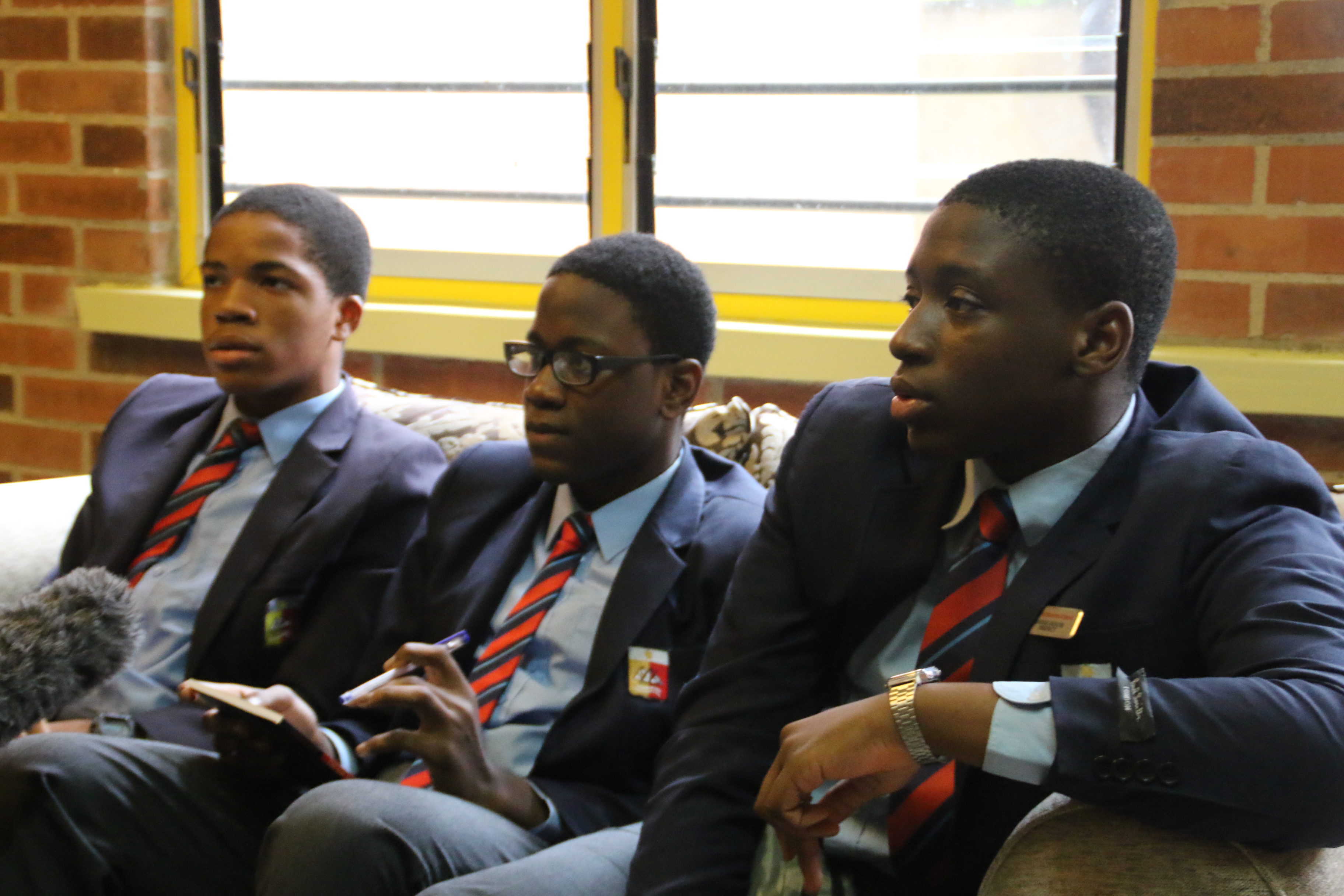
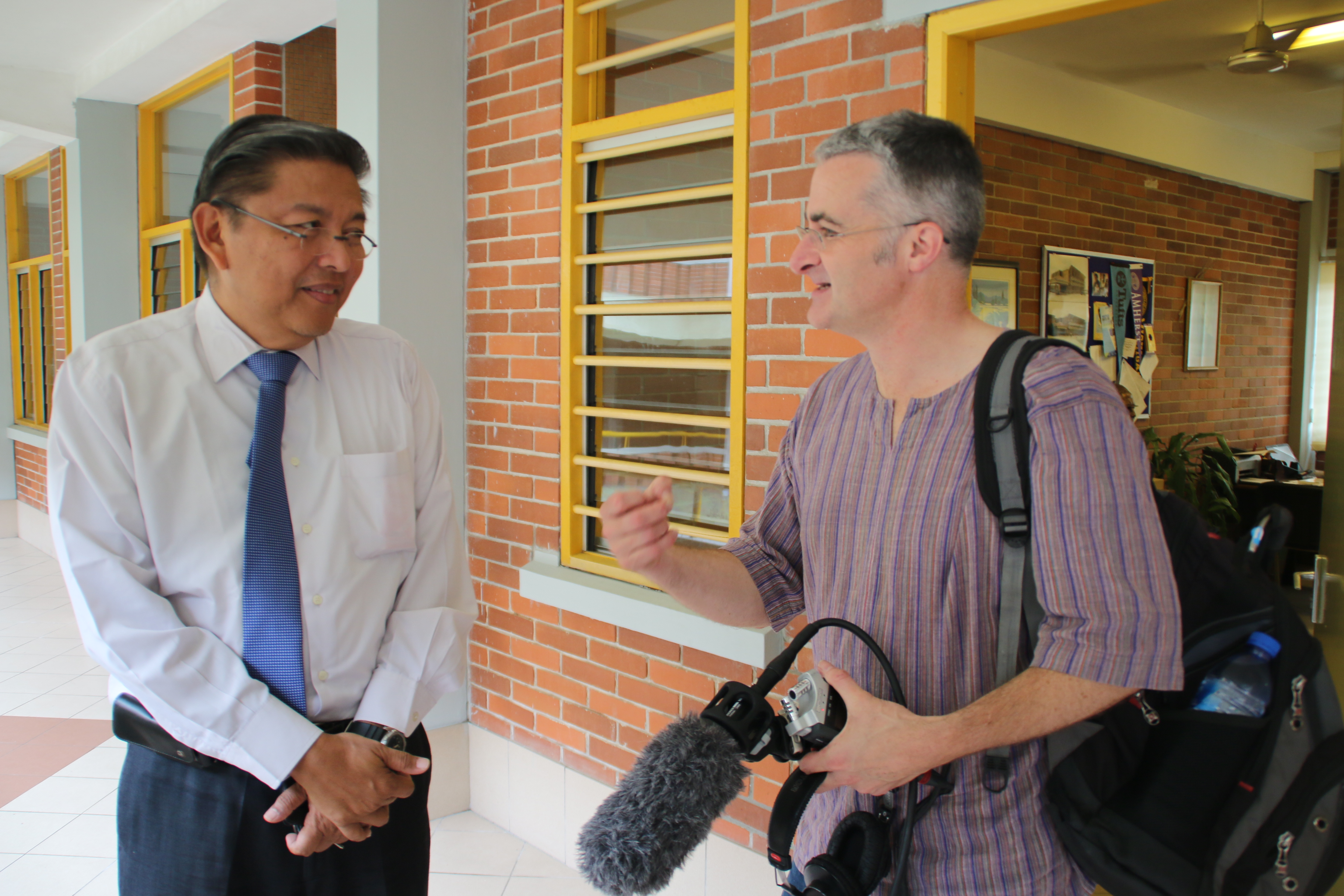
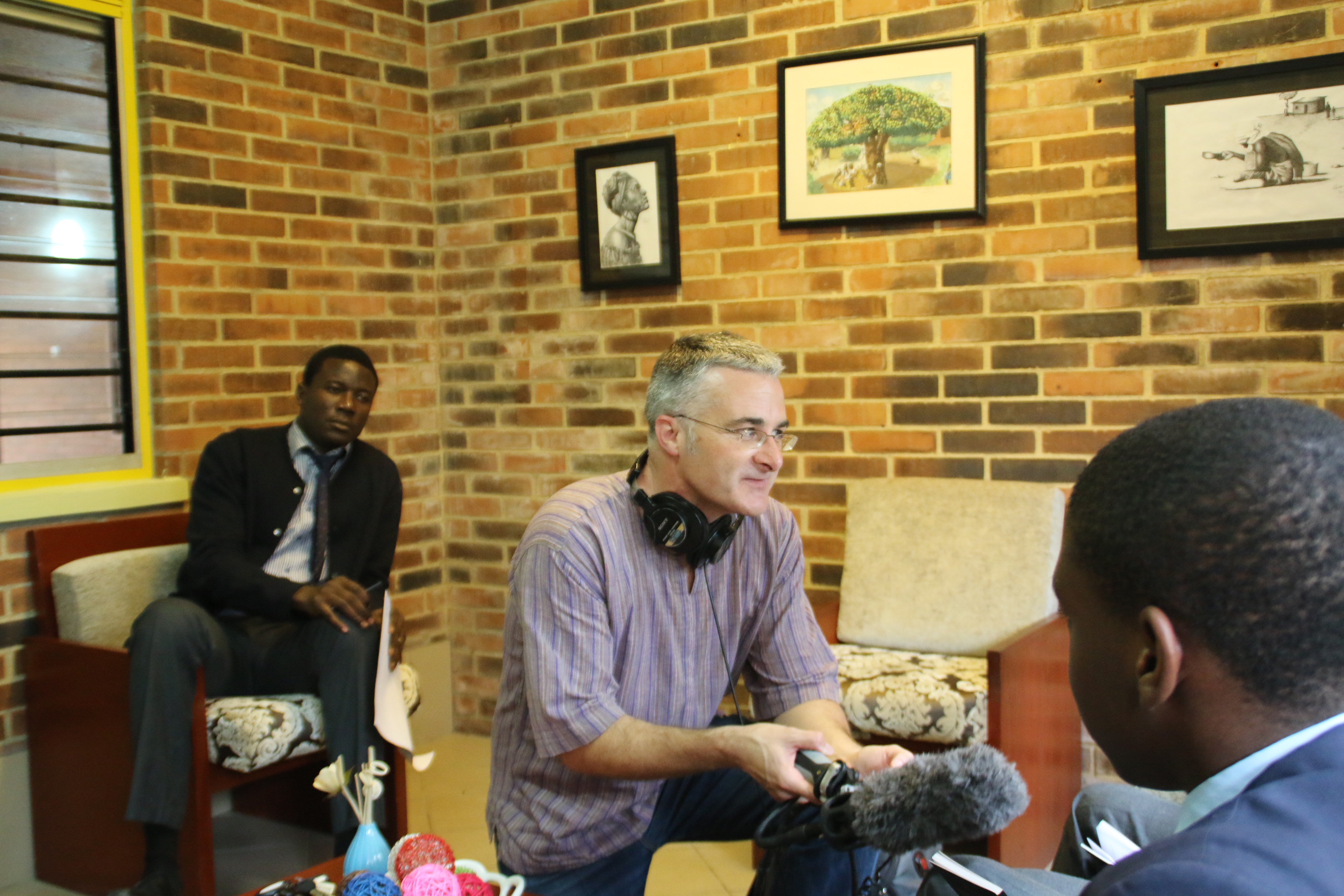
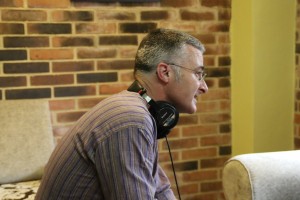
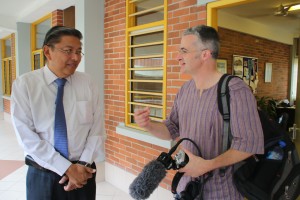
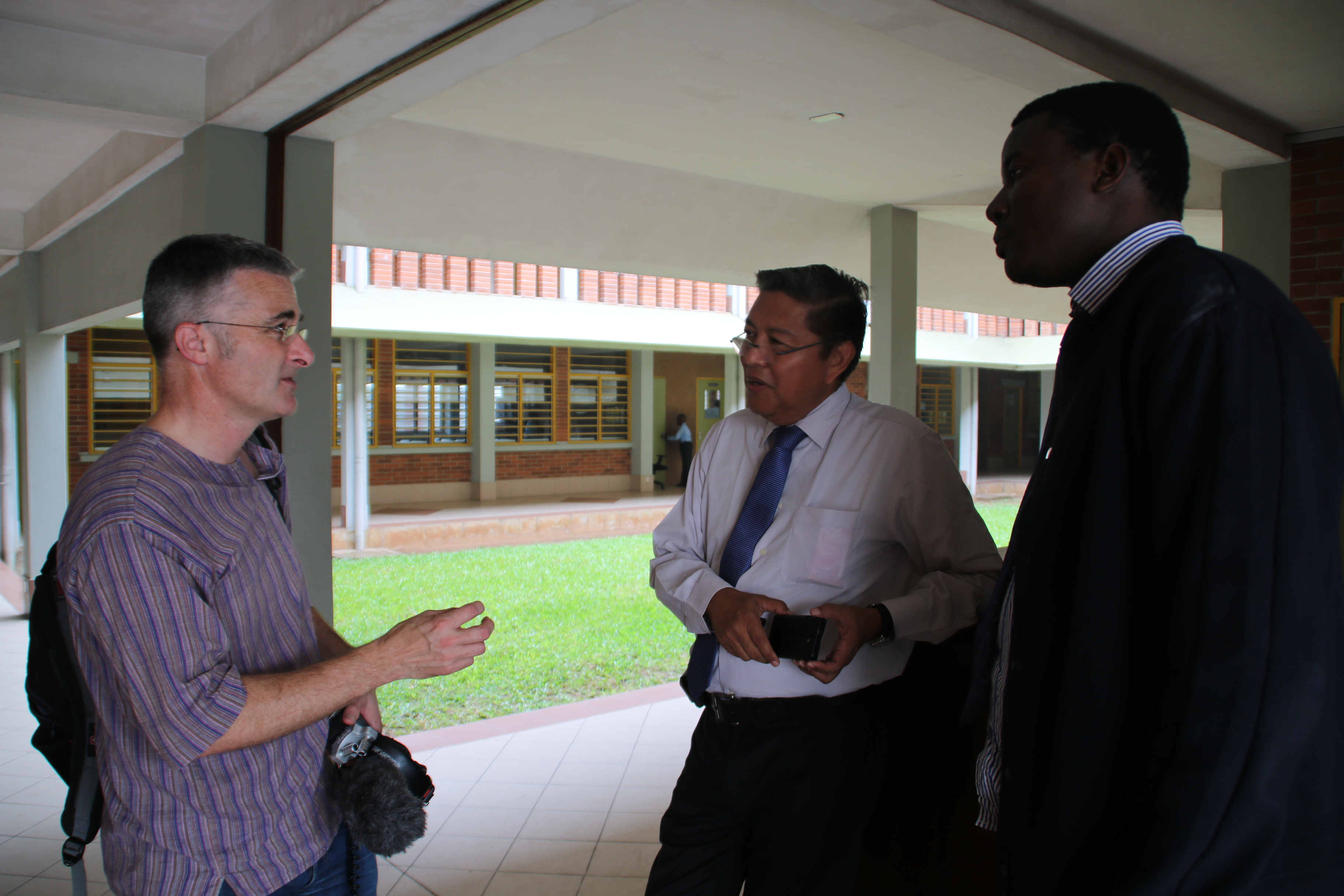
IMG_4023A reporter for the British Broadcasting Corporation (BBC), Jeremy Grange, stopped by my workplace earlier in the week to talk about literature and linguistics, and the writing environment in Nigeria today. He is in town interviewing a number of Nigerian writers about the current state of the writing industry today. He was referred to me by a mutual colleague who thought that he would be interested in my work particularly the angle of the Nigerian language.
IMG_4043

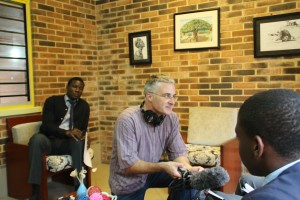
We met at my workplace, Whitesands School, talked for over half an hour about my writing, my childhood influences, my other work in promoting the use of indigenous languages on the internet, and other related topics. It was a lively and stimulating conversation. He mentioned, in the end, that my description of the language environment in Nigeria reminds him of Wales and the despair that many people felt about the language dying off. What the Welsh people did, he said, was to create an aggressive campaign to increase the use of the language in all spheres of life, and it worked. Welsh is now being spoken by more people than before. This is one incentive for me to visit the United Kingdom in the near future.
IMG_4033

Pictures courtesy of Whitesands School

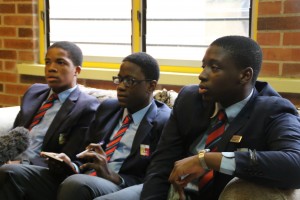
Talk eventually led to the literary work done by my students whose creative writing and art works were published earlier in the year in an anthology that we called The Sail. A second edition is in the works. The journalist wanted to speak with some of the boys whose work appeared in the book to get an idea of their literary influences and writing purpose. Five of those boys gladly obliged, taking some time out of class to talk about the books they read, what influenced their work in the anthology, and even reading excerpts from the book. In short, it was a hugely productive encounter. He has now invited me over to Wales to check out the teaching of Welsh which is enjoying a renewed attention after decades of neglect. I intend to take him up on the invitation whenever I’m in the UK.

I am grateful to Jeremy for stopping by, and to Emma Shercliff for connecting us. The radio programme, to be narrated by Nigerian writer Wana Udobang, will air in late October to early November, 2015. As soon as it airs on the BBC World Service (and posted on their website), I will put up the links here.
Temie Giwa/OnePercent on the BBC

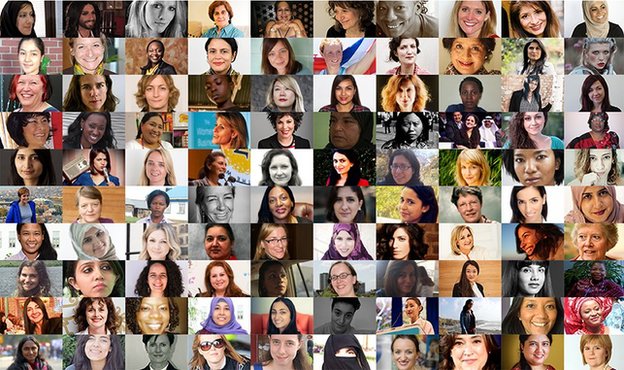
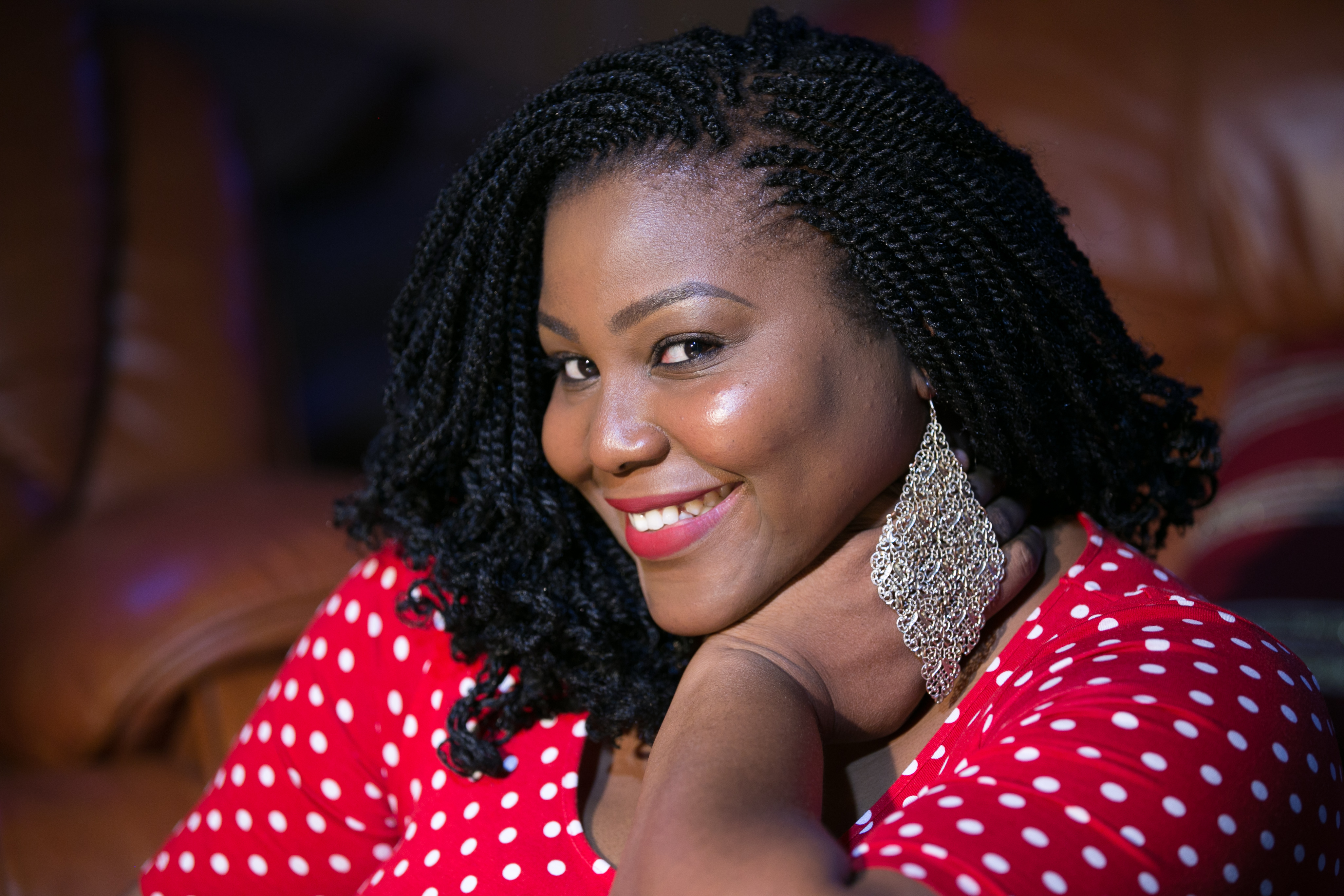
_78546796_bbcwomenupdate_conchitaThe One Percent Project, an organisation on whose board I am a member and which I’ve written about here and  here, dedicated to finding lasting solutions to the problem of the lack of safe and reliable blood for transfusion in Nigeria through advocacy, blood drives, and other direct action, made the limelight today. It was featured, through the founder, Temie Giwa, on the BBC’s list of 100 Women in 2014 working to make a difference in the world.

She is the only third Nigerian on the list, along with Funmi Iyanda (a famous former TV presenter) and Obiageli Ezekwesili, Former World Bank Vice President for Africa and Former Minister for Education, Nigeria. Other non-Nigerians on the global list include Joyce Banda, the current president of Malawi, Dr Yasmin Altwaijri, Saudi mental health and obesity scientist, among others. She is also the youngest.

Well deserved, even if I say so myself.