 The experience at the Pulitzer Foundation for the Art Centre in St. Louis was interactive, a first for me. The building stands in the sun an artwork in itself, a charming thrill for the eyes and a good haven for some afternoon luxuriating in the sun. I heard it was opened in 2001. The building stands in the centre of a cultural neighbourhood called Washington Boulevard only a few blocks from the famous Fabulous Fox theatre. In this same building, actually separated by nothing but a thin wall of concrete and a self-help desk that offers free soda and snacks, is the Contemporary Art Museum of St. Louis, another great place. This building, an architectural masterpiece was designed by the renowned Tadao Ando, and I was visiting it for the very first time.
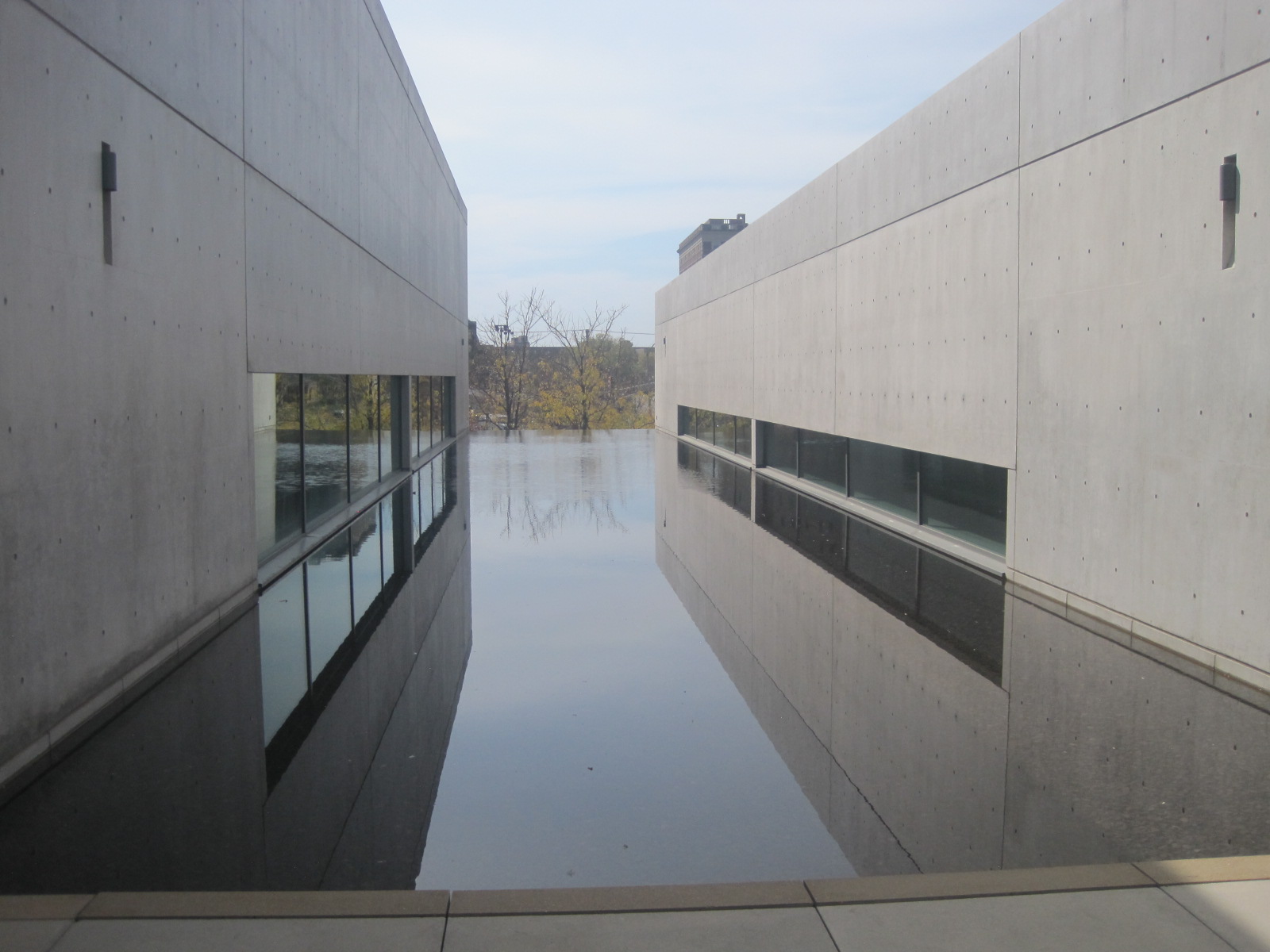
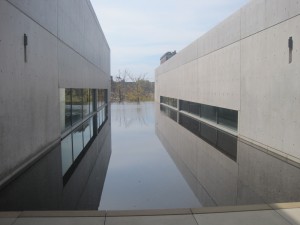 There is an ongoing exhibition at the premises titled Stylus by Ann Hamilton. We were advised at the entrance to interact with the art as much as we could: touch, speak to, smell, and do whatever else we could within the bounds of reason. Deep in a corner was a piano playing all by itself which reacted to every sound made in the building. On a series of shelves nearby are hand gloves of different sizes and colour made out of paper. On the first floor is someone on a balcony reading from a play to herself and to all. At the basement is a board metal contraption where the visitor is advised to sit and play, rolling iron pebbles in order to align them in a cosmic circle. The process is also monitored by a microphone that transmits the sounds generated to the piano. On several makeshift ladders in the corridors are small projectors beaming onto the white walls series of random images all overlaid with a pen, a pencil or a stylus in motion. Upstairs, there is a table filled with brown seeds a kind of which I haven’t seen before. They rattled and sizzled on the membrane of the table as if insects moved in them. There were two microphones there too, picking up the sounds into a central broadcasting system. Under that table were birds of different kinds, all dead, all stuffed, all smelling of dust, and the jungle. On the balcony was a set table, and a view of the road outside. Downstairs between two walls and a third made of glass, there stands a shallow pool. The forth wall opens up to the sky and a very relaxing view of the horizon. I sit there for a while, taking pictures and smelling the air.
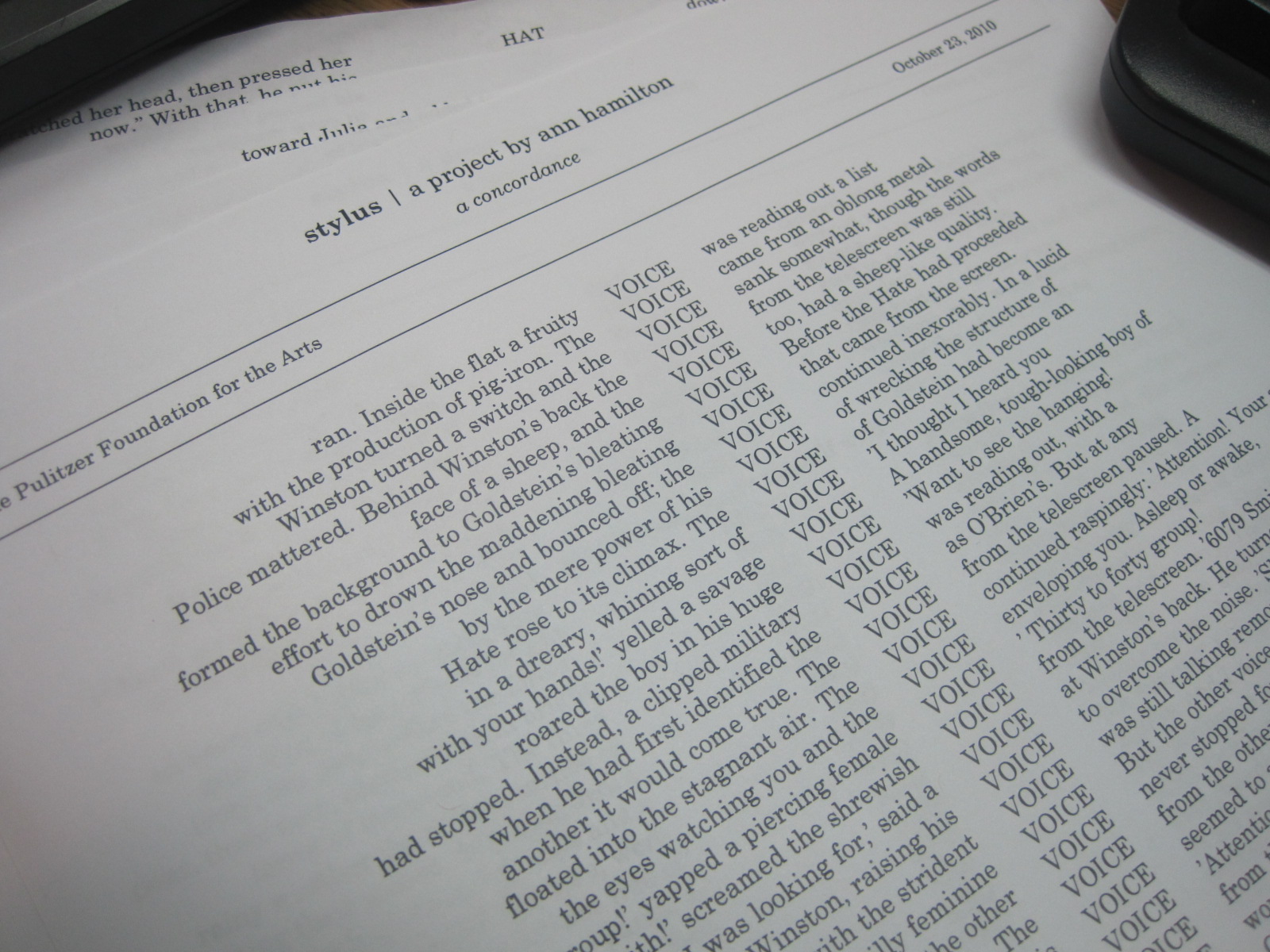
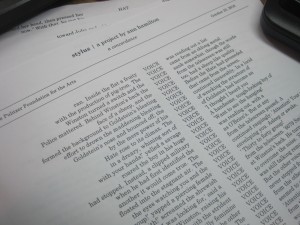 “At the threshold of the exhibition is a concordance.” There is a publication of a news stories from newspapers around the world arranged in a certain way that puts specific selected words into a spine and every other word as many as the line would take as its wings. The words were “Act, Address, Being, Black, Blue, Body, Call…” among others. By the east exit of the centre is a Mac on which one could make one’s own concordance. I selected my books: Ulyses by James Joyce, A Catcher in the Rye by J.D. Salinger and To Kill a Mockinbird by Harper Lee. I put in the words: “voice, black, red, hat, heaven” and watch the computer generate a concordance of those words from those books. It was seven pages long. I printed it out, as instructed, and put them in my bag.
 In the courtyard of the premises far away from the exhibition is a large rusty brown spiral metal sculpture. Originally titled “Unknown”, it is now called the “Joe” by the Centre, after Joseph Pulitzer himself. The work, made in 2000 and installed in 2001, weighs 25 tonnes and is about ten feet tall standing on its own weight in the centre of the courtyard. From the first floor of the Centre, it looks like a blooming rose (however brown). While walking through its brown corridors, it looks like the passageway to a spooky cave but for the presence of the sun above. At its centre is nothing but space, and rust. According to the curator, it was created in Germany and shipped to the US in parts through New Orleans and then assembled here after the trouble it took to transport it by land (which included temporarily dismantling some traffic lights along the way.)
 The final interactive challenge with the exhibition was a phone call. “Call this number when you get out, or whenever you can,” the curator told me, “and you’ll be directed to a voice message system. When you’re prompted, read a poem, a song, or any short creative response to your experience of the work. By the top of the hour, the messages left would be randomly played out into the city from the top of our building. You may say whatever you will, as long as it is appropriate. We thank you for coming here today…” I walked out to the car with my head bubbling up with many ideas and scenarios of poetry recitals not involving a language known to the curators of this project or the residents of the neighbourhood. This, I thought, is the part where Ann Hamilton meets Africa, a Yoruba song or poem into the wind of her consciousness, and to posterity. But when it came a few seconds later, the voice prompt on the phone and the tone that connected the visitor with the artist, leave your poem, song or recital now, all that came out was were the words of Eidelweiss, as mellifluously as one could summon it.
It at least captured the mood of the afternoon as I drove off out of their into the sun with a certain happiness I couldn’t describe.
The exhibition continues until January 22, 2011, and more details can be found here.
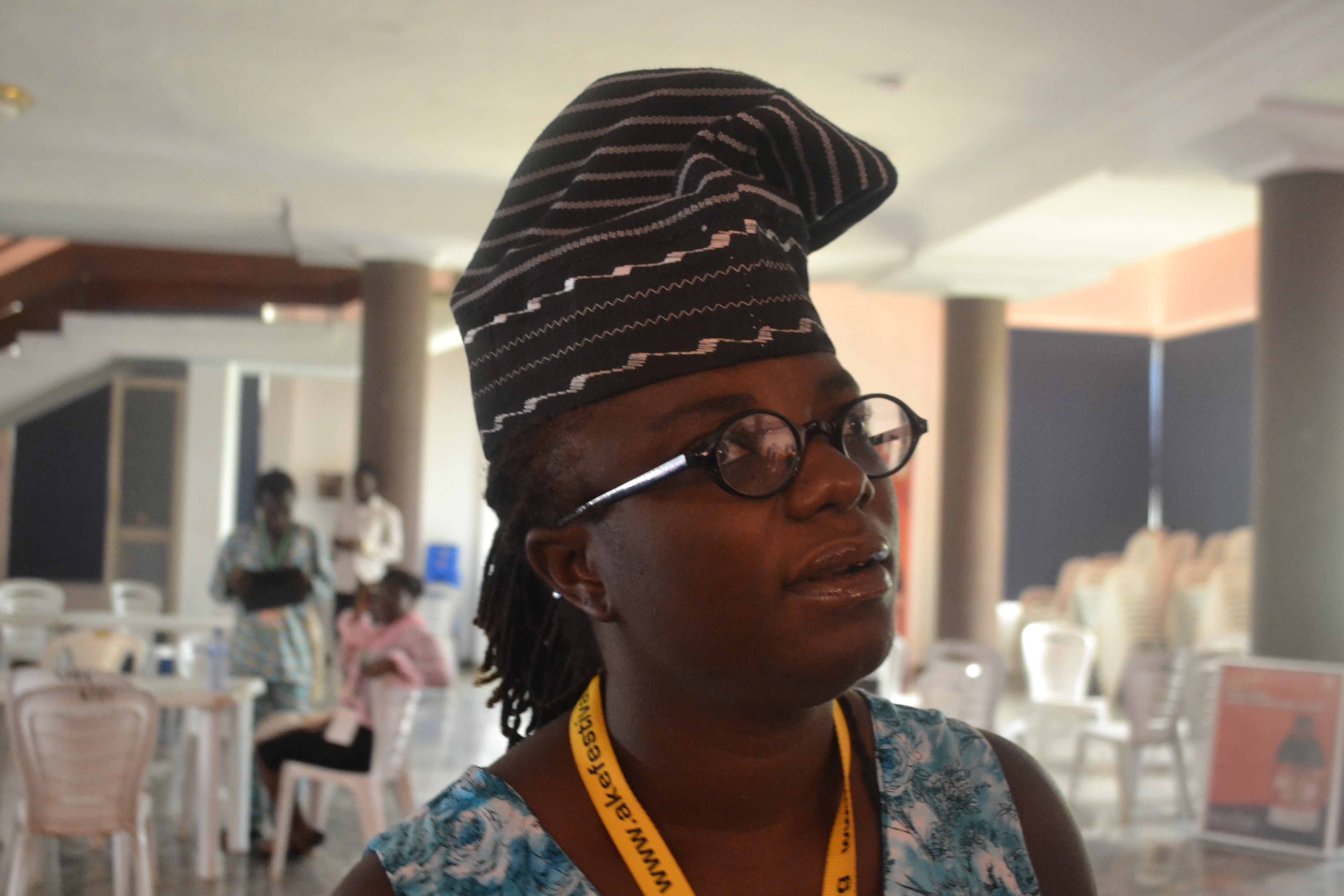
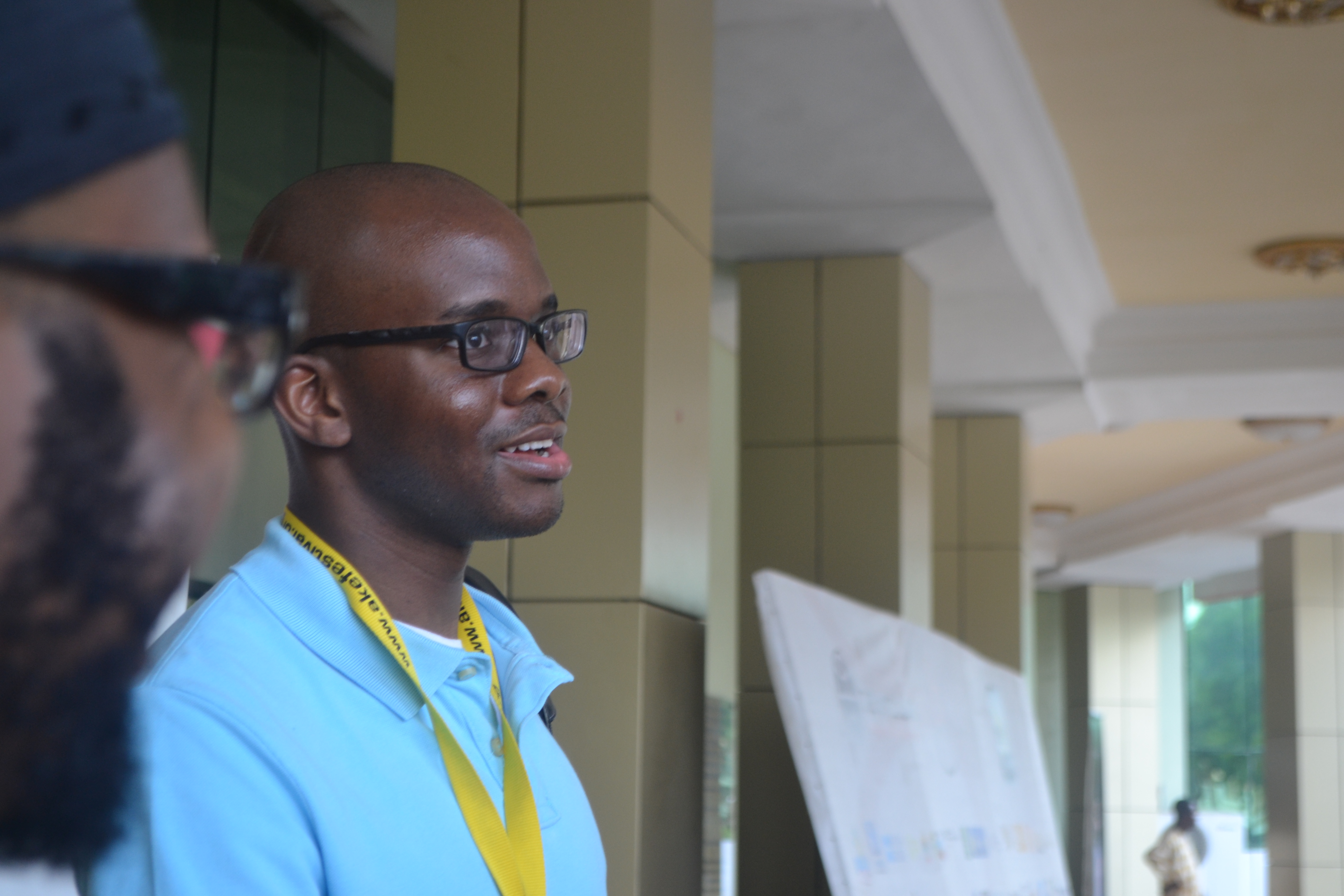
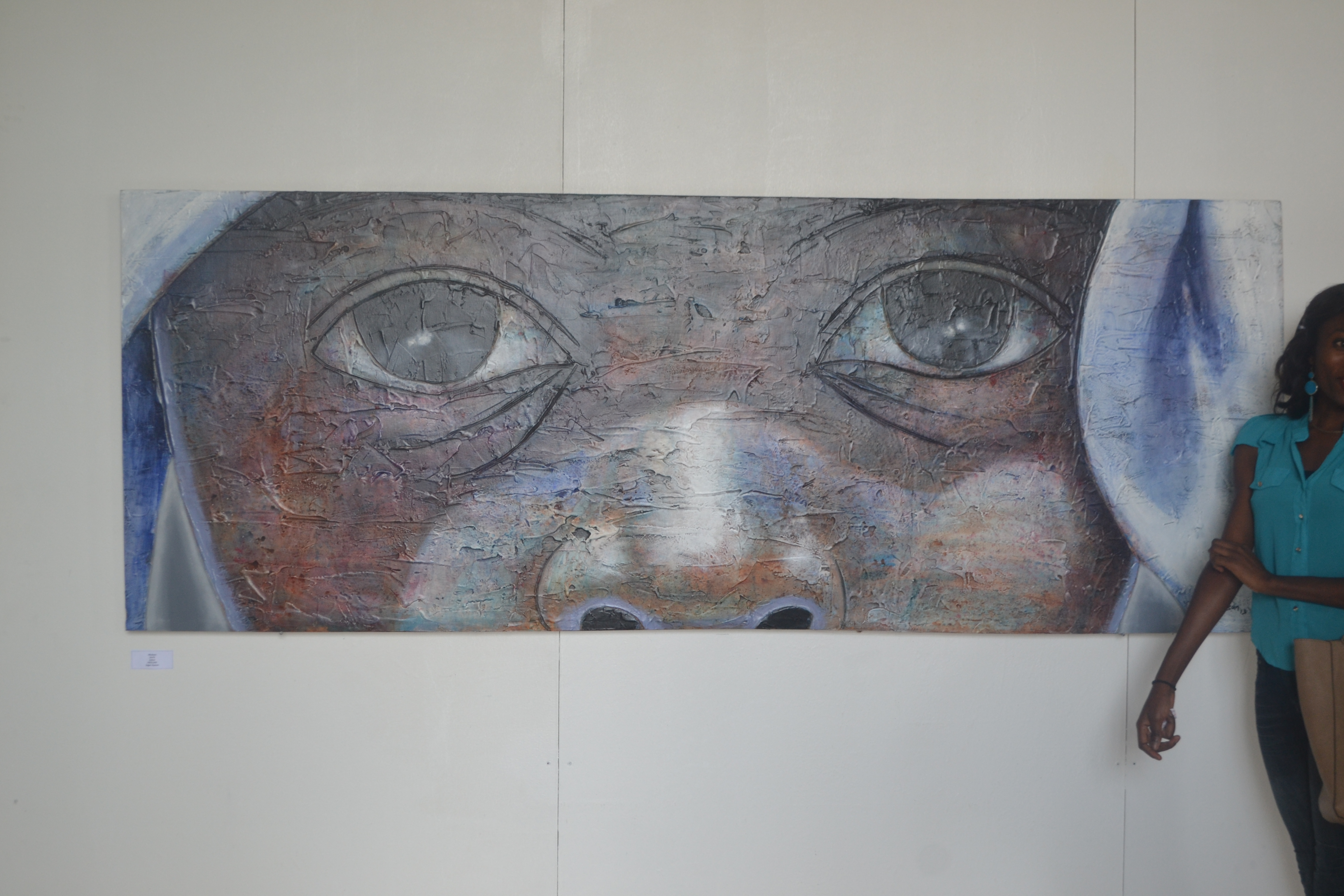
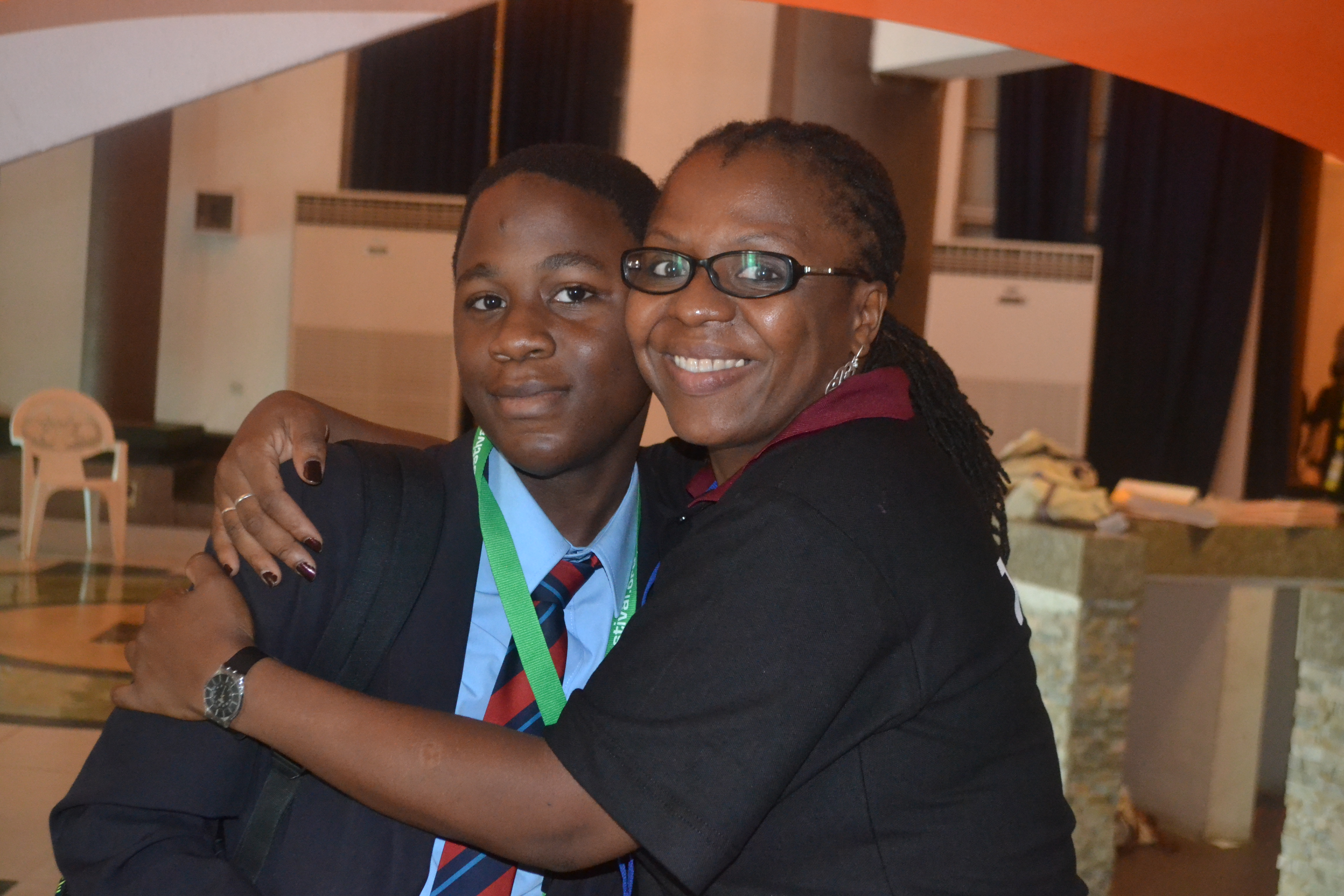
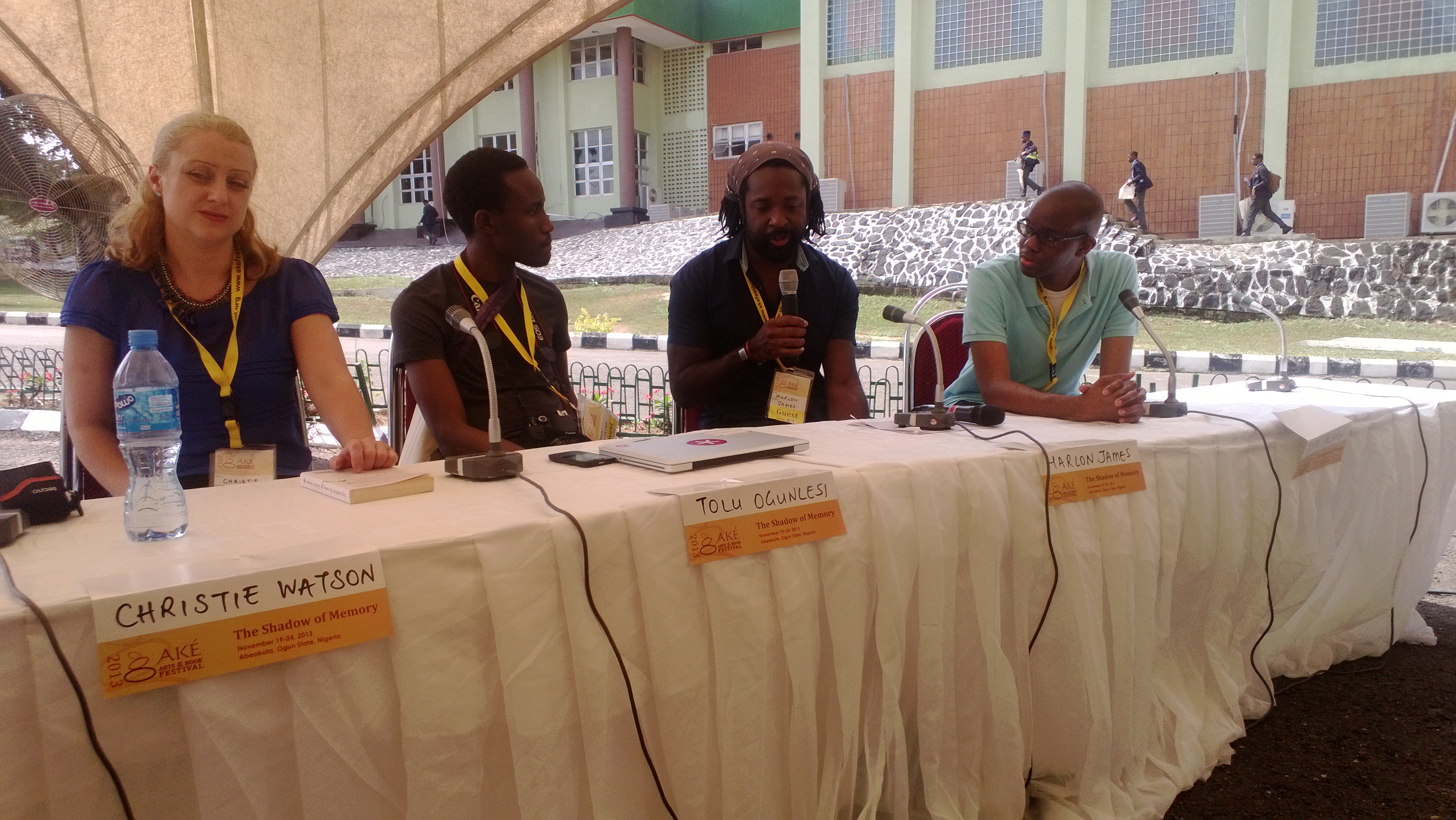
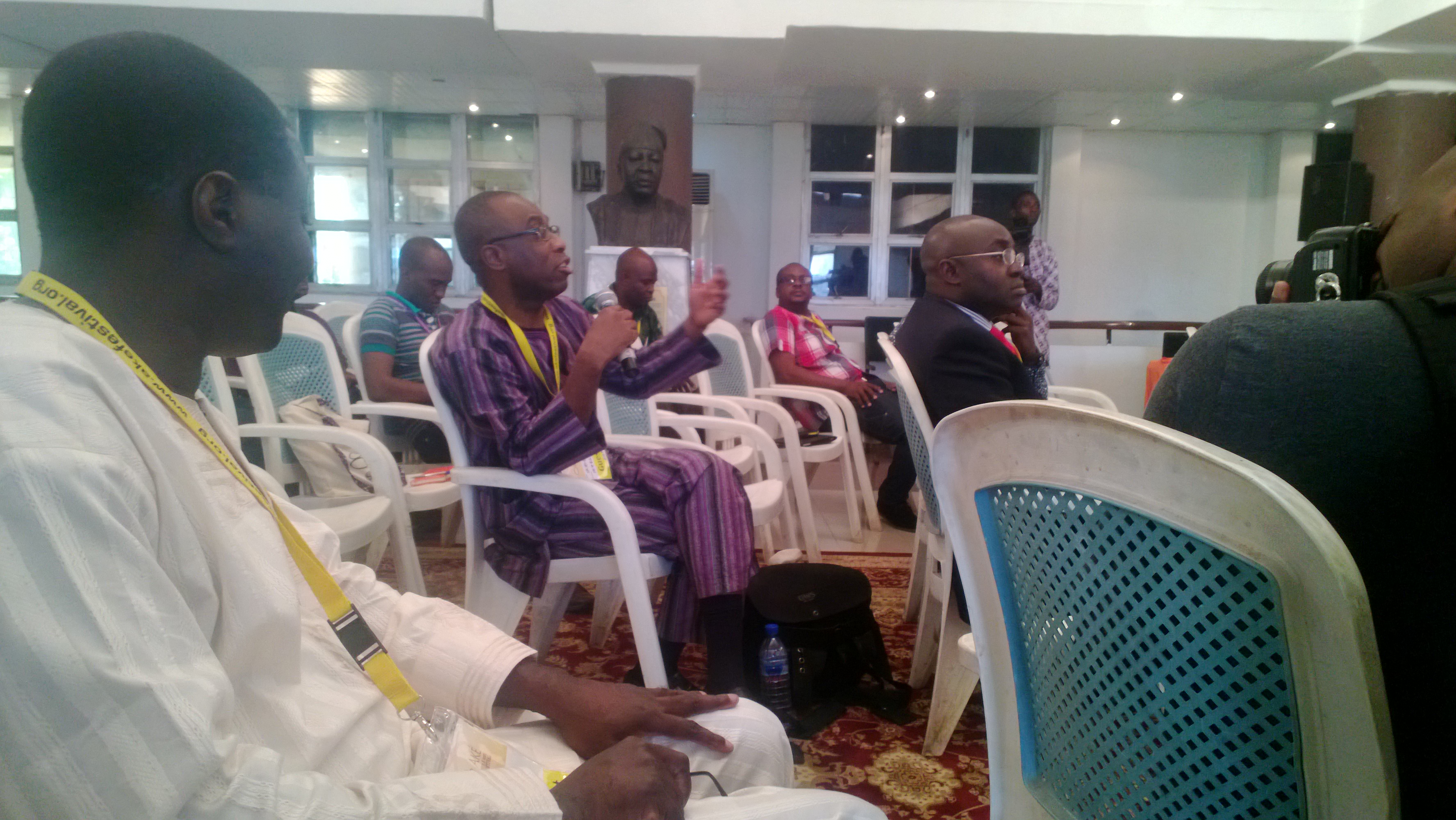
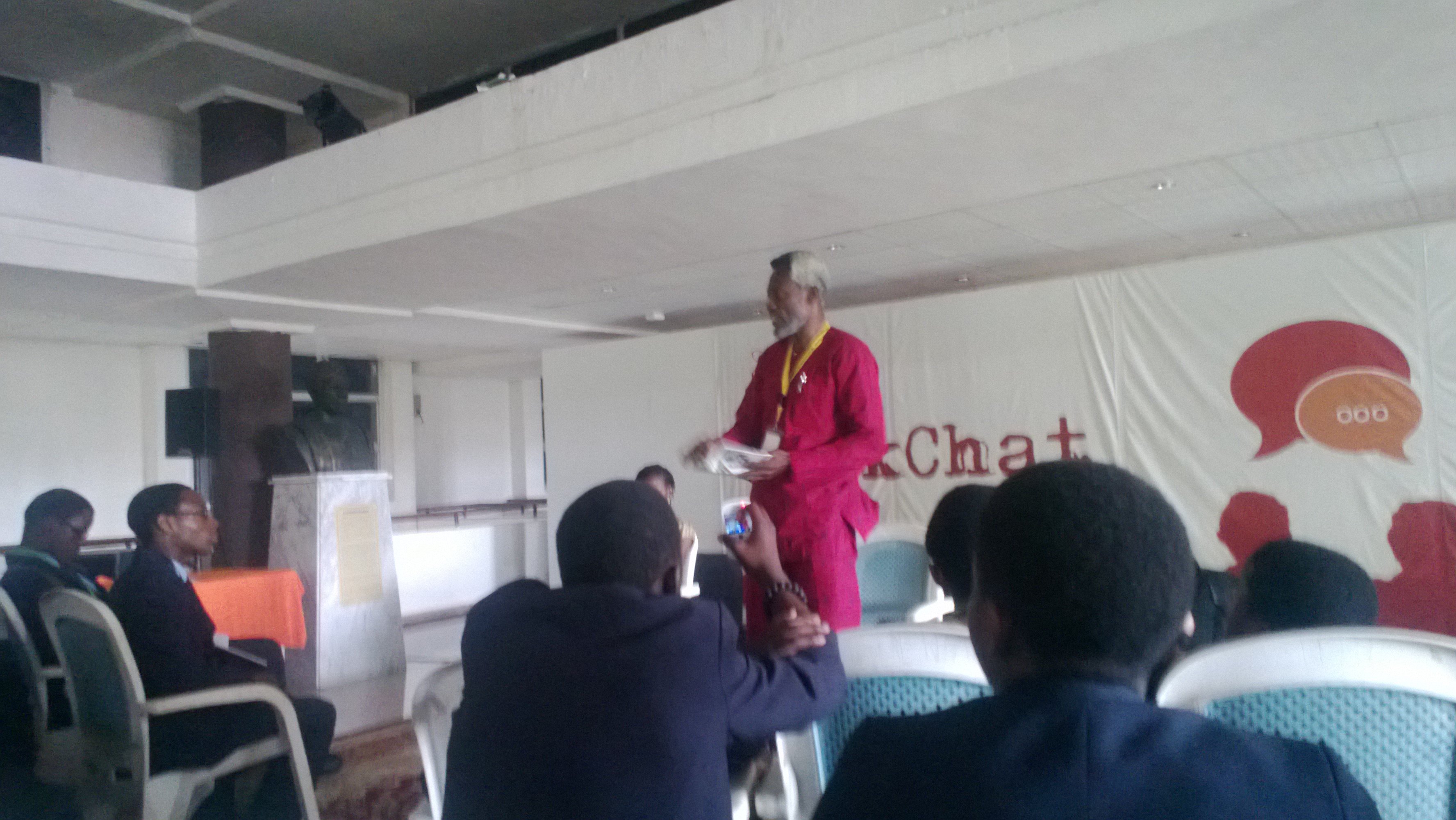
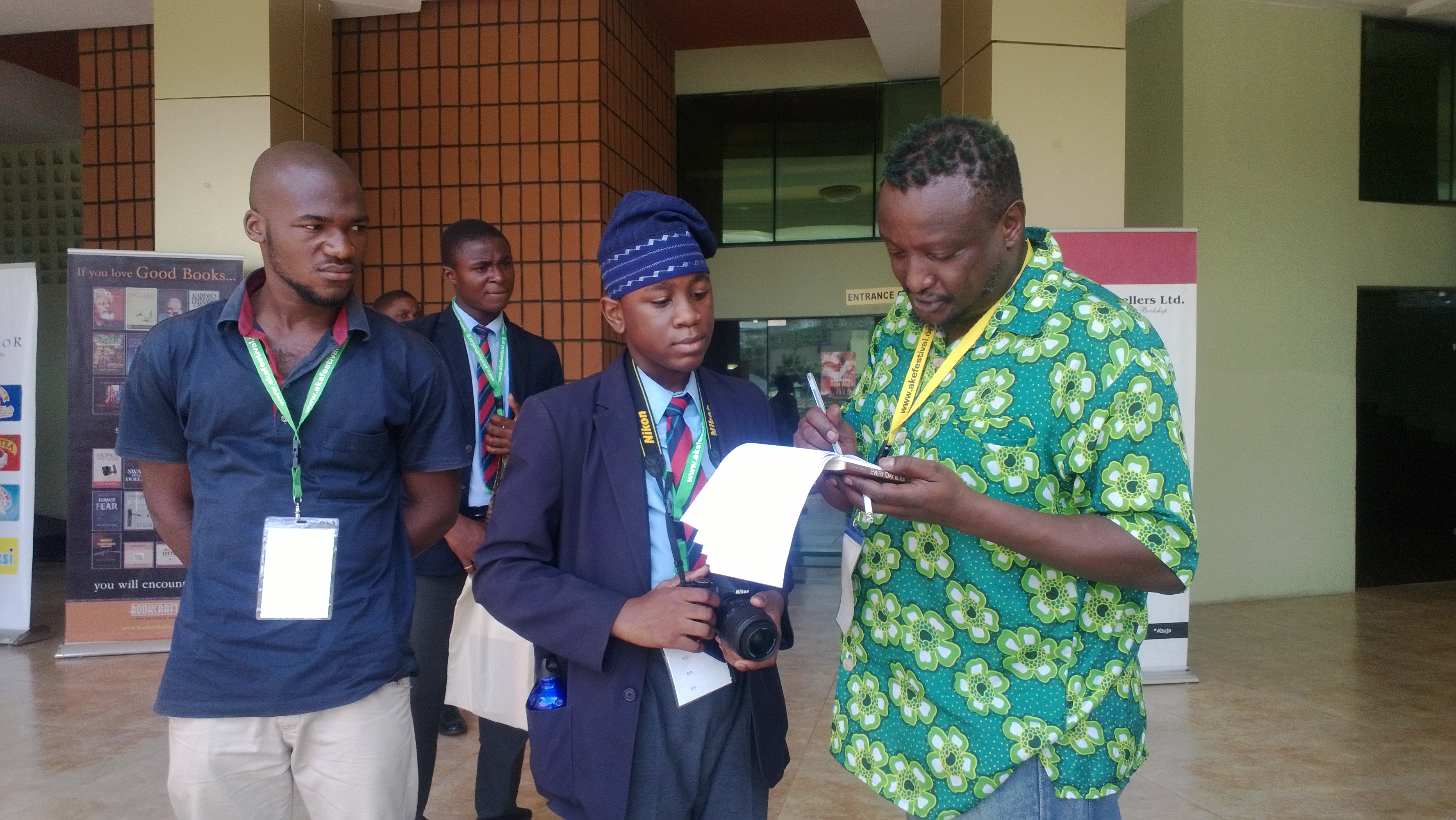
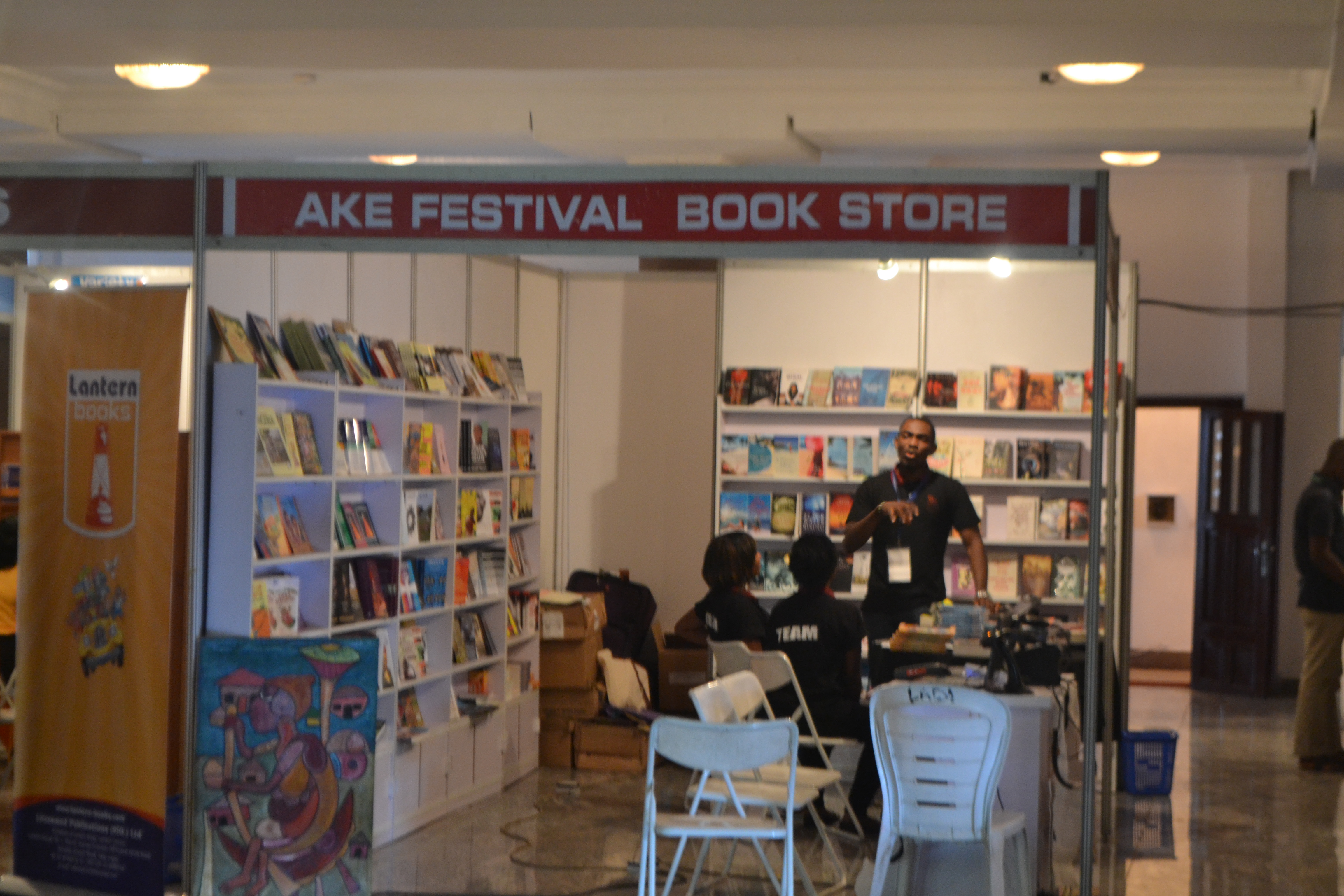 For the last six days since Tuesday November 19th, writers, artists, book lovers, poets, and a few politicians, have gathered in Abeokuta for the maiden Ake Arts and Book Festival. A brain child of writer and poet Lola Shoneyin, the Festival played host to hundreds (and perhaps thousands) of visitors in the rock-head town, home to Africa’s first Nobel Laureate, Wole Soyinka – himself a presence at the event which took place at the June 12 Cultural Centre, Kuto.

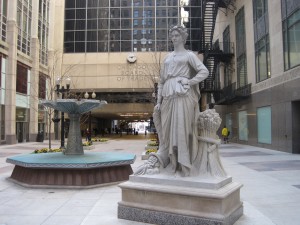
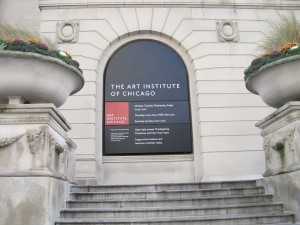
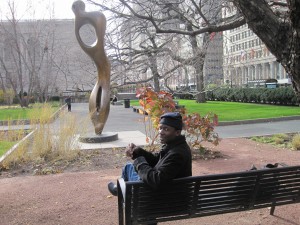
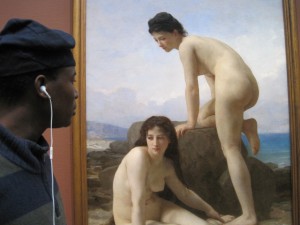
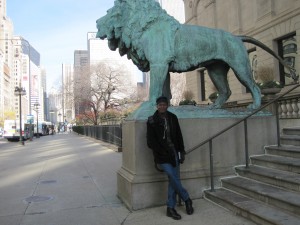
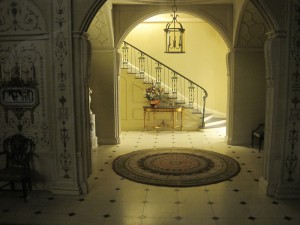
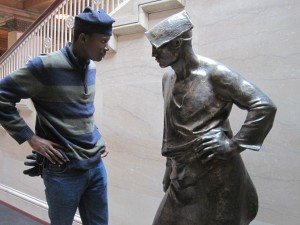
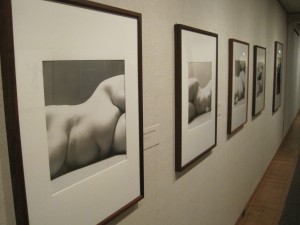
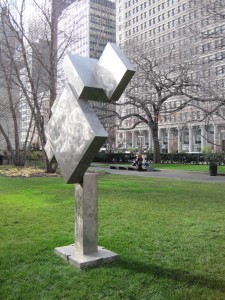
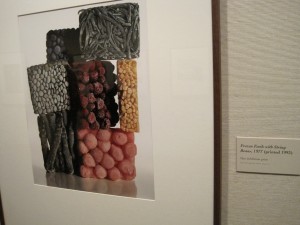
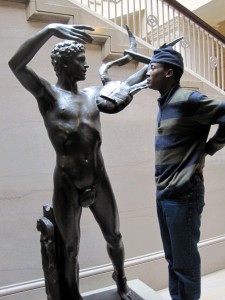
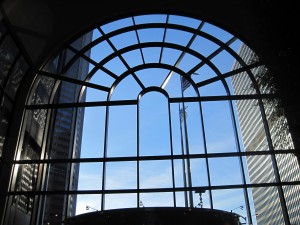
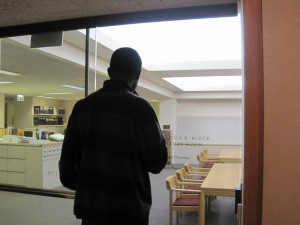
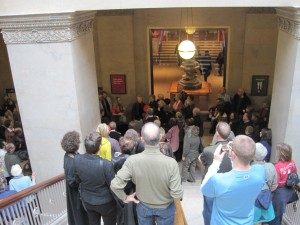

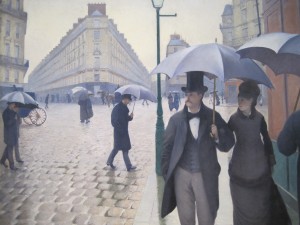
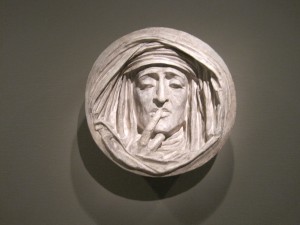
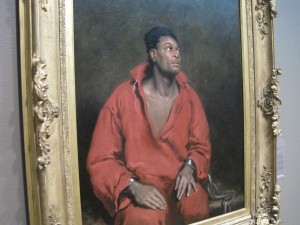
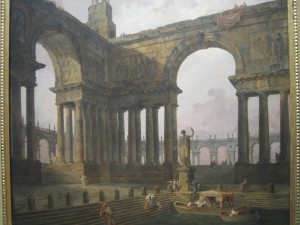
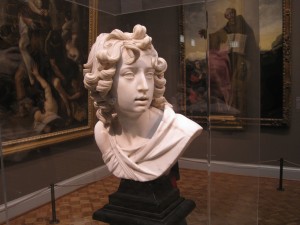
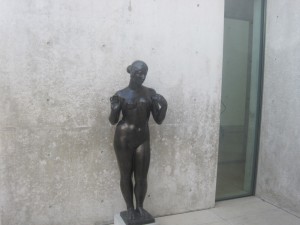
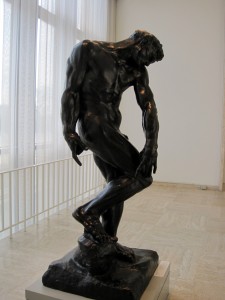 Most of the art works, scruptures and wall reliefs in this collection were shot at the Art Institute of Chicago at South Michigan Avenue. It was our first stop early on Friday morning since the Sears Tower refused to open to visitors on time.