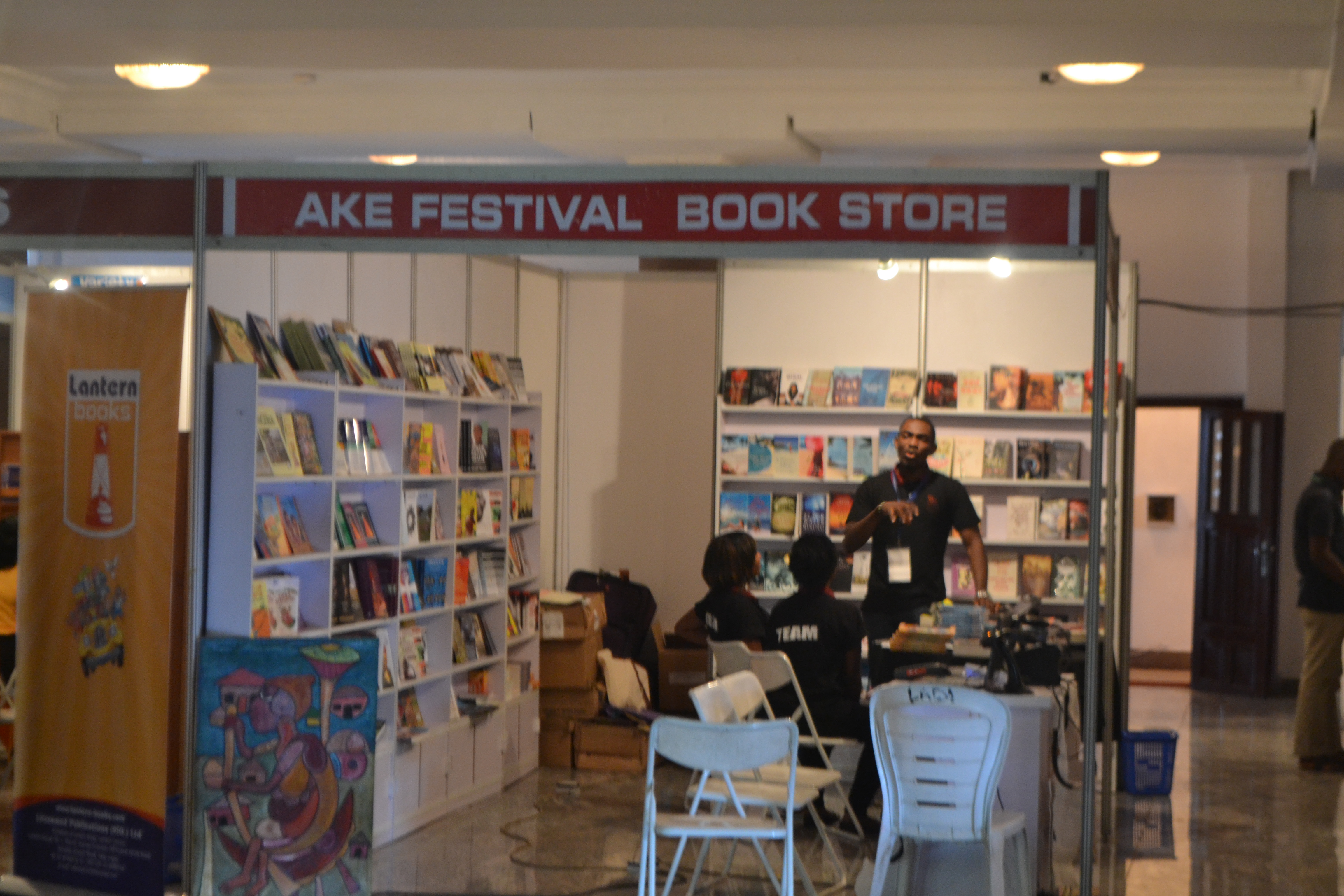
A festival is just a festival, isn’t it? A gathering of tribes, a place of ideas and relationships, a week-long commingling of the most cerebral kind. But it is also something else: an annual attempt to write the history of the continent’s literary track in the minds of its practitioners and for posterity. This latter purpose is usually the least stated on the invitation brochure.
Participation in this year’s events, I’ve said elsewhere, is my most memorable, but not for the obvious reason of my meeting (and working with) Ngugi wa Thiong’o who is the guiding light of my work in indigenous language advocacy. Or perhaps that is the reason. It won’t matter anyway. The history of this year’s events is being written in different inks and by different observers towards different but complementary ends.
A while ago, someone wondered whether canons are being built around conversations on African language literature, and I responded that festivals, Facebook conversations, and interactions surrounding relevant seminal works of criticism all contribute, in small ways, to the complete tapestry whose form may not always be evident from the current standpoint of one literary thread. I still believe that. For all the memorability I’ve ascribed to this year’s event, I was not there when this apparently notable conversation took place, and I’m all the poorer for it. But the questions raised by this subsequent review of the event by Mr. Rótińwá, separate from the mass cheering on the spot that may have convinced a casual observer of a different takeaway, will live on. And there are many more of those.
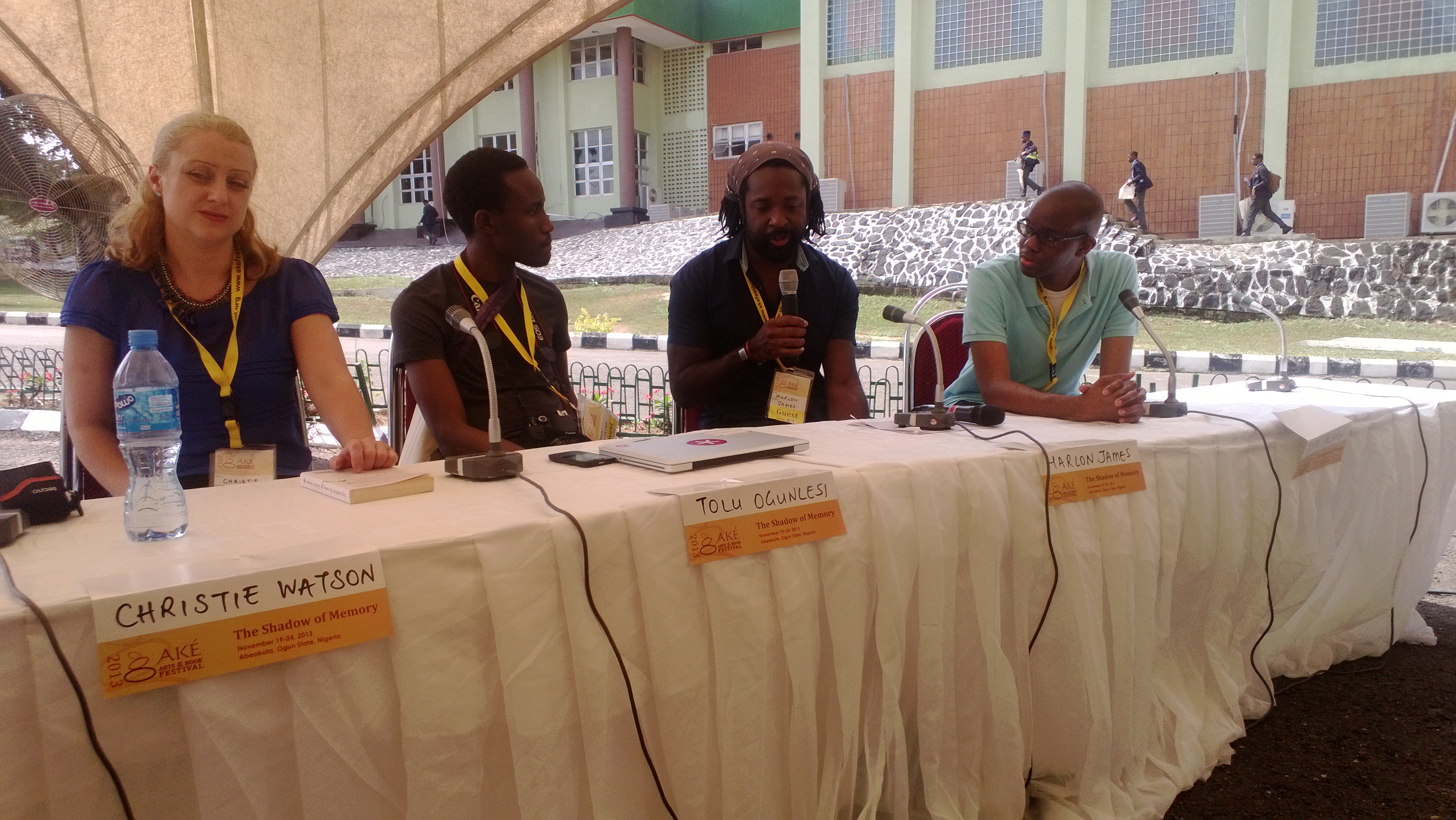
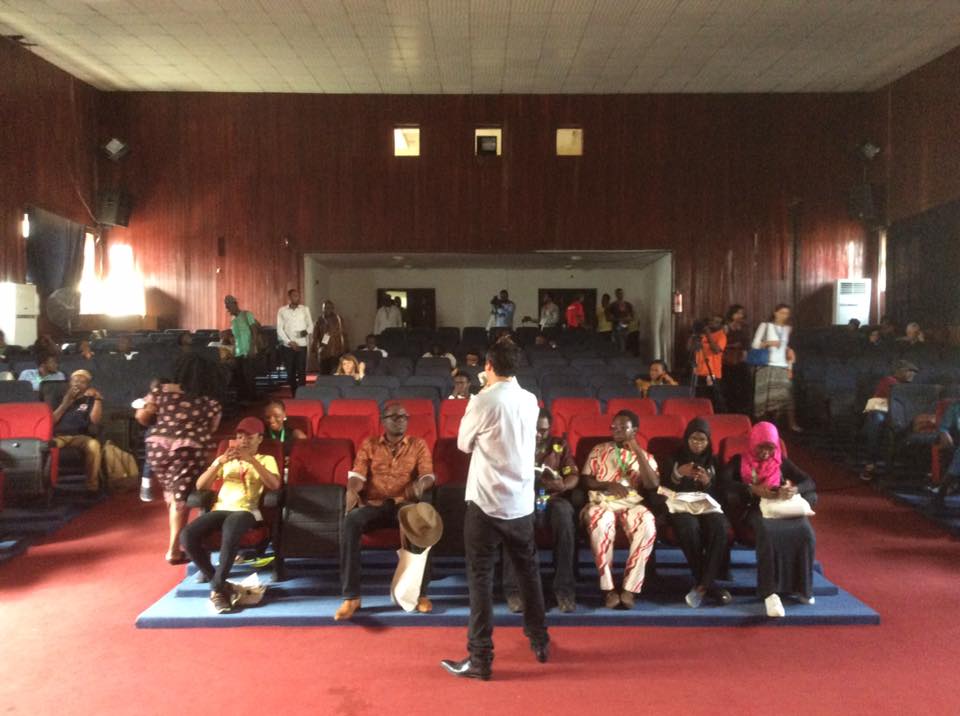
A panel I moderated (video below), set up ostensibly to explore the similar and divergent themes in the memoirs of two important African writers (of different languages), ended up on an even more memorable note: the relevance of archiving and the role of manual writing in the preservation of a writer’s legacy and growth. When I thought of questioning the Congolese writer Alain Mabanckou about what he described as an obsessive write-and-destroy habit that had his travel box littered with disposed writings on paper that he no longer liked, I wanted to satiate my curiosity. But I also thought of the episode as possibly illustrative of the obsessiveness of writers generally during the process of creating. In the end, I – and, as it turned out, the audience – got enlightened by a more substantive conversation around the place of preservation of paper drafts (and archiving in general) in the understanding of the writer’s creative and personal trajectory, thanks to Emma Shercliff, Ngugi wa Thiong’o, and Alain himself.
What the conversation illustrated for me, among others, was a lack of consensus, today, on the “proper” way of creating and shepherding manuscripts. Those of us who grew up in the internet age have taken for granted the benefit of crowd storage and the power of an easy copy/paste/delete on a word processor to care about the true grit of manual writing, crossing out, and re-writing until the draft is perfect, while still keeping the original draft either as a guiding light of the initial intention and insurance against future impulsiveness or as sentimental record of the individual step in the process. But more than that, as Alain and Ngugi pointed out, there is also a financial (as well as archival) incentive for this old-school process: there are scholars, students, and future enthusiasts of the writer’s life and work that will pay a fortune to have access to the initial drafts of whatever eventually becomes a well-accepted work. This helps the culture of criticism and better opens up the writer to perhaps better study.
When he writes on the computer, he said, Alain treats each line of writing as an indelible record that needs special care and preservation. As he puts it, he has different versions of the same work on his computer and would rather create a new one each time than edit the already written one – in spite of the ease given by computers to do so. Isn’t that fascinating? To think that the ubiquity of computers isn’t yet sufficient motivation – in relevant writing quarters – to ditch the drudgery of manual or manual-like documentation. Perhaps not enough has been written about this rebellion and/or the benefit of such active labour in this age of 140-character fickleness. Forget the fight between the Kindle and paperback books. Pen vs Keyboard is where the conversation needs (and will continue) to happen. I will likely forget many of the other questions I asked on that panel but the response to (and conversation around) this one on pen and paper writing and documentation will, and should, live forever.

The Makerere Conference of 1962 is notable today for a particular conversation on the use of English (and other colonial languages) in African literature. Not much from that conference has lived on in popular lore as that particular debate has. In every edition of the Aké Arts and Book Festival, looking out for such usually short but relevant spark that outlasts a week of commingling has become my yearly obsession. It is to the credit of the organisers that the opportunities are many for such dynamic conversation, debates, arguments, fawning, performance, and even lust (as this report rebelliously recalls). But we remember differently, as it is often said, which is probably for the better. It all comes together eventually. And the culture is richer for it.