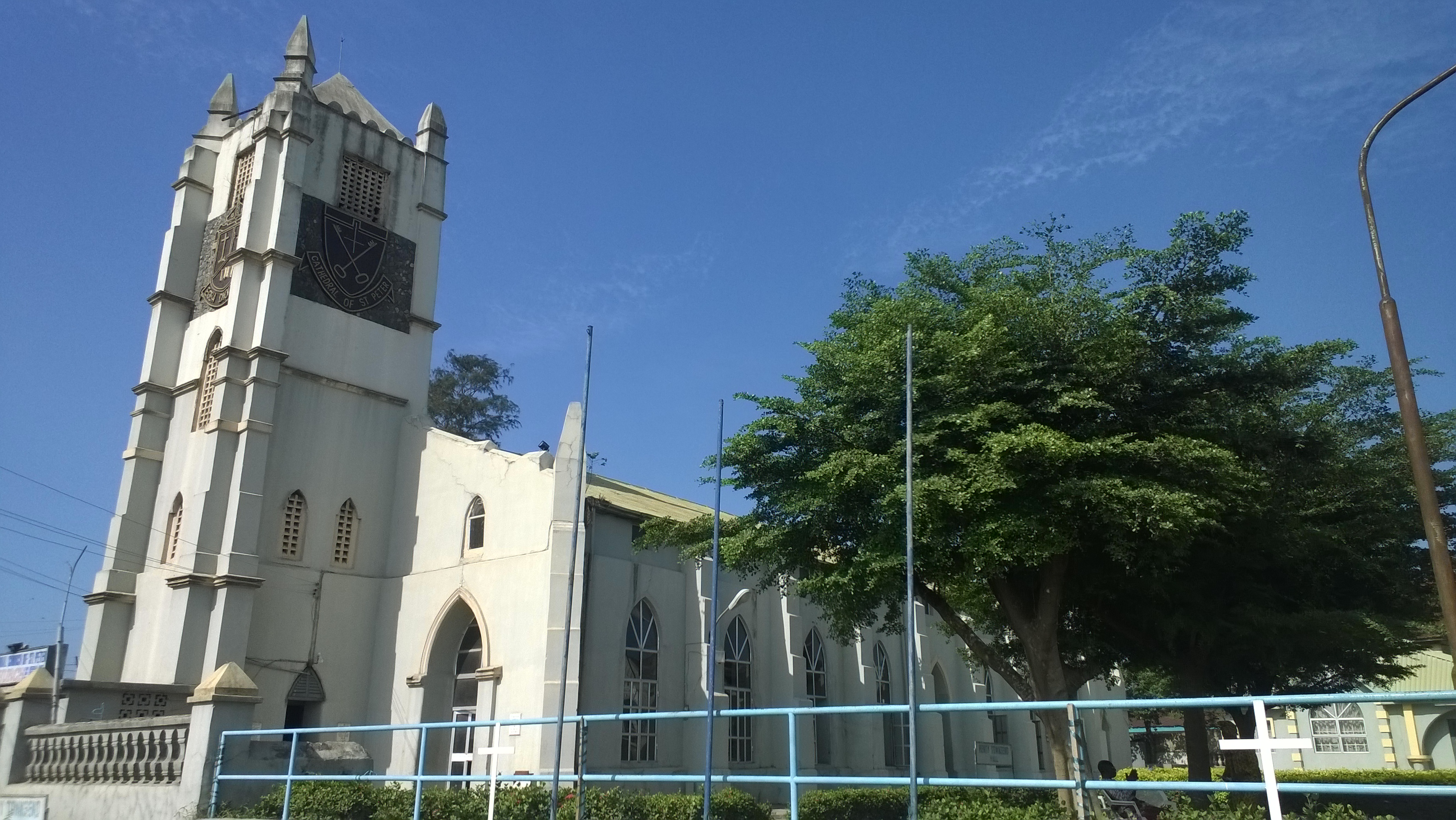
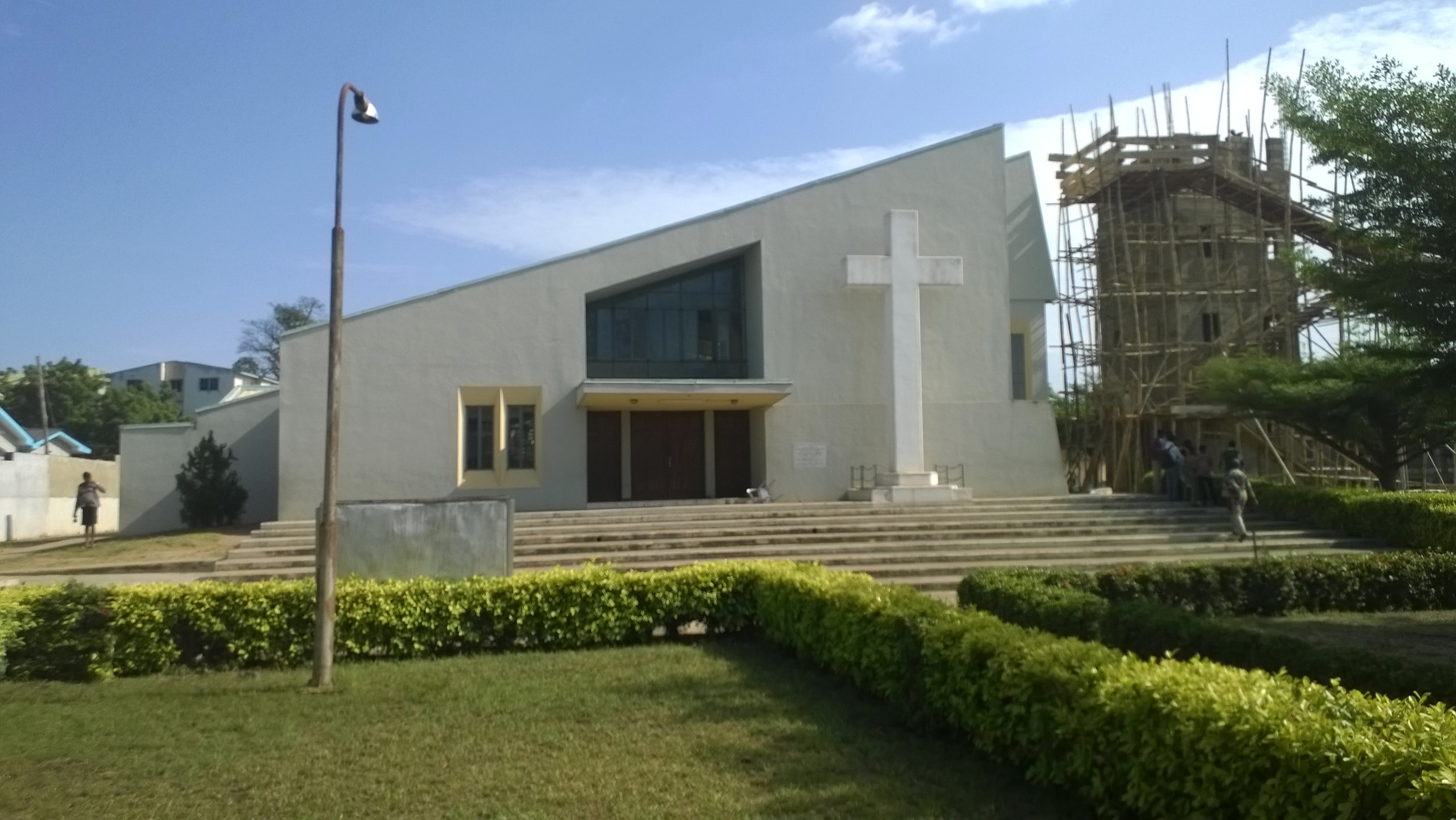
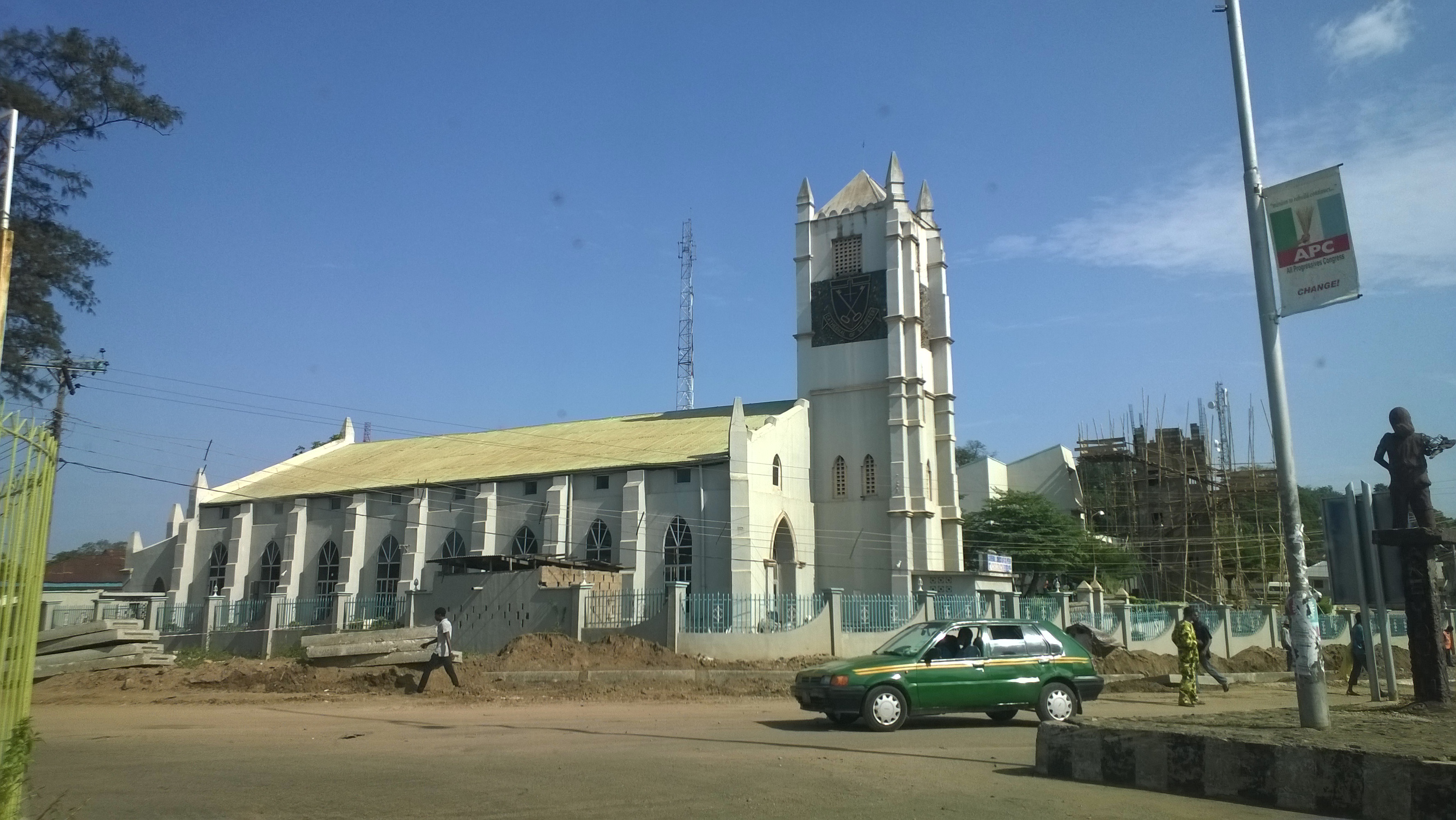
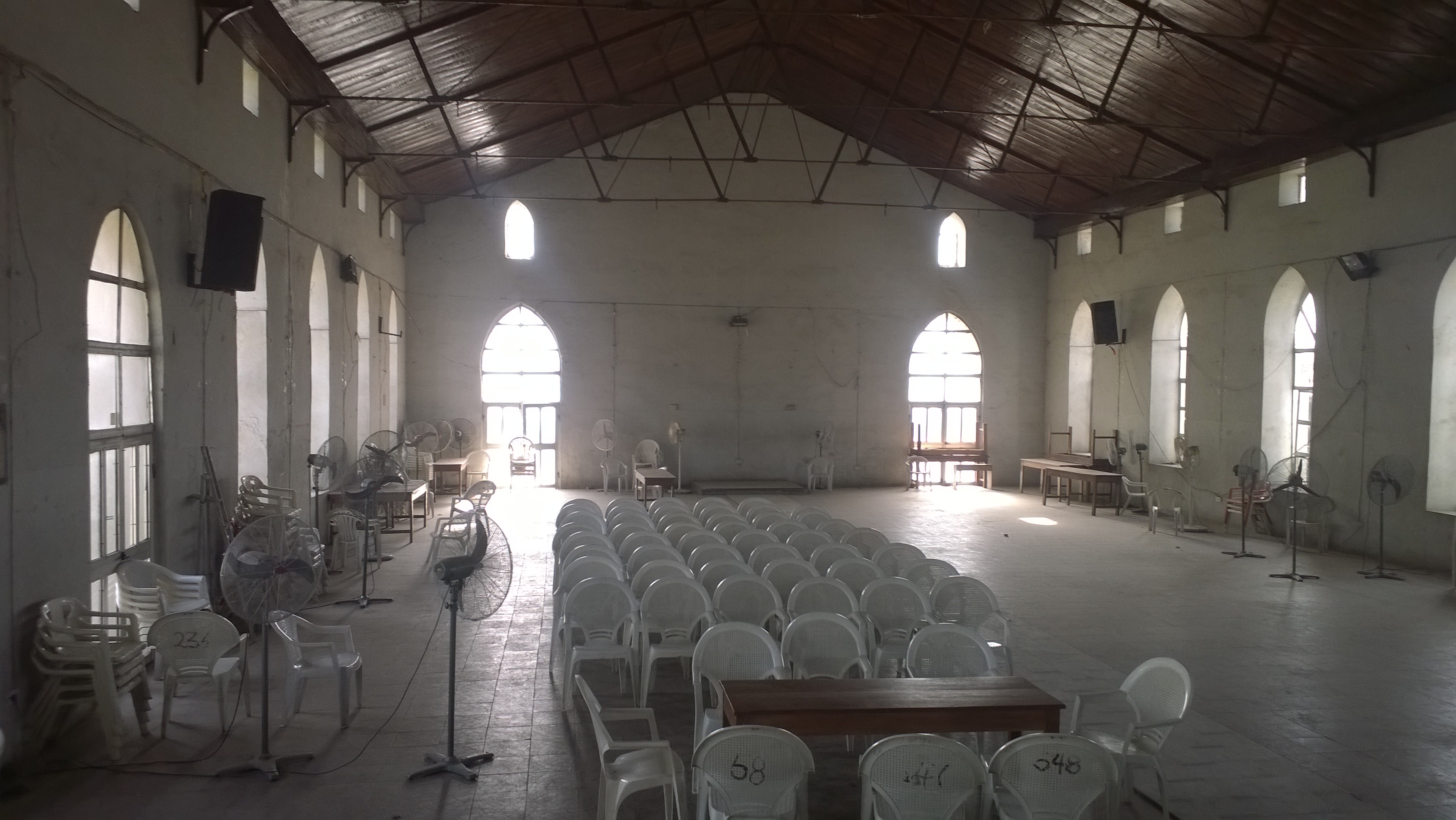

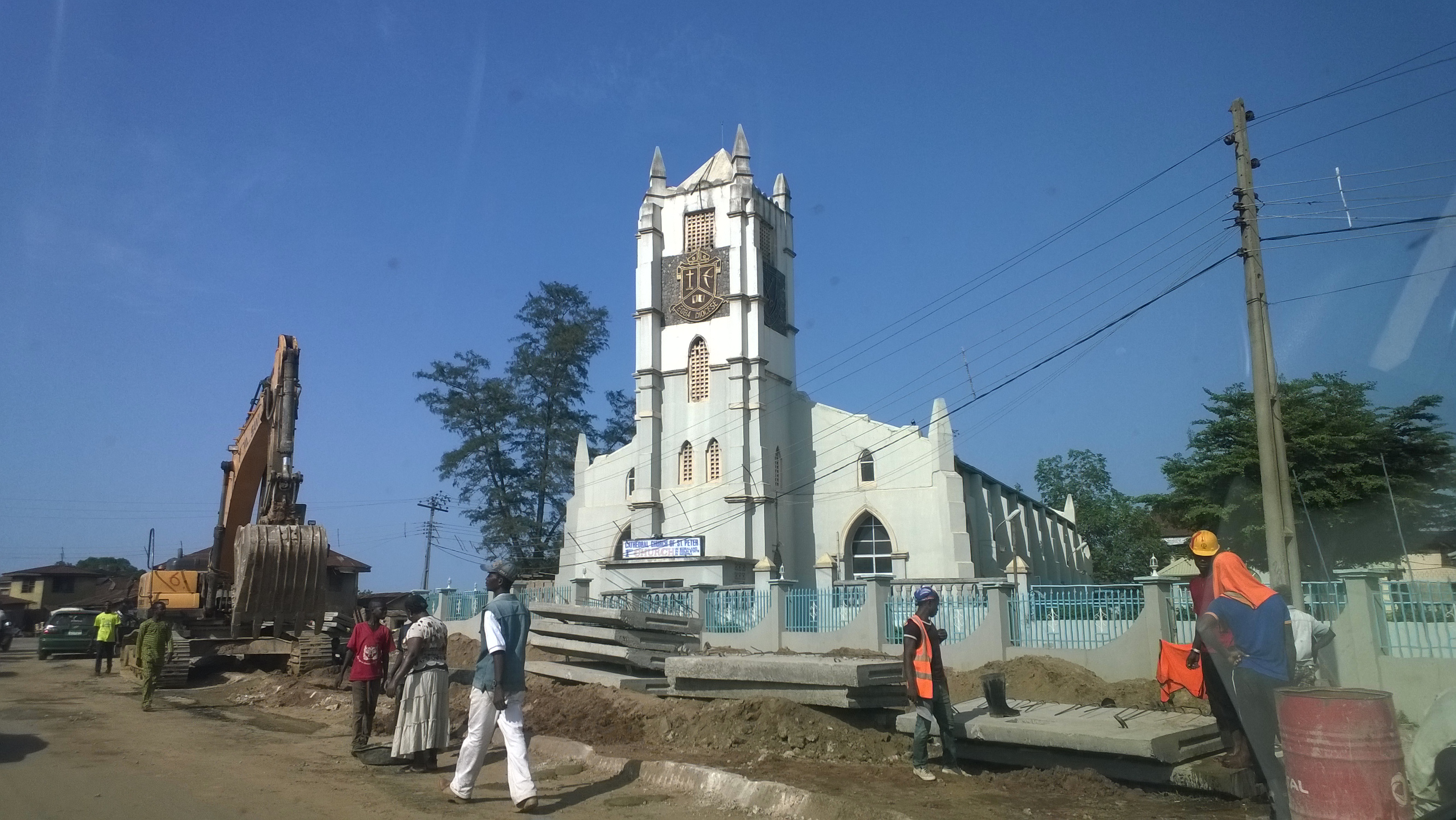
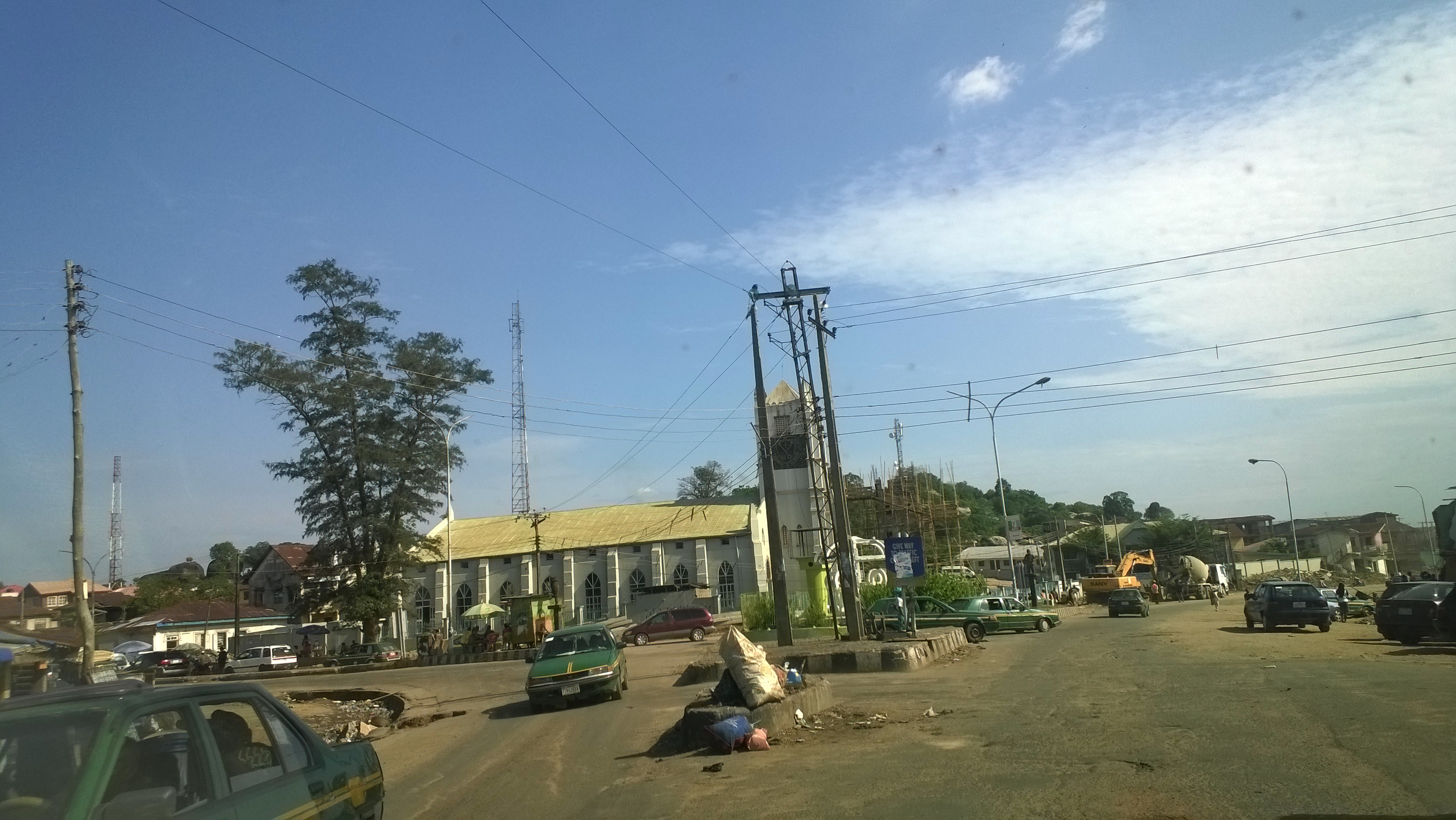
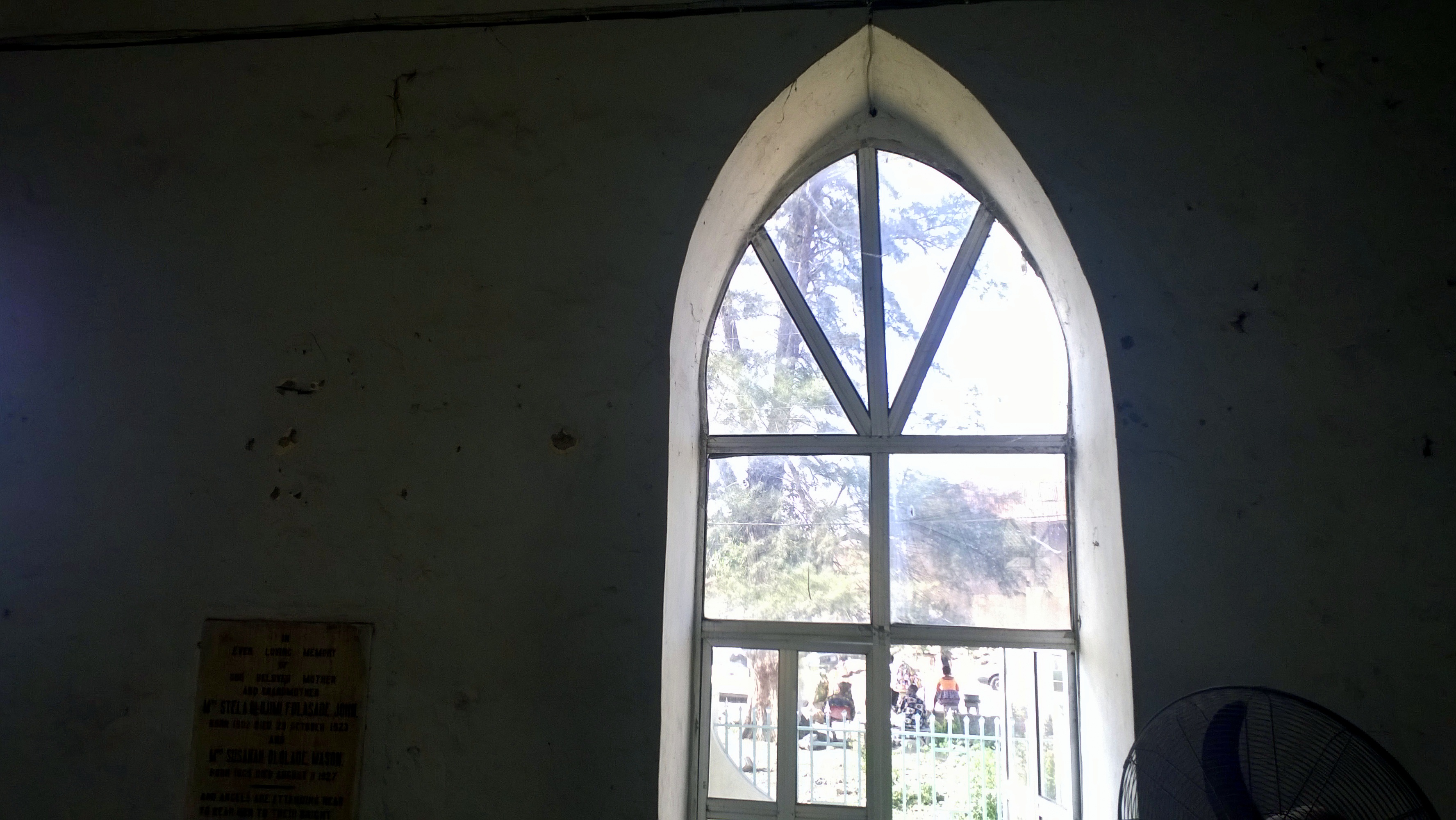
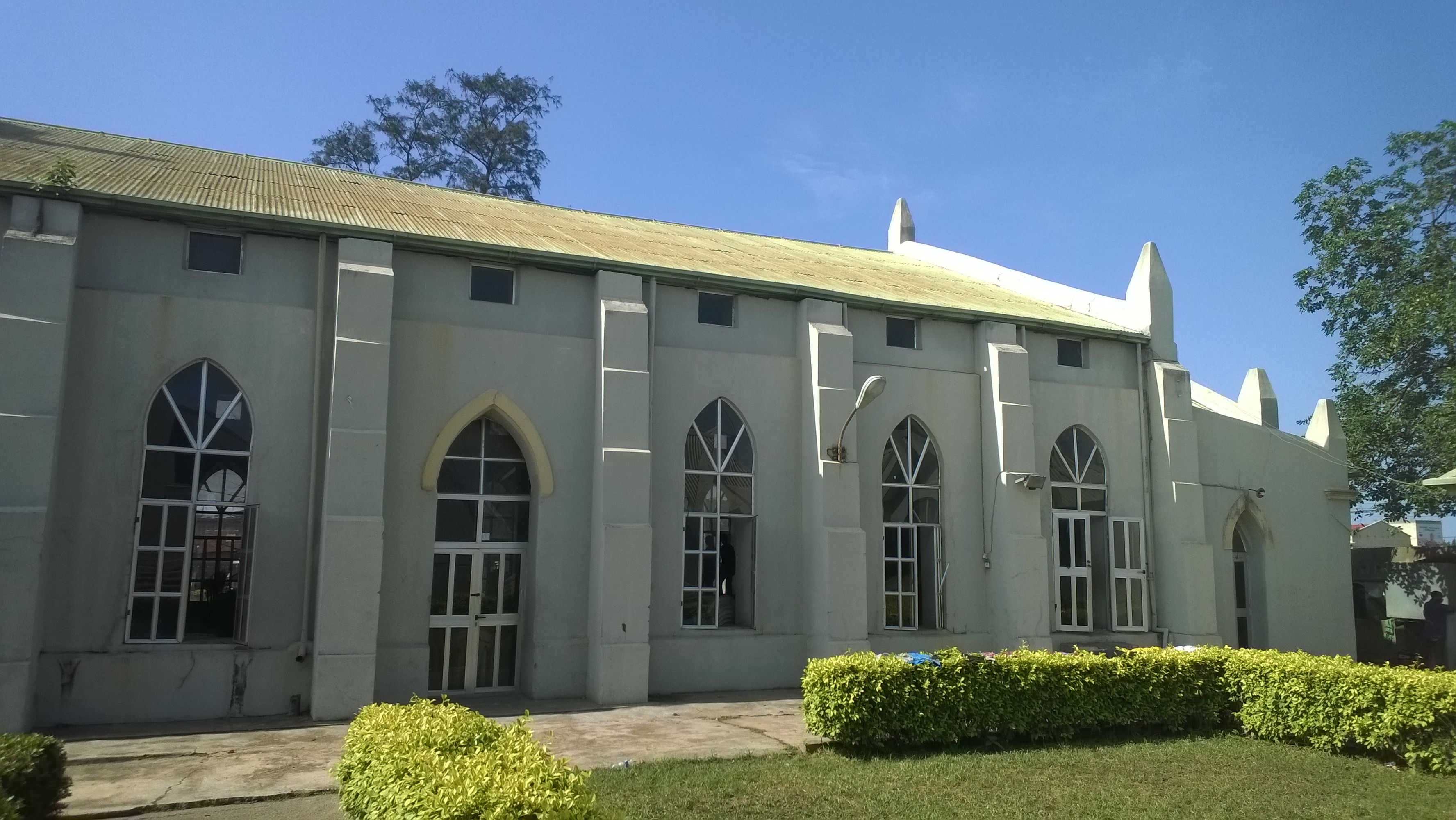
 The Cathedral of St. Peter at Ake, Abeokuta, is the oldest church in Ake, the oldest church in Abeokuta, the oldest church in Western Nigeria, and – due to the proximity of the town to the Atlantic Ocean and the coming of the first missionaries – the oldest church in all of Nigeria. Built reportedly in 1898, it served as a rallying ground for a number of initial missionaries to Abeokuta many of who played other roles in the government of indirect rule between the Crown in England and the chiefs in Egbaland. The foundation of the church was laid by one Reverend Andrew Desalu Wihelm around 1846, and completed during the time of Henry Townsend.
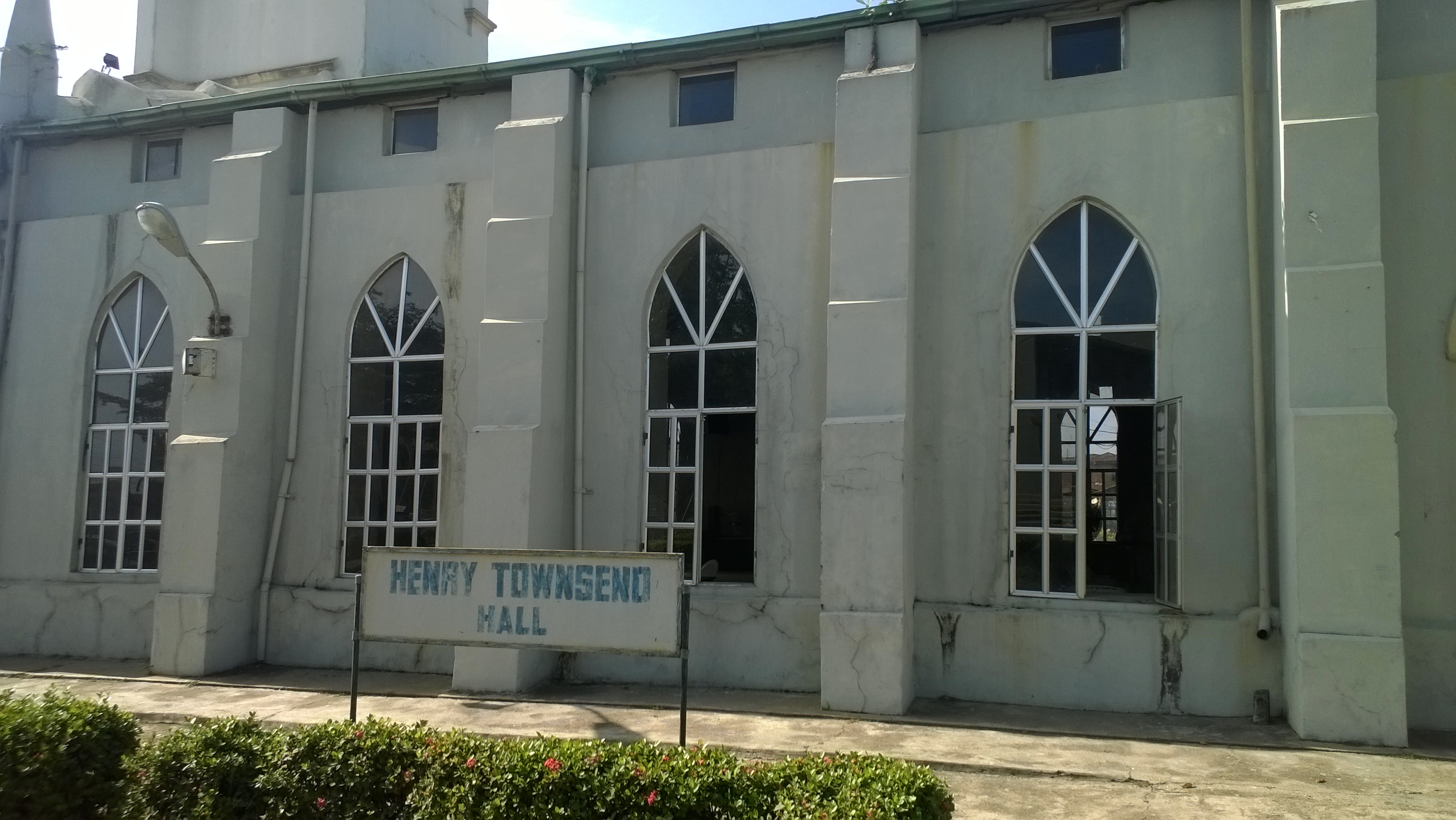
One of the most known pastors of the church include the Reverend Josiah J. Ransome Kuti (also known as the grandfather of Fela Anikulapo Kuti, the inventor of Afrobeat), among many others. A hall in the church premises is named after another famous pastor, the Reverend Henry Townsend.
In some ways, it is the Southern equivalent to the Church in Wusasa – also a first in the north, built in 1902 – whose survival depended very much on the hard work of volunteer priests battling a society that – at the time – very much resisted the change it represented. In the account written in Wole Soyinka’s 1981 Autobiograpy Ake – the Years of Childhood, most of the early missionaries faced life-threatening confrontations with the elders of the town to whom Christianity represented a real and present threat. Many churches fell down after being visited by men from the local cults, sometimes while people worshiped inside. In the case of the Wusasa church, the threat came from the Muslim societies in the north who felt threatened by the new religion. That these structures have lasted so long is homage to maintenance, but more importantly, the cultural place they occupy in the societies that own them.