The Ten Peaceful Protests Commandments (Nigeria)

by Adeleke Adesanya

Dear Friend,

A season of discontent is upon us again. You have heard of government’s recent decision and you want to join in the protests. We have argued about it all before. You are aware that you and I at least agree on one thing and that is your right to freely protest. These are uncertain times however. And I see in your fervour a certain hope for this country. I want to see you come back in peace, healthy enough to argue with me again. That is why I write this precise manual on best practise procedures to ensure a peaceful protest and your safe return.

Do not bother querying my credentials. I will be frank and admit that I have never taken part in any public protest in Nigeria or elsewhere. I can write protest letters, sign petitions, and even place a phone call or two. But I don’t do Sit-Ins, Million Men March or Occupy Wherever. I value my physical security and have always been cynical of all leadership including that of every opposition body. As a student, I noticed that Student Union President’s do the talking while their followers receive the hard side of police baton during protests. I know that those who died during violent protests of 1993 never got to receive political appointments. I know that many who were apparently ready to die for that cause turned coat and made it into a source of livelihood. I know that many people do not want peaceful protests. Some nouveau leaders want to climb the corpse of martyrs to renown. Thieves want a little rowdiness so they can steal. And then, there are fifth columnists, SSS officers and paid agent provocateurs. You will learn to identify them while reading this piece.

One, you must plan for the protest properly. Revolutions do not happen by accident. Know when it will start and when you will leave. There is nothing called indefinite protests, everything must have a beginning and an end. Know what you will do and what you will not have a part in. There are many ways to make your voice heard. The people who write articles, who protest on twitter, who telephone radio stations do not have two heads. You don’t have to be the foot soldier in the march, that confronts the mobile policeman.

Two, if you must go out, err on the path of caution. Consider writing you local police DPO for approval first. I know you have a right to protest but it is his duty to maintain law and order. If you do not have permission, it is common sense that he will not guarantee your safety. He might refuse but if you receive approval, it is guaranteed that you will have police officers to secure your procession. They will not tear gas you if you received approval. They will even protect you from touts who may want to hijack your protest. You may belittle this point but asking for permission earns you respect. You are advertising that you are really a leader.

Three, in case of public protests, choose the locations carefully. Choose play areas and parks in suburban areas. Do not protest along main roads. Never ever burn tyres. Do not hold sticks, tree branches or anything that may be misconstrued as a weapon. Do not burn explosives aka banger. Do not harass motorists.  You must be unarmed and appear to be harmless. You are a well bred gentleman afterall.

Four, dress like a responsible person. You may be tempted to wear jeans and a tee shirt but I will suggest a suit or blazer. If you wear native attire, don a cap. Dress as you will like to appear before a judge for bail and in all likelihood you will not need to. With your smart dressing, the police will assume you are a lawyer or a representative of some foreign NGO.  You want them to make that kind of mistake. Never ever show your naked chest or wear a bandanna no matter the heat.

Five, before going for a protest, take care to telephone each media organisation in your vicinity and inform them of your protest. Or better still, request to visit them and make your visit to their office your protest. If you can get foreign press too, then fate has favoured you. If you cannot get the media to cover your protest, postpone it. In this day and age, a revolution that is not televised did not happen.

Six, part of your planning is the preparation of handbills and banners. Use your wits to come up with catchy, even funny choice of words. Design your handbills like you are selling a church retreat. Smile when you go out to evangelise. You may not agree with me your attempt to mould public opinion has made you a politician and you must learn to act the role appropriately.

Seven, do not march to the Governor’s office, the Senate or Representatives building unless you have previously secured an appointment. The security men that guard these places are bored and have been looking for action, any action. Your attempts to break protocol may be repelled with the direst deterrents.  If on the other hand, you are able to secure an appointment, try not to smile too happily when you get the customary photo opportunity.

Eight, there will be many who are not of similar persuasion as yourself. They are not necessarily against you, sometimes they just don’t care. If in a democracy you have a right of dissent, accept that they too have the right to be aloof. As for those who do not agree with you, do not get into any argument. Flee from them the way Born Again Christians are told to flee from Jehovah Witnesses. Public arguments too easily turn violent and are not subject to our customarily civil rules of debating.

Nine, it is one thing to have a plan; it is another to actualise it. If you plan to walk a mile and common sense tells you to stop at half, it is not cowardice. He who protests and runs away will live to protest another day. But be wary of those that push you to go a mile and a half. I am speaking metaphorically. Anyone who tells you he is ready to die or throws a missile at a policeman is the enemy. Ditto those who carry concealed weapons or argue with a man with a gun.   Ditto arsonists. Ditto the bearer of fantastic tales about grave casualties in other scenes of protest.  Anyone who calls a civil demonstration a call to revolution. Watch these ones. They are either fools or fifth columnists.

Ten, you must remember the practical issues on the D-day. Take some water with you. Eat a good breakfast; you don’t know for sure where or when the next one will be. Avoid any form of intoxication. Do not rub your eyes with kerosene; rather leave if the police start shooting tear gas. After tear gas, things generally go from bad to worse, I am not even sure the Nigerian Police have any stock of plastic bullets. Carry a small camera and a cell phone and make a call at the first sign of trouble. Have a lawyer on speed dial. Take your doctor’s prescription along if any, as well as your hospital card showing your blood type. Carry a valid national I D card. Be alert and prepared to flee to safety, when necessary.

I have written this because of my awareness of the attendant risks in the society we live in and the fragility of human life. Don’t be a dead hero, martyrdom is generally overrated. Someday, you will read this again and laugh at me for being so worried about you. When that day comes, I will be happy to buy us both a drink, relieved that this epistle has served its purpose.
Nigeria: The Petroleum Storm

On January 1, 2012, the Nigerian government announced the removal of oil subsidies that have hitherto kept gas prices in the country to below fifty cents per liter. To citizens of the world’s sixth largest exporter of crude oil, government subsidy of gas prices is one of the inalienable advantages of belonging. Other basic government amenities in the country are virtually non-existent. Power supply is abysmal. Security of lives and property is terrible. Roads are bad, and the educational system is not one of the continent’s best (as it was a few decades ago).

Like I said on twitter two days ago, and as everyone knows, the problem is really not the fact that the subsidy was removed. It was the way in which it was removed: abrupt, and total, plus the fact that no one in the country trusts that the money that will accrue to government from this increase in fuel prices will be used to improve social amenities and the life of citizens. Nigeria is probably the only large exporter of crude oil without access to stable and affordable electricity, good roads and an affordable healthcare system. It is disgusting.

So here it is: today all around the country, students, workers, middle and working class people are storming the streets to protest the price hike and to demand that government restores some (if not all) of the subsidy. A government so insensitive to the pain of its citizens as to increase fuel prizes to over 200% on the first day of the year deserves all the outrage it gets.

Minneapolis

I visited my third other mid-western state this weekend. (The first two were Kansas and Missouri.)

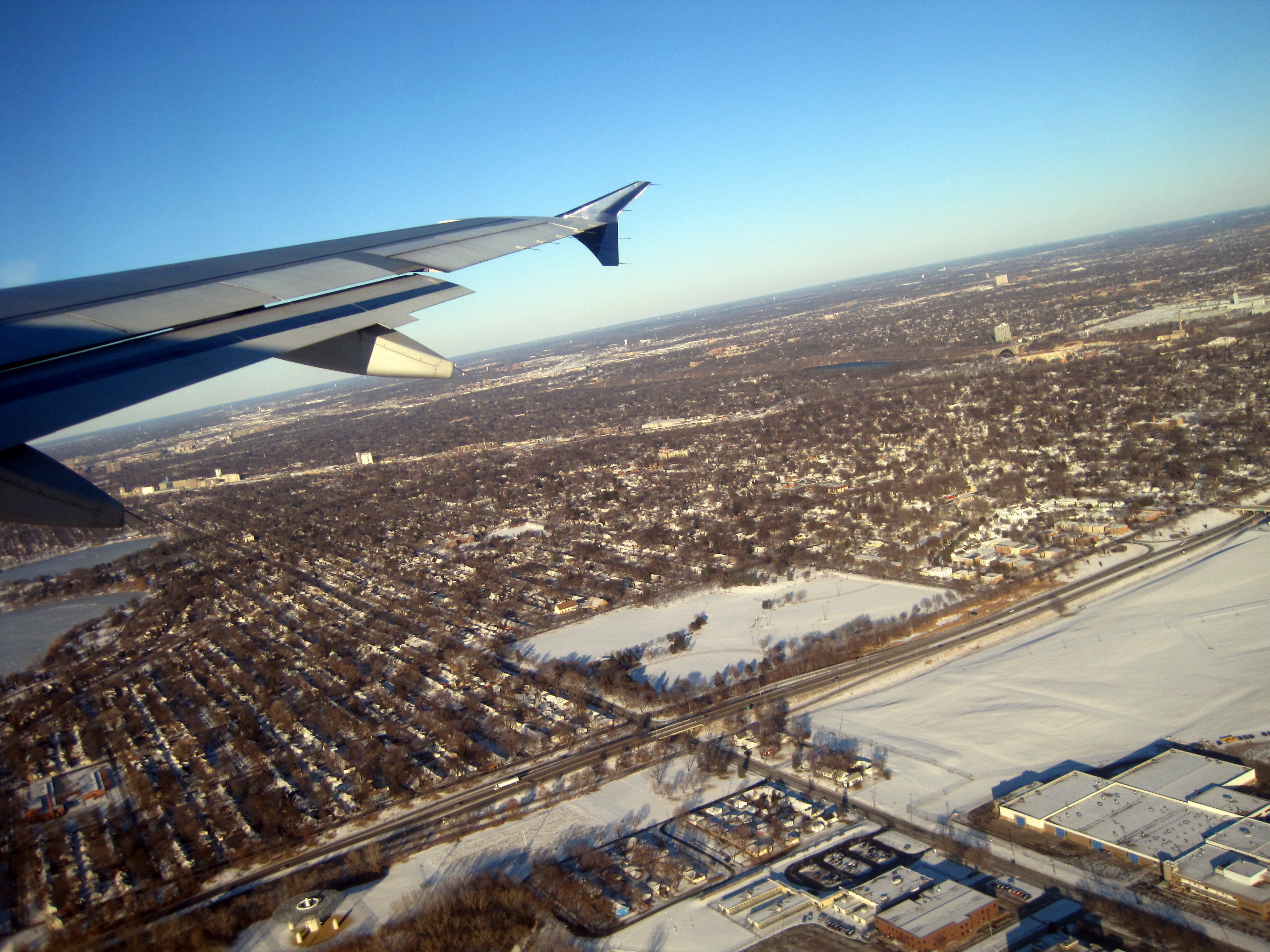
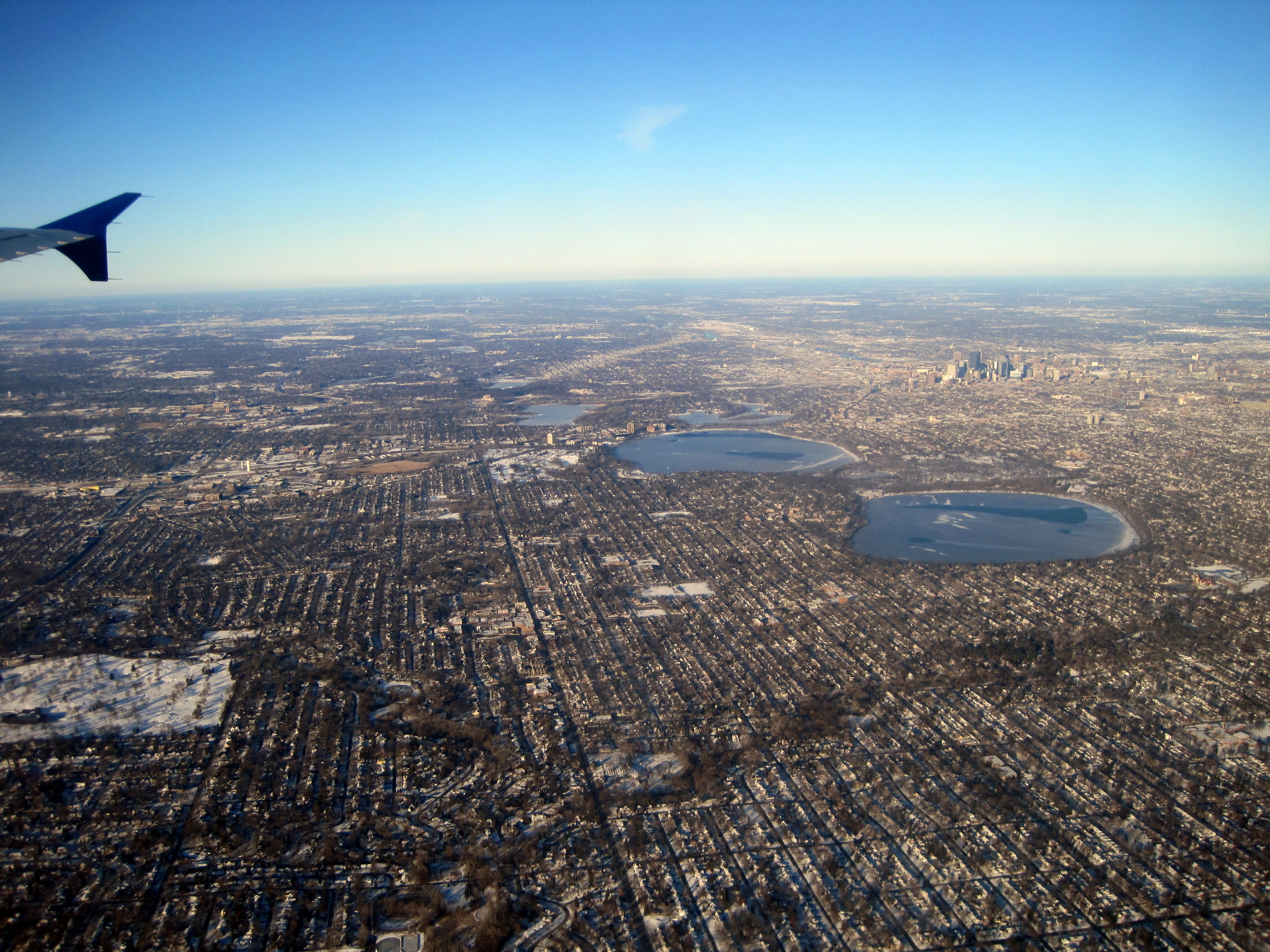
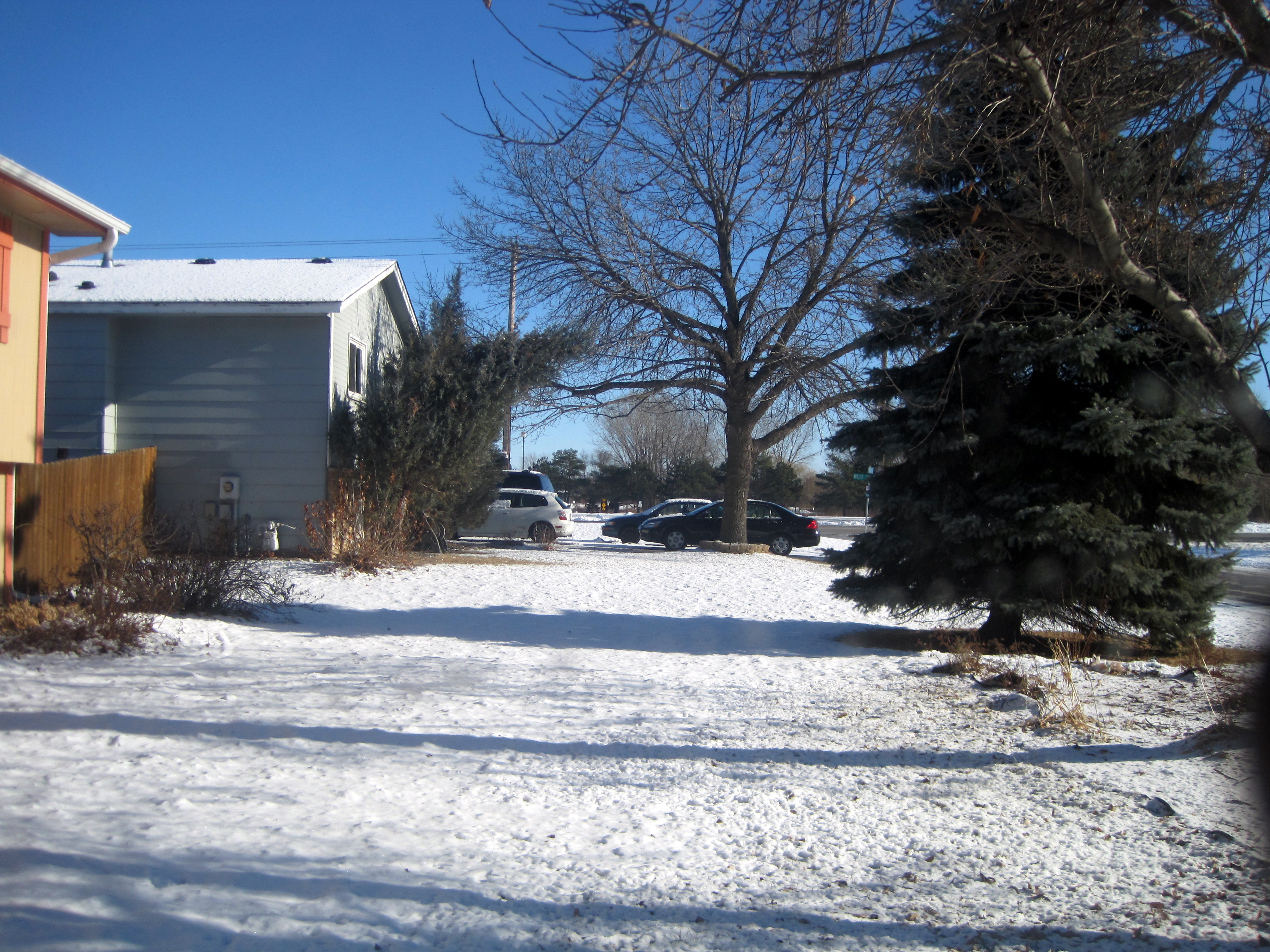
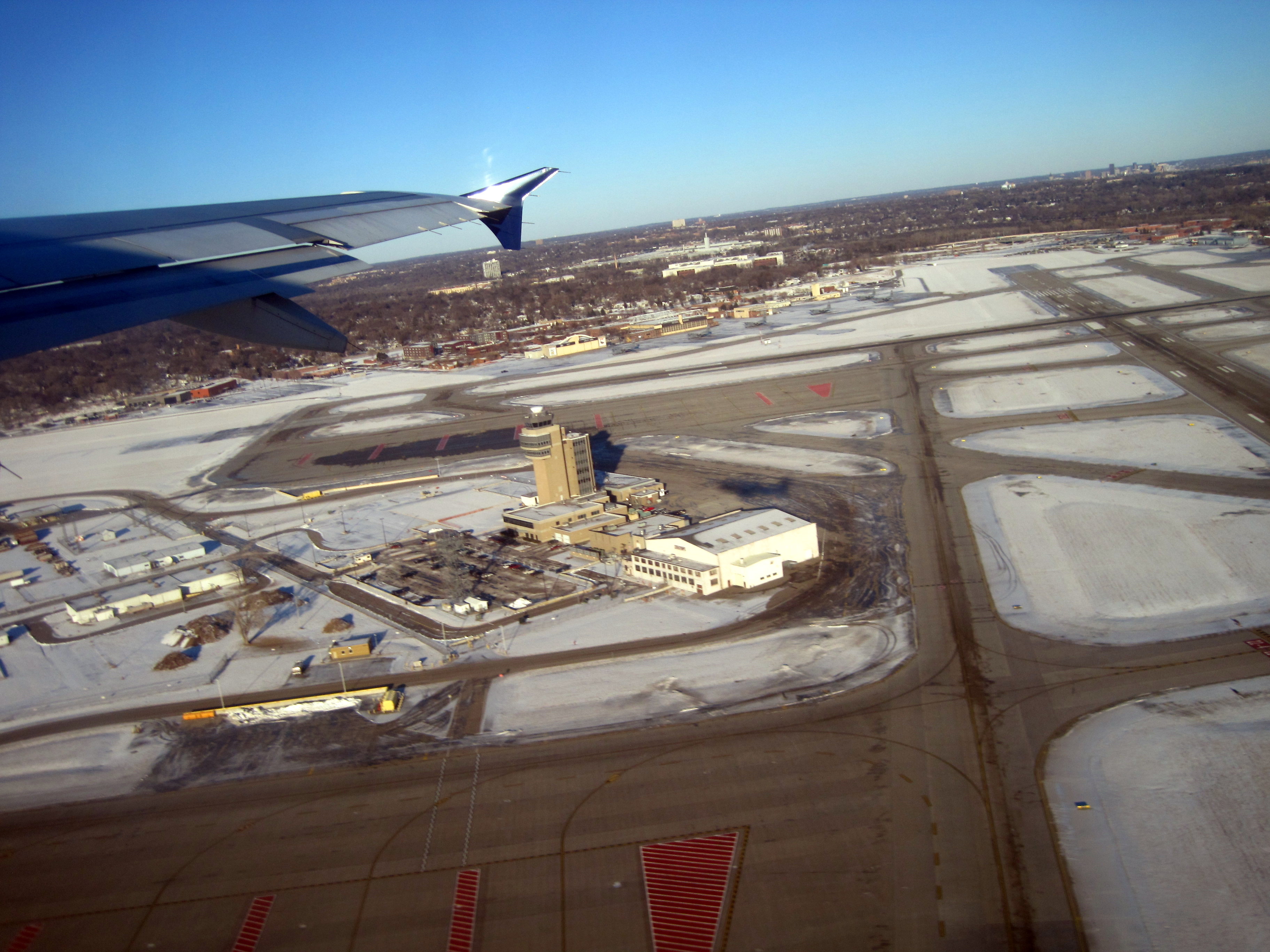
Minnesota is the last state on the northern border before Canada. It is bordered on the south by Iowa (where the Republican folks are now playing for nomination), on the east by Wisconsin and Illinois, and on the West by the Dakotas. Minnesota is known for its “10,000” lakes as for its very long winter, the Metrodome, and the Mall of America (the biggest mall in the country). There seem to be a lake on every street – as you’d see from one of those pictures above.

This was a very short, family visit, so here are a few shots. As you’d see, they already have an early winter that will probably last until May. This is the first post of the year, so I wish you a happy new year.

The Mayans Have It

I’ve been trying to find the right words to sum up this year. When I look back, there is an enormous bank of memories (some of them very personal) that I carry. There is that very first day of the year spent in the good merry company of my a friend, a Fulbright colleague, and my friend and fellow blogger Clarissa (and her husband). We had the most delicious cake, a great food, and a merry time into the night. Then there is that delightful trip to Chicago in July which changed my life in a remarkably delightful way.

It was this year when we protested against Mubarak using social media. I wrote this poem for him in January a few days before he was actually kicked out. Fun times. Little did I know that other tyrants would fall after him: Gaddafi, Osama, Laurent Gbagbo, and Kim Jong Il. Two of those dying tyrants were mentioned in the title of the poem. If I was a betting man, I could be rich by now. I also remember 2011 for The King’s Speech, one of my most favourite movies of all time.

This year, I met Ken Burns and Niel deGrasse Tyson – two brilliant writers opinion makers. I also visited Joplin in what will remain one of my year’s most enduring memory. I’ll also remember the year for losing my last surviving grandmother in January, then an aunt in March. Not very happy feelings about that. In 2011, the St. Louis Cardinals won the World Series, a surprise. I did not write as many posts this year as I did in previous years, deliberately. Academics have taken much of my attention, inevitably. Thank you for forgiving :). Now, if we listen to the Mayans, all the remaining negatives on the world’s plate point only to one conclusion: this will be our last New Year celebration. (I haven’t seen that movie 2012, but I’m very familiar with its apocalyptic premise).

So here we are: Iran on the way to nuclear armament, the US selling new arms to Saudi Arabia, a small but skilled group of homicidal religious maniacs are blowing people up in Nigeria with the hopes of setting up an islamic government, Syria is on a murderous rampage on its protesting citizens, Egypt is unstable, and the Isreali-Palestinian conflict is not any nearer to resolution than it was fifty years ago. If the Mayans are to be believed, whatever needs to happen will begin to happen when the new president of the United States takes office in November 2012. Ron Paul? That’s a scary thought. But by then, I will be as far away from this place as possible, most likely in the arms of someone I love. Is there a shuttle service out of this planet?

So, there it is, a sum of my thought for the dying year. My favourite posts in the year was The News Paradox (and perhaps Advances in Indigenous Language Technology). Cool visits: Lewis and Clark.

May the coming year bring a smile to your face.

What were your favourite memories, posts, news?

A Nigerian Tragedy

There comes a time when talking about the same kind of tragedy, or idiocy, over and over again becomes a futile act. Once is an aberration, twice is a trend. When it happens a third time, it has definitely settled into a most horrific pattern. I speak, of course, of the terrorist acts in Nigeria committed by a small radical Islamist group*, as well as the inability of the government to respond in a satisfactory way. It has almost become an annual Christmas idiocy.

In 2009, just around Christmas, the idiot from Katsina Abdul Mutallab got on a plane from London headed for Detroit, and almost took all the lives on an airplane. He put the country’s name on the world map for terrorism, and the outrage from citizens was unprecedented. “He doesn’t represent us”, we shouted, as the United States placed the country on a terror watch list. In December 2010, a bomb blast in Jos killed about 32 people and wounded dozens more (along with another one in October sponsored by the Movement of the Emancipation of Niger Delta, to mark the October independent celebrations). This year, bombs placed strategically in churches where faithfuls were celebrating the Christmas holiday has now claimed another number of innocent people.

However, beyond the deserved rage against the deranged people to whom violence is an acceptable way of making a point, and the gross ineptitude of a government unable to provide adequate security for the citizenry when they need it the most, I have realized that what should be most deplored is also the lack of fast and competent emergency response. A common sentence to all the news about the recent attacks is a variation of this: “Nigeria’s Emergency services acknowledged they didn’t have enough ambulances immediately on hand to cope with the wounded.” If the government entrusted with the security of the country could not provide that security, it should at least provide emergency help whenever crises happens. This one did not, and thus the tragedy. I am outraged.

NEMA should either be made efficient, or be disbanded and its funding money given to non-governmental organisations that will provide real emergency response whenever citizens need help. It is anyone’s guess how many lives would have been saved if there was prompt emergency response by capable people on the ground rather than finger-pointing and vain tough-talking rhetoric by an incompetent government. When I’m in an accident and dying on the street, I do not want my government on television saying “(this is) a dastardly act that must attract the rebuke of all peace-loving Nigerians… These acts of violence against innocent citizens are an unwarranted affront on our collective safety and freedom” as Mr. Jonathan did last week. I want a president that directs all emergency vans to my help as soon as possible. I don’t know about you, but I would appreciate that a whole lot more.

* The crises in the country are not caused only by radical Islamists. Other radical minorities like the said Movement of the Emancipation of the Niger Delta (MEND) have also been credited with many acts of violence on innocent public structures, and killed countless innocent people. Then there are vehicular accidents, maternal mortality, and armed robbery. An undeniable fact is the decline of that country into chaos. A more heartbreaking one is the ineptitude of government response either in prevention, and in crises management.

PS: There is a new KTravula poll on the right sidebar. Please tell me what you think. —->>