CFP: LAGOS: From the Pepperfarm to the Megacity (and Beyond) An Interdisciplinary Conference on Space, Society, and the Imagination of an African Crossroads

Faculty of Arts
University of Lagos, Lagos, Nigeria
June 15-17, 2017

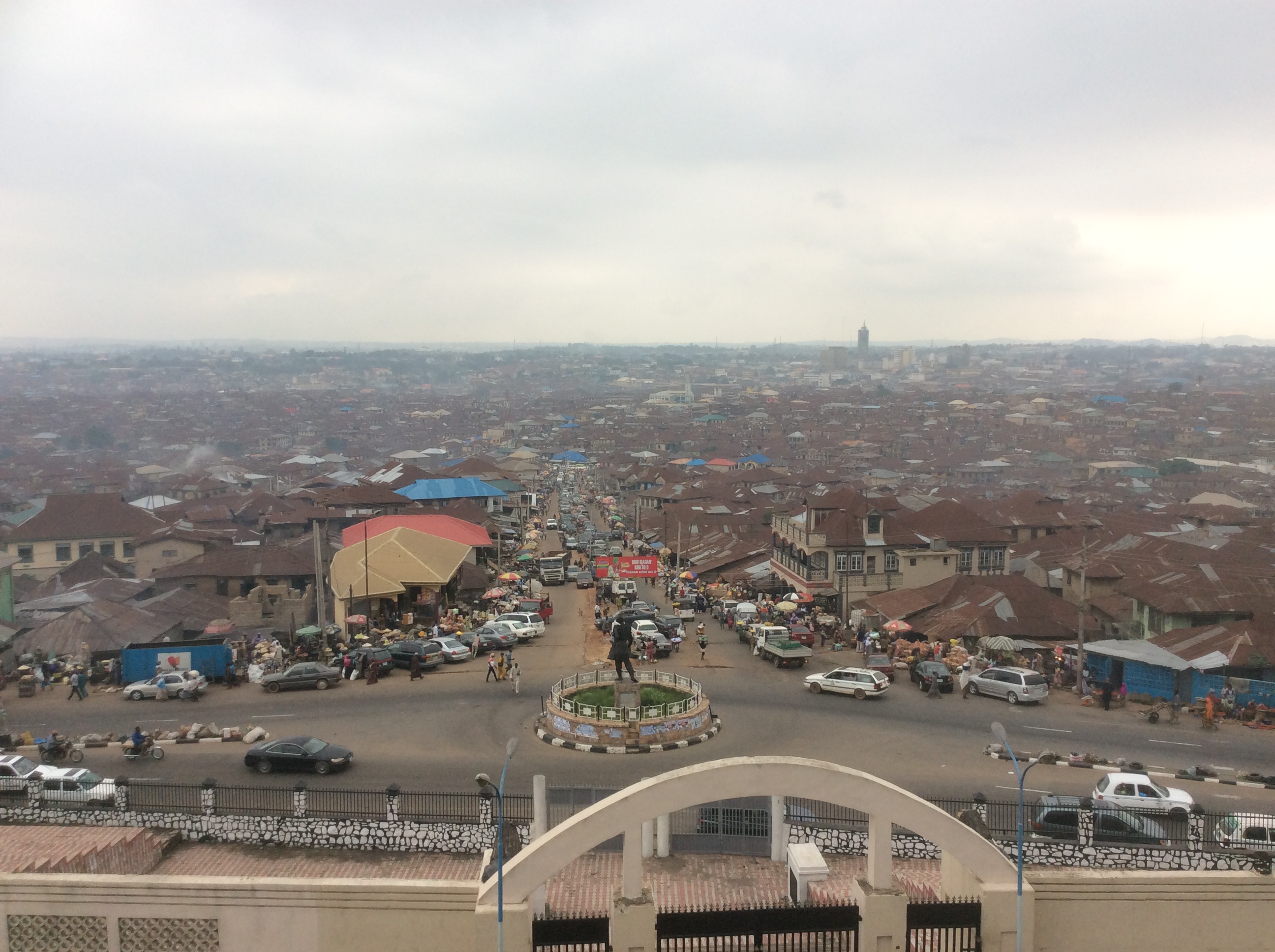
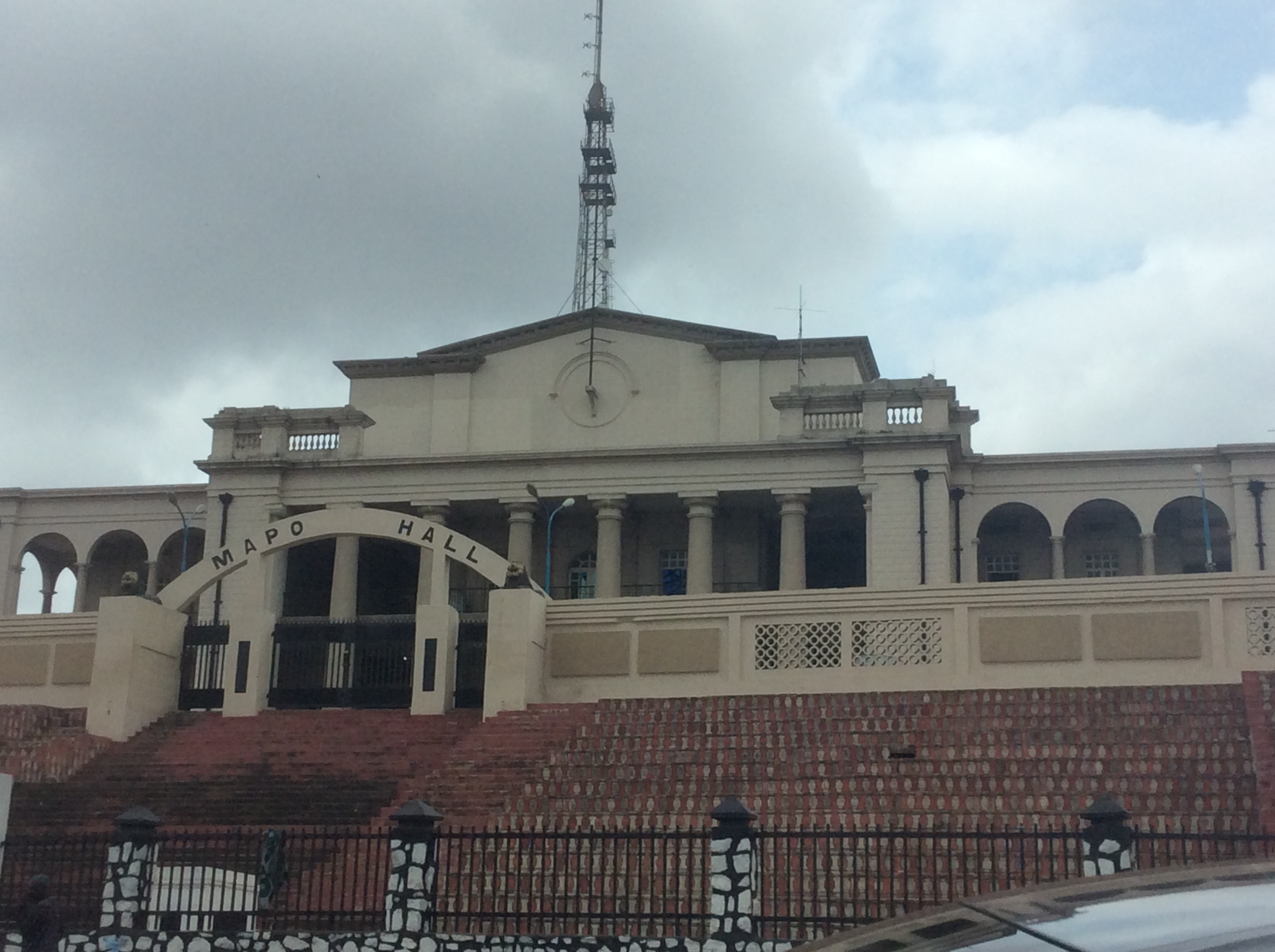
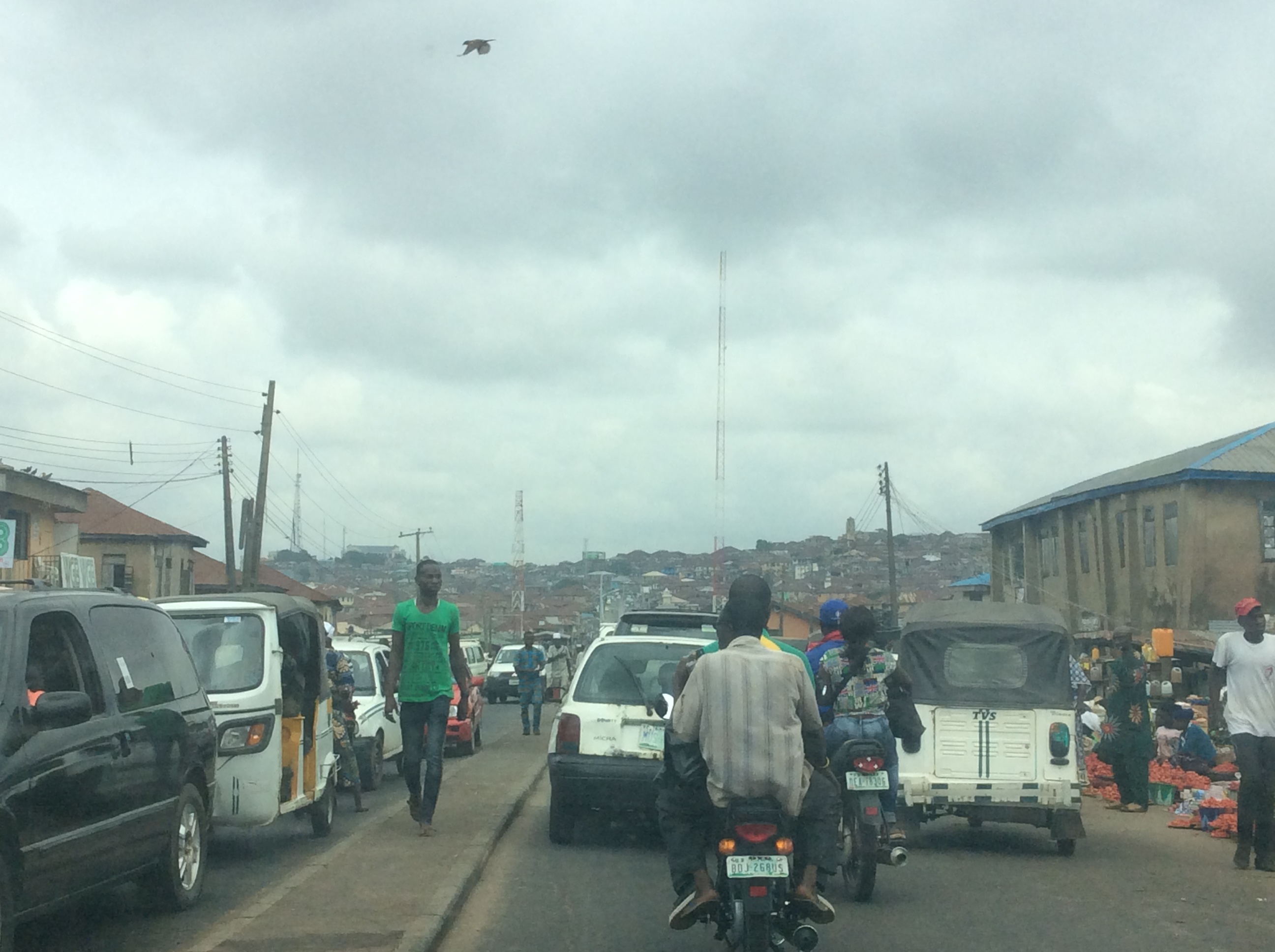
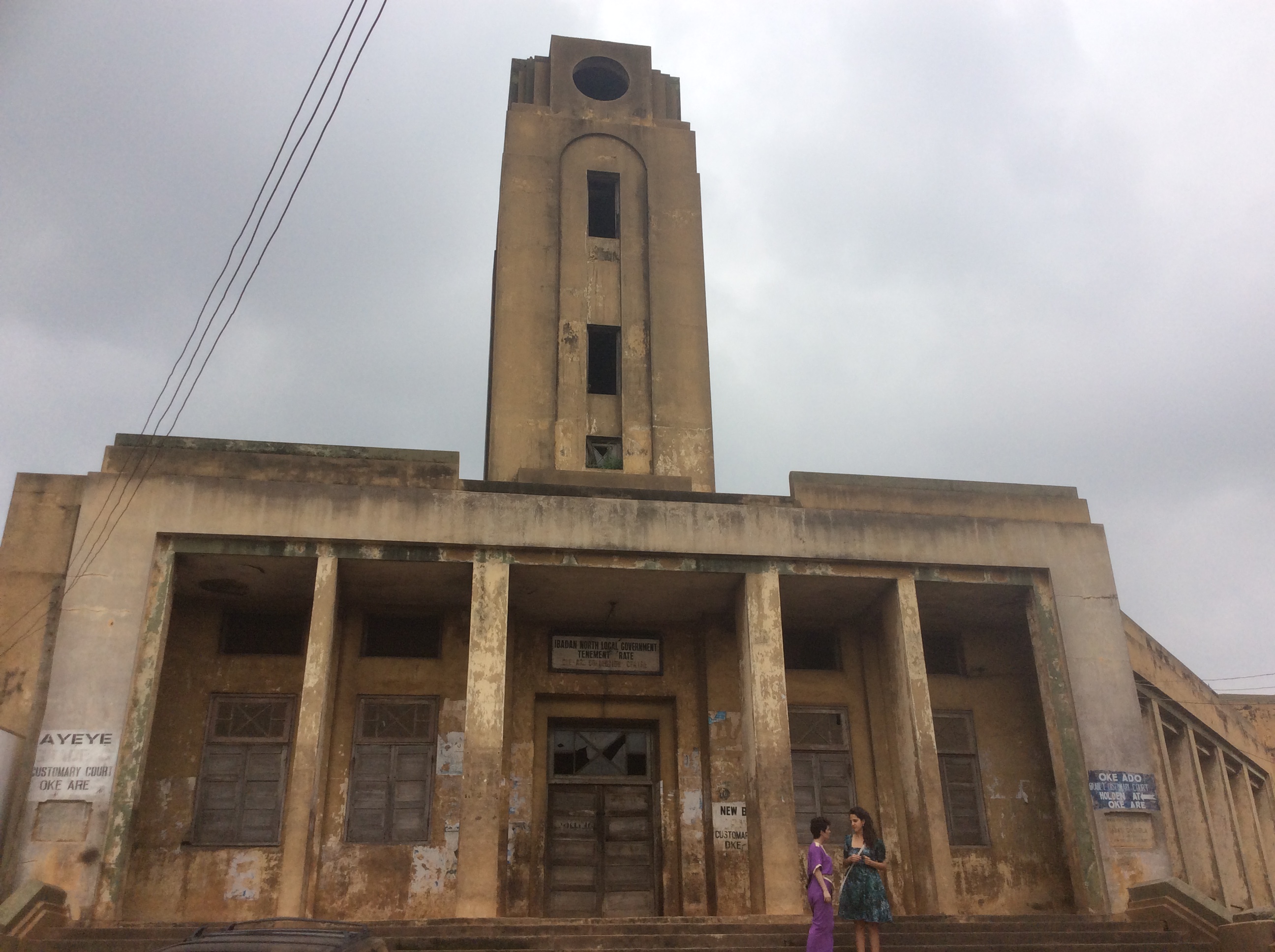
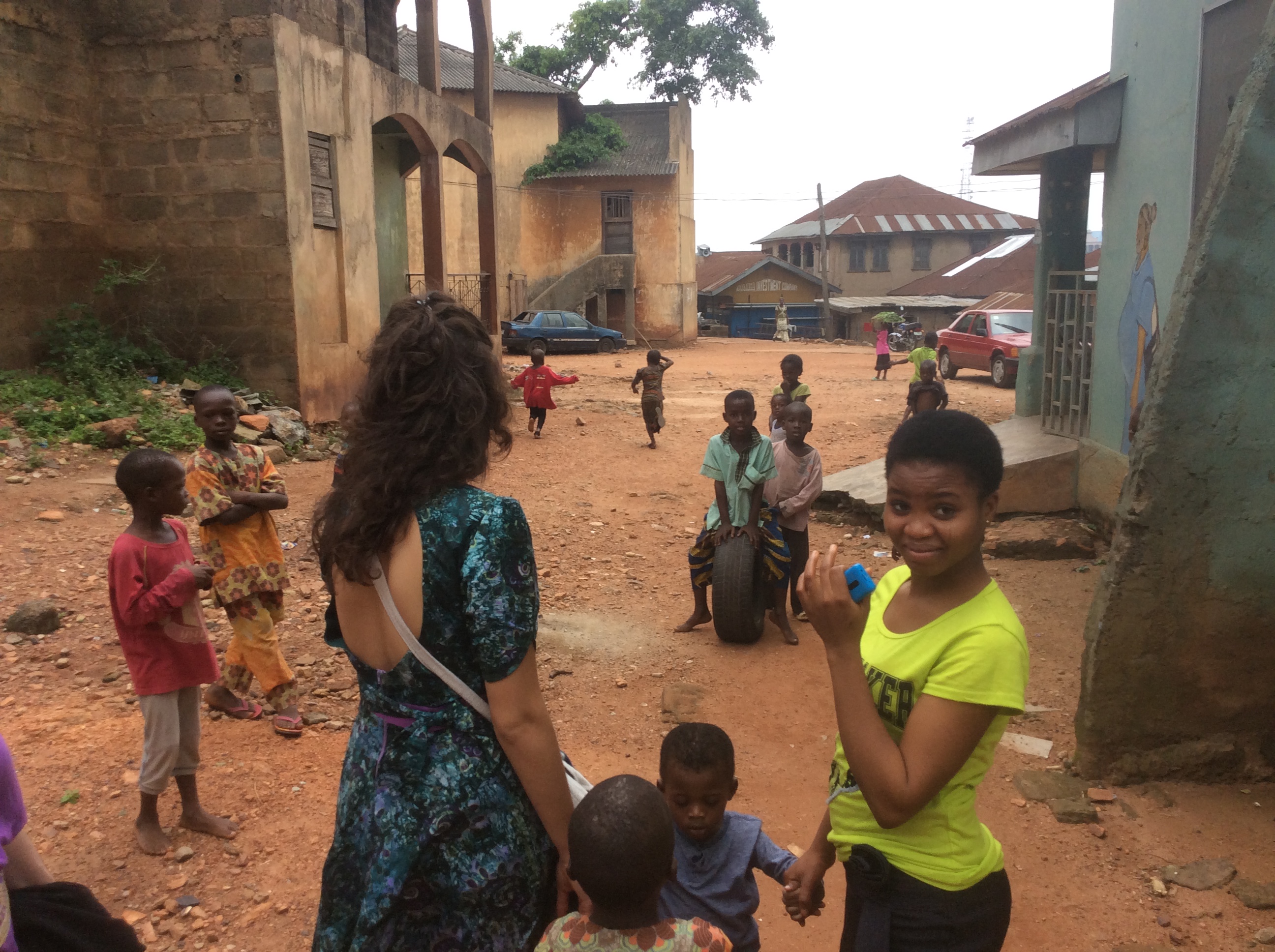
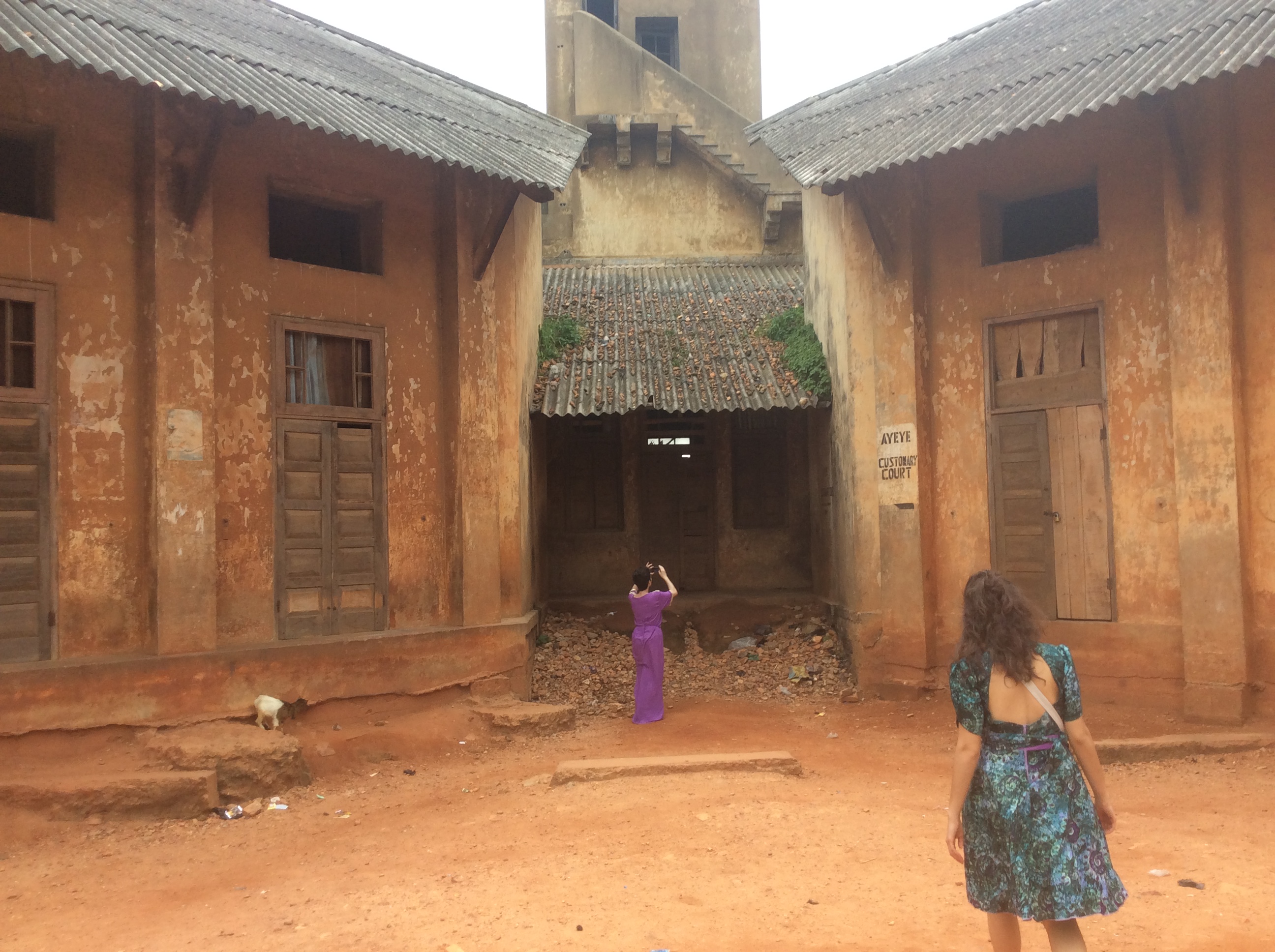
Between May 6 and 7, 2016, a conference titled “Lagos: From the Pepperfarm to the Megacity (and Beyond): An Interdisciplinary Conference on Space, Society, and the Imagination of an African Crossroads,” took place at Barnard College, New York City. Participants came from several universities in the United States, Africa, Europe, and Asia. For the conference schedule and other information, see here.  The organizers are planning a second edition of this interdisciplinary conference to be held at the Faculty of Arts, University of Lagos between June 15 and 17, 2017.

Talk of cities is everywhere in African Studies and talk of African cities is everywhere beyond the field. Thinking through African cities has produced critical reappraisals of how concepts such as urbanism, globalization, citizenship, migration, epistemology, infrastructure, flexibility, history and futurity, can be more productively thought to capture current, imminent, and historical realities. The city increasingly appears to compete with the nation-state as the key spatial category of analysis for Africanist social theorists. From Casablanca to Capetown, from Kinshasa to Mogadishu, and from Lagos to Luanda, Africa is dotted with cities that constitute political, economic, social, and intellectual alternatives to the nation, while being situated within it. Perennial challenges to nation-states in Africa and beyond combined with the spectacular growth of cities on the continent and the global south more broadly, have prompted some to suggest that we may be witnessing the rise/return of the city-state as the key structuring formation of the new global order, and thus the key structure of concern for theorists of the social world.

The conference will pull scholars and practitioners working from a range of disciplinary standpoints into conversation with each other around shared questions. Through cross-disciplinary engagement, we will flesh out linkages between the pasts, presents, and speculative futures of Lagos. The organizers welcome papers and multimedia presentations from the perspective of literature, politics, dance, culture, diaspora, geography and environment, art, architecture, religion, knowledge and epistemology, economy and labor, identity formation, film, public science, popular culture, history, etc. We plan workshops on publishing and academic mentoring for postgraduate students and junior scholars.
Selected papers from this conference will be published shortly after in a special issue of urban studies journals. Interested parties are asked to send a 250 – 300 word proposal and a short bio to the organizers at lagosconference2017@gmail.com by October 30, 2016. Notifications of successful proposals will be sent out on November 30, 2016.

Conference registration fee: N10,000 for local participants, $100 for international. (Registration fee covers meals)

Conference Organizers:
• Saheed Aderinto–Western Carolina University (USA)
• Abosede George–Barnard College-Columbia University (USA)
• Ademide Adelusi-Adeluyi–University of California-Riverside (USA)
• O.B Simire (Chair of LOC)–University of Lagos
• Charles Okafor (Secretary of LOC)–University of Lagos
• Paul Osifodunrin (LOC member)–University of Lagos

Collaborators:
• Western Carolina University
• Barnard College-Columbia University
• University of California-Riverside
• University of Lagos

Lingua Fracas as a Positive

It is 5.47am in Ostana, Cuneo, a small town in Italy (close to the border with France). It has only seventy-four inhabitants, and became world-famous earlier this year from the arrival of a baby, Pablo, its first in 28 years. It is also regarded as one of the most beautiful Italian towns. I am here all the way from Lagos, Nigeria, in order to receive a “Special Prize” called the Il Premio Ostana in Lingua Madre (The Premio Ostana Prize for Mother tongue Literature), organised by a small community organisation who has, for eight years, organised cultural and literary art activities in celebration of the language of the region, Occitan, and other minority languages of the world.

IMG_5867

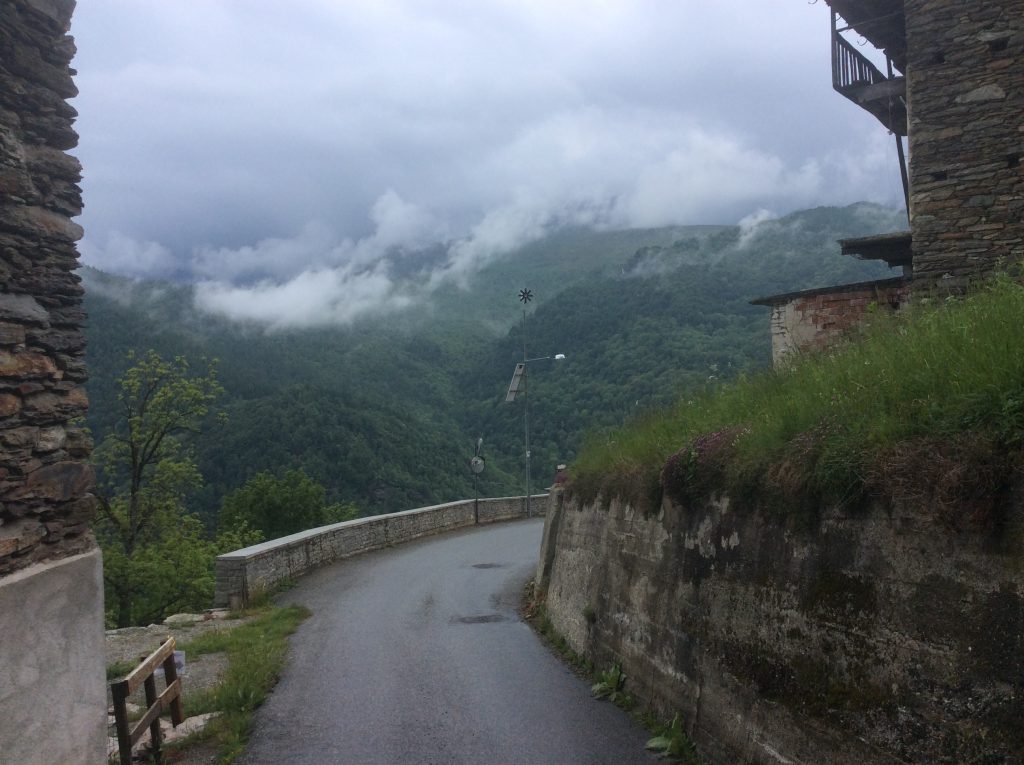
Although it is barely six am, it is already bright, and the view from my room overlooking some of the tallest mountains in the Alps is breathtaking. The mountain closest to me, shaped like a pyramid with a paramount top, is called Monviso, or “my face” because of the way it is arranged with other peaks around it to look like the human face. The name of the mountain is in Occitan, like many phrases one hears thrown around this place. When the clouds are not covering its peaks as they have done for much of my time here, we see its caps, dotted with greens from trees, and patches of black from the face of rock formations from hundreds of years back. Down at the foot of the hill from where I sit on my bed, a man of middle age is tending a small garden with a long hoe. If I open the glass windows, fresh breeze as cold as fifteen degrees, wafts into the room forcing us to hug the bed covers a little tighter.

The trip from the airport in Turin was a fascinating one, taking about two hours, and journeying through some of the most beautiful views of Italy. Travellers in Nigeria would have felt a similar sense of wonder traveling to parts of Nassarawa, or Ondo states where rocks and hills line each side of the road like guardian masquerades. But this is not Idanre, as the clashing of tongues around one’s ears will immediately reveal. This is the Italian Alps, in a region that once was autonomous as “Occitania”, spanning the land from this north-western part of Italy into the other part of southeastern France, united by a common language and culture. Over time, as the nation of France and Italy formed a stronger national identity, they imposed an artificial border that divided Occitania into two, one part staying in France and the other in Italy. And over time, the influence of the stronger languages and culture began to intrude until Occitan became just an endangered minority language needing protection.

This, in many ways is similar to the story of many African languages, from Yorùbá to Hausa to Swahili, forcibly broken down and eventually watered down by colonial boundaries that kept its speakers having to learn a bigger, more imposing language at the expense of the local one. Where the difference lies is in what has been done over time to acknowledge and mitigate the problem of endangerment by the people who care about it. In Ostana, for the last eight years, concerned stakeholders have come to this mountainous region to celebrate the language, and – more importantly – to celebrate other people working on other endangered languages around the world, making resources and networks available for a shared approach to keeping the languages alive.

Yesterday, at a public panel, Nigerian writer Lola Shoneyin described the state of languages in Nigeria, the history of our regressive attitude to mother tongue education, and the problem that has caused in both our educational and also, sadly, in our political culture. She cited the Ife Six-Year Primary Project, headed by Professor Babatunde Fafunwa the result of which proved that students can and should be educated in their mother tongues for a better educational experience, and how that ideal is now totally lost, and the research result swept under the carpet by succeeding government administrations. During the Question and Answer segment where I was interviewed by a member of the event’s organising body, I also pointed to the ideals that were written in our constitution and our National Policy on Education encouraging education to be conducted in the mother tongue for a few first years of the child’s life, and how that had ended up being just a suggestion rather than a policy statement, and how the National Institute of Nigerian Languages (NINLA) – a body established to train language teachers from every part of the country – had become just a toothless tiger. Members in attendance were appalled to know that over the last thirty years, the Nigerian educational system (particularly in the South) has slowly degenerated from a time when subject can even be taught in the mother tongue in a number of government primary schools, to now when Nigerian languages – even as subjects no longer exist in the syllabi. “It is the opposite here,” someone volunteered. Thirty years ago, no one spoke Occitan, but now it has come back as a language of common use. I got the same experience in Wales, just a few months ago, where Welsh-medium schools have sprung up to supplant and surpass many English-only schools, with impressive results.

Around me in Ostana are varying tongues. Our driver from the Turin airport spoke English as a fourth language, after Provinçale (French version of Occitan), Italian, and French. His colleague spoke only French and Italian. The conversation in his car consisted of him making a point and then running into a language block, unable to remember what English word he needed to use to communicate a point. He’d then translate himself into Italian for his colleague who sometimes then gave him the word in French. My wife and I speak a smattering of French and we’d sometimes then understand it, suggesting the appropriate word in English. Or we won’t get the word right and the conversation would move on only for the process to repeat itself again in a few minutes. For a linguist, it was the ultimate beautiful thing, especially since none of these occasional misunderstandings prevented us from fully bonding and sharing other less untranslatable experiences among ourselves. But it was also a celebration of the beauty in the diversity of our tongues and worldviews. My wife noted halfway into the trip, with mock wonder, how it was that none of the road signs we had seen was written in English. Welcome to Italy. But also, welcome to the real world where education and enlightenment isn’t judged only on the basis of competence in just that one language.

I wondered myself a few minutes later what would be said of a town in any part of Nigeria where all the signs there are written in the one language common to the speakers living in the area, and how we’d have resorted to that common pejorative in order to tarnish that hypothetical village: “tribalism”. We would have reacted as though the town is saying to outsiders: “Do not come in here because you speak a different language. We hate you!” But we would be wrong. The experience I have had traveling all over the world, especially in places where value is placed on the local language, from Kenya to Wales to Ostana, leads me to a better understanding of this hypothetical town’s message to the world: “Come here and share with us the experience of our language and culture. Bring your language with you, by all means, but come in ready to share in ours, in celebration of life and this important diversity.”

And from that, we can learn a whole lot!

______________

First published on Premium Times on June 3, 2016.

The Herdsmen of Ostana

Two Thursdays ago, about fifteen hundred feet above sea level, I was beholding one of the most picturesque landscapes in Italy from a vantage point in Ostana, a town 60km Southwest of Turin where I’d gone for a week-long celebration of the diversity of language, among other things. It was an elective choice. The Monviso, the most famous rock head in the area, had obscured itself among the clouds for so long during the week that my patience had run out waiting to get a complete view. The problem was that this, like other days, was not going to work either. Rain had just begun to fall.

IMG_5833

But that wasn’t a deterrent for an intransigent guest insistent on a wholesome experience of this strange and charming place. Having spent the previous days in warm and stimulating company, in festival days with Italian and Occitan conversations and activities, the legs had begun to make other demands on one’s curious mind: what would it be like to walk down this hill on foot? Who would one meet on the road, and what kind of reaction would this African stranger elicit, especially for a native resident unaware of the international festival taking place way up the hill. All the trips up the hill where daily festival interactions took place (aside from feeding) from the Rifugio Galaberna (where we made lodging) always happened through rides in the vehicle of one of the festival participants.

IMG_5868

And walking down the hill wasn’t as bad as previously thought – if one removes slipping on the wet grass and almost splitting one’s limbs apart as a likely disadvantage. It was the price of short-cutting the winding road to walk instead through the grassy corners that ran through small chalets on the side of the hill. And with the drizzling cold rain dripping onto my back, the only other positive left in the air was the anticipation of a room warm enough to spend the rest of the afternoon in the company of a fellow traveller from Lagos, my wife, who had elected, since that morning, to spend the day alone resting from the previous day’s extroverted engagement. And then, the bells!

I’ve heard of “cow bells” and seen them in animated advertising for its eponymous brand of milk in Nigeria, Cowbell Milk, but I had never heard nor seen them before, so the clanging that called me from on top of the hill had an initial promise of a surprise carnival of which I, as a stranger, had just not been made aware. Maybe there was a masquerade too, and a dance. It could have been a nice relief from the now boring walk down a lonely road down a pretty hill. I was joined, a few minutes later, by Valentina, my host and sponsor, who had begun to look for me to come for a photo shoot for prizewinners which had been slated for that afternoon. As a researcher, she had once followed a herd of shepherd up the hill for months in order to document their habits. So she, too, enarmoured by the clanging below, abandoned her vehicle and walked with me towards the charming sound. And there they were: herdsmen and their cattles!

IMG_5884 IMG_5882 IMG_5877 IMG_5875IMG_587313423927_580621048784775_4200197664268343497_n

This migration, we learn, starts at this time of the year, when the leaves are green and summer is ripening, and lasts for four months during which the cattle and their herders trudge up the hill on foot until they reach its summit, in early fall, for access to all the greenery as far as eyes can see. And when winter begins, then return home, perhaps more rapidly this time, in time for milking and selling the cows as the case may be. But this slow, deliberate, march is a celebrated fact of life for the mountain shepherd and his family. From observation, the roles seem well marked: the woman/women take care of the feeding and well-being of the men, keeping a steady flow of hot coffee on a gas stove, and charming every passer-by with a taste of that and other snacks, and conversation. The men watch the animals, with the help of herding sticks and hunting dogs.

There are small cars too, following the herd like guardians. They will be used as places of rest during the day or during the night if nightfall ever finds them in uncomfortable locations. In this case, they were able to leave the cows at this choice pasture in order to return in the morning and continue the journey. It didn’t hurt either that there is some place where the herders can hide whenever the elements got too harsh. In short, it was a sophisticated set-up, befitting of such a lifestyle in such a region. But can’t help wondering what it was like before the tools of technology made it easier to be a shepherd with a vehicle.

IMG_5879

The men and women, like most residents of this area, speak Italian and French, two languages capable of all relevant needs, until the party encounters a stranger who only speaks English and Yorùbá with a smattering of French. Yet communication takes place, in the most ribald of ways as one would expect of a team of mostly male shepherds. Two young teenage children of the patriarch seemed more enchanted by what they’d assumed to be an interracial couple of Valentina and me, and would not let go. “Amante!” they screamed in mischief as we found our way back, out of their grip, back up the mountain. “No! Amigo!” I replied, in whatever language that translated.

IMG_5885

Later that evening, we heard the next day, some of the cows found their way down the hill, perhaps through sleepwalking, and had to be rescued with a truck that the shepherds always had nearby. The next morning, the clearing around the path where the cows grazed the previous day – and their dung deposits all around, including on the road – had shown how much damage a bunch of hungry cattle could do. “Thankfully,” I volunteered, they don’t trespass onto private properties. Someone told me not to be so confident. The only saving grace is that trespassers are dealt with appropriately enough to deter erring herdsmen from taking laws into their hands. Herdsmen also pay a form of tax for being able to graze on public lands, even if not in cash, at least in warmth and respect for the host communities. Shepherd culture might be the same everywhere, I thought. At the crux of their existence is a travelling gene and a desire to bridge boundaries while supporting the ecosystem through a dialogue with the land and animal relationship with it. But I also immediately conceded that the friendliness and warmth of this variant is a welcome departure from what is currently familiar.

____

Photo from the blogger and Valentina Musmeci

“There’s a lot of ignorance amongst ourselves.” Interview with Uche Okonkwo

Uche Okonkwo is one of the participants in the ongoing Invisible Borders road trip. Born in September 1988, she has an MA in Creative Writing from the University of Manchester, UK. Her short stories have been published in print anthologies and online. She lives in Lagos, Nigeria where she works as a Managing Editor at Farafina. In 2014 she won the first ever Etisalat Prize for Flash Fiction for her story, ‘Neverland’. Her work is forthcoming in Ploughshares, Per Contra and ellipsis. I caught up with her for a brief chat about her work and her experience on the road.

___________

Uche-Okonkwo2Do you hear this question “Is ‘Uche’ a female name?” very often?

I think Uche is a fairly common female name. I know more female Uches than male actually. But, strangely enough, I get this question often.

You currently work as a managing editor in Lagos. What does a managing editor do?

A managing editor manages an editorial department. So, along with actual editing, a managing editor manages other editors, graphics designers, authors, illustrators and freelancers. A managing editor also decides (or plays a key role in deciding) what gets published by the publication or publisher.  

Your interest in this trip, you mentioned, is to explore this same issue of identity with the people you meet, trying to understand how their language competence affects the way they look at the country. I’m very interested in this. What have you found so far?

Well, I’ve shifted the core focus of my work on this trip from language. Now my focus is on questioning the idea of ‘unity in diversity’. Language will become secondary to my work, one of the ways through which I will look at the idea of diversity in the various locations where we visit.

I’ve chosen to shift focus in this way because I realize that this (the subject of Nigeria’s diversity and how we are able or unable to be unified because of or in spite of it) is actually the big question behind my thoughts, and it then leads into language, identity and so on.

What informs your artistic and creative interests, besides the multiethnic nature of your upbringing – which many Nigerians share? And how long have you had these curiosities?

Simple answer: anything can and does inform my artistic and creative interests. I cannot name one thing. Books, movies, other writers, places, my faith, romance and heartbreak, human behaviour, it could be anything. But more specifically, I tend more toward exploring human relationships in my writing.

As far as “the multi-ethnic nature of my upbringing” goes, it’s not something that I can say has been of particular or special interest to me with my writing. It’s just the thing that sparked my interest in looking at identity and diversity, for this particular Invisible Borders road trip.

But relationship with Asaba must also play a role. It was moving to read your account of your father’s recounting of growing up in Asaba during the Nigerian Civil War.

I wasn’t brought up in Asaba. My family moved to Lagos when I was about three years old, and we’ve been there since. Which is why, even though I have visited Asaba over the years (though not very often), the story of the place and its history are not very familiar to me. Uche3

Who are your biggest artistic/creative influences?

The writers that I read (of which there are many). And the people in my life: friends, family, relatives.

Your story “Neverland” which won the first Etisalat Prize for Flash Fiction is a beautiful tale of love, heartbreak, vengeance, mischief, and redemption, in under 500 words. You said it was inspired by nostalgia, and that was evident. How many more like that have you written, and when should we expect a book?

I’ve written many pieces of flash fiction, a lot of which appear on my blog. I’ve also written many short stories, some of which have been published or are forthcoming in magazines and journals. I’m currently working on putting together a collection of short stories, but it’s not something I’m in a big hurry about.  

What do you remember most fondly about the Etisalat Prize experience?

I think my fondest memory of the experience was the awards ceremony itself, when Ama Ata Aidoo announced my name. She went, ‘oh, it’s a girl!’ and there was such happiness in her face and tone. I liked how pleased she’d seemed.

How did you get into the Invisible Borders project?

I heard through a friend that Invisible Borders was looking for a writer for this road trip. I had heard about Invisible Borders before and had always been intrigued by the idea. And so when I heard this I told my friend I was interested, and I sent a sample of my writing, which she passed on to Emmanuel Iduma, and that was how it began. It’s been a great experience so far, working with these wonderful artists and learning so much. And the people from the Diamond Bank team (who are travelling with us) have been amazing as well.

Uche2I got on this road trip because I recognized it as something important and timely. I think that as much as we say that Nigeria is one country, there’s a lot of ignorance amongst ourselves; about our past, about the country’s different ethnicities. There’s also a lot of uncertainty about our future as a nation. Projects like this road trip help us to explore and ask questions and start necessary conversations about our identity, as individuals and as a people.

On a more personal note, I enjoy travelling, and road trips more so. No way was I going to pass up on this opportunity, in spite of my fears about visiting a place like Maiduguri.

Considering your experience for the last couple of weeks on the road, what would you describe as your most memorable experience?

I think that so far my most memorable experience has been in Asaba. Hearing my dad talk about his experience of the civil war was particularly powerful for me. Besides that, there have been many other precious moments during the trip: from visiting with Pa Ayomike in Warri to meeting the Iyase of Asaba, and the many serendipitous encounters with strangers that ended up having such a profound impact. Even just sitting and talking with the other participants of the road trip is often enriching and insightful.

What are your plans for the nearest future?

My plans are to keep writing and finding ways to do (or keep doing) the things that I enjoy, and to take life one day at a time.

Thank you for talking to me.

Thank you for your time as well. It’s been a pleasure.

__________

Photos from Invisible-Borders.com and KonnectAfrica.net.

You can read interviews of other current participants on the trip here and here and here.

For Ọlákìítán (April 30, 1984 – May 31, 2016)

Laitanxxby Yemi Adésànyà

“I will see you when I return”, I said

But the reply came as an empty sound

Followed by a reverberating crash

And simultaneous burst of love-laden eyes

Caked over a closed retina of time and reminiscences,

Congealed bonds that neither bleed nor budge

Baked over thirty-two fleeting years in a familial furnace.

Six green bottles on the village wall

One fell to the horror of a purblind audience

Sending shreds of tears through transatlantic waves

Mouths ripped by ripples of shock

As phones ululated in mournful ring back tunes

Disbelief became the punctuation for grieving souls

But the rainbow was already sealed in an obdurate cask.

Raw hearts flickered and shivered

In muted sopranos and suppressed throes

Rising to a crescendo of idiomatic anguish

As the creator chose to wield his pleasure wand

On the eve of an otherwise joyful birth.

Life began before we saw it emerge

A fair maiden in head-turning pageant strides

when we met her with a full possessive embrace.

Laitanx

Nobody warned us that our hold was too snug

We wouldn’t have heeded anyway

And together, we journeyed through laughter and storms

There is no earthly cure for this riling wound

Tears are too slippery for any tangible grip.

No support holds true for our flailing souls

Words fall flat, too dry and blunt,

Drained to ashes of their ephemeral meanings.

Prayers have become snails, crawling to heaven.

Will they return to us in time with a consoling riposte?

This loss is fine sand on the clean Gambian beach

UbiquitousLaitan1

No matter how boxy your shoes are

It permeates

Deep inside the craters between your soul’s toes.

Far away on a smothering homeland bed

A bright star had dropped from an impossible height

Piercing the earth with its sharp, stringent, edges

Sending particles flying into the eyes of all

Who watched its illumination.

We could only look on in helplessness

The ship already sailed with our prized possession.

Larceny! We cried on top of our frail lungs

Then we were told she wasn’t ours to keep

We can only hold on to memories now;

Those are safely stashed away

Where no bandit can snatch them.

Poetry will not heal us of this loss

Tomorrow will surely be celebrated in a wan frock

Till we meet again on the blue skies of dreams

One-sixth of me died with Mayowa in May.

________

Ọláìtán Máyọ̀wá Adéníran (nee Ọlátúbọ̀sún) is my only younger sister.