On Foreign Language Teaching

I received this article this morning about how to thrive or survive as a department of foreign languages. It’s long, but for those interested in the topic of teaching foreign languages, especially in a depression economy, it is worth reading.

http://www.insidehighered.com/news/2009/12/29/languages

NOTE: It was just a few days ago that I was talking with friends who expressed surprise that a language like Yoruba is taught in an American institution. “French or German, yes, but Yoruba?” they wondered. “How is it ever useful to anybody anywhere?Who would use it? Everyone (including the Yoruba people in Nigeria) speaks English anyway.” they said.

Apparently, it is still hard to sell the idea of learning a foreign language that doesn’t come with a “sophisticated” appeal like Spanish or Russian to most common people anywhere in the world. My interlocutors were one American and one African. A day earlier, another friend – this time a Nigerian on the chat messenger – had expressed similar sentiments. He even added a twist of the absurd by insisting that I was working for the CIA. That was the only way he could rationalize a scholarship that affords me the opportunity to teach my language in the United States. He also could not understand why foreigners could be interested in the language.

I think this attitude is a result of a fundamental ignorance of the purpose of learning anything at all, which is simply to gain knowledge. And there is no knowledge that is not power, as that writer Ralph Waldo Emerson puts it. Learning a foreign language gives one access to new ways of looking at the world, no matter how small the number of people who speak the language is. But the Yoruba language is spoken by over 30 million people, and has a culture that has survived hundreds of years and has influenced countless other cultures all over the world from the Carribbeans to the United States’ African American population, and produced one Nobel Laureatte. What is there not to learn about its culture, and language, and people? The lesson for me – if any at all – is in learning more about the importance of linguistic, language documentation and cultural studies. It helps to have something to say while being challenged about the use, or uselessness, of what one does.

Frozen!

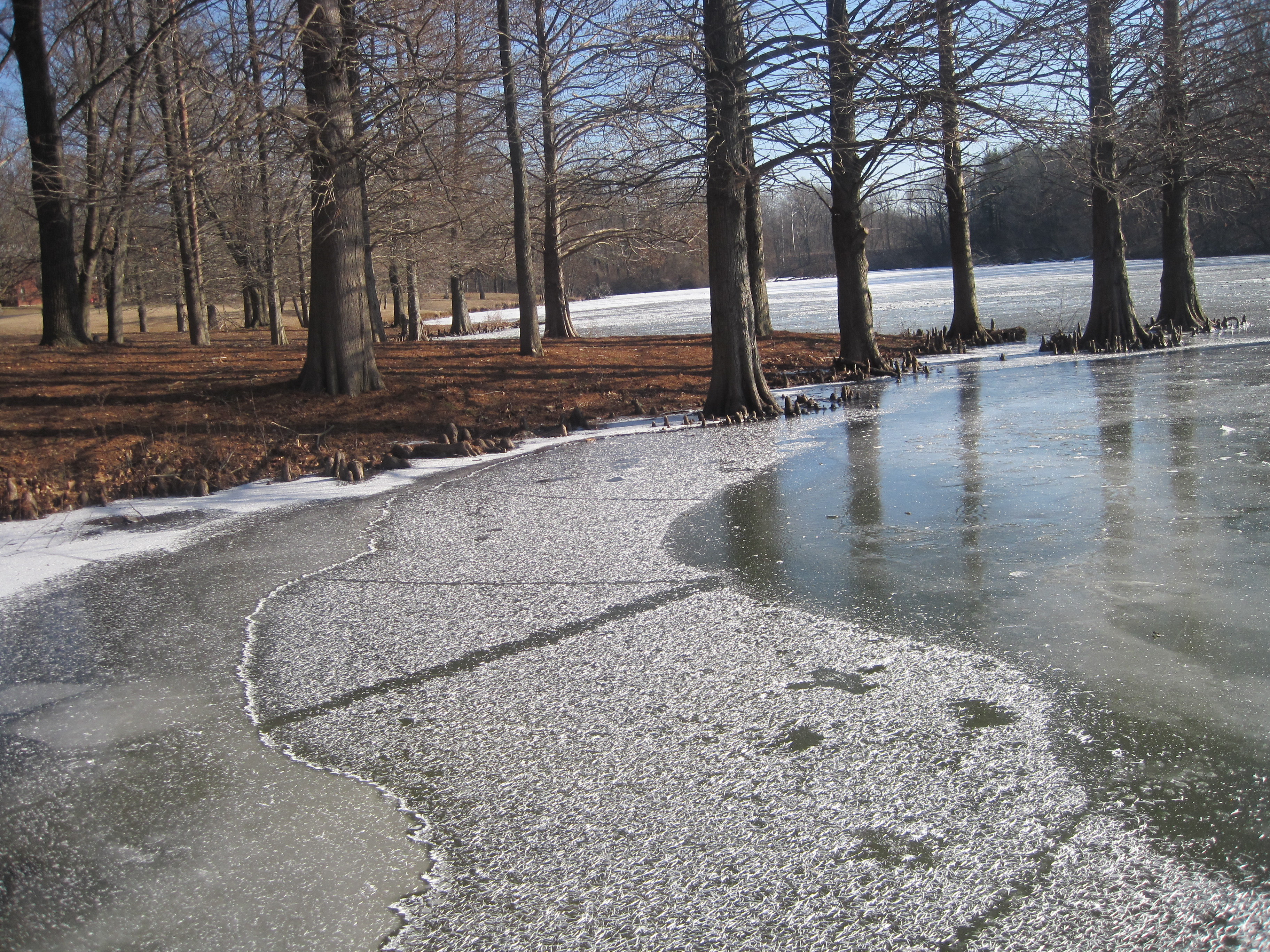
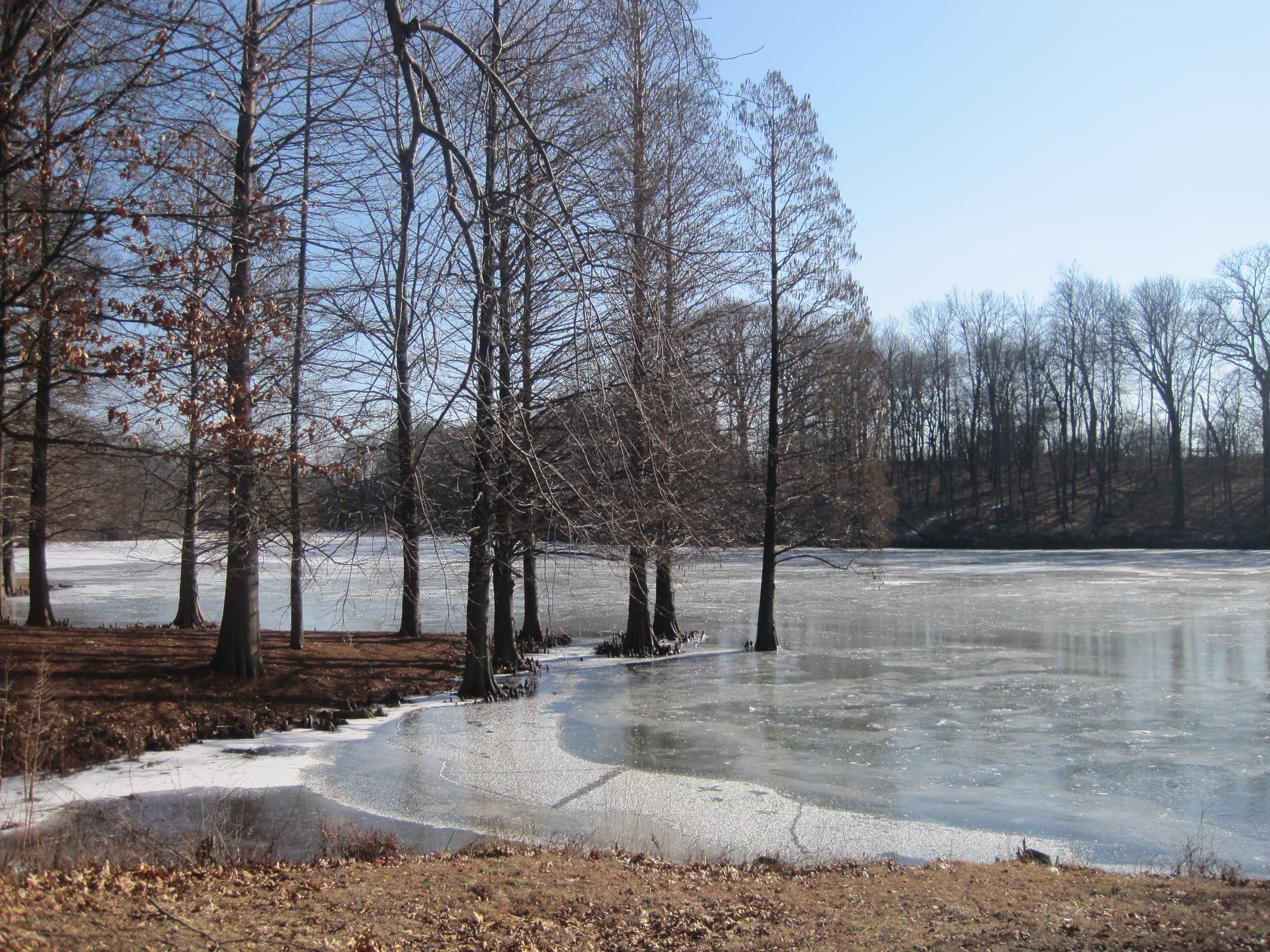
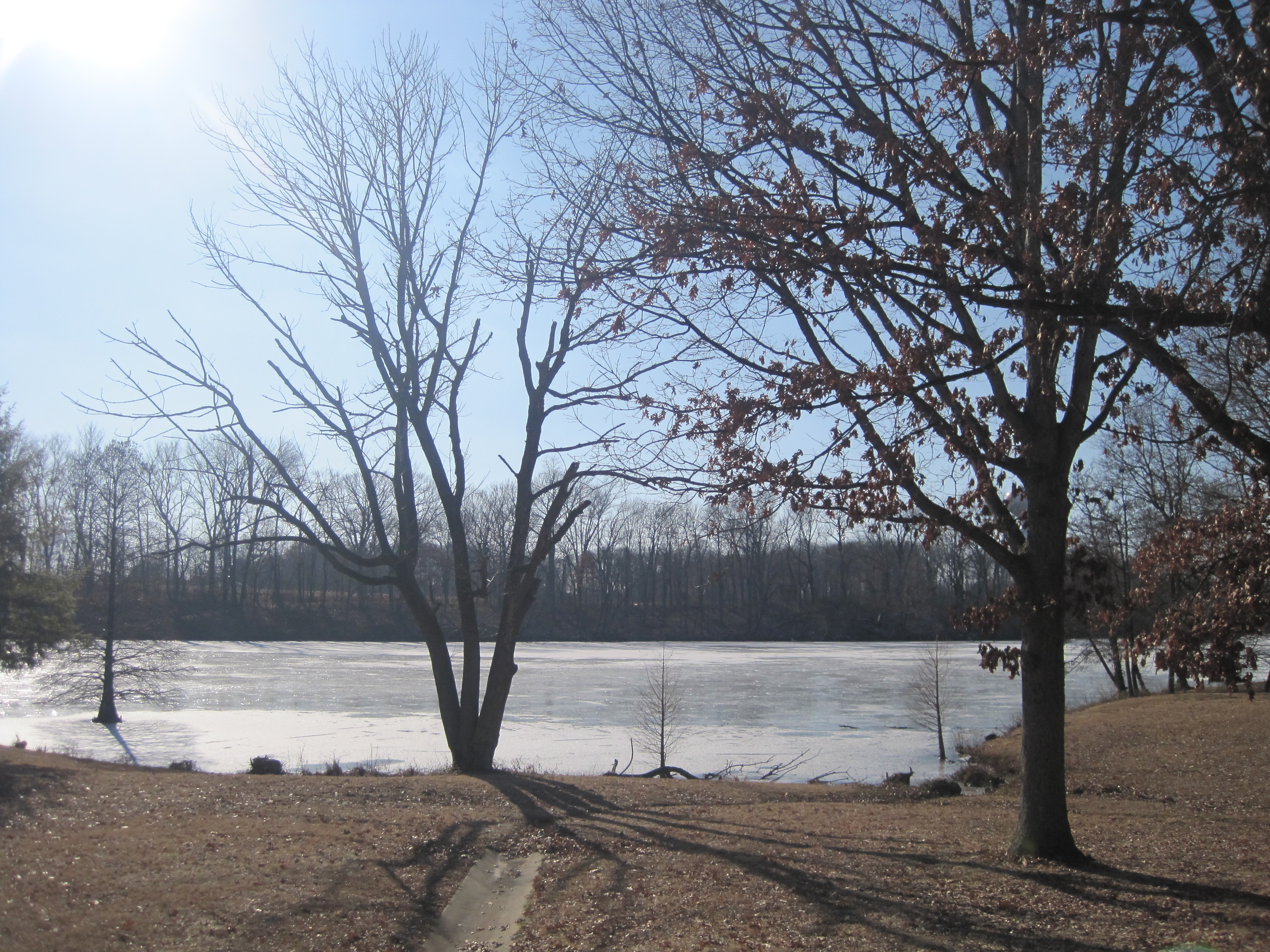
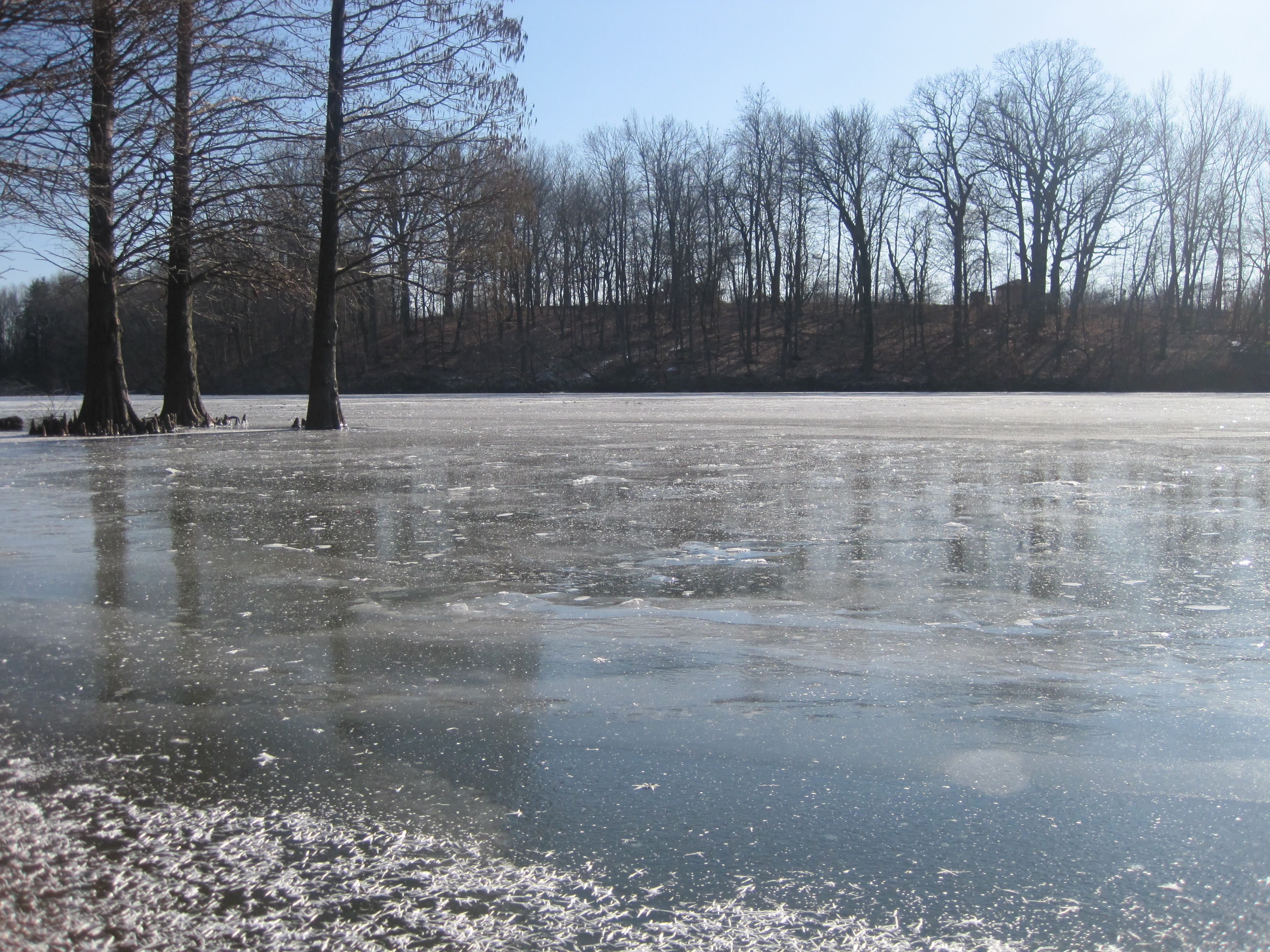
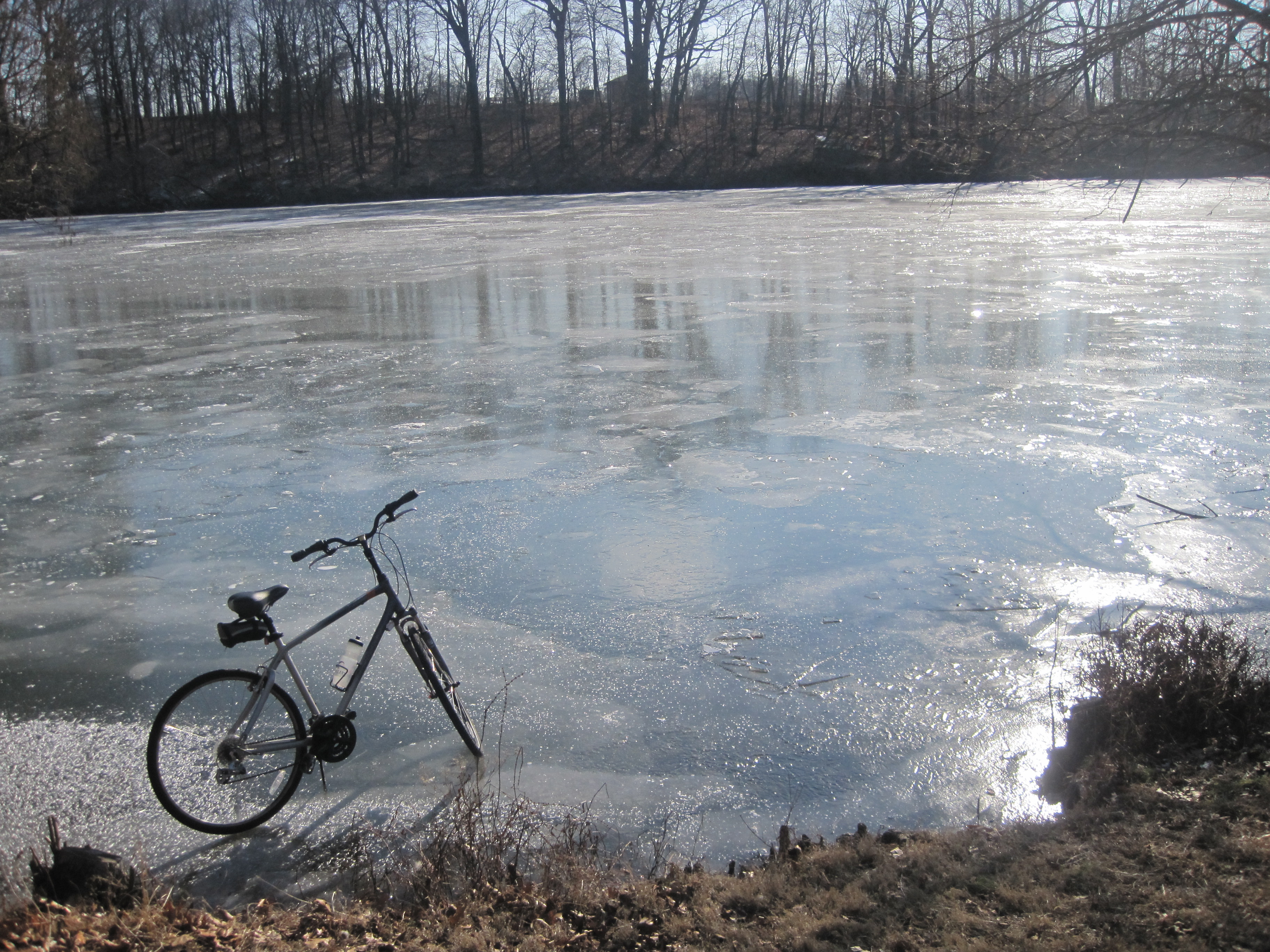
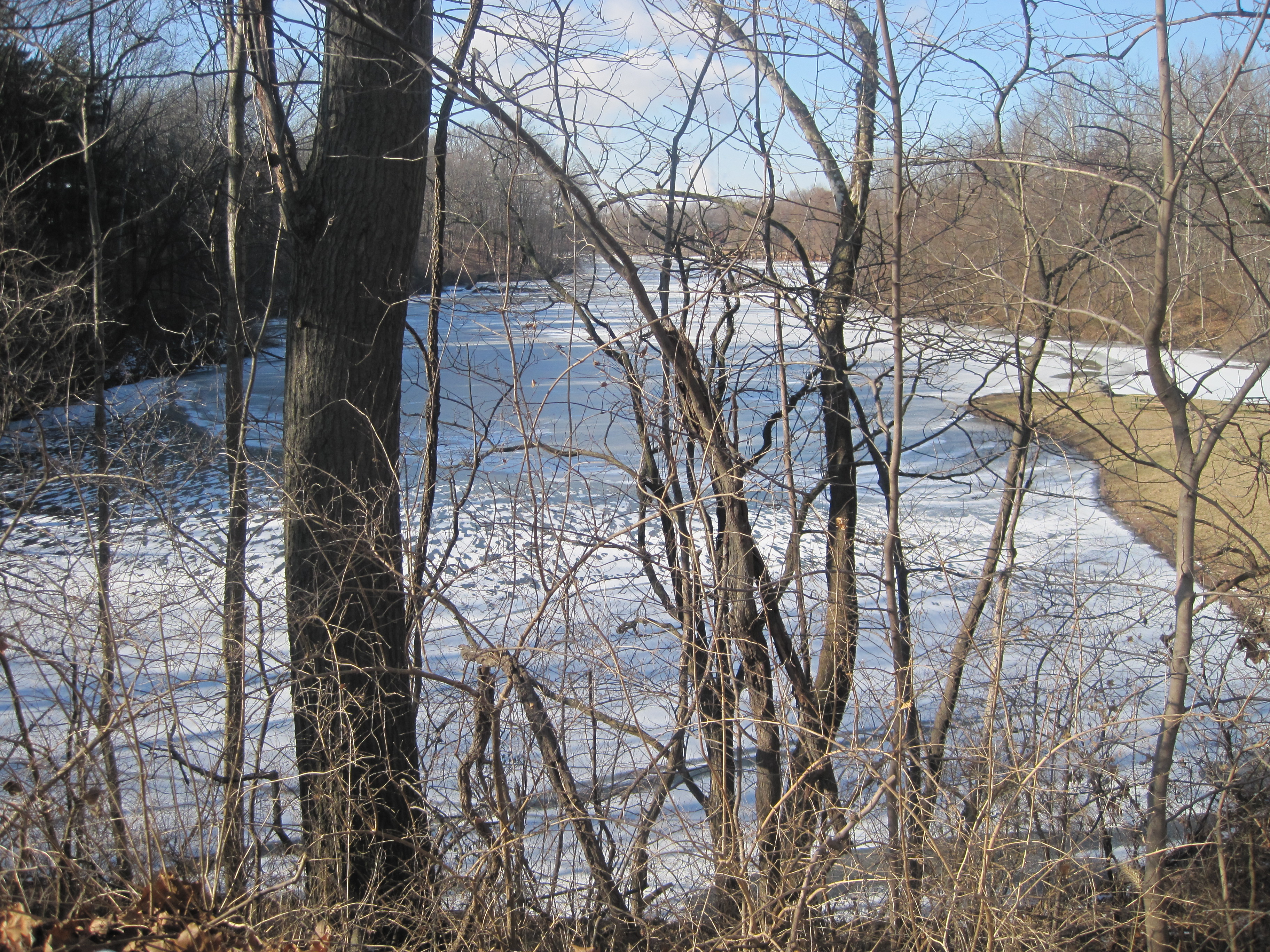
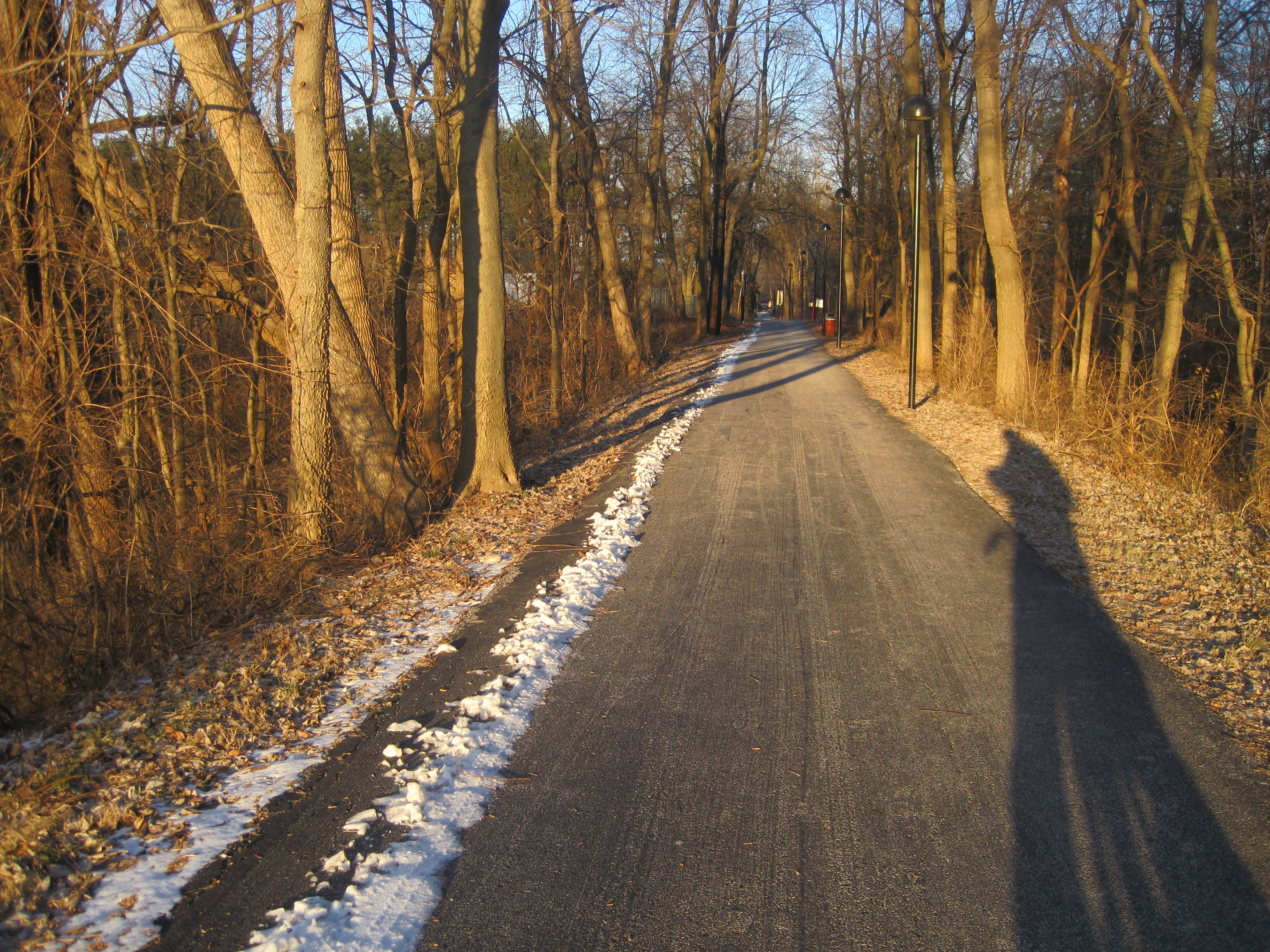
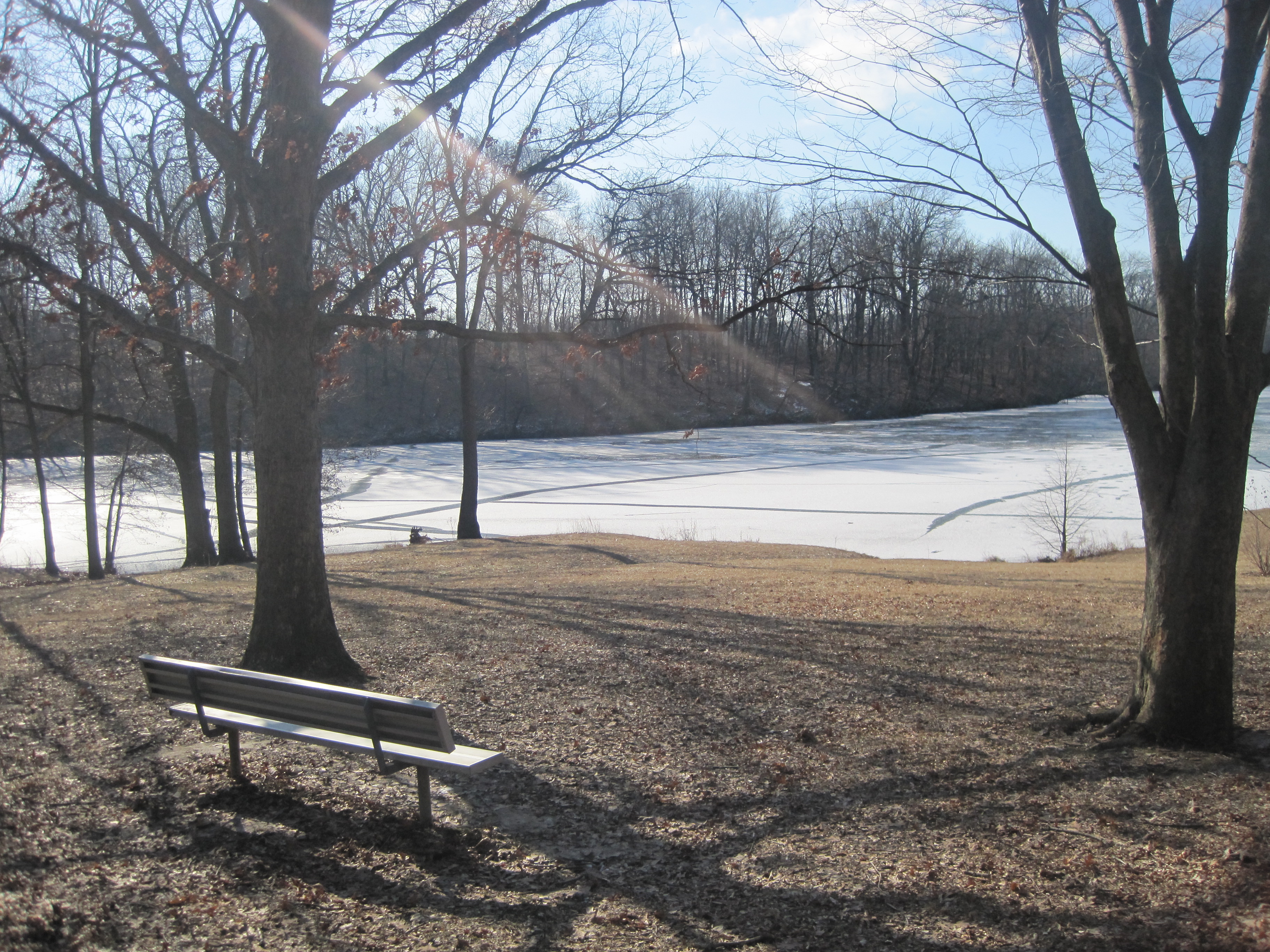
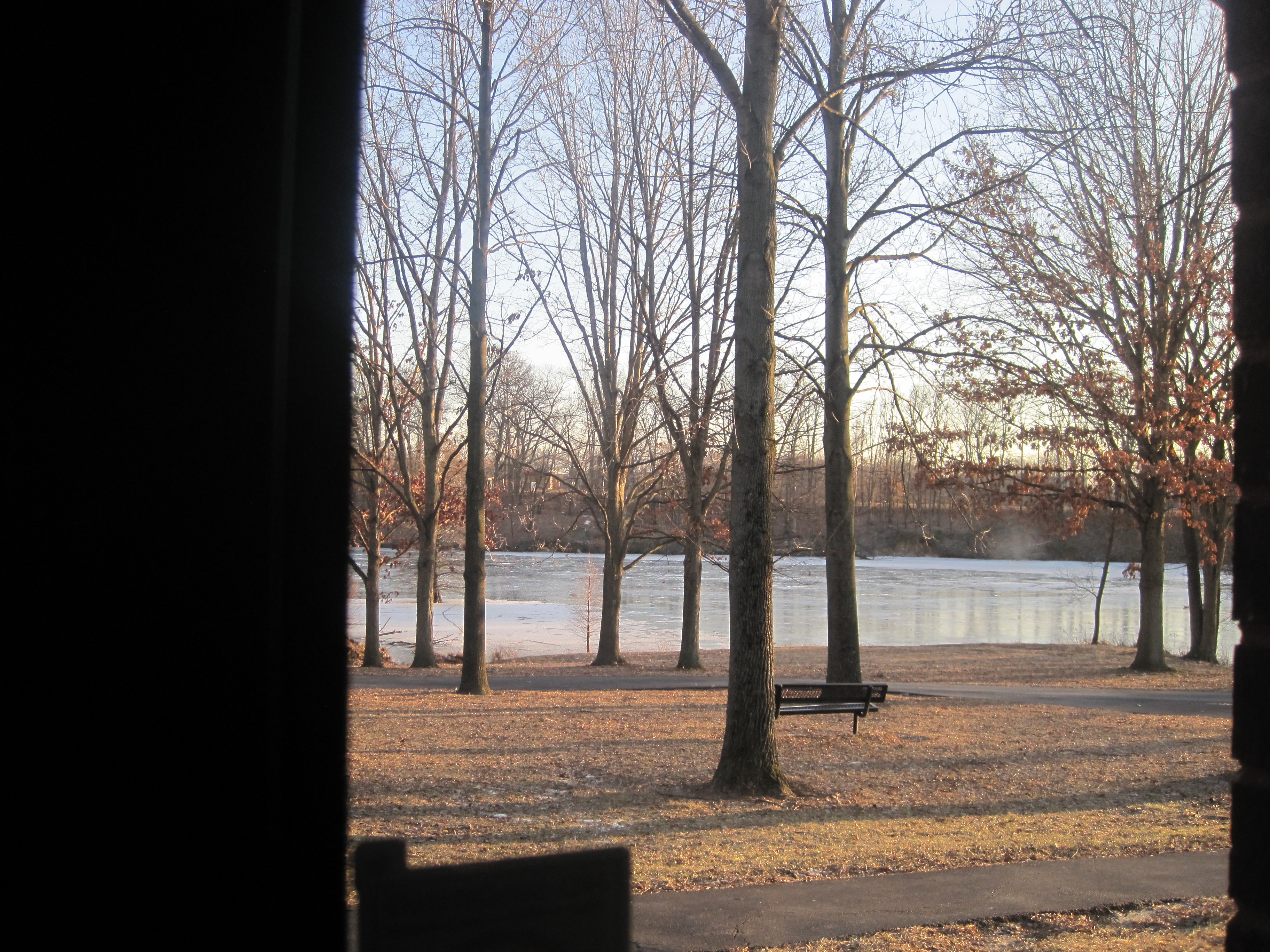
The lake is frozen. The waters are frozen. The land is frozen. My hands are frozen. Everything is dead. It is winter.

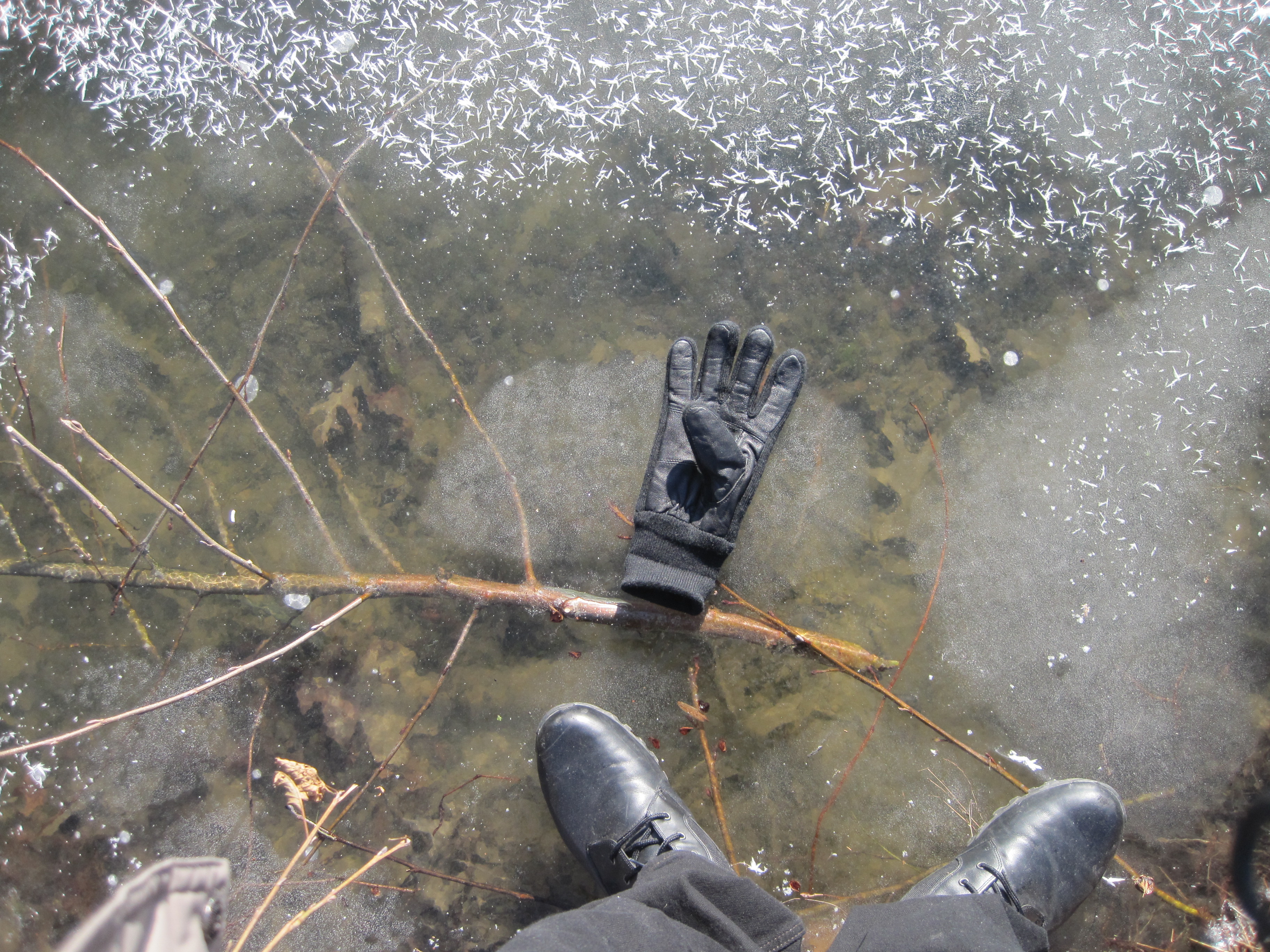
Today I walked on water, almost like Jesus did. Only this time, it was day, and the water was no water after all. It was ice. I walked on a frozen lake. I almost gave in to the temptation to ride on it as well. Who knows, I might still give it a try. My friends in the mountains of Colorado have had snow since October. They have ice rinks up in Chicago for skating and ice hockey. I have the Cougar Lake in its frozen glory. I may not be able to skate on it, but slide I shall with my winter boots. It’s my own winter sport, invented and patented by KTravulad himself. We shall rename this spot, this water, the KTravulake.

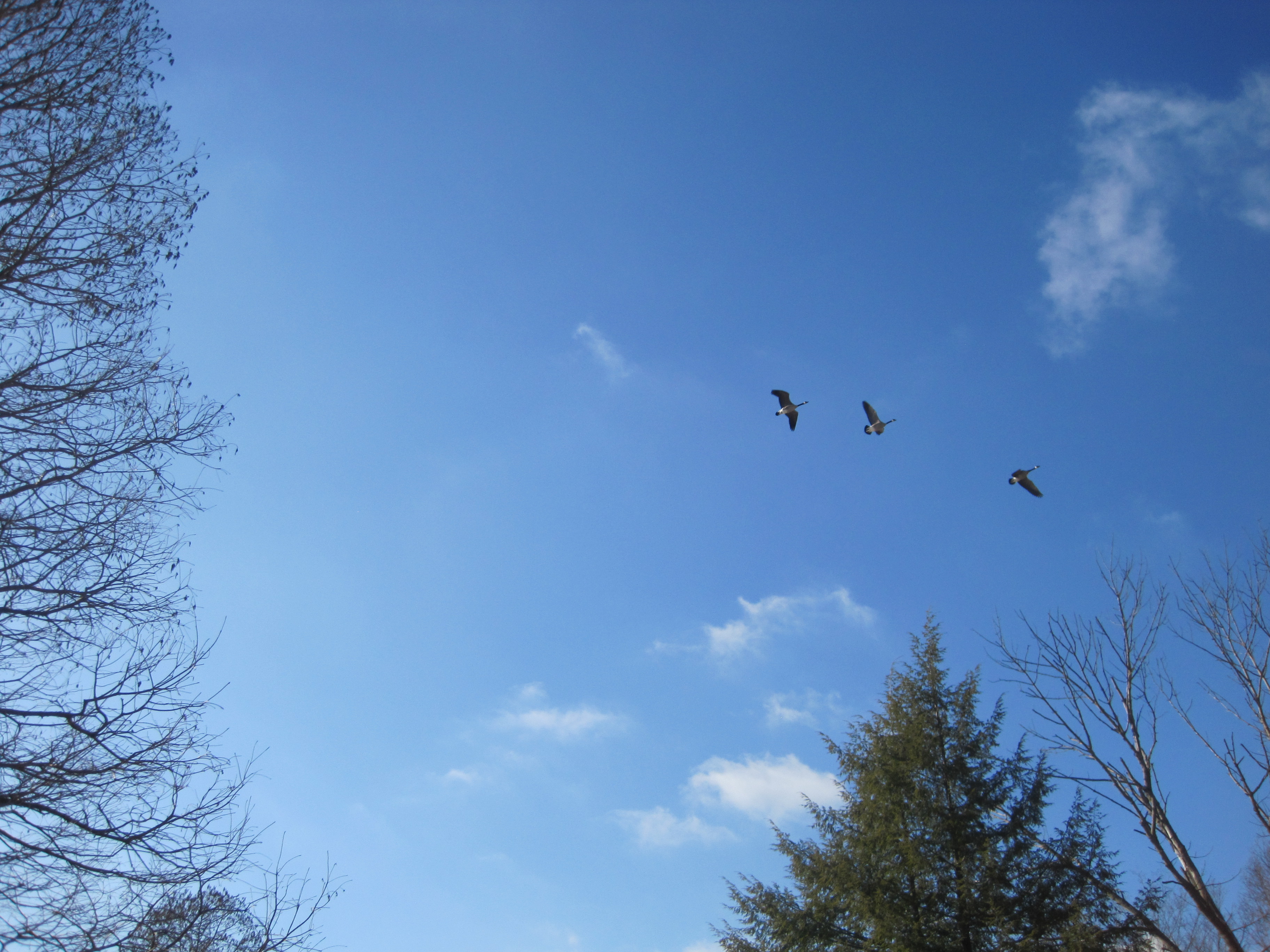
But I pity the ducks, the geese. They have now been confined to the sky since their primary playground has become a plate of solid glass. I don’t envy them, and I pity them only a little as well, since I was never a fan of their loud cackling in the first place.

In any case, it is winter. I’m enjoying it.

To Good Times

I like to be happy, most times. Actually, I like to be happy all of the time, although I have realized that it is when I am not so extraordinarily happy, yet charged with sufficient energy that I am the most creative. I like to be happy because there is no trophy for sadness. Nothing is romantic about it. There is no medal for a constant gloomy state of mind. I have discovered that cheerfulness, laughter, conviviality are better alternatives to gloom, and sadness. I like to be sarcastic only because it gives me more avenue to laugh and be happy. I am an optimist in a way that can sometimes manifest in occasional pessimism, or is it sacrasm. But I love life, and I enjoy it, each second of the way. This is my affirmation of life.

I’m thinking back to some good times I’ve had in life. Some times, the days appear long and a simple conversation with a pleasant company either over the phone or in an internet chat brings back moments of familiar conviviality, I relapse into a sweet nostalgia of the fun care free days. They are not gone yet. They are here still. I smell them in the cold night air. Tonight I remember Ibadan, not of childhood and innocence, but of youth and pseudo-recklessness and revelry. Well, not so much. I remember Sola Olorunyomi with his truck, his bicycle and his guitar at the Students Union Building bar in the Ibadan University campus in the early 2000, discussing poetry and politics within cigarette smokes, beers and music. There was Loomnie. There was Benson. There was Bukky who loved Benson, and there was Benson who loved his bottle. There was Luvles. There was Olads. There was Kemi who later became Idayat. There was Pinheiro. There was Lola. There was Kunle. There was fun. There was the religious Seni who had a bible verse for every situation. There was Chiedu, and Chido. There was Busola, who had a first class in Linguistics. Then there was Ropo, and Chris Dudu, and Funmi who liked to write daringly. There was poetry. There was Ify. There was Najite. There was harmattan and the dry wind of November. Then there was Uncle Prof whom we embarrassed by reading his love poems back to him in that public get-together. There was his lovely wife. There was Adelugba. There was the Arts Theatre which never ever ceased to be a fun place to be at evenings. And then, there was Nike who was so thin she almost didn’t have a shadow. There was Sophie who smuggled tobacco in from Germany to give to Benson, and there were Nadine and Bettina who saw Ibadan once with Sophie and could not wait to return, just to see us. There were days of walking all night from the University all the way to Dugbe. There was Noffield House. There was palm wine and pepper soup at Niser. There was Elizabeth. And there was Bidemi. There was fun Biodun who died, but was so tall that his legs stuck out of the coffin. There was Henrietta who I liked, and who Olumide liked, but who perhaps thought that we were all bad boys. There was Demola who was going to be a monk, and who became a butt of beer jokes. And later there was changed Demola who finally fell in love and got Ope before Pinheiro made his move. There was UCJ, and the different folks it attracted. There were endless dinners. There were endless protests. There was Mellamby Hall. There was Upper Mellamby. There was room A52 and its many adventures. There was Fidho. There was Ibukun. There was Kunle. There was Ositelu. There were riots. There were strikes. There were moments of silliness and idleness. There were moments of stupidity. They were good times.

I remember Lagos a few days before I travelled to the United States, at the Silverbird Galleria for a mini bear summit. There were books. There was laughter. There were jokes. There was Tolu, and Chris, and Rayo and Kris, and Bukky and Sunkanmi, and music. And ice cream. There was fun. And food. Before then, there was Bimbo on the expressway. Then Elizabeth, sometimes earlier in the day. Then there was Food Major, and roasted beef. And family. And Jolaade. And Leke. And Yemi. And Laitan. And strawberry juice. And suya. Tonight, I remember the good times. Whenever the cold wind blows within recurring laughters, whenever I smile, whenever the days seem long and only a phone conversation, or a pleasant internet chat, connects me with a world I have since left for a little while, I remember the good fun times. Those are the moments that count.

My Texas

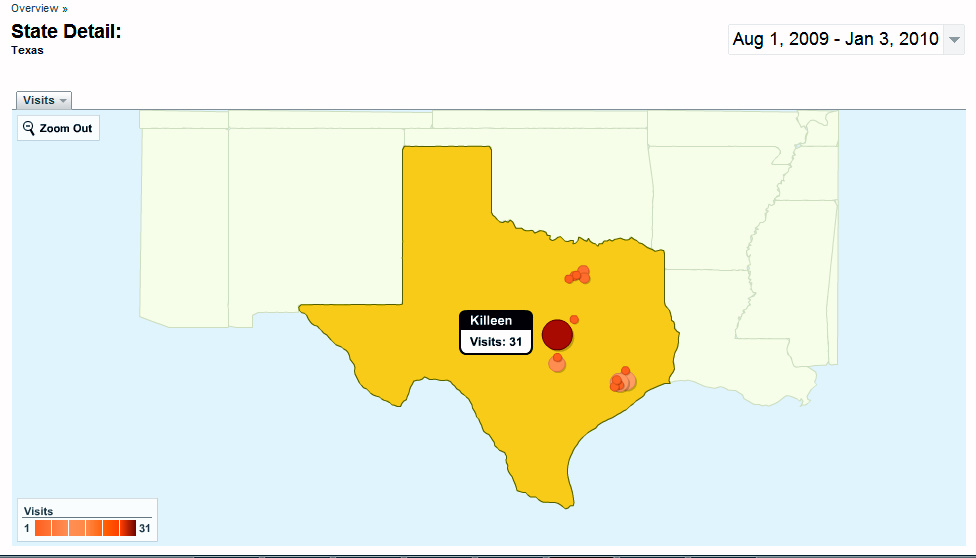
There are many places that I may never get to visit on this one trip to the US because of schedule, finances and the constraints of time, as much as I would have loved. One of them is the state of Texas, which has however shown on my Google Analytics map as a place where not a few people have been reading this blog. So if my feet won’t get to the State of Texas, at least my words have reached there ahead of me. This post is dedicated to the readers in that state. My regards to Former Presidents George H. W. Bush, and George W. Bush. And to Governor Jeb who might one day become the nation’s President as well. Okay, I know that Governor Jeb lives in Florida, but that’s beside the point. (Click on the map to enlarge)

On The Origin of Names

What do the word “simian” and the name “Simeon” have in common, aside from a similar pronunciation? You guessed it – nothing at all, unless Simeon lives in the cage in a zoo or on a display plinth in a museum of extinct apes. If I were named Simeon, I would be very sad indeed if anyone were to laugh out loud every time they mentioned my name, especially if the person is a native speaker of English.

I remember my Kenya days, reclining under the mango trees on the grass lawns around the Margaret Thatcher Library on the campus of Moi University, Eldoret, discussing words and languages. All of us were guys, men, so the topic inevitably led to the risqué. All I wanted really was a chance to gather knowledge about the Kiswahili language to add to my vocabulary, and until then, everything was going smoothly. I would come out in the morning, lay on the grass while my informant, Ng’ash, a photographer (whose name also rhymed with nyash) did his work and dealt with my endless list of questions at the same time. After going through a list of over four hundred words in Kiswahili with him and his other equally fascinating and mischievous co-photographers in that spot of the campus, I found that ngozi meant “skin”, pole pole meant the same as pele pele (go gently), kiboko meant “buffalo” whose skin is used to make what we called koboko (the whip), Mungu meant “God” and jana meant the same as àná (Yoruba for “yesterday”), among many other amazing similarities. I also found out that kuma meant “vagina”, and that moto meant “hot”. The joke Ng’ash liked to make was that the first time a Kenyan found himself in Japan, he could not get his mind off the fact that the institution he was enrolled in was called the Kumamoto University. Kuma in Japanese is a popular name for children, meaning “bear”.
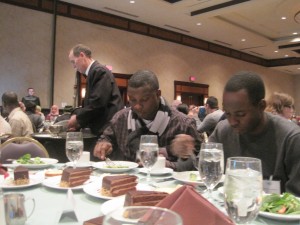
And so in Washington DC in December, I found myself on a dinner table with half a dozen Tanzanians who dared me to prove to them how much of Swahili I spoke. I did, starting with the everyday ordinary words. But they kept egging me on and I told them that I had actually learnt the private words first while I was in Kenya, and that I still remembered them even though I found a dinner table the least appropriate place to discuss such things. They would have none of it so I said, “I know that mbooro is for penis. Do you believe me now? I know that one for females but the point is proven, no?” The boys looked surprised, and the girls kept giggling mischievously, now resolved not to let me off until I gave voice to their body parts as well. It was an embarrassing almost awkward moment. But I did, and then shared the joke about the Japanese University. What else I found out afterwards was how easier to mention the word for privates in another person’s language. When asked to tell them what they were in my language, I could only tell them the word for penis. For vagina, I referred them to the Nigerian women in the hall, and as I correctly guessed, none of them took up the challenge to ask.

What I also learnt at the table was that the Nigerian name “Uche” in Tanzanian Swahili also meant the same as kuma, and that every time they heard the Nigerian name while watching a soccer game, they were giggling aloud not for the style of his dribble or the grace of his feet. Since I found out in Kenya in 2005 that Titi means breasts (as in matiti in Swahili), and “titties” in American English, I’ve always wondered what my name means in all the languages of the world if there was a way I could go on and find out. In American English, it means “a dark carbonated drink with a secret formula bottled in cans and bottles.” Not bad. What does it mean in Chinese, Malay, Emai, Nepali, Farsi, Akan, Ikaan, Uwu or Arabic? Maybe I should ask Reham about the Arabic part. I hope the meaning would not be too x-rated for her to tell me. I also remember one of my class sessions last semester when we were discussing colours. I had written the Yoruba ways of expressing colour on the board, and it included pupa for “red”, bulu for “blue”, funfun for “white” and dudu for “black” among many others.  By the end of the class, I was told by the students why of all the colours we learnt that day, they would most likely remember dudu for a longer time to come. In American English (slangs), the word doo-doo refers to excreta, they said. Talking with my Swahili friend recently about these, she told me that dudu in Swahili also means “a large insect”, in addition to being the word now used to refer to the HIV/AIDS virus. Very nice. So now, although eniyan means “person” in Yoruba, all of a sudden, I am never going to refer to myself as an eniyan dudu ever again! Not in America, and definitely not in Kenya.