On Wednesday

Silence all around the campus, three young men and a girl pace around the parking lot opposite the Arts Theatre, sharing jokes and catching up on old times. Amidst occasional passage of cars between them and the Theatre across the road, there were smiles and jabs. They were young, and happy.

Then two girls walk by. One of them was white, possibly American. He had been told that a few American students might have arrived on this campus for a few weeks of study. Could these be some of them? The one in front – if American – would not be older than twenty years. She had dark shades on. The other was black but could also be foreign going by their pesky walk and general attitude to the campus environment.

“Oyinbo, bawo ni?” Segun quipped as they walked by, half smiling but not totally with an expectation of a fast informed response.
“Hey Dudu, how are you too?” She responded, just as quickly, pronouncing the dudu like doo-doo. And she kept walking, perhaps even giggling with her friends as she went away.

She had won. It was too sudden for Segun to grasp, and the girl had already gone too far from him to hear whatever he had to come up with afterwards. “Touche,” someone said, laughing, and it was one of those moments of fun enlightenment.

His friends could only gape, giggle and to laugh at their own errant selves, and the young quick-witted foreign student now forever etched in their memory.

New World Cup Words

For those following this blog and the World Cup 2010 going on in South Africa, the following might come in handy. New words…

1. “Kaitastrophy” (as seen on Facebook): Derived from the name of the Nigerian player who got the team’s first red card due to a misbehaviour. Usage: “What a kaitastrophy!” or “What a kaitastrophic performance/act.”

2. “KTravuzela” or “KTravuvuzela” or “Travuzela” (coined): A musical instrument almost like the horn used for celebration and jubilation. It is more musical and less noisy as the South African vuvuzela. The problem is, it is in short supply, and can only be blown around the Traveller. Usage: “Would you like to blow my KTravuvuzela?” There are usually no double entendres intended.

PS: The Nigerian team is not out yet, so I bet there will me more opportunities to make up more words as the game progresses. Go Mexico. Go USA! Go Nigeria.

Happy Birthday Papa Rudy

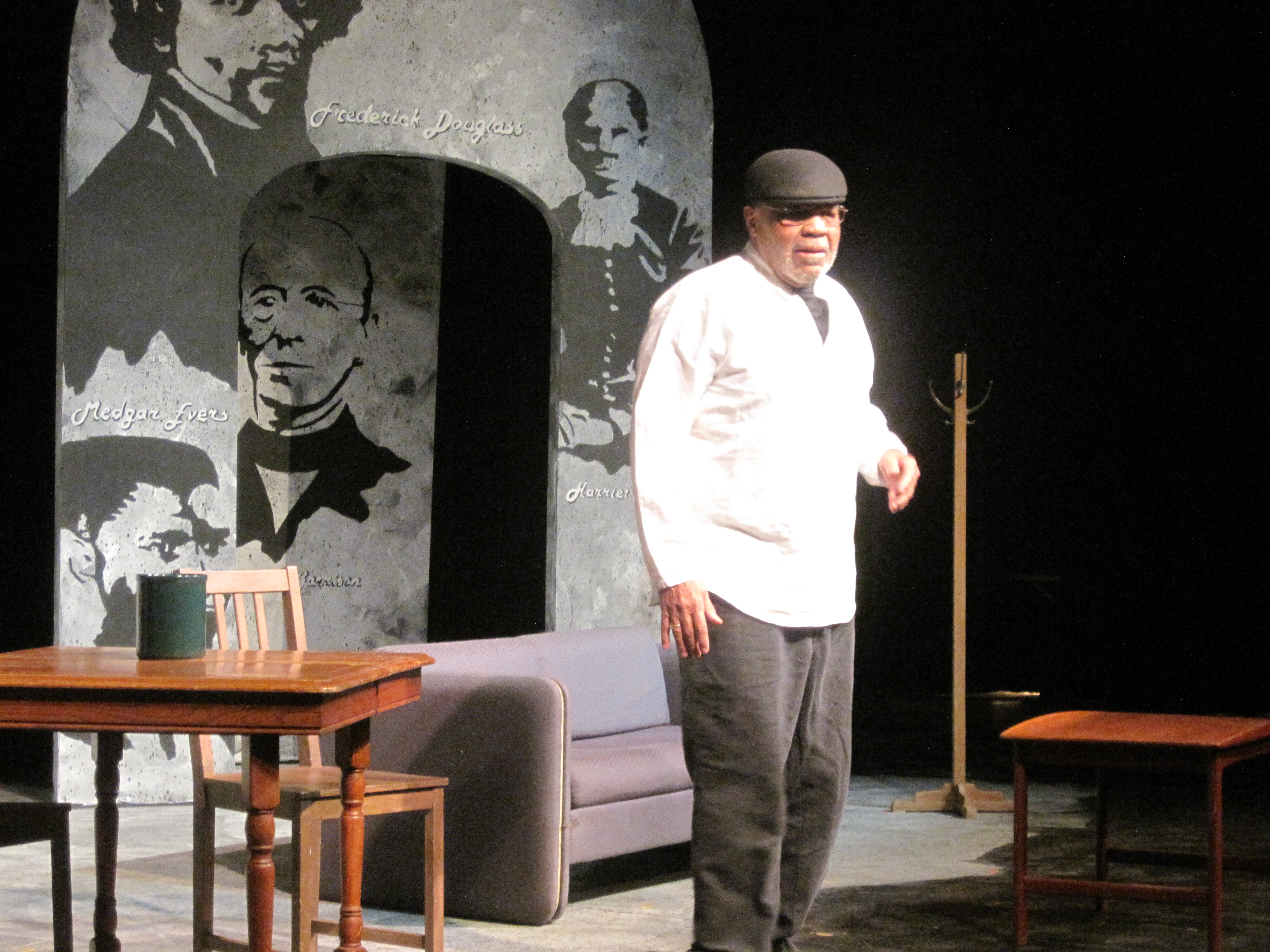
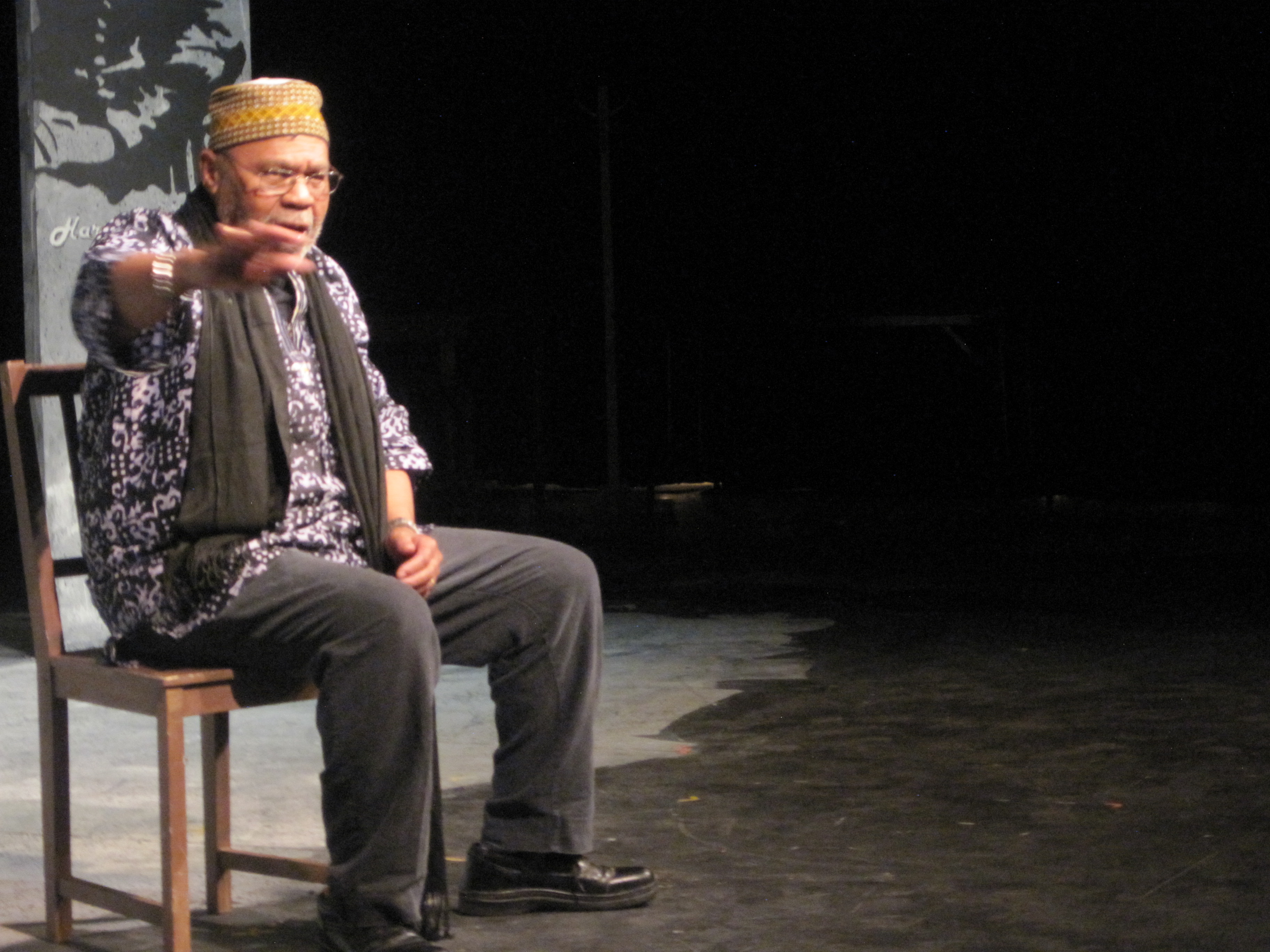
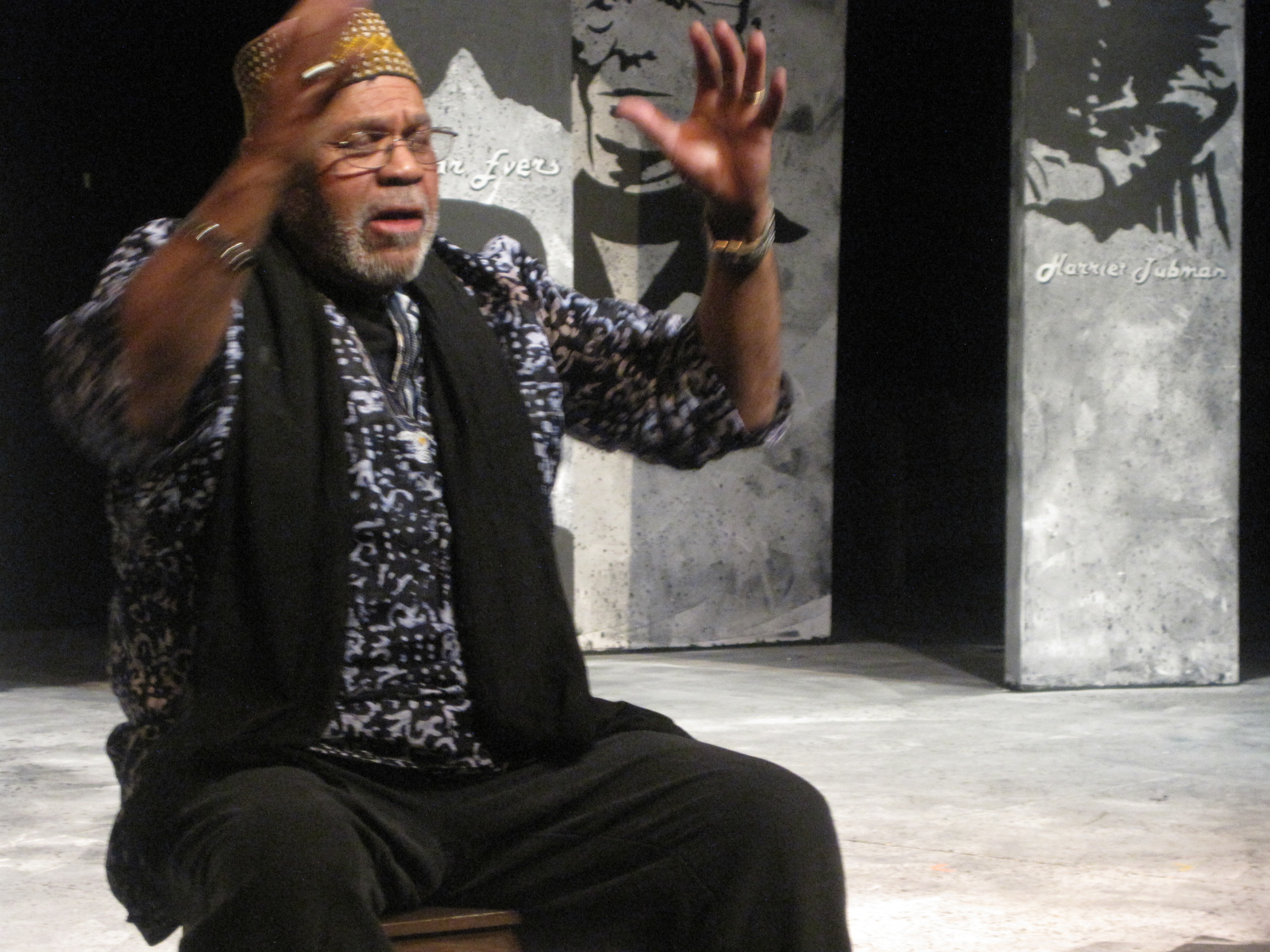
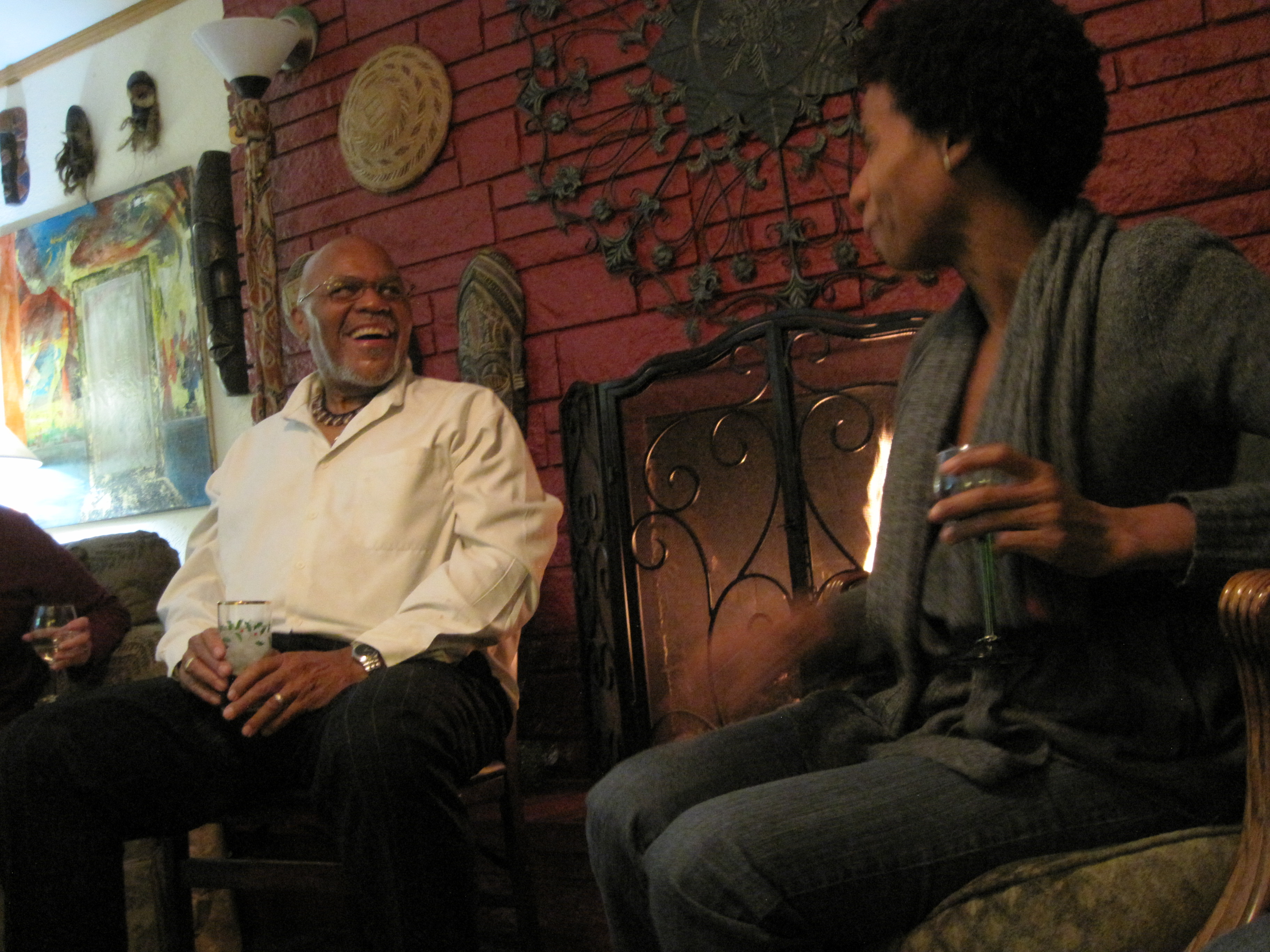
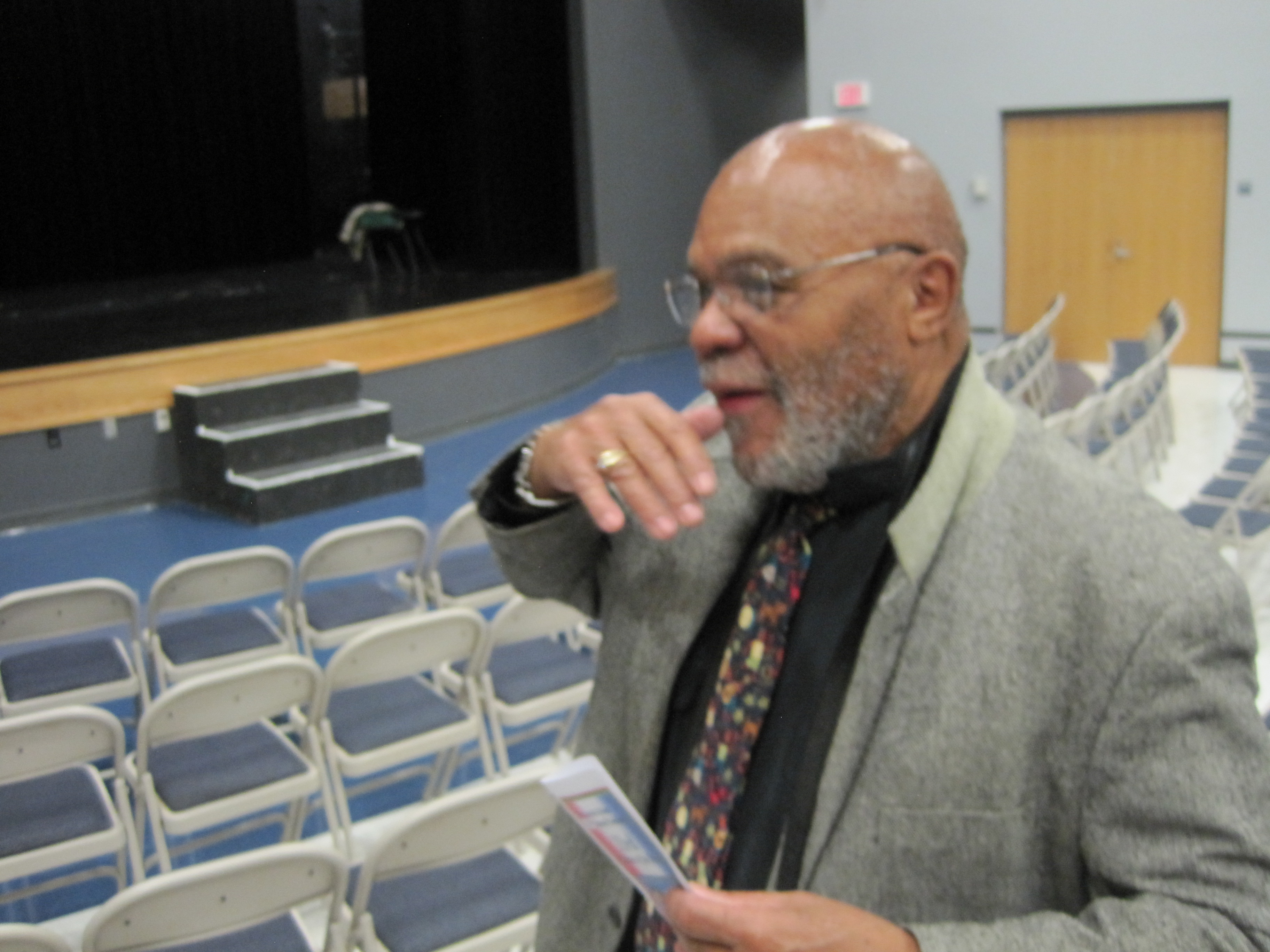
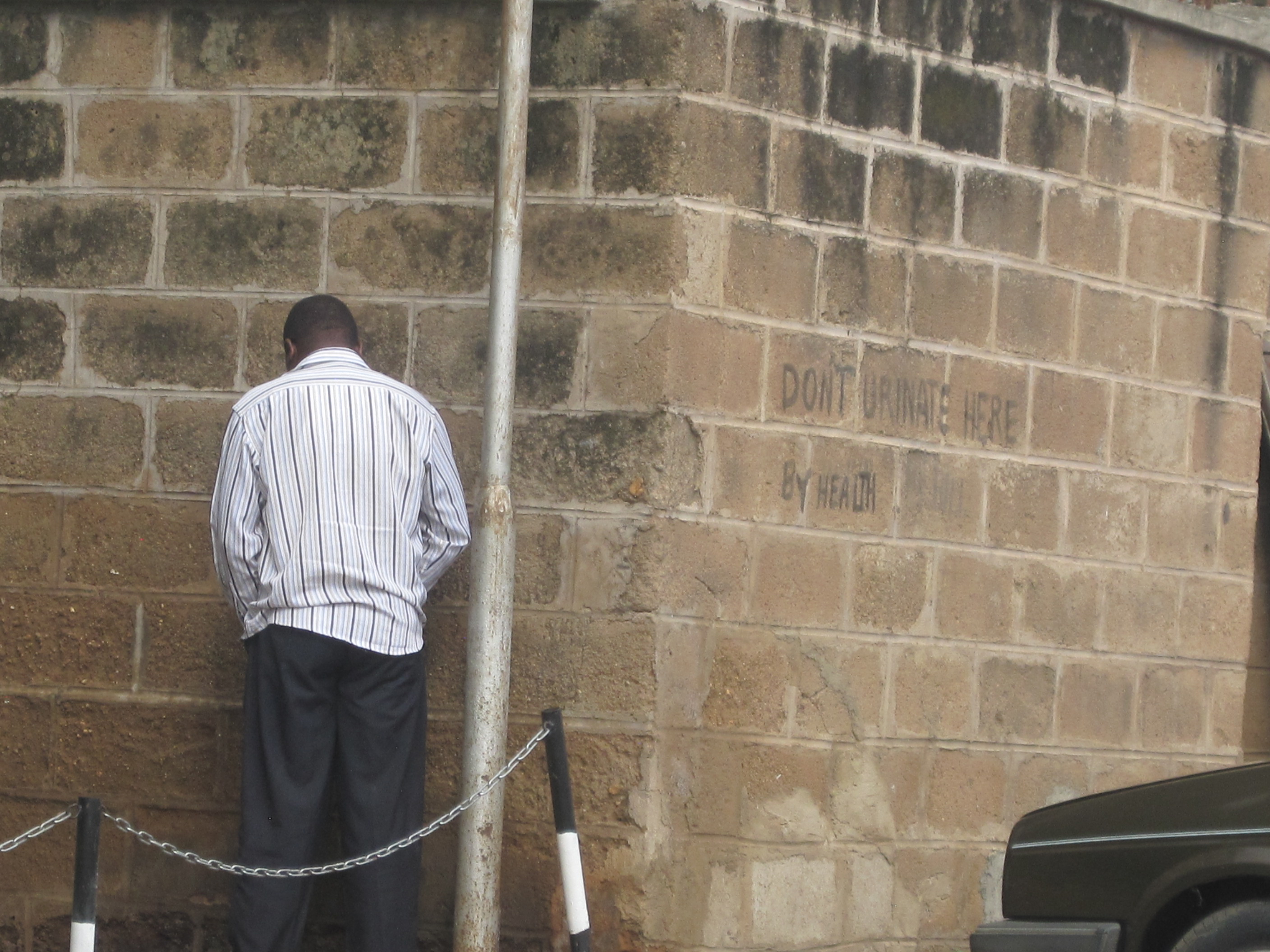
With Daughter, AmyOf the most memorable persons I met during the Fulbright year, “Papa” Rudy Wilson stands out in a special place. My adopted grandfather, the retired professor of education is without doubt one of the happiest fellows you want to be around, and to talk to. Charming, kind-hearted, and down to earth. Thanks to him, I had one of the best times in Edwardsville, and very fun moments. It was in his house that I celebrated my last birthday, and it was with him that I visited several places of interest around the American midwest. Very many visiting students and scholars from this continent have him to thank for much of their sigh-seeing and fun get-togethers.

Papa Rudy now works in retirement as a storyteller about the days and lessons of slavery. He is fun soul. I consider myself blessed to have met him.

Today, he turns 75 years on earth, and I want to use this medium to wish him happiness and more years of humour, heroism, happiness and hope along with his children and grandchildren all over the United States, and countless adopted children all over the world.

He is the best grandfather anyone could ever have. Send him a birthday card if you can at rwilson AT siue.edu, and I’m sure he’ll appreciate it.

Here’s to the next seventy-five years. Yes, why not.

In Little Moments

A peep into a dark office reveals a face that he instantly recognizes as that of the erudite Yoruba Professor A.I. famous for several classic plays that have now been turned into famous movies. There were a few others there. “Good morning sir,” he greets, bending almost double towards the floor. The man doesn’t recognize him, but he is obviously used to being greeted by one and all within and out of a University environment. “That is …’s son,” the other teacher volunteers, as he always does without prompting, and the visitor withdraws. “Ah, ah,” the Professor says, “I used to know your house in -. Don’t you have a brother just as tall as you?” “Yes,” the boy responds, as he mentally calculates how long it will take to exhaust the conversation, while at least happy for a little connection. “He’s fairer than me in complexion,” he says. “Yes, yes,” the Professor agrees. “How are you?” “I’m fine sir. I used to greet you many times, but you never seem to recognize me.” “Yes. I know your brother very well. He’s abroad now, right?” “Yes he is,” he replies, wondering how the man knew, “but I was the one who went to the US.”

He was silent for only a few seconds, and then asks. “Oh, you went abroad?” “Yes, sir. To teach Yoruba.” “Oh, that’s great. So why are you back here?” The boy laughs for a short second and responds, “The programme was over. I had to come back.” “Oh really? Why didn’t you just stay there for about three to four years to do some more academic programmes?” In other climes, this might have been a trick question, and the other teacher interjects rather excitedly, sensing that the Professor was serious. “No, they weren’t supposed to stay there permanently. One of the stipulations of the programme was that they return home immediately afterwards.” And there was something a little too perky about the response. Teacher was one of the ones who had insinuated that he might not come back if allowed to go out. “Boy, wasn’t there a time when you were all asked to promise to return at the end of your programme?” “Yes,” the boy responds, sensing an opportunity to strike back, “And I always found it funny and insulting at the same time. Had they expected me to simply disappear into the thin air of the American space. I could never understand it.” The Professor just beams and nods. “Well done, boy. So will you be returning there now?” “I don’t know sir. Maybe,” he responds in the same way he has now learnt to answer the question to everyone that asks in much the same way.

Yet, he wondered as he always did if the question was borne out of a certain love for him, or a desire to be rid of his presence as soon as possible. Some altruistic sadism, perhaps? It always seemed that everyone felt him better-off in a faraway land. And for few moments afterwards, he always found himself questioning whether that occasional desire to return to the old place that sometimes spring up on him unexpectedly is conditioned by anything other than his own restless feet.

Candid

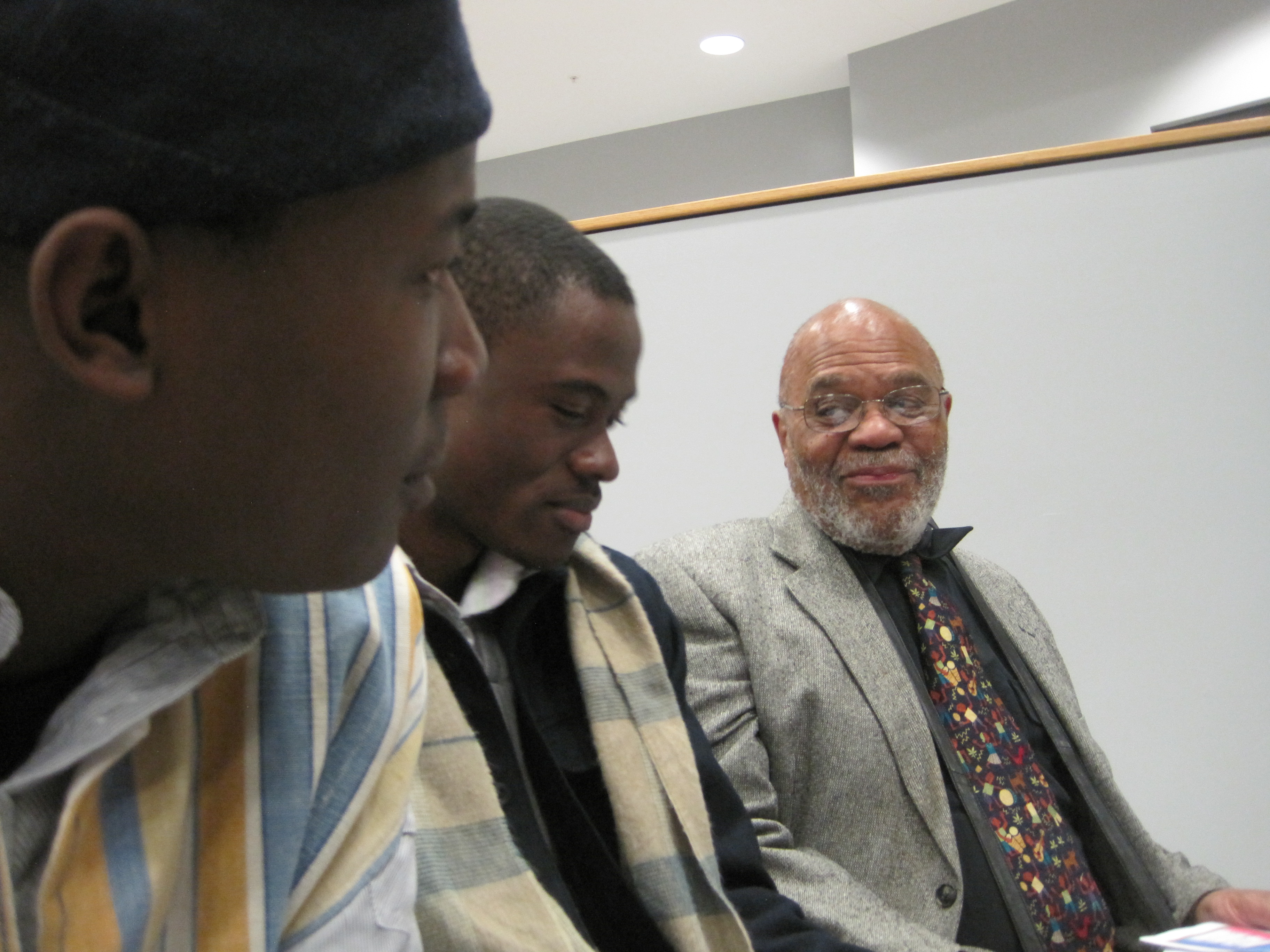
Seen at UCH, Ibadan.

The inscription on the wall beside the man reads “Don’t Urinate Here…”