Something Short But Crucial

Immigration is a fact of life and humans have been doing it for centuries. We made it complex by building embassies and consulates around the world so that before we move to any other place we get a chance to feel at home through an annexe of our government in that new place where we’ve moved to. We going through several processes of documenting ourselves so as to confirm our good behaviours. We also pay money so that those consulates and foreign missions keep running and providing the services we need. Usually, we do this in expectation of a kind of courtesy in return from the consulates. After all, they are set up to help citizens far away from home.

Some things had been bothering me for a long time. I work in a language lab affiliated with a foreign language department. Occasionally, I get to handle the employment papers of foreign students from France, Germany, Spain and Mexico who are in the department to help with conversation hours and language tutoring of our students. Something that has amazed me over time is the amount of time given for their passports to expire. German and French passports give ten years. This means that if you obtain the passport in 2002, you would not need to renew it again until 2012. I first thought that this was a fluke until I looked at several students’ passport and confirmed that indeed, it is the trend. It’s the same for American passports, and very many others.
You know where I’m going with this: Nigerian passports don’t enjoy the same privilege. Before getting the passport, I remember a couple of gruelling days spent at the immigration office in Ibadan first to hear that due to some strange reason, I will not be issued a passport in the particular branch because they were all sold out; I should go to Abeokuta instead. I didn’t buy it, went back to my university, got an official letter stating that I didn’t have that much time to travel around and it was important that I got it as soon as possible, and returned there to speak with someone who looked like a higher officer. Many days later, and after paying money a little more money than necessary, I got it, only to find that after five years, I would need to renew it again going with a chance of going through an even harder process when the time comes. And one could see their point, right? Make the process of obtaining something as simple as a passport so hard that people will think twice before leaving the country – even if it is to progress in their careers or escape a hard condition of living.

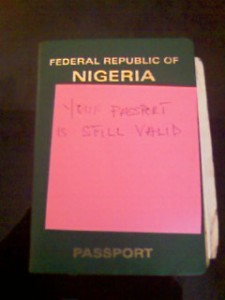
And so last week, I discovered that not only has that certain inefficiency in my country’s immigration department followed them from local Immigration Offices into foreign consular offices, the same attitude to citizens which resembles nothing else but contempt seems to determine the way they conduct their businesses. I don’t know about Nigerian embassies in other countries but what I have seen of their behaviour in Washington leaves much to be desired. A Nigerian – not me – and a Fulbright scholar studying here in this state had sent her passport for renewal. Along with the required fees and forms completed, she also sent a self-addressed envelope. A few weeks later, the passport returned along with the forms and the fees. There were no letters addressed to this citizen who had done all that is necessary in formal situations to apply for a passport renewal. There were no letter heads. All that came with this travel document was a post-it note written by hand and stuck to the back of the passport, which simply read: “Your passport hasn’t expired yet.”

Welcome to Nigerian diplomacy.
Becoming One’s Father

Years ago, as a young child, I remember father as a very large ever domineering presence. He was everything. He was tall, and well known and fun, and knowledgeable, and dreadful enough for a child often disposed to mischief. He was mysterious and full of mischief of his own kind. If you complained to him that an elderly sibling was bullying you hoping that he’d come to your side and tell them off, he would reply you to “leave them. Go play somewhere else or with someone else.”

Father would call from his side of the big house. He usually knew who was in the house by the rising level of our voices in argument over any kind of trivial matter from across the house, or a fight. Usually, he would already have something in his mind to ask the unlucky person to do. If it was a random call not prompted by any kind of disturbance, his first question would always be “What are you doing?”. It was always a trick question requiring both skill and experience to answer.

“Nothing” is always the worst answer. A bad one would be “talking to/with _______”. “I am doing my homework from school” or “I am doing an errand given to me by mum” is closer to a good excuse. A better answer is “I’m listening to _____________ programme on the radio” or “I’m watching the news.” The ones that always made the best impression were ones similar to “I’m writing/reading”, or “I’m making a birdcage from a few palm fronds I went to get from the woods yesterday evening.” He was a weird man.

Every answer was followed by a follow-up which he would have already begun to prepare from the time we began to answer his questions. “What are you reading?” He would ask. If one had been lying, this would be a perfect time to confess to just beginning to open the first few pages of a book one already read before. If you said a newspaper, he would ask you which one, and start a conversation about the content of the headlines. That you were reading a newspaper is enough reason to believe that you would remember the headlines and would be able to make conversations on a topic of choice.

“I’m reading some of the copies of Reader’s Digest you handed over to me last week sir.” I would say, and he would tug at his sparse beard for a few seconds observing me through the lens of his glasses. “Uhm-hmm. Is that right? What do you like the most about it?”.

It was always about starting a conversation with someone to fill his own idleness. Emerging from his side of the house for the first time this day, he has now found the perfect subject of conversation.

“I like it,” I would say. “I loved the story of the man that got lost for many days on the stream and couldn’t get back home because he lost his way. The story was very well written. It moved me. Thank you very much for the issues. I think I enjoyed the story about the shroud of Turin the most though. I’d never heard that story before. There was this report by Dr. John H. Heller…”

“Uh-hmm. I have kept these books for years.  Did you see the date on it?

“I did. 1984. That was a while.”

“You were just a crawling infant then.”

“Oh no, you exaggerate. I have already started nursery school by then.”

He would laugh. He enjoyed the retorts. There was nothing he abhorred  more than not being able to respond. “You’re not deaf, are you?” He would ask.

“The point is that here,” he continued, “is that I have been keeping these books for a long time. You should take care of them. Your brother used to have a few more of my books. His teachers would take them from him, or his mates – pretending to want to borrow them to read for a few days – and then never return them.”

“Uhm-hmm. I will keep these safe.”

There are many other consequences to a wrong answer to the idleness question: “What are you doing?”

“I was sitting at the dining room.”

“Doing what?”

“Nothing.”

“Oh okay. I need a few buckets of water in my bathroom. Would you see to it that the water basin is full as soon as possible? Thanks.”

On Verbalizing Thoughts

Typography from Ronnie Bruce on Vimeo.

Before the Storm

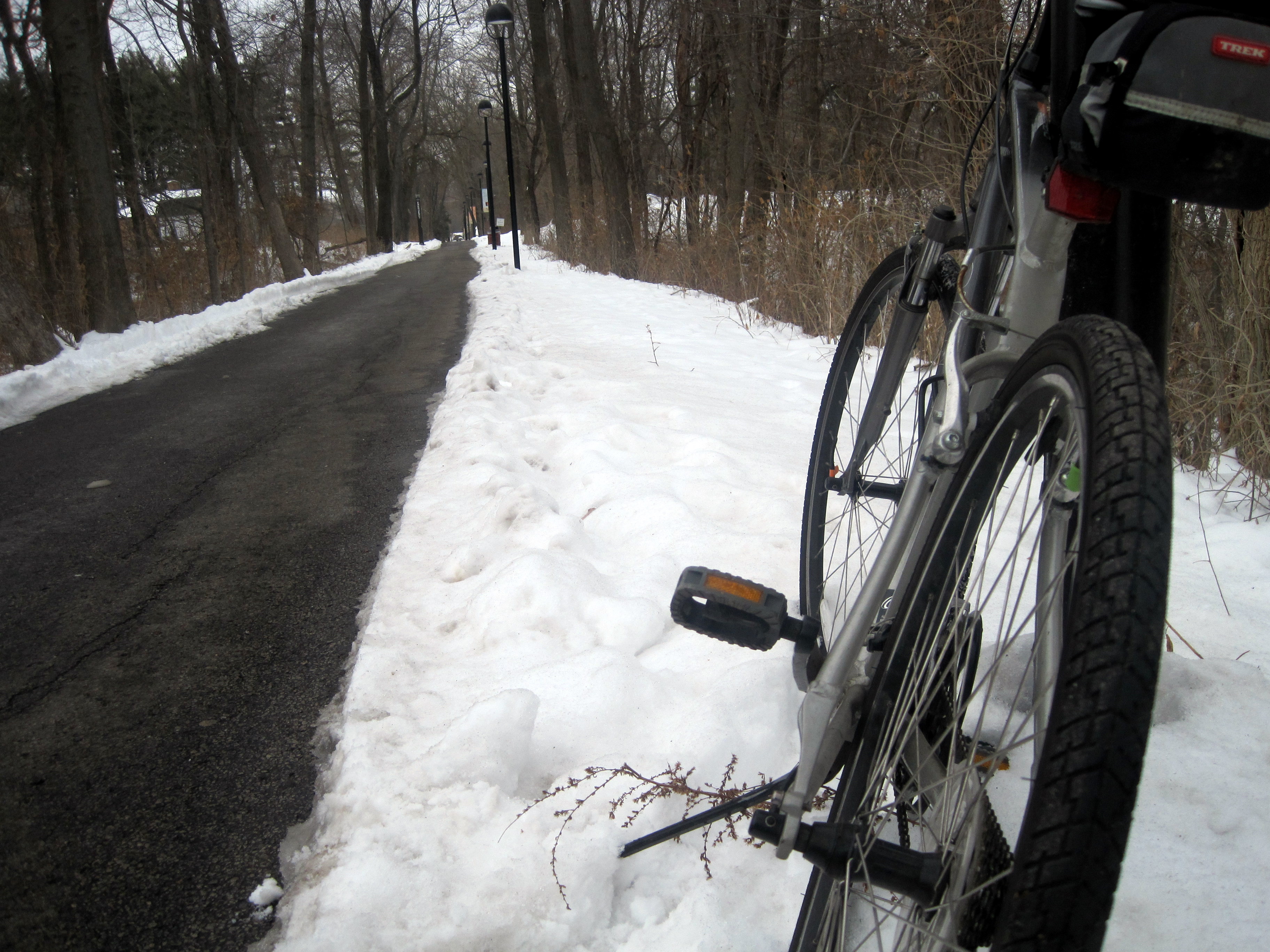
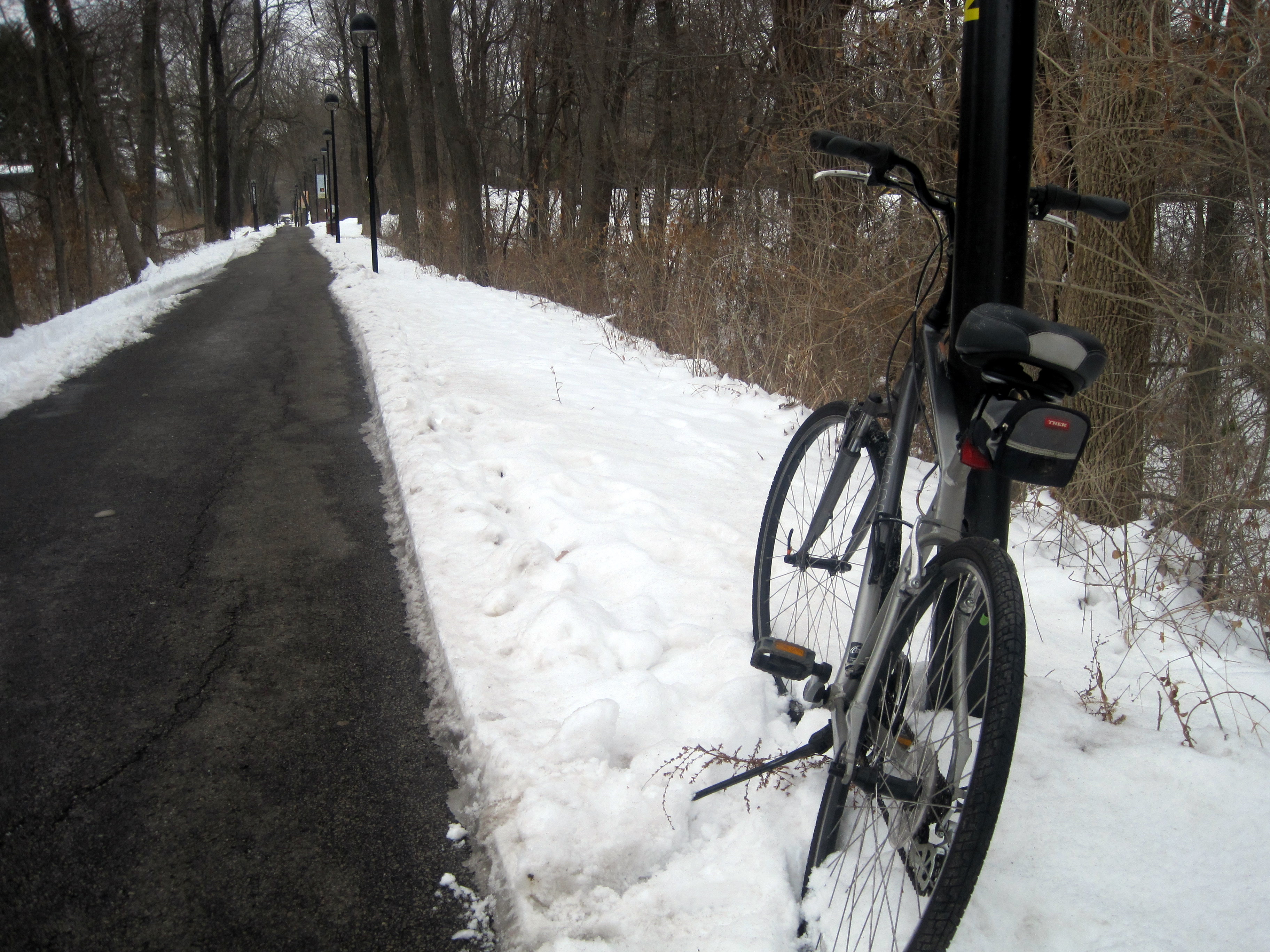
Last week, I rode a bicycle to school again for the first time in weeks. It was cold, as it is meant to be for this time of the year.

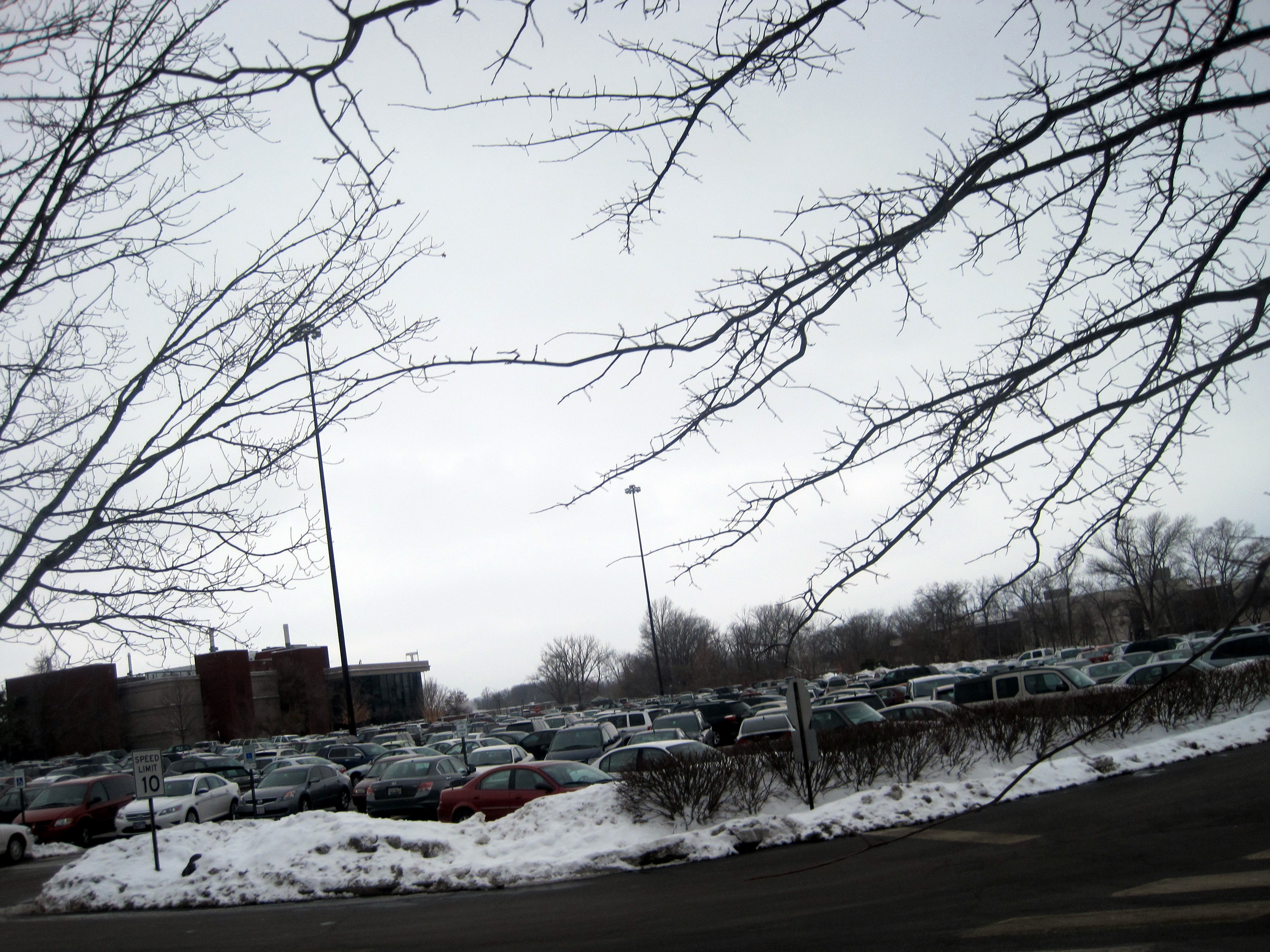
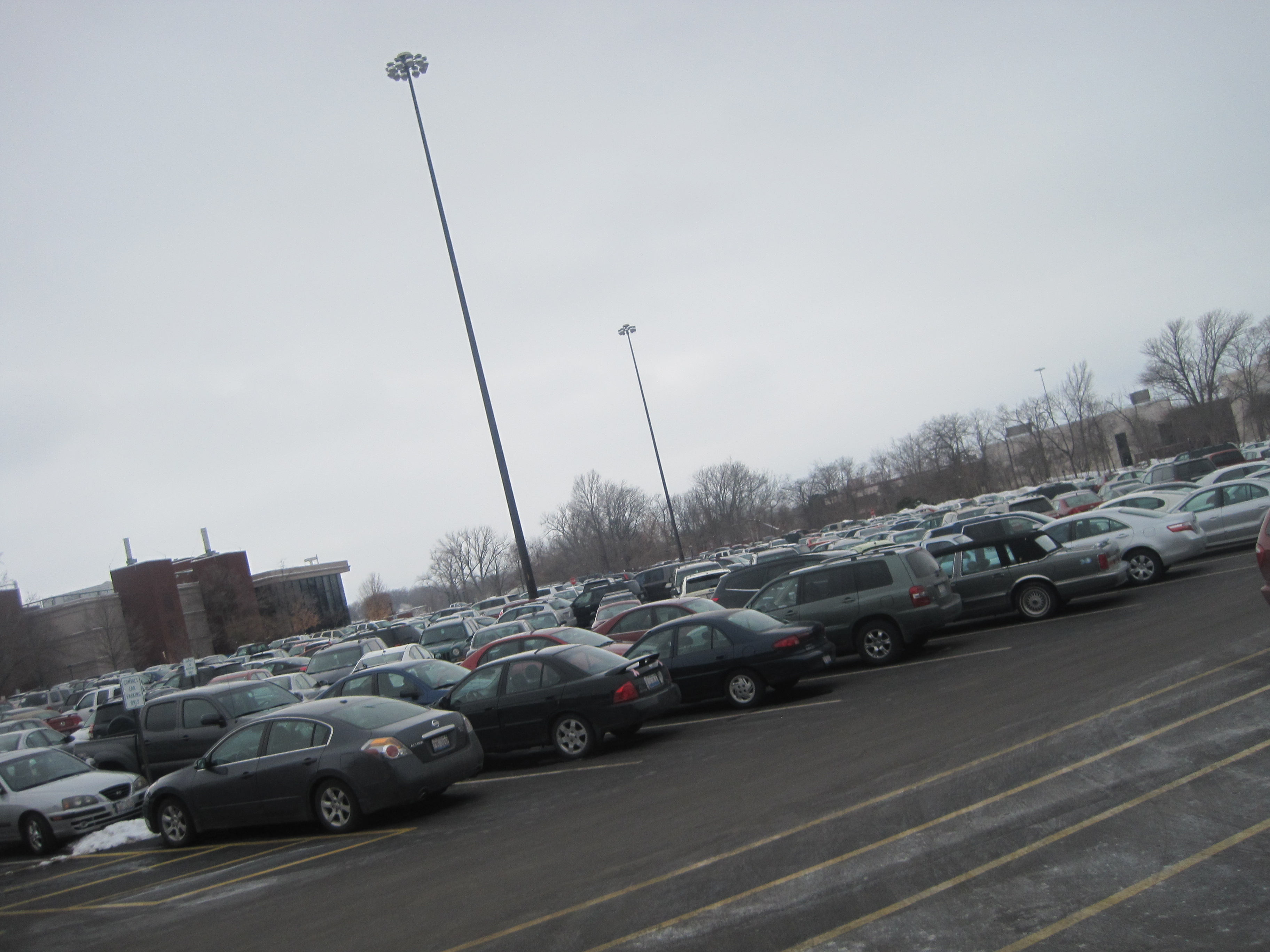
But it was after getting to school that I discovered the real reason why I should have been doing this a lot more than I have in the past weeks and months: there are so many cars on campus and I spend too many agonizing moments trying to find a spot to park in the morning, and a few more in the evening trying to locate my car, and then even much more at home trying to find a spot closest to my apartment. I believe that more than 80% of students/workers in this University have cars, and we all compete trying to find the right places to put them.

We’re expecting about fifteen inches of snow and up to an inch of solid ice on the roads in the next couple of days, along with snowstorms. I have a feeling that the bicycle is not going to be of much use now either.

Like Mubarak, Like Gbagbo, Like Mugabe

Tyrants stamp brash feet on winding paths on of wide open lands

and laugh on fart cushions in cabinet meetings of fellow fawning hands.

They mouth verbs at protest noises from the warm comforts of palace bedrooms

on one hand a full plate, and on the other soft triggers of their imported dooms.

Tyrants dance around dials of outside help, counting losses like currency notes,

swapping allies like the last statuettes of their long tortuous days and rotes.

They sing lullabies of aftermaths, of threats and tears, against a glory so long lost

and o, they fear. They dream of dreary wings across the windowpanes of frost.

Tyrants languish on the frail chairs of their vain vacuousness. They stink.

They drawl in the slime of impotence, a dour fire of an eighty year old wrink.

I look through the fog of emptiness, and see dead multiples of power tenths

and all that remains of a gentle tug into bright new days of different strengths.

Tryants live so that they may leave, gracelessly, in a baggage of seasoned trash.

No other way remains but will, bold and strong, and despots’ dicks ash to ash.

(c) Kola Tubosun

PS: Feel free to share with friends and acquaintances who share a distaste and spite for despots.