Poor Linguists

Bantering with a linguist friend in UK about the possibility of me coming over to the country for a visit, I told her that it would only work if I won a lottery or a major prize. “You have to buy tickets, dear,” she gently advised. “There is no Nobel Prize for Linguistics.”

Zing!

Orwell on The English People

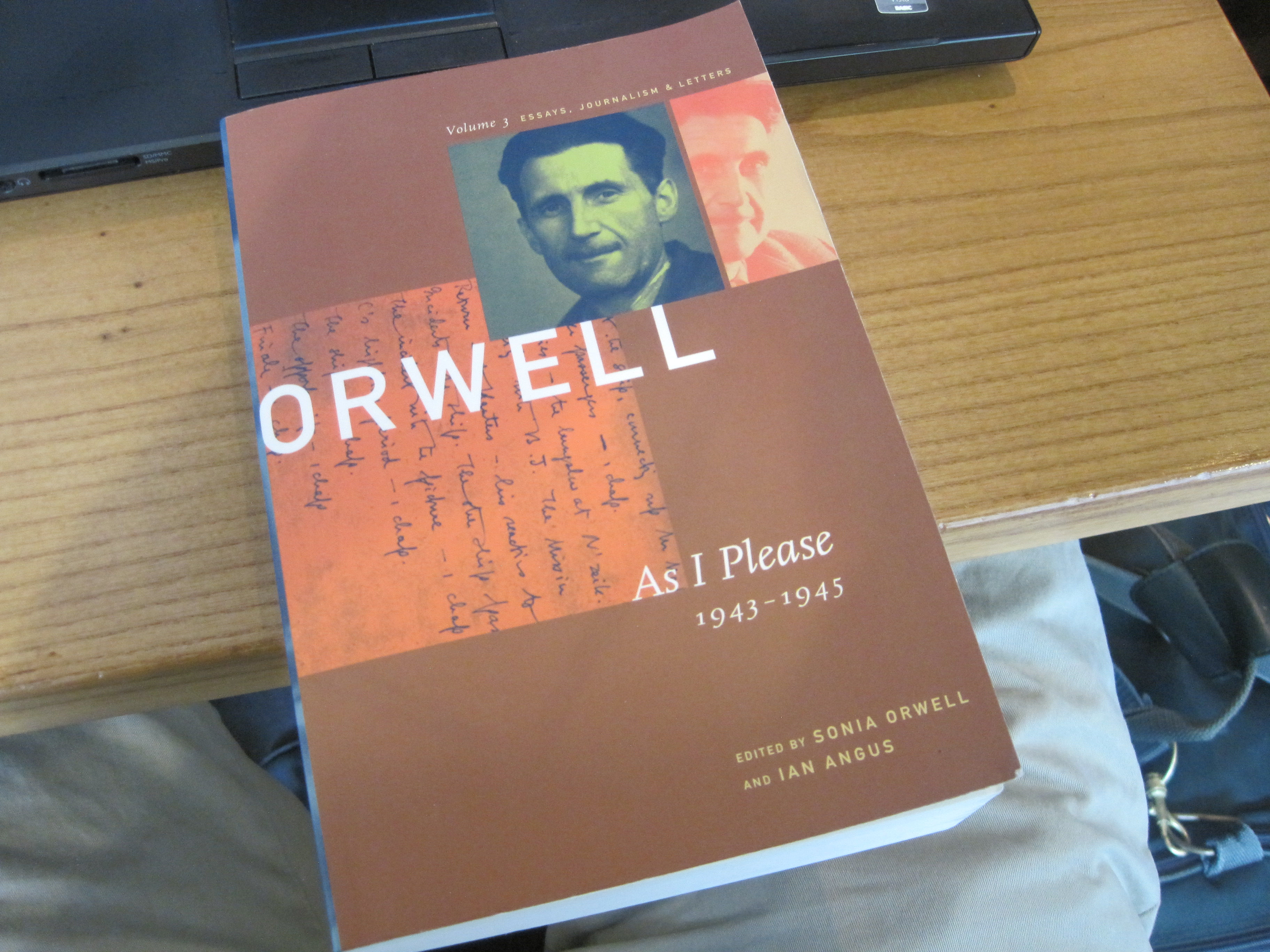
I am reading “As I Please”, a collection of essays written by George Orwell between  1943 and 1945 and edited by Sonia Orwell and Ian Angus. In the first essay titled The English People, the author explains some benefits and demerits of being an Englishman speaking English:

“But there are also great disadvantages, or at least great dangers, in speaking English as one’s native tongue. To begin with, as was pointed out earlier in this essay, the English are very poor linguists. Their own language is grammatically so simple that unless they have gone through the discipline of learning a foreign language in childhood, they are often quite unable to grasp what is meant by gender, person, and case. A completely illiterate Indian will pick up English far faster than a British soldier will pick up Hindustani.  Nearly five million Indians are literate in English and millions more speak it in a debased form. There are some tens of thousands of Indians who speak English as nearly as possible perfectly; yet the number of Englishmen speaking any Indian language perfectly would not amount to more than a few scores. But the great weakness of English is its capacity for debasement. Just because it is so easy to use, it is easy to use badly.

In the essay with parts that read like an epilogue to his earlier essay Politics and the English Language, Orwell complains about English being influenced by “American” pop culture words. Although written about six decades ago, it is fascinating how Orwell’s perception of the English life, language, and culture seems to remain as applicable now as it was then, even seeming applicable to other new post-colonial societies elsewhere.

Here is another quote:

“The temporary decadence of the English language is due, like so much else, to our anachronistic class system. “educated” English has grown anaemic because for long past it has not been reinvigorated from below. The people likeliest to use simple concrete language, and to think of metaphors that really call up a visual image, are those who are in contact with physical reality. a useful word like bottleneck, for instance, would e most likely to occur to someone used to dealing with conveyor belts: or again, the expressive military phrase to winkle out implies acquaintance both with winkles and with machine-gun nests. and the vitality of English depends on a steady supply of images of this kind. It follows that language, at any rate the english language, suffers when the educated classes lose touch with the manual workers. As things are at present, nearly every englishman, wheatever his origins, feels the working-class manner of speech, and even working-class idioms, to be inferior…”

An engaging read.
Chicago Outdoors

The city hasn’t changed much since the last visit. Only the traveller has. The lake front remains in its deceptive calmness, with boats and geese competing for space and attention. On one street corner is a lone saxophonist playing for change. On the other side of the street is a group of barely clad black dancers showing off to impressive hip-hop beats. They have an audience. A few feet away is a gay advocacy group holding up cards and urging pedestrians to get on the move to legalize same-sex marriage in Illinois as it is being done everywhere else. (After all, Chicago used to be the third biggest city in the US and thus the next biggest place to gather for such protests).

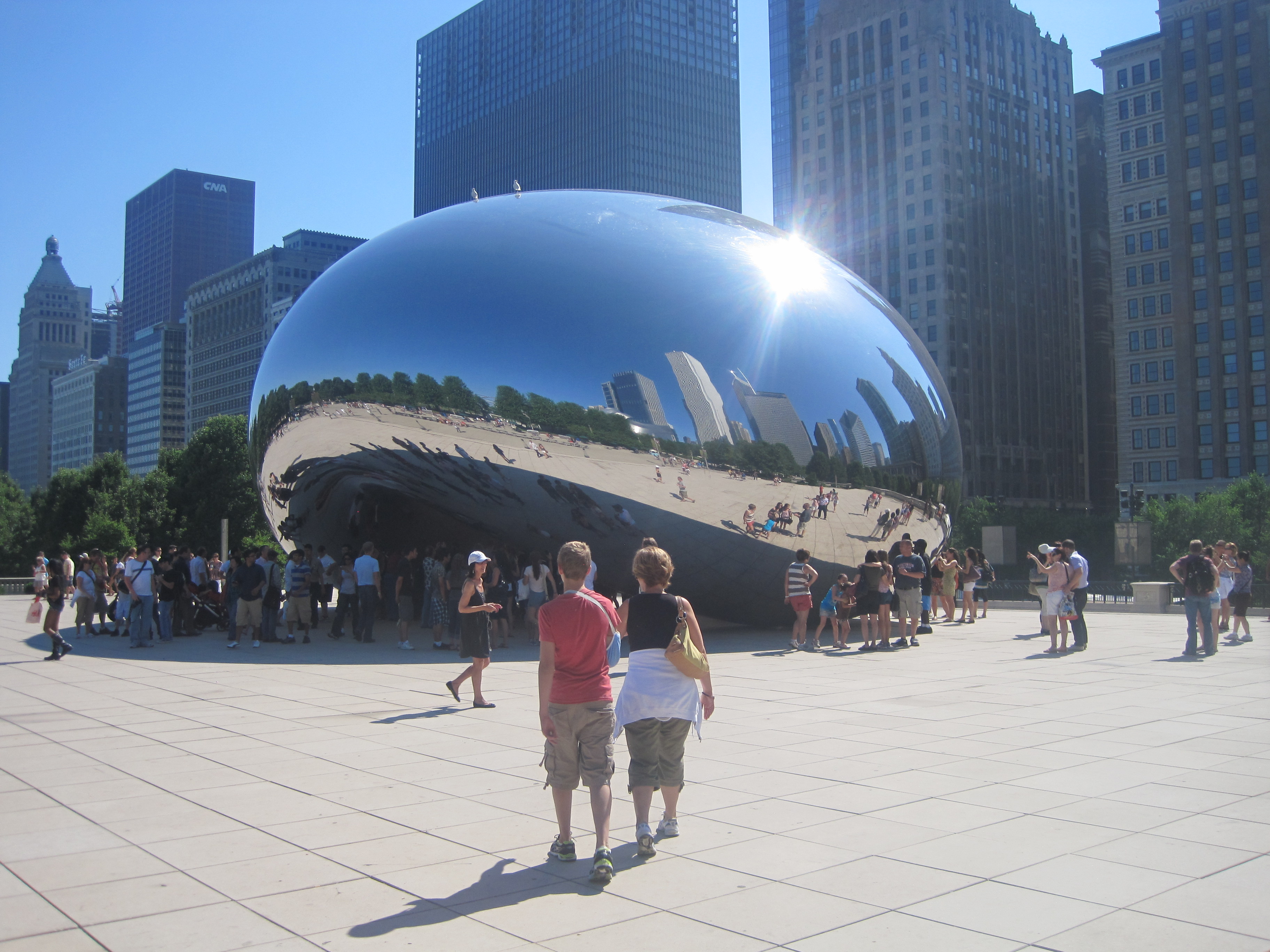
The other differences are conditional: a summer heat, a working fountain which – according to a guide – was said to have also been donated to America by France (just like the Statue of Liberty). The truth is less direct, of course. Wikipedia says the fountain was only designed by a Frenchman. The Bean of Chicago (actually called “Cloud Gate”) remained where it had always been, eluding contact on the first visit, and still impressive on contact. It’s made of stainless steel although everything else suggests otherwise. But of course, glass does not curve like that and would not have survived so much touch, knock and human contact, so there.

The Abraham Lincoln statue still sits in Grant’s Park, and the Ulyses Grant’s statue still stands at Lincoln Park. Chicago’s park humour. There are a few more: a homeless guy with a sign that says “Why lie. I (just) need a drink.”


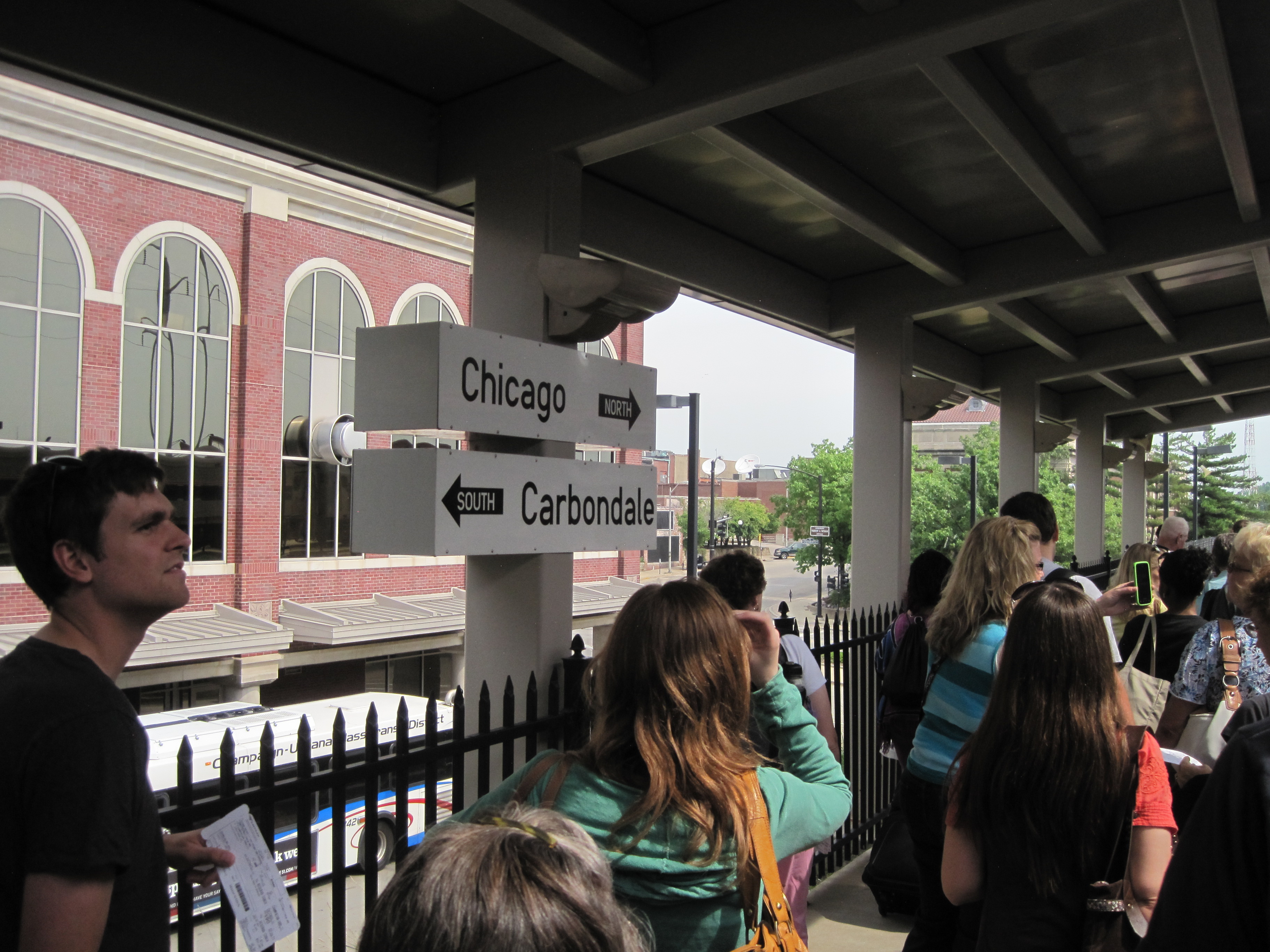
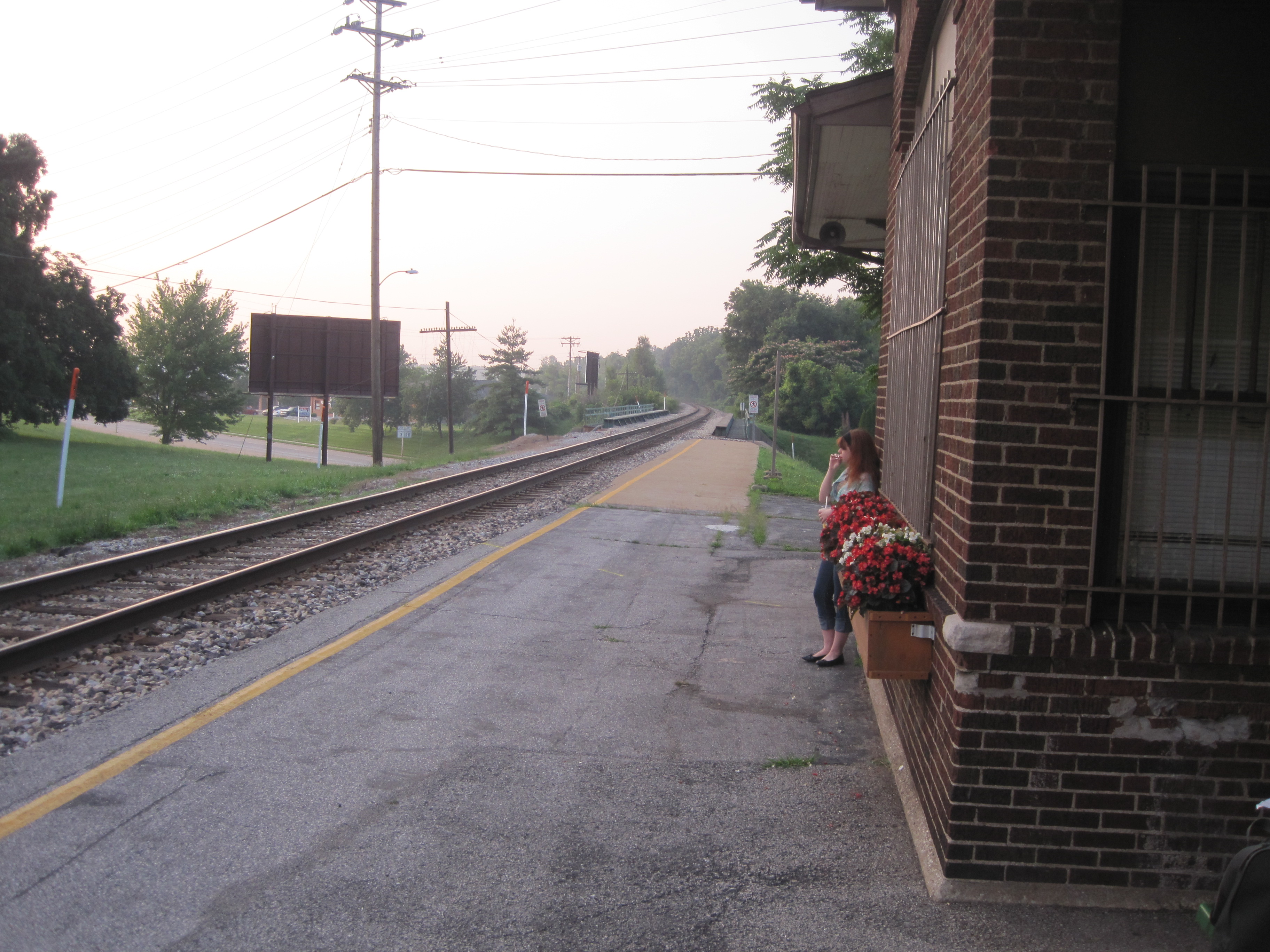
Train Ride

going somewhere…

It was certainly a different experience than by car.


Political Theatre Sucks

By the end of this year, one new phrase would have been added to the English dictionary – or at least the urban dictionary. That is “the debt ceiling”. To the layman, it means nothing other than the ball that both Democrats and Republicans in the US legislative houses have been kicking around for the past few months. If anything in the news is to be believed, in a week’s time, the credit rating of the country will be permanently damaged from the country’s default on its financial obligations except this “ceiling” is raised.

Horrible as that prospect seems, it has become nothing but a means of political posturing and hostage-taking by elected representatives. On the one hand a party that wants nothing cut out of its special interest programs, on the other another party (and its activist arm) which is hell-bent on opposing any compromise that involves as much as a tiny concession on revenue increase. From afar, all this just seems mad. This is not what you’d expect from “adults in the room”. I listened to the president’s speech yesterday where he did his best to again articulate his ideas of the best solutions to the problem. I also saw the almost immediate rebuttal and posturing by the Speaker of the House. And in that little space of time, the country was back again to a countdown to (as The Daily Show calls it, Armadebtdon: the end of the world as we owe it.)

Unfortunately, there is nothing else exciting on television these days so we will watch with bated breath. What works for me especially while watching an important football match is to imagine the worst, and just enjoy the roller-coaster ride of crazy emotions. I’ll do that now, since politicians have chosen this option over good old common sense. In any case, we still will always have Netflix.