This speaks for a healthy attitude to language development, appreciation and use. Enjoy.
Browsing the archives for the Uncategorized category.
A few minutes ago, I left my mailbox at the department with two German magazines that I hadn’t ordered for. A closer look showed me that they were originally delivered to my head of department, a long-term professor of German. One of them, “German Life”, is published in English while the other “Dasfenster” is written totally in German. All this wouldn’t have made much sense but for the fact that a few hours ago, earlier in the morning, she had mistakenly began to speak rapidly to me in German, again. It usually happened like this: She would come into the language lab with the intention of telling me something, and she would begin to say it in German and I would stare blankly until after the fourth sentence when she’d realize what is happening, and burst out laughing.
Last year, I shared an office with someone from Switzerland who spoke a different kind of German. Although she didn’t manage to switch into the said language subconsciously, she did give me something to look forward to if I eventually decide to learn the language. (Those interested should check out her German teaching website here). Today’s episode has however got me thinking that maybe what a few years of befriending German women couldn’t accomplish, working in a foreign language department eventually would. Maybe, I said. Fantastische! Oh well.
It’s almost a year since the event of Christmas day last year which changed the way airline security works in this country. We used to just take off our shoes at airports. (Of course before then in the seventies, people didn’t even care much about airline security). Now we get to choose between an invasive body scanner or a more invasive body pat-down. Or both.
Talking to a friend about the new intrusive security procedures at airports all around the United States today brought one grim reality to my attention: this would not have been the case had it not been for that Nigerian guy! Maybe it eventually would have in a different way or form, but being one to blame – however remotely – weighs upon me with a sense of disgust. Everybody blames the TSA for being reactive rather than being proactive in their security concerns. I blame them too, then again quickly realize that it is never their fault that a spoilt and brainwashed young from a third world country would strap explosives to his “junk” and walk into a plane. Now the genie is out of the bottle, and it won’t go back in. Innocent passengers from everywhere are forced to pay the price.
The sad fact, again – of course, is that the people planning the next attack would only think of an even more ingenious way to bypass security, and thus send the country into one more hole of reactive security damage control that limits individual freedom, erodes privacy and attacks dignity and human rights. Let’s hope it never happens. For now I only feel extremely sorry for those who have to endure pawing hands all over them because of the jackassery of someone who once walked the same streets in Nigeria as me.
My first memories of elections in Nigeria takes me to June 1993 when the biggest political event of my generation took place. Before then, the most memorable memory I had was the death of someone called “The best president Nigeria never had.” That was Chief Obafemi Awolowo who, as the premier of the Western Region (another name for an area that covers all of Yorubaland), brought the first television station in Africa to Ibadan, my hometown, in 1959.
When Awolowo died in 1987, I was only six years old. Not technically though, since the man died around July – I think. My sixth birthday was to be in September. The most memorable thing I remembered from that day was lazing around my father’s living room and watching on television the lying-in-state of the man that came to define Nigeria’s postcolonial political history. The corpse laid in a glass casket. He had his wig on, and a pair of glasses. I also remember someone asking how they intended to inter someone with his spectacles on. I was too young to make sense of it all – the man’s political dominance and influence – but I heard his name a lot. It would take me years of research (reading his memoirs which my father gave me, among many other publications) to know all I needed to know. Father also made a record album in honour of Awolowo a few months later.

Now in 1993, I was much older. I was twelve and in secondary school. Much of my political consciousness came from rhetorics of elder brothers and their friends, and the media. MKO Abiola had promised to abolish poverty – sort of like promising to make it snow in Nigeria. When his election was annulled by the military dictator, and riots broke out, school was closed, and students spilled to the streets in protest. University students led protests and came to get us out of our schools. We all spilled in the street and fought with police and military men. It was exhilarating for me. I didn’t have much political consciousness to have been able to take sides, but the crises charged me up. We were tear gassed, and shot at. We walked great with friends and fellow rebels from school back home to the embrace of worried parents. It was the best of times for a curious almost teenager. It was also the worst of times for the country. A year later, there was a change of government, from one military dictatorship to another, and darkness descended on the country.

In 1998, I remember exactly where I was when I heard that Sani Abacha was dead, and I didn’t believe it. He had after all survived many rumours of death. A day before, Pope John Paul II had just left Abuja after a state visit (and also to plead for clemency for the lives of a bunch of military men sentenced to death for plotting a coup d’etaat.) The Pope wore white. Abacha wore black. They were both was on the NTA network news and Abacha looked as sick as Tell Magazine of a few weeks earlier said he was, but he looked strong and resolute as well, and mean. But he died. A few hours later, all the suya sellers were nowhere to be found. Their stalls and sheds had been destroyed by happy citizens giddy to be finally free from military dictatorship. Exactly one month later, MKO Abiola, the presumed winner of the election had died of poisoning after meeting with Kofi Annan, the Secretary General of the United Nations and some other “American” visitors. Conspiracy theories abound, but by the end of the year, it was clear that the campaign message “Hope” from 1993 had gone forever.
 And 1999 came, time for the new gentle looking military man to go. He had set machineries in place for democracy to return. I was out of secondary school. I was teaching in a primary school in Ibadan earning the lowest payable wage for that position and qualification while I waited for news of my admission into the University. The candidates were Olusegun Obasanjo (a former military ruler and a UN/Africa statesman), and Olu Falae, an economist: both Yorubas chosen to appease the region after the 1993 annulment and subsequent miscarriage of justice. The South-West voted for Falae. I wasn’t eighteen yet, so I didn’t vote, but I hoped that Falae would win. He didn’t. Obasanjo won from votes from all the other parts of the country. Again in 2003, Obasanjo won again for the second term. In 2007, he handed over to Yar’adua whose deputy was Goodluck Jonathan. Yaradua died last year in Saudi Arabia after a protracted illness. Goodluck Jonathan took over and has since consolidated his hold on power. I am here in the United States as a graduate student.
Last night, as I listened to the result of the votes in the primaries of the country’s largest political party, I was reminded of the memories of my participation in the politics of Nigeria: the sweat, the riots, the rhetorics, the fiery but always independent media, and the national obsession with the figures and players. It isn’t “Hope ’93” all over again, because now I can discern and see through songs and slogans of “MKO: Action! Abiola: Progress!! Na im be the hope for better tomorrow!!!” or Abiola=good and Tofa=bad etc. The coming election that will likely find me in an American class discussing language and society will be between candidates that we hope to get a chance to question, and examine. They will get to power again through our votes, but for the first time, I hope to get a chance to take them to task on what they would do: about Jos, about electricity, about health and higher education, and about a better environment for the people of the Niger Delta and other ethnic minorities. I have come of age, and so has my vote, and I am not giving it away for free, if I’m giving it away at all. I hope that there’d be televised and online debates as well as town hall meetings to question the candidates and ask them how they plan to move the country forward.
I’m proud of the progress taking place in Nigeria today and I hope that there would be public televised and online debates to listen to the candidates as well as town hall meetings to question them as to how they plan to solve problems. If I could go back in time, what a pleasure it would be to relive those experiences again, rebelling, challenging authorities and paying my dues of youth on the streets of a country that I love.
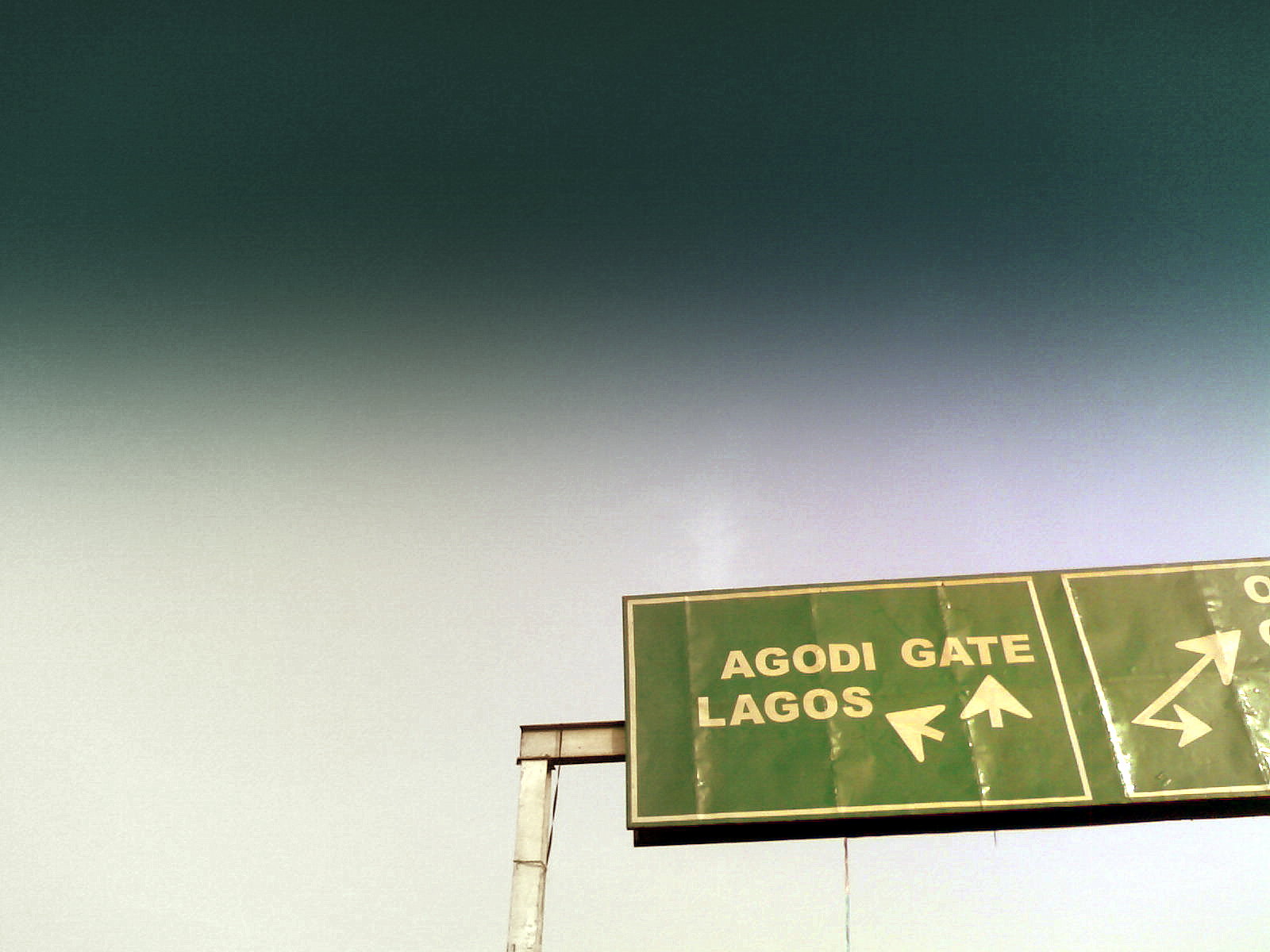
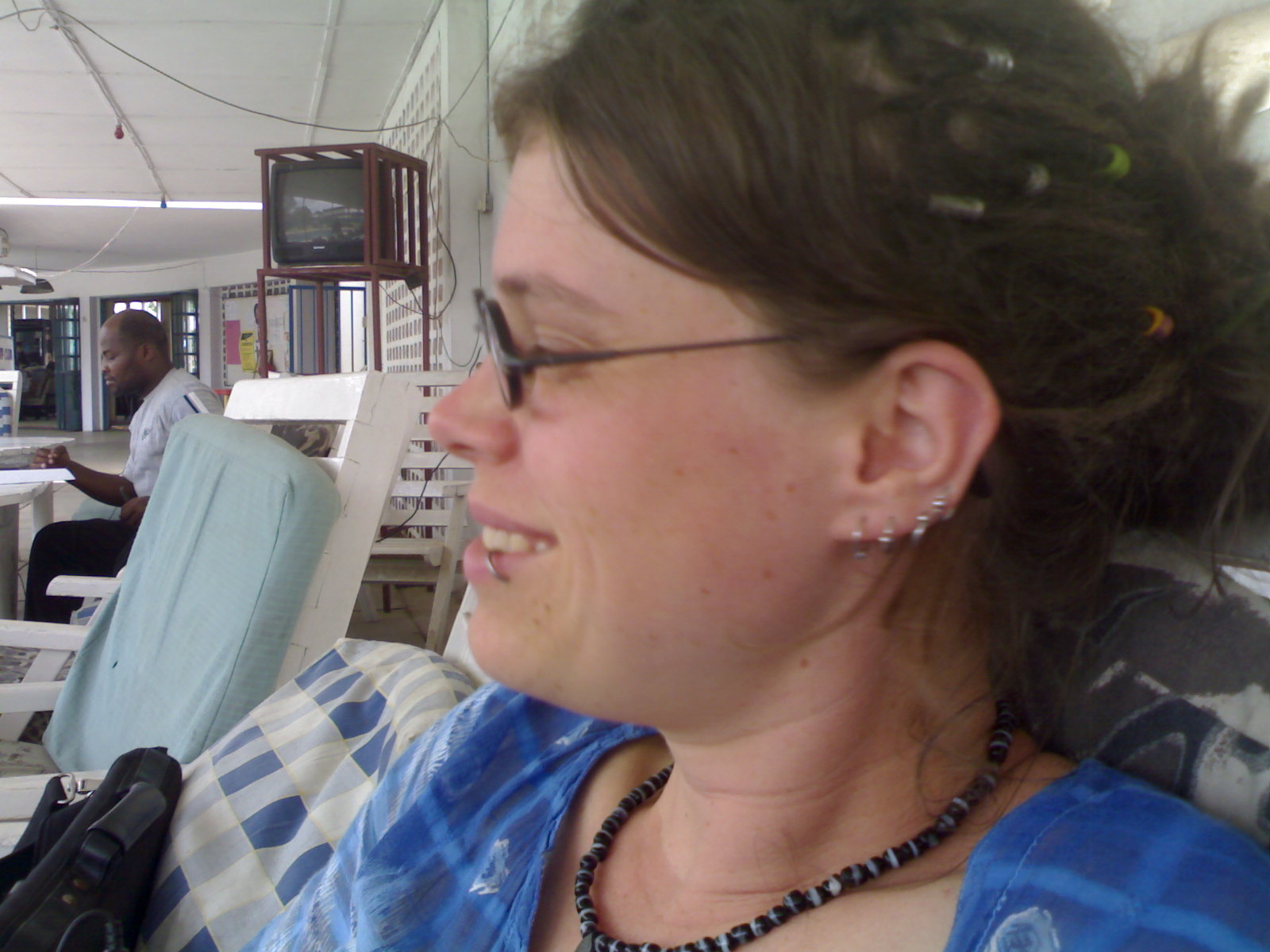
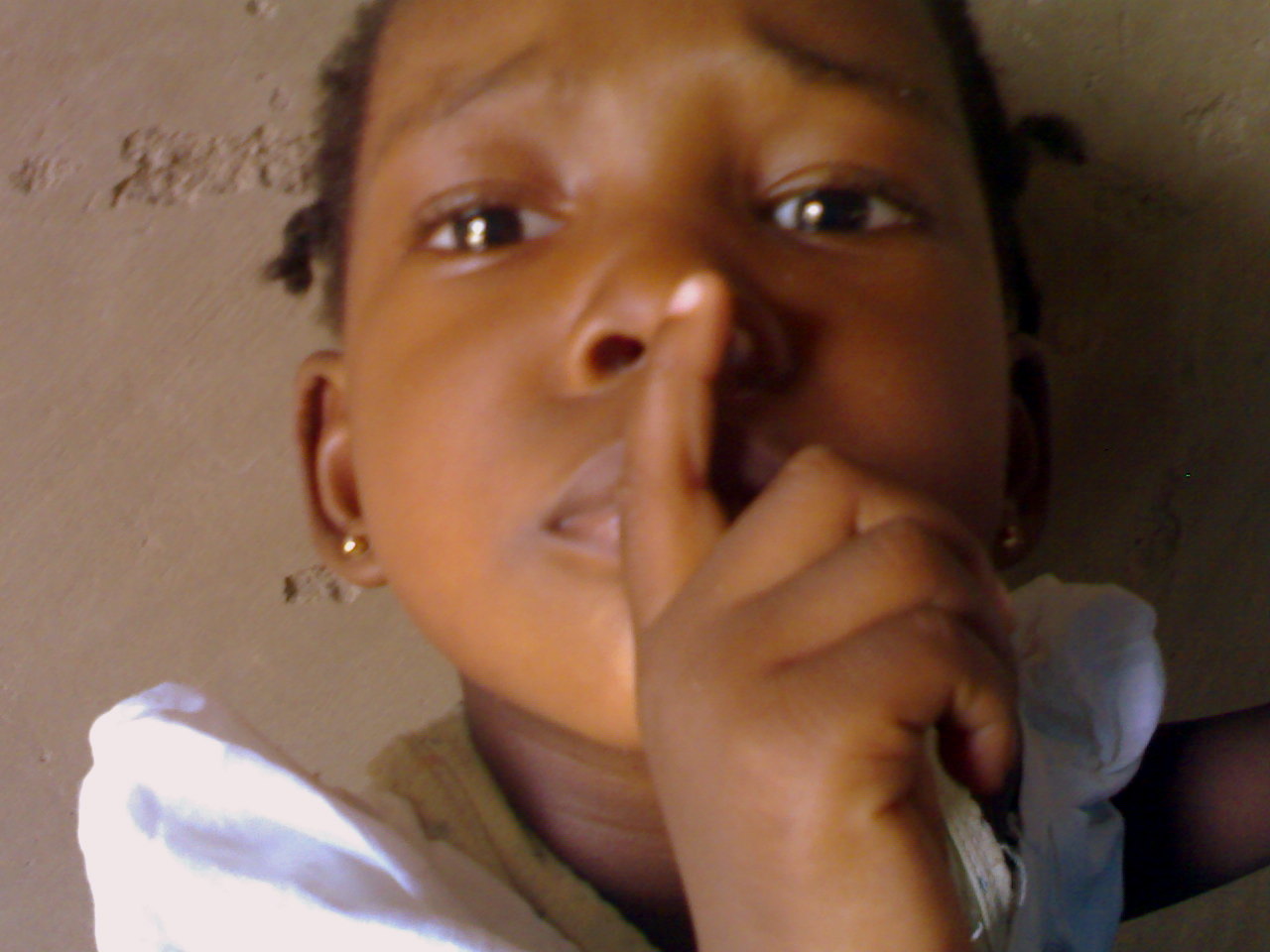
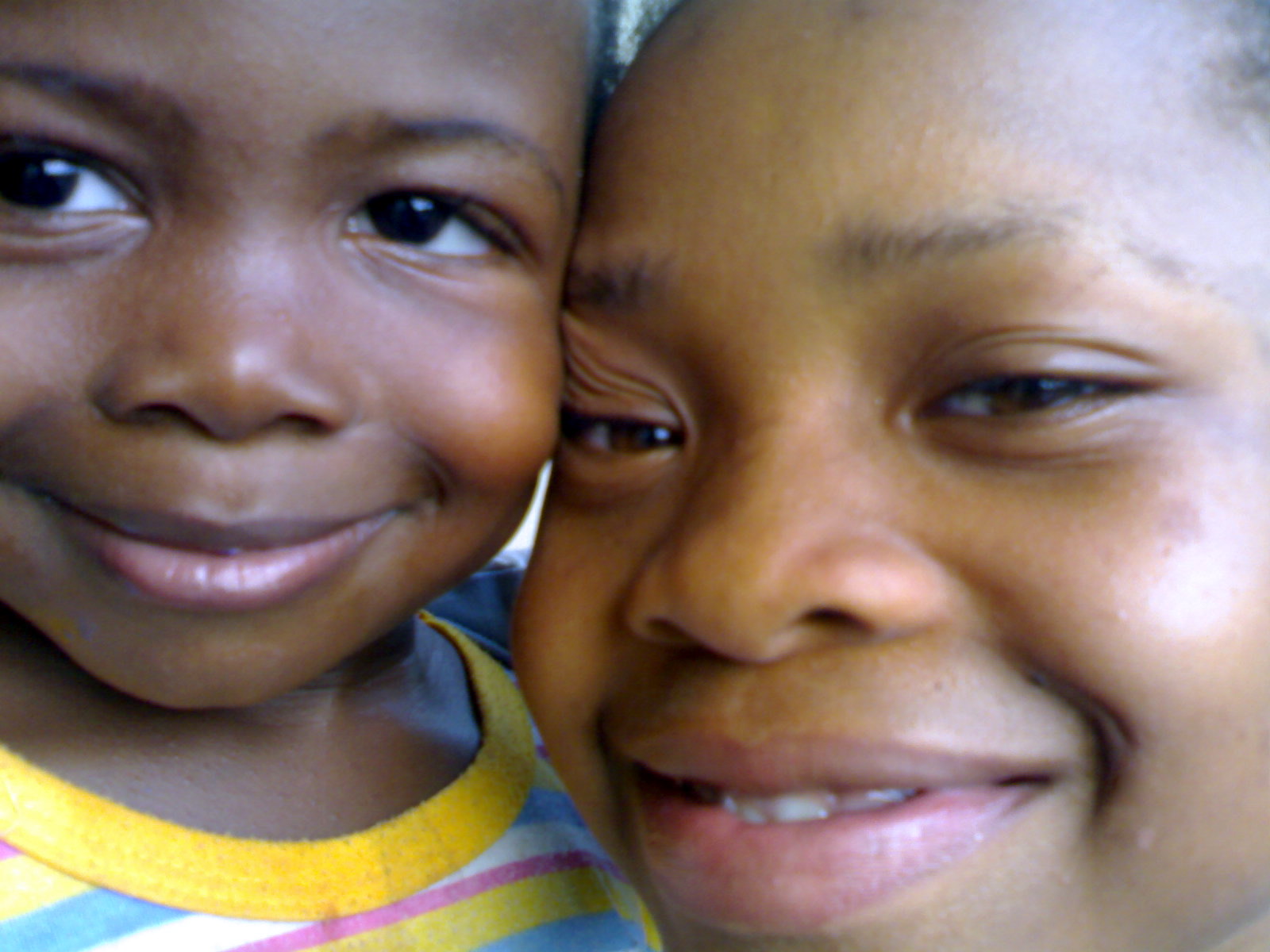
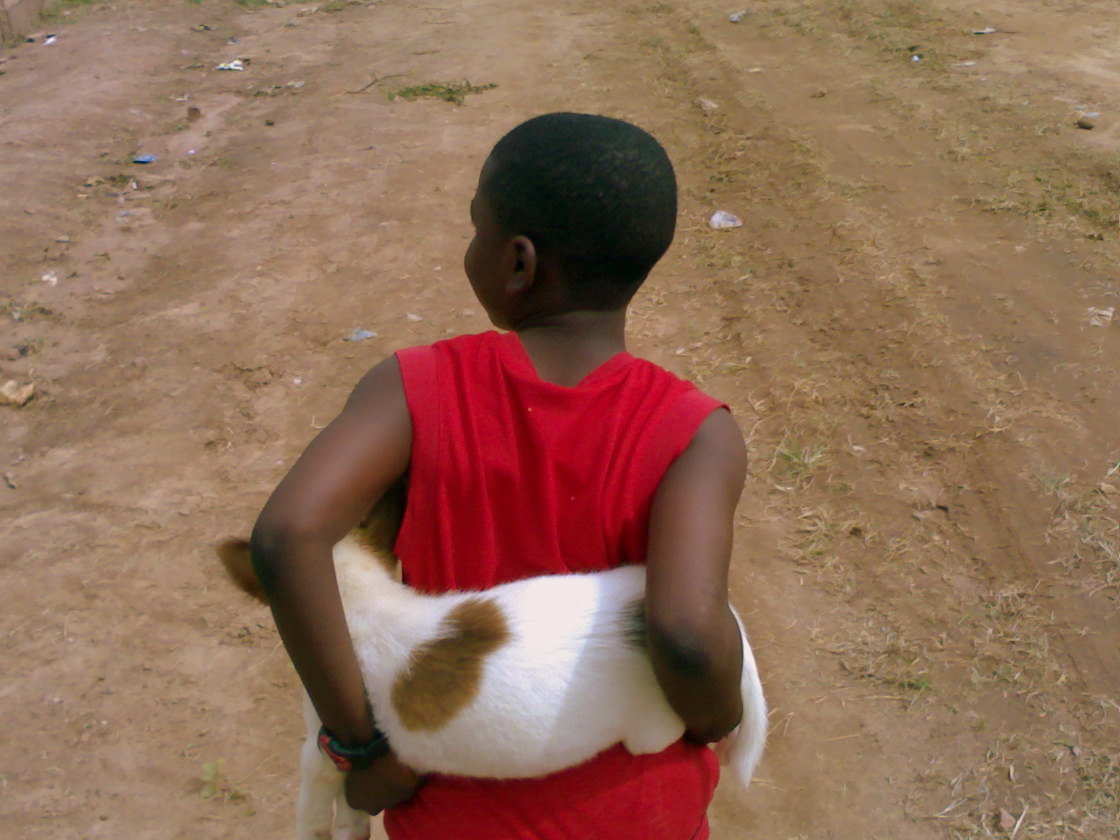
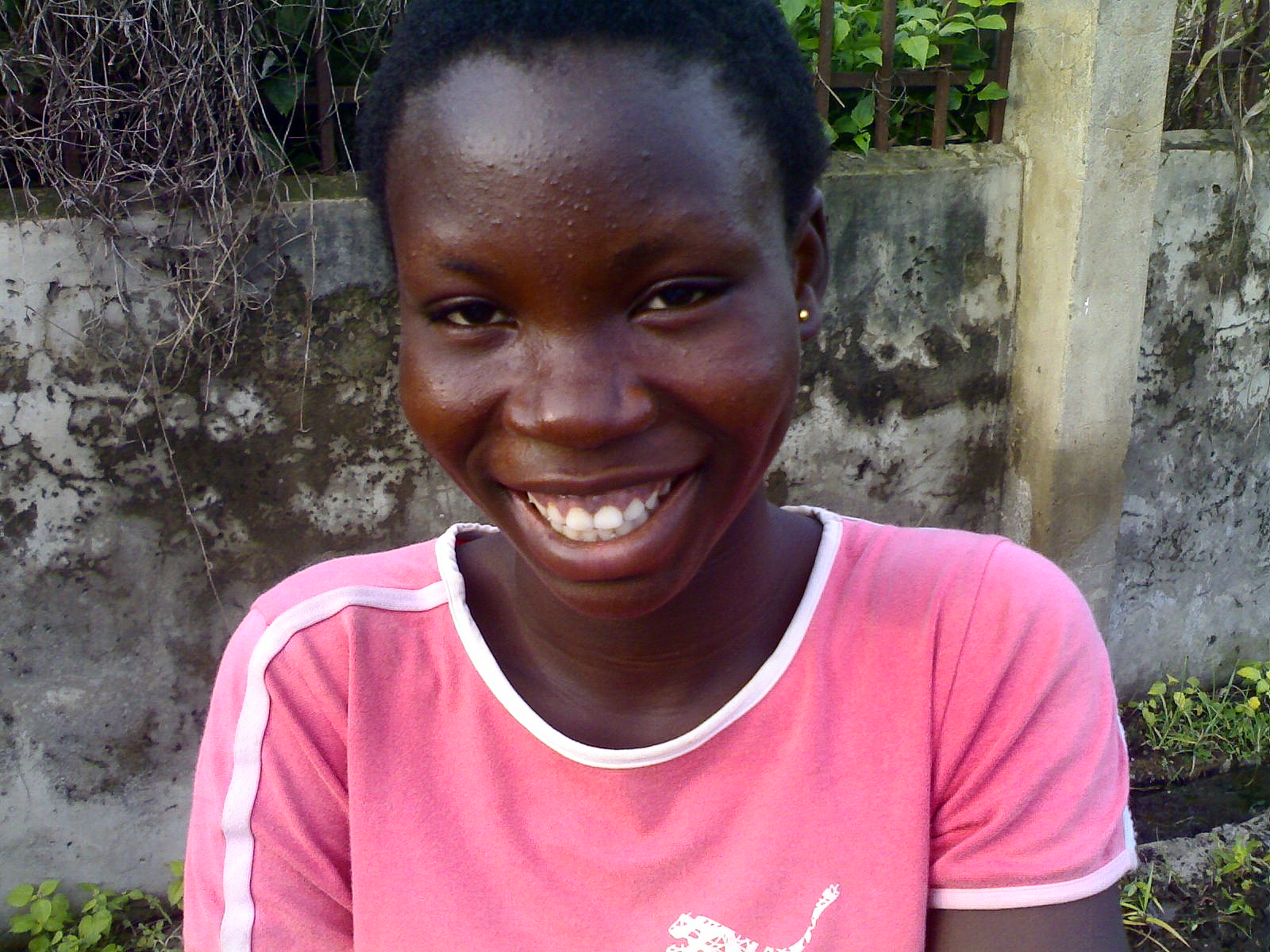
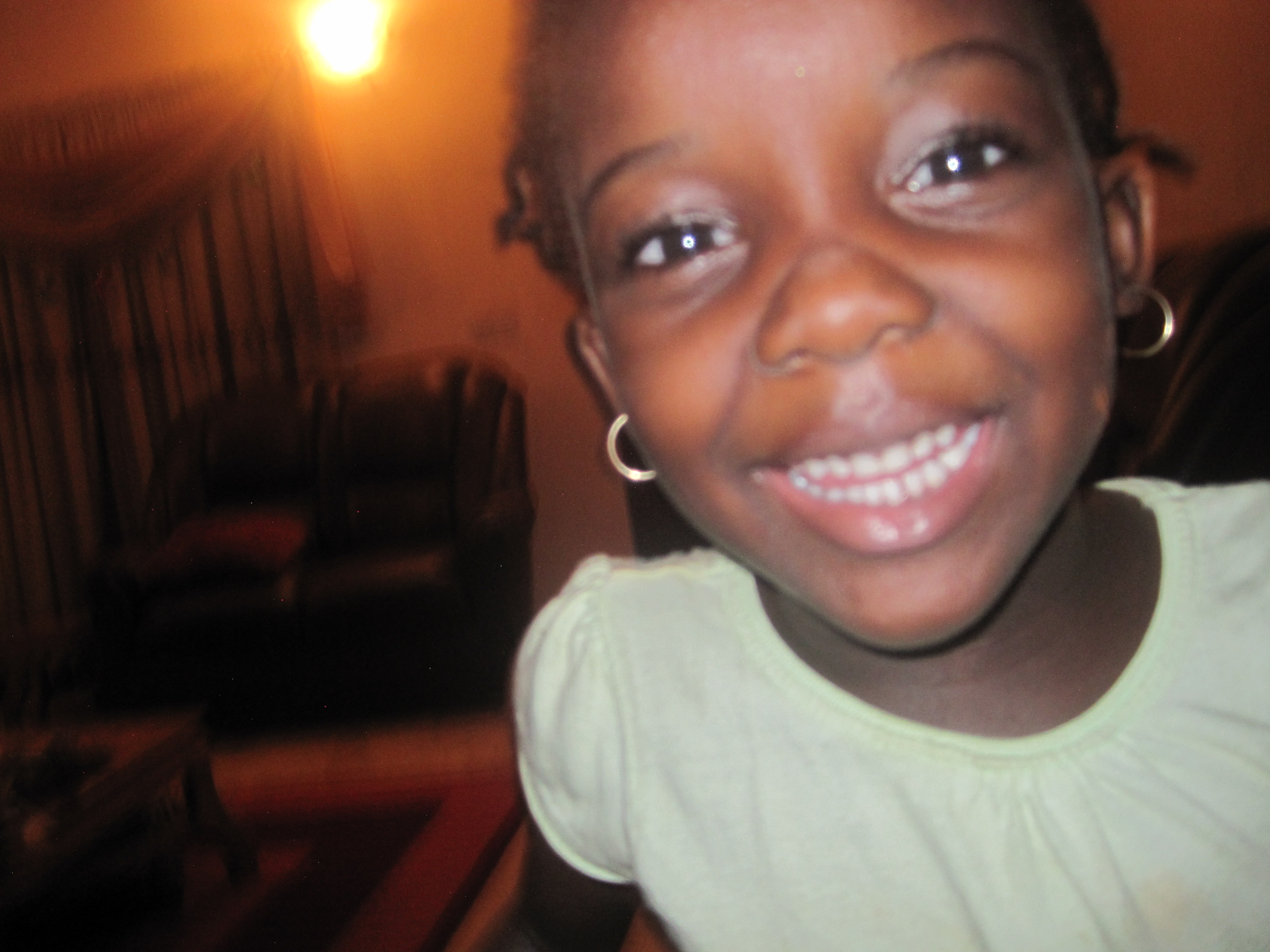 Just people, friends, colleagues, mentors, places, signs, smiles and wrinkles.
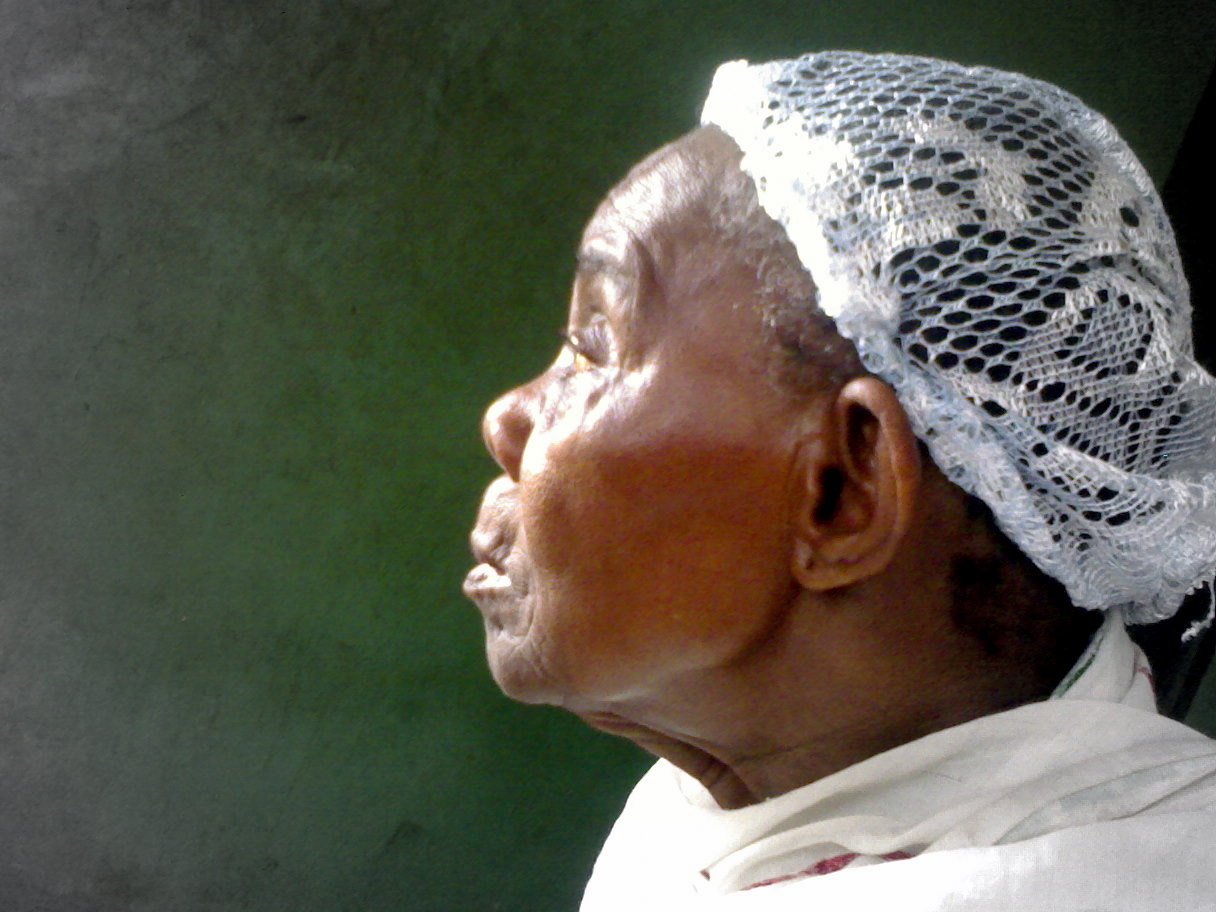
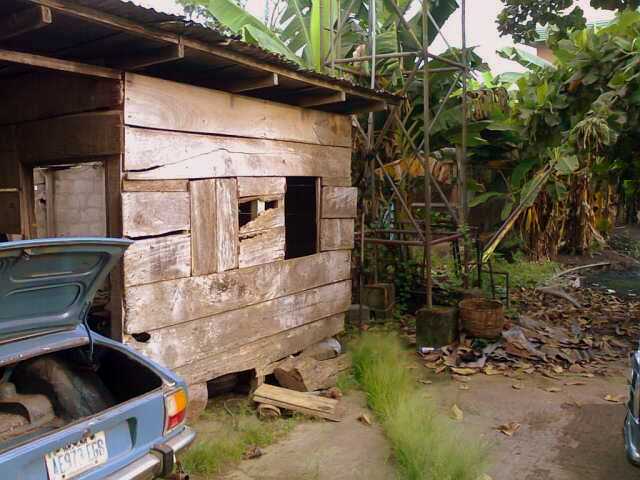 “Ibadan, running splash of rust and gold flung and scattered among seven hills, like broken china in the sun” J.P. Clark.