Browsing the archives for the Uncategorized category.

City Observations: Lagos/St. Louis

Lagos, it turns out, is not too far off as a twin replica of the city of St. Louis. The differences are huge, of course, but so are the similarities, top of which is the problem of security at certain times of the evening at certain parts of the town. A big difference, of course, is in population. Lagos Island, the most obvious equivalent to the City of St. Louis, according to the 2011 estimate, has a population of 318,069, while that of Lagos Island is 209,437.

Driving to Victoria Island, Lagos, a couple of weeks ago, I contemplated the similarities. Separated from Illinois by the Mississippi, the city of St. Louis boasts of a number of tall buildings, fancy restaurants, fast speeding cars, and the Gateway Arch. It is also arguably the most dangerous city in the country. The Lagos Island, Victoria Island, Lekki Penninsula (and other adjoining small islands in the state) are separated from the Lagos mainland by a set of bridges. The longest one of them, the Third Mainland Bridge, was built in the 80s during the military regime. If another regular traveller on the Illinois/St. Louis road were to be blindfolded, and suddenly open-eyed while on one of these bridges into Lagos, heading into the Islands, s/he might immediately start asking where the Arch went.

As a developing megacity with enormous potential for the 21st century, the government of Lagos is keenly aware of the need to keep up with the rate of growth, development, and migration. And as one of the most developed cities in the country, the weight of the responsibility is not more evident than in the near autocratic way in which its laws are being implemented so as to get the city into order. The Lagos Traffic Laws look like a governing manifesto of a North Korean administration. I exaggerate, of course. My experience has now ranged from the merely tangential floating via public transportation to work and back, to participant observation immersion in petty conversations with frustrated denizens.

It is a long way from Eldorado, but the city works on schedule as it should. For now.
CORA/NLNG Book Party

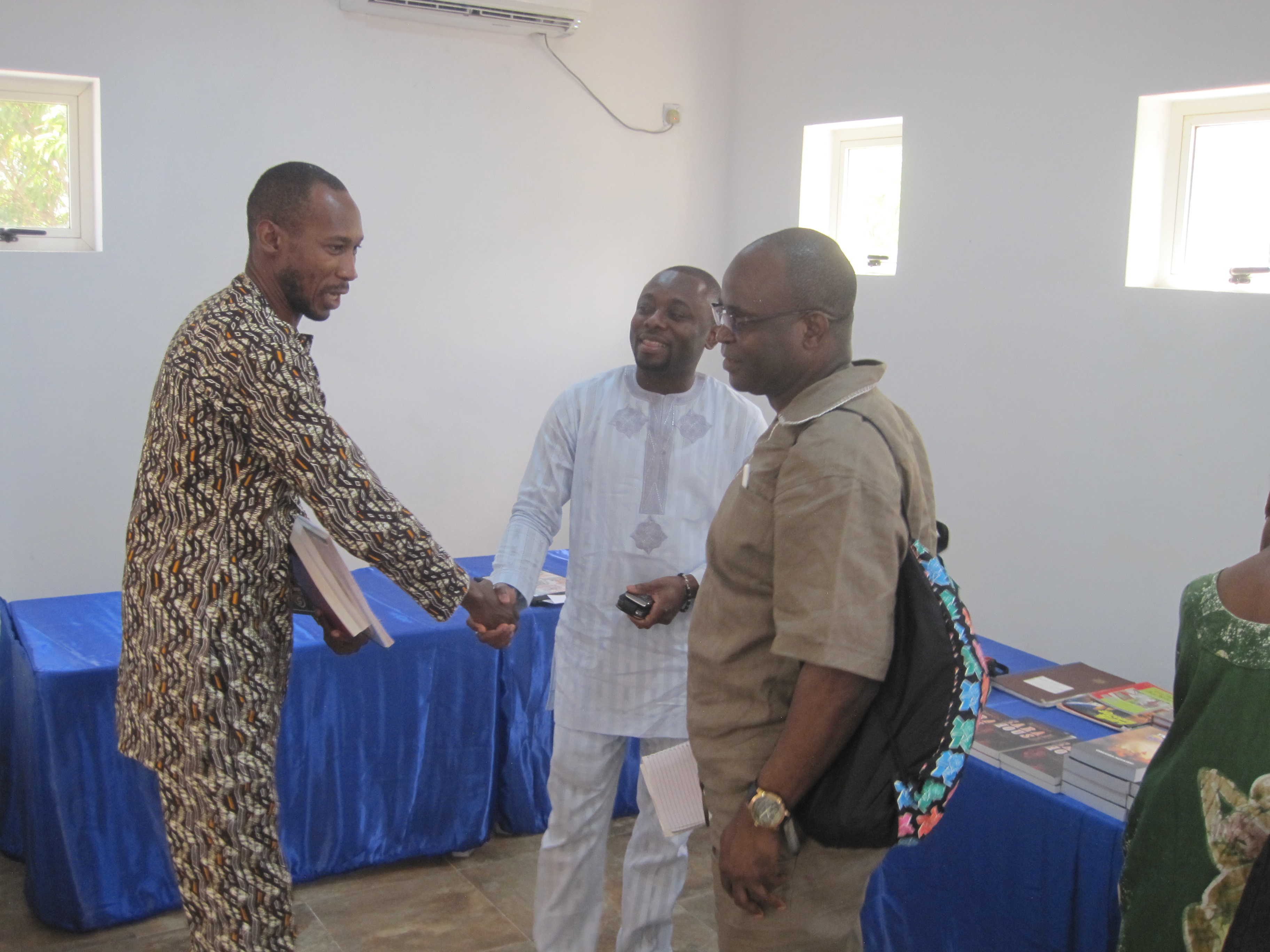
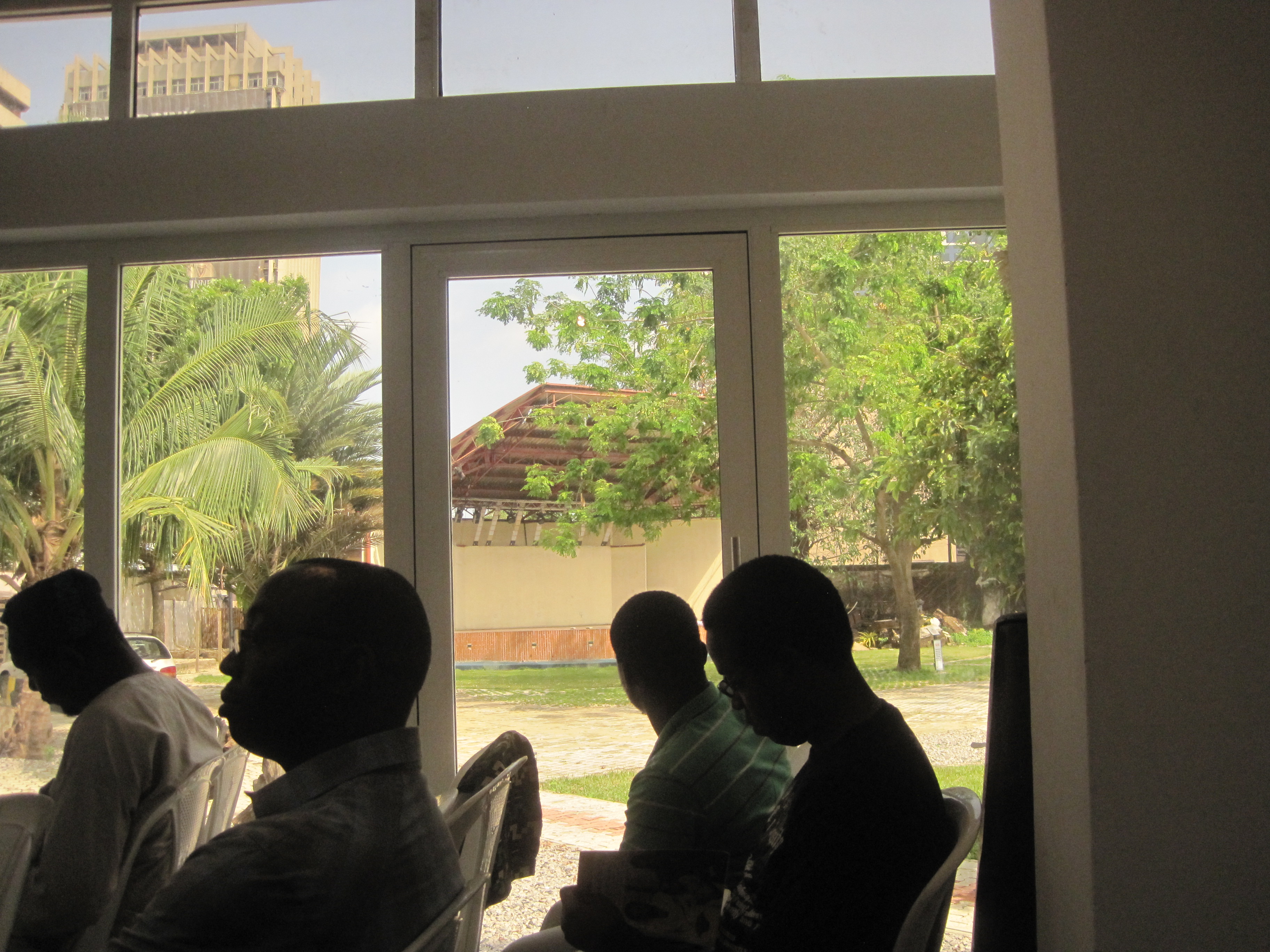
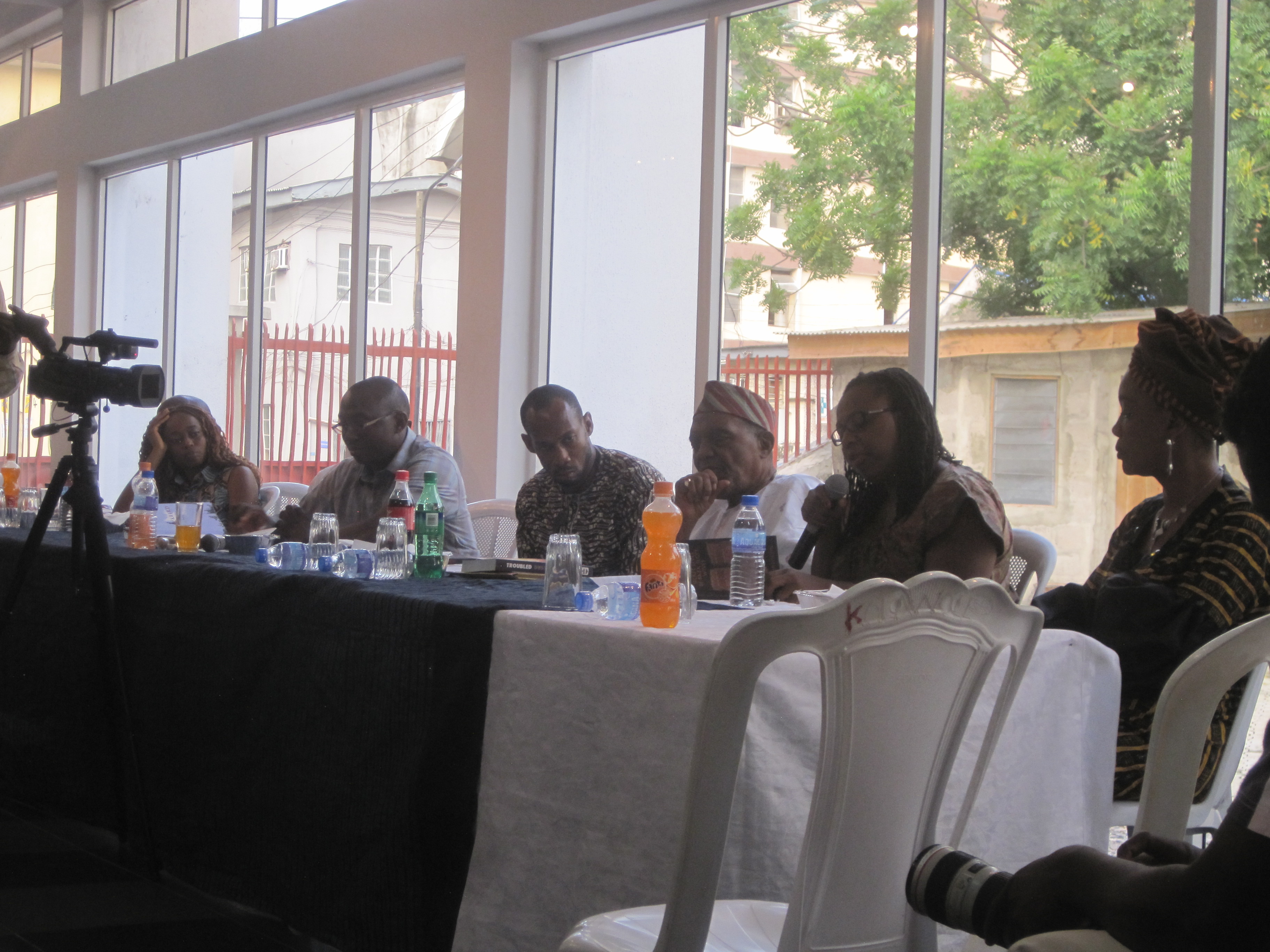
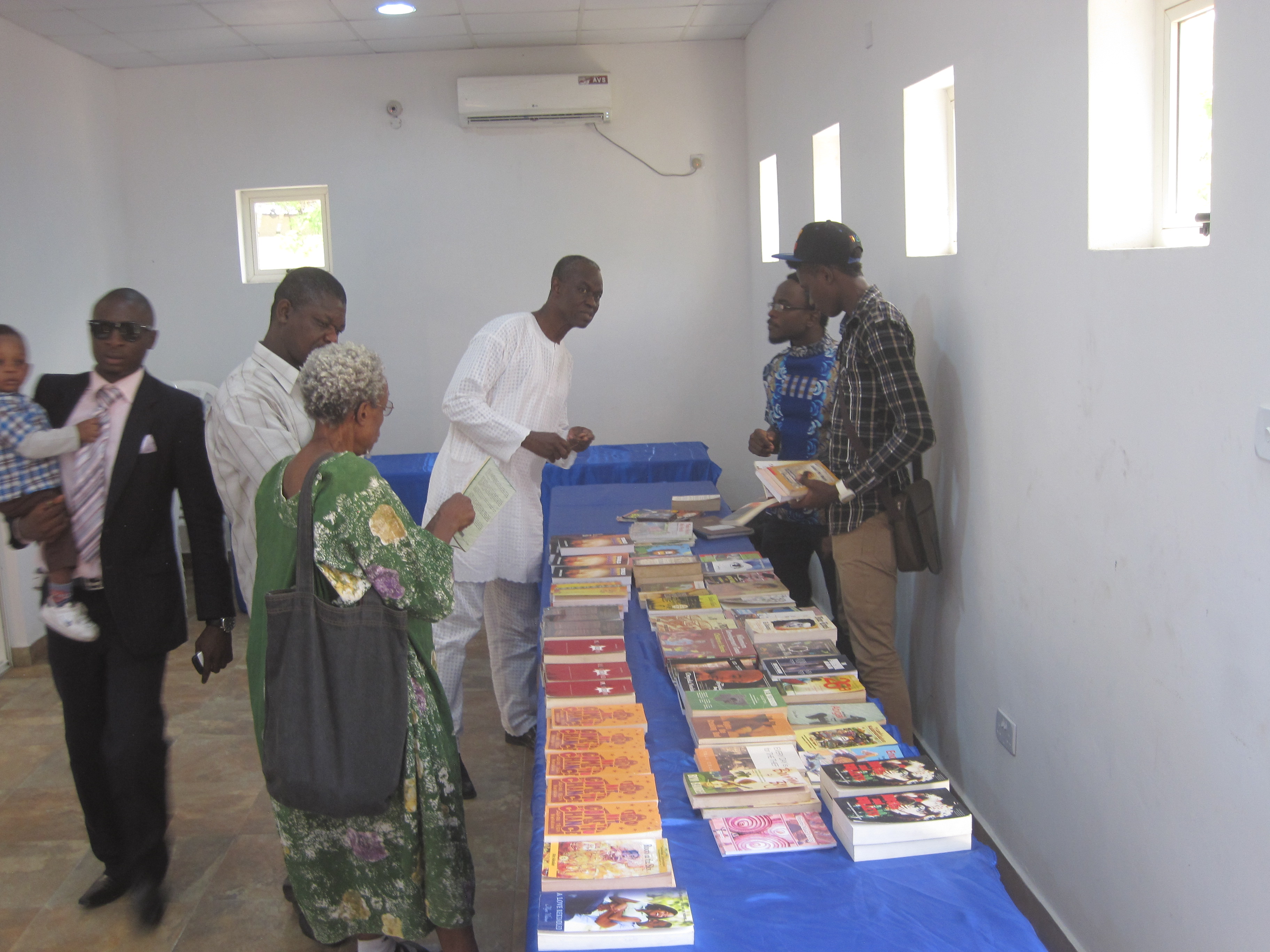
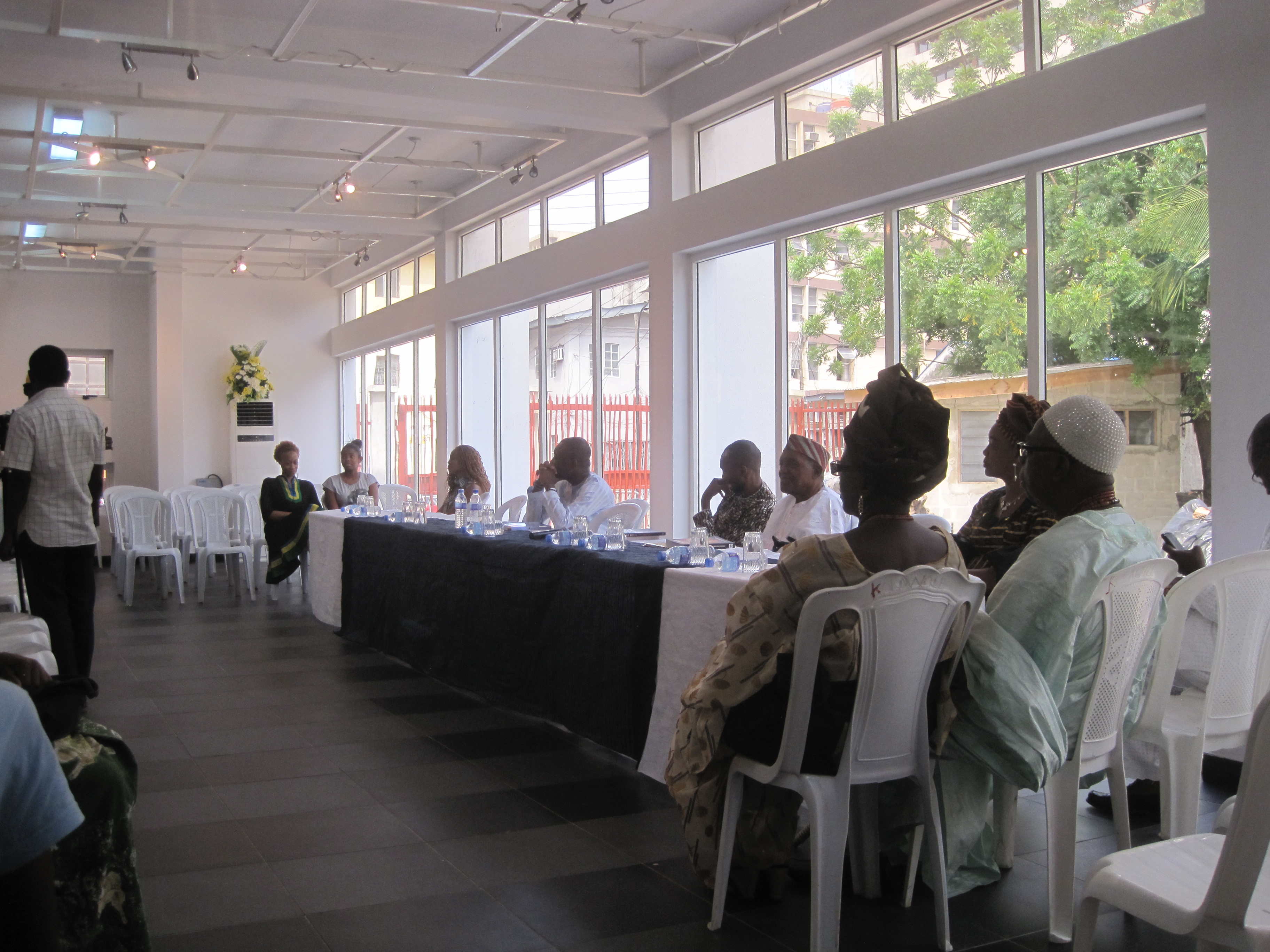
At the Freedom Park in Lagos today, the Committee of Relevant Arts hosted a few of the longlisted writers for the Nigerian Prize for Literature (sponsored by the Nigerian Liquefied Natural Gas: NLNG). I dropped by for a good old fraternizing with the writer community, and came back with these few pictures.

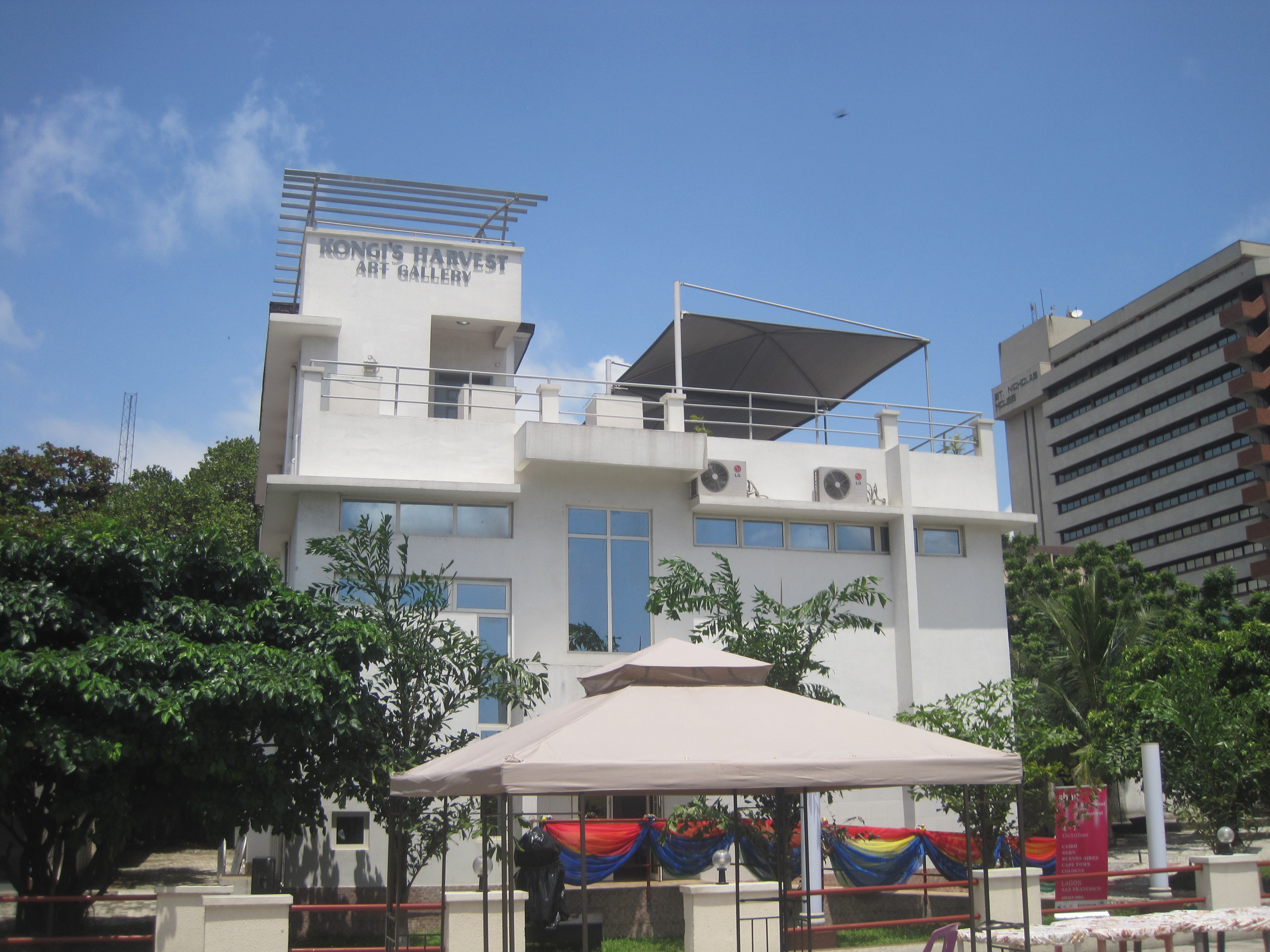
The venue itself, now named Freedom Park, was an old colonial prison where famous inmates like Chief Obafemi Awolowo, and Nobel Laureate Wole Soyinka spent some time in the early years of Nigerian independence. Across from the “Kongi’s Harvest Gallery” where the event was held stood a stage now used for musical/dramatic performance. According to Jahman Anikulapo (the head of CORA), that used to be a hanging scaffolding for the condemned inmates of the prison. Gleaming in the evening sun from afar, it now stands as a grim reminder of the constant presence of a not too distant past and the constant struggle for freedom and expression.

Present at the reading were some of the longlisted writers: Jude Dibia, Tricia Adaobi Nwaubani, Lola Shoneyin, Steve Shaba (a publisher), and Onuora Nzekwu (the author of Eze Goes to School). Other writers spotted there include Ayodeji Arigbabu also from Dada Books. The reading session was moderated by Deji Toye.

Happy World Teachers’ Day

None of my students – or teachers for that matter – remembered the date, but I arrived home from work today to a beautiful drawing by my niece. She had been advised by teachers in her school to make a present for the teachers in her life. It had my name on it, wrongly spelled, of course. It was the best end to the already stressful day, but I wouldn’t have it any other way.

Happy Teachers’ Day to all those who spend their waking moments thinking of ways and strategies to impart good education in other people’s children, most times for very little pay. You make the world a better place.

A Different Classroom Experience

Teaching English in a Nigerian school is almost the equivalent of teaching Yoruba in an American university. The difference, of course, is that while English is a language spoken already by all the students here, Yoruba – to the Americans – is a totally new language which students were being exposed to for the very first time. The similarity of the experience is that on some level, English can also be taught as a foreign language.

It helps that the teacher spent the last two years as a student of Teaching English as a Second Language (TESL), and with a background in Linguistics. It also helps that the masters thesis written in the last days of studentship in the Graduate School had something to do with the performance of students learning a phonological characteristic of a second language. In that sense, there is a feeling of homeliness to this experience, and a certain familiarity with what to expect.

What is different, but not altogether surprising, is the attitude of the students themselves. Whereas in the earlier experience, the youngest member of the class is usually at least eighteen years old, and an undergraduate, here, the oldest member of the class is sixteen, and has probably not yet decided what he wants to do with his life. The challenge is in the balance of expectations and attitude. Boys at sixteen usually have nothing more to worry about than food, peer pressure, and play. It is the teacher’s job to put as much work and discipline as necessary into their restless brains within a forty minute teaching period.

Like in the United States, teachers are not allowed to use corporal punishment on these students. A friend of mine in a school in Illinois had his students put hand sanitizers in his water while he was out of the class. He had drunk it before he realized it. I have not had (and by all appearances would never have) any such experience here, but that contrast is necessary to explain the setting and patterns of behaviour of students in the two different environments. The biggest challenge in dealing with young high school students of this particular age (and in an all-male school) is to sustain their attention and interests long enough to prevent a breakdown of order in such a testosterone-filled environment.

It is a welcome challenge.

Nerd Propriety

I realized, just a few minutes ago, the uselessness of question marks in short text messages. In a world where everything has already progressed towards simplification – with “you’re” becoming “your”, “with” becoming “wit” and “you” ending up simply as “u” for the ease of typing, it just seems perfectly fine that we should just do away completely with the other superfluous punctuations. In any case, the words “who”, “where” or “how” or “what” at the beginning of English questions already tell us that whatever follows will be a question. And so, what I sent in the text was: “where’s my cake”. (And while we’re at it, we may as well get rid of the full stop as well, especially if the text message contains just one sentence.

I realize also that I may actually be the last person in the world who still held on to this piece of peskiness until now. But I should be grateful. It could be worse: I could be writing in Spanish, where exclamation and question marks still come at both ends of the sentence.