Browsing the archives for the Travelling category.

A Year in Review

This year was exciting, and exacting. But as far as this blog is concerned, it was a year of many journeys. So, especially for new (and returning) readers, here is a review of the year, by date and by the popularity of particular post. Were there anyone you particularly enjoyed? Why? Were there anyone you loved but I didn’t include? In any case, here they are. Enjoy.

_____________________

January 2: One of the most popular posts on this blog On the Origin of Names was published. It would later be reproduced on a few other online and print publication. On January 22, I published “A Short History of My Face.

February 3: “Exploring Yoruba Through American Eyes” was a report of my now famous talk to students, faculty and friends for the Cultural Exchange Month. On February 4, we raised about $25o for Jos. February 9, I wrote a guest post for Clarissa’s blog titled “Barking in a Foreign Language”. On February 14, I went to the Mardi Gras in St. Louis. I also wrote an account of the festival for a Nigerian newspaper and it was published on February 19. February 19: Wrote Western Union Rocks/Sucks. In response, a Western Union representative responded. February 21: Meeting Paula Varsavsky.

March 21: Sauce for the Gander: a look at the geese on Cougar Village campus, their threat to students, and the human threat on their own existence. March 25: wrote to Western Union a passioned letter asking them to make money transfer free to Jos, Nigeria as they did for Haiti which had also suffered a tragedy. March 27: “Of the Radio Days“, a look back on my experience with radio presenter as a teenager.

In April, I recorded a few karaoke tracks and called them KTravula remixes. I posted two of them on the blog. There was Killing Me Softly (on April 2) and Slipping Through My Fingers (April 7). On April 6, we won the battle to make Western Union slash their money transfer fees to Nigeria. For two days, WU agreed to have everyone pay only half price to transfer money. My 400th post was published on April 20. It was titled “A Different Kind of Hoe”, a look at the use of language, and entendres across cultural lines.

May 1, I published a Youtube video of my class students singing in Yoruba. They even threw in a rap session for good measure. Relive that post here. On May 3, I published a picture post of a time lapse picture I took of a spot behind my Cougar Village apartment. May 6, African Roar was published. My short story “Behind the Door” was one of the eleven stories in it. May 8, a report about my teaching at SIUE was reported in the Alestle, a campus based newspaper. May 9 was my last night in my apartment as a Fulbright Foreign Language teacher. On May 14, I published “Full Circle”, my last post in the United States at the end of the Fulbright Programme. On May 16, I landed in Lagos, Nigeria. May 25: This blog was nominated for 11 categories in the Nigerian Blog Awards. May 29, Visited my old University in Ibadan.

June 5: A Case for BloggingJune 8, I went to Badagry in Lagos to see the slave relics in the town. I wrote a comprehensive travel report of that very moving and sometimes disturbing experience for 234Next. It was published here on June 21. Writing it was one very moving and angry experience resulting from the visit itself. June 11, I published a few more pictures from the Badagry trip. June 13, I published a critic of the language use in Wole Soyinka’s The Strong Breed. The post pulled a few punches, but no one successfully refuted the point it raised. On June 20, I interviewed writer Ivor Hartman on the motives and prospects of his new publishing collective.

July 1, I Decided to return to the US. July 2: Wrote “Nomads” about the many itinerant girls on the streets of Nigeria. July 8, travelled to Ife, then on July 12 to Ilorin (where I visited the Ilorin National Museum), then on July 15 to Kaduna in search of answers to a few pending curiosities), then July 16 to Abuja (where I visited the National Mosque and the National Assembly on July 18), to Kaduna (on July 18), to Zaria (on July 19), to Lafia and Obi (on July 21), then finally to Jos (on July 22, a few days after another deadly attack where I spoke with a few people on the current situation in the town in “A Lunch in Jos”.). The month ended with a poem I wrote evocative of my experiences on the road. It is aptly titled “Be Like the Road Itself” (July 31). The poem was published in Sentinel Nigeria Issue #3 (August 2010).

August 9, I wrote On the Origin of Names – The sequel. August 16, I wrote an essay on the history of religious intolerance and compromise with a focus on the University of Ibadan. It was titled “The Cross and the Crescent: A Short Story.”  August 20: I returned to the United States. August 28, after living “under the bridge” for a while, returned to Cougar Village. On August 29, I attended the Festival of Nations in St. Louis.

September 28, I began work as a volunteer at the International Institute in St. Louis.

October 2: Laughing At Myself. On October 16, we found ourselves visiting the Cathedral Basilica of St. Louis, a Synagogue and a Mosque on the same day. We had only planned to visit the Cathedral. Between October 23- 25, I visited Pulitzer Art Centrethe St. Louis University and the Scott Joplin Home (Missouri) on a search for the art hotspots in St. Louis. I was not disappointed. On October 29, I went to Hannibal to visit the Mark Twain Boyhood Home and Museum in company of a good friend. It was a two and a half hour drive to the place, and it was a pleasant experience.

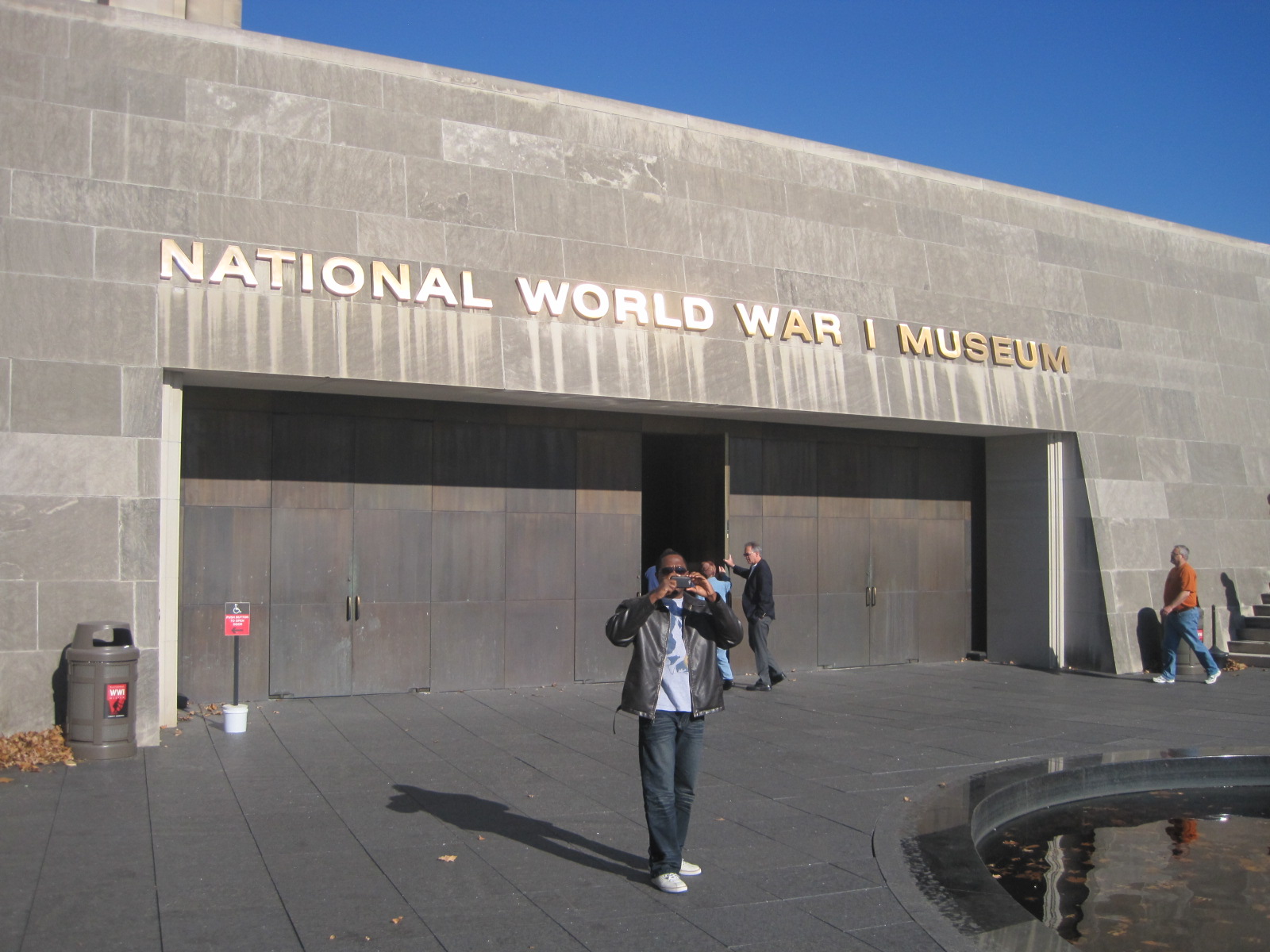
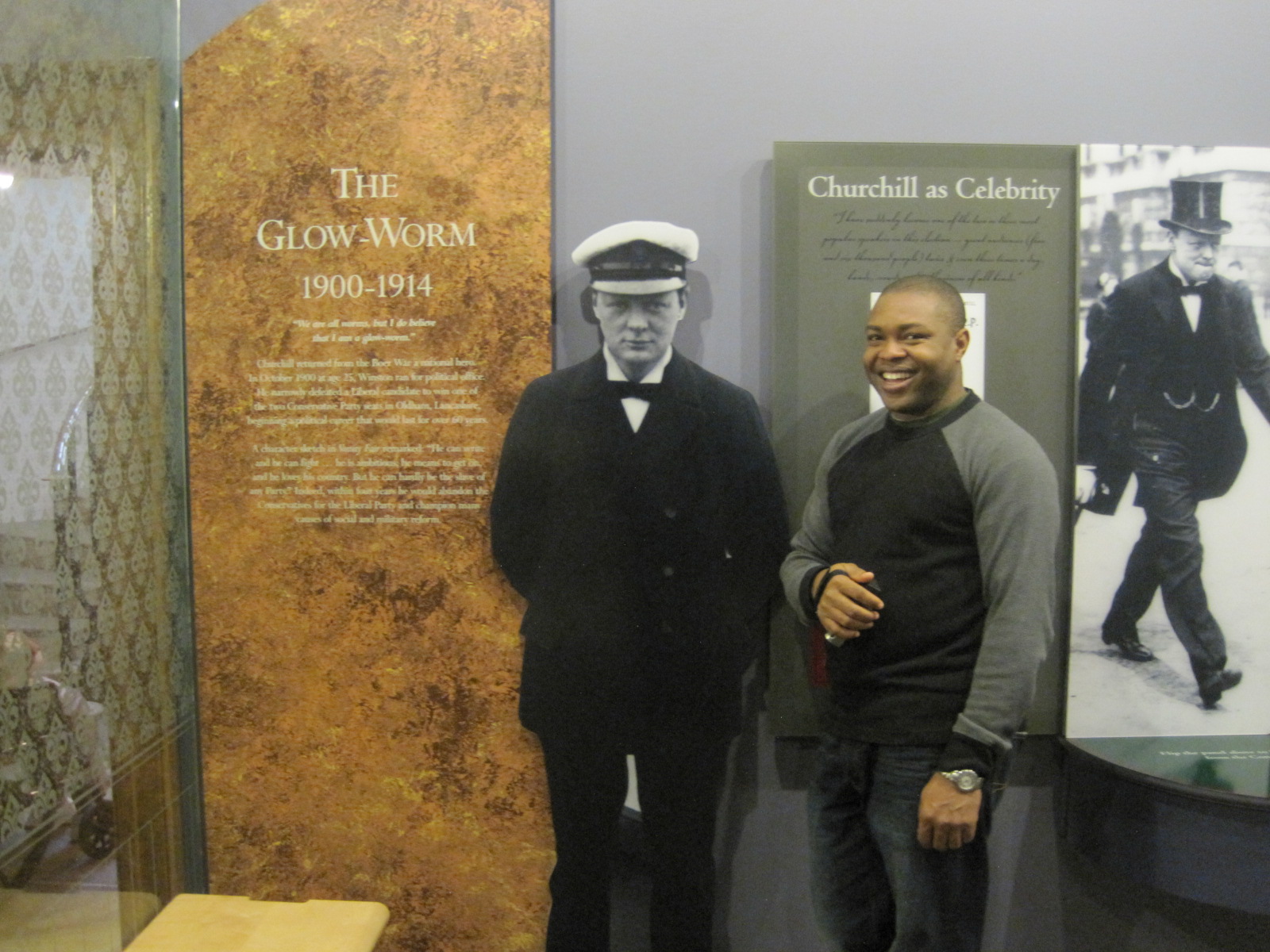
November 1, I wrote my Halloween post about a party I went to wearing dashiki. There were three highlight posts in November. One was on How to Survive on a Fulbright Stipend (November 3) which seemed to have helped new Fulbright aspirants by the number of visitors that Google brings here to read it. Then there was the non-fiction narration of a part of my childhood (November 11). Because of the response to that, I’ve been writing more privately on my influences and memories. The last was “Saving the Words” a short expose on the death and survival of language through the words that are their vehicle (November 14). The post was reproduced in many places online including two Nigerian newspapers, with due credit, but all without permission. Between November 26th – 29th, I visited the Churchill Museum at Fulton, Missouri, the National World War Museum (Kansas City, MO) and Oklahoma Joe’s in Kansas in company of three other friends.

December 2, I wrote about my influences from Richard Feynman. December 8, got my first parking ticket in St. Louis (most appropriately) after driving a current Fulbright teacher of Arabic to the airport. The post that got most views is The Pleasure of Swallowing (December 19), of course: an ode to food and the art of it. And let us not forget Of Books and Used Books(December 20) where I made a point of my disgust for physical libraries because of the nuisance they cause to physical space, and how having access to used books makes it easy for people like me to get to read what I like to read. I also set up a wishlist for those who might be willing and able to send me anonymous gifts of those books (which I intend to read, and review on this blog) or any other item.

________________________________

There, the journey so far. One book, one short story, many reprints, many works in progress, plenty photographs and over seven hundred blog posts later, we’re still here. May the next year bring more rewards, and many more interesting discoveries, and people.

(Please take a moment to vote in the new poll on the right. I’d like to know which posts interested you the most this year. Thank you.)
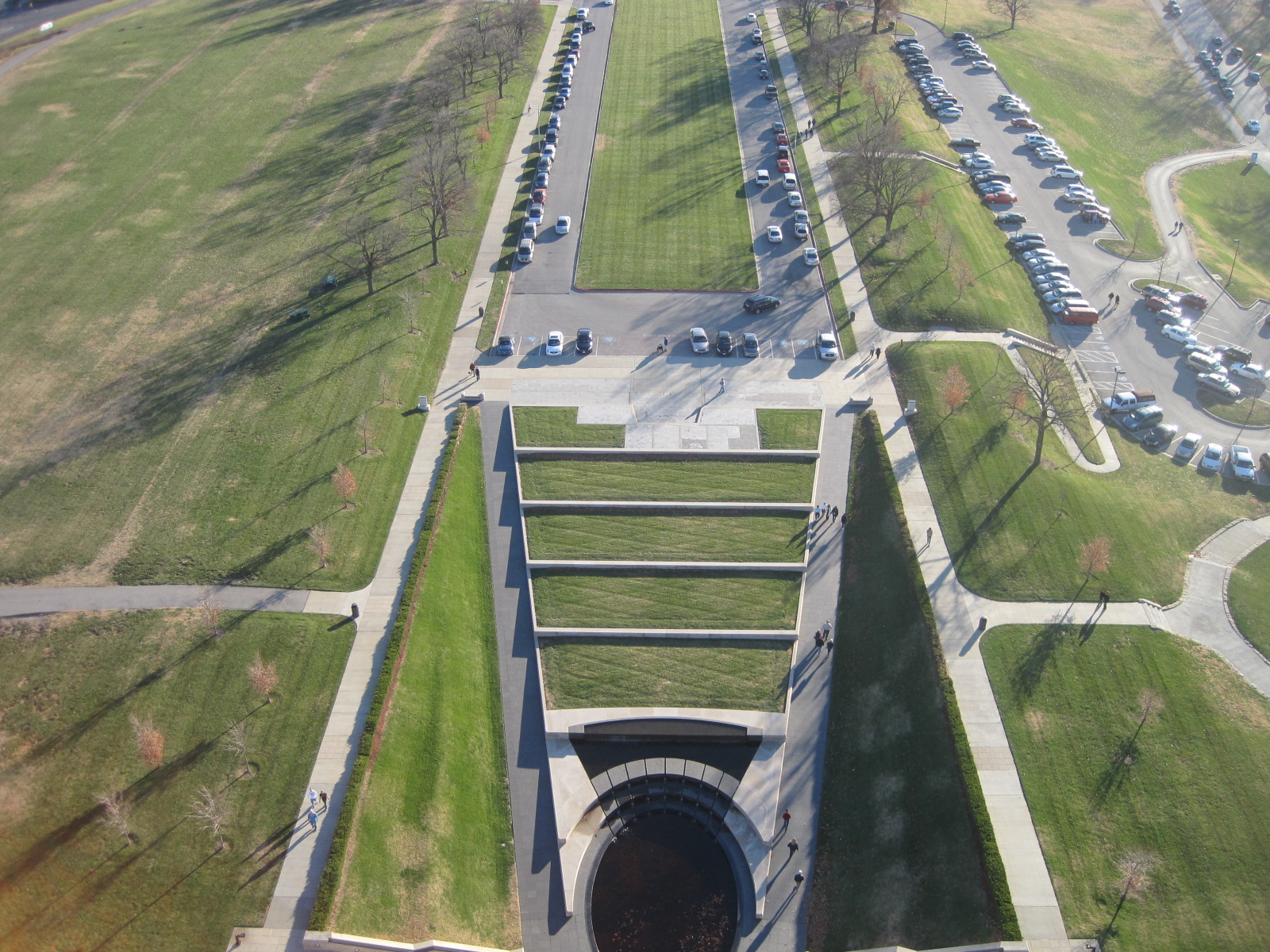
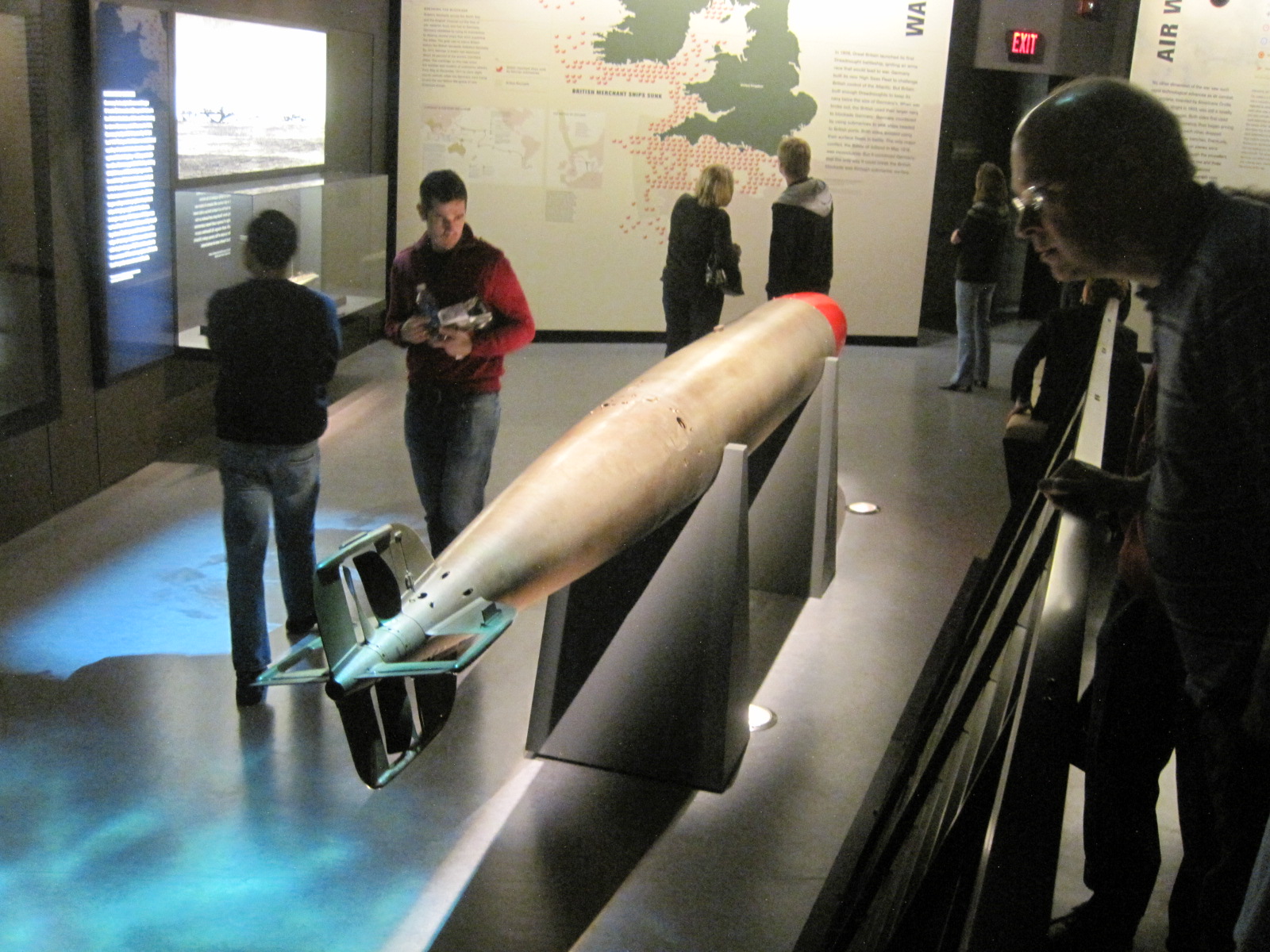
The National World War I Museum: Pictures

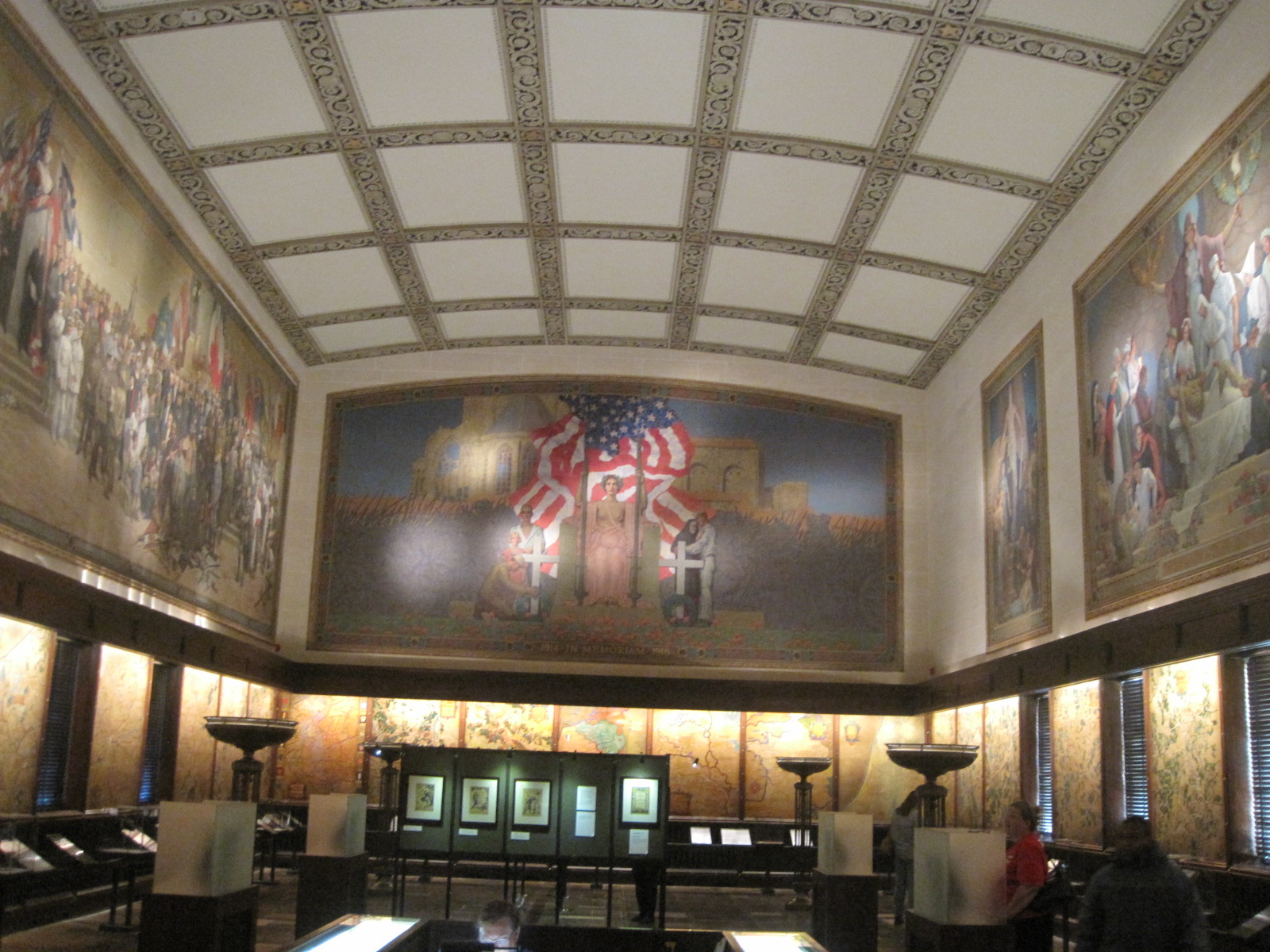
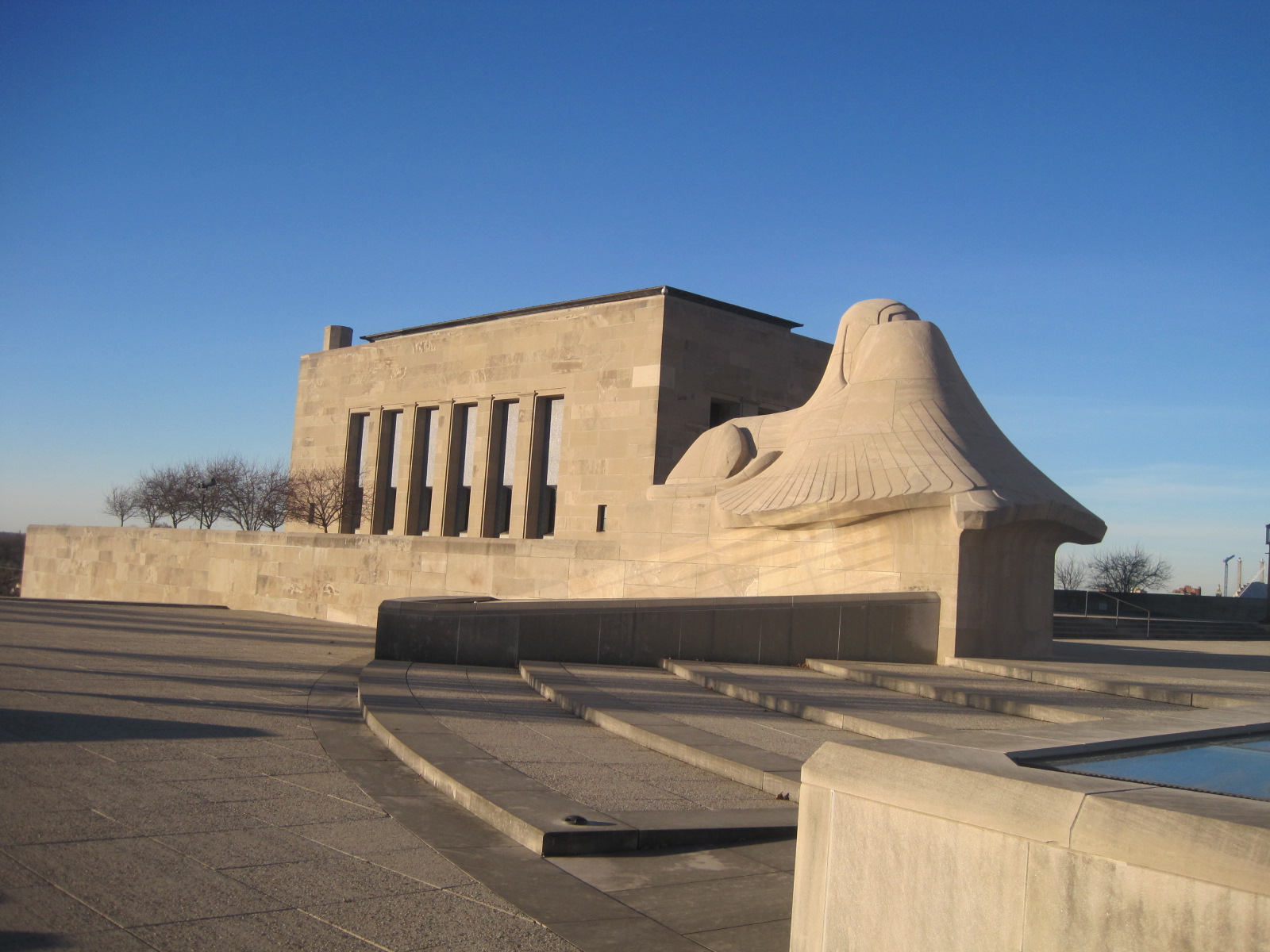
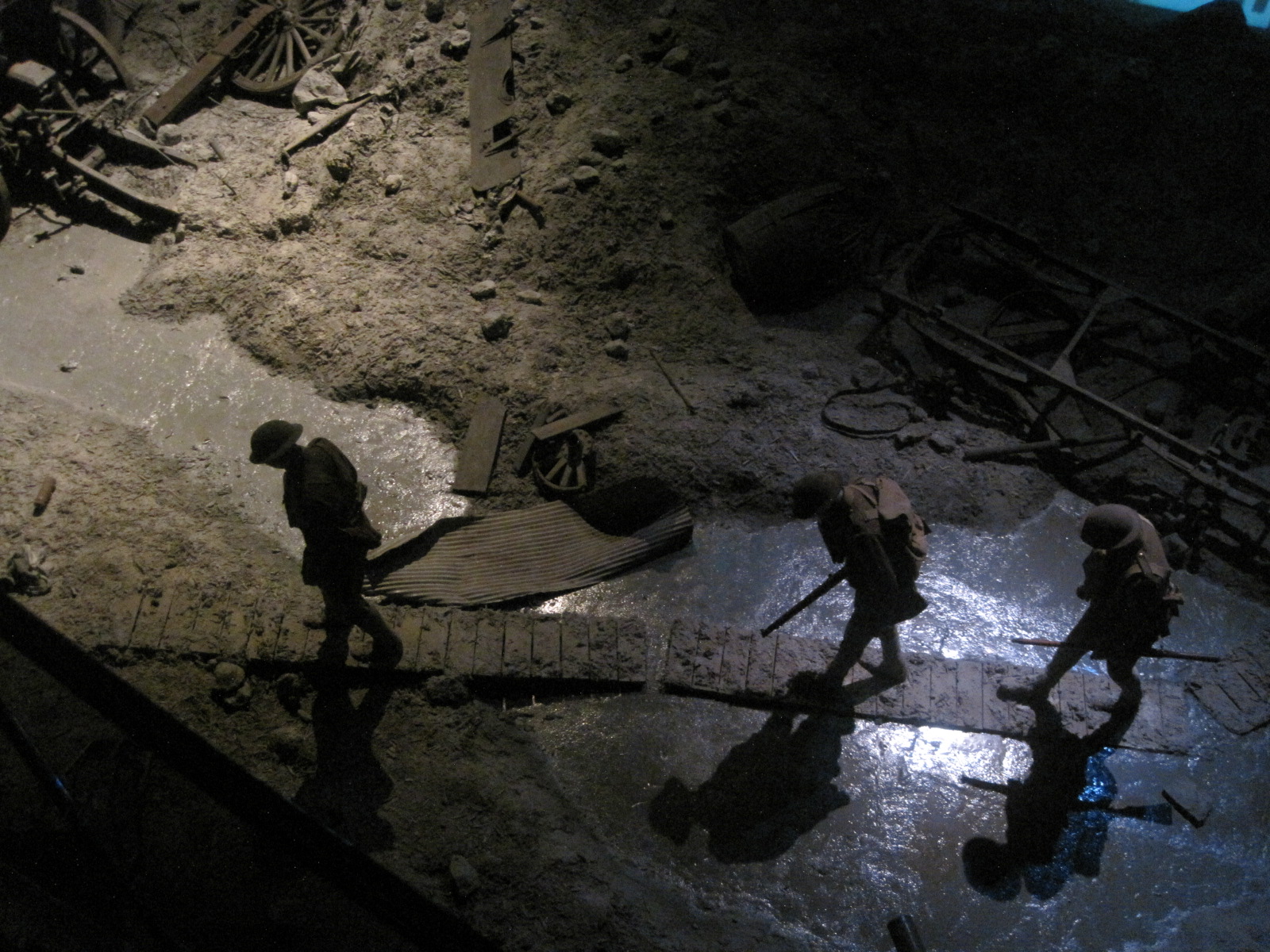
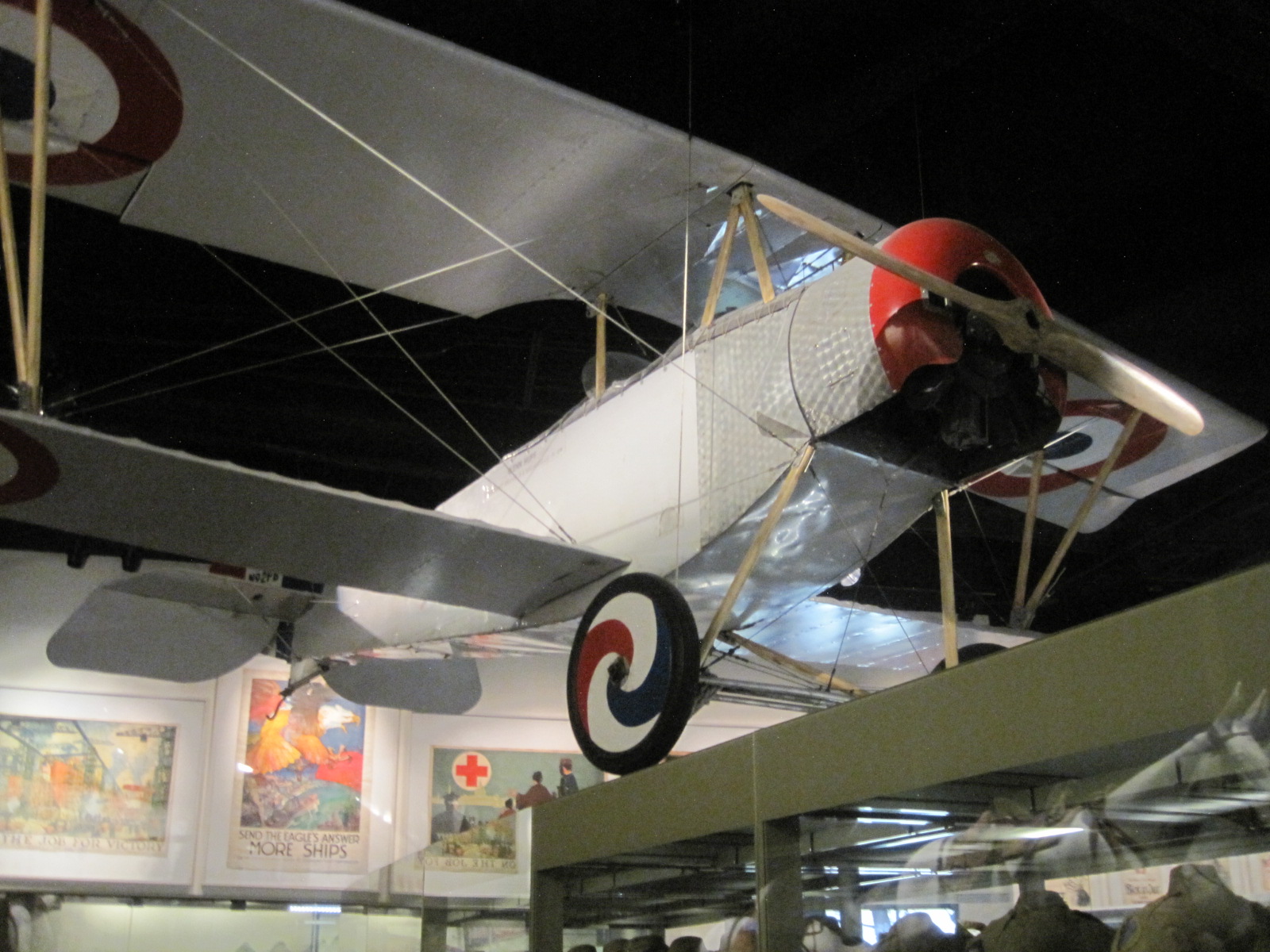
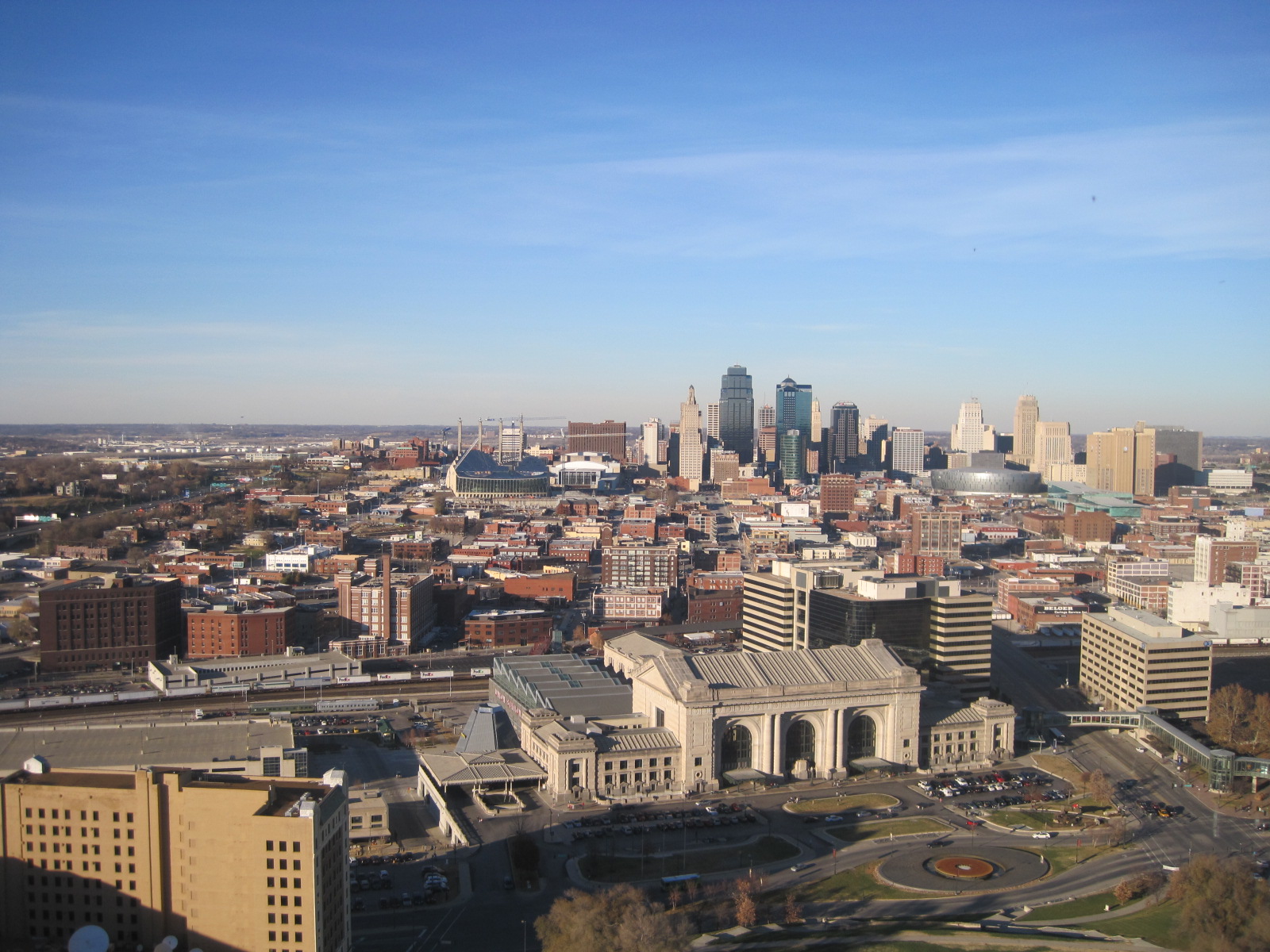
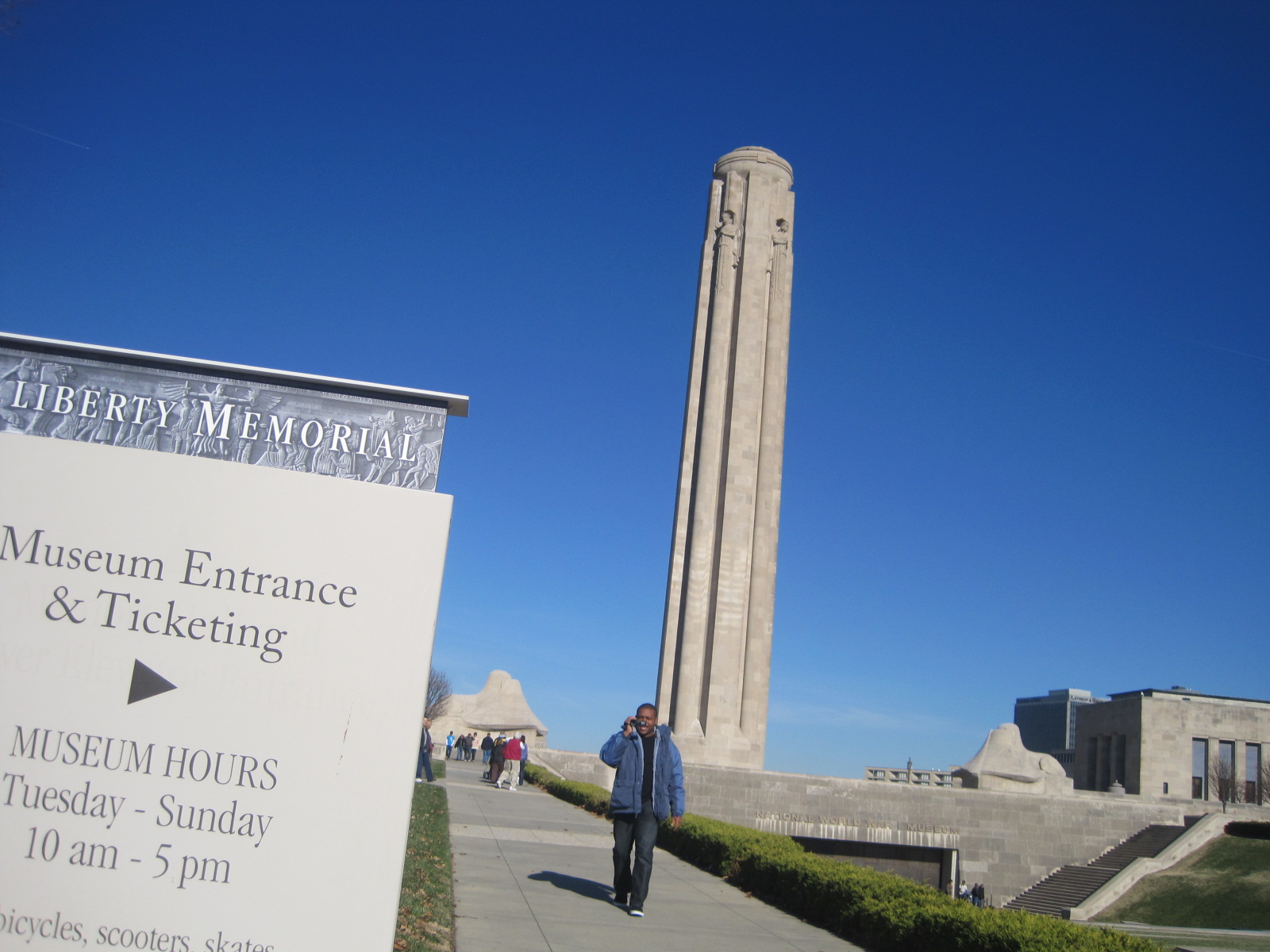
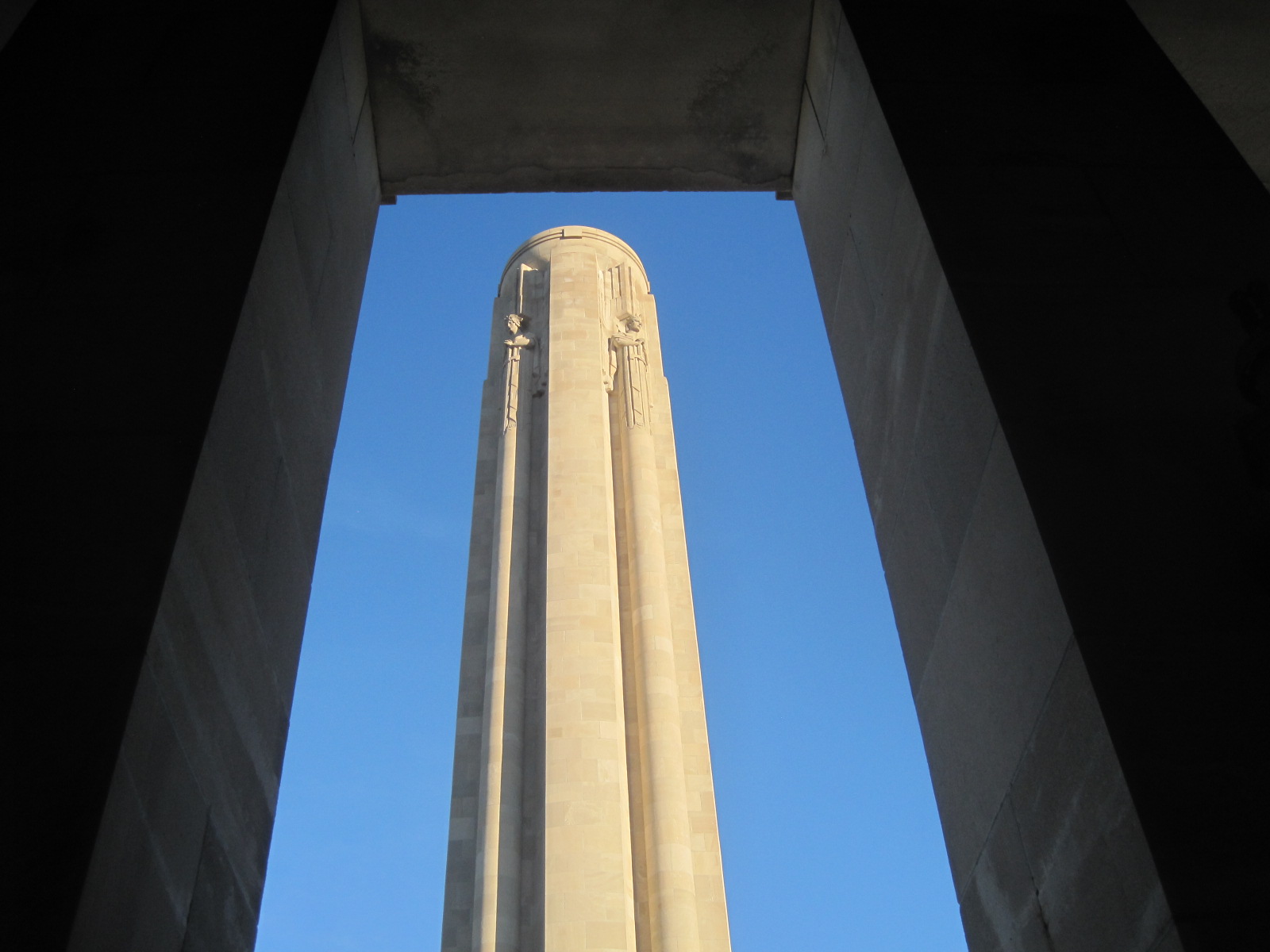
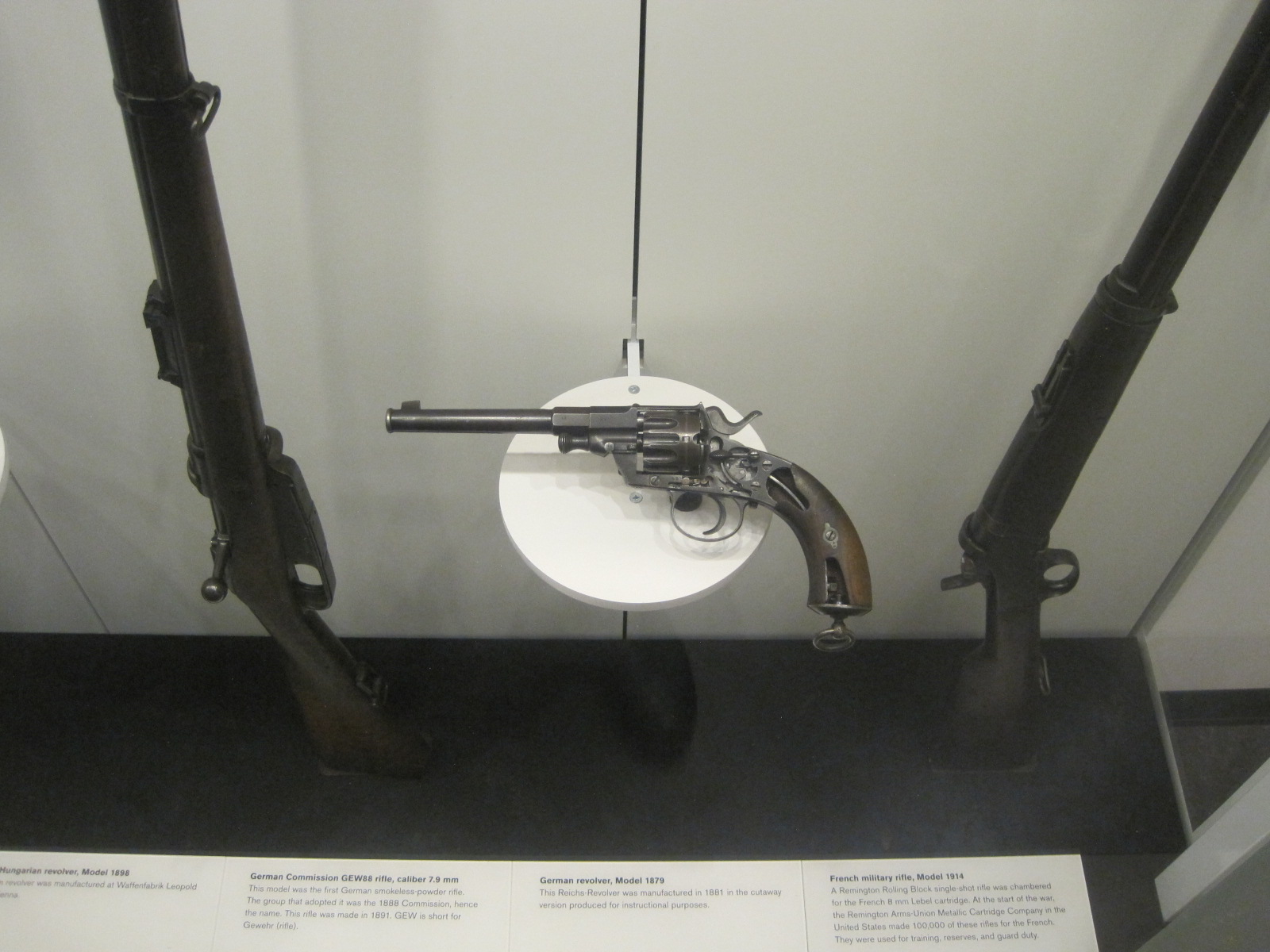
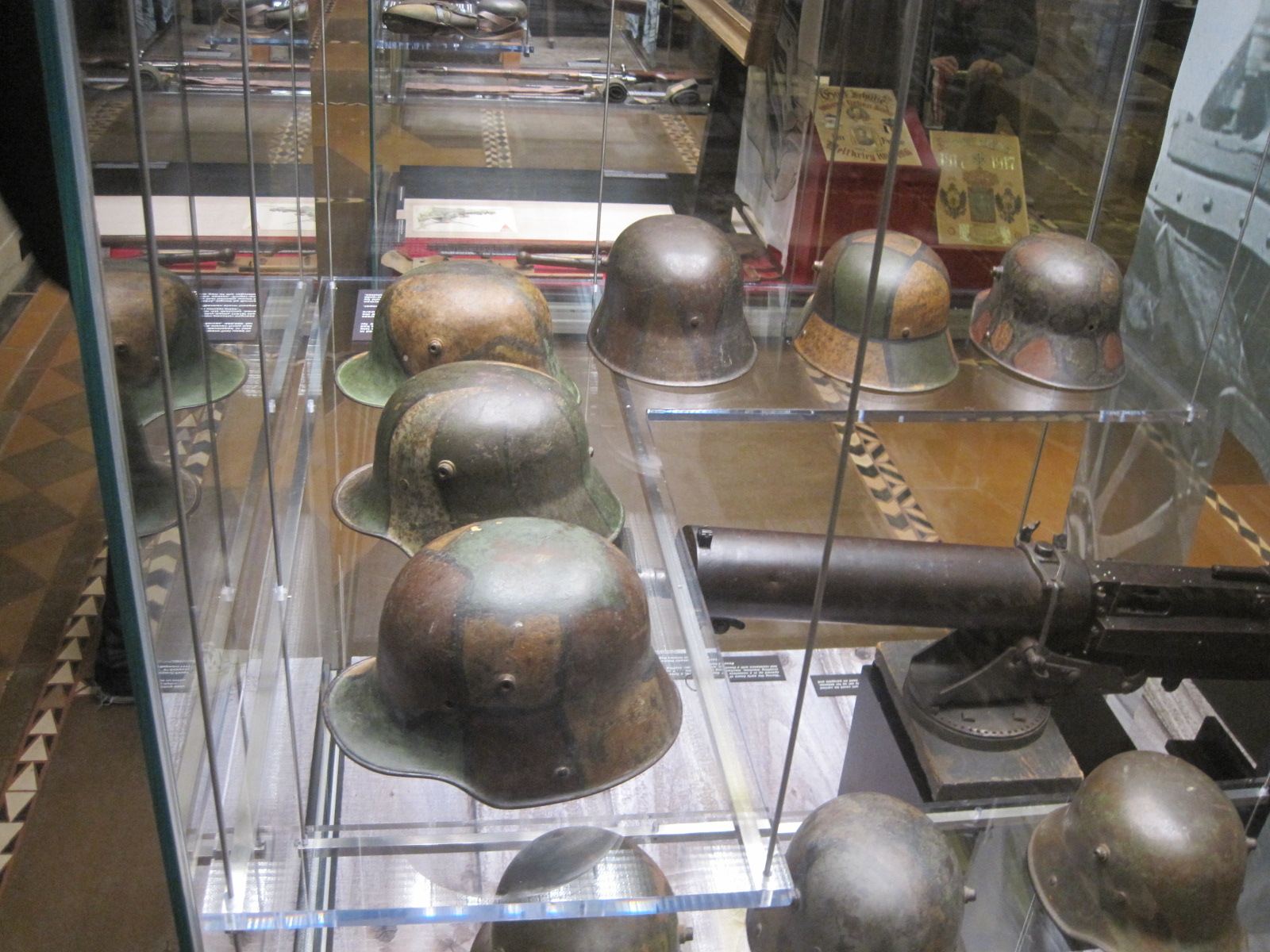
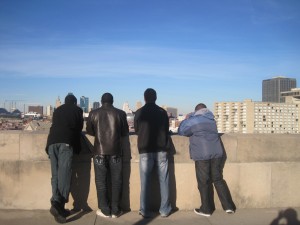
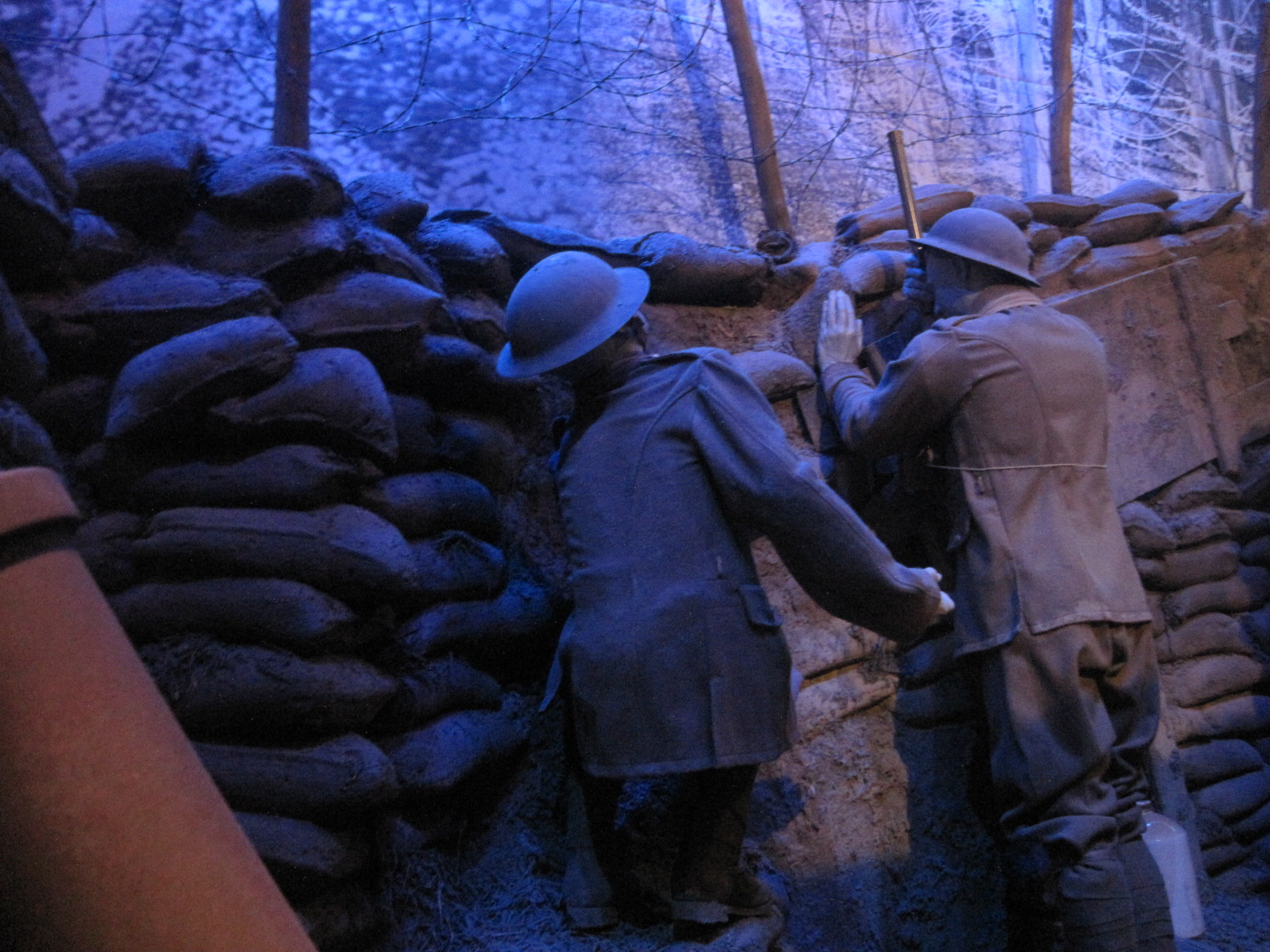
A torpedo, a view from the Liberty tower, one of the sphinxes on the property, a hall full of paintings, a real plane from the war, trench and war replicas, the Liberty Tower, the city’s skyline from 217 feet, a revolver, and the Tower again.

Studying War in Kansas City

There is soooooooooo much to see at the World War I museum in Kansas City (MO). It is an enormous research institution and monument to one of the most brutal wars the world had ever seen up until that time. World War I was so large it was called “The war to end all wars.” Thus was the level of sophistication that went into its execution, thebrutality of its reality, and the great number of its casualties, the long period of time it took before the guns fell silent, and the implications it had for future wars that have taken place since then.

The World War I memorial is as equally intimidating in size, scope and content. It contains real artifacts of the war: guns, cannons, flags, uniforms, knifes, bayonets, boots, hats, torpedoes, bombs, grenades, canteens, airplanes and numerous flash presentations of the war casualties, fronts, progress and dates. There was also a film show of the situations that led to the war itself, from the Industrial Revolution to the killing of the successor to the Austria-Hungarian throne Archduke Franz Ferdinand. On walls and under the sole of our feet, beneath glass flooring, are so many several other markers from the great war – along with pictures of soldiers from all parts of the world who enlisted in defense of their colonial masters. That includes soldiers from the British colonies in India and much of Africa, including Nigeria.

Outside the large expansive building that houses the artifacts is a 217-foot statue which provides a view of the city. The Museum, also called the Liberty Memorial was opened and dedicated on November 11, 1926. It was named a US Historic Landmark in December 2006. It would be impossible to visit the facility without leaving with a profound appreciation of the power of history to move and to greatly affect. I had a renewed appreciation for the situation of the world before the great war, and added so much to my knowledge while musing on the fact that less than three decades later, the world was entangled in another world war that would change the world or the concept of war forever.

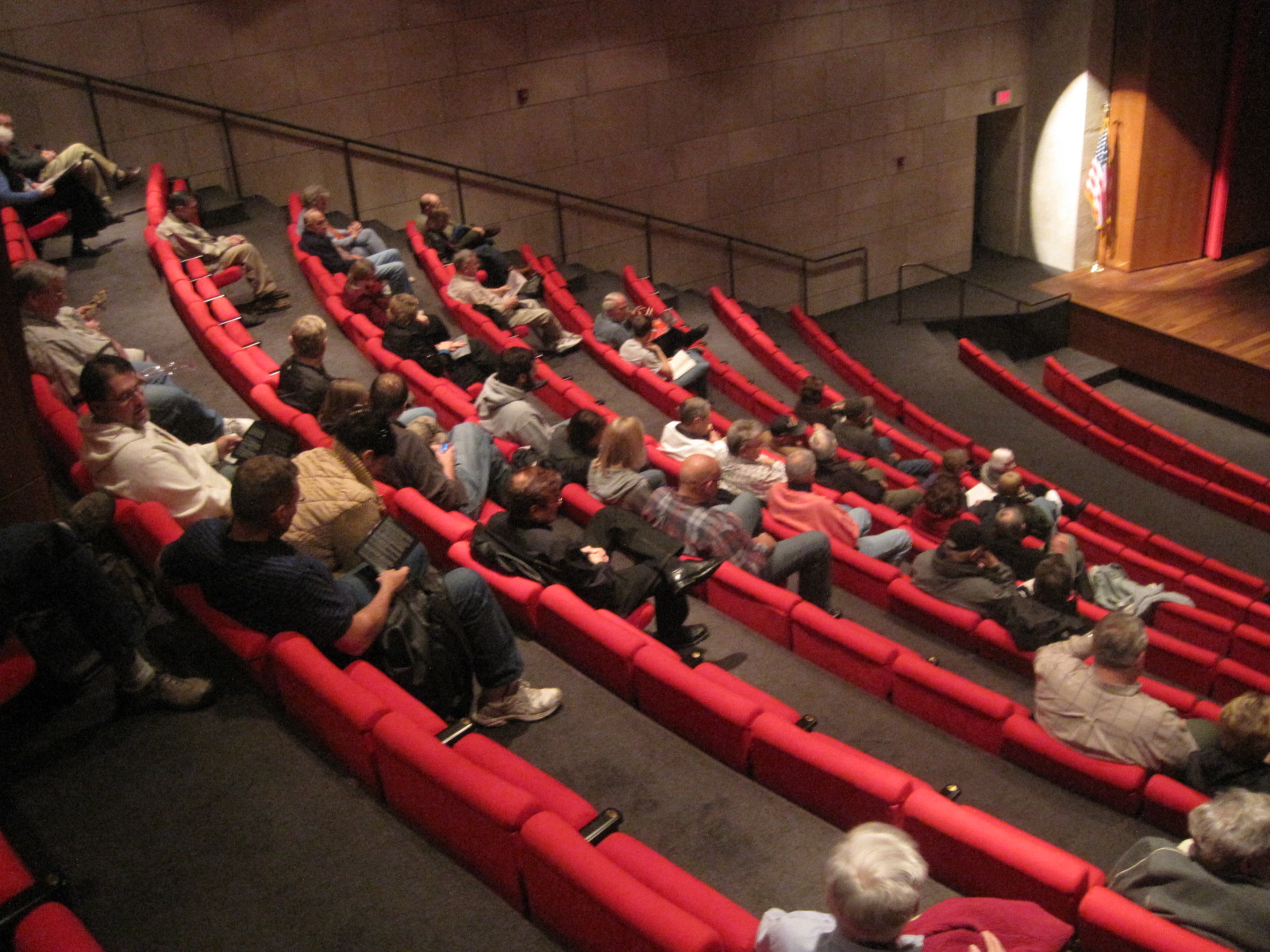
A premier screening of a film at the museum theatre about the life of the 5000 “Polar Bear” soldiers of the United States who had been left stranded in Russia after being sent to fight the Bolsheviks would make it all even more worth it. It was being screened for free to members of the press and the public. Think the US never invaded Russia? Think again. It was the first time the story of those small group of soldiers in the war was being told in film and exhibition, and we were there to see it, and listen to the producer, director, and some of the actors talk about their influences and motivations. Harold Gunnes, the last surviving members of that American unit (was born in 1899), died on March 11, 2003. According to Wikipedia, he was believed to have been the last living American to have fought in the Allied Intervention near the port of Arkhangelsk on the White Sea.

At the end of our tour of the many rooms and exhibitions of the facility, we took a trip to the top of the tall Liberty Memorial monument and had a few pleasant moments enjoying the breeze and taking in the beautiful sight of the city from 217 feet. After that, we returned downstairs to examine another exhibition titled Man and Machine. It was there where one of the curators took a look at the four of us and asked, seriously, “are you guys soldiers?” I laughed, until I realized that he wasn’t joking. He later explained that he asked because he was looking for whom to ask what purpose the bolts at the two ends of standard issue soldiers’ helmets were used for. None of us could provide an answer. (I’d be glad to take answers from knowledgeable military men out there.)

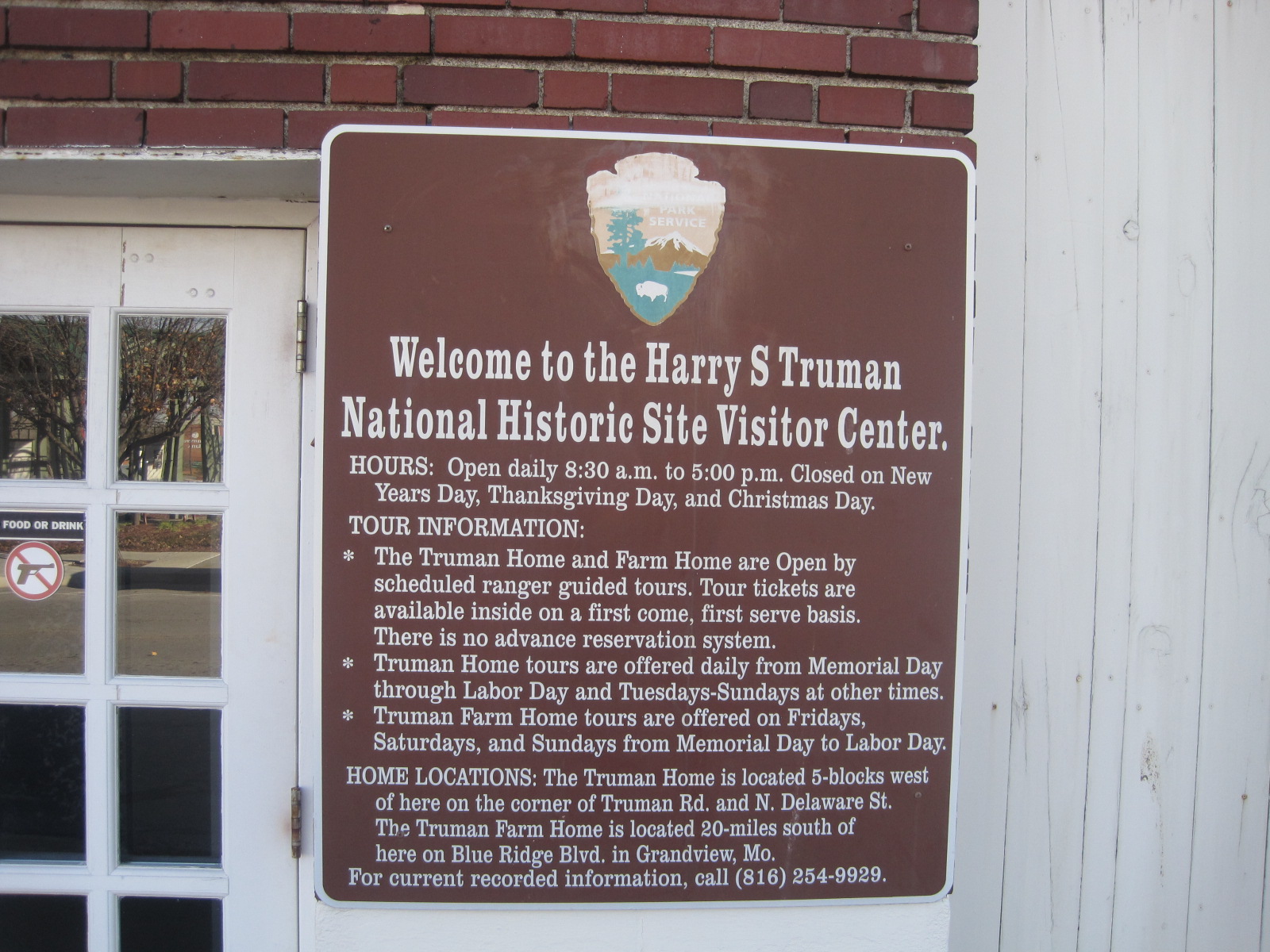
After taking in sights and knowledge of war for two nights straight, it was only fitting that on our way back, we dropped by at Independence, Missouri at the home and Presidential Library of the man who ended the second war with two atomic bombs, Mr Harry Truman. A journey that began with a visit to the Museum that holds the artifacts of Winston Churchill – the British reporter, soldier and politician whose life spanned the two wars was fittingly ended through the town of Truman on the way home.

It all made sense. Iran and the US are on a constant face-off that is likely to escalate, North Korea had just attacked the South on a reason that seems mundane from a distance of common sense, Pakistan and India are always at each other’s throats, and there are numerous other conflicts and alliances in places all over the world, in the Middle East, all waiting for the little igniting match.

All it took for the World War I to start was the sound of gun shots on the streets of Sarajevo. Who knows what is going to trigger the next one, and where its museum and memorial would be sited. (Maybe it would be on an abandoned mountain in a desert island – the only remaining healthy place to live in the world.)

On returning, it all seemed like an intensive dream of several noise and scary images, a discordant feeling of sweat, shortness of breath, and running through trenches and sound of cannon guns. Maybe the knowledge of past wars would be enough to halt the beginning of the next one. Or maybe not.

Meeting Sarah Palin & Other Stories

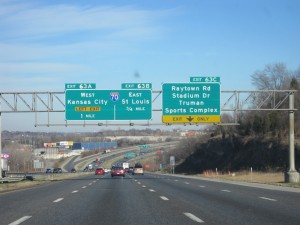
It is actually a small country, if one considers the fact that in just the two nights that we spent in Kansas city a fewspecial celebrities of the American space decided to show up there as well. First there was the famous college basketball finals game between Mizzou (Columbia University, Missouri) and the Jayhawks (of the University of Kansas). The event brought much of the midwestern lovers of college basketball to Kansas City where the event took place, and they remained there till the next day when Mizzou won. On Saturday was Usher Raymond the musician who on a nationwide tour. Yesterday afternoon, there was news of perhaps the biggest fish of the weekend: former Alaskan Governor Sarah Palin. She was in town to promote her new book America By Heart.

The town of Andover in Wichita, Kansas, where she was visiting was two and a half hours away, westwards. We didn’t go there to see her as we had first planned, but that was only because of the constraints of time. By Saturday night, about a hundred people had already arrived to stay the night out in the cold in front of the store where she was billed to sign books on Sunday, and the line to see her stretched eventually to about 500 people. Even if we had set out early on Sunday, we might not have stood much chance of seeing her and getting back home on time. We went to Independence (MO) instead on the way home to visit the President Harry Truman home, museum and Presidential Library. That turned out to be a good decision. We learnt about his life and his love for his old country home even when he was president and how people would always gather in front of his home every time he returned from Washington. President Truman was the successor to Franklin Roosevelt, and he was the one who ended the Second World War after dropping the bombs on Japan.

In the last three days, I learnt more about the World War I and it’s implications for World War II and other future conflicts than I’ve ever learnt from reading books or from conversations. It was a holiday well spent.

At Westminster College, Fulton

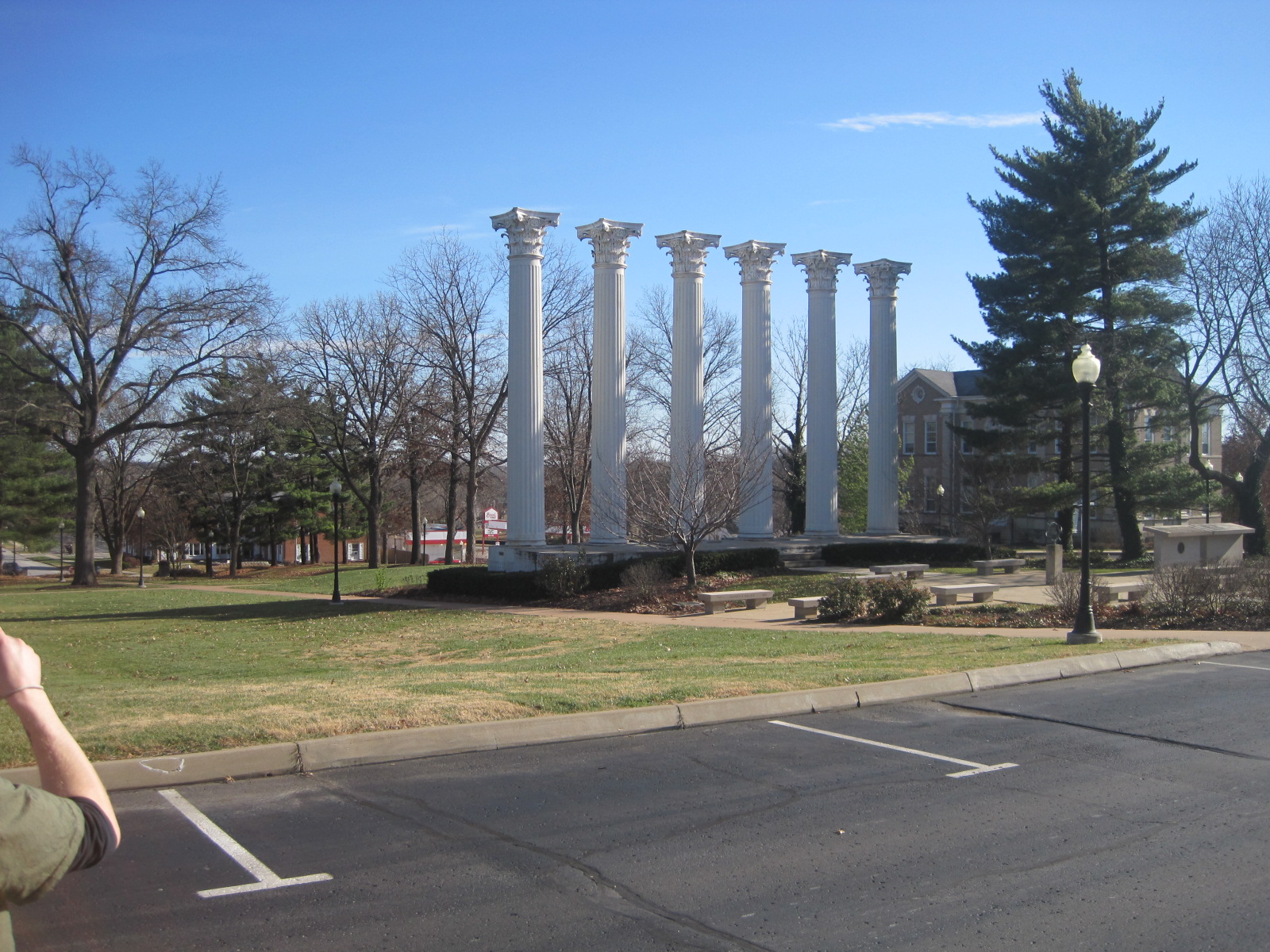
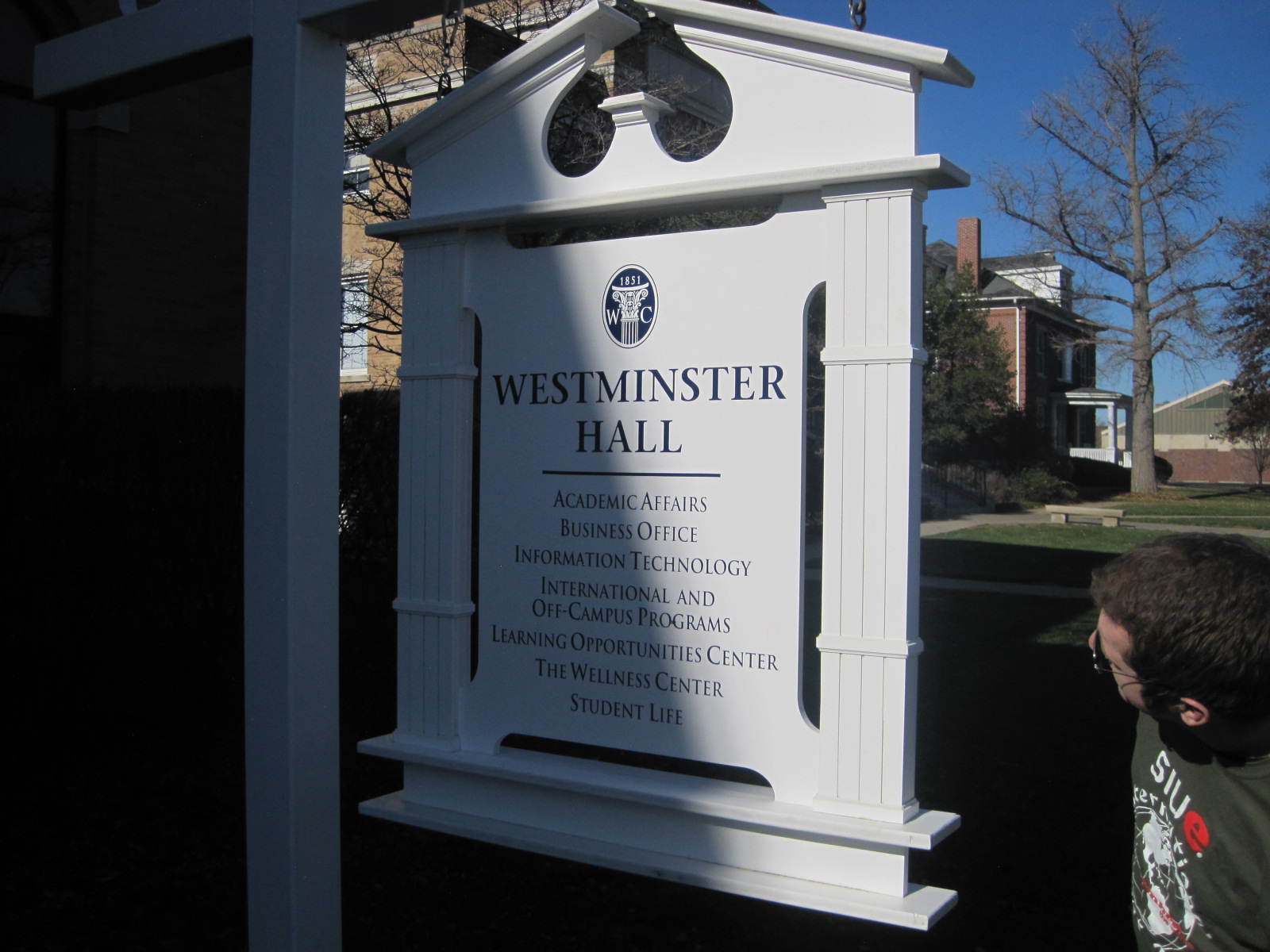
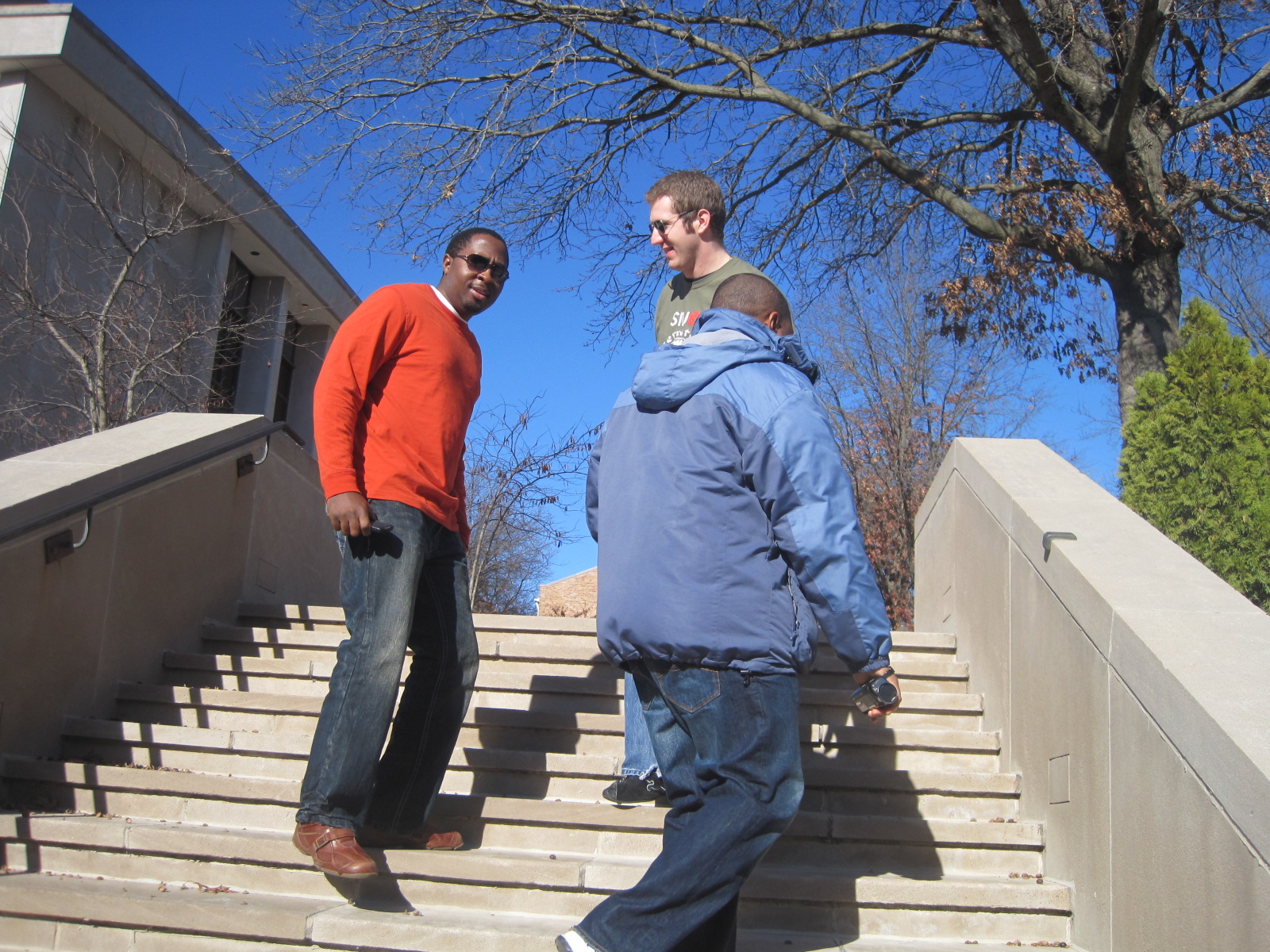
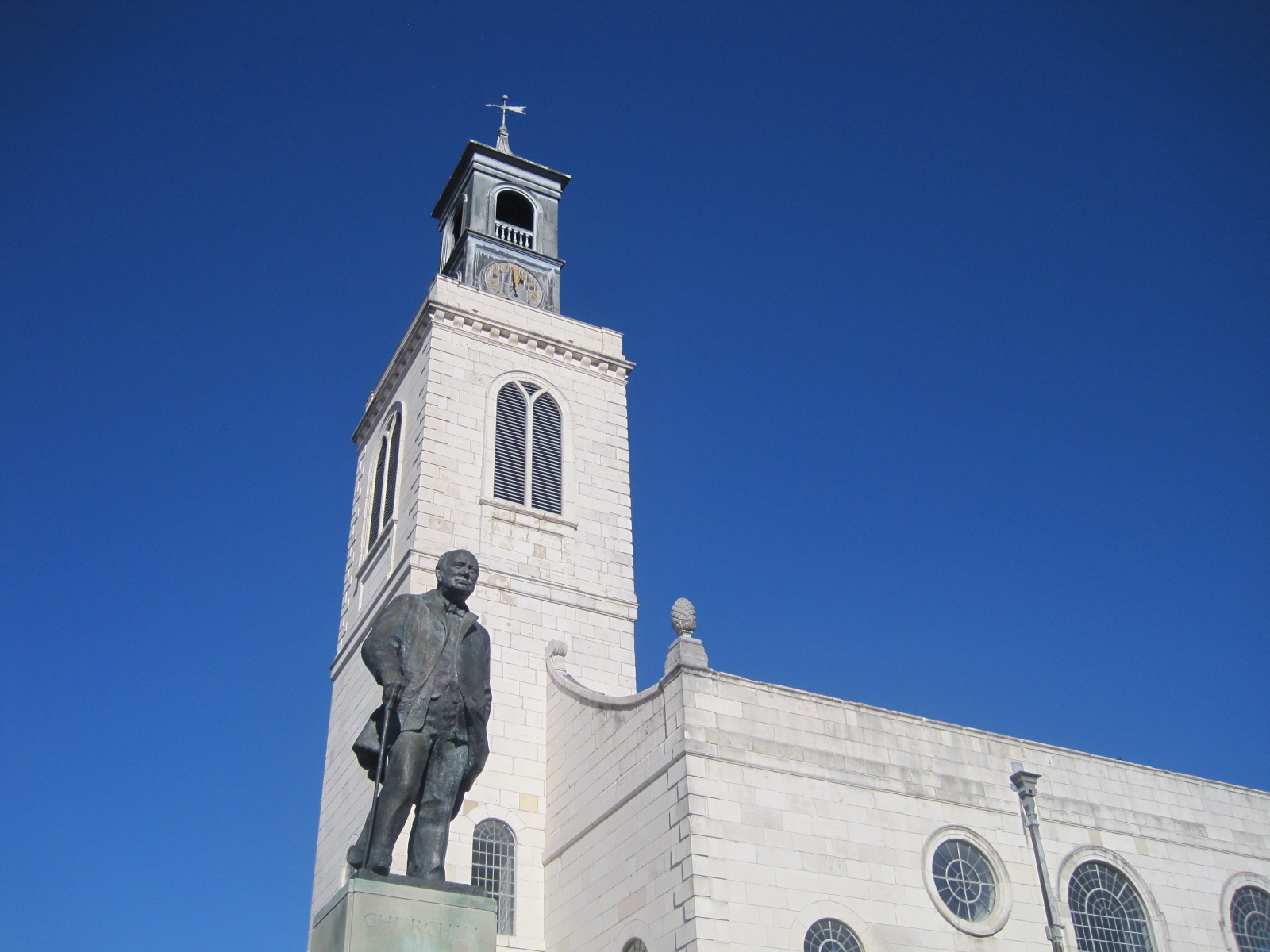
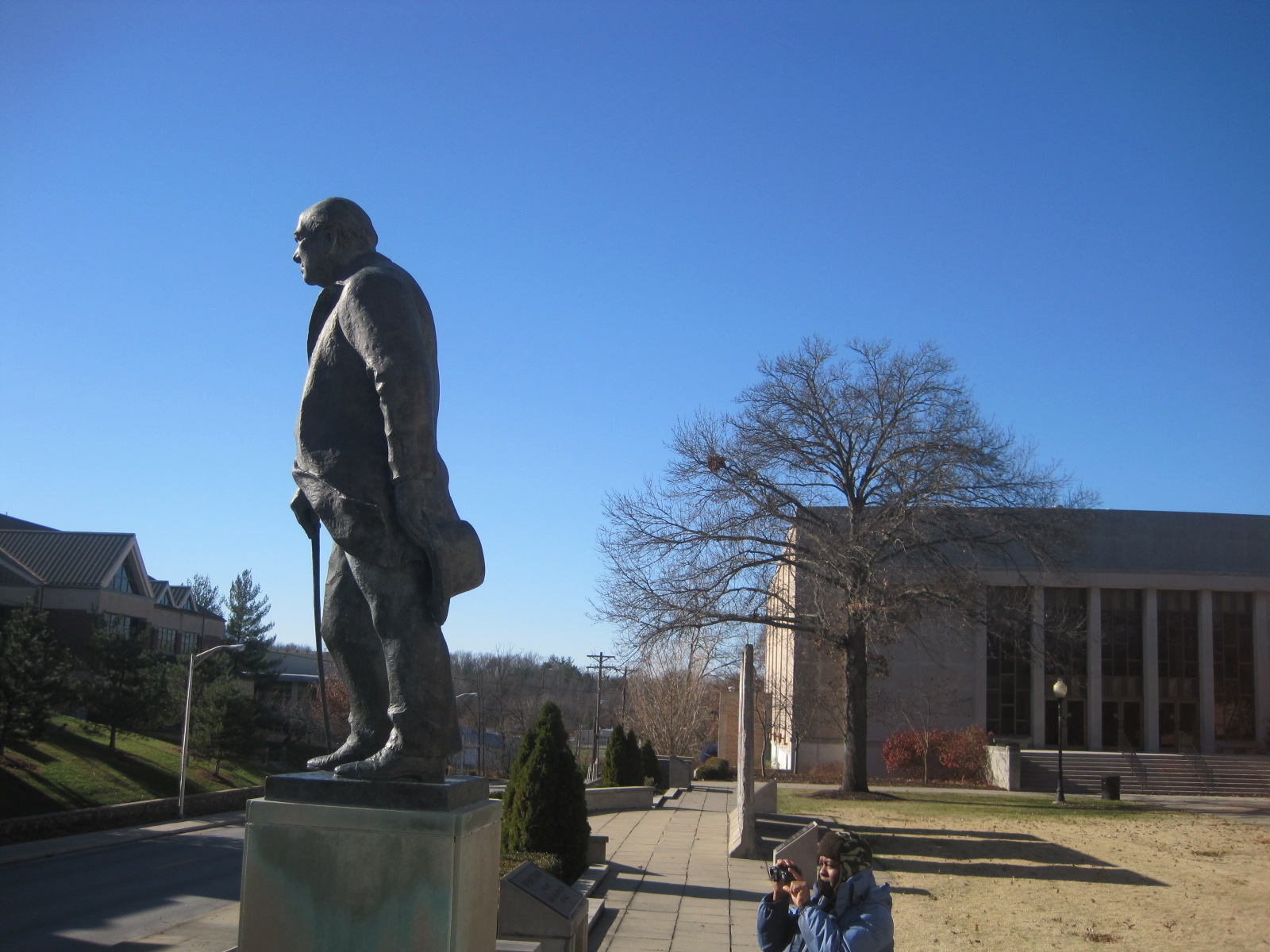
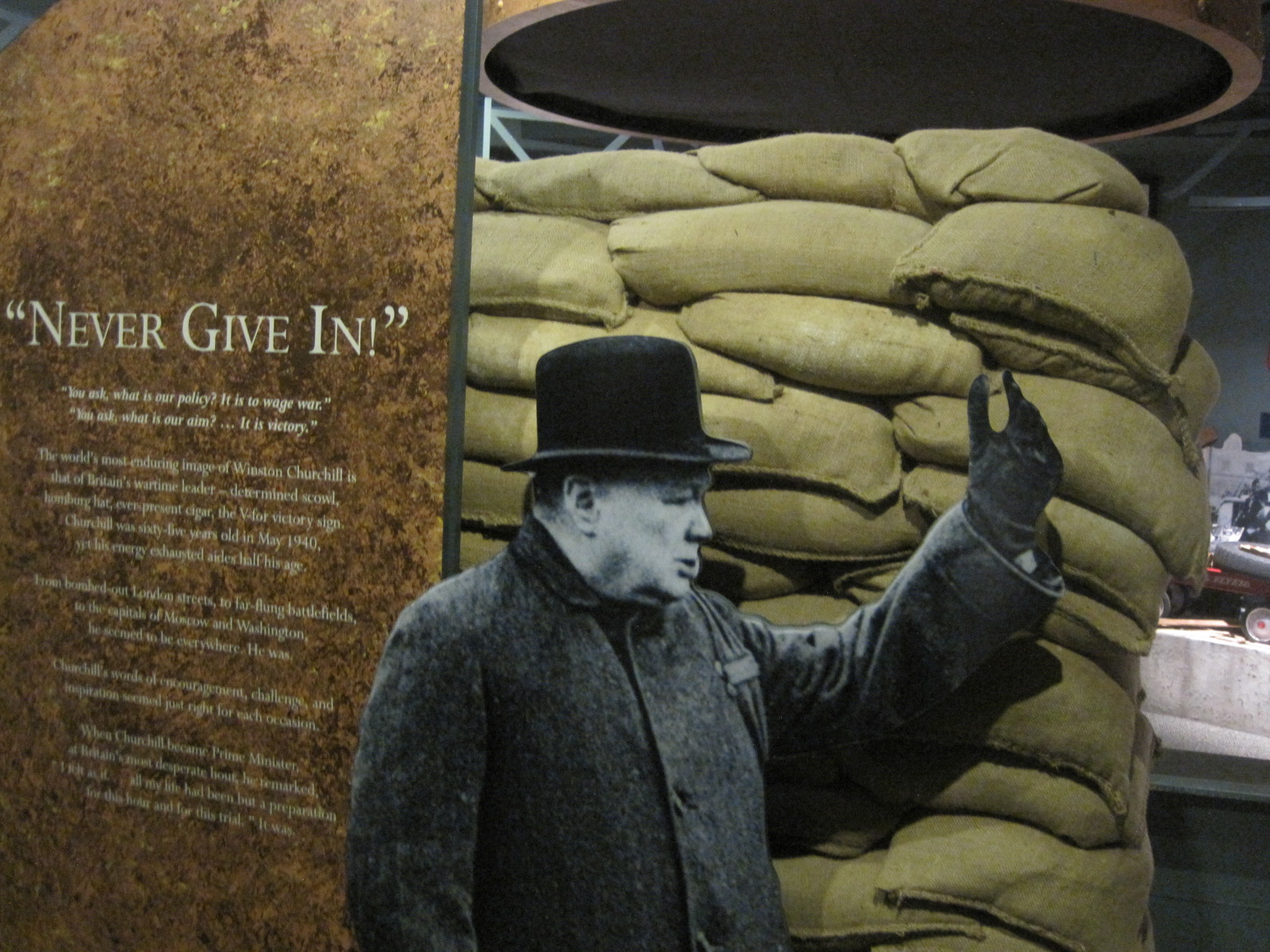
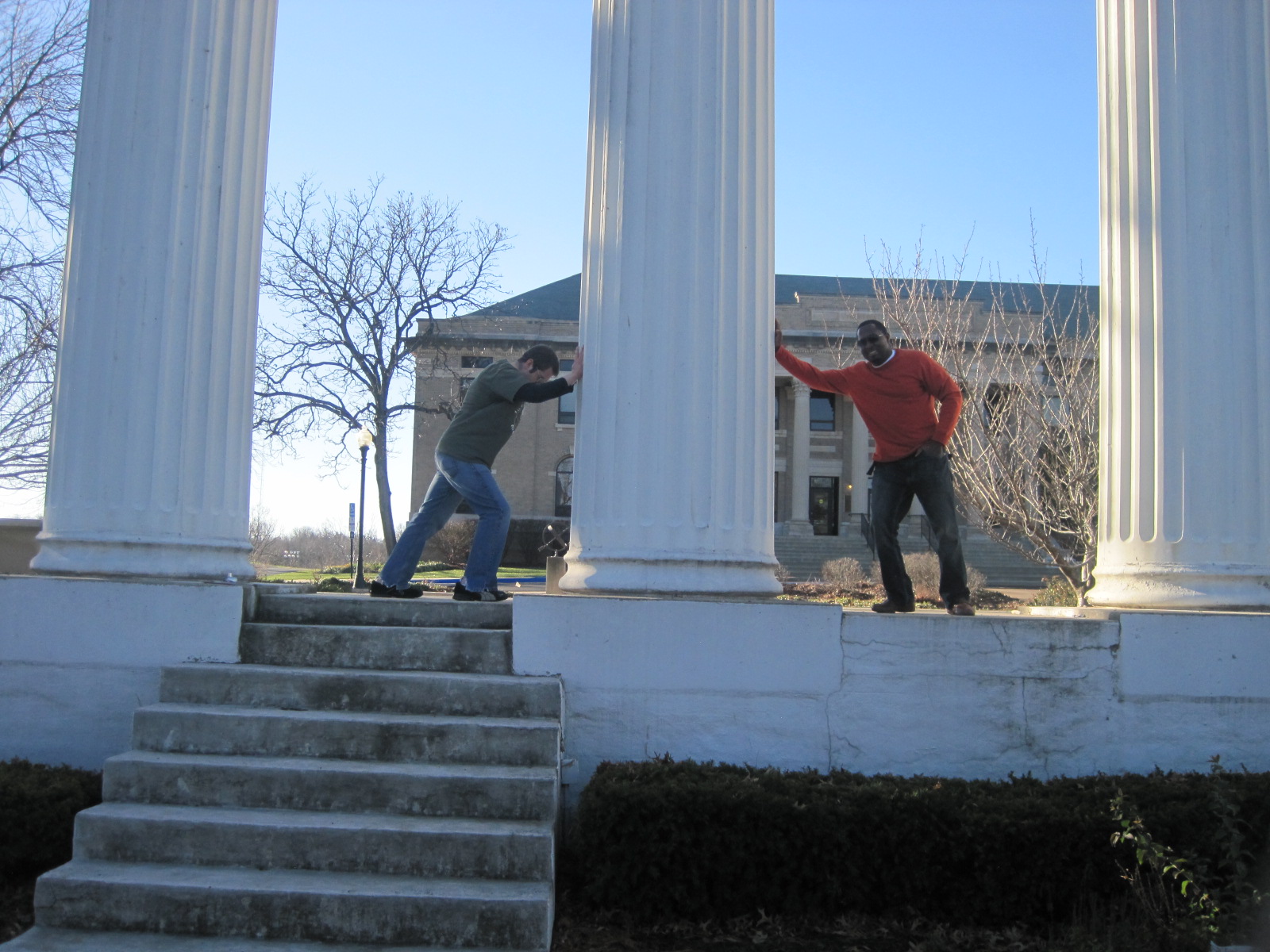
These are a few photos from the College that hosts the Winston Churchill Memorial and Museum (Churchill is perhaps the only British Prime Minister with a Memorial and Museum in the United States). I’m going to put the other photos from the Museum on Picasa whenever I can.

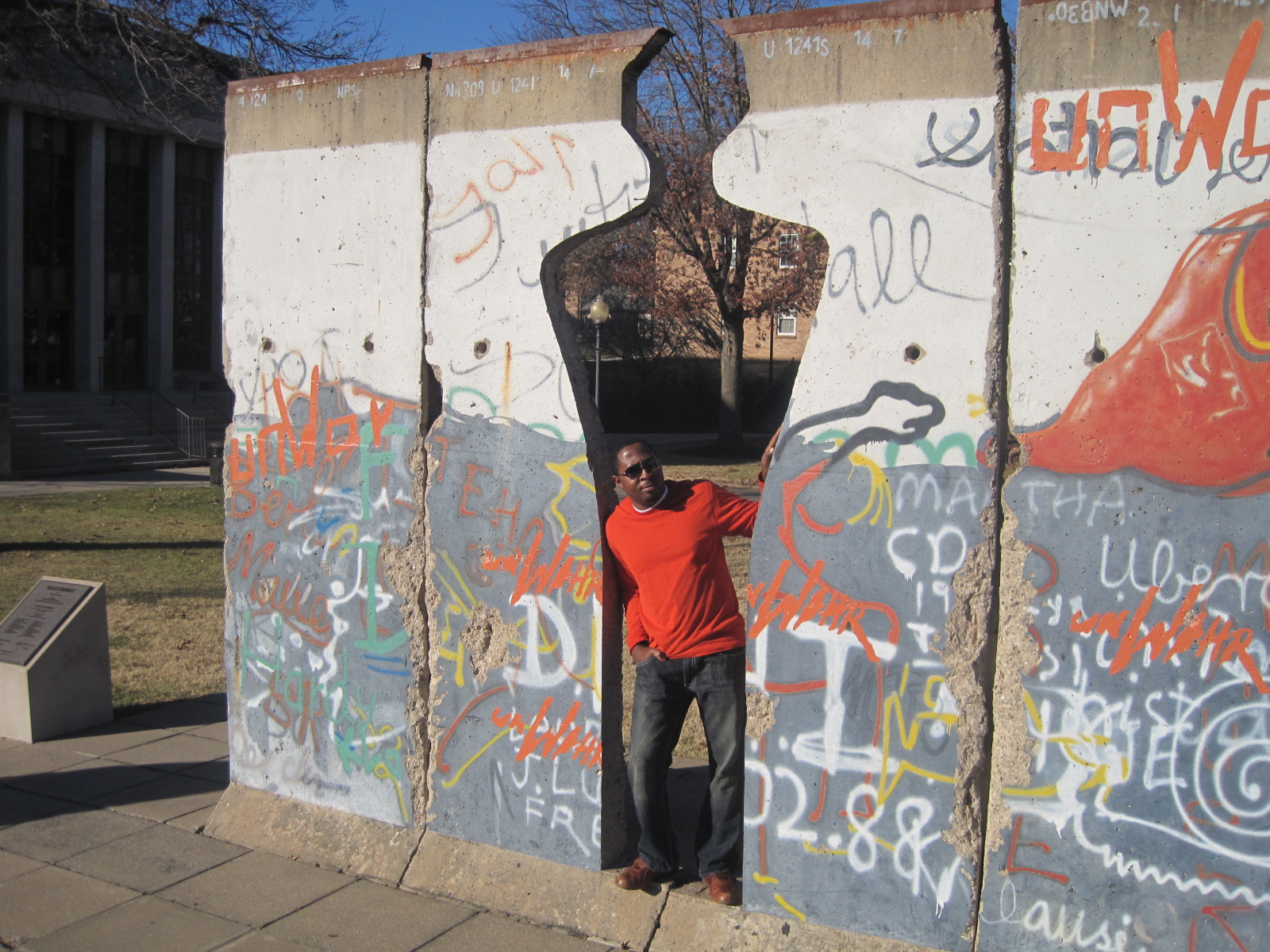
Along with short films, photos, and some other artifacts that tie this college to Winston Churchill, we also saw a replica of the Berlin Wall which the Prime Minister had referenced in his “Iron Curtain” speech. The “wall” had striking similarities to the real one, and had graffitis and other paintings on it.

At the time of the speech at Westminster in 1946, Churchill had seen far ahead of his many peers as it regards the ambition of the Soviet Union, but it would take years for the rest of the world to catch up.