Browsing the archives for the Travelling category.

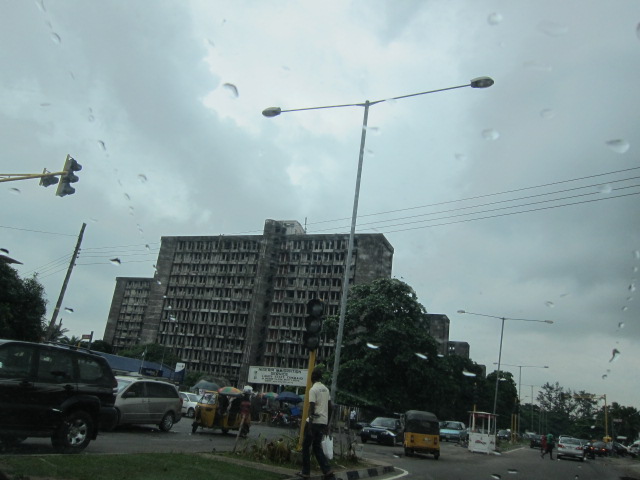
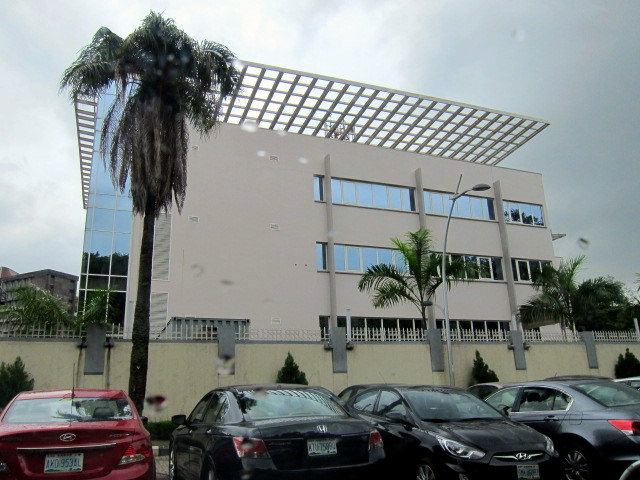
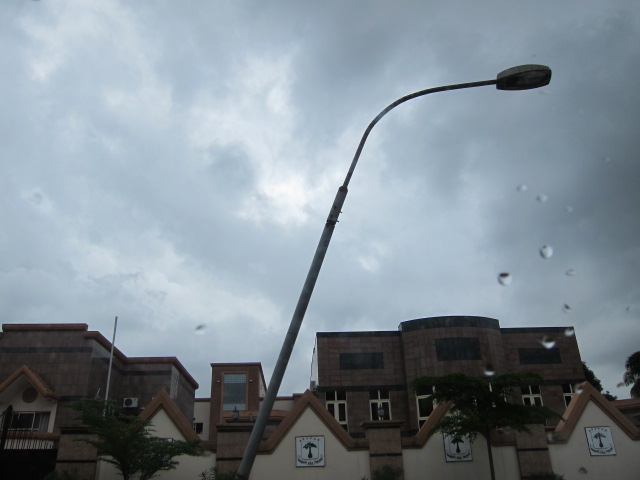
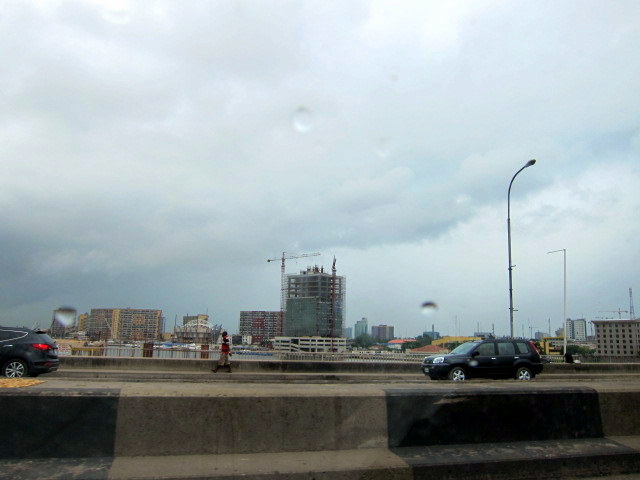
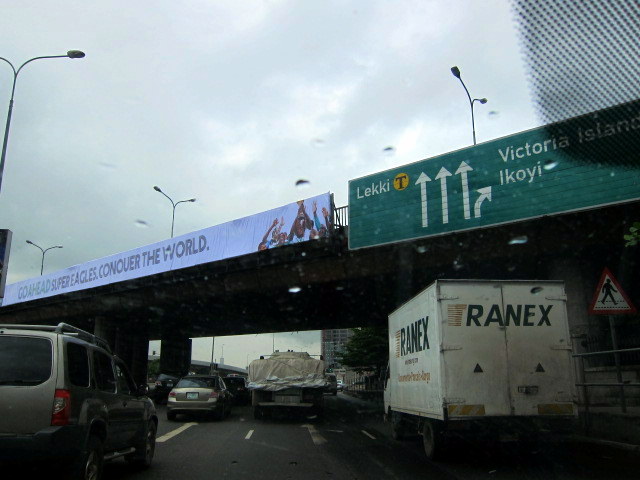
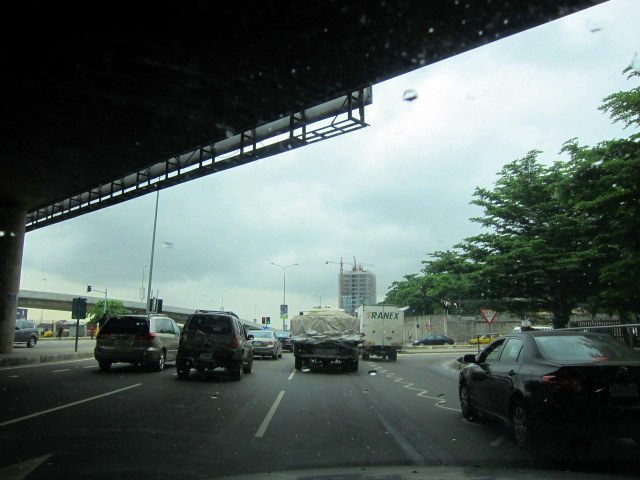
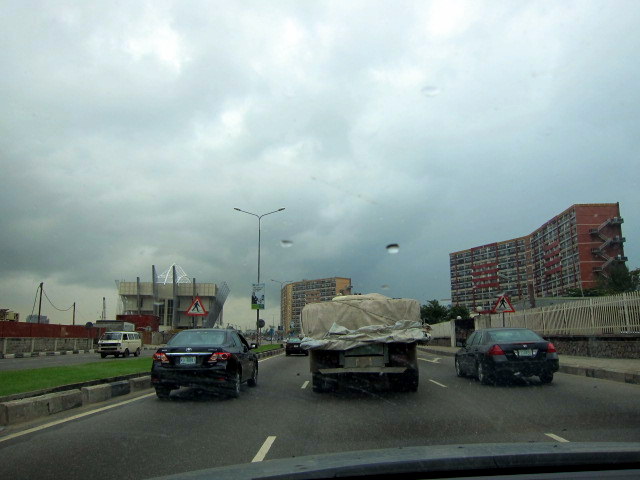
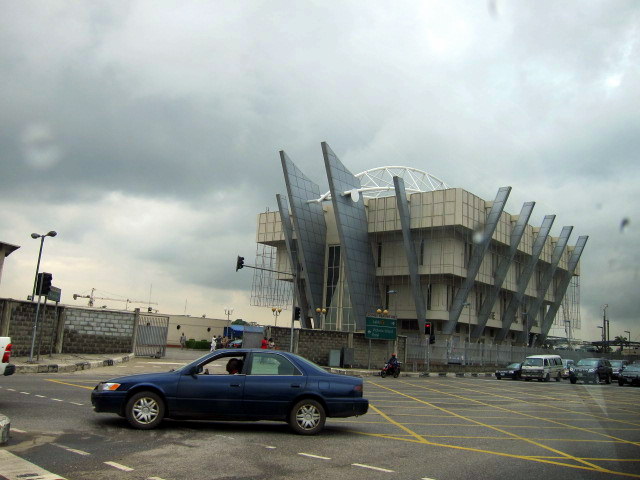
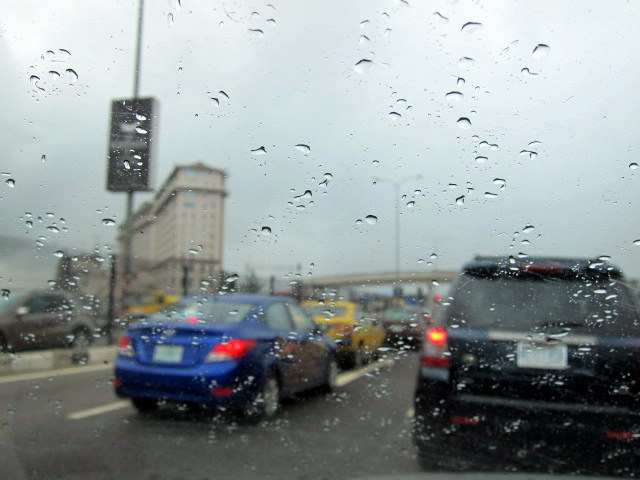
Lagos, Rain

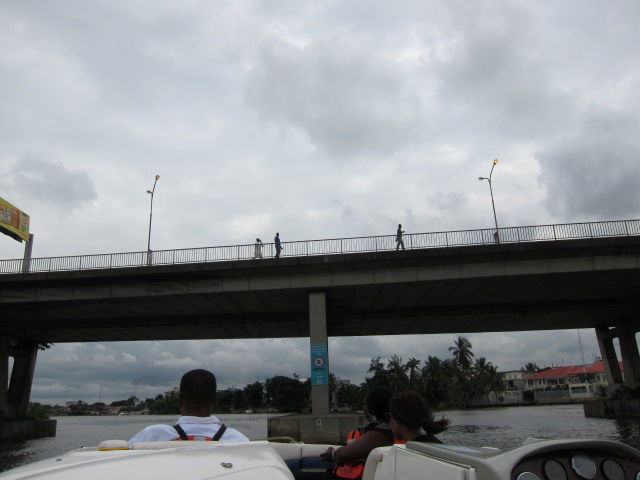
IMG_1707 IMG_1709 IMG_1713 IMG_1716 IMG_1717 IMG_1719 IMG_1721 IMG_1725 IMG_1726 IMG_1728 IMG_1730 IMG_1732A few caveats, which may or may not be necessary:

1. This is not all of Lagos. This is a result of an indulgent ride from Ikoyi to Lekki are of the state (some would say the better side of the state).

2. This isn’t the only face of Lagos during rainfall. It’s not even close. But the success of the public-private partnership that gave us the Lekki-Epe Expressway ensures that as long as the passenger stays on this highway, he/she would never witness the ugliness that is the innards of the city gutters during rainfall.

3. This aims to be as much about the blogger’s photographic experiments as with the fascination with the city itself, although, as he has often admitted to himself, the city holds much more in treasure for the curious traveler than one can immediately tell from a cursory look.

Enjoy.

DeSlumifying the New Lagos

I’ve heard it referred to as “the most expensive slum in the world”, usually, after a torrential rainfall that exposes the ugly underbelly of the city’s otherwise pleasant covering. The gutters overflow and the effluence spills onto the roads with smell and other ugly contents. It is the same sight as when riding on a speedboat on one of its waters and having to stop said boat a couple of times during the journey in order to rid the engine of plastic debris and other floating trash. The overwhelming feeling is that management of the city (as improved as it is now from over decades ago) still needs a lot of work.

Lekki, after rainfall

Lekki, after rainfall

Otherwise, it would not be that Lekki, Ajah, VGC, Victoria Island, Ikoyi, and other highbrow areas of the new Lagos (as opposed to the old mainland) would magically transform to the ugliest sights at the first instance of rain. Simple basic necessities as improved and efficient drainage systems would be in place and water would be properly channeled away from view. It is an island, after all. The last thing one would expect to see again on the little land area remaining would be water in abundance, and in unwanted places. We have the shorelines for that. In the age of threatened deluge from climate change, it’s hardly an encouraging feeling to wake up in the morning to a pond of water having taken over the road meant for motorists and pedestrians.

It “Island” scam isn’t limited to the havoc of rain, of course. In other parts of the world (one imagines places like Jamaica, Cuba, or Barbados), the very idea of an island is that of an exotic location with access to – in the very least – basic ocean amenities and food: shrimps, coconut, squid, fish, etc, at an unbelievably affordable rate. Not in Lagos. Here, to get seafood, one still has to drive for hours in search for one of the highbrow restaurants at Victoria Island. And to get shrimps, one has to get to an expensive supermarket. It begs the question, among others, what our numerous Ilaje fishermen do when they set out in the morning into the deep. They do catch something, right? Where is the crayfish? Catfish? Shrimps? Lobsters? It shouldn’t be that one who lives on the island pays just as expensively as one on the mainland (or in Ibadan, to give an example of a faraway town) for simple pleasures that should be a staple island diet, right? Right?

IMG_1285From my experience of the past week, riding by speedboat through some new parts of the city, I eventually realized the potential that has been talked about for so long, by everyone from local journalists to Forbes to local and international politicians. Lagos is the city of the future. Like Lisbon or Venice, the potential for inland water transportation for leisure or for business is huge. Think of gondolas, or kayaks, or just private luxury boats for upwardly-mobile middle class citizens. And like New York, its skyline is ripe for big top class investments in real estate and architecture. We already see traces of it everyday in new construction works (though one hopes that the cultural worldview of the land at least stamps itself, in some way, on the architectural landscape). And what of investments in ferries to move people around in order to clear the roads of so many cars that needn’t be there but serve only to pollute the environment even more (and of course serve the ostentatious needs of their owners).

Well, how do I end this? Friends who read previous posts have advised me to contact the Lagos State ministries in order to share with them my ideas and dreams of a new Lagos where all the possibilities are profitably and usefully exploited. No, I have replied. I don’t have dreams of governing. But I can blog, and detail the things I see. Maybe someone connected to those in charge might see this and begin to think in the right directions. From the history of the new government of the state, it is clear that there is already progress. As citizens, the best way to engage will continue to be giving feedback when necessary, and demanding for more, as the case demands.

Send me your observations at kt@ktravula.com


New at the Lagos Airport

Until a few months ago, the only way to access the Murtala Muhammed Airport in Lagos as a guest was to park one’s car in an old and decrepit parking lot that was remarkable for its inadequate space, its pothole-ridden mud pavements, and its general soreness to the eyes. Alternatively, in order to pick up an arriving guest, one could keep driving around the arrival terminal for as long as it takes for one’s guest to get out after waiting for about half an hour (or more) to pick up their bags, or one could pay the 400 naira (it was kind of an extortion) fees and park in the said parking lot, and then walk to the terminal about a quarter mile away to await one’s guest’s arrival. At the arrival itself, one waits standing among a crowd of other patiently waiting guests. In the heat of an African evening, standing outside presents great and unnecessary inconvenience. Airport officials regularly came around to upbraid someone who had overstepped the lines of the guest area, or another who had sat on a concrete slab that wasn’t meant for sitting on. For many guests, it was better to stay in one’s car at the rowdy parking lot nearby and hope that one’s returning traveler has a mobile phone with which to call whenever they are done with baggage clearing.
WP_20140128_015

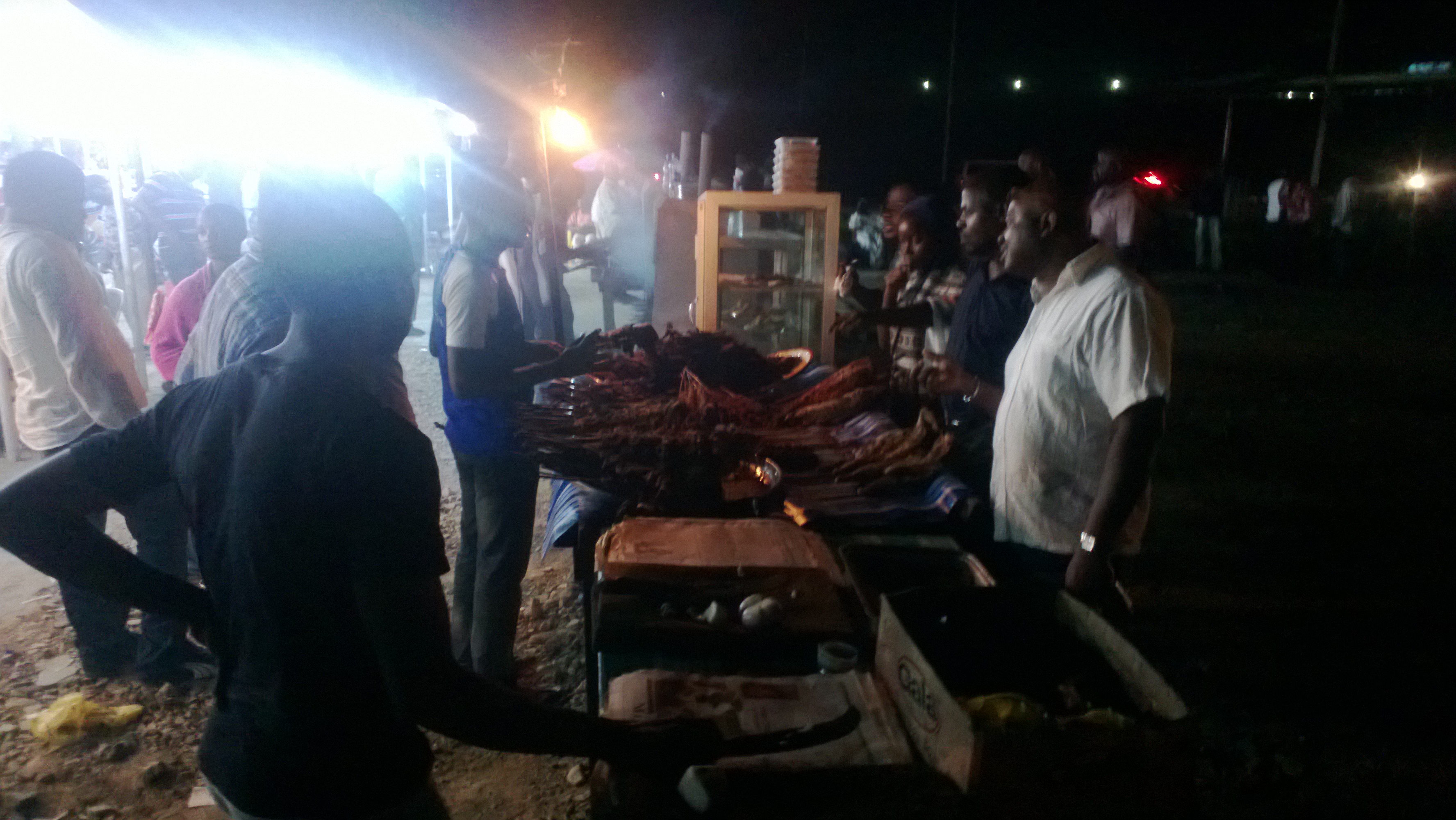
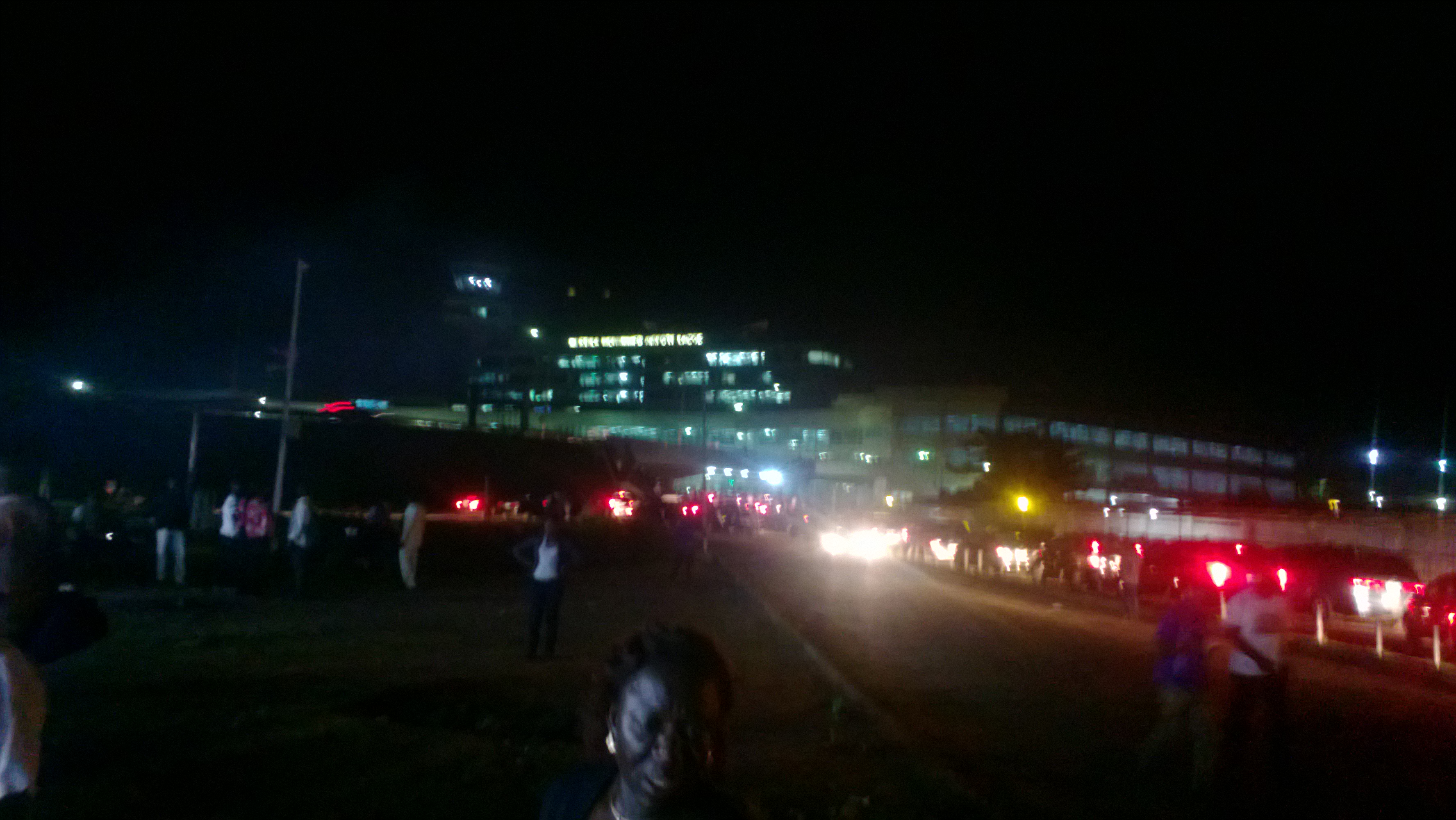
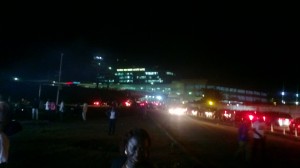
OLD: Customers buying suya, changing money, enjoying the night in the glow of light.
WP_20140128_014

OLD: The airport from around the old parking lot (and suya spot)

At the entrance to the said parking lot outside the terminal was a suya stand and a row of shops where one could buy anything from soft drinks, cookies, and cigarettes, to any foreign currency. At night, it was a market scene lighted by the light from the faraway terminal and a glow from the shops and the coal fire used for roasting meat. Crowds of money changers, idle travelers, and guests of traveling men and women moseyed around in droves. It was mini chaos, but chaos all the same: an African night marked by heat, noise, and people. Driving out of the parking lot after one’s business is done, the guard who collected money earlier on entering the premises doesn’t notice one anymore, and one drove into the night with a feeling of having been dispossessed of something a little valuable without knowing what exactly it was.

Because of the terrible arrangement that got the parking lot in that location in the first place, many would have wondered a number of things: why the amount collected daily had never been put to any good use in upgrading the facility, whether the money went back into the coffers of the state or into a private pocket, and whether the fact that the parking lot had become insufficient in catering to the number of daily visitor cars at the airport shouldn’t have moved a caring federal government to deliver on its promise to completely upgrade the airport into a world standard complete with a top class parking lot that gives value for money.
IMG_1144

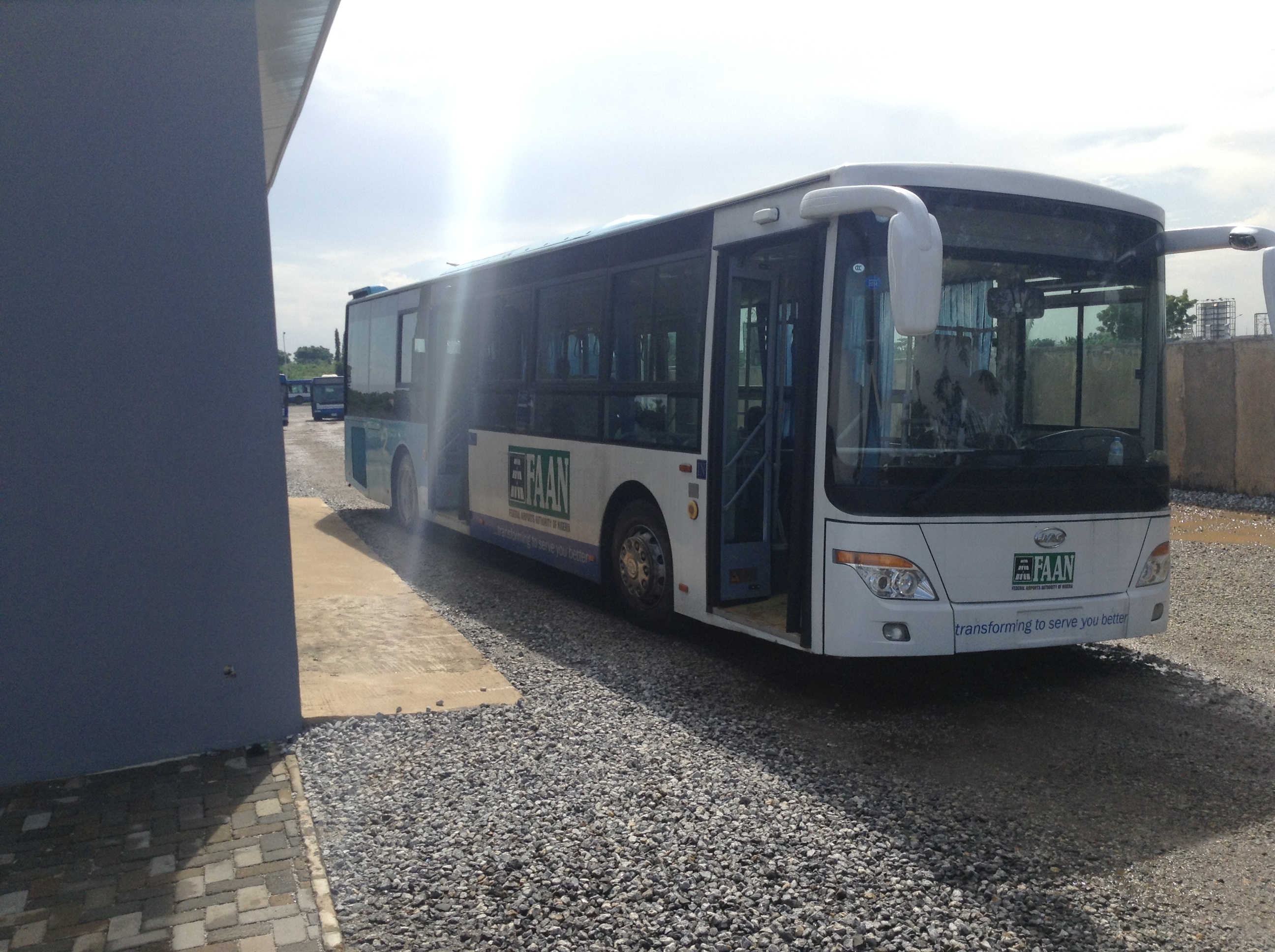
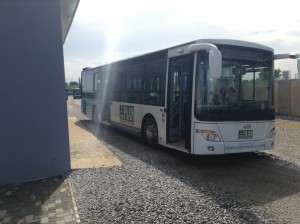
TODAY: One of the new shuttle buses

IMG_1139

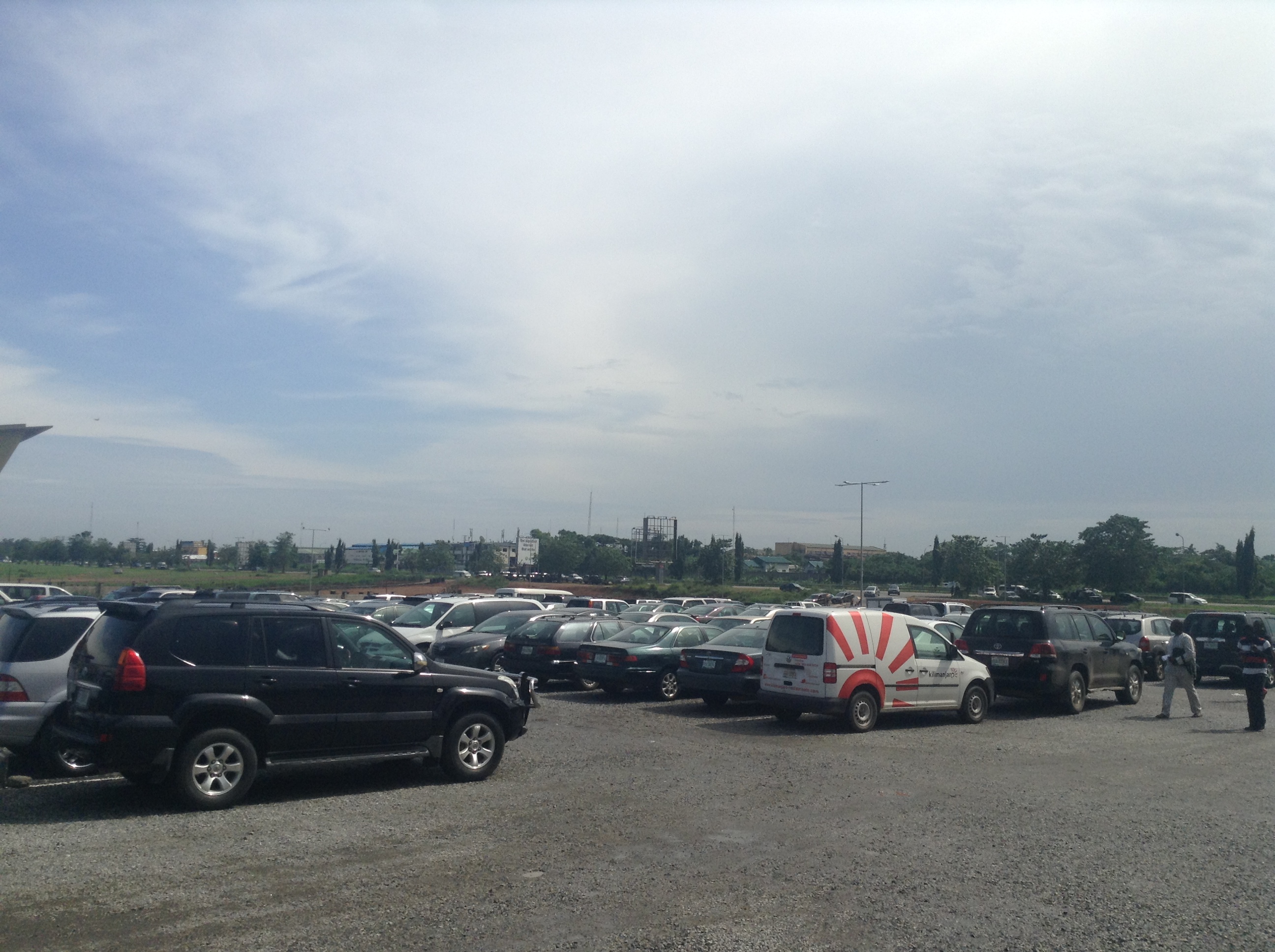
A view of the now organized parking space with ruled demarcated lines.

Visiting the airport a couple of weeks ago presented a surprise: the old parking lot has now been demolished, replaced by a well-organised, safely removed, and less cluttered one about a mile away from the airport terminal. There is also a shuttle bus that transports commuters/travelers/visitors from the new parking lot to a spot close to the terminal from where they can safely walk in. Gone are the night crawlers. Gone are the suya sellers and the money changers (many travelers might feel inconvenienced by these. A friend of mine once recalled, fondly, one time when he missed his flight because he was waiting to buy suya). Gone, also, is the terrible mud road. The shuttle bus goes through a newly constructed inside road and delivers passengers and their guests back at the parking lot in under five minutes, where they can pay for their parking, and leave in an orderly fashion.
IMG_1170

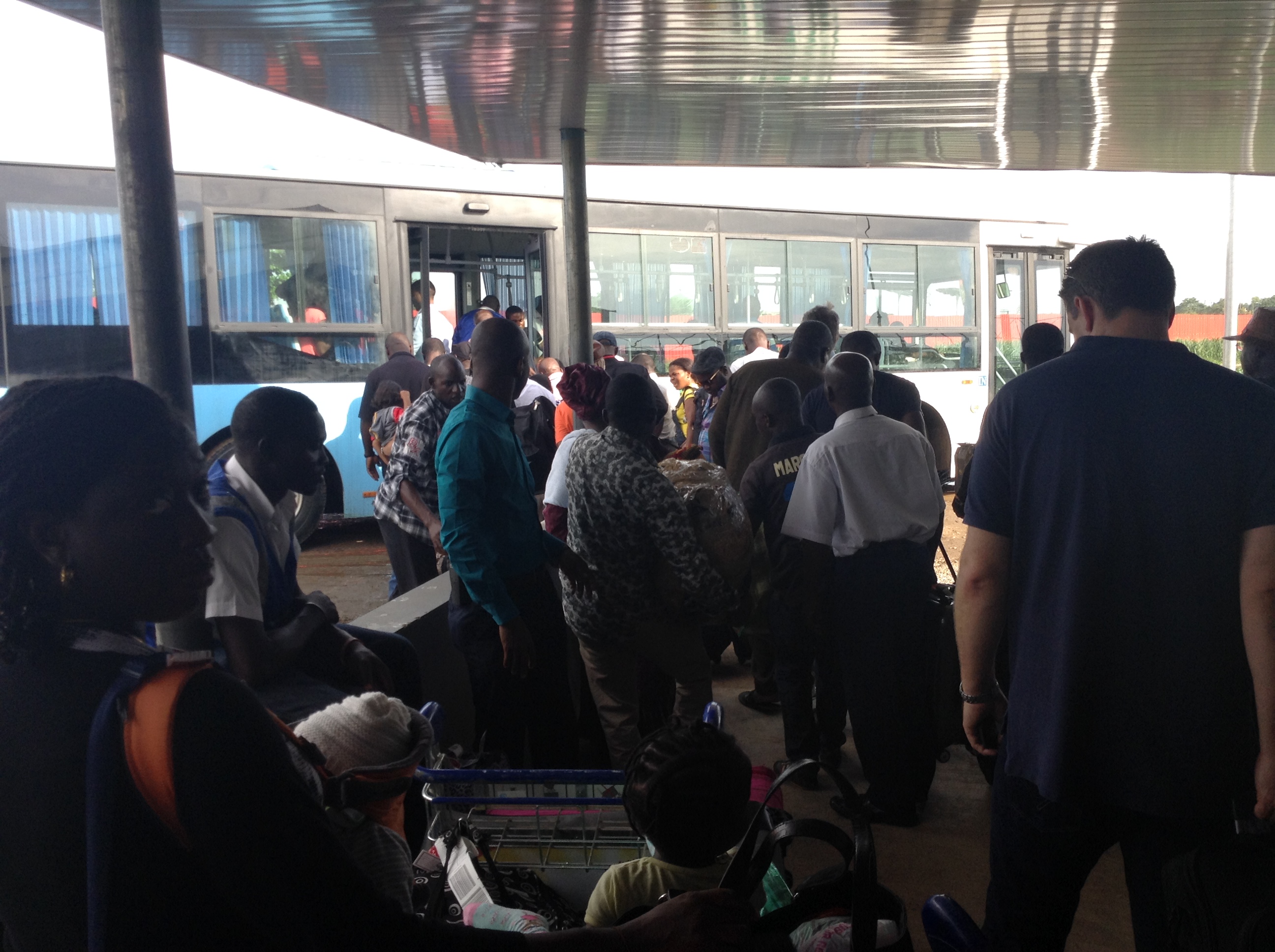
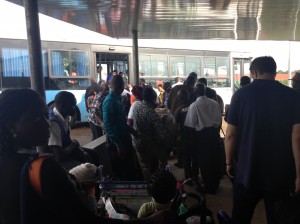
A crowd of travelers and their loved ones about to board the shuttle bus back to the parking lot.

There is a snag though: there are not enough shuttle buses. Sure, when you’re entering the airport alone after having parked in the said lot, it is an easy ride into the terminal, since people usually come into the airport in trickles. But after a major flight or two has offloaded its passengers and crew into the arms of their loved ones in the arrival lounge, commotion begins. There are occasional golf carts to transmit some from inside the arrival lounge to the bus pick-up location, but how many people can a golf cart sit? And how many golf carts would we need to carry everyone even when many have have already decided to walk with their luggage already risking robbery or vandalism? At the pick-up location, the crowd mills in a throng. And suddenly, the comfortable shuttle bus that sat about ten people on the first leg of the journey now has to accommodate about thirty-five people or more (passengers, their loved ones, and their luggage).

Because travelers are typically tired, and because many of them are arriving with a number of luggage bags, the shuttle bus pick-up point now (inevitably) features area boys willing to help them load the bags into the shuttle buses and offload them at the parking lot (for a fee, of course! Who do they work for? What are the guarantees that they won’t steal from passenger bags when he/she isn’t looking?) The only reason why their presence is inevitable is that the struggle to get a good space in the bus when competing with a number of other people mandates that the traveler has more than one pair of hands. So, is this necessary? After tipping the first luggage help within the terminal, paying for a push cart to move luggage bags outside the terminal, paying police or custom officers who choose to keep asking the tired traveler “Sir/Madam, what have you brought for us?”, does the traveler still need another person to tip (who likely works for the government)?

If it is a work in progress, this is an encouraging start. The old parking lot was atrocious, and is best lost to memory. The new one is great and well done. The only thing left is a nice and orderly transition from the terminal into the new parking lot in a comfortable and orderly fashion.
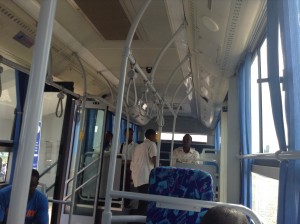
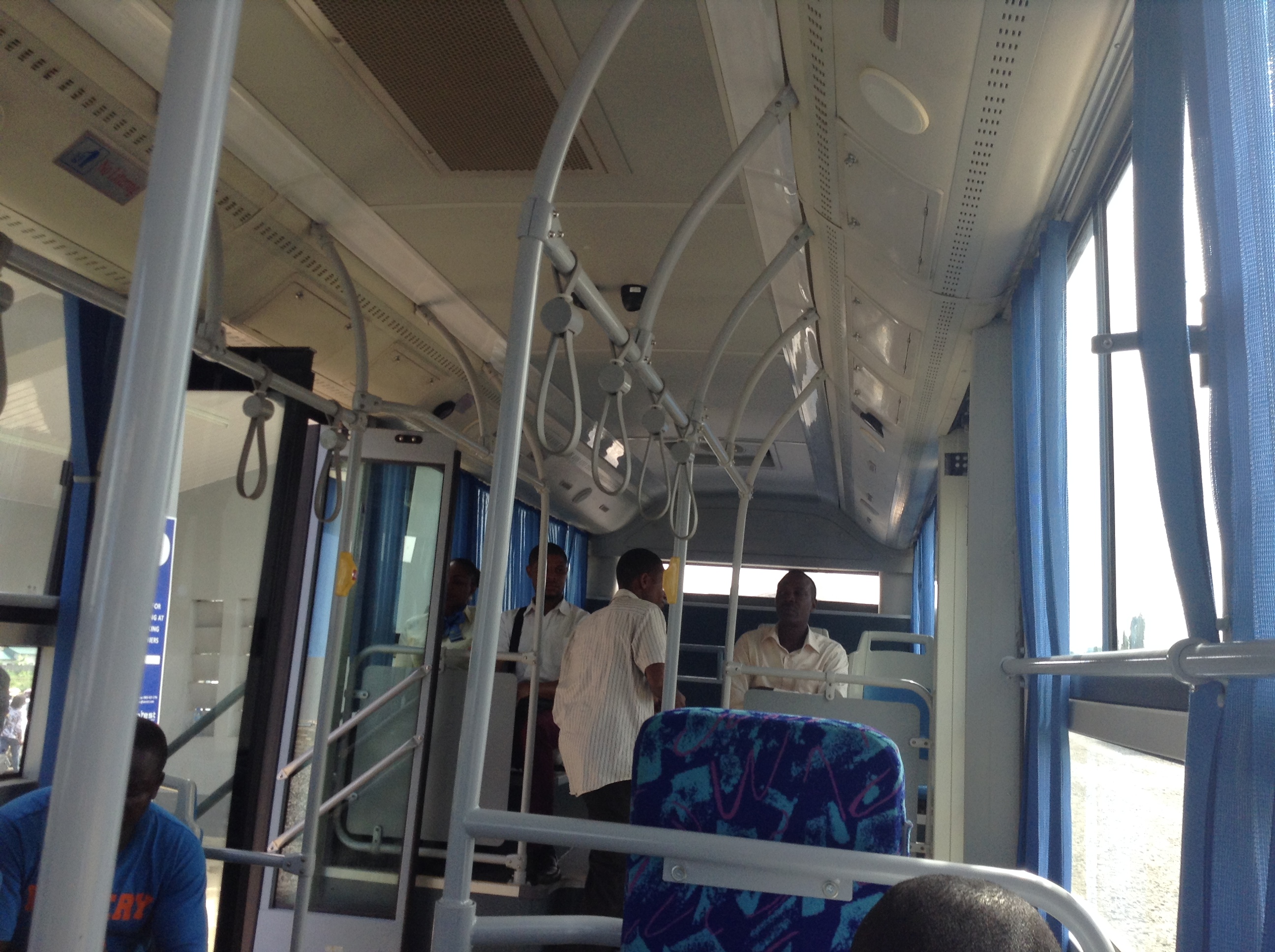
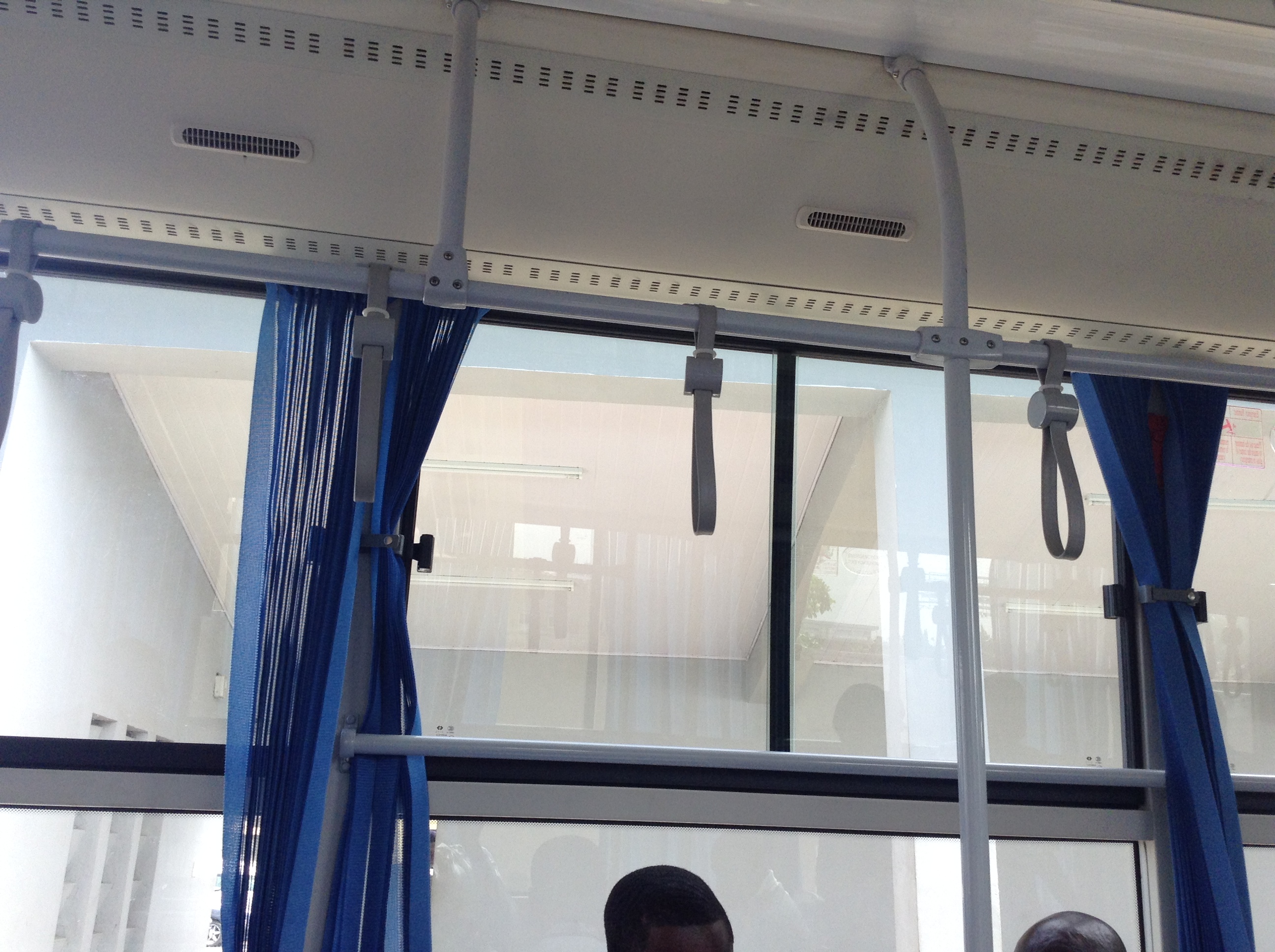
Inside the shuttle bus on the way into the terminal.
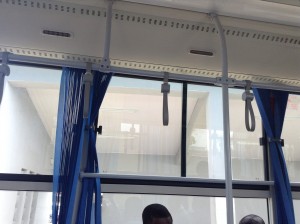
Inside the shuttle bus on the way into the terminal.

IMG_1147

The buses are new and well equipped.

An idea that makes sense is to NOT have the loved ones of travelers come into the terminal AT ALL. They say their goodbyes at the parking lot while their loved ones are transported by shuttle into the airport alone. The same applies on return: they stay at the parking lot while the nice buses bring their loved ones back to them. Many things are achieved: the terminals are tidier and more secure, the shuttle buses last longer and are saved from early wear, and the rides are more comfortable. Everybody wins.

To satisfy African longings for communality and a bustling avenue for goodbyes, an entertainment venue can be built around the parking lot. The parting goodbyes and welcomes can be done there. But the ride to and from the terminals should be for passengers alone.

_________

The airport, built during the second world war, was named in 1976 after the then recently assassinated head of state General Murtala Rahmat Muhammed.
The Church at Abeokuta

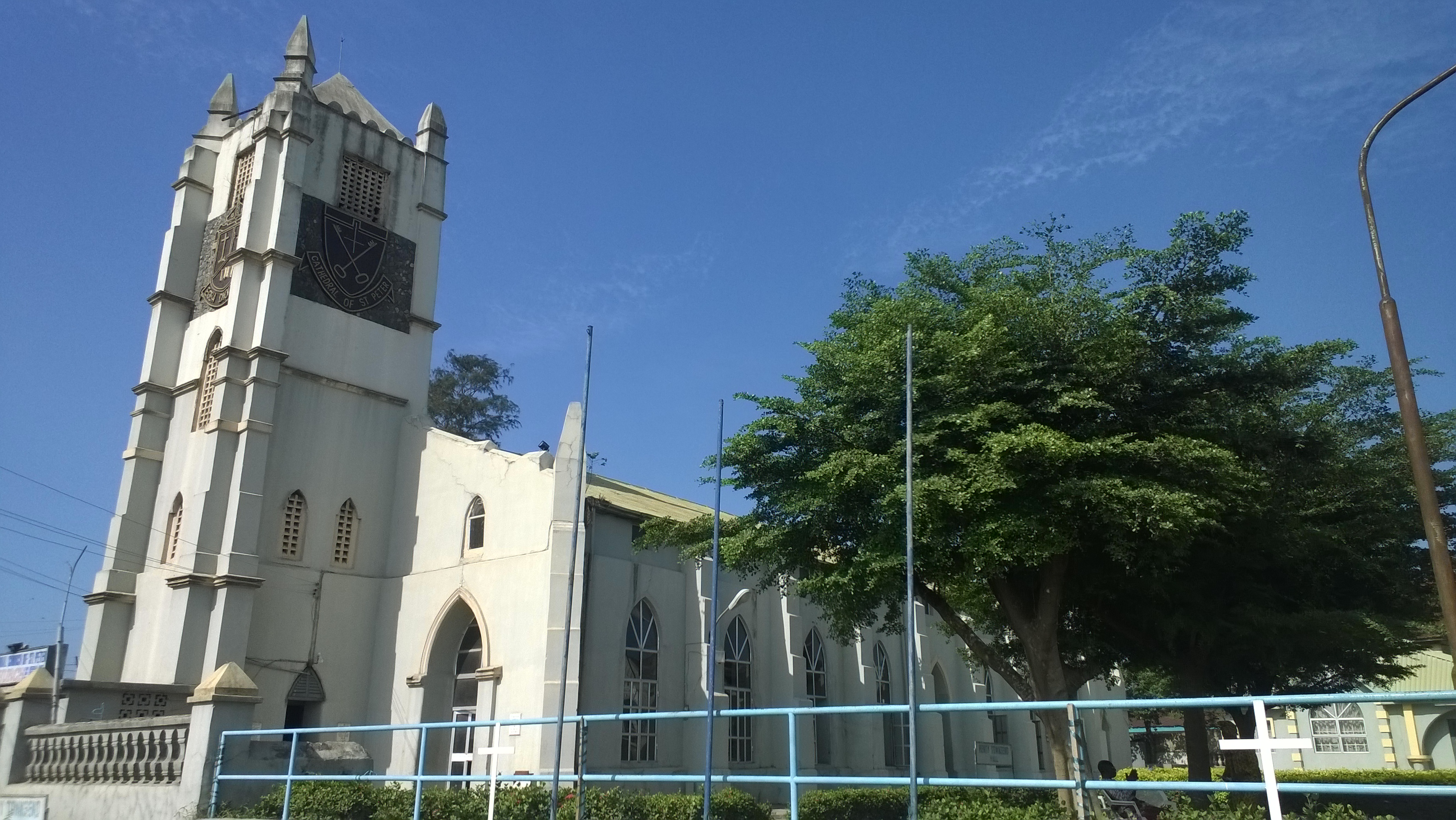
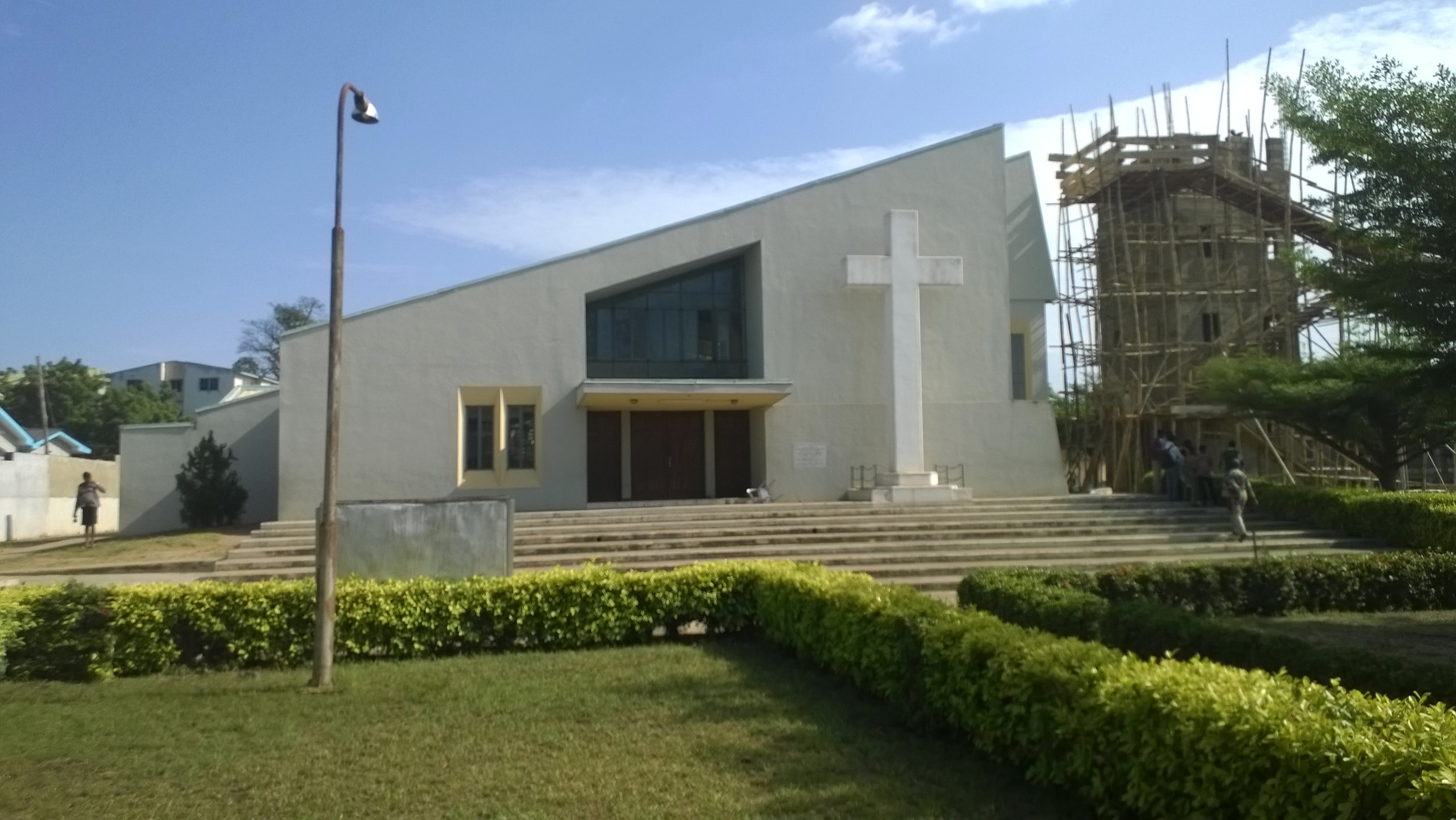
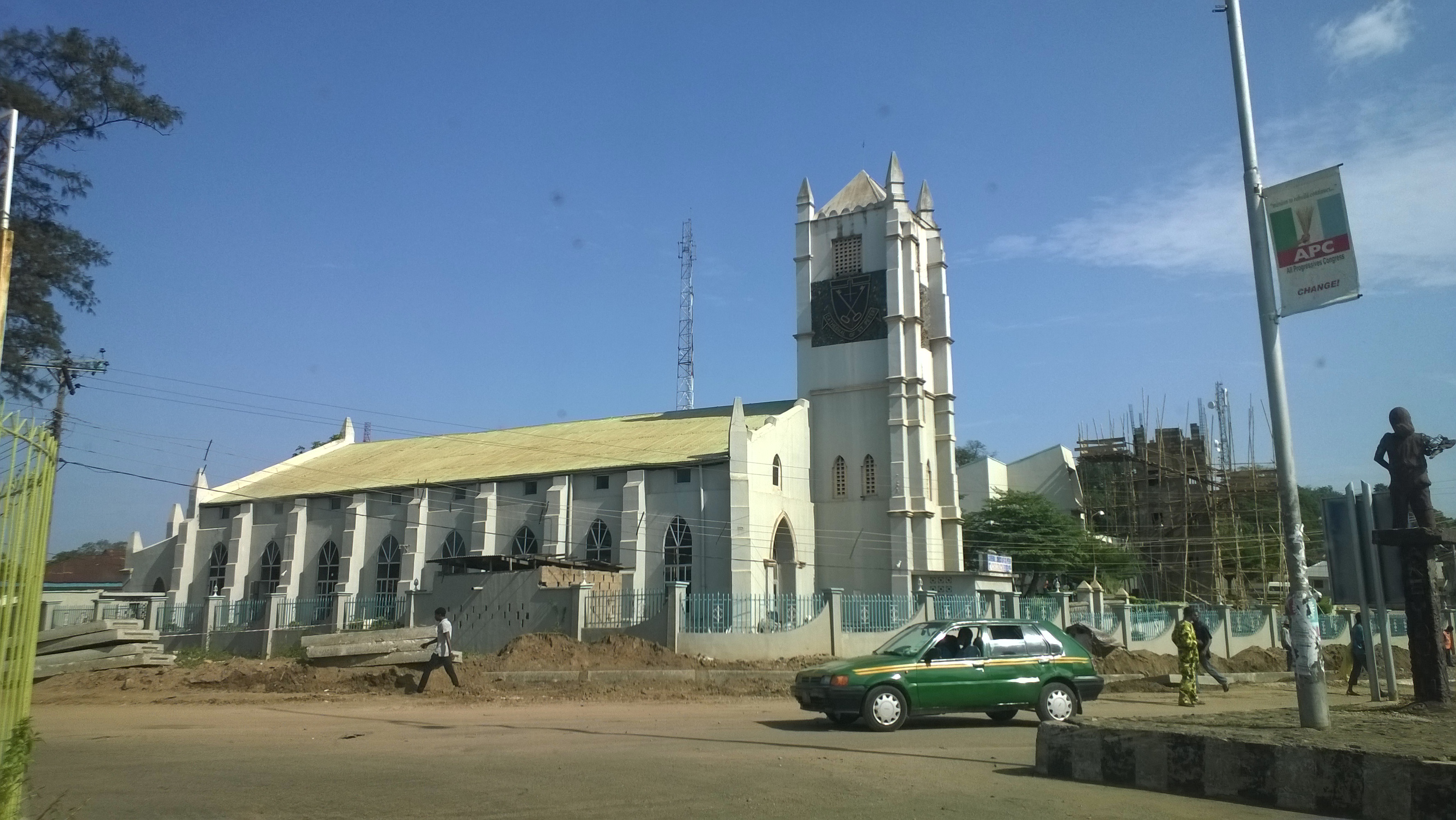
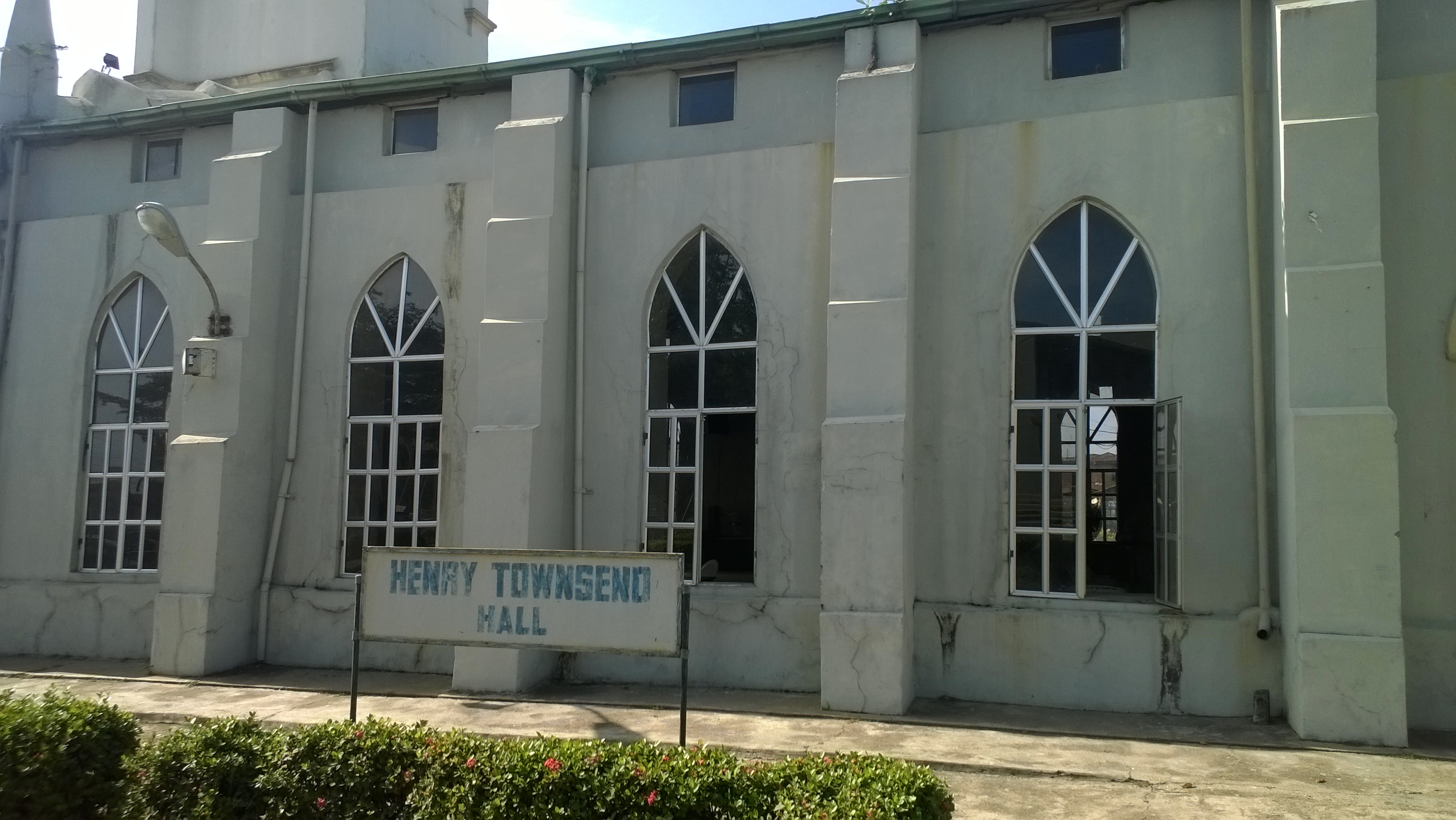
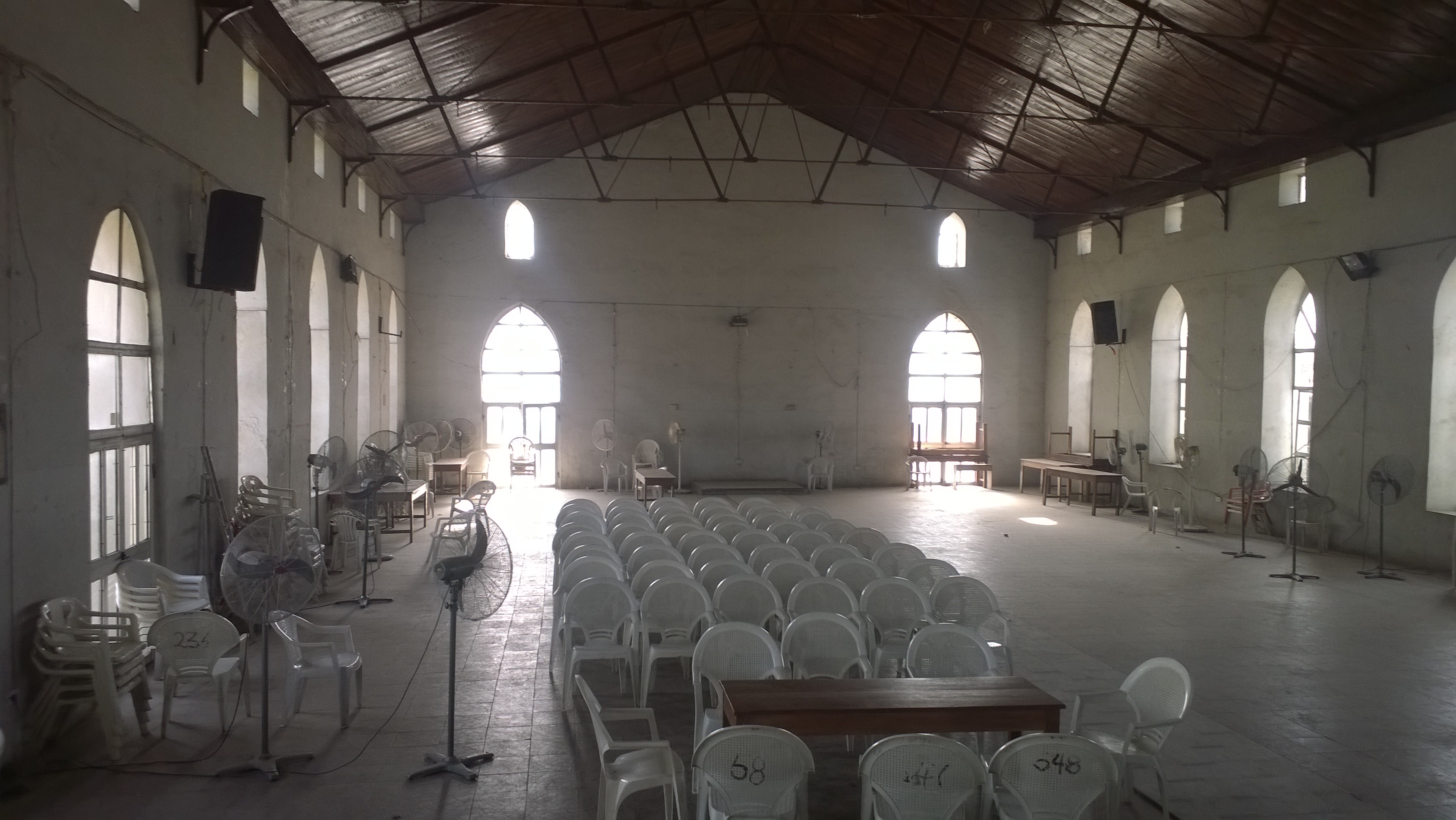
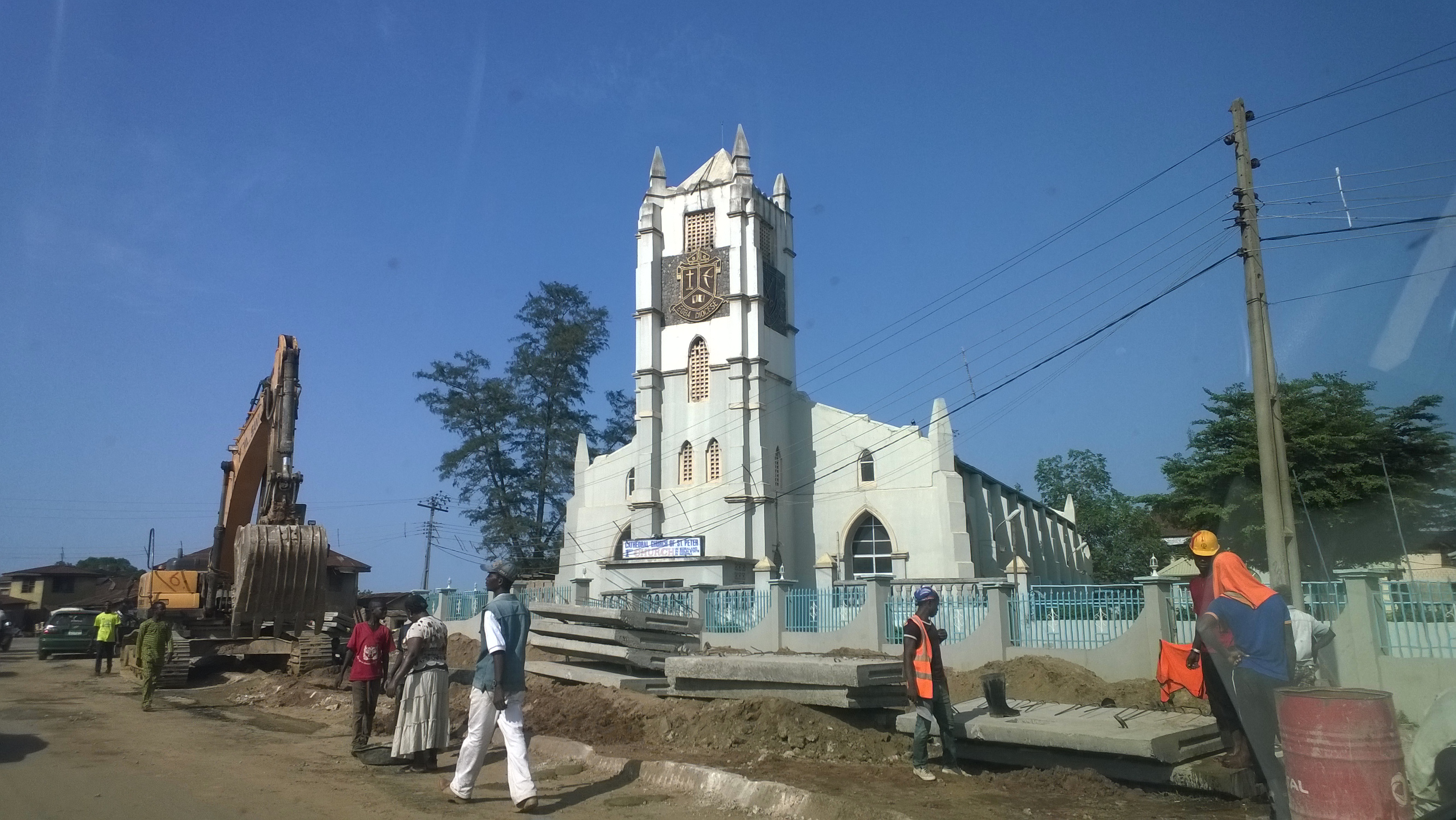
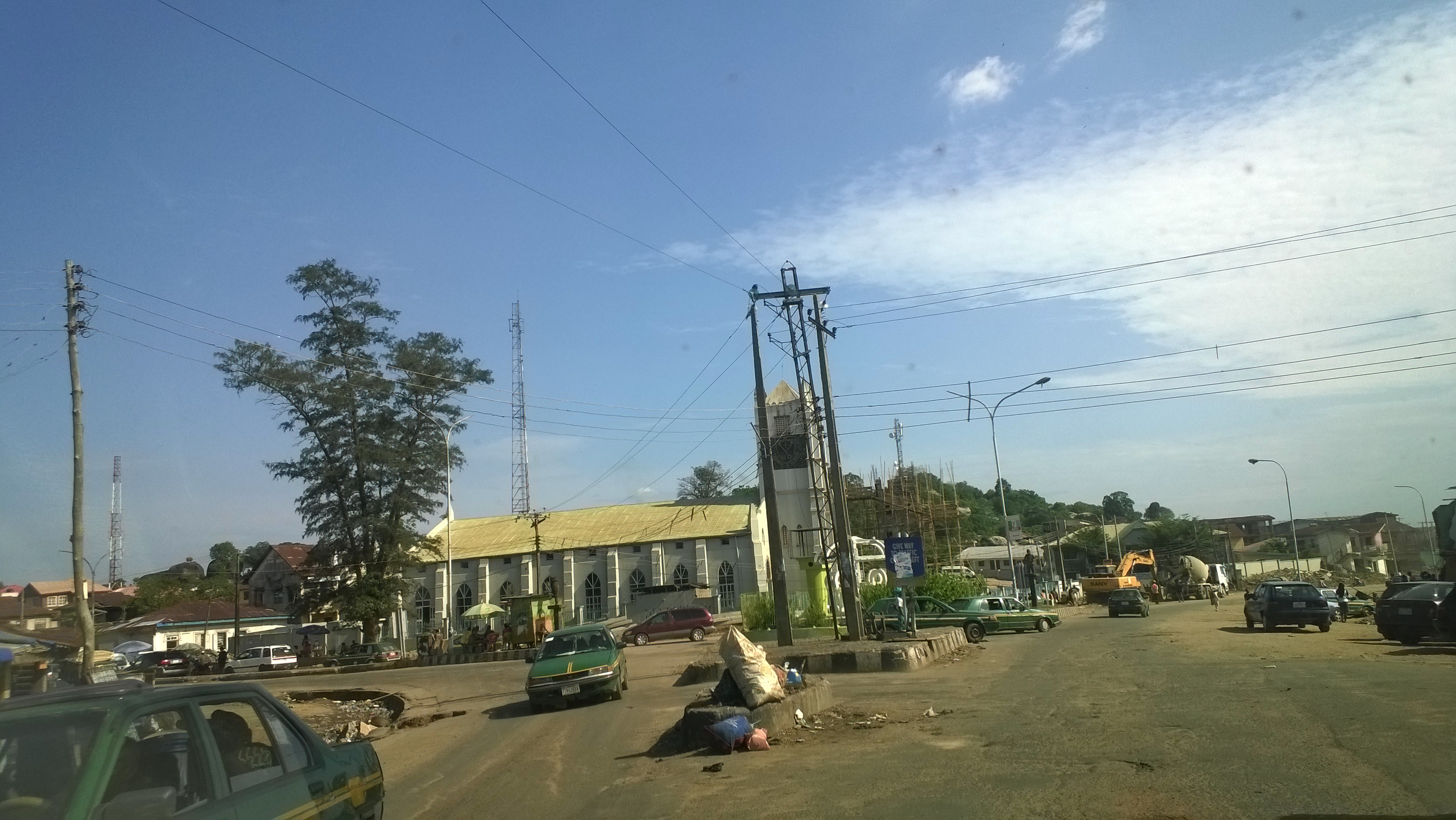
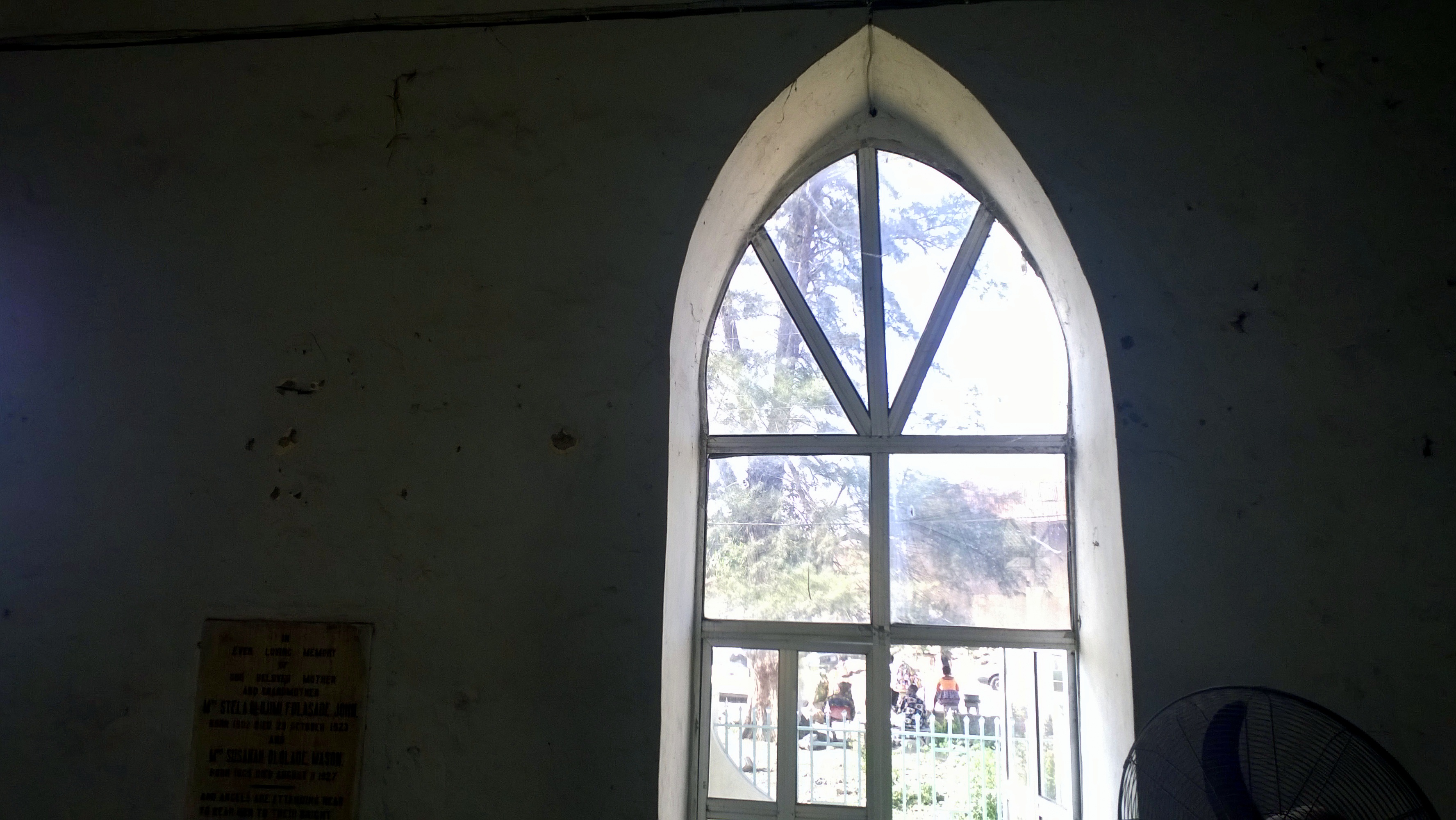
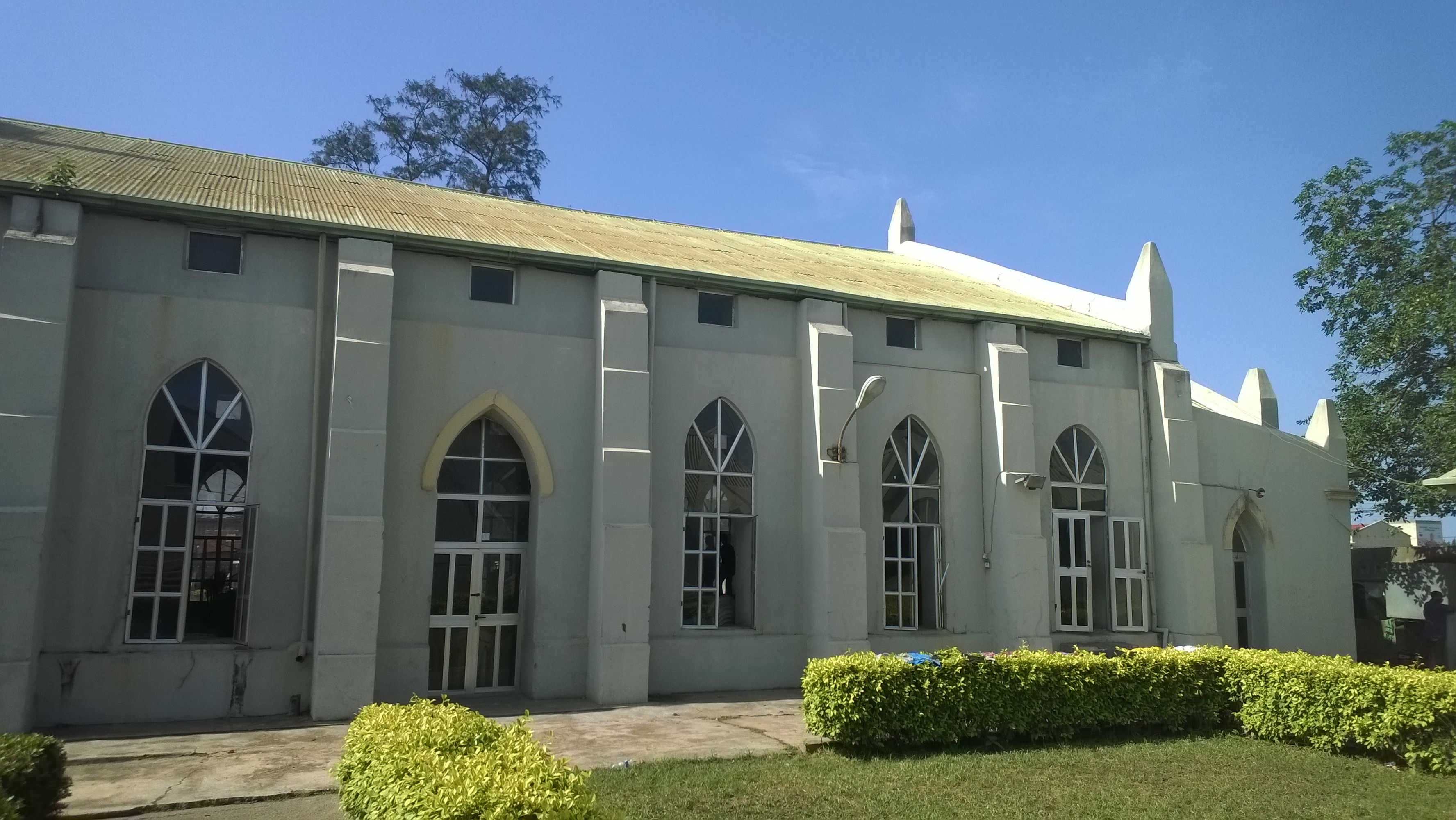
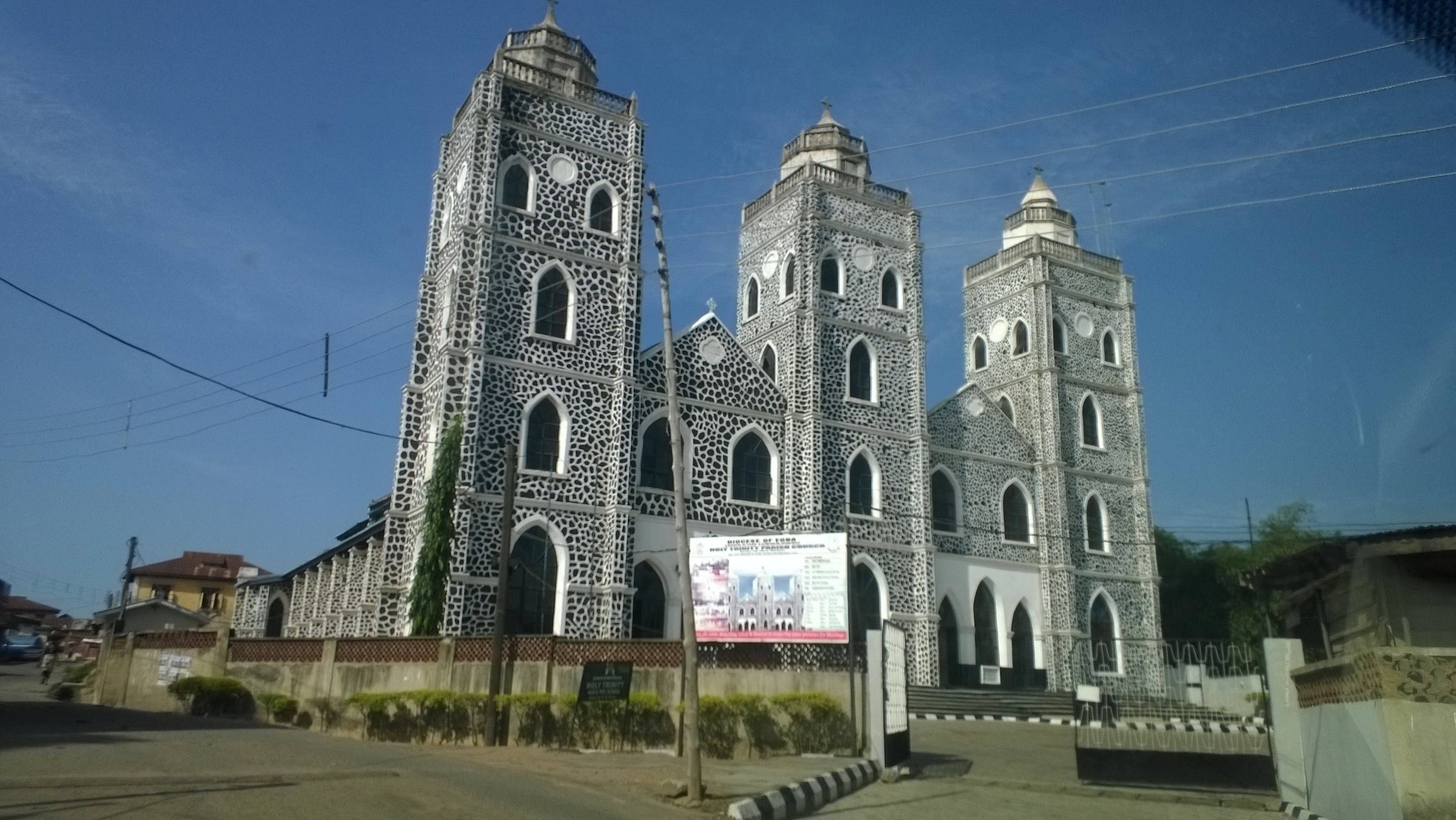
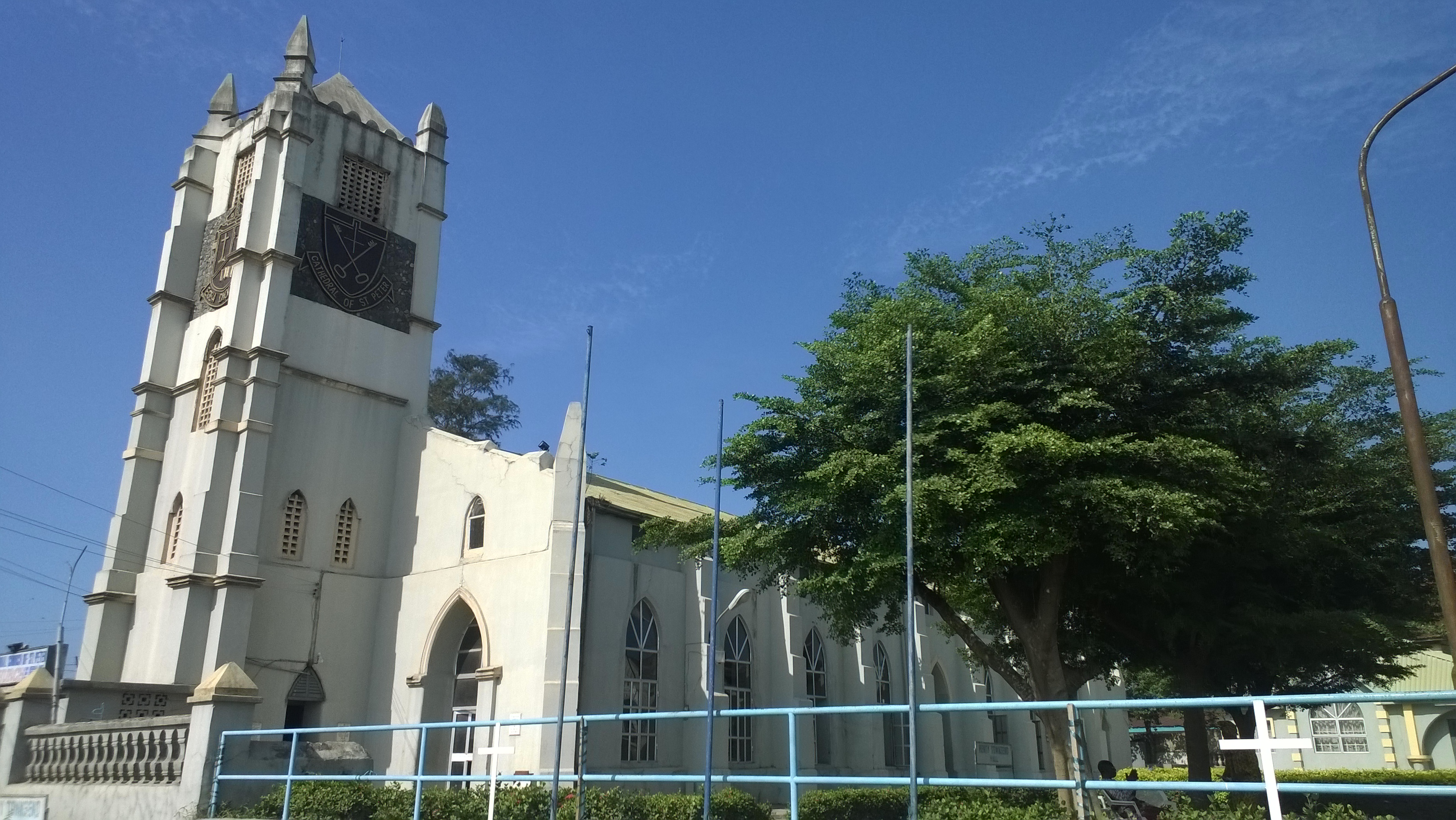
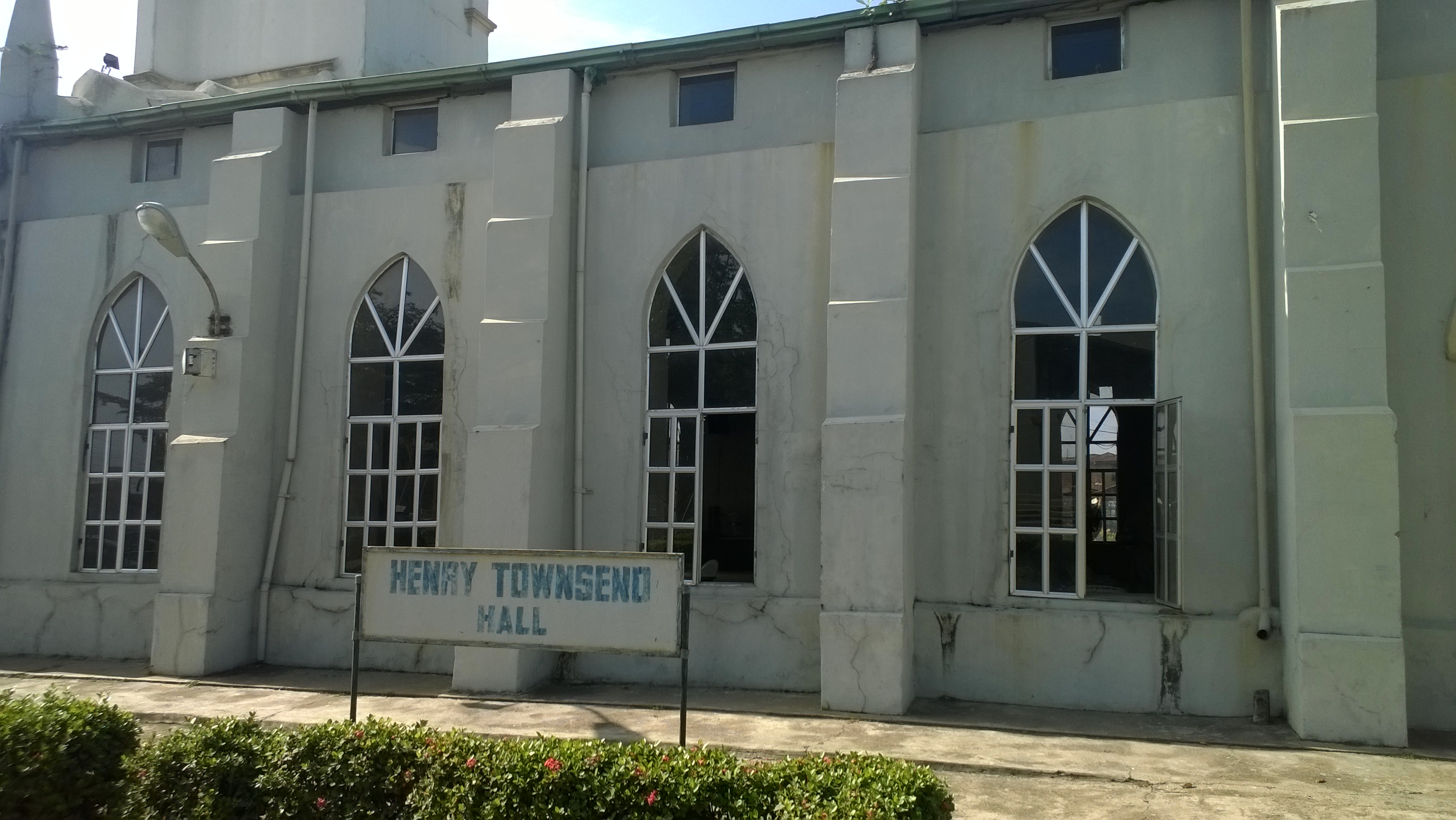
WP_20140410_072WP_20140410_080WP_20140410_069WP_20140410_081WP_20140410_073WP_20140410_079WP_20140410_085WP_20140410_068WP_20140410_076WP_20140410_083The Cathedral of St. Peter at Ake, Abeokuta, is the oldest church in Ake, the oldest church in Abeokuta, the oldest church in Western Nigeria, and – due to the proximity of the town to the Atlantic Ocean and the coming of the first missionaries – the oldest church in all of Nigeria. Built reportedly in 1898, it served as a rallying ground for a number of initial missionaries to Abeokuta many of who played other roles in the government of indirect rule between the Crown in England and the chiefs in Egbaland. The foundation of the church was laid by one Reverend Andrew Desalu Wihelm around 1846, and completed during the time of Henry Townsend.

One of the most known pastors of the church include the Reverend Josiah J. Ransome Kuti (also known as the grandfather of Fela Anikulapo Kuti, the inventor of Afrobeat), among many others. A hall in the church premises is named after another famous pastor, the Reverend Henry Townsend.

In some ways, it is the Southern equivalent to the Church in Wusasa – also a first in the north, built in 1902 – whose survival depended very much on the hard work of volunteer priests battling a society that – at the time – very much resisted the change it represented. In the account written in Wole Soyinka’s 1981 Autobiograpy Ake – the Years of Childhood, most of the early missionaries faced life-threatening confrontations with the elders of the town to whom Christianity represented a real and present threat. Many churches fell down after being visited by men from the local cults, sometimes while people worshiped inside. In the case of the Wusasa church, the threat came from the Muslim societies in the north who felt threatened by the new religion. That these structures have lasted so long is homage to maintenance, but more importantly, the cultural place they occupy in the societies that own them.

Visiting Abeokuta

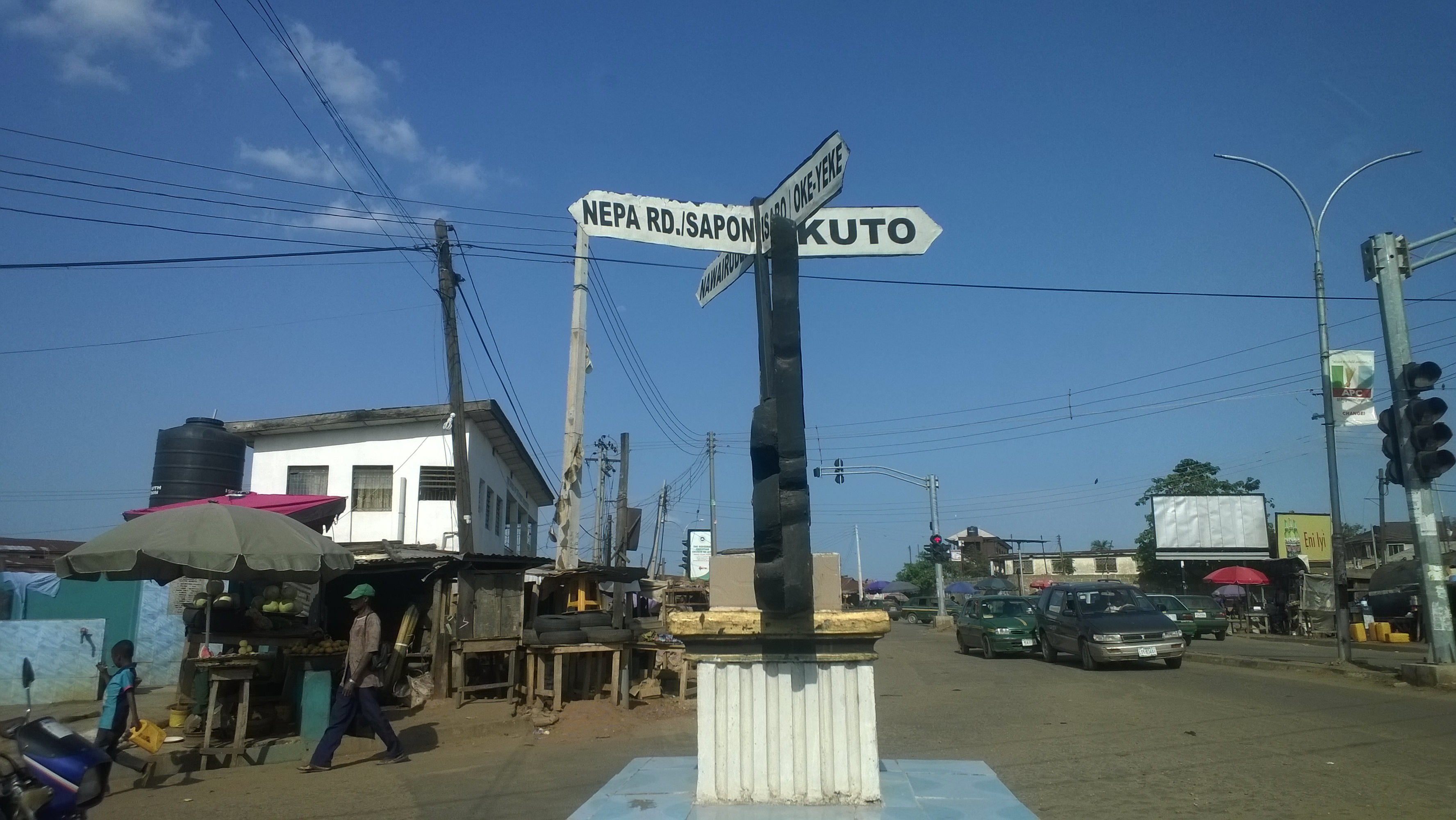
IMG_0326IMG_0342In continuation of earlier curiosities about ancient towns, with a particular interest in tall structures overlooking large expanses of land, and pursuit of childhood towns/homes of famous and notable citizens of the world, I returned to Abeokuta yesterday for a solo exploration. “Return” is an appropriate word only because two earlier attempts have been too brief to have allowed a worthwhile independent expedition. On the last trip, I was the guardian of a group of students attending a literary festival.

By the end of this particular trip, which lasted a few minutes shy of ten hours, what became clear was the limit of even this independent attempt not backed with the luxury of time and patience. Abeokuta city is about two hours drive (127 km) from Lagos. This leaves a very little window left, insufficient, to say the least, for anyone interested in walking around to the right and notable places that define the town in the eyes of the world. It is for this reason that one NEEDS to be back, this time for a number of days and more.

WP_20140410_066WP_20140410_072Not bigger, likely, than Washington DC which I however managed to walk around on foot on one notable occasion in 2009, Abeokuta holds its own mysteries. From being the birthplace and/or childhood town of some of Nigeria’s most notable people (the Kutis, the Soyinkas, the Abiolas, the Obasanjos, etc), and for its role in some of the earliest wars that defined Yoruba land, and for its role in Christianity and colonialism in Nigeria, and especially for its famous Olumo Rock and its famous rustic atmosphere that is always a welcome respite from the bustle of big cities like Lagos, a third and even fourth visit is always going to be worth it. And except for the raging sun that mandates constant re-hydration  at every point in the trip, and may pose a challenge for someone visiting with wife and kid as this next one is intended, another shot at deciphering its ancient puzzles should yield even deeper pleasures.

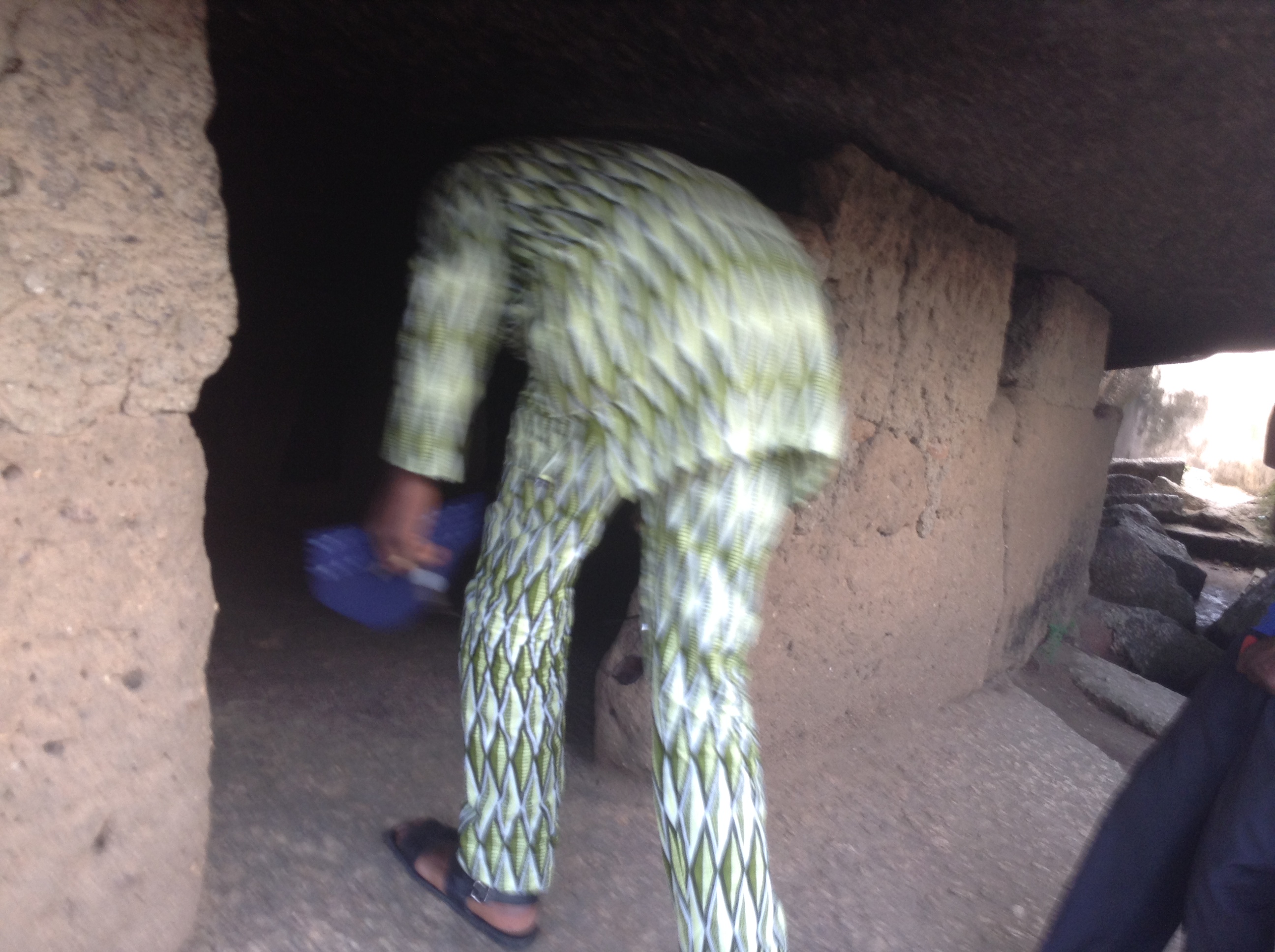
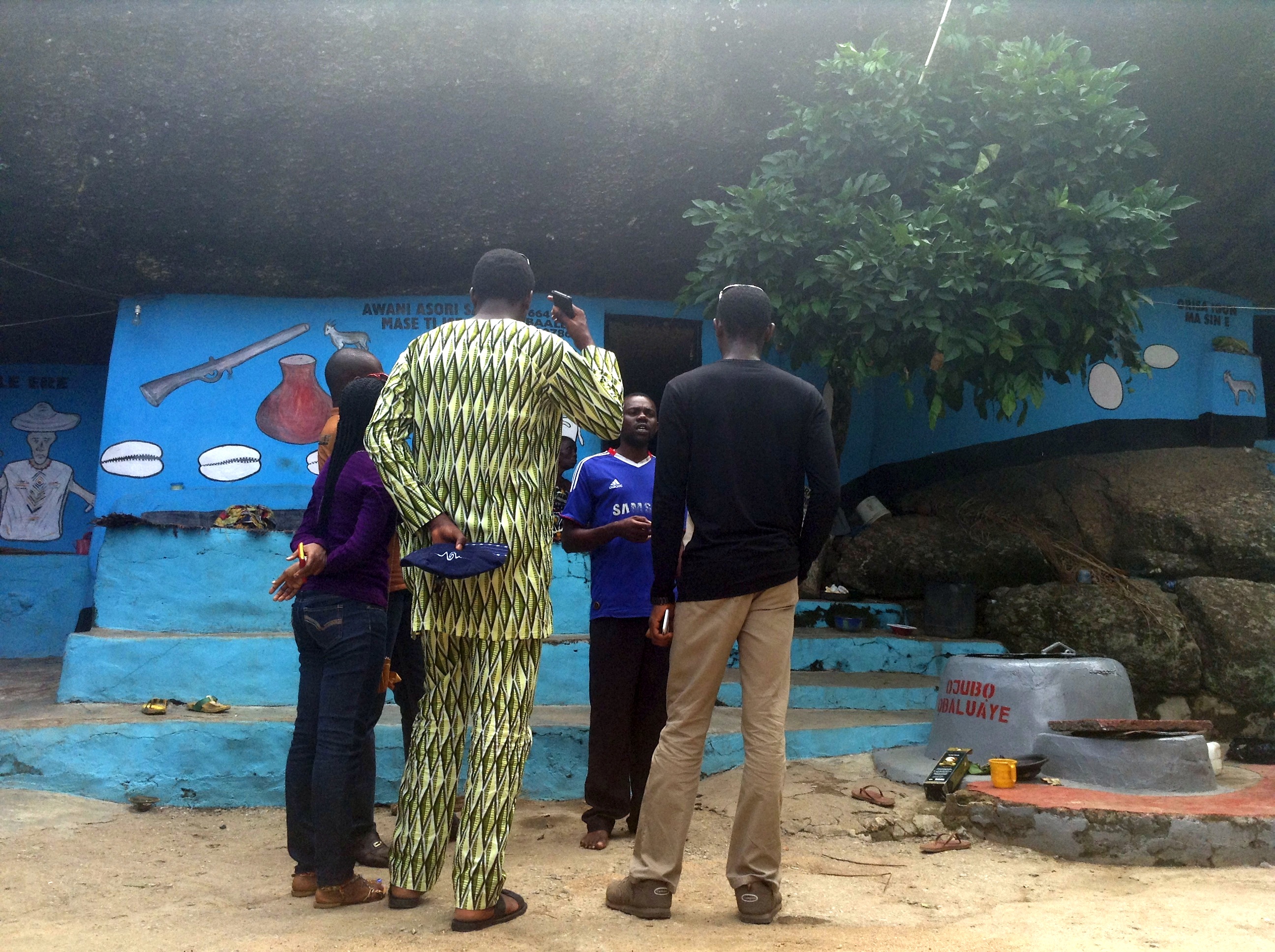
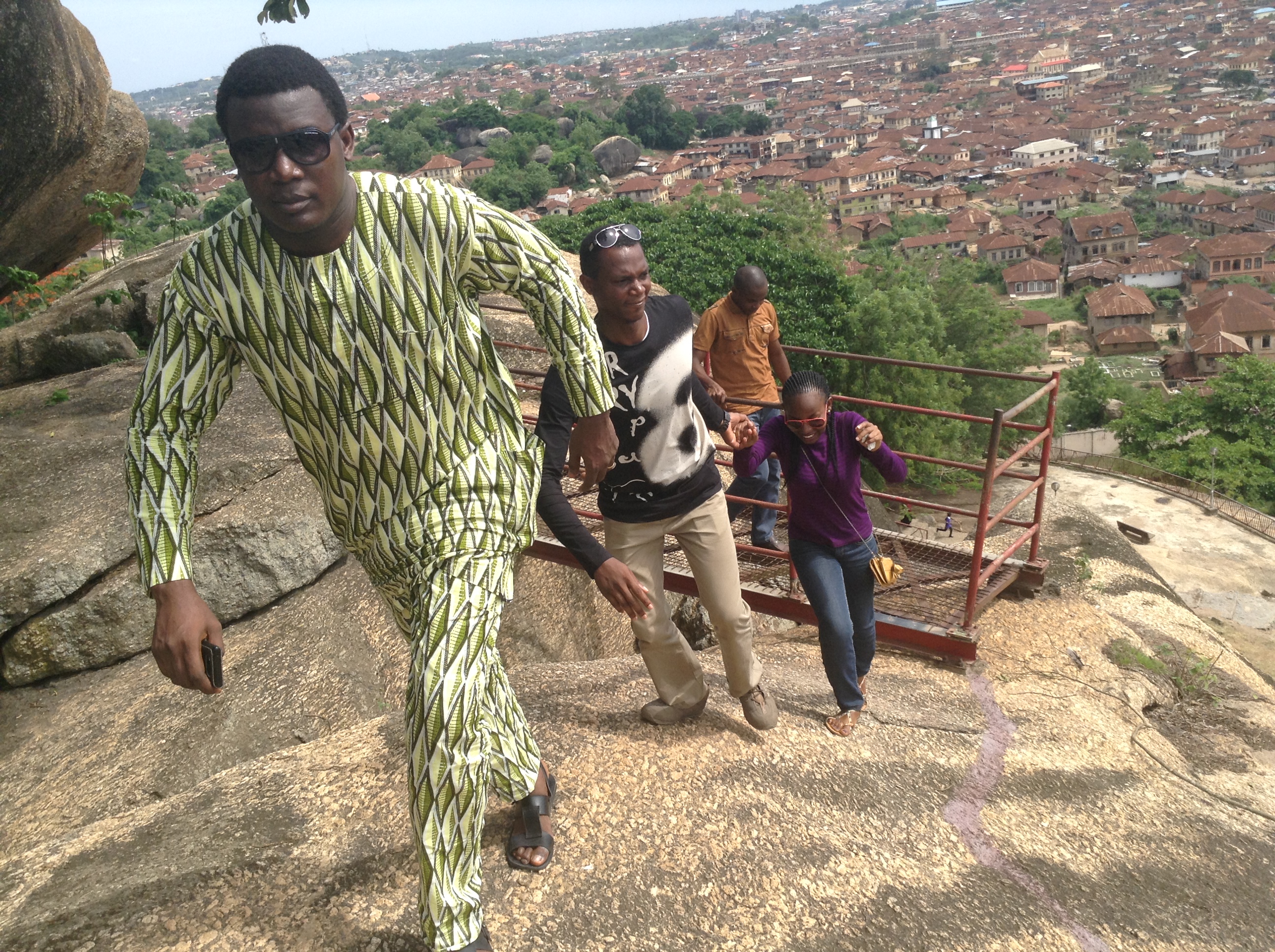
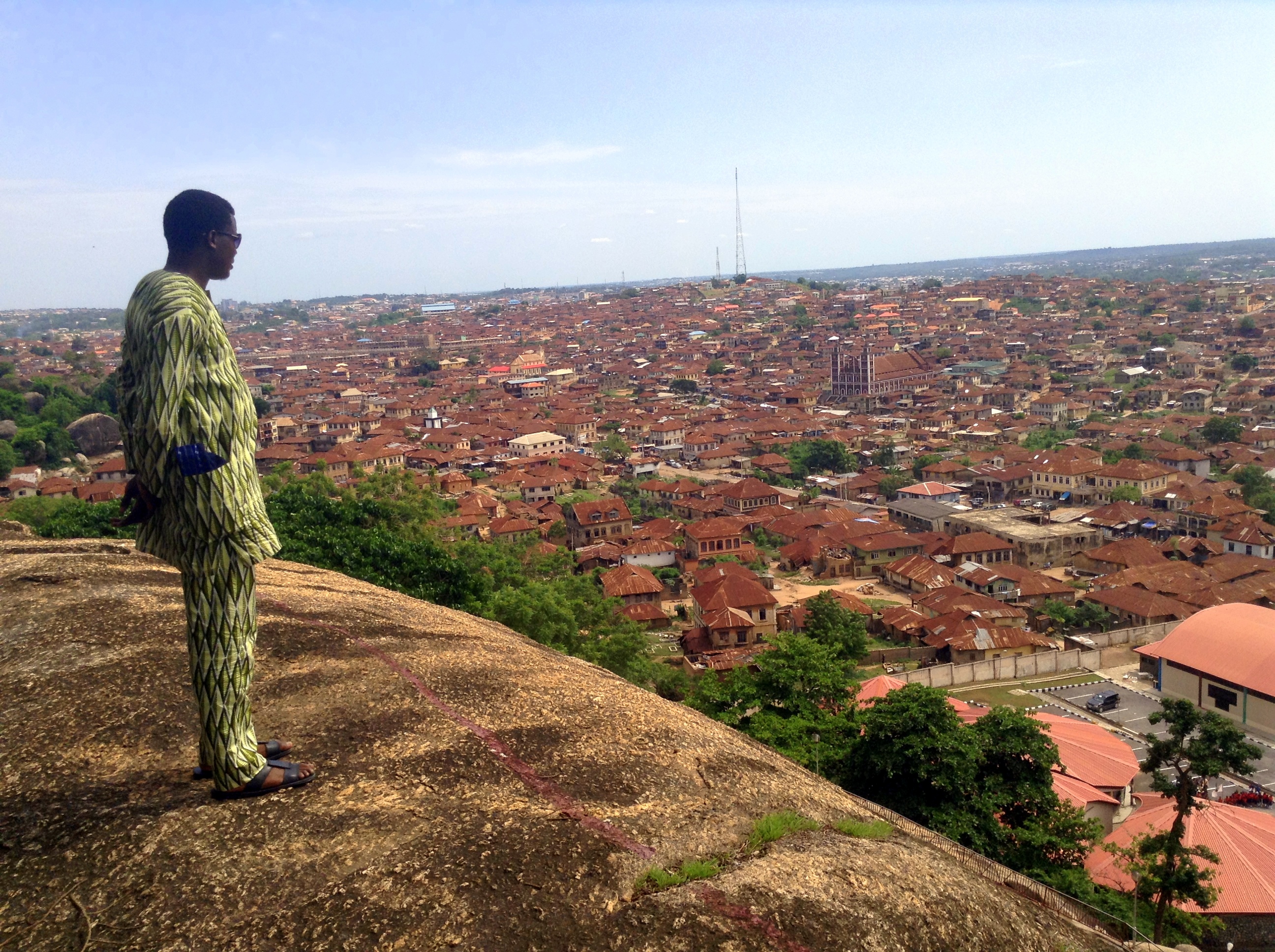
WP_20140410_091WP_20140410_081Notable sites visited this time include the famous Olumo Rock which plays an important role in the founding of the city (more on this later), and in the wars that defined its history; the Centenary hall built in 1930 by the colonial administration; the famous Cathedral of St. Peter’s in Ake (the first missionary church in Nigeria) with a hall named after Henry Townsend; and, finally, the traditional palace of the Alake of Egbaland – a paramount king; among others. From on top of the rock, a number of other sites of attraction can be seen: the family houses of Chief MKO Abiola (winner of Nigeria’s 1993 presidential elections), the first mosque in the city, the River Ogun from where the state got its name, and the first television station in the state.

IMG_0417IMG_0395Much as I tried – and I didn’t try much because of the limits of time – I couldn’t locate Wole Soyinka’s childhood home this time, reputed to be located somewhere close to the St. Peter’s Church. For the next trip, deserving of particular attention to this important landmark, I’m heading back into the first chapters of the writer’s 1981 autobiography in which he described proximate locations around his parents house in Ake. The challenge will be to translate geography embellished in fiction into a real life quest in the “sprawling undulating terrain” of the rustic town. Challenge accepted.

More later. And pictures.