It is at times stressing, and definitely more exerting than driving a car. I have heard of the many advantages of riding over other means of transportation, and the best will have to be how it may help to protect the environment by reducing the amount of gas fumes in the atmosphere. And it’s healthy. With sufficient nutrition, the rider exercises his muscles and his mental alertness in a way that is not found in other vehicles like plane or car trips. The bike rider definitely lives in every second of the stretch, exercising his lungs as he takes in the breeze around his head. Besides this headache that I feel in my head as a result of yesterday’s daring long ride, I think I actually enjoy this new experience of cycling.
The bike trails in Edwardsville are some of the most advanced in this country, and they form a very beautiful network of tracks of tar for both runners and riders. Yesterday was my first long distance journey out of the campus by myself since the last time I’d made a similar effort about a week after I got my bike. That time, I didn’t go too far. I’d gone to the boundaries of the University, and returned when the signs began to read new names. But I had planned to return on another one of those trips whenever time permitted. The SIUE campus has been reputed to be one of the largest in the country in terms of land area, behind only a few other universities, so venturing out to the ends of the campus boundaries was something of a start. Yesterday however, I went out of campus – through a different route – into town for a visit.
 But it was while returning, alone, at night that I had another one of my travula moments. I got to a traffic light that showed red, and I brought out my camera to immediately capture the contrast of the colours against the darkness of the night, only to hear some voices from inside a car on the road, also waiting for the lights to change, screaming in my direction.
“What are you doing?” Apparently they were concerned. For what, I had no idea.
My hand shook from the startling noise, and the camera moved. I had missed my target shot, and I looked back at them. From the distance, I couldn’t see who they were in the car or how many they were. There must have been at least one man, and a few other girls – most likely from the university, and most likely coming from a party. They sounded African-Americans, and the voices I heard were the girls’.
“I’m taking pictures,” I shouted back.
“What for?” I heard again.
“Why do you care?” I retorted, with a shrug. I just couldn’t understand their right to question my priceless appreciation of something of beauty even though, in my mind, I knew that their surprise must be one of these things:
1. That they’d never seen anyone on a bike at night.
2. They’d never seen anyone on a bike at night, taking pictures.
3. They’d never seen anyone on a bike at night, taking pictures of a traffic light!
They became quiet for a little while, and then the light changed. They must have then resolved the doubt within their murmurs, because I then heard: “Okay, have fun taking pictures,” and I said “Thank you” with a thumbs up gesture, before they went across the t-junction towards the university. In my surprise, I didn’t immediately move across the road myself, nor return to get another camera shot of the traffic lights, but later on the way home, I couldn’t immediately decide as well whether that was an awkward moment, or not.
PS: Today, I’m signing up for membership of bicycles-for-humanity.org and bikesfortheworld.com, two non-governmental organizations whose aim is to find unused bikes in North America, Europe and some other western countries and send them to spots in the world where they’re most needed, and where they might change someone’s life by providing an effective means of harmless transportation. Join them if you can. You might be helping someone, somewhere.
 There are no Eid holidays in the United States for obvious reasons: it is regarded more as a Christian state when it’s not being seen as secular. The actual reason is that there are too many holidays every year in the country, and none of them have to do with religion. That’s what I think at least, because Christmas is all about the festival, the movies and Santa Claus, and less of the birth of Jesus Christ. No one knew when Jesus was born precisely anyway. The December 25 date was only arbitrarily picked by one dead pope to signify a day of the year for followers to remember. Neither is Thanksgiving any more than a celebration of life, health and family. The formerly large purpose of gathering to praise God for a bountiful harvest must have been overtaken by the fact of growing skepticism in religion and belief in God, and the decline of subsistence or commercial farming based solely on the variables of nature. Science has ultimately come to the rescue, and I have a feeling that the God of thanksgiving may not be as large a guest at the dinner table as he used to be.
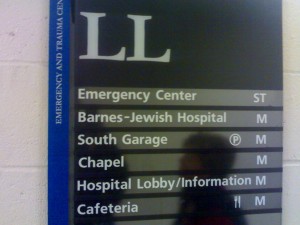 Healthcare is important to everyone, and no one, no one should have to die because they’re poor,, and no one should have to go broke because they fall sick. A society with as many rich citizens like America should be able to take care of it’s poor. This is not Obama’s policy. It is only common sense. The same goes for Nigeria. As I sat in the lobby waiting for Holly to emerge from the emergency room where she was being attended to, I began to think about the number of people who were rushed into the emergency room while I was there. I thought about all the sick people I know, and how much they already suffer, without worrying about having money to pay for it. I have a close family member diagnosed with cancer, and my heart goes out to her. A close friend of mine that I last saw in about 2008 in good health has now been diagnosed with a bone disease. He’s also sickle celler. One of the families here that has been very nice to me has a cancer patient in it. Patrick Swayze, the actor famous for his role in Point Break and Ghost has been announced dead after a long struggle with cancer. Just a few days ago, we had mourned the passing of Senator Edward Kennedy of the USA, and Gani Fawehinmi of Nigeria, both favourite public figures whose lives were cut short by old age, and a terminal disease. It is a world filled with sickness that we live in. We should not make it worse by restricting care and support to only the ones that can pay for it. Helping the weak and taking care of the sick may just be the most noblest act we could perform as conscious human beings, or the sanest reason of our existence.