A guest post by Angura Rani Elke
________________________________
Today is the birthday of the first man that I ever loved, my father. I met my father on October 22, 1956, you see that was the day that I was born in Jahnsi, India.
My Father’s name is Bharat Bhooshan, a second generation preacher. My Grandfather and my Papa were both ordained as Methodist Preachers. Papa moved to United States of America in the fall of 1961, reuniting with my Mama. She came here in Januarry of 1961, leaving their five children in the care of my dad’s mom. During this time my parents were doing college credits because they were here on student visas. Life was hard for them, but they were a team. They worked at anything and everything they could do to make money for their children back in India.
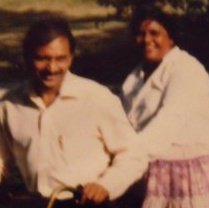 My parent’s worst nightmares were coming alive. My brother (their only son) lived with an aunt and was diagnosed as being an eplepitc. I was crippled by a quack of a doctor when my two sisters were in boarding school. My little sister and I lived with our grandma. Its funny to think about the past and not feel sick at what my parents were doing here and what was going on in India to their children. Physical, verbal, emotional and yes sexual abuse was going on and they had no idea. My brother finally came to America in 1963. My little sister and I came in 1964, I went into to a hospital almost right away, I somehow had gangrene up to my knee. My older sisters finally made it to America in 1965. That is when the healing began for all of us.
Papa got his first church in Northeren Wisconsin, He became a United Church of Christ Congrational preacher. We lived in Elco, Winsconsin. We were the only “dark” people that some of them had ever seen. We lived here for three years, moved to Appleton, WI, which was another town that had never seen our kind. Wisconsin is very cold in the winter and very pleasant in the summer. Papa had his first heart attack in 1978 at the time I was living in Arizona going to college. They moved from Appleton in 1979 to Grantfork, IL. 20 miles from Edwardsville (where I now live.)
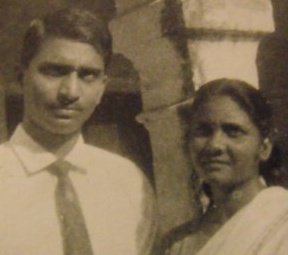 My relationship with my Papa was a very smart and loving. I was the tomboy, that wanted to learn from everything, the only one that went to college out of the five kids. I was the one that would listen to him and let him feel that I knew what he was saying. We would go for walks together. You see. I was the one when I could talk, would tell my mom that I didn’t want my diaper changed by anyone but him. So, ya stubborn was a good word. When I came to the USA, he would carry me up and down the stairs from the apartment that we lived in. When the pain was unbearable he would make a concoction of milk and brandy, it would knock me out. I loved to read books which I got from him or I bought and he would read them. I could talk to him about anything. I remember having a talk with him about getting high on pot, he said Batie (darling) I got high on Jesus Christ. I laughed and we talked about how life has more meaning with Christ in our life. Pot will make you feel good for a while but Jesus Christ will be with you forever. I miss him so much.
He had a total of four heart attacks. The last time I saw him before he went to surgery he was happy and told us his Alice was coming to get him. You see Alice was my Mama’s name. By golly she did come get him, partners forever and ever.
___________________________________
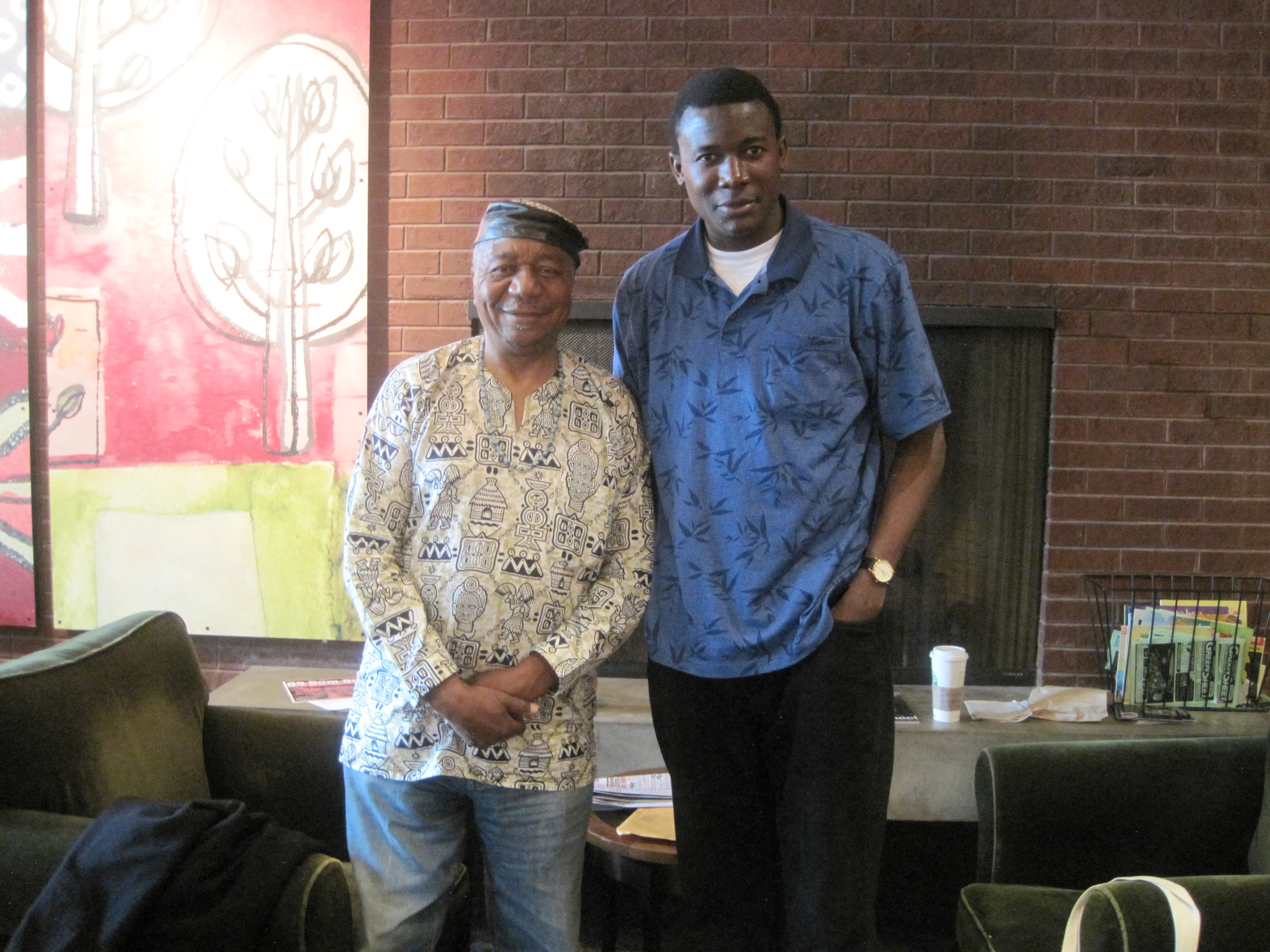
I met Rani in Edwardsville, Illinois at a get-together for the Rotary visitors from Nigeria in April (I think). She’s one of the most fun adults I’ve met in my life. I hope you enjoyed reading her story which she managed to write impromptu immediately after I asked her today. I hear that Rani also means “queen” in Hindi. She could as well be an author, don’t you agree? (Previous guest-posts here.)
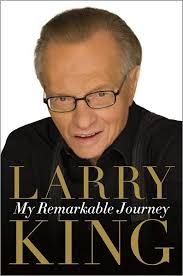 Like many autobiographies, there is the question of whether Larry the broadcaster was the same as Larry the autobiographer-the-writer who was able not only to remember in great detail many of the remarkable events of his childhood, but was able to write them in very fine prose in the 294 paged book. How much of it is fiction or embellishment of the ghostwriter, and how much is rooted in real facts of the broadcaster’s pen and memory?