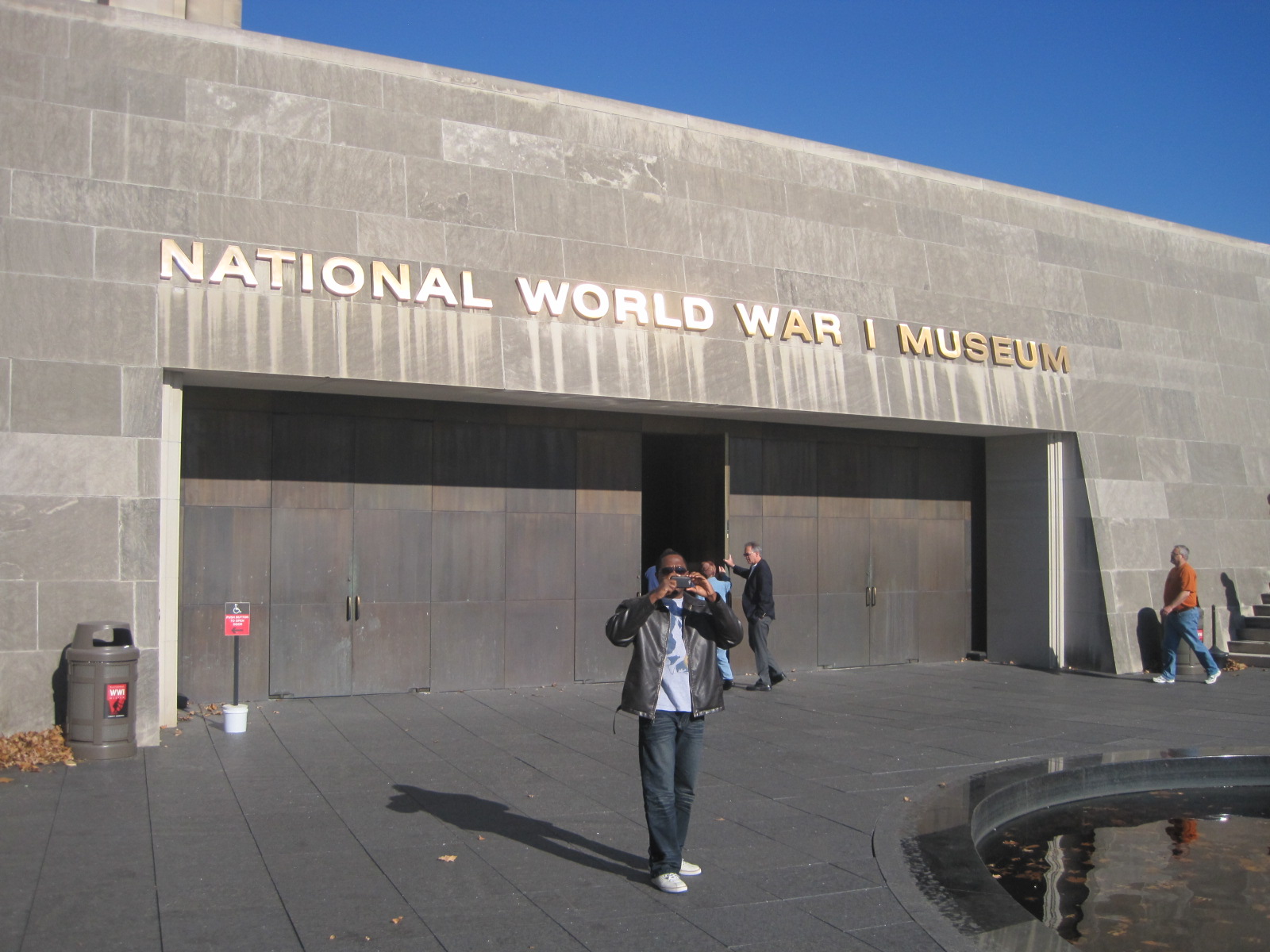
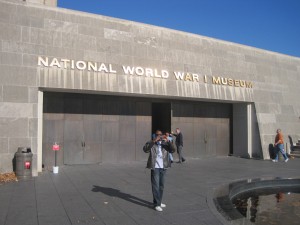
 There is soooooooooo much to see at the World War I museum in Kansas City (MO). It is an enormous research institution and monument to one of the most brutal wars the world had ever seen up until that time. World War I was so large it was called “The war to end all wars.” Thus was the level of sophistication that went into its execution, thebrutality of its reality, and the great number of its casualties, the long period of time it took before the guns fell silent, and the implications it had for future wars that have taken place since then.
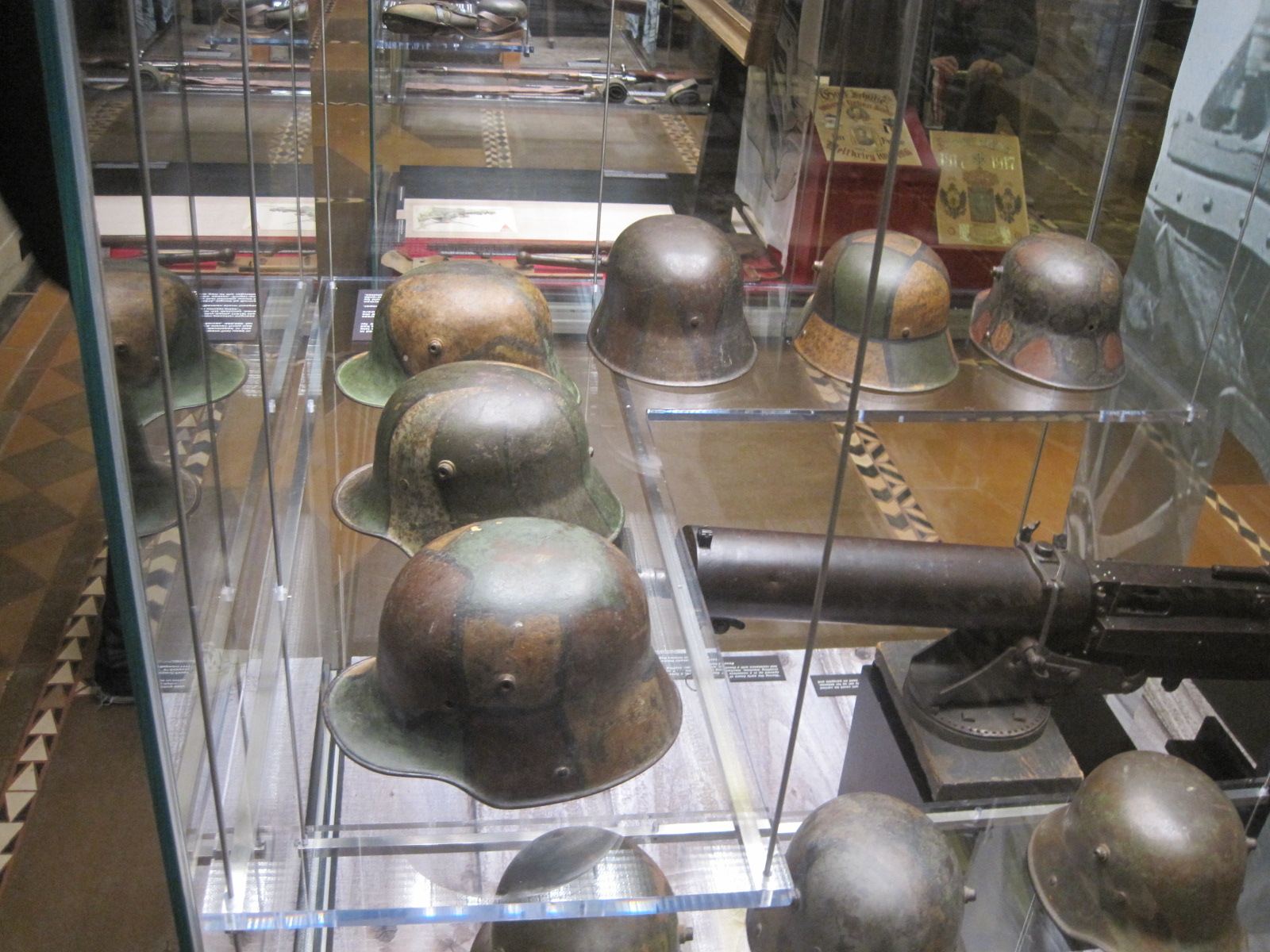
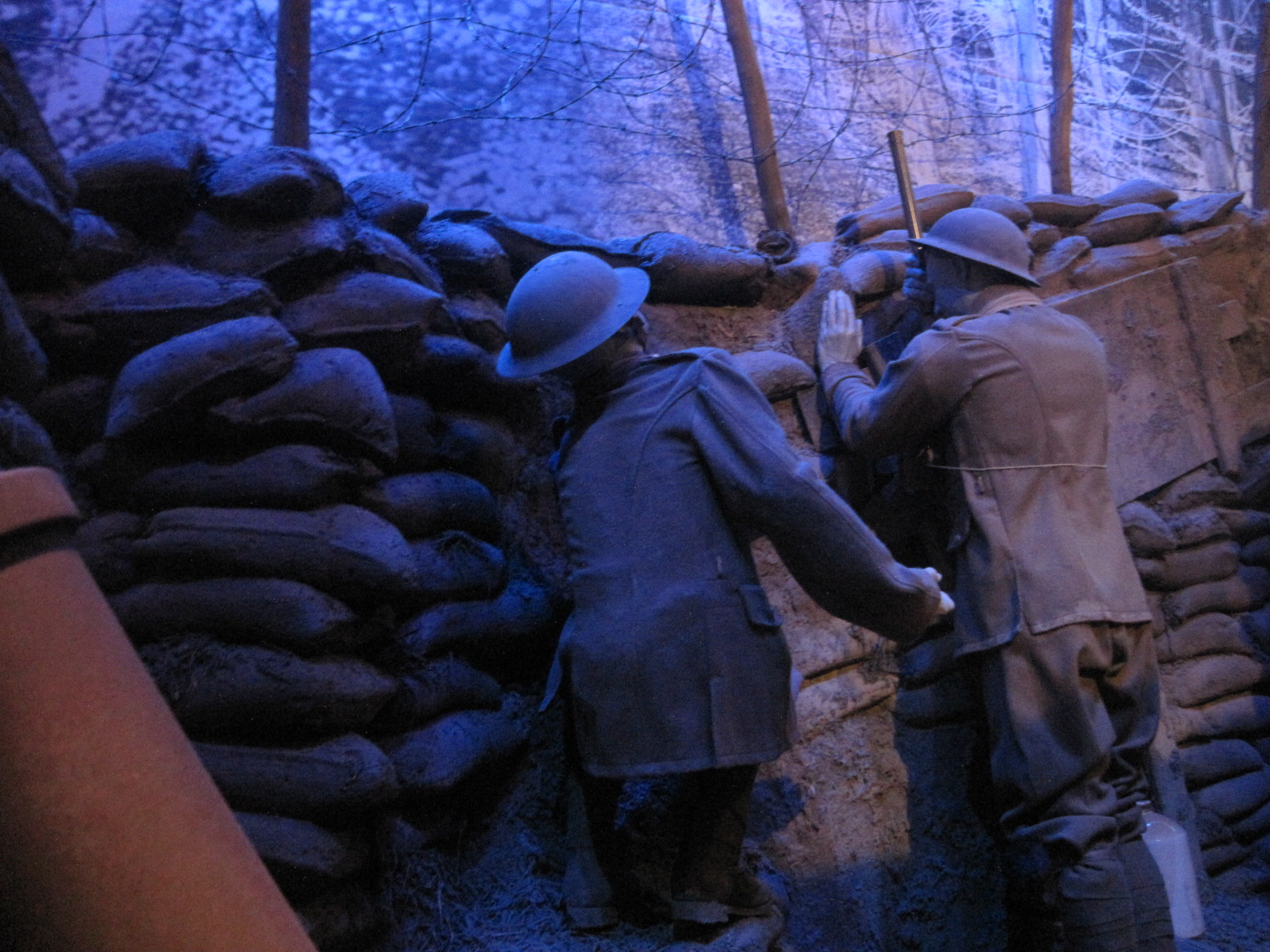
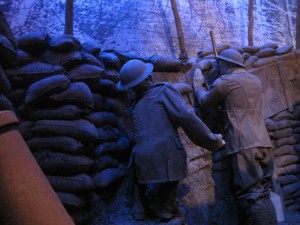
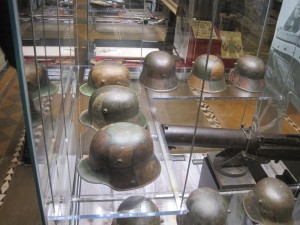 The World War I memorial is as equally intimidating in size, scope and content. It contains real artifacts of the war: guns, cannons, flags, uniforms, knifes, bayonets, boots, hats, torpedoes, bombs, grenades, canteens, airplanes and numerous flash presentations of the war casualties, fronts, progress and dates. There was also a film show of the situations that led to the war itself, from the Industrial Revolution to the killing of the successor to the Austria-Hungarian throne Archduke Franz Ferdinand. On walls and under the sole of our feet, beneath glass flooring, are so many several other markers from the great war – along with pictures of soldiers from all parts of the world who enlisted in defense of their colonial masters. That includes soldiers from the British colonies in India and much of Africa, including Nigeria.
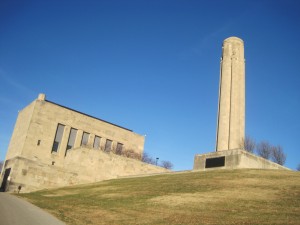
Outside the large expansive building that houses the artifacts is a 217-foot statue which provides a view of the city. The Museum, also called the Liberty Memorial was opened and dedicated on November 11, 1926. It was named a US Historic Landmark in December 2006. It would be impossible to visit the facility without leaving with a profound appreciation of the power of history to move and to greatly affect. I had a renewed appreciation for the situation of the world before the great war, and added so much to my knowledge while musing on the fact that less than three decades later, the world was entangled in another world war that would change the world or the concept of war forever.
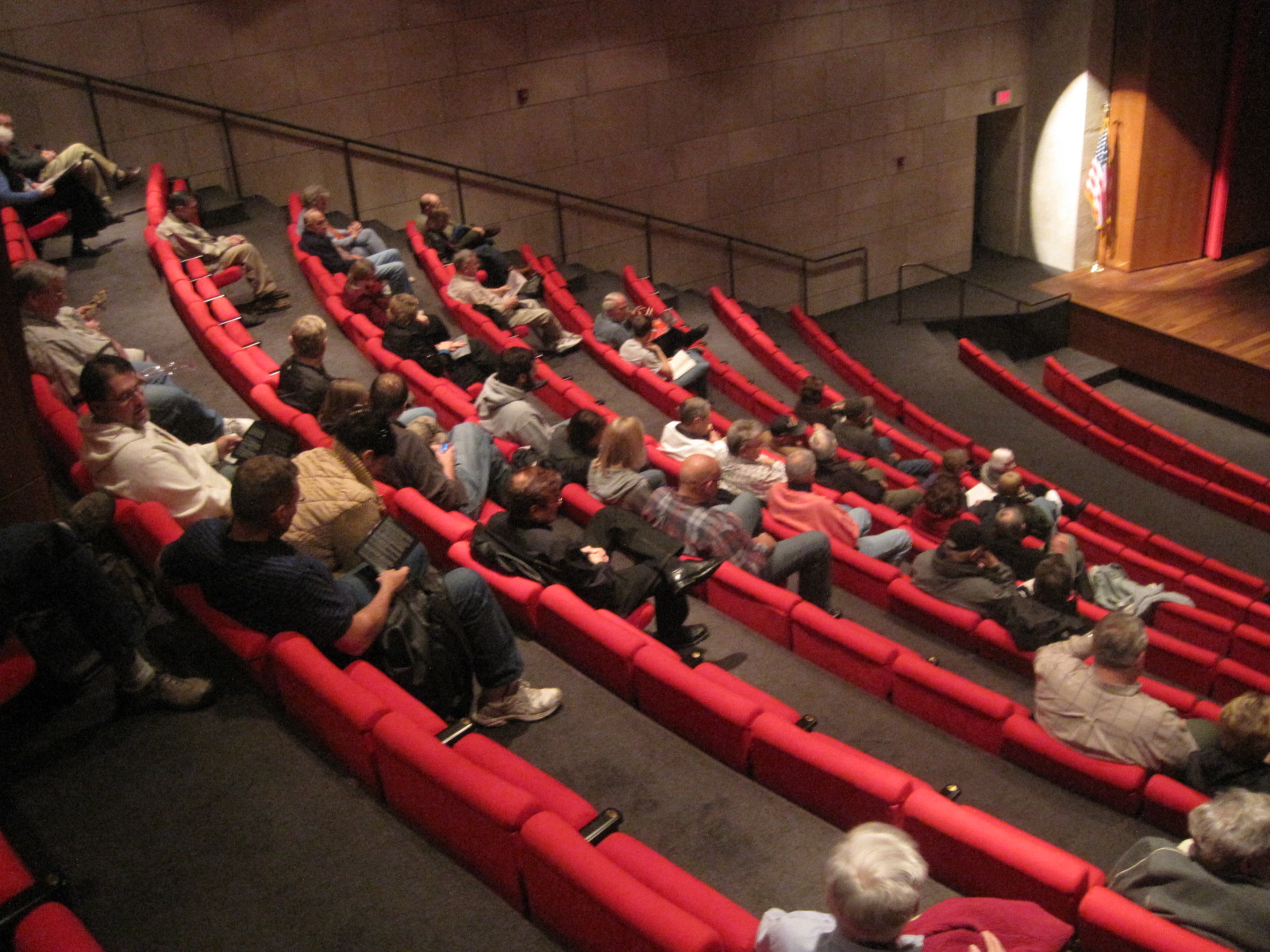
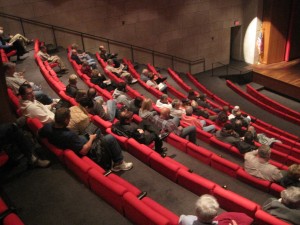 A premier screening of a film at the museum theatre about the life of the 5000 “Polar Bear” soldiers of the United States who had been left stranded in Russia after being sent to fight the Bolsheviks would make it all even more worth it. It was being screened for free to members of the press and the public. Think the US never invaded Russia? Think again. It was the first time the story of those small group of soldiers in the war was being told in film and exhibition, and we were there to see it, and listen to the producer, director, and some of the actors talk about their influences and motivations. Harold Gunnes, the last surviving members of that American unit (was born in 1899), died on March 11, 2003. According to Wikipedia, he was believed to have been the last living American to have fought in the Allied Intervention near the port of Arkhangelsk on the White Sea.
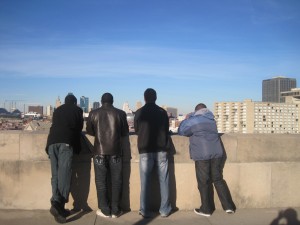
At the end of our tour of the many rooms and exhibitions of the facility, we took a trip to the top of the tall Liberty Memorial monument and had a few pleasant moments enjoying the breeze and taking in the beautiful sight of the city from 217 feet. After that, we returned downstairs to examine another exhibition titled Man and Machine. It was there where one of the curators took a look at the four of us and asked, seriously, “are you guys soldiers?” I laughed, until I realized that he wasn’t joking. He later explained that he asked because he was looking for whom to ask what purpose the bolts at the two ends of standard issue soldiers’ helmets were used for. None of us could provide an answer. (I’d be glad to take answers from knowledgeable military men out there.)
 After taking in sights and knowledge of war for two nights straight, it was only fitting that on our way back, we dropped by at Independence, Missouri at the home and Presidential Library of the man who ended the second war with two atomic bombs, Mr Harry Truman. A journey that began with a visit to the Museum that holds the artifacts of Winston Churchill – the British reporter, soldier and politician whose life spanned the two wars was fittingly ended through the town of Truman on the way home.
It all made sense. Iran and the US are on a constant face-off that is likely to escalate, North Korea had just attacked the South on a reason that seems mundane from a distance of common sense, Pakistan and India are always at each other’s throats, and there are numerous other conflicts and alliances in places all over the world, in the Middle East, all waiting for the little igniting match.
All it took for the World War I to start was the sound of gun shots on the streets of Sarajevo. Who knows what is going to trigger the next one, and where its museum and memorial would be sited. (Maybe it would be on an abandoned mountain in a desert island – the only remaining healthy place to live in the world.)
On returning, it all seemed like an intensive dream of several noise and scary images, a discordant feeling of sweat, shortness of breath, and running through trenches and sound of cannon guns. Maybe the knowledge of past wars would be enough to halt the beginning of the next one. Or maybe not.

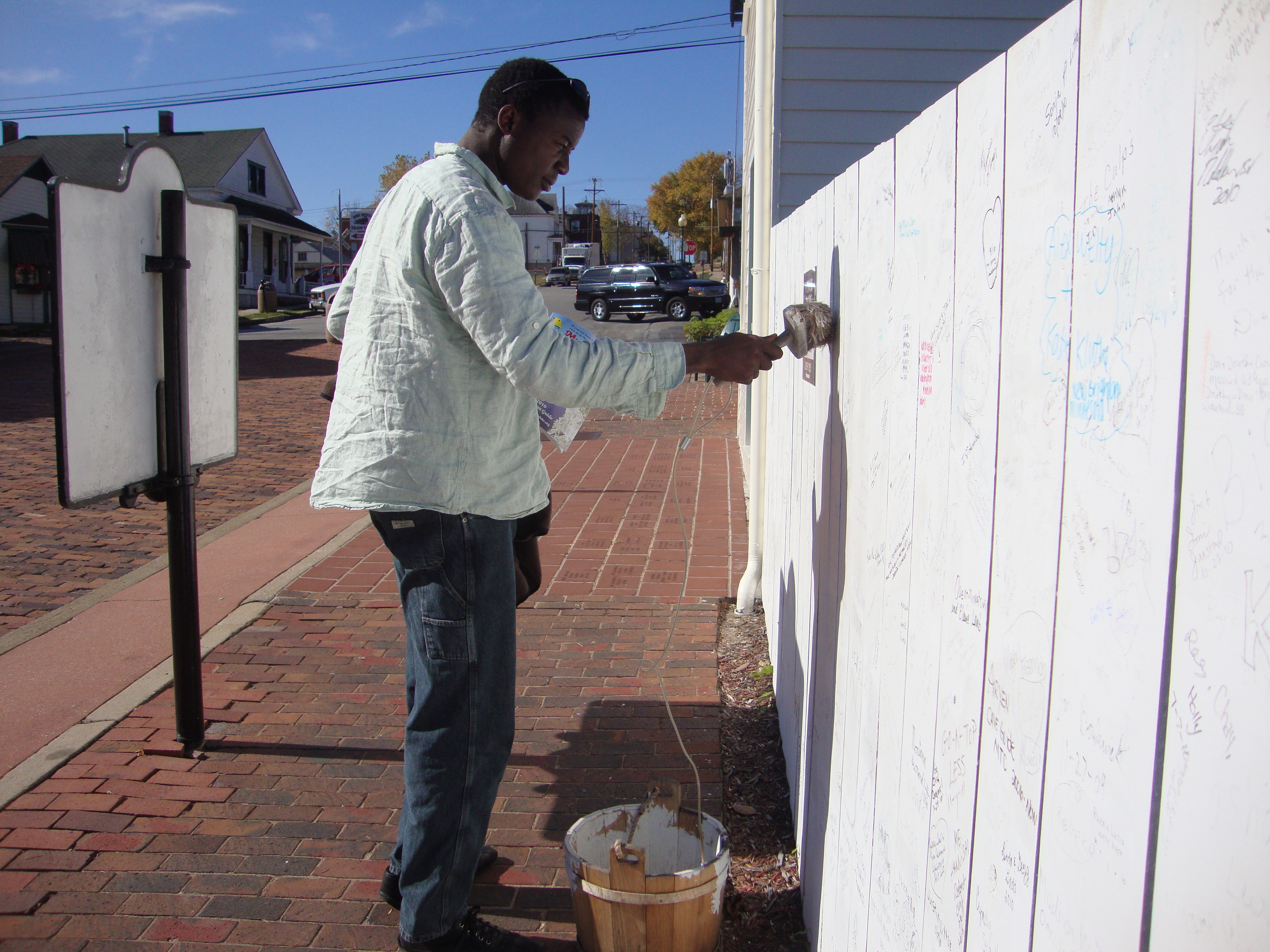 Now this is what I hope you’d do for me, as very loyal blog readers. Go to this page, and vote. It will take only two minutes for you to register and vote. And voting is free – of course. All I ask for is your time. And in return, I promise to drive back there at some point next year to write about what new things are taking place at the Mark Twain Museum. I also promise to visit downtown Hannibal rather than just the museum, and send beautiful KTravula postcards to some random blog readers, signed of course by the blogger. When you finish voting, please tell your friends to do the same. There’s nothing worse than getting so close to the mark and then falling off to the ground. I believe that the $250,000 will go a long way to save the museum (and perhaps reduce entrance tickets for future visitors too.)