Browsing the archives for the Observations category.

On The Strong Breed

There are several things to do when one is a “retired” foreign language teacher with time on his hands. One could begin to translate a book of English fiction into Yoruba just for the sake of it – never mind that many of our “modern” people don’t read in the language anymore. At least one can convince oneself that it is an effort in the furtherance of literature.

One could also begin to read old books, some of which one had bought over a year ago but had not got a chance to open due to the busy nature of one’s teaching and learning commitments. As much as catching up on old books is concerned, my bed at the moment is littered with open copies of “The Road” by Cormac McCarthy, “Slow Man” by J.M. Coetzee and Chika Unigwe’s “On Black Sister’s Street”.

But yesterday, I stumbled on a copy of Wole Soyinka’s “Collected Plays 1” which I had bought from Amazon two months ago. It had in it A Dance of the Forests, The Swamp Dwellers, The Strong Breed, The Road, and The Baccae of Euripides. I’ve read all of them at one point or the other before, but it struck me that there was a part of The Strong Breed that once seemed very strange to me in grammatical accuracy. Today I began to look for it, and it didn’t take me too long for me to to spot. I’ve found it. Wole Soyinka, or his editor at the time, seemed to have missed an almost negligible grammatical rule for one of the lines in the play. Almost negligible, but not quite forgivable for an author that has now gone ahead to win the Nobel Prize for Literature. Here:

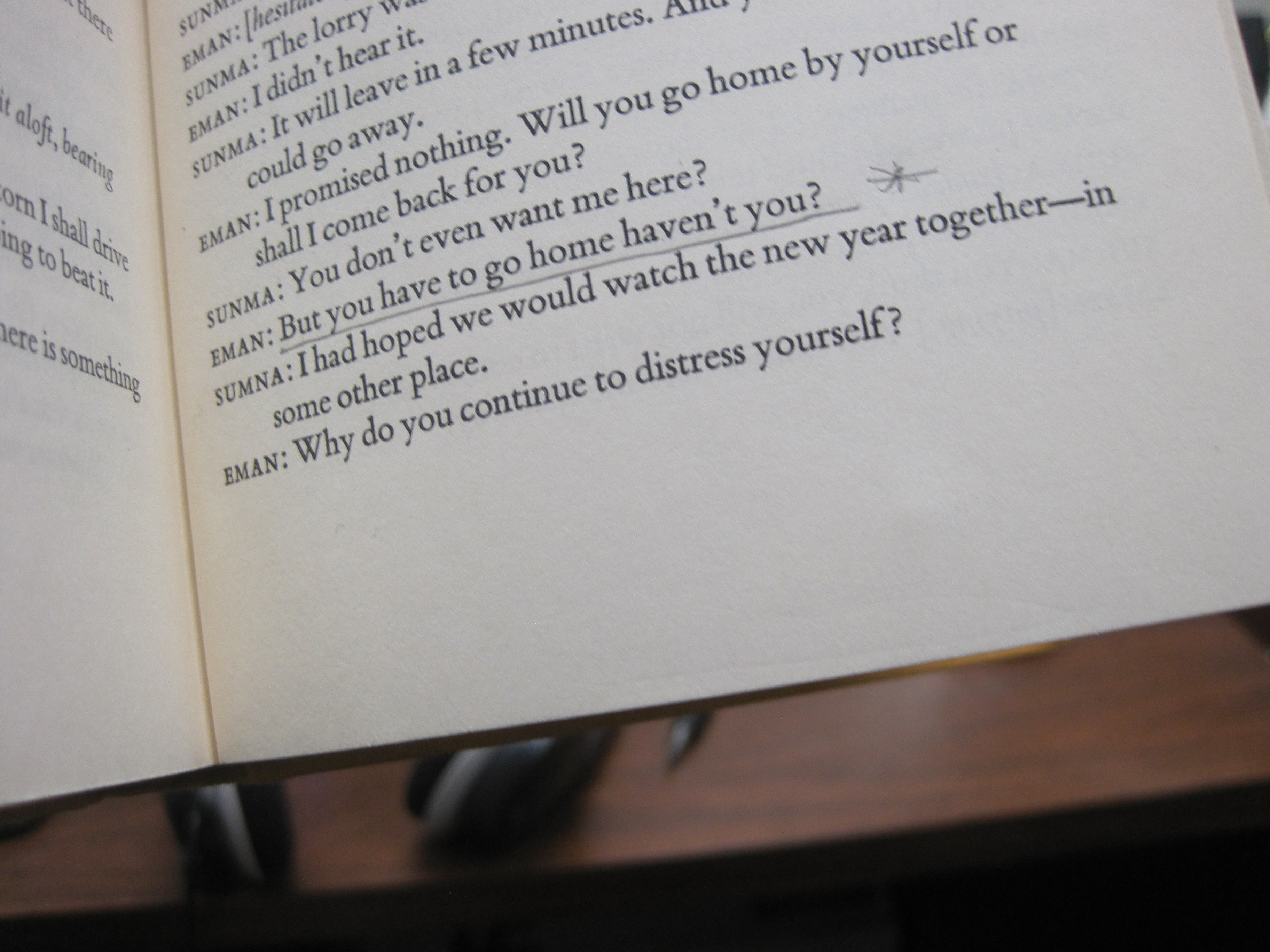
SUNMA: You don’t even want me here?

EMAN: But you have to go home haven’t you? *

SUNMA: I had hoped we would watch the new year together – in some other place.

pg 120.

The first time I spotted this in 2001, I was sure that it had missed the editor’s eye especially since a random internet search did not produce any result of anyone having spotted it before. But seeing it still in another edition of the book convinced me either of the author’s insistence, or on the forgivableness of the slip on some level. Or not. The character of Emma is neither a teacher known for grandiose language nor an illiterate known for the same. In fact, his ability to speak well was never in question throughout the short play so it couldn’t have been part of character. It could only have been an error. What surprised me was how it was repeated in all the editions I have read. So I’ve brought it here for debate. What special reason could be given for this sentence written like this?

Of course after this, I shall be expecting a cheque from the publishers for my eagle-eyed spotting of a faulty line in a book more than four decades old.

Roasted Plantain

Lagos, 3rd June 2010

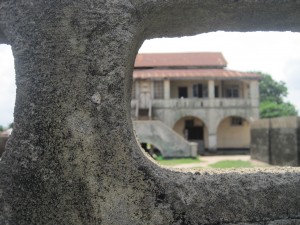
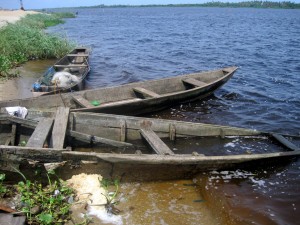
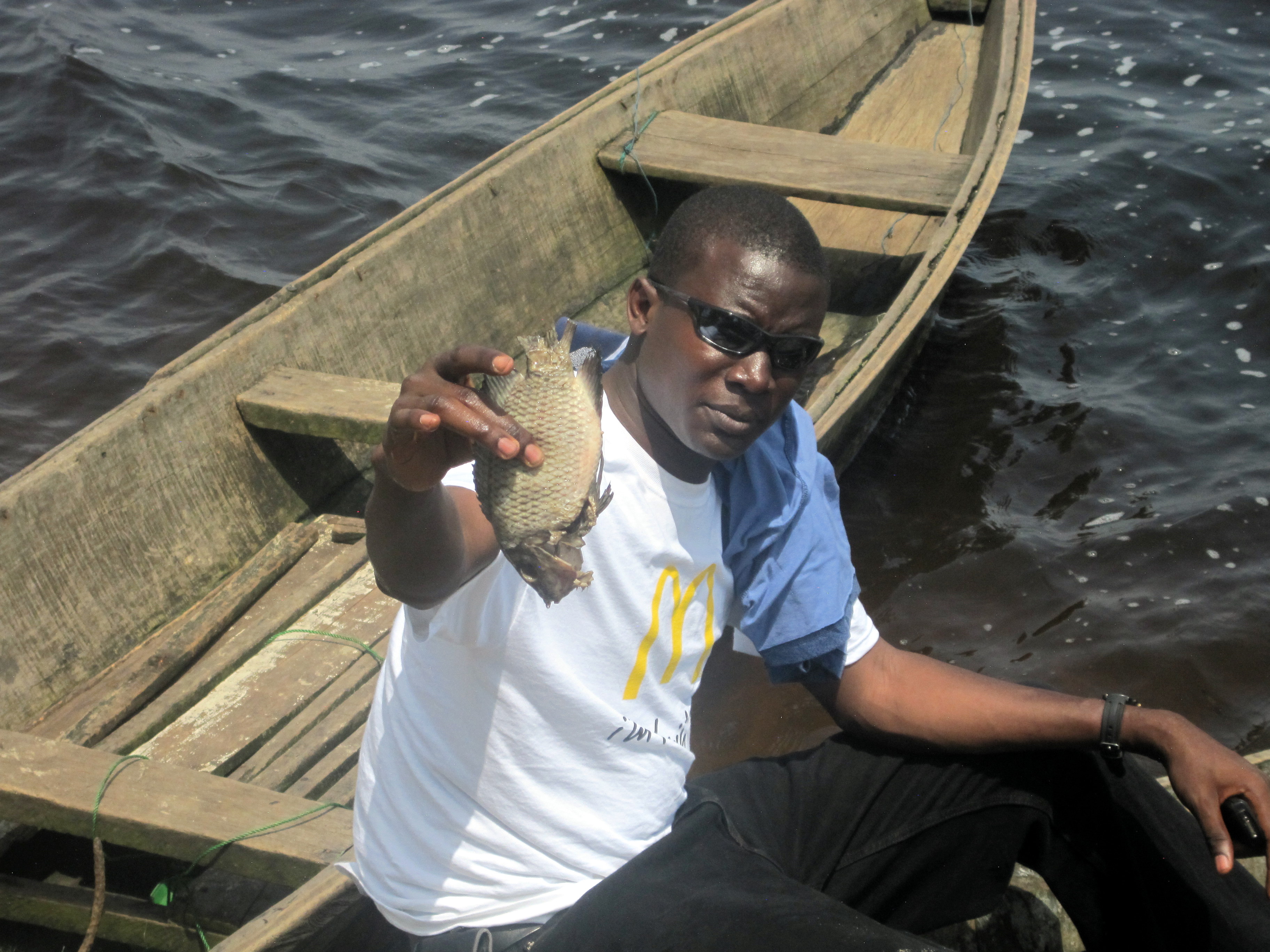
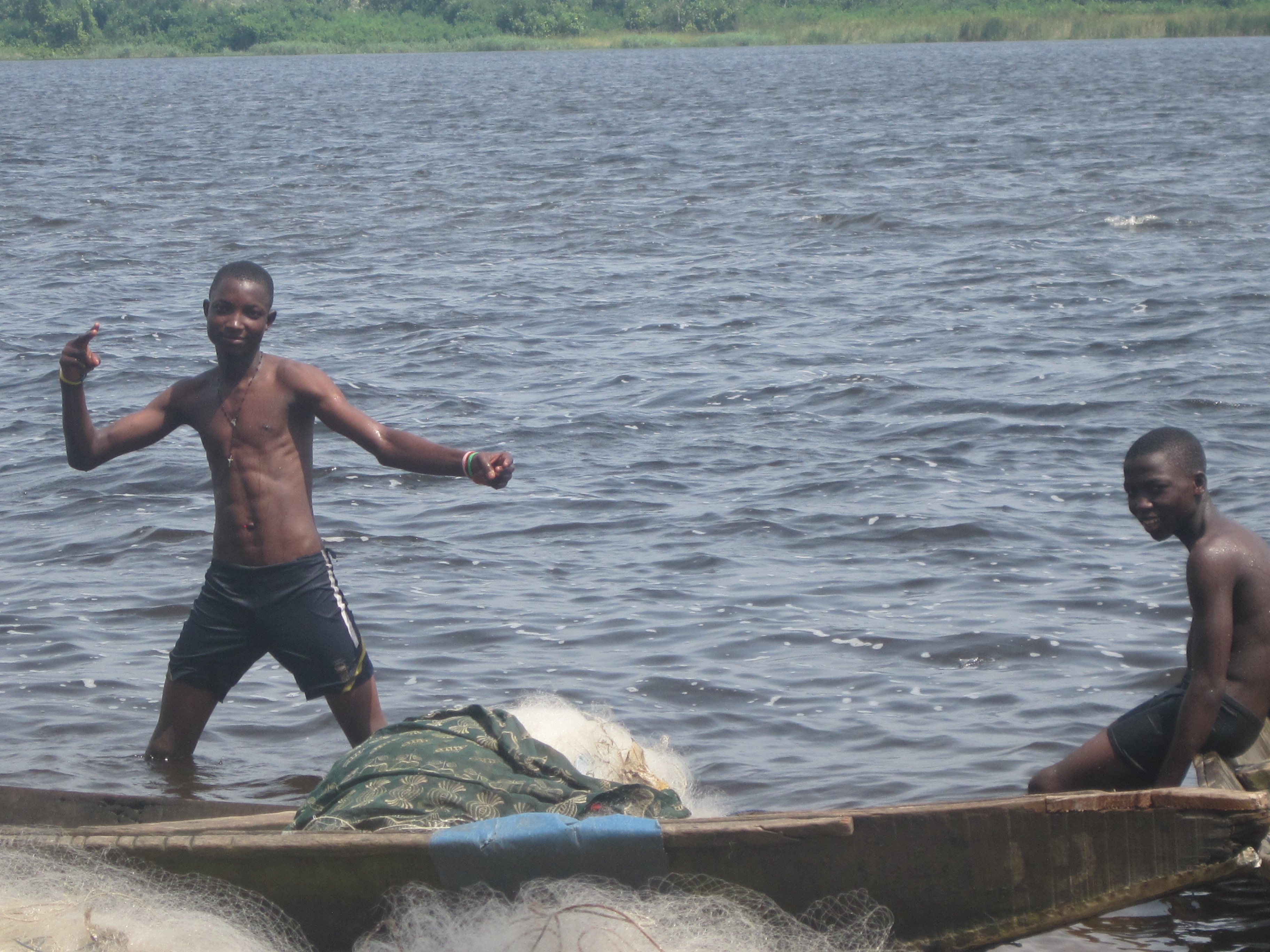
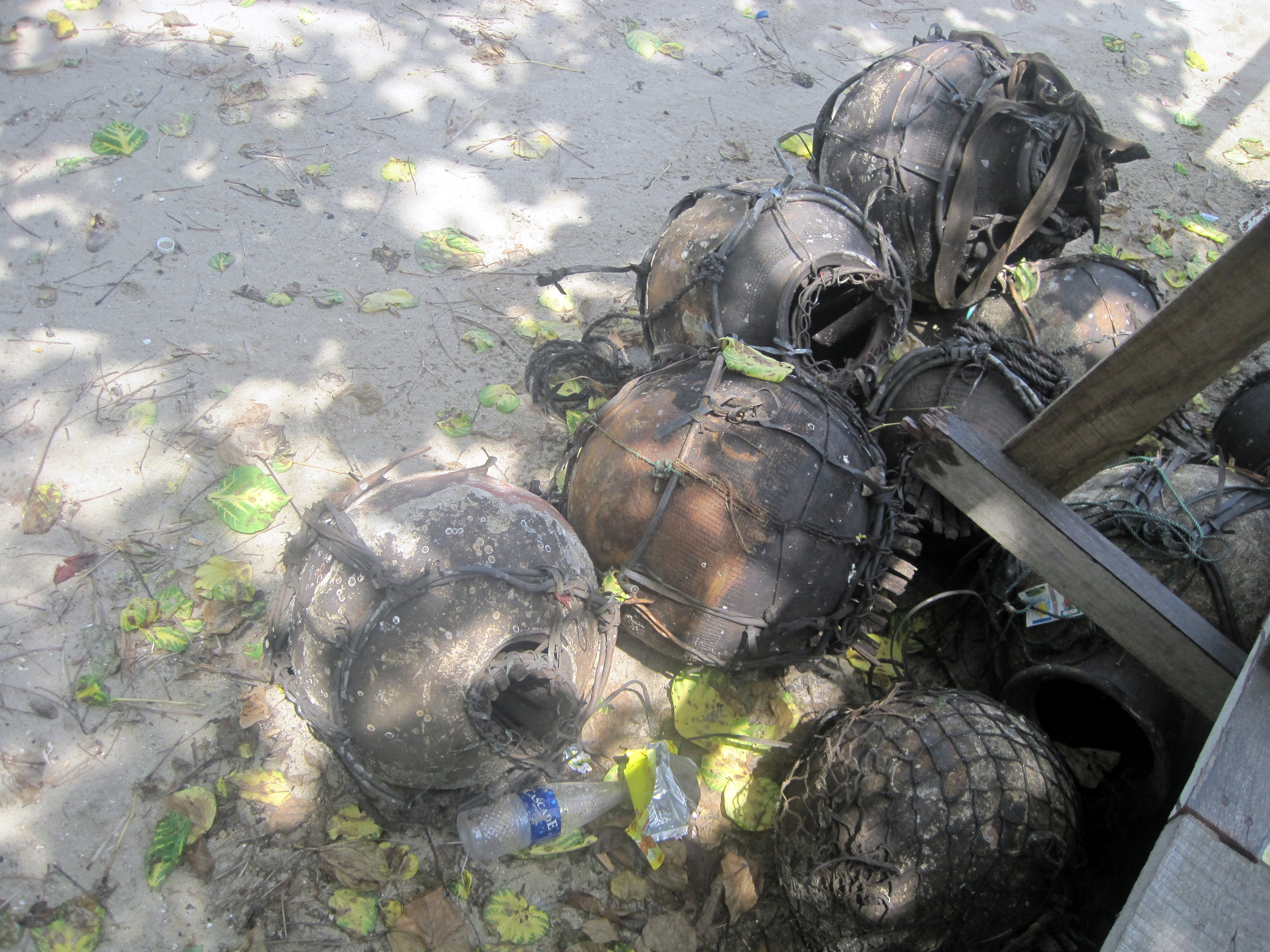
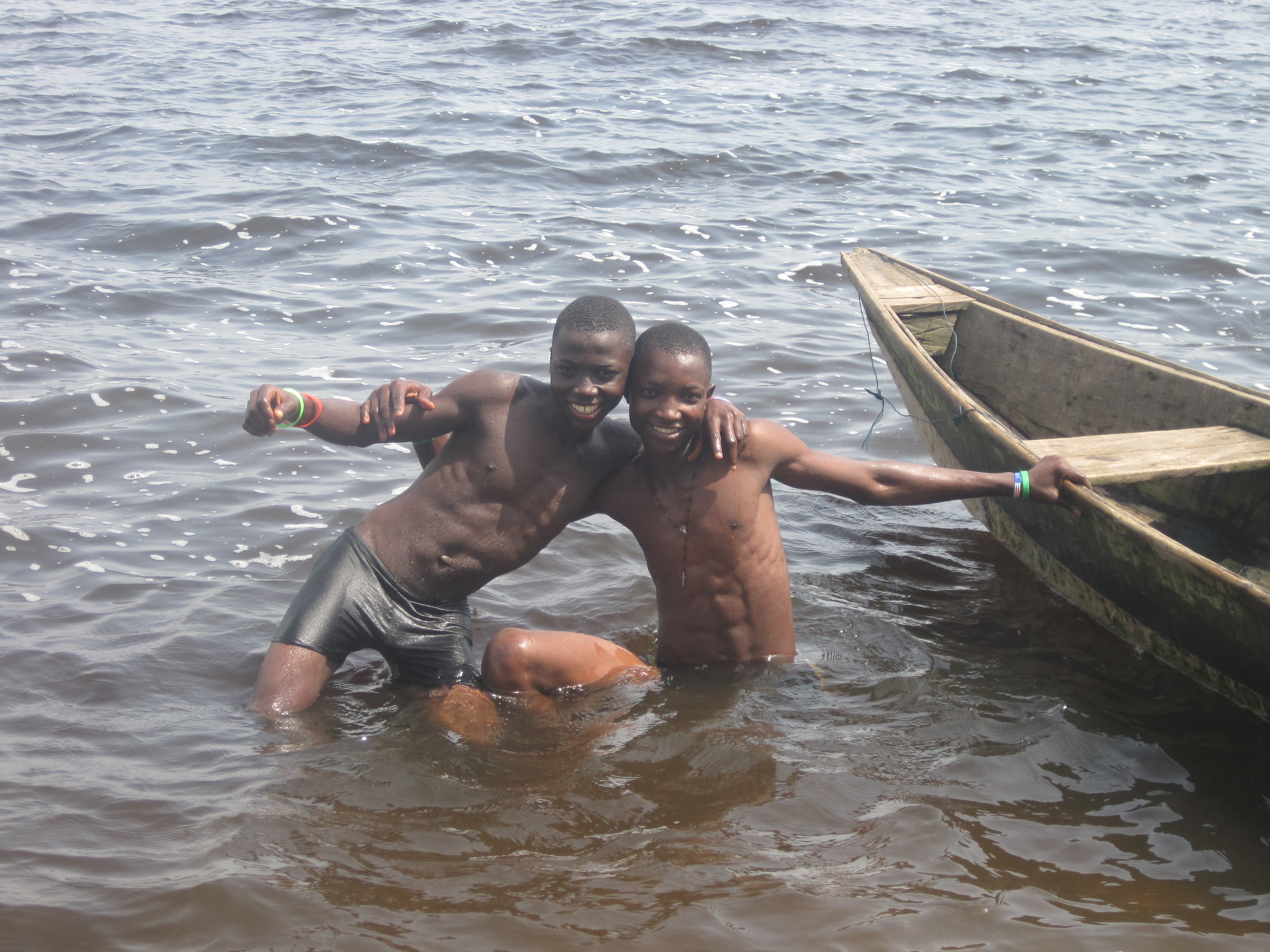
More Badagry

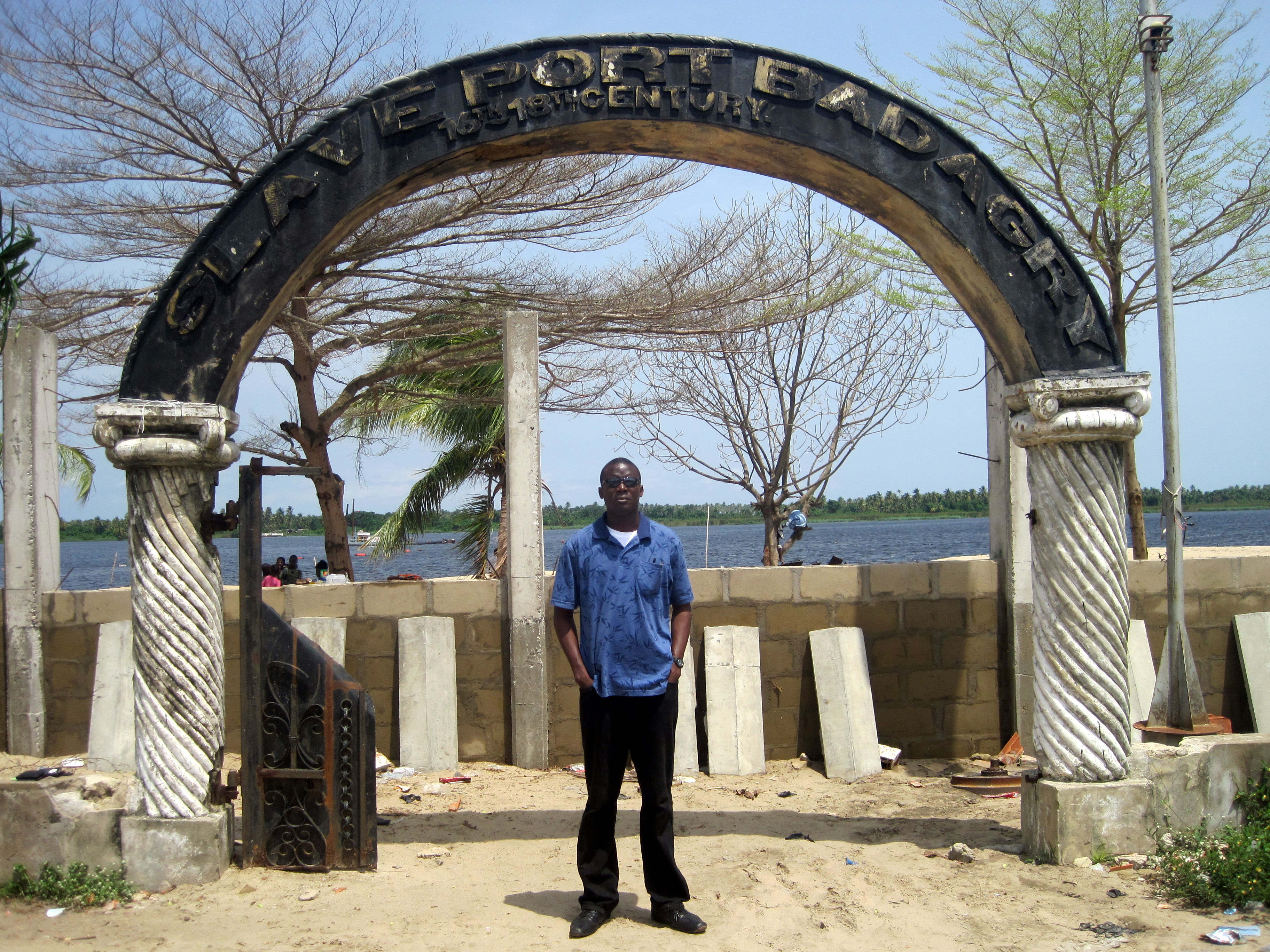
Who stopped the slave trade in Nigeria? When was it stopped? What did it take? Where are their descendants today? What lesson, if there’s any, could be learnt from the historical facts surrounding slavery? Why does a town like Badagry with so many landmarks to the beginning of Christianity in Nigeria, and the beginning of Nigeria itself, have just as much to the beginning and perpetuation of slavery? I tried to explore a little of those questions in a new article pending publication in a Nigerian daily.

But aside from the depressing questions, Badagry is a very very serene town which anyone should be happy to live in. I certainly like the atmosphere of the lagoon front where we had met a middle-aged man quietly nursing a cold bottle of Guiness.

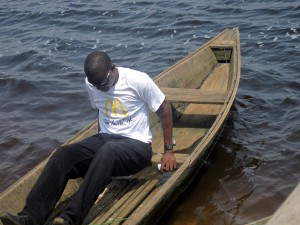
Here are some more photos from the trip. But what are you doing here? Shouldn’t you be busy watching the World Cup soccer fiesta in South Africa?

Blogger’s photos by Liz Ughoro.

Silence

I have nothing to say, so I’m saying nothing.

But, the ingenious gas stations in Lagos now take fifty naira extra if you should dare come there without your car. I still don’t understand the logic. I spend my own efforts to walk about a mile from my house to the station, keg in hand, and I get to pay fifty naira extra? Why? “That’s how it it sir. If you had come with your car, we won’t have asked you for it.”

And, my blog – I hear – has been inaccessible since several hours. Why? Bluehost has gone bollocks for a few hours. Database issues etc. How is that my concern? Yes, I’m contacting my lawyers to sue them for emotional distress and the number of readers lost during the interregnum. Oh, I forgot I’m still in Nigeria. Sigh.

Plus, I’ve written one new poem – after such a long time. It was a needed release.

I’ve also been staring at descending airplanes close to my house. Air France, British Airways, Arik, The Nigerian, KLM etc. They all pass by at thirty minutes intervals during the day, and ten to fifteen minutes interval at night. I kinda like it. It beats bird watching, and I keep imagining who is in each of them, and what is going through their minds, some of them arriving in Nigeria either for the first time, or for the first time in years. So many dreams in the belly of an aircraft.

Plus, all the other pictures from Badagry that I wanted to share with you are still locked in the belly of my Dell. Tomorrow, maybe, and a few other interesting guest-posts. Watch out.

I did tell you I had nothing to say, right? I hope you had a nice day. I did. See you later.

Travelling

ChicagoSome things are just plain wierd, occasionally funny, depending on who you ask. Nigeria is a country, as is the Republic of Benin, or Togo, or even Gambia. Those other countries are almost as big, or as small, as some “states” in Nigeria; small enough, sometimes, to be called a local government in such a “big country” as Nigeria. But that is talking about geographical size. In population, Nigeria seems to dwarf them all. It is said that one in every five Africans is a Nigerian. Then I went to the US and found that the Nigerian country by geographical dimension is the size of Texas – one out of fifty American states. The truth, of course is that Texas is a country of its own with distinct history, language and culture.

What am I driving at here? I have spent almost three decades in Nigeria and could say that there are so many places that I’ve never been, that form a big part of the country’s history. Yet in one year of an exchange programme, I saw more places in a different country than I’ve seen in mine. Guilt form this, in part, has motivated my desire to see as many places in Nigeria as are important either for history, or for recreation. Lagos alone has more recreational landmarks than can even be counted on two hands, and yet many of us busy folks in day jobs spend so little time exploring them.

Badagry

Who has been to Whispering Palms? I got a chance to go there as an undergraduate, but didn’t take it. Could this be the appropriate time? What about Seme, the trade town in the neighbouring Republic of Benin? What about Obudu in Cross River state or the Tinapa trade zone? What about Kano and its ancient city walls? What of the slave castle in Elmina, Ghana, or the old markets in Timbuktu, Mali? What makes a country is not just the people, but the history and a repository of lore passed down from generations to generations. And they abide in the monuments, and old landmarks. And as difficult as it might turn out to be, it is my resolve to connect myself to the very many spaces that make Nigeria and us its people the kind of people we are, beginning now.

Yet, the last time I invited an old friend from Delta to come with me on my planned journey back to Jos where we both had our Youth Service, his reaction was unrehearsed and spontaneous: “Why didn’t you invite me when you were going to the US?” or was it, “Why don’t you invite me when you’re going back to the United States instead?” ? Just when I thought it could be exciting.