Browsing the archives for the Observations category.
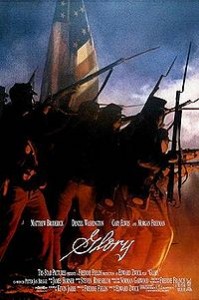
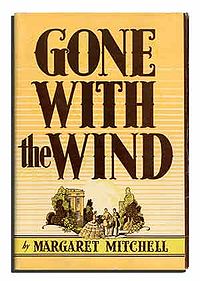
Gone With the Wind and Glory are two sides of the same coin in the civil war history of the United States. Well, not really. One of them is a story that glorified slavery in some way, or at best treated it like just another part of life. The other was a feature on a real life event of an attempt to resolve the institution of slavery among other political differences in the country.
Gone with the Wind is a beautiful story of love, gallantry, bravery and honour. Bella loved Rhett, but Rhett loved Scarlett. Scarlett however loved Ashley, and Ashley loved his wife. Scarlett never got over her love until it was too late. A very moving ending to a story that spanned the period of the American civil war.

Glory is a moving story of honour, bravery, pride and a tragic military campaign of the first “coloured” regiment of the Union army in an attempt to take over the confederate Fort Wagner. Brilliantly told, the true life story never failed to rouse emotion at very memorable intervals. And Denzel Washington won his Academy Award as a supporting actor.
I can’t explain why I have been watching movies about the American Civil War in the past days, but I can say that it’s been worth it. It is filling a few gaps in my history lesson. And it raises a few questions too, why it was important to black men to enlist in the Union army to fight the confederates when all they would get was death, or at best a chance to kill. And how those capable of keeping slaves in servitude and fighting to entrench the evil system could be capable of gallantry, honour and love. Gone With The Wind manages to elicit my empathy for the Old South, and Glory managed to arouse my anger at slavery, war, and inequality. And all I learnt at the end of watching them both is the power of stories.
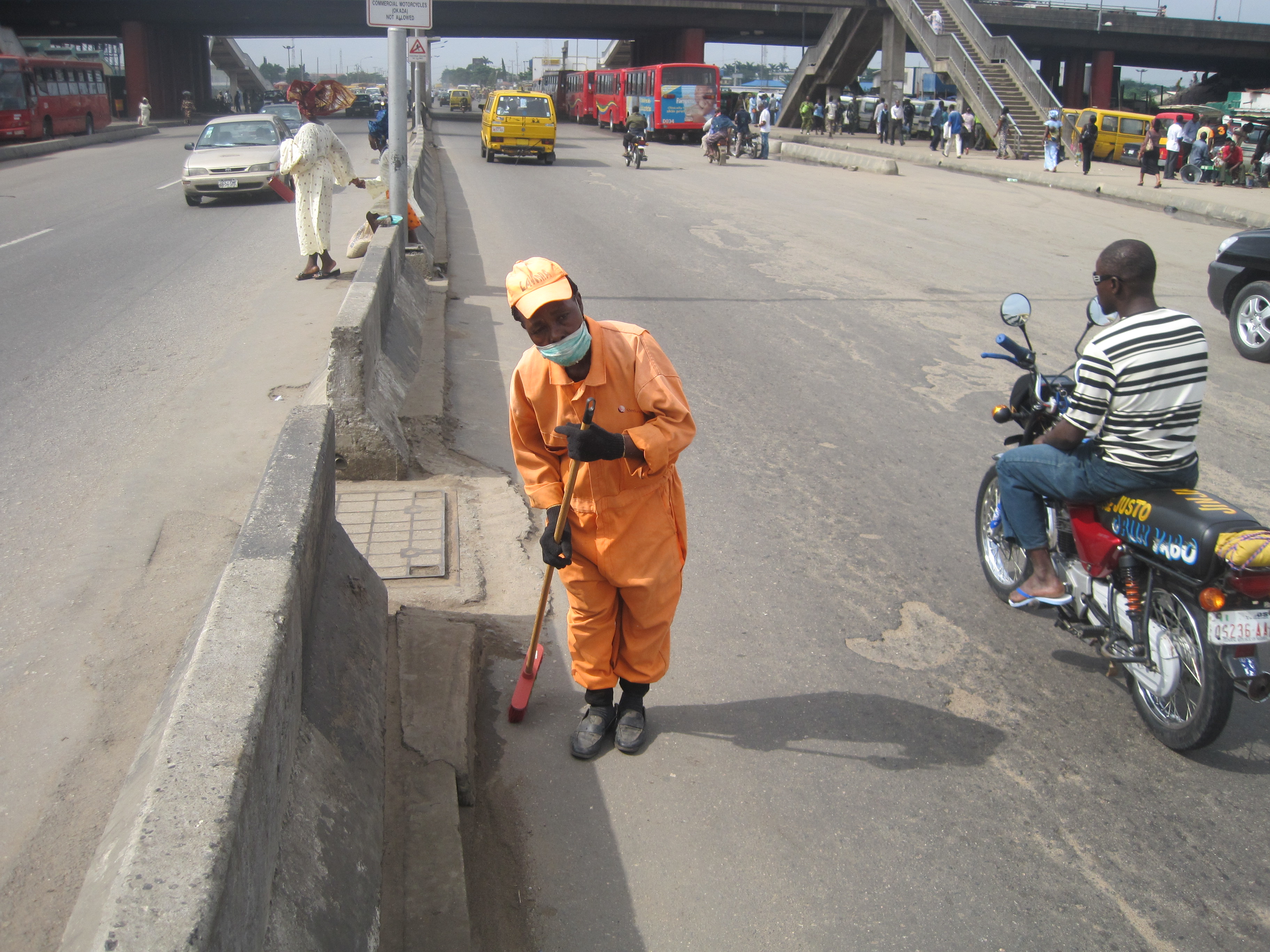
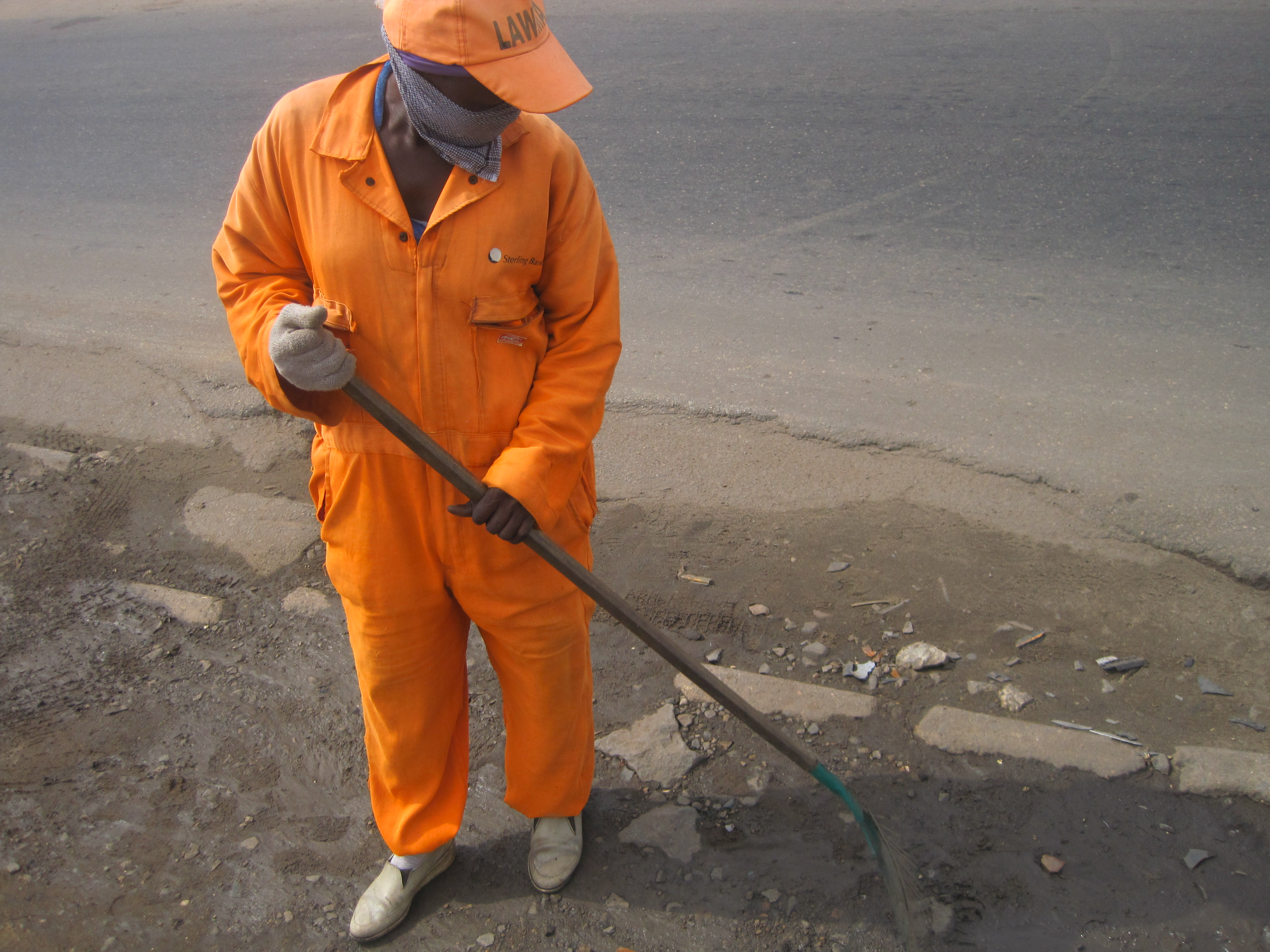
I’d been getting sneak shots of these Lagos State Waste Management Authority cleaners throughout my stay in Lagos, but sometimes earlier in the month as I walked past the pedestrian bridge at Oshodi and spoke to a few of them.
It was a Sunday and everyone else was either going to church or heading to their daily duty posts. I was heading to Badagry. A few minutes stop was not going to kill me, so I waited. I approached her, half wondering if I could be considered a nuisance by any of the policemen on patrol on the other side of the road.
“Good morning ma. Do you mind if I take your picture while you’re working now?”
“No, I don’t,” she said, but she looked at me as if to ascertain my motive. “No problem.”
“Thank you very much,” I said, “I’m writing something for publication and I’d like to capture you while doing your work.”
I went away from her as she stood by the concrete demarcation in the middle of the road sweeping dirt. All around were activities. Some people were crossing the road towards us, and some away from us. I made a few snapshots from different angles while keeping an eye on the policemen who – if they’d seen me could have been tempted to ask a few questions of their own. After a while, I was satisfied. I returned to her.
“What’s your name, ma’am?”
“Patricia Okoro.”
“Do you live around here?”
“Yes. I live at Abeni Bakare. Mafoluku.”
“How do you enjoy the job you do here? Do you like it?”
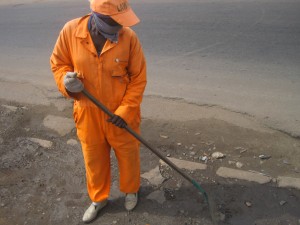
“Yes, I do,” she said. I believed her. “It is not much, but it allows me to take care of the things I have to.”
“I hope you don’t mind me asking. How much do you earn per month?”
“Ten thousand naira.”
That is $60. Per month.
“Really? For the whole day?”
“No, only for half a day. I stop work at two pm every day. It is from six am to two pm only.”
“Oh, so you’ve been here since 6am today?”
“Yes.”
I asked her if there were those who worked for the whole day.
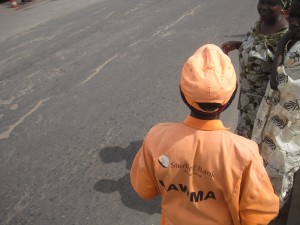
“Yes,” she said. “They earn twenty thousand.”
She won’t work the whole day because she needed to rest.
I asked what she was doing before she became a street sweeper and she said she didn’t have a job. She had been a porter and a trader, but none of them gave her as much pay, satisfaction, and free time that working with LAWMA did.
A few minutes later, she took the broom, picked up the trash bin and moved to the other side of the road. She didn’t say goodbye and I didn’t stop her. She had been stoic for the most part of the conversation perhaps because she was on the job, and busy, but she did convey a striking appearance of dignity. She may not have been the most cheerful person working on that Sunday morning when everyone else was relaxing in the way they knew best, but she had presence, and a hardworking spirit that remained with me long after I went my way.
I met a few more of them later although some of them refused to be photographed, but they all talked to me. I went away from the area with a certain respect for them, mostly women, working hard every day around the state for such stipend just to make ends meet. And they are the ones who keep the city clean.
Anwuli Ojogwu has asked me if this blog will remain a travelogue “now that you’re back.”
It is a question the answer to which I’ve resolved since a few weeks before I got on the plane heading back home. Yes, the blog is tagged “a travelogue”, and yes, so it will remain, and the contents will remain what they’ve always been: my observations on the world around me wherever I go. It has never really been strictly about travelling anyway, but about my interests, views, observations, progress, ups and downs, friends, and the way my life seems mixed up in the American (and world) experience warts and all. It will remain so.
In this spirit of the beautiful game, check out this World Cup of Fiction.
“In many cultures of the world, women damage themselves in order to appeal to men (which translates to “finding a mate”). And parents damage their girls to make them marriageable. In American society, much of this “mutilation” is psychological (though plenty is physical) but no less painful or harmful. However, plenty of people are writing about all this. I don’t feel enough are writing about female genital cutting.”
This piece from fantasy and speculative fiction writer Nnedi Okorafor has made my morning not just because of the way she successfully defends her genre from the many ignorant attacks it has received from sections of the public, but the depth and fluidness of her thoughts. Listen:
“First of all, I speak about what I choose to speak about. Let’s see you try to stop me. Secondly, if writers only wrote about what they’d experienced, then few people would write about wizards and unicorns. Thirdly, let’s be honest here, you can lace the practice of female genital cutting with whatever elaborate stories, myths and traditions you want. What it all boils down to (and I believe the creators of this practice KNEW this even a thousand years ago) is the removal of a woman’s ability to properly enjoy the act of sex. Again, this is about the control and suppression of women. And I do NOT have to be right there between a little helpless girl’s legs to know this to be true.”
Read the rest of the piece here and see why the award-winning writer Nnedi is one of the bright futures of African literature.