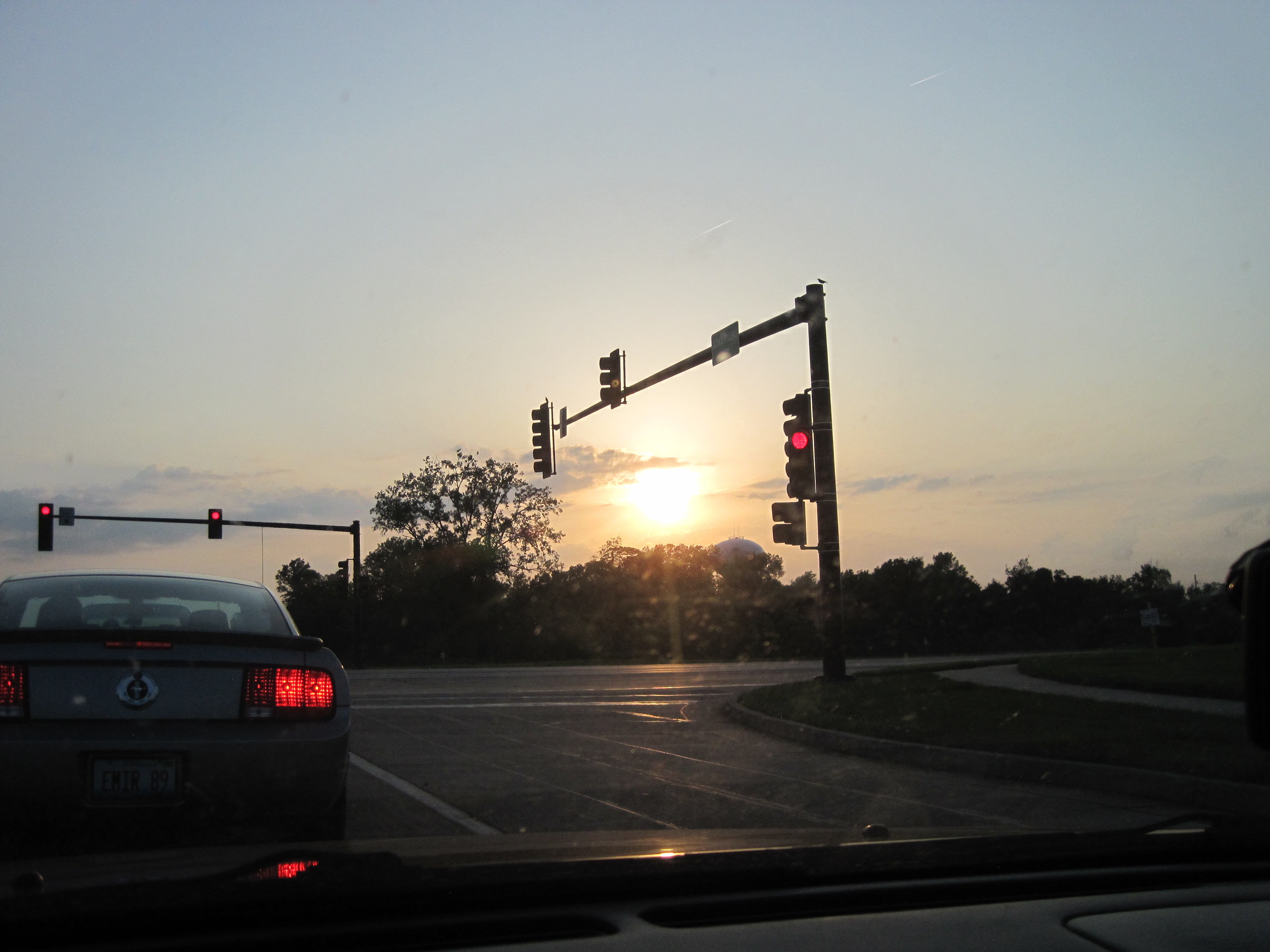
Driving in a dry warm weather through a whiff of air that smells like harmattan and its burnt grass flavour, he heads to school. This is the standard. There are other freedoms along the way: a chance to walk a quiet neighbourhood at night with a coon cat on a leash with a few random stares by those who had never seen anyone of that height and/or complexion in that side of town in a long time, and greeting nods from those who had, or who know him as the new stranger in the big house. An always wonderful evening meal with an amazing family, and after-conversations ranging from events, to issues, to life, and to time.
On the last day of December, 1983 – you were too small to remember – we were stuck at the border point between Benin and Nigeria trying to get back into the country after having traversed the West African coastline visiting very nice places. The Benin border patrols had cleared us but the Nigerian folks won’t let us in. They said there had been a change of government… And the Beninoise then refused to let us back in their country as soon as we got back there… Has anything changed now?
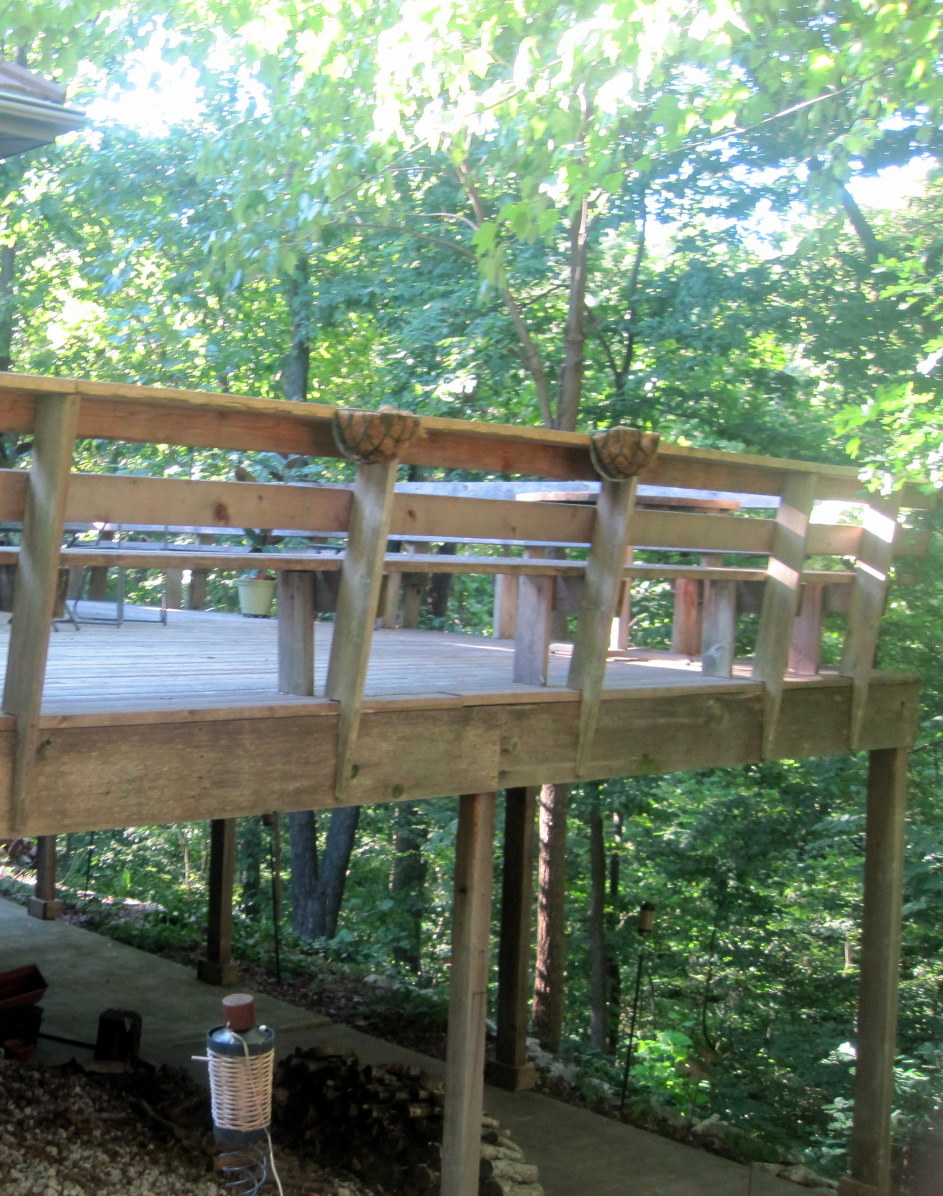 Sitting on the wooden deck out in the warm evening breeze, he looks down into the woods where trees of varying heights and shades go on and on onto a house farther down where no one had ever been. Some people used to live there. On the closer trees are bird feeders filled with sunflower seeds. Father showed him how to add more to it whenever it finished. The squirrels spend much of their times there. Chipmunks also come whenever the sound of hawks are not close by. With little pouches under their necks, they look almost as their exaggerated depictions in those animated movies. A robin came in once along with a little one. Hummingbirds offer a most surprising sight, wheezing in and out of sight like extra large honeybees. The cardinals are the most beautiful, with red crested heads and feathers and a certain grace, all giving the evening a flavour of more than just their sounds.
Whenever the amazing tune of life gets stuck in the mucky throat of over-excitement or even oversimplification, the deck offers comfort, along with the other perks of homeliness. Then everything is all right again.