 Here’s one of the most interesting displays of democratic ideals in the United States of America: a set of turkeys – yes the animals and not the humans from the country of Turkey – are set free by official pardon of the President. 🙂 By this I mean that an official decree is made that these animals are now set free from the penalty of death, and are free to go (“and sin no more” perhaps) and live their free lives. Isn’t it amazing? Oh the Americans! Nobody ever told us what eventually happened to the turkeys once they left the vicinity of the presidential presence, and perhaps wandered into a poor neighbourhood of a nearby state.
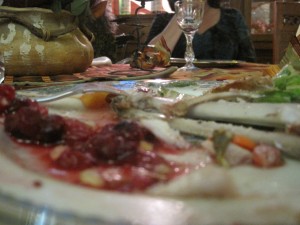
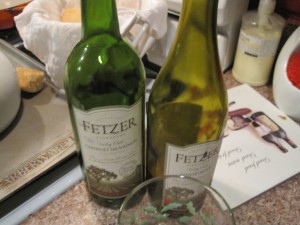
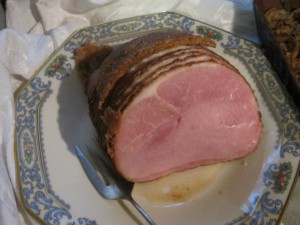
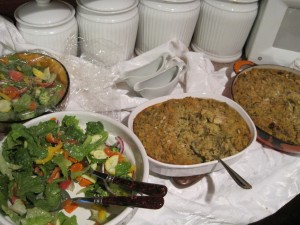 In any case, there was no such presidential decree, ceremonial or otherwise, in Edwardsville today as I stepped out of the house to my host’s Thanksgiving get-together. And God bless them too. Even if I was a vegetarian, today was one of those days when it was better to renounce the faith for the good of all humanity, and peace on earth. Well, maybe I exaggerate. In short, I had a very nice day. The food included turkey, of course, turnips, smoked bacon, bread, crab and sausage stuffing, green beans, potato pie (the real sweet potato), chocolates, whipped cream, ice cream of different flavours, sweet corn, cranberry sauce, salad and other fruits and drinks (sparkling wine, white wine, red wine, mojito and margaritas) – a very traditional American meal.
 The get-together also included a diverse mix of people: My hosts, their beautiful daughter and her partner both from the state of Utah, their friends, neighbours white and black, acquaintances, a few elderly women looking gorgeous and us – the Africans. We had gone there with a Thanksgiving card, one of the ones that I bought since a few weeks ago, as well as a copy of Chimamanda Adichie’s Half of a Yellow Sun as a kind of present, which they both greatly appreciated. The repercussion of that thoughtless decision is now that I had to leave the house when the gathering eventually dispersed with a huge paper sack of very many great used books of fiction, history, non-fiction and poetry which, according to my host were already slated for giving away before we showed up. He loves us, that man, and he has asked us to come back for as many more books as we want, for his giving away. One of the things that North America is full of, if I may assume, is plenty great books to which I would never say no.
It’s thanksgiving day, and because of that someone in Nigeria will receive a present of a sack of books, just as soon as I figure how to ship them out without depleting scarce resources…
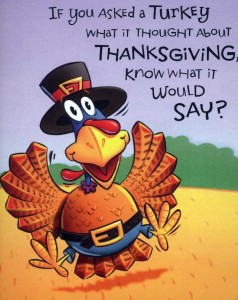
For the rest, it was just a wonderful day of feasting and merrying. The turkeys that made it out this year with their necks intact had better thank God too with a large feast, and then go out and sin no more. That is, of course, until Christmas comes. Sigh, the precarious lives that livestocks live. Thus the riddle in one of my earlier cards: “What do you think the turkeys would say about the Thanksgiving holiday? Answer: Probably something fowl!”
So how did yours go? The Thanksgiving in America and the Sallah festivities in Nigeria?
 To YOU, yes YOU. Stop looking around!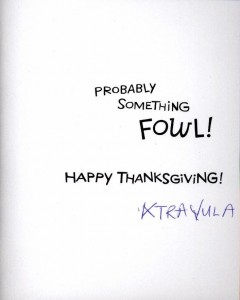
 Today in America, everyone of us will gather around dinner tables to devour family meals of the season set aside to thank the Lord for the harvest of the year. The anniversary began by the very first immigrants on the continent after their first harvest, and it has continued since. President Abraham Lincoln it was who decreed that it would take place on every last Thursday in November.
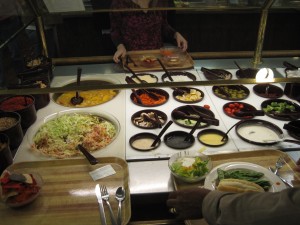 When is a soup a soup and a yam a yam? My concept of these two food items has definitely undergone a radical change in the past three months since I’ve been here. Well now that I think about it, there has been some gradual change in my perception of them, but not in the way that the United Forests of America has shocked this Nigerian ghoul into a different realization.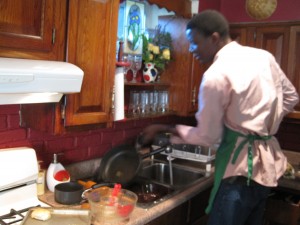
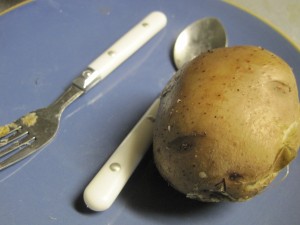 It was just as well, because almost three weeks ago when I went into Aldi’s to shop for groceries, I saw some of the red ones and felt suddenly giddy. I would be eating “sweet” potatoes for the very first time in a long while. What heaven! I bought sufficient, ignored the grey ones, and headed home probably dancing to the songs in my head. Alas, the horror of horrors awaited me when after about thirty minutes of cooking said “yams” or “sweet potatoes” on fire with little salt, I sat cross legged in front of the television and peeled them to eat. I couldn’t believe my tongue, and I had to taste them all one after the other to confirm what I was now discovering anew: this “yam” is actually a friggin’ yam, goddarnit! A yam, albeit of a small variety! In Yorubaland, we called this èsúrú! Aaaaaaaargh! I used to love èsúrú, but at that moment of sudden discovery of a kind of cheating from the culinary gods, I suddenly lost interest, and went back to doing other things.
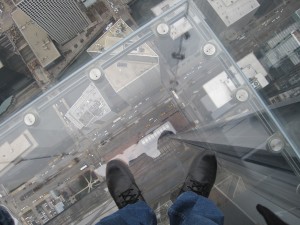 The only reason I can give for the title of this post is a recurring thought I have when entering any structure that is higher than a leaping distance from the ground. Saturday was one of them, and you already know what I was thinking while looking down from 630 feet. A few months ago while flying from Lagos to London, similar thoughts entered my head at some point during the long flight, and from London to Boston. What are my chances of survival from this height of over 60,000 feet? There is a kind of surrender that inevitably accompanies a decision to take a plane flight. Our lives are in the hands of the pilot whom we never ever get to see.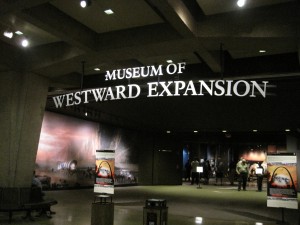
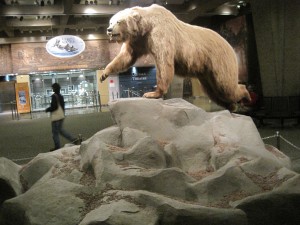
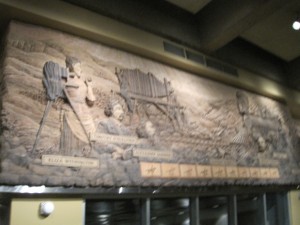
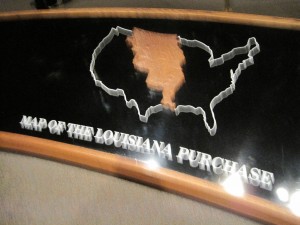
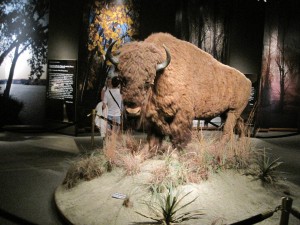
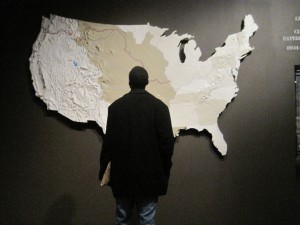
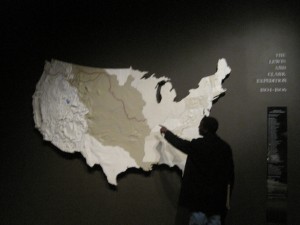
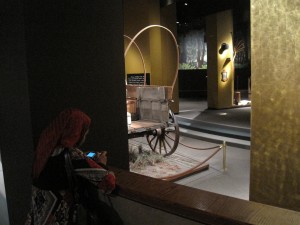
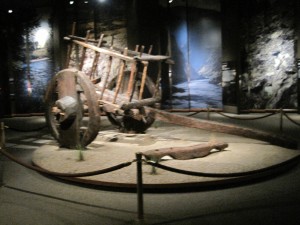
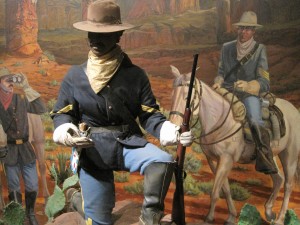
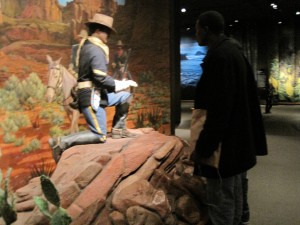
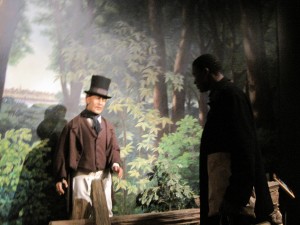
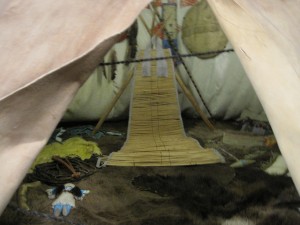
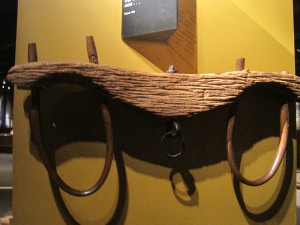
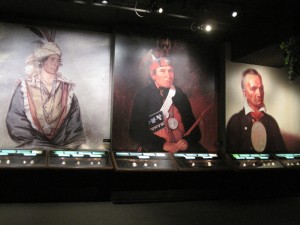
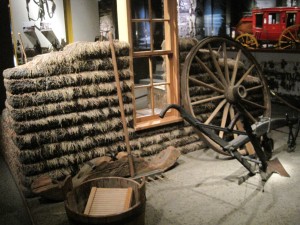 The Jefferson Memorial in St. Louis comprises of more than just