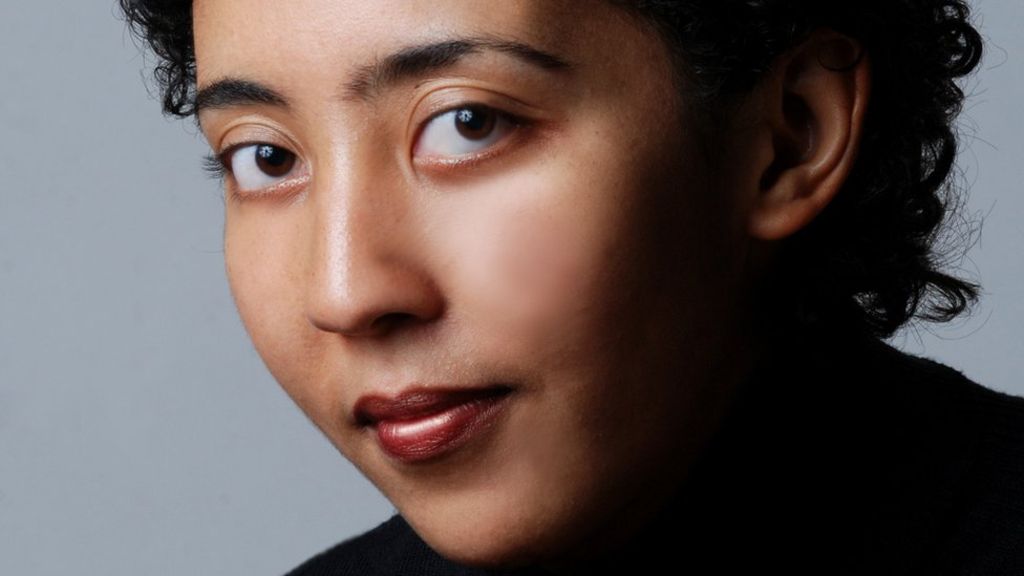
Namwali Serpell. Photo credit: The BBC
Writer and professor Namwali Serpell of Zambia and of the University of California, Berkeley, was declared the 2015 winner of The Caine Prize, the most prestigious prize for the short story by an African writer. Her story, first published in Africa39 was titled The Sack. It was a story which she herself described as “a story so strange”. It was a story that I found quite fascinating in its unraveling. In this interview, she speaks to me about the story, her work, background, and influences.
__________
Hi there and congratulations for your win. Were you expecting it?
Thank you. No.
I’m sorry to say that I hadn’t discovered your work up until this moment. I have a copy of Africa 39 but managed to read only a couple of the stories there. Not many people know also that you have been shortlisted for the Caine once before (in 2010) for a story called Mzungu. Femi Terry won that year. What have you been up to within that five intervening years?
Since 2010, I have been teaching at the University of California, Berkeley, where the English department just granted me tenure. As part of that process, I wrote and published a book of literary criticism called Seven Modes of Uncertainty (Harvard U Press, 2014), and a handful of short stories and essays.
I know you were born in Zambia, and left the country in 1989. Did the politics of that country play any role in that migration, and what has been your most interesting experience living far away from home?
No, my family moved to the United States for work when I was eight years old. My father was working as a professor in the psychology department at the University of Maryland Baltimore County; my mother was working for the United Nations and then left her job to pursue a PhD.
I enjoyed your recent interaction on The Guardian where you had a lot of snarky remarks to a few ignorant questions of commenters. Does being a college professor prepare you enough for dealing with online trolls?
Insofar as I have witnessed the power of the Socratic method in my classroom, yes.
I caught this from one of the comments in the Guardian interaction: “I appreciate that in any stable society, literature can and sometimes should steer clear of other issues. However the group called Wall Street, Dylan Roof, and police departments across the United States are between them encroaching ever more on America with the intention of destroying art, literature, and learning.” I found that refreshing, and indicative of how you see the writer in the society. Have you always held this attitude, and did growing up in Zambia have anything to do with it?
I was mirroring a Guardian comment about the relationship between politics and literature in African countries. Being an immigrant allows one to maintain an outsider’s perspective on the politics of other countries.
I also read the “The Guardian is My Hero” blog post you wrote to call attention to The Guardian snipping your thoughts in half for a reason I couldn’t understand at the time. Friend of mine, and critic, Aaron Bady said it was “patronising shittiness”, which I think captures it. Or did you see it any differently?
I believe, for understandable reasons, that they cut the part of my answer that critiqued the premise of their question. I did not feel censored; I felt condescended to. The Guardian has since corrected their error.
I don’t know if you’re aware of the annual “controversy” about role of the Caine Prize in determining the direction of the African short story. Chimamanda and Binyavanga have had snarky things to say. How did you come to discover the Caine Prize and what expectations have you had over the years of its role in promoting and preserving African literature in English?
I discovered the Caine Prize when I was nominated for it in 2010. I do not run the prize, so I do not have expectations for it, I have hopes for it. I hope it will continue to support and spread the word about literature from African countries and the diaspora. And I hope that it will be restructured in such a way that it promotes mutual encouragement rather than competition between writers.
What was it like between the period of the shortlist and the final prize announcement? Did it bring any notable (and welcome) visibility to your work?
Yes. The events—panels and readings—in London showcase the shortlisted writers and offer opportunities to meet with editors and publishers who might not otherwise notice our work.
Which of the other shortlisted stories did you think would have won if yours hadn’t?
Having expressed my ambivalence about framing writing as a competition, I decline to serve as an erstwhile judge!
I’ve been going through your blog and reading a couple of reviews you’ve done of other people’s work, etc. I loved the one you did on VS Naipaul’s The Masque of Africa and on Toni Morrison’s latest novel. Are these two some of your favourite writers? The disappointment with Naipaul, in any case, was quite evident in your review. You’re not alone in that.
I admire Toni Morrison’s work immensely and have written about her not only as a reviewer, but also as a literary critic in my book, Seven Modes of Uncertainty.
What other writers have influenced you over the years, first while you were on the continent, and since?
Too many to name. “The Sack” alone was influenced by Audition, a Japanese horror movie by Takashi Miike; Tales of Zambia, a set of nonfiction essays by Dick Hobson; No Company for Old Men, a novel by the American writer Cormac McCarthy; and “Meeting with Enrique Lihn,” a story by the Chilean-born writer Roberto Bolaño.
Other than fiction, and non-fiction, what other writing forms have attracted you? I haven’t seen any poems out there with the Namwali Serpell on it.
I don’t write poetry. I may write a film some day.
What kinds of film do you typically enjoy?
Again, too many to name. n+1 published my review of two science fiction films starring Scarlett Johansson, Spike Jonze’s Her and Jonathan Glazer’s Under the Skin. I enjoyed both, differently.
If you cannot write in English, which other language would you have loved to write in? What other languages did you learn as a child. Do you still speak them now?
My father is a white Zambian man who was born in London; my mother is a black Zambian woman who was born in Mbala. My parents speak different Zambian languages so we always spoke English as a family. I do know fragments of Mambwe, Bemba, and Nyanja, which I incorporate into my writing. I learned French in school, and Spanish in graduate school; I am far from fluent in either. English is my home language, but as an immigrant, “home” is always a slippery word. Junot Díaz’s epigraph to Drown quotes the Cuban poet Gustavo Pérez Firmat: “The fact that I am writing to you in English already falsifies what I wanted to tell you.” Luckily, falsification is a key part of a writer’s job.
You once wrote an article explaining/defending Zambians’ popular acceptance of president Guy Scott, a white man, as Americans would accept Obama, for instance. Your first shortlisted story for the Caine was also called Mzungu, a word for “white man.” Has the implications of being a biracial African always been prominent in your mind? And what particular instances can you remember helping you deal with it?
The title of the story is “Muzungu”; it means foreign person, usually a white person. Its likely etymology is from a word meaning a person who wanders around in circles and ends up dizzy. The implications of being a biracial African are inescapable; there is no “dealing” with it; I live it.
Where do you stand on the drive to increase the output of more indigenous language literature on the continent? Mukoma wa Ngugi just recently launched the Mabati-Cornell Prize to reward fiction in Swahili.
I stand with it.
You currently live in San Francisco, a so-called “Sanctuary City” by the standards of American immigration debates. As an immigrant yourself, what peculiar characteristics of that city – or of the immigration debates – has fascinated you the most.
I only recently came to San Francisco; my family and I immigrated from Lusaka to Baltimore. I am very taken with the particular atmosphere of the Bay Area, which comprises Oakland, Berkeley, and San Francisco.
And, as a follow-up, should we expect work from you in the future (following examples of Czeslaw Milosz’s Visions from San Francisco Bay) detailing the writer’s consternation/interaction with a new environment with its peculiar and eccentric character? (I’m very interested in reading more from African writers in the West about their interaction with America as much as about their nostalgia for and interaction with the African space they left behind, if this makes sense).
My interest as a writer lies in the cultural products—noir, hip hop, murals—that emerge from their distinctive histories of ethnic and racial intermingling. I do have another novel in progress set here but it is about mixed race African-Americans rather than African immigrants.
I hear you say that you will actually go through with sharing the 10,000 pounds Caine Prize money with your fellow shortlisted writers. Since they already get 500 pounds each, that means that they’d go home each with 2500 while you will go home with 2000. Why are you such a socialist? 🙂
We all already received our 500 pounds for being on the shortlist, so we all go home with the same amount of money. Zambia has a long tradition of socialism—our founding president, Kenneth Kaunda, developed a largely socialist philosophy he called Zambian Humanism—as does my family. It seems only fair, so to speak, that I would continue both traditions.
______
This interview was first published in Aké Review 2015.
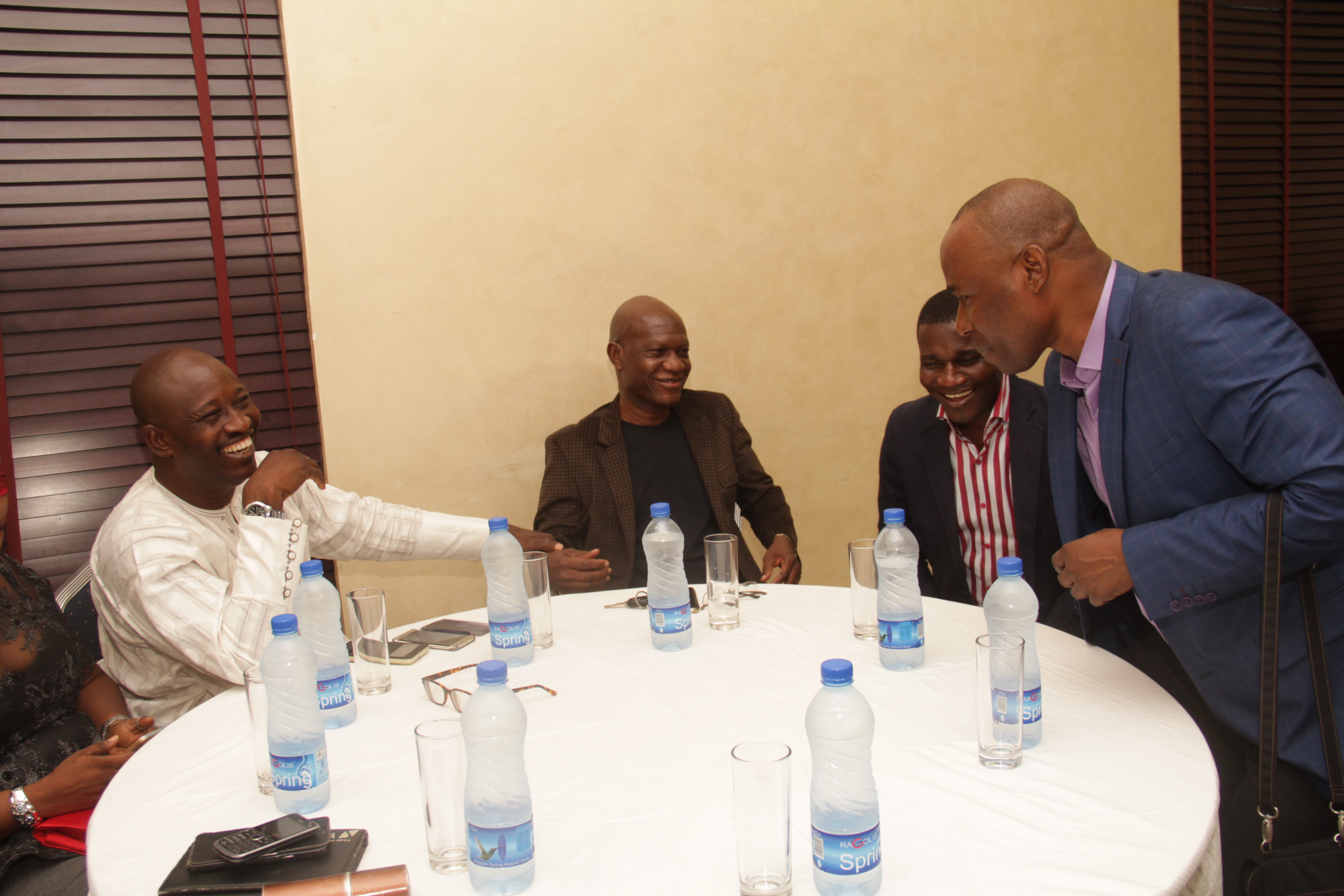
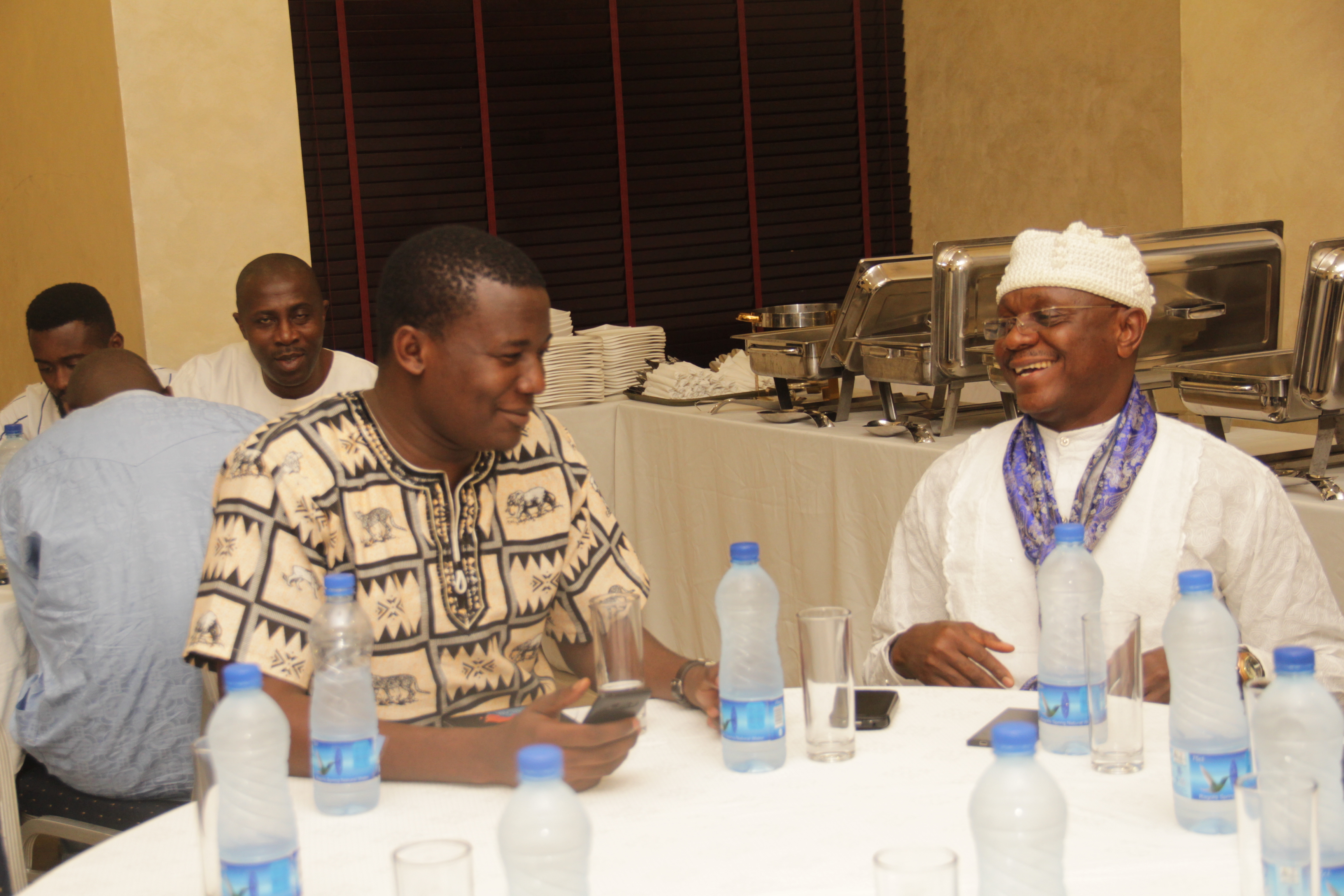
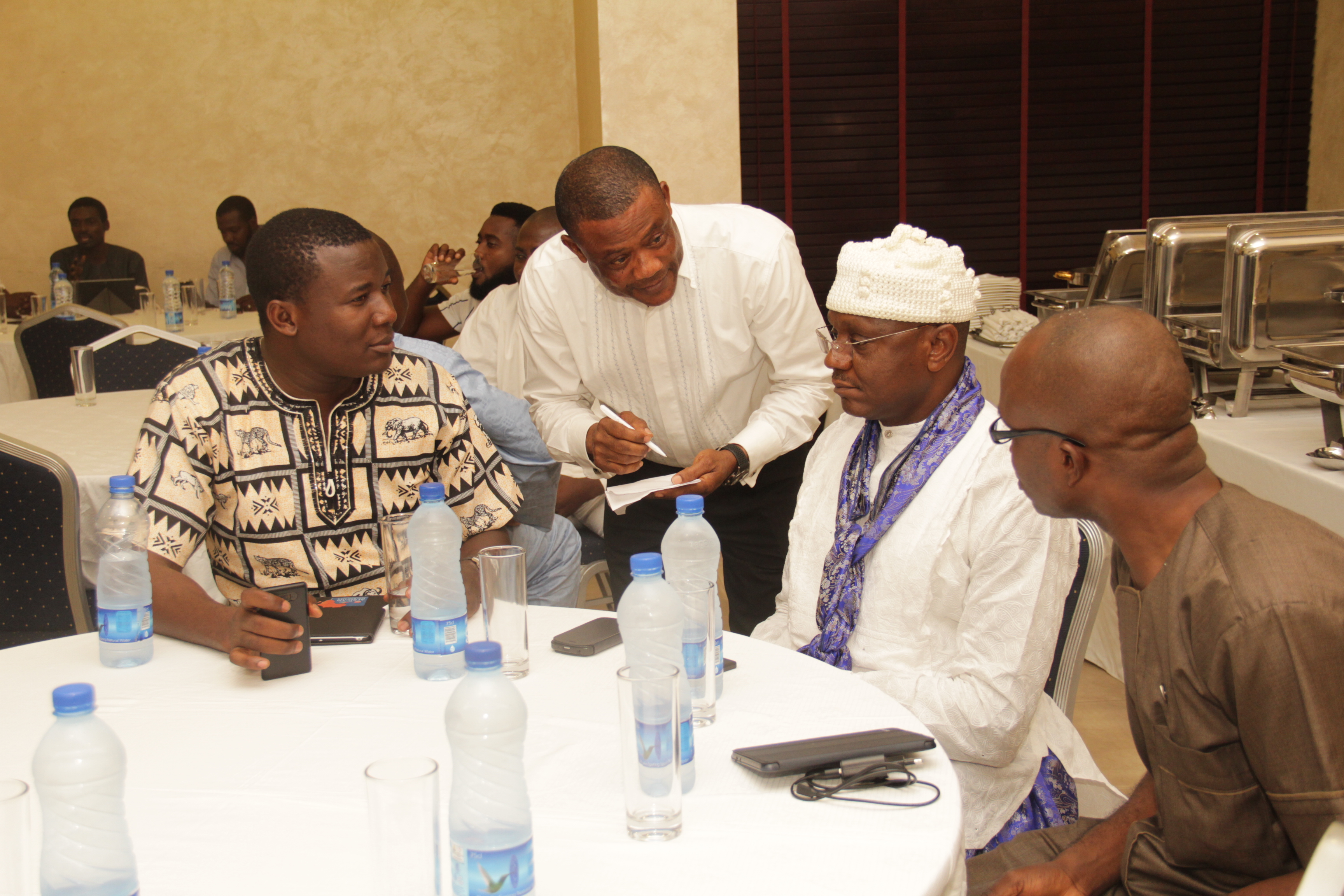
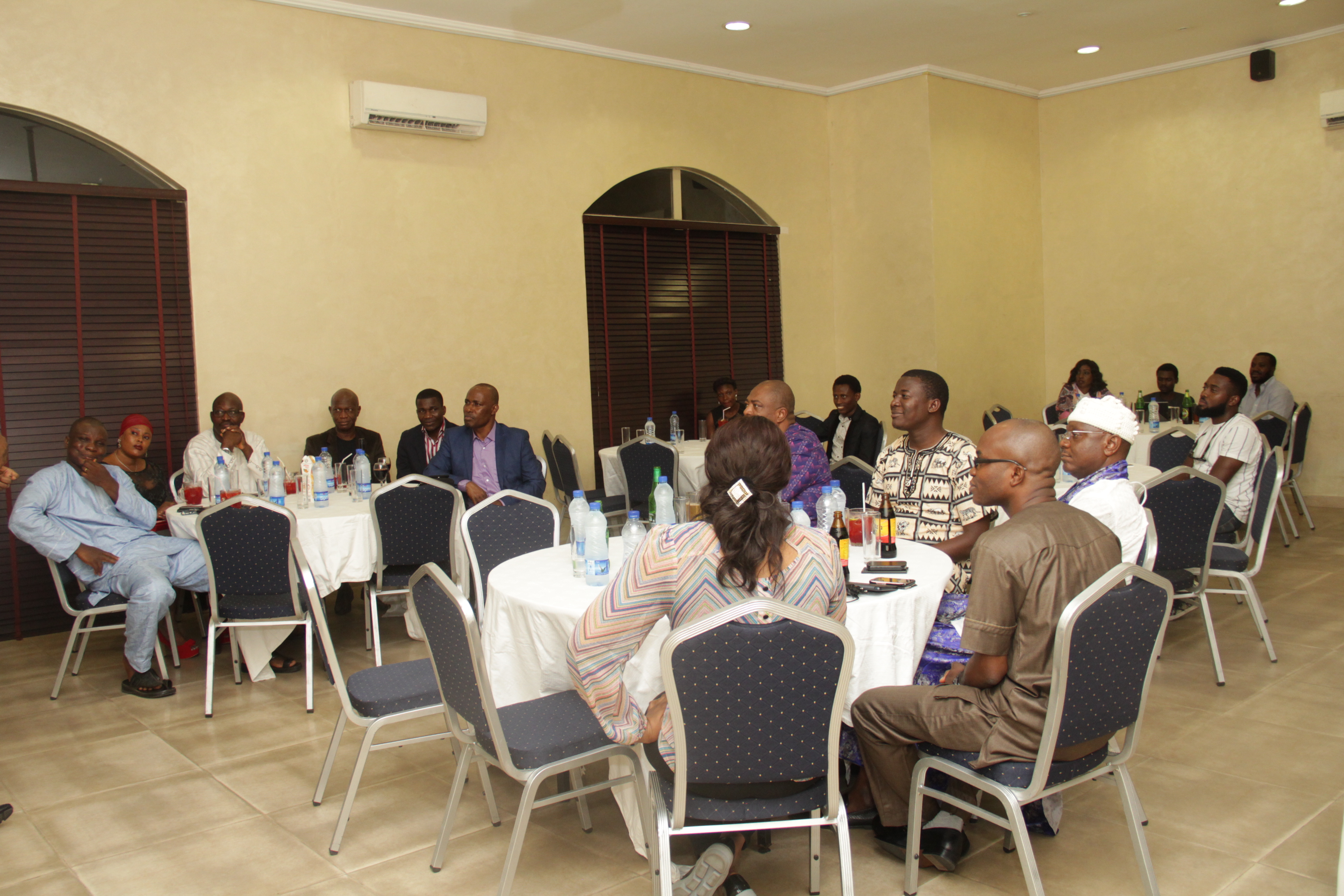

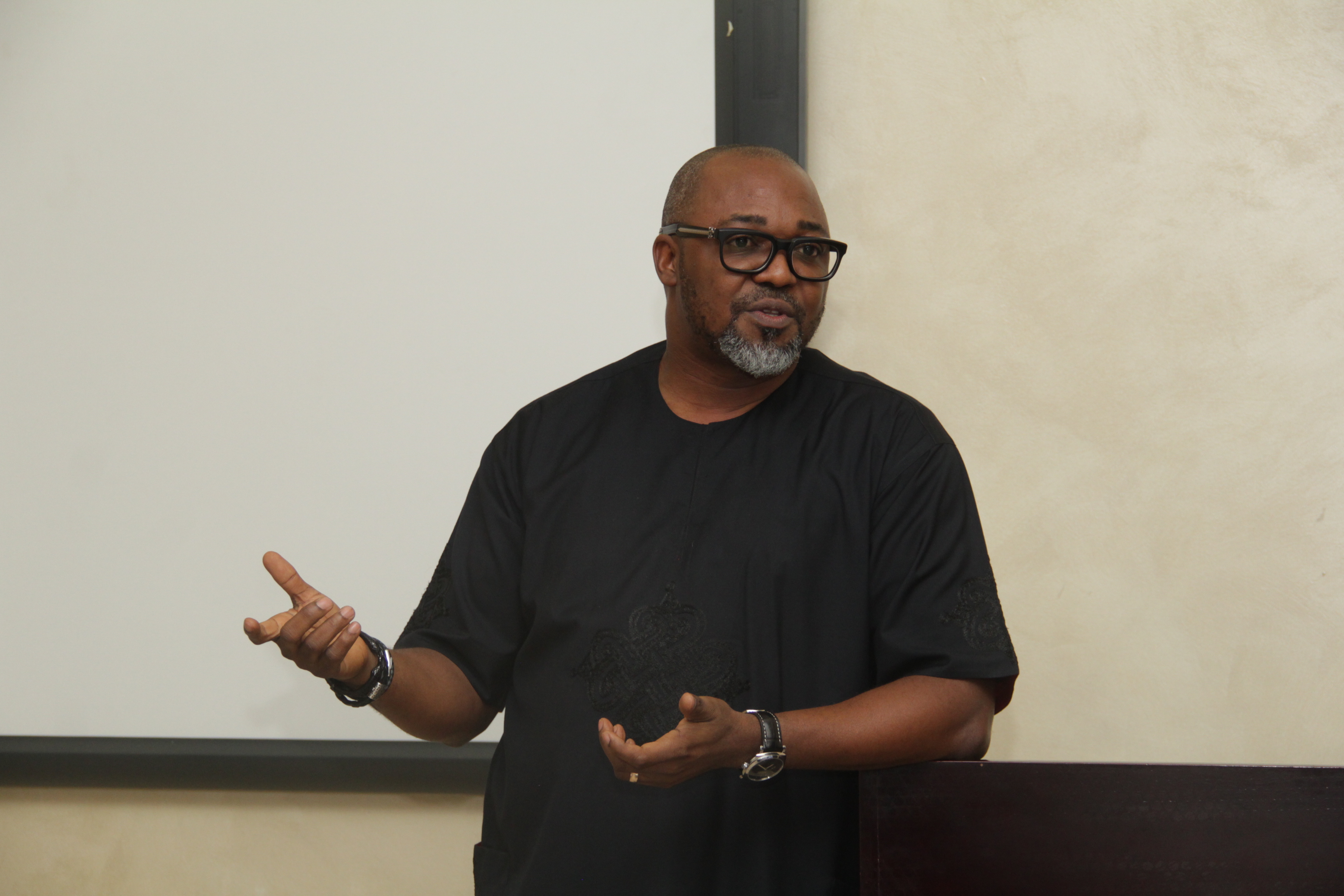
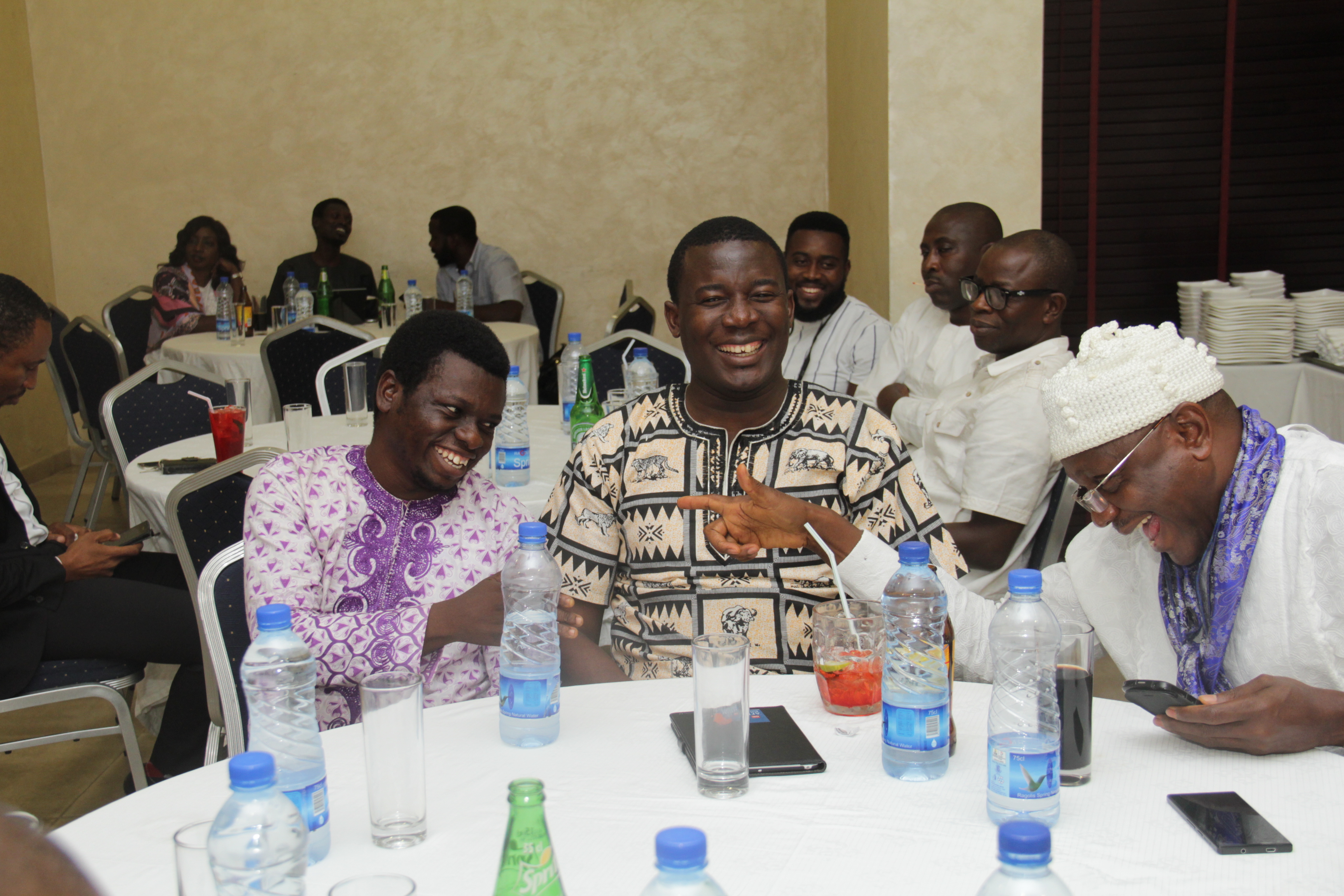
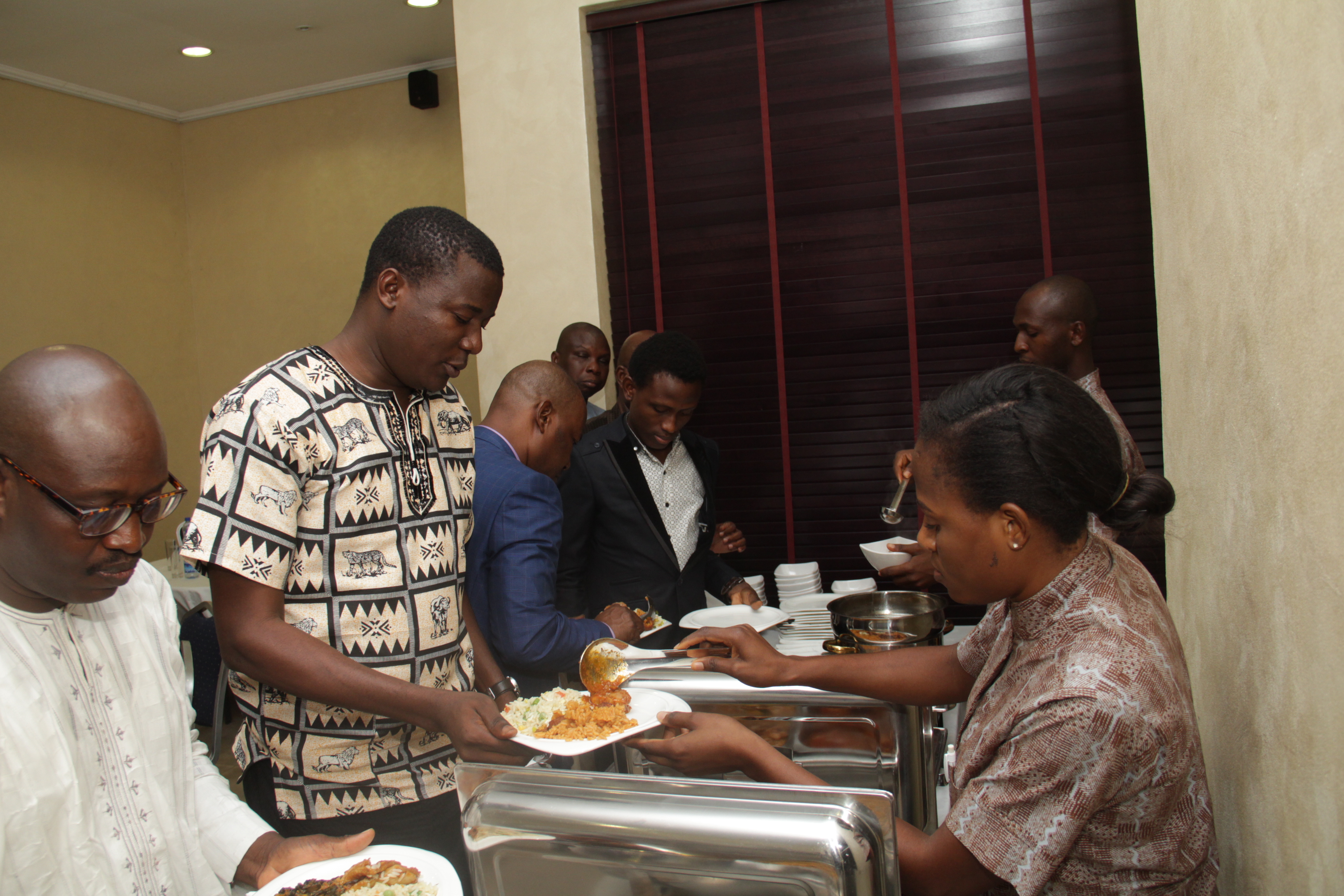

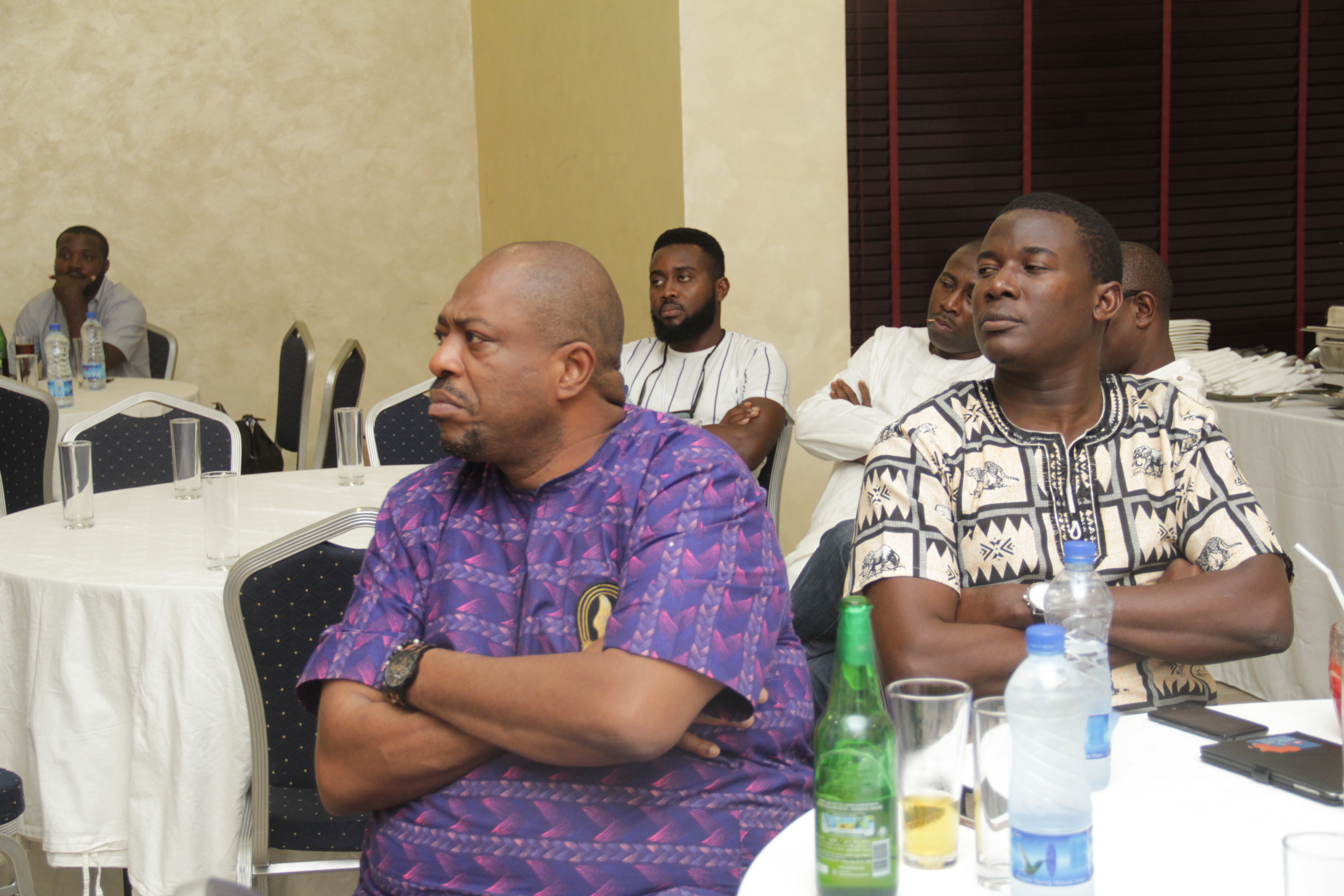
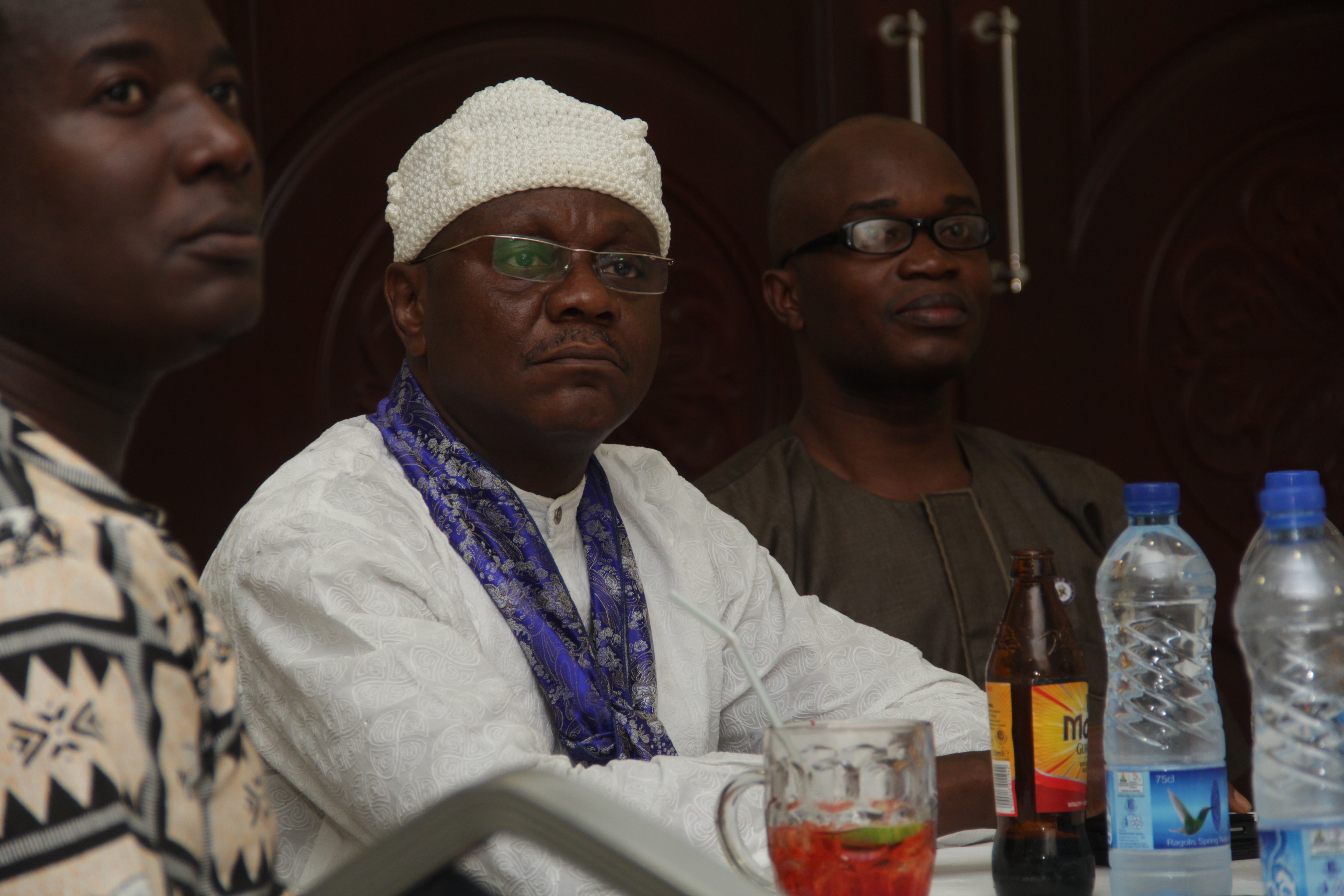
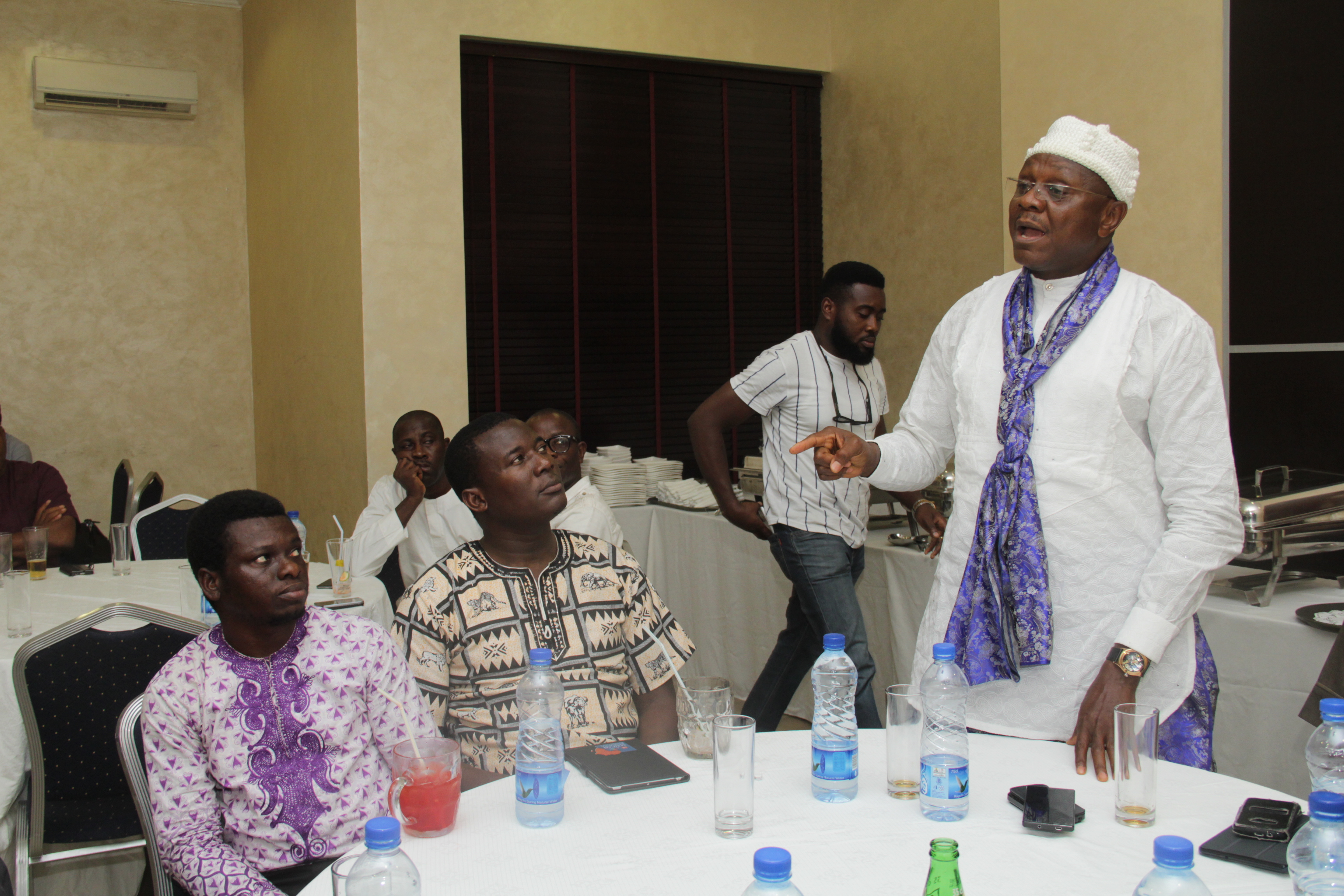
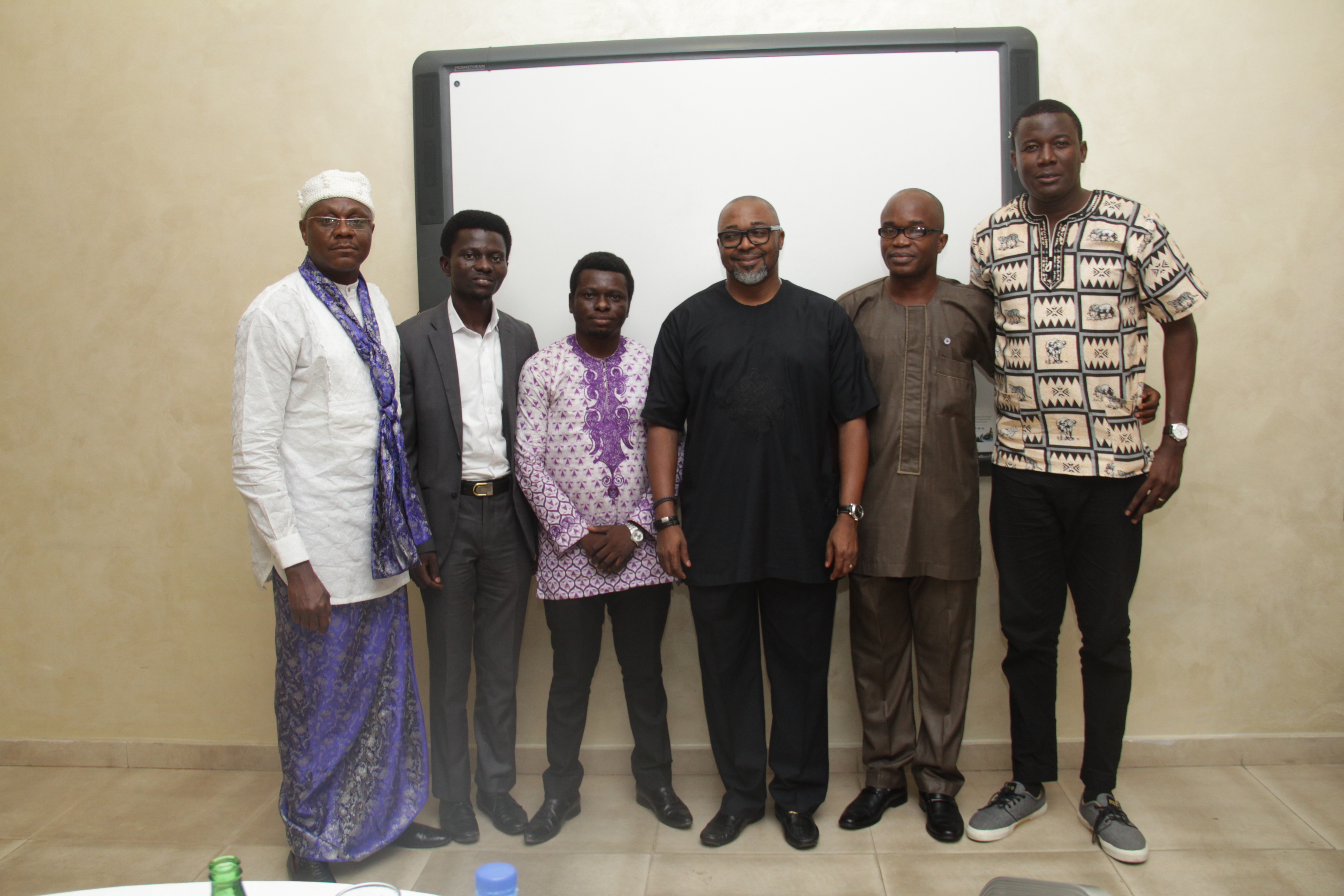
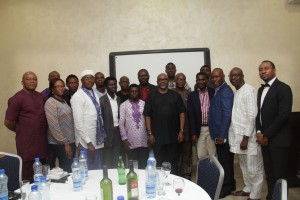


 Last week Friday, I was at the home-welcoming party organised by MultiChoice Nigeria for the five Nigerian contingents/nominees at the 2015 African Journalist Awards in Nairobi, Kenya. It was a get-together dinner with veteran journalists in the country and a chance to review the state of journalism in Nigeria, discuss the problems that need solving, and appreciate us, the contingents, for “making the country proud.” The event held at The Regent hotel in Ikeja and had in attendance all the five Nigerian nominees (out of which four won in their categories) Wálé Ẹmósù (Tribune), Ibanga Isine (Premium Times), Fẹ́mi Asu (Punch), Arukaino Umokoro (Punch) and yours truly. Also present were editors of The New Telegraph (Yẹmí Àjàyí), The Nation (Festus Eriye), Business Day (Philip Isakpa), The Guardian (Martins Ọlọ́jà), The Punch (Martin Ayankọ́lá), and other journalists and friends.