Browsing the archives for the Guest Post category.

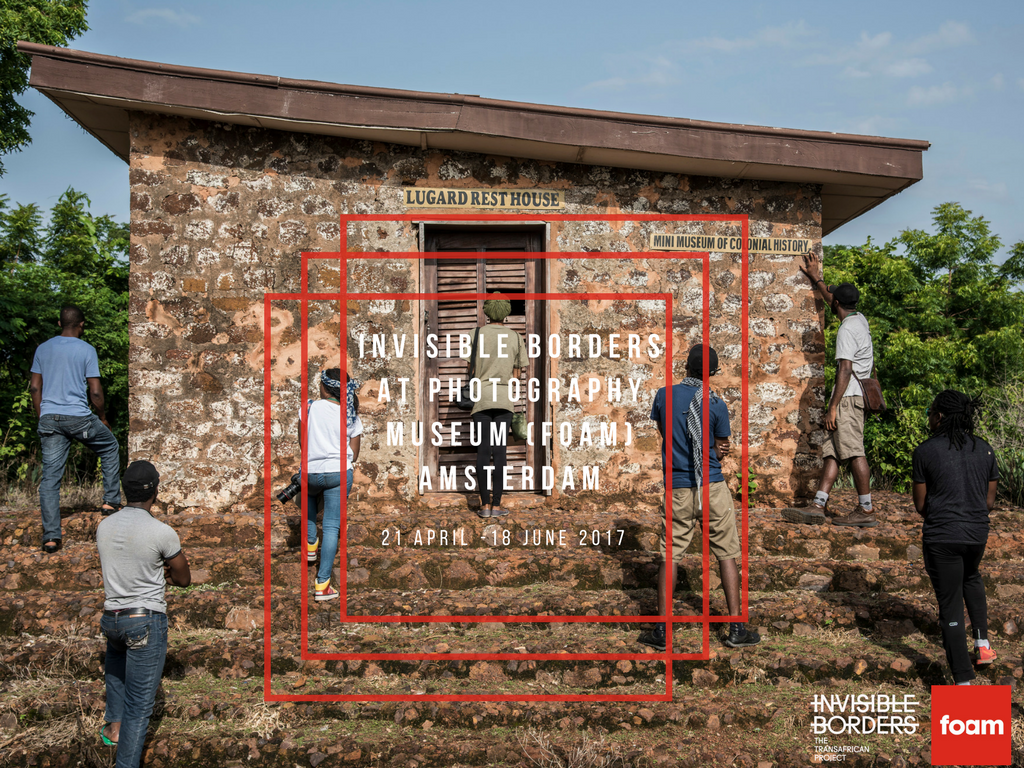
Invisible Borders at Photography Museum of Amsterdam

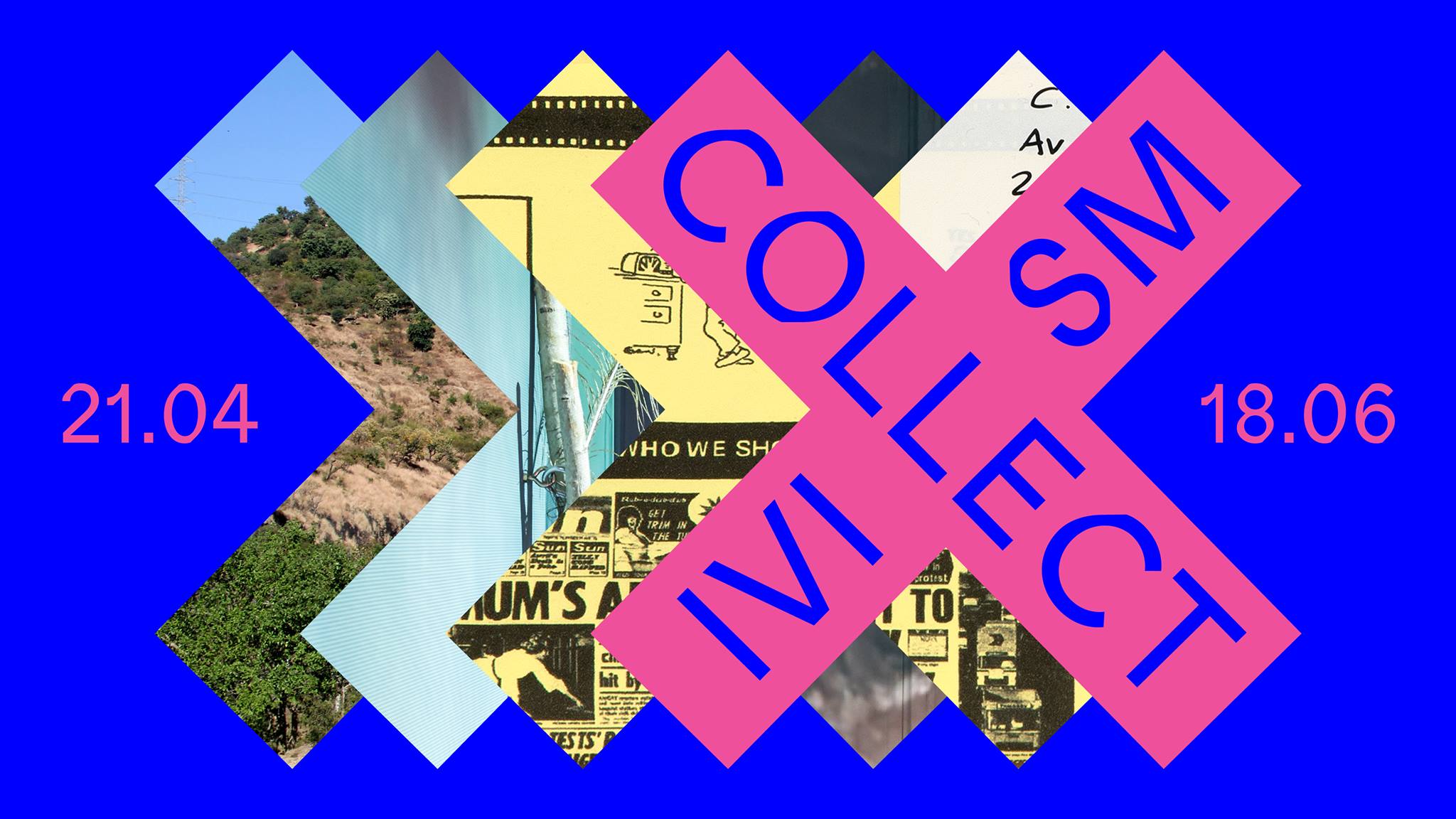
Over recent years, in all kinds of places around the globe, collectives have been formed that are not tied to specific institutes or to ways of organising activities that are imposed from above. There is a growing tendency among photographers and artists as well to join forces and organise themselves. Many such collectives are based on do-it-yourself principles of ‘cut out the middleman’.

Although their points of departure, artistic strategies, processes and visual end products are extremely diverse, they have in common an enthusiasm for interdisciplinary collaboration and an open view of the world. The collectives differ in organization and form: some are no more than loose associations of varying composition without an agenda, while others operate as far more business-like undertakings. One collective might present itself as an auction house, another as a shop, digital flower-power movement or tirelessly travelling caravan.

The digitalisation of photography and the rise of social media have unleashed a huge flood of images. The immense quantity and the transience of photos may make it hard to attribute more significance to photography than is intrinsic to a quick glance at yet another picture on Instagram. Working together to attach value and meaning to images is the central theme of the exhibition Collectivism. Collectives And Their Quest For Value. Some collectives investigate the mechanisms and distributions systems that cause financial values to be attributed to images. Others operate as social agents, bringing people together by means of images and creating communities, online or otherwise. The exhibition also presents collectives that concern themselves with the value of images in the media and the organisation of dissenting voices to challenge the mainstream media.

In a world obsessed with artefacts – the physical, final object – as the preferred form of artistic outcomes, Invisible Borders shifts the gaze to emphasise the never-ending, evolutive nature of Process. No distinction, hence, is made between the value of images showing the work-process and images showing the outcome; they are complementary. The artist’s presence on the road is as important as the work that commences from that presence.

Central to the Invisible Borders Installation in the exhibition Collectivism. Collectives and Their Quest For Value is the idea of the collective as a platform for the nurturing of mindsets and perceptions that offer alternative methodologies and ways of being in an increasingly narrow and enclosed notion of place, territory, and identity. As such, we shall employ as a metaphor the Road ‘s unending nature. The project will be presented as a work-of-process, an interminable voyage so to speak.

Thus, the works of the participating artists will be presented as a complimentary association between process and precipitated outcome, consisting of images, texts, sound, and videos.

Artists whose works make up the Invisible Borders exhibition are: Ala Kheir, Amaize Ojeikere, Jídé Odùkọ̀yàLilian Novo IsioroTeresa Meka, Tom SaaterVanessa PetersonJùmọ̀kẹ́ Sanwó, Charles Okereke, Uche Okpa Iroha, Emmanuel Iduma, Ray Daniels Okeugo, Uche OkonkwoLucy Azubuike , Yínká ElújọbaEmeka Okereke. 

Contributing collectives of the entire exhibition are 8Ball Community (USA), Dead Darlings (NL), # Dysturb (FR), The Eternal Internet Brother/ Sisterhood (GR), De Fotokopie (NL), InvisibleBorders (NG), and Werker Magazine (ES/NL).

###

For more information, visit: https://www.foam.org/museum/programme/collectivism

Across the West African Coast: Sierra Leone

by Yemi Adésànyà

The first mention of a 40 minutes ferry ride from the airport to the city elicited a skittish gasp from me. I wasn’t expecting a boat ride as the primary means of transportation from the airport, and I promptly enquired from my host if I could not be taken, as usual, in a car. It is amazing how living in Lagos, a city with generous water channels and opportunities for water transport, one has been conditioned to driving around in private cars, with boat rides anchored firmly to occasional leisure. Tales of boat mishaps hardly offer any encouragement; that, coupled with the ignominious fact of one’s inability to swim.

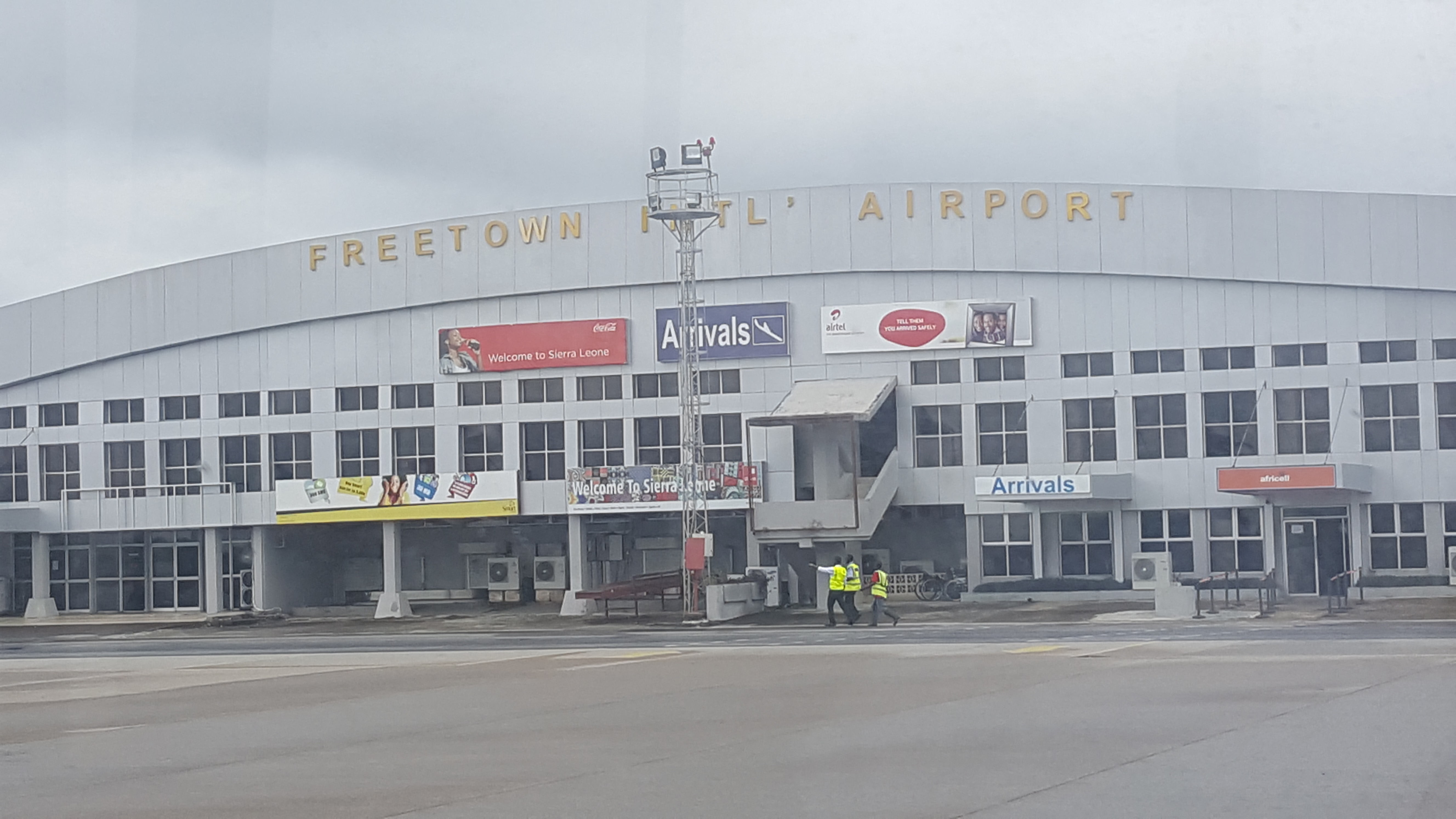
We landed at Lungi International Airport under the cover of a heavy downpour. My first encounter was with an immigration officer who, as usual of entry clearance officers, asked why I was in the country, when I planned to leave and where I would be staying. She must have figured it was my first time in Sierra Leone, and asked if my host was around to receive me.

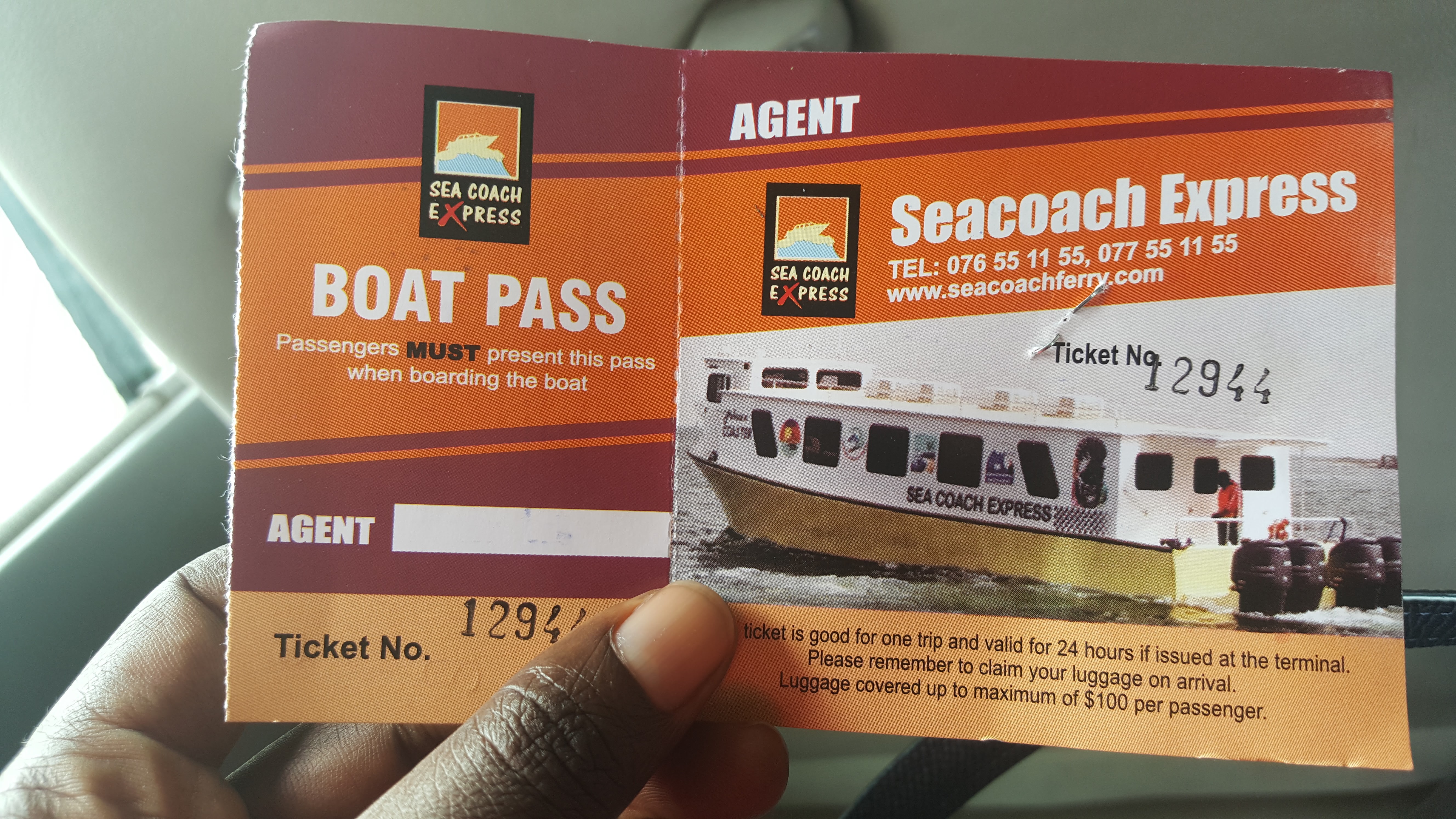
On learning that I was to take the ferry across to meet my driver at the jetty, what she did next was unexpected and certainly a first for this traveler: She got up and out of her cubicle, and led me to the ferry operator’s kiosk within the airport premises where she bought me a ferry ticket from the safest operator in town (I paid), asked if I needed a local sim card or currency. She only left after I was comfortably settled in the Civilian bus shuttle which was to convey us to the departure jetty.

I am still not certain if this was a typical Freetown kindness, if I would have been in any in any form of danger without her help, or if I was expected to offer some tip to convey my appreciation. I erred in favour of thanking her profusely for her kindness and help, not wanting to offend by assuming that she went through the inconvenience for a paltry tip.

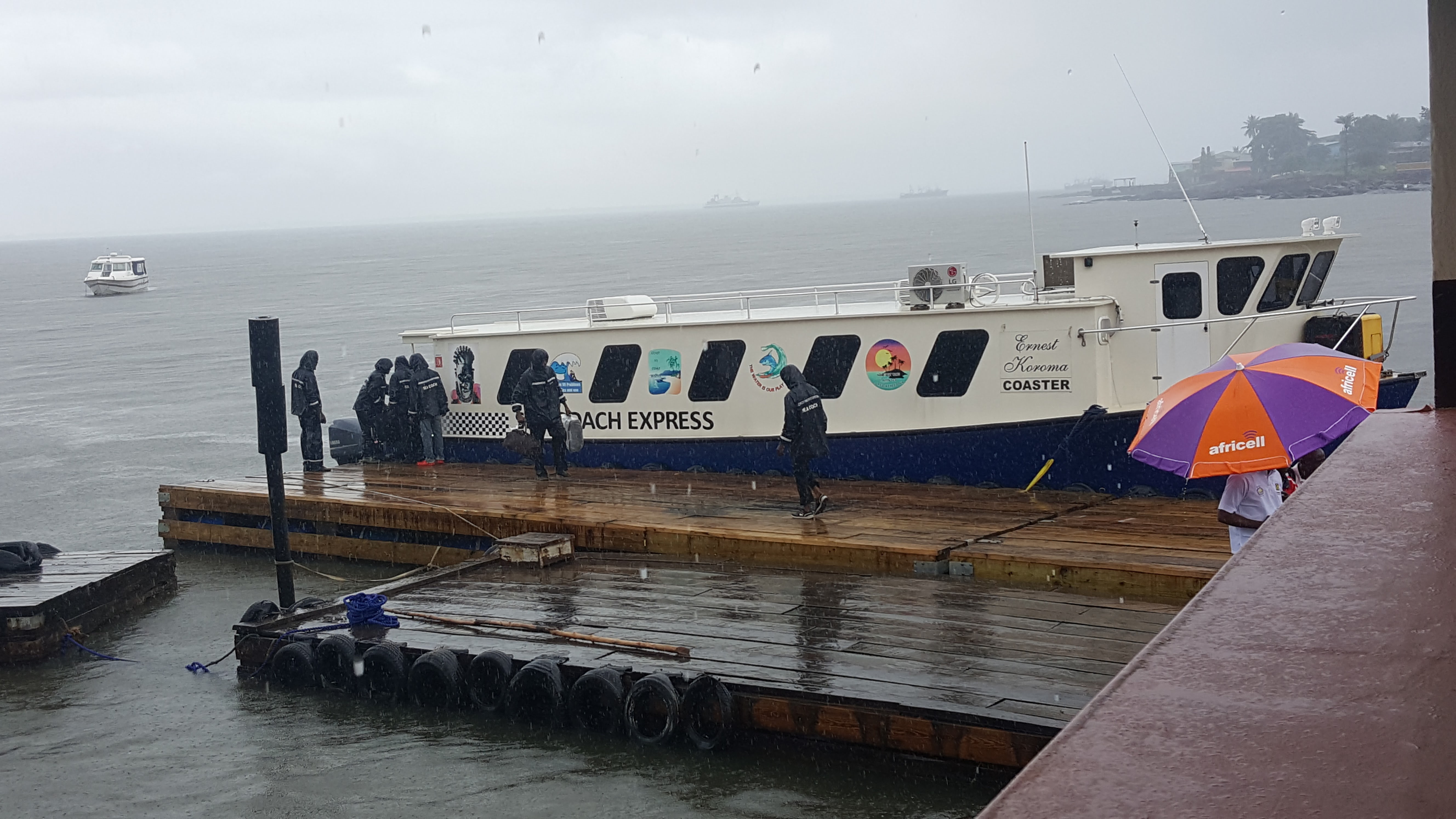
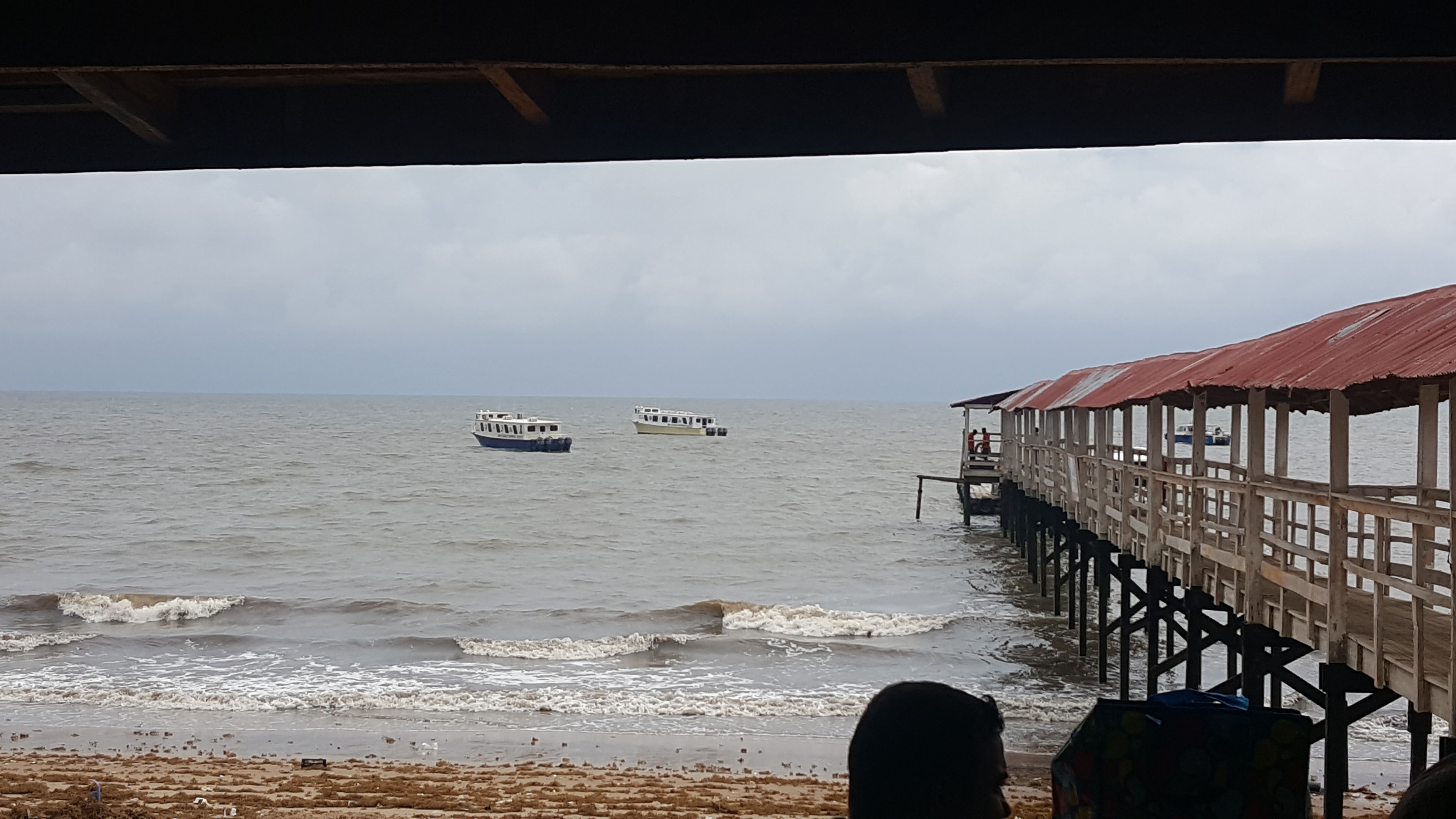
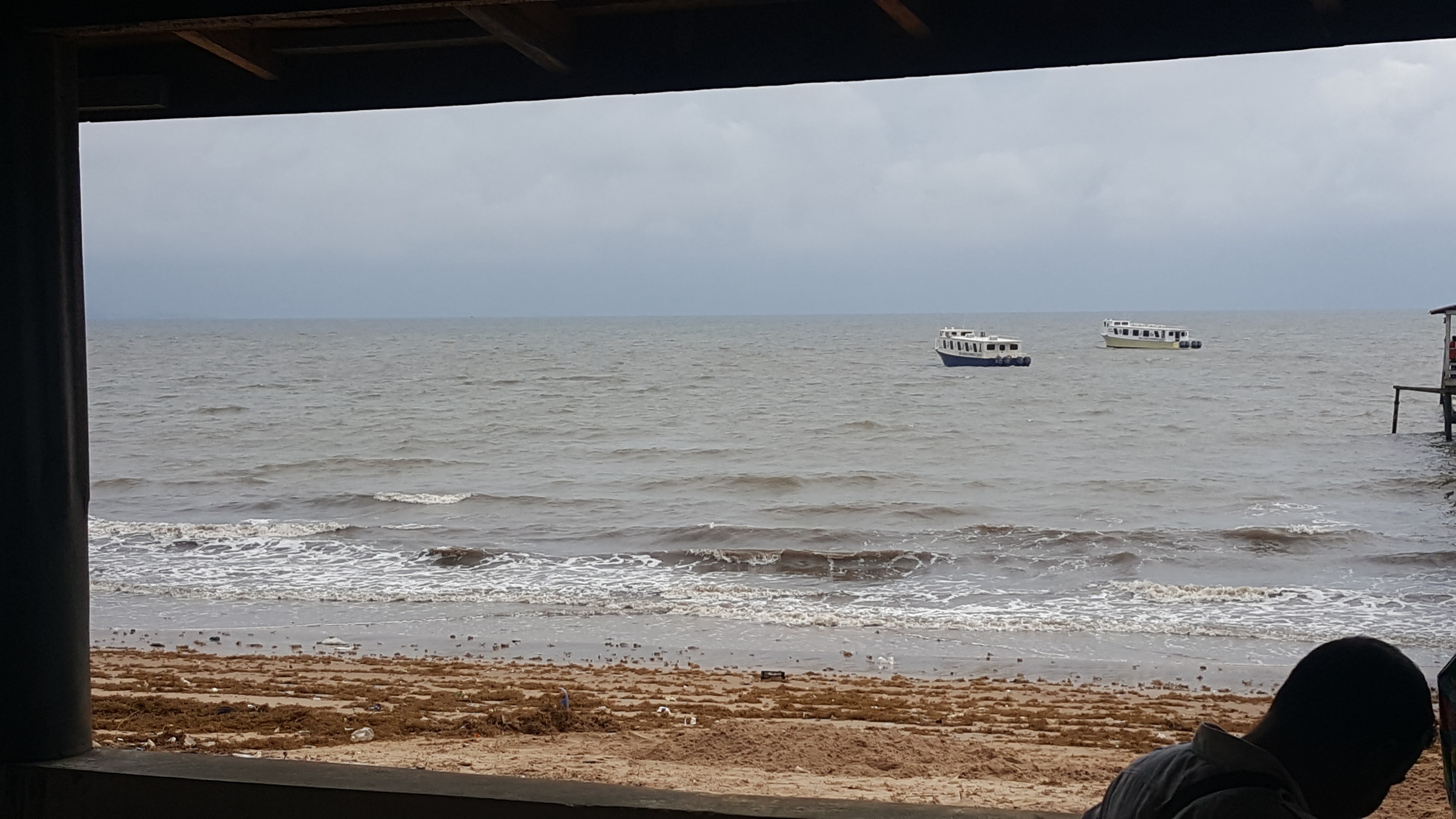
The Pelican Sea Coach ferry ride was thankfully unremarkable, it was enjoyable enough to be reminiscent of my leisure ride to the Statue of Liberty on a recent vacation, and a cruise to Burg al Arab in company of friends in a playful escape from another diplomatic drudgery.

The sight at Lungi ferry jetty left so much to be desired. An embarrassing amount of debris floated on the brown sea-weed coloured waters, and freely littered the jetty. There is a case to be made for putting one’s best foot forward (given that almost everyone passes through the jetty on the way to the nation’s capital), next to Lungi airport, the jetty was another opportunity for Sierra Leone to do that. A comforting feature was free WiFi, available at the jetty and on the ferry. It was slow, but it worked, providing a needful opportunity for travelers to check in with their loved ones.

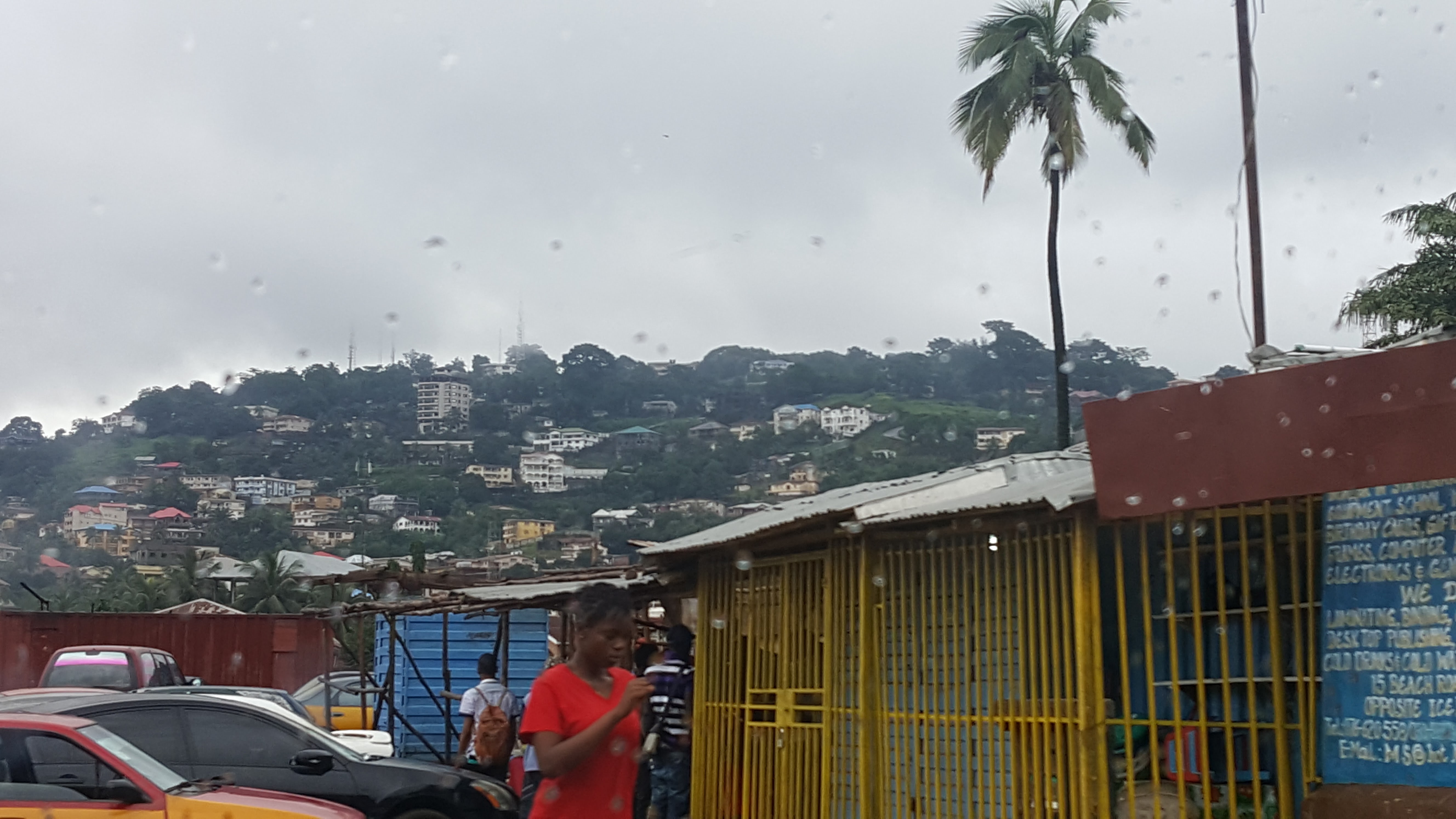
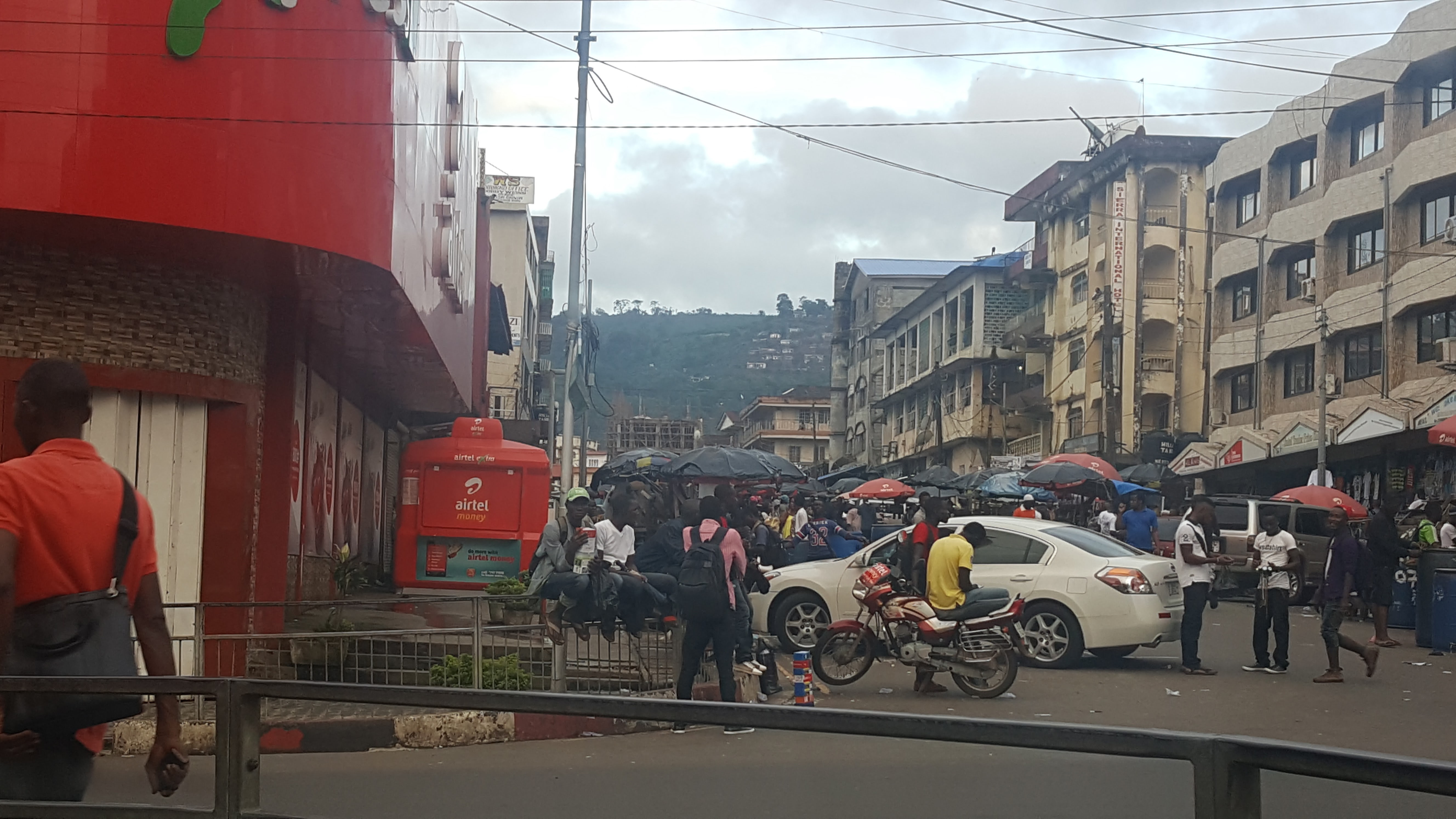
I spent the week at the Family Kingdom Resort along Lumley Beach in Freetown. It was a rainy week which exposed the city’s poor drainage system and lack of town planning. The first noticeable difference between my home city and Freetown was the smell of fish that permeated everywhere in Lumley; I was told the fishy smell emanated from a peculiar kind of sea weed. I soon got used to this minor implacable inconvenience, and ceased to be reminded of my long forgotten first trimester affliction of nausea.

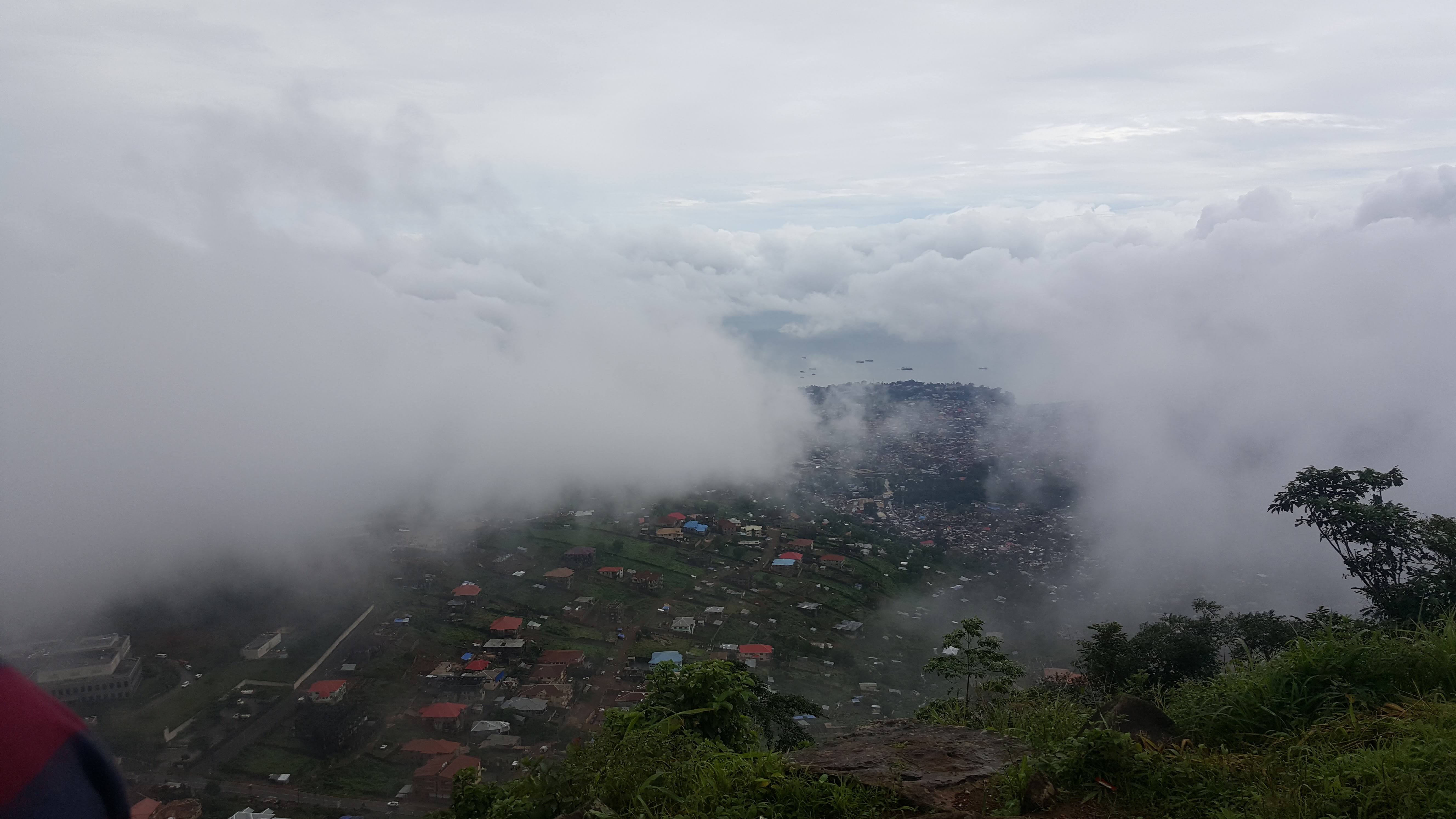
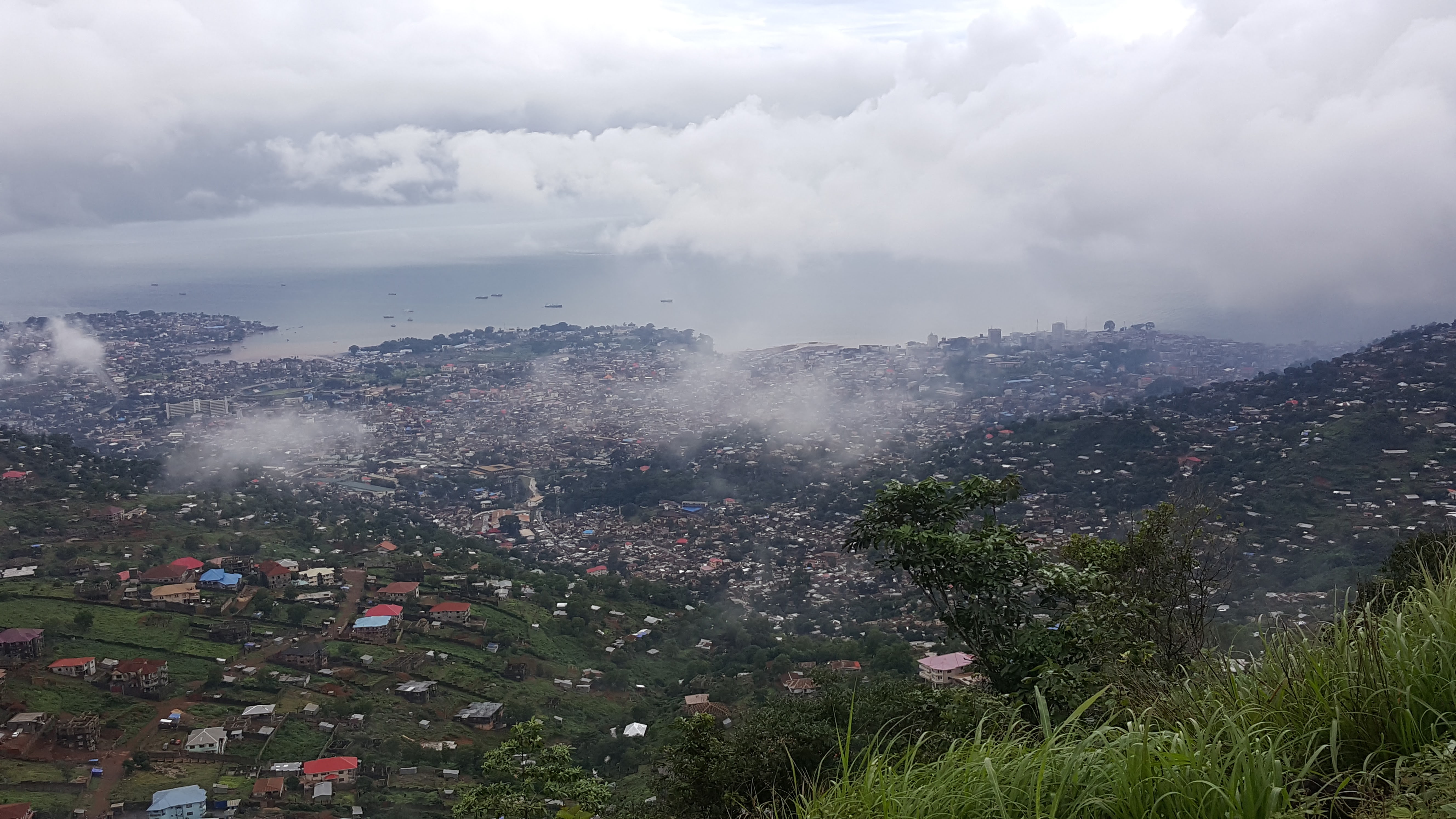
Saturday morning, before my return trip back home, offered an opportunity to see the city. My resident colleagues suggested a trip to Leicester Peak, for an opportunity to drive into the clouds for a one-shot view of Freetown. Geoview puts the mountain at 548 metres above sea level; it is the highest I have climbed, ranks at the 6th highest mountain in Sierra Leone’s Western Area and the 32nd highest mountain in the country. Perhaps with some idle time on my hands and hinds in the future, I could do some more mountaineering.

We spent about an hour looking down on everyone, taking photographs and watching clouds pass. None of us was particularly acrophobic, but we wondered, when some got too close to the edge for a grand photo shot, if a fall would be not be indubitably fatal. The view from Leicester Peak was breathtaking; one wonders how the other 5 mountains would be.

__________

Yẹmí writes from Lagos. 

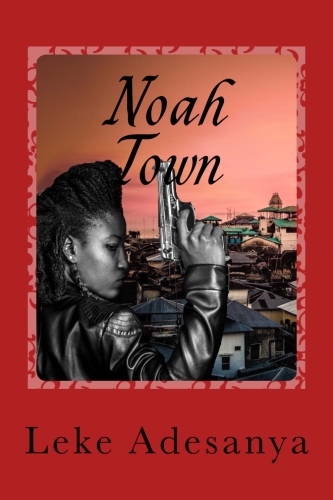
Excerpts from Noah Town by Leke Adesanya

bookcoverimageIf you ever come to Noah Town, you’ll probably arrive by coach. The long buses come off interstate  trunk roads from far and near, from smaller towns and villages were dreams of making it in the big city still has its allure.  The buses pour out streams of young men and women  hourly at almost a clockwork rate. They come with their dreams and aspirations, their bags and little savings. They are drawn to a metropolis where the street lights never go off and there is money to be made with beautiful bodies, willing hands or daring minds.   I know them. I was once like them.

Your coach should come to a stop at the terminal on Main Street, just at the beginning of the two mile stretch of long dual rows of hardware stores, fashion stores and business offices.  As you disembark , in the mornings, you might hear the dull drone of street sweeper trucks vacuuming the road. A soft feminine voice will welcome you to Noah Town over the terminal’s public address system , advising you to mind your luggage.

Touts may accost you, offering to help you get a cheaper hotel or unlicensed taxi , some with the intent  to unburden you of your few valuables. You would be better off strolling to the Visitor Centre to book a cab or walk a bit farther down the road to catch a local bus ride. Or maybe someone, perhaps a relative or friend has arranged to pick you up.  

Whatever are your options on arrival, you wouldn’t help but notice two old grey storey buildings situated almost opposite each other. Their Brazilian architecture with mock Roman marble columns  add a air of gravitas that make them stand out amid melange of functional matchbox shaped buildings. They are the two big banks of Noah Town.

Scores of men with crew cuts in blue or black suits march in confident strides  in and out of the two grand old buildings. On the right, if you are coming from the Terminus, next to the divisional police office is the local branch of National Bank.  And on the left,  behind a fibre glass  fountain cast of an elephant pumping water out of its trunk, is  the local land bank owned by former loan shark now turned legit financier, Mr Barido Freeman. Everybody calls him Barry.

He is reputed to be very influential. I have had occasion to meet him myself, informally of course, and I found him intimidating.  He owns a significant portion of the businesses and real estate in Noah Town. Sixty years old and not looking a day younger, Barry is big boned and tall, slightly balding but still working that regal look. What was left of his receding hairline, he grew into big white halo with brown dusts.

When you are told by your guide that he started out as an immigrant with nothing on him but a knapsack slung across his shoulder, you would probably be impressed too by what he has made of himself.  You would think, if he can, maybe you can. He is the stuff of which legends are made.

Barry manages to keep his family out of the tabloids.  Although he has never married , he had a love child, twenty years old Norah whose mother has been out of the picture since like forever.  Norah, I have heard, was worth her weight in trouble and then some. Twice expelled from expensive boarding schools abroad where Barry had hidden her, she eventually dropped out, called it quits and came back home.

Barry got her an office in the family business and engaged  Cuba, an ex-cop as her  bodyguard, mainly to keep her out of trouble. Cuba used to be an ambitious police officer on the rise till one day he shot a teenage kid playing with a toy gun and the top brass threw him under the bus. Taking care of Norah was a better paying job however and he intended to keep it forever. A shrewd guy, he kept Norah out of trouble mainly by making sure Barry never heard of it.  

A major challenge for Cuba on job was handling Nora’s long list of hangers-on, most of whom were willing to get whatever Nora requests of them even if it were illegal.  Prominent in that clique was Vera, her BFF and confidant.  Vera used to be a bartender at a night club on Boardwalk, Noah Town’s entertainment district, where she met Norah and the two hit it off.

Like any street hustler, Vera knew she had found a winning lottery ticket with Norah. How did I get involved with this clique?  Stay with me, I was going to explain.

Vera and I once dated, very briefly. Vera also happens to have a twin brother called Jude. Jude and I, we go way back to the time we were still hungry backpackers just come off a bus on Main Street. That was a life time ago, of course.

Jude and I are now business partners, we run a little taxi operation that is thriving very well, thank you very much. Nothing fancy, just a dozen old cars in great working condition and a long list of repeat loyal patrons.

We started out as two unlicensed cab drivers willing to work all night in what was then the notorious Boardwalk. Later we formed a partnership, got licensed and started adding more cars and drivers. We evolved into an effective relationship; he handles the drivers’ scheduling and getting of corporate customers while I take care of the back office and car maintenance issues.  

Once two guys have had a big fight and then gotten over it, they tend to bond well.  That was what happened to Jude and I. I could implicitly trust him to have my back, at least until the events I am narrating to you now started.

One ordinary Tuesday, Jude dropped by at lunch to inform me that we have an inquiry from a prospective investor. Barry – yeah, that Barry – wanted to buy out our little operation. Could I look at our books and come up with a working valuation, just in case this turned out to be a real deal?

Sure, I replied. I acted all cool about it though I was very, very excited.  I mean if the price is right, like five times annual revenues, surely why not?  But then he clarified.  What he really wanted to know was, at what price was I willing to cash out. They wanted to buy me out and let Jude run the operation.

By the way, by then, he was hanging out a  lot with Norah . And I was worried about her Daddy. Barry was like the king of Noah Town and rumour had it, he might or might not have had mob ties. If you don’t cooperate with his type, there was the unspoken threat that he might not be pleased. This was scary to me.  I don’t want to end up drowning in the Noah Lagoon like some overconfident yokel who dared above his match. And since I love the feel of fresh cash stacks in my palm like the next guy, I felt I had better play along.  

I doubled my calculated asking price, asked for not half but all of five times annual revenues. We shook hands over that and he said I should give him some time to iron it out with his principal, Barry. I started to look at Jude funny from then on. But I am getting ahead of myself.

I started to daydream of the day I’ll get to seat with Jude, Norah & co. , and firm up the terms of sale. I knew what I would do with the money when it hits my account. I would take a long holiday first, to somewhere far from Noah Town. I have earned it. I’ll go somewhere where it is cold in summer. Maybe I could learn to ski in middle age, who knows?  

Those were my thoughts until a Saturday, some days later, when I picked up a copy of the local evening tabloid and read the headline, “Barry’s Girl Kidnapped”. I had a premonition that, after that event, things wouldn’t turn out exactly as planned.

____

Blurb

It was meant to be a safe job. They  fake a kidnap of the millionaire’s daughter, collect the ransom and share it with her. But then things started to go wrong. As the body count continues to rise, Tony finds himself in the cross-hairs of a deadly gang as he tries to save his best friend’s widow.

Links

Available on Okada Books :

http://www.okadabooks.com/book/about/noah_town/12419

Available on Kindle ;

https://www.amazon.co.uk/dp/B01MG4KELQ
Befriending Lagos: A Benin Story

By Stephanie Ohumu

It is October, in the year of Donald Trump, 2016. I have recently moved to Lagos.  On the first day of work, I start to live. I walk in, breasts uncased and participate in surprising normalcy. Wild and free breasts do not bother the people here.  This is how I know that I will be fine in this Lagos. Just fine.

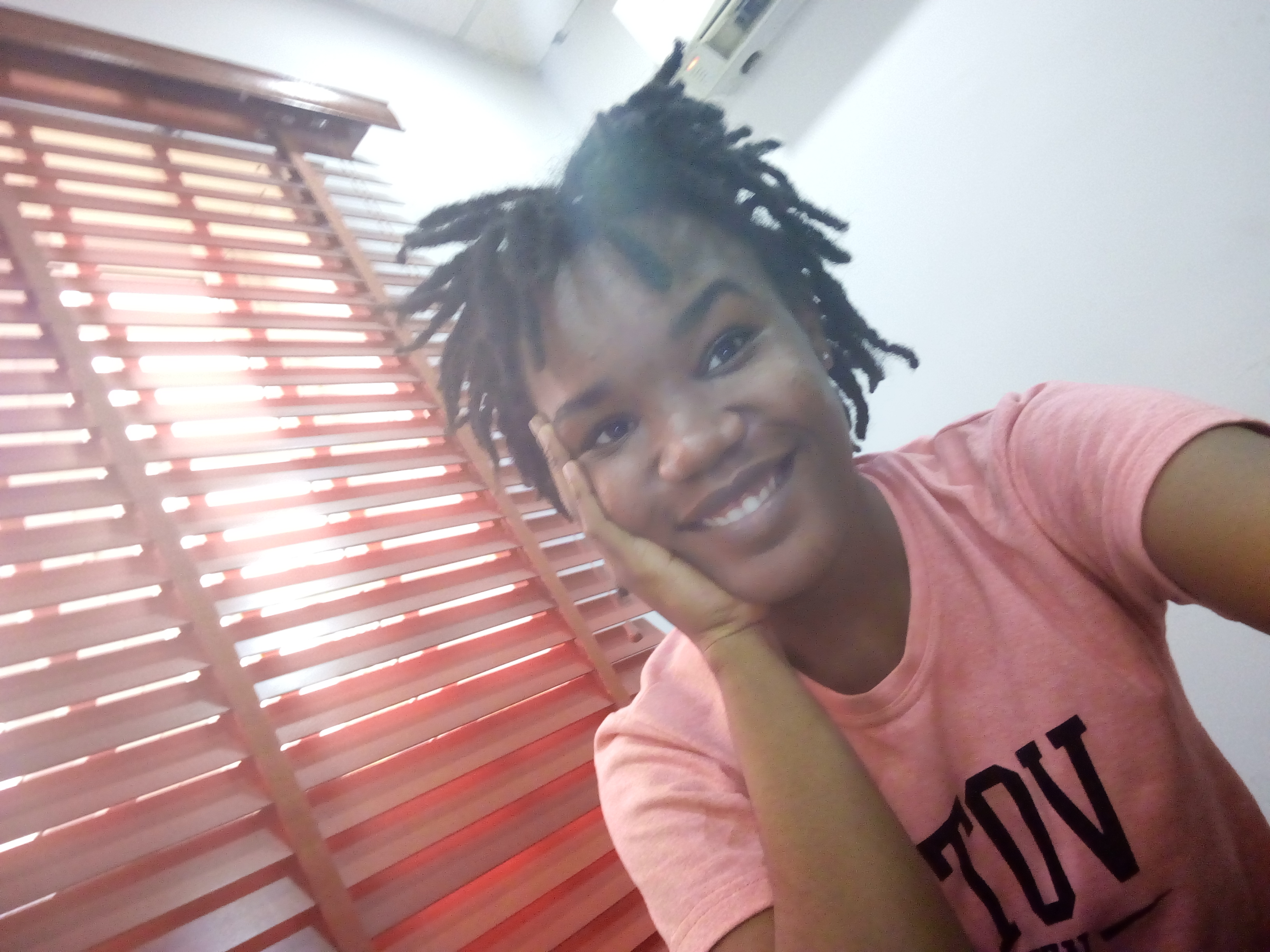
img_20161026_162122My name is Stephanie and I am 20. Inside of my heart is mourning for Benin, where I have lived all my life. This isn’t a story you have not read before. If you can believe census figures,  Lagos is home to 18 million. Many of whom were  not born here.

Everybody comes to Lagos with stifled love for their birthplace and hungry yearning for the city that will make them. Yawn. This is about, well, fuck if I know.

I am living in Yaba. Alágoméjì, if you’re big on details. In a serviced apartment with flatmates on the same evolutionary level as me. There are no fights. Every day, I walk to work. It is just by the corner on Herbert Macaulay. At night, I walk back home. And sleep. This is my routine until, one morning inside of Slack, I sort of cease to be employed.

img_20161002_214230Now I have to move out of the apartment where the generator comes on at 9 and dies at 6. I move to Kétu. In truth, this is when I truly move to Lagos. To the yellow of marwas, renaming of bole (appaz it is called bọ̀lì here) and boarding calls to Ọbáléndé, repeated until you are certain that that Tekno song you can’t get out of your head was low key produced by a conductor at Toll Gate.

So far,  this is what Lagos means to me:

Proof.
That if you are mentally ill, the people in your head will relocate with you to new cities. Go to the doctor and start your treatment. Migration is not a treatment plan for bipolar.

An uncurled palm.
This is a space to trace lines of uninhibited passage. If you can walk it, walk it. Be, but only if you dare. Proclaim your batch number and run with it. Stop. Change your style. Be like that until the next stop.

Evidence of life.
screenshot-205In the very many heads of tired bodies awaiting the arrival of BRT buses. In the secondary school student occupying a world in Yorùbá to which my illiteracy bars me entry. The same one I will teach to check her Gmail as an assignment in a dingy café. Life is happening in this city of multiples, in multiples, daily.

And I am here. Existing in the pace of this place. One hurried foot and then the next. Power walking to catch a bus that will be replaced by another in a moment not because haste is required but because it is expected. I have just moved to Lagos and life is happening. So this is me, atop the uncurled palm, paying tribute to the city by living alongside it.

One month in mind.

On the anniversary of your migration, we remember the Benin girl you once were.

Signed,
Phoenix, for the Tenants in Her Head.

____________

Stephanie Ohumu is a writer who doesn’t understand why bios have to be written in third person. She currently lives on Twitter: @SI_Ohumu.

Across the West African Coast: Gambia

by Yẹmí Adésànyà


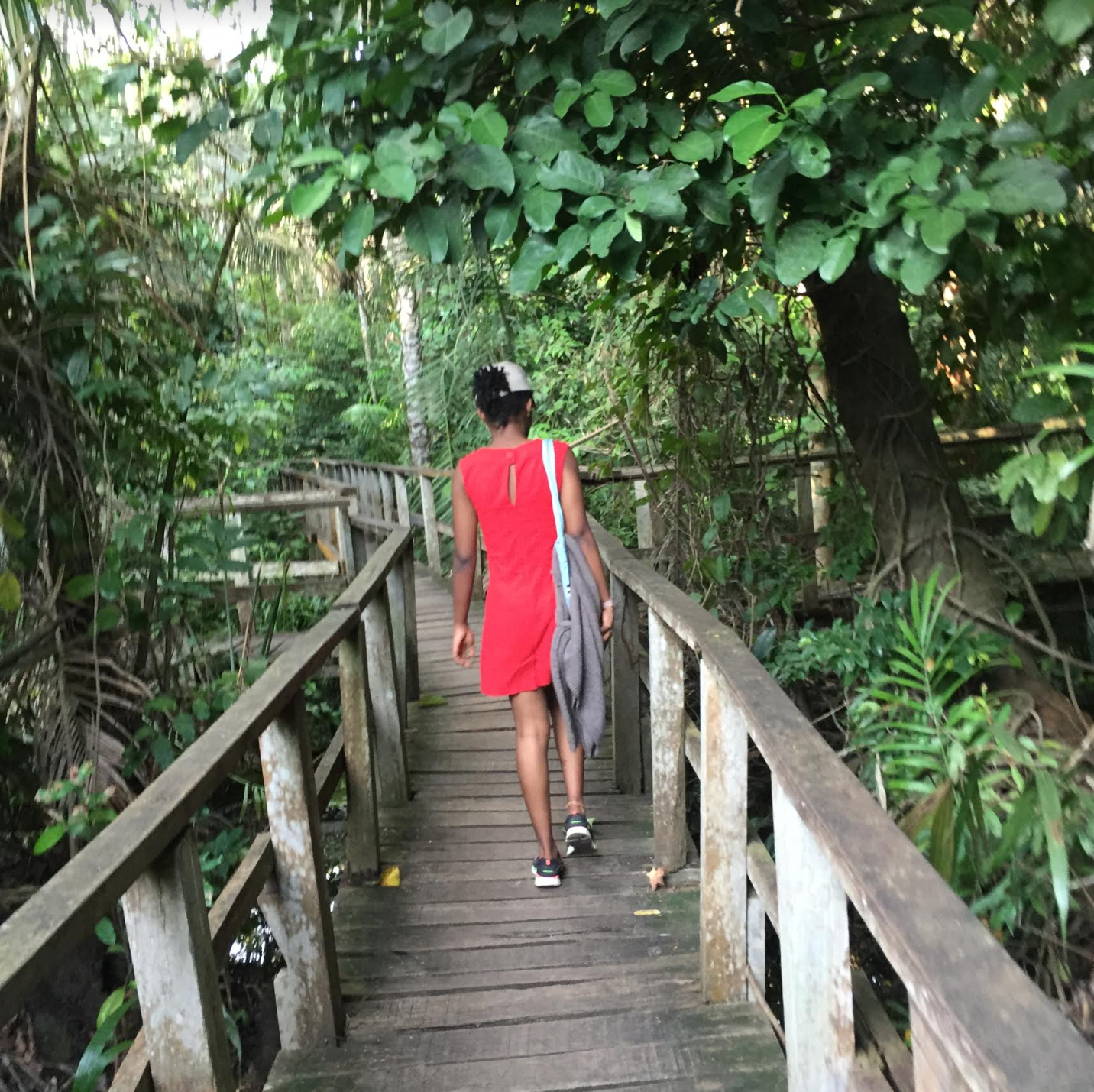
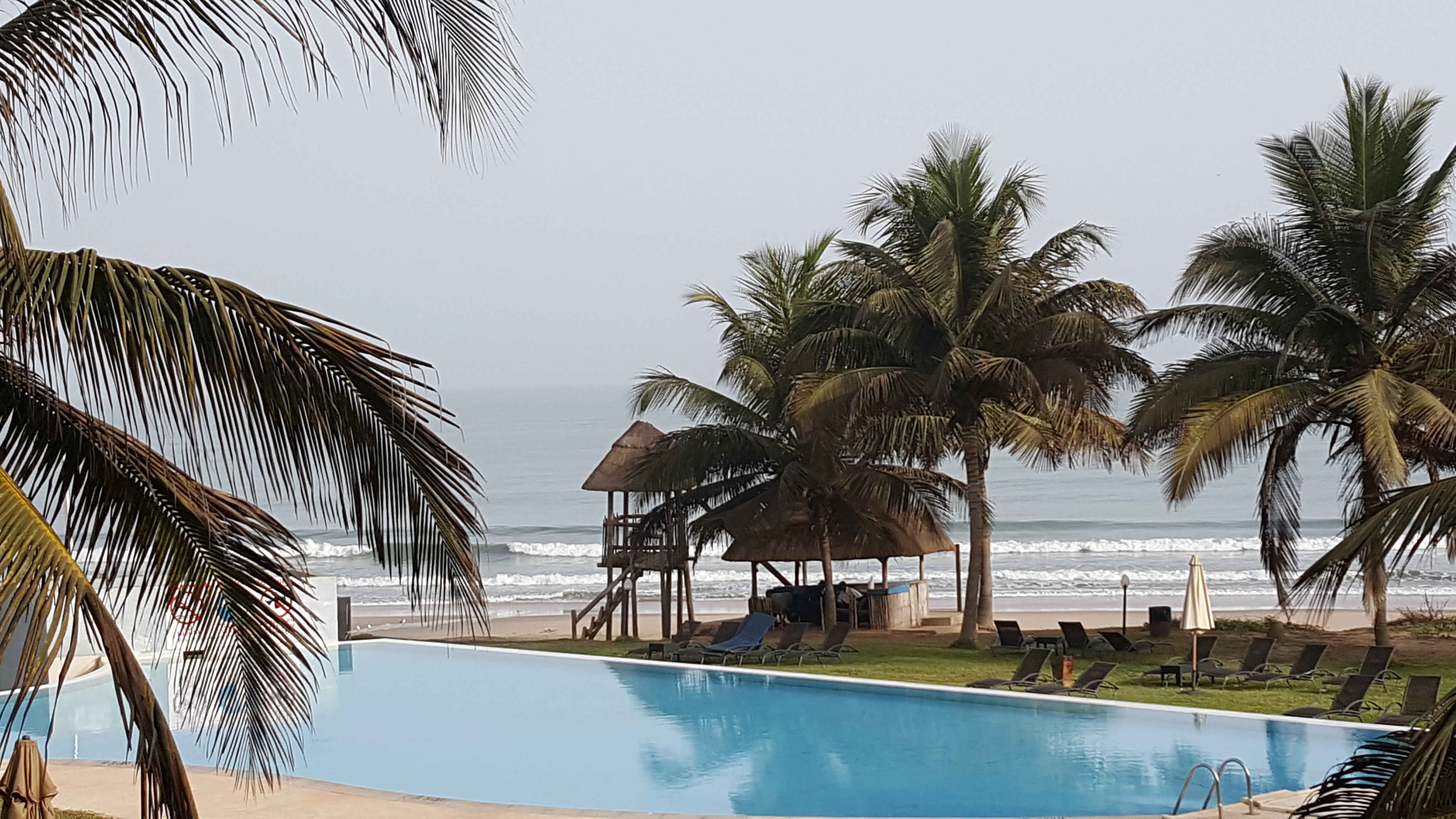
Gambia started on quite a happy note: a small serene country with clean beaches and monkeyed trees. I went to bed to the sloshing sound of the moiling Atlantic Ocean, drowning the indistinct chatter from drinkers at the outdoor pool-side bar. I loved Gambia at first sight.

gambia2

Work too started on a good note, and I quickly made my way to Timbooktoo Bookshop, aiming only to deliver a few copies of Musings of a Tangled Tongue as pre-arranged, but leaving the store with ten new books for my bibliophilic babies.

The despair that found me comfortably ensconced in Brufut was not brewed in Banjul. A part of me perished in Gambia; a part I had hitherto taken for granted, but nevertheless nurtured and savoured, since a time I have no surviving memory of.

My younger sister was due to have a surgery in Lagos, and my last communication with her the day before my trip was hope-laden: I would come see her and her new baby as soon as I returned. It was not to be. I returned to Lagos to the new baby only. My sister had died during the elective cesarean section. Nigeria had taken a huge chuck of my heart, and I was in Gambia suffocating. My howls were drowned by the obstreperous sea outside my window, with every wave of the tide washing away my dream of enjoying the city’s understated beauty. The waves, only the night before reminiscent of an alluring melody, had turned irreversibly to an immutable threnody. Olaitan’s death is a loss that cannot be licked by the lapse of time.

I was only counting down to departure after I was notified of this tragedy, life would never be the same.

gambia1Time went by quickly in Banjul, work took the day, while evenings sought comfort curled up in bed, taking depressing walks by the beach and eating only fresh mangoes; the surrounding beauty recessed to the background of a solemn promise that I would be back.gambia5gambia4

I ate the Gambian equivalent of Jollof rice too, on my first day at work; a disappointing presentation, and befitting mediocre taste. But I’m glad I got that out of the way, and quickly filed that experience away beside its Accra compadre.
When it dawned on me by Friday afternoon that my time was up in the city, I inquired of my colleagues about Gambia and if there was anywhere one could see in town. I was not in a good frame of mind, and needed a distraction, something else to remember the peaceful country by other than my muffled yowls.

gambia11

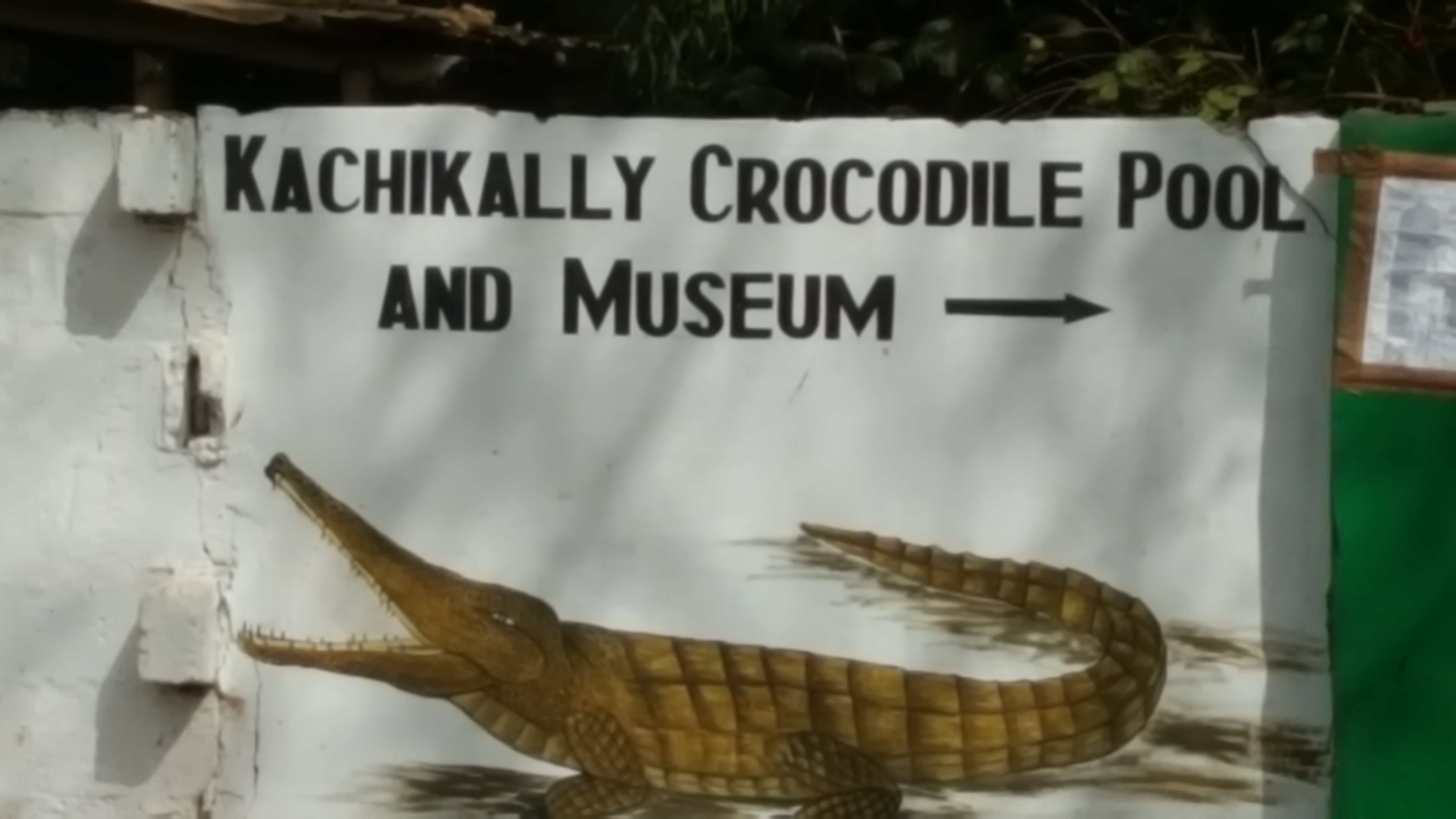
The Kachikally Crocodile Pool was the place everyone suggested, it wasn’t too far from the office and the incredible tales sounded exhilarating: harmless crocodiles living peacefully with locals! Some of them were said to have filed out of the pool once to pay homage to the deceased founder. And visitors could touch the harmless reptiles. This sounded insuperably menacing to me, but tickled my bereavement-sedated sense of adventure.

The crocodile pool was only about five minutes’ drive from the office; in the heart of Bakau village, an otherwise unremarkable residential settlement next to Banjul–Gambia’s capital city. The pool is owned by the Bojangs, a friendly family representative on sight to welcome us. Everyone in sight looked unperturbed, including the sun-bathing crocodiles. The pool is encircled with wire mesh; this was to keep humans out of the pool really, as there was sufficient allowance for the crocs to come outside unto the open dry land. Park attendants too were on hand, encouraging us not to run or panic.

gambia10True to the legend, the crocodiles appeared harmless, as least they were not hunting us; I touched one of them, eventually, after I was able to overcome my morbid fear of being eaten alive.