Browsing the archives for the Guest Post category.

Chapter 11: A Reading Space in Lekki

By Anthony Azekwoh

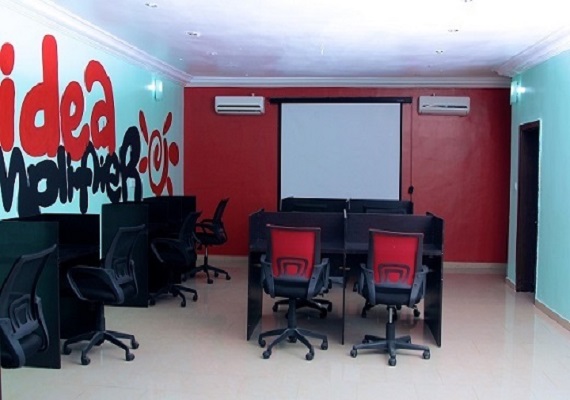
Perched comfortably on 39A Awudu Ekpegha Boulevard Street is Chapter 11, a workspace, training area and 24-hour library rolled into one.

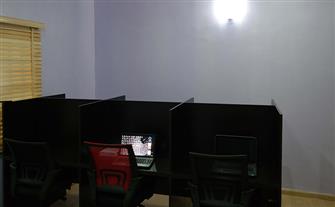
Walking in, I was immediately greeted by the warm atmosphere such a cosy space promised: air conditioning, brightly coloured furniture and secluded workspaces to allow people do their work in peace and privacy, not to mention the free WiFi. So basically, it was heaven. Getting a membership is also very easy, for three thousand naira (3000) a day you have access to all their facilities or you could opt for the fifteen thousand naira (N15000) a week plan or even the twenty-five thousand naira (N25000) a month plan. Annually, you can also get access for two hundred thousand naira (N200,000).

Met with their friendly staff, I was shown around their space. The largest room was a kind of lounge area where members could eat, drink, talk and basically relax. There were cubical seats arranged with spaces all around with work cubicles too. I was then brought to one of their workspaces equipped with pigeon holes and work areas, everyone with their head down focused on their work. There was also free coffee and other refreshments available so that was also a plus.

Being the only one of its kind around the area, Chapter 11 shines as a versatile and comfortable space for learning, working and resting. Shifting easily between its many roles and managing still to perform perfectly. Definitely, a place to be to get good work done fast.


Leaving Lagos

by S.I Ohumu 


I came here on the shoulders of many, great, expectations. It was the glow-up. Smart Benin girl who never fit in with a talent in the arts must move to the big city. But you lose when you do things that are expected of you.

I should have learnt this lesson from my experience juggling being in my first year of university and last year of secondary school, simultaneously, to give my parents bragging rights, though I didn’t. Or I forgot to. So I moved.

Now I am moving again.

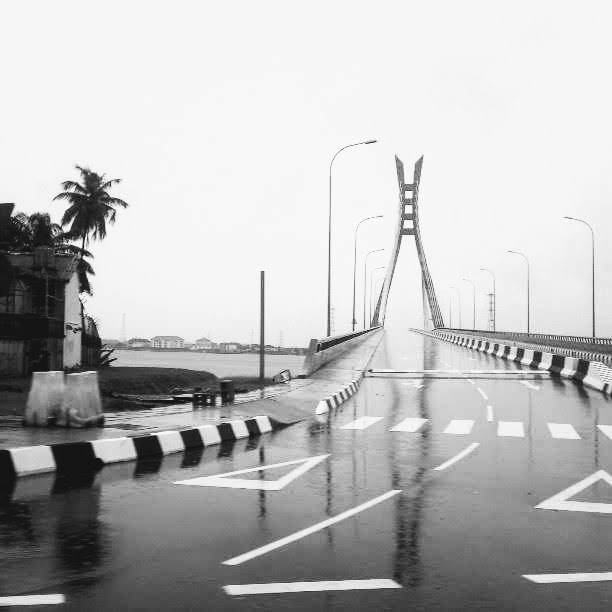
I am leaving Lagos. It is lonely. Alone with 20 million hurrying bodies. Inside of a room, a flat, with persons you know in their own rooms, their own flats, the great distance caused by traffic jams enough to keep you apart. Alone with yourself so you run to whoever you can be with, taking the shit, grateful for a body to see, touch, talk, fuck.

I am leaving Lagos because it is noisy here . And in my head. There is too much. Of everything. Too much hurrying. Too much worry. Too much of cars. Too much of agents. Too much of no friends. Too much of want. Too much of the feeling of keeping up but falling short. There is not enough of anything. Not enough of actual air. Of space. Of quiet. Not nearly enough of peace and joy. Freedom to take flight. There is not enough freedom in Lagos. Not enough of the things which make us truly much. Solid hefty things. Lagos is noise and too much and not enough. It is a shiririrrrrr. It is many stones joined together, haphazard, with no weight. Nothing at the middle.

***

It is my last weekend in Lagos and I have come to move my things. For months I have been afraid to be back here. I left on a bad note. I didn’t finish a manuscript I was editing. I didn’t say goodbye at my job. I told the people at my house nothing. I wrote that deeply flawed essay. I absolutely do not want to be back here.

But fear will always be there. So I do what I am slowly learning to do: allow myself somethings, hold back others. I do not confront former work or abandoned manuscript. Not yet. I stay with Ayọ̀ at Ìyànà Ìpájà. On Sunday night I have wine with a married man–bad tasting white wine–while sitting beside a pool in Lekki, and talk to him for hours, until it is too late to go home. And because I don’t want us to get a room, I say, ‘to the beach’!

We walk. I think I belong to the water. He says everybody thinks that when faced with the sea. There is a line of rock I am unwilling to walk. We look at sex workers. At how the wind makes their cigarette fire fly. Sit on a log. He touches my butt. We sleep in his car. The next day, I’m sick with fever. Can mosquitoes live in saltwater?

On Tuesday I uninstall Uber and Taxify. Forget Rele. My heart holds on to Freedom Park.

***

Hearing Edo being spoken became a balm. A balm given to a bus conductor at agege. A smile returned to boy with blue glasses at Cafe Neo. A celebration of familiarity. Everything else was the other.

***

I am leaving Lagos because I am happy now. I have cleaned the room in my head. Put the hangers in the wardrobe, the broom in its place. I am able to wake up every morning. Go to sleep without crying. Look at trees, touch the sky, love a man who loves me back. I am able finally to be accountable. To understand action, reaction, consequence. Interested in navigating the fragile maze of growing up while retaining my childlike wonder. Realizing clichés come from good places. I am able to think good. Solid. I am leaving Lagos because only the solid can fly. You are fraught and froth and secured to the dirt floor in a city with everything but what is required.

I am leaving Lagos because it is not for me. It is this simple. Do not speak in absolutes. No city is the sunken place. This one is magic to many others. Now the question: But is that you? Are you here because you want to be or you think you ought to want to be? Because you need to be here? Sync like a mac to an iPhone to this rollercoaster of a coastal city? When last did you let yourself rhyme?

I want to rhyme. I want to go home. I only know home is home by having been in a place that isn’t home. I am leaving Lagos because it isn’t home.

Lagos isn’t home. Not to me. Is it to you?

N.B: To the ones not squares, wearing boots at ring road, counting down until the big move, why are you leaving? Your family doesn’t feel like family? To find your tribe? Opportunities? Your difference does not mean you must live in Lagos. Granted it’s a hub but is it the only? Should it be? The country big. Ask Fuád, e big. If you want to create, bad air fast bus quick fingers frothy people fun hangouts may be the way. Trees, slow paced, quiet may also be the answer. I am not saying do not go, only consider. Place it side by side another. It is not a given. Sometimes the way to start anew is to stay. Sometimes it is to go.

Go home. But first, find it. Wherever that is.

_____

S.I Ohumu is a mostly happy twenty-two-year-old living where art, food, and environmental sustainability meet.


Aké Festival (2017): A Volunteer’s Recap

By Deaduramilade Tawak

I decided to volunteer at Aké for the festival this year because I wanted the experience of what it was like to be on the other side. I am not new to volunteering, whether for events or organisations, but if I was accepted, this would be the first time that I’d be volunteering for an event of this type and scale. I had applied to volunteer last year, but was not selected (I went as a visitor, but only on the last day because my leave wasn’t approved), so I wasn’t very hopeful.
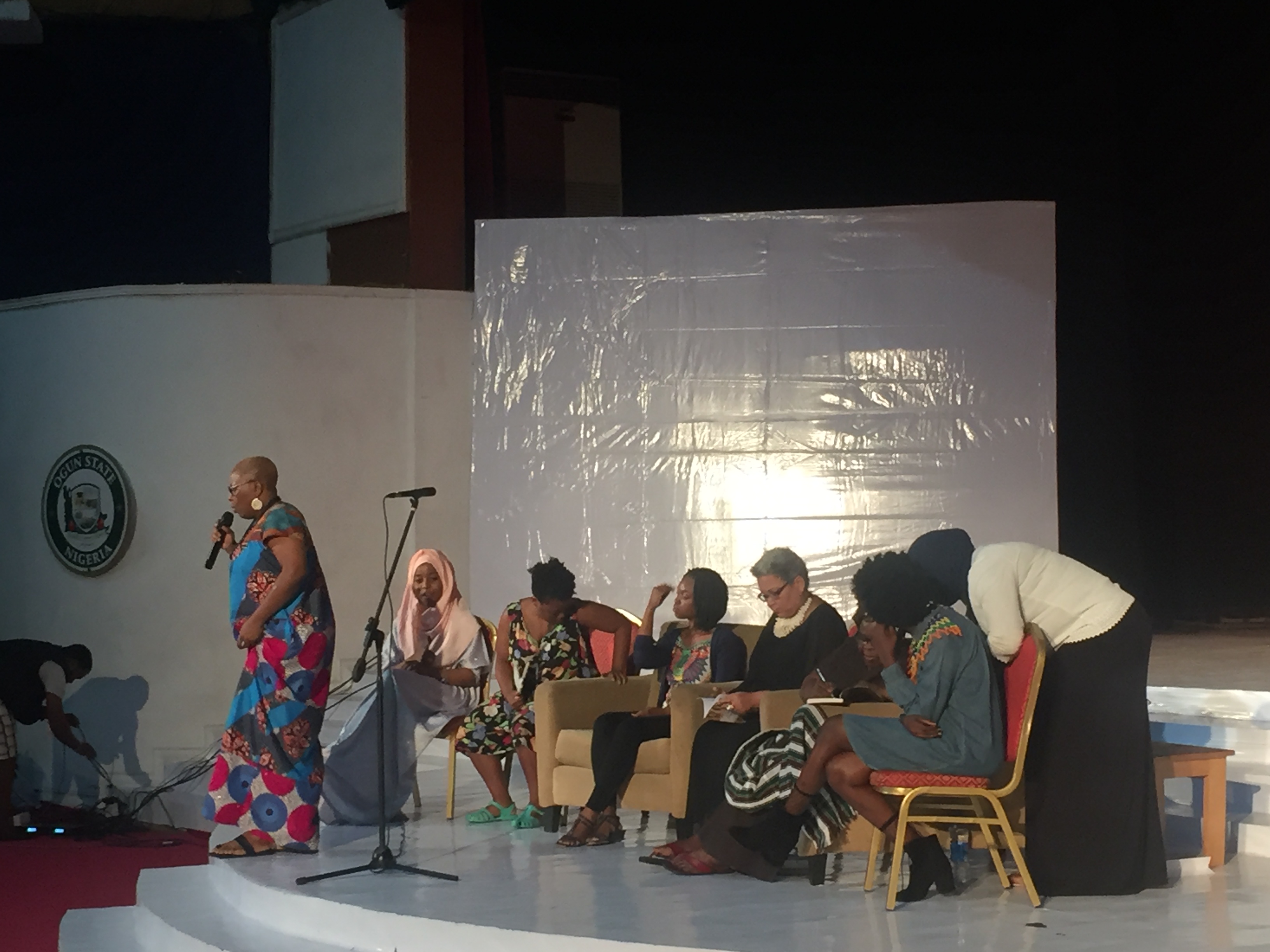
Photo credit: David Adélékè

Three weeks to the festival, I receive an email from Ify (who is the Administrative Manager for the festival) saying I have been selected as a volunteer. In the email is a document with Terms and Conditions to be signed, but I’m still waiting on leave approval. The document also includes the rules and regulations for volunteers: no chewing gum on duty, no smoking on duty, no asking guests for money or favours, no fighting and so on. Finally, two weeks to Aké, and two days before the deadline for accepting the volunteer offer, I receive confirmation of leave approval, so I print, sign, scan and send the document.

Reinhard Bonnke’s farewell rally will be ending on Sunday, the day volunteers are expected to arrive in Abeokuta for the festival. We decide to leave as early as possible to avoid traffic, but not too early that we’d have to wait hours before seeing Ify, who is in charge of volunteers. We being myself, Afọpẹ́fólúwa, and Opẹ́yẹmí (whom I’d found by asking around for volunteers leaving from Lagos). I’d gone to Abẹ́òkuta myself the year before, and although it wasn’t a bad experience, I felt that I’d be more comfortable if I had familiar faces on the journey.

Photo credit: David Adélékè

We leave Lagos shortly after 11am, and I sleep for the entire journey and wake up at the exact moment we arrive at Kuto Park, Abẹ́òkuta, not far from the Cultural Centre where the festival will hold. We take a cab to the centre and meet another volunteer (Ona) waiting. We have 4 hours to kill. Fortunately, I have books, my phone, and three other ladies to keep me company. Slowly, other volunteers begin to arrive. First Yetunde, another first-time volunteer, then Stephanie, another veteran volunteer, and then a stream of young men and women I do not know or recognize.

Ify arrives and we have a “family meeting” where we introduce ourselves — most people are from Lagos, many of us are writers — and are given a quick break down of what the week will be like. Lọlá Shónẹ́yìn arrives at some point. The truck with the books and the other things we’re supposed to sort hasn’t arrived, so we headed to our hotel to group ourselves into rooms. I pick Ona as my roommate. Dinner of jollof rice appears soon after, and we rest a bit before heading back to the venue to help offload the truck. When this is done, we’re each given two orange volunteer shirts, then it’s good nights.

On Monday, we’re grouped into teams, and I’m placed at the registration desk. I’ve been warned by my friend, Ọpẹ́, who had volunteered for the past two events to try to avoid that designation. Being at the front desk means that you miss most, if not all, of what happens during the festival. She’s right. I miss out on all the interesting panels, but catch pieces of conversations as people move from one panel session to another. There are five other people with me including Ona, Yétúndé and Stephanie.
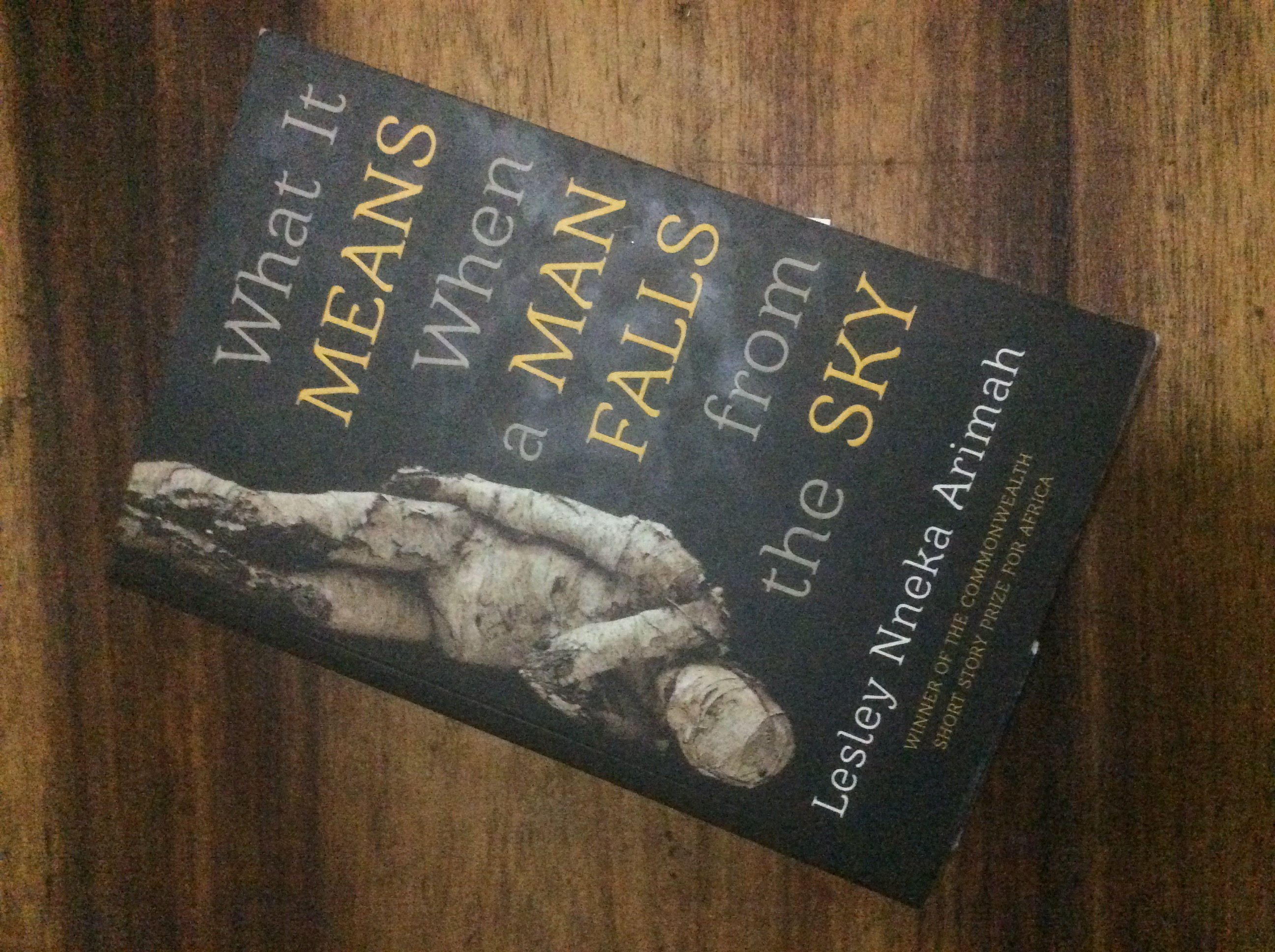
We start with sorting bags and tags for guests, visitors, press, and crew. There’s some downtime, during which I read my copy of What It Means When A Man Falls From The Sky by Leslie Nneka Arimah. There’s more sorting, packing, getting to know each other, setting up, tweeting, chatting, and reading. Somewhere in the middle of all this, there’s a call. I have to leave for Lagos very early the next day. I inform Ify of this development.

I leave for Lagos at 7pm AM, my business takes longer to sort than I expected, so I get back to Abeokuta at about 5pm. I’m told that I haven’t missed much, and registration starts shortly after I arrive. I work out a system to get through registration quickly. We register guests and attendees till around 9pm.

From Wednesday till Saturday, I spend all my time at the registration desk, except for when I go for food breaks or toilet breaks. This is where I get Mona Eltahawy to sign my copy of Headscarves and Hymens. This is where I get to meet Bim Adéwùmí, who is one of the major reasons I decided to attend the festival. This is where I finally put faces to names and Twitter handles. This is where I develop an addiction to kòkòrò. This is where I catch up with people I never see, except at these things. This is where I find out about and enter the Aké Festival giveaway, which I will come to later. Being at the registration desk means that I meet almost everybody who came for the festival. It also means I have to smile a lot, even when I’m tired and hungry, and when I’m upset because almost everybody else who’s supposed to be helping at the registration desk is not.

One of the highlights of my time at Abẹ́òkuta isn’t at the festival, but in a small hotel room party a few minutes away from the hotel where volunteers are lodged. Another highlight is the Palmwine and Poetry night. I caught the tail end of the event, as we closed the registration desk at about that time. I came in in the middle of Poetra’s relatable poem on feminism, and I also heard Koleka Putuma perform a few poems. The brightest highlight is winning the book grant.

At the end of the event, Lọlá Shónẹ́yìn gives a thank you speech, after which I am announced as the winner of the Aké Festival book grant. I have won N25,000 to buy books at the festival bookshop. The night, and the festival, ends with a party.

The next day, we go back to the Cultural Centre to pack up the bookshop, I redeem my books, and combined with books received as late birthday gifts, I leave Aké with 16 nooks, and the stipend volunteers receive at the end of the festival.

Aké is always a delight.
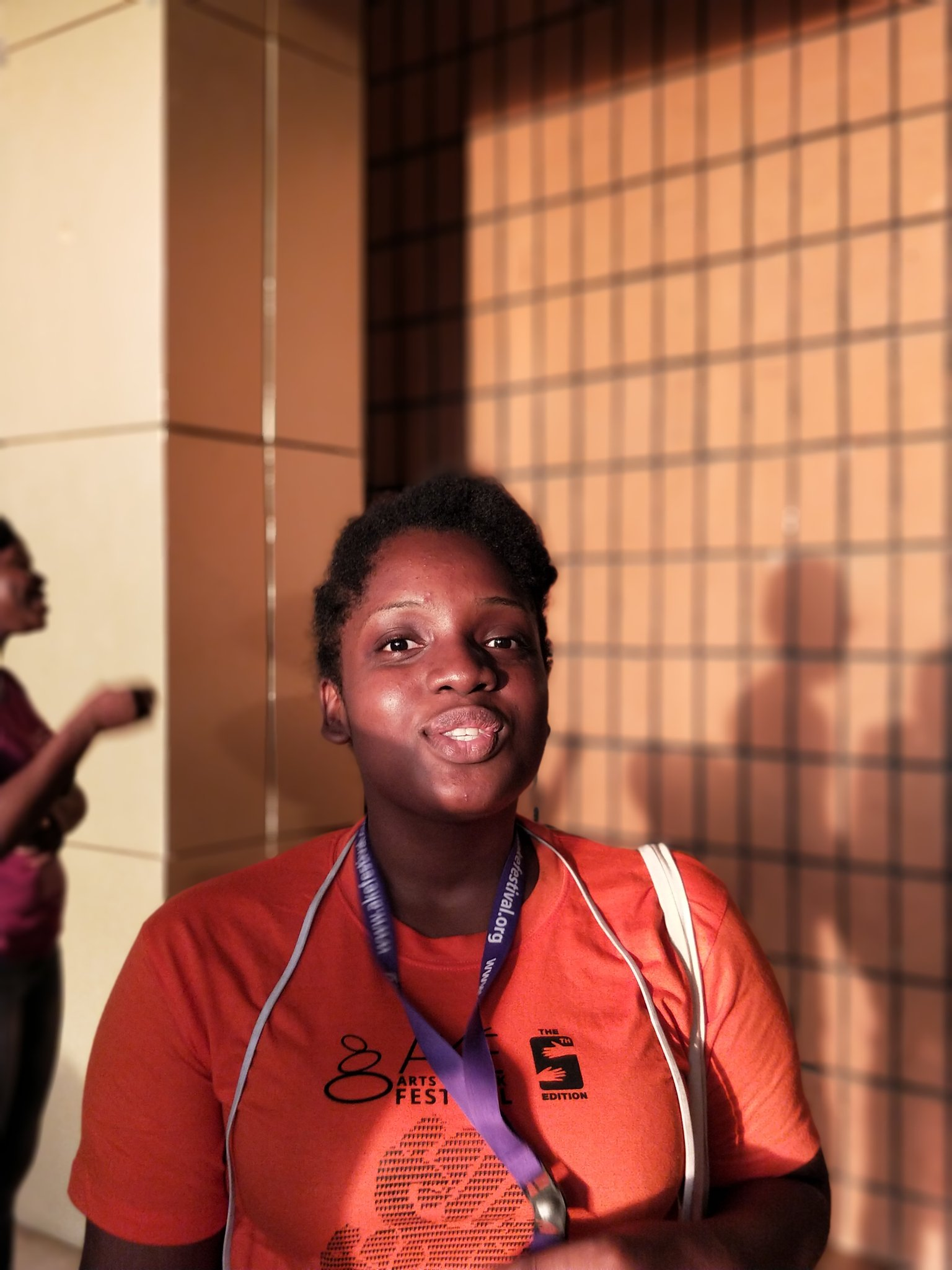
Photo credit: FuadXIV

Even if you’re stuck behind a registration desk for all 4 nights and 3 days of the festival, and have to make do with a barely good DJ (last year’s DJ was great) at the closing party you’d been looking forward to since Day 1. Being surrounded by friends and people you admire, Africa’s best writers, upcoming writers, book lovers, and art aficionados, and managing to listen in on concerts and performances happening close to the front desk make up for it.

Literary festivals are delightful because they are a few days of mingling with people, who for the most part, enjoy the things you enjoy. I have attended Aké as a [one day] visitor, now, a volunteer, and, next year, a full event visitor, or maybe a guest (a girl can dream).

______

Déàdúràmiládé Tawak is a reader, writer, and researcher. She was the second runner-up in the CREETIQ Critic Challenge 2017, and has had her flash fiction, essays, interviews, and reviews published in Brittle Paper, Athena Talks, Africa in Dialogue, and Arts and Africa. She lives in Lagos and tweets from @deaduramilade.
Buchi Emecheta Foundation and Omenela Press created to Preserve a Legacy

The Person That Went to Nigeria is not The Same One That Came Back

Guest post by Anne Maabjerg Mikkelsen


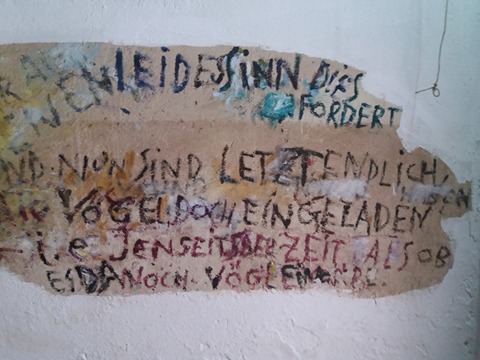
Adunni Oloriṣa’s handwriting on the wall in her former gallery where I slept. Written in German: “Nun sind letztendlich die Vögel doch eingeladen”, English translation: “Now, the birds are yet finally invited.”

“Why do you have to travel so far, Anne?” This was the first reaction from my beloved grandmothers as I told them I would be travelling to Nigeria with the University of Potsdam in October.

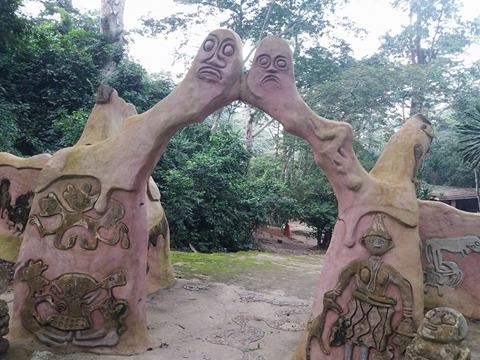
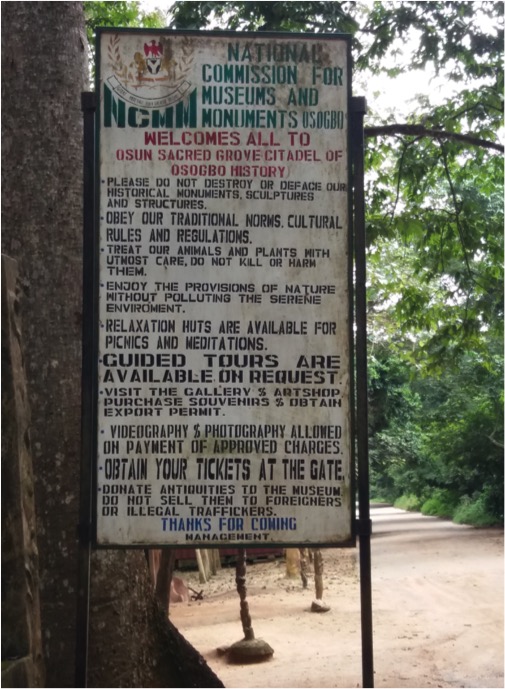
I understand their fears. Nigeria does not have a positive reputation in Denmark because of reports of kidnappings, corruption, diseases, and terror. However, I had to go not just because of my master’s thesis about the Ọ̀ṣun-Òṣogbo Sacred Grove, a UNESCO World Heritage Site since 2005, in Ọ̀ṣun State south-western Nigeria, but because something in Nigeria had been calling my soul.

While writing my thesis about the Grove back in Europe, I struggled with the fact that I had not been there on my own. As I realized that the field trip had been organized, it seemed too good to be true. We were a group of ten people including our professor, who had gotten an invitation letter from the University of Ìbàdàn. Most of our program was scheduled on the University’s campus, and it was a relief to leave for Òṣogbo with the group during the second weekend, since I was longing to see the Grove.

Back home, I had already studied Yorùbá culture, and the playful universe of the Òrìṣàs; the deities of a traditional West African religion manifested as energies and natural forces on the earth. The work and worldview of Àdùnní Olóriṣà (1915-2009), the guardian of the Grove, also known as Susanne Wenger, an Austrian modernist artist who was resident in Nigeria and initiated into the Òrìṣà religion, had also caught my attention. I only expected my visit to the Grove to be overwhelmingly magical. And so it was.

Entering the Grove, I could feel my whole body vibrating and getting charged with the intense energy that flourishes around – the powers of Ọ̀ṣun, the Òrìṣà of fertility, beauty and wealth embodied as the Ọ̀ṣun River, who is in everything there, as she nourishes all.

As the group returned to Ìbàdàn the next day, I stayed in the house of Àdùnní Olórìṣà on Ìbòkun Road with her daughter Doyin Ọlọ́ṣun, an Ọ̀ṣun high priestess, for another three days.

Everything felt so natural, and it was more or less like meeting family. We went to the Grove every day and sat by the River listening to the water curving its way through the virgin forest, sharing dreams and beliefs as the sun made its way through the clouds and sent its warm rays to the surface of the river from where they were gently directed to us. We greeted the monkeys in the green trees around us and the fish that made their arrival as we sat down. Everything here is sacred; no fish can be caught, no animal hunted or tree cut down. No wonder that Àdùnní gave her life to protect this place and the Òrìṣà religion.

It was with a heavy heart and tears in my eyes that I had to leave Òṣogbo, Doyin and her family in the house.

Before Nigeria, I was told that, “the person that went to Nigeria is not the same one that came back.” I must agree. Knowing that I have gotten the permission from the closest people, I feel capable to write my thesis not just through my mind but also with my heart. Moreover, I had the feeling that my thesis was more than just a paper, which would allow me to finish my degree.

My trip to Nigeria reaffirmed that it is also a personal path of self-discovery, and I am certain that I will return. There is much more to tell, still so many questions to be asked, and so many people to thank, among others: Professor Hans-Georg Wolf for organizing the trip; Níke Davies-Okundaye for her open heart; Kọ́lá Túbọ̀sún for his time; Dr Ọbáfẹ́mi Jẹ́gẹ́dẹ́ and the African Studies of University of Ìbàdàn; Robin Campbell from the Susanne Wenger Trust for helping me organize my stay; site manager of the Grove, Mr Olákúnlé Mákindé; and of course my deepest thanks to Doyin Ọlọ́ṣun and her family on Ìbòkun Road.

I am now back in Berlin. My beloved grandmothers are relieved and therefore, so am I. I will do my best to explain to them how magical my experience of Nigeria has been, and that not all Nigerians are bad but rather extremely welcoming and warm-hearted. Where I come from, we could learn from this place and from what the Grove represents: that spirituality is beyond race, that nature is divine and sacred, and the importance of cherishing the feminine principle.

This is exactly my answer to the question “Why do you have to travel so far, Anne?”

____

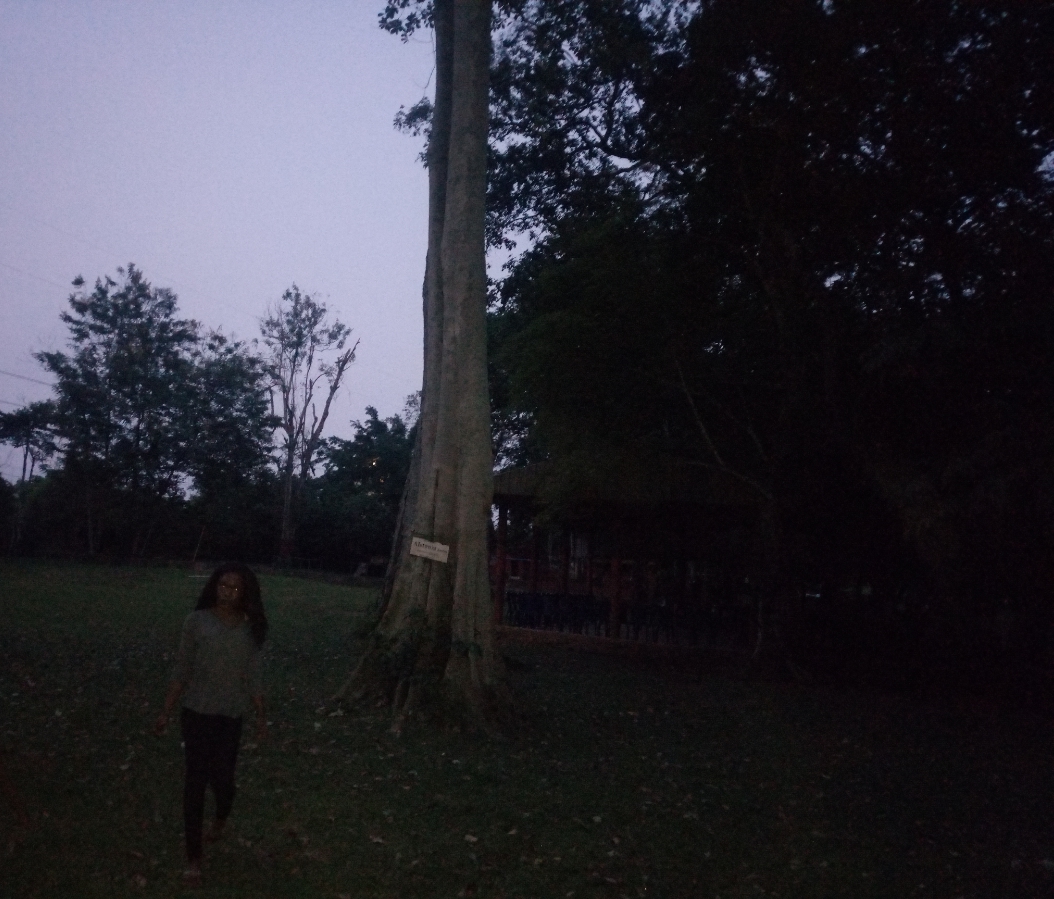
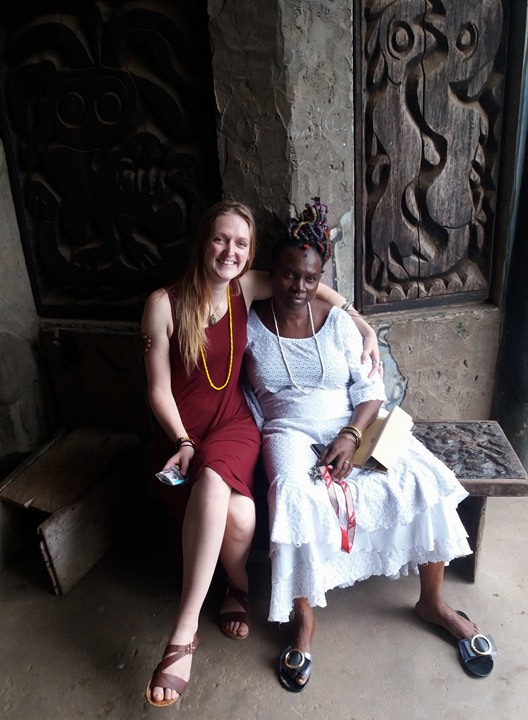
Anne Maabjerg Mikkelsen, pictured here with Ọ̀ṣun priestess Doyin, is from Denmark. She lives and studies in Berlin Germany, University of Potsdam. She spent two weeks in Nigeria as part of an academic visit.