Browsing the archives for the Fun category.

On The Game of Giants

Red_Front-161x300There are many ways to teach history, but the best and most effective way has nothing to do with the classroom. In any case, a couple of months ago, it was announced that (Nigerian) History would be dropped from the Nigerian secondary school syllabus for reason of inadequate enrollment. Many of us protested online and offline, and that was the end of it. We have come to reconcile ourselves as a nation that no longer cares enough to celebrate, document, and teach its past in order to prepare citizens for the future.

I came across this game a couple of months ago, during its invention, while working on The Giants of History book by Lateef Ibirogba. It was invented by Yemi Adesanya to teach history in a fun and interactive way. Called The Game of Giants, young citizens from the age of 6 to any age can challenge each other with knowledge of famous (and obscure) giants of history. On one side of each card in the pack is a picture of a famous person in history (living or dead), while on the other is a short blurb of his/her achievement. The rules of the game says that each player scores points by correctly guessing, without having looked at the back, what the famous person is known for.
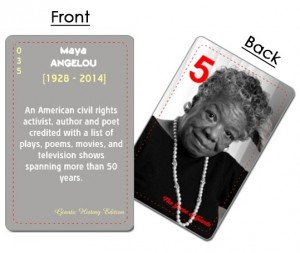
Fullscreen capture 6242014 103239 AMAs a way to generate interest in the past and to introduce young people to a past generation, the game succeeds where textbooks might not. Being a game, it requires a time of leisure when the brain is most at east without any pressures of curriculum, and with maximum dopamin secretion. I have played it, many times with students (and won, if I might add), and what I’ve noticed is that the aim of the game’s invention is easily realized: students strive to remember the faces as well as what the person profiled is famous for. Over time, and over many losses and trials, they begin to remember. Those interested in learning more about the characters will – at other leisure times – go ahead and read some more. It is a good thing.

The best part of it, for me, is that the range of the characters in the game is wide and deep, from Aristotle to Soyinka, from Babatunde Jose to Marie Curie, and from Anthony Enahoro to Gregor Mendel. Gradually, young ones are introduced to history in a fun and non-threatening manner. (More about it here). According to the inventor, the aim is to make the game a household item not just for kids and youths, but for adults as well as a way to learn about the past while also having clean fun. This makes sense to me.
Visiting Inagbe

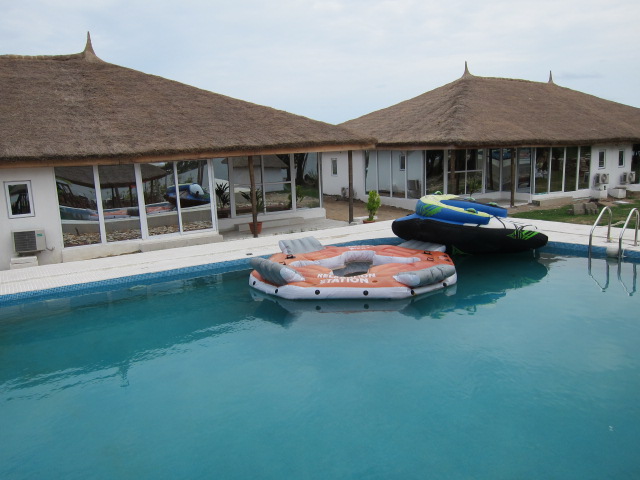
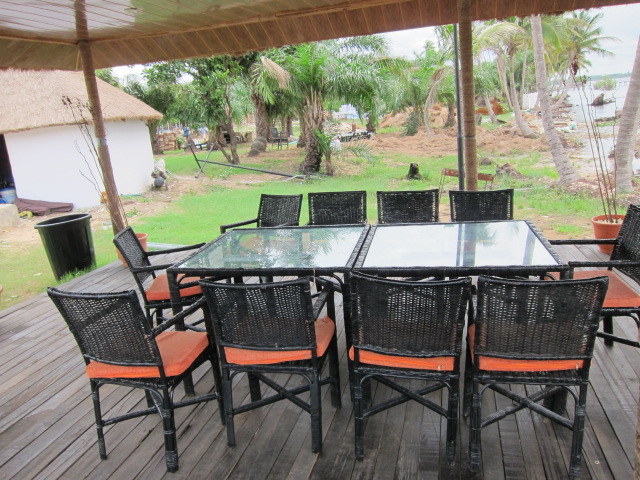
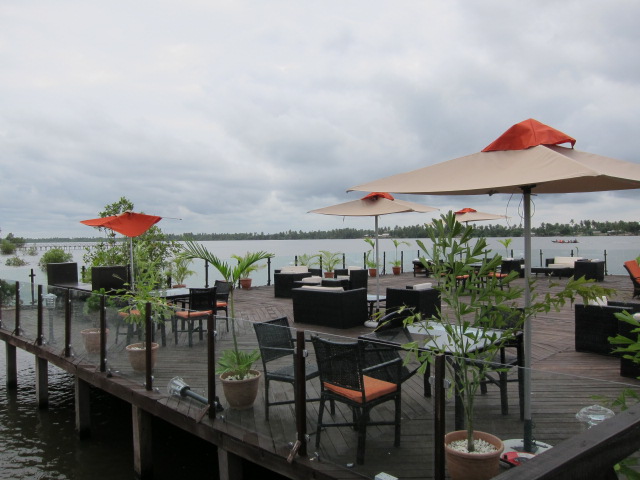
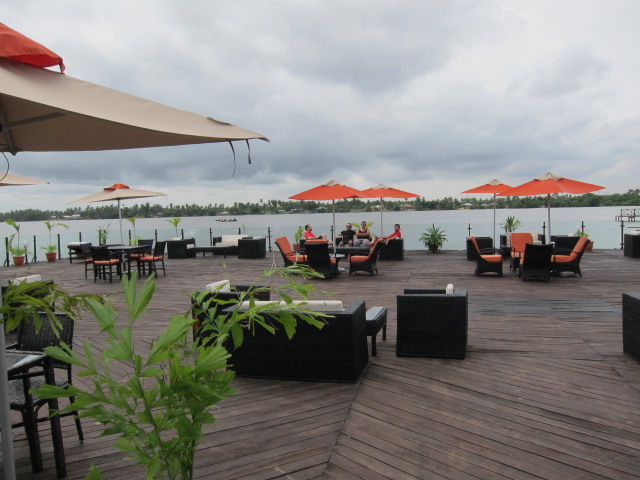
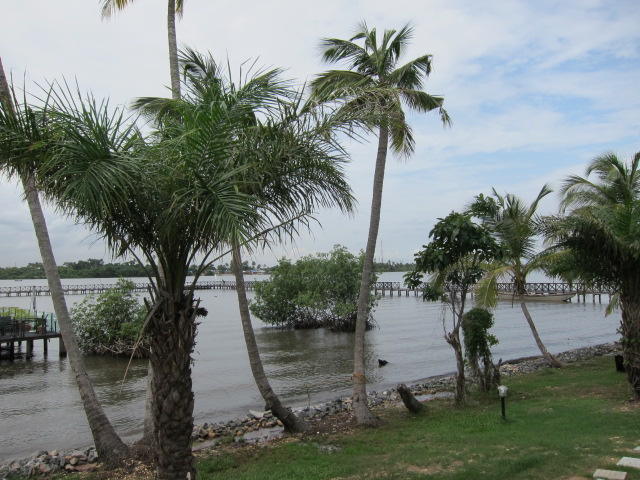
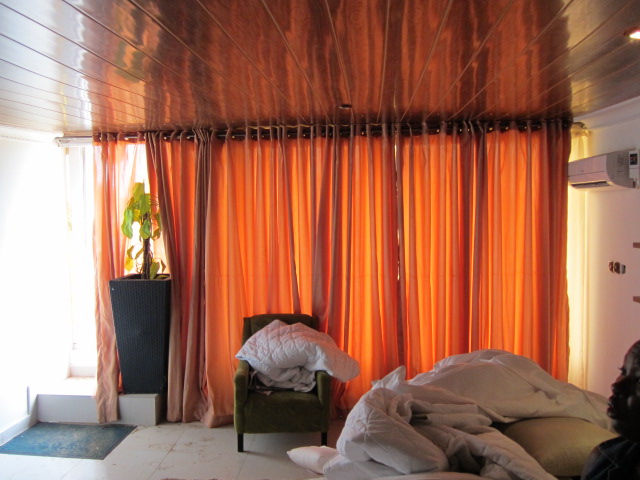
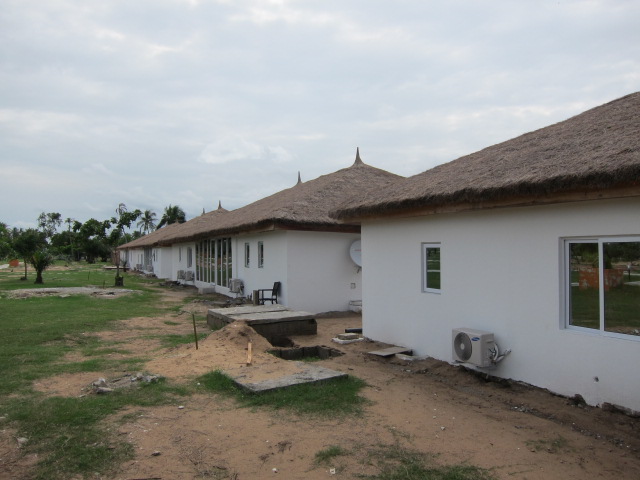
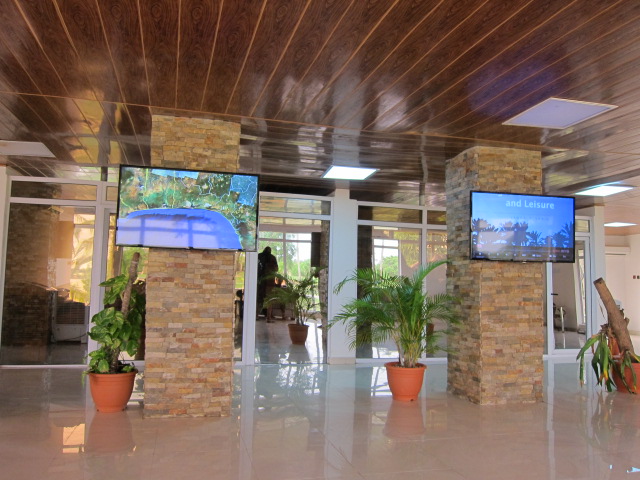
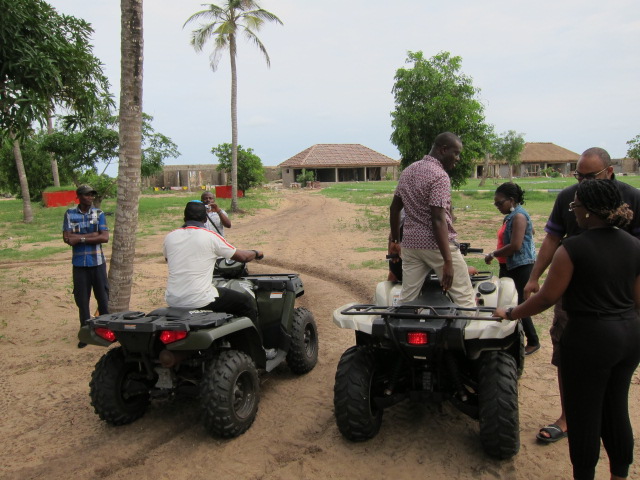
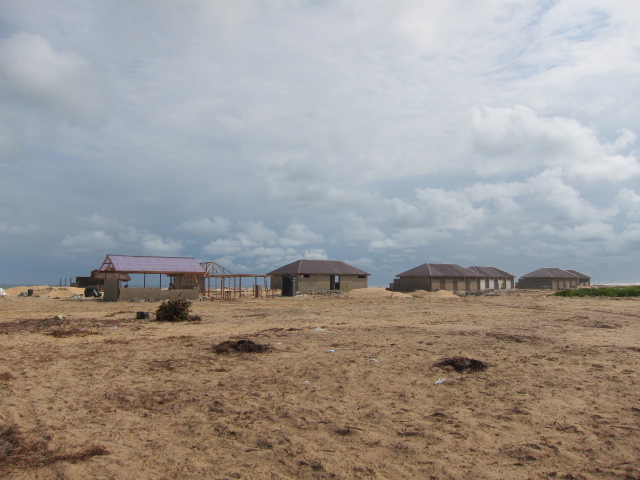
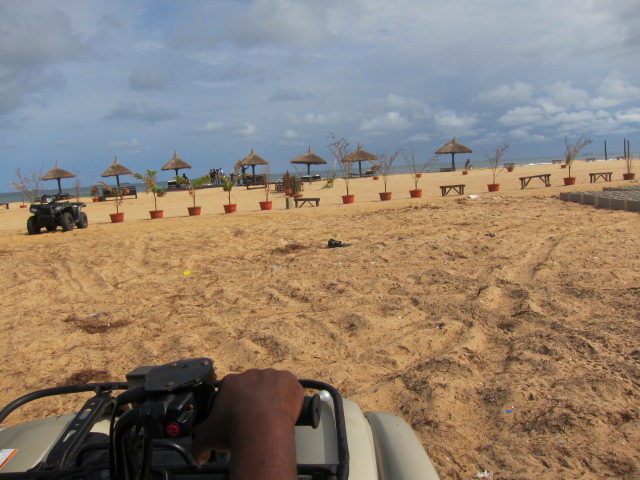
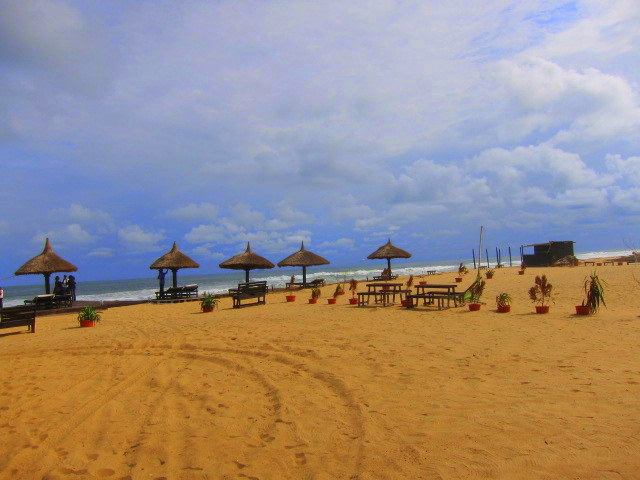
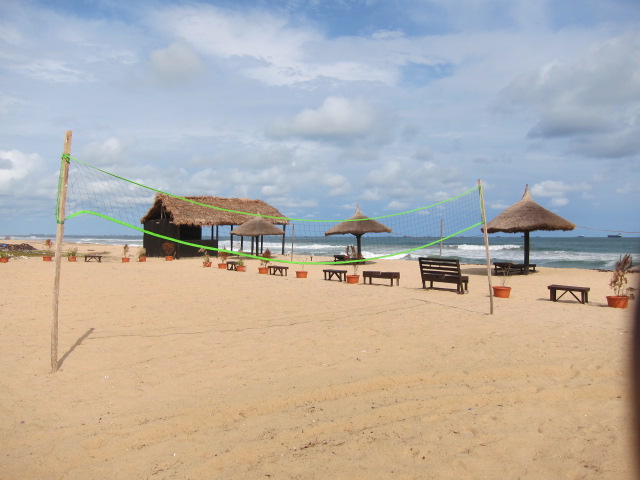
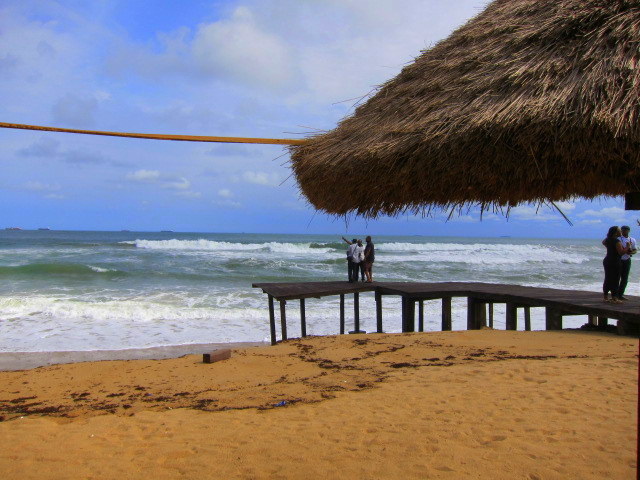
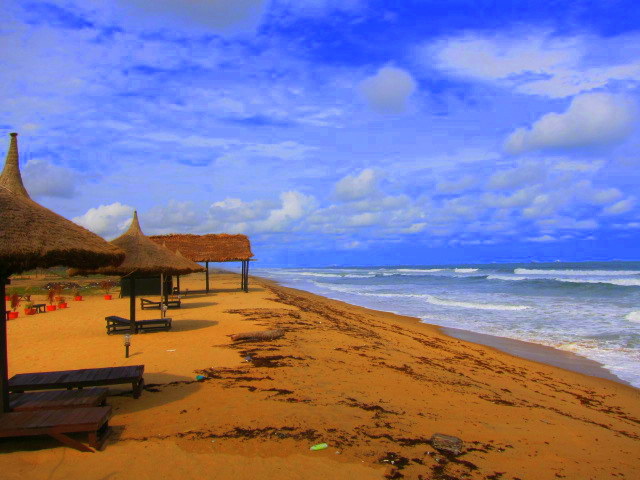
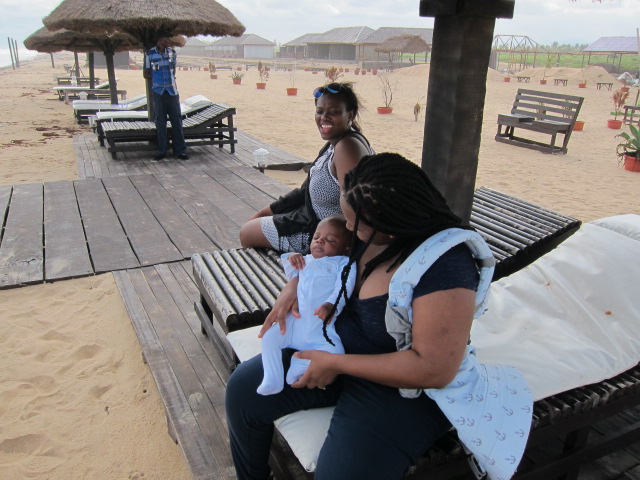
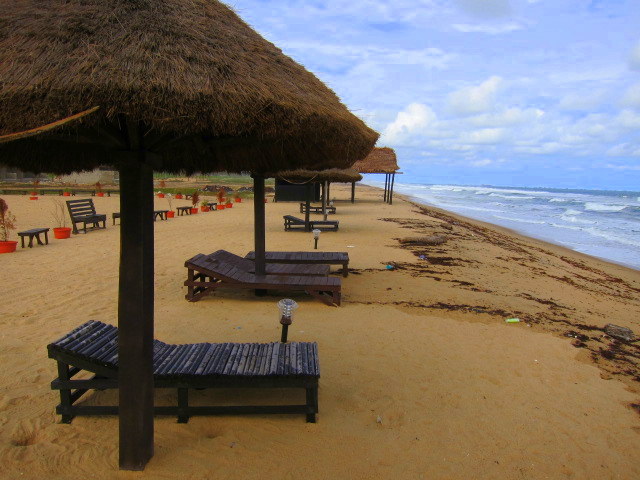
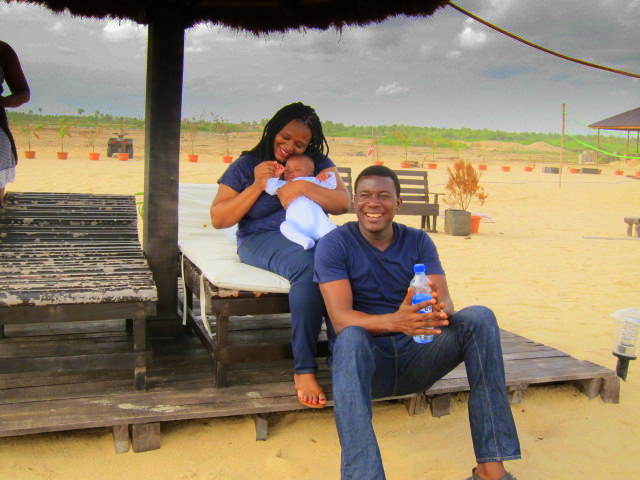
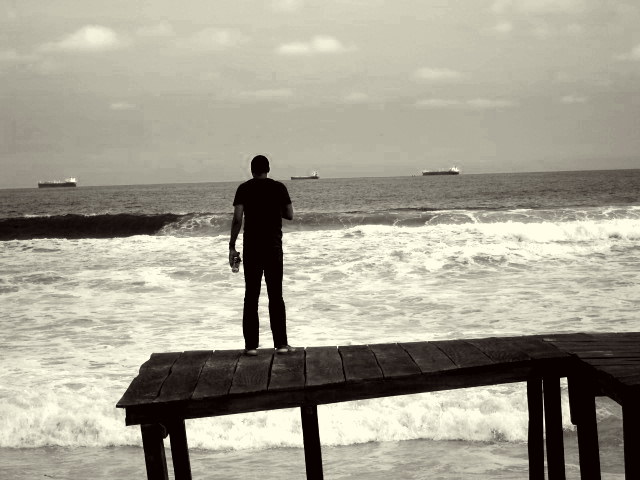
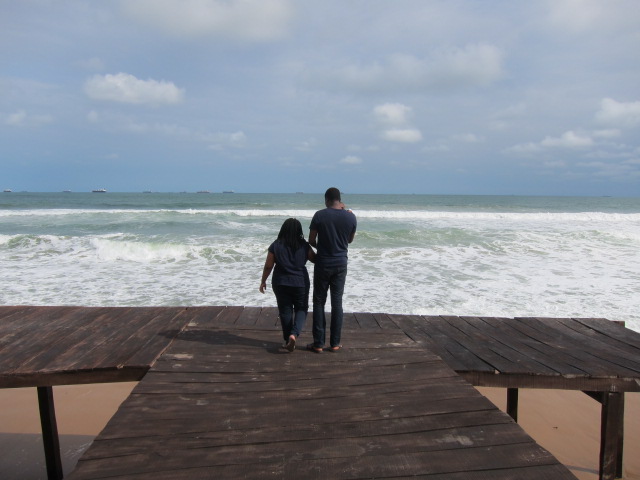
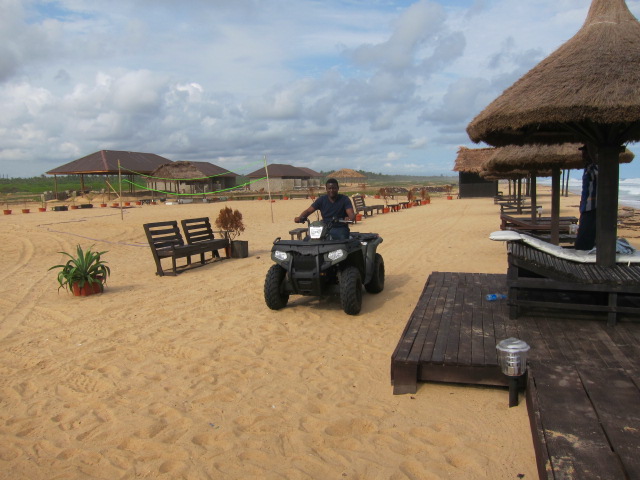
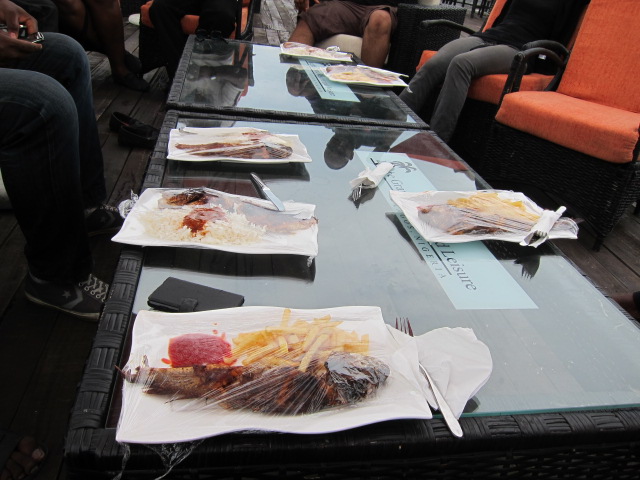
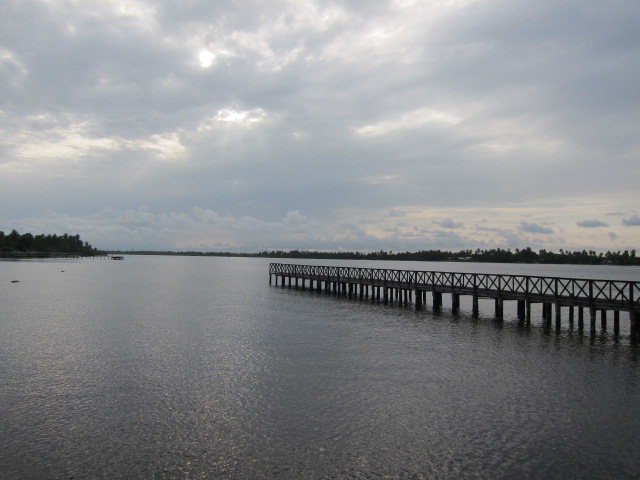
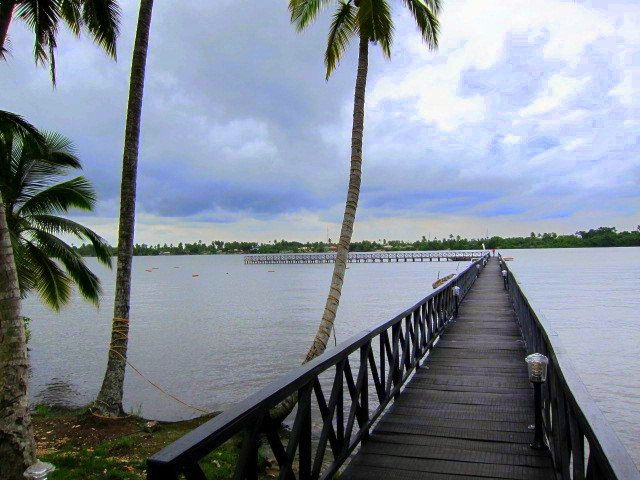
IMG_1343IMG_1353 IMG_1354 IMG_1355 IMG_1356 IMG_1357 IMG_1362 IMG_1365 IMG_1368 IMG_1369 IMG_1380 IMG_1383IMG_1392 IMG_1393 IMG_1396 IMG_1398 IMG_1400 IMG_1402 IMG_1407 IMG_1409 IMG_1422 IMG_1433 - Copy (5) IMG_1461 IMG_1485 IMG_1542IMG_1537 IMG_1561 IMG_1573There is a place in Lagos, surprisingly, where all the typical worries of the busy, bustling city immediately disappears. It is located across from Snake Island, occupying over 3 million square metre land area within a 100 kilometre stretch along the Atlantic Ocean halfway from Badagry. It is called the Inagbe Grand Resorts and Leisure. I was there on Sunday.

On Google Maps (and other maps of the area) the name of the location is spelt “Inogbe”, an Ijebu-sounding name whose meaning I haven’t yet figured out. According to the Managing Director of the company behind the resorts however, his spelling derives from the Yoruba word “Inu Igbe”, meaning “Inside the bush/jungle”, a reference to the remote location of the beautiful resort.

To get there on this day of my visit, we boarded a speedboat from Addax Jetty at Victoria Island (beside Oriental Hotel) and headed westwards through a path of water that went behind the Civic Centre (VI), behind Protea Hotel (Ikoyi) under the Falomo Bridge at Law School, under the Ikoyi Bridge at Bonny Camp, behind the US embassy, and through other waterways that pass by Tin Can, Snake Island, and Apapa, meeting along the way a number of other seafaring people and vehicles.

On the way there are a number of views, notable of which are ships and vessels of various sizes. There is an abandoned oil rig about ten minutes into the lagoon, noted, as my guide specified, by the fight to buy and make it viable by a popular bank in Nigeria. The water is clean, and dirty, and clean again at different times, forcing the driver of the speedboat to stop at least once in the middle of the water in order to “flush” out the engine of debris that the boat may have ingested. (Pure water sachets, other plastic bags, combs, toothbrushes, paper, scrap clothings, rags and other flotsam do not belong in the jet engine, one realizes, or in the lagoon, for that matter. But this is the Nigerian Waterways Administration we’re talking about. They haven’t been exactly busy keeping our lagoons clean.)

We arrive at the resort eventually, a handiwork of Grand Imperio Resorts, a real estate company based in Lagos and headed by Mr. Adeyeye Ogunwusi (present also on this trip). We met again in Lagos a couple of months ago and he invited me to come take a look at the resort. According to him, the land area was acquired on lease from the Esinmikan Royal Family, who are joint partners in the resort project, many years ago. The ground breaking ceremony to kick off construction was done in August 2013 since when the centre has continued to be developed at such an impressive speed that a visitor would hardly believe that it is still a work in progress.

The proposed 18-hole golf course now has 5 holes. Many of the proposed guest chalets have already been developed and open to guests already. And even if the resort isn’t yet officially open to the public, Mr. Ogunwusi says that it is already playing host to a number of prominent and ordinary middle-class Nigerians willing to take a little break out of the busy city for some R&R. One could, he says, register to be a member of the resort (a privilege that costs some money, for those able to afford it) or just come for a one-time or weekend visit. The cost of staying over at the resort is about 35,000 ($200) with complementary breakfast.

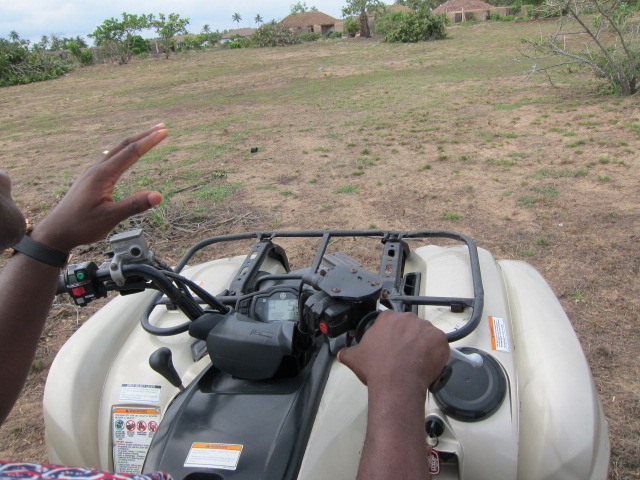
On this visit, we were treated to good food, music, and a trip around the island on a couple of beach buggies (all terrain vehicles which, we were told, will be available for occasional leisure races). Aside from the golf courses, the resort has sites for beach soccer, football pitches, race tracks, lawn tennis pitches, and a lagoon and an ocean view that is rare but impressive. One can already think of many uses for this kind of a place: a destination wedding with only invited guests, an elite birthday get-together, a couples’ retreat (as we found out with a group of young Lagos couples who had come to scout the place out for a retreat they had planned for November with other members of their church group), a writer’s retreat in one of the single-room guest chalets, a conference, an excursion with a group of students, a television reality show, a movie set, a personal pilgrimage away from the city, or just a weekend out with the family.

Having been away from Edwardsville for a couple of years, with the luxury of impulsive traveling that usually leads me to great discoveries around the American midwest, I have been pleasantly surprised by what Lagos can offer if one looks hard enough. Here are pictures from Inagbe which, still incomplete as a project, still dazzles with beauty, grace, and a scenery that is rare around the city. I hope to return sometime.
Highly recommended.

Molara Wood Reads…

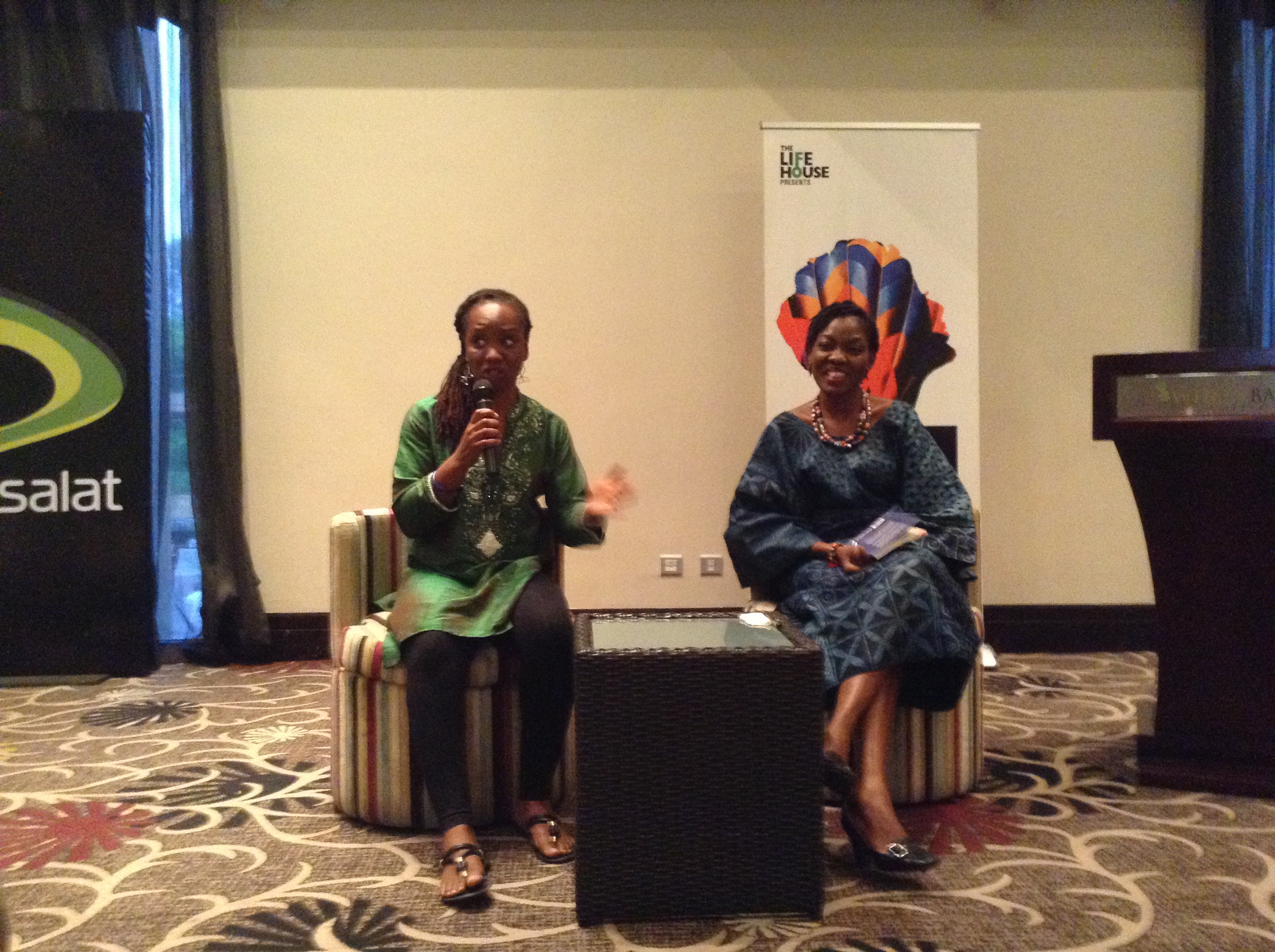
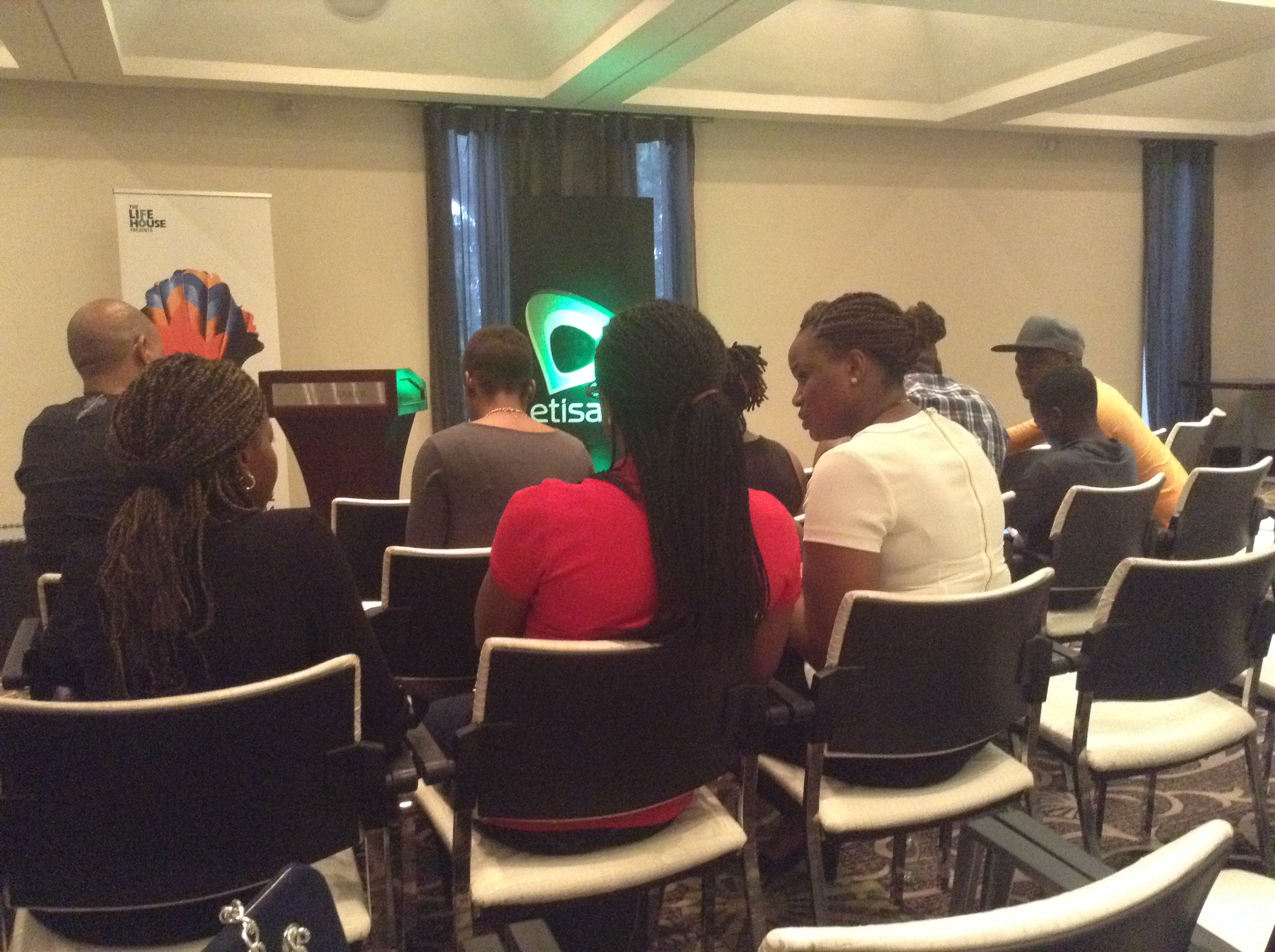
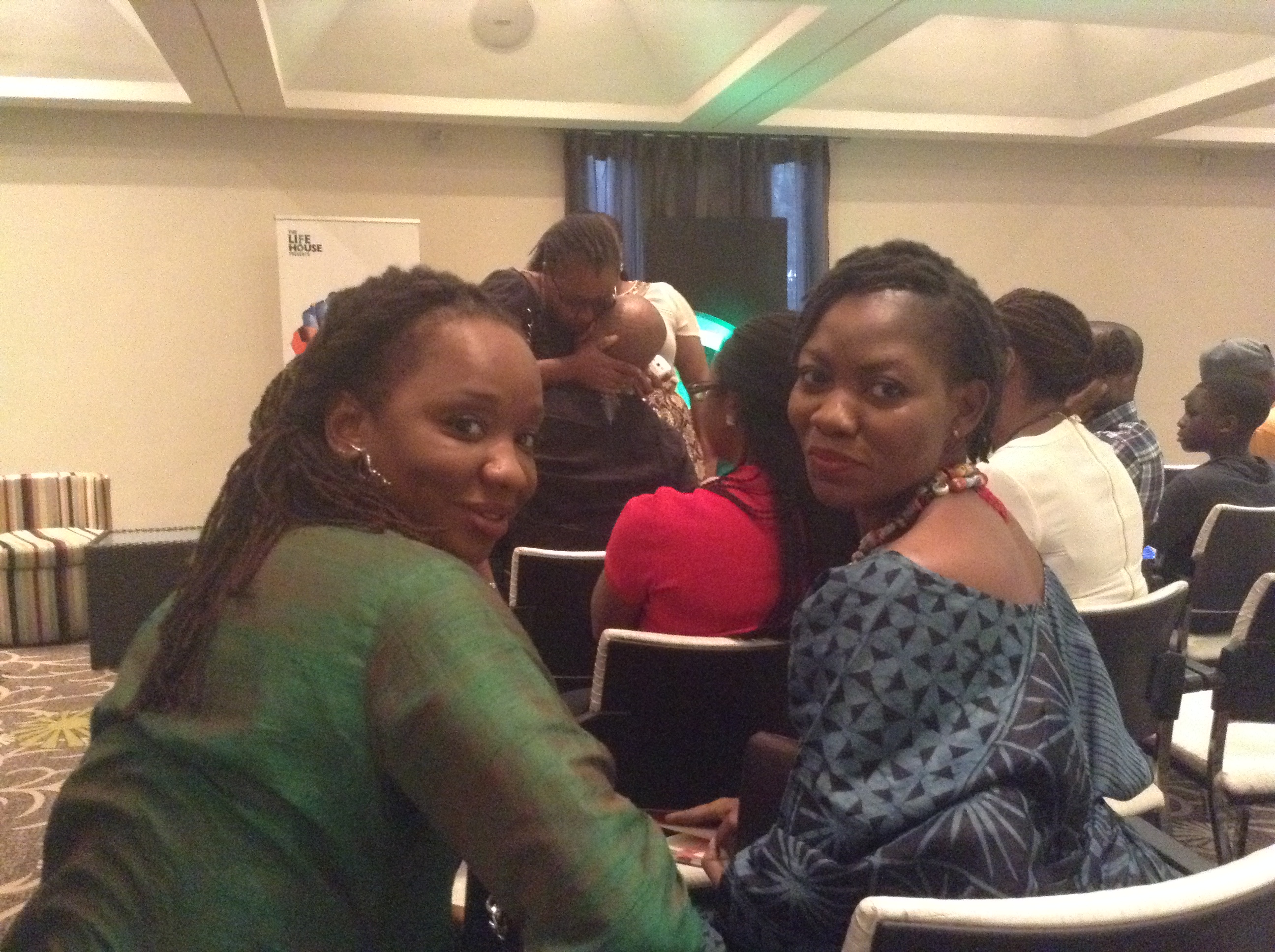
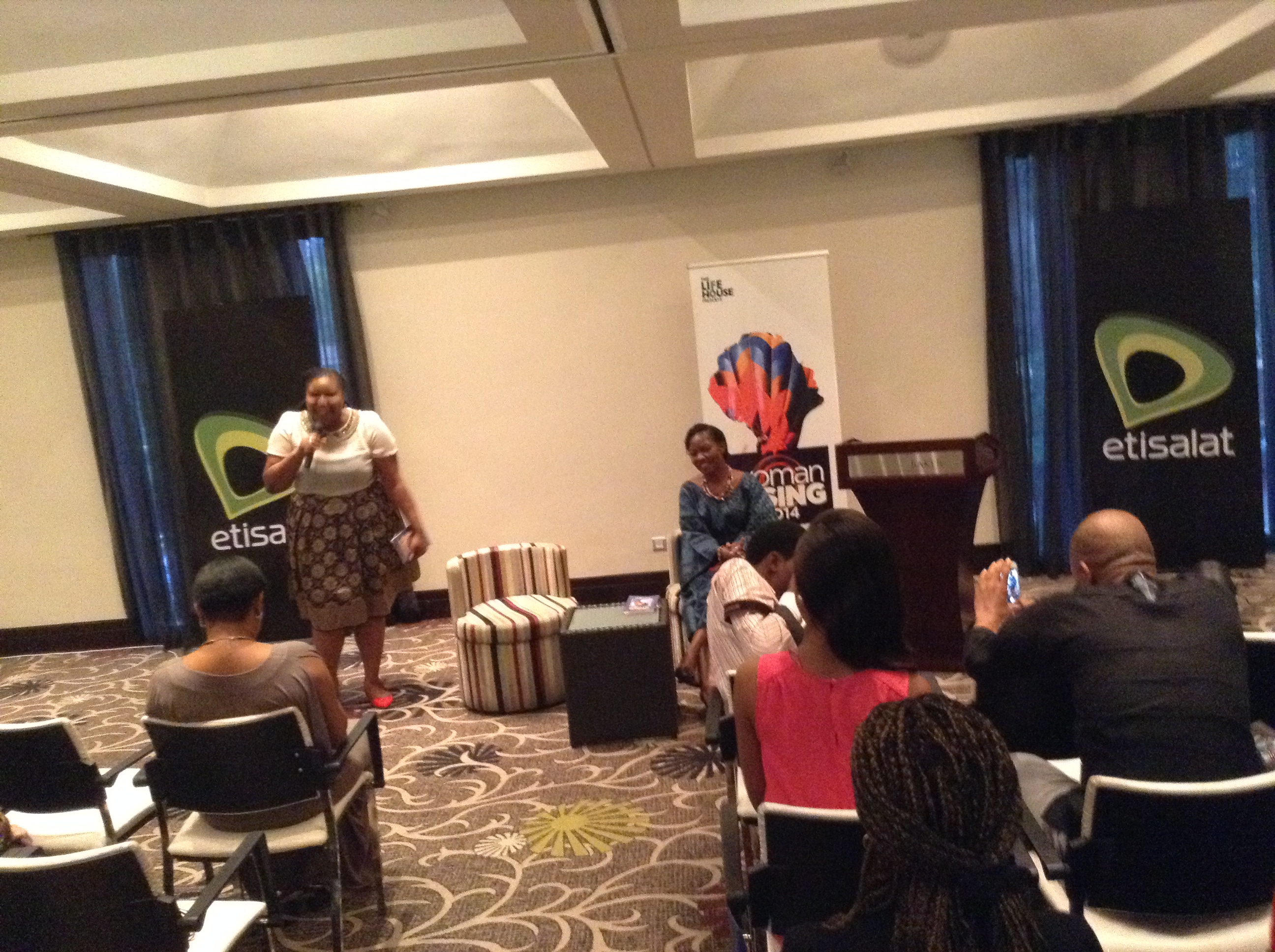
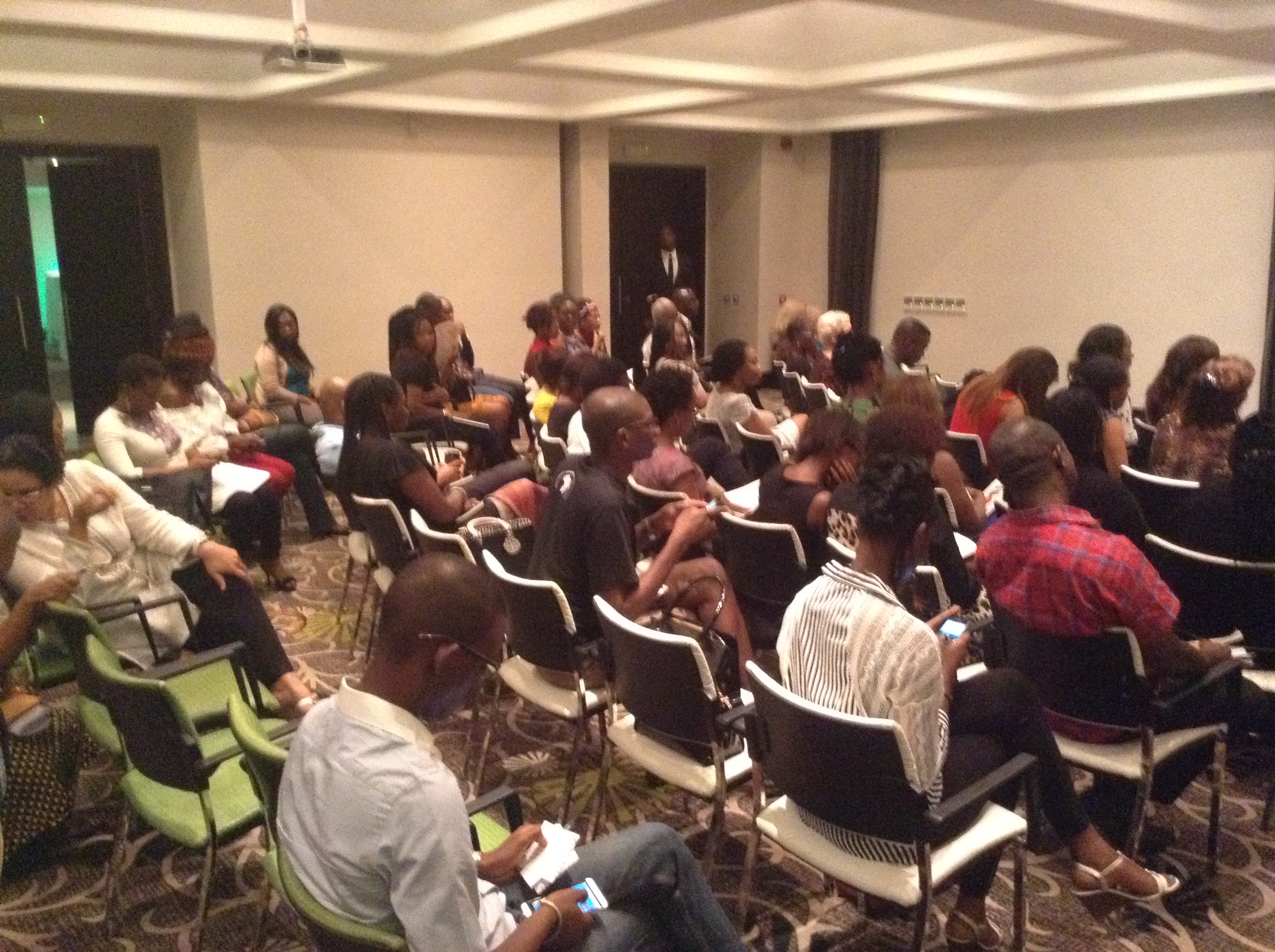
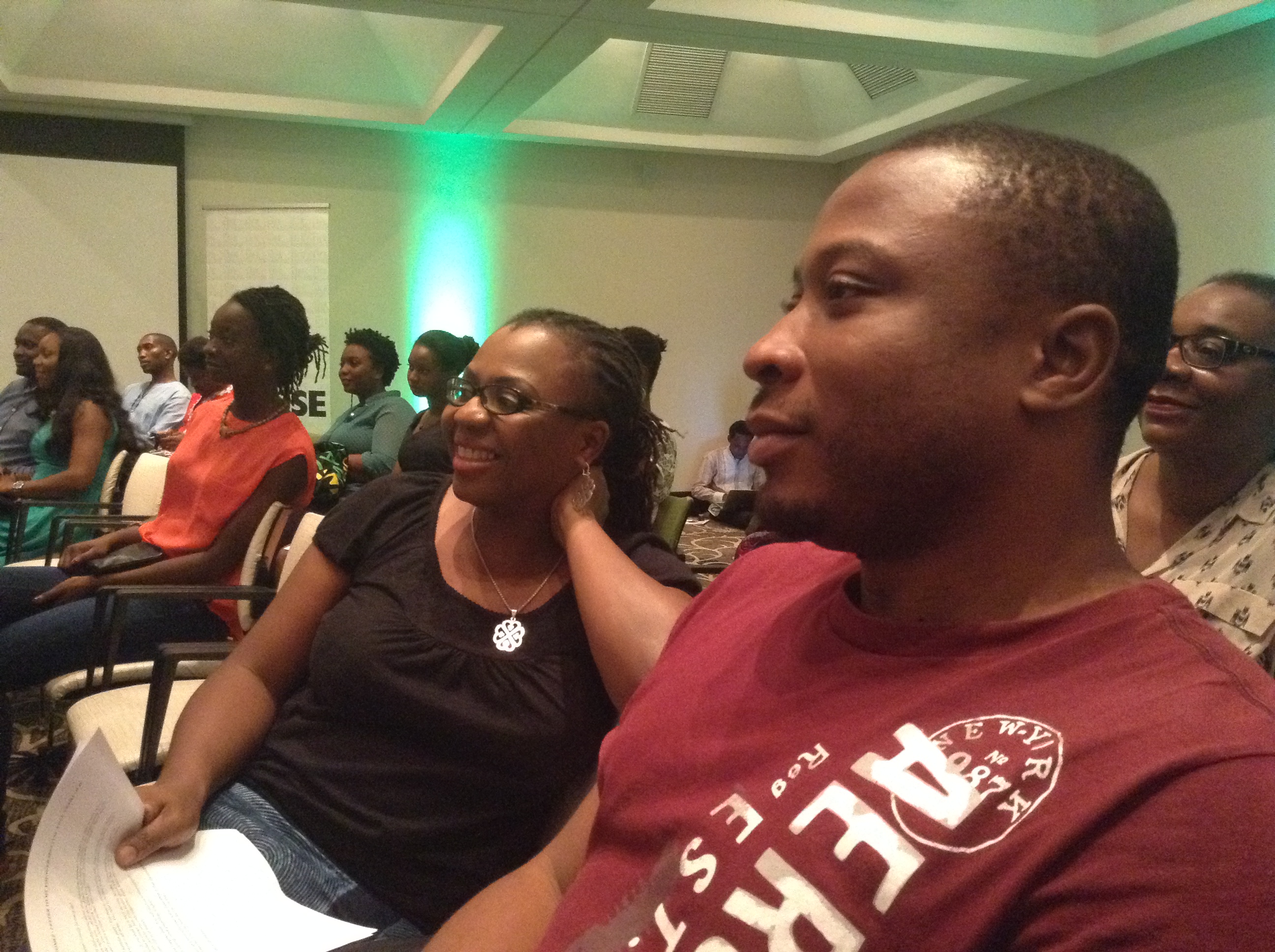
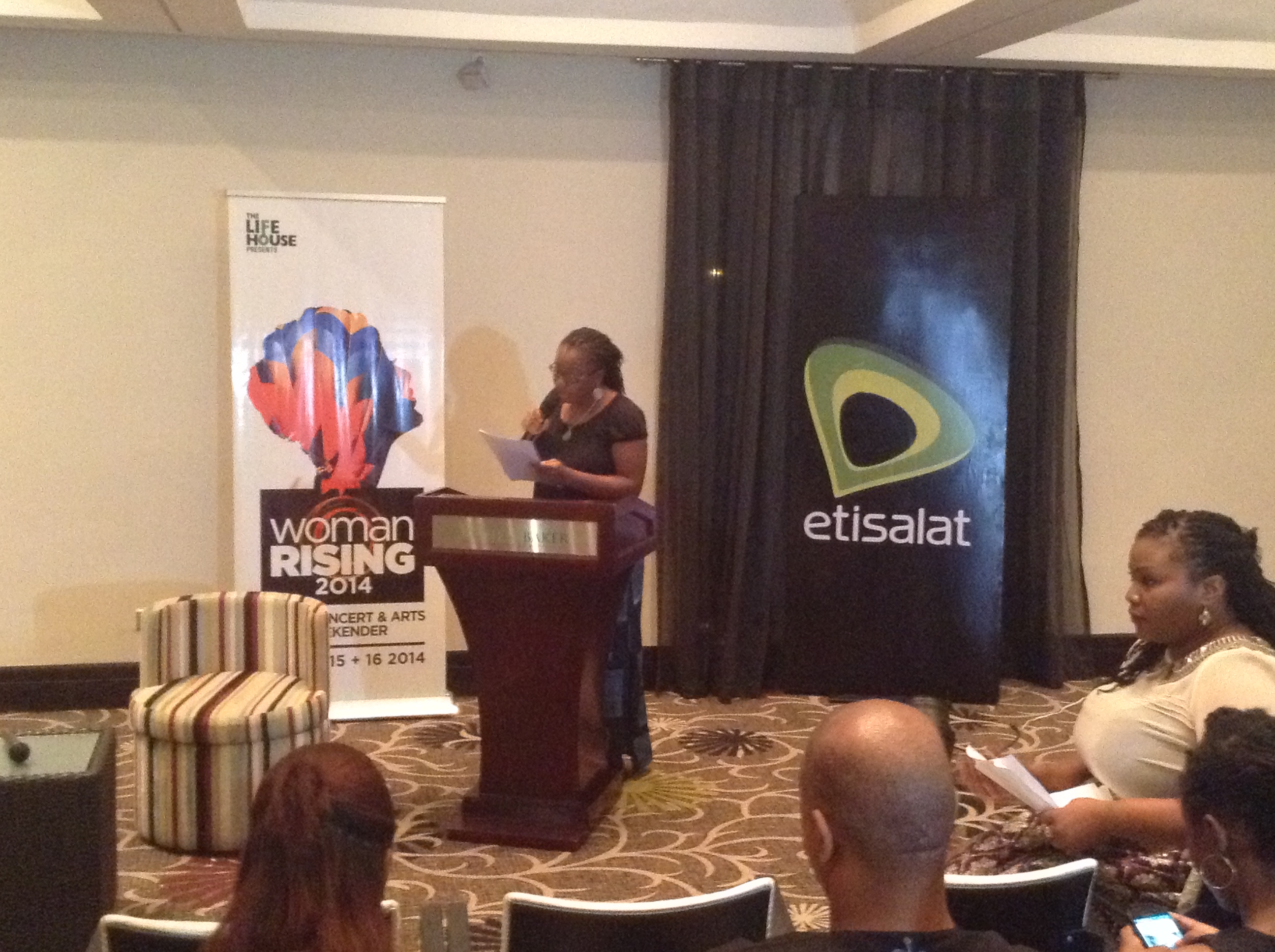
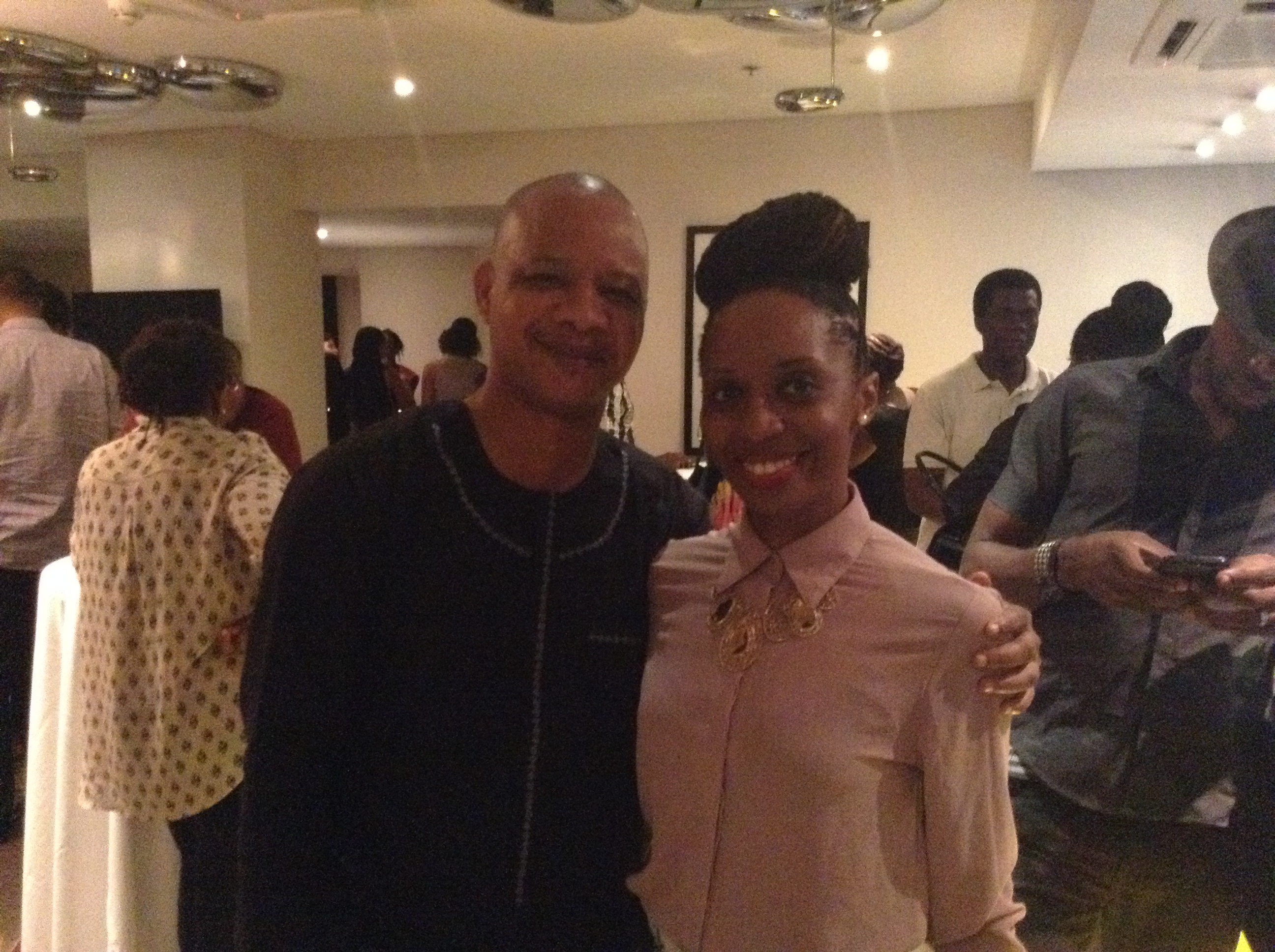
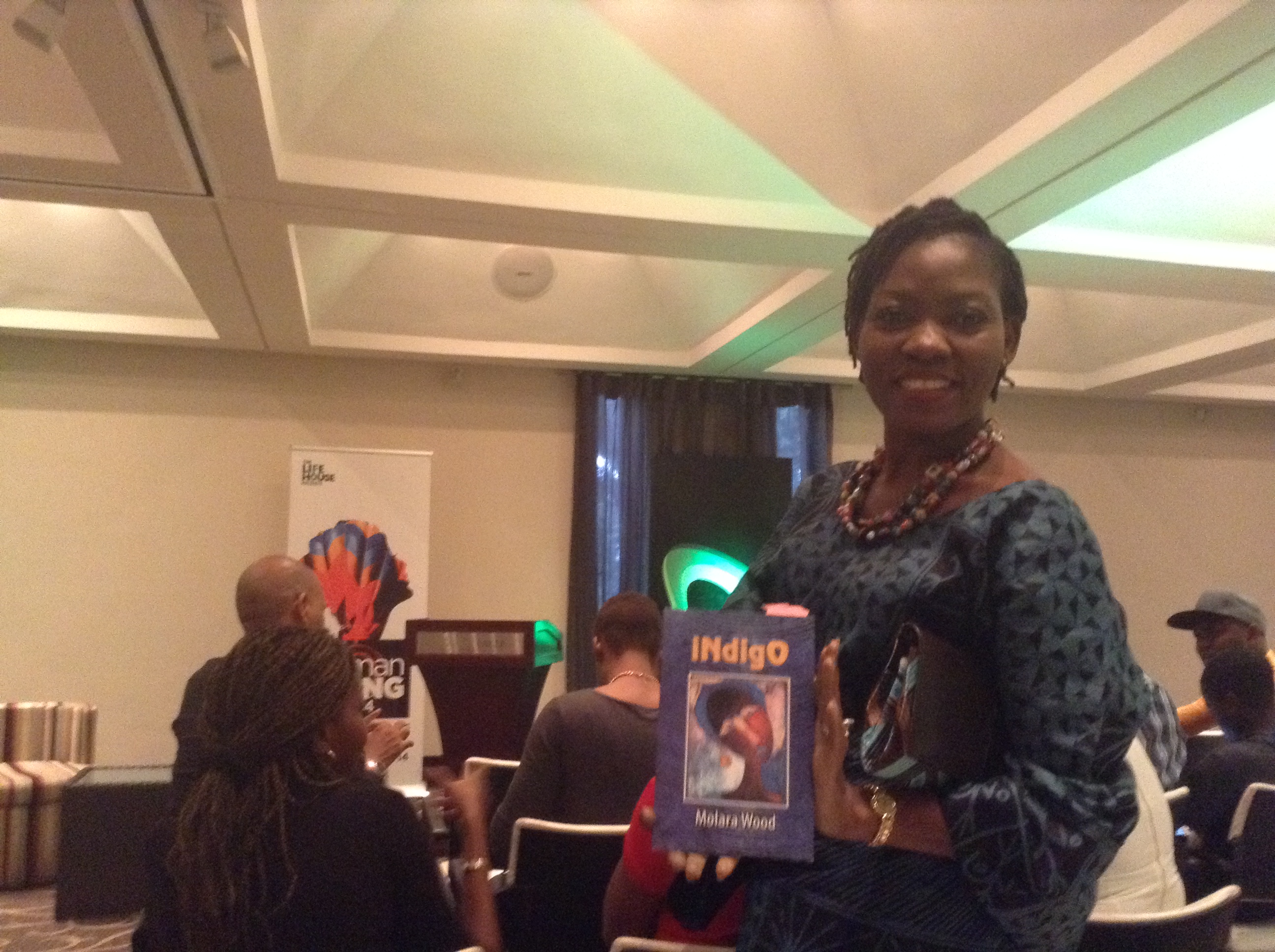
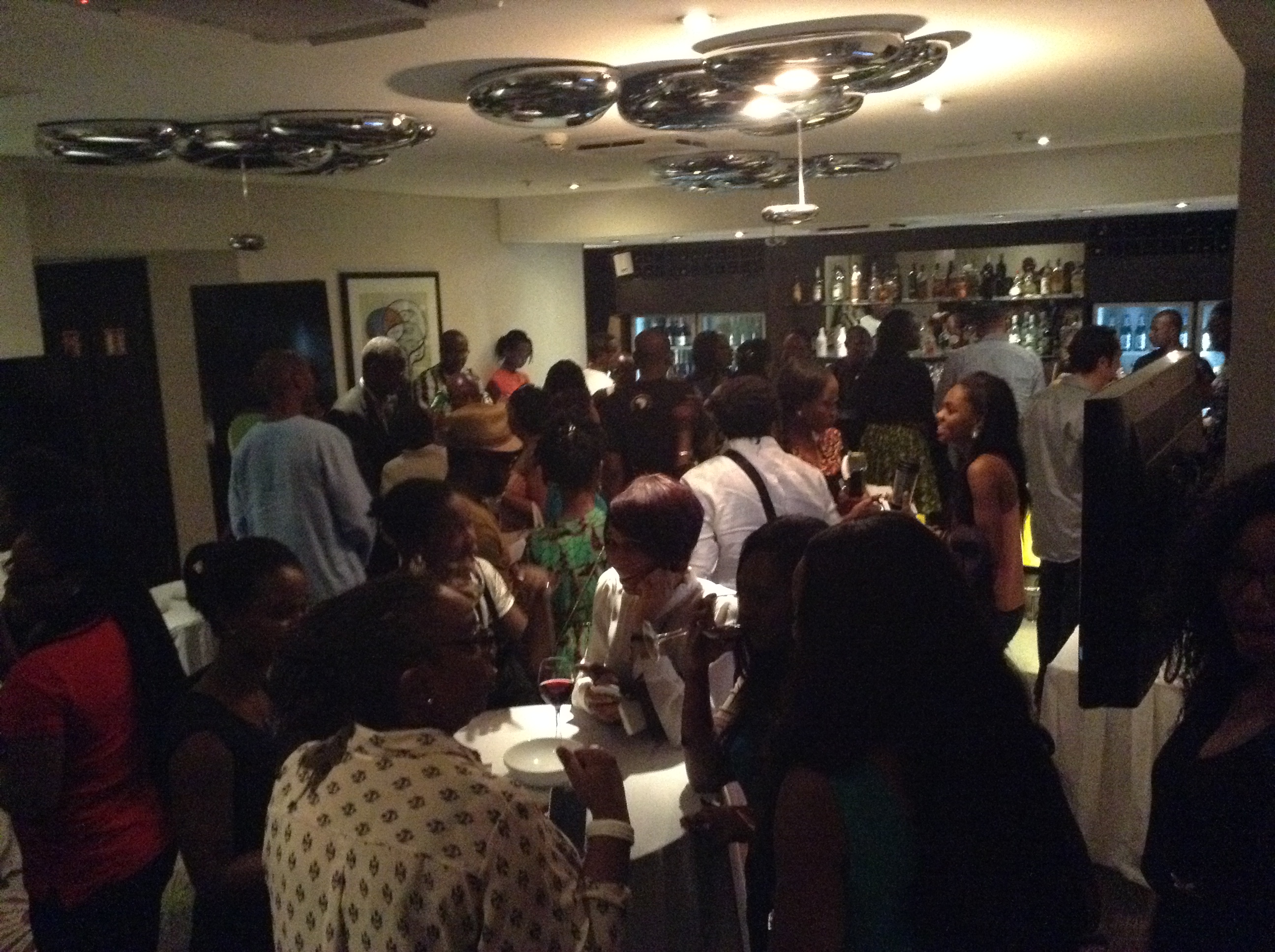
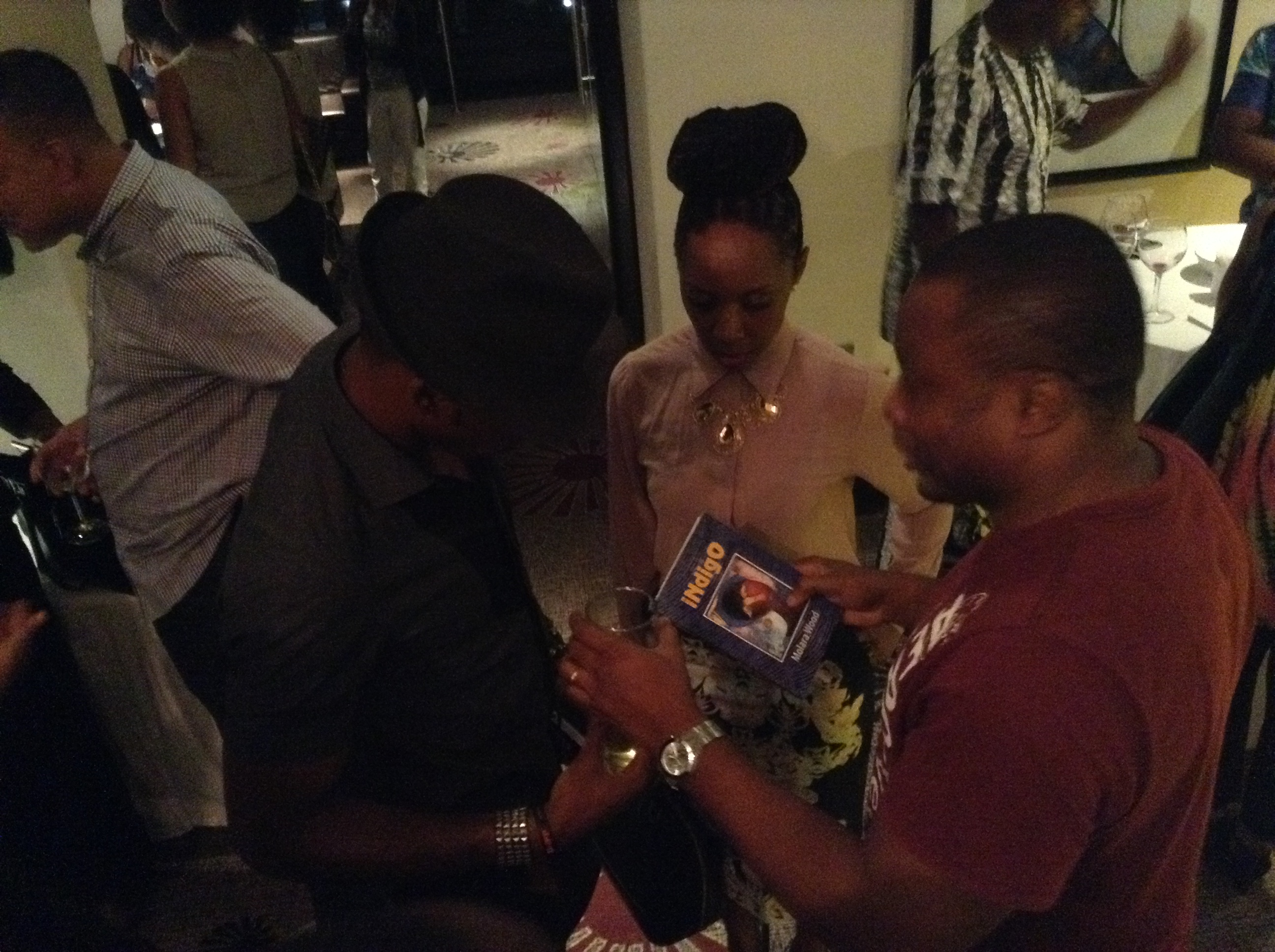
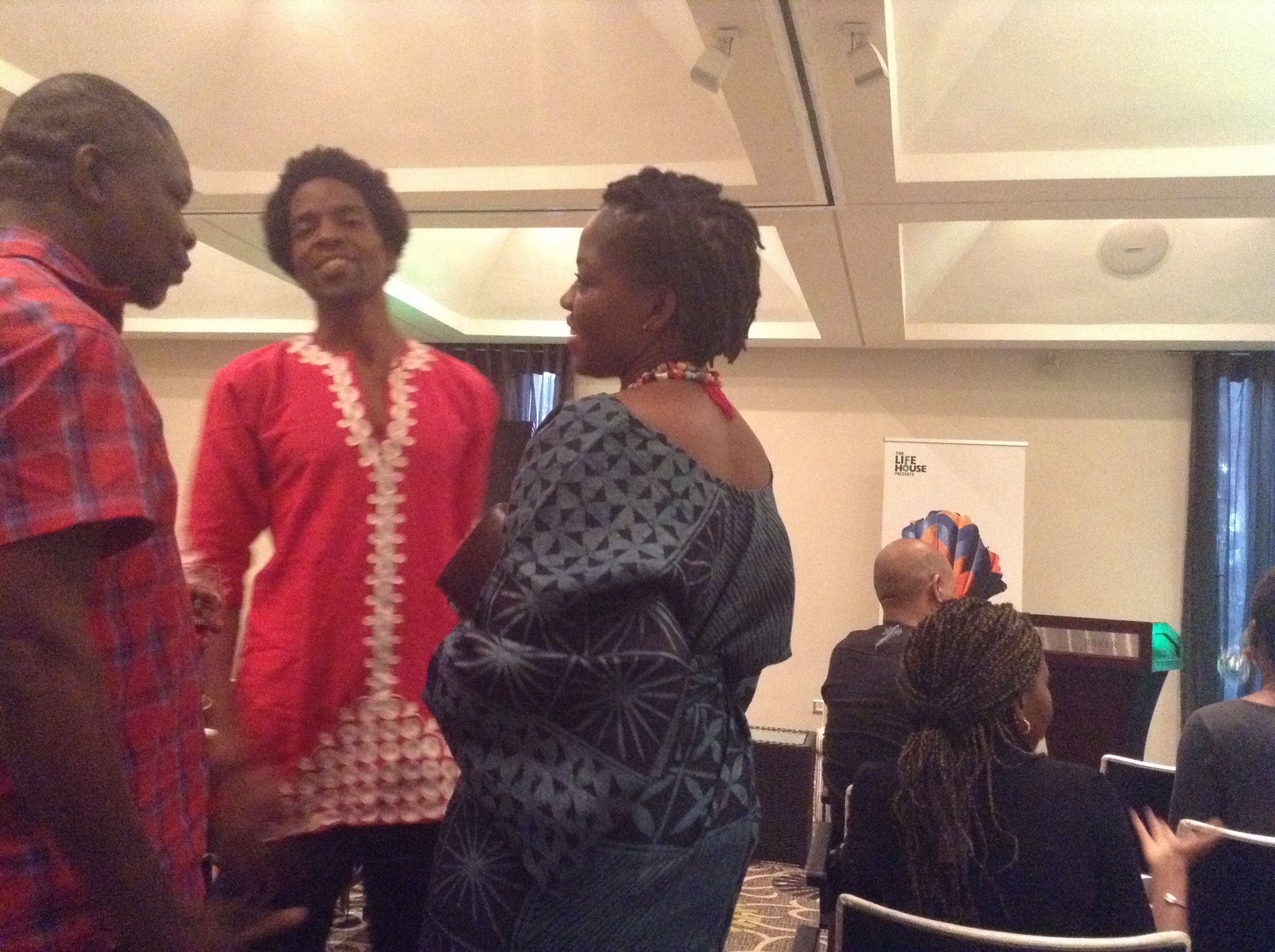
IMG_0151IMG_0132IMG_0144IMG_0149IMG_0153IMG_0164IMG_0166IMG_0171IMG_0191IMG_0202IMG_0135IMG_0206IMG_0139IMG_0190These were taken yesterday at the Women Rising event described as “Music Concert & Arts Weekender”, organized by The Life House in special celebration of the International Women’s Day, 2014. The Day 1 event held at the Wheatbaker, Ikoyi to a room full of diverse guests.

In this photo are some of the guests, guest readers, and performers. The event itself centred around Molara Wood and her new collection of short stories Indigo from which she read a few excerpts.

The other part of the evening, sponsored by Etisalat, was the reading of letters to younger selves by invited guests.

Guests present, some of which are in this photo album, include Lola Shoneyin (Secret Lives of Baba Segi’s Wives), Eghosa Imasuen (Fine Boys), visual artist Victor Ehikhamenor, spoken word poet Bassey Ikpi, Director of CORA Toyin Akinosho, among many others.

The show was moderated by Wana Udobang and Najite Dede. More poets and performers expected during the rest of the weekend event include Kemi Lala Akindoju, Aderonke Adebanjo, Sian, Waje, Fatima, Aramide, Diwari, Pilani Bubu, and Dupe Ige Kachi.
 

More about the organizers at www.thelifehouselagos.com

Lagos, Empty.

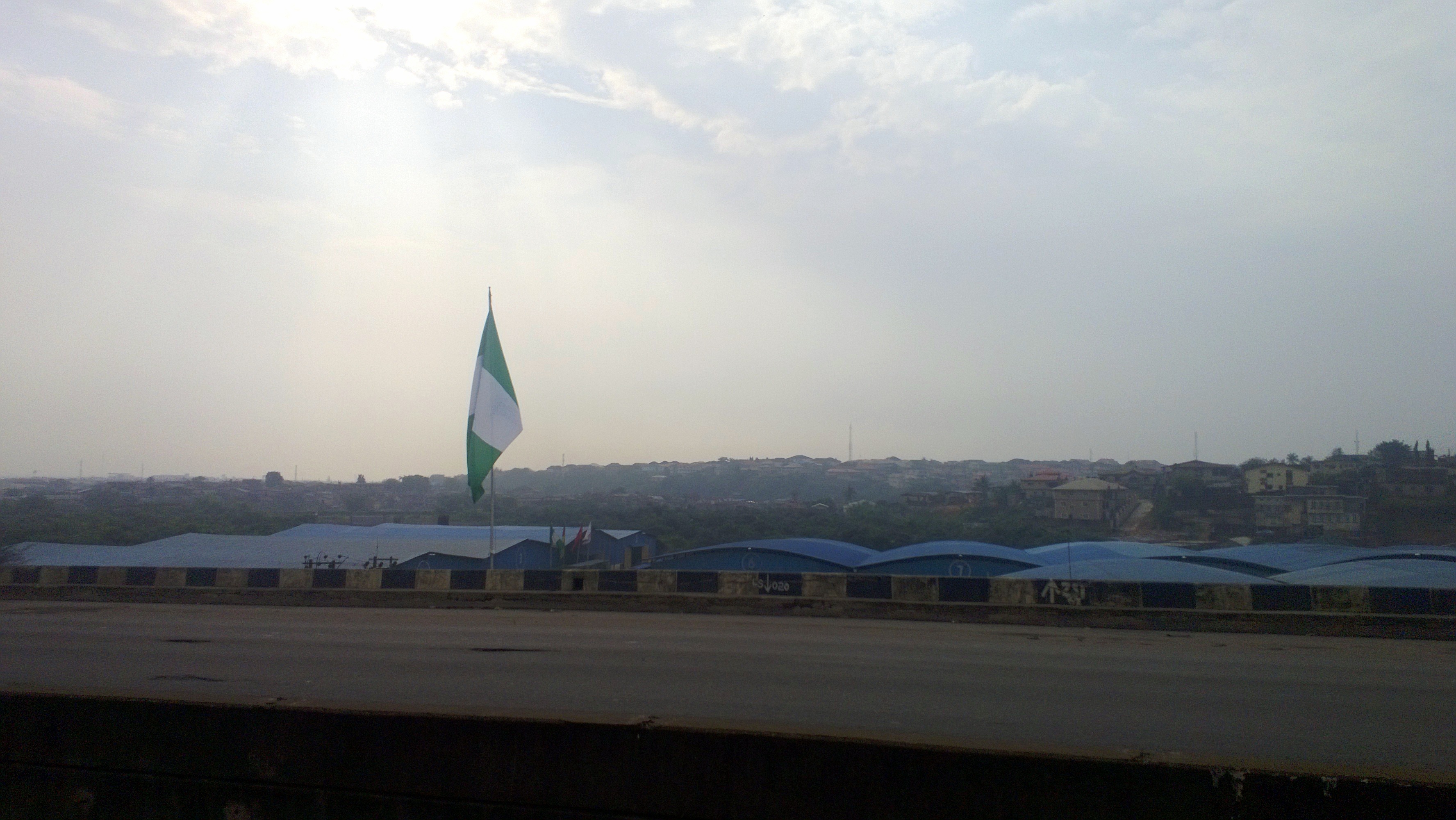
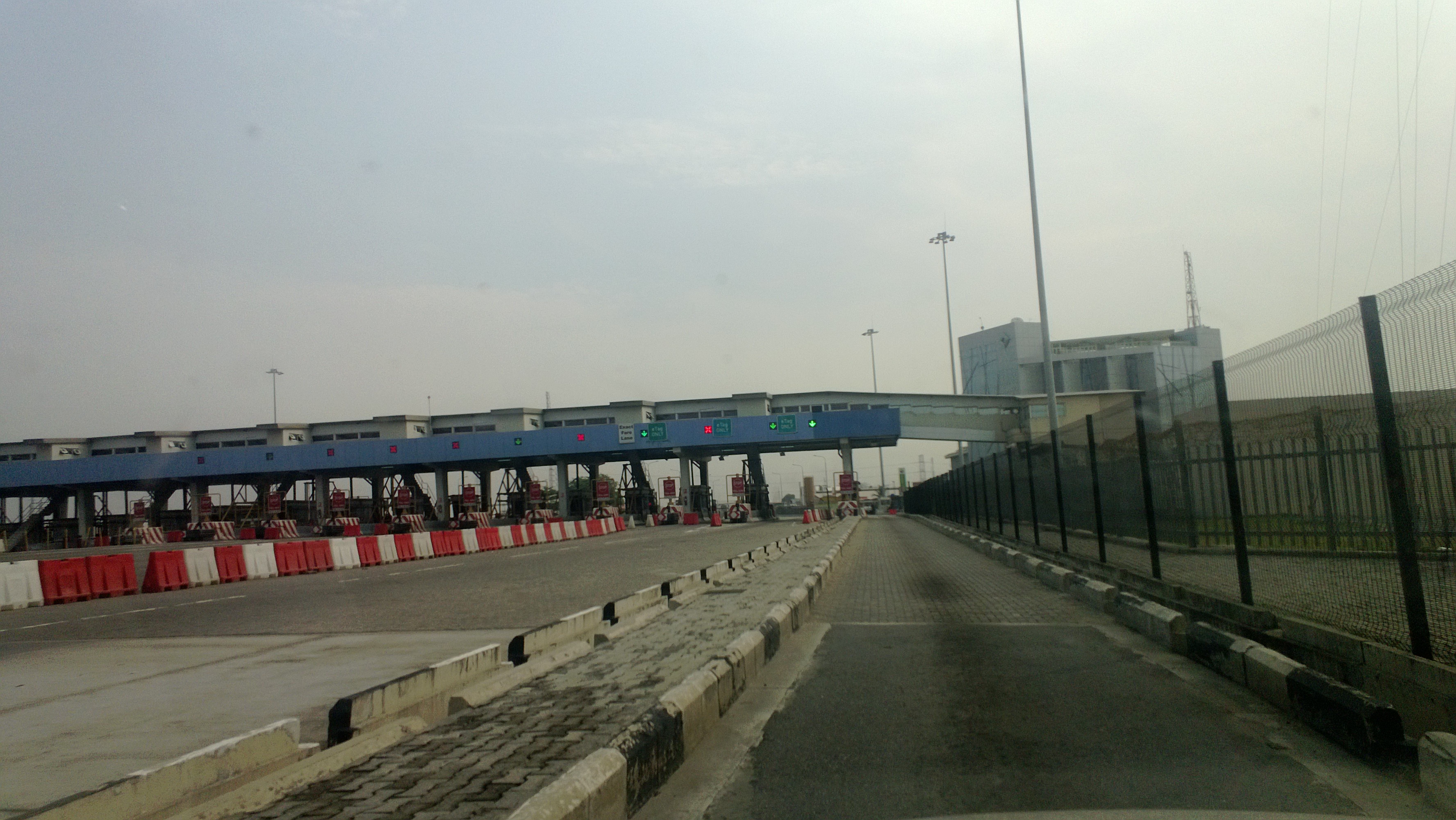
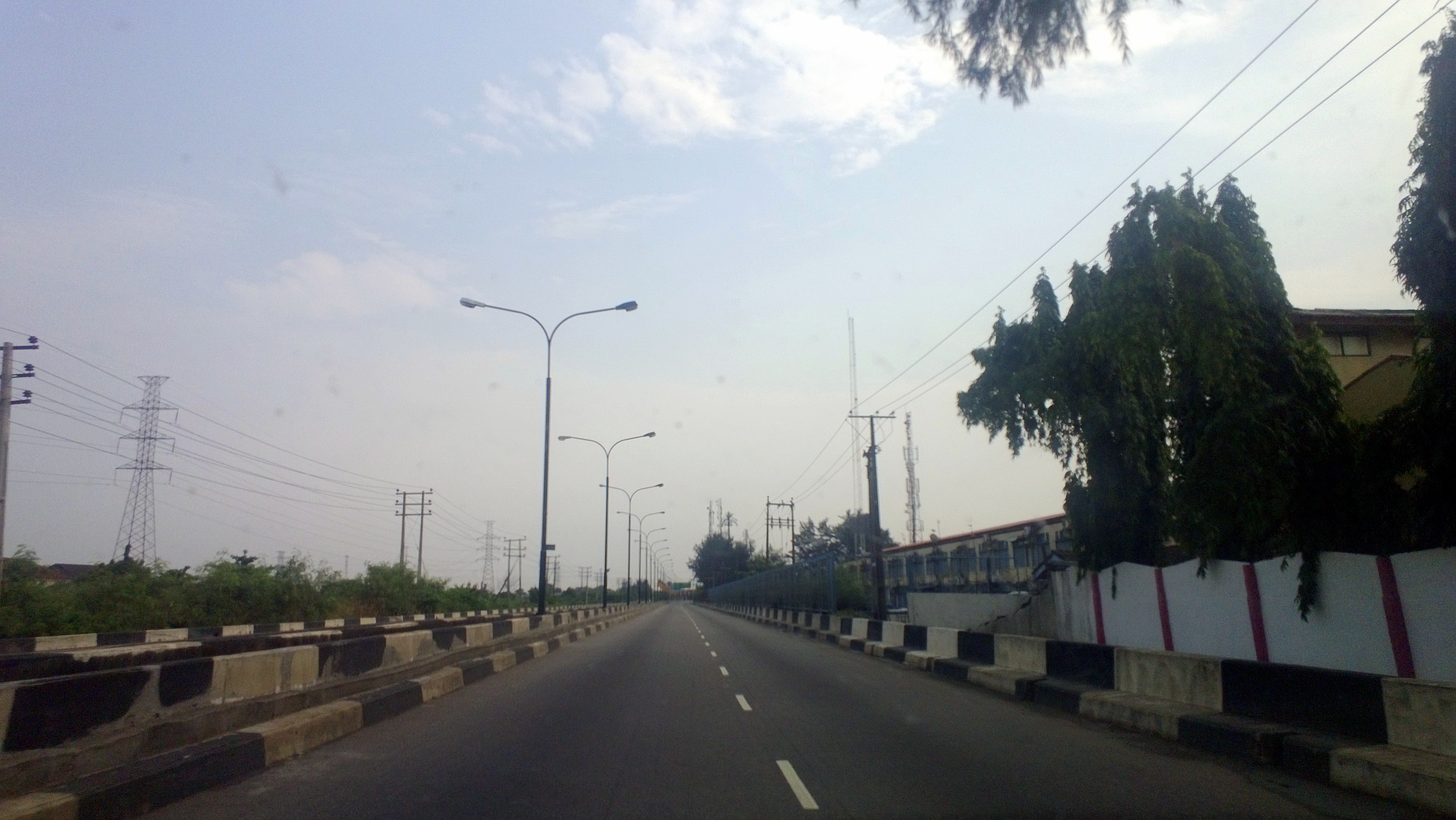
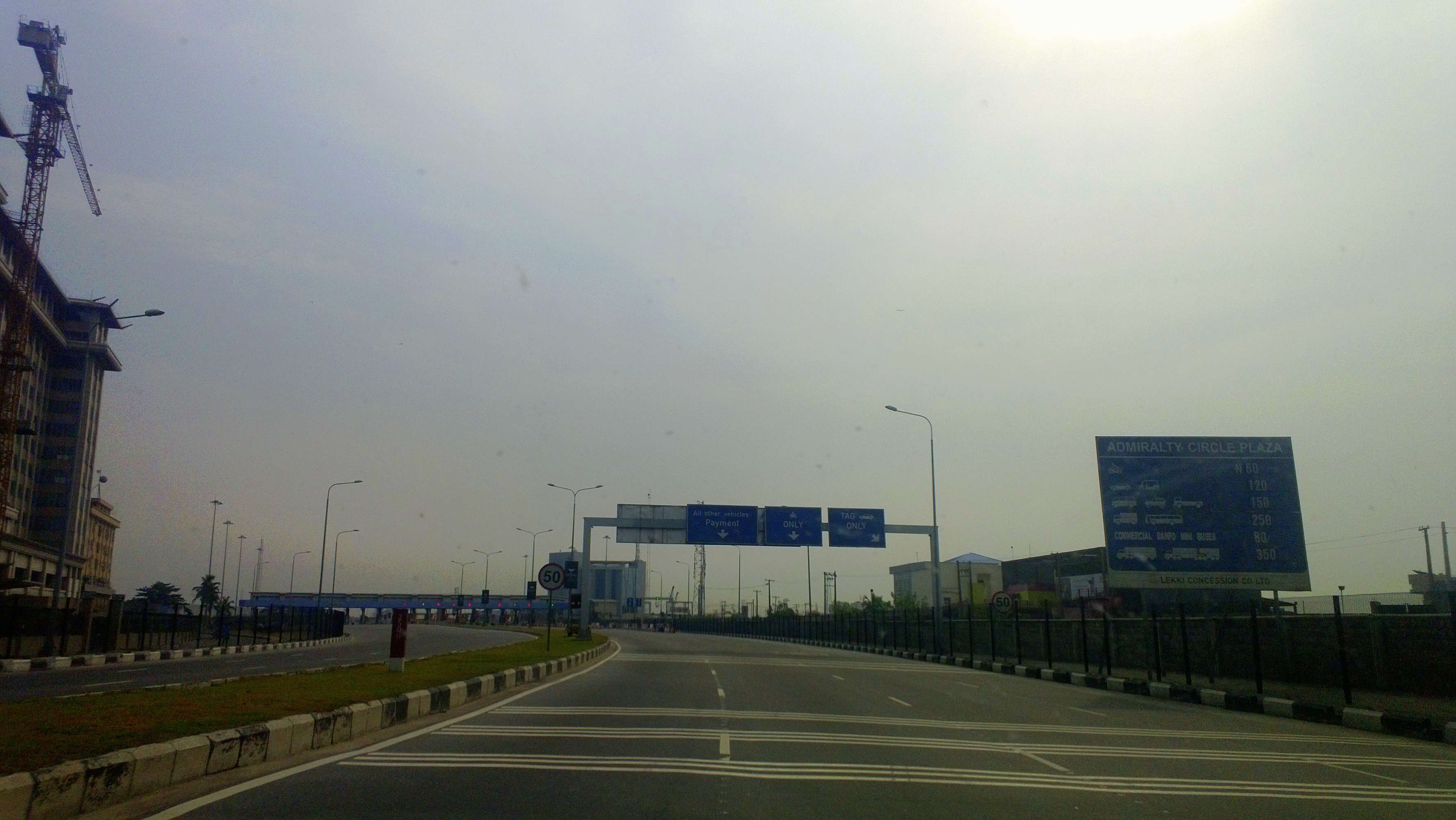
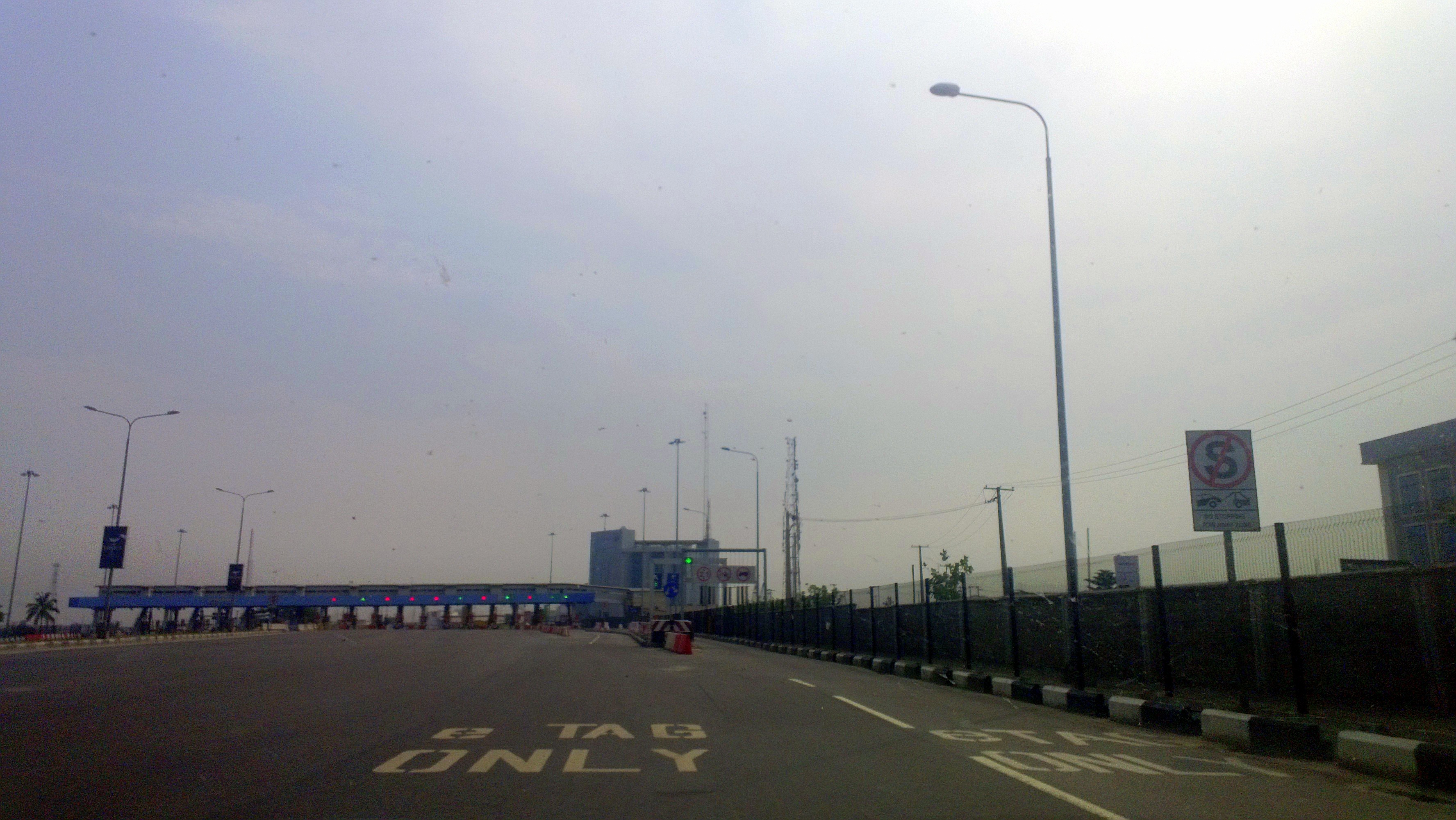
WP_20140125_009WP_20140125_010WP_20140125_016WP_20140125_011WP_20140125_013WP_20140125_014The shots aren’t the best, but they are what I could get:  shots of Lagos with no other cars. A few streets of Lagos anyway. You don’t see that often.

Berger, Magodo, Ikoyi, Victoria Island, and Lekki.

On Lagos Dining Experiences

I remember, with fondness now, a time when I would – on impulse – get in my 1997 Nissan Maxima and drive to a far or nearby town in search of food. It was a pleasure ride, for sure, because I lived in Southern Illinois where – like most parts of the United States, food could be ordered directly on the internet. A few minutes and a little tip later, the food was in one’s hands, delivered by a person who has gone through the hassle (of weather and traffic) to get the food down to the house.

WP_20131221_004

Choosing to, by myself, drive out was therefore good only for the fun of leaving the house, discovering new places, and of course hanging out with real people out of the house. For a small town, downtown Edwardsville boasted of a variety of tasty diners, for every meal of the day. Peels (I think that is what it was called), a restaurant near the campus, had the best pizza, different from what Papa Johns and other name pizzerias made. There was a Chinese buffet that cost just $10 and had a variety that at that time impressed and delighted. A few miles from downtown was a small 18th century cottage that housed a winery. It didn’t serve food, but wine could be tasted (as many bottles as one wanted) before a purchase is made. It was a good place to spend warm fall evenings.

Lagos has occasionally surprised, the biggest being the absence of a major breakfast diner. None – at least as far as I know – on the Island, and the one I have been told on the mainland doesn’t have such wide variety. There is a Mexican restaurant in the building right beside Cool FM open, as I’ve experienced it, till 11pm, with great (though not altogether convincing) Mexican food. There is also a Chinese restaurant somewhere close to Law School, with a beautiful menu. The last eating out I enjoyed was at Orchid Bistro in Ikeja. The service was great. The ambiance was even better. And who could forget the good hot homemade meals that Terra Kulture serves every day of the week. Beside the absence of (and affordable) breakfast diners in Lagos, one other thing about it is a perception (I had until experiencing it first hand) that restaurants are only for rich people. We don’t typically eat out in Nigeria.

A couple of months ago, through their involvement in the launch of LifeBank at the CCHub, I came across HelloFoods, a service in Lagos that seeks to connect the consumer to the source of food. The business model made sense to me then as it does now – a food delivery service that – without owning a restaurant themselves – allow folks to sit in their houses or offices and order food from any restaurant in the state (even those without a website of their own). I haven’t used them yet (because I still prefer to drive around the Island looking for new outlets), but the website presents an easily navigable way to compare prices, and get different types of food anywhere in the state, with the click of the mouse.  It is a smart business model for sure, and one that fits into the patterns of behaviour by people in the city. For those interested in discovering new places to eat, it also provides an online database of names.

All that’s left to ask is this: beside cost, why are we not an overwhelmingly outgoing people when it comes to food?