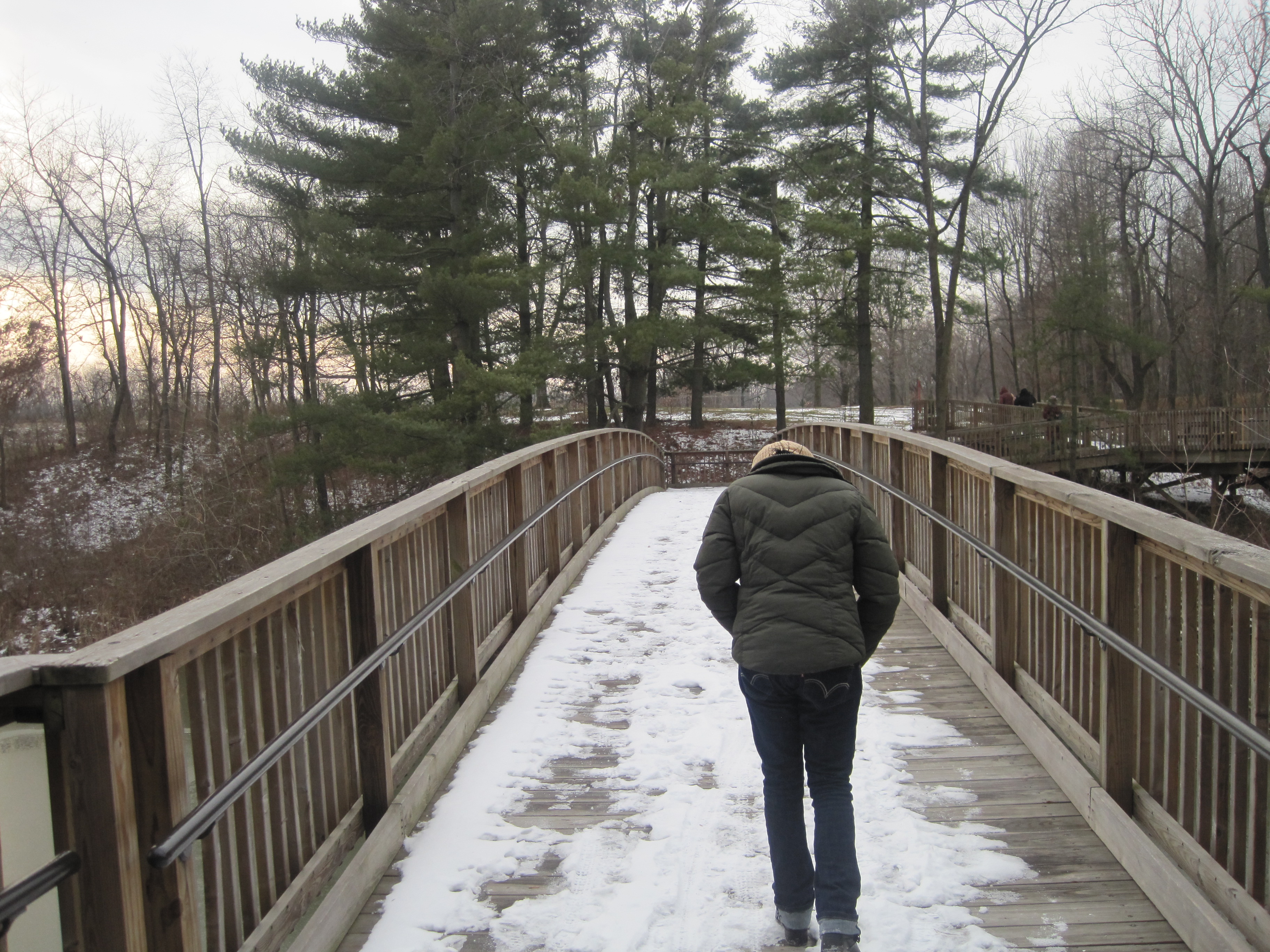
And so it is, just like it said it would be: the winter season is beginning little by little. The leaves are all almost dead, and the cold has returned, as benign as it always does at the beginning, keeping its biting fangs safe behind the months waiting for the most appropriate moment to strike. This is the time where I begin to wear three shirts at once, covering them with a large jacket. Gloves, not yet, but we’ll get there. On the one hand is a desire to rid of the heat of previous months. On the other is the dread of what comes ahead: short sunlight days and a long season of heatless sunrays. I’m gonna miss you, Nigeria.
A friend in the UK has asked me for a guide to surviving the winter season. I don’t know much about Britain, but if he was in America, here would have been my response:
1. Get a drinking habit. Be it hot water, tea, coffee, ogogoro, gin, vodka or akpeteshie, nothing kills the cold faster than a hot one in your belly. If you live in America, remember to hold your passport handy when going to the store to buy alcohol. If you are like me with very little tufts of hair sparsely across your face, you will definitely be mistaken for a 17 year old and may not even be believed after showing them the right document. Borrow a fake beard and speak in a deep guttural voice. Tell them that the alcohol has been prescribed for you as the best remedy against the onslaught of the season. If she still refuses to sell it to you, call 911, or scream like a baby.
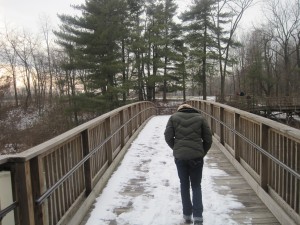 2. Get married, fall in love, or move into your old girlfriend’s apartment. Body heat is a terrible thing to waste. When in doubt, ask married people. According to the KTravula poll of 2010 conducted over the phone to the many married women and men across America, divorce rates slow down to the barest minimum in the winter. Why? Who wan die?. You got it right. Nobody wants to sleep alone in a cold bed on a winter night. Even for the most dysfunctional family, somebody has got to shovel that snow that piles up on cars and at the door of houses. People have learnt to deal with their marriages and stay in them until the weather is conducive enough to be singularly enjoyed. I have warned you. If you want to survive this season, move in with someone. If you’re thinking of splitting with that old one, wait it out. You will always have spring for that.
3. Eat, eat, eat. Last year, it was pizza – a lot of it. This time, for me, it shall be pizza again, and any other fattening food substance I can find. Goat cheese, cheddar, Swiss cheese, American cheese… any kind of cheese you can find, store them up. And whether you make egusi, efo riro, jollof rice, fried rice, pasta or even okra soup, keep putting cheese in them. It’s the American way. And even if you, like me, don’t like cheese that much, you will find that it is a little sacrifice to make for one’s survival. You will thank me later for it. Scientific fact: fat builds a layer of insulation for your body against the onslaught of the weather. I should know. I’ve been a lanky fellow for as long as I can remember. And this reminds me: I should stay more in one place now. Too much body fluid (and fat) is lost by constant cross-country gallivanting.
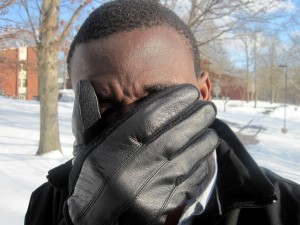 4. Whatever you do, do not shave your head. I don’t care if you play for the Lakers, or the Chicago Bulls, or if Michael Jordan is your biggest idol. A skin-shaven head in the winter is suicide. Much of the body heat lost in the cold goes out through the head. Get a cap and wear it all day long. And never shave. I said that already, right? Yes, I’m saying it again to myself. I tried it last year and suffered dearly for it with moments of free-flowing tears occasioned by an outing with a bald head and no cap. The last time I cut my hair this year was sometime in August. The mistake I made was not cutting it again in September. Now I will leave it on until March. I don’t care if I come out looking like a darker version of Wole Soyinka or a lean skinny version of Don King. And who knows, maybe someone would mistake me for them and offer me a movie role.
5. It gets dark. The first time this happened to me, I thought that the world had ended. At three thirty in the afternoon, everything was already sufficiently dark. What happened? Winter. The sun, for some reason, decides to go to bed much earlier this time than at any other time in the year, and everyone outside is left wondering what on earth happened. If you need to go grocery shopping, go with your car. Hey Mohamed and Ameena if you’re reading this, if you ever find yourself stranded in darkness at three-thirty sometime soon, don’t panic. It’s not the end of the world. It happened to the best of us. And don’t call 911 either. The school shuttle will eventually show up, as long as you’re able to locate its shape in the total darkness.
There are a few more tips but they won’t all fit in one post. Stay away from the American East Coast (except your girlfriend lives there). The winters there are the worst. It shuts down a whole city. Develop endurance or a hobby, or anything to keep you busy when everything shuts down and you’re left alone in a apartment for days. One perk of the winter season, in spite of the many worries that compelled this post, is that school gets to close on random days. That’s quite promising. I can already imagine the menu of the many new dishes to try out in such moments of leisure. And yes, you guessed it right: it’s gonna have cheese in it.
 Today, after about a year of absence and distant hand wavings from across the road across the river, I visited the Gateway Arch again. It’s been a while. The Arch – a monument to dreams, as it was tagged when it was opened in 1968 – lay as enticing as it has always been from a distance, shining in the sun. The trip to the top took four minutes in a little tram that seats only five people. The trip downwards took three minutes. The monument 630ft tall retained its grandeur and charm as a symbol of possibilities, and a landmark to living history.
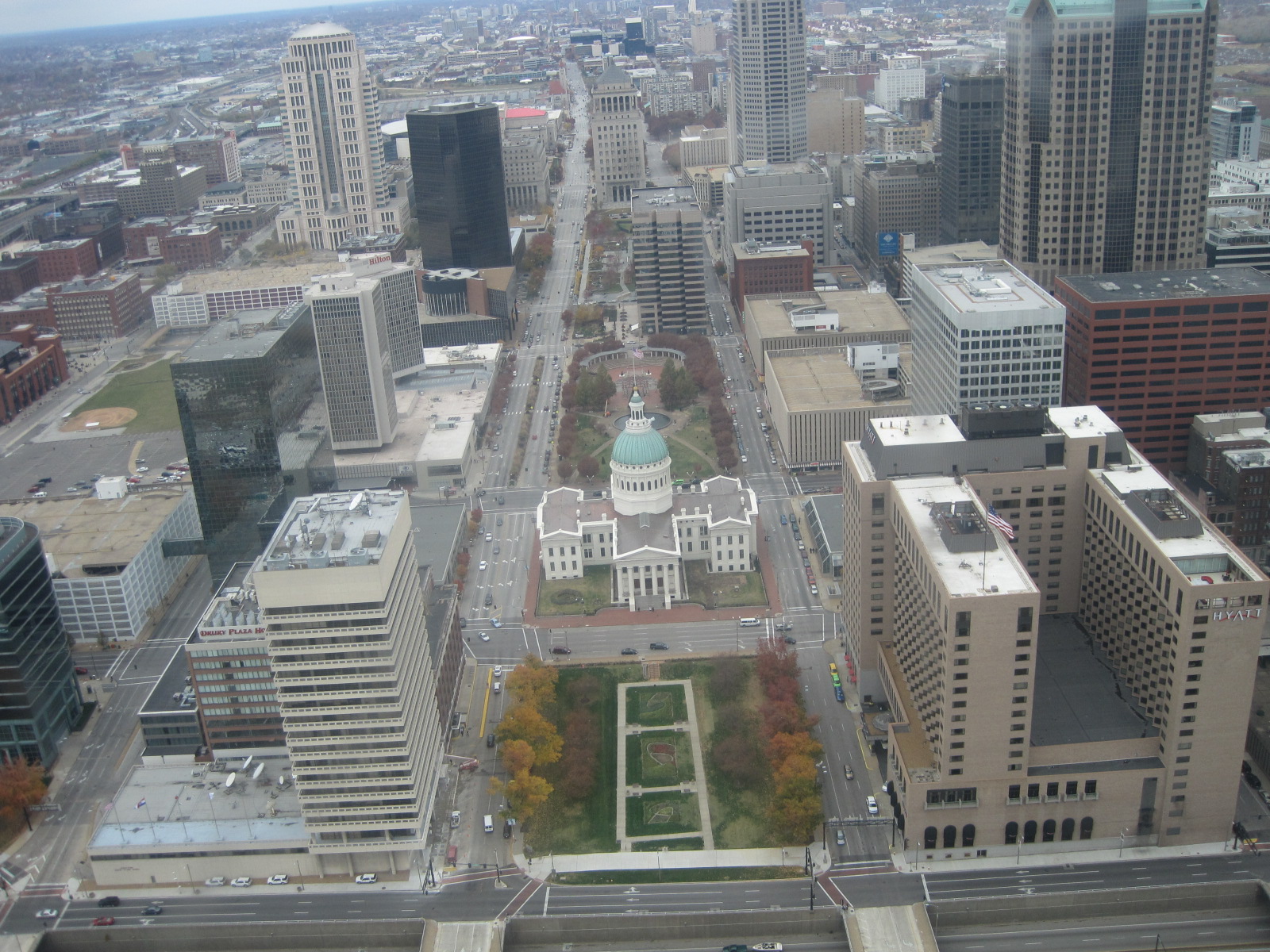 The Museum of Westward Expansion at the basement of the Arch itself didn’t disappoint, along with a 35 minutes movie presentation about how the structure was inspired, conceptualized, designed and constructed. Since 1968 when it was opened, it has remained a beacon – the tallest monument in the country. Still standing, still charming, still inspiring. If you ever find yourself in St. Louis, do check it out. A new regulation however is that, before entering the structure, you had to go through a series of checks, body scans and searches. And for good reason too.