Browsing the archives for the Art category.

African Film Festival

from March 26 – March 28, 2010

Venue: Washington University, St. Louis.

Friday, March 26 at 7 p.m.
Friday’s films are co-presented by the Saint Louis Metropolitan Alumnae Chapter of Delta Sigma Theta Sorority, Inc.

BRONX PRINCESS
Yoni Brook and Musa Syeed, Ghana/USA, 2008, 29 minutes
Follow headstrong 17-year-old Rocky as she leaves behind her mother in New York City to reunite with her father, a chief in Ghana. By confronting her parents’ ideas during her tumultuous summer between high school and college, Rocky must reconcile her African heritage with her dream of independence.

Sunday, March 28 at 7 p.m.
Sunday’s feature is co-presented by Saint Louis, Missouri-Senegal Sister Cities Program

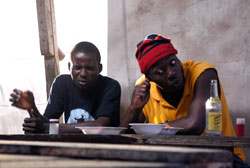
AREA BOYS
Omelihu Nwanguma, Nigeria, 2008, 25 minutes

Area Boys is the name given to groups of youth who make their life on the Lagos streets. Two lifelong friends decide to repent from their corrupt ways by cutting ties with their megalomaniac boss. Life as “good” citizens proves difficult, so they plan one last job to fund their transition… and are faced with a life or death situation, testing their friendship.

Sponsored by African and African American Studies and Film and Media Studies in Arts & Sciences, Faculty of Arts & Sciences, African Students Association of Washington University and the St. Louis Art Museum. It is funded in part by a grant from the Women’s Society of Washington University.

More information on this website.

At the City Museum

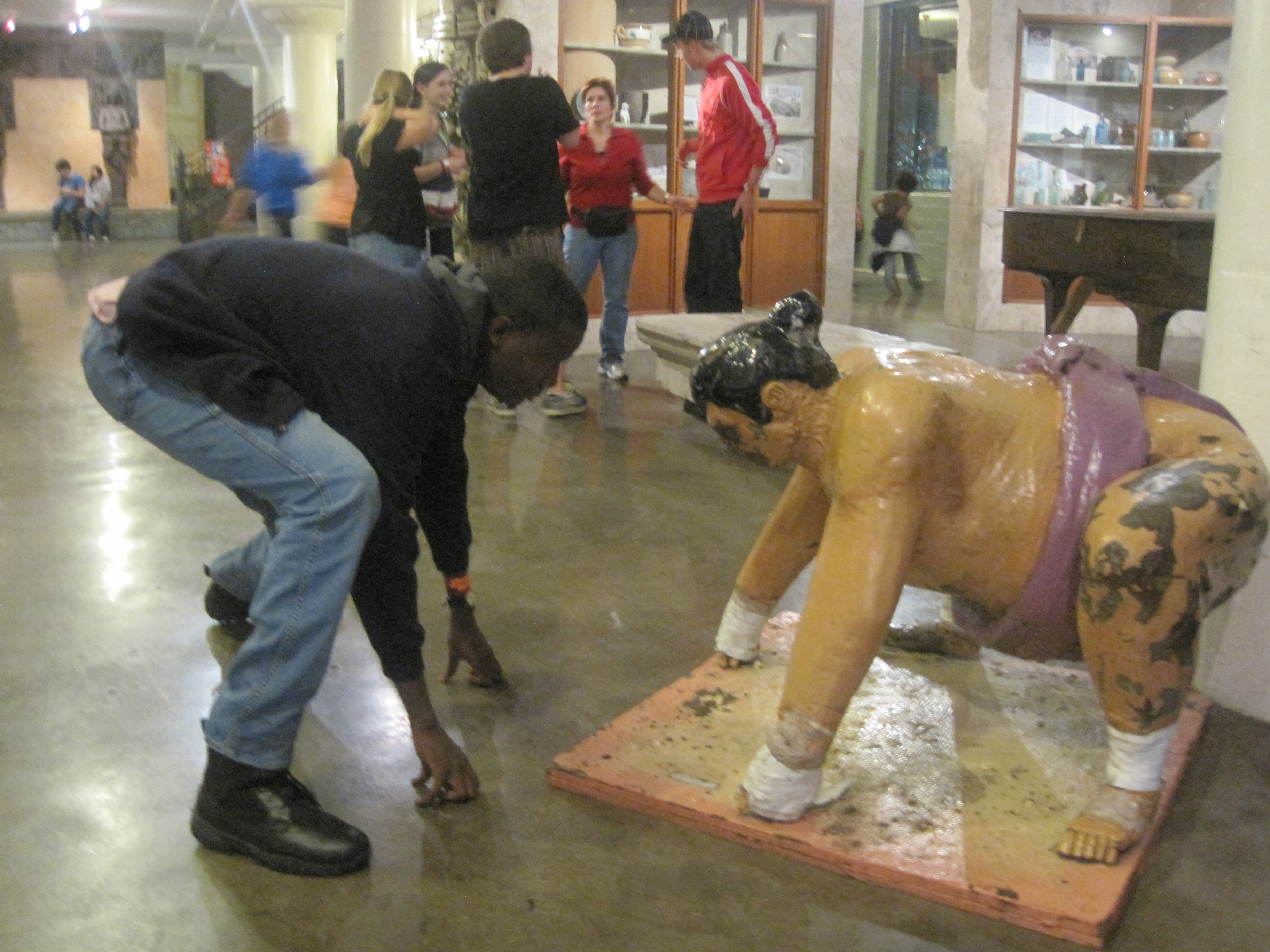
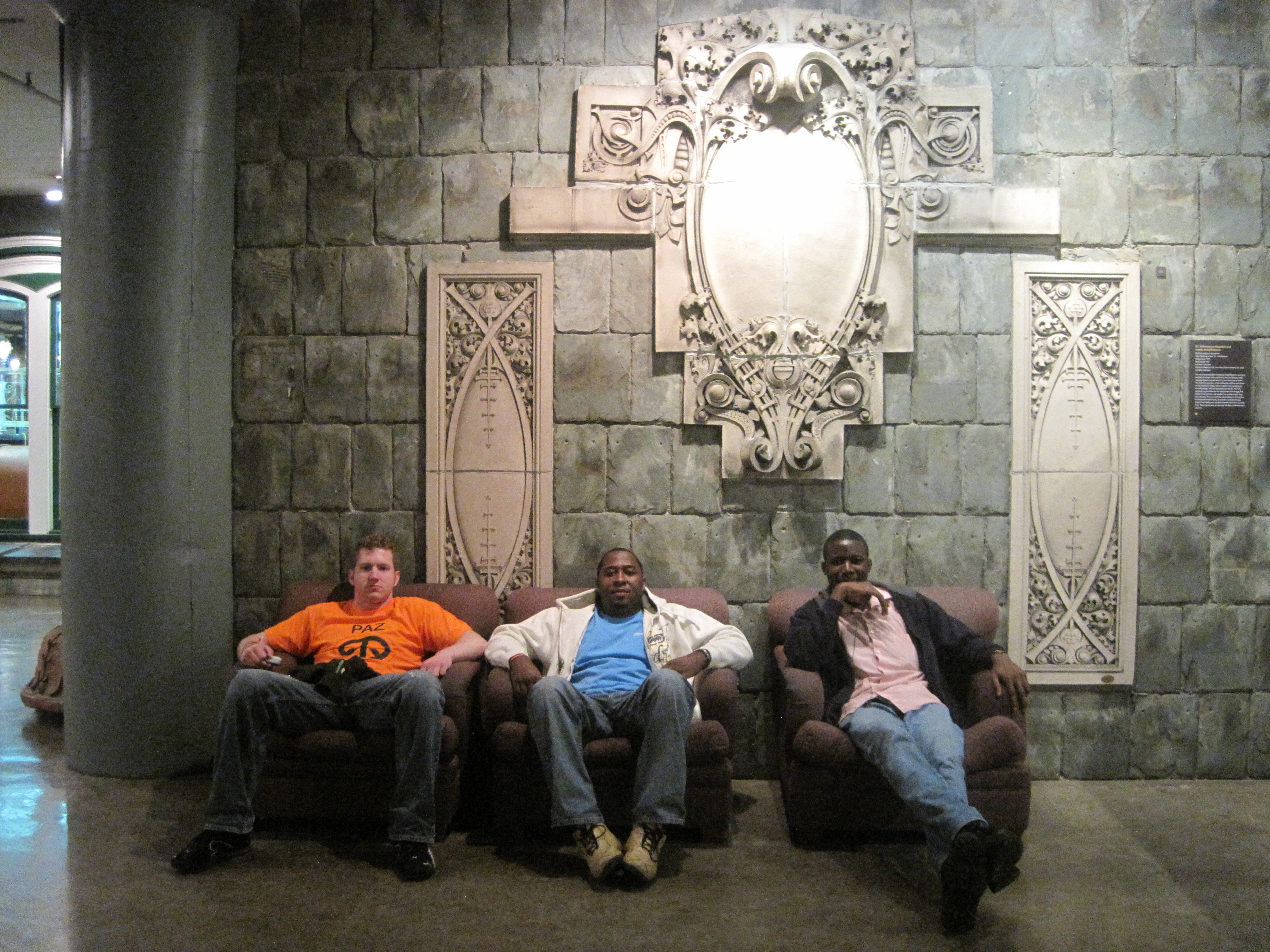
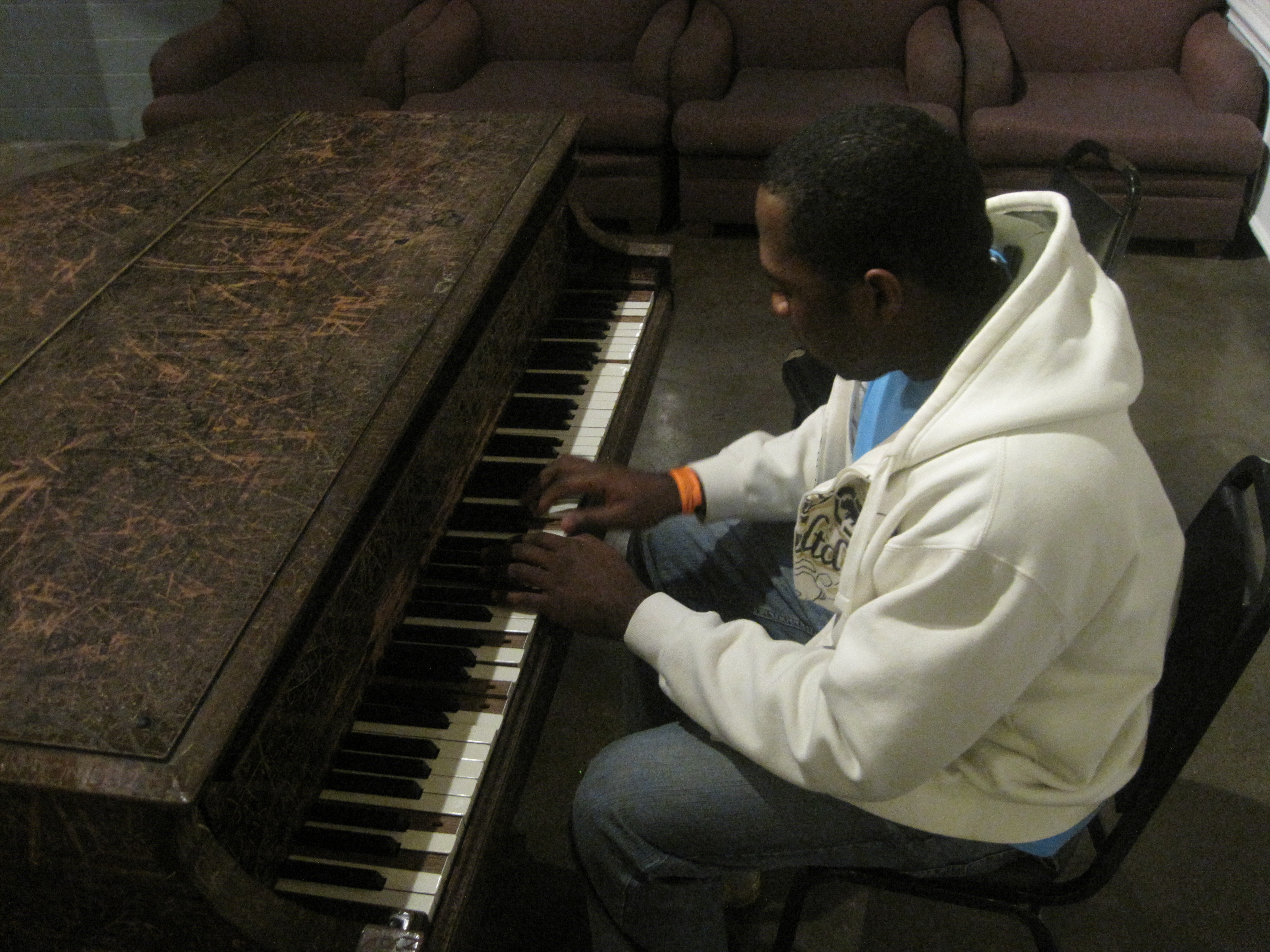
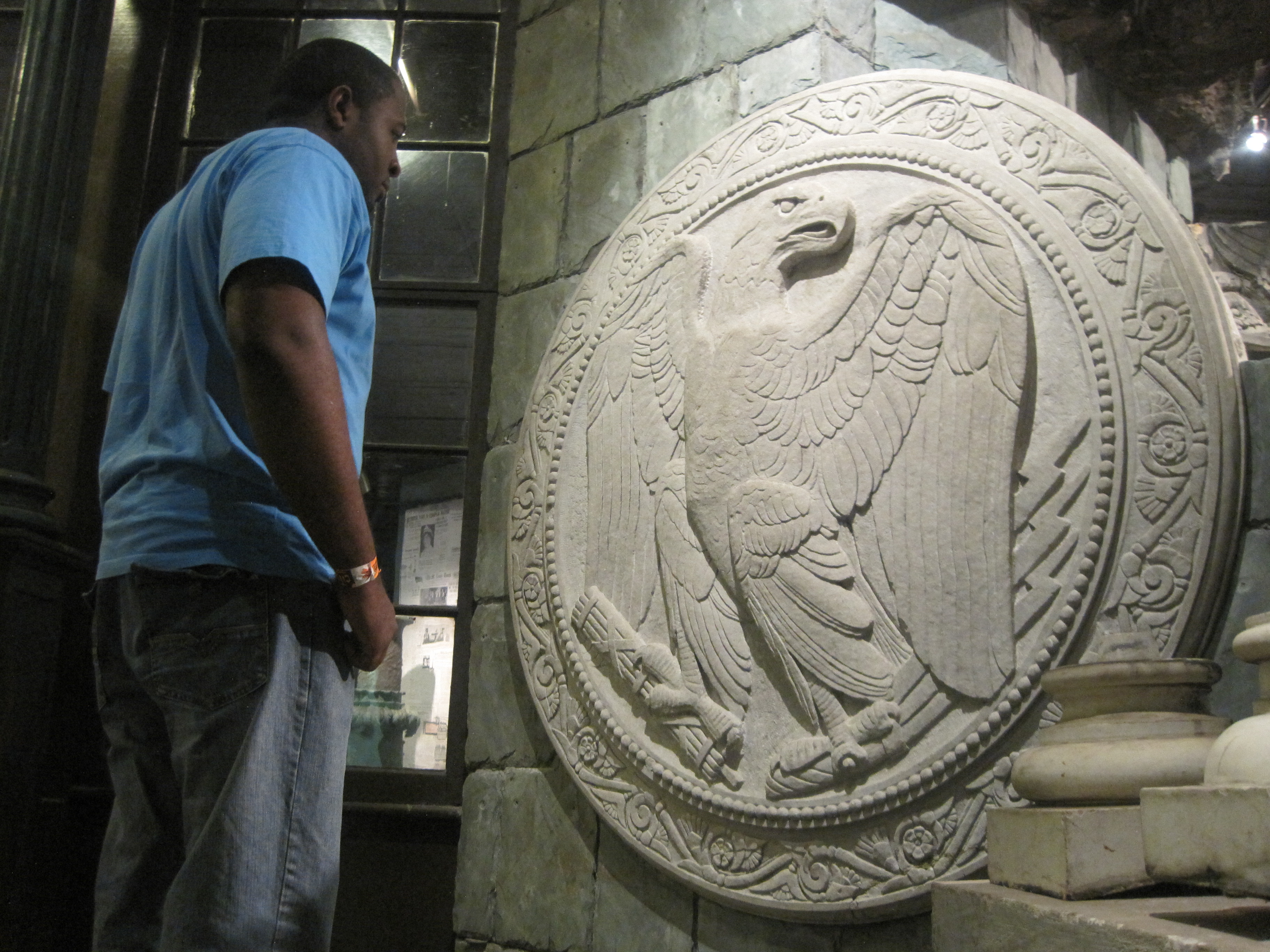
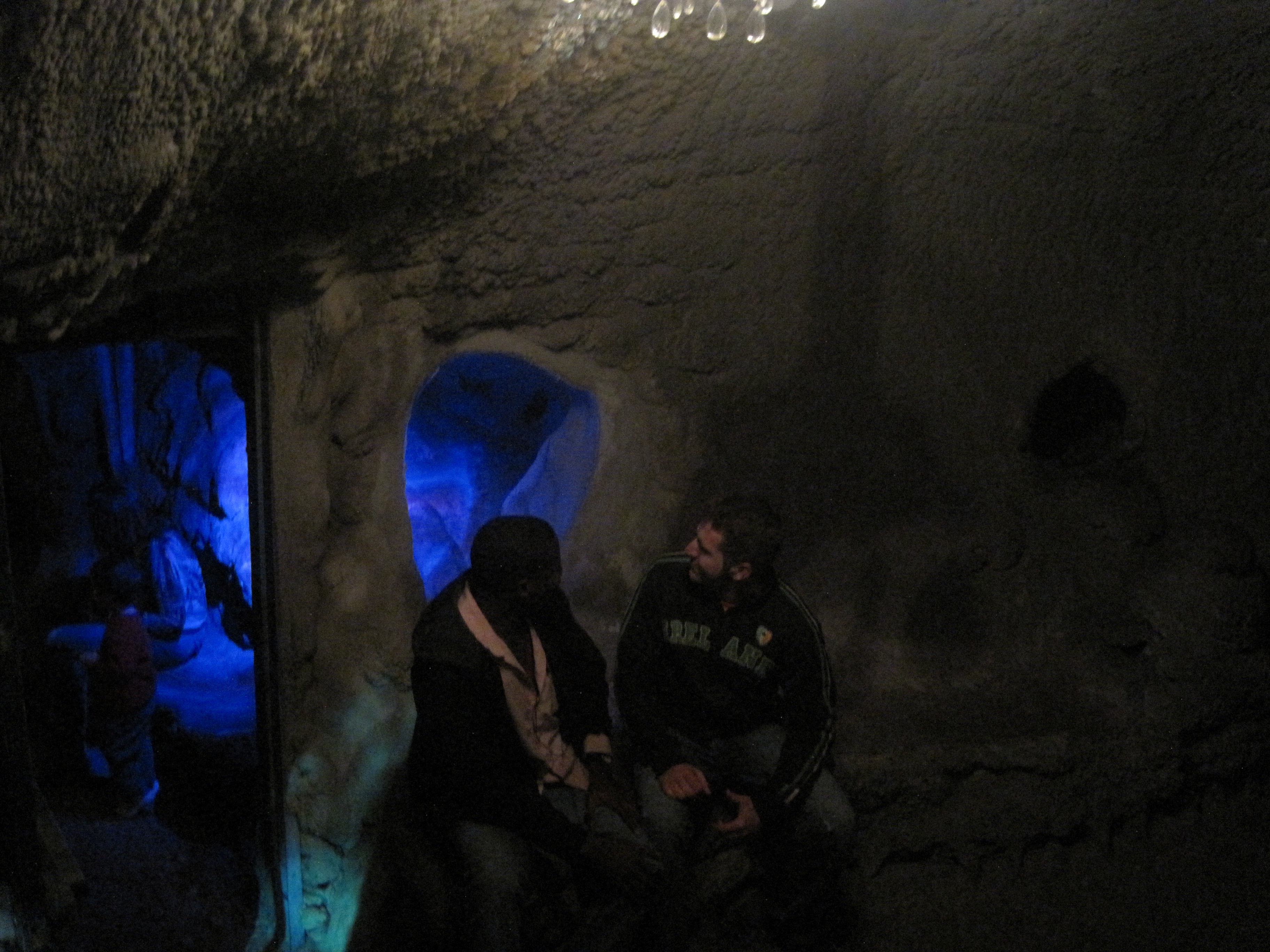
Here are pictures taken at the St. Louis City Museum last night where five of us from different countries had gone to spend the evening. There was Reham the Egyptian, Abdiel the Haitian, Chris the American, Stephanie the Taiwanese, and Kola the Traveller.

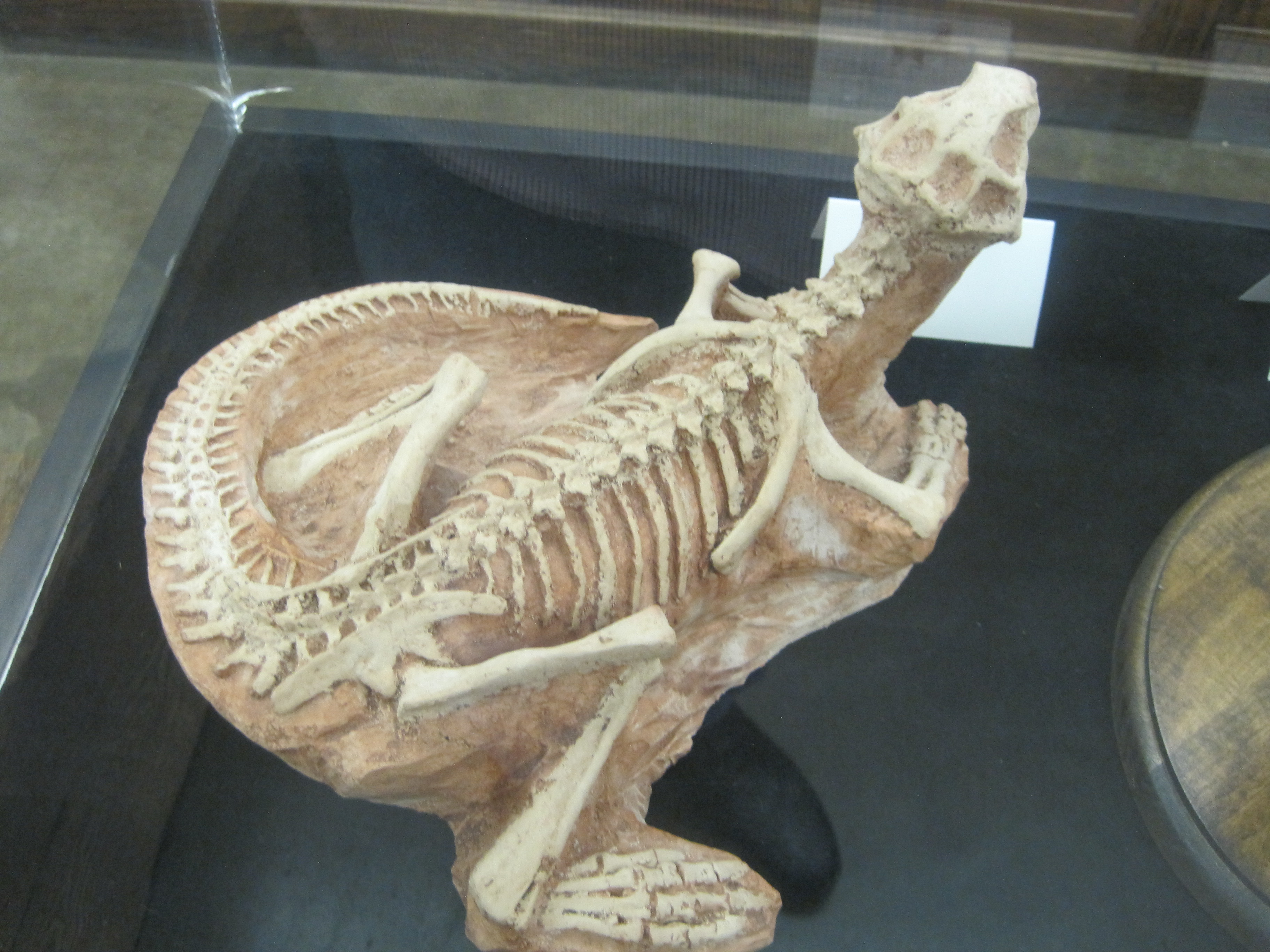
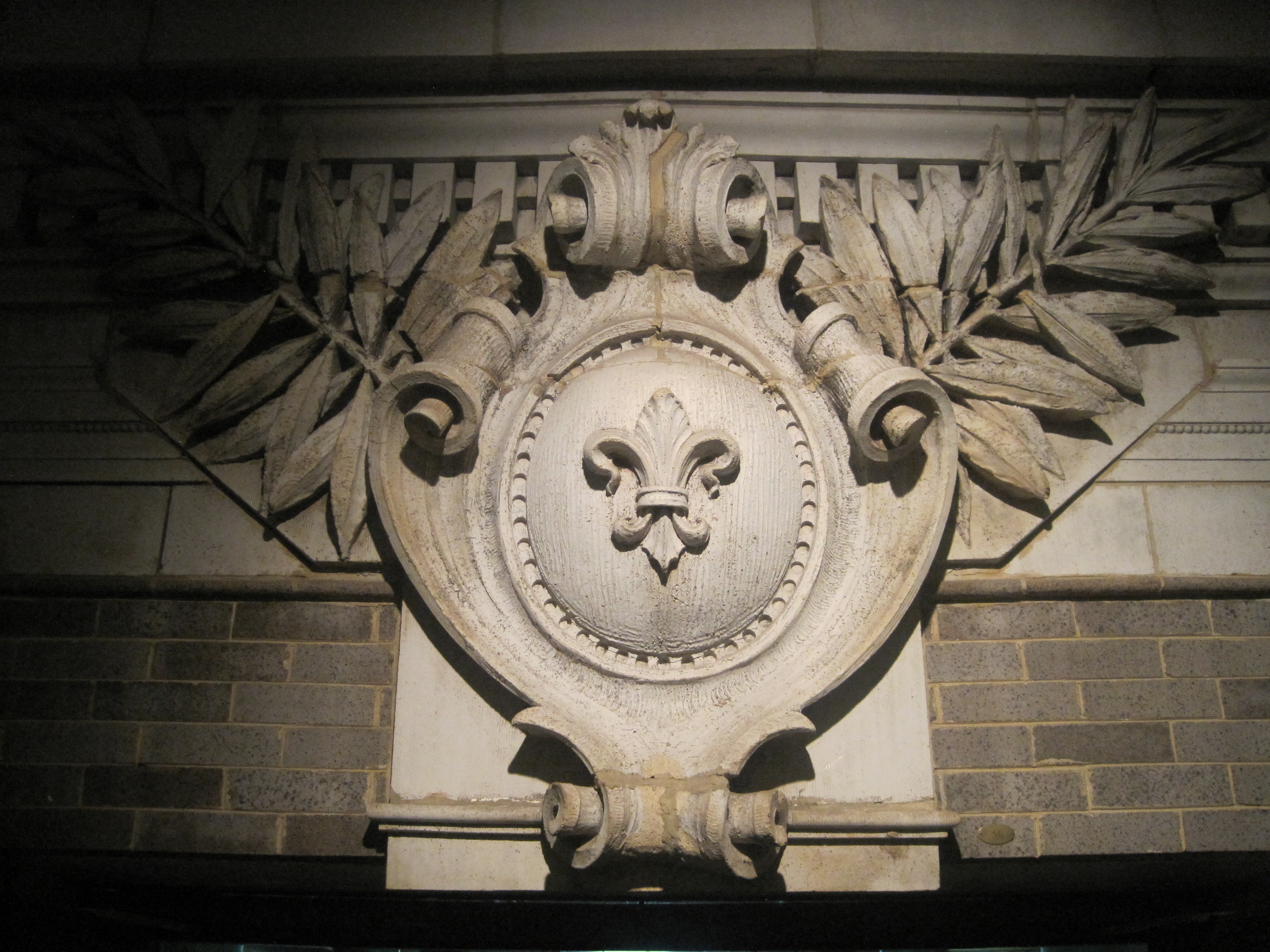
It wasn’t such a museum as it was a sorta playground. But it is a museum in the sense of the artifacts that it houses. Most of the attraction in the building is from the caves, tunnels and mazes that the it contains. And this could explain why there are more kids and young folks there than adults.

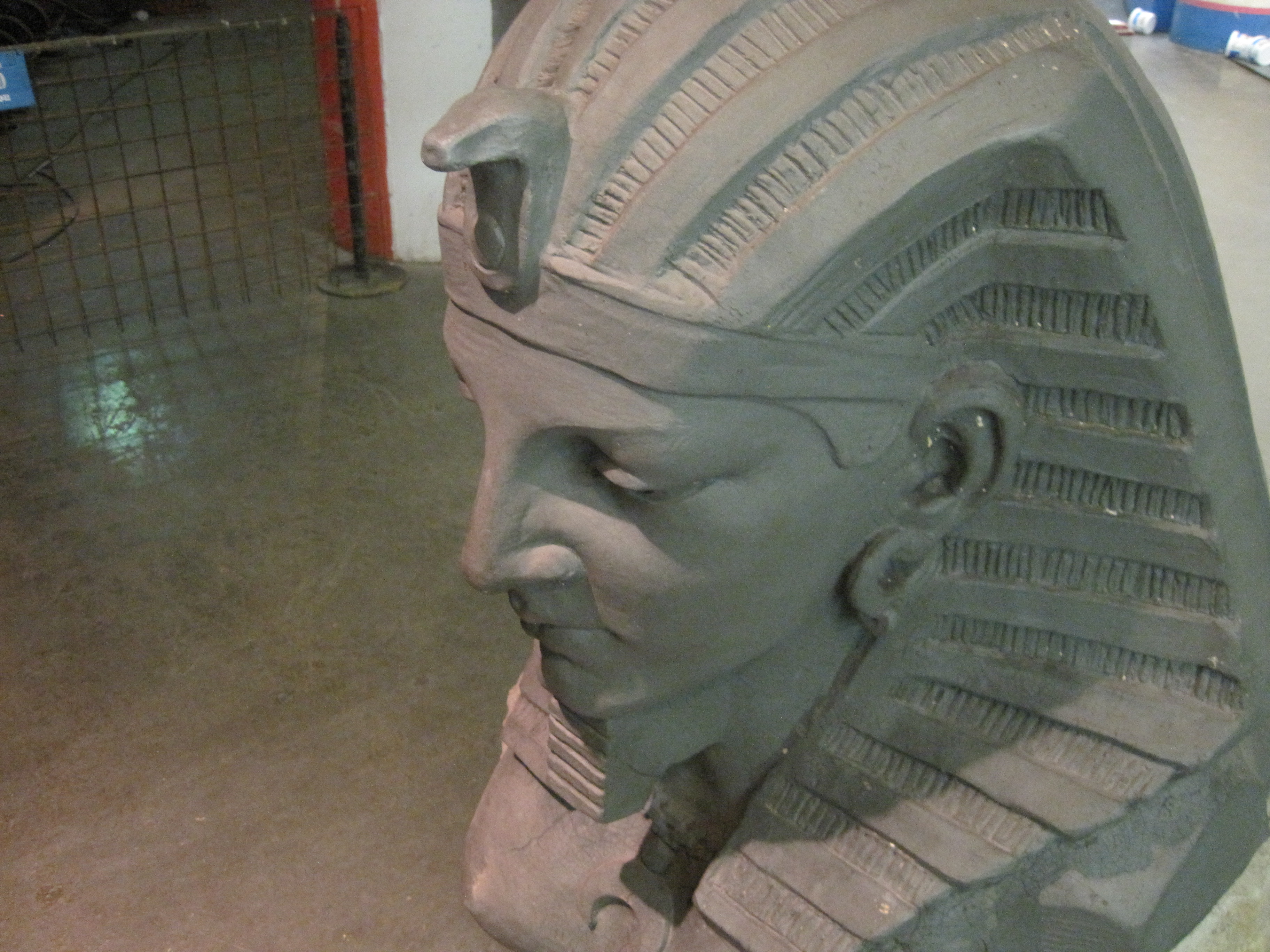
One more observation: A non-Egyptian would look at the clay mould in this picture and conclude that it is indeed a Pharaoh head, but Reham disagrees totally. “What is this?” she asked, genuinely amazed, and we were immediately amazed too. “I thought it was a pharaoh,” I said. “No,” she replied, shaking her head. “The pharaohs don’t have ear rings, neck bracelets and this kind of head.” Interesting. “I guess it is an American pharaoh!” I replied.

Call for Submissions

I got this yesterday. A few of my works were published in the first issue, and I am on the editorial board as a guest contributor.

_______________________

This is to announce the call for submissions for the second edition of the Sentinel Nigeria literary magazine due out on May 15th 2010. We are accepting submissions in the categories of Prose, Poetry, Drama, Essay and Literary Criticism. If your work is original and distinct, if you feel you should be in the avant-garde of writing – then the Sentinel Nigeria Magazine is your natural proving ground.

Full information about the call at the link below

http://www.sentinelnigeria.org/submission-guidelines.php

or contact the Administrator/Editor-in-chief

Richard Ugbede Ali at Richard.ali@sentinelnigeria.org
Phone number: (+234)8062392145

The Magun Report

Picture this hypothetical scenario:

A woman, suspected by her husband to have been cheating on him, is infected with a hate charm meant to kill the first man who sleeps with her within a period of nine weeks (including her husband if he so becomes stupid as to make love to her within that period). But wait, that is not all. If within nine weeks no man does so, the woman dies too, so it ends up as a lose-lose situation for the woman in question, and a sadistic win for the man depending on what his motives are.

Now picture this further conflict in the story: the woman, by some unexplainable coincidences, discovers that she has this charm on her, and later that her husband was the one who had put it there, since – on being given the chance to help her get it off in the presence of spiritualists waiting to remedy the situation once and for all – he had run scared, couldn’t do it and then didn’t deny his heinous crime when eventually confronted. Time is running down and she has only seven days to live, what should the woman do? Divorce, it would seem, is already a granted option. Here were the others…

a. Sleep with a stranger, a charming medical doctor, who has volunteered himself as the guinea pig for two reasons: He doesn’t believe in the existence of such charm anyway, and he had an eye for the woman since a long time.

b. Wait it out, disbelieving in such crap as a hate charm, especially since she is not from that culture that believes in such a thing as magun as the charm is called. The risk is a 50-50 chance that she might die.
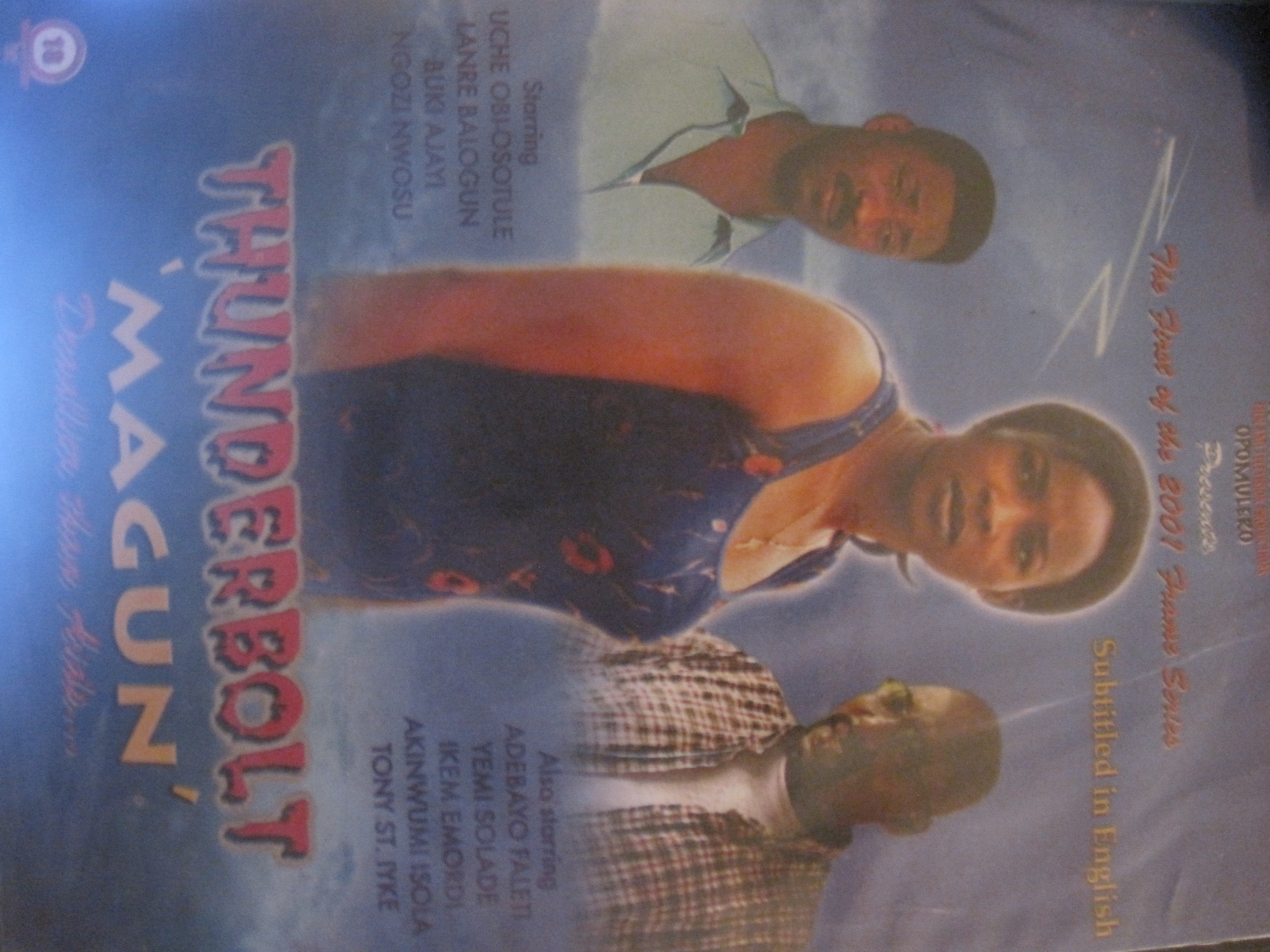
This is the subject of a class movie that we just saw to the end on Monday. The 2001 movie is titled THUNDERBOLT (Magun) and is an adaptation of a story by Yoruba writer Adebayo Faleti, and directed by multi award-winning director Tunde Kelani. Magun (literally meaning “don’t climb”) is an old and notorious myth in the Yoruba culture, and it has been credited for all the strange or spooky things that have happened to people engaged in illicit affairs. The scientific verification of the curse is impossible since no one has ever claimed responsibility for its activation, nor narrated experiences of its infection. The men concubines are supposed to die immediately afterwards, and the woman shamed. Thus so far, it exists purely at the level of myths, literature, movies and academic papers. The movie is instructive in the way it brings the western culture into a spectacular clash with the local traditional medicine, and superstition, and how the love triangle of death, intrigue and betrayal was resolved in the end.

We saw this movie last semester in class, and the students loved it. This semester, they did too, but there was at least one objection to the way adultery was portrayed as the solution to the death triangle. “I just don’t believe that it is right,” the student said, having walked out of the class at the last scene where a medical doctor who didn’t believe in “such crap” had volunteered himself as the guinea pig to test the veracity of the myth and thus get a chance to write an academic paper about its demystification. “It is a marriage for God’s sake,” she said, not really in these exact words “and marriage is a sacred institution. To allow such portrayal of adultery as a solution to something that is purely mythical is barbaric and ridiculous.” And for a moment, it seemed that the fiction on the screen had taken a life of its own out in the real world of the classroom. What she didn’t see in the last moments of the movie as she walked out in protest was how the guinea pig medical doctor who had put the myth to test had come face-to-face with immediate death thus adding veracity to the myth, at least for the benefit of the story. Much of the conflict in the movie however was about that clash of civilization and tradition, and the extent of human tolerance, love, respect and curiosity.

I had brought it along from Nigeria because it was one of the my favourite Nigerian Yoruba movies, because of its drama, and because of the way it explores a cultural myth and its interaction with a modernizing world. I recommend it for watching for everyone, and not just because one of my (now late) Professors was one of the main characters, but because it raises valid questions of what is to be done when one is suddenly confronted with the a life-threatening, time-bound discovery that the world is not all good and kind.

PS: Said student is the only married student in the class, which could make it easier – or not – to understand her objection. That said, I’m glad that the movie provoked such a discussion. Theatre/Fiction tends to do just that.
Ukraine’s Got Talent!

In response to my 10 Reasons post about Nigeria, I have got this guest-post from Clarissa as well as a video from Jacqueline Mackay. The video shows one of the amazing talents from Ukraine where a young woman makes amazing art with sand live on stage to tell a story. I do not know much about the history of Ukraine to decode the story, but I’m sure that Clarissa will be here soon enough to enlighten us. Meanwhile, enjoy these facts about Ukraine by Clarissa, and the video courtesy of Jackie.

Did You Know That Ukraine…

• Is the second largest country in Europe? (If we don’t count Russia, which is located in Asia for the most part, anyways.) Even among my blog visitors, I have had people who refer to Ukraine as “a tiny country in Eastern Europe.” One look at the map, however, is enough to demonstrate that Ukraine’s territory is large and its population is 1,5 times larger than the population of Canada.
• Has the most fertile soils in Europe? Ukrainian soil is so fertile that people have been known to remove the top level of soil and sell it to other countries simply because everything grows and flourishes on it.
• Has a tradition of democracy that dates back to the XVI century? This makes Ukraine a country with the most longstanding tradition of democracy in Europe.
• Started a sexual revolution around 1910? While people in the US and Western Europe had to wait until the mid-sixties for their sexual revolution, a famous Ukrainian writer and the future prime-minister of the first independent Ukrainian Republic Volodimir Vinnychenko dedicated his career as a writer to promoting the ideas of sexual liberation, free love, and the rights of women. His books were hugely popular all over Europe in the first half of the XXth century.
• Has a strong anti-imperialist tradition? In spite of being surrounded by fiercely imperialist countries, Ukraine never followed their example and absorbed the imperialist way of thinking. Even when Ukrainian troops would repel the invaders and enter the territory of the invading country, they would turn back and leave without trying to retain foreign territories.
• Had slavery until 1861? Under the name “serfdom”, the tradition of slavery existed and was very wide-spread in Ukraine until 1861.
• Was the site of one of the greatest modern genocides? In 1932-3, over 10 million Ukrainians were exterminated by the Soviet government in an attempt to wipe out any resistance to the imperial subjection of Ukraine by the Soviet Union. Today, the government of Russia is engaged in endless propaganda that denies that Ukrainian Holocaust ever took place.
• Has recently elected a convicted criminal to be its president? Viktor Yanukovich, a recently elected president of Ukraine, was incarcerated for robbery and assault in 1967 and for assault in 1970. It is said that his second crime was a rape that was eventually pleaded down to assault.
• Does not require a definite article before its name? Many people still say “the Ukraine” instead of “Ukraine.” Not only is this grammatically incorrect, it is also kind of annoying.
• Has one of the most melodic languages in the world? According to a study by the French Academy of Fine Arts, Ukraine has the world’s second most melodic language after Italian. I’m not sure that I agree about the entire world, but it’s definitely one of the most beautiful sounding languages in Europe. Sadly, the language is disappearing because centuries of colonial domination and propaganda cause many Ukrainians to be deeply ashamed of their cultural and linguistic heritage.