Browsing the archives for the Art category.

Fun Stuff: Google Ngram

Google has just come up with a great product called the Ngram Viewer (discussed in this equally fascinating TED video). What the Ngram Viewer does is to give users around the world the ability to sit at home and search through a database of billions of texts. These texts have been scanned into the Google database from all the books published in the world to date. Among other things, what this gives us is the power to discover the rate of occurrence of certain words, phrases or names in publishing history. Extremely fascinating, right?

I have been playing around with the program and here is my first experiment: to figure out which of these men in Nigerian political/social history is most frequently referenced in text, and since when. The men are Olusegun Obasanjo (who ruled the country for a record 11 years and played a crucial role in its political history), Chinua Achebe – Africa’s foremost novelist whose first 1958 novel Things Fall Apart is the most widely translated texts in English literature from Africa, Wole Soyinka – the continent’s first winner of the Nobel Prize in Literature, and finally Obafemi Awolowo – nationalist, politician and visionary. The result is stunning and will offer nuggets for discussion among people who have argued (many times without proof) that one person was more famous than the other.

There are a few more I have tried out. This graph showed that the word “nigger” got more usage in the mid 1800s (just after Lincoln set the slaves free, which made sense), dropped in usage in the 1980s, and is now coming back into use after the year 2000. Go figure. The word “nigga” however is a totally different matter. The word “Republicans” was initially more famous than “Democrats” but eventually fell around 1900 and has remained stably lower ever since. And what about languages/cultures? This graph shows how much the African languages/cultures Hausa, Igbo, Yoruba, Swahili, Twi, Edo, and Zulu have featured in texts through time.  Fascinating result, and not only because Yoruba leads the pack with a clear margin! Yoruba is not the biggest language/culture in Africa. The word “Nigeria”, according to the Ngram has been in use/print since around 1860 (contrary to what we have been told) although it finally gained currency at the beginning of 1900s. Finally, I did a search on my favourite comedians: George Carlin, Bill Cosby, Lenny Bruce, and Richard Pryor. The result puts Bill Cosby on top and George Carlin at the bottom. Oh well.

What Google has done with this project called the Ngram Viewer (I say again, an extremely fascinating project) is to endow the world with a new great tool to do anthropology and study history with nothing but access to the internet. Life, and history, just became even more enlightening.
Poetry Reading…

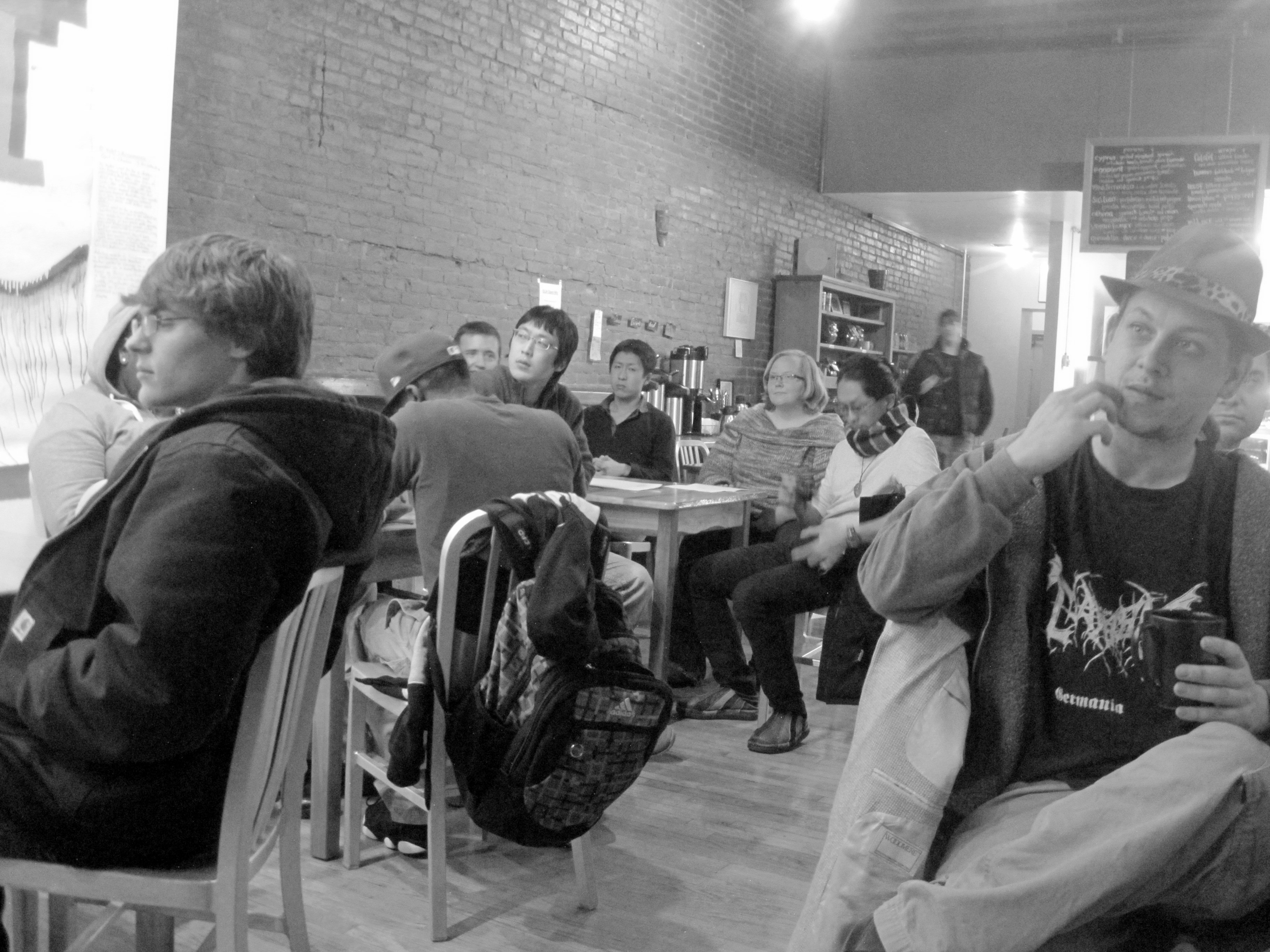
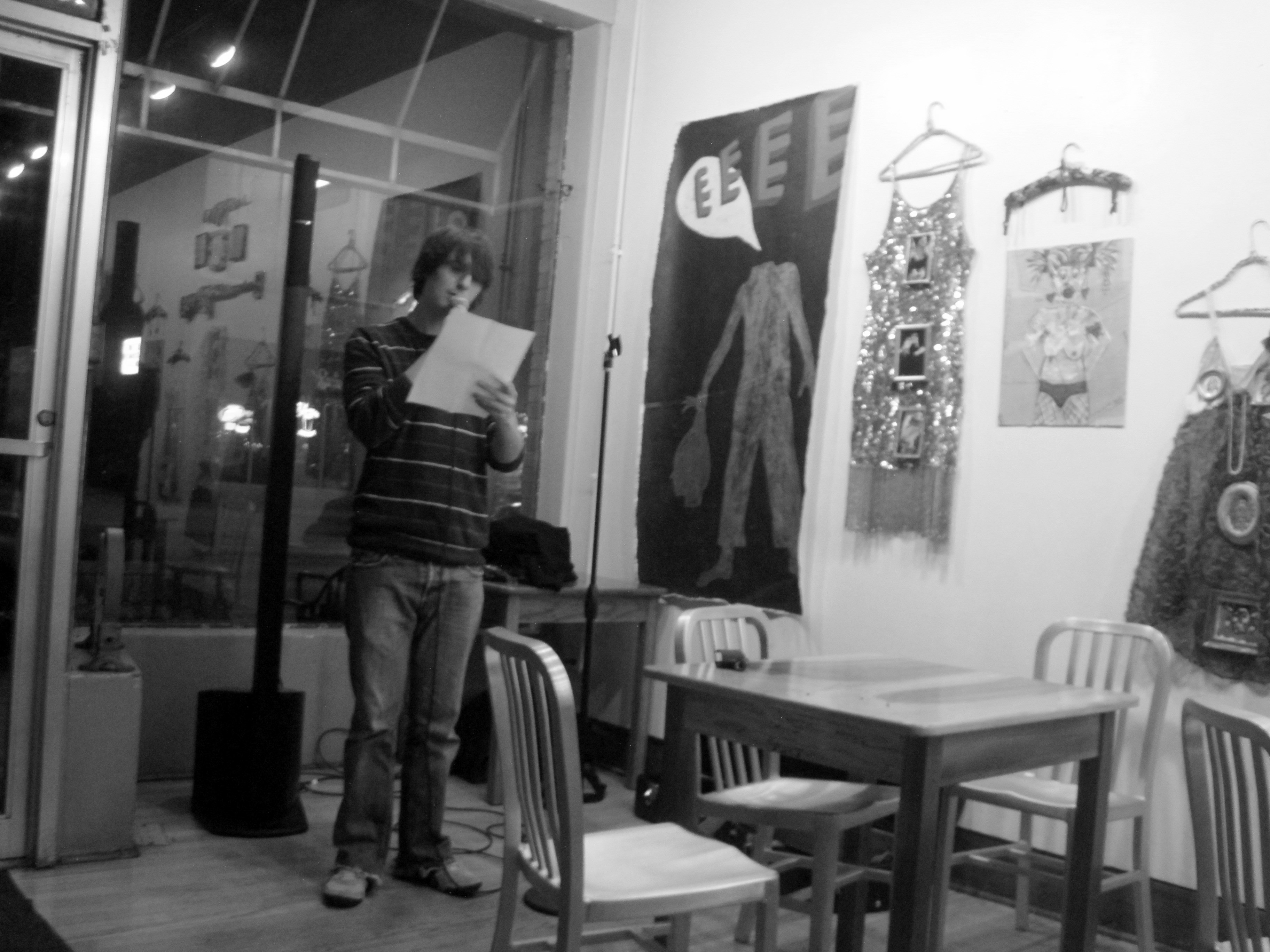
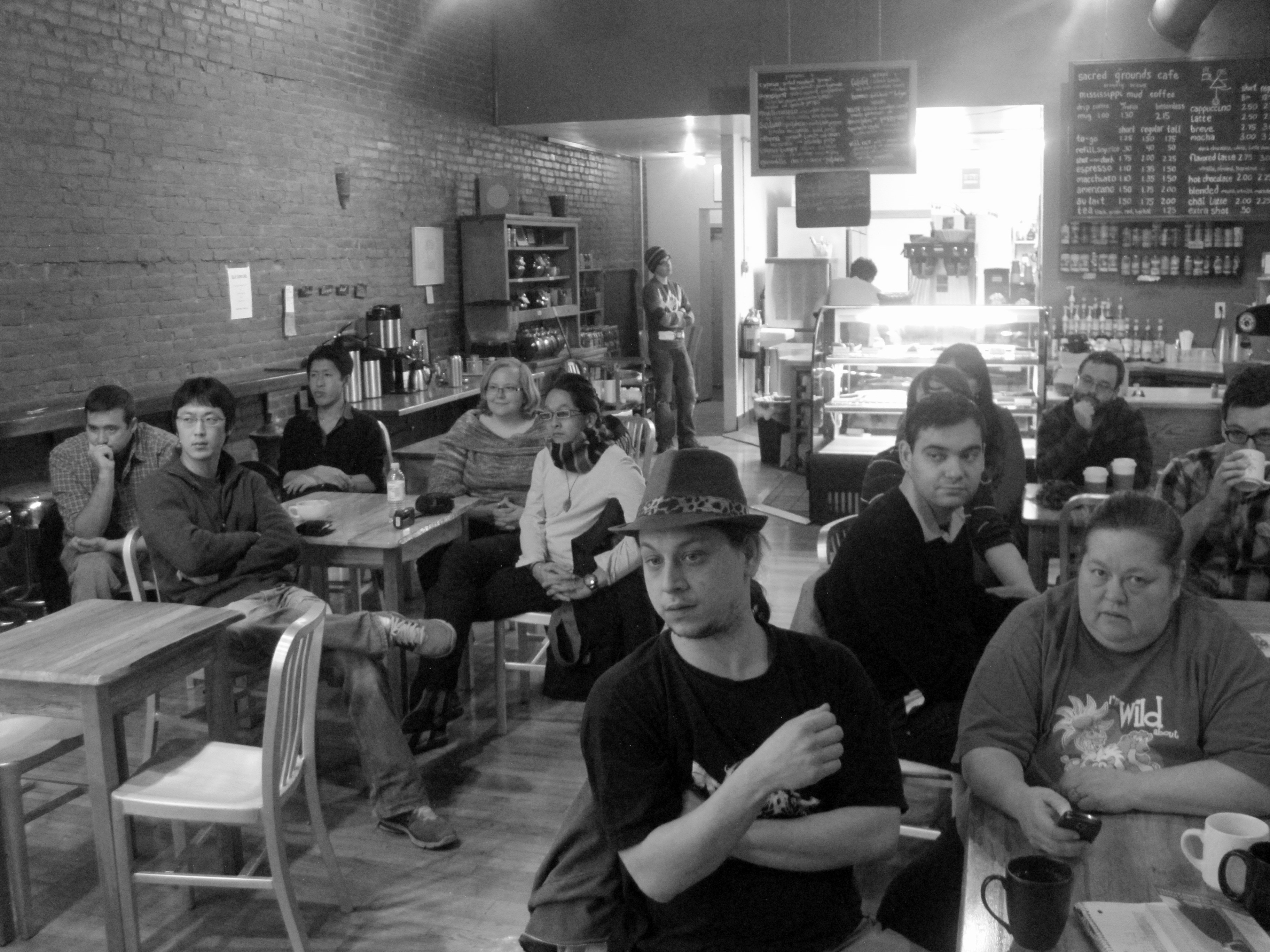
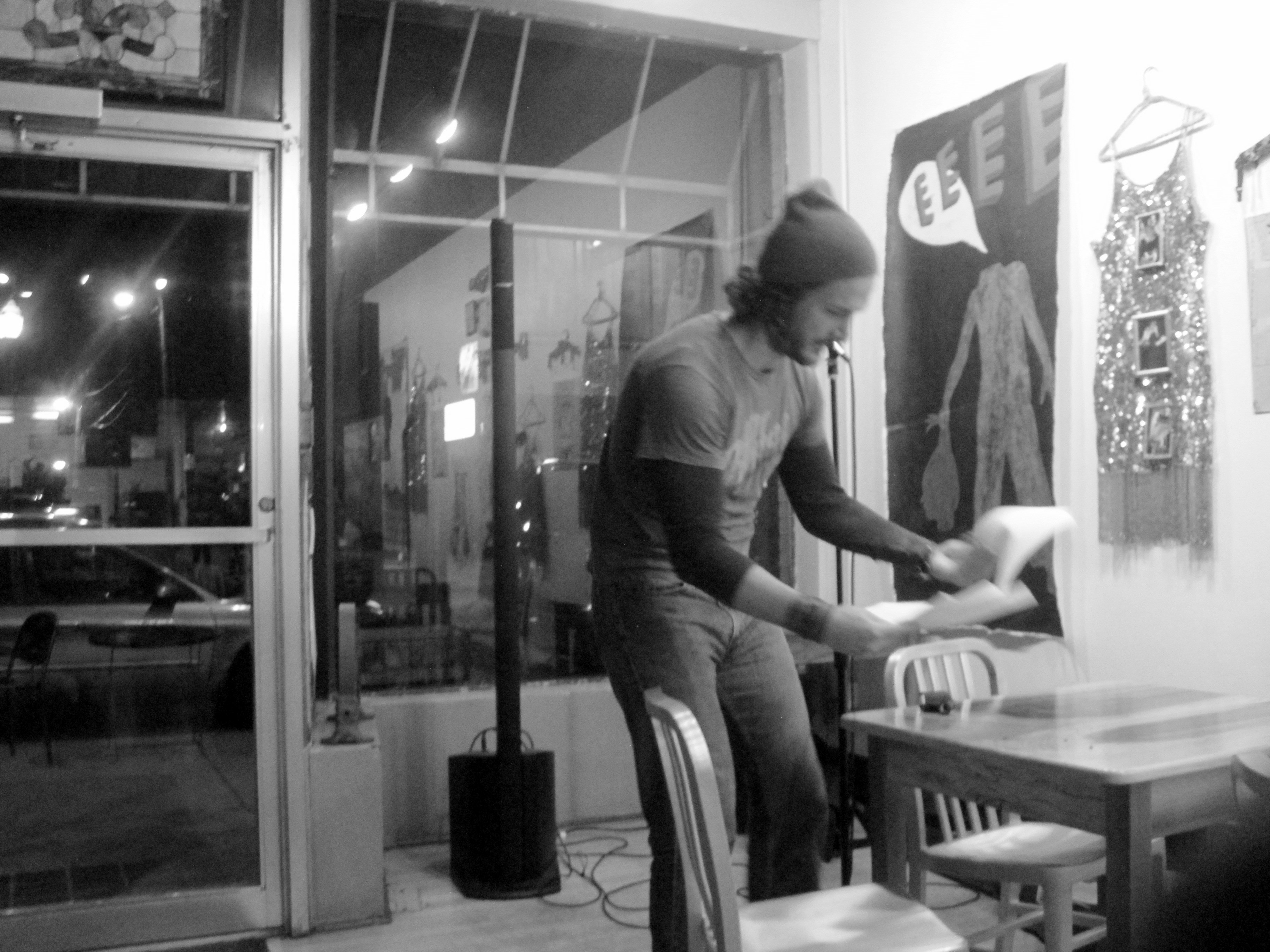
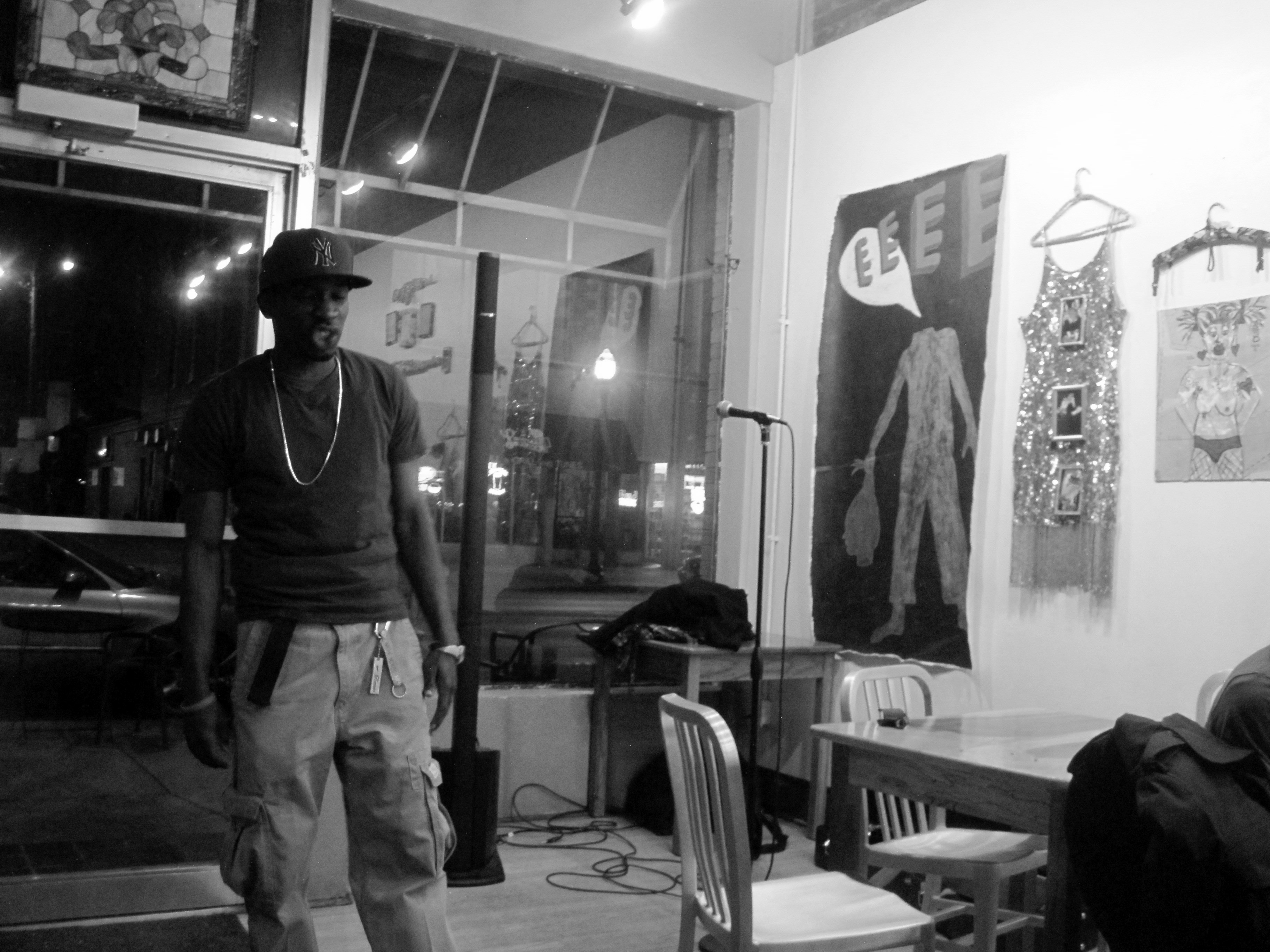
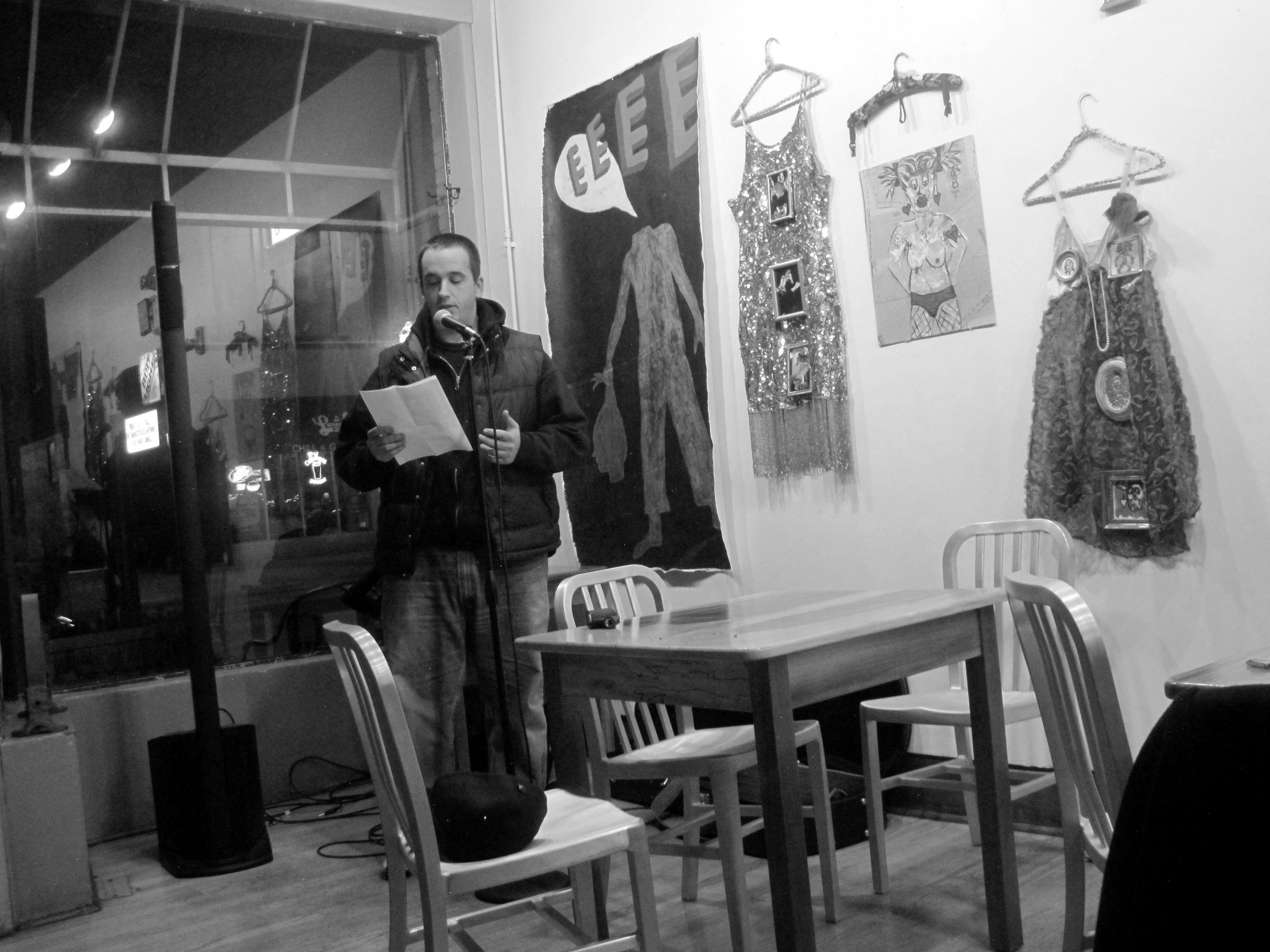
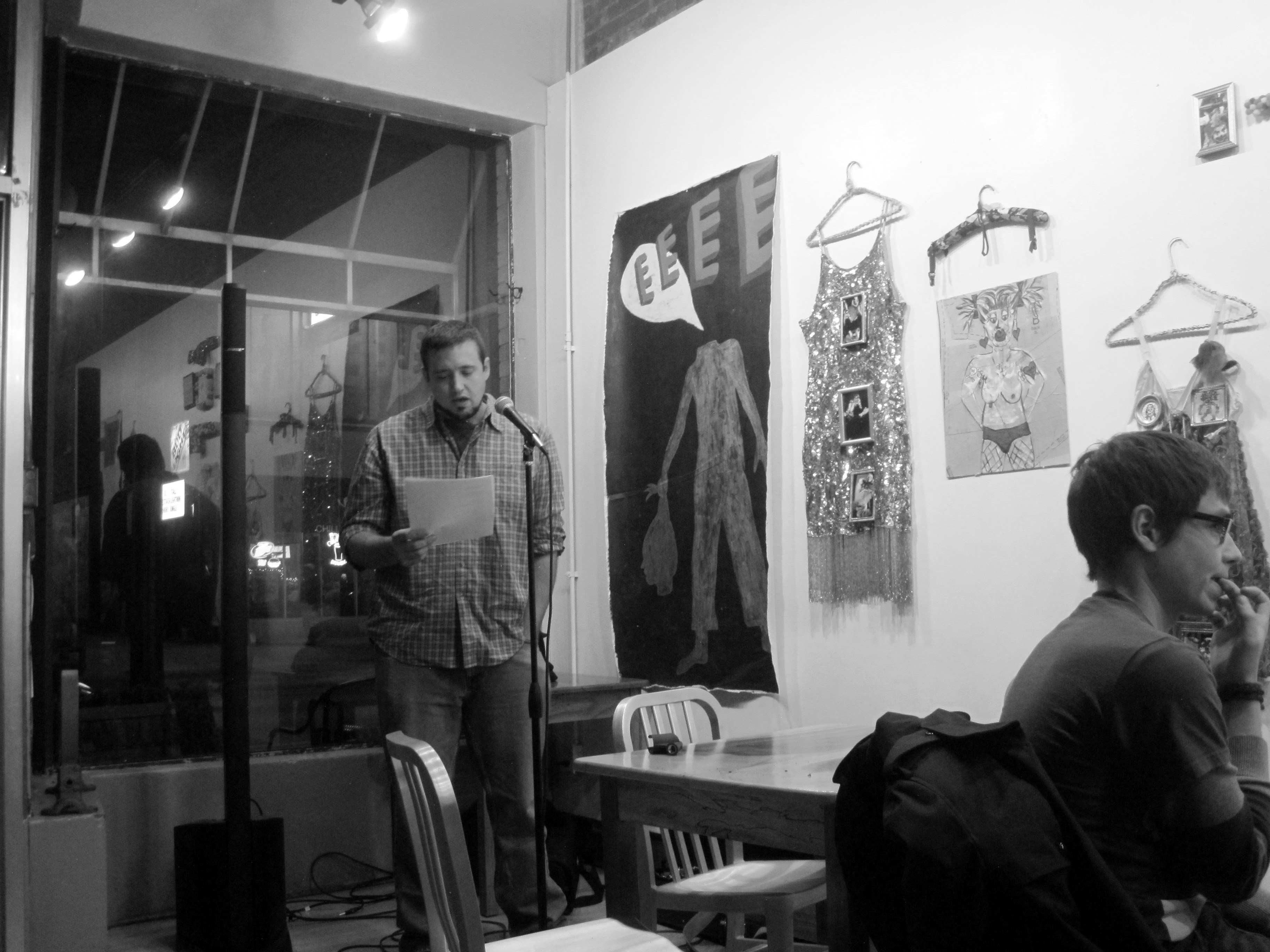
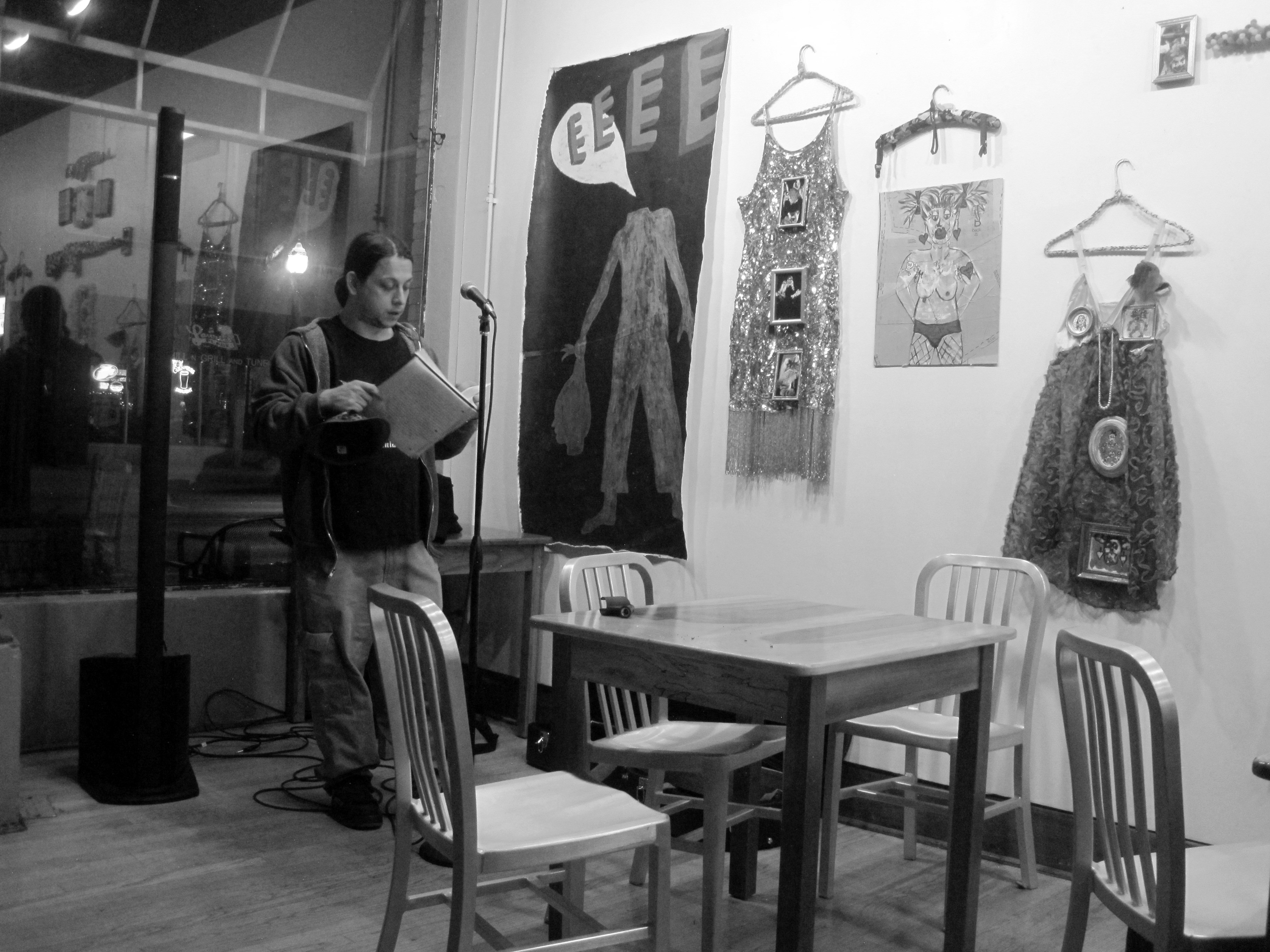
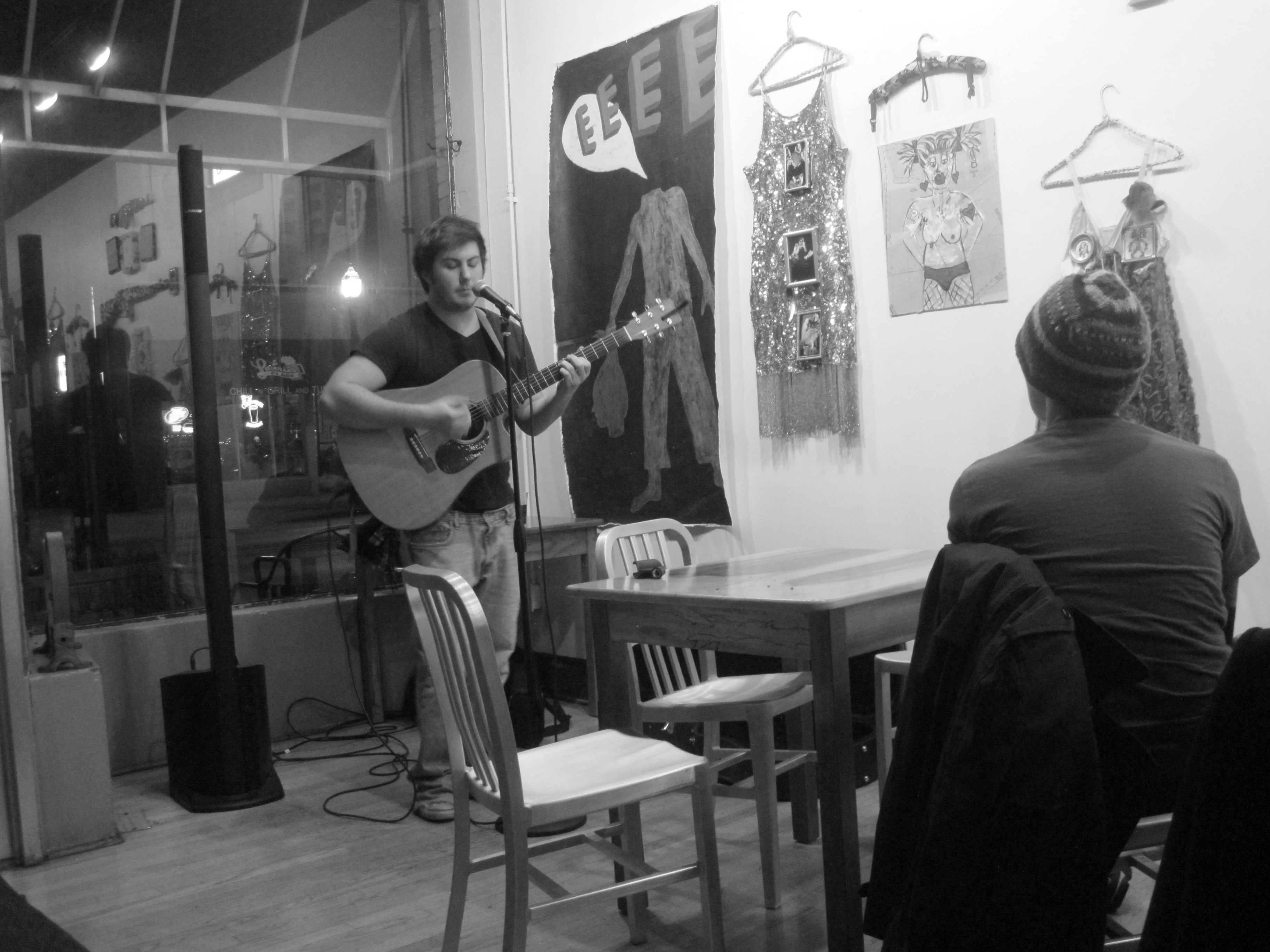
Hanging out with writers and poets at a cafe downtown last night…

The open-mic poetry reading was sponsored by the English Language and Literature Association. Poets and readers include Jason Braun, David Rawson, Geoff Schmidt and others. Earlier in the day was a similar event at the school library featuring Eugene B. Redmond, the Poet Laureate of East St. Louis.

I read four unpublished poems.

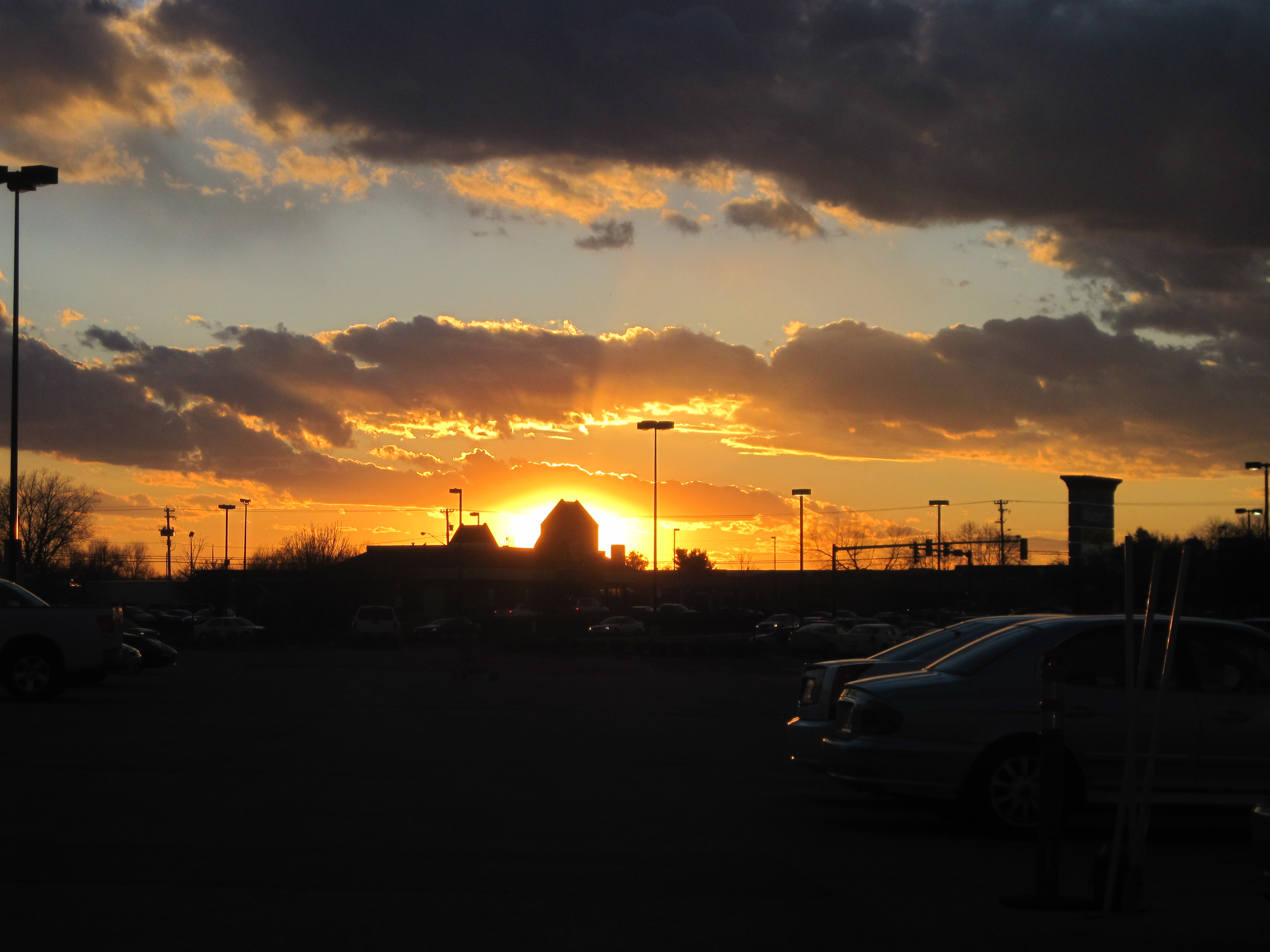
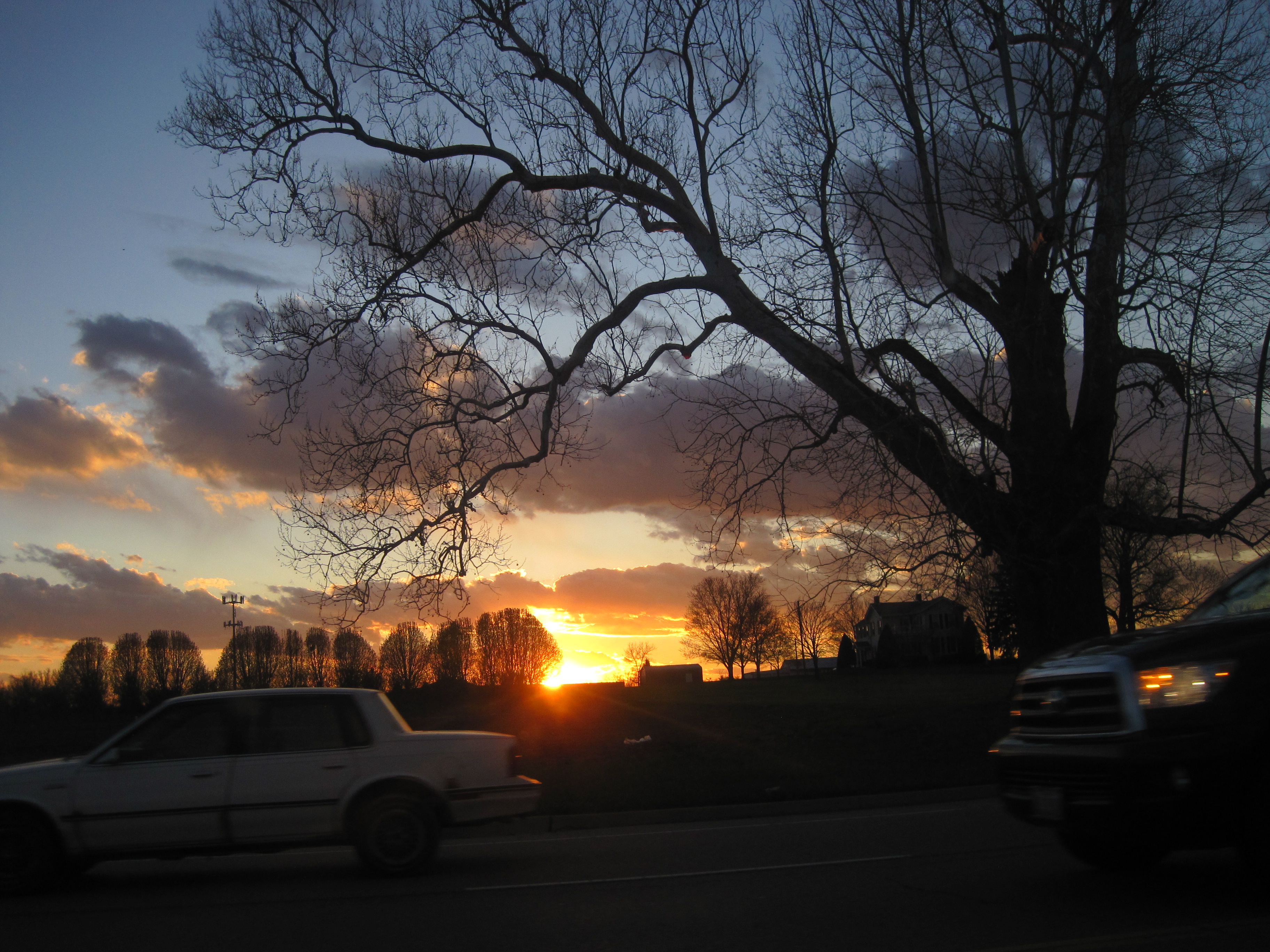
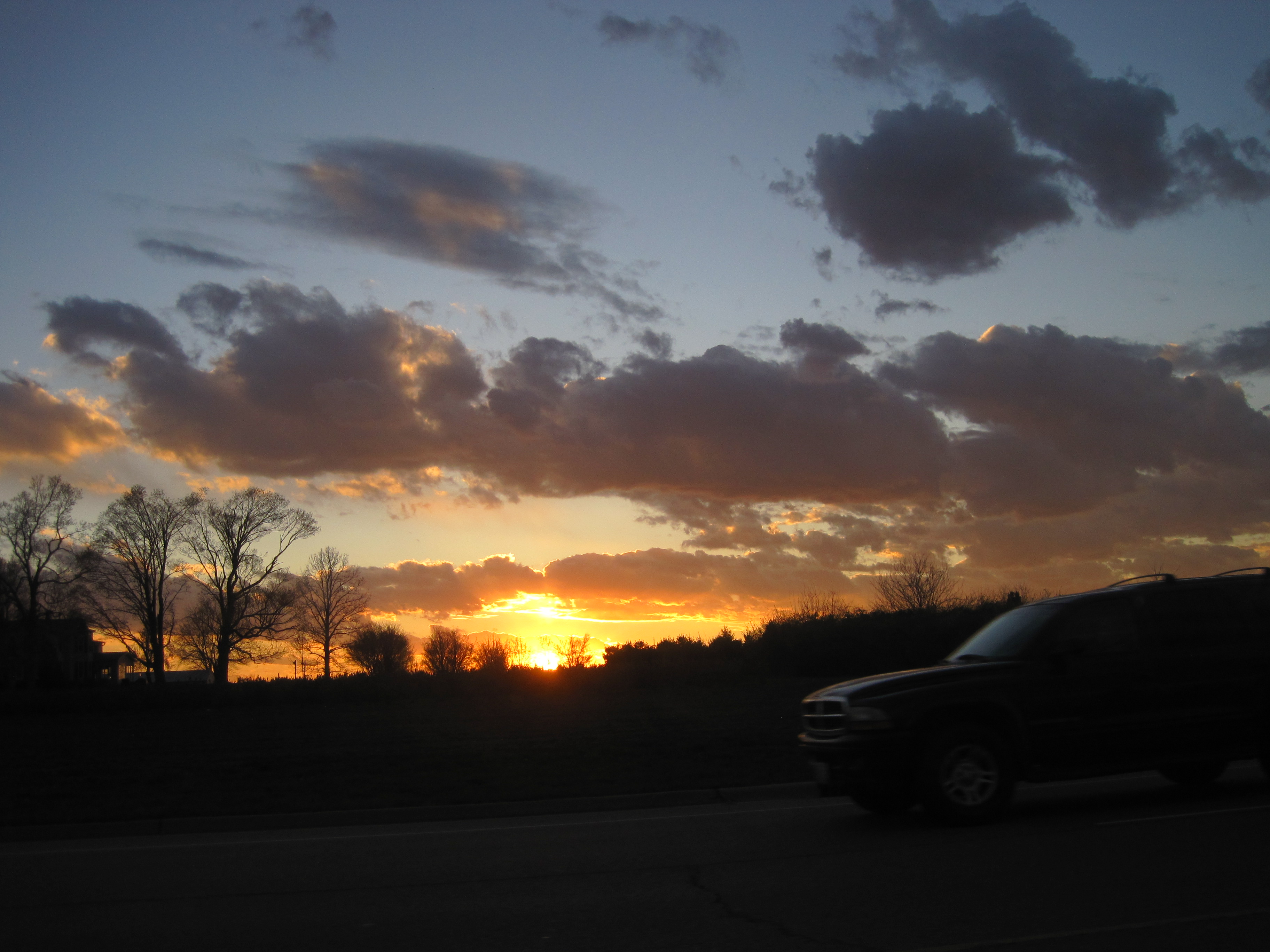
Evening in Edwardsville

I took these series of photos in April.

The flatness of the land here makes it easy to have some of the best sunset views I’ve ever seen. My current apartment also overlooks an expanse of westward land that makes it a very delightful place to be relaxing between five and six during summer and fall evenings.

Office Space

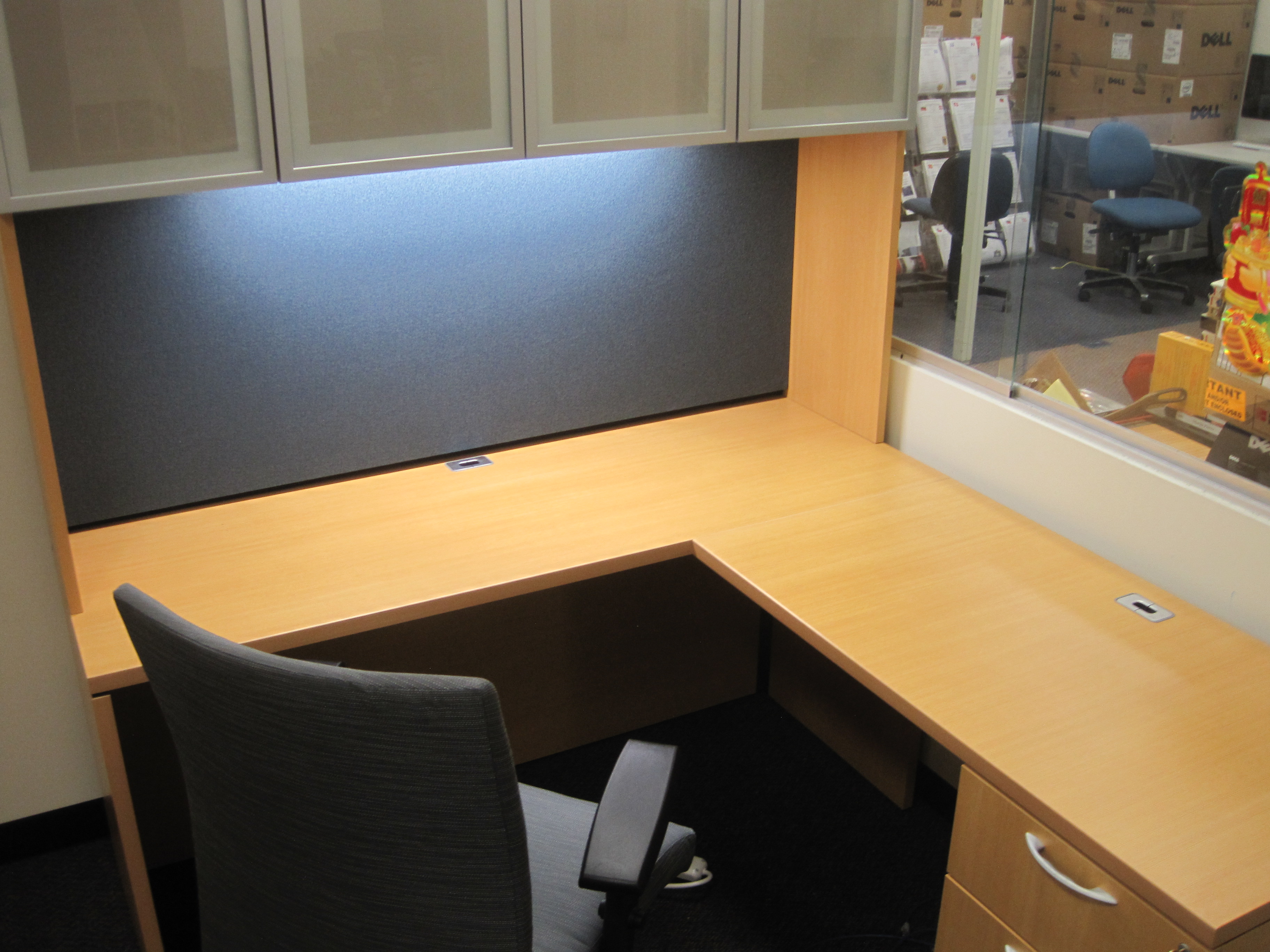
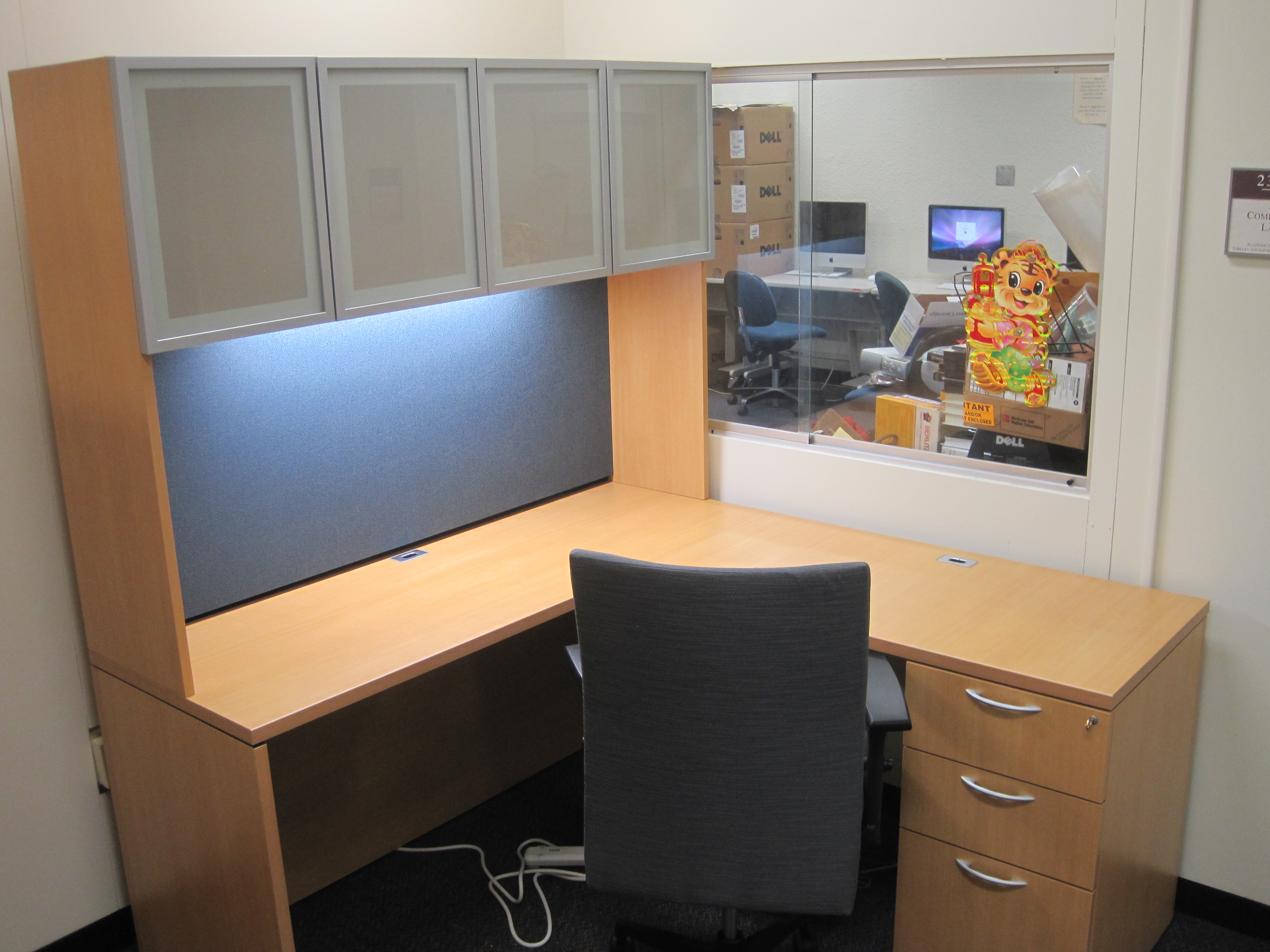
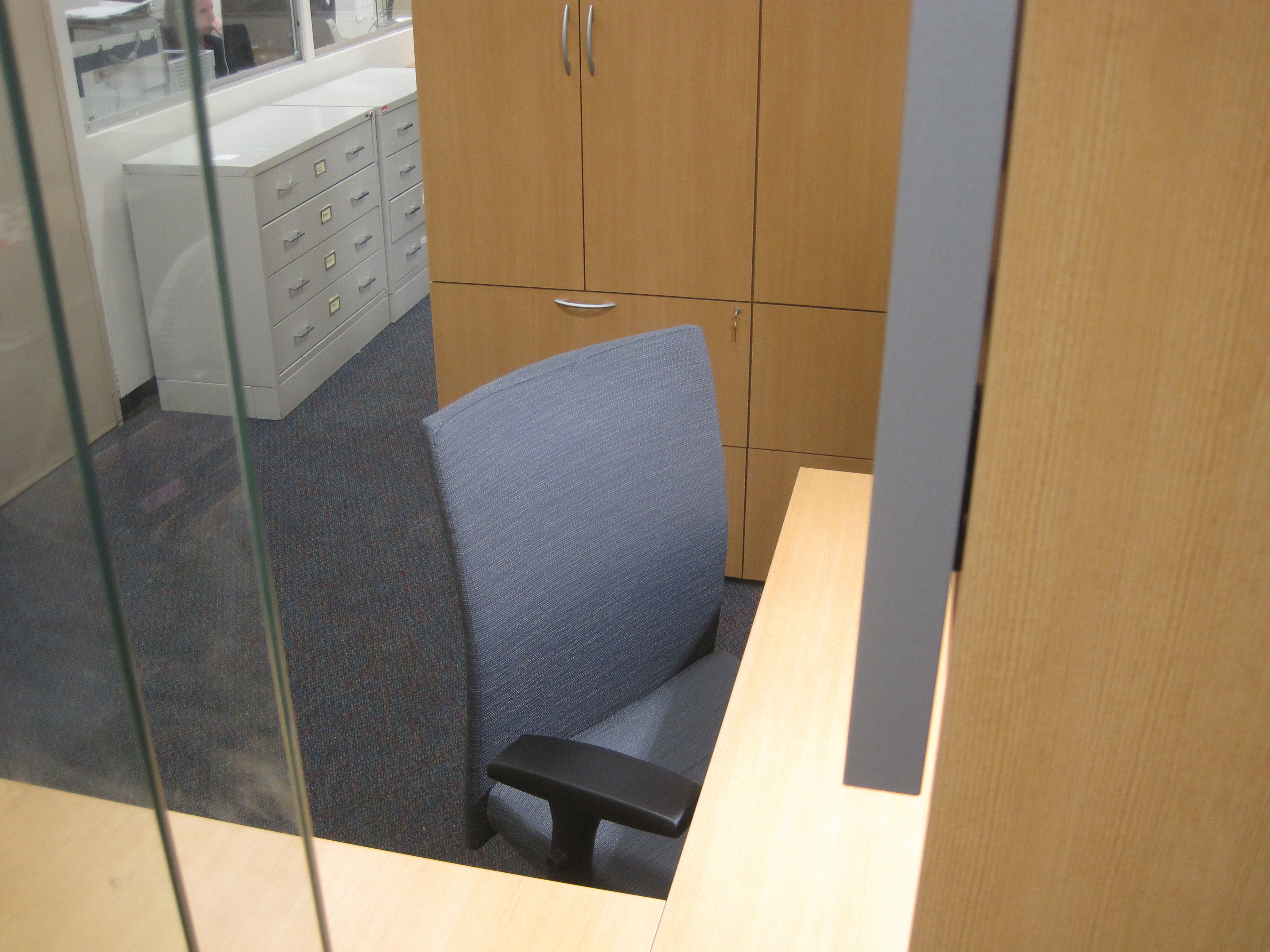
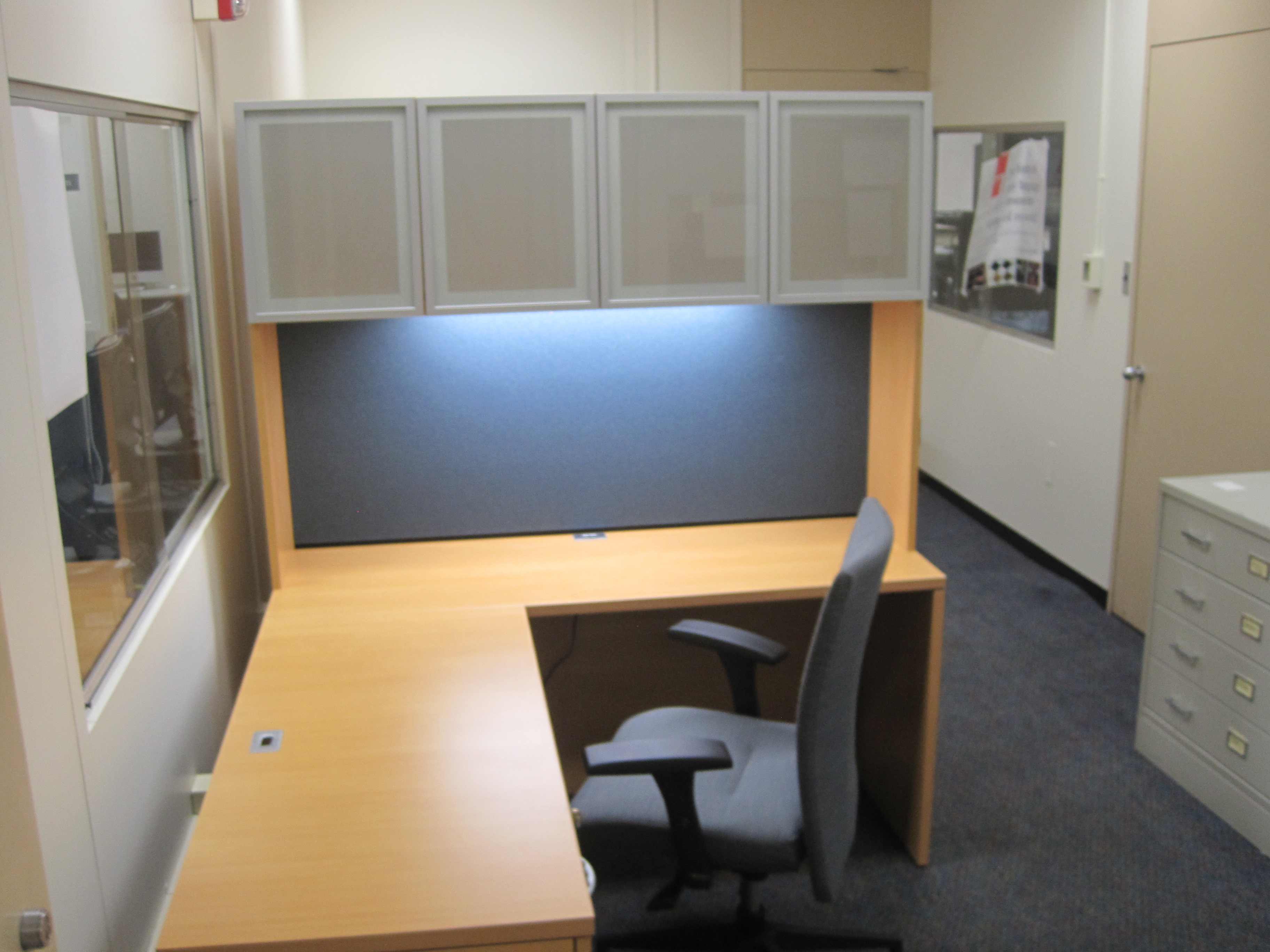
Have I told you something personal lately? No. Alright, here is one: I got a new office space. Not really a new office, but a set of new furniture that makes my space in our language laboratory look like a serious, distinguished spot.

Like I quipped on Facebook a few days ago, this new set of furniture seriously seeks to make me forget that I am, in fact, a student. On the bright side, here’s to more pensive moments within my new space, to reading and to writing.

Call for Projects in the Visual Arts

Dear friends,

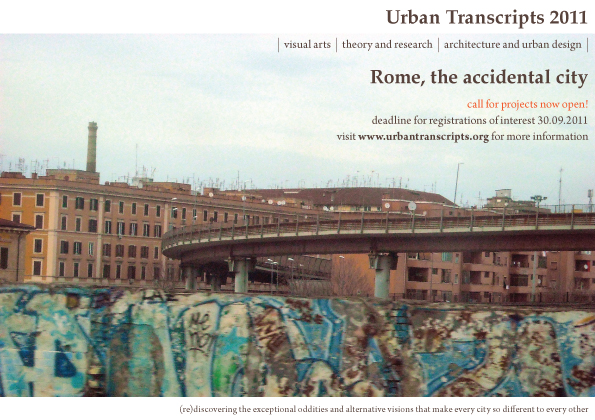
We would like to let you know of the Urban Transcripts 2011 call for projects in the visual arts, theory and research, architecture and urban design. Registrations of interest to participate with project work in the Urban Transcripts 2011 exhibition and conference close on 30.09.2011.

We would be much grateful if you could forward this information to anyone you think it might be of interest.

Best Regards,

the Urban Transcripts 2011 organising team,

“Urban Transcripts 2011, Rome, the accidental city” is an Urban Transcripts initiative in partnership with:  Provincia di Roma  /  Facoltà di Architettura dell’Università degli Studi Roma Tre  /  Dipartimento di Studi Urbani dell’Università degli Studi Roma Tre  /  ESC Atelier

ENGLISH

call for projects in the visual arts, theory and research, architecture and urban design.

deadline for registrations of interest: 30.09.2011

deadline for project submissions (preview material): 07.10.2011

deadline for the submission of finalised projects: 05.12.2011

Urban Transcripts 2011, Rome, the accidental city

We invite you to explore the accident(al) in the city of Rome: the accident(al) which happens over time and transforms the ‘essence’ of the city that would otherwise remain unchanged, the accident(al) which adds surprise and complexity to our reality and challenges our understanding of the city, the accident(al) which generates the energy to recreate and reshape the city.

Interested participants are invited to register by 30.09.2011 and submit their project’s preview material by 07.10.2011. The Project Review Committee will select projects based on the preview material submitted. Selected participants have until the beginning of December to finalise their projects.

registration form:

http://www.urbantranscripts.org/documents/UT2011_02_registration_form.pdf

for more information:

http://www.urbantranscripts.org

info@urbantranscripts.org

ITALIANO

Avviso per la presentazione di paper e progetti  inerenti l’architettura,  il progetto urbano e  visual art.

scadenza per la manifestazione di interesse: 30 settembre 2011

scadenza per la presentazione dei progetti (anteprima dei materiali): 7 ottobre 2011

scadenza per la consegna dei materiali definitivi: 5 dicembre 2011

Urban Transcripts 2011, Rome, the accidental city

Vi invitiamo all’esplorazione dell’accidentale che Roma nasconde: l’accidentale che ha luogo in ogni tempo e che trasforma l’”essenza” della città, senza la quale essa rimarrebbe sempre uguale a sé stessa; l’accidentale che regala imprevedibilità e complessità alla nostra realtà, sfidando la nostra capacità di comprensione dell’urbano; l’accidentale da cui sprigiona l’energia per ri-creare e ri-configurare la città.

Gli interessati sono invitati a registrarsi entro il 30 settembre e ad inoltrare una anteprima del proprio progetto entro il 7 ottobre 2011. Un Comitato di Valutazione selezionerà i progetti sulla base dei materiali provvisori inviati. I partecipanti selezionati avranno tempo sino agli inizi di dicembre per ultimare i propri progetti.

registration form:

http://www.urbantranscripts.org/documents/UT2011_02_registration_form.pdf

per informazione:

http://www.urbantranscripts.org

info@urbantranscripts.org