Browsing the archives for the adventures category.

A Night in Wales: Of Bilingualism in Britain

For a long time, my idea of a British Education, from the safe distance of post-colonial Nigeria, always came through the lens of English language. After all, there is a reason colonialism itself was conducted through the language, and why – over the many years after colonialism – we over here have yet to arrive at any other consensus language with which to conduct government and other communicative business. This changed in one day, last week, which I spent traveling around Cardiff, the Welsh capital, in company of Jeremy Grange, a reporter for the BBC on whose invitation I had arrived at the city to meet with a few people, and understand the development and use of Welsh as not just a medium of instruction and a language of governance, but also a language of education through which the small country has found and is expressing its individual identity in that entity called Great Britain.
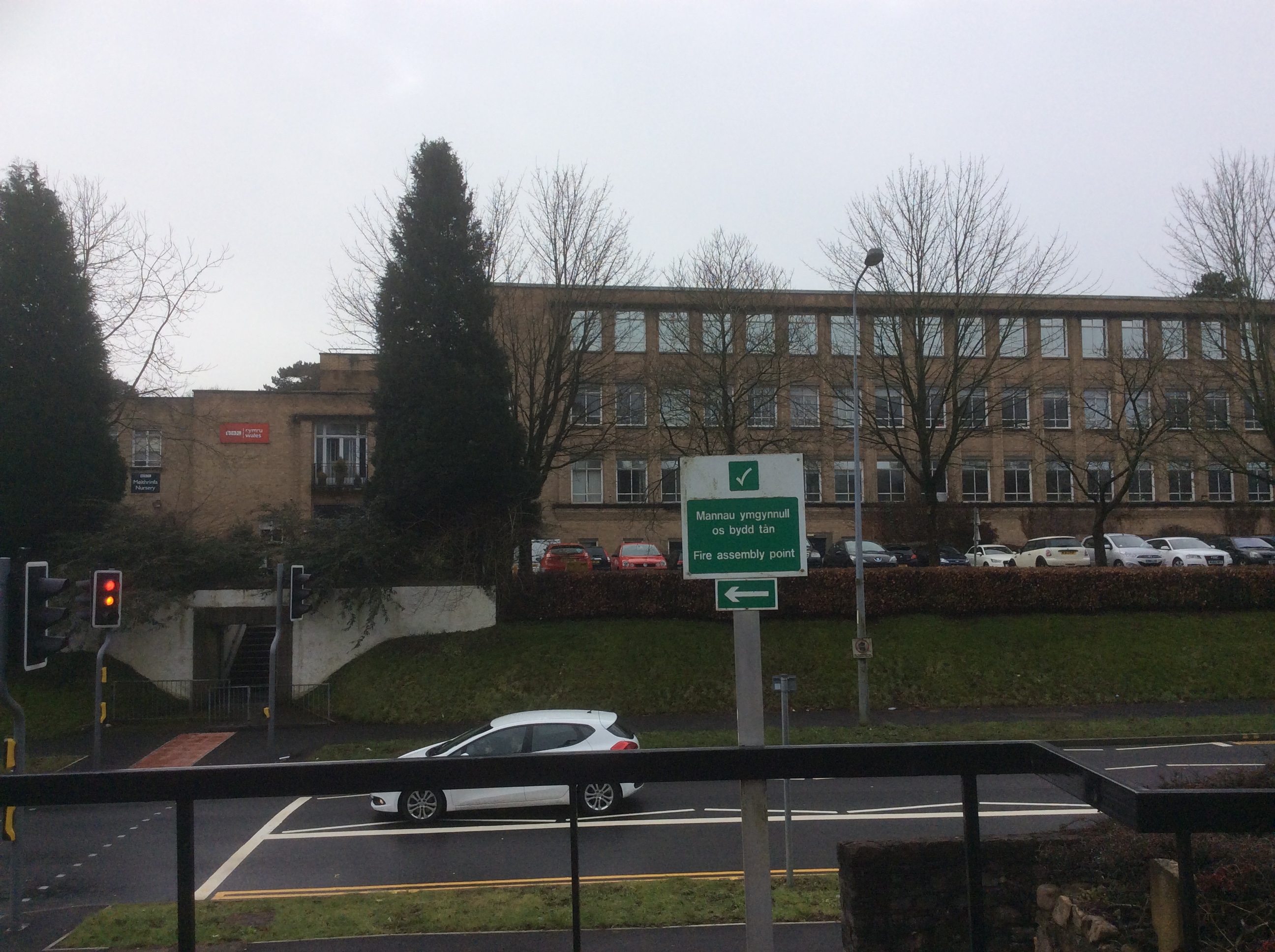
IMG_4061From the bilingual signs at the Cardiff Central train station, the visitor is welcomed into the city with a reality that although this is still part of Britain, an old empire that once ran the globe with one language (and plenty boots on the ground), one was entering into another realm where the role of English is at best complementary. And not only were the bilingual signs everywhere, the first language on each sign was always Welsh, followed by English. For a foreigner coming from a place where – even with its over 521 languages – one would be hard pressed to find a bilingual sign on the streets, it was quite easy to be shocked and disoriented. This, as the mind reminds over and over, was part of the Great Britain. Yet one is asked to contemplate bilingualism as a normal fact of life.

Not too long ago, in the eighties Nigeria when I was growing up, it was commonplace to be punished in the schools for speaking in one’s native language within the school premises – a fact I realised, to my surprise, was once the case in Wales too in the 19th and early 20th Century. Referred to as the Welsh Not, wooden signs were placed on the necks of students who used the mother tongue within the school premises. This was transferred among the erring students until the end of the day when the last student with the sign on their neck got punished. In my 80s Nigeria, ALL the students who spoke Yorùbá (in my case) were punished, and this was done with the support of most parents. I’ve mentioned in many write-ups (see Speaking the Machine in this Farafina Issue) about how my father’s dramatic intervention in my classroom one day changed my perception of this policy and set me on this current path. But not many parents pushed back. The result today is a generation of people to whom the mother tongue is at best a tolerable nuisance and at worst a hinderance to their career success.IMG_4083
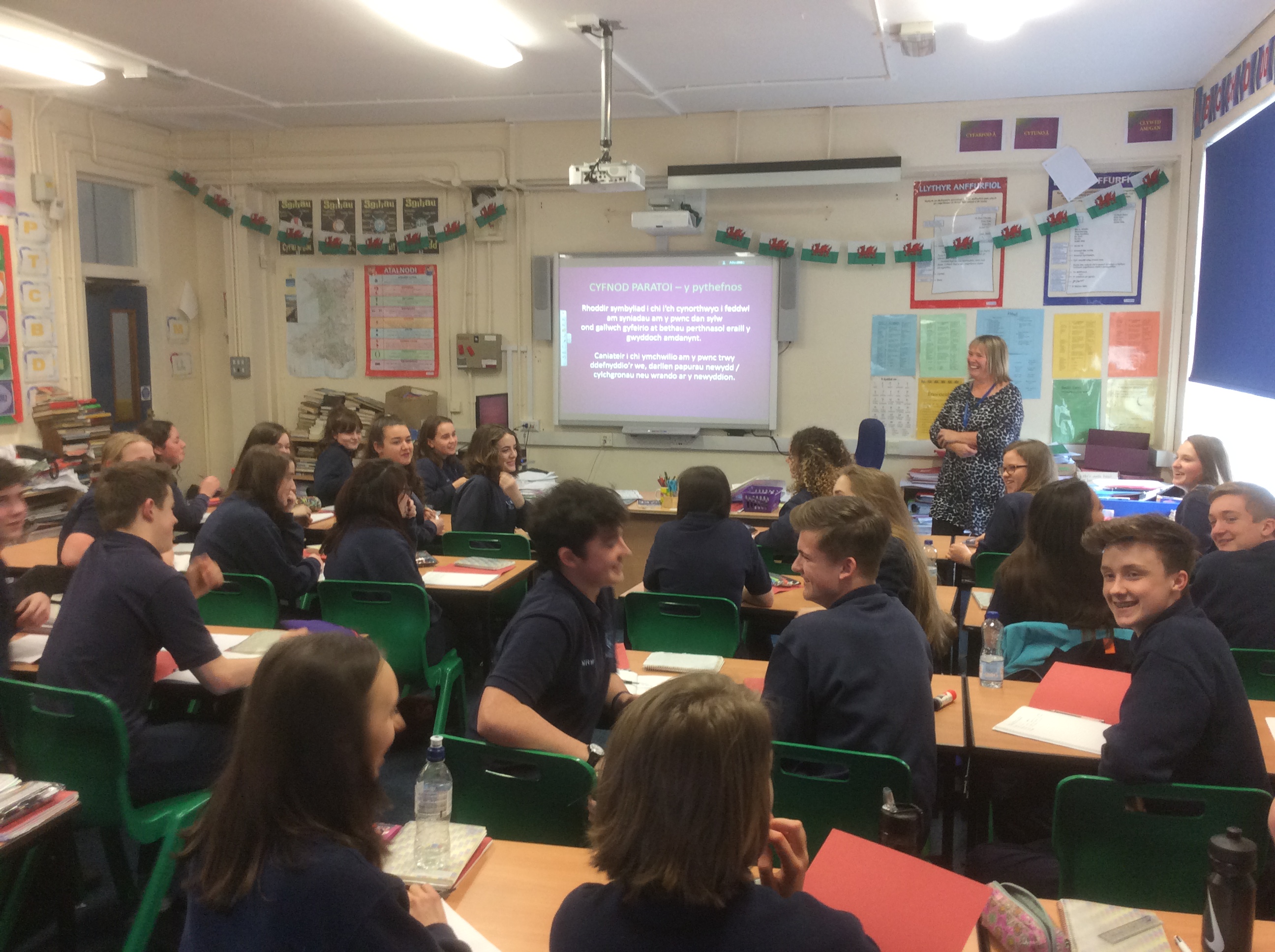
My day in Wales took me first to the Radio Cymru (and Radio Wales), which both broadcast to mostly Welsh audiences. The former does fully in Welsh, and I was able to meet a producer and some presenters, and to also listen in on a live show. The latter broadcasts in English to the same audience. I then went to a Welsh-medium high school Ysgol Gyfun Gymraeg Glantaf which is one of the largest of such schools in the country. It was a great time interacting with the students, both in classroom environments and at lunch with the principal, learning about their motivations, their experiences with the Welsh medium (especially those from English-speaking homes), and their hopes for the future. It was a wonderful and enlightening experience. In the evening, I had lunch with Jon Gower, a notable writer in the Welsh and English languages whose work and years of experience had a lot to teach me about the role of the mother tongue in asserting a cultural identity. I intend to write more about these experiences, in detail, in coming days.
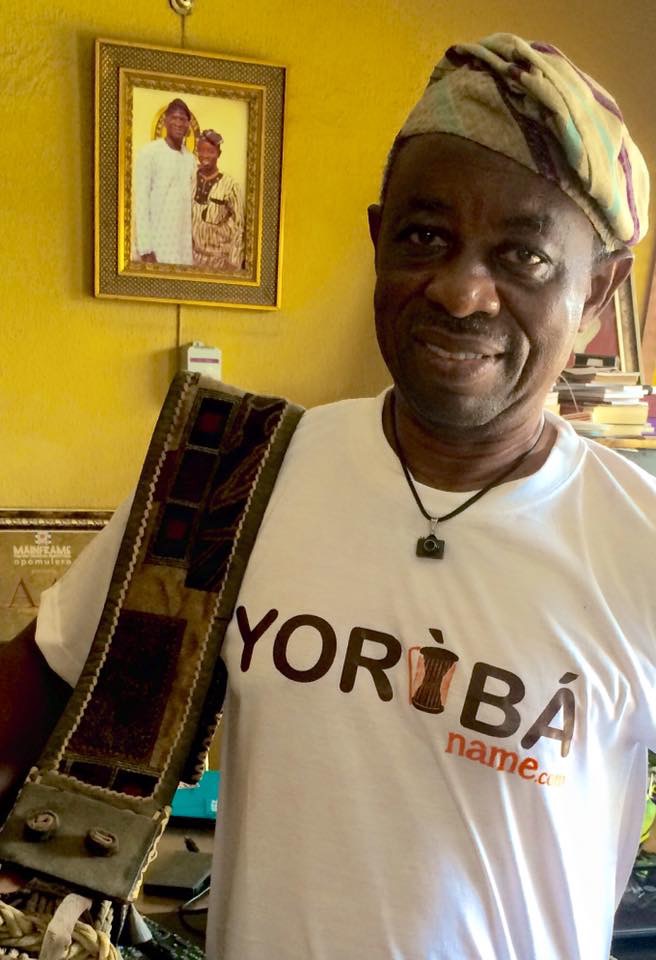
For Túndé Kèláni at 68!

IMG_1871There’s probably nothing I can say about him today that hasn’t been said better by others, or that I haven’t said before on this blog. His work over many decades represent a significant guiding light to the little work I (and many others) do in defence of African languages and culture. Through filmmaking, he has helped place African culture on the global map, but more importantly, given us an alternative and authentic portrayal of ourselves (to ourselves and to the world). He is restless, dedicated, hardworking, meticulous, thorough, and he knows what he is doing.

The journey for me with his work started with Ó Le Kú (the film portrayal of the novel by Akínwùmí Ìṣọ̀lá which renewed my interest in the University of Ìbàdàn as a place of study), then Kòṣeégbé, and then Thunderbolt/Mágùn which premiered while I was an undergraduate at UI: a beautiful film of a cultural contact, trust, and repercussions. And then there was Ṣaworoidẹ, which embodied a nation’s pain and provided needed catharsis for a turbulent political time. There have been many more, like Yellow Card, and Agogo Èèwọ̀ and Campus Queen. Through his Mainframe Òpómúléró film house, he has challenged us, and led us, and surprised us, and guided us.

In those movies and more, TK as he is fondly called continues to define and redefine what it means to be an African filmmaker. More than the quality of his cinematography, dialogue, setting, and plot is his painstaking attention to casting. Through his work, we discovered the talents of actors like Lárìndé Akinlẹ̀yẹ (of blessed memory), Kúnlé Afọláyan, Kafilat Káfidípẹ̀, Lala Akindójú, among many others, placing them in roles where their artistic talents were best utilised in the furtherance of the story. His latest movie is an adaptation of a novel by Ọláyínká Egbokhare, dealing with an issue that can’t be discussed enough: sickle cell. He has also worked in drama (Lànkẹ́ Ọ̀mu, Yèèpà, among others).

IMG_1827
He turns 68 today, Babátúndé Kèlání, a veteran movie director and producer, Ìkòyí ẹ̀ṣọ́ abì pelemọ l’ójú ogun. I wish him a happy birthday, and many more years in pursuit of African excellence in filmmaking.

A Few Nights in Jordan

Guest Post by Asha Kansal

IMG-20160122-WA0066


Every other year or so I am lucky enough to have the chance to visit family in India. Traditionally, after our big, fun visits there I extend one of my layovers back to the States in order to take advantage and explore another country. This time around I was determined to visit a friend of mine who had recently moved back home to Jordan. I’ve been to the Middle East only once before (another extended layover) and got to see about 5 hours worth of Dubai. But this visit would be different. In the end I would be there for a little over a week.

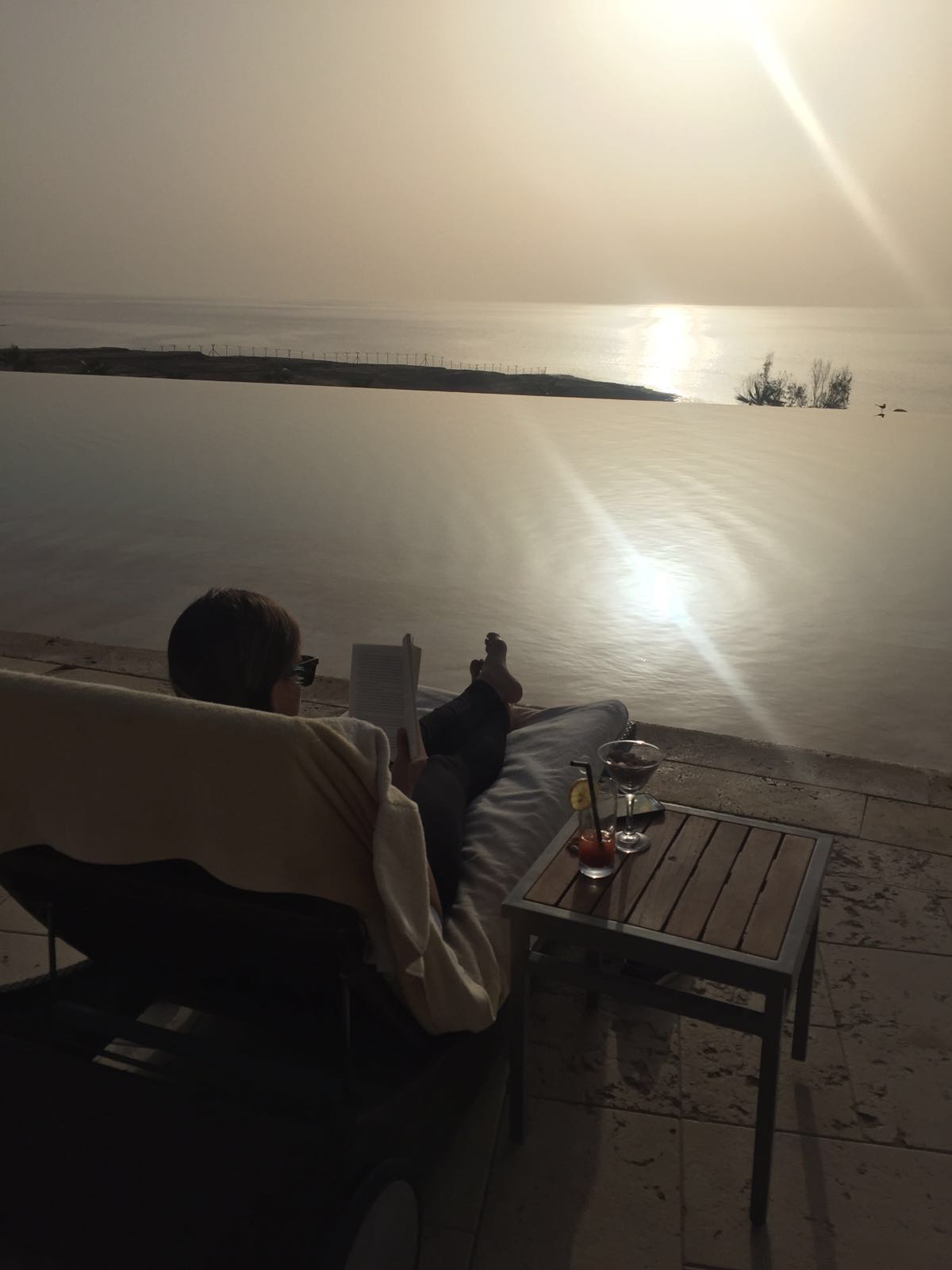
My other key motivation to visit was to see for myself what a piece of the Middle East is really like. I’m fed up being told by an ignorant and biased media what to think and believe. Even the term Middle East makes some cringe. The more I interact with Arabic people in the U.S. the more I realize what a diverse, intellectual, and fascinating part of the world they come from! It is becoming increasingly worrisome that the atmosphere in too much of the U.S. is becoming conducive towards hate and racism against a culture that some are too lazy to even try to understand and respect. So I wanted to see for myself what Jordan has to offer, despite a slew of dear friends and family telling me to reconsider because “it’s too risky.”20160121_164706

Before going I had no idea what to expect. I’m an American girl in my late 20s, and I was just thankful that I have this ambiguous brown skin and dark hair which would help me blend in. The first few times that people asked me where I’m from, when they realized I wouldn’t respond back to their Arabic questions, I hesitated to say “America” out of fear that they would have some negative feelings towards our country for some reason I don’t even know. But 100% of the time, Jordanians, young, old, fluent or not in English, taxi driver or acquaintance, would say “welcome” with a smile that was genuine and respectful. Some days I would just meander through the streets alone, taking in the sights, getting lost occasionally, and making small talk with street vendors. Every single interaction with someone there was positive. They see no reason to discriminate!20160120_142813

On nights that we went out, bars would sometimes be swanky enough that I felt underdressed in my expensive jackets and red lipstick. Even their martinis are better than ours.

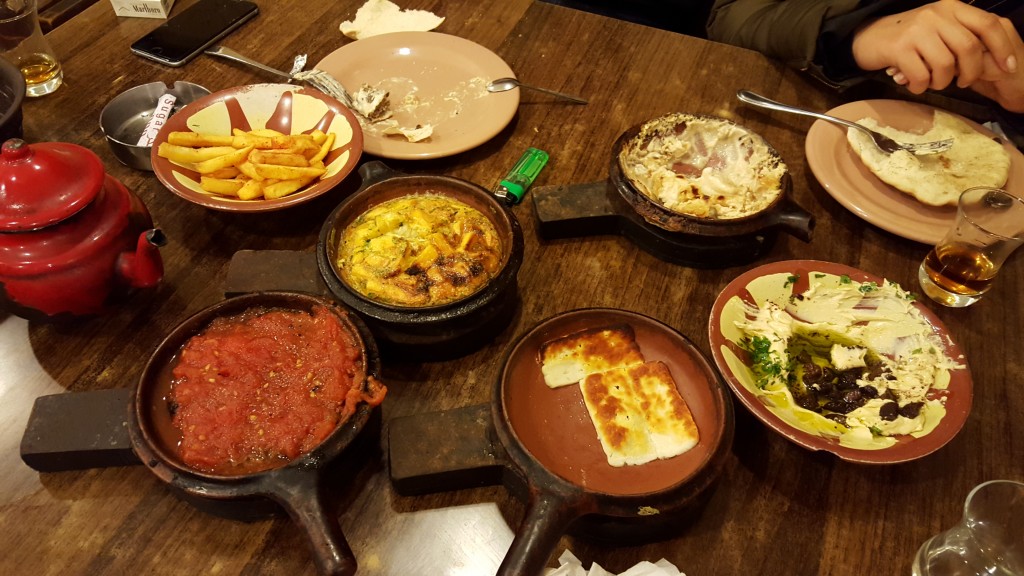
Cafes on all nights are packed with a mix of people smoking hookah and drinking the biggest variety of delicious non-alcoholic drinks you could imagine. Women in hijabs, women without, friends mingling, old and young, Christians, non-Christians…it was an eclectic mix wherever I went.

20160123_210037

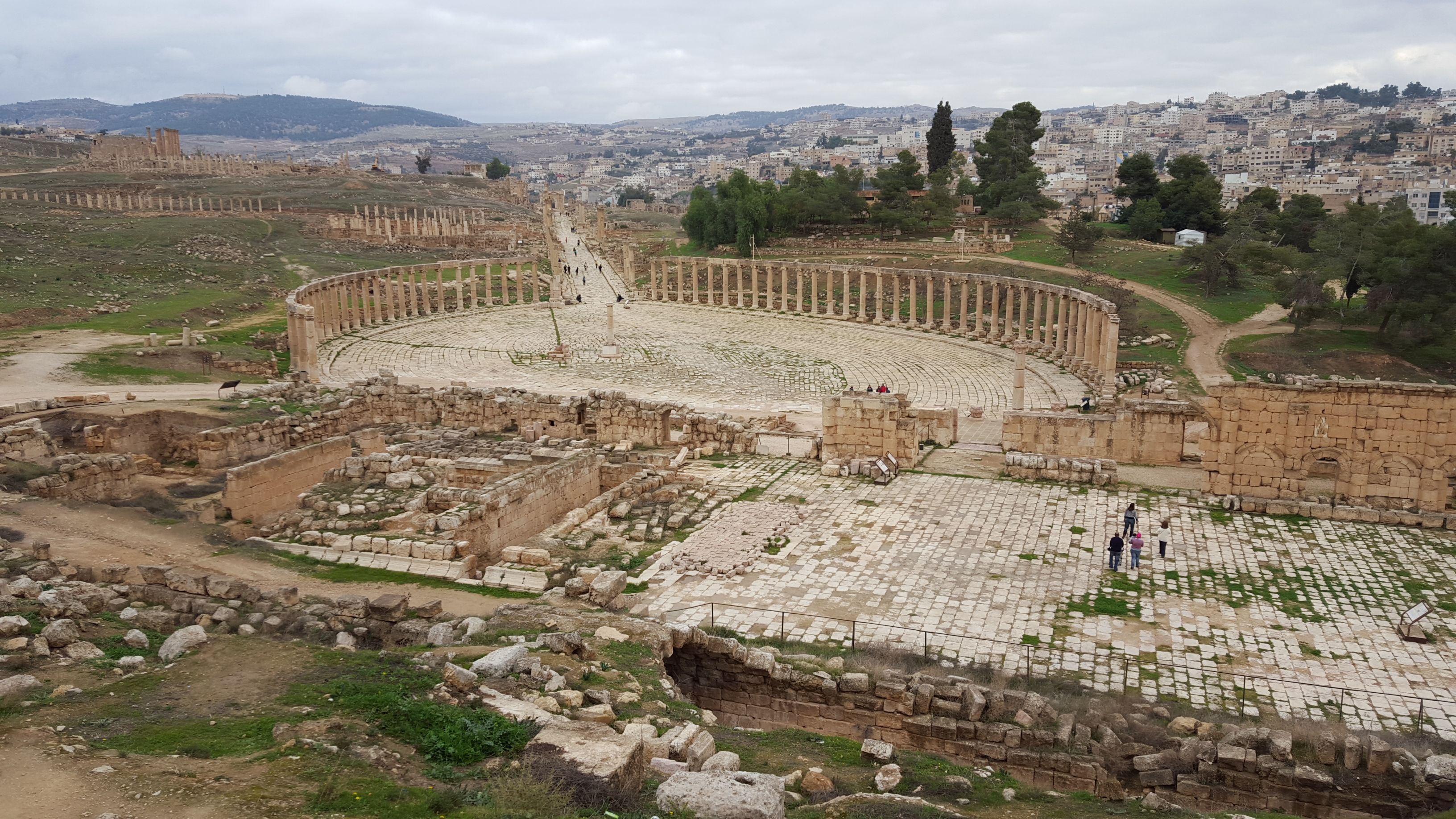
I traveled to Jarash and hiked around the ancient Roman ruins that lie 50 kilometers from Syria. I was so grateful to have such a beautiful experience there. In such a magnificent and breathtaking place, it was completely empty of tourists, due to the unfounded fear that the city is too risky to visit now, due to ISIS’ presence in 2 different countries outside of Jordan.

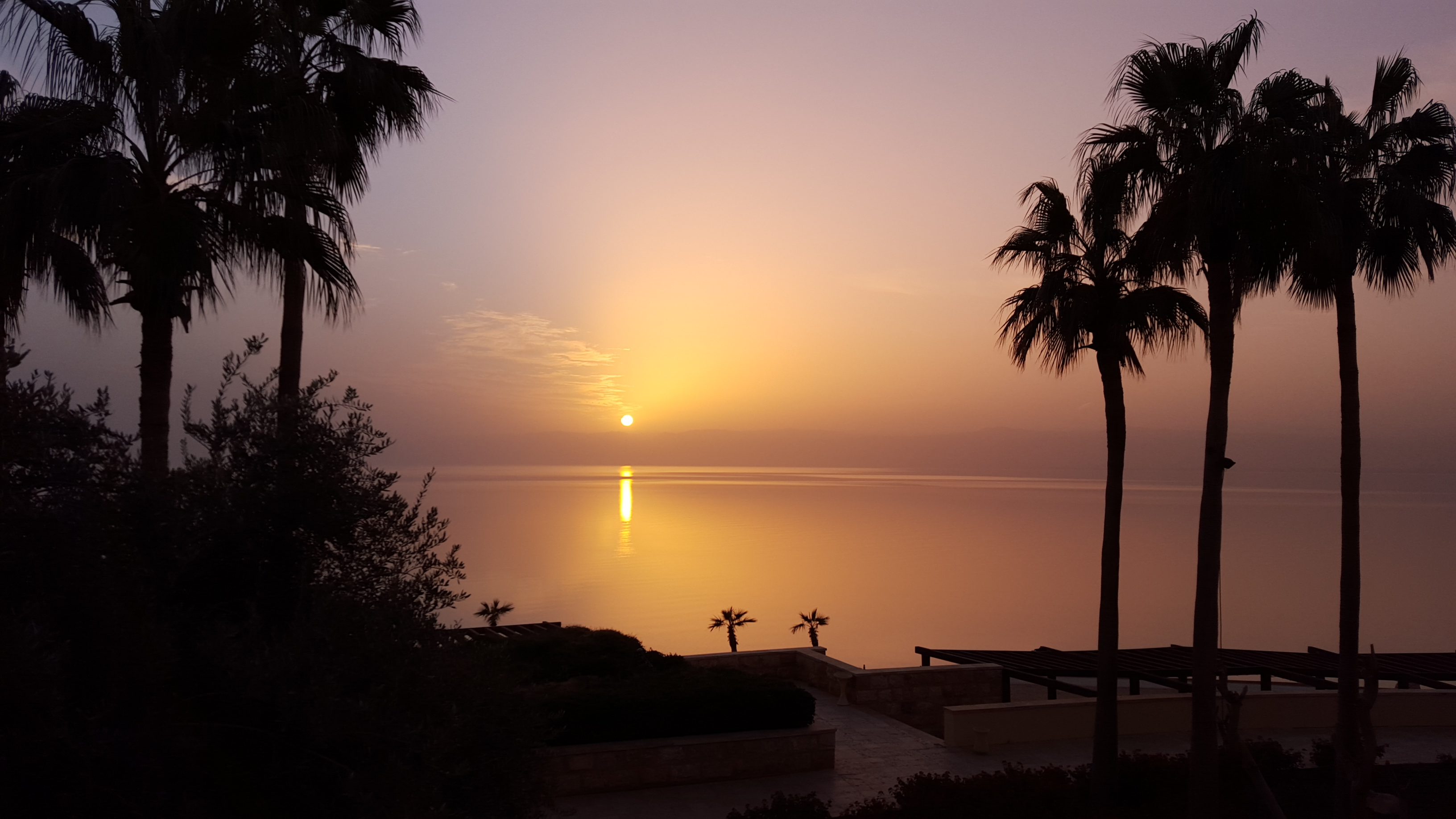
The Dead Sea was an extraordinary experience. With the high salinity of the water, all you can do is float and bob around in the water; even swimming to the deepest parts is safe as it’s impossible to drown! It’s tradition to get a full-body mud pack from the black, gooey mud straight from the bottom of the sea. It’s chalk full of nutrients for the skin. You can get a lovely and eerily close look at Palestine from the coast as well.20160119_160226

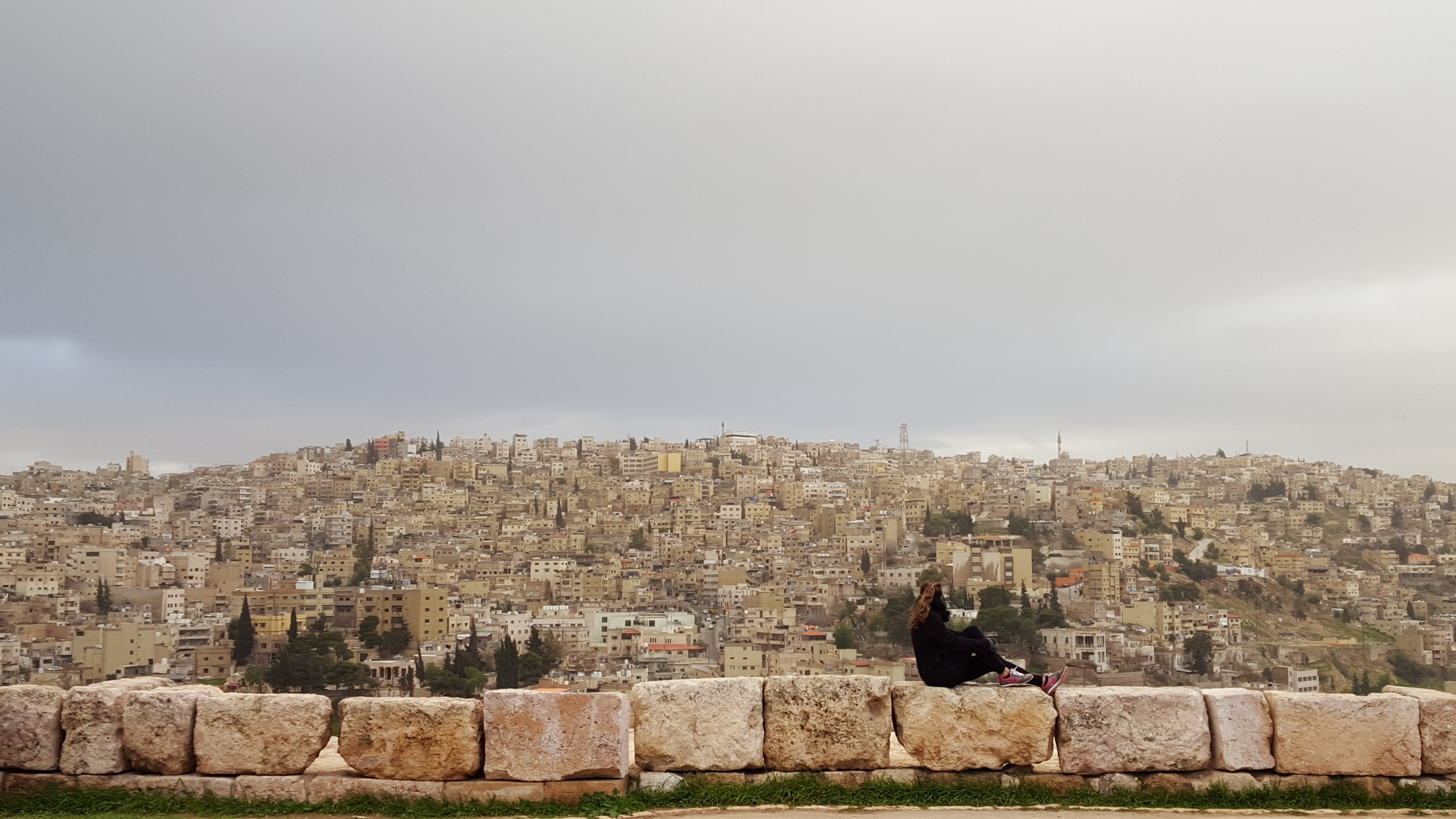
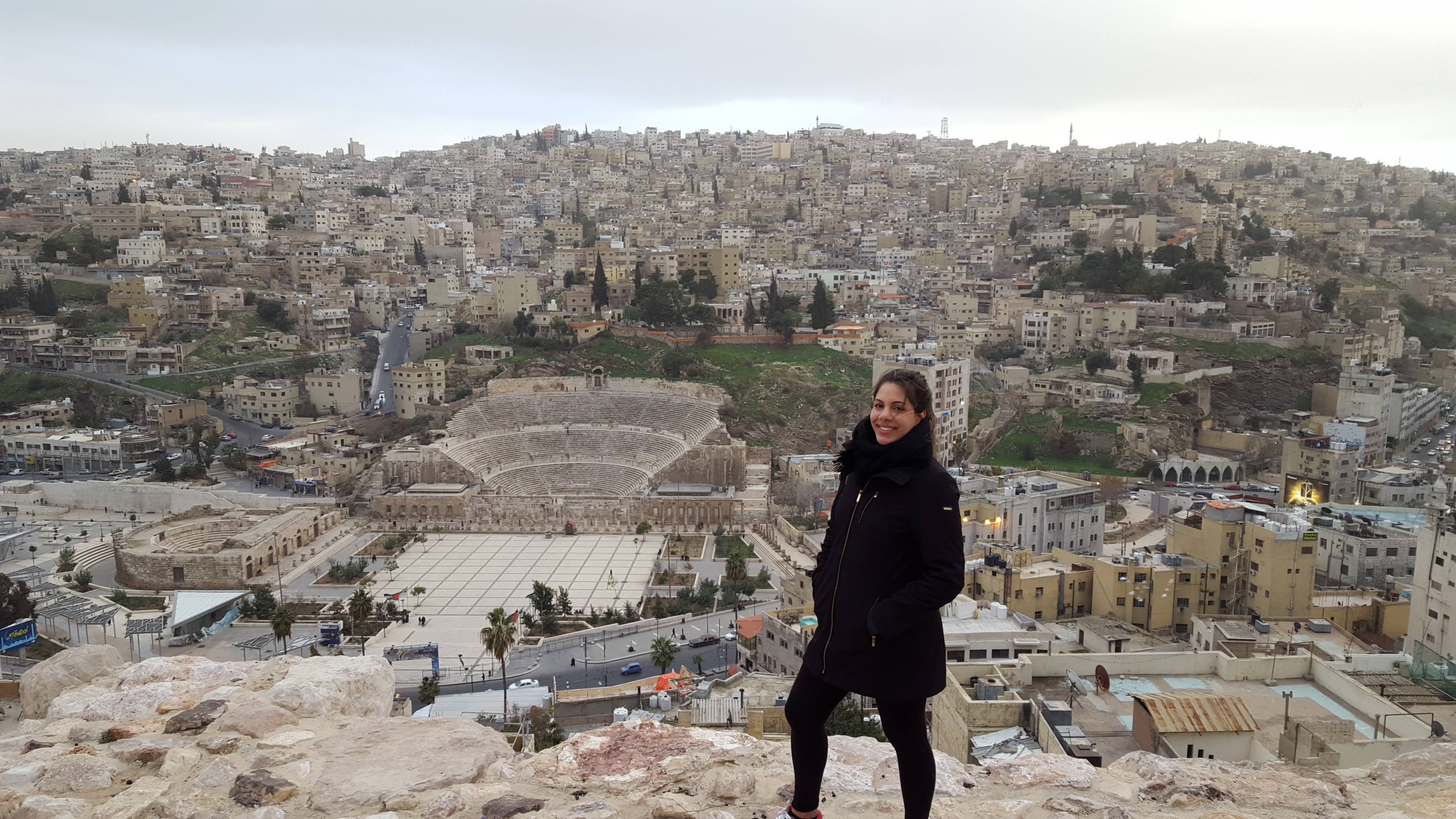
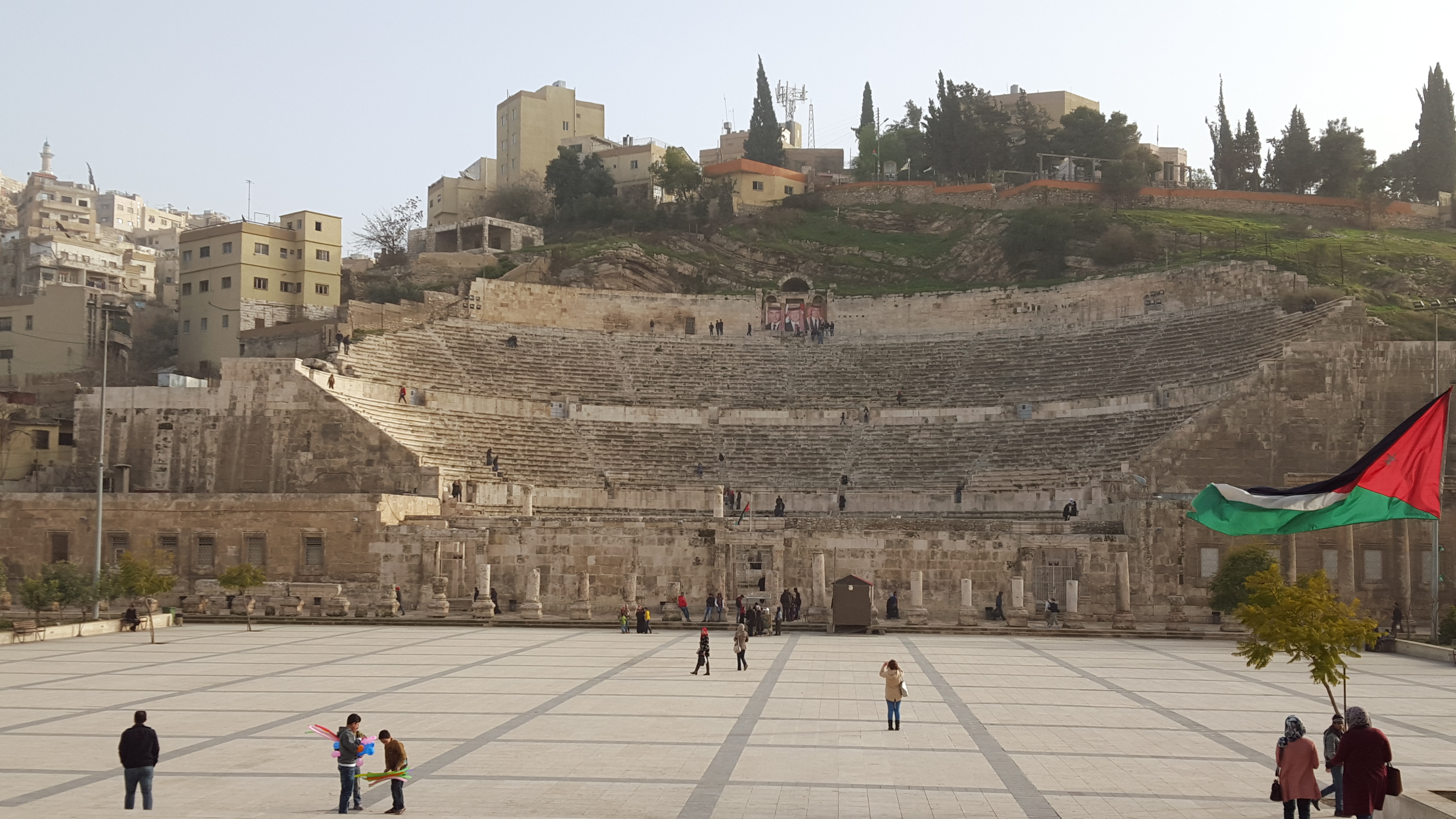
Amman itself offers such a cool mix of things to do. Their shopping malls are like the U.S, except you can sit down and have some hookah in the middle of the mall if you want a break! There are plenty of neat cafes, restaurants, and bars to hang out at, with a surprisingly big number of Westerners enjoying life there. Amman has its own special Roman ruins and amphitheater, part of which impressively sit on top of a hill near the center of the city. Visiting a Hammam and getting the biggest full-body exfoliation and bath of your life by experienced women is another amazing experience! It’s a fascinating city to be in and the people in it make it that much more fun and interesting – good conversation is never hard to find.20160119_161838

I want to share my experience so that people get used to hearing the term “Middle East” and not immediately associate it with “war,” “ISIS,” and “terrorism.” The world is made up of so many different cultures that all we can do is respect one another and even learn a little from each other. There’s no reason to hate. It just doesn’t do any good. And as stupid and common sense as that sounds to me, there are millions of people who do just that towards Arabs.20160118_151130

What an eye-opening experience that I hope to continue to expand upon! Not everything is how we think we understand; we can truly understand that which we actually experience.

———-

Asha Kansal is a graduate of Linguistics/TESL at Southern Illinois University Edwardsville, currently working as a full time ESL instructor. She’s an aspiring travel and food blogger.

Timeline: Circle Mall, Jákàndè

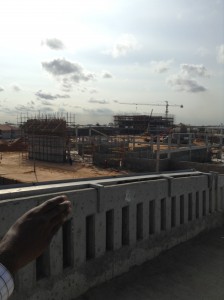
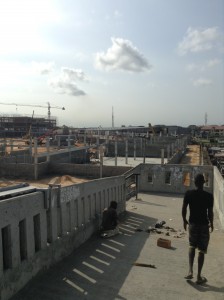
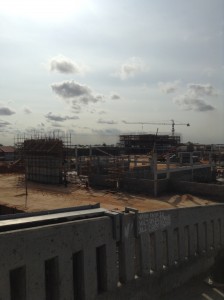
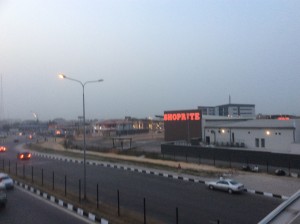
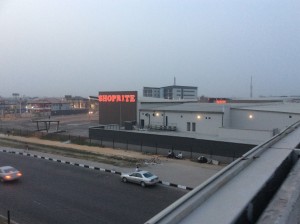
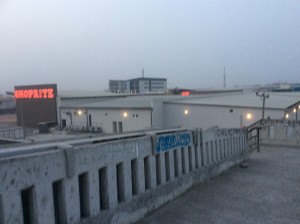
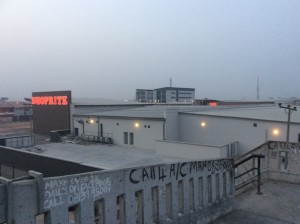
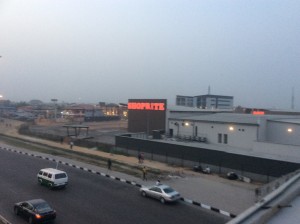
Photos taken during and after the construction of the new Circle Mall at Lekki-Jakande Roundabout. May, 2015 and January 2016.


IMG_1912 IMG_1913 IMG_1914 IMG_1915 IMG_3139 IMG_3143 IMG_1911

IMG_3150 IMG_3152 IMG_3154 IMG_3155

MultiChoice Dinner and the Sub-Desk

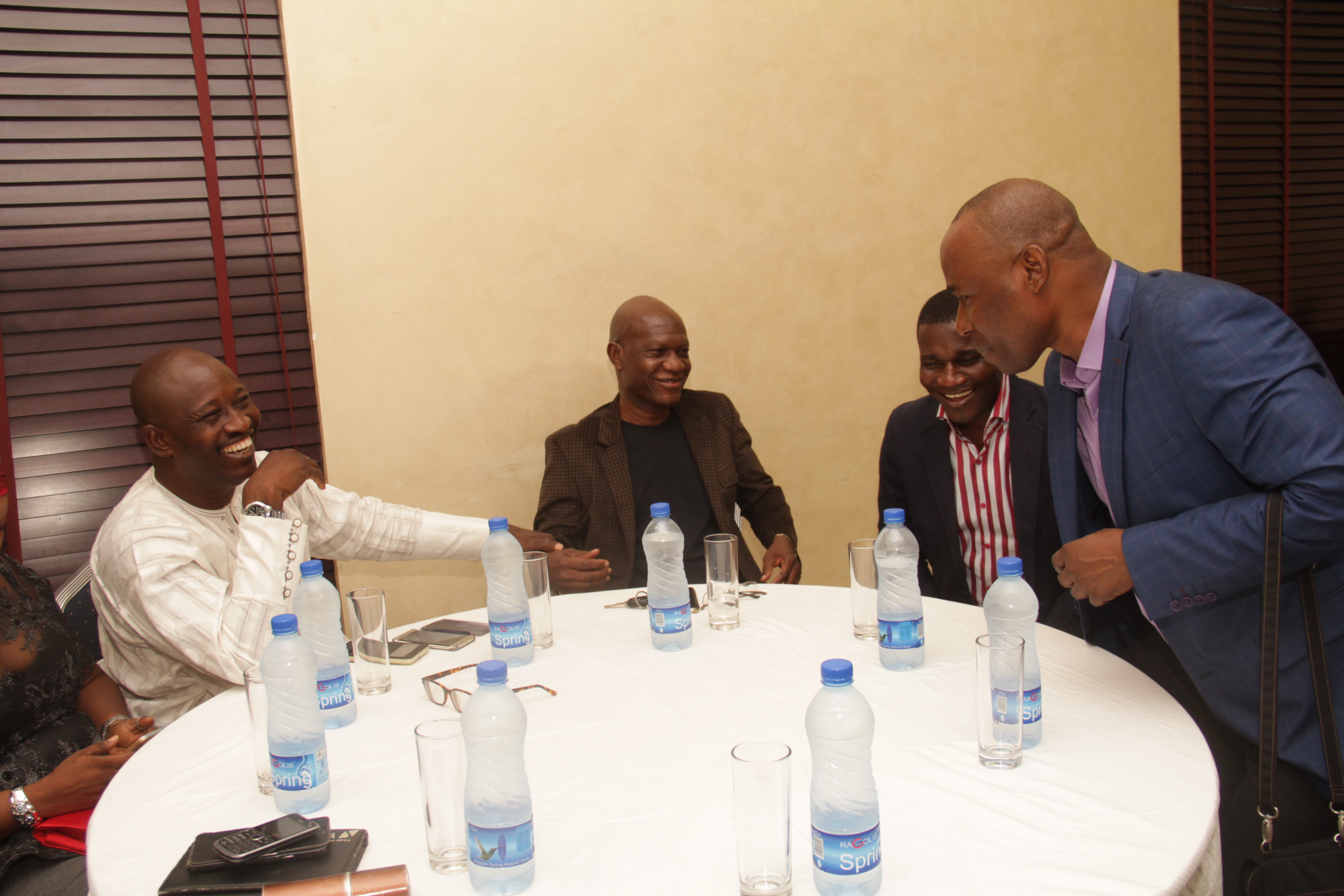
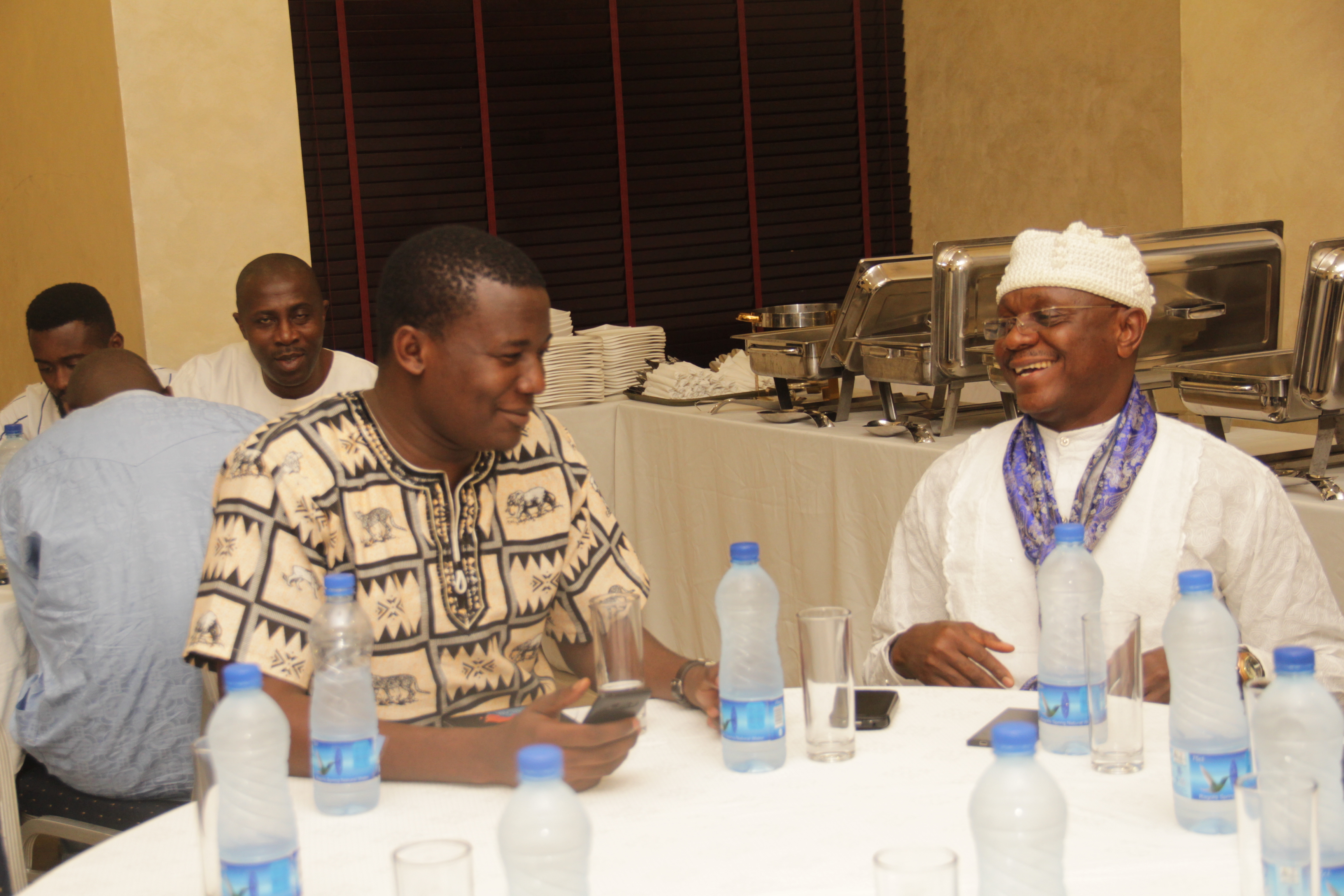
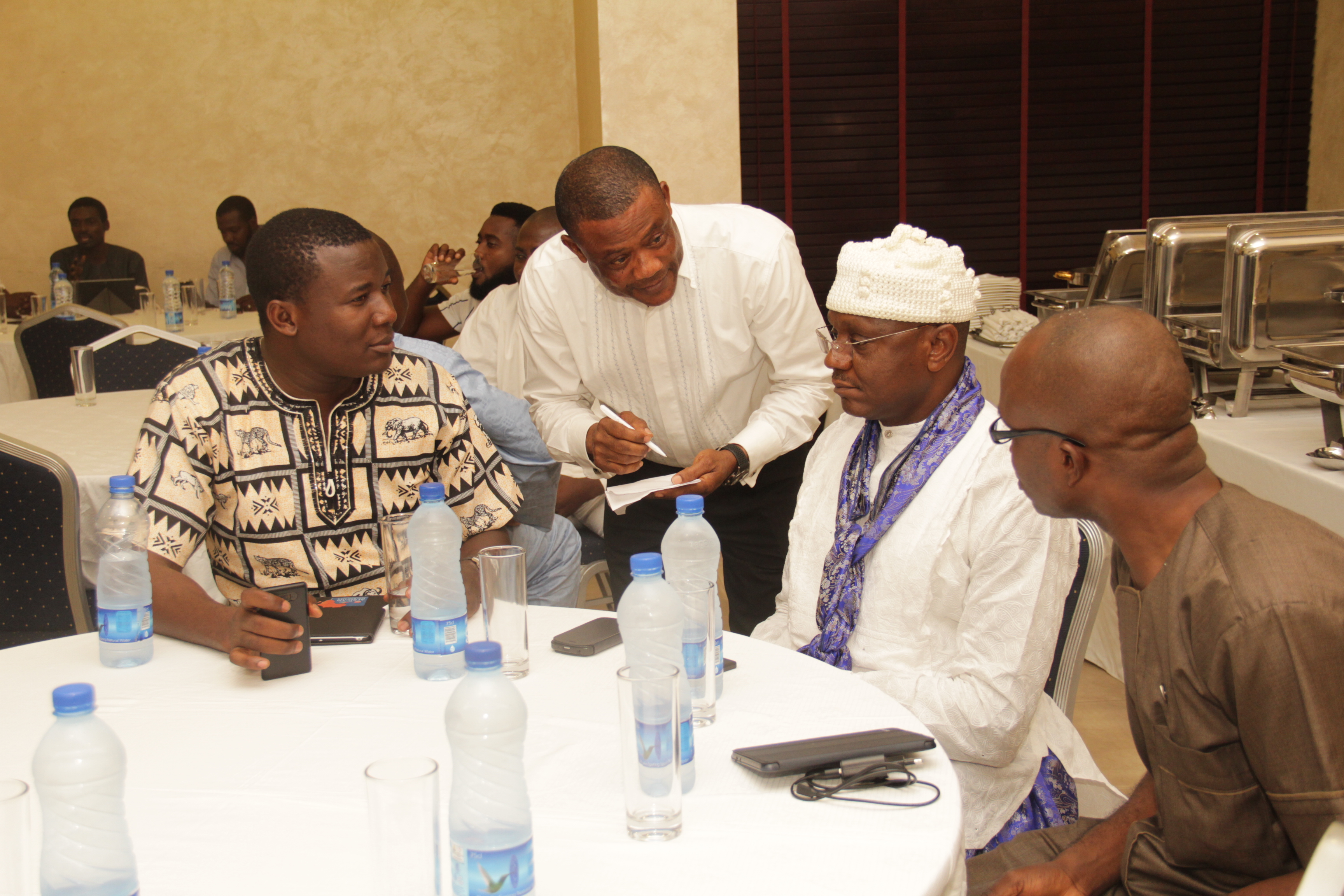
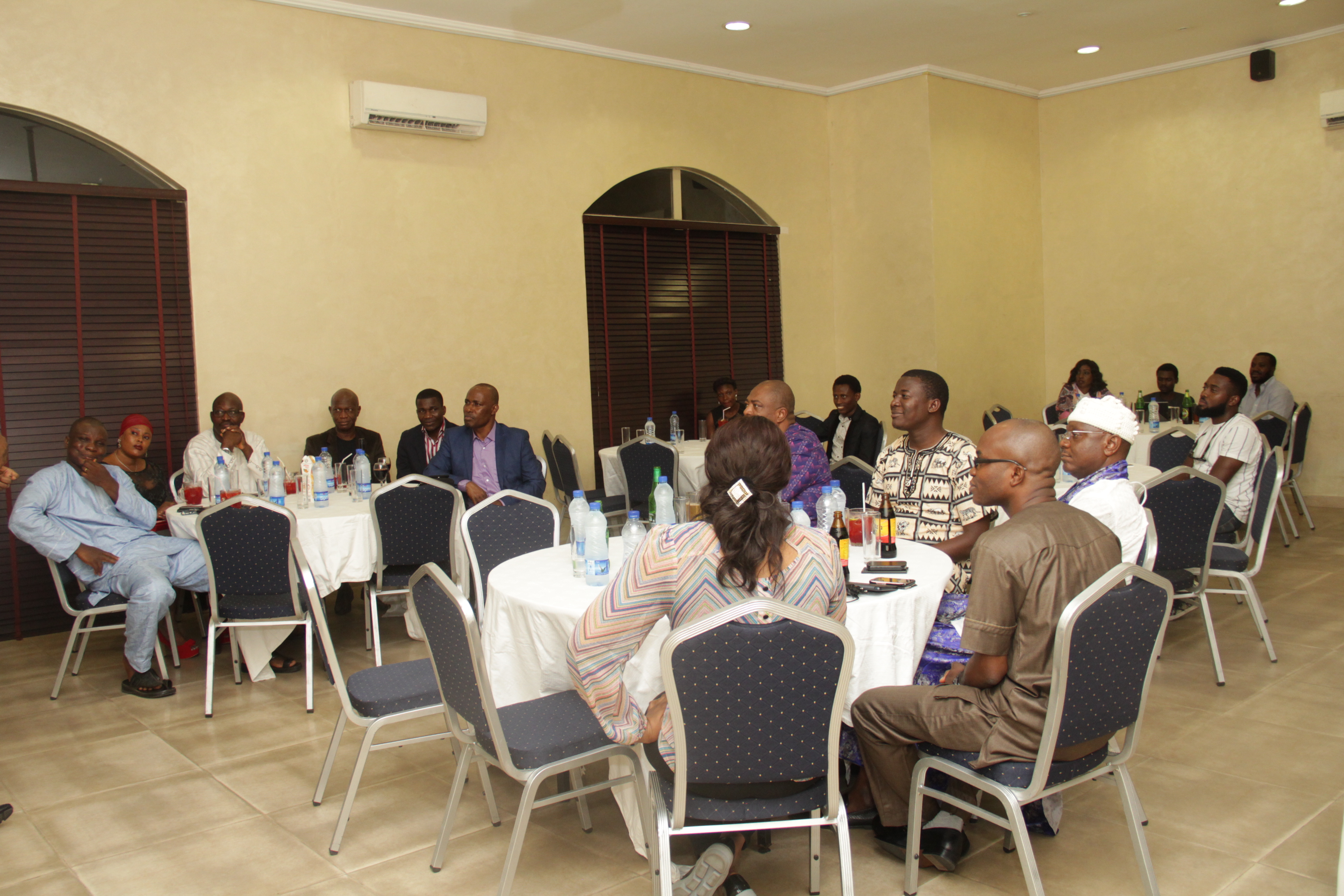
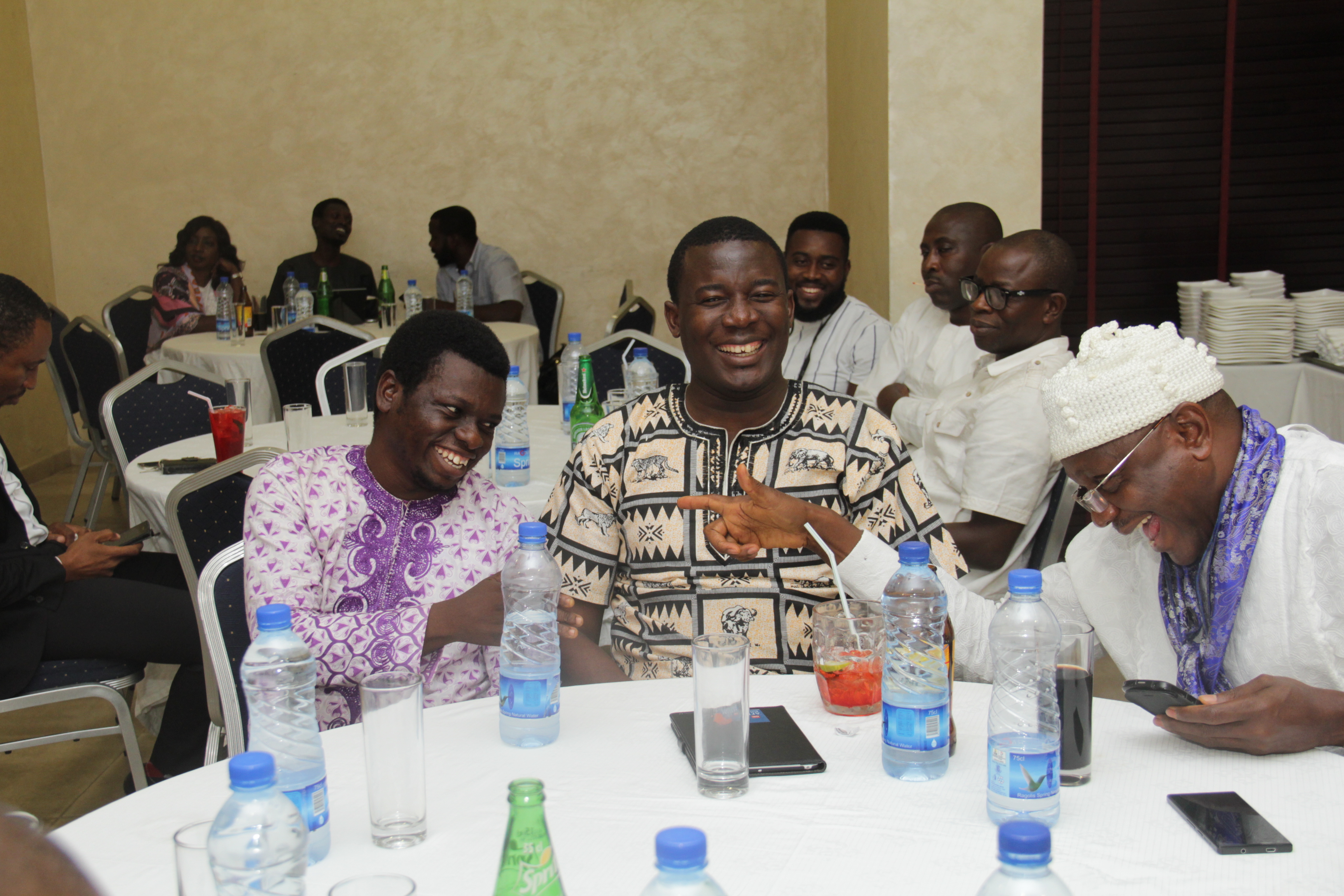
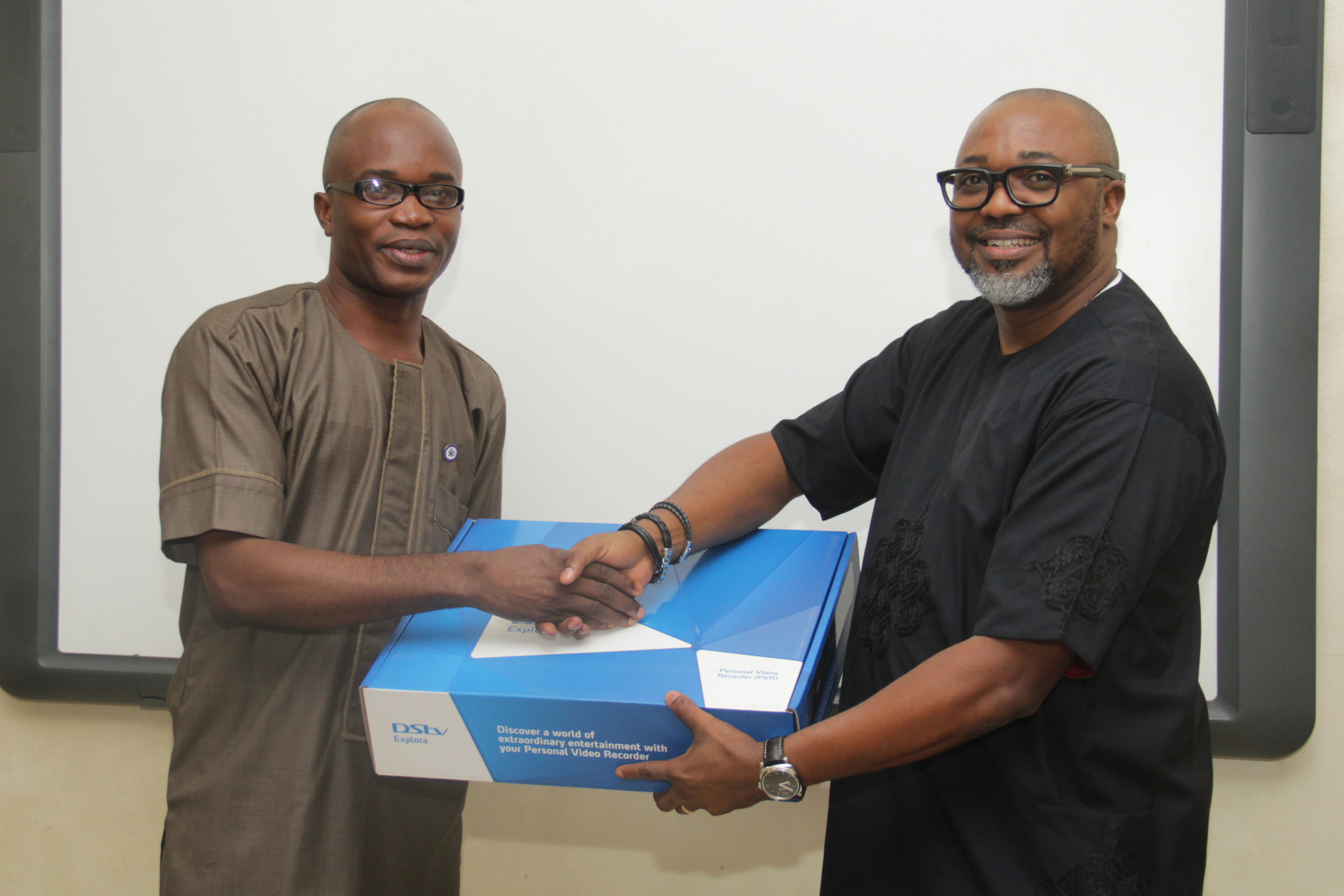
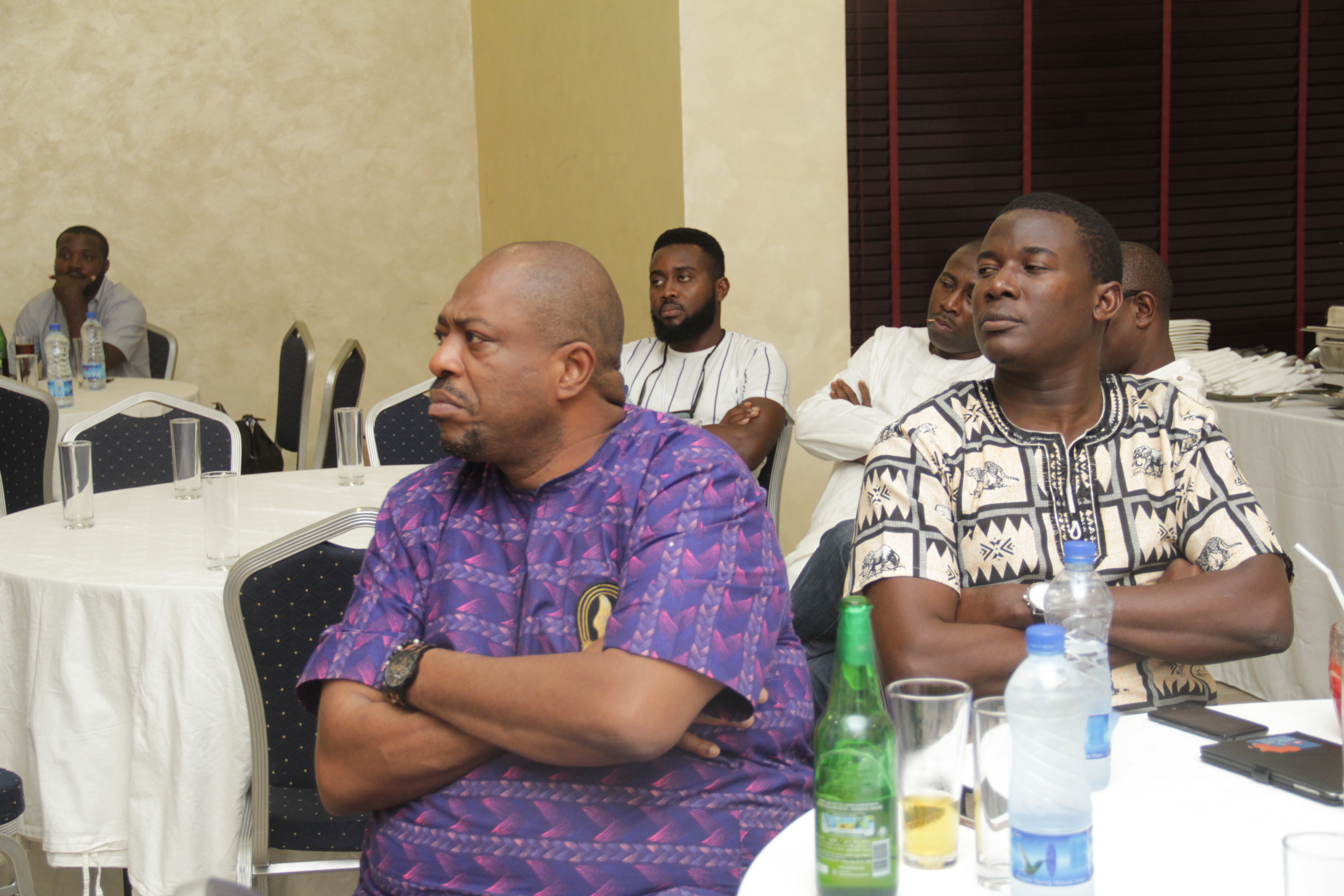
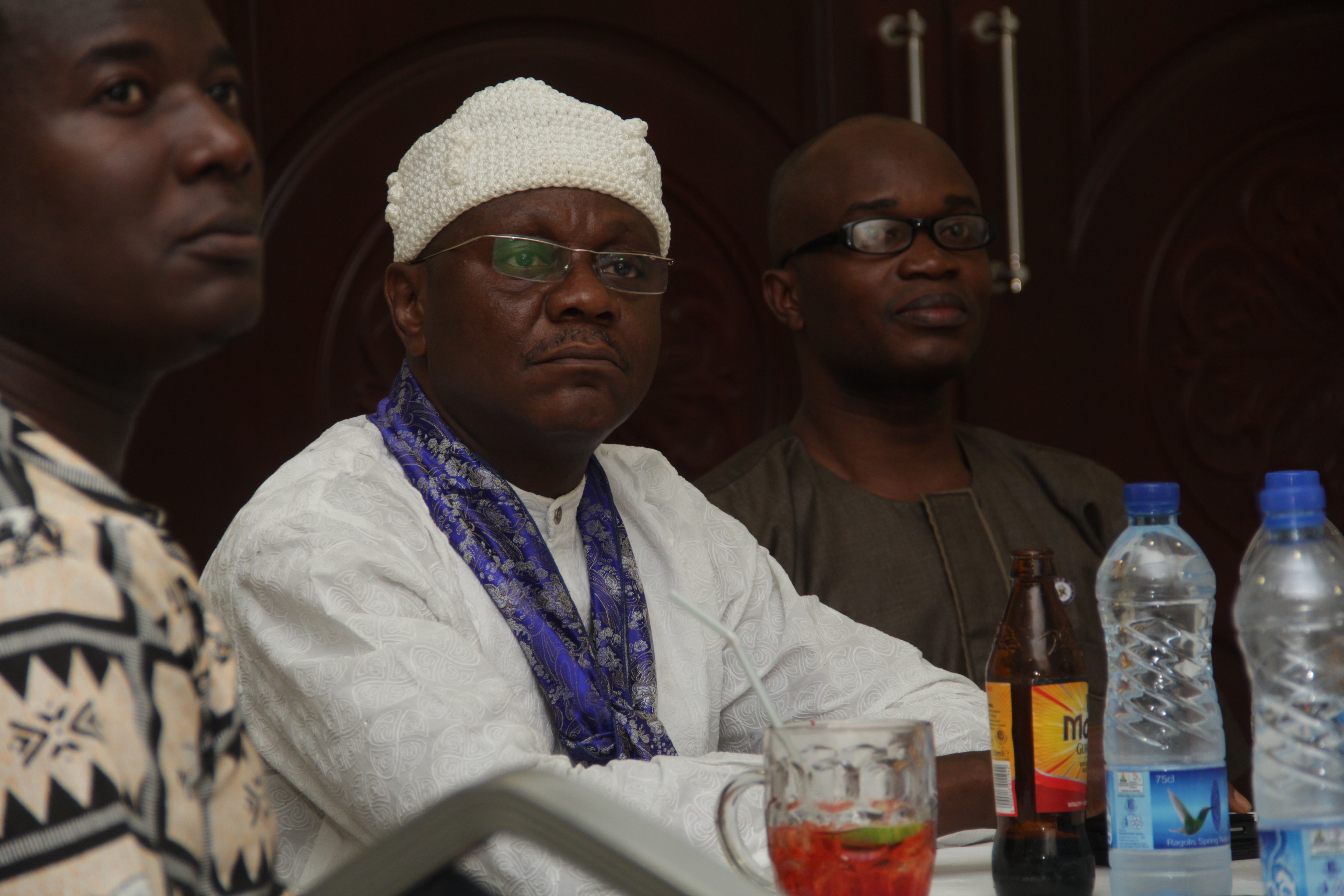
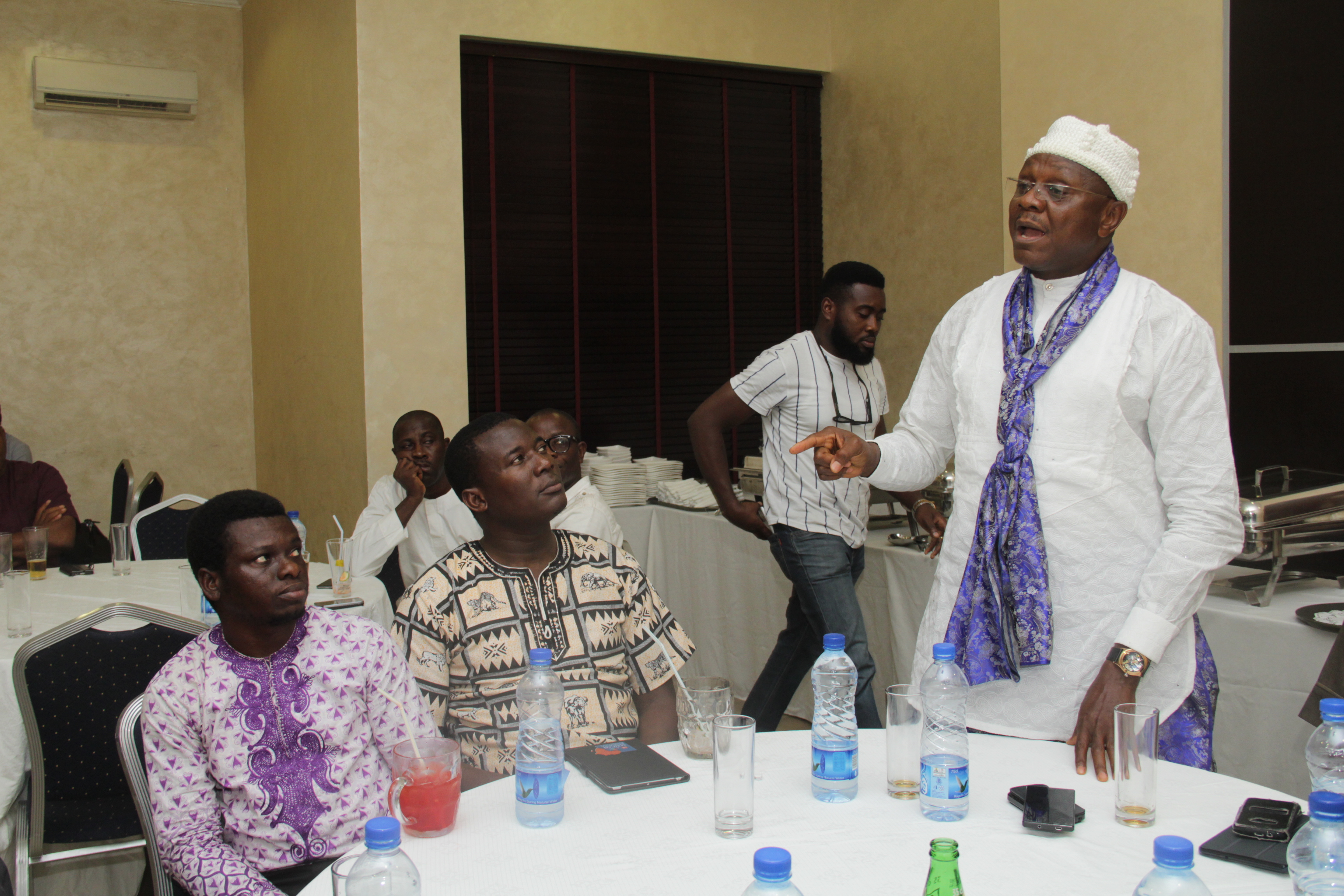
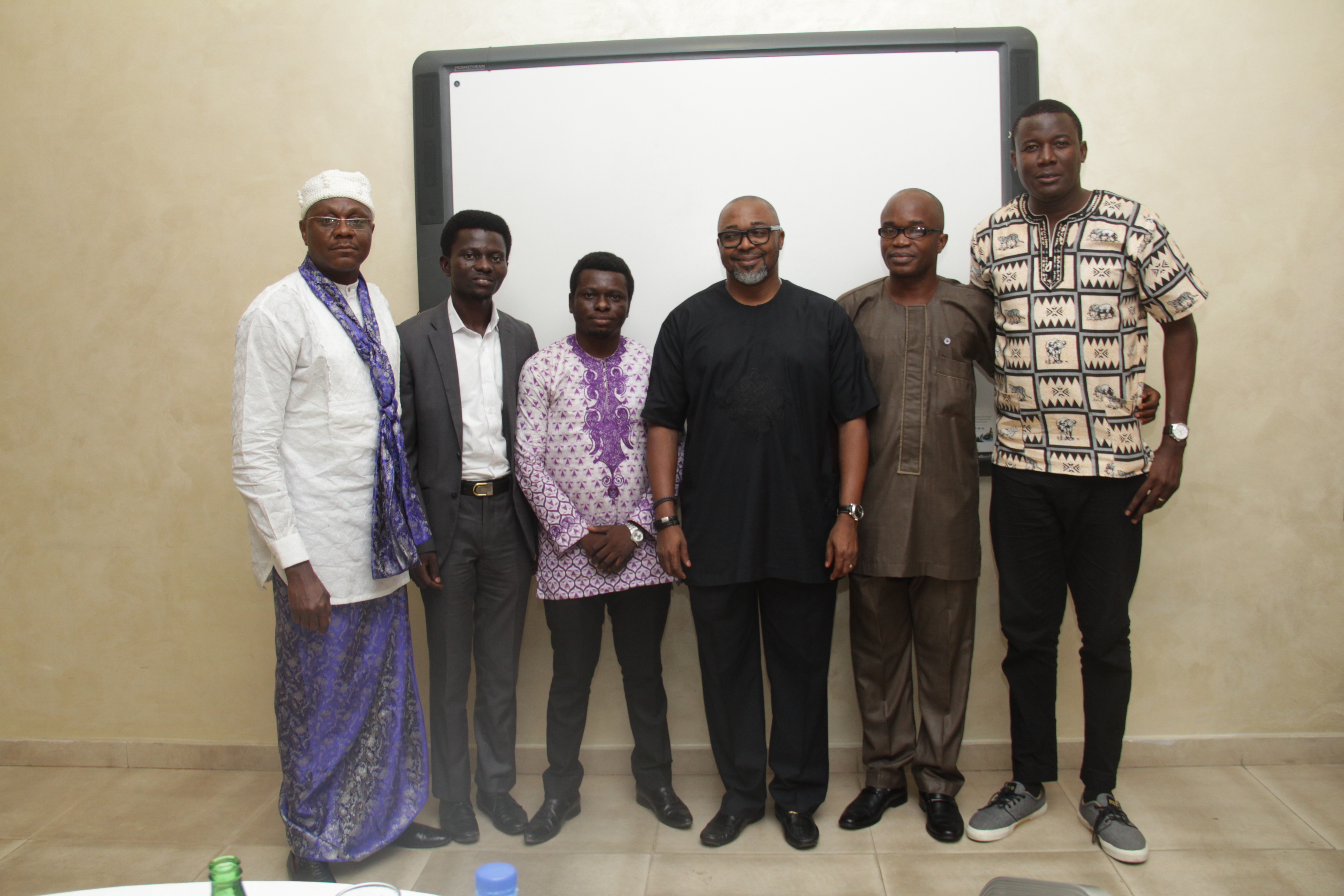
IMG_8224 IMG_8234 IMG_8236 IMG_8353 IMG_8355 IMG_8364 IMG_8432 IMG_8511 IMG_8598IMG_8398 IMG_8426 IMG_8478 IMG_8646IMG_8651 IMG_8593 IMG_8602 IMG_8609Last week Friday, I was at the home-welcoming party organised by MultiChoice Nigeria for the five Nigerian contingents/nominees at the 2015 African Journalist Awards in Nairobi, Kenya. It was a get-together dinner with veteran journalists in the country and a chance to review the state of journalism in Nigeria, discuss the problems that need solving, and appreciate us, the contingents, for “making the country proud.”  The event held at The Regent hotel in Ikeja and had in attendance all the five Nigerian nominees (out of which four won in their categories) Wálé Ẹmósù (Tribune), Ibanga Isine (Premium Times), Fẹ́mi Asu (Punch), Arukaino Umokoro (Punch) and yours truly. Also present were editors of The New Telegraph (Yẹmí Àjàyí), The Nation (Festus Eriye), Business Day (Philip Isakpa), The Guardian (Martins Ọlọ́jà), The Punch (Martin Ayankọ́lá), and other journalists and friends.

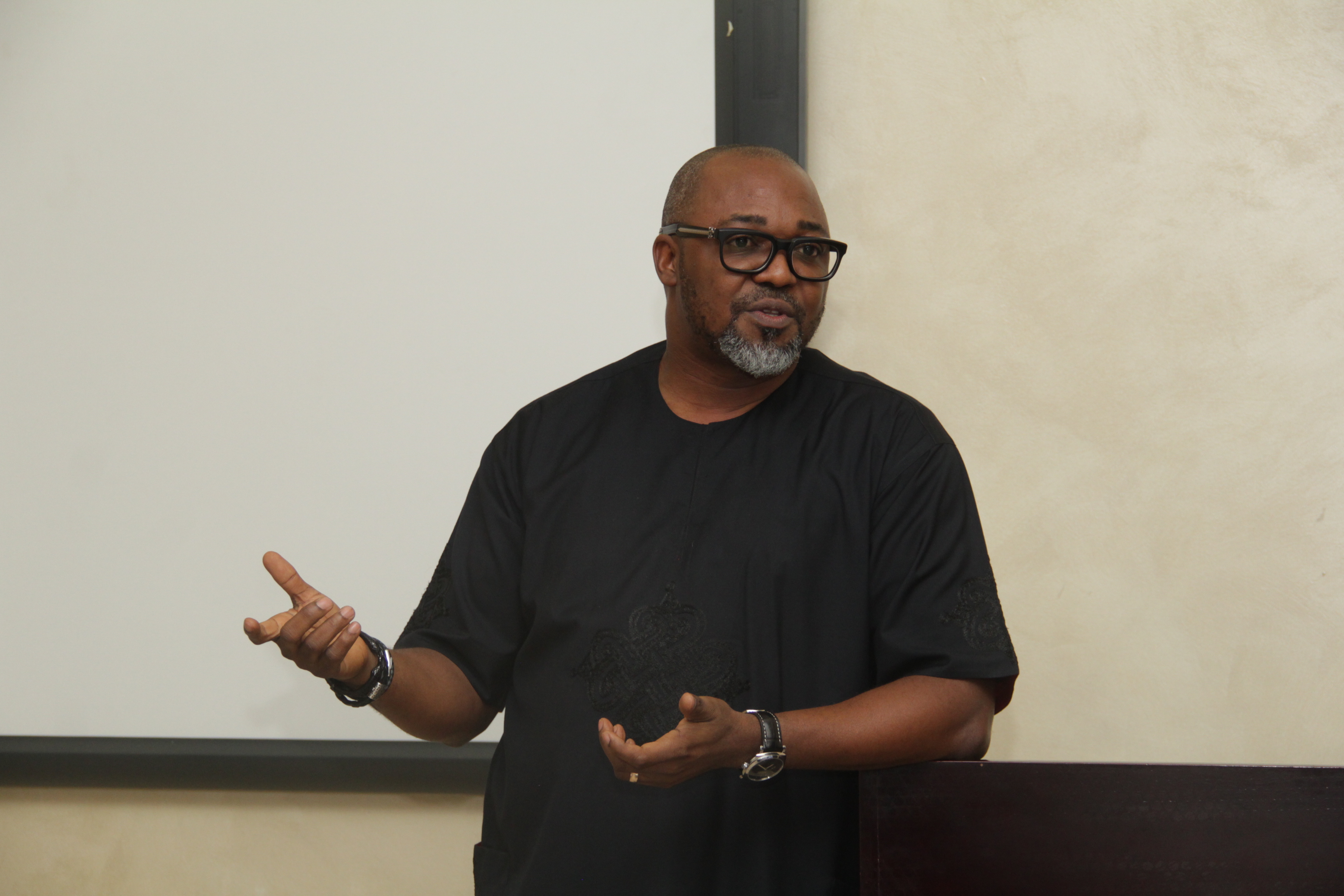
Speaking first after necessary introductions by the MC, Mr. Jenkins Alumona, the MD of MultiChoice Mr. John Ugbe spoke of the dedication of his company to the sustenance of good journalistic practice in Nigeria. He spoke particularly of his new-found fascination with what is called the sub-desk in media houses where news stories are doubly and triply vetted by dedicated editors before publication, as a way of ensuring quality of the feature in terms of grammar and facts. Responding to the charge, each of the editors present spoke to their experience with the sub-desk and how important it was in making them into the kind of writers they became. They also spoke of the unfortunate disappearance of the desk in today’s media houses because editors no longer want to spend money to maintain it or because journalists don’t find the work done there as “juicy” or exciting. The consensus, however, seemed to be that something drastic needs to be done to get the quality of writing in Nigerian newspaper up to global standard.

As a blogger with no allegiance to any particular editor-in-chief but myself and self-selected critical (but competent) friends, the discussion intrigued me and I said so. The idea, thrown up by the Multichoice MD, of organising an annual workshop for all nominees for the CNN/Multichoice Awards, before the awards, as a way of contributing to the development of the journalistic practice in the country is a good one and should be applauded. I agree that it will lead to increased competence by all concerned. It will also add a bigger purpose to the annual event that is mostly celebratory. Something else that will greatly help – which I should probably have brought up when I had the chance on Friday – is an annual training of Nigerian journalists on plagiarism, how to avoid it and how to operate by global best practices regarding fair use of other people’s intellectual materials. I’ve been a victim of plagiarism by print media organisations a few times, as have many of my friends. It’s not something that should continue.

When responses were allowed, one of us, Ibanga Isine, challenged the editors present to also get off their butts. Rather than point fingers at what’s going wrong in the practice, they should also get out into the field and file reports like everyone else like they used to before they became content as title holders of “editor” positions. It is a sentiment I wholeheartedly support. The benefit I have, as a blogger, is the opportunity to be a reporter and an editor at the same time. Most media houses today have editors who do neither editing nor reporting, but merely sit down and earn heavy pay and a title that opens doors for them with no added benefit for the newspaper or the profession. In all, it was a warm and stimulating evening sharing ideas and listening to the veterans of the profession interact at close quarters.

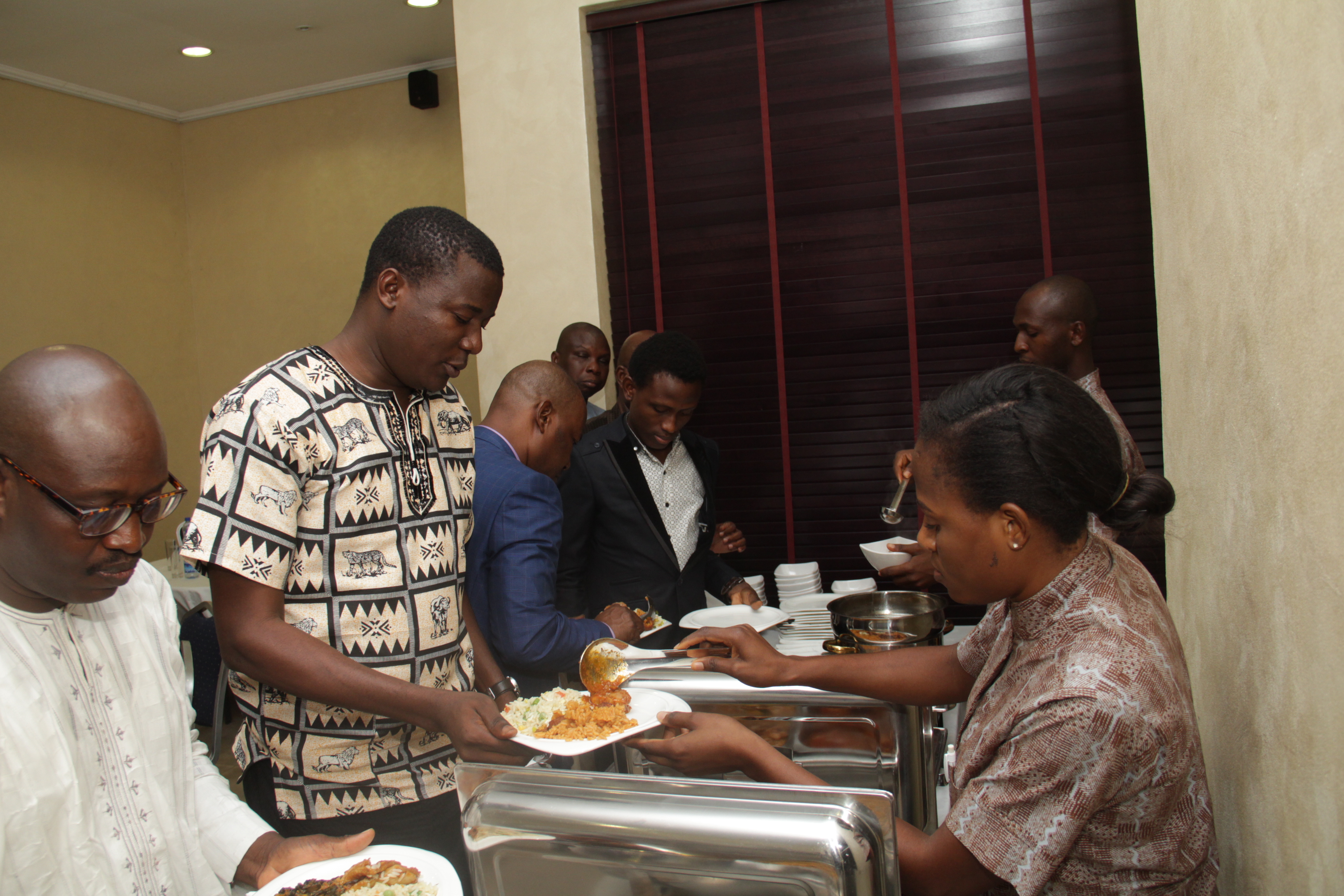
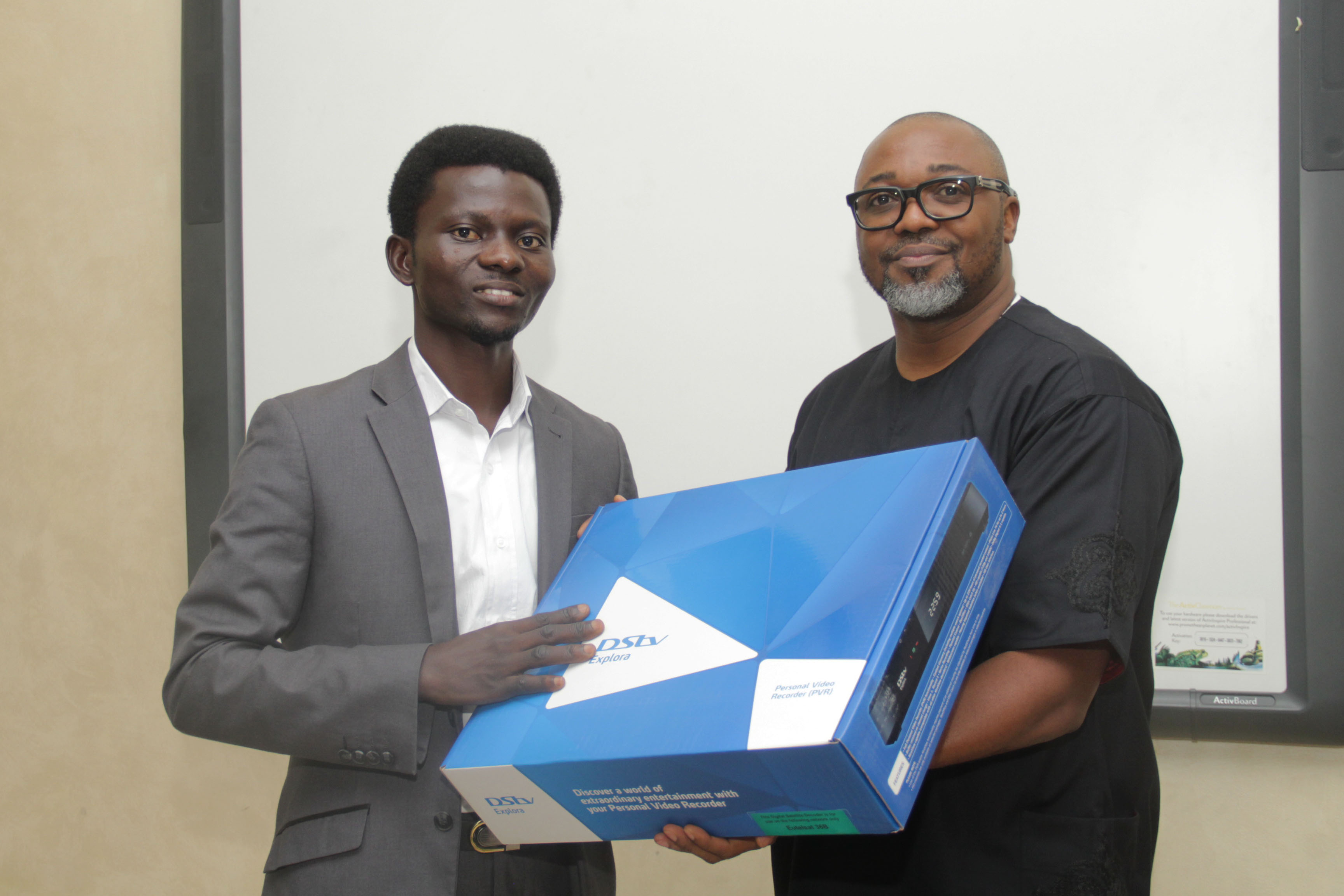
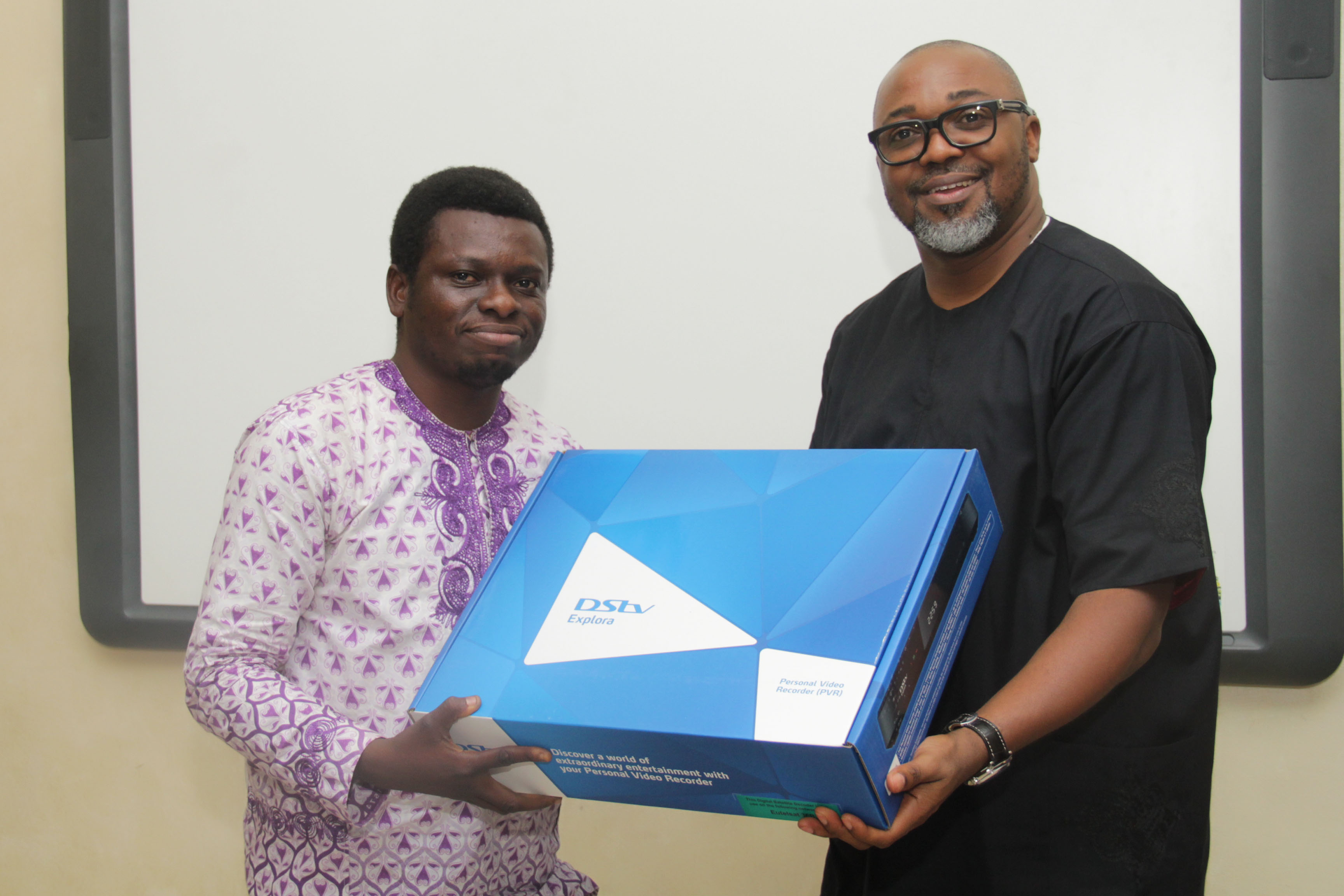
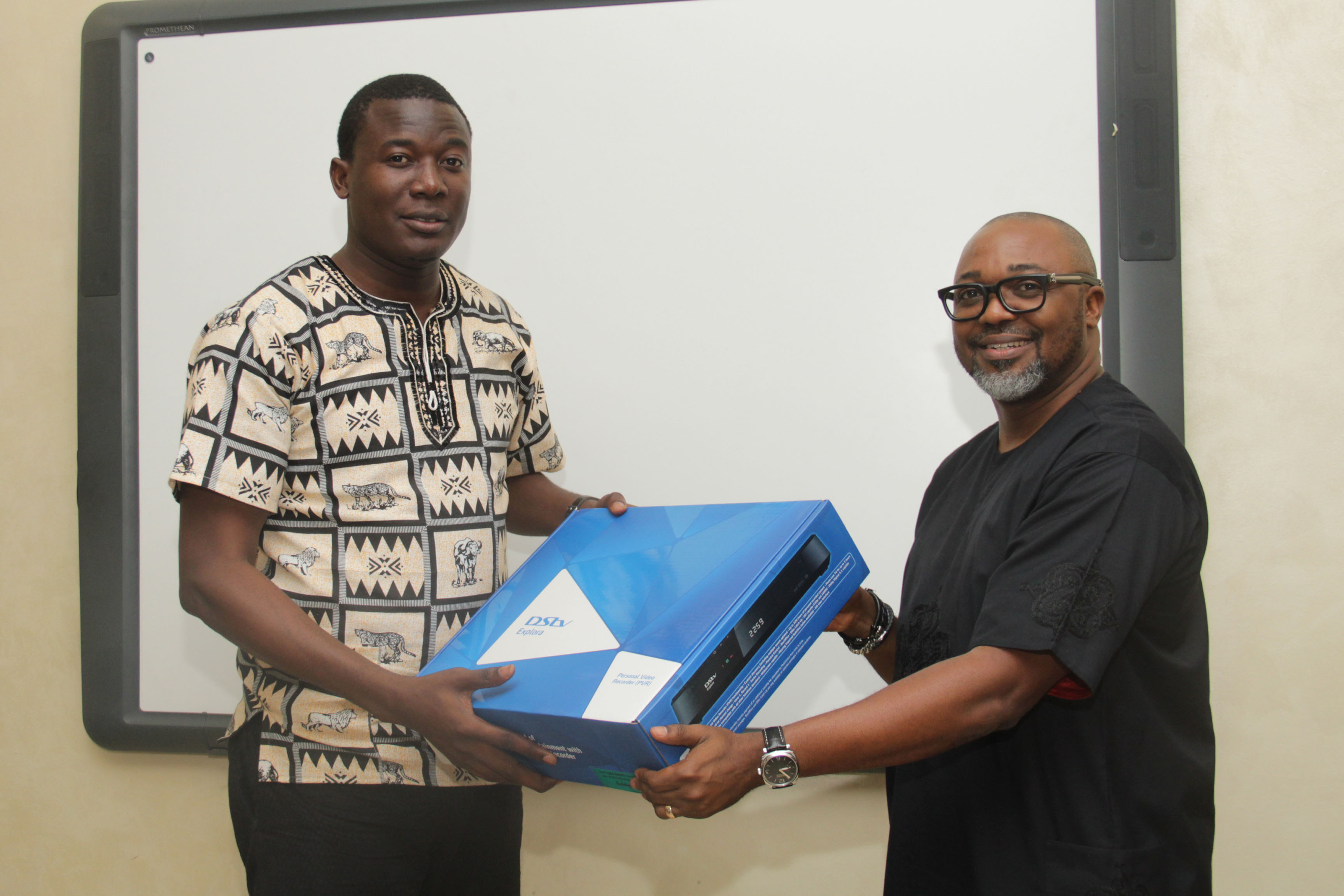
After all the talk, we settled down for a nice dinner, after which the MD of Multichoice presented us with a free DSTV Explora decoder set with free three months subscription. That was nice. I’ve never been a cable person, but I’m now about to give it a try. I thank them.


_____

(Photo credit: Multichoice)