Browsing the archives for the adventures category.

“I Don’t Stumble Upon a Scene” – Interview with Zaynab Odunsi

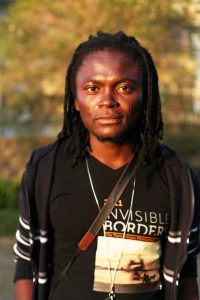
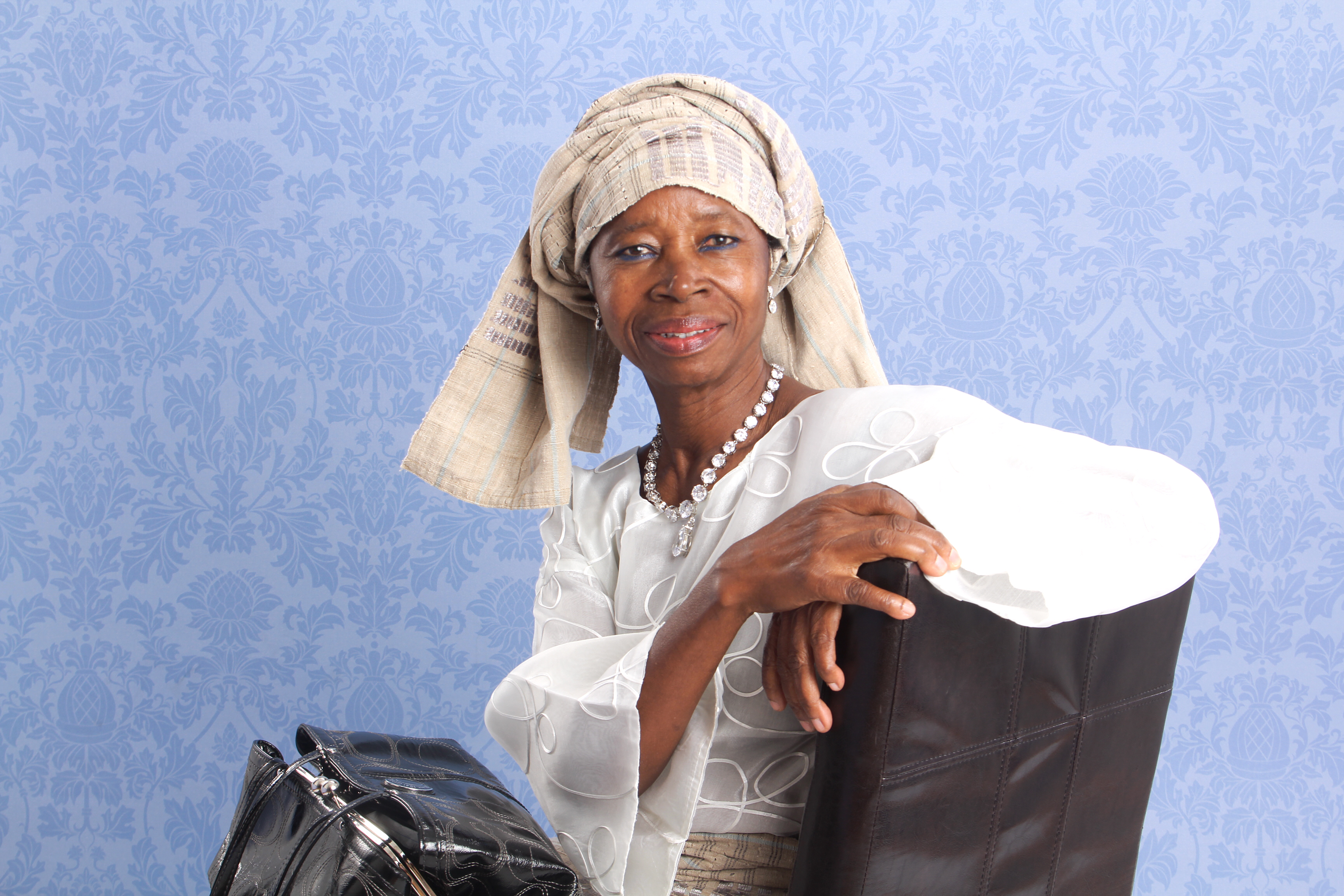
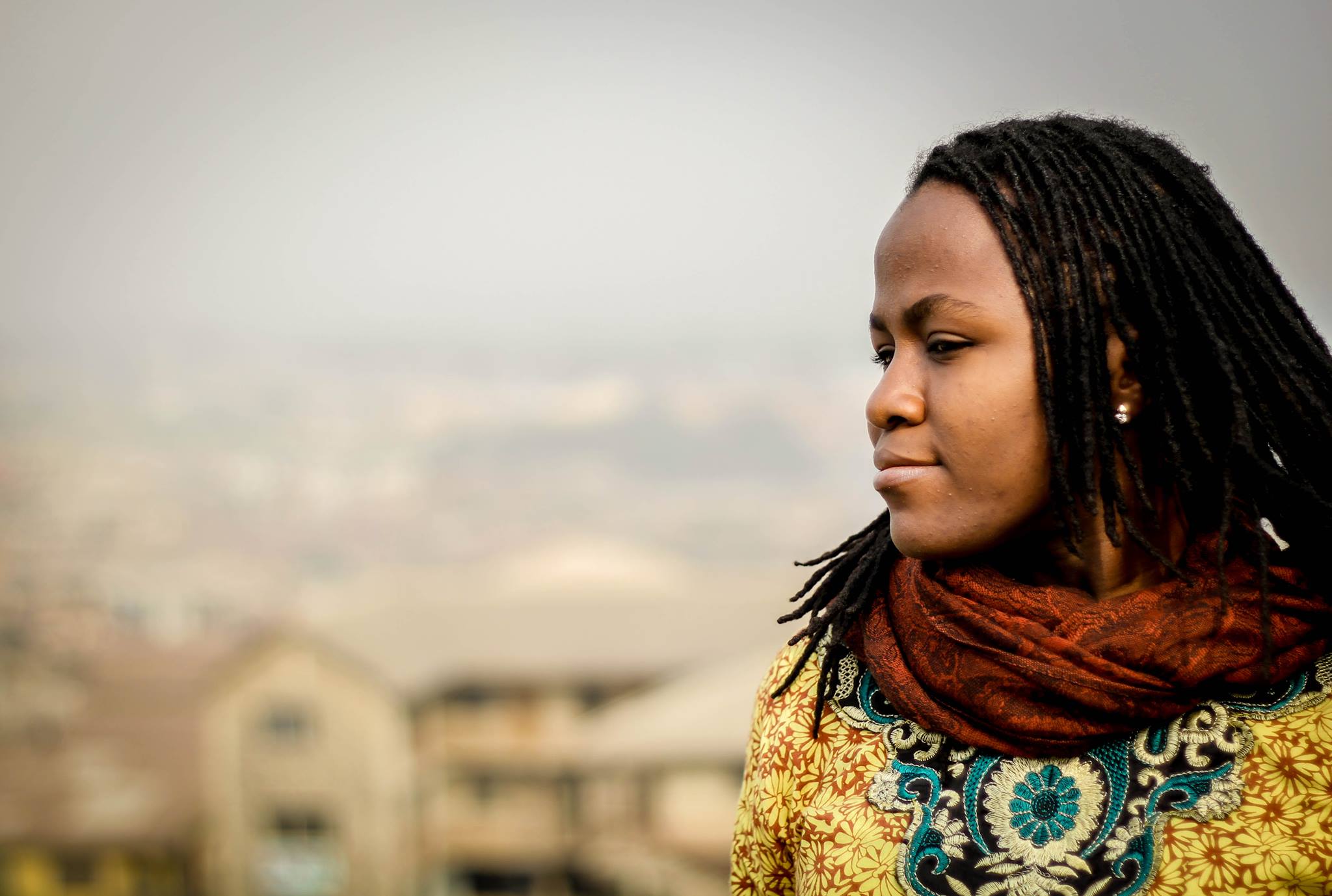
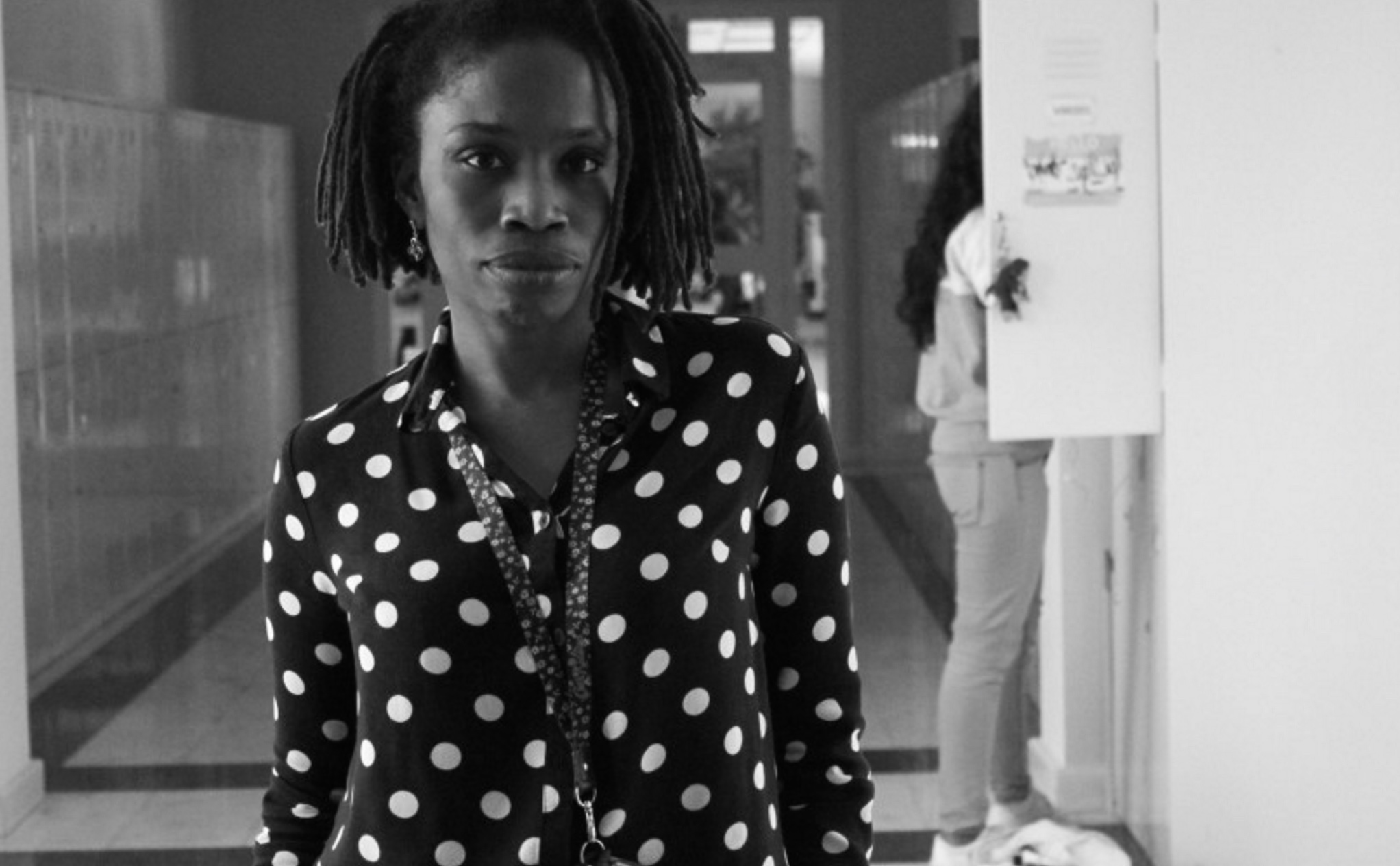
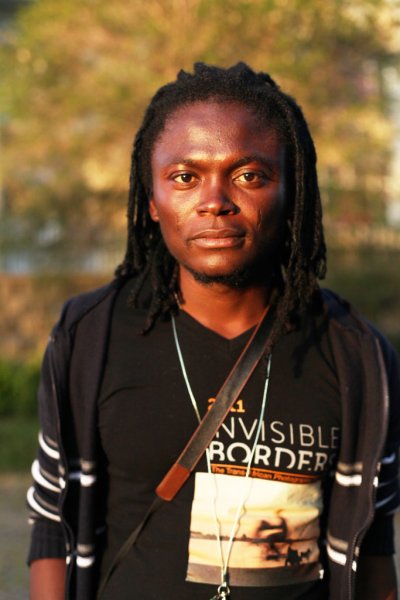
The Invisible Borders “Borders Within” road trip has begun. Every week, I’ll bring you a conversation with each participant. Two weeks ago, I spoke with Emeka Okereke and Emmanuel Iduma. Today, I speak with Zaynab Ọdúnsì, an award-winning photographer who also works as a full time lecturer at Dar Al Hekma University, Jeddah, Saudi Arabia. She holds an MA in Photography from the University of the Arts London and was the recipient of the residency award by the Mairie de Paris and Cites International des Arts- Residency in 2006. Enjoy.

________________

Zaynab
Wow, you live in Saudi Arabia? That certainly pops out instantly. From the scratch, what misconceptions do you think I need to get out of my mind immediately?

Yeahhh I have lived here for over 9 years now. I would say the prevalent misconception people have of women in KSA as a direct result of the Western media’s agenda to perpetuate this laughable perception would be the one to disregard. Saudi women don’t hide behind a veil – they don’t stay hidden away – they hold positions of power in both the private and public sectors. Sure we all have to wear an abaya (it can be any colour and design you want it to be and we spend ridiculous amounts of money on them.   

Which one, particularly, would I be shocked to find untrue or unsubstantiated?

That all Saudis are loaded. That you have to walk around in black and covered. No, women absolutely do not have to wear hijab, the head covering.

But do you have to walk with a male relative before you walk in public?

I wish you could have seen my face when I read this question. Bwahahahahahaa. Oh mannn I forgot that was yet another big Saudi myth. Noooooo you do not have to go out in the company of a male. That is so far removed from the truth I go out with my friends all the time. I guess the fact that women are not allowed to drive (yeahh boo hiss big time to that) we always need a driver but they just get in the car and go where we ask them to take us. Exactly like women do in Lagos all the time – we have drivers and there’s always Uber, husbands, brothers we don’t care who just as long as they well.. just drive us wherever! Be it to work, uni, restaurants, the beach, friends’, the malls… sure I would like the choice to drive myself but actually I quite like not driving. But no I don’t need to be “in the company” of a man in the capacity of a chaperone.

How did you find yourself in the Middle East, anyway? What do you do there, and how has it been?

My husband studied Arabic and his job brought us here all those years ago. I started working at a very progressive all women’s private university where I teach the photography courses in the school of design and architecture. Basically the introduction to darkroom (yes!), alternative processes, and the digital studio photography courses.

The British school that my kids attend is exceptionally good – I live on an expatriate compound with families from all corners of the world. Cost of living is low and for a wild weekend Dubai and Abu Dhabi are a couple of hours away.

I don’t really do things I don’t like to do so I will say it’s been great. Of course it’s not for everybody – you know, women still have to abide by rules of modesty in public and for some this can feel restrictive. I mean you can’t walk around Jeddah in shorts and a bikini. I have many close Saudi friends and met more people from different nationalities than I ever did living in the UK or Nigeria. My kids don’t know anything else so to them for now at least this is home.

I have many close Saudi friends.

What languages do you speak at home, especially to the children? Have you ever worried about them losing access to their mother tongue as a result of this distance?

I speak Yorùbá fluently but sadly only speak in English to my kids at home and they pick up Arabic from school and our neighbours on the compound.

I think the fact that my husband doesn’t speak Yorùbá (German/British)  compounds it.

Do I feel sad that they don’t speak or at least understand it? yes big time. But we all know about language and kids – I think one or two long summers in Nigeria over the next few years and they will pick it up. To be fair I didn’t really speak a lot of Yorùbá growing up I just found myself in my late teens realising that I was completely fluent. But saying that, I was living in Nigeria until my mid teens and was exposed to the language.

As a photographer, what is your biggest challenge working in such a conservative country where the public (I’d mistakenly written “pubic” at first) gaze is not always a welcome presence?

Lol. Pubic eh?

Challenges are twofold. As a photographer – the biggest challenge for me like most working mums is juggling work and family commitments, this compounds the dilemma of me actually finding time to do my own personal (creative) work. Language used to be a major barrier but not so much anymore. I am not really a street photographer so I guess it’s easier for me. The way that I now approach my work is more about long term projects that can unfold without being intrusive.

As a teacher, I have students that produce really compelling highly personal work but due to the conservative nature of their backgrounds many of my students’ work is usually for my eyes only – for assessment. They do not even go in my course files. This can be frustrating at times when I want to share the work with colleagues or organisations that would be truly moved by their originality and novelty.

I’ve taken a look at your site but couldn’t understand what you were doing? Tell me more about the Hekayat Ashara photography project .

So after years of living in Jeddah I went with some students to an area called Al Ruwais district, which is known for its multicultural multi ethnic residents. It is also has a notorious reputation as a no go area. Rumours of drugs, prostitution etc are rife and in the government’s sight for “rejuvenation”. Inhabitants of Ruwais make up the lowest income earners in Jeddah.

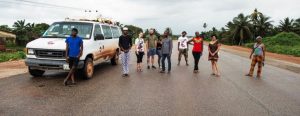
So I launched a community based project called Hekayat Ashara (The story of 10) where 10 women of different nationalities/backgrounds living or working in Ruwais were given photography workshops in order to document the area before the proposed changes. We met every week and paired each Ruwais lady with one student from the school of design and architecture over a 1-year period. The project was hugely successful with proposals for a second edition in the Holy City of Makkah.

zaynab2

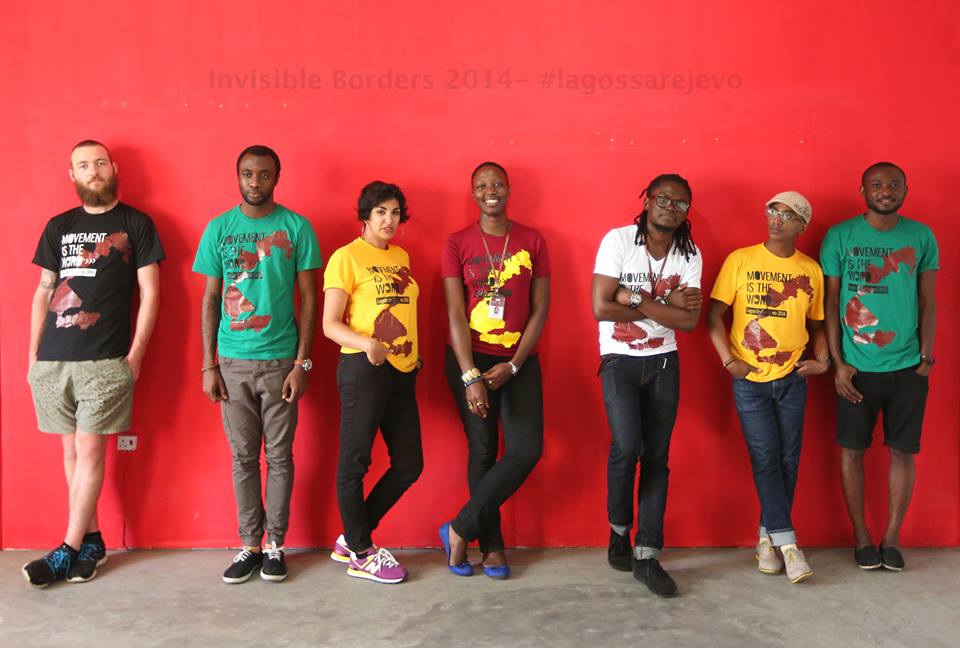
Zaynab is third from the right

Your bio says you’ve worked for British Airways, The Nigerian Conservation Foundation, and Guaranty Trust Bank. Can I ask what you did for them as a photographer?

British Airways were sponsors of an “Expedition of Goodwill” to commemorate the 200th anniversary of the birth of Richard Lander and to celebrate the Lander brothers’ in November 2004 to retrace their historic river journey. I was hired to follow and document their experience.

Guaranty Trust Bank sponsored and renovated a school called St. George in Ikoyi and I was hired to make some images of the school and the kids during this transition period for their annual reports and other in house purposes.

Hired by the NCF to travel to Gashaka Gumti national park – photographs for promotional materials.

As a photographer, what do you look for in a scene? What kind of environment most inspires you to reach out for the camera?

As you rightly asked about the notion of the gaze living in a country where I don’t really have the opportunity to go around pointing the camera around I tend to plan my shoots in advance. I don’t stumble upon a scene – I always somehow have to orchestrate what unfolds in front of my lens. This means that I spend more time planning props, location and especially lighting. Of course the downside is that I  miss out on the spontaneous potential of the medium. This is what I am most excited and nervous about the road trip – the fact that I have to produce work on the go. Looking for these elements that I usually meticulously plan every day on the go in a new city everyday.

What has been your most memorable experience as a woman working, either in the UK, in Nigeria, and in the Middle East, either in comparison or in contrast?

My fondest memories or experiences as a female photographer I would say was definitely during the active years of the collective Depth of field. Working in a group it always felt like a welcome change of perspective to get the input of the guys (Uche, Zulu, Emeka and Amaize).

I just go about my work though usually – my gender is inconsequential most days.

What is your favourite work and why?

I like different work for different reasons – some for what I learned about myself, some for what I learned about others. I am very fond of the work that I did with the very popular traffic warden opposite Law School years ago.

How did you get into the Invisible Borders Project?

I have known Emeka for years – we are members of the collective Depth of Field and the worked together on projects in the past. I had been planning to join the IB road trip for a few years now but work commitments never made it quite possible. Luckily this year it’s worked out and I am really excited to be a part of the borders within edition.

What is your biggest expectation for the trip?

My biggest expectation is producing meaningful work as being a university lecturer, great emphasis is placed on research. and I am hopeful that collaboration especially with the writers will support and help me with my writing to support the research-based body of work I expect to produce.

What is your biggest fear?

I have a few worries mostly related to hygiene, staying clean, but for sure my biggest fear on the road trip is falling sick. My kids are worried about mama getting taken by those bad guys!

If I interview you again at the end of the trip, what do you expect would have changed either in your appreciation of travel, your craft, or Nigeria in general?

Honestly I’m not too sure. But sure I won’t be the same Zaynab from 45 days before. I love travel and I am not naive as to think that travelling is easy. I know that we must rely heavily on the mercy of our creator to bless us as we pull into every new city. I pray that we will encounter people that will be merciful and kind to us – people that will help us on this seemingly crazy adventure.

I hope more than anything that people will see the value of such projects and be driven to support more readily in the future.

Thank you for talking to me.

Anytime. Thank you!

___________

Photos from Invisible Borders.
Invisible Borders: Interview with Emmanuel Iduma and Emeka Okereke

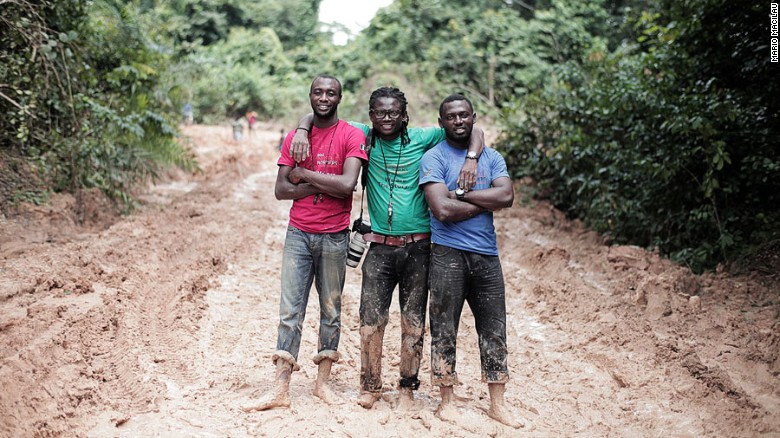
By now you must have heard about the Invisible Borders TransAfrican project and a proposed trip around Nigeria starting from May 12. I catch up with the two leading members of the trip for a quick chat. Emeka Okereke (EO) is a filmmaker and photographer while Emmanuel Iduma (EI) is a novelist and art critic. They discuss what we should expect from the trip, their motivation, how we can help, among others. Enjoy.

———-


Let me start this way: How did your paths and intentions cross, the two of you? One of you is a photographer and the other is a writer. How did you meet and how did the relationship bring you here?

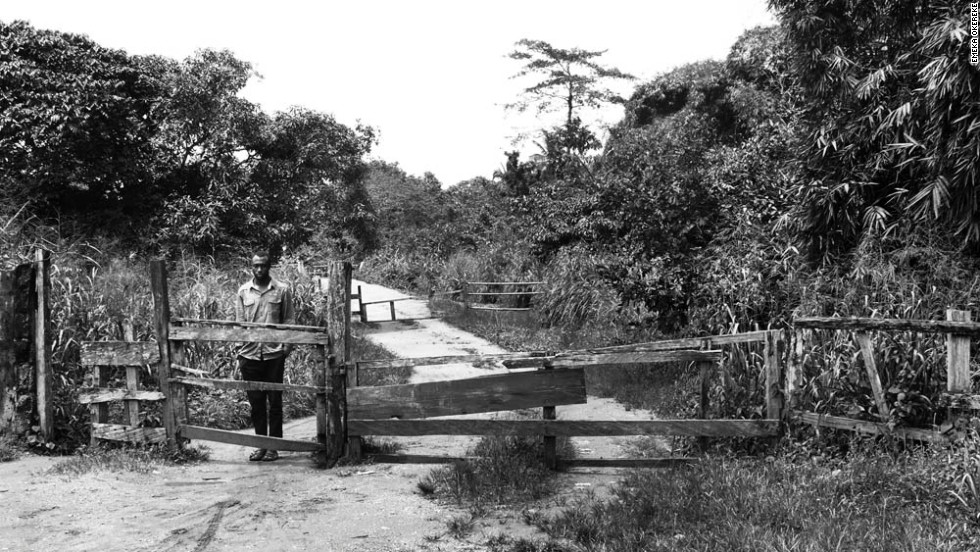
cnnphotoEI: I met Emeka first in 2009, in the company of Qudus Onikeku, Sokari Ekine, Dominique Malaquais, Tèmítáyọ̀ Amogunlà, and others. A workshop on contemporary African dance criticism—actually that was my introduction to art writing. It was a quick meeting. But in 2011 I wrote to him again, asking if I could participate in the road trip of that year. He thought I was a good fit. Our relationship has been part-friendship and part-collaboration. Emeka is very important to my trajectory as a writer. I credit him as one of those who is teaching me to see.

EO: In addition to Emmanuel’s answer above, I would add that from the onset, I have always seen in Emmanuel the future of critical writing from a Nigerian and African perspective. His trajectory (and indeed the man himself) is representative of this needful hybrid between the literary world and that of art criticism. Over the years, we have learnt to tap into our affinity for understanding imagery and its possibilities, our quest to find a new voice inspired by our everyday realities. On the other hand, he reminds me of my vigour when I was younger – with the added incentive of his much calmer constructive temperament.

Let me ask you, Emeka, as the founder of the project. What started this whole idea of traveling around the world and documenting stories? How long did it take to mature from the early stages to where it is now?

emeka-okereke-02

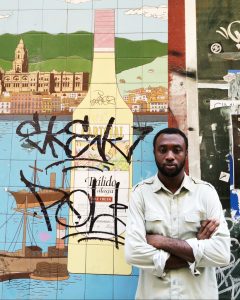
Emeka Okereke

EO: I have always been of the belief that there is no life without movement – there you go, my personal philosophy summarized in one sentence. Growing up, I lived a life whereby the only way I could find solace was in the conviction that life is full of unimaginable possibilities, that it is not as rigid as a singular story. The best thing that happened to me therefore was to become an artist, with the only limitation to my self-expression being my medium, my thinking and the art world! Invisible Borders came therefore out of that belief in perpetual movement to escape stagnation.

The more I delve into the history of Africa, the more I realise it’s a history of an incredibly mobile energetic people stifled by the advent of imperialism and Occidental hegemony. After so many centuries of oppression and suppression, of defining Africa only by her limitations, such projects as Invisible Borders propose that we readjust our mindset and perspective to that which breaks away from an enclosed definition of who we are, and harness the positive attributes of our diversity to create hybrids of multifarious forms of existence. This is what we mean when we say Africa is the future. But how do we attain this future when we are so divided amongst ourselves? Therefore the work begins with a Trans-African exchange.

Travelling, especially around Africa, has presented a surprising amount of challenges. You’d be surprised at how more expensive it is to go to Kenya than to go to London. Travelling by road is even worse, with visible borders, bureaucracies, security challenges, and all. How do you hope that this project changes things for the better?

EO: The most urgent need beyond how expensive or cumbersome it is to travel is to get people to imbibe the perception and attitude of Trans-African exchange. I believe that with this as the foremost, the challenges will be met. We are basically talking economics here with most of the practical and logistical concerns. We have in the past emphasised on the actual infrastructure – the Trans-African highways, the indispensability of road as a tangible conduit and facilitator of this exchange much the same as the artistic interventions. Over the past year, we have seen how our project has inspired many other Road Trip endeavours across Africa. Just recently, a group of Nigerian artists took to the Road, from Lagos to Dakar sponsored by the Goethe Institut Nigeria. Besides it being glaring that this project was modelled after the Invisible Borders project, it is a route we have travelled in 2010. Such projects and many more is an indication that our work is impactful. We shall keep at it for a very long time, and until we have inspired the many agents of change – the artists, cultural administrators, and individuals – in the course of this century.

I have known you, Emmanuel, as a fiction writer and publisher (and later as an art critic). But somewhere in-between, you became a travel writer as well. Could you enlighten me about the transition (or the epiphany, as the case may be)?

Iduma

Emmanuel Iduma

EI: There is a rich twilight between those forms, at least for me. A lot of my work depends on restlessness, or what I fancifully call peripeteia. The idea for me is to constantly think of what’s possible in my writing, and to put the essayist in me in conversation with the novelist in me. I have been thinking a lot about two statements. One is what Barthes wrote: “A critic should be a novelist in disguise.” The other is something one of my heroes said to me: “Crystallize your vision as a writer in such a way that it becomes ennobling and edifying for others.”

I like the liminality you propose. “Somewhere in-between, I became a travel writer.” But to be honest, I have not yet considered the idea of working in mainstream travel writing. I haven’t been able to match my ambition for my travel recollections with the form of more traditional travel writing. In my recent writing, especially after the road trips, the way I remember the journeys is not linear. There’s no narrative arc. It’s like a dog sniffing a field. Dogs don’t follow a straight line. They follow their noses and go all over the place.

So, yeah, the transition isn’t complete.

Travel is a fascinating enterprise. I remember talking to you about joining one of these trips (I believe it was the one of two or three years ago). But travel is also quite a physically and mentally tasking experience, needing 100% of attention and dedication. What interests you, both, in this experience, and what have you gained the most from past editions?

EI: After each trip I usually swear I won’t participate in the next one. My friends are quick to mock how easily I renege on that promise. I want to constantly go afield. The idea of being a stranger in a place, scarcely having the audacity and permission to relate with locals, fascinates me. I mean, much of our travels have been in Francophone Africa. And I can’t make a sentence in French, or Wolof, or Bambara, or Moghrebi Arabic. What does that incommunicability allow? What does it eclipse? This is why I haven’t been able to say no to traveling more with Invisible Borders. The other reason: I can’t separate art from art-making. I can’t distinguish what the head imagines and what the hand does. To see real bodies struggle with art-making, as a writer interested in images, is a gift.  

Invisiblebordersparticipants2014EO: I think for me, it’s about the notion of constantly inhabiting a space of transition, the Middle Ground like Chinua Achebe called it. He went on to explain this as “where everything is allowed to play a role in coexistence, and whatever cannot survive this space is expunged by the same process by which they became a part of it. It is the process by which foreground and background comes into being; it is the core of social formation”. The Invisible Borders is exactly this space or distance of transition sandwiched between preconceived notions and freshly acquired perceptions, between mystery and meaning. Over the past five years we have constantly inhabited this space, and by that generated reflections which to my belief are useful aberrations to the prevalent African narrative. It is a highly charged creative space – I think this is what keeps pulling us back to it.

Specifically, which ones of the earlier editions of this road trip delighted you the most and why?

EI: My first, in late 2011. There was something valuable about my naiveté, and the fact that a lot of the clarity I’m now gaining about my work wasn’t available to me then. Also, I was traveling out of Nigeria for the first time.

EO: The first impression is always the best! So I will say the 2009 edition. But in the way of valuable experience, I will go for the 2014 from Lagos to Sarajevo. After that trip, I feel invincible, there is really nothing we can’t do!

How did you choose the participants in this edition, and what do you look forward to the most?

EO: It has always been the norm since 2011 to make an open call. But this year, we thought it wise and more effective to go by internal research and handpick certain artists whose work we have been following. We always try to experiment with the different kind of artists we bring on board. This year we have gone with a lot of young and budding artists because we try to position the reflections around the Nigerian Road Trip in the frame of the present/future generation, it is really a project that looks at the future. But again, we are focusing very much on the history of how Nigeria came to be. You understand that we cannot talk about the future of Nigeria in detachment from history because history is the ground under our feet.

If I speak with any of the currently selected participants, what do you think would be their responses to a question like “What is your biggest fear about this trip?”

invisibleEO: It’s simple: going to the North from the South. And this fear has a history. Today, it’s due to the violence from Boko Haram, but it all began with that Amalgamation in 1914. Since this time caution has always preceded the South-North transitioning. But we are Nigerians, and off we go!

The trip, the poster says, will go from Lagos to the South-South, then northwards through the heart of one of the most dangerous parts of Nigeria in 2016. What are you hoping to find out, and how do you think the findings would impact on the public?

EI: How about we investigate what makes the northeast dangerous? The lives inscribed within this danger, what do they look like? I am constantly aware that Nigeria as we know it, from the time of its naming until now, is constructed. So we know as little as we have been told. This is not to say Maiduguri is a safe place, or Enugu for that matter. For this trip we’re outdistancing the stereotypes we’ve been given about northern Nigeria—especially since a number of us have lived mainly in the south. A work of art brings closer what has been kept afar. I am hoping that in this trip we can add our voice to the chorus of all that is sublime and nuanced, and even paradoxical, about Nigeria. There’s a great sentence in Maxine Hong Kingston’s The Woman Warrior, now framed in my mind: “I learned to make my mind large, as the universe is large, so that there is room for paradoxes.”

EO: Emmanuel nailed it. there couldn’t have been a more perfect answer!

Emeka, as a photographer, and Emmanuel as an art critic and writer, what do you, individually, look for when you walk through a crowd of people, particularly in a place you’ve never been before? What images gives you the most feeling of ‘this is highly significant!”

aaEI: I’ll go back to the image of a dog sniffing a field, which is a metaphor Tacita Dean uses in relation to her research method, quoting the great Sebald. “You allow yourself to be interrupted on your journey and led elsewhere by whatever you encounter,” she said. I believe in this very much. If an art critic must be as intelligent as possible, that intelligence is ultimately the possibility of testing the fitness of my instincts. I learn a lot from the language of improvisational dancers, especially those who allow the energy of an audience shape their movement on stage. This is a roundabout way of saying I have a vague sense of what to look for when I walk in a crowd as a stranger. My goal is to forget my assumptions. To listen.

EO: The image is always a precipitate of a lived experience. Part of preparing myself for the trip is to divorce myself of any idea of an image that I would like to have. There is something funny about images: there is a thin line between an image which limits perception and that which liberates it. Rather than talk of an image, I would reflect on the kind of encounters we hope to make. I look forward to meeting Nigerians from all walks of life – from the farmer, the mechanic, the trader in the market to the business tycoon, politician, advocate of human rights, nurses, doctors, you name them –  listen to their unique stories, share their moments with them, learn from our exchange. It is only after then that the camera comes in, to bear witness or emblemize the occasion.

One more question that i’ve always wanted to ask photographers, Emeka, what actually happens to all the images you take over many years? I sometimes look into my records and wonder what I should do with photos taken which at some point meant a lot to me. I assume that many of them are shown at exhibitions. Do you ever duel with yourself as to which to keep and which not to, which to exhibit and which not to? What helps you in making those decisions?

EO: We are all asking ourselves the same question. Especially at a time of digital proliferation of images. Selection of images is part of the daunting process of image making, so it comes with the profession. Beyond that, the biggest challenge at the moment is figuring out methods of archiving. I have always said that for every click we make in and about the African continent, history is made. So while we meticulously chose images for exhibitions and presentations after the road trip project, we throw nothing into the bin. We always thinking of posterity, some of these images need to age – like fine wine.

How can the public help this trip?

invisible-borders-2014-726x280

EO: We have reached out to the public, asking for their contribution in the way of knowledge about the historic and contemporary narratives of the states, cities and regions we are scheduled to visit. We really want this project to be about profound encounters, and doing so through assistance of well-meaning indigenes of these places is the most productive way to go.

What should we look forward to at the end?

EI: A solid amount of images, film, and writing. A body of work from each of the participants. Because there’s so much to make sense of in Nigeria, I don’t think there will be an excess of responses.


End

__________

Still to come: interview with other participants in the road trip.

__________

Photos from OkayAfrica, CNN, and Google Images.

Partnership With Invisible Borders

Today, I’m glad to report to you on a collaboration with the guys at Invisible Borders Project. For the next few months, this blog will bring to you news, interviews, blog posts, and reportage from this beautiful travel project of the Invisible Borders: The TransAfrican Project. For those not familiar with them, for a couple of years now, this small organisation has organised trips across long distances, taking along writers, photographers, and other artists to document the human, social, literary, and cultural landscapes from one point to another, giving the reader a chance to journey across spaces they’d never otherwise traverse through the eyes and thoughts of the travellers.

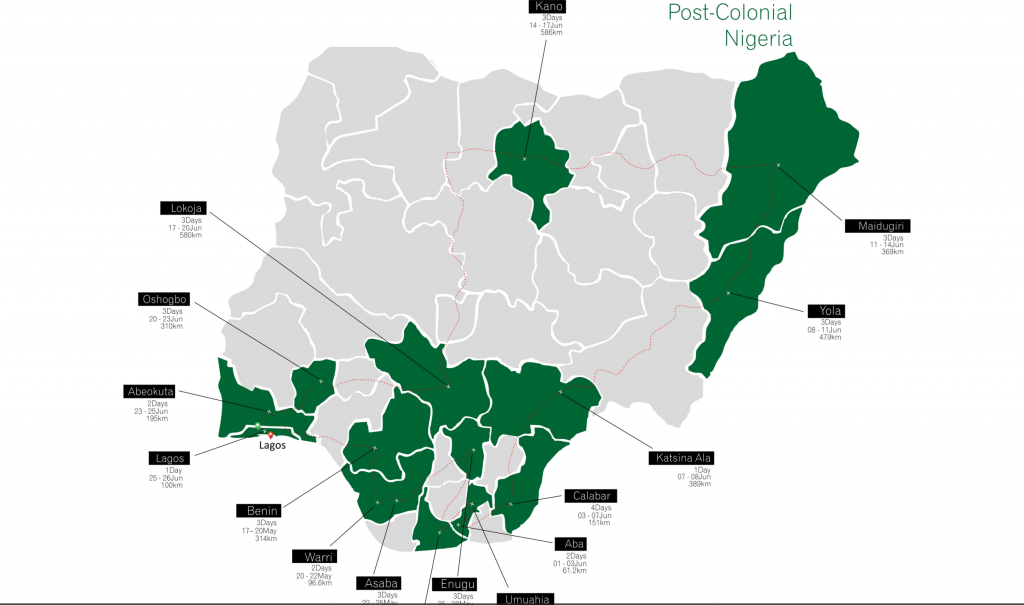
This time, they would be travelling across Nigeria! (Read more about the 2016 trip here). Nigeria

Hear more: “In a period of accumulating upheaval across Nigeria—the recurring threats of Boko Haram fundamentalists in the northeast, and pro-Biafra agitations in the southeast—a trans-Nigerian road trip will elucidate the ambiguities of contemporary Nigerian existence. The Nigerian experience we seek to question is contemporaneous and global. In the absurdity of their rhetoric and the severe consequences of their violence, Boko Haram and the Islamic State are products of artificially constructed maps and policies – an indictment of the colonial project so to speak.” (See the map of the trip around Nigeria here).

KEY FEATURES OF THE PROJECT: 

  • A Team of 10 participants – 8 artists (4 photographers, 2 film makers, 2 writers) and two administrators (a driver and a project manager)
  • participants will travel together in a van, all the while, living, working and interacting with each other.
  • Participants are expected to develop concrete bodies of work in the form of photography, short films, and essays.
  • Outcomes and experiences of the project will be shared online, on a daily basis via a dedicated blog/app. See example from our 2014 Road Trip:http://app.invisible-borders.com/.
  • A Book articulating the photographic works as well as essays shall be published at the end of the project in conjunction with a feature-length documentary film.
  • The duration of the project is 46 days from May 12 – June 26, 2016.

The participants in the trip are Zaynab Odunsi (photographer), Emmanuel Iduma (writer), Eloghosa Osunde (photographer/writer), Yagazie Emezi (photographer), Yinka Elujoba (writer), Uche Okonkwo (writer), Emeka Okereke (Filmmaker/ photographer), Innocent Ekejiuba (Project Manager), and Ellen Kondowe (Head of Communications). You can read more in-depth profile of them here.

***

At KTravula.com, we will follow the trip, serving interviews, photos, thoughts, blog posts, and other artistic input from participants of the project. All these will come along with the usual posts from guest posters, and other updates from my pedestrian trips around Lagos and its environs. Keep a date.

Follow us on twitter and like our Facebook page for instant feeds.

Memory Lane with Tọlá Adénlé

by Tèmítáyọ̀ Ọlọ́finlúà

Mango, Christmas and avocado trees; old houses, some refurbished, others abandoned; line the street that slopes downwards.

“Tayo, please wait for me at the gate with 4A,” she had said on the phone, her English laced with a tinge of Ondo/Ekiti accent and spiced with some Yoruba words. Tola Adénlé—or Mama Tọ́lá Adénlé, as her name is saved on my phone—came to me first in an online article that filled me with the desire to meet her. After some Facebook messages and phone calls, I am waiting to meet her.SANYANhybrid sitting

At the gate, my mind wandered: what will she look like? Will she bounce around like her cheery voice jumped on the phone? When she opened the gate, she had a warm smile, a green top and a pair of cream pants on. I knew she was the one. She needed no introduction—the face matched the pictures. The texture of her real voice similar to the texture of her “phone” voice. She welcomed me into the house.

“Feel free to look around.” And there was a lot to see. Almost every corner of the room was lined with pictures—largely family; hers, her husband, her children, her children and their husbands, and their own children. She calls them the Adénlé clan.  

“Life is about memories. Keeping memories, that is all life is about,” she says.

I get a tray with tea and snacks; then, we settle outside on two chairs. “That’s Dr. Adénl遒s chair,” she says, referring to her husband—hydrogeologist, Dr. Adénlé. It is a good view: trees and houses, in competition. The house on the other side of the fence used to be theirs.

“Either it got too big for us or we got too small for it,” she says.

Then, we settled into the chat, not an interview. She had insisted that it should be as informal as possible. She would email me pictures, so no need for a photographer. I was reluctant to record. It would be just nice to drink from her deep wells of knowledge.

“This will not just be about you asking me questions. I would also ask you questions,” I agreed. She wanted to know why I chose the freelancing route; how I survive; my background. I told her.

It was my turn to know more about her. But not so fast.

“I should give you an autographed copy of Emotan Magazine,” she said “In fact, let me do it right now.” She gets up immediately and returns with the copy. Emotan was the third woman’s magazine published in Nigeria. This edition was published in September, 1977. So, yes, it is a collector’s item.

When she returns, I ask about her urge to get things done “right away”. Is it out of fear that she may leave it undone or that she may forget—a result of old age?

“It is not fear. It is just that I hate to be reminded to do something that I promised to do,” she says. Neither is it a fear of age, as age is a fact of life.

Dr. Adénlé soon arrives, but before he left us, she does introductions. Tells me a little bit about them—how they like things small, even though they are both from large families. He is the son of a late Ata-oja of Osogbo; she is a daughter of a prominent family in Iju, Ondo state, the Adámọlẹ́kuns. Their wedding had under 30 people in attendance at a Cathedral Church in January 1970. Other things, I find out myself: a soft whistle is one of them calling the other; that she is particular about everything—the chair she sits on; the plate she eats from; her daily carbs intake; the number of steps she takes daily; the turquoise of her earrings matches the nail paint on her toes. He does not care much about such particularities. That when she tries to remember something, he assists—like the name of her Editor at Daily Sketch: Sola Oyègbèmí. The Adénlé couple cannot stand chaotic Lagos—they both resigned from jobs there at different times before they met in the 60s. They fit well into each other, ball and socket.  

We talk about other things: writing, publishing and Nigeria. Writing is her gift that she must continue giving. She did not know this initially. She had written a letter to the editor of West Africa Weekly, an old magazine from Florida in 1971. She quotes some lines from the letter. Writer, Kọ́lé Ọmọtọ́sọ́, a PhD student back then at the University of Edinburgh, read the letter and told her that she seemed to have the gift of writing.

“But you will need to read a lot,” she said he had told her.

And that was how she kept honing the skills—from a letter to a magazine; she served at Daily Sketch, Ibadan as a corper; then, she became the Woman Editor at Daily Sketch. She reels off names of her colleagues at the Daily Sketch. She shared a table with Tunde Thompson, who would face Buhari/Ìdíàgbọn’s harsh military rule judgement with the infamous Decree 4. It is interesting that Thompson supported Buhari for president in the last election. It was after the Sketch experience that she started Emotan as a Woman’s Bimonthly. The magazine which was published out of Bodija, Ibadan, had a readership of about 15, 000. It soon became a monthly. It attracted writers, readers and adverts from every part of the country, even from West African countries. Its articles remain relevant even decades after. One subscription page of the magazine reads: when you miss a copy of Emotan, you miss good company. True then, true now. In 1985, after several editions, it was time to rest Emotan.

For someone who moved to Ibadan for the first time in 1966, and has lived there on and off, since then, I ask her what she thinks of the city now.

“Like Nigeria, Ibadan is chaotic. And it is not because the people are not skilled enough to transform the city. S’e b’oye kilu ma improve ni?” She asks rhetorically.  She says that this “lack of progress” is connected with the maniac rush for wealth rather than ideas that can transform the society.  “It is only here that you ask people what they want to become and they say: millionaire, as if it is an aspiration. Many have fallen into the default mode of most Nigerians—not caring about what they leave behind, only rushing after money.” She laments that this is the reason many do not create things that will transform the nation. Warts and all, Ibadan remains her favourite city.

She does not understand the Nigerian craze to keep acquiring things they will never use. Neither does she understand the reason why parties seem like drugs for people to get excited; take a fix today and wait for the next one to feel high again.

“True happiness should come from within. From doing things that make you happy. Not from organising big parties for people—half of whom you do not know. “Every wedding is now a society wedding; every burial is a state burial,” she quotes an older Nigerian industrialist’s words from a 1985 speech to the Ibadan Chamber of Commerce. She speaks of her long-held belief in Buhari as the one who can sanitise Nigeria of corruption, a belief that accelerated the birth of her blog, in 2011 as stated in the early posts.

In 1988 during Babangida’s presidency, her family joined Nigeria’s [then] mythical “Andrew” and moved back to the States. Since then, it has been between the United States and Nigeria. She also maintained a column with The Comet on Sunday, and later, The Nation on Sunday until 2011 when she started her blog.

Her love for aso-oke, the traditional Yoruba textile which she fell in love with after wearing it for the first time as a bridesmaid in 1965, led to her developing some categories of the textile on her blog. The different categories became so popular that a book, AṢỌ ÒKÈ YORUBA: A Tapestry of Love & Color, A Journey of Personal Discovery, was published in January, 2016. It chronicles her journey of discovery of Aso-Oke, the textile’s history, Yoruba’s sericulture past, occasions that call for aso oke, modern uses of the textiles and many interesting details of this contribution by the Yorubas to world’s textile technology. The book is laced with several pictures, many of them taken by her husband. It takes one on a journey into the past of the textile and whets one’s appetite about its future. The book will be available on amazon.com, through her website, and on her 70th birthday on April 2.

Having spent seven decades on earth, written two biographies, mothered four amazing daughters, held down a magazine for almost a decade, written a collection of short stories, Adénlé still has expectations for the future.

“One must always have expectations. Or else one dies. May not be physical. There is always a mountain to climb.” One thing is certain, Adénlé will be busy giving her gift of writing to her world.  

There is no slowing down for Tọ́lá Adénlé. She might have been born in the age of the dinosaur, to quote her words, but she uses today’s tools. She whips out her tablet and begins to type. “Let me do it right away.” She had promised to send me an invitation card for her 70th birthday and her picture that accompanies this piece. I wonder about this woman who is from the past yet grounded in the realities and intricacies of today—how many 70-year-olds maintain websites where they curate their work? You can read Adénlé’s work on hers.

She autographs my copy of the first edition of Emotan. I will keep it and show my children. I will tell them the story of a woman who dreamed up a world for other women; of how she came to me in an online article and how her story inspires me to run my own race.

“Do what you like, that is how you make progress. Follow your passion, that’s where your success will be.” Her words will not leave me even as I now advance upwards on a street lined with mango, Christmas and avocado trees; old houses, some refurbished, some abandoned.  

_____

TemitayoTèmítáyọ̀ Ọlọ́finlúà is an award-winning essayist who has completed writing and communications assignments for various organisations such as Global Press Institute, Mania Magazine, Saraba Mag and Facebook, to mention a few. Her work featured in various publications, online and in print.

Some of her writing awards include Finalist, African Story Challenge, Technology and Business Cycle (2014);  Second Prize, Peter Drucker Challenge (Manager’s Category), 2014; First Prize Winner, NEPAD Essay Contest, 2013, among others.

She currently curates content for lifestyle website, www.liveinibadan.com that focuses on the city of Ibadan. You can read some of her works here, here, here and here

At Lufasi Park, Lekki

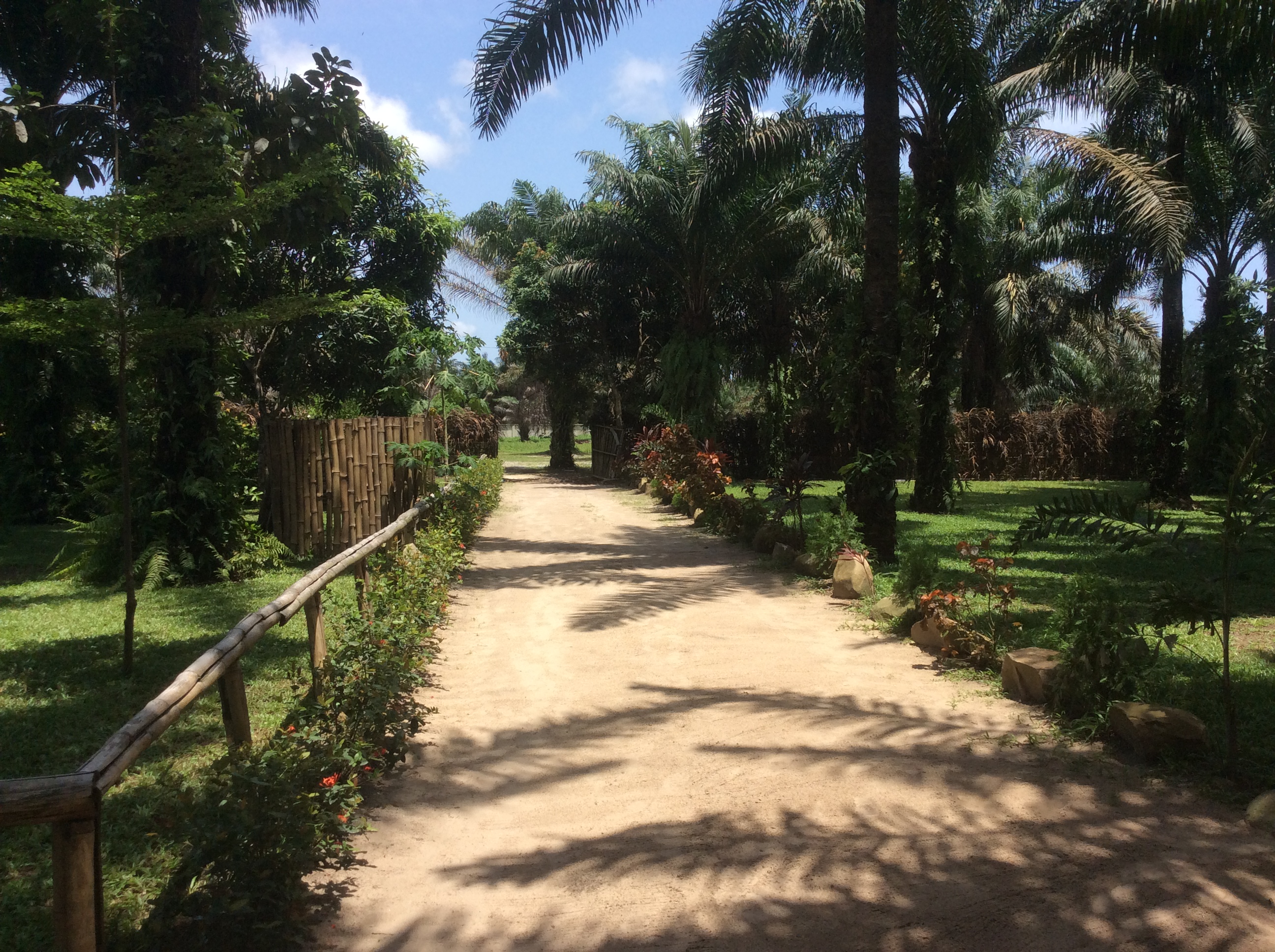
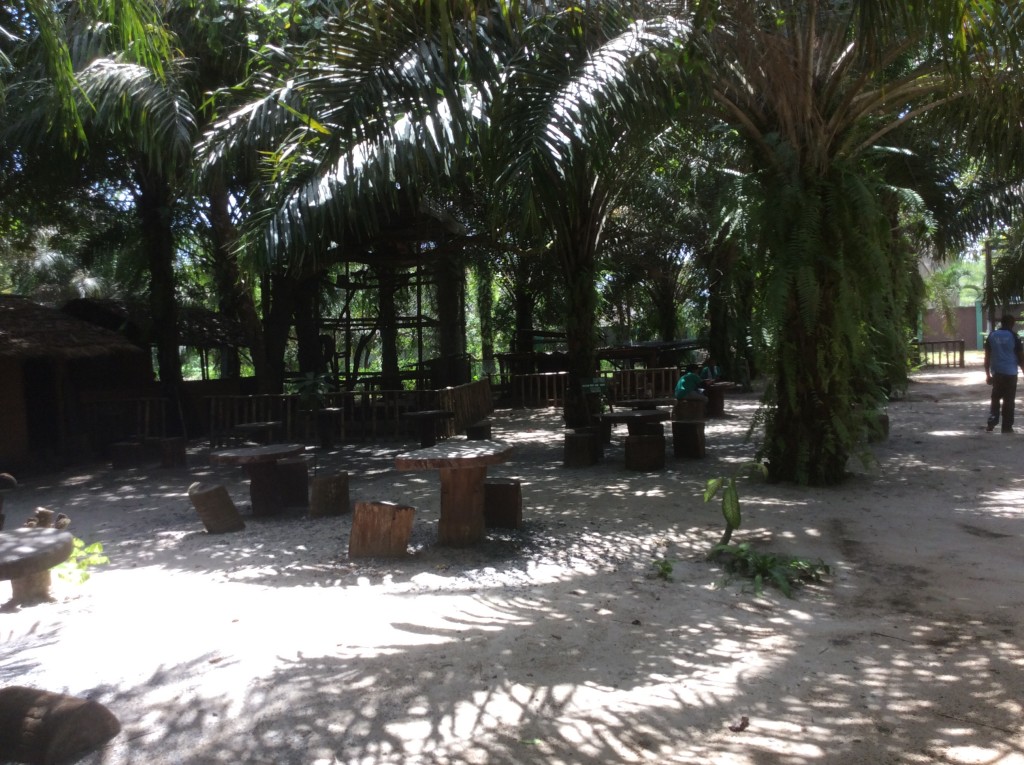
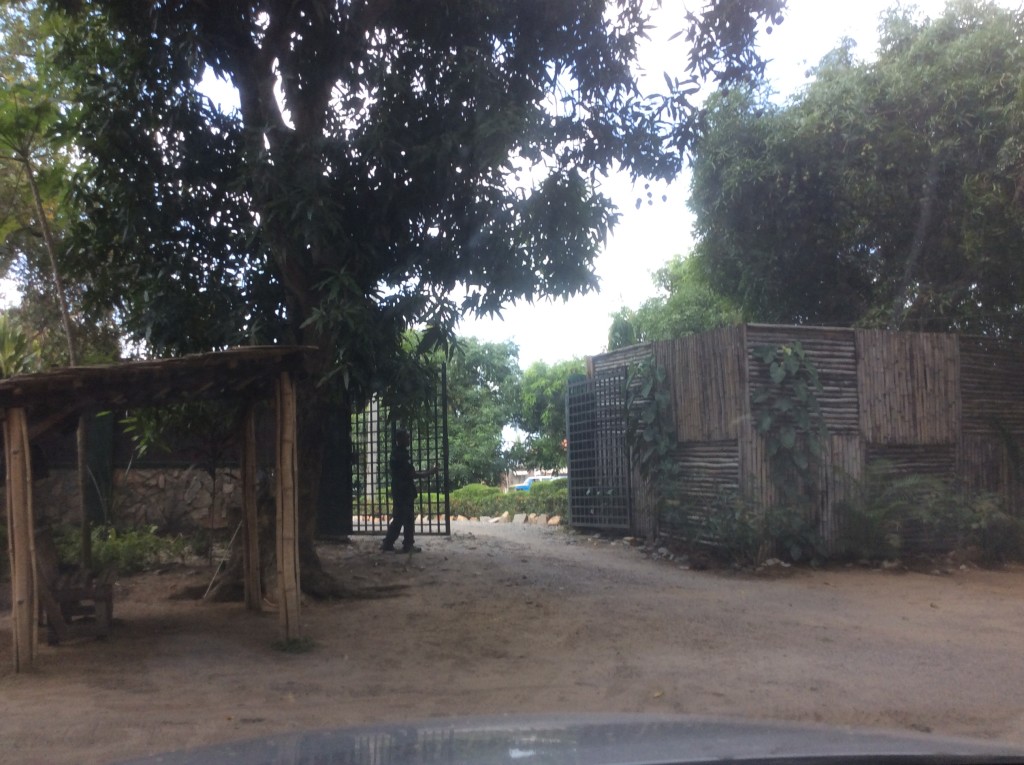
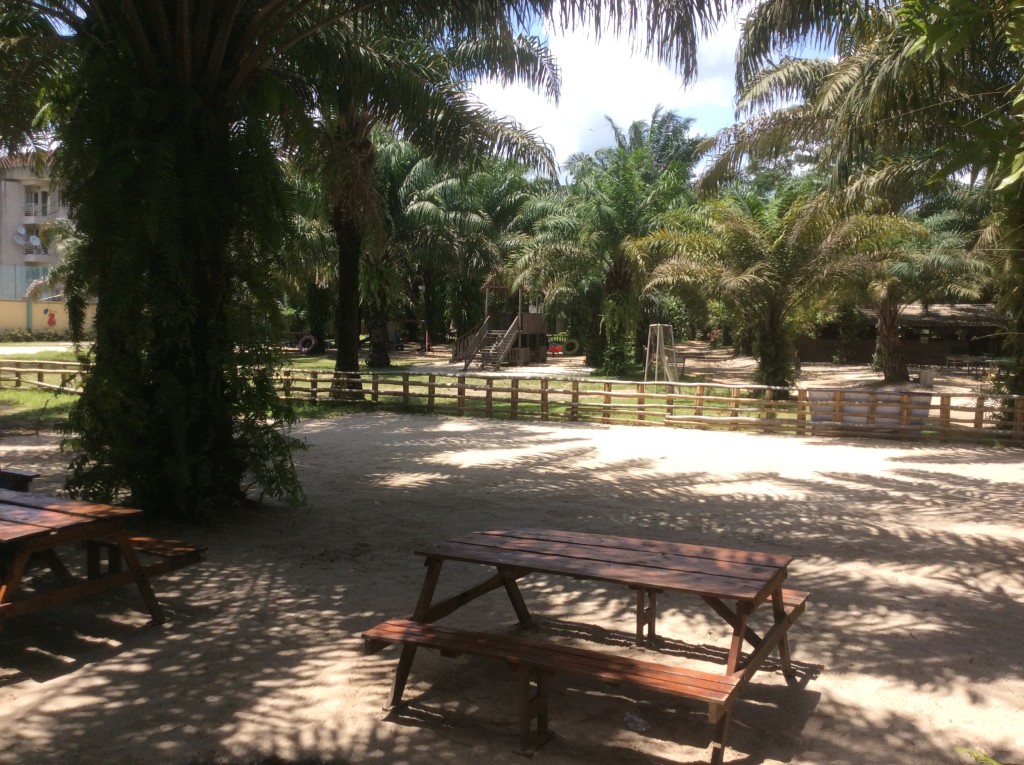
There happens to be another place in Lagos, it turns out, other than the LCC that I’ve complained a lot about, and Inagbe Resorts, which I’ve strongly recommended, where one can experience nature in a relaxing environment either with a family picnic or a mere nature stroll around trees, green grass, animals, silence, and a clean fresh air. It’s an eco-park, one of the few in the country, where one can also interact with animals at close quarters. For those interested, it’s also a place to observe birds, particularly the bald eagle. IMG_4466
IMG_4597

I was there on Good Friday, last week.

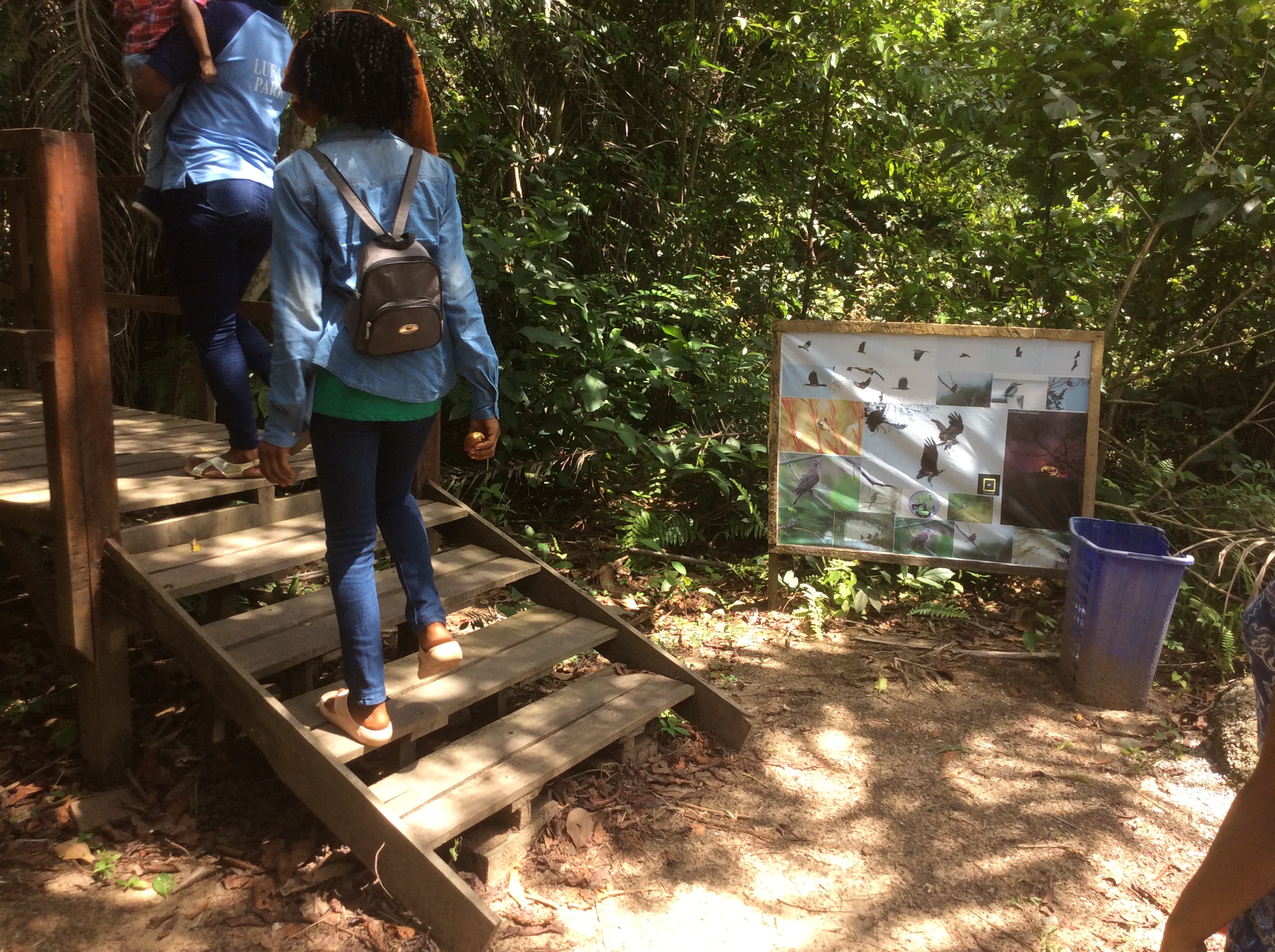
IMG_4570Sitting on about twenty acres of land, according to our guide, the Lufasi Park boasts of more than just a touristy venue for fun and games, but also a scenic and serene environment for relaxation and exercise. It’s name, Lufasi, is an acronym for Lagos Urban Forest and Animal Sanctuary Initiative.IMG_4543
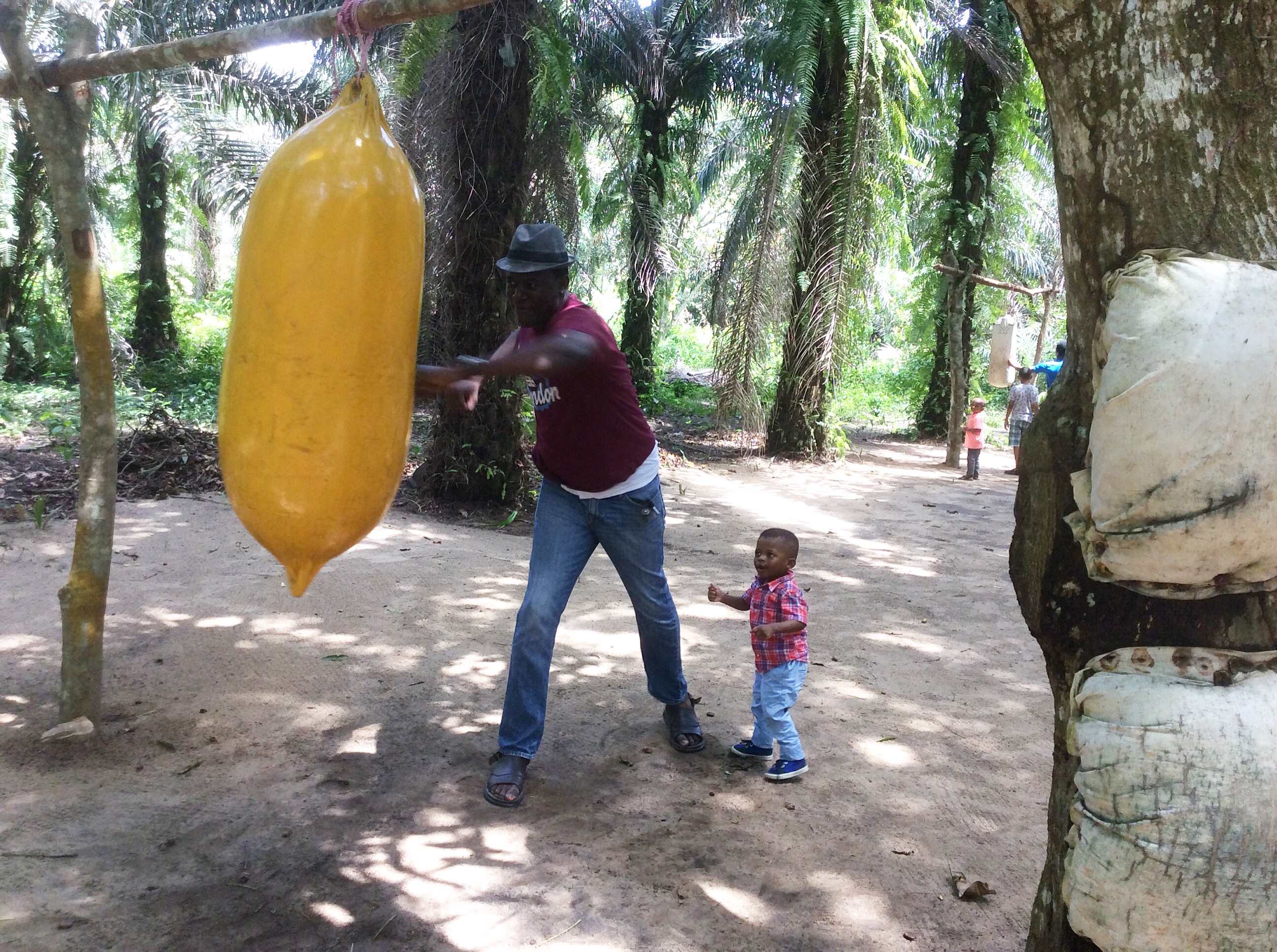
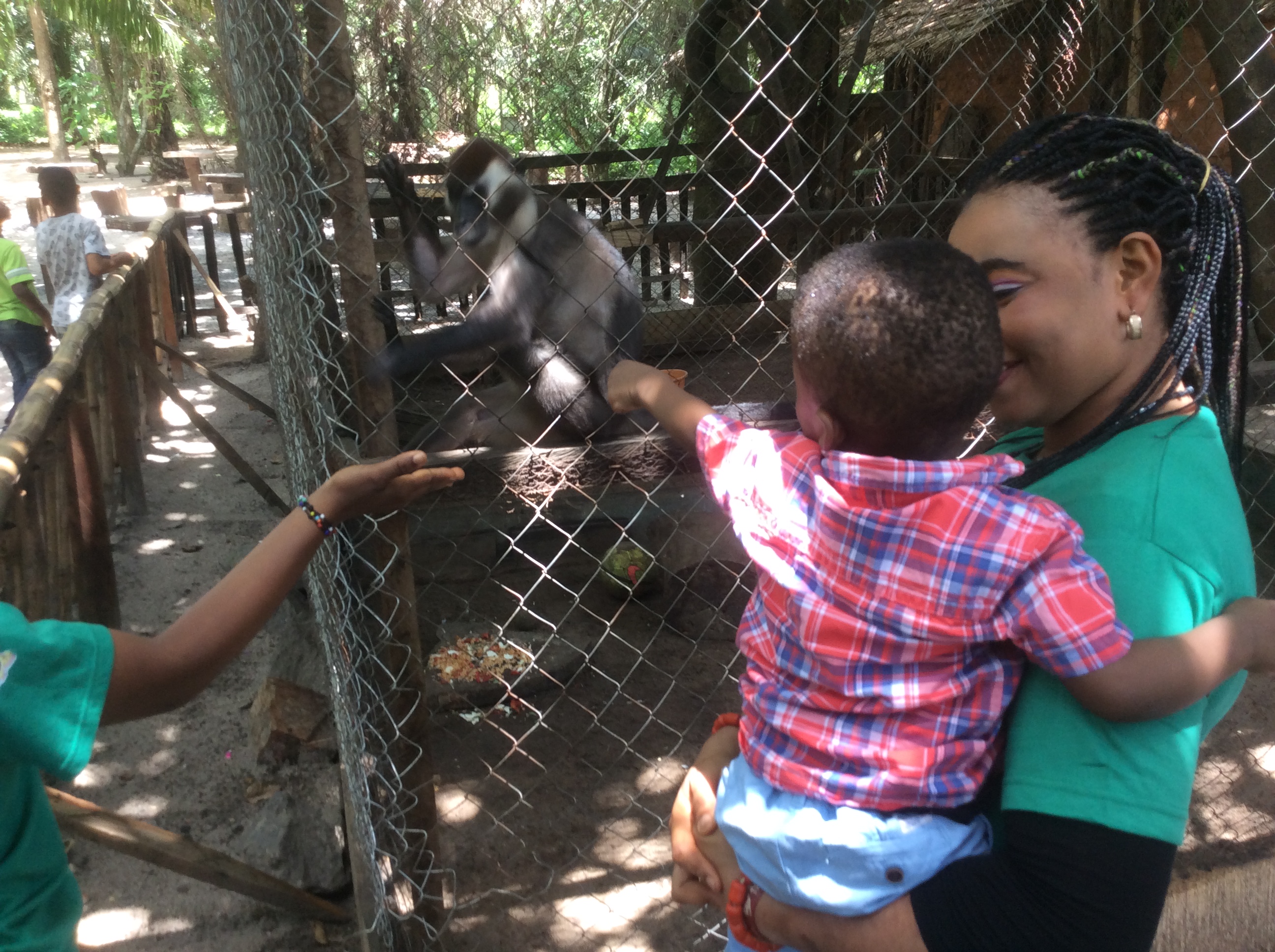
IMG_4594The part about it being an animal sanctuary caught my attention. The idea of a place where rescued animals are taken care of seemed, for a moment, pretty foreign. I live, after all, in a country where stray dogs are caught, kept in small uncomfortable crates, transported over many kilometres, and sold for meat. This place not only has huge living areas for their rescued animals, the interaction of the minders and the animals also show how dedicated to the purpose the whole crew is. One of the monkeys, rescued from the forest as a baby, had developed such an emotional bond with one of its minders that it protested loudly whenever anyone came too close to her.
IMG_4492

Except you were a little baby, that is.

IMG_4472Other animals in the premises were a tortoise that is over twenty years old, a civet cat, some baboons and a chimp, two donkeys, and three horses. There were also goats, sheep, and rabbits, housed in different parts of the park. Altogether, they give an idea of an idyllic setting where one can spend a nice time away from the bustles of Lagos and its earnest humans.IMG_4544
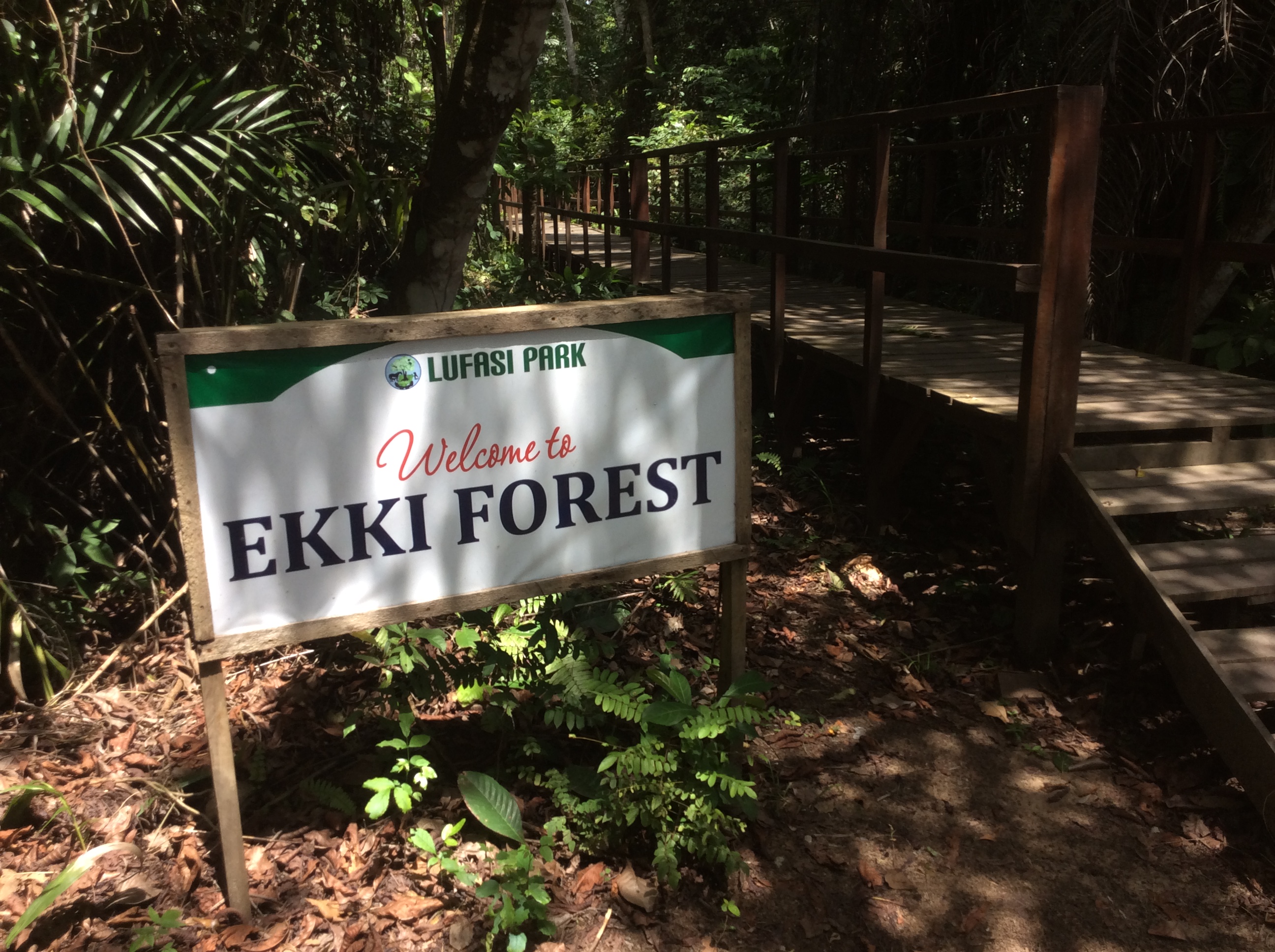
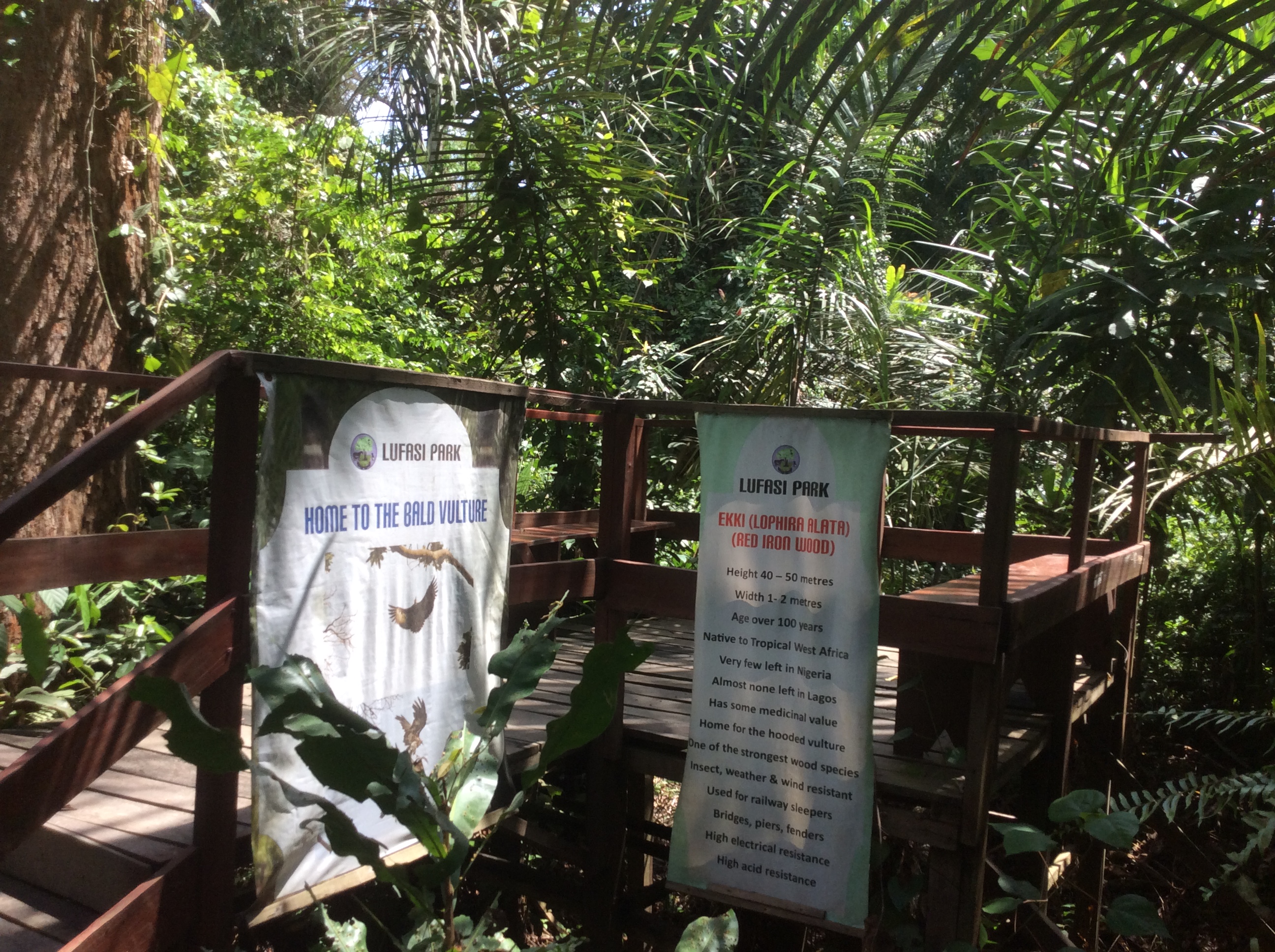
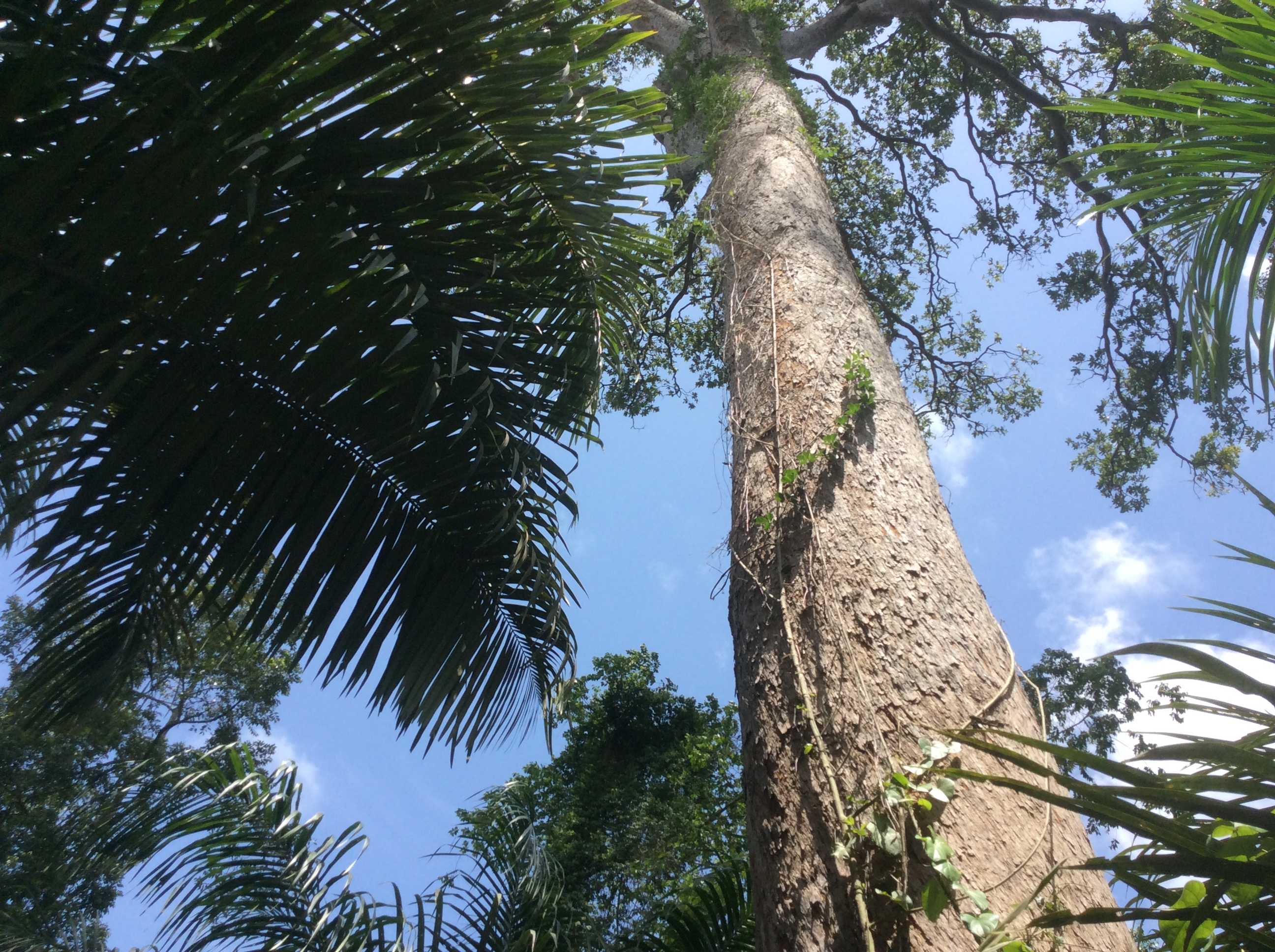
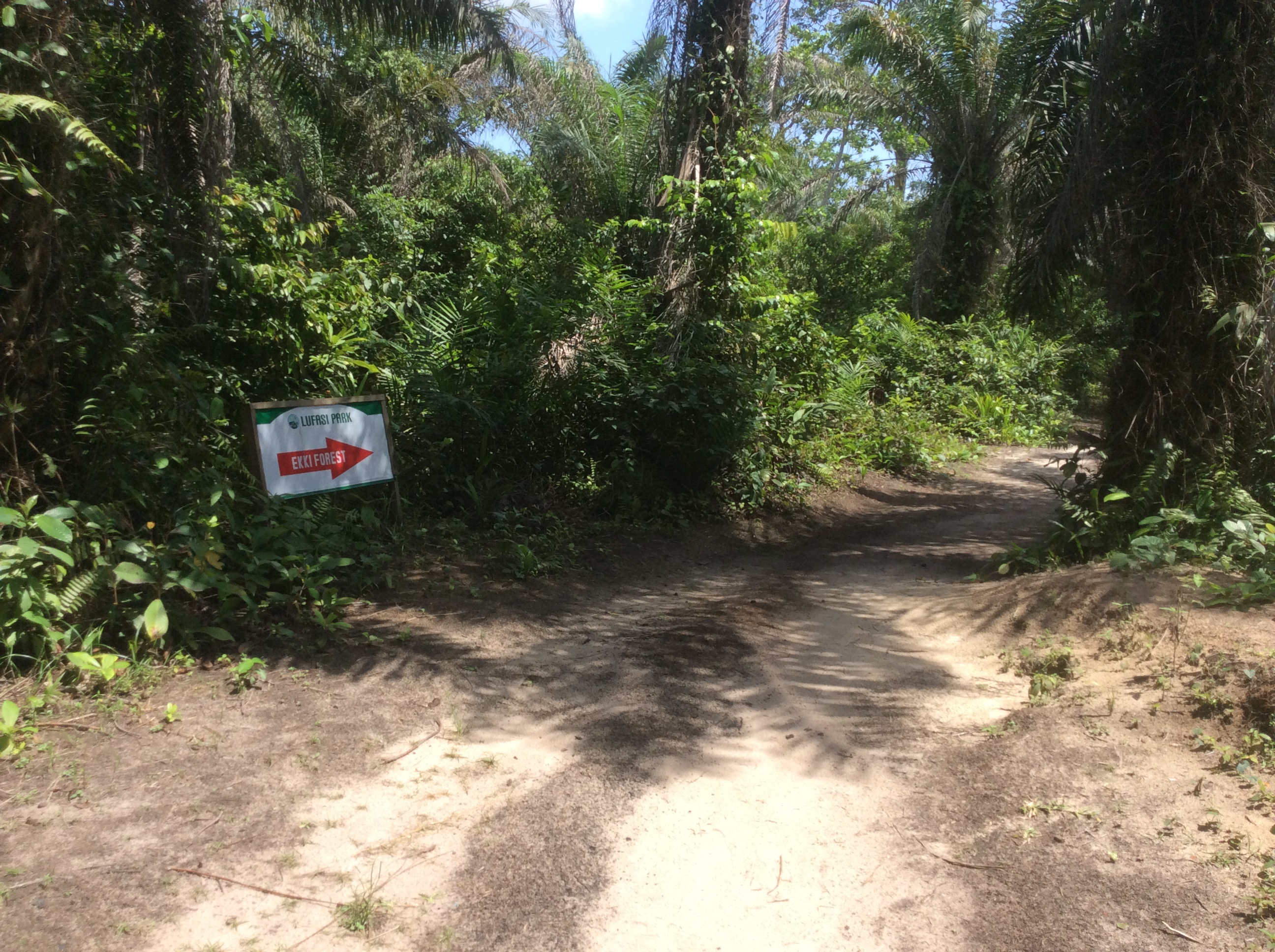
The “Ekki” trees in this park (botanical name: Liphira alata, also called “red ironwood”) are said to be the rarest of their kind left in the country and in the world, threatened by habitat loss.

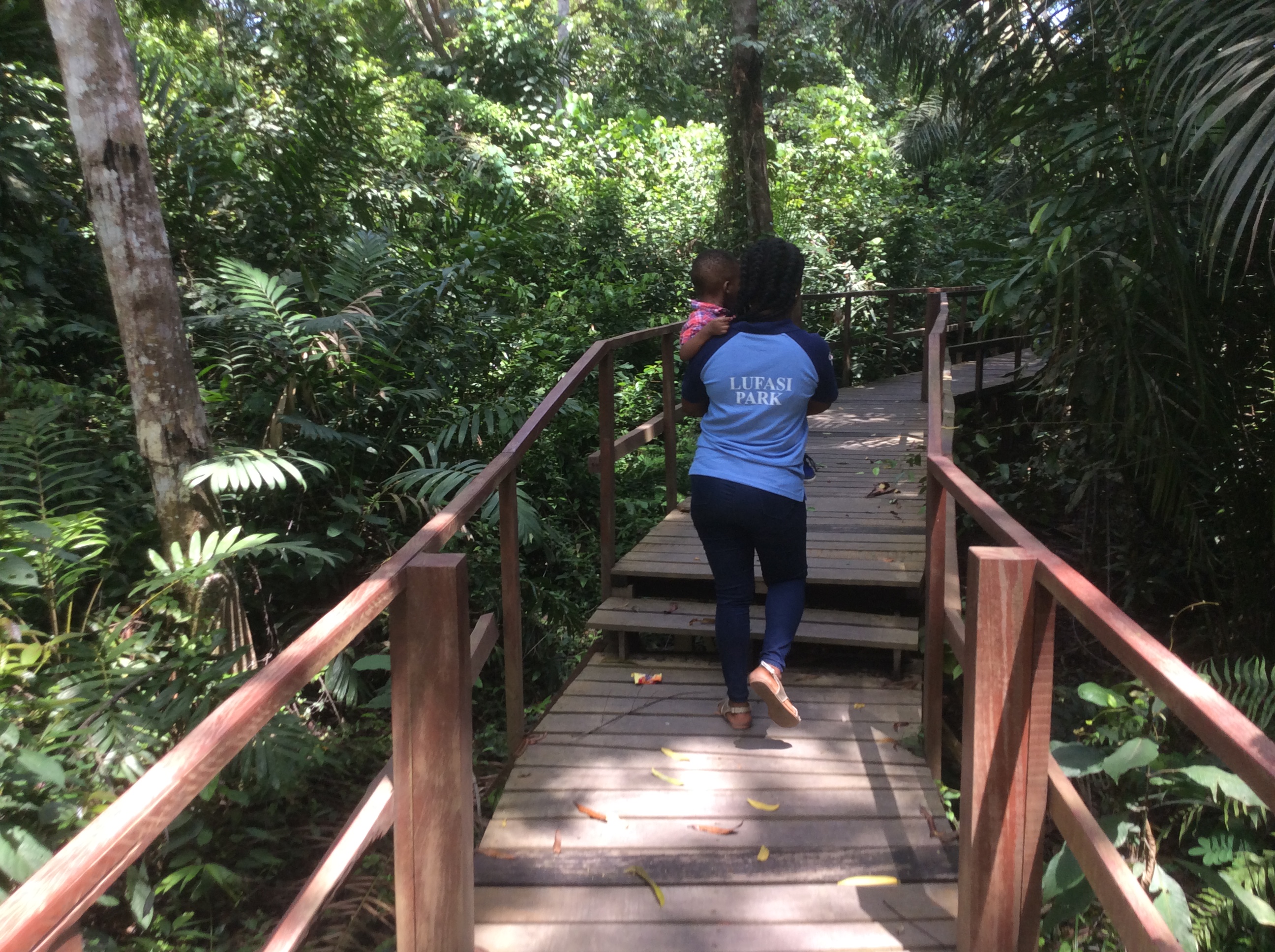
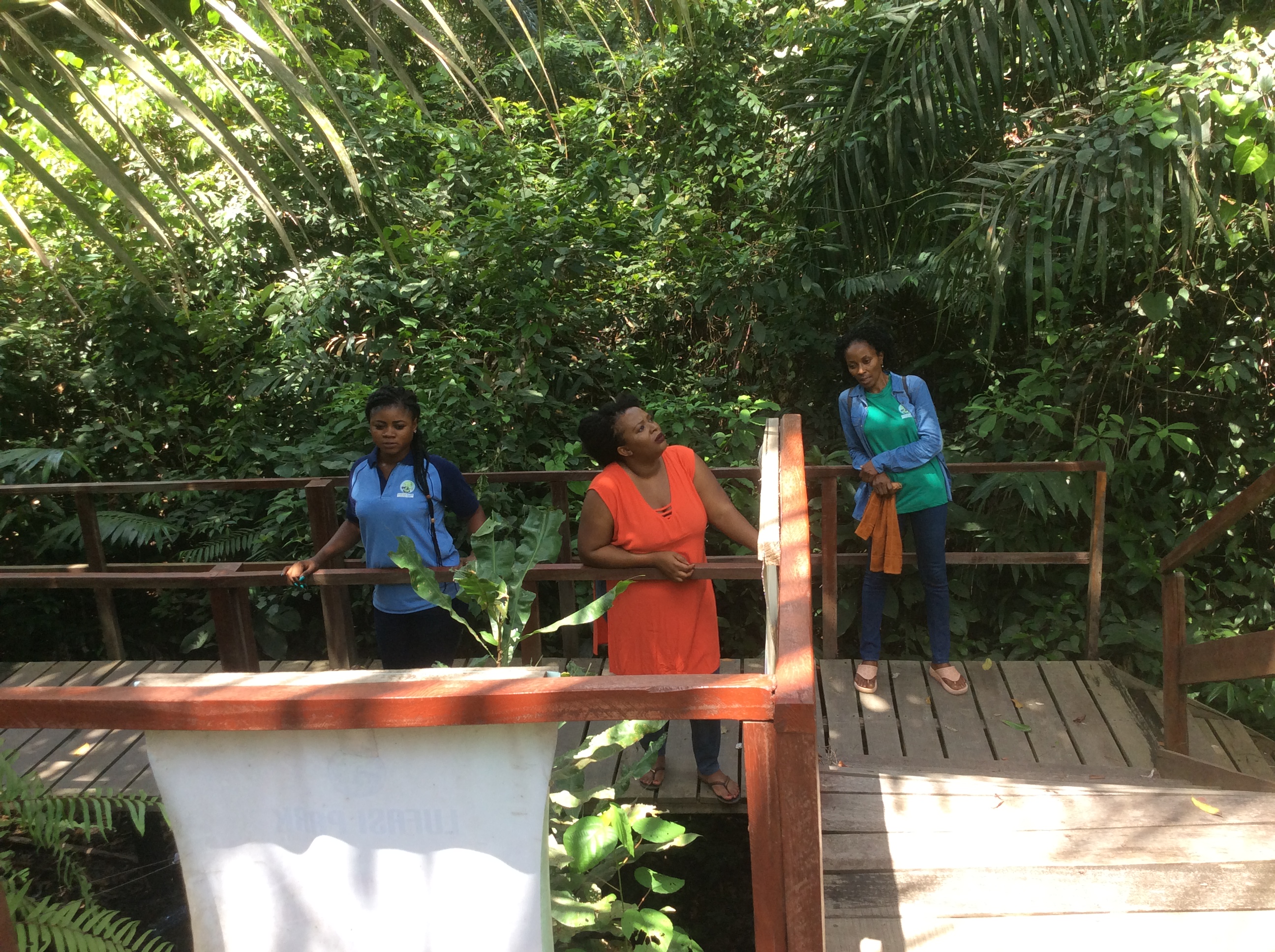
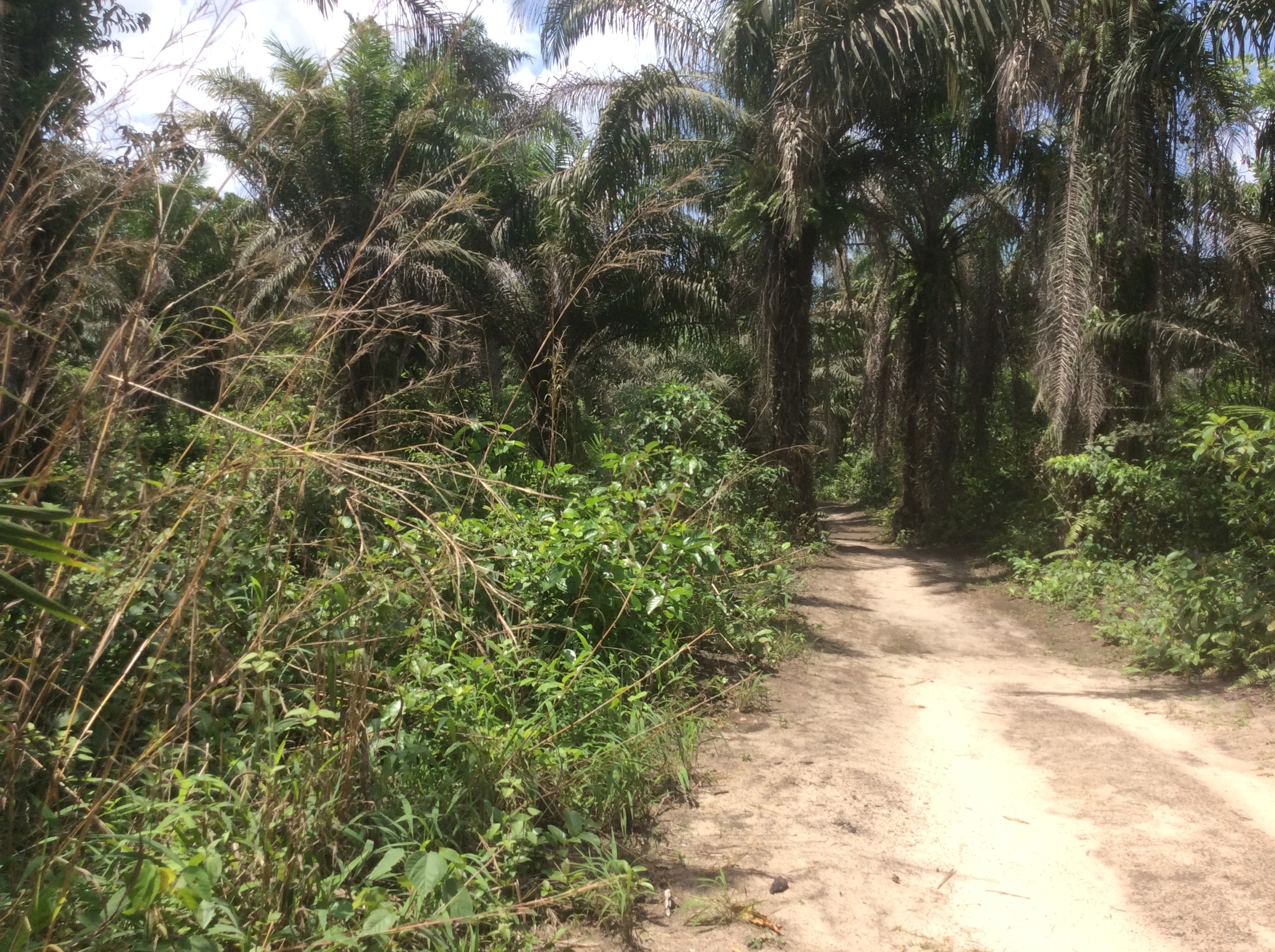
IMG_4545IMG_4548The nature walk through the park takes under thirty minutes, through well-labelled routes, well-constructed walkways and a decent environment with clean air. The trail ends at the foot of a tree, the red iron wood, said to be the oldest in the park and one of the oldest in the country.IMG_4552


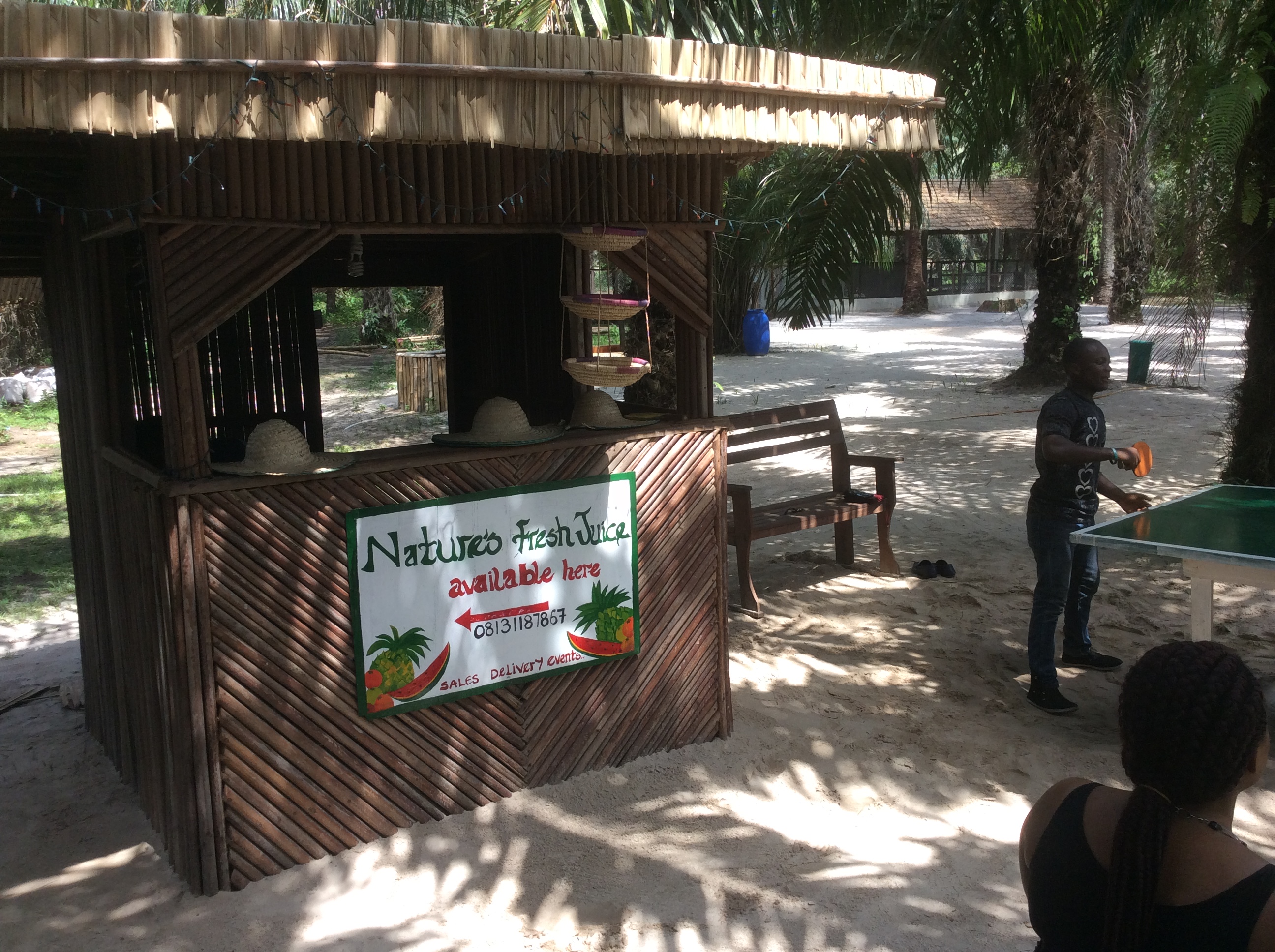
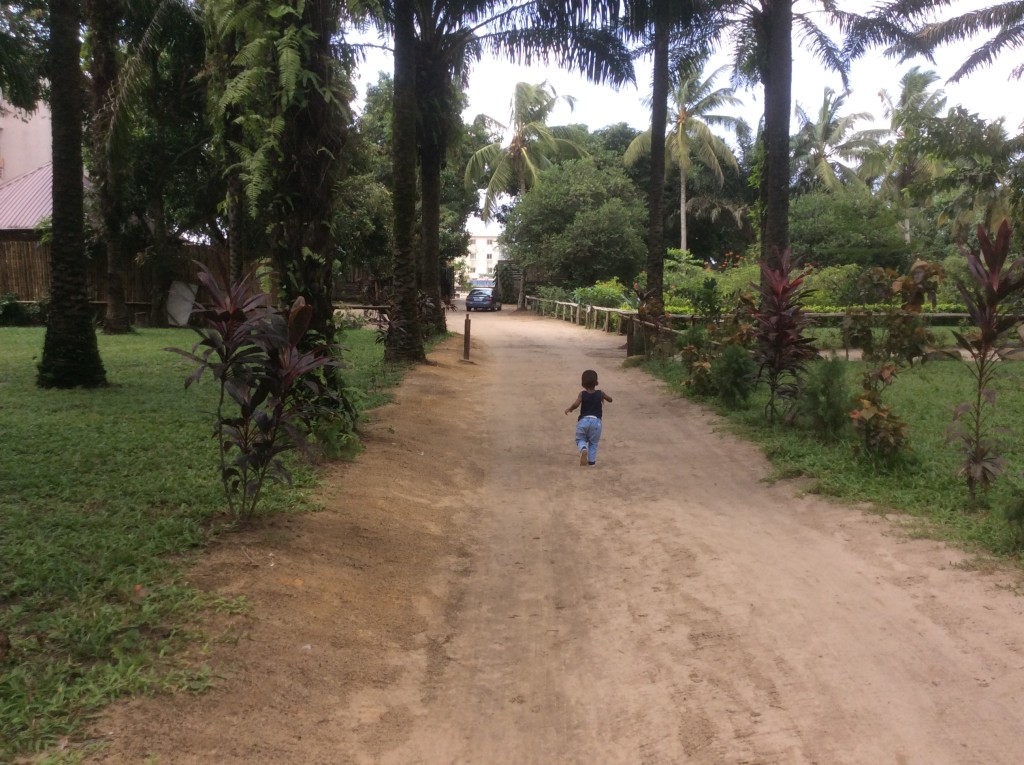
IMG_4554IMG_4558From here, the traveller can decide to keep going into the undergrowth, meandering through the remaining part of the Lekki forests towards to the ocean. Or, if he’s with his wife and two year-old kid, make his way back in time for lunch and some table tennis.IMG_4560

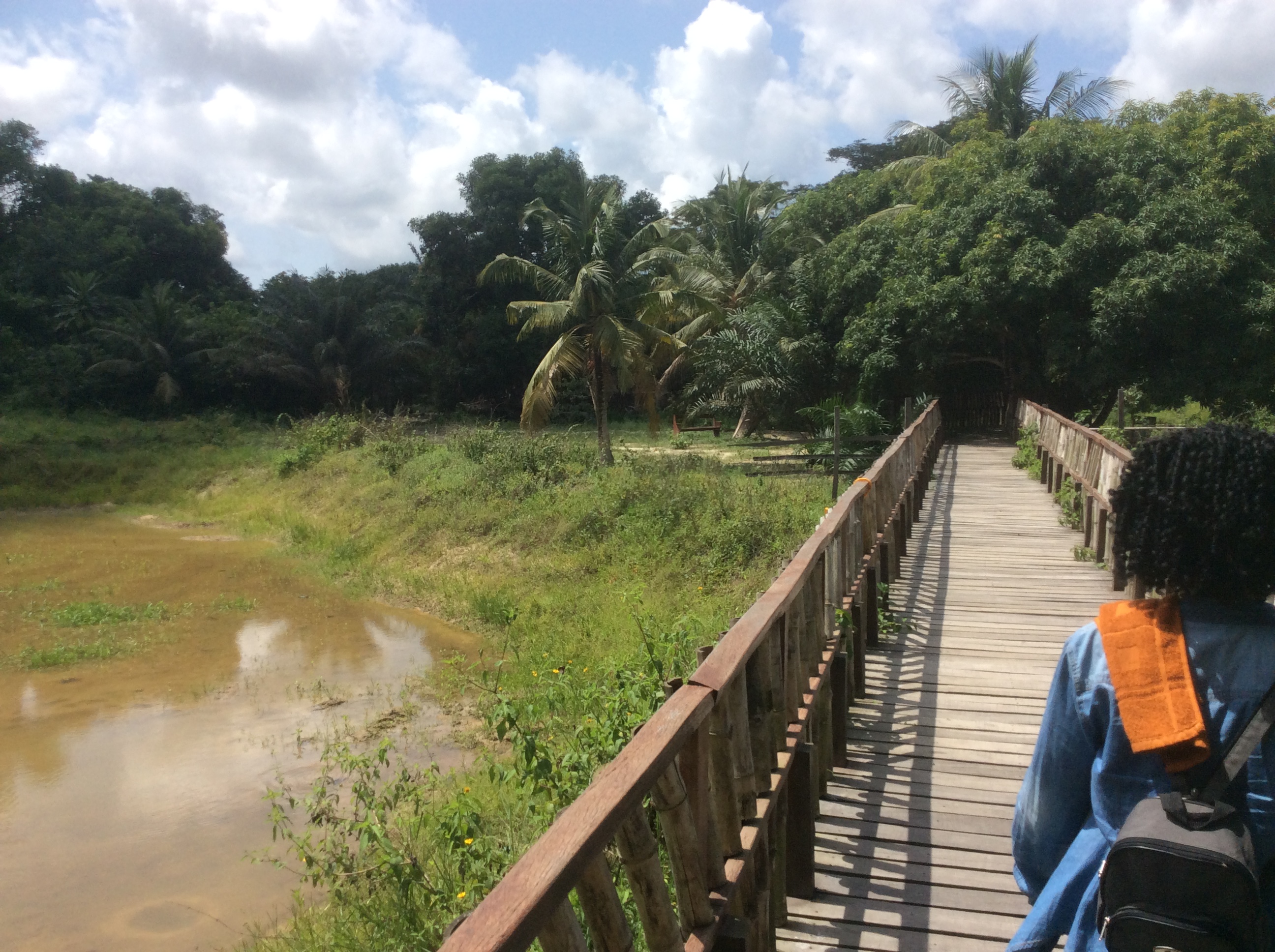
Along the way to and from the end point are ponds which, we were told, are being set up for fish farming and other future irrigation plans.

IMG_4563
IMG_4571What else can I say that these pictures haven’t already said? The Lufasi Park is a great addition to the Lagos landscape, and a brilliant effort at conservation and animal sheltering and care. This is a laudable project of which we need even many more.

I’ll certainly be coming back soon. My son, certainly.IMG_4593

You can read more about the park on their website and on their twitter account.