A few days ago, I visited ‘the best small library in America 2010′, as selected by vote and inspection by the Bill and Melinda Gates Foundation. It is none other than the Glen Carbon Centennial Library located a few miles away from the Southern Illinois University, Edwardsville. The village of Glen Carbon itself is 19.3km square out of which 0.1km square is water. It has a population of about 12,000 people, was voted by CNNMoney.com in 2009 as the No. 91 on its “Best Places to Live” list, and is located 30 minutes by car across the Mississippi River.
Location
Surrounded by oriental artworks and located in a lush area of the quiet residential area, the library, which is actually quite small, stands formidable; and what strikes first as one makes an entrance is the warm glow of lights, and the aesthetics of the structure. At the entrance is a bronze cast of two little children reading a book. A little further in is a fireplace in front of which are two comfortable sofas and a coffee table. Then there is the warm smile of the members of staff at the help desk who are ready to give all necessary assistance to the visitor. “I am from Nigeria,” I said, in response to her almost curious look. “Nice to have you here,” She responded, and proceeded to attend to my co-visitor who had brought me to check out a few books and movies.
For a small library, the Glen Carbon Centennial is in a class of its own. If we do not wrongly assume that the current state of the art design of its interior is because of the cash prize it got from the Bill and Melinda Gates Foundation for being the best small library of 2010, it is easy to see why it would be deserving of such recognition. With a warm staff, a conducive environment, organised shelves and a well-stocked store of books, a children’s playground, nice and spacious reading spaces, and a fireplace, it effortlessly lends itself to inspiration expected from such a reading and studying space. The materials in this small building will run into tens of thousands, but there is no one source of verifying such information immediately. There was however a recently published feature of the library in the Library Journal issue of February 2010. Although meant to be purchased for $2.00 at the desk, the woman at the desk made free colour copies for me.
Humble beginnings
The library started in 1975 as The Glen Carbon Reading Center in the “Hex Building”, and is now housed in a 15,000 square foot facility opened in October 2004, located adjacent to the town’s historic covered bridge. The doorway to the children’s area of the library resembles an entrance to a coal mine, with rough-hewn timbers holding up a corrugated tin roof overhanging the door. Lighting fixtures and other accents, such as exposed wood beams and rafters throughout the building incorporate this theme in a state-of-the art facility that includes glassed-in study rooms, a community room, children’s program room, wireless access, teen area and twenty-three patron access computer workstations.
After less than 30 minutes looking through the facilities and the warm services of its workers, it is easy to see why it was voted the best small library (a distinction that comes with $15,000 cash prize) by the Bill and Melinda Gates Foundation. I recommend it any day for anyone who ever finds themselves in Edwardsville, or for writers and researchers looking for where to donate their books, research materials and papers. With a motto of “More than you expect,” the small library has grown in leaps and bounds over the years although the community hasn’t grown much. In the past two years, according to an article in the Library Journal, 2,313 new borrowers have registered, more than 35 percent of the patron total of 6430. Even the door count has risen from 33 percent from 2007. And for a library that runs on only fifteen librarians out of which only five on the management team are full time, it is an impressive feat. The place is open seven days a week for a total of 64 hours.
“Glenn Carbon seems to be doing everything right,” said one of the Best Small Library in America judges. “Glen Carbon has the most going on in every criterion,” said another. “I really tried to keep creativity, replication by other libraries, and innovation foremost. Glen Carbon got the most points,” said a third. The only other libraries in the places surrounding Edwardsville are the Edwardsville Public Library and the Lovejoy Library. The former is one of the oldest libraries in the state (“dedicated” in 1906) located in downtown Edwardsville, while the latter is located on the campus of the Southern Illinois University, Edwardsville, established in 1965, and named after the abolitionist newspaper editor, Elijah Lovejoy, who was shot and killed while defending his press from a pro-slavery mob in Alton, Illinois in 1837.
___
First Published on 234NEXT on May 1, 2010. Reprinted here for archival purposes. Pictures can be found here.
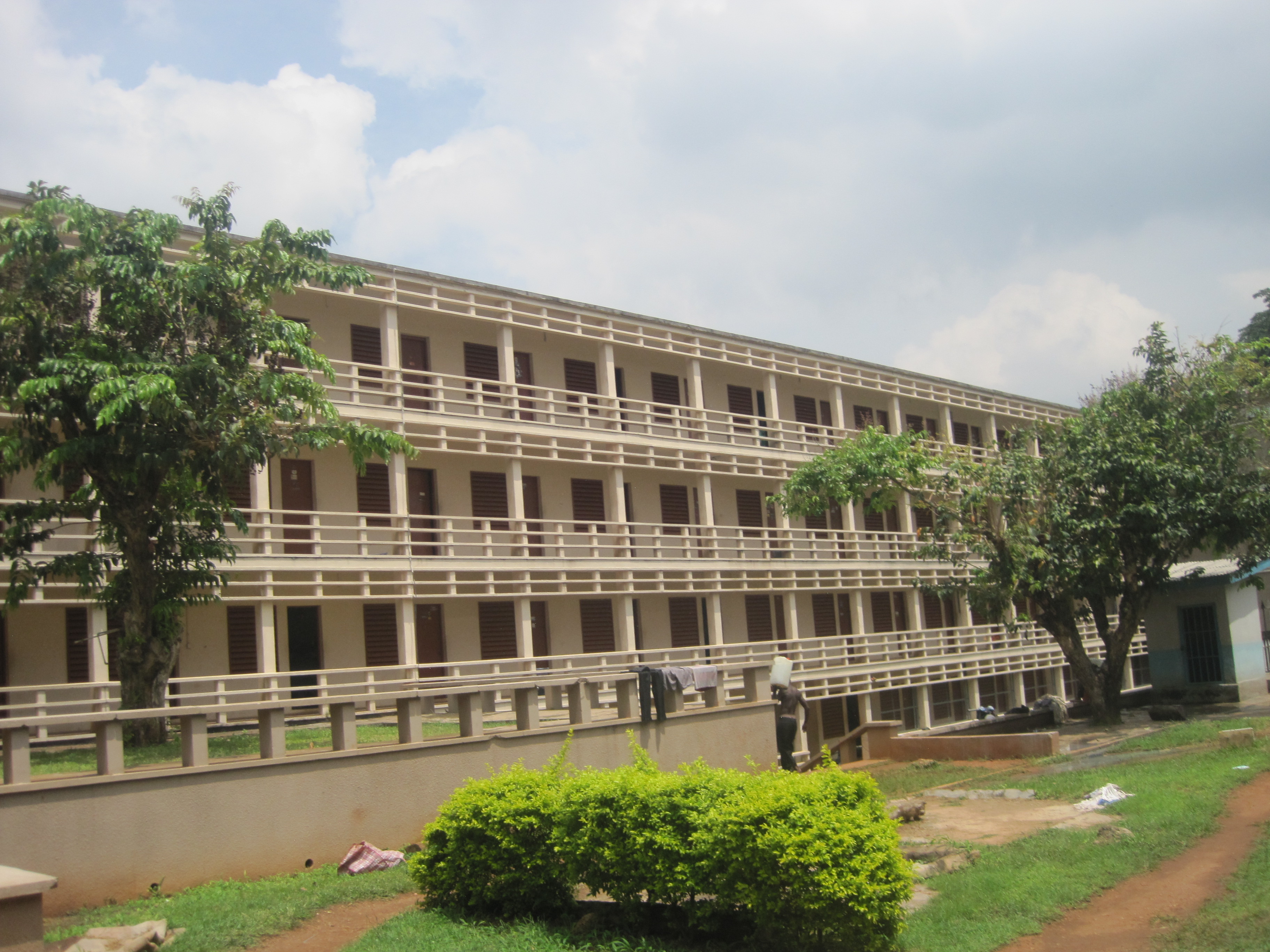
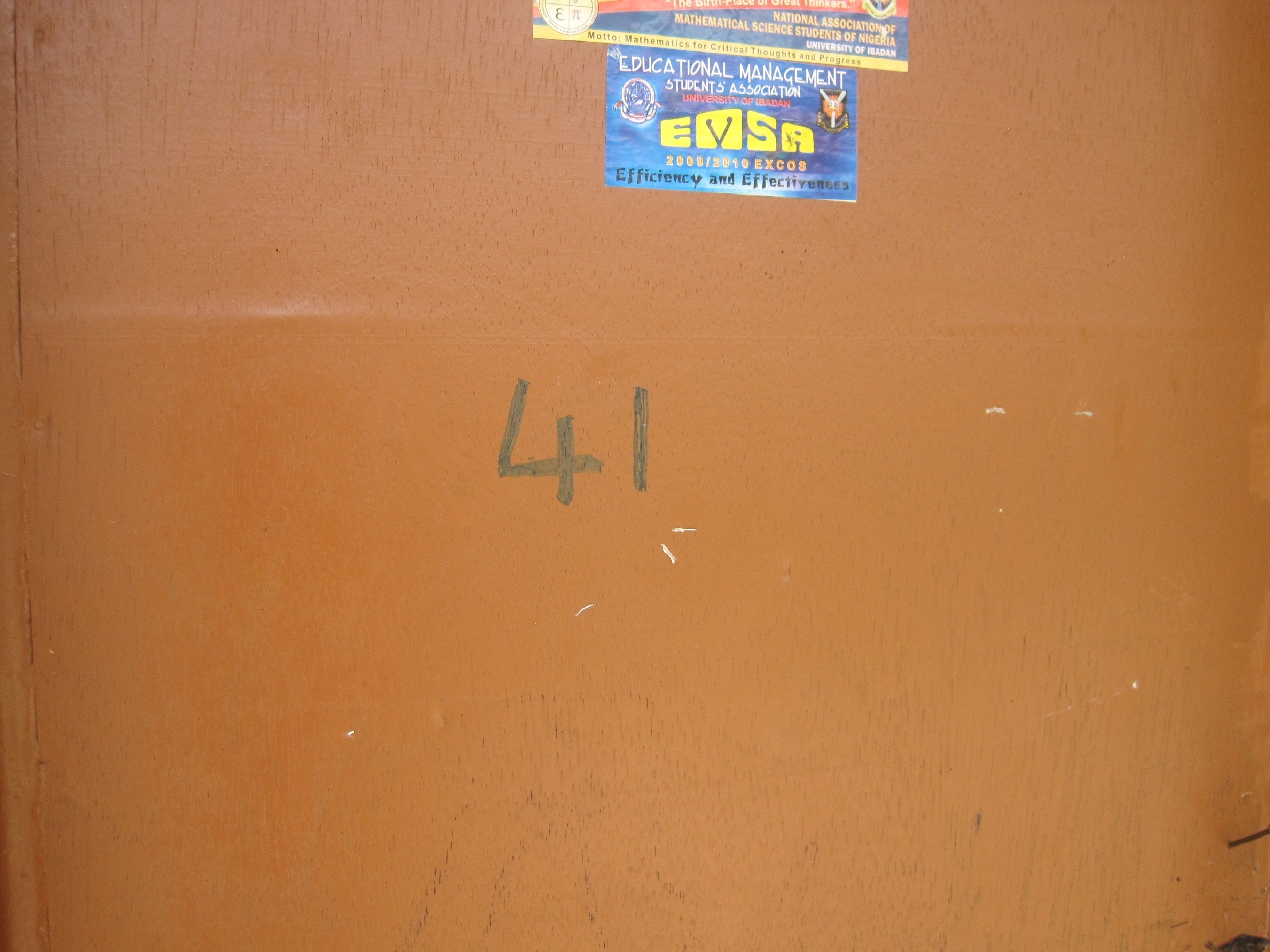
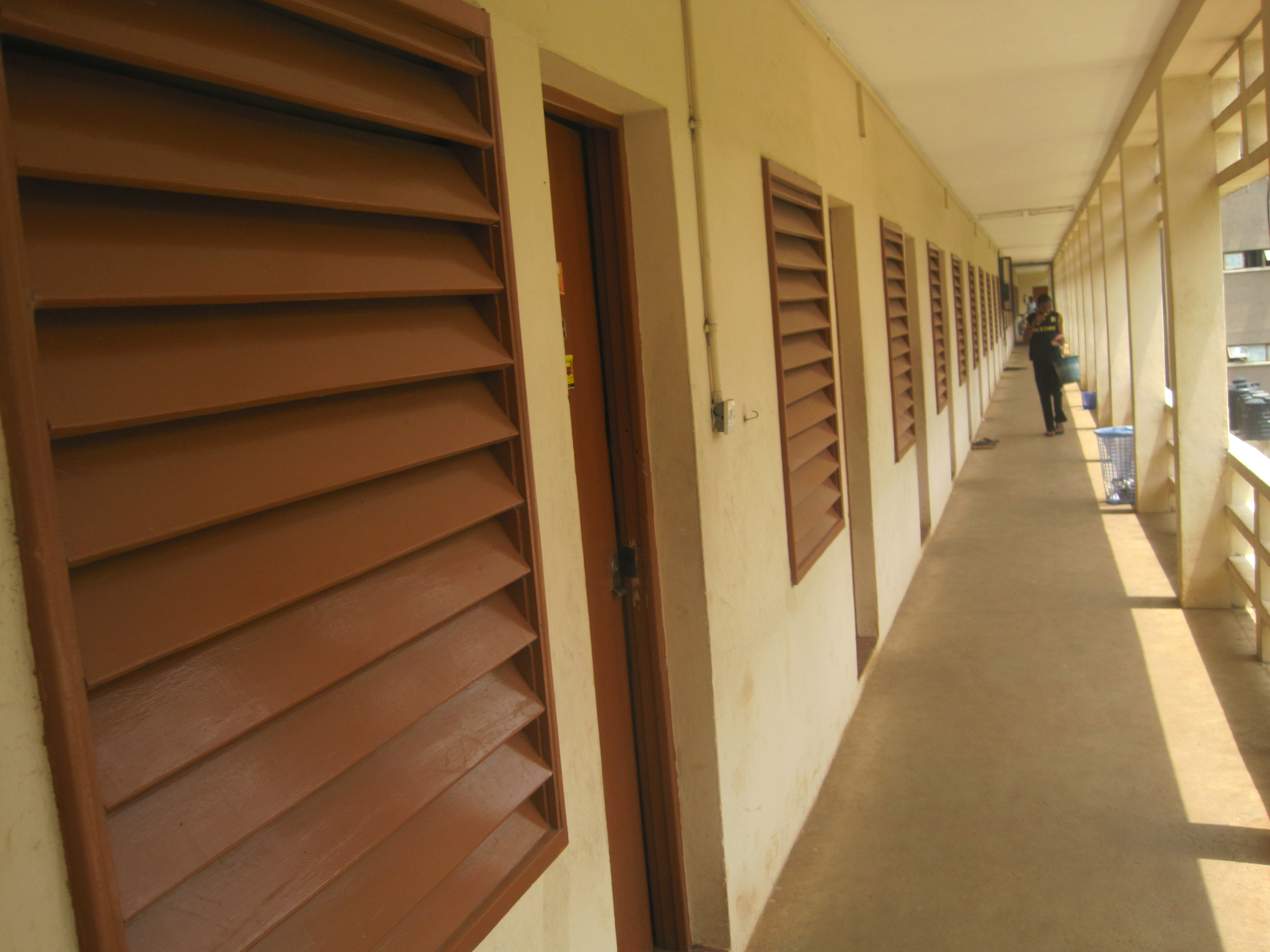
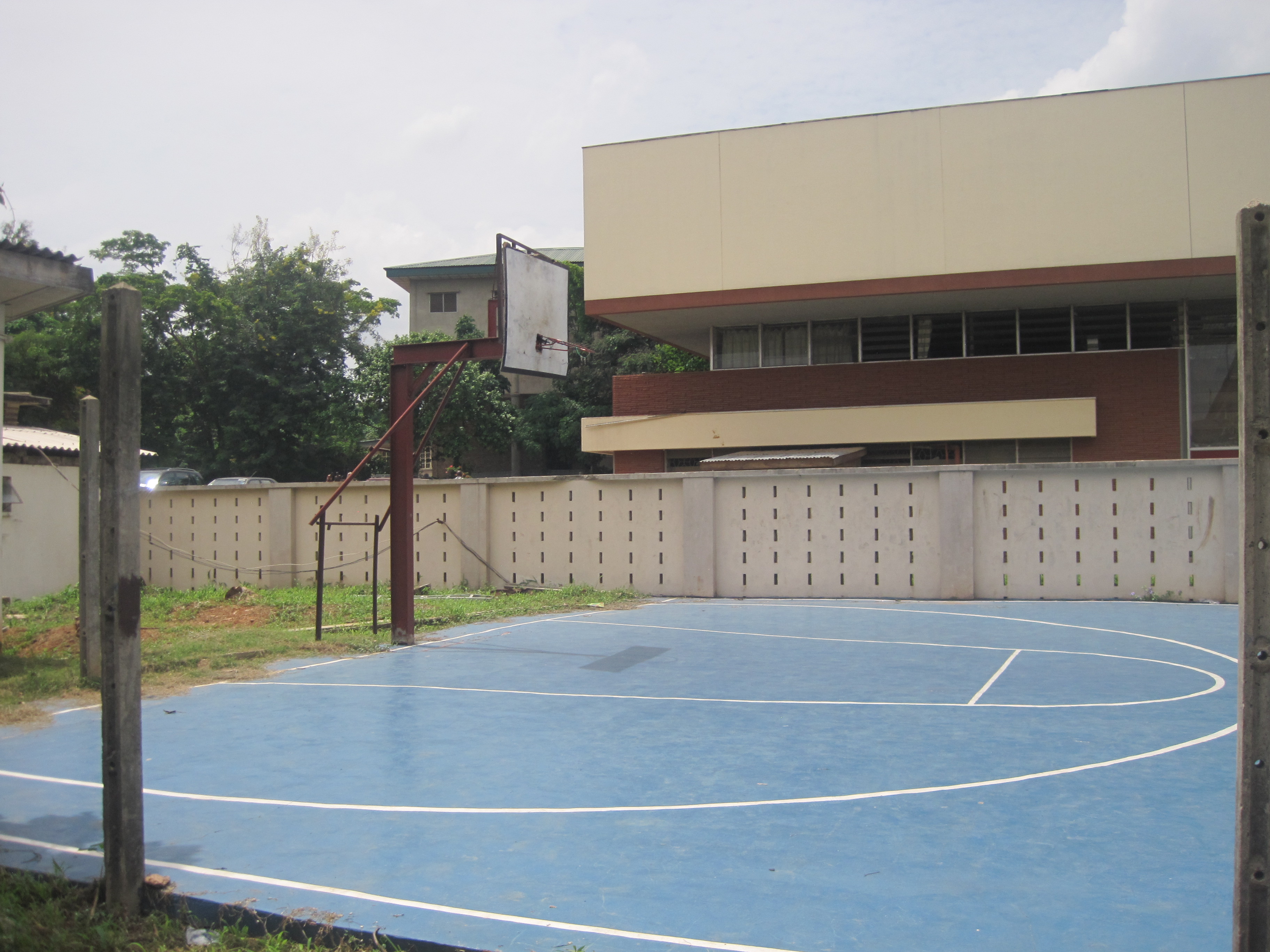 No return visit to the old hall of residence would be complete without a visit to the old rooms that played host to my errant self during those five gruelling years.