All my students agreed, to my utmost discomfiture, that the Nigerian musician Lágbájá reminds them in some way of the Klu Klux Klan, even though his costume is neither white, nor as creepy. I wasn’t aware of this, and I had come to class with his most recent video, and a few others, as pointers to an authentic Nigerian musical art form popularized by this masquerade of a man.
“Does he ever show his face?”
No.
“Do people know who he is?”
Yes.
“Is he ever going to take his mask off?”
I don’t know.
And in actual fact, I didn’t. The brand that is Lágbájá has come to be defined by his invisibility, woven into the Yoruba’s mask as a form of cultural expression, along with the namelessness that Lagbaja represents. Lágbájá is a placeholder in Yoruba that means anyone of “anybody”, “nobody”, “everybody” and “somebody”.
In the end, all that mattered was that the students were exposed in some way to a form of artistic expression that both Yorubas and non-Yorubas are proud of as representative of creativity, and art. But that reference to the KKK, by both White and Black students of the class flipped me, and got me wondering just how much we take for granted because of our distance from the scene of events. It wasn’t so much of a consolation that the concept of Lágbájá is the farthest possible kind to that of hate-mongering, racism and intolerance.
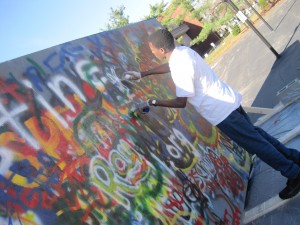
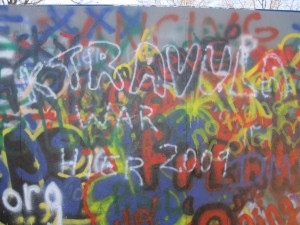
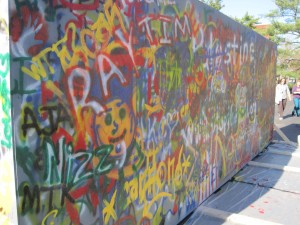
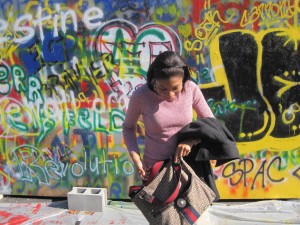
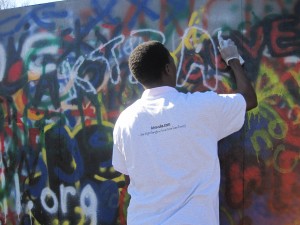
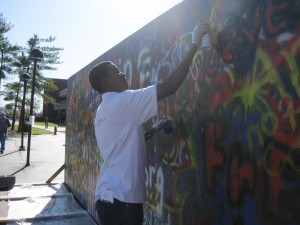
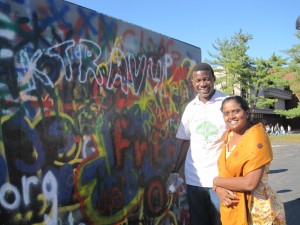
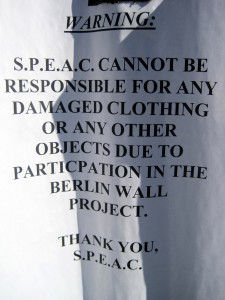

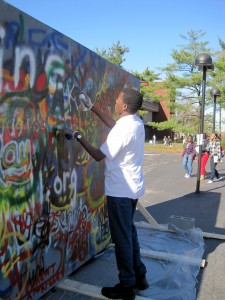
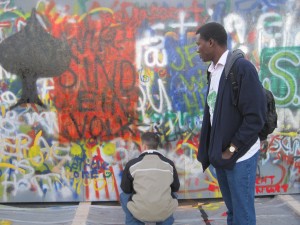
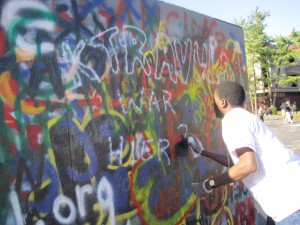 Today, after a spell of indecision and procrastination, I finally got the spray paint and headed to the Wall to make it mine. It didn’t take too long, and it wasn’t too hard. And in the end, I didn’t get any more creative than I already got before. As none of the readers of the last post gave me sufficient ideas, and I never successfully resolved my language conflict, I ended up writing it in German, in the shortest possible way as allowed by the thinning white paint.
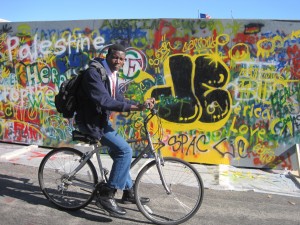
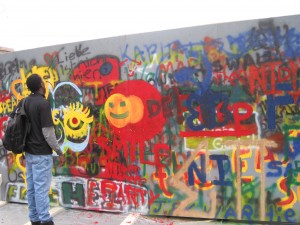 And so today marks the twentieth year of the demolition of the Berlin Wall in Germany. To commemorate it on campus, the German arm of the Foreign Languages Department in which I work have unveiled a public art exhibition featuring texts, artworks, pictures, history, (German) music, and most notably a miniature replica of the old Wall. Constructed with wood, and strategically placed at a publicly accessible spot on campus, the “wall” already randomly graffitied stands today both as a reminder of the historic day, as well as the ingenuity of the Department of Foreign Languages, especially of Belinda Carstens – the head of the department who is also a professor of German. Along with the chance to take pictures with the “wall”, students have been encouraged to spray-paint the wall and decorate it with their own graffitis as they see fit, just like was done with the real Wall in those days by angry Berliners and rebels who wanted it torn down. Needless to say, the over twenty feet long wall is already a notable piece of attraction on campus, and will be till the end of the week.
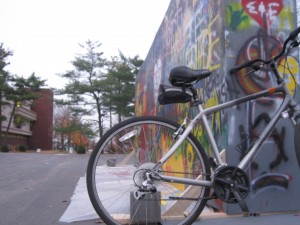 But amidst my excitement to be here at this moment in time, here’s a dilemma I face: I can’t yet figure what I want to write on this wall. Prof Doug Simms of the deparment had taken his time today to draw on it a sickle and a hammer (the old symbol of communism) turned upside down, like it was on the old wall, according to him. A few of the other graffitis on this “wall” reflect each painter’s own sensibilities, and not always related to the politics of the Wall itself. So here I am, thinking (or asking YOU, as the case may be) that when I go back there tomorrow with a brush and paint in hand, what other creative texts or symbols (in any language) should I be writing on this remade wall from twenty years ago beside the obvious personal statement in my mind at this moment which simply reads, in German: “ktravula war hier“?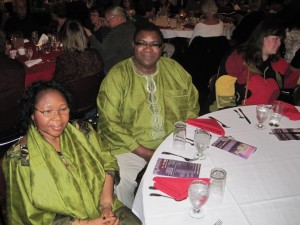
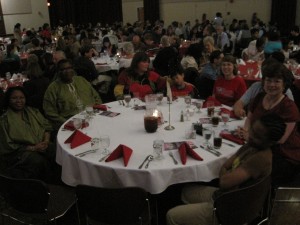
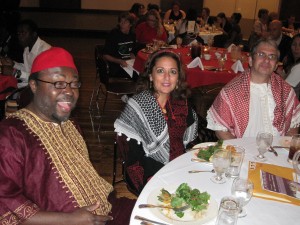
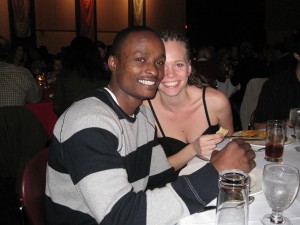
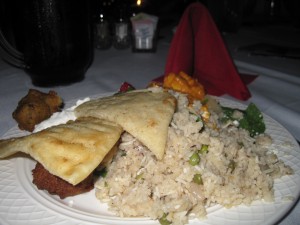

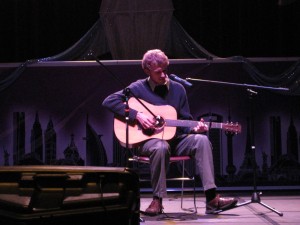
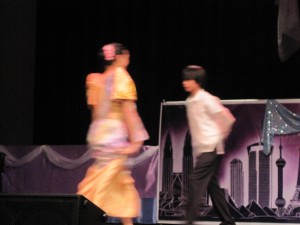
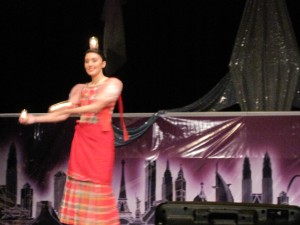
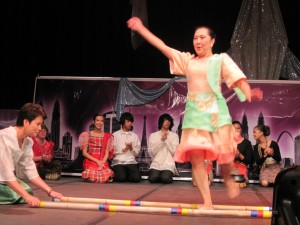
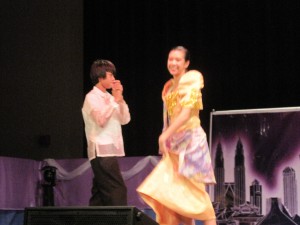
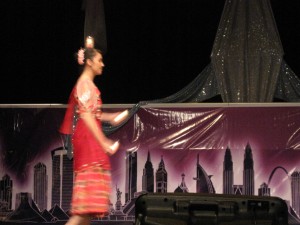

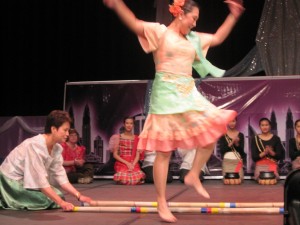
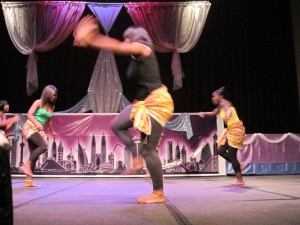
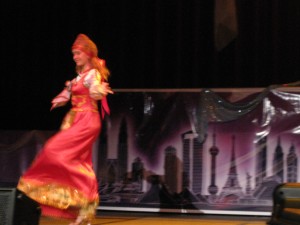
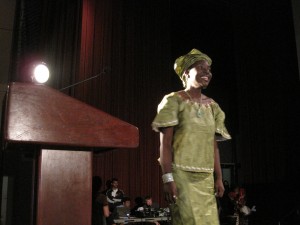
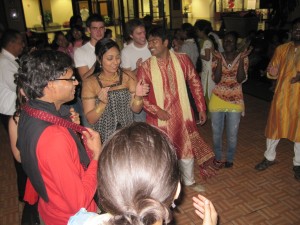 Here are the final set of photos taken at the International Night celebration of cultures here on campus. It’s an annual event featuring drama, songs, dance and food from different parts of the world. Visitors also came from different parts of the country for the event that has become famous for its diversity. The roll call of countries featured either in the programme’s activities, food menu, or the guest list of where the visitors came from includes but is not limited to Nigeria, Israel, Egypt, Iran, Benin, Cameroon, Ghana, Ivory Coast, Germany, France, India, Kenya, Palestine, Phillipines, Nepal, England, Spain and Turkey.