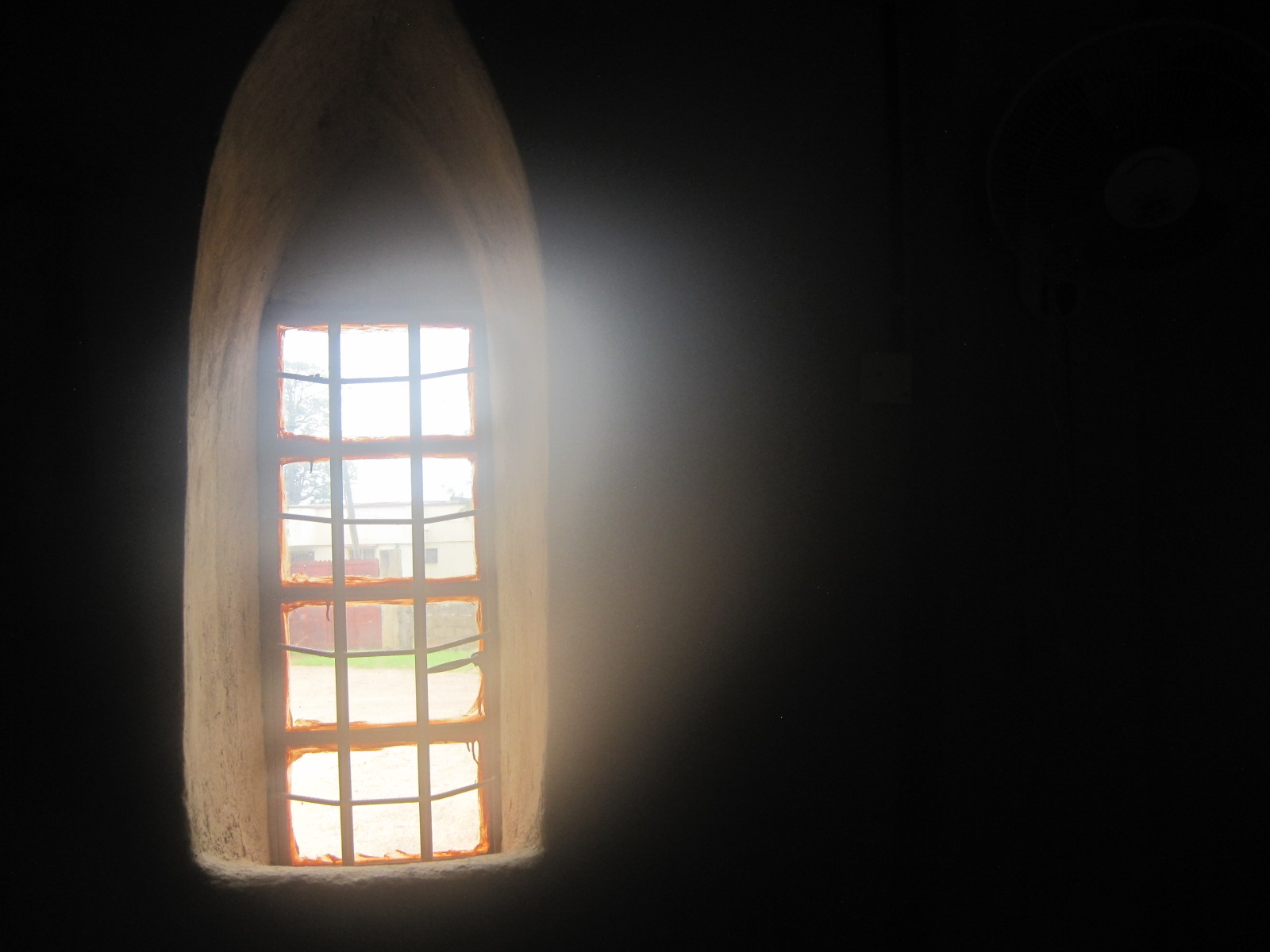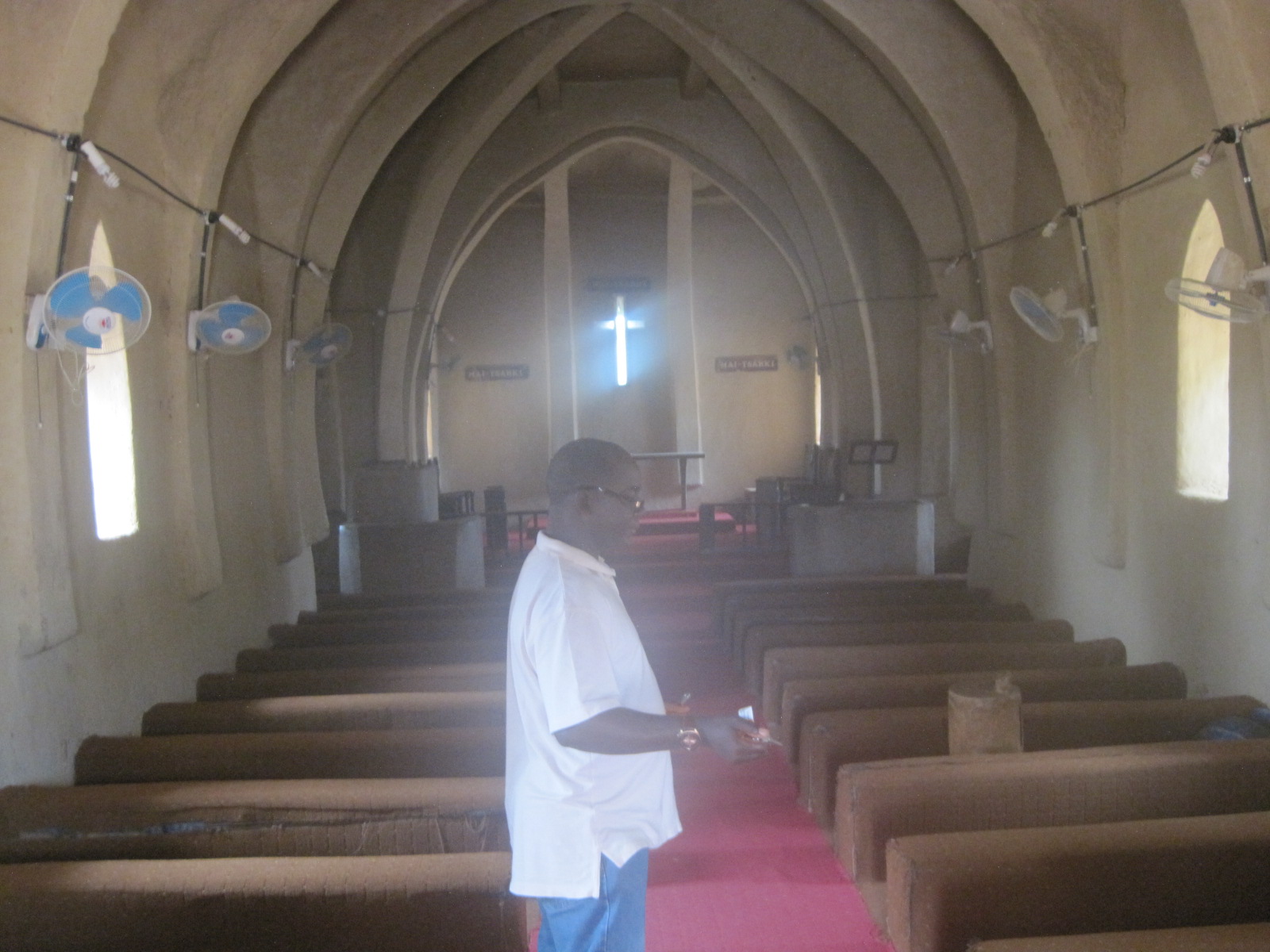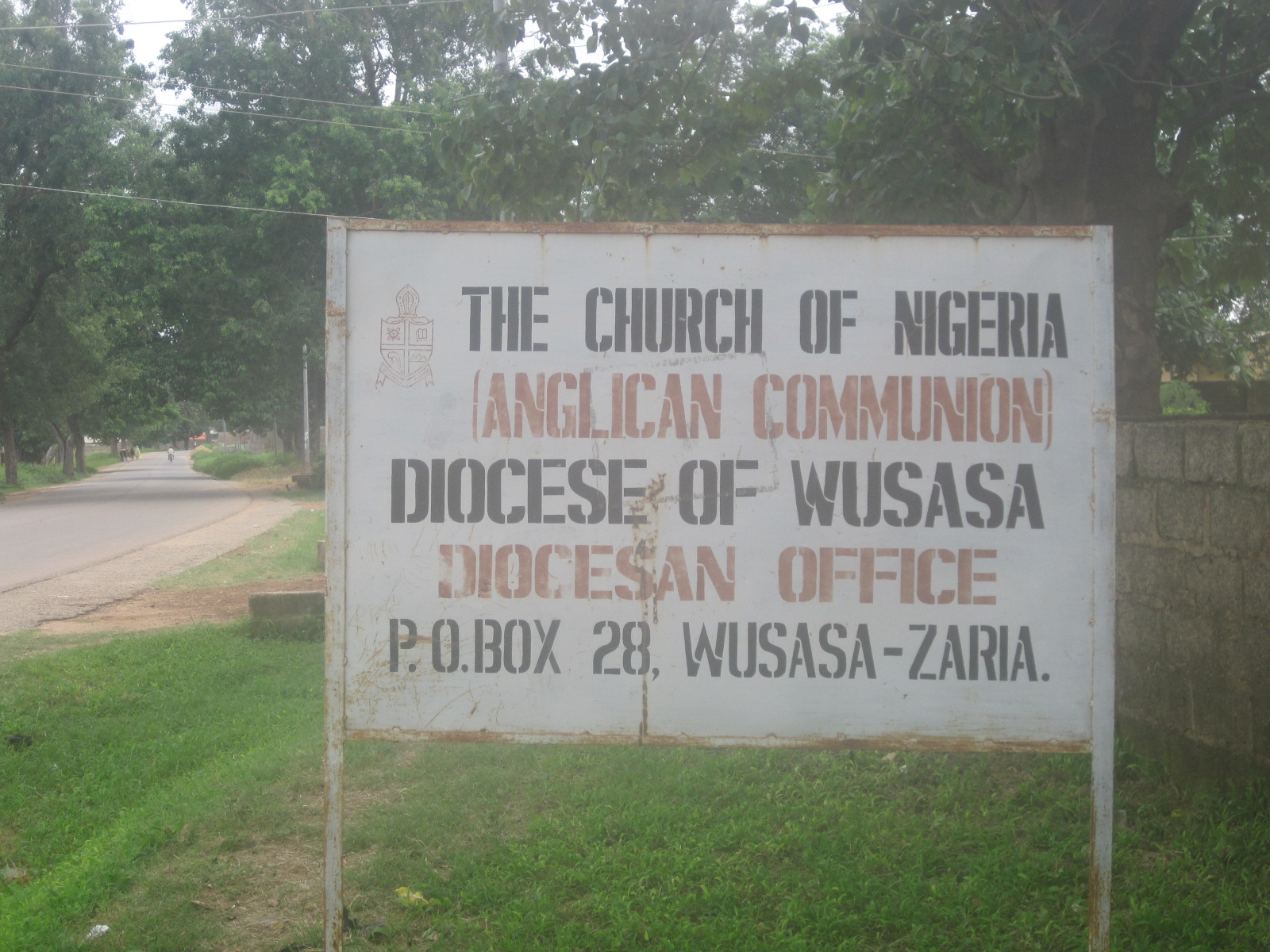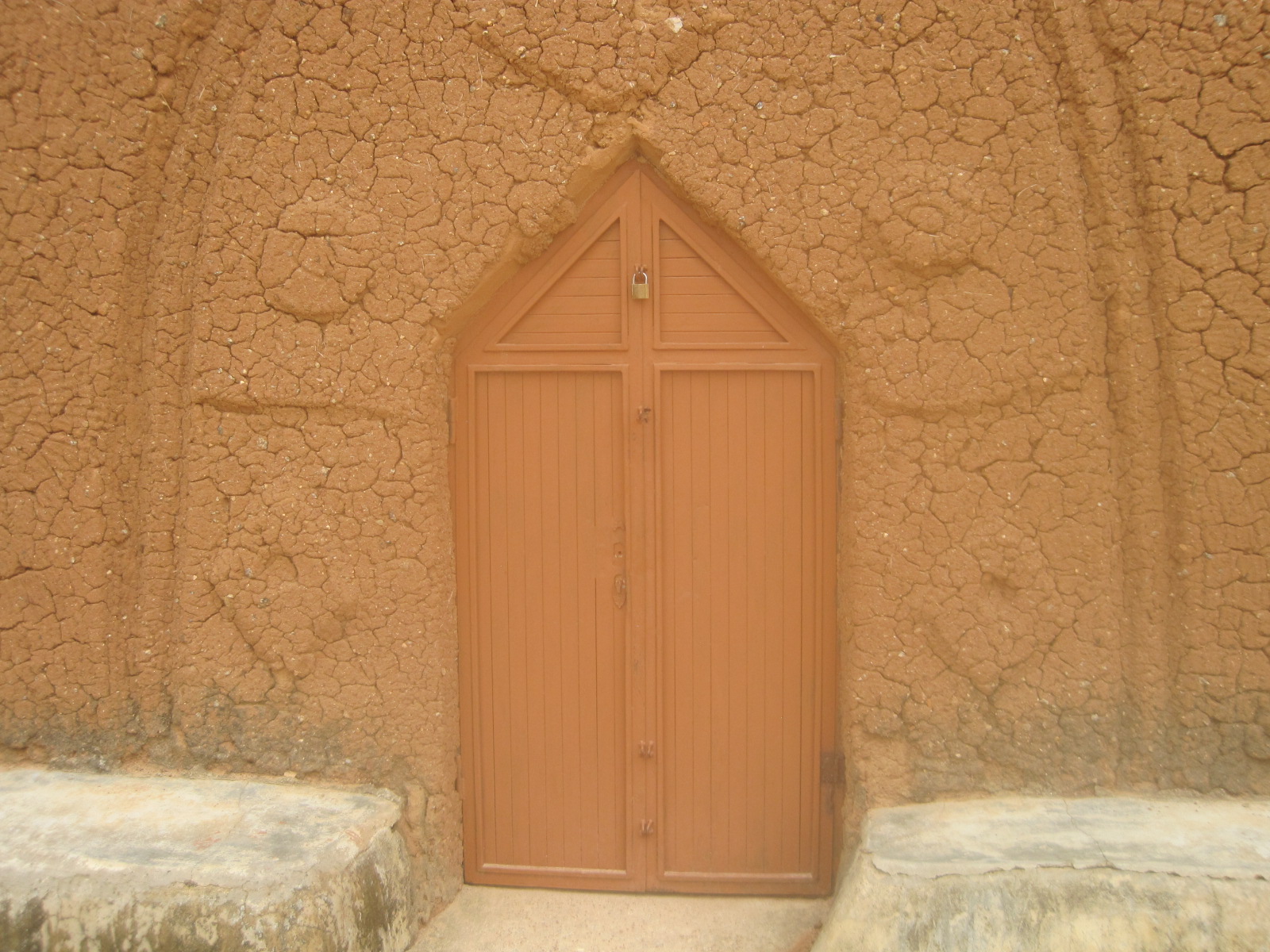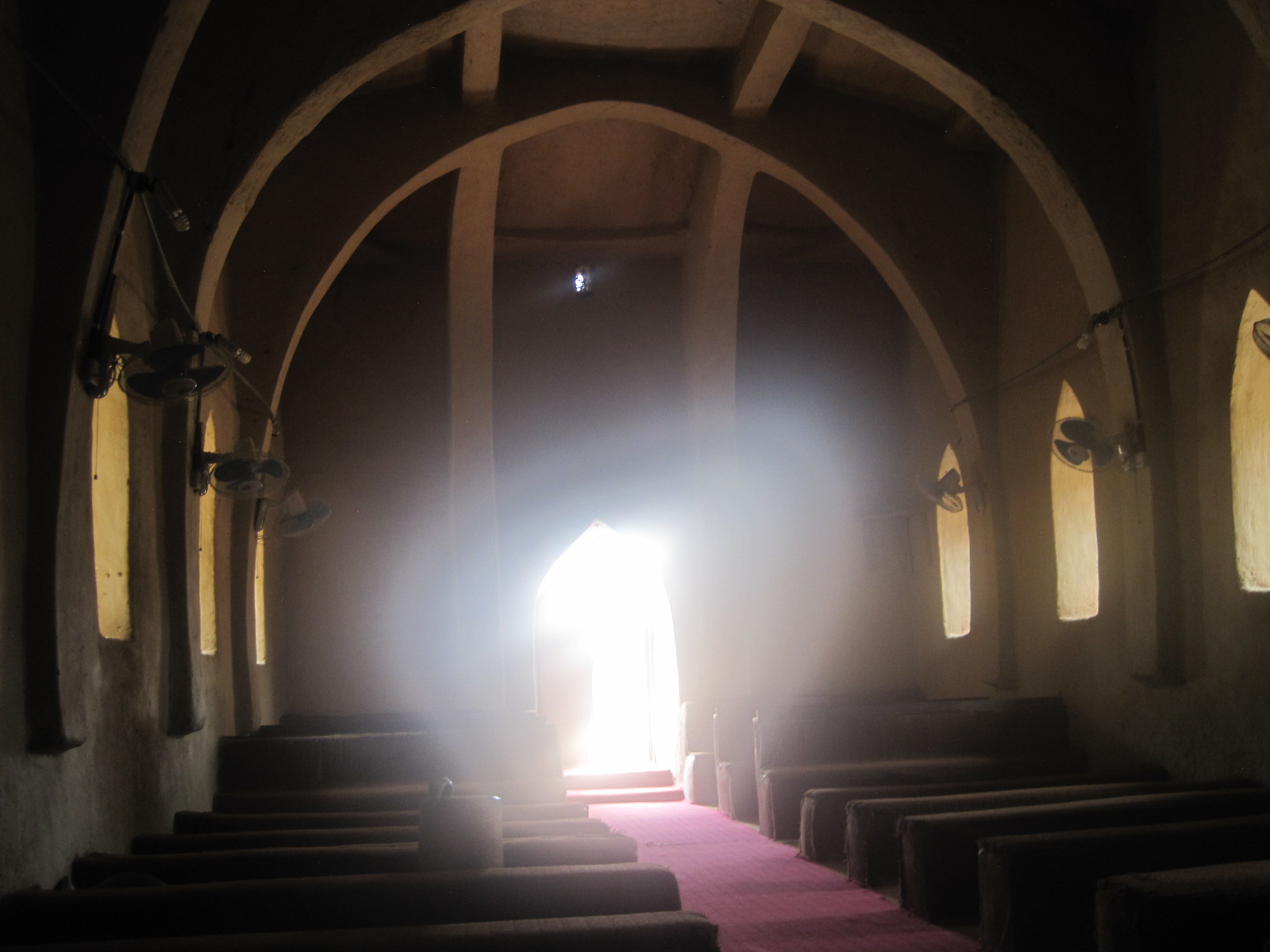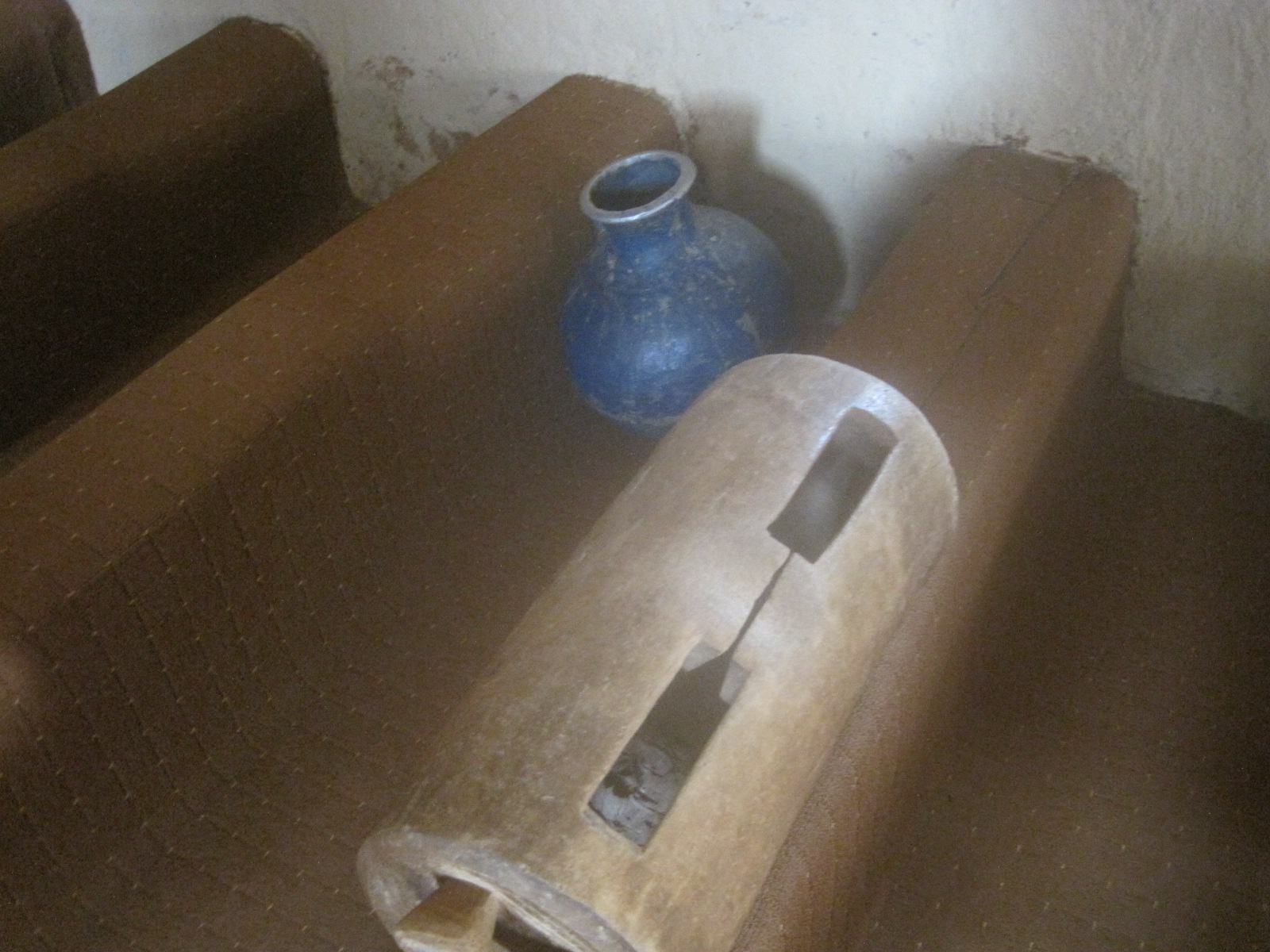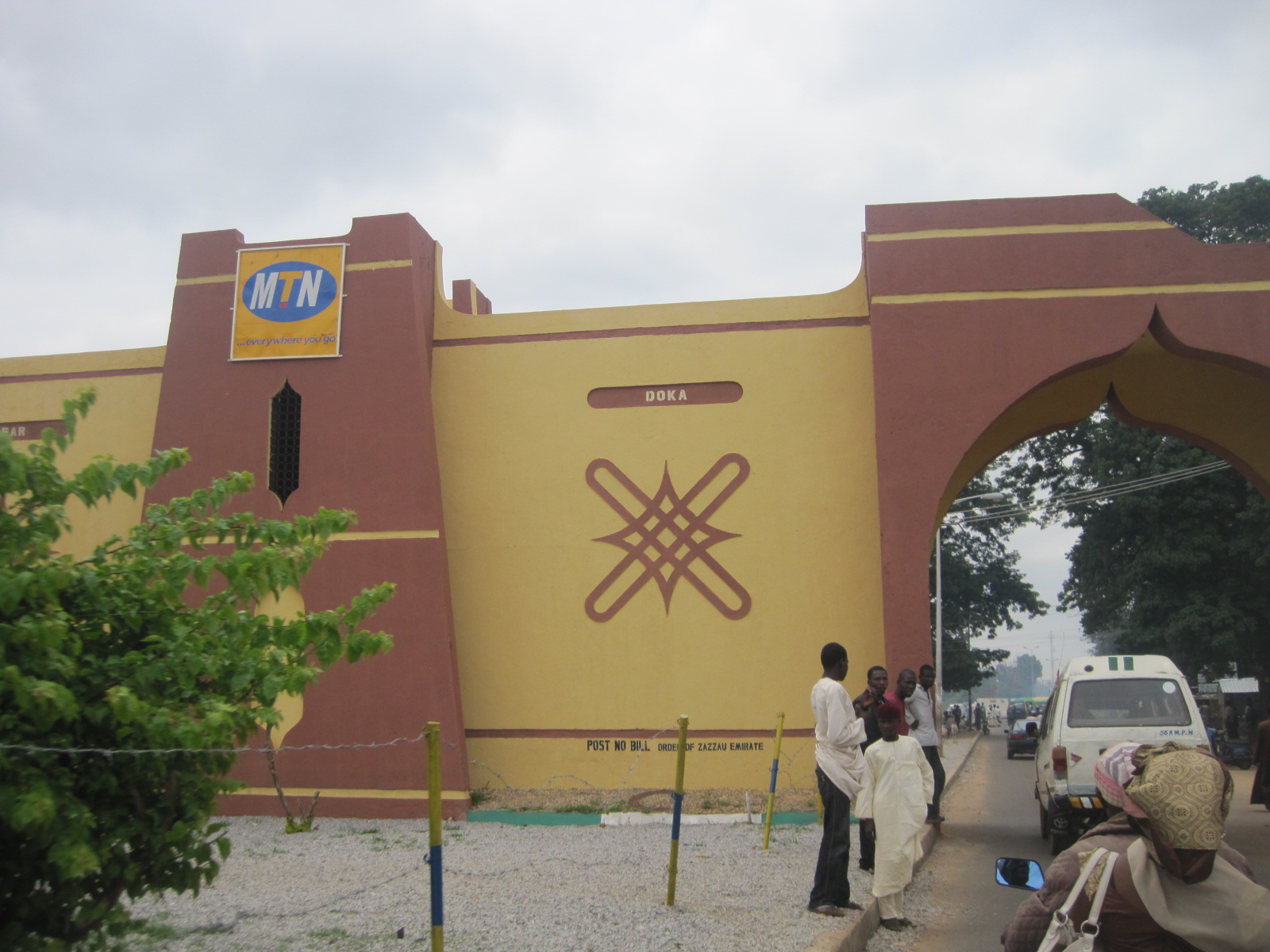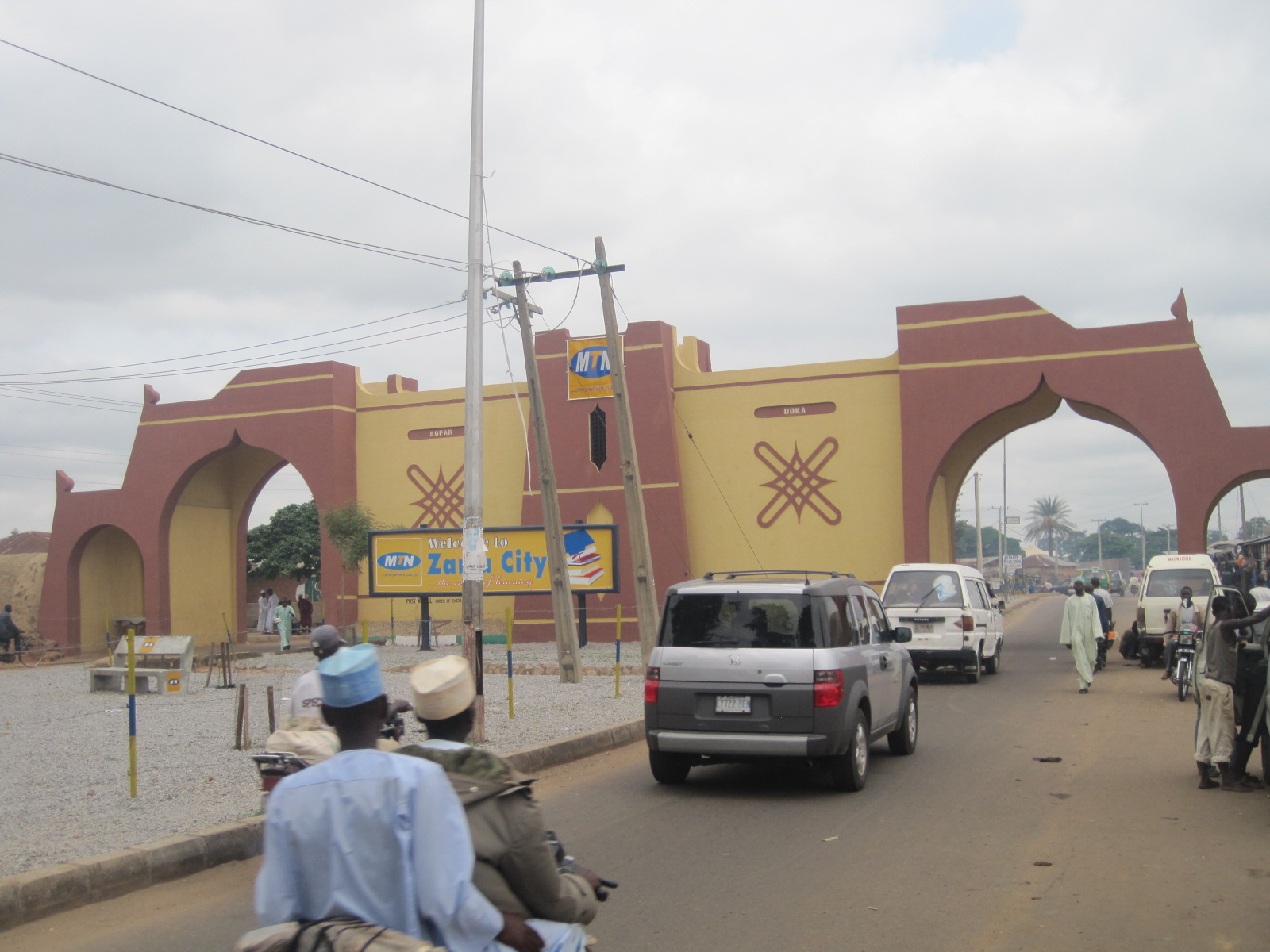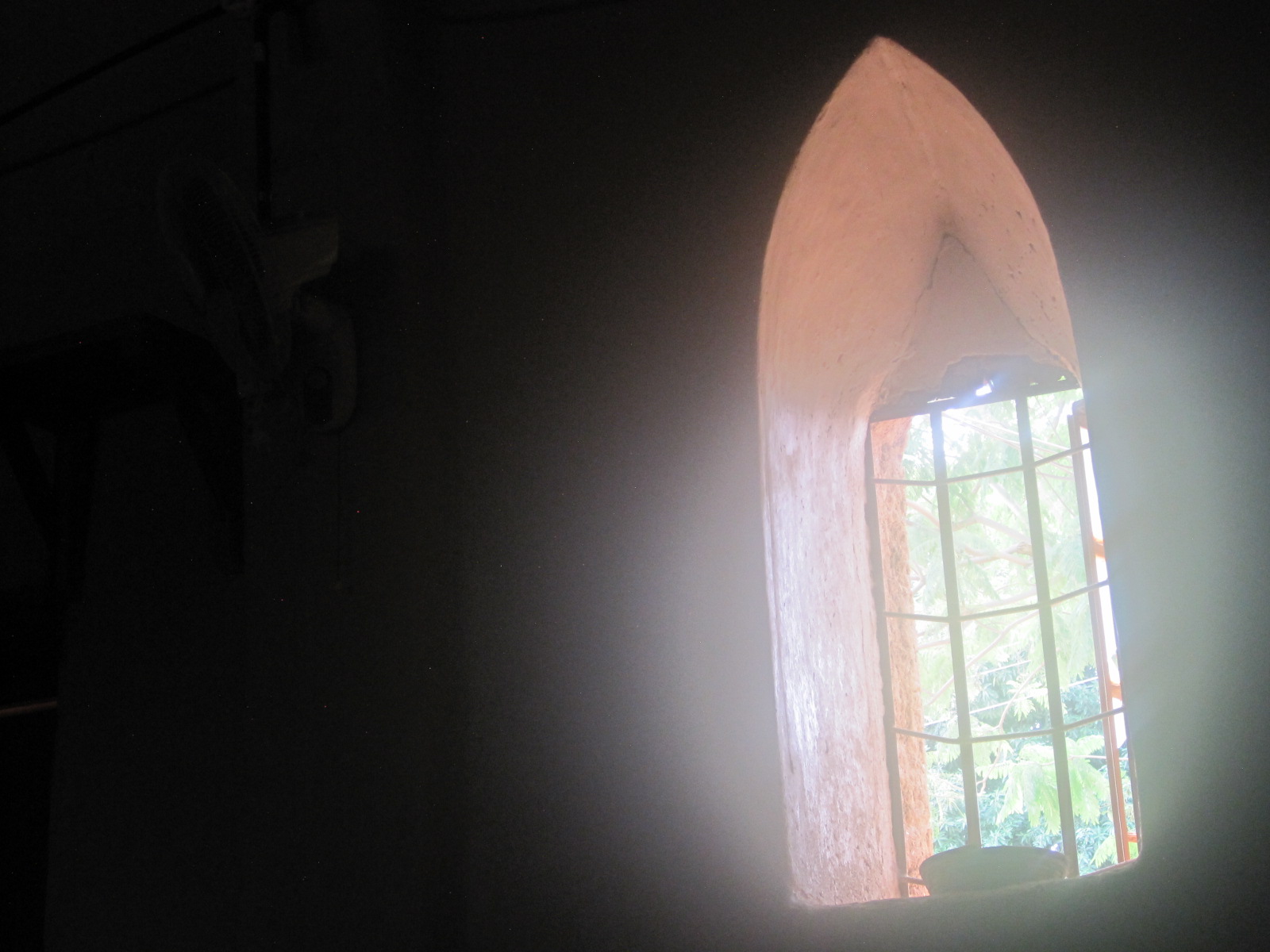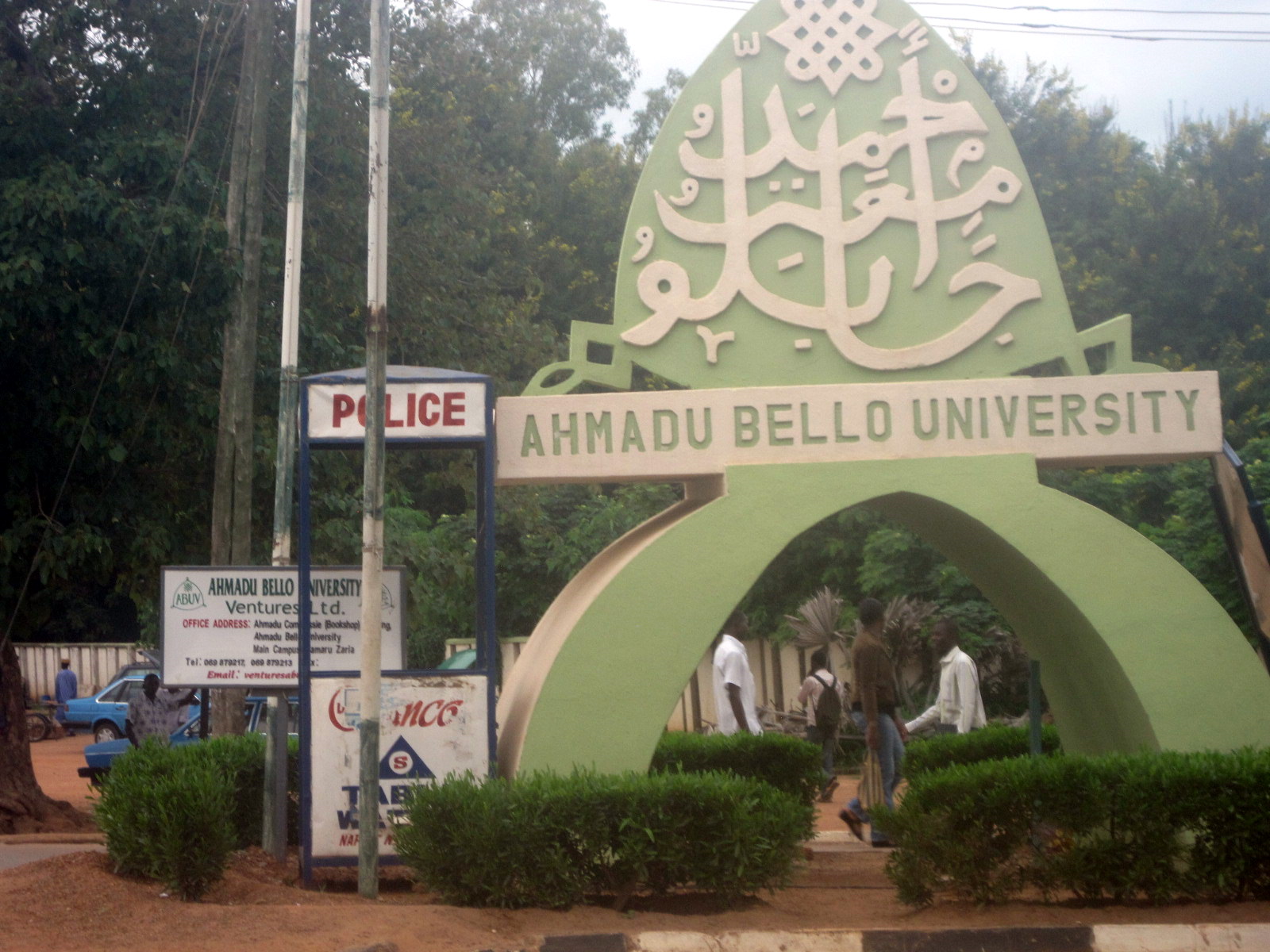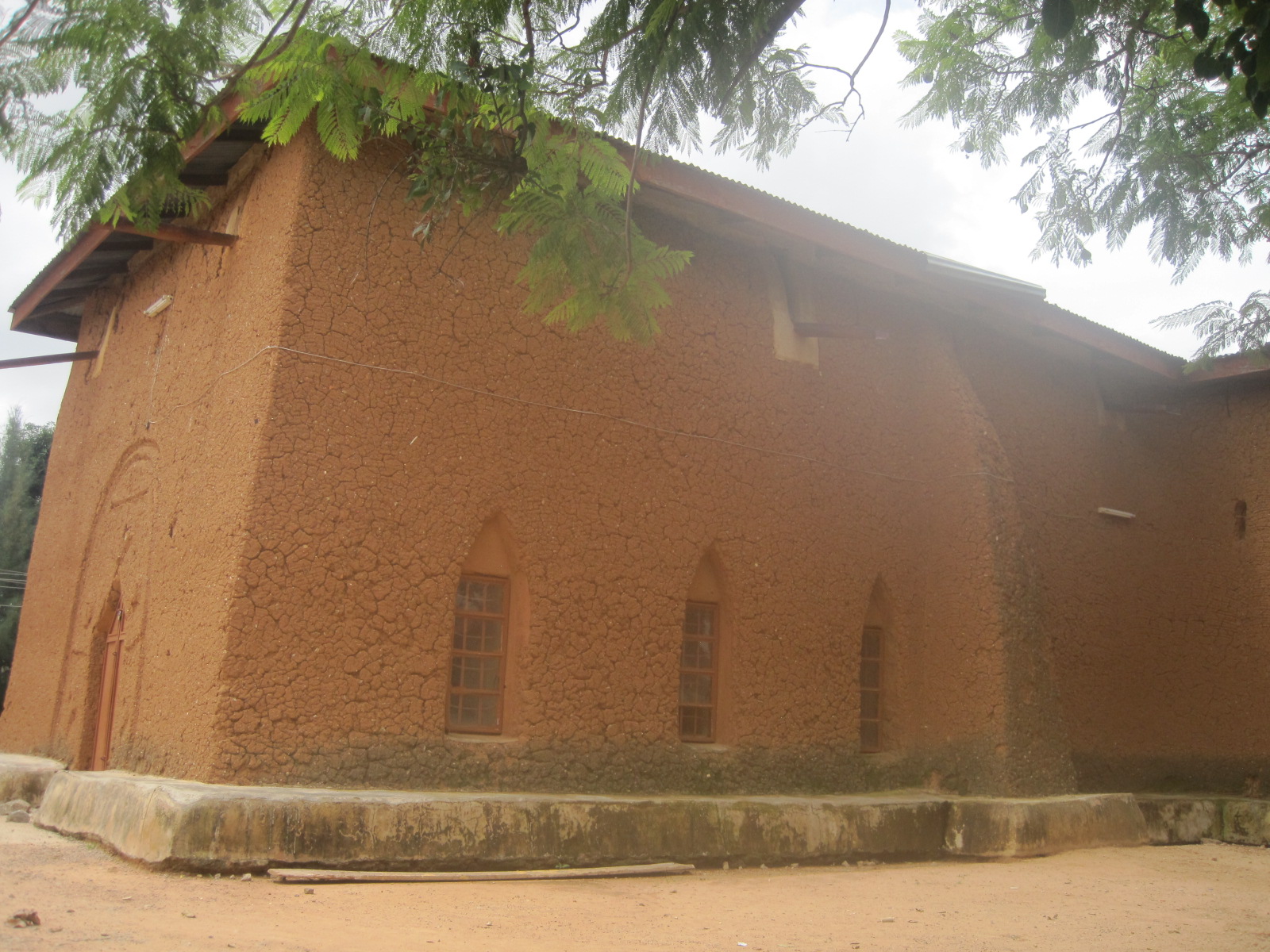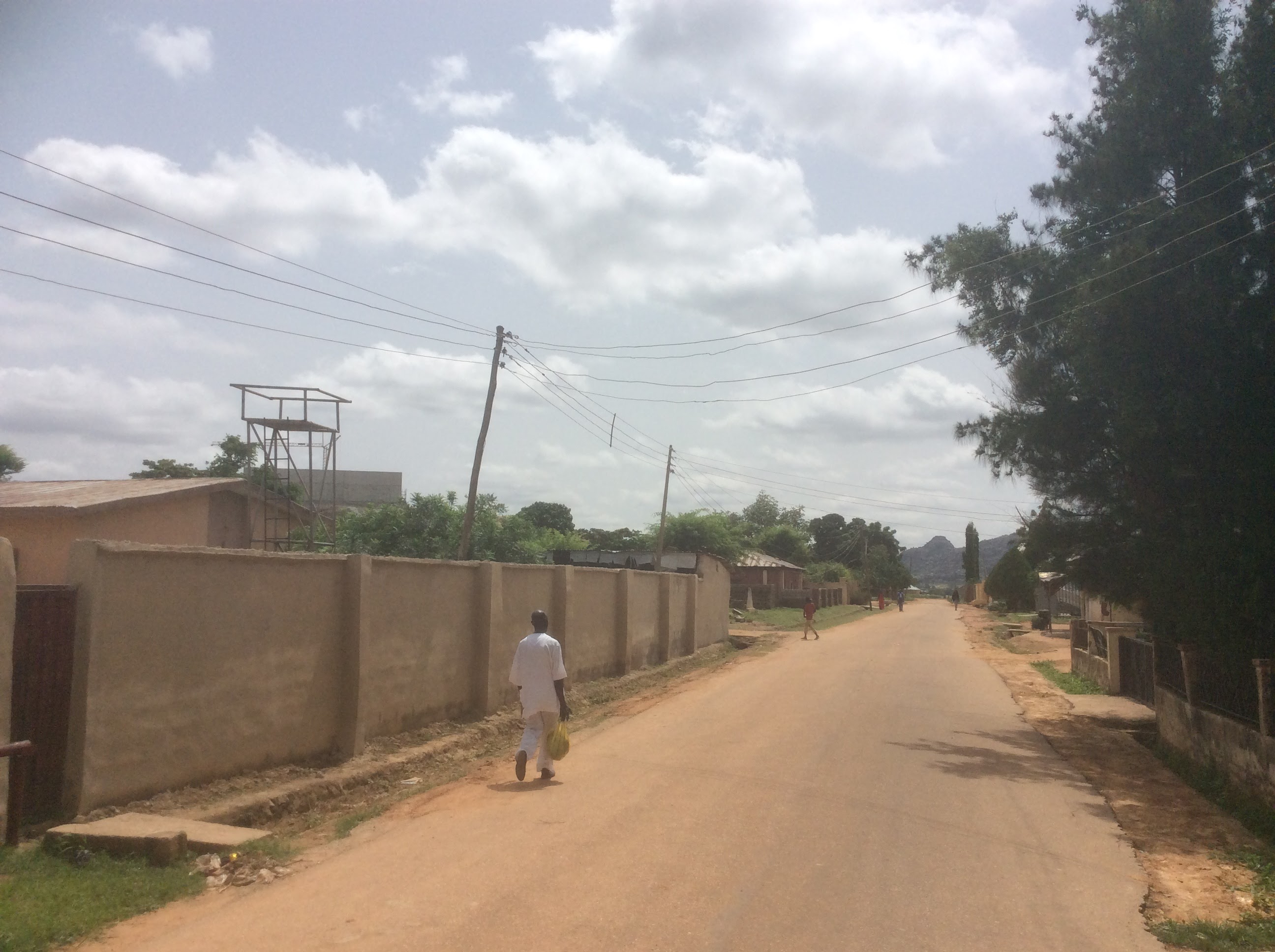
Kaduna seems to throw up more interesting discoveries during every visit. The first time I was there, in the summer of 2010, I had visited the old city of Zaria as well as the church at Wusasa, St. Bartholomew’s, which has the reputation of being the oldest surviving church building in Northern Nigeria, and whose history is tied to that of the region in terms of development.
On returning to the church in Wusasa again this last July, this time in the company of my wife and Kinna Likimani, a writer friend from Ghana, I discovered something else; something I’d known was there, but never had the chance or the guts to discover: the Gowon Family House. Both my guests and I were hearing of these two historical structures for the very first time.
General Yakubu Gowon is known primarily as the Nigeria’s longest-serving military Head-of-state under whom the Nigerian Civil War was fought from 1967 to 1970. Not much else about him has entered popular culture, with the exception, perhaps, of the fact that he was also the youngest leader. He was a bachelor by the time he assumed office in 1966. He got married in 1969. The general, as they know him in Wusasa, was actually born in Plateau State, but was brought, along with other siblings and family members, to this small missionary town when his father, Pa Yohanna Gowon was transferred there.
It is the story of his father that I have found quite remarkable.
Born in about 1889 in Lur, a famous Ngas town southwest of Jos, in Plateau State, Pa Yohanna, the crown prince of a prominent chief became interested in missionary work after meeting with the first foreign missionaries that settled in his community in 1907. Christianity, and in the knowledge that these alien settlers brought, fascinated him enough to give up the life of a crown prince and become an evangelist, becoming one of the first to be recruited in his hometown.
In April 1923, he got married and started a family with the daughter of another chief. Missionary work at the time was not very well-paying so he struggled and persevered. But thirteen years later, in 1936, new changes were being made to the structures of the church. One of the changes included the new rule that evangelists would no longer expect a stipend, and would now work as volunteers. He and a number of other Ngas evangelists protested. Some even left evangelical work and moved into the civil service. Pa Yohanna, disillusioned, decided to move his family to Wusasa Zaria, where a newly established mission station had been established outside the Muslim city of Zaria. It presented new opportunities. The Christians in the town had been evicted from the Muslim city of Zaria because of the threat their proselytism posed to the emirate. But at Wusasa, where they were considered outcasts, they would be able to make new Christian converts made up of the rejects of society, the sick, the uneducated, and those not considered worthy enough to live in the city.
It was there in Wusasa that Yohanna’s work as a Christian missionary, and reputation as a fervent and passionate Christian earned him a place in the people’s heart. Although his grasp of Hausa was tenuous, as observed by the people among whom he lived, he continued to work relentlessly as an evangelist until he was finally relieved of his job. But because he still worked for the missionaries sinking wells, digging pit toilets, digging graves etc, he was able to secure scholarships for his children from the Christian mission. He also took up farming, and thrived enough to acquire land right beside the St. Bartholomew’s Church, and build a family house. He died in 1973.
When I returned to Wusasa this time, I was content to spend just a little time at the church where, in any case, no one was around to show us around. But I was curious about the Gowon house so I headed there. A small gate led out of St. Bartholomew’s Church onto a small tarred road. Across from the road was the house I had heard so much about. Painted yellow, the sprawling edifice appeared both modest and tastefully ostentatious at the same time. But its short fence suggested that whoever built it cared as much about openness and accessibility as about aesthetics.
I had never been there before. I did not even know if anyone lived there. The compound was empty and the gates were open, so I helped myself in. My wife didn’t think it was a good idea.
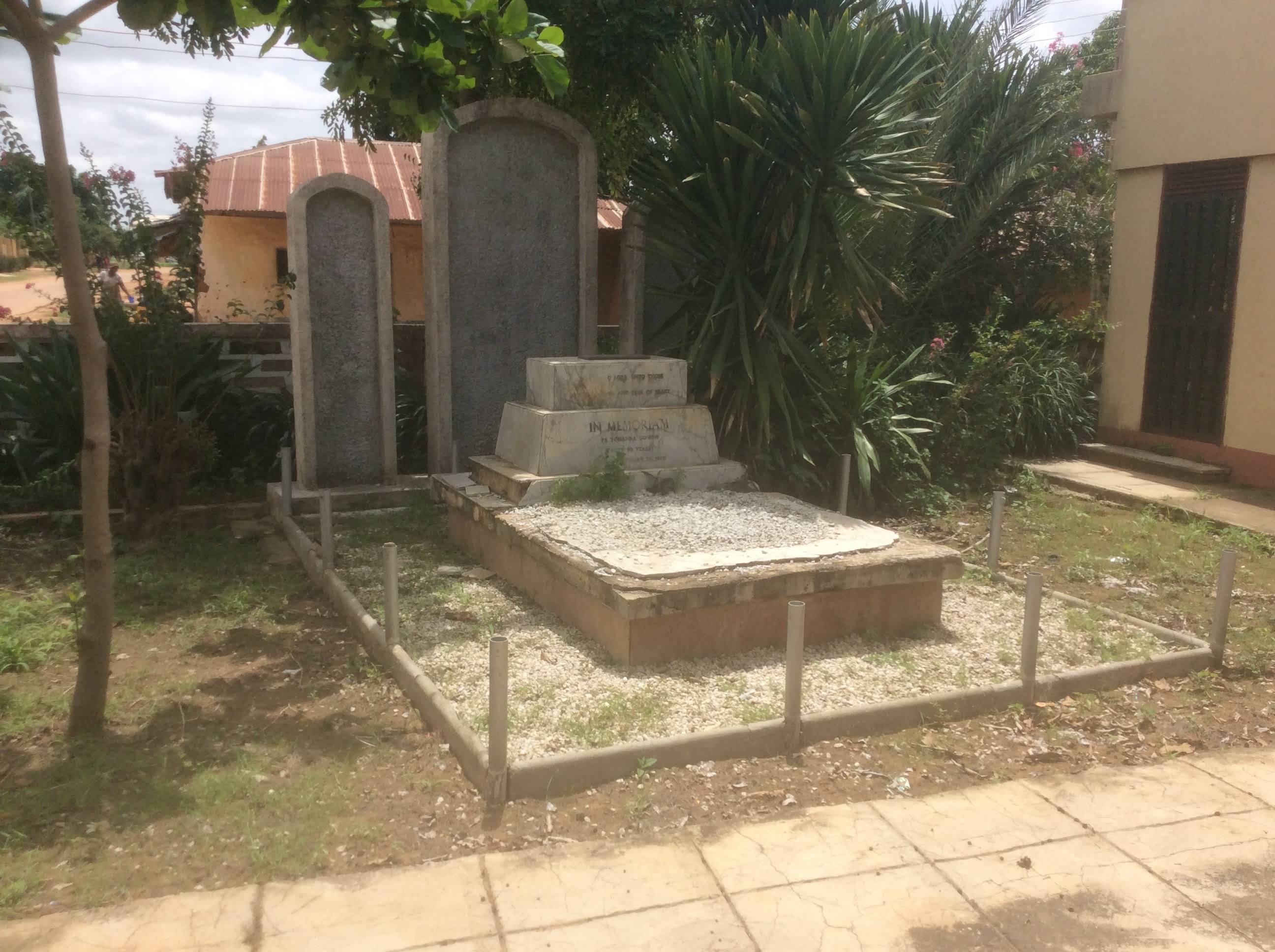
To the left of the entrance was the gravesite of Pa Yohanna. His date of birth and death were written on the gravestones. The silence around the premises didn’t convince me that anyone lived there.
“Now that you’ve seen it. Can we leave now?” Said my wife from the safety of the road that separated the house from the church compound.
“I think there might be someone inside.” I responded, half in jest. “Won’t it be nice to be able to talk to them?”
“I don’t think that’s a good idea!”
But there was indeed someone in the house. Our loud conversations going back and forth over the house fence must have caught someone’s attention, and a young boy came out to inquire what we wanted.
I explained myself in the best way I could without seeming threatening. He suggested that there was another person indoors that we might want to talk to. I was more than willing, but my guests were a little wary.
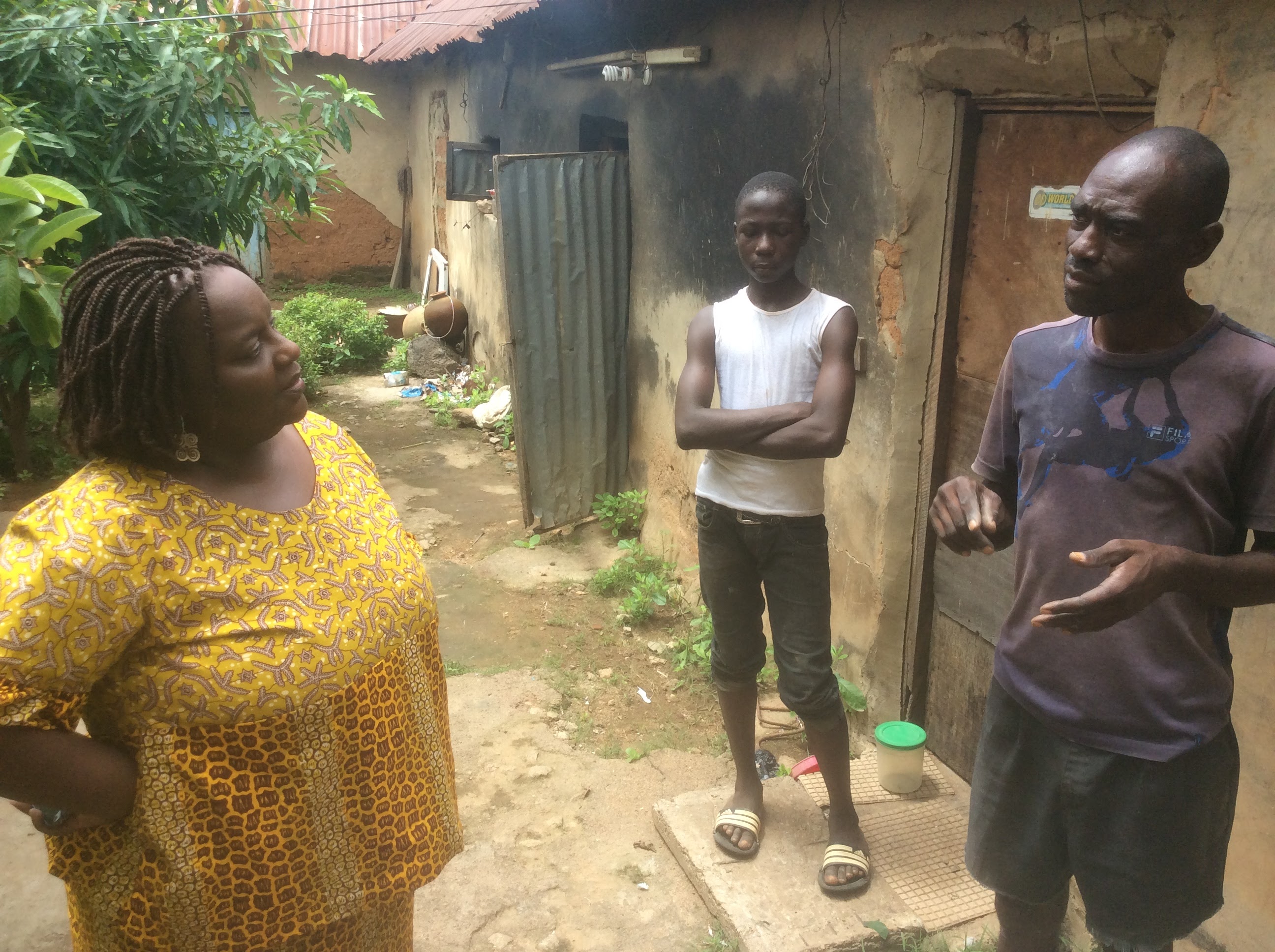
We walked through a small parking garage into a clearing where we were met by a young man, a soft-spoken man of certainly younger than forty.
His name was Henry.
Henry’s mother was General Yakubu Gowon’s sister who had now passed. He had lived in this house for a long time, maintaining it as a labour of love. He was also very conscious of his grandfather’s legacy in the town and was willing to talk when we told him why we had come.
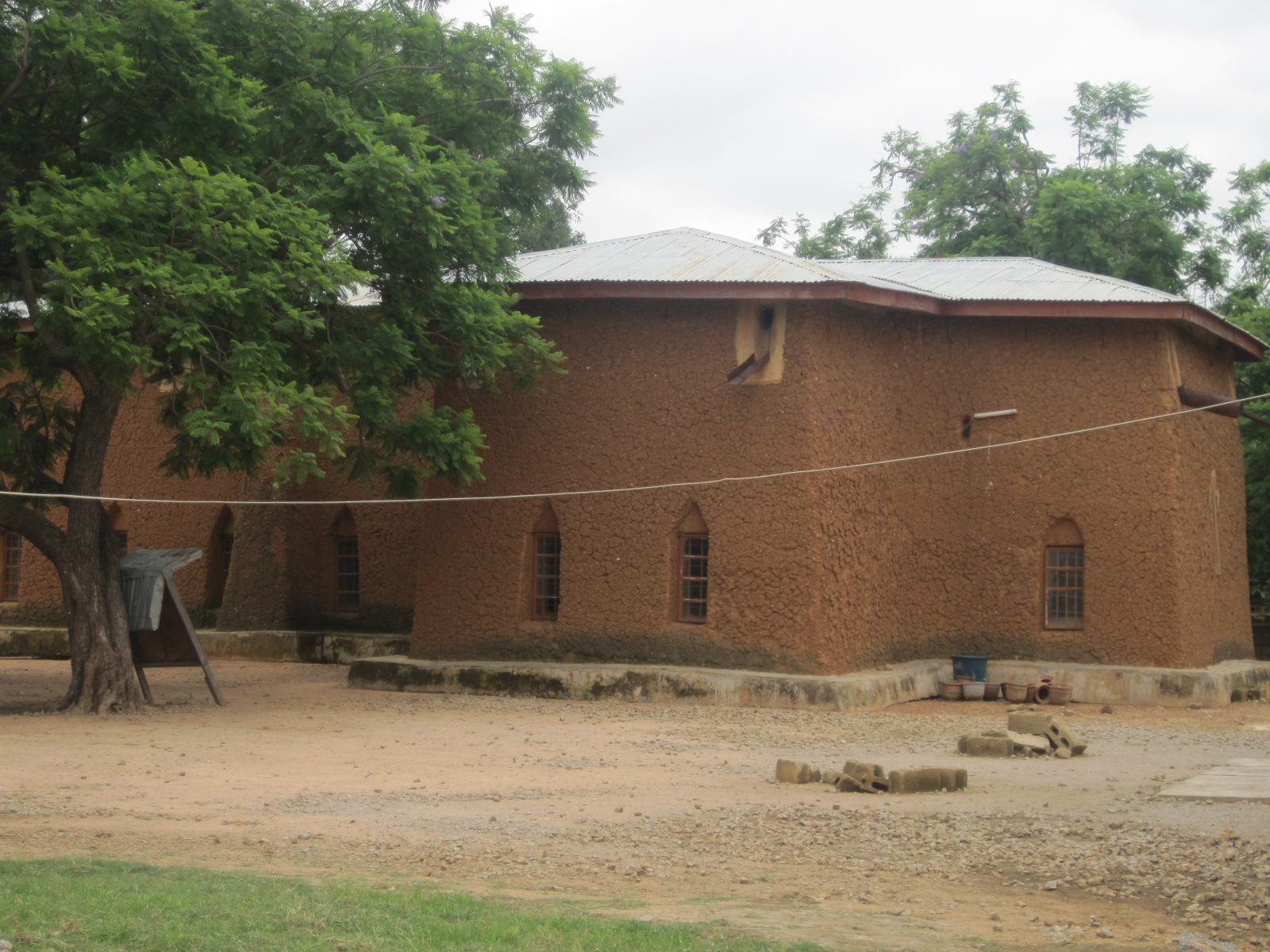
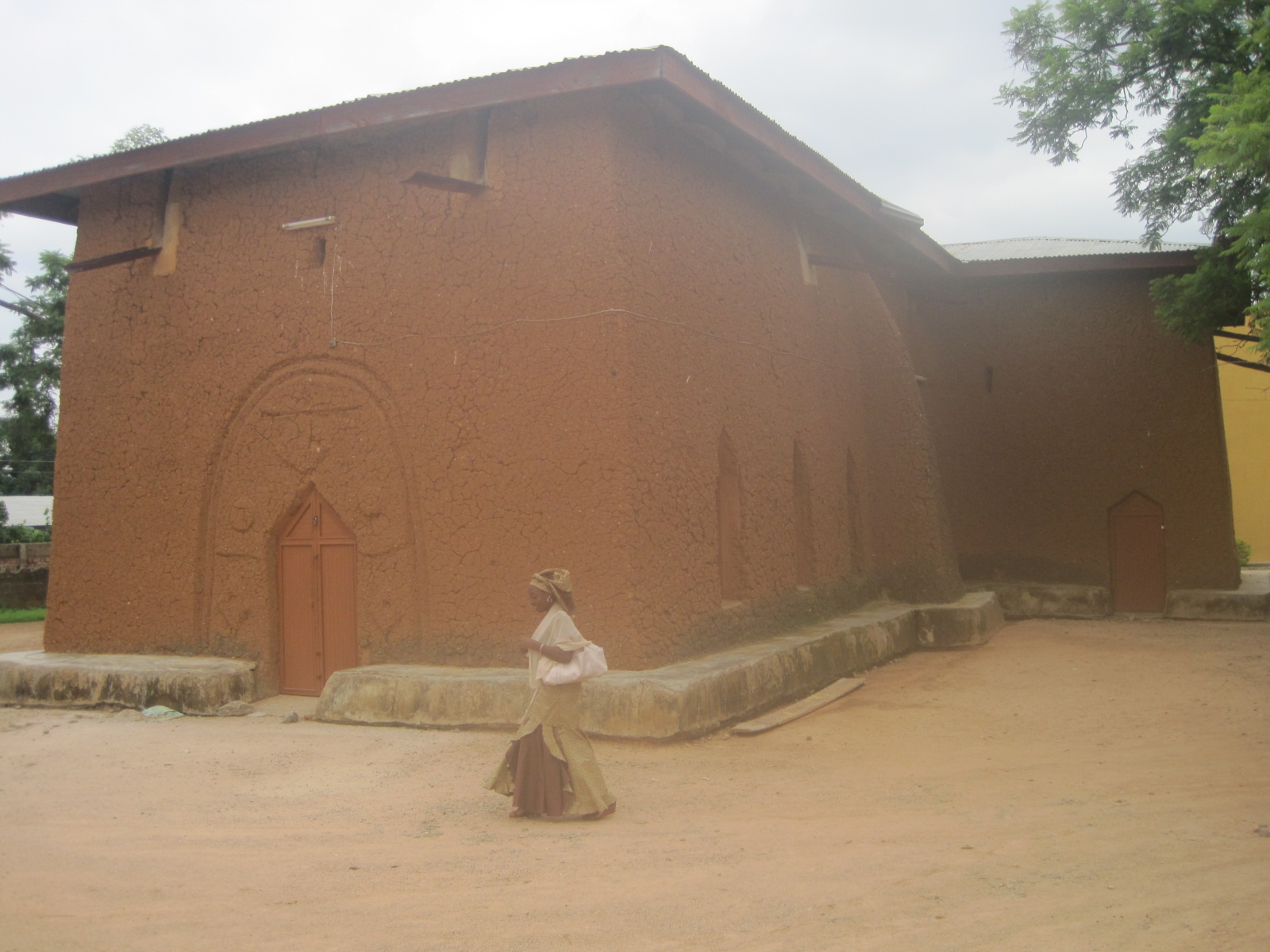
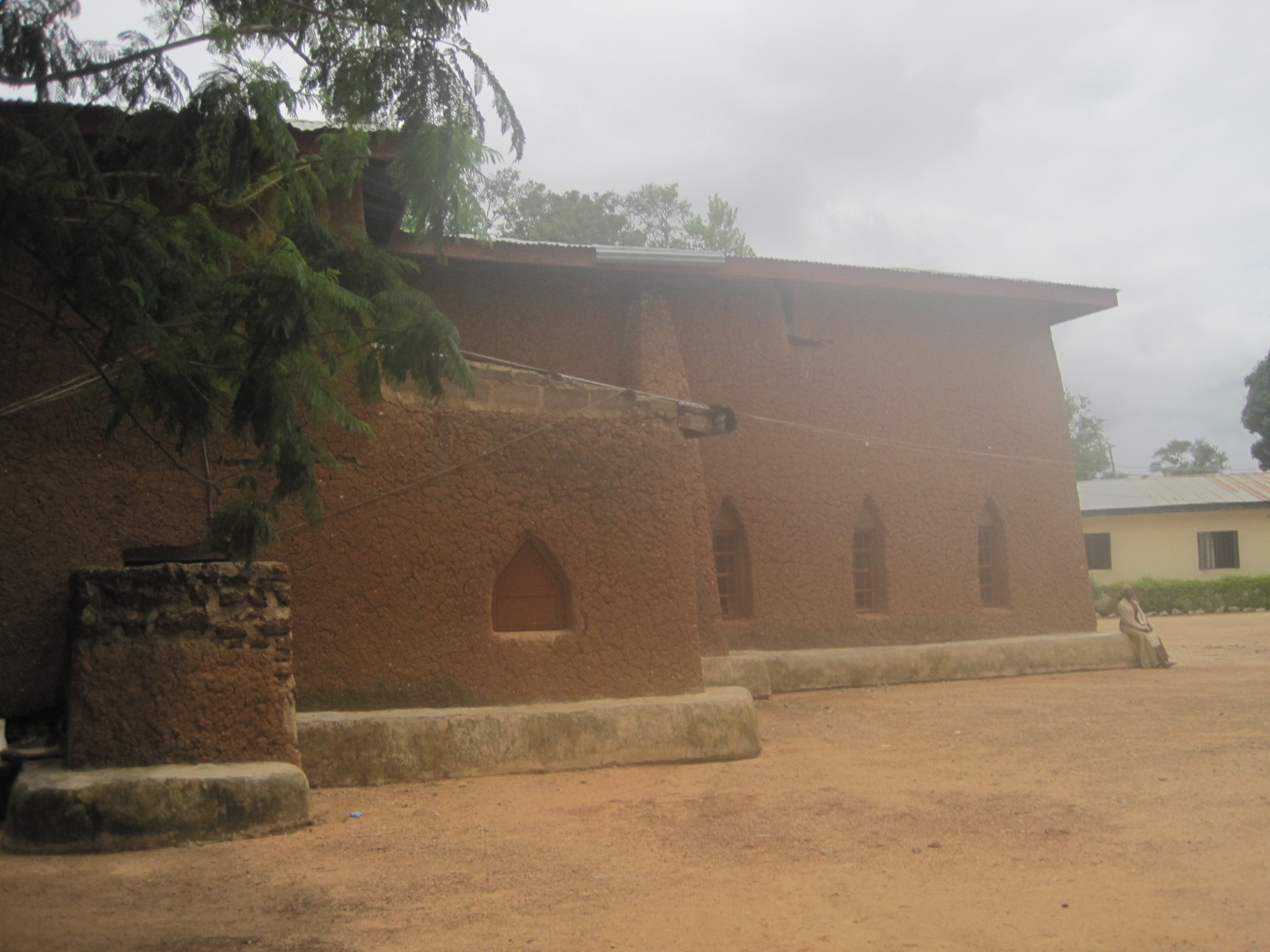
He informed us that the building we saw as soon as we entered the compound wasn’t the house built by Pa Yohanna. That one came much later, perhaps after Yakubu Gowon became the Head of State, and had the means to build a more befitting edifice. Behind the modern edifice that welcomes the guest is the original building, made of mud and other traditional building materials.
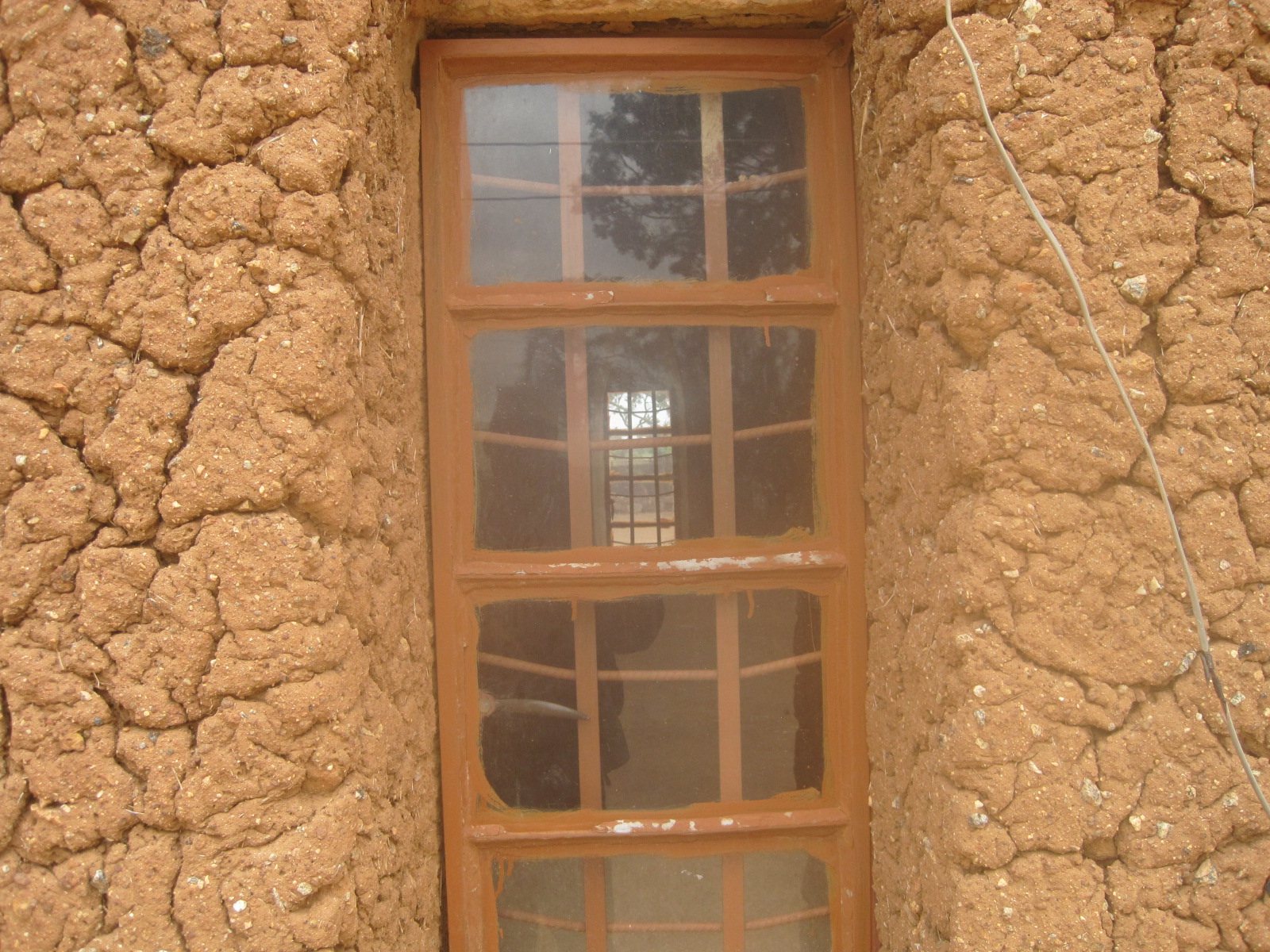
Like the Bartholomew’s Church, the Gowon House exhibited a kind of originality in both style and component. Sitting in it felt relaxing. It was about two o clock in the afternoon, with a scorching sun outside, yet the inside of the house felt perfectly insulated. And it had been standing at this spot for decades, with just a few cracks on the ceiling as proof of its advancement in age.
“The general himself comes here often, you know.” Henry told us. “And he also prefers to relax here in the back house and not in the main one. This feels more comfortable, you know.”
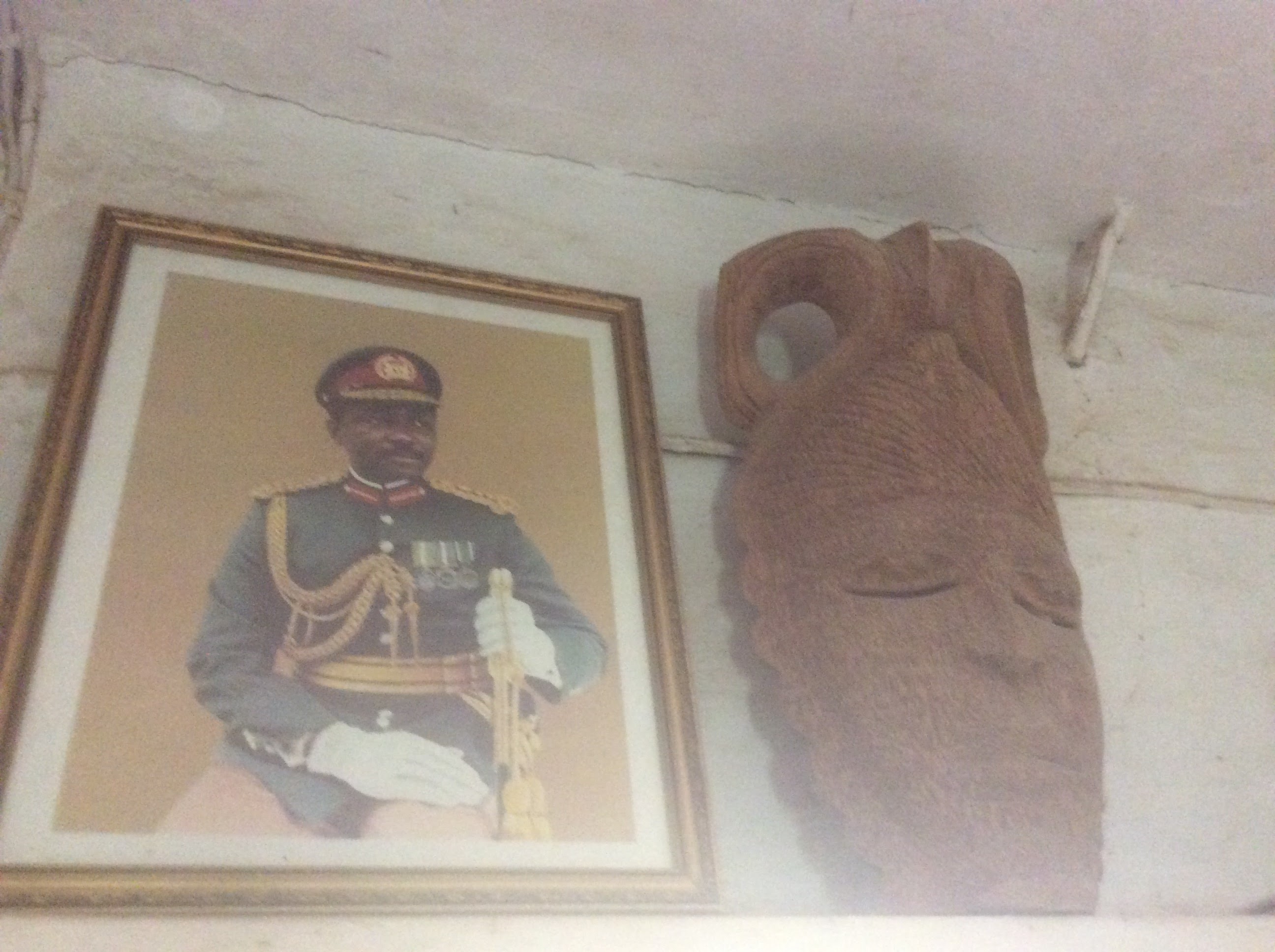
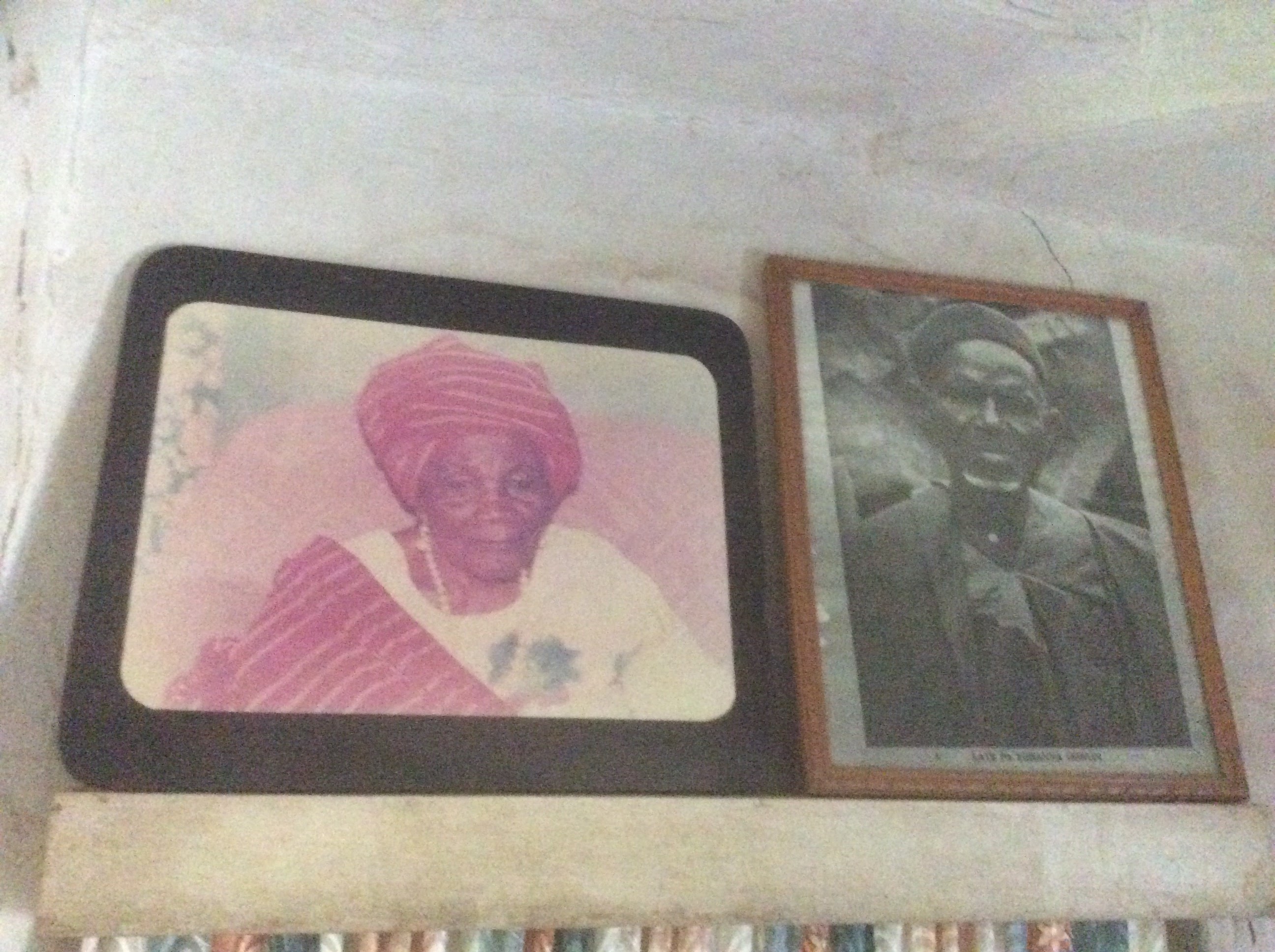
On the wall of the house is a painting of Pa Yohanna. On the doorpost is a framed photo of the general himself, looking like the Head of State he was for nine long years.
We sat and chatted with Henry for what seemed like eternity, but was for shorter than thirty minutes. He appreciated our coming, and was very generous with details and stories of his nuclear and extended families. He is currently an art dealer, he said. A couple of the artworks he once took to the National Museum in Jos, obtained from his family collection, were declared lost and never paid for. “I have taken them to court,” he said, and showed me the documents. When I told him that I intend to write a travel piece about my visit to this historical place, he was glad to encourage me to mention how badly he had been treated by the National Museum. “I think they stole my art, sold it, and kept the money to themselves. Maybe calling them out will let them take me more seriously.”
Yet, for someone this upset at what appeared to be a slap in the face by a more powerful institution, he spoke with such soft and unassuming demeanour, matching the image I have in my head of General Gowon himself, and perhaps Pa Yohanna, the patriarch, whose evangelical vocation brought the whole family to this location.
“I will do what I can,” I said. “But what you have here is a historical property. I’m glad that you are here, and that the family cares enough to preserve Pa Yohanna’s memory by ensuring that his story continues to be told.”
“More needs to be done.” He conceded as we headed out towards our driver who was waiting for us within the compound of the church. “Writing about what you have seen is a good first step.”
“I will be back,” I promised. I hope you’ll still be here.