by Emeka Ofoegbu
When the four kings of the satire sit down to have a panel discussion you can only expect brilliance.
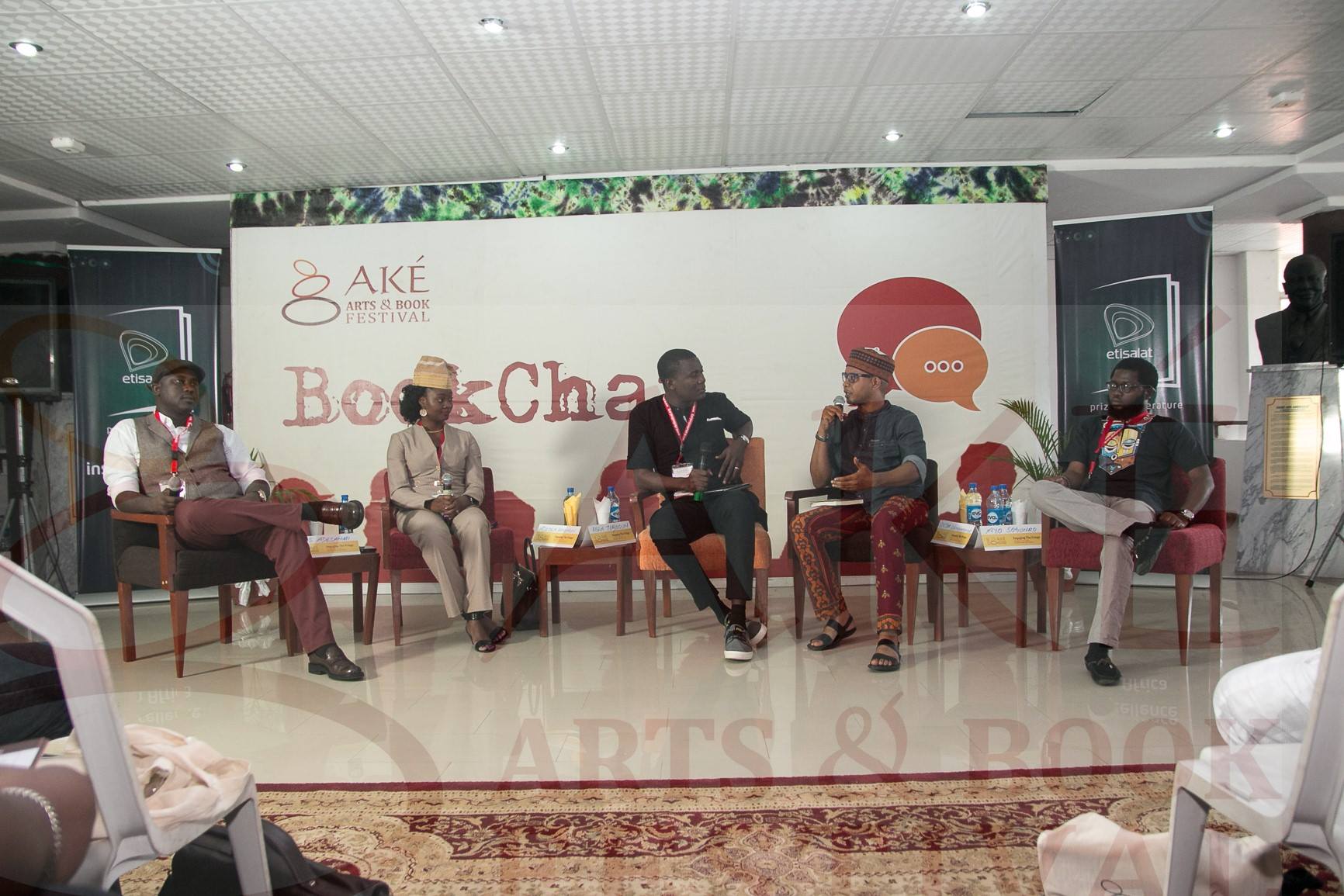 The panelists are Pius Adésanmí, author of Naija No Dey Carry Last, Adéọlá Fáyẹhùn, host of popular online show Keeping It Real, Ayo Sógunró, author of The Wonderful Life of Senator Boniface & Other Sorry Tales and Victor Ehikhamenor, visual artist and author of Excuse Me. The topic is Deadly Laughter: Satire and Public consciousness in Africa. The moderator is Kọ́lá Túbọ̀sún, acclaimed linguist.
The discussion kicks off to Adéọlá admitting she has received countless death threats for the work she does on her show even with the disclaimer. This is something her fellow panelists agree with. Satire is an approach to dealing with major issues that affect our immediate society which is quickly catching on. The satire is meant to be as subtle as possible but still heavily packed with intent and often met with disapproval and hostility. One thing the panelists agree on is that as a writer of satire you must develop a readiness for vicious backlash. The art of subtle reproach is often too much for people to handle and for those who understand what is implied they cannot stand to be portrayed in that light so they strike back or speak out against it.
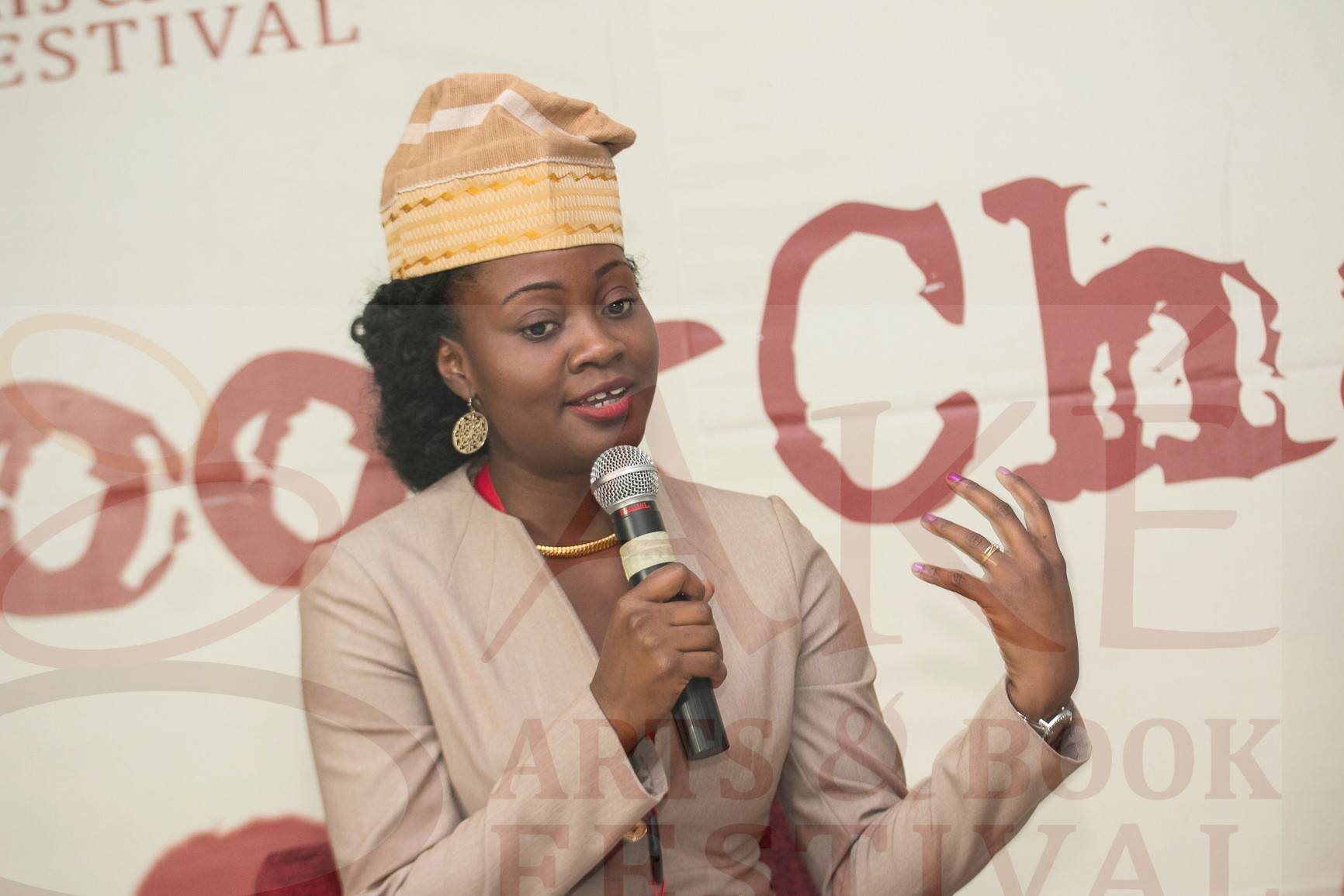 Victor lets us know that amidst the vicious attacks on satirists, the satire is meant to deflect violence being a way to say what you want to say without being direct. On whether people effectively understand the satire, Ayọ̀ says there are some people who “even if it is clearly marked and sent, some people still don’t get it”. Pius talks about his work saying that the satire respects no one. It brings out the people perpetrating wrongdoings and ridicules them. Often times the case is that they don’t like how they are portrayed so they prefer a direct attack.
Although the satire is meant to be daring, Ayọ̀ tells us there are certain things he cannot write about. He believes feminism is one of these things. He says this simply because he personally cannot handle the onslaught when it does come. To this Victor drops one of his many wise sayings “because you have sharp scissors doesn’t mean you’re going to be cutting everybody in the village’s head off”. It is explained that the moment as a satirist you threaten yourself by attacking matters that are unnecessarily dangerous you’ve crossed satire into sensationalism.
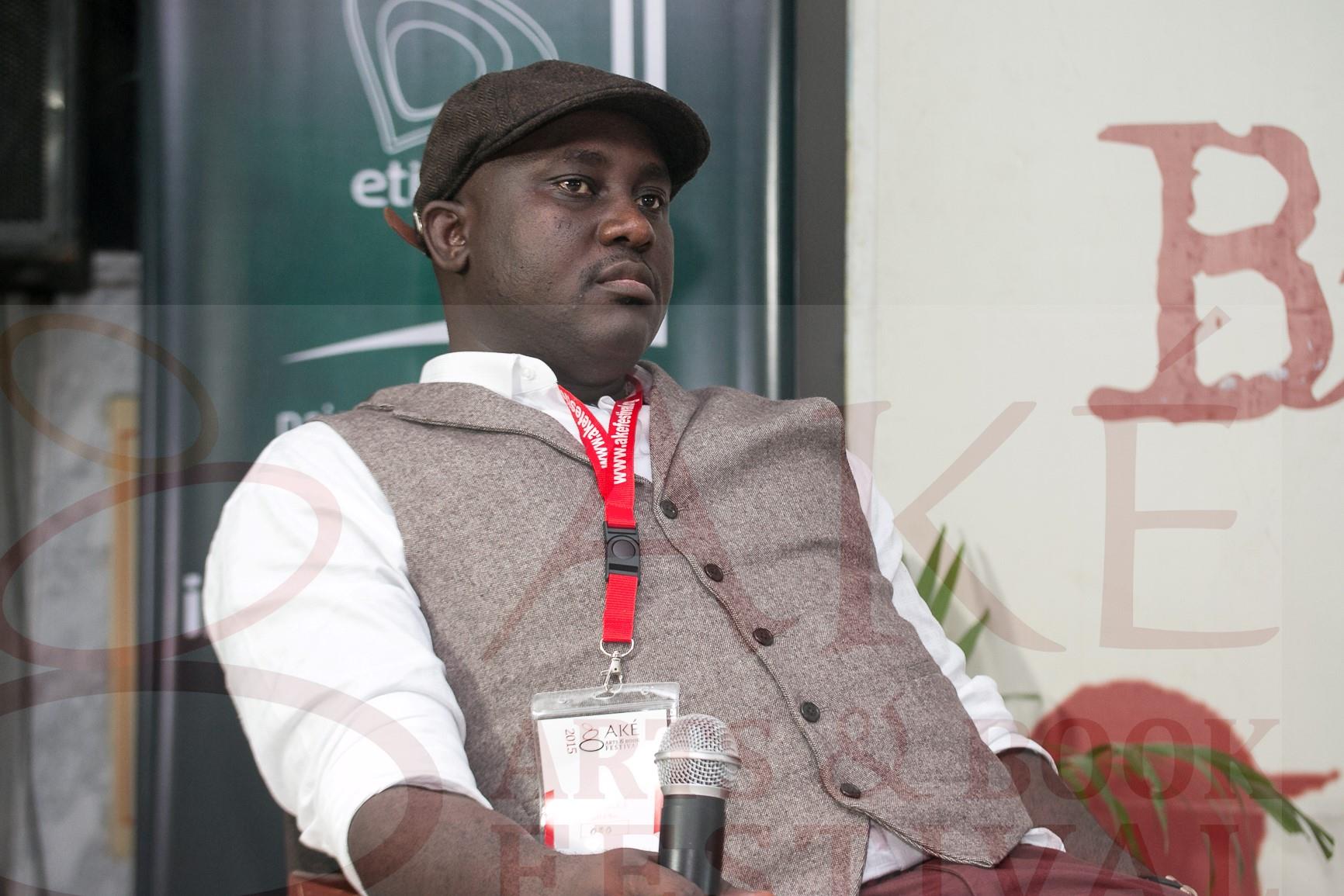 When the question of who censors the satirist came up, Adéọlá was quick to say “everyone.” She gave us examples of how she was hounded for speaking about a particular issue and again hounded by the same set of people when she decided to remain silent on the same issue. She explained her style of approaching the satire and how it has worked for her this far. According to her she lays the fertile ground before doing the dirty work of planting. She says complimenting before hitting the nail on the head is a style she has developed in her career as a satirist.
Questions were taken from the audience with Professor Niyi Ọ̀súndáre saying the steps to being a good satirist include: “dig your grave” “buy a good coffin” and “write your will”. When asked what it takes to be a satirist, Victor says to portray serious issues in a humorous yet objective way requires a level of humour to avoid it coming across as forced. After all, according to him “it helps for the snake to have venom before it bites”.
______
Photo credit: Ake Festival