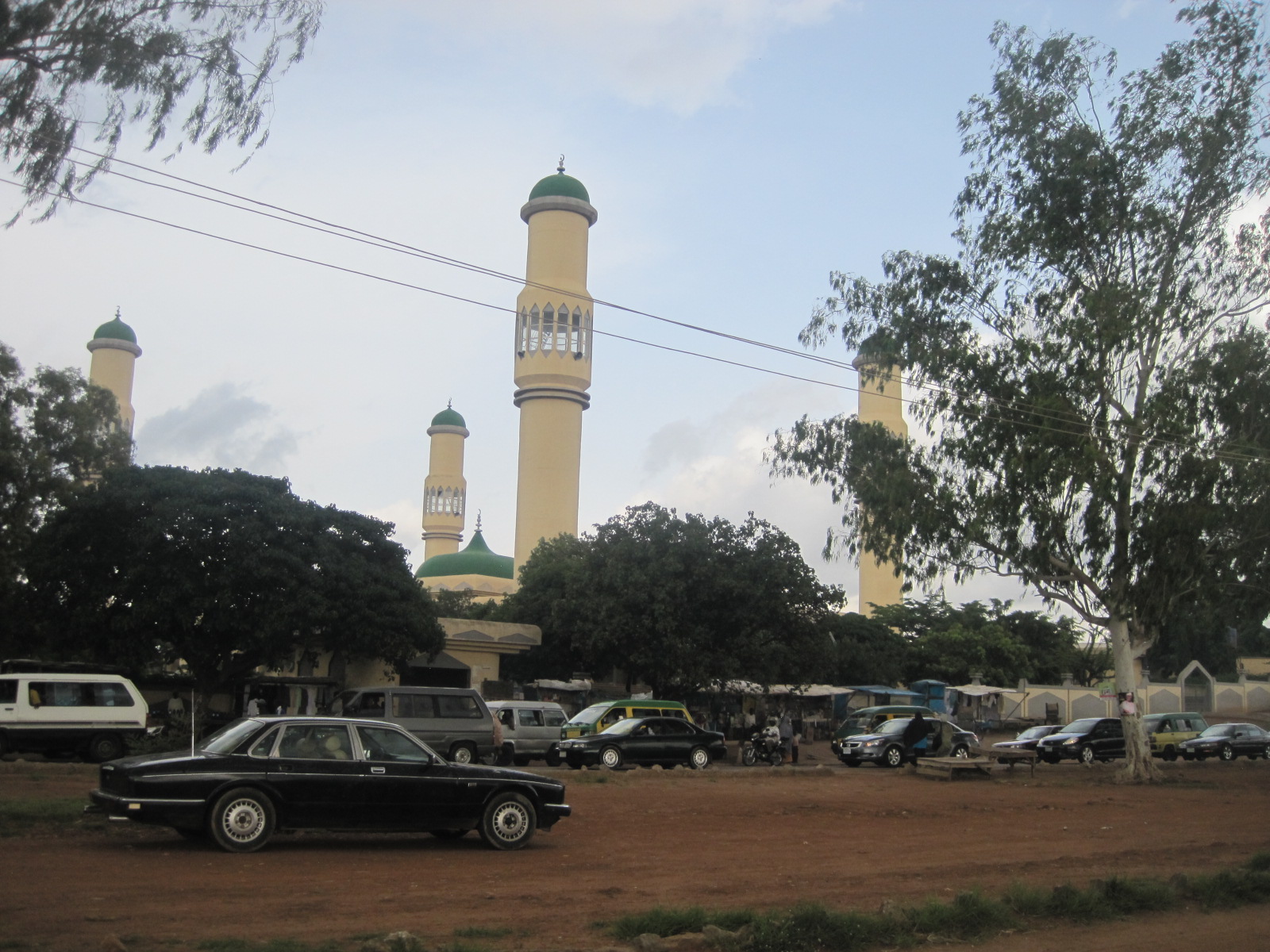
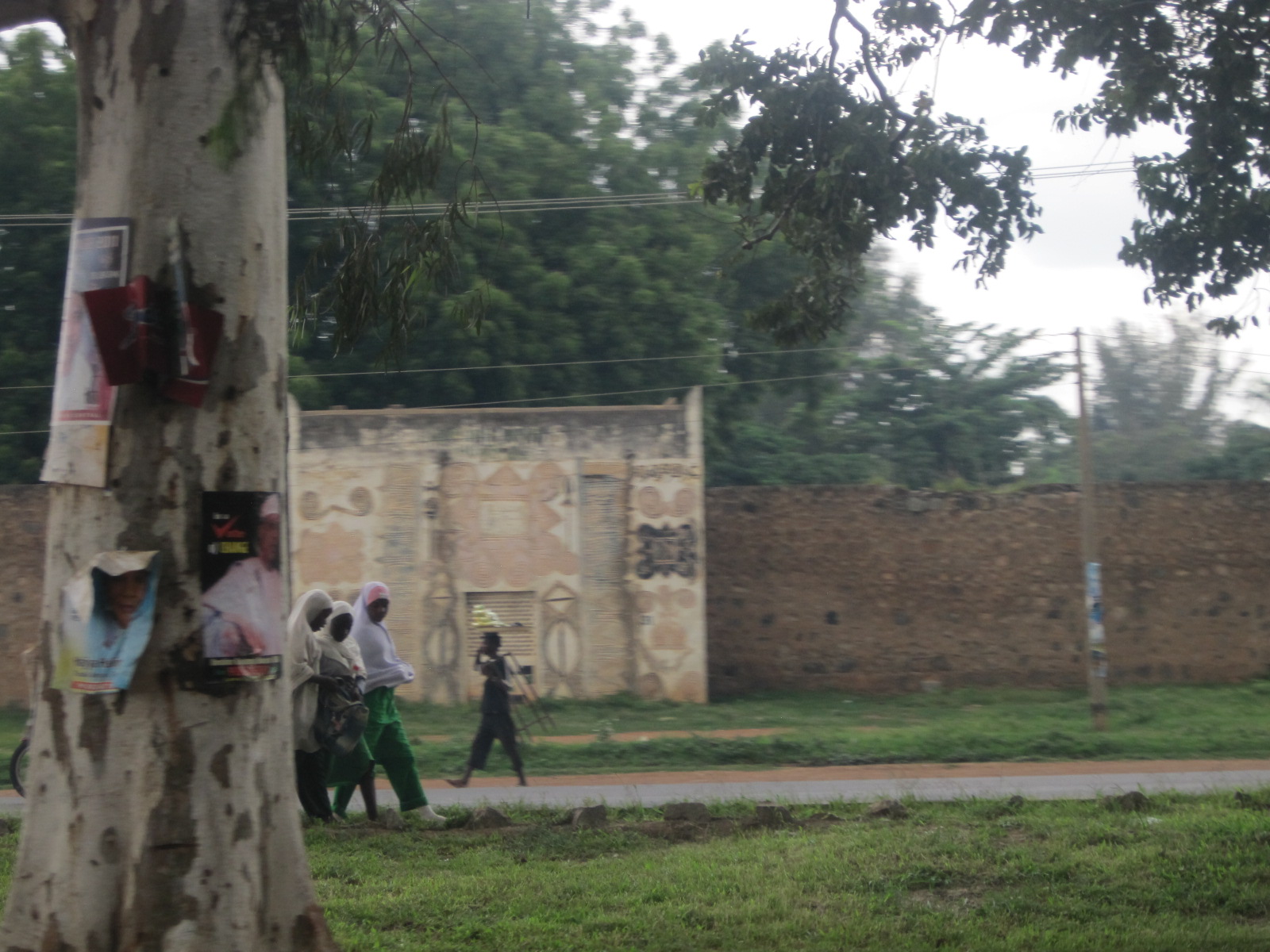
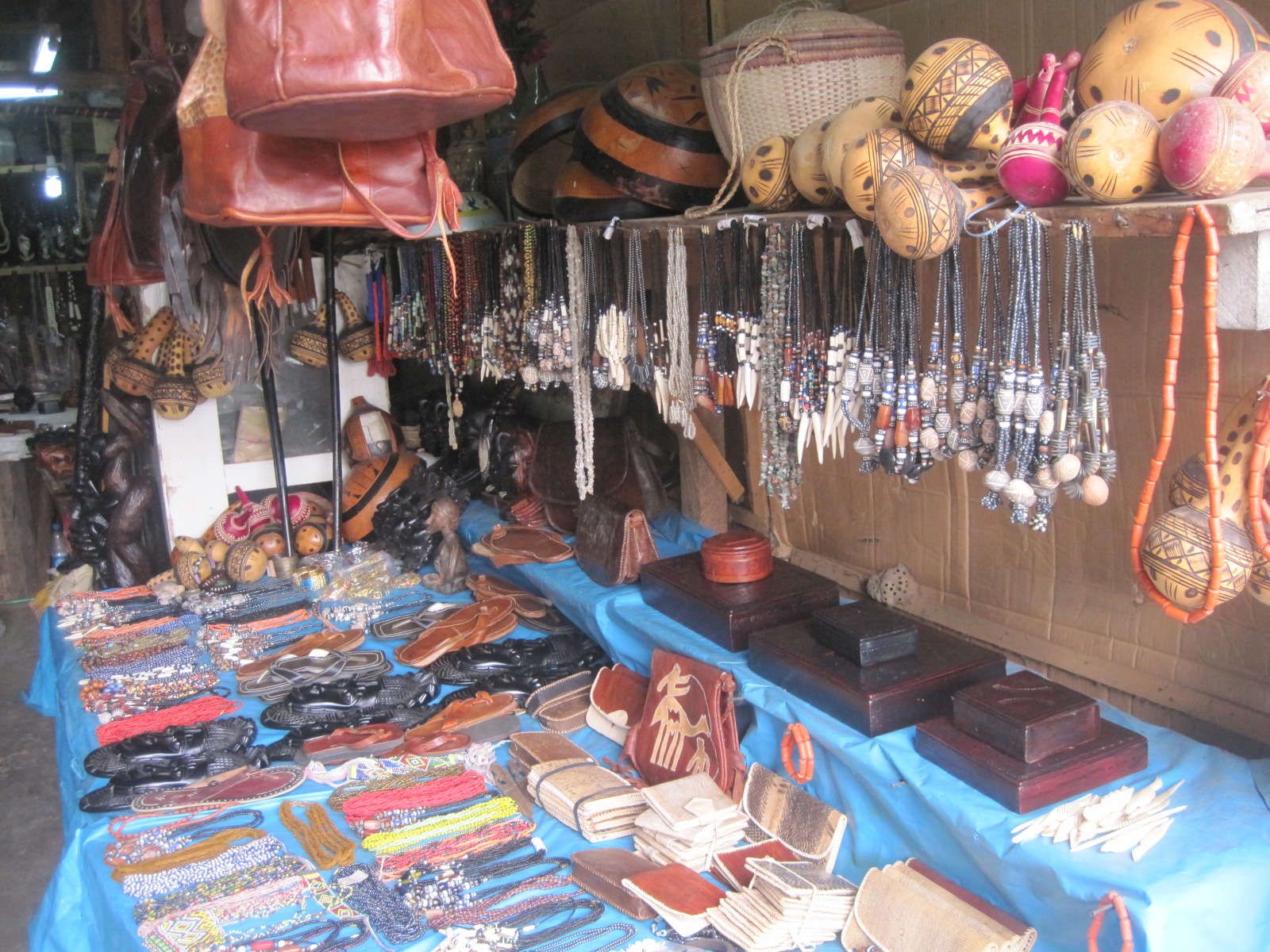
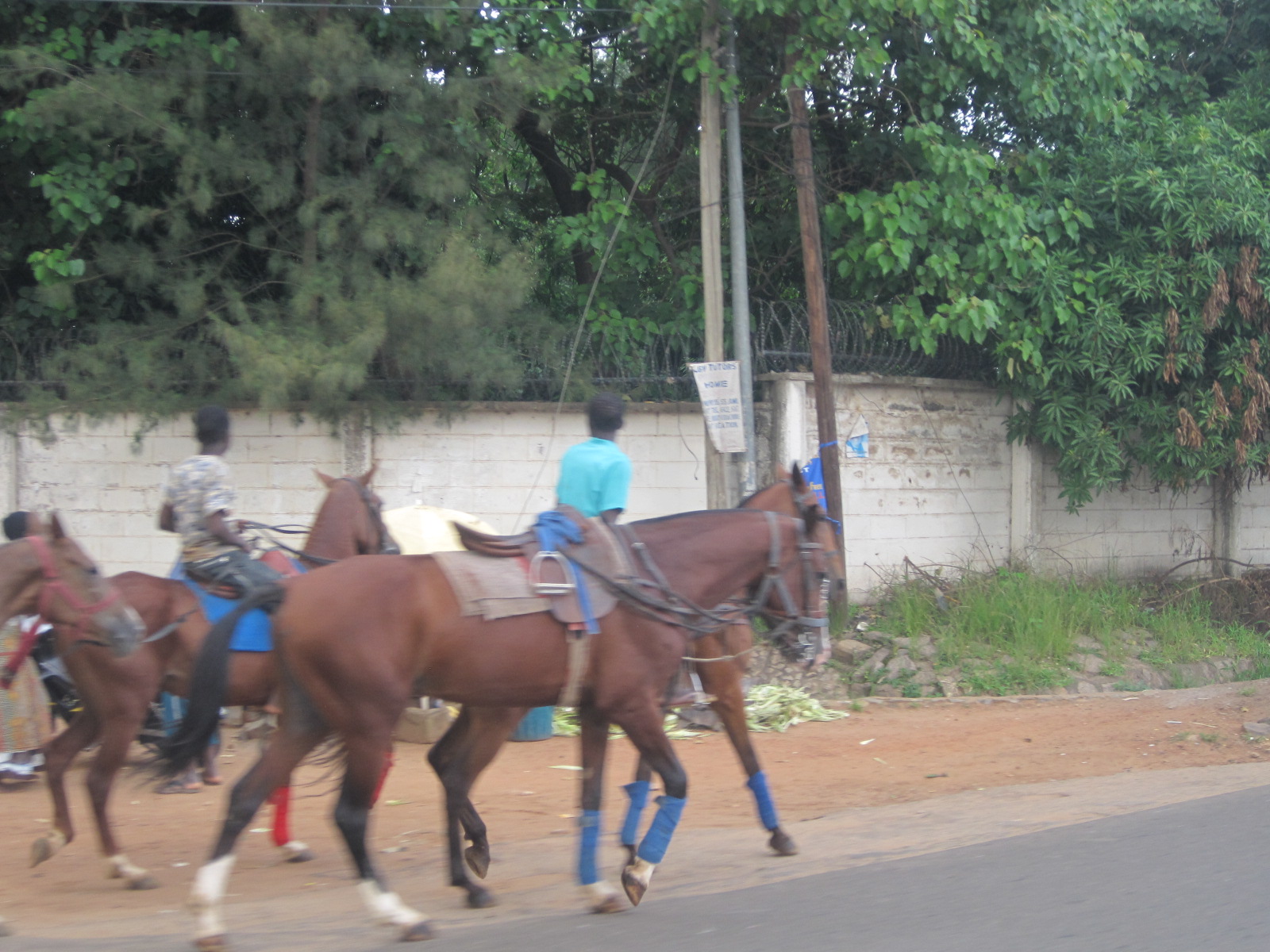
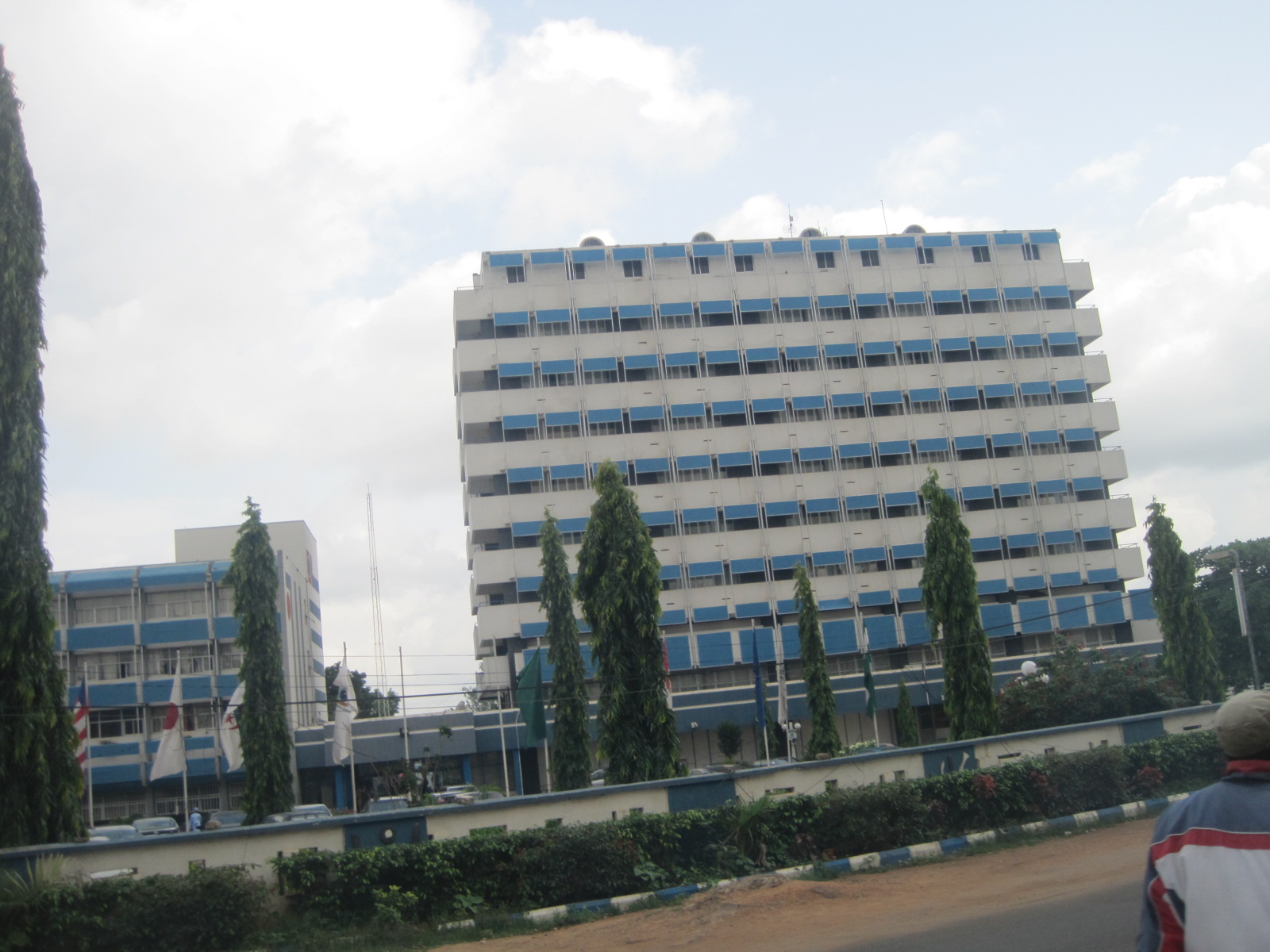
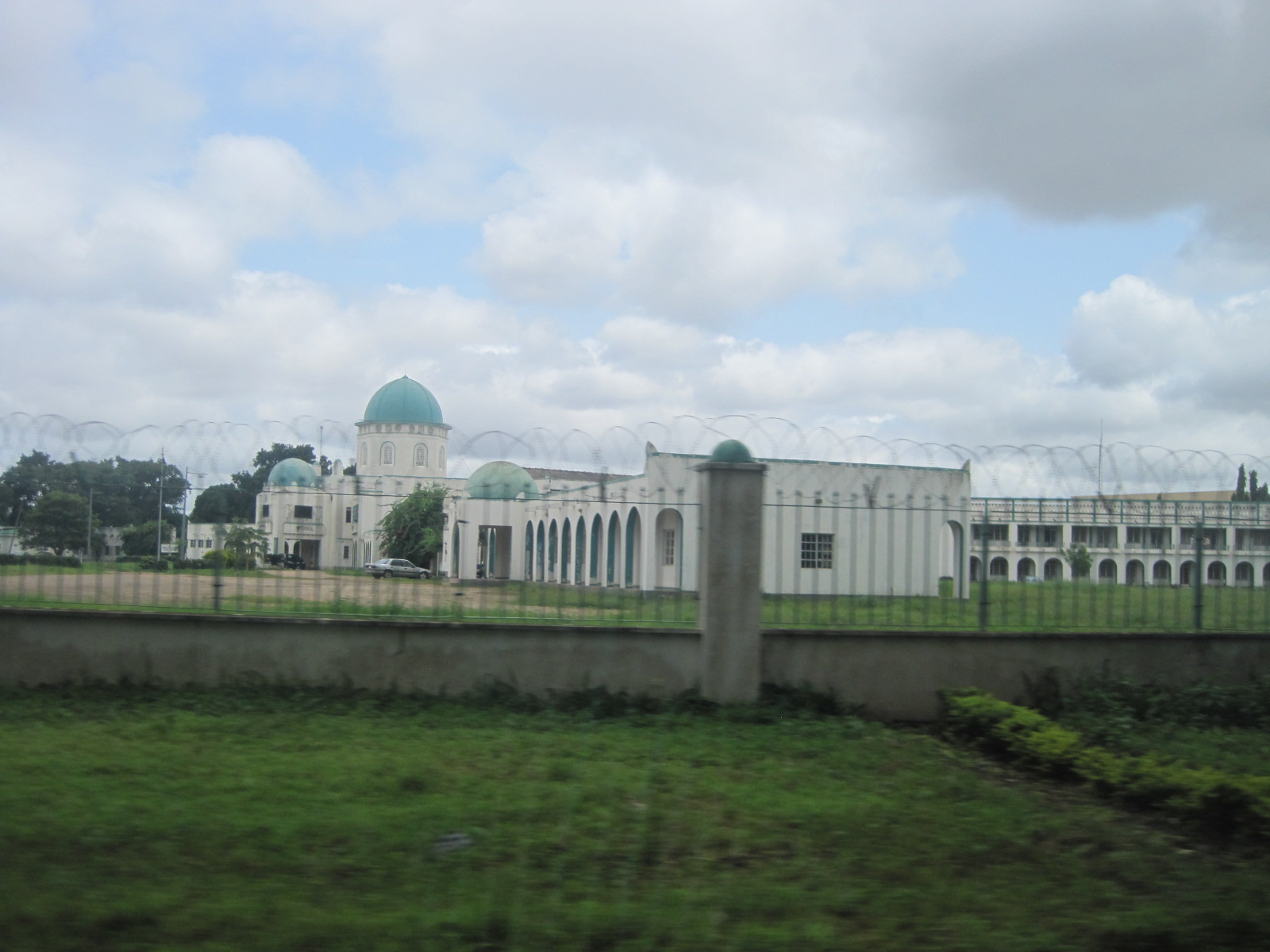
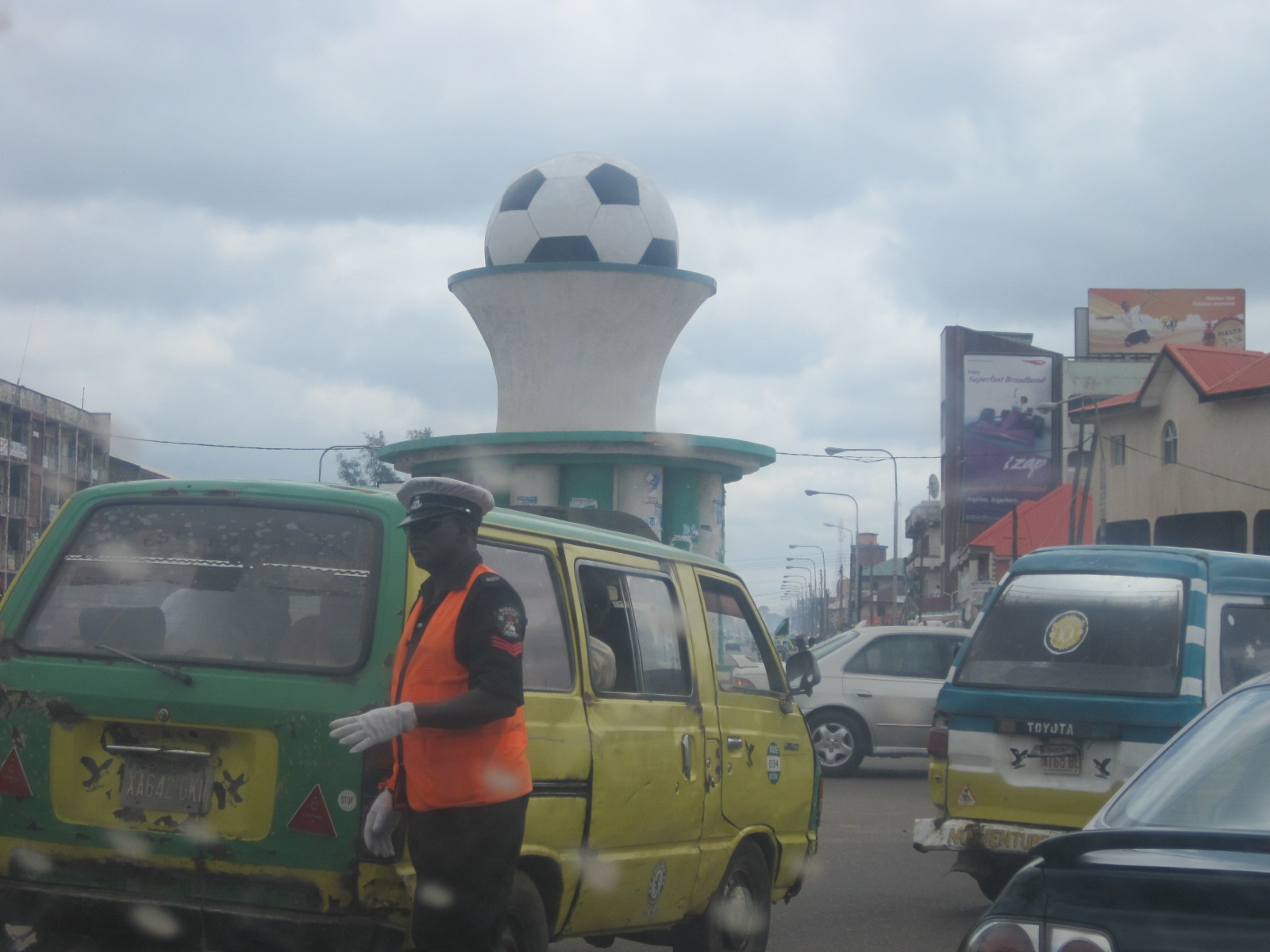
The task of making comparisons between states and towns along the roads to the North of Nigeria would soon inevitably fall on anyone undertaking a task of going around the country – Africa’s largest by population. Are there much differences in population, order, electricity, internet access, and a general sense of well-being? Are we that much different after all no matter where we choose to live, or do we differ only because we speak different languages or pray to a different invisible man than the other person? The answers are not that difficult if only we apply ourselves to discovering it.
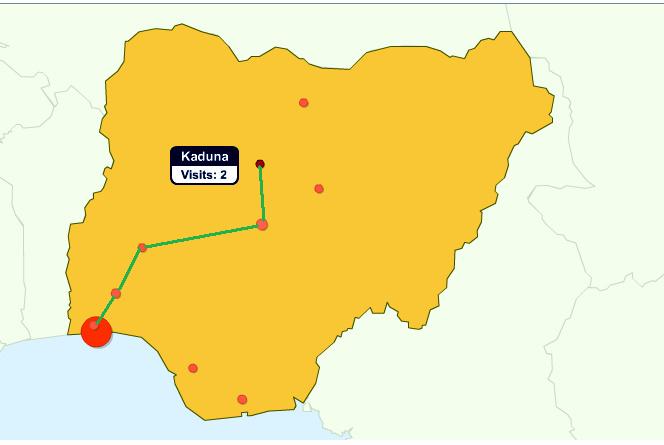 The young man in whose house I slept for two days in Kaduna finished from the University in Zaria in 2005 and served in the same year in Edo State. I had never met or spoken with him until that night when I showed up at his door with another friend and asked to stay overnight for the period of my footloose tour of his state. The young man at the motor park who negotiated by bike ride with the hausa-speaking rider within my first five minutes of arriving in the state was of the same breed. Oblivious of the fact that we had indeed been in the same car through the ride from Abuja to Kaduna and never haven spoken even once, he gladly got me towards the right direction, all for a handshake, “thank you” and a goodbye smile. Human goodness, I say.
In countless meanderings around places around the world, I have encountered the same kind of optimism and open-heartedness even from random strangers, and it has never ceased to amaze, and to delight. If only we could all live together as one, all the days of the year. While eating lunch yesterday and getting prepared to head out, there was the news flash on television that nine (or ten, depending on who you ask) people have again been killed in a fresh case of violence in the city of Jos. Over what? Religion?
Of all the things that should cause violence, shouldn’t religion in a sane world be the least relevant, especially since none of us is really sure? But what do we have? Moslems pray to Allah to help them destroy their enemies, and sometimes even lend him a hand. Christians sometimes do the same, praying for God’s help to vanquish the unbelievers. To paraphrase George Carlin, one of these groups would be fucking disappointed. Could it be… everyone? Is love for neighbour so hard to conjur in a world where we have succeeded in dominating nature and pretty much everything else?
Forgive my rant, all I wanted to say was that I love what I see in most of everywhere I have been around the country. Kaduna reminds me of Ibadan, but not in every way. Ibadan is too rowdy, and so is Kaduna city, with rickety buses and loud bus conductors who speak only the local language. But as far as scerenity is concerned, Ibadan has much much less open land areas along the highways than Kaduna does, and politically, my city seems far less mature. End of rant.