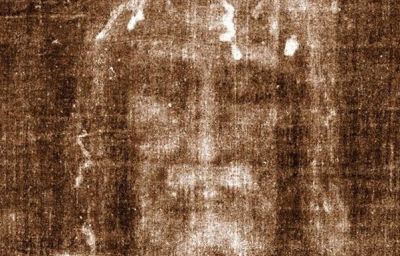
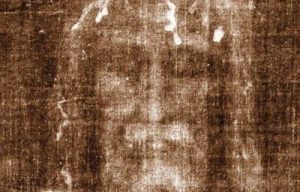
 Image of the “face” on the Shroud of Turin from CatholicDigest.com
My impression of Turin, from never having ever visited it, was limited to an article in the Reader’s Digest from 1984 called The Shroud of Mystery by J.H Heller. Not just an article, however, but a specific image of a piece of linen cloth with an imprint of a face said to belong to none other than Jesus Christ of Nazareth. Reading the piece as a young teenager in the early 90s Ìbàdàn was as exciting as it was disturbing. Having the pleasures of discovering reading as a worthwhile endeavour come with the unpleasant imprinting of an intriguing yet disturbing image didn’t seem at the time like a fair deal compared to all the fun my other friends were having. It compensated later, if only slightly, by the usual pleasures that reading brings (learning the meaning of “shroud”, for instance) and the stimulating dimension of that particular story: after Jesus died and was wrapped up, his body fluids/sweat/embalming liquids ensured that the outline of his face and body left indelible marks on the covering shroud. The result was this Shroud of Turin, hundreds of years old, showing the outline of a dead man with puncture marks on his wrists, blood marks on other parts of his body, etc, which the article suggested proved the biblical story to be true and intriguing scholars and theologians forever.
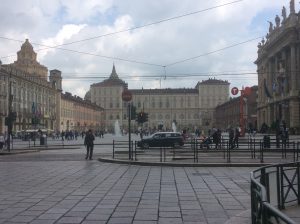 Recent carbon dating on the cloth has now rendered that conclusion false. The shroud shows a dead man alright, but it certainly wasn’t the Jesus, unless Jesus was born in the 1000s – 1300s.These scientific discoveries haven’t slowed down the perception of the cloth as being divinely ordered, however, as people still spend hundreds of thousands of dollars every year to see it either as a tourist curiosity or as a religious symbol. In any case, the deed was done: this famous death-mask of a man from many years ago continued to add an unwanted dimension to my teenage nightmares.
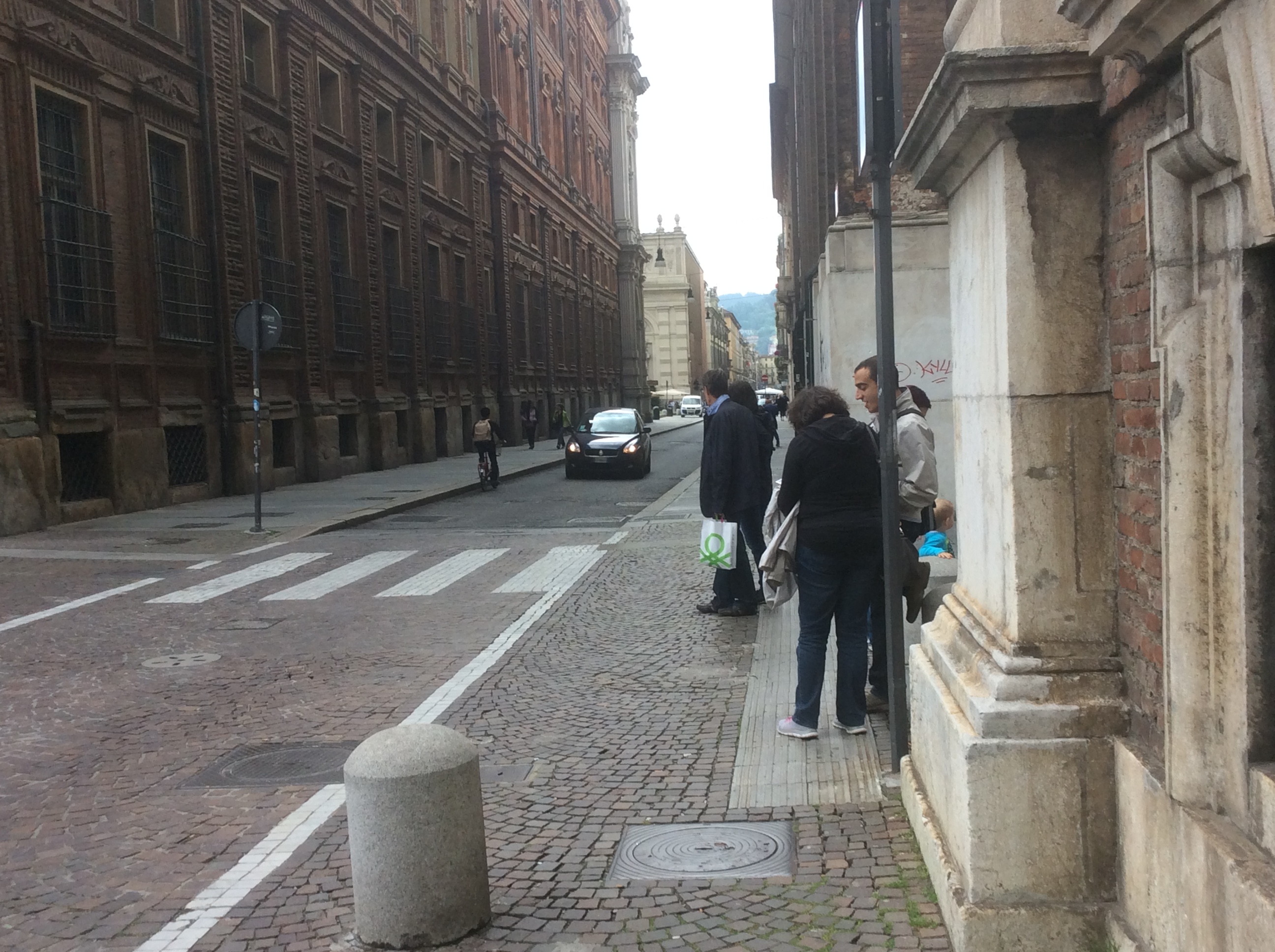
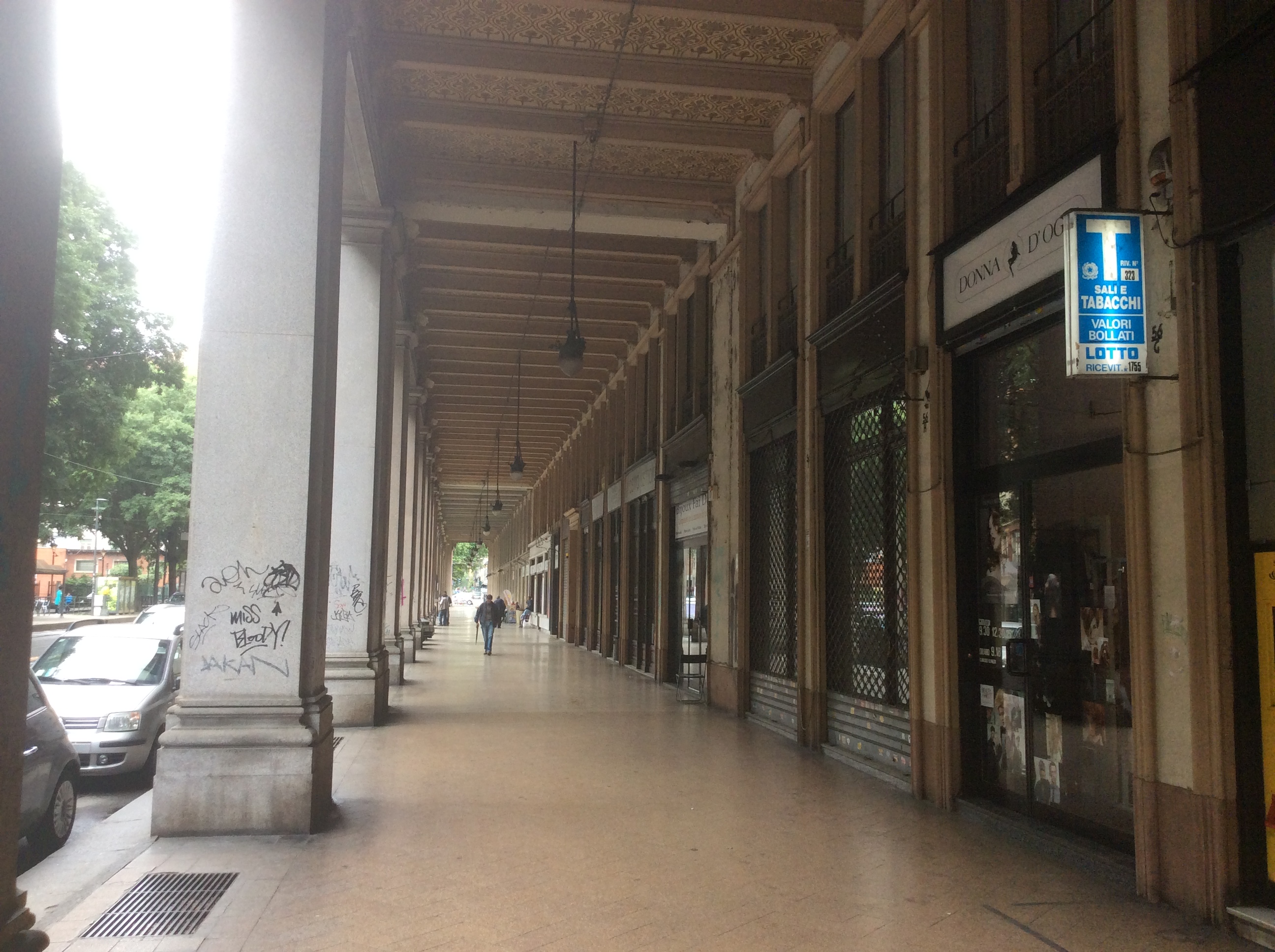
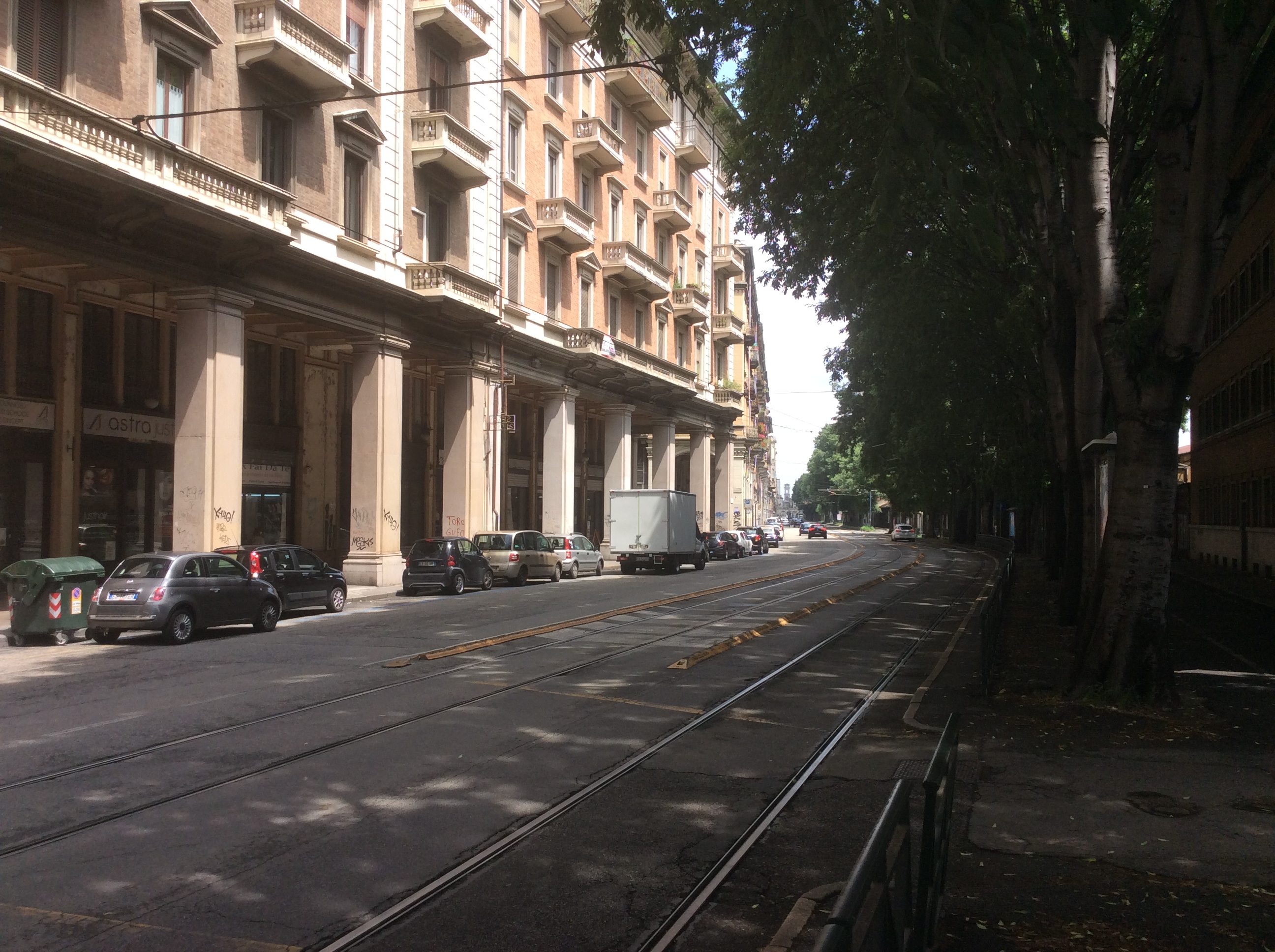
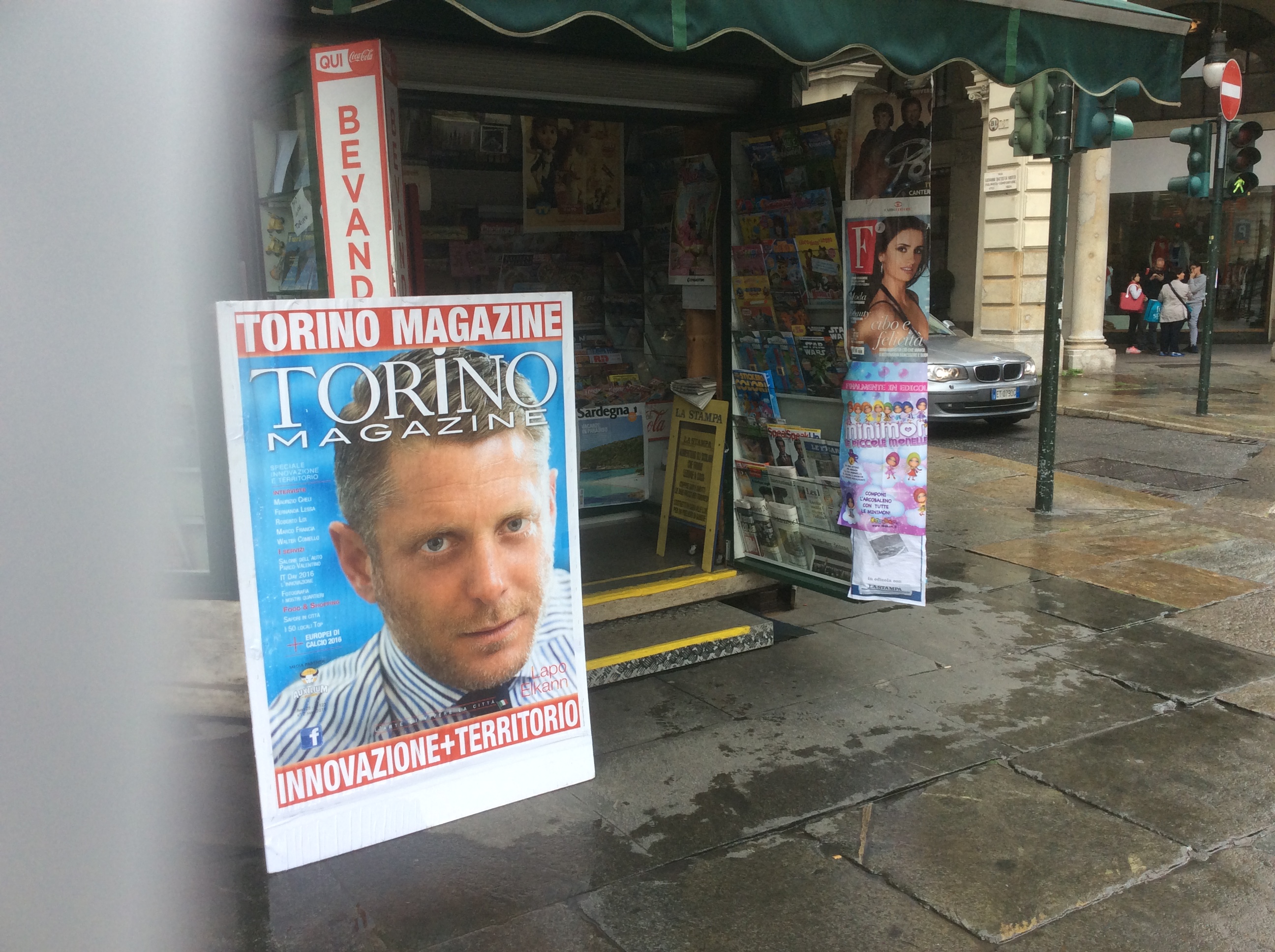
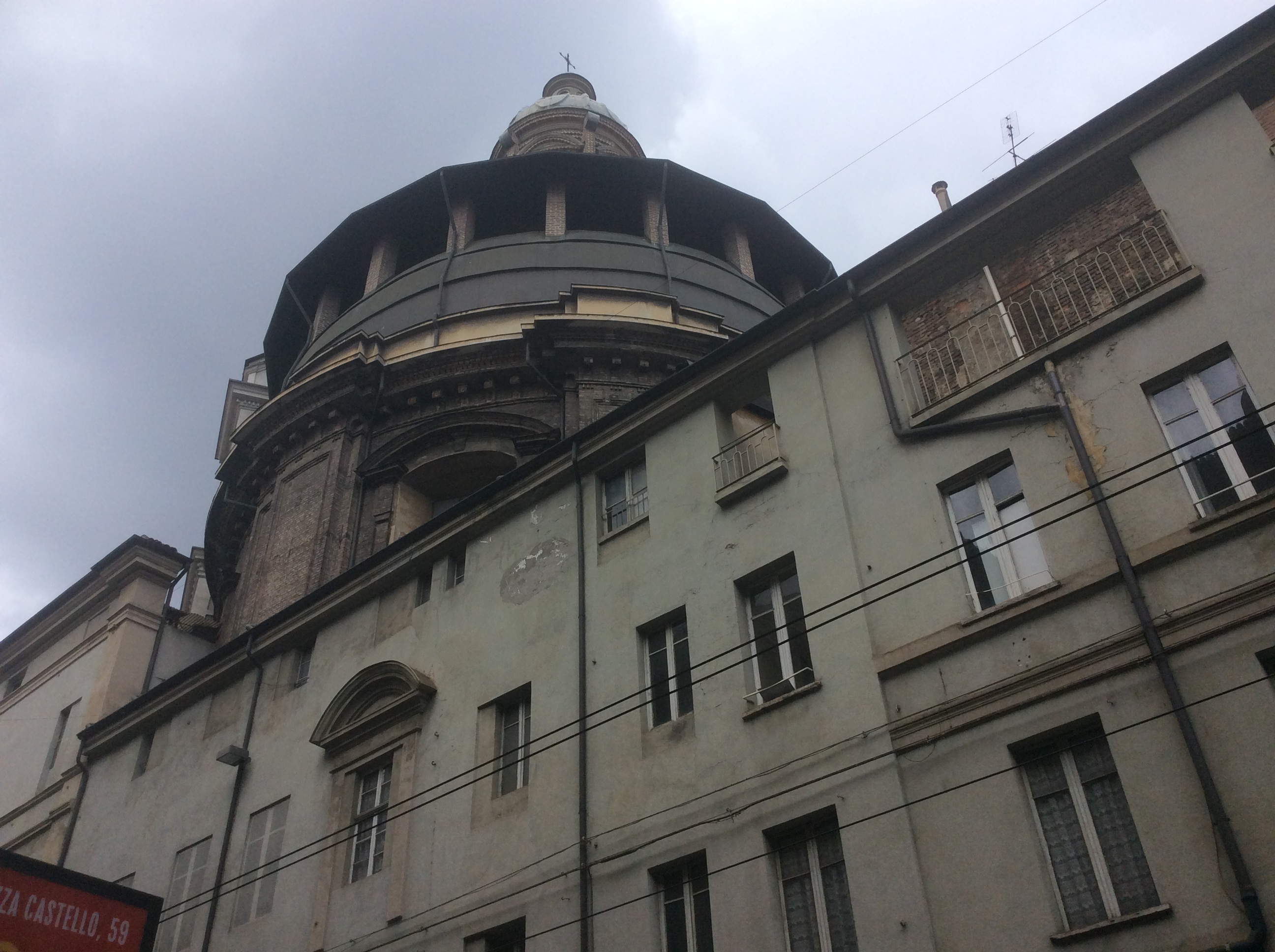
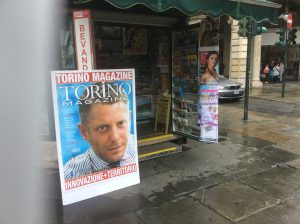 Whenever I heard of Turin from then on, all that came to my mind was the image of that shroud – a holdover of idolatory in European Christianity, perhaps, as an item significance to validate one’s faith, and to hold on to for as long as possible, generating tomes of research articles, arguments, and tourism dollars in the process. In any case, I’ve always wanted to see it for myself. So when I found myself bound for Italy earlier in the year, one of the places I wanted to visit was Turin. I was in luck, as these things have often turned out for me: my plane into Italy was to land in Turin, from where I would be moved by car to Ostana, just two hours away. Even if that individual trip didn’t provide enough opportunity to explore the city, its relative closeness to my destination meant something of even purely nominal significance.
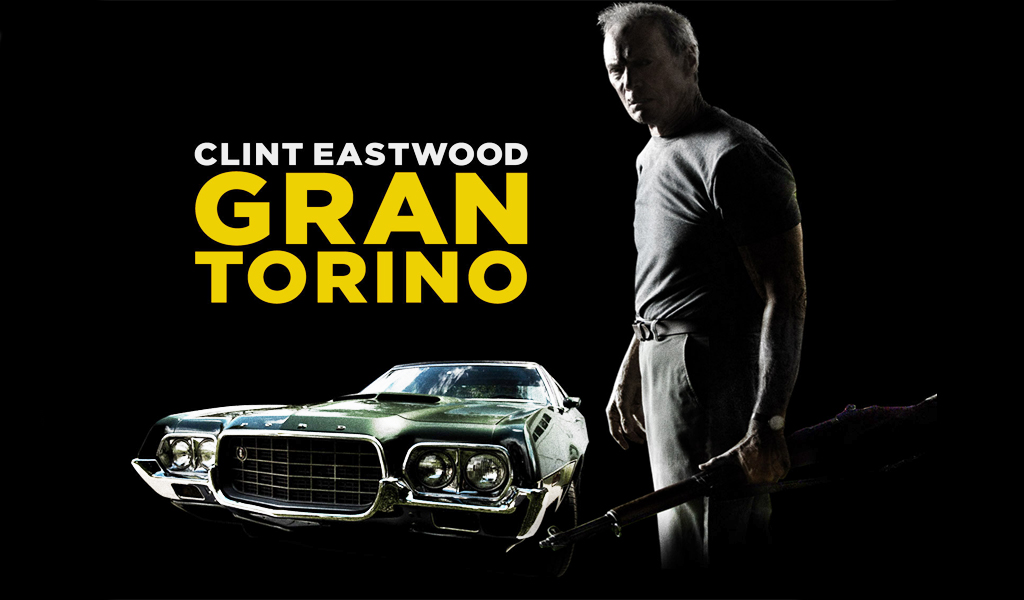
 There was also something else that I’ve always connected to Turin, but that came much recently: a 2008 movie by Clint Eastwood, set in America, and featuring a cranky old Midwesterner and his Hmong neighbours. It was called Gran Torino, named after a Ford car of the same name, which had got its name from the Italian pronunciation of Turin. Both the movie, with its story of redemption, personal sacrifice and cooperation and its soundtrack, possessed a kind of sublime beauty that was also notably memorable. According to Wikipedia, ‘the car was named after the city of Turin considered “the Italian Detroit”.’
So, it already began to seem – right from the beginning of my trip to Italy, that a number of my travel obsessions would collide with appropriate reality on the ground.
That didn’t happen, however.
The Shroud, it turns out, now comes out only once in a couple of years. Perhaps due to wear, or due to a need to create scarcity so that each outing, like of a notable masquerade, is special and memorable, those in charge of the piece of cloth only show it off once in a couple of years. And whenever that happens, according to residents, it is like a carnival: the city is full of tourists, pilgrims, and all curious visitors of all sorts, all trying to get a glimpse of the memorable fabric, and ready to pay whatever the gate fee is required at the time. “You should consider yourself lucky,” a friend said “that you aren’t here during that time. The city would be too busy for you to enjoy. And the lines to see the shroud are always very long and you have to book in advance.” It was probably all for the better.
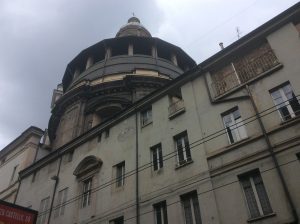
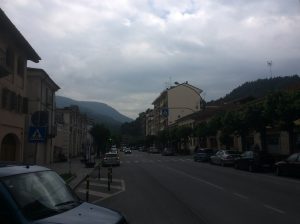
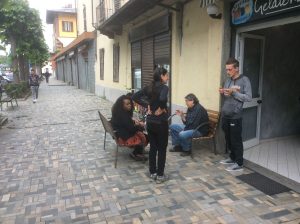
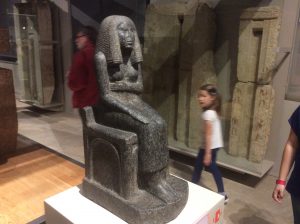
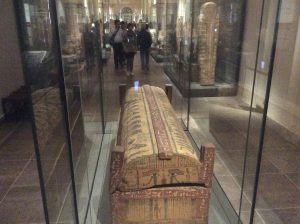
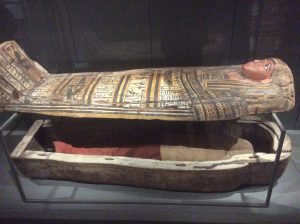
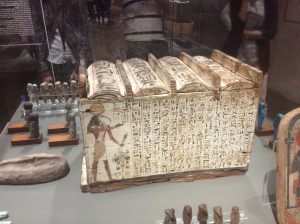
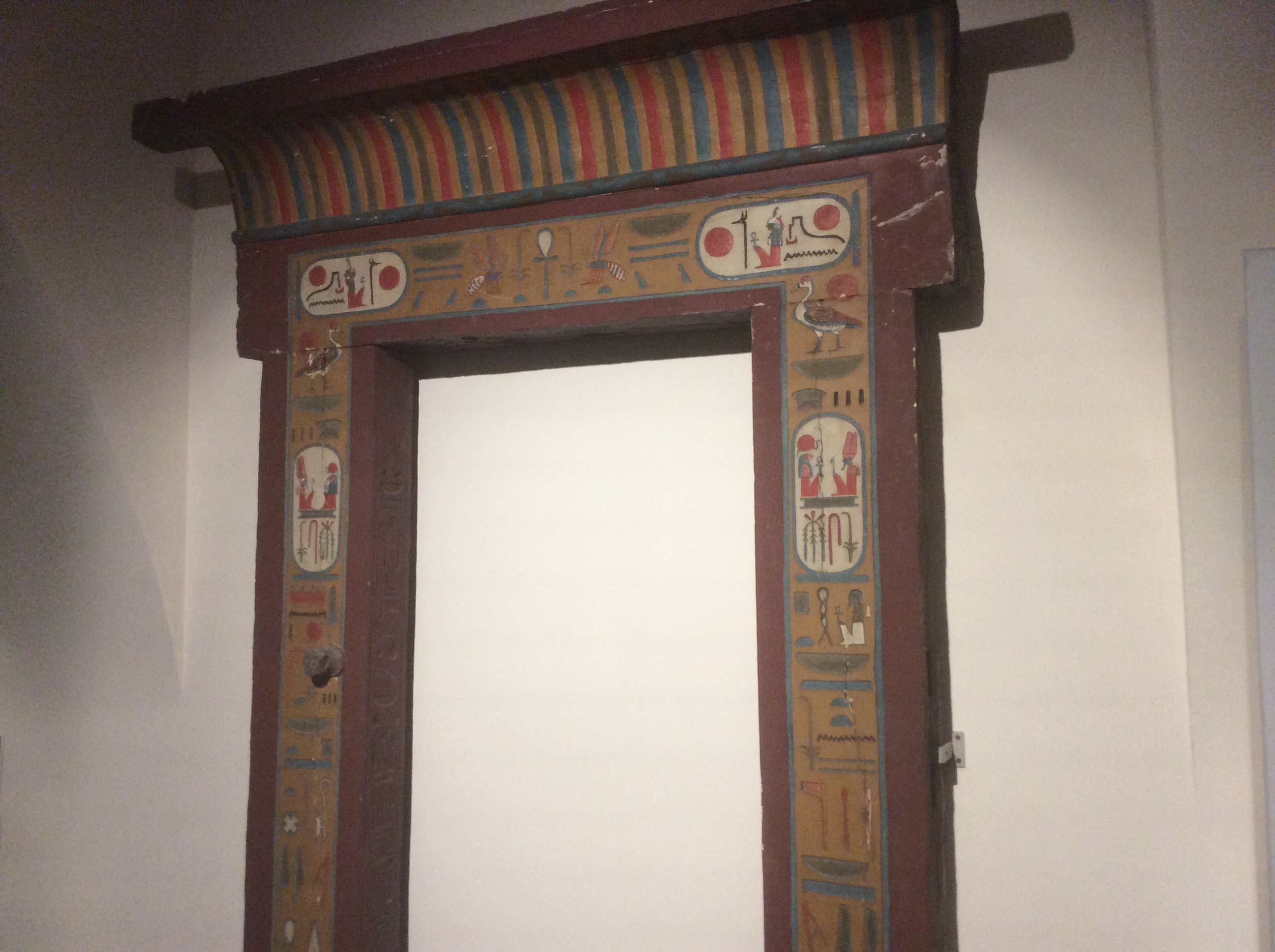
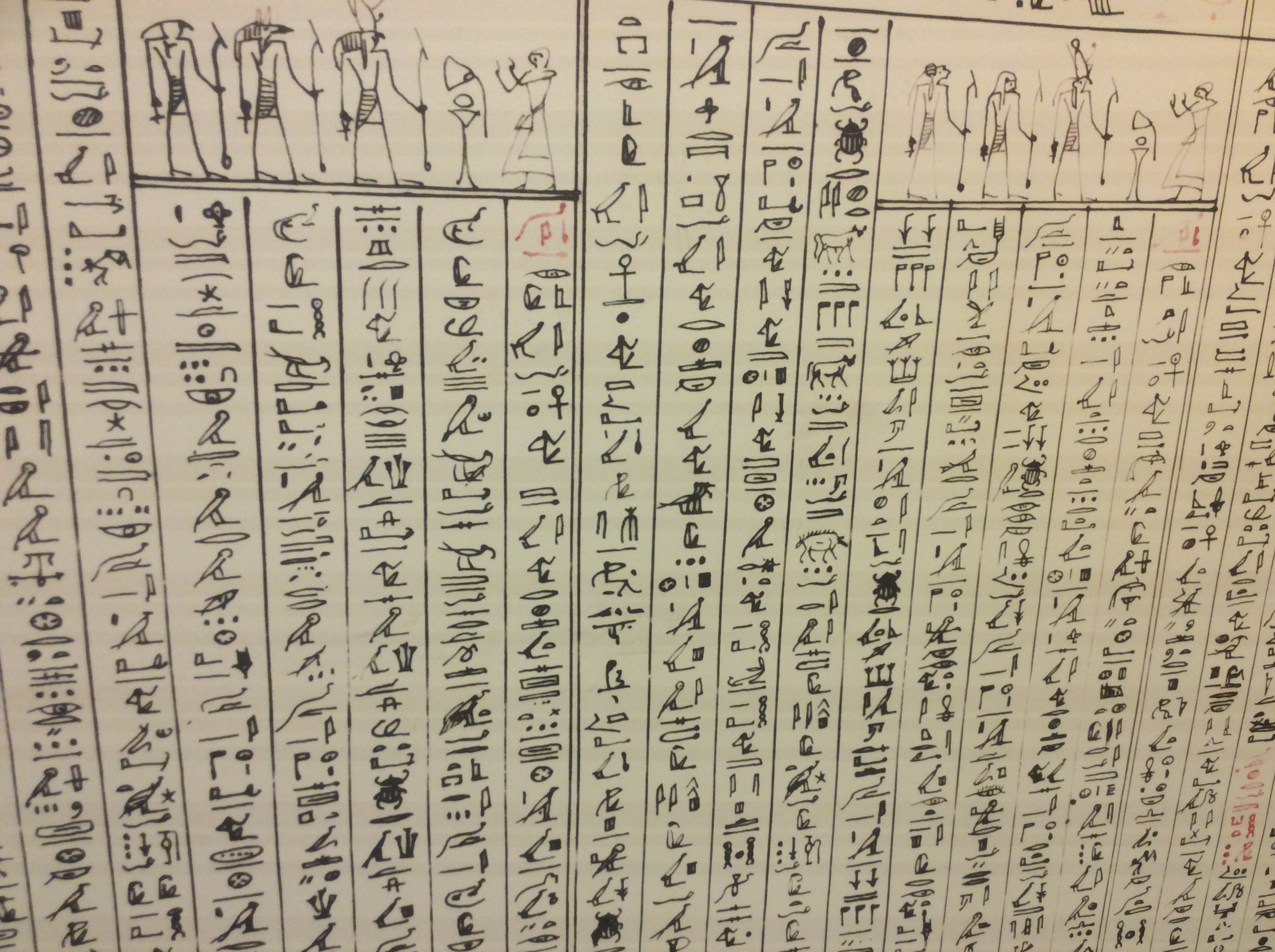
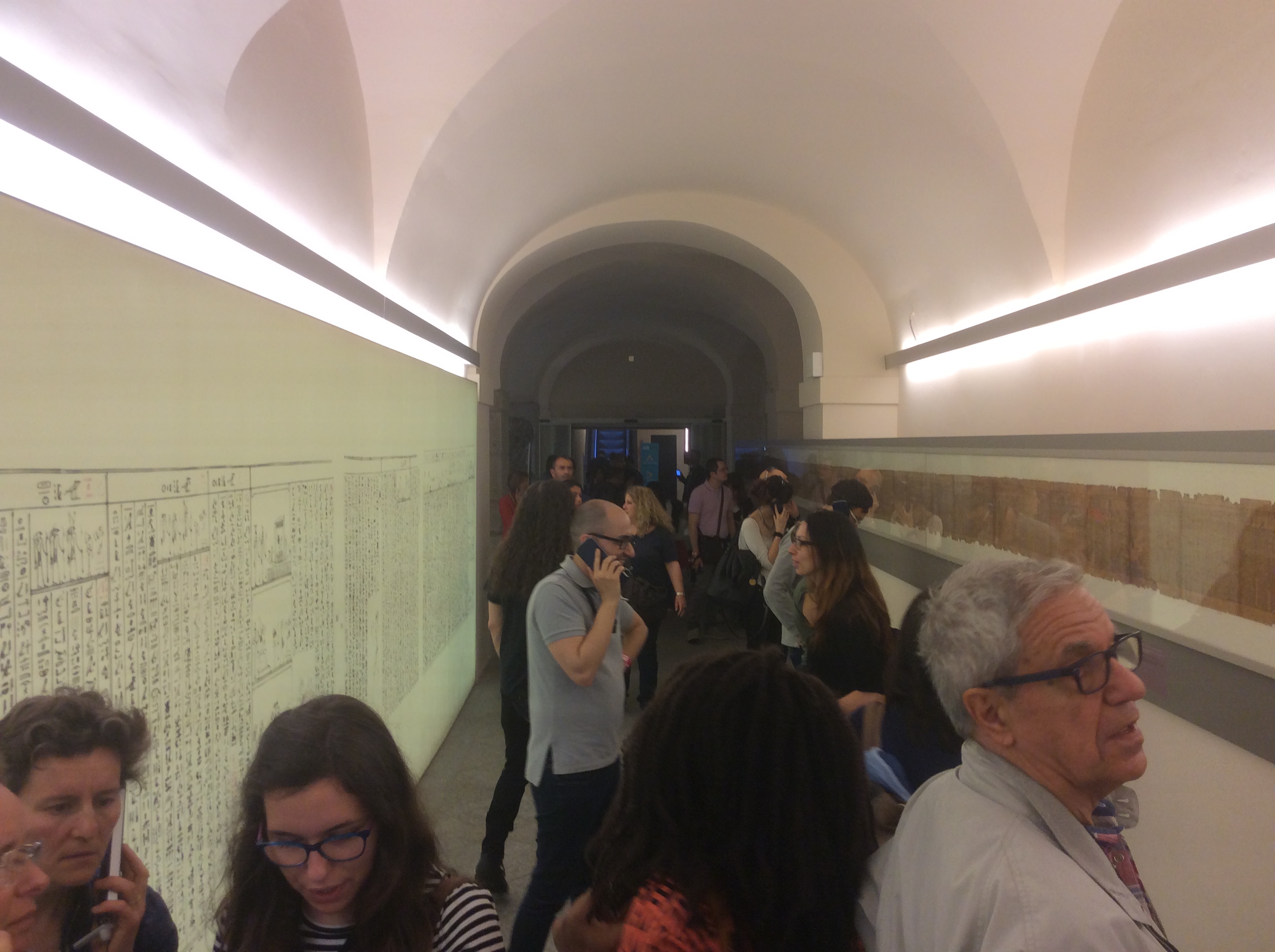
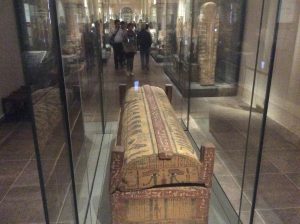
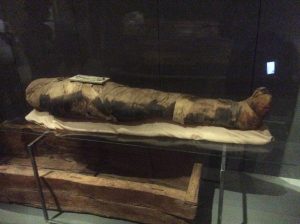
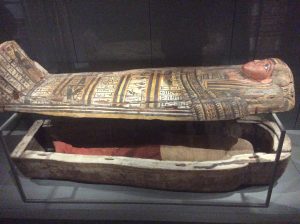
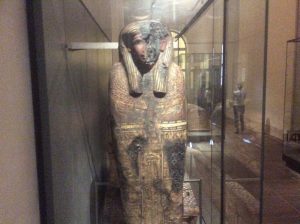
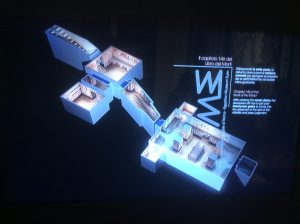
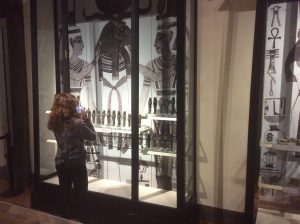
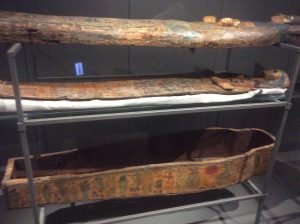
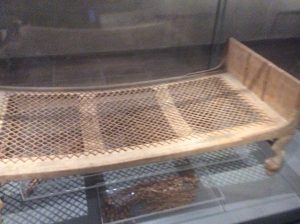
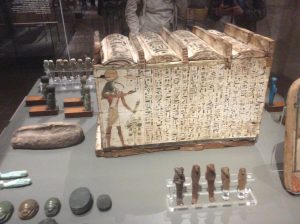
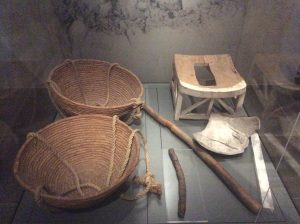
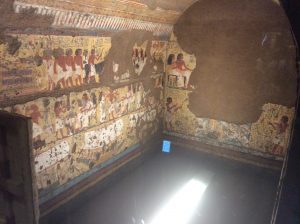
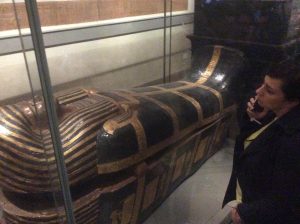
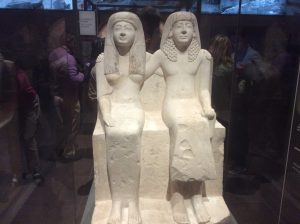
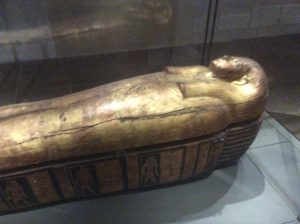
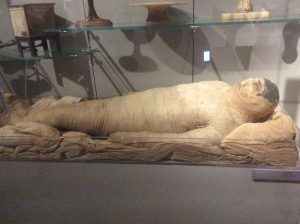
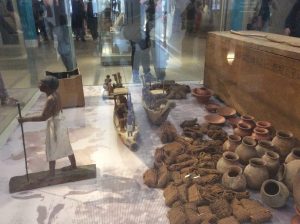
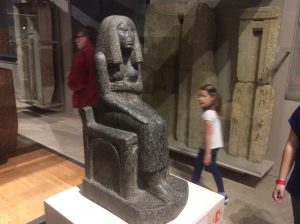
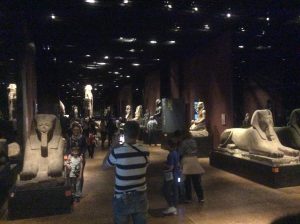
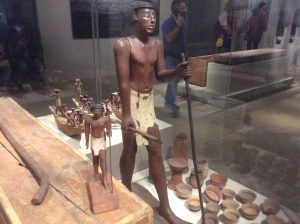
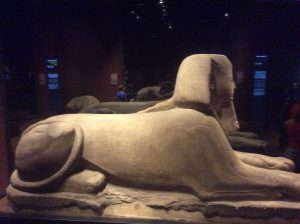
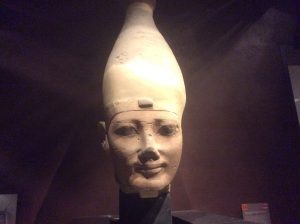
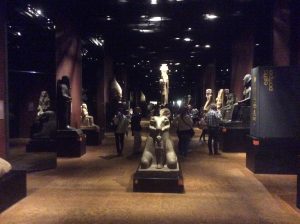
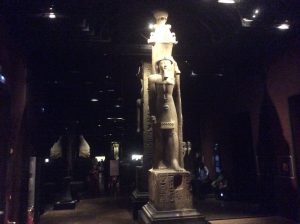
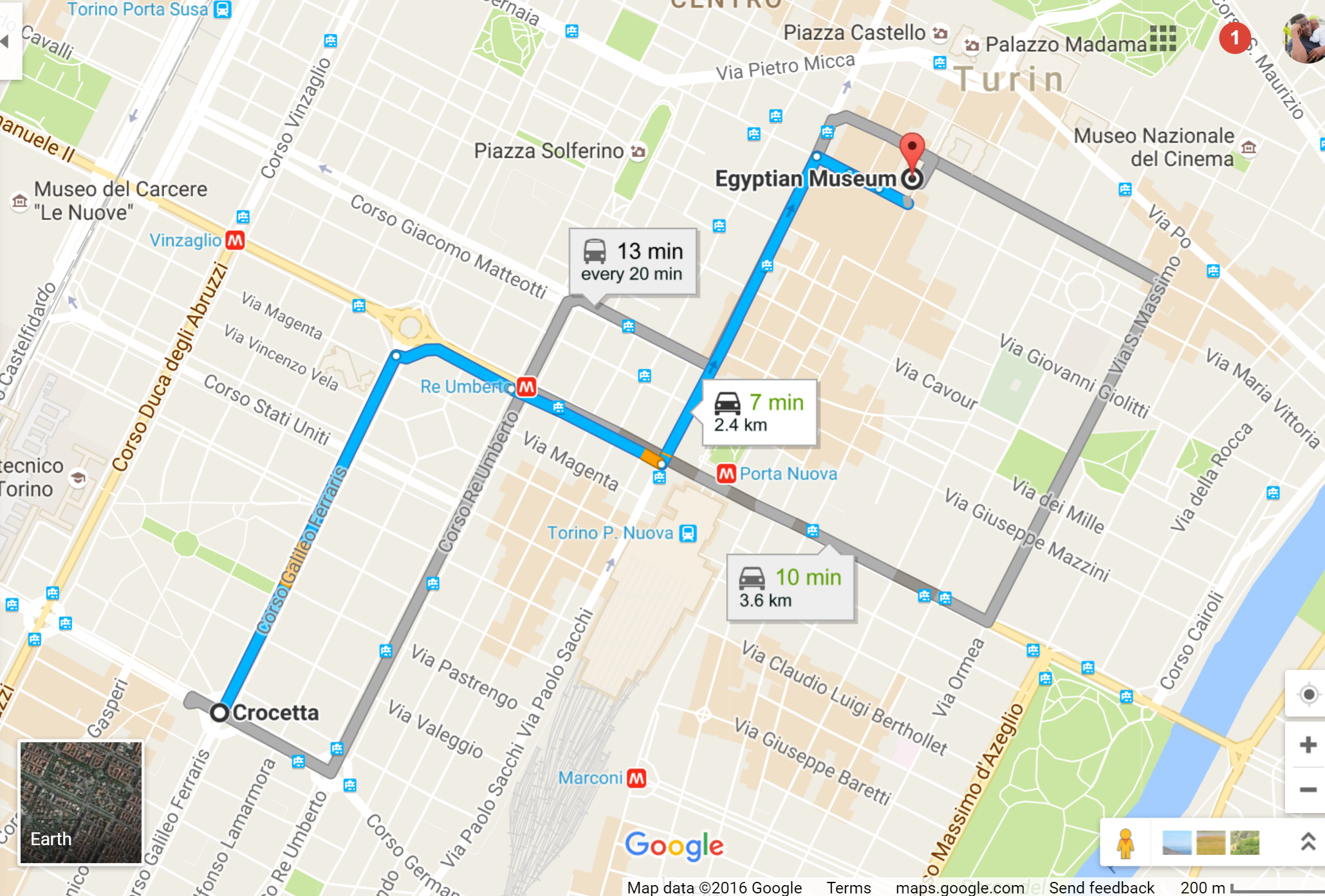
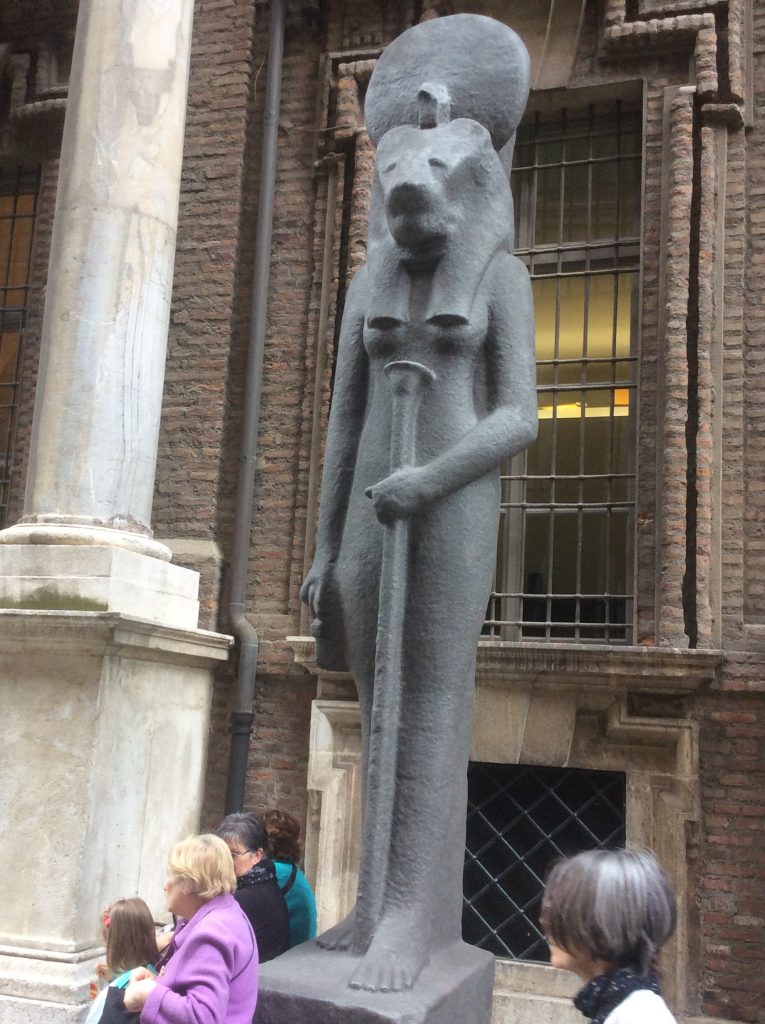
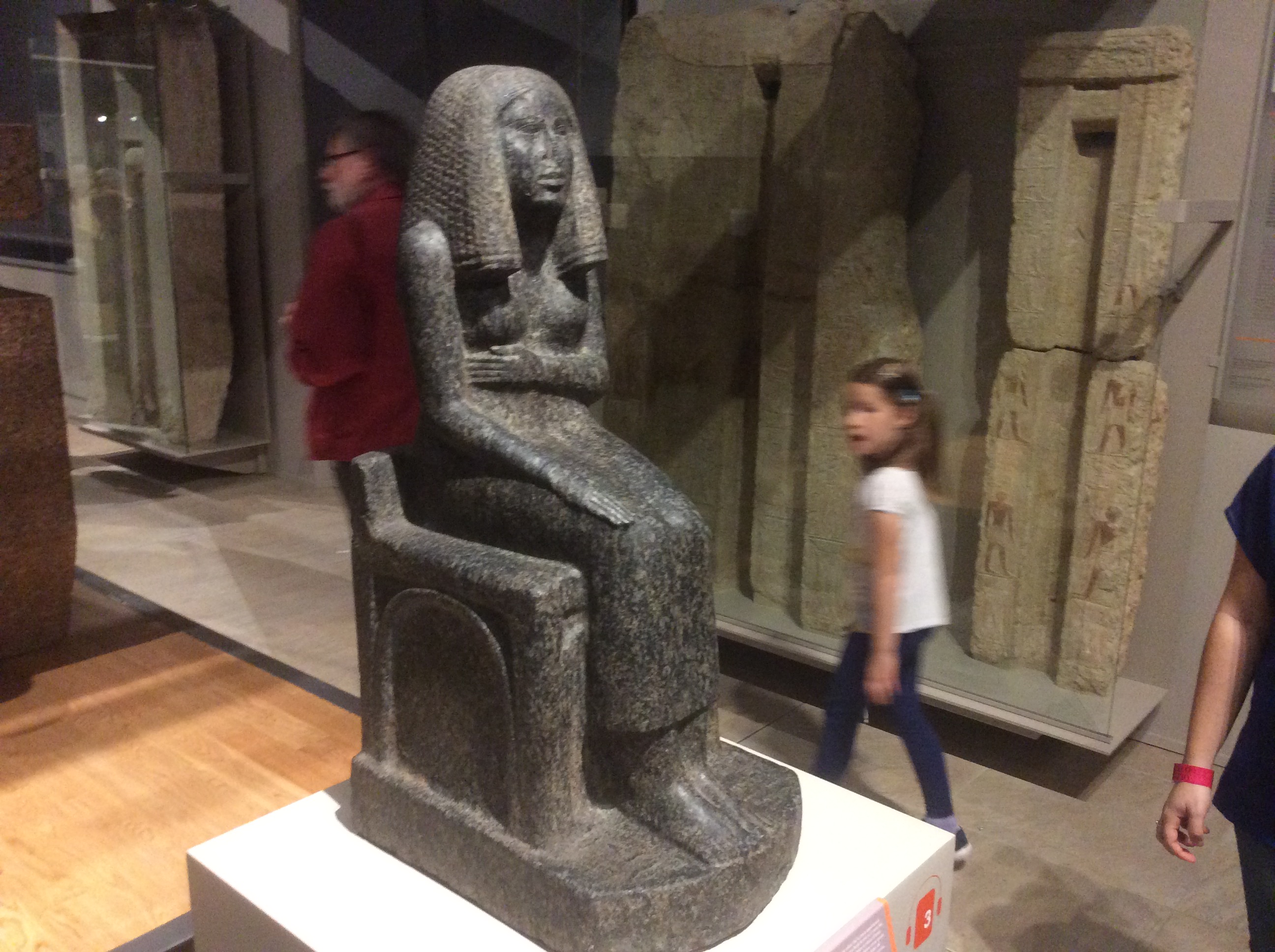
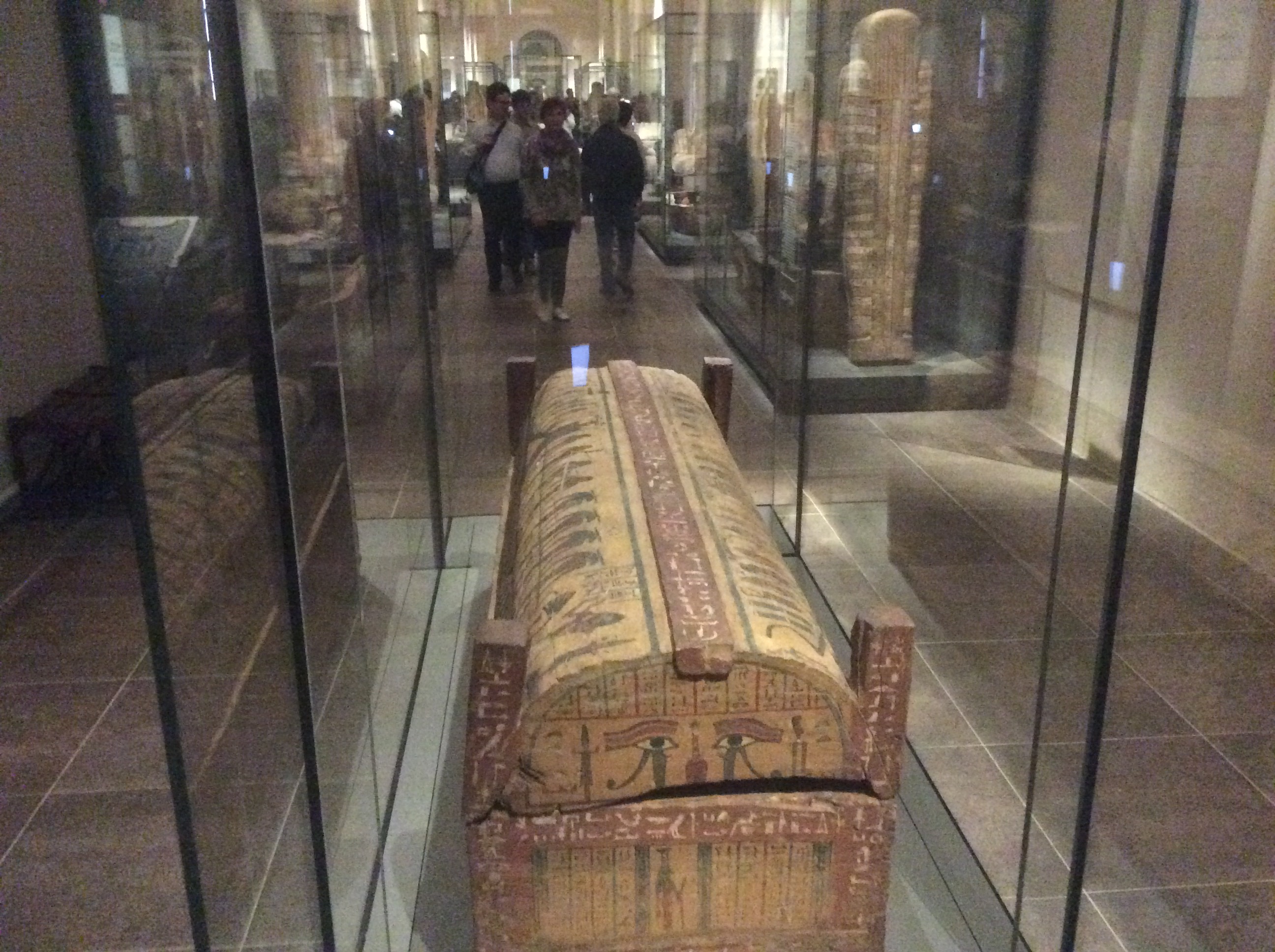
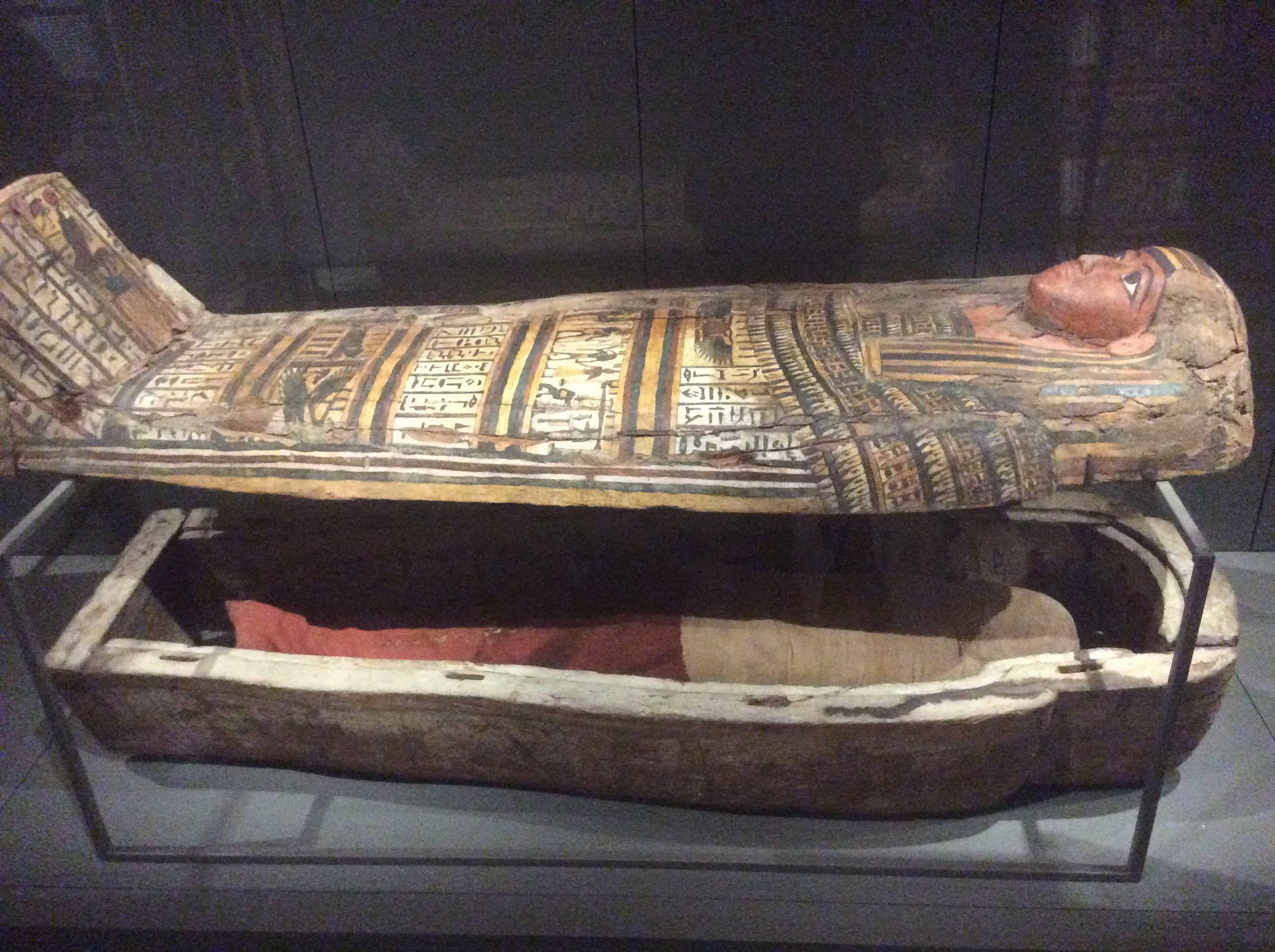
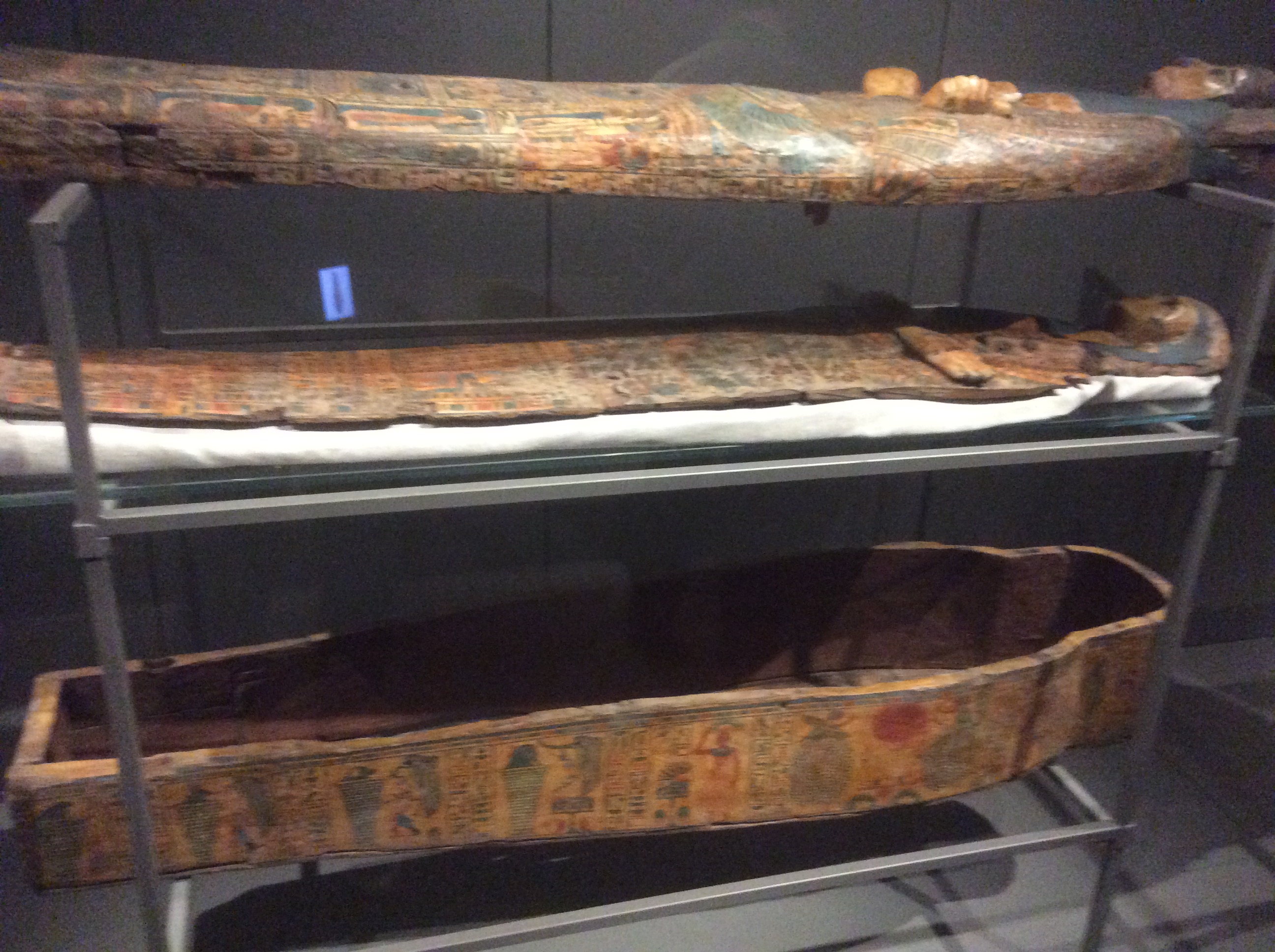
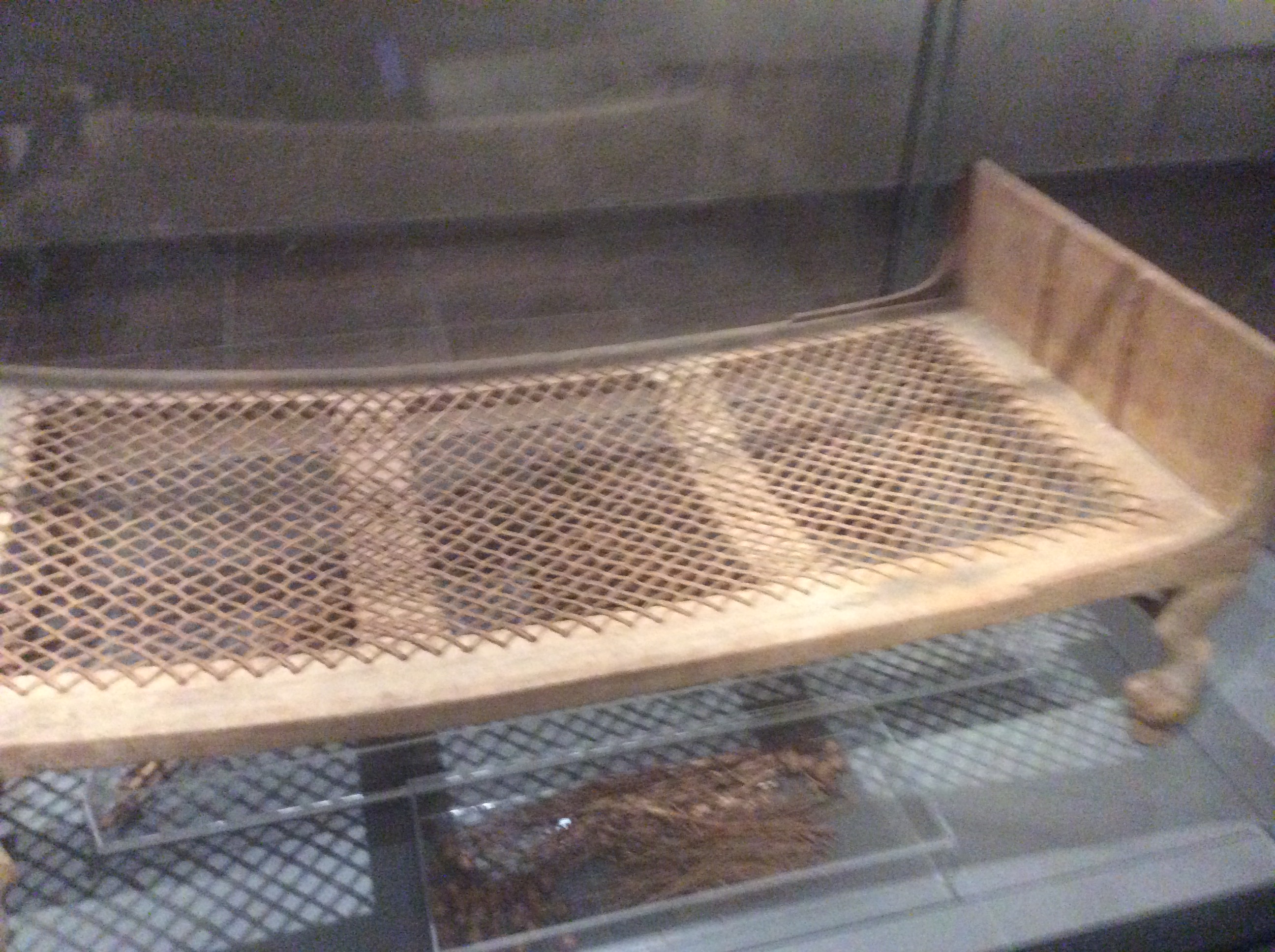
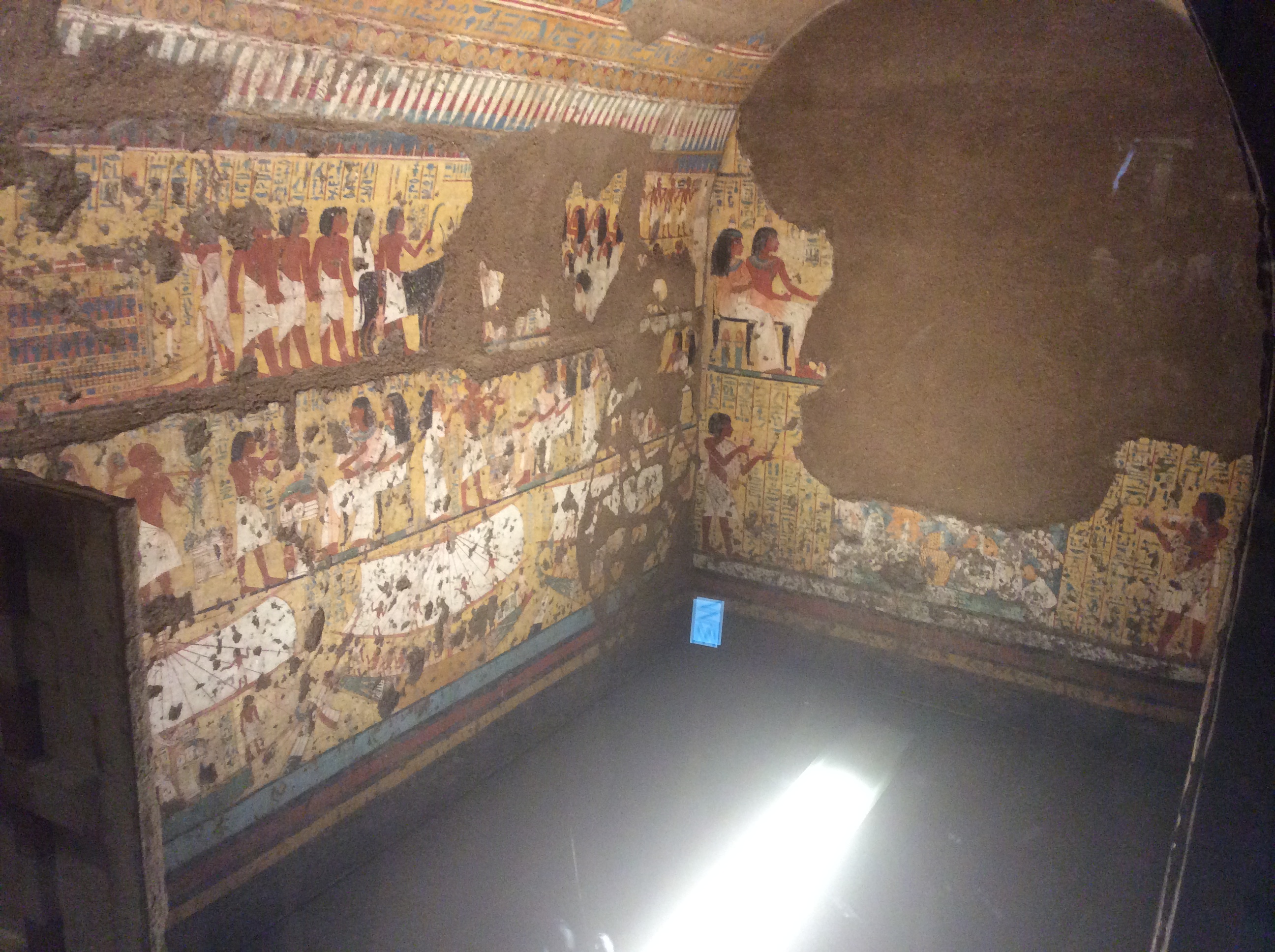
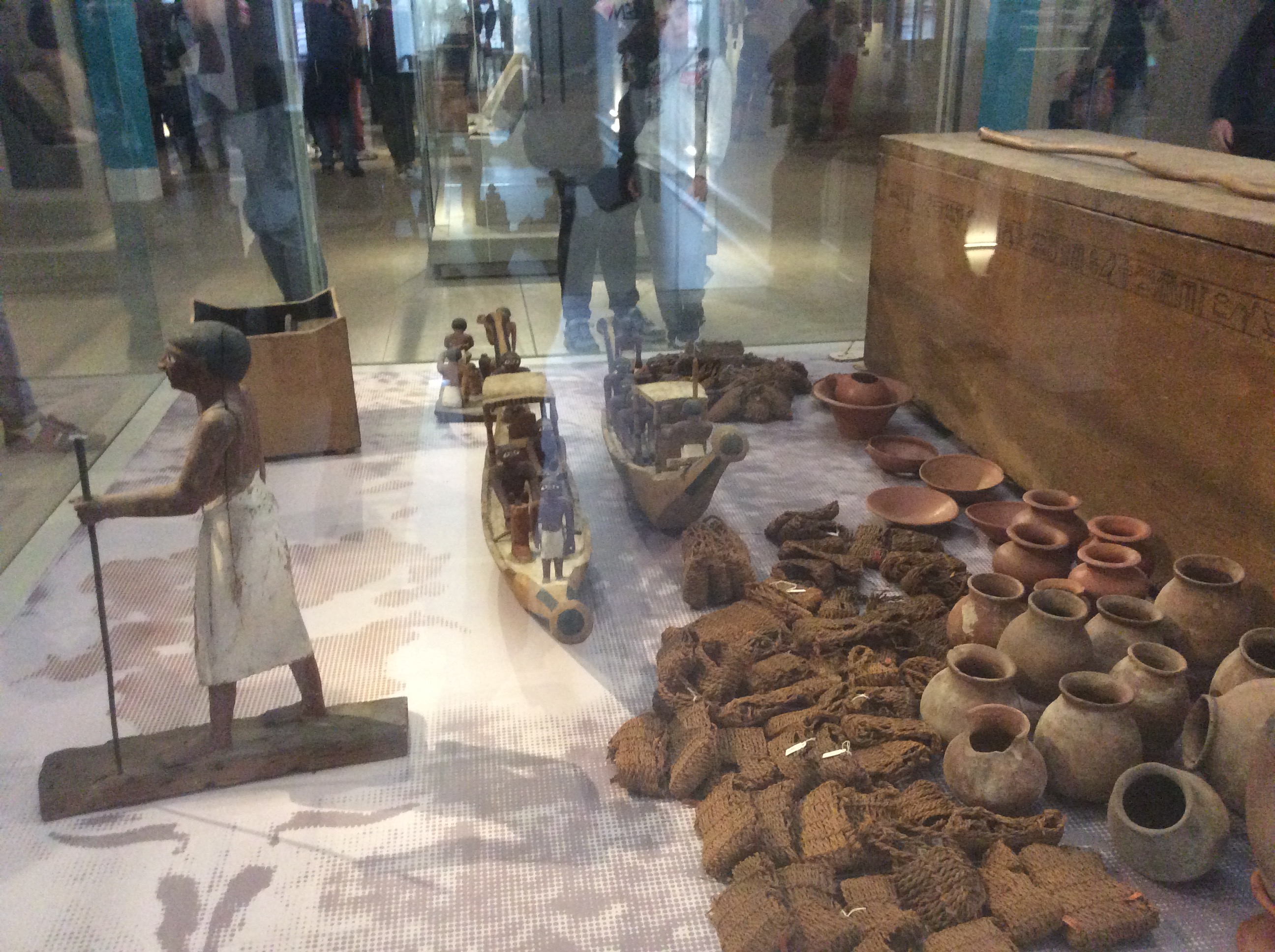
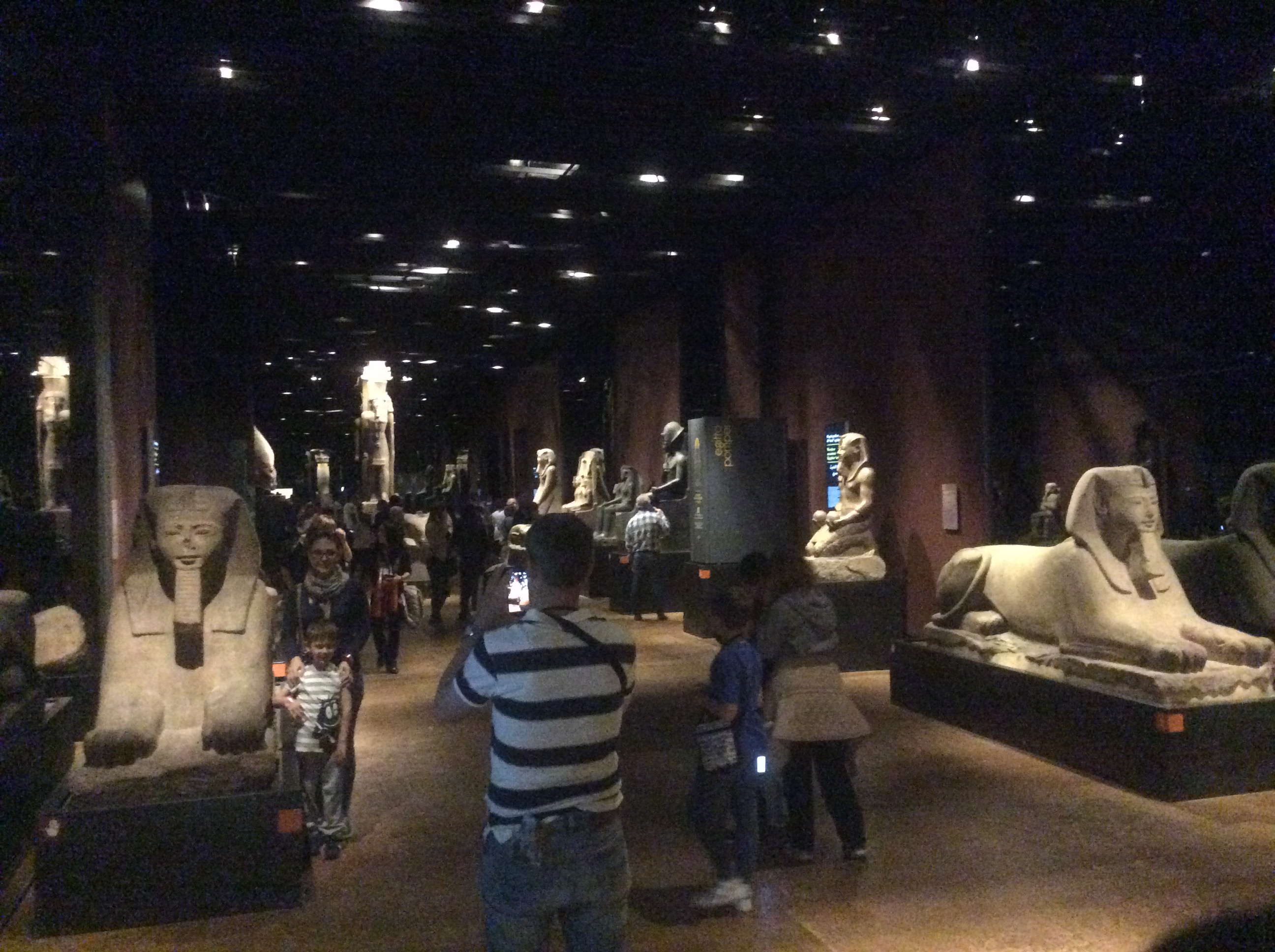
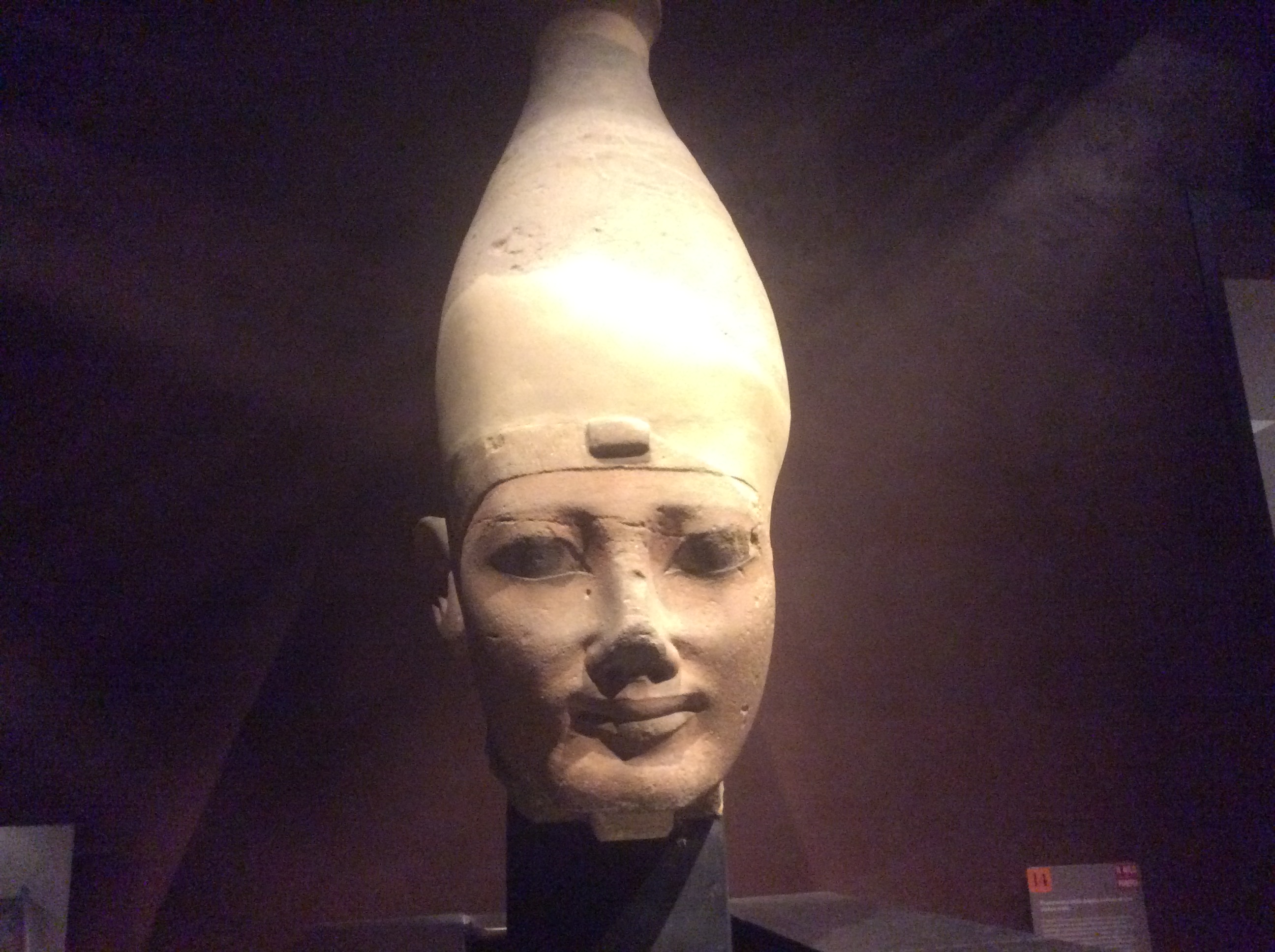
 What I was rewarded with in the end was something more: a whole day spent exploring another part of Torino which I hadn’t heard of until my trip. The city, it turns out, boasts of the second biggest Egyptian museum in the world: the Museo Egizio, which hosts more than 30,000 artifacts and receiving over half a million visitors last year alone. More on this later.
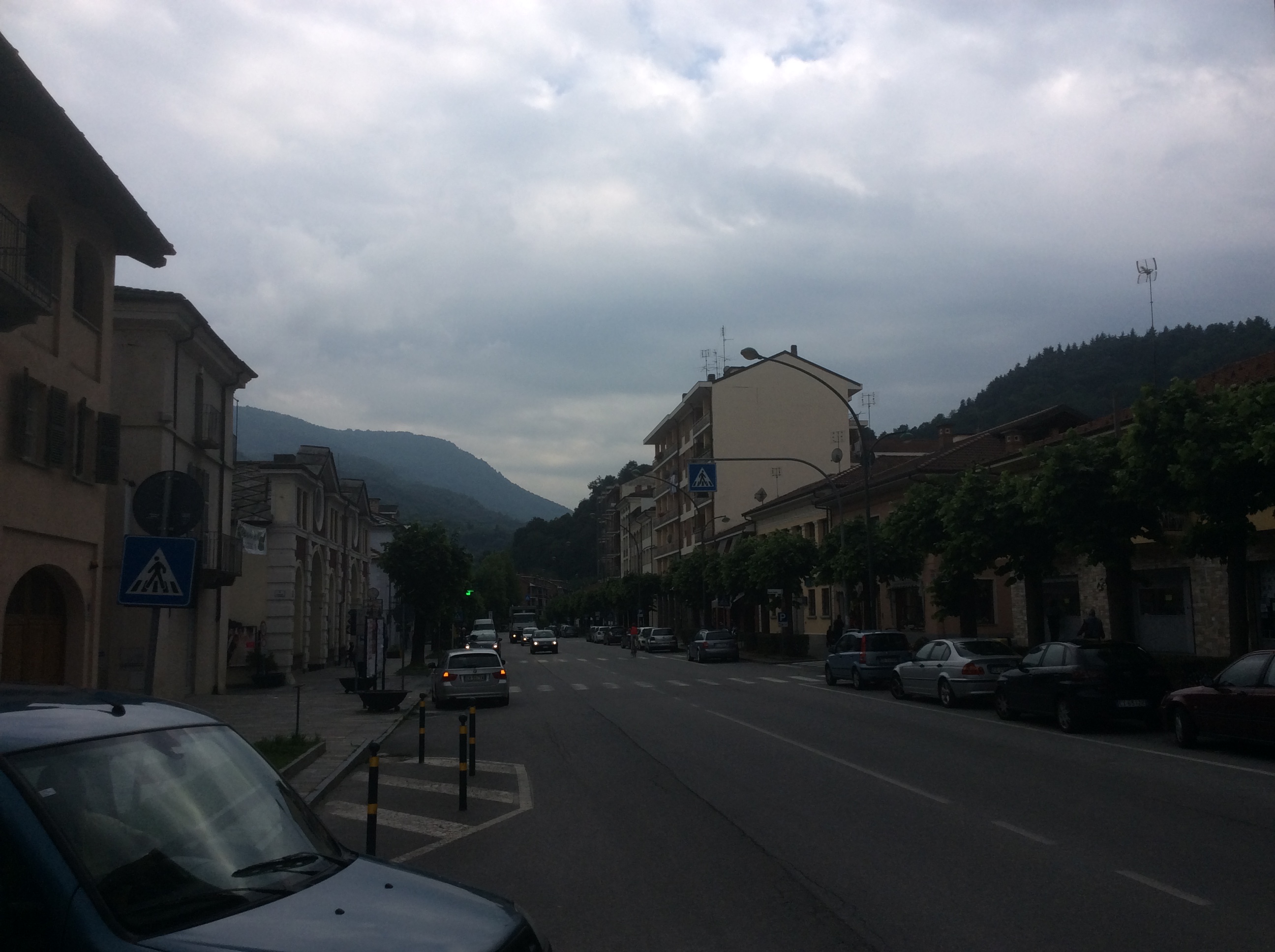
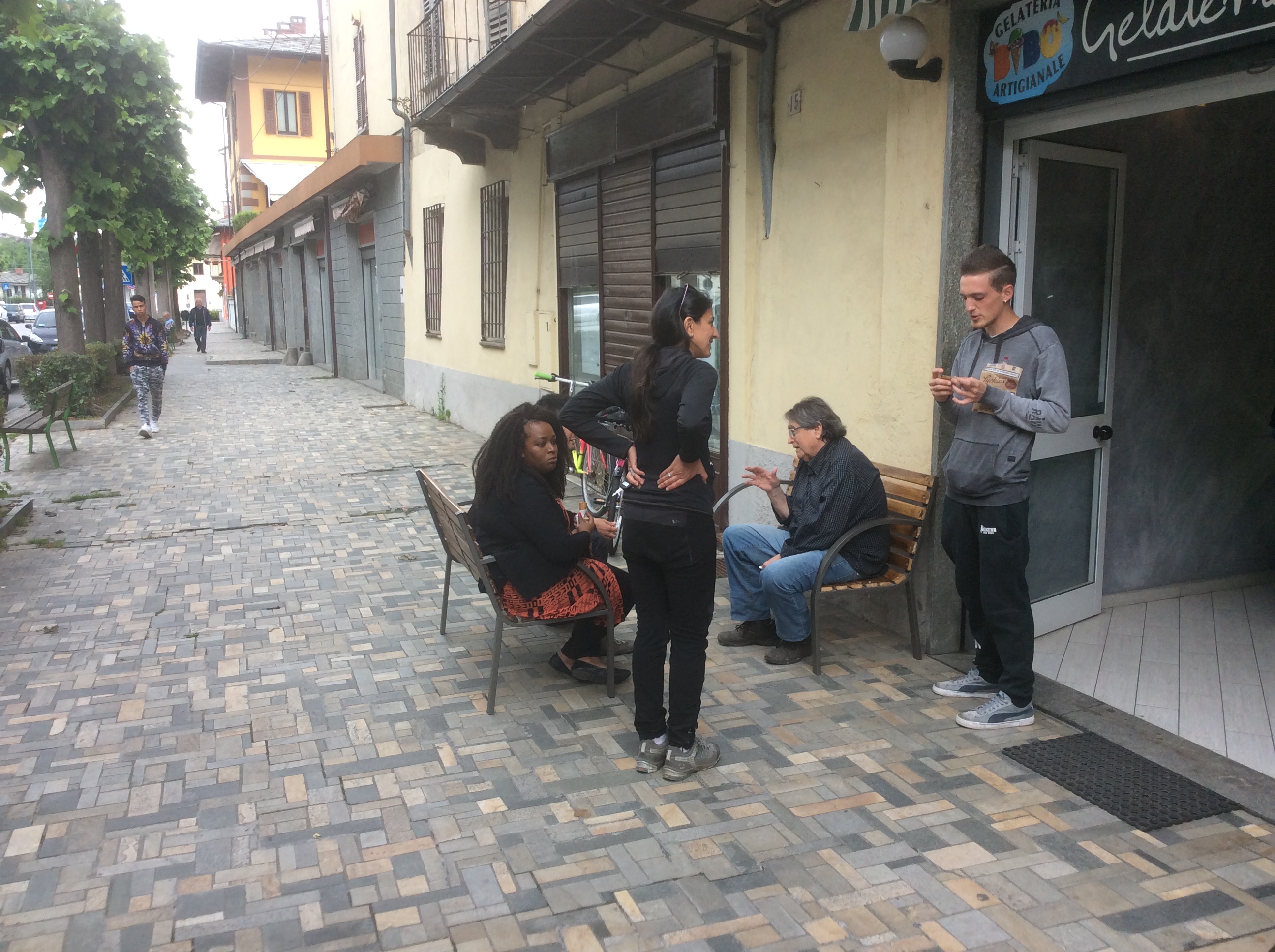
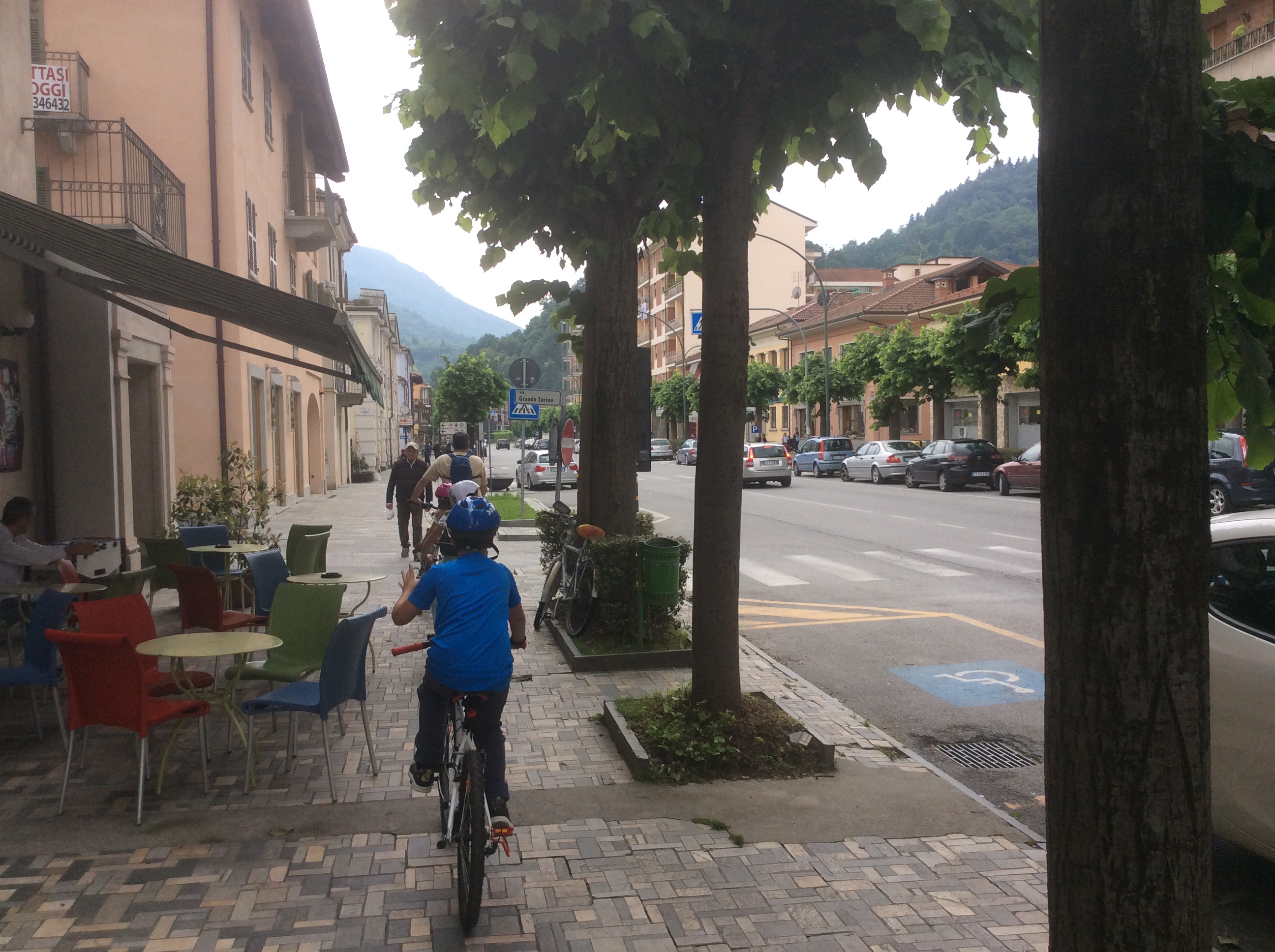
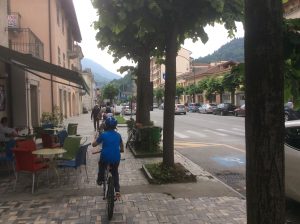
That, and a memorable commute all the way from Ostana through the city of Turin in delightful company, getting lost, interacting at close quarters with a small but stimulating company, rushing through an expansive exhibition at the museum in less than two short hours, another commute to the airport to drop off (and pick up) a guest, a stopover at Barge (a midway point) for delightful pizza, and then a quiet ride home.
Without the shroud, it was still a most charming introduction to a city of so many mysteries. Perhaps more so because of its welcome absence.