Around Kaduna

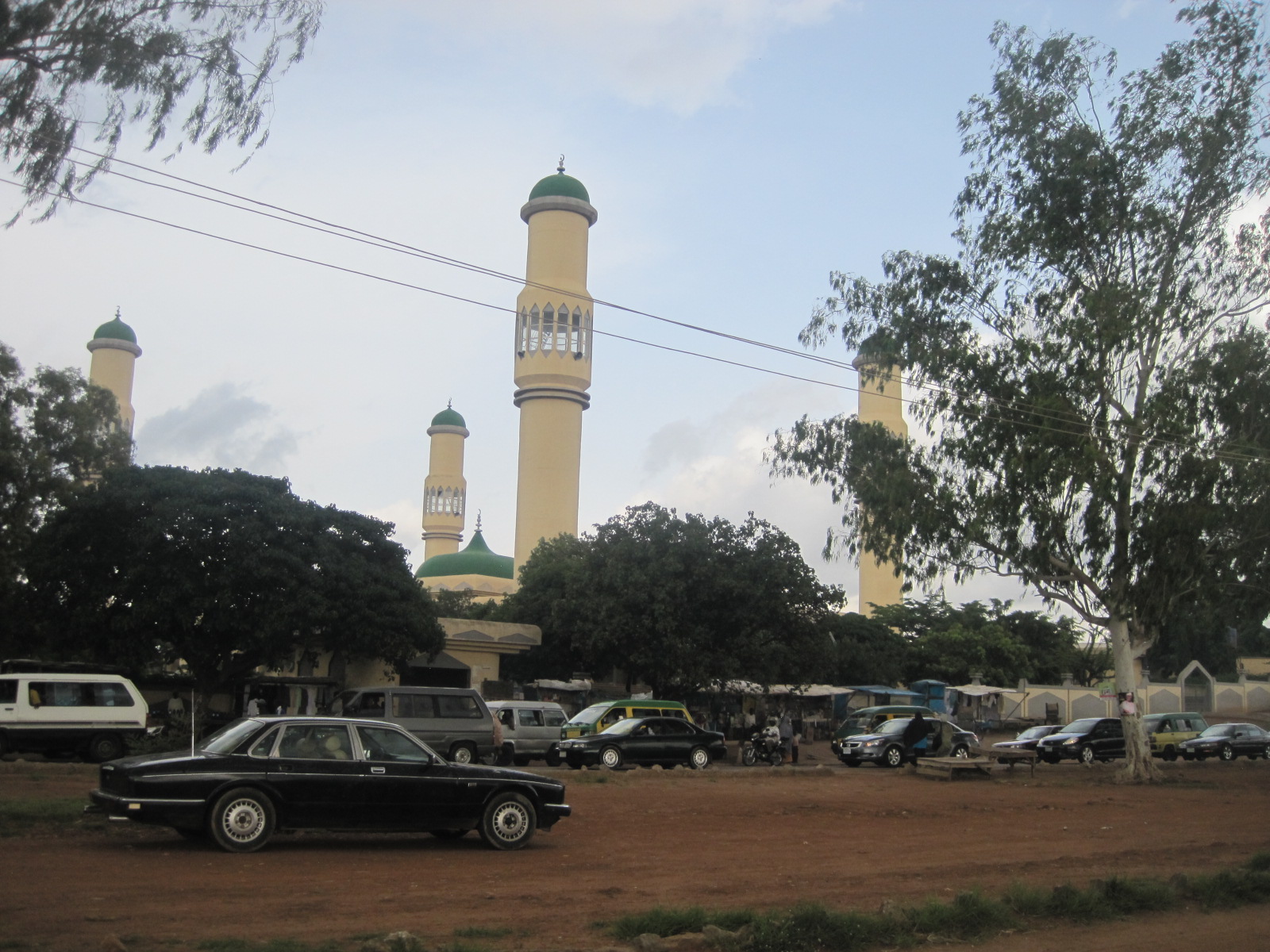
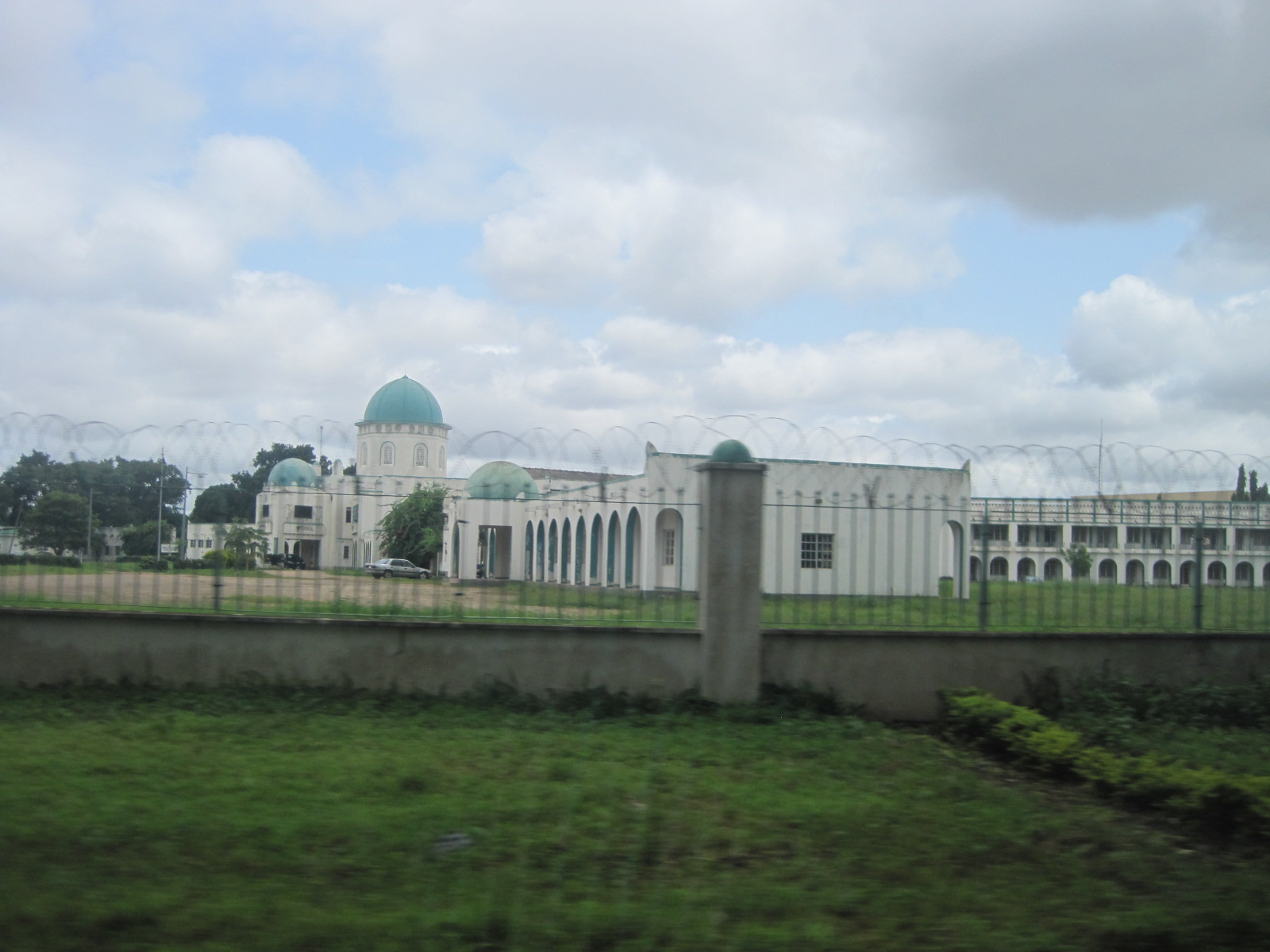
1. The Kaduna Mosque

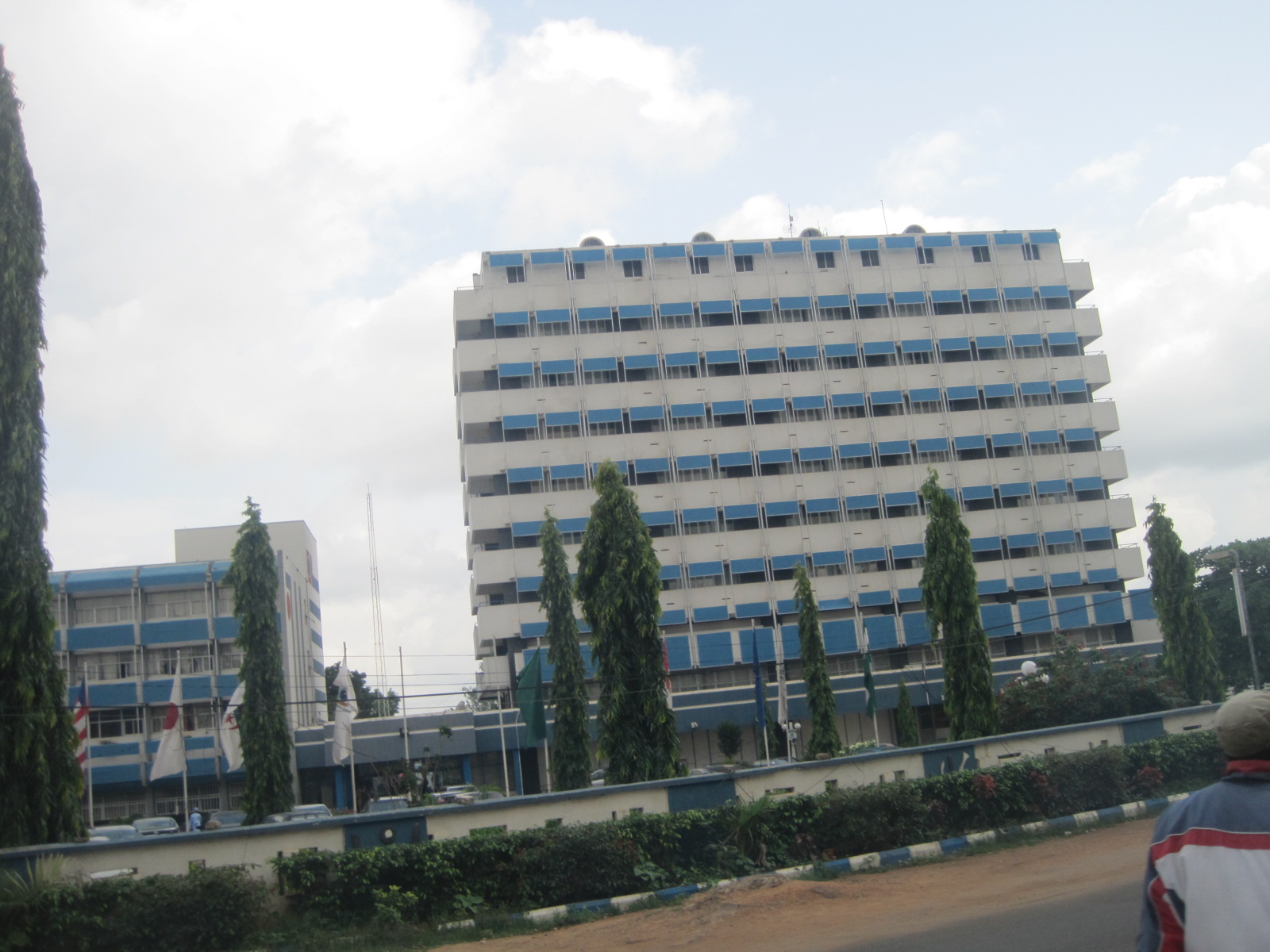
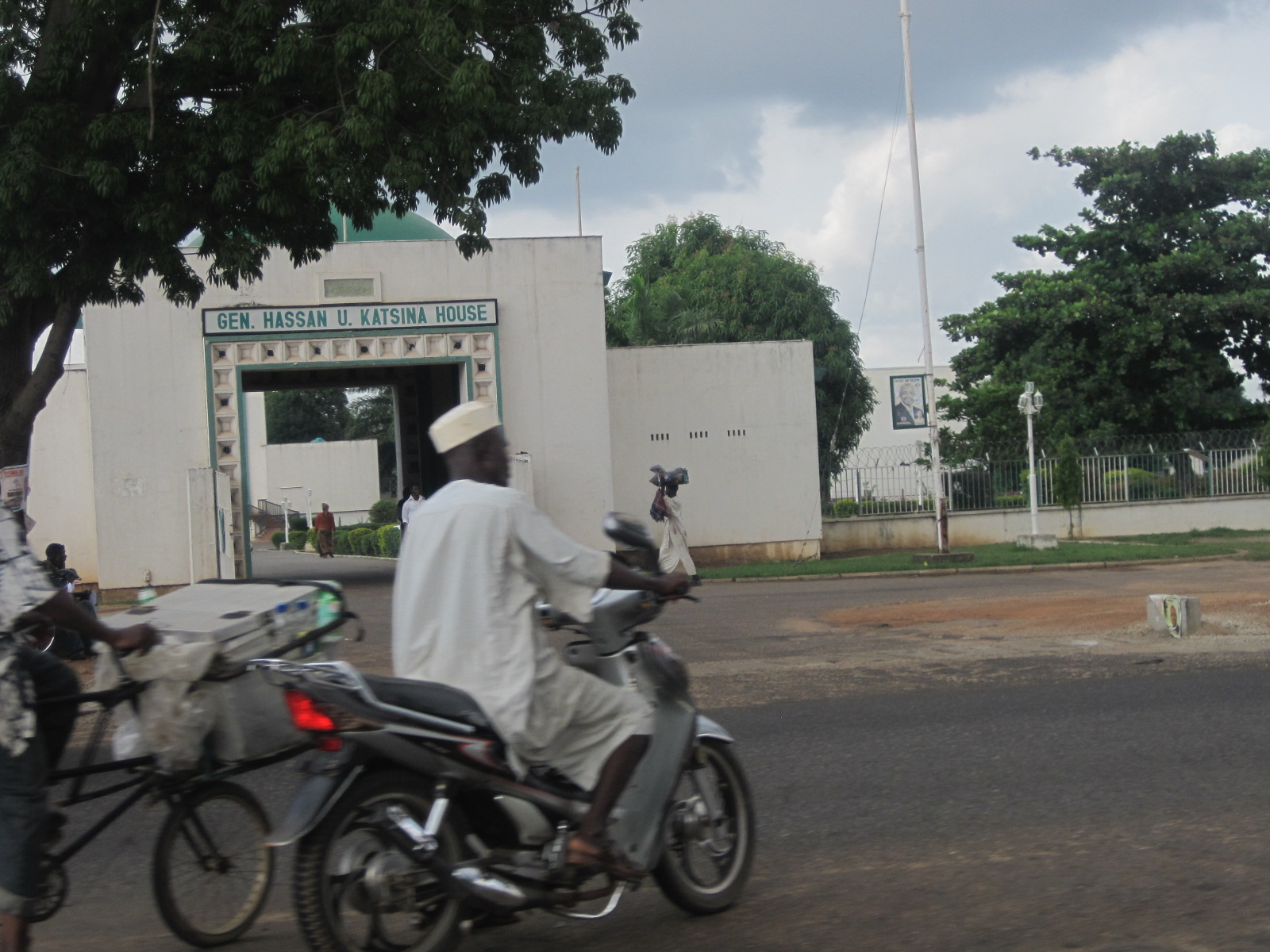
2. Hassan Katsina House

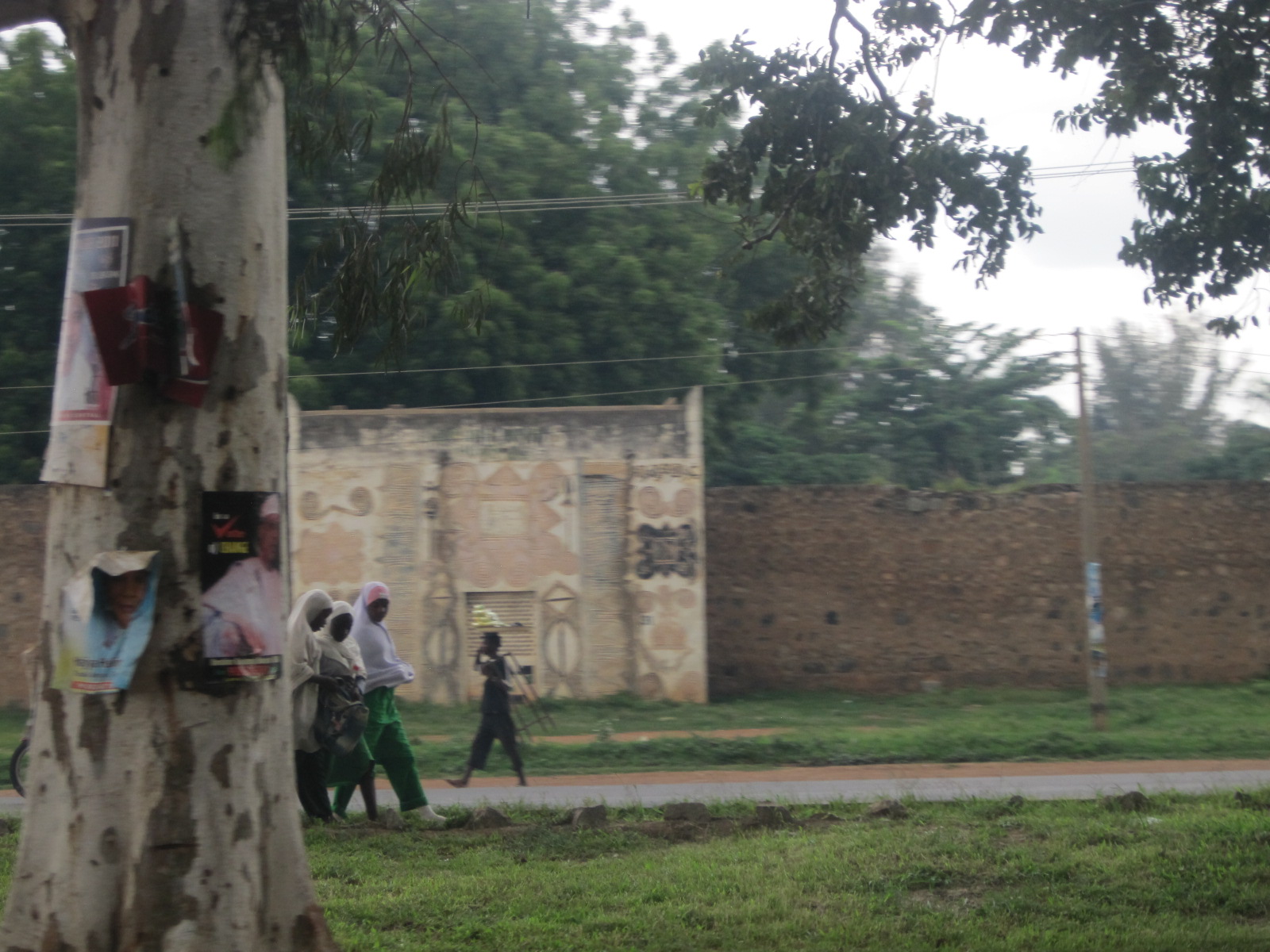
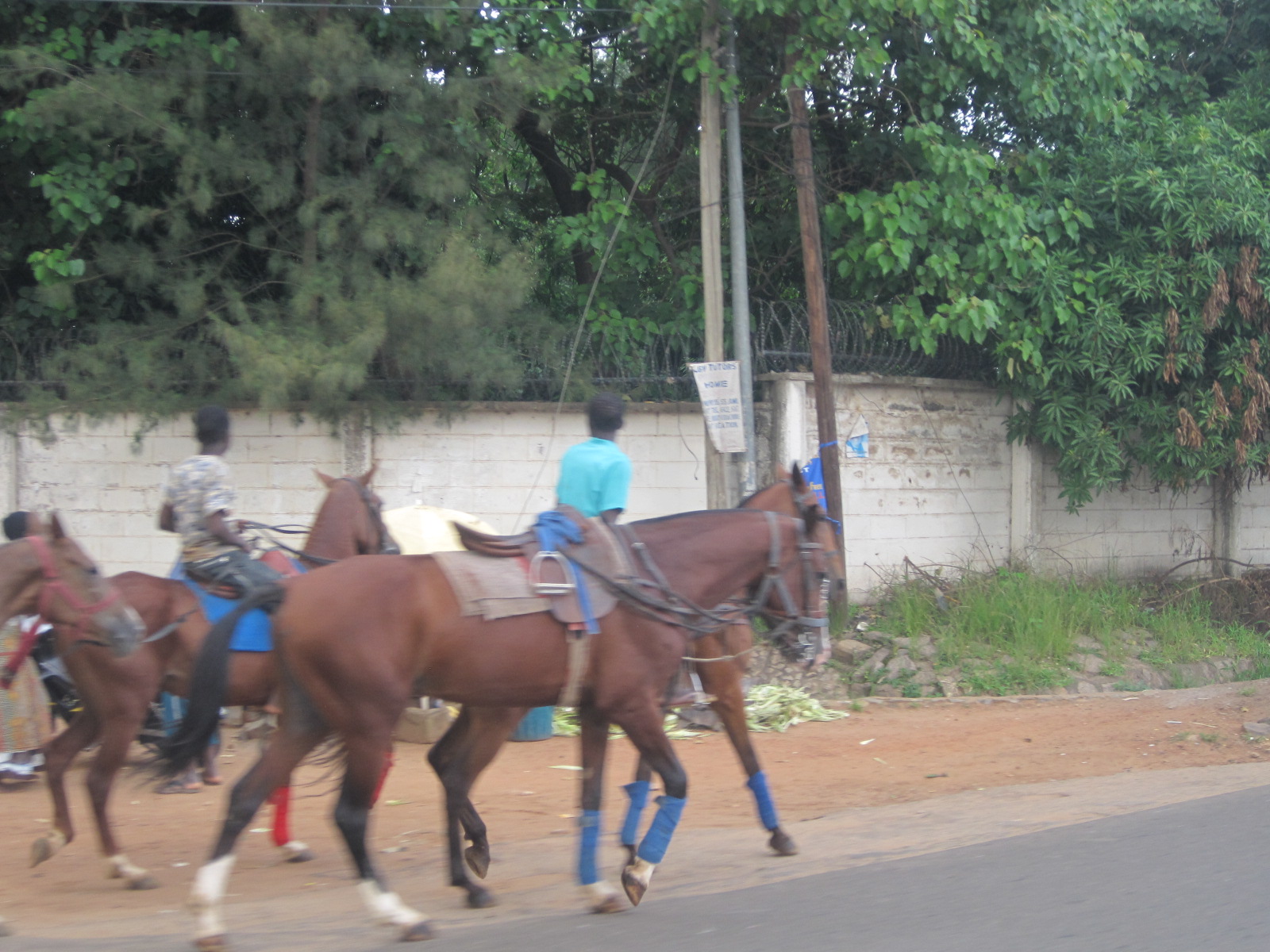
3. A road scene

4. The Emir of Zazzau’s palace in Kaduna, opposite the Kaduna Museum.

5. A street scene.

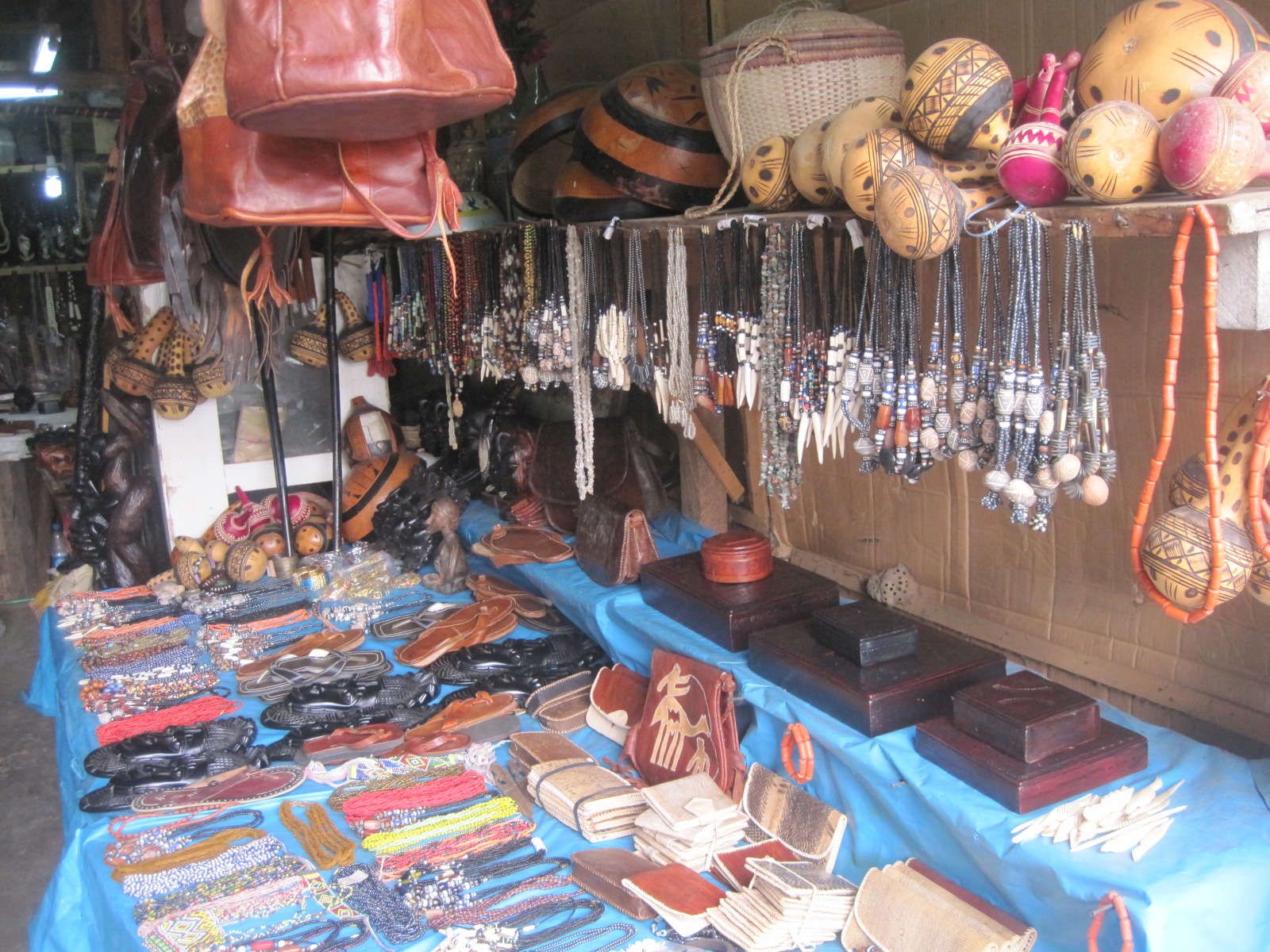
6. An antique shop.

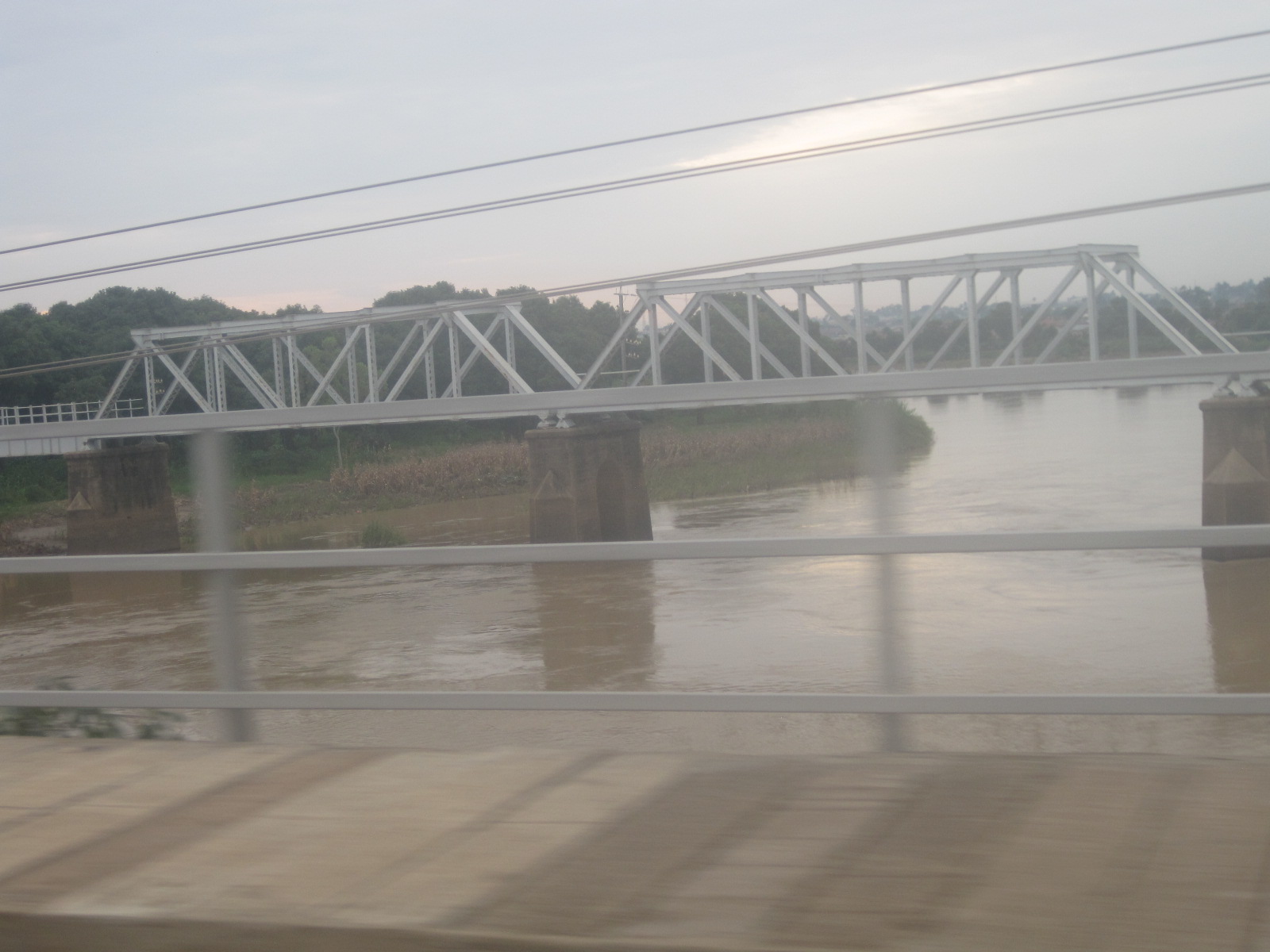
7. The railway bridge over Kaduna river.

8. Hamdala Hotel

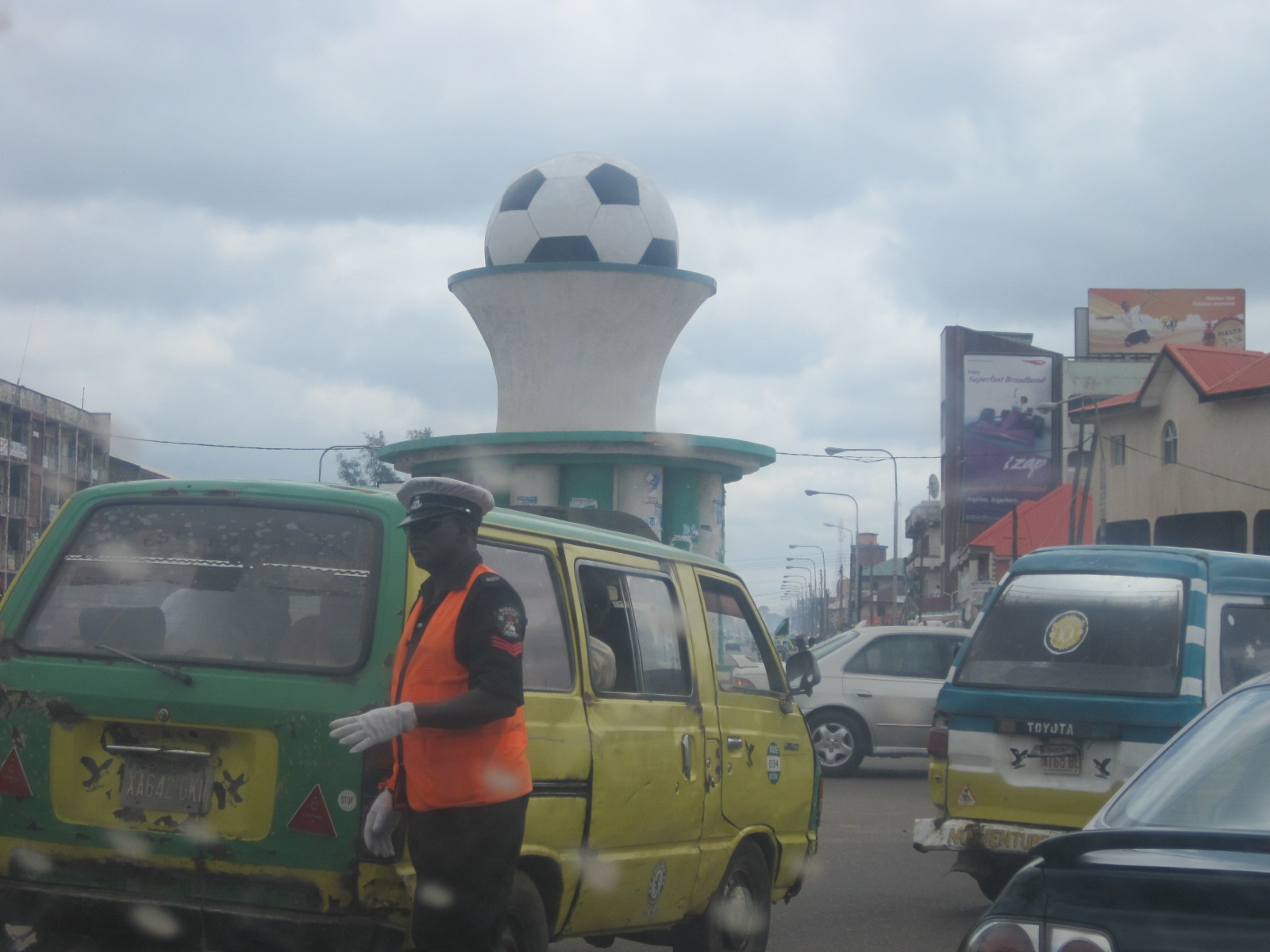
9. Stadium roundabout

10. The State House of Assembly, reputed to be where Lord Lugard lived while he was in the Northern Nigeria.

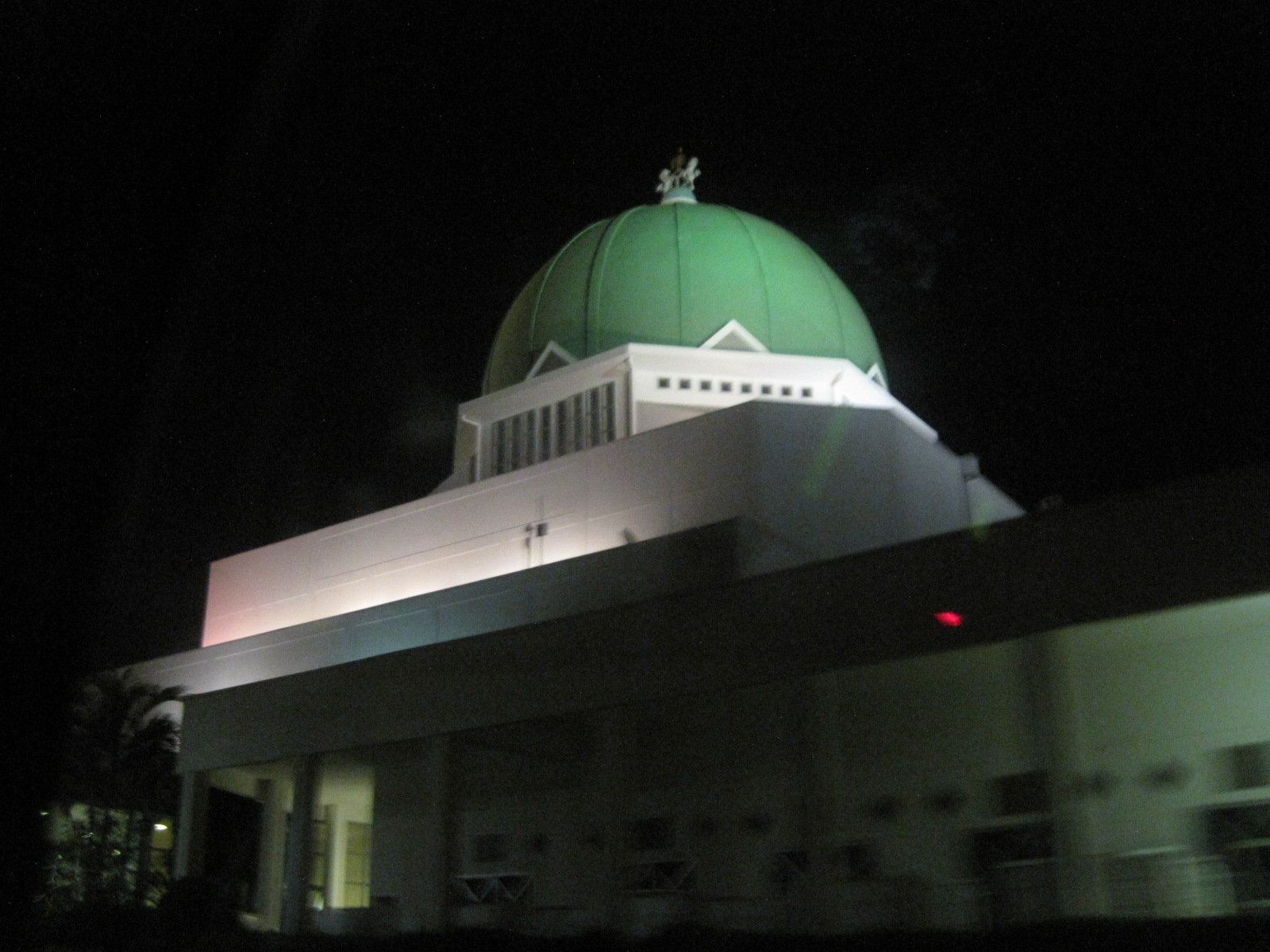
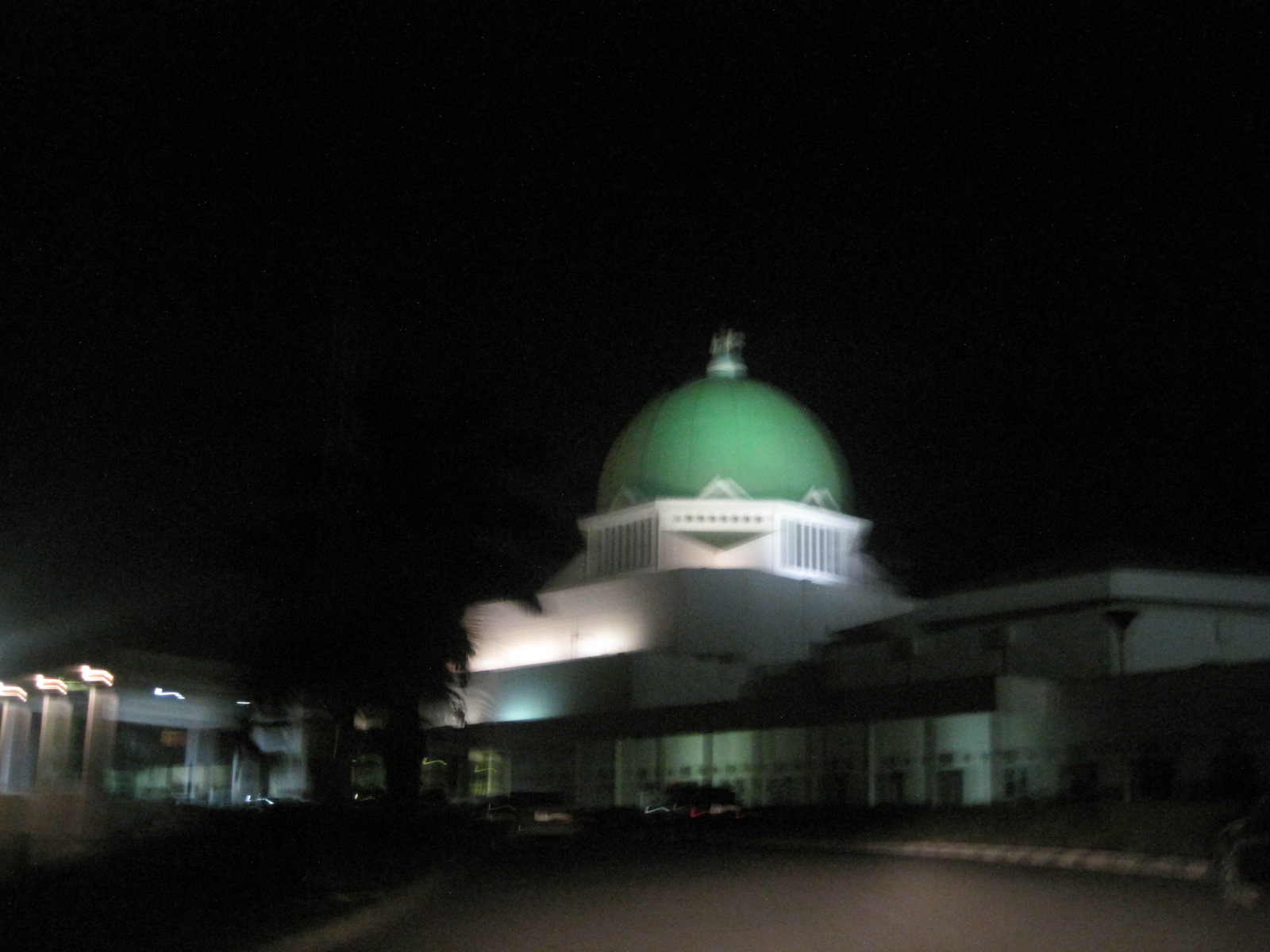
Abuja by Night

Featuring the National Assembly and a few other places.

Nomads

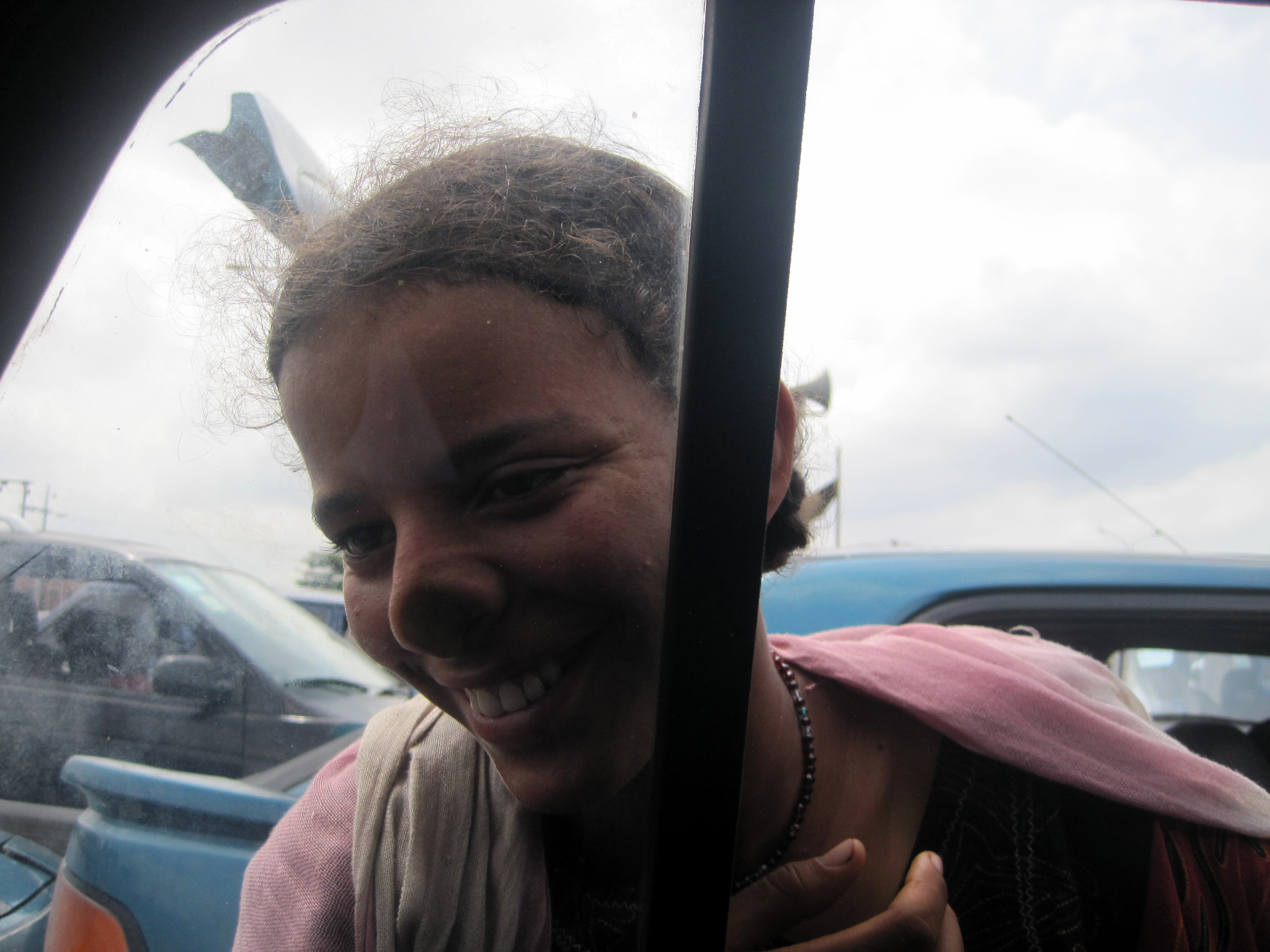
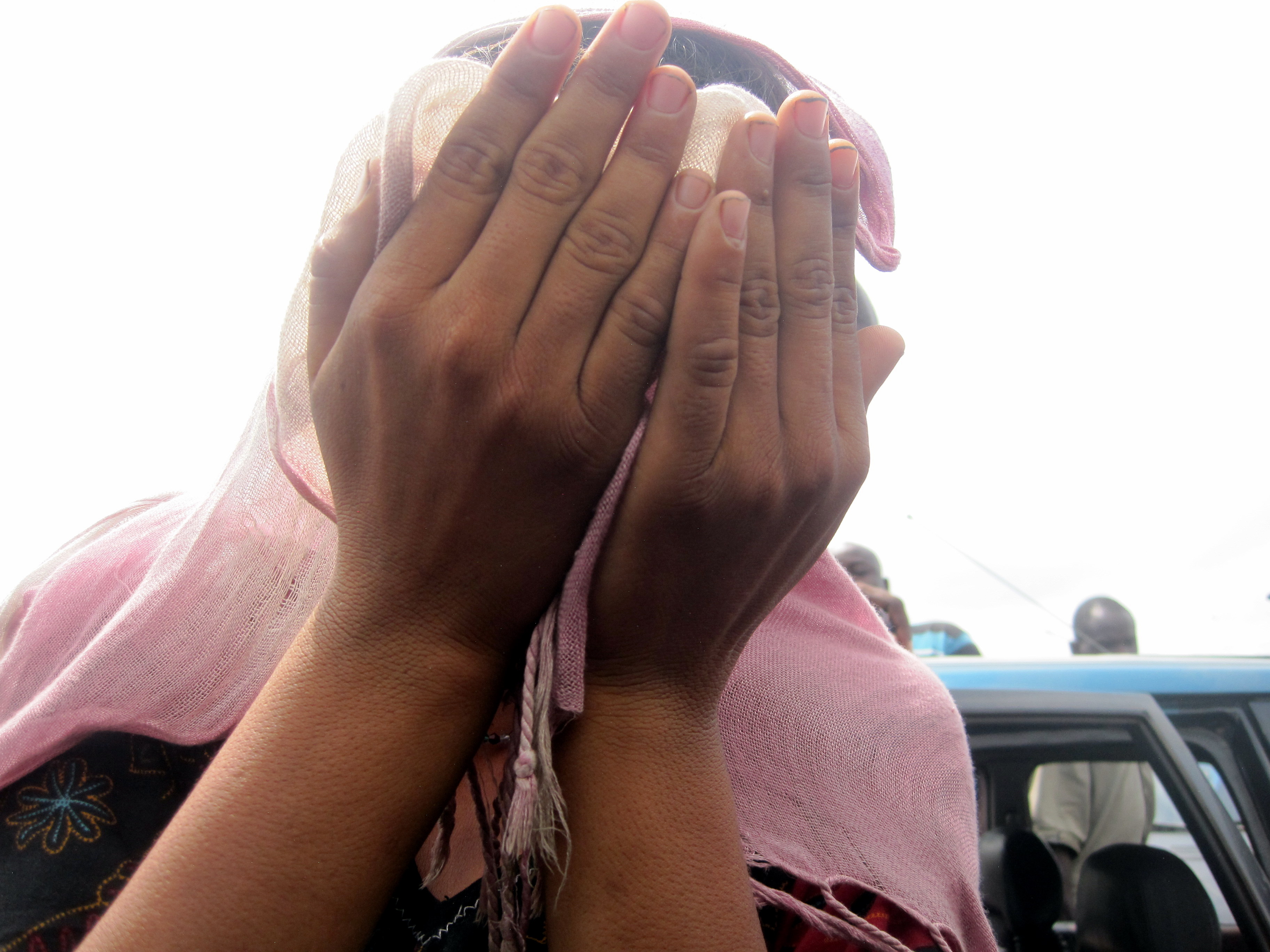
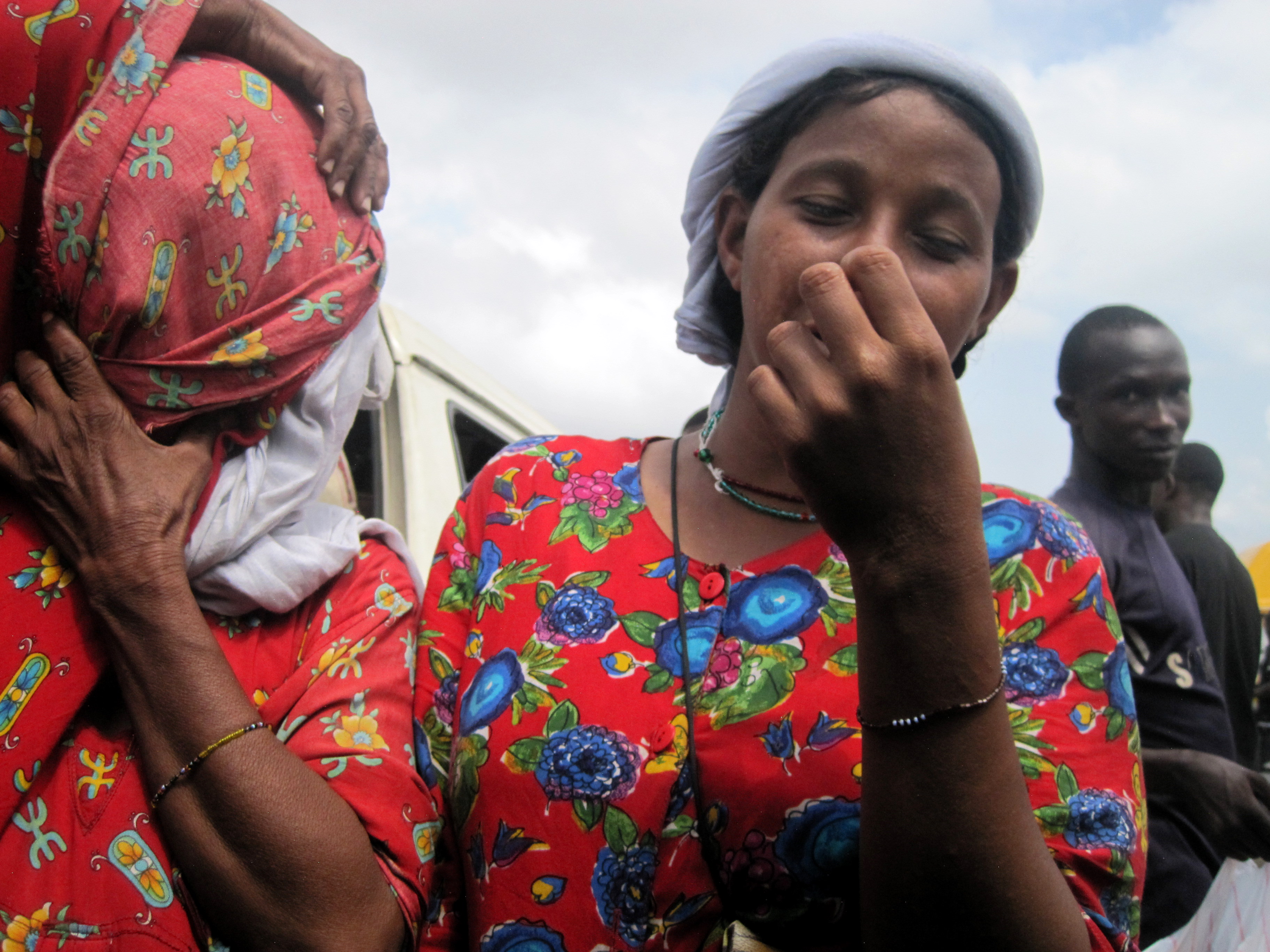
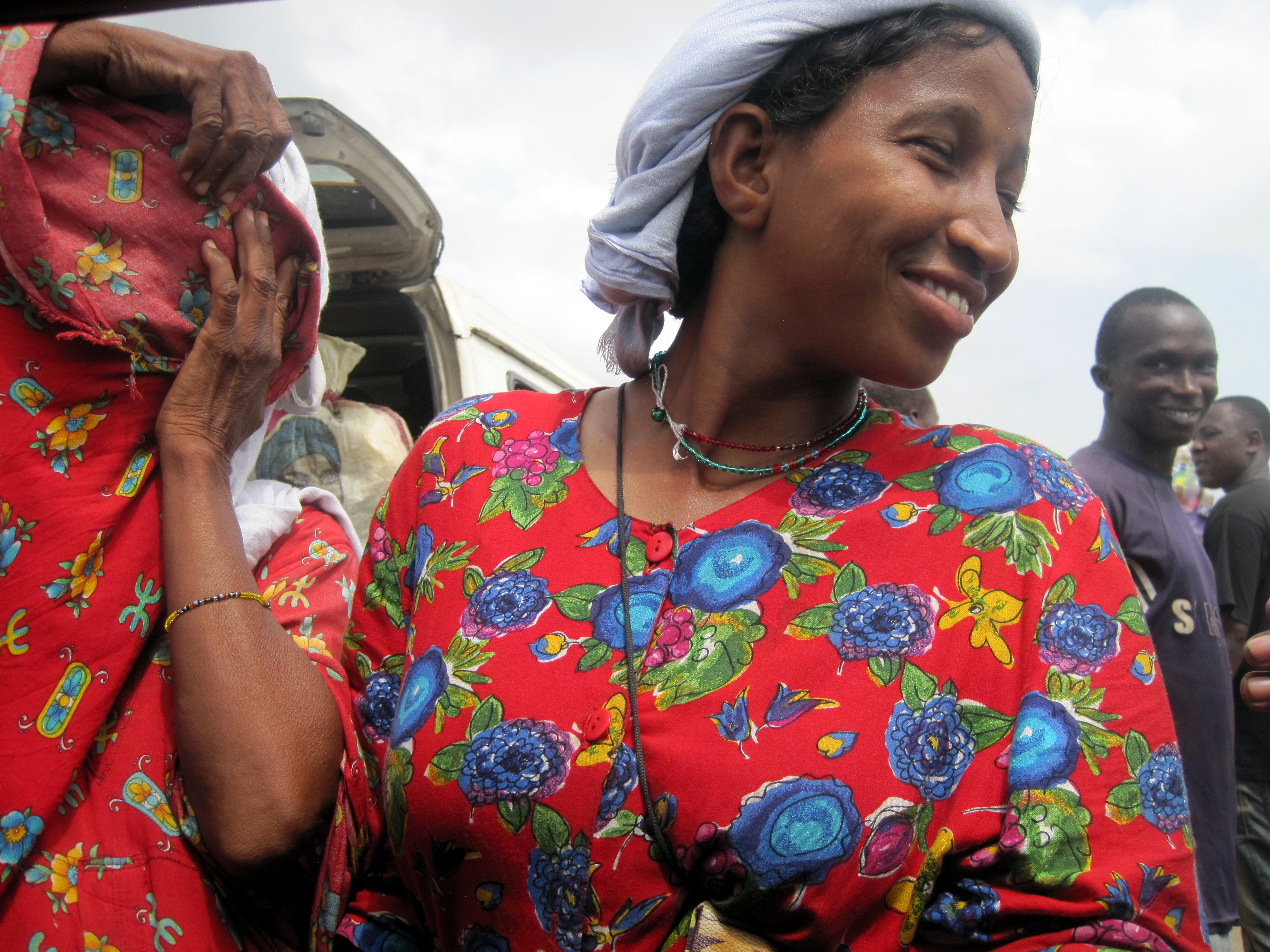
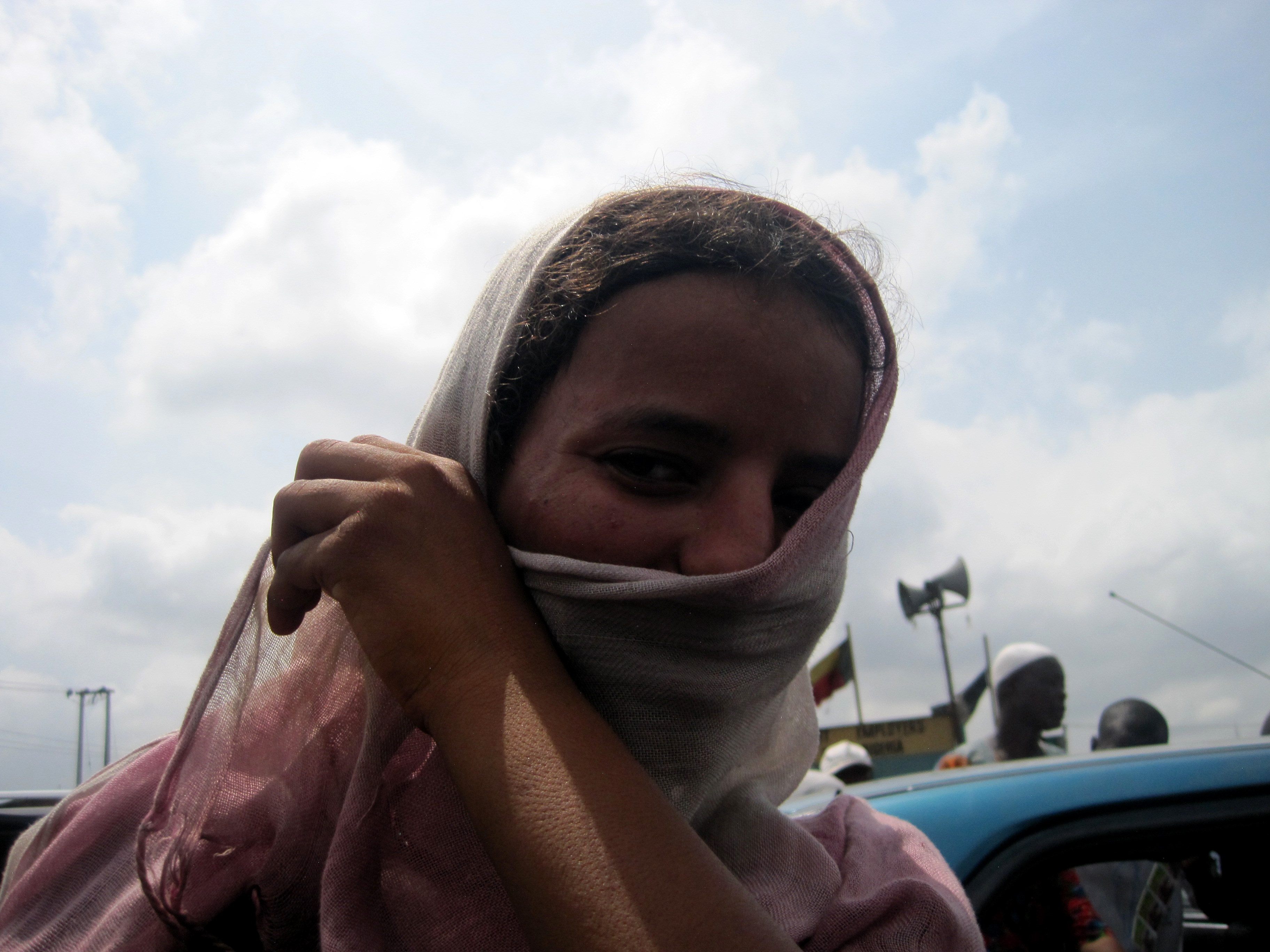
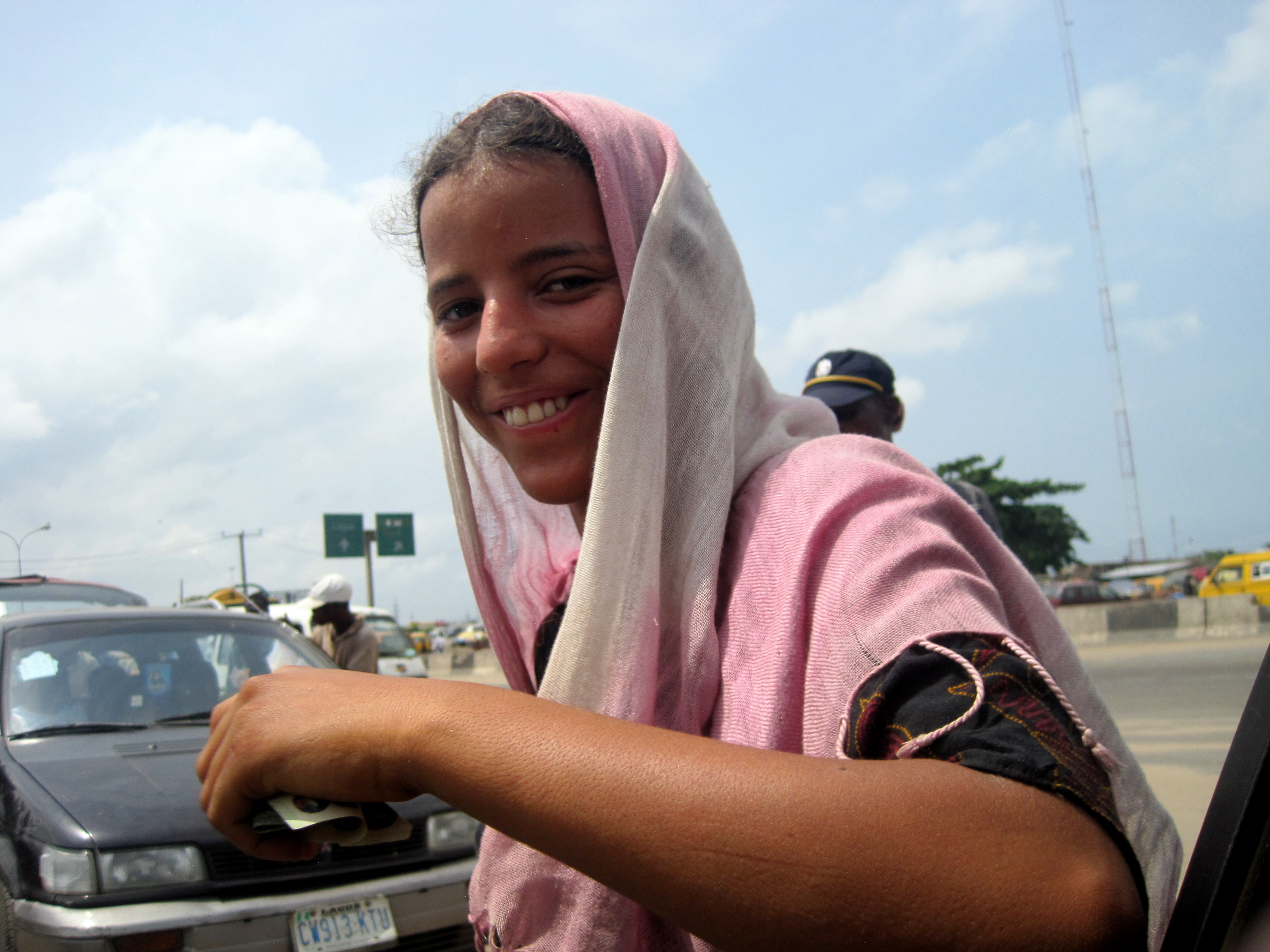
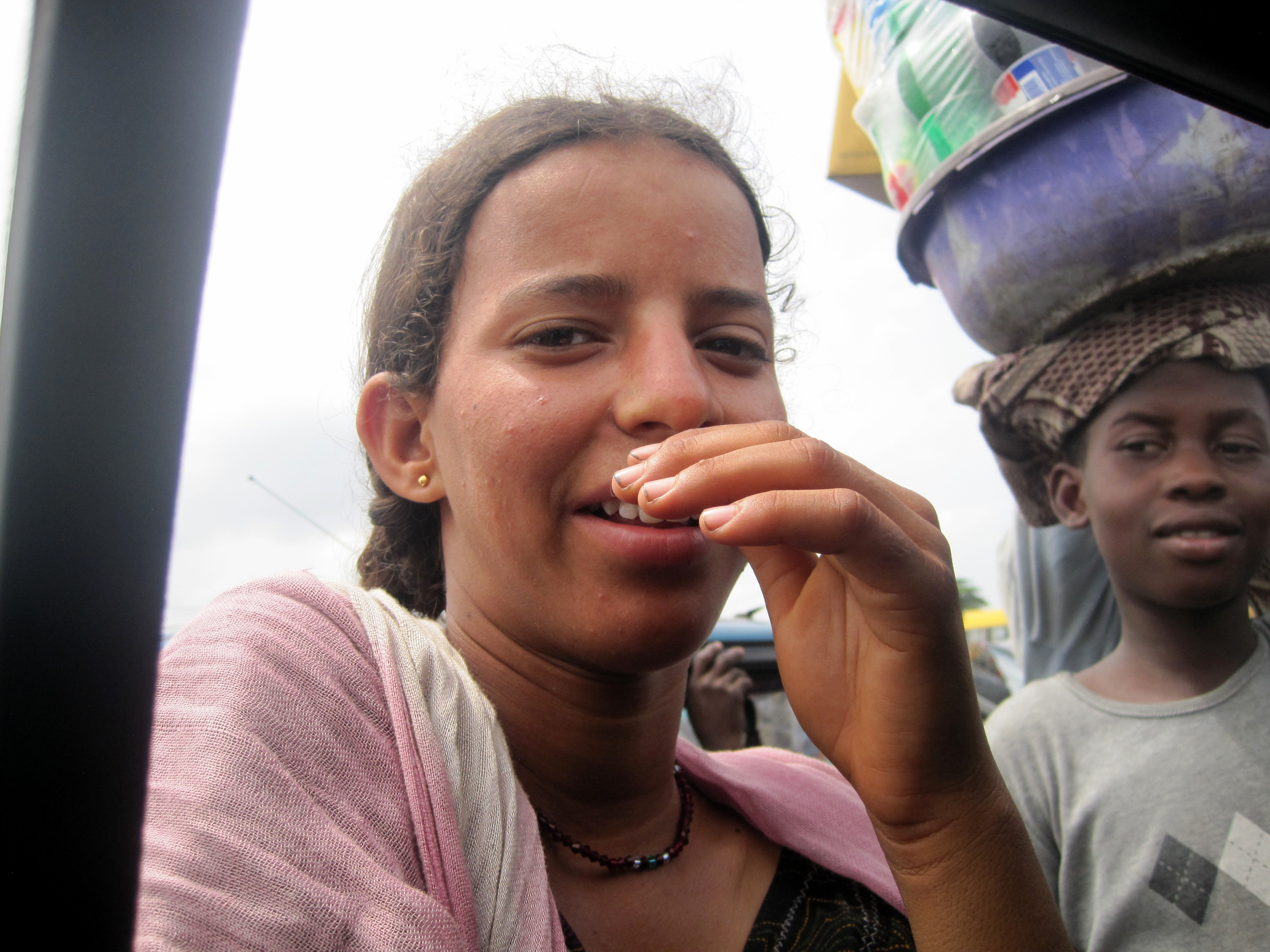
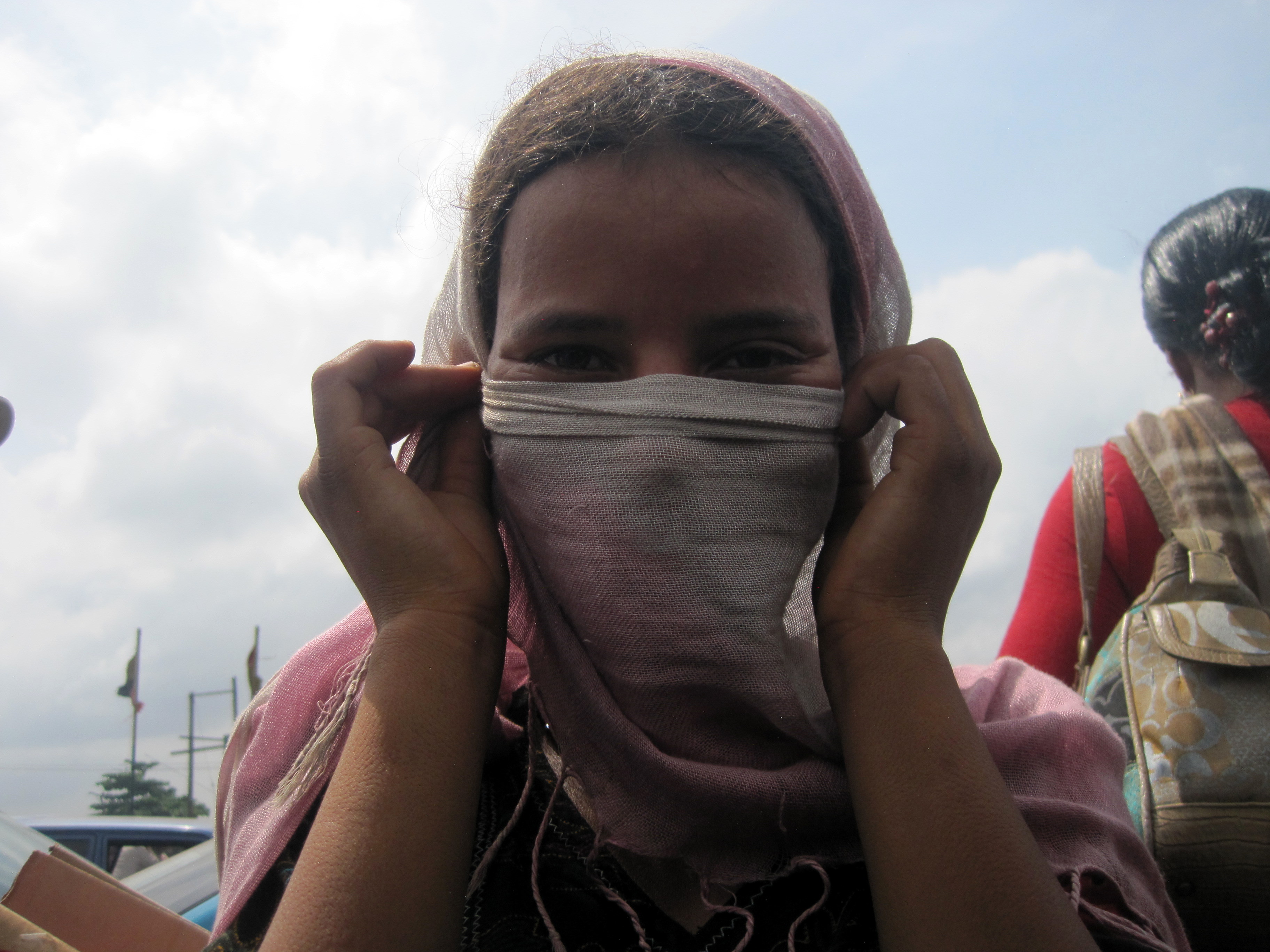
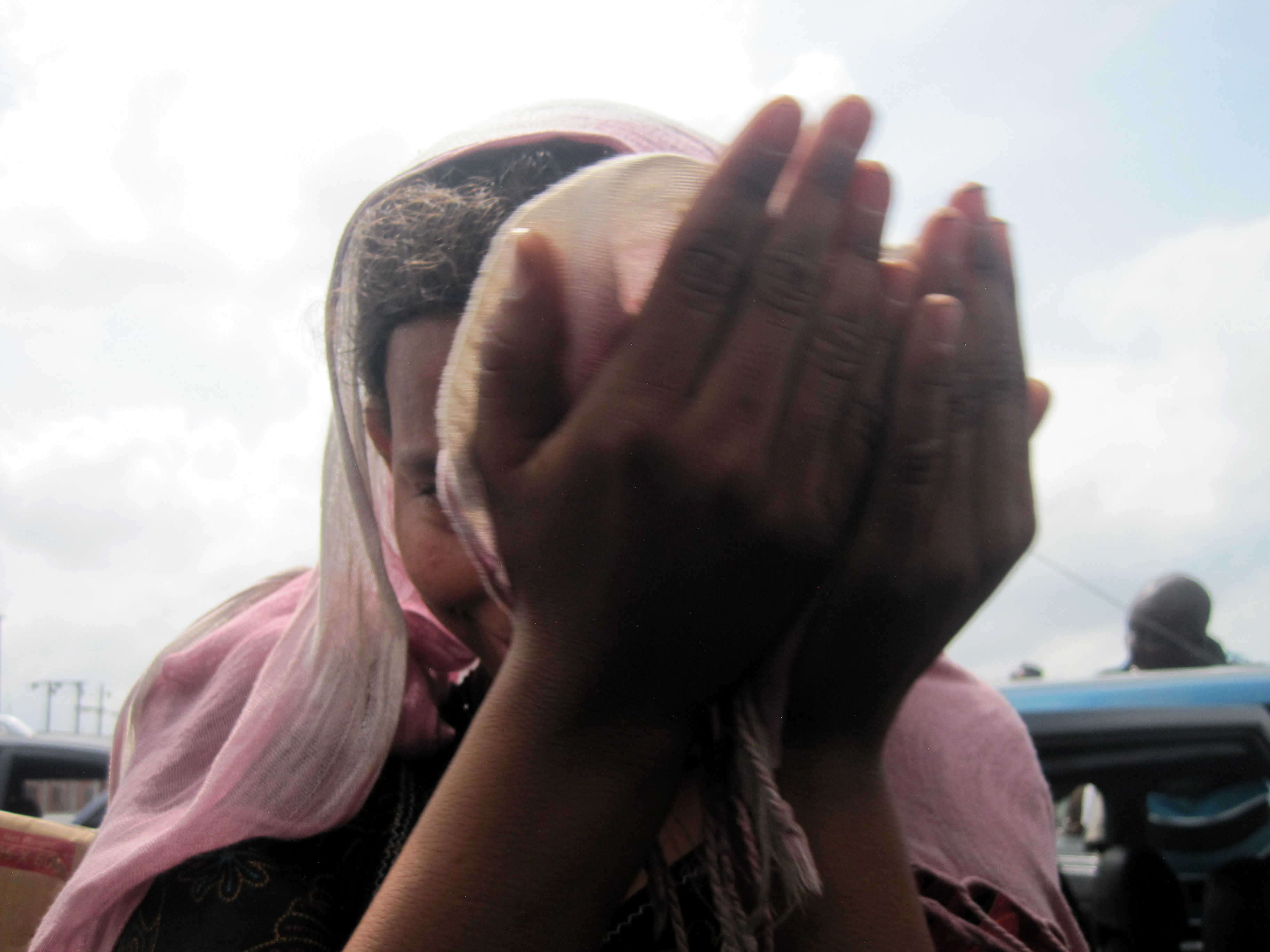
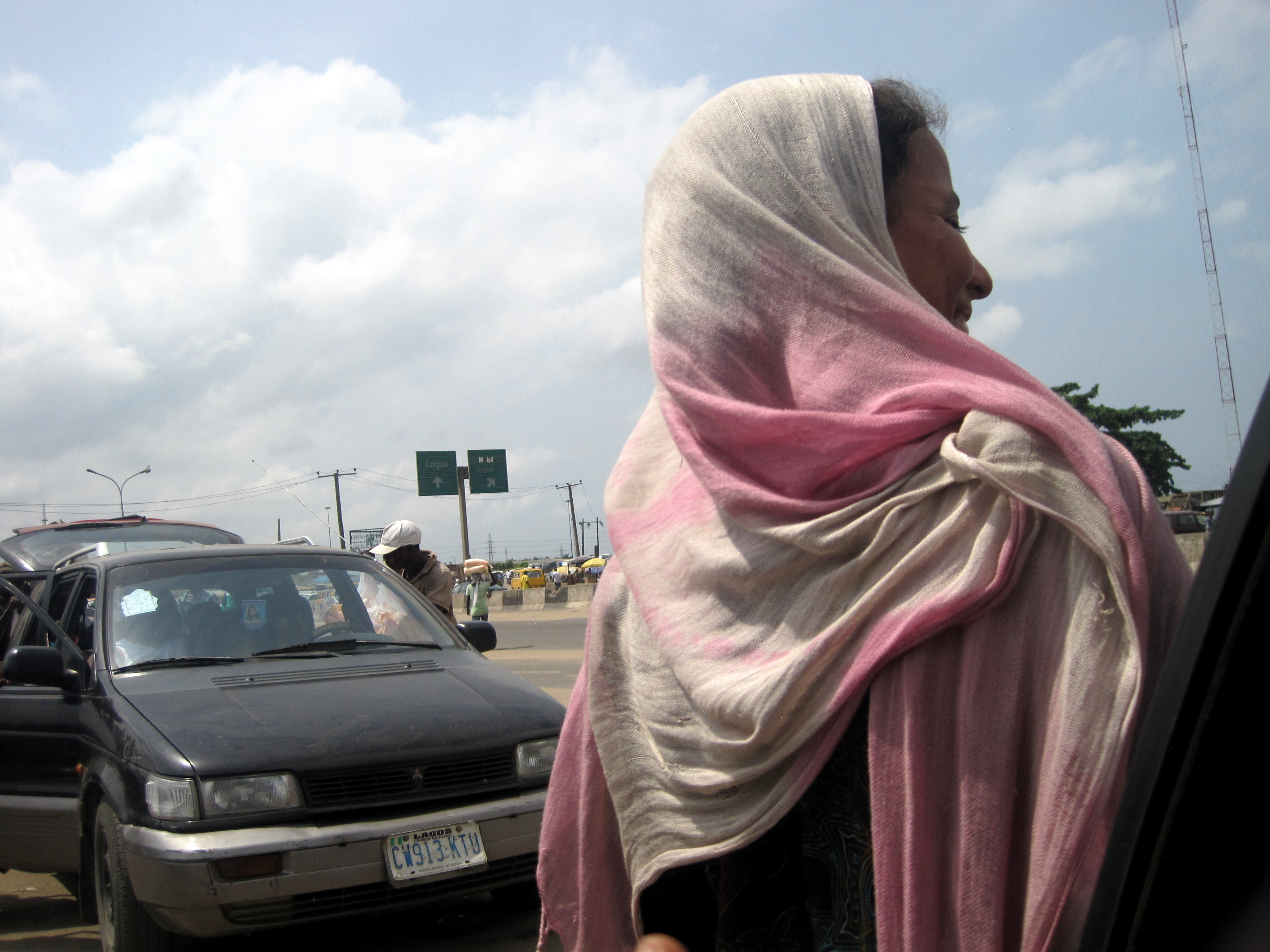
These girls can be found all over West Africa, sometimes with little children on their backs. They live on the move, and make a living by begging for money. At the corner of streets you can find their fathers and sometimes husbands, silent and with turbaned heads. The men don’t usually beg, and I doubt that people give them money. The women do however, old and young, without shame. They are multilingual, speaking Hausa, sometimes French, Arabic, and the language of the city in which they live. Most people actually give them money not because of their state but because of their language dexterity. They are not poor, nor diseased. Their conditions are even beyond just being lazy. They are conditioned by a nomadic culture into a life of hedonism. They are nomads.

This girl’s name is Aisha. She’s from Niger, the country on Nigeria’s border to the North. The other girls are her sisters, and all they do is beg for money from travellers. They do so with dignity. They are cheerful and friendly. And tough. No school. No work. Just begging, and sometimes occasional “unwanted” pregnancies. They live tough street lives and are thus exposed to much abuse.

Food, For Clarissa.

My initial plan was to not only put up pictures of food, but to write a recipe of making them as well. Now, the temptation is just to give you the pictures, and send the recipes later. Or how about I just tell you their names first, and we deal with the making them later?

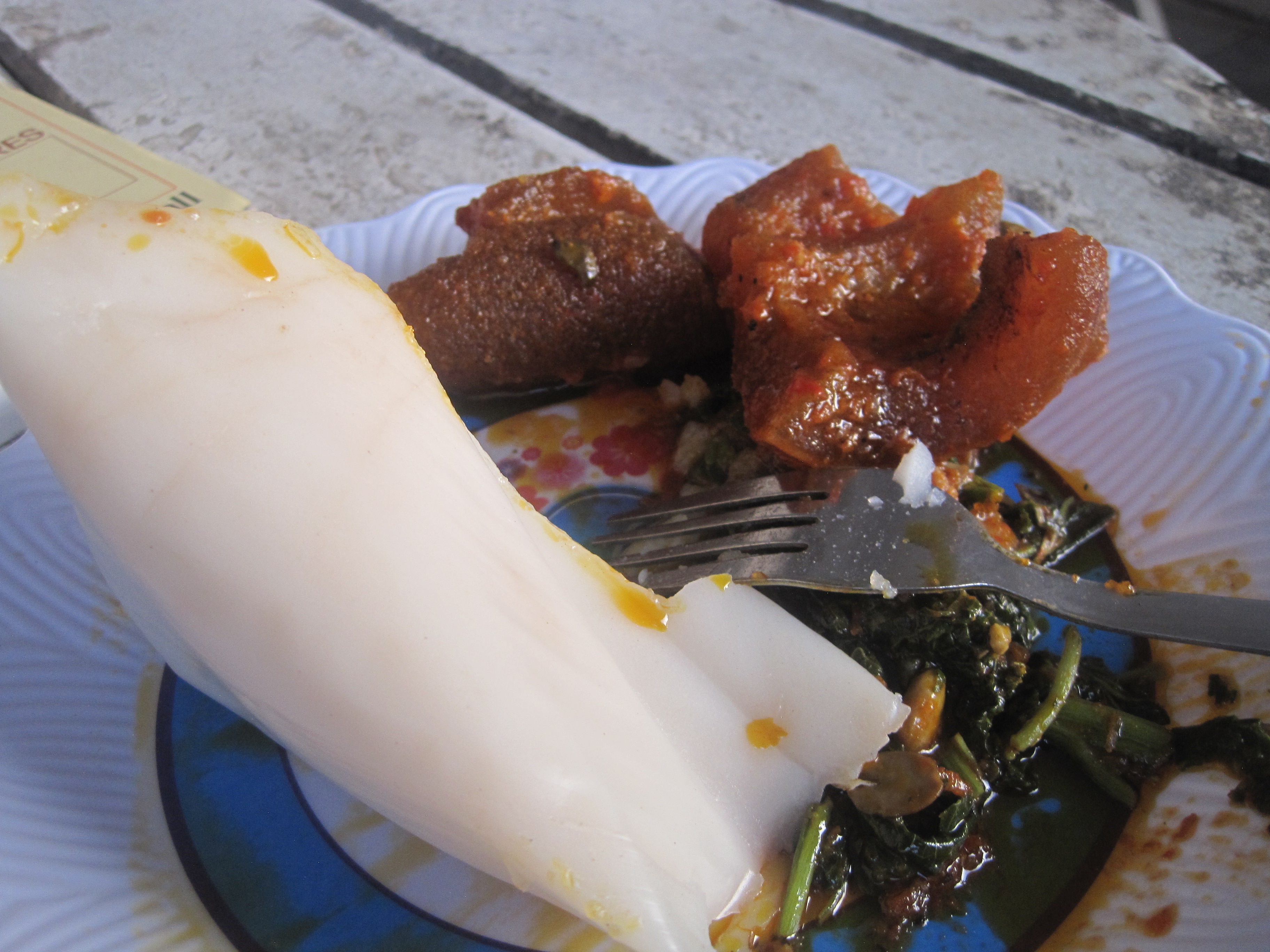
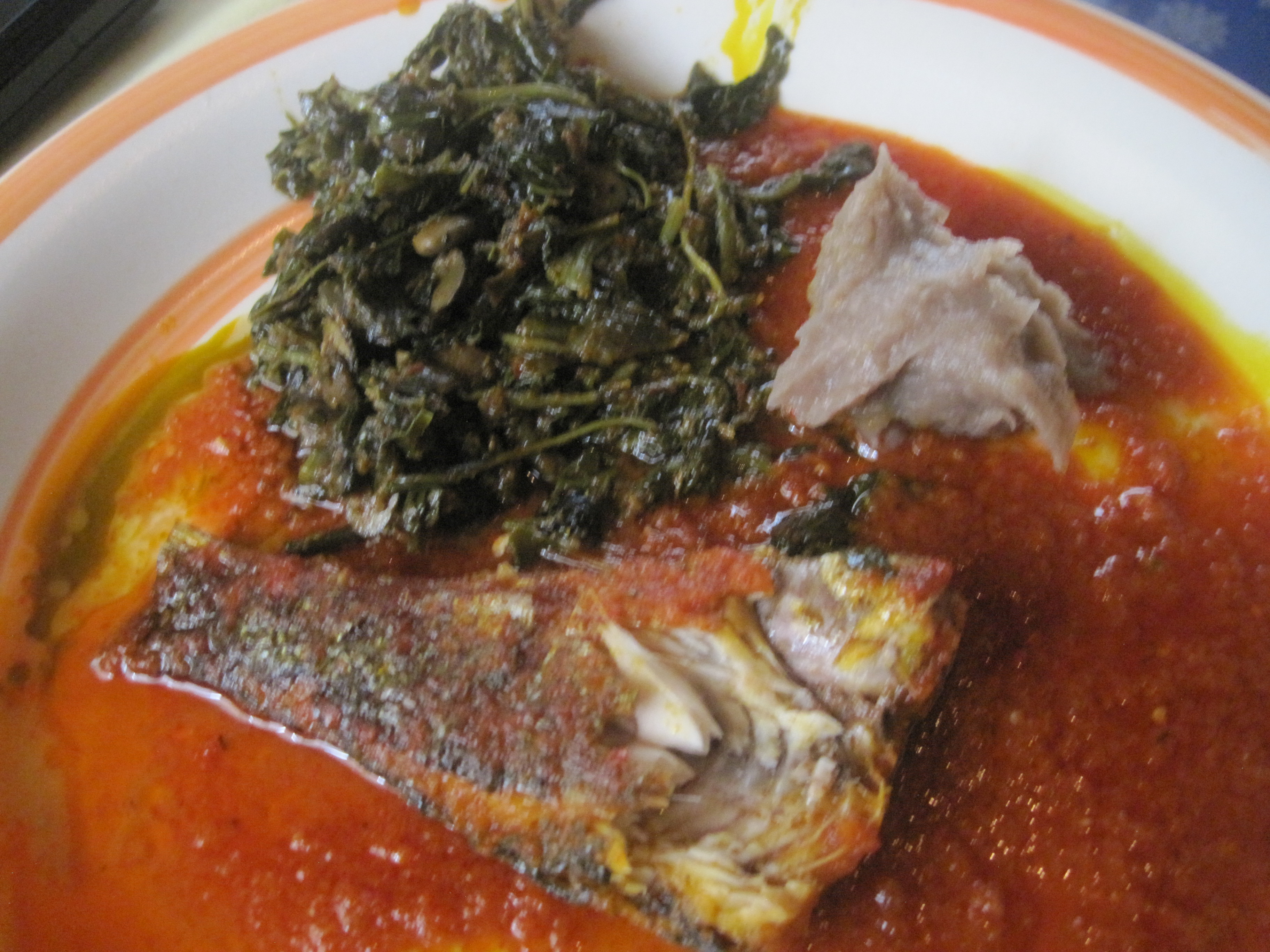
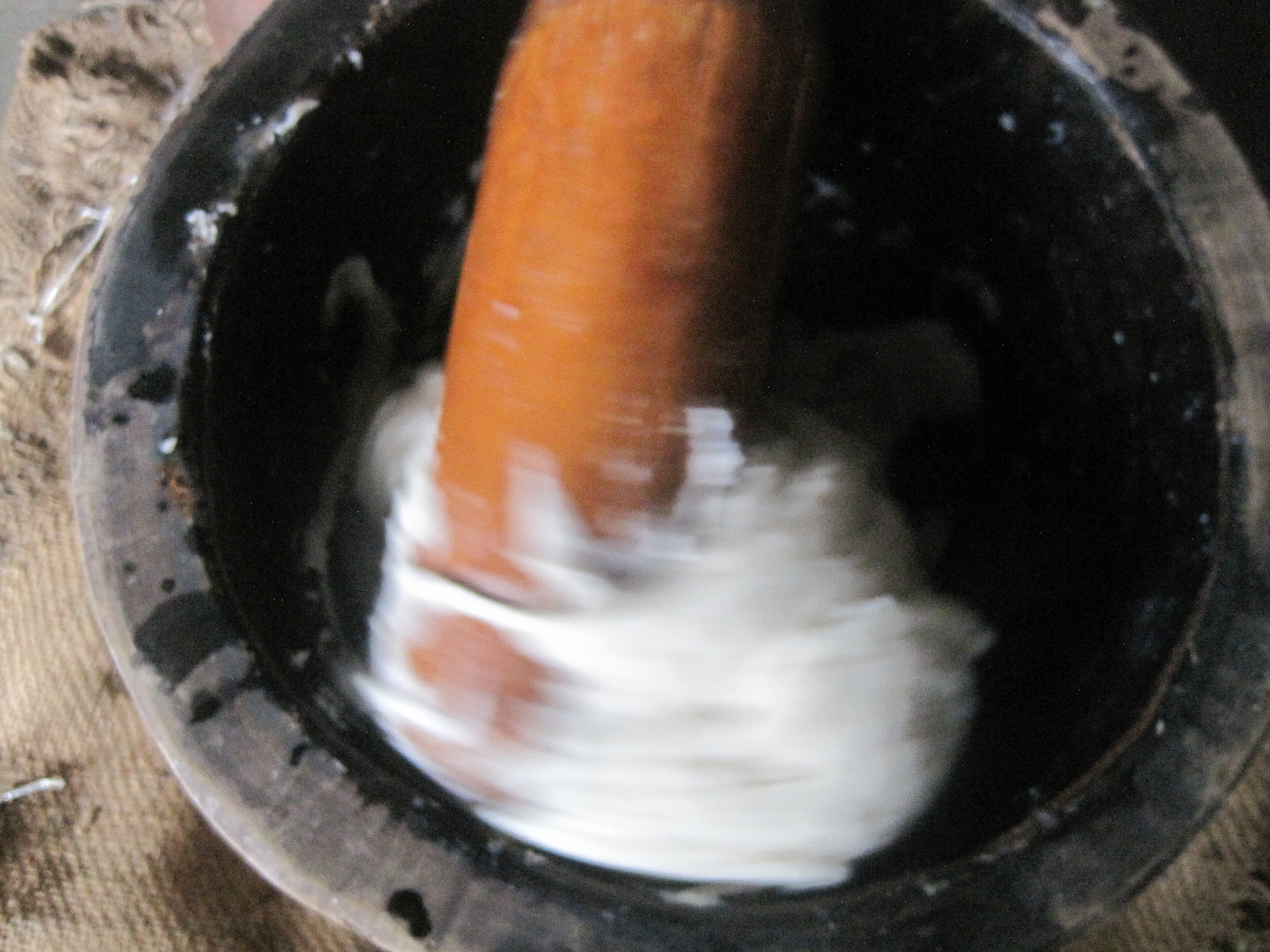
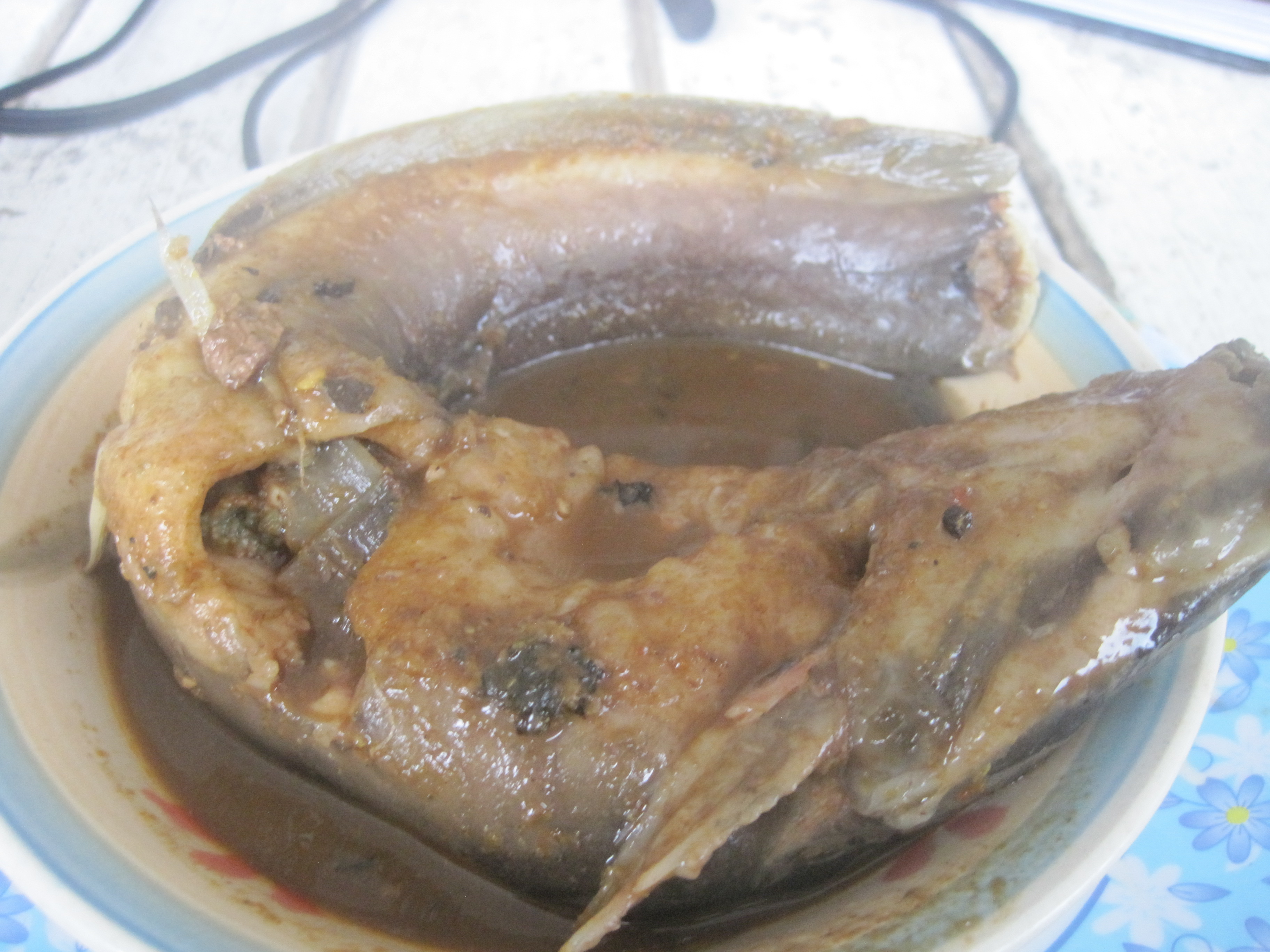
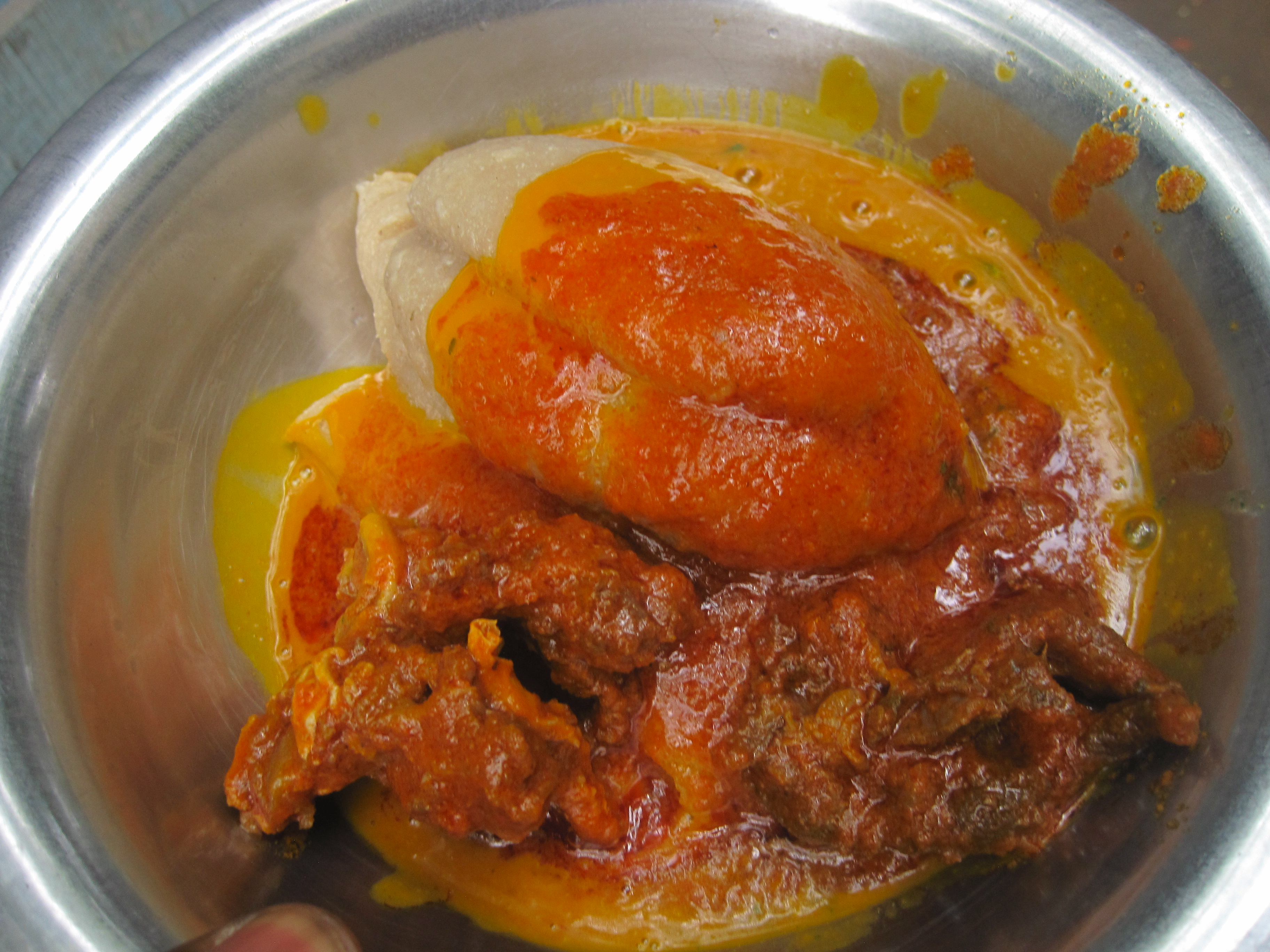
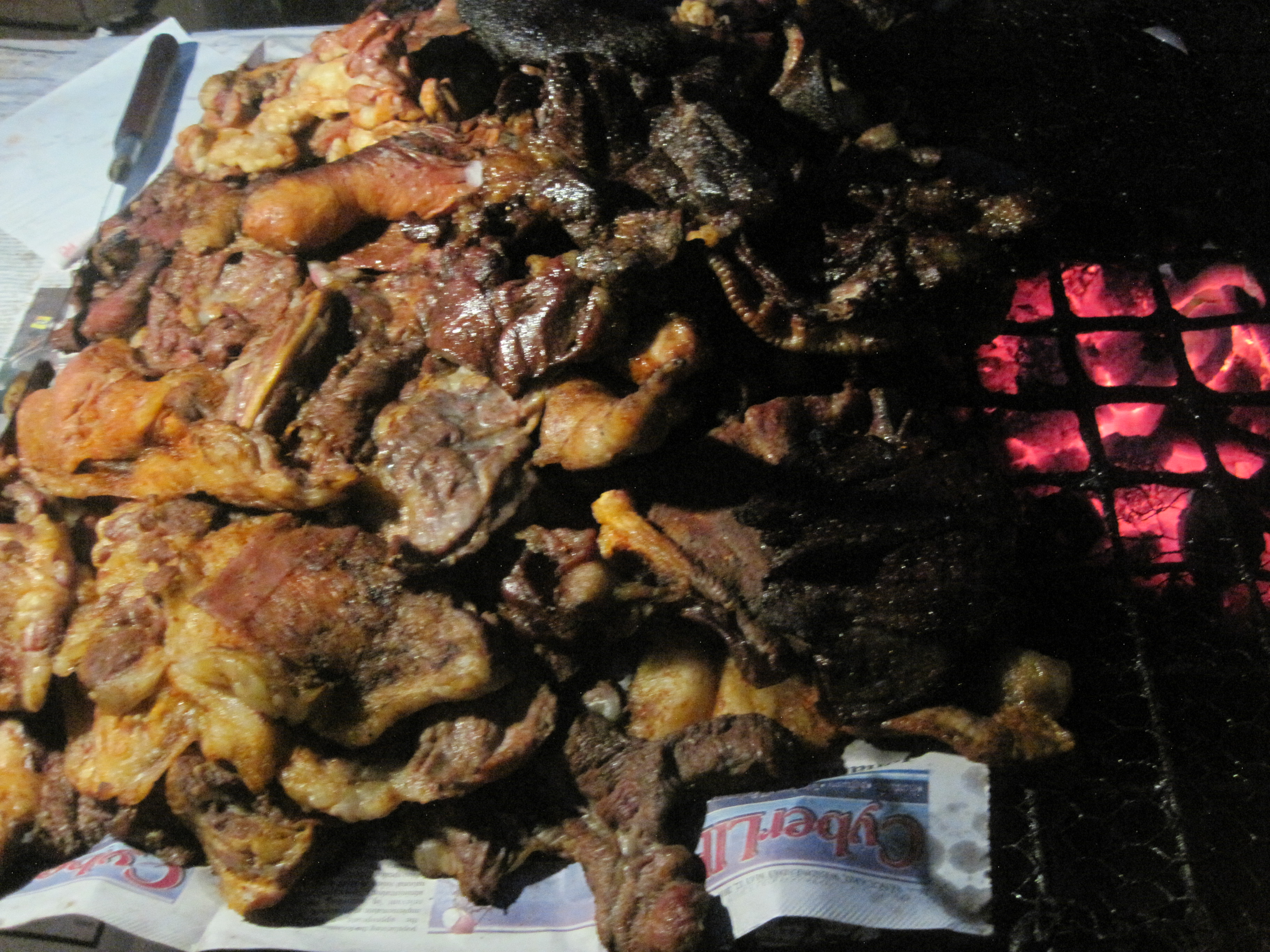
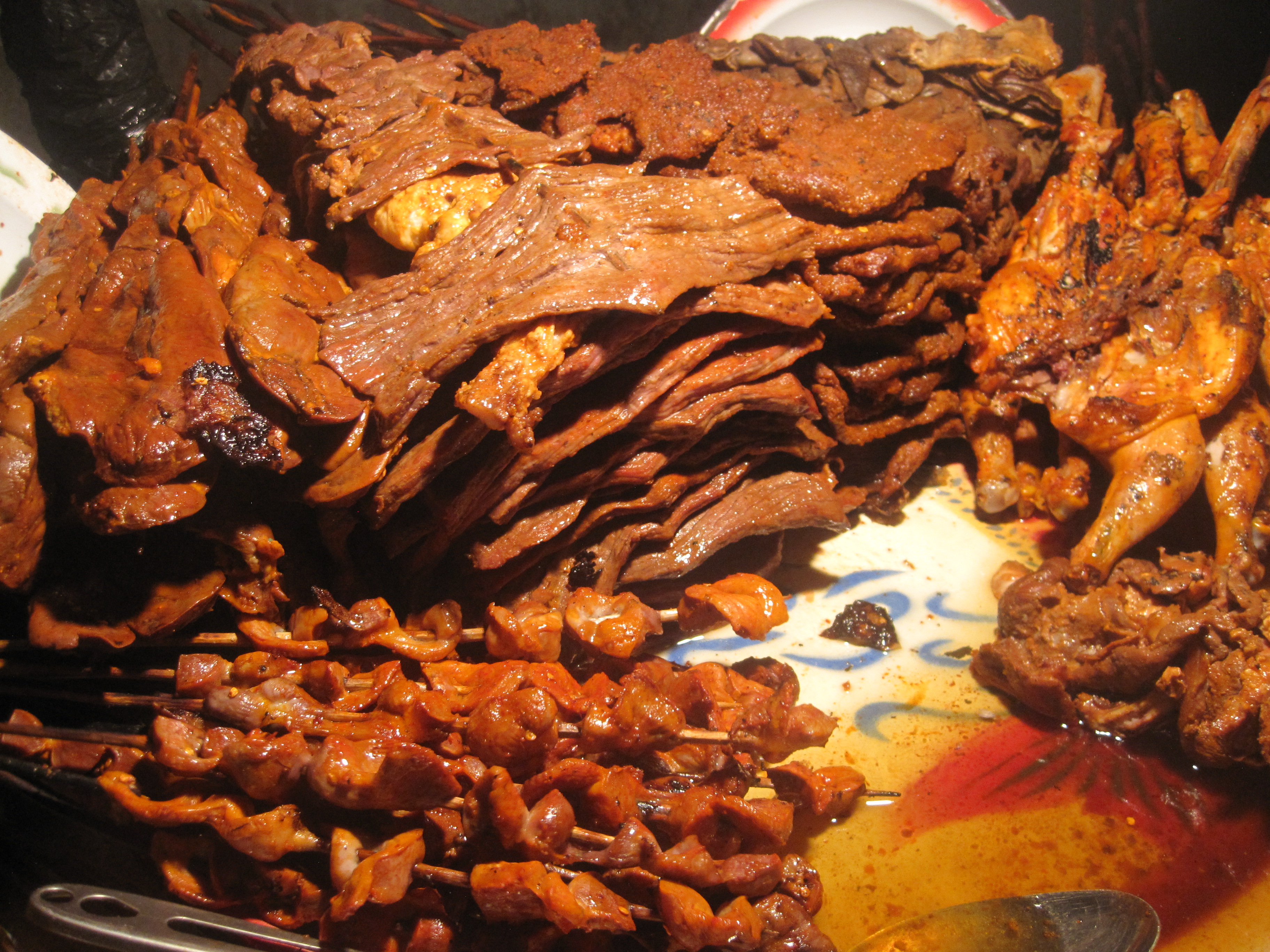
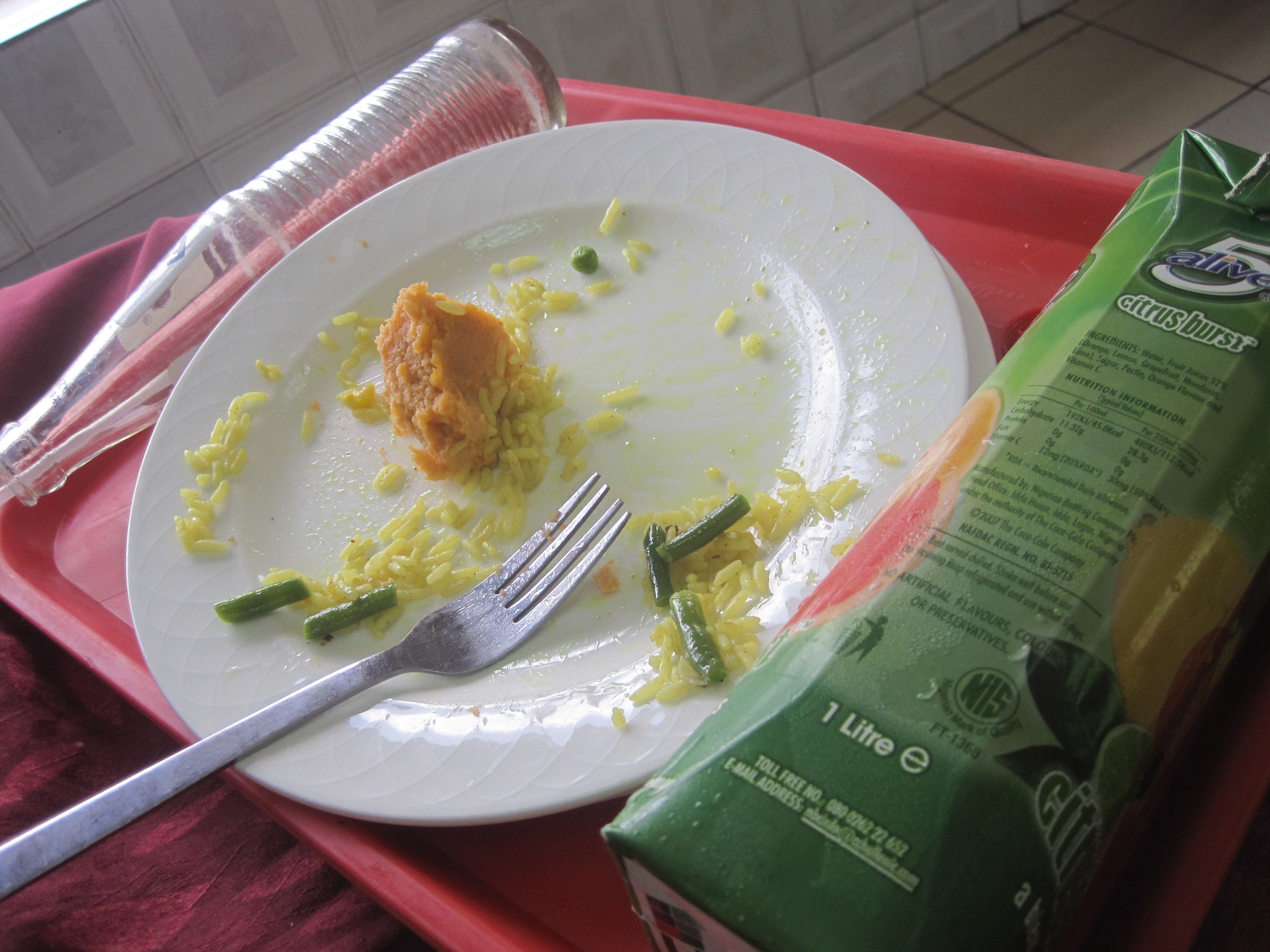
From the top, clockwise, we have:

1. Fried fish, with cooked (salted) spinach and locust beans, and a morsel of amala. This kind of amala is made from yam powder.

2. Eko (the white solid paste) made from corn, ponmo (from cow skin), and some more cooked spinach.

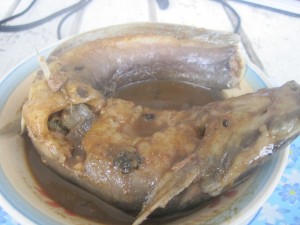
3. Catfish in peppersoup.

4. Pounded yam in the making. (You peel the yam, cook it without salt, and pound it until fine and doughy, then eat with any soup or vegetable of choice.)

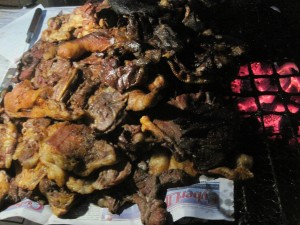
5. Suya. This is a typically Nigerian delicacy. It is cow meat roasted on an open fire with plenty spices, and eaten with cabbages, onions and some more spices.

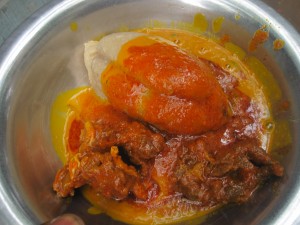
6. White amala (made from cassava flour) in black-eyed peas soup (also called gbegiri), pepper sauce, and some beef.

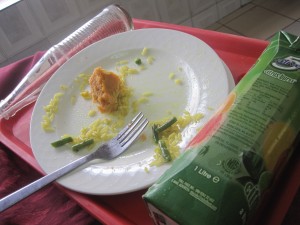
7. No comments. This is an almost empty plate of fried rice and moinmoin. Moinmoin is made from blending black-eyed peas (we actually call it beans) together with pepper, and other spices, and cooking it with crayfish or shrimps until solid.

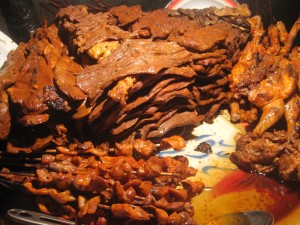
8. More suya. This one is cooked slightly differently from the one in #5. This is stacked on sticks and placed on the fire with the spices. In this picture are three different kinds: chicken, beef and chicken gizzards, all on sticks.

Alright, I’m done here. Ikhide Ikheloa, let me now formally invite you back to Nigeria. 🙂
Lagos, Last Week

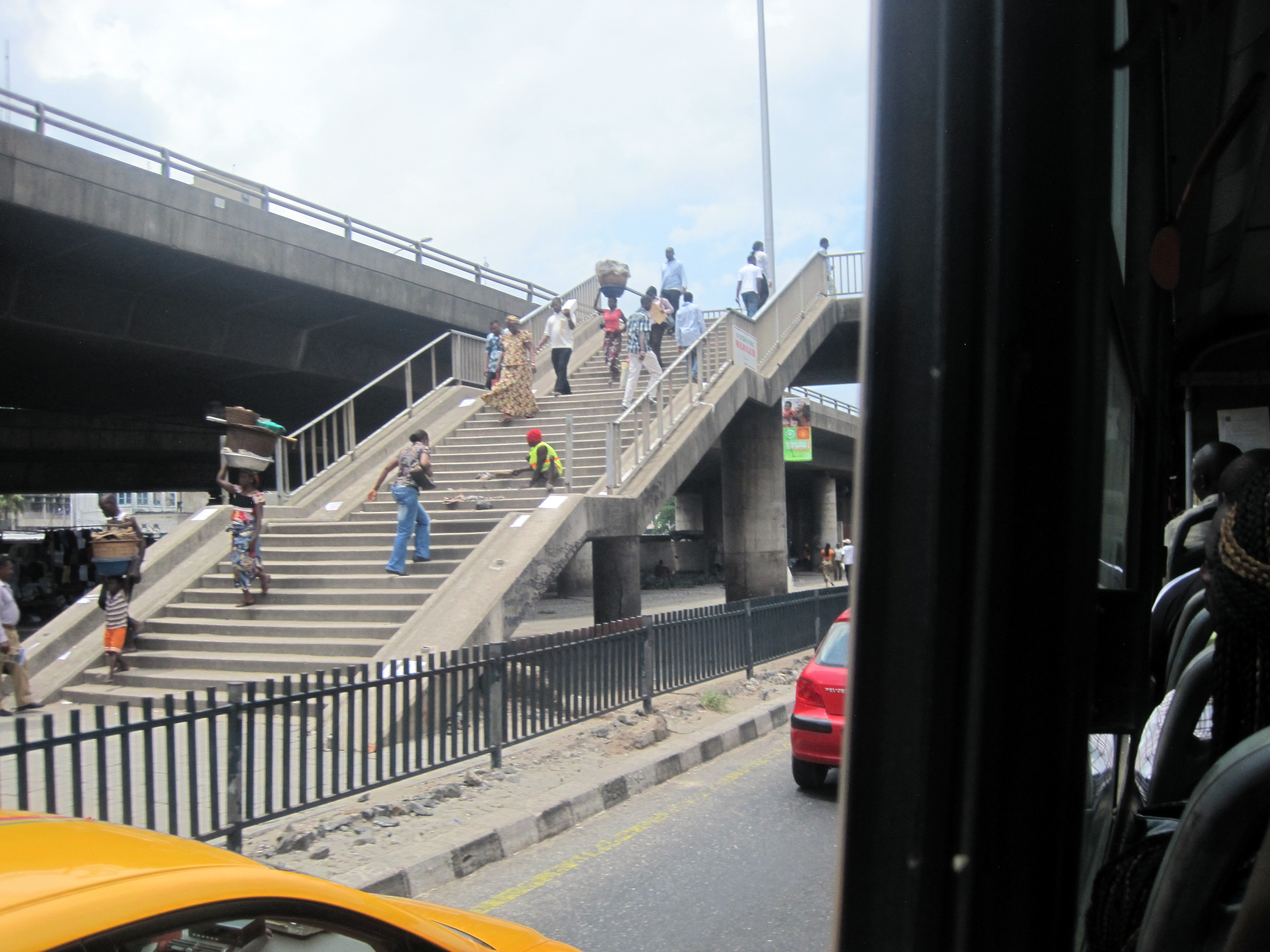
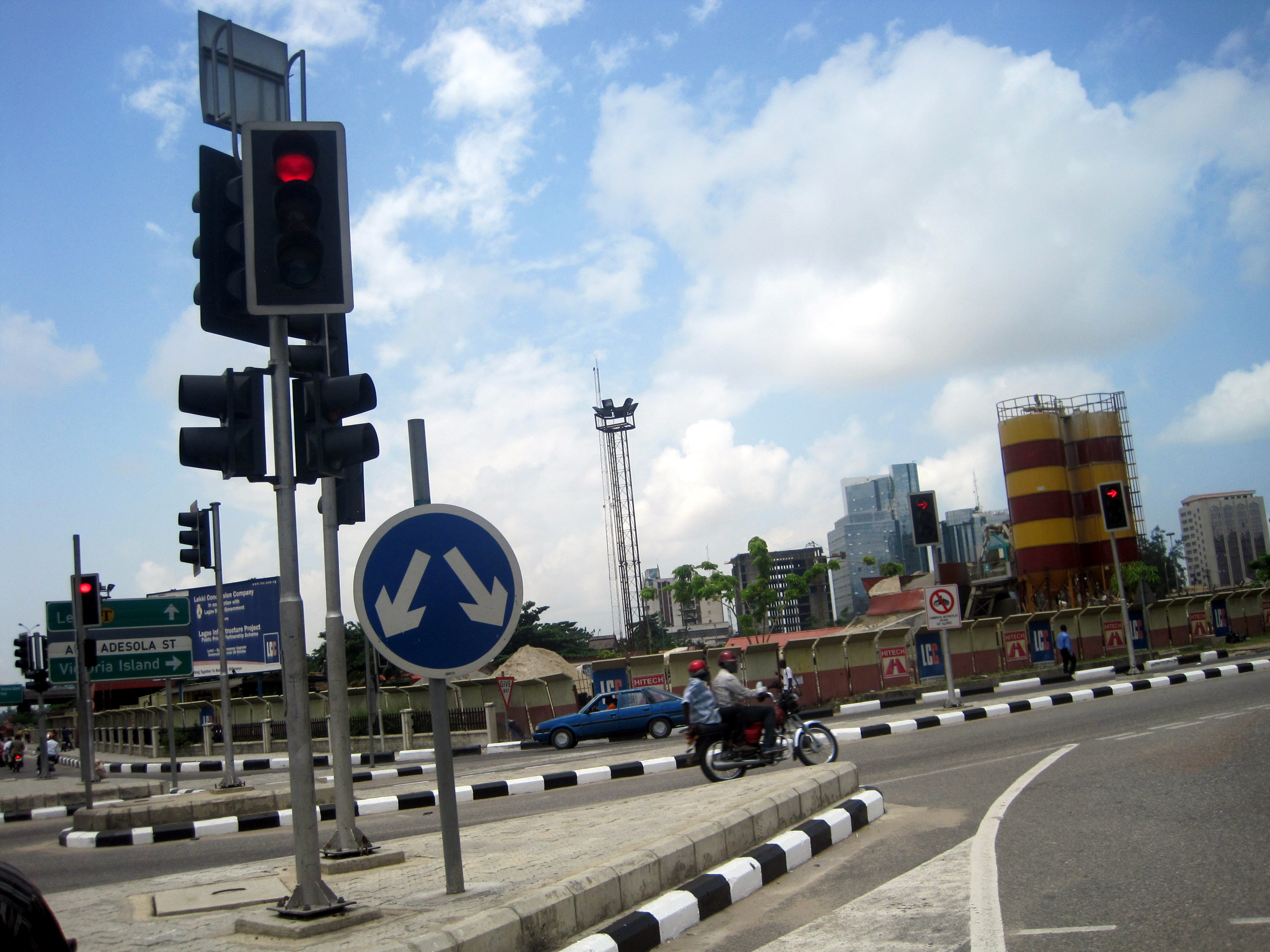
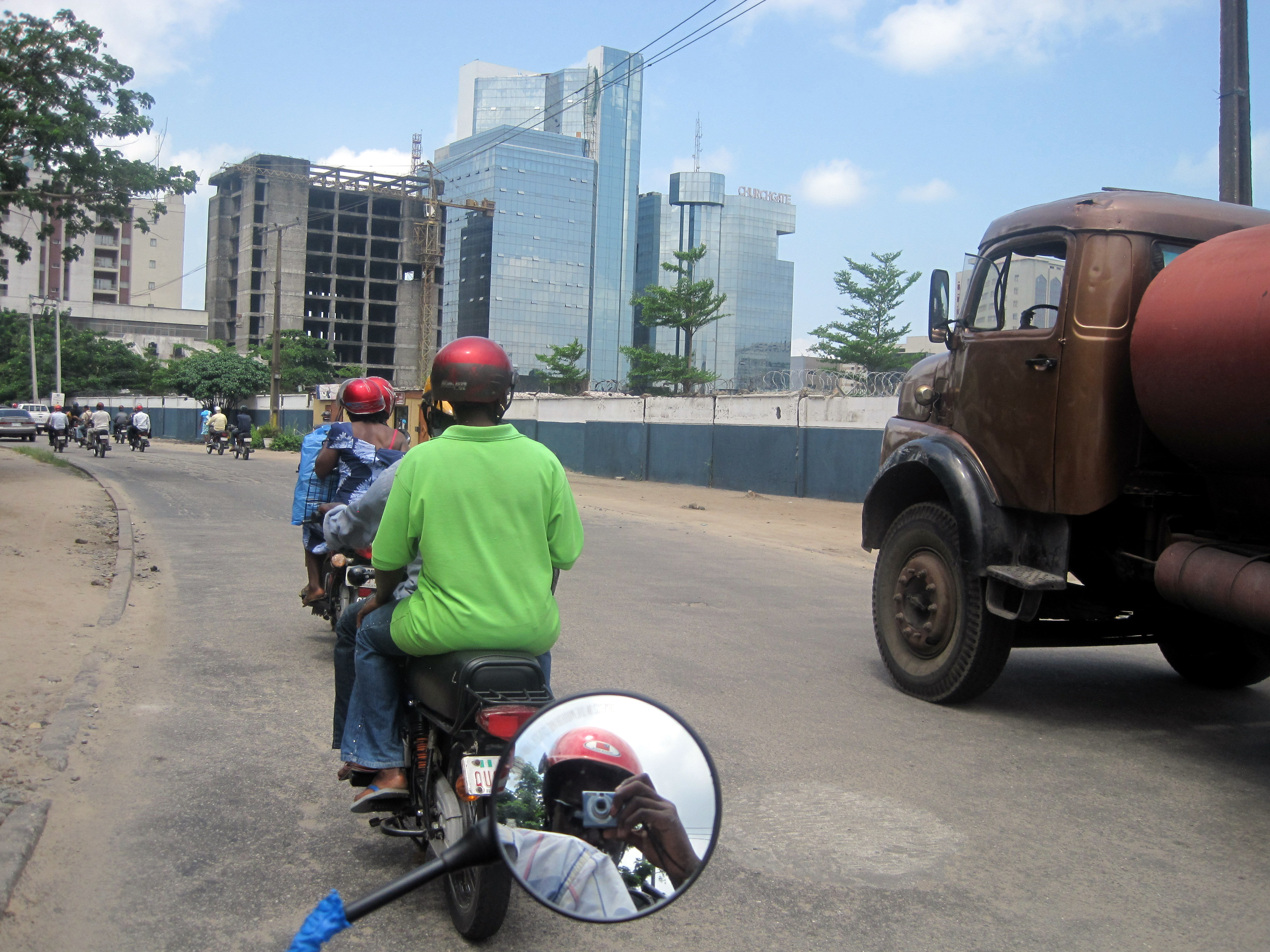
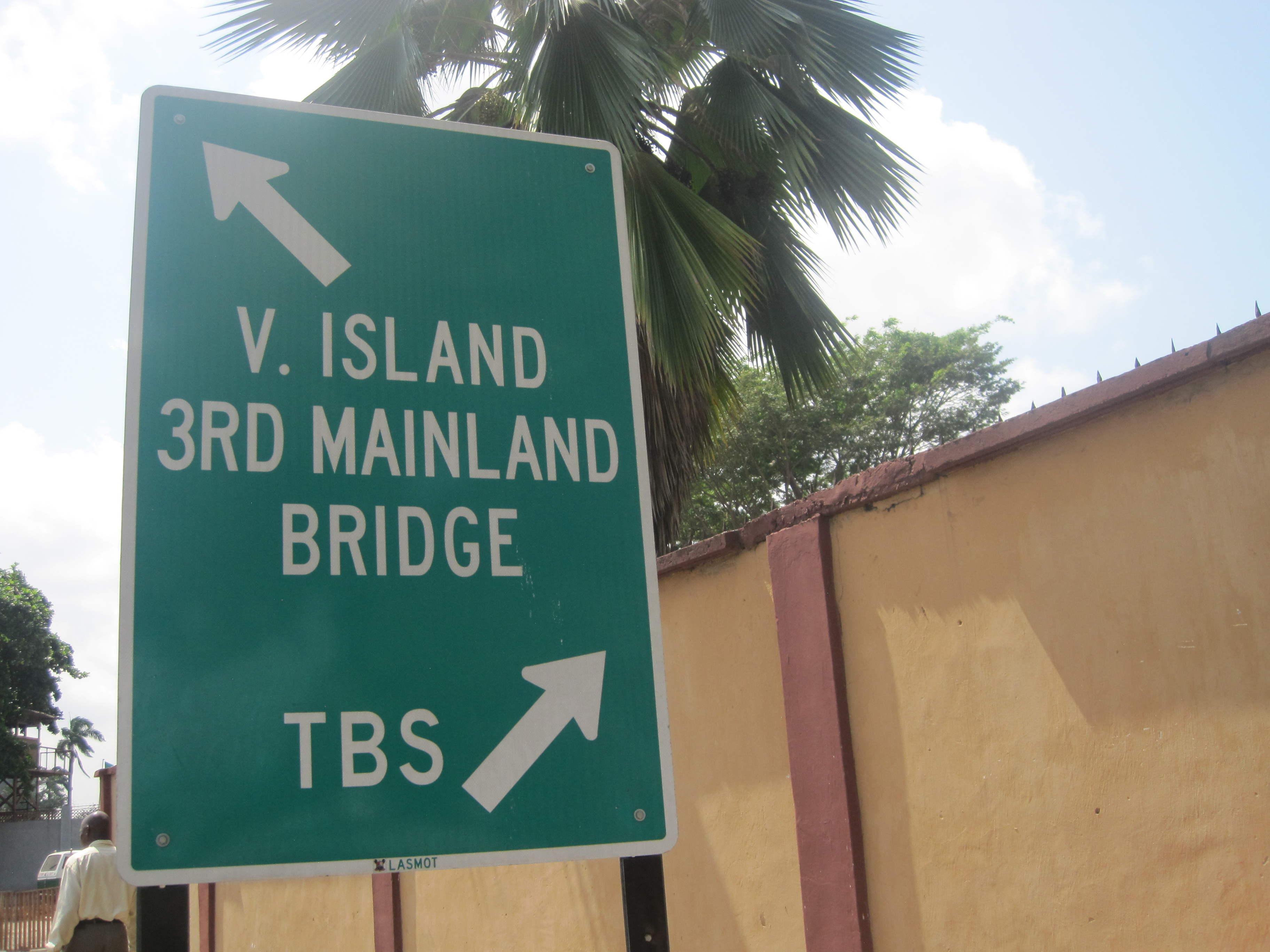
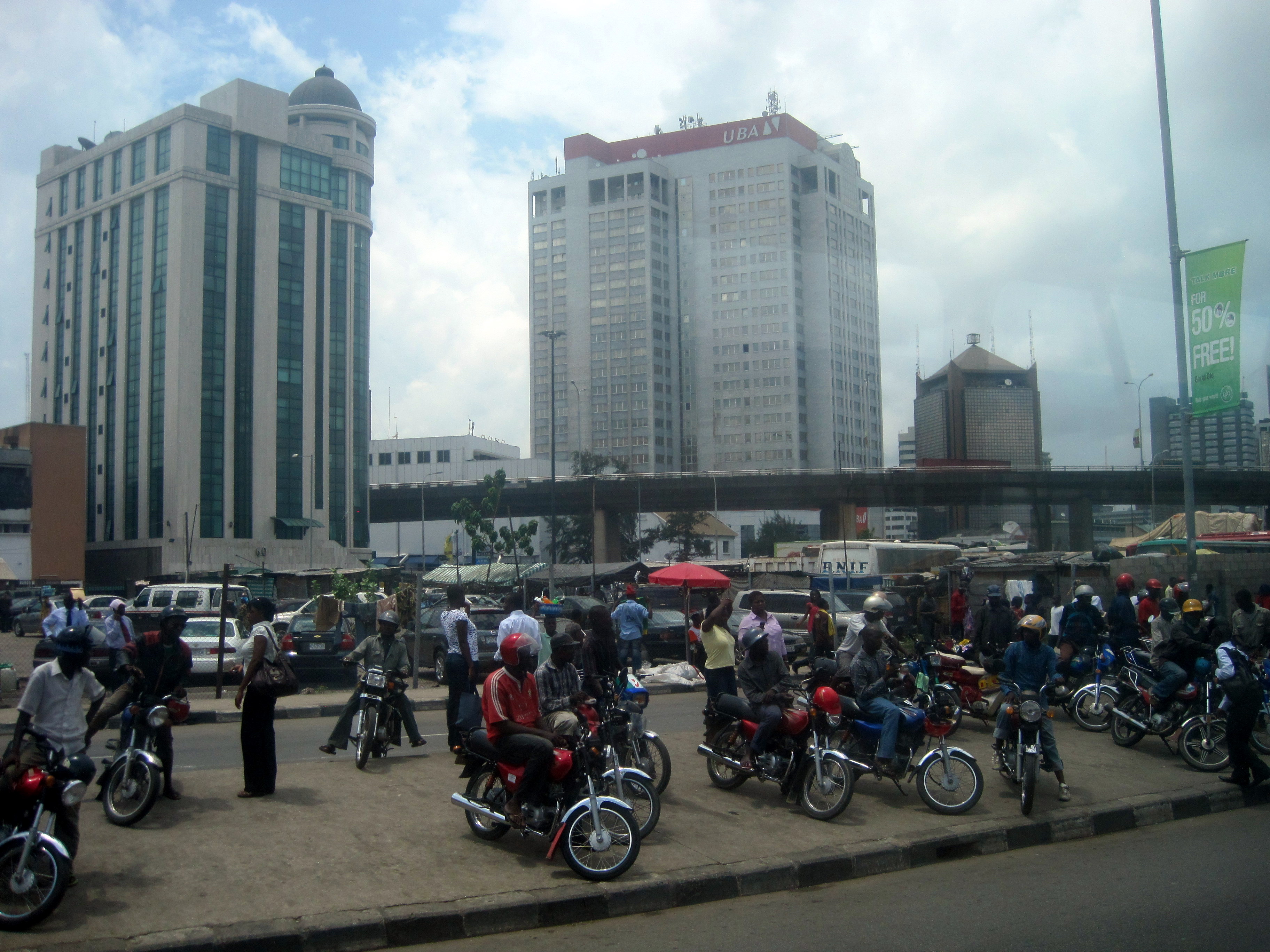
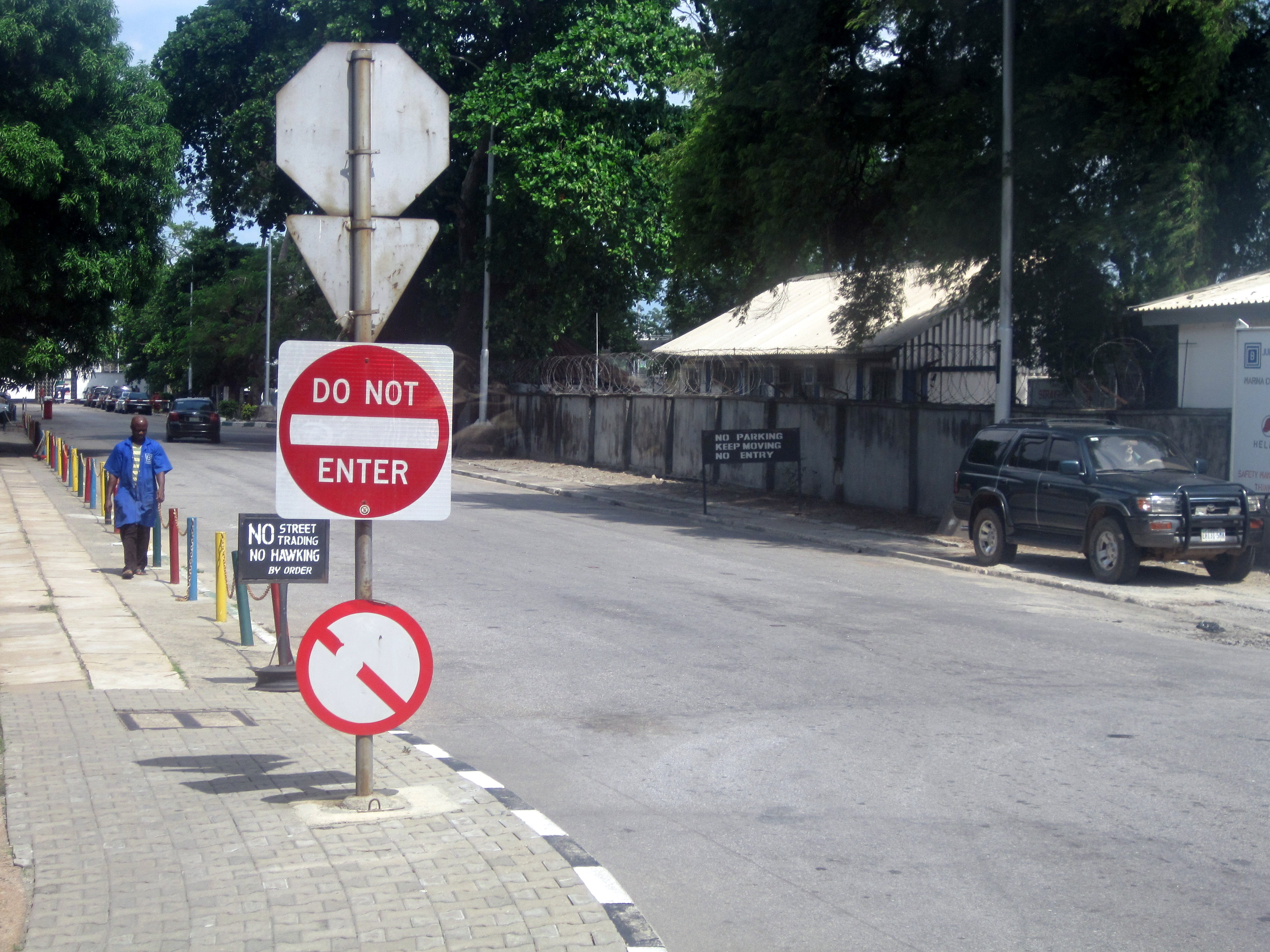
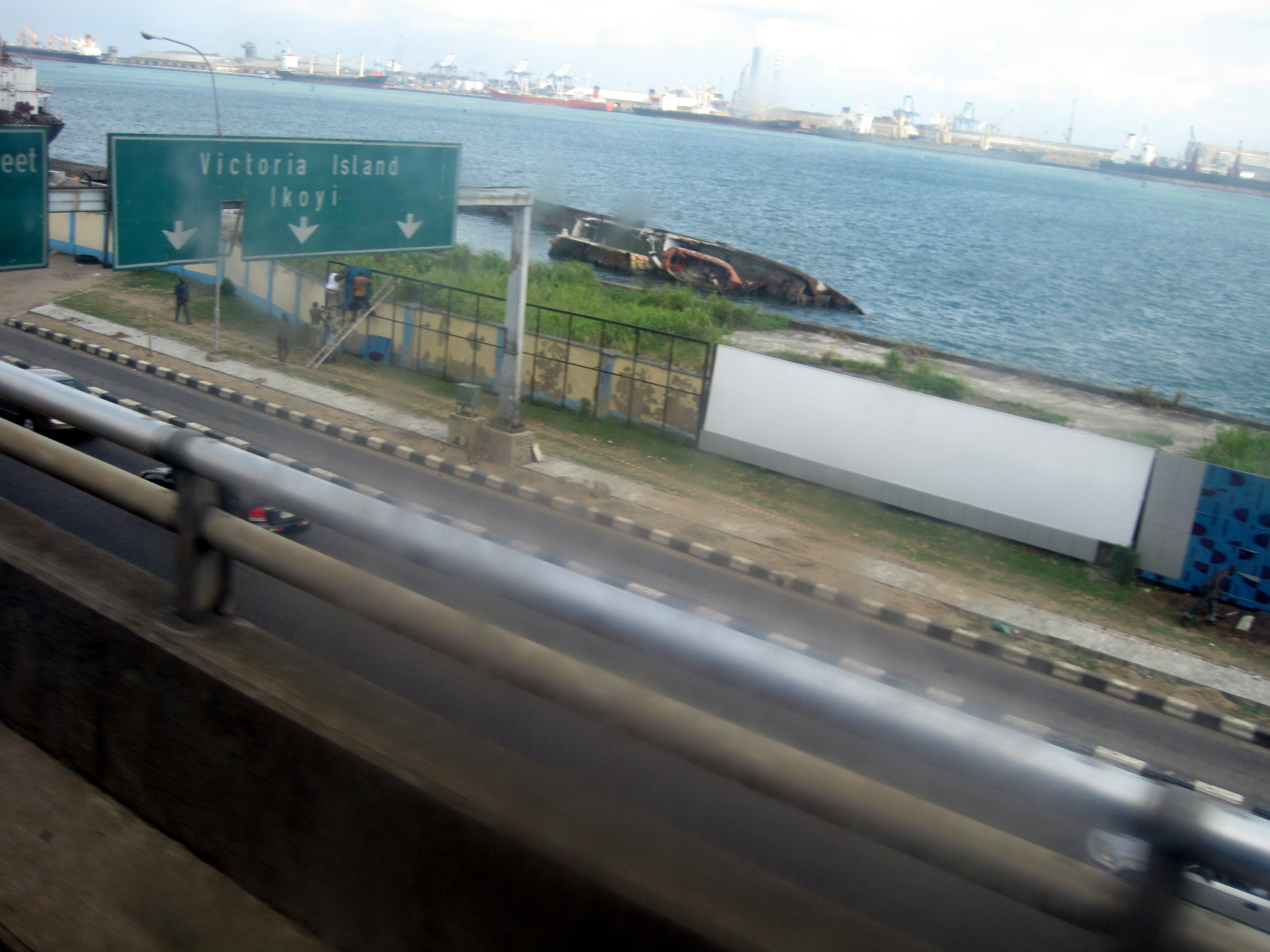
I managed to capture a little of Lagos on my camera last week.

(Most of the parts captured in this photo post were in the business district of the Island, definitely well managed than many other parts of the mainland that elicited my earlier complaints. In any case, it should be said that the city has greatly improved under a new leadership. I could say the same for my state here. But that’s a story for another day.)

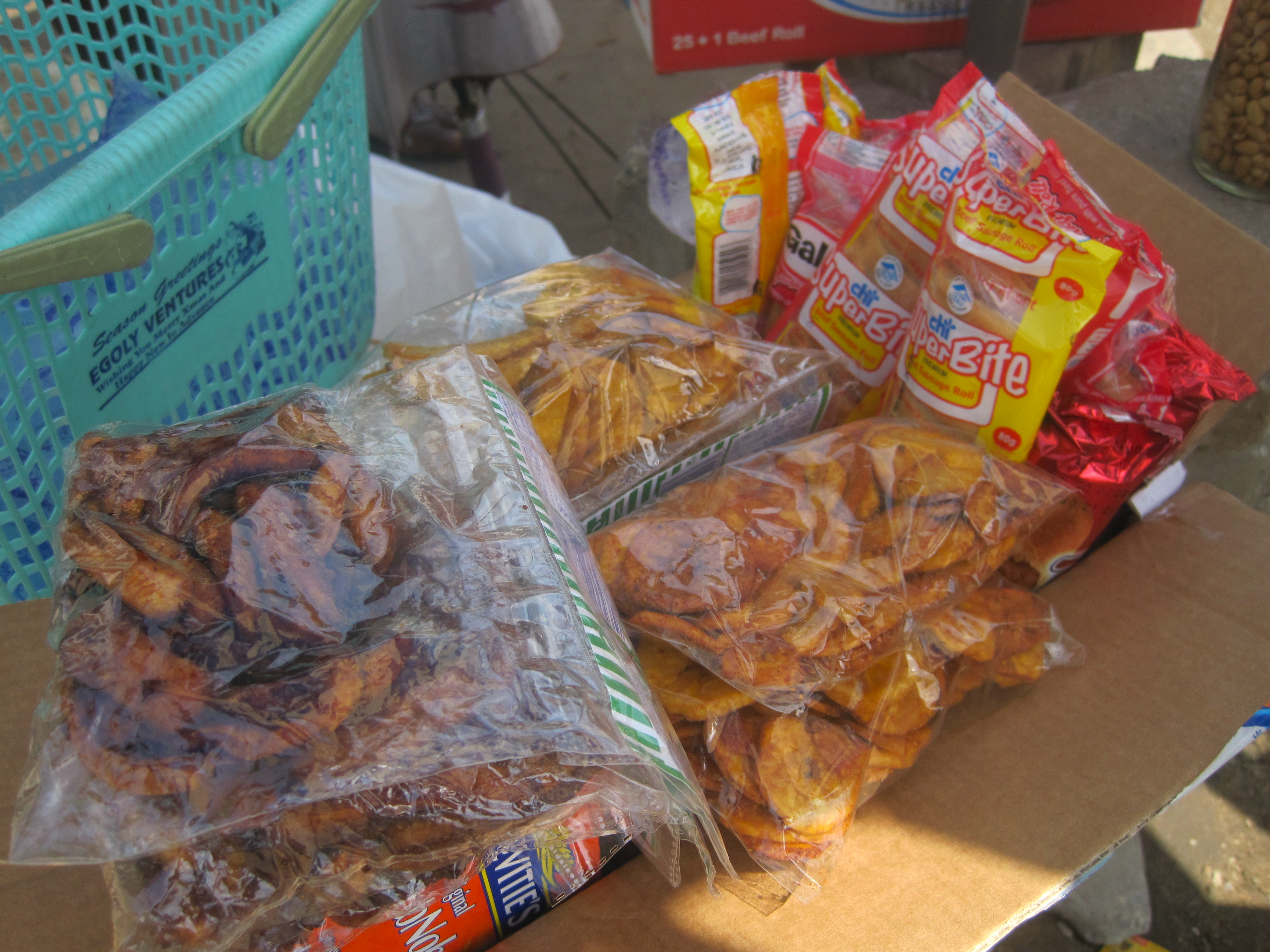
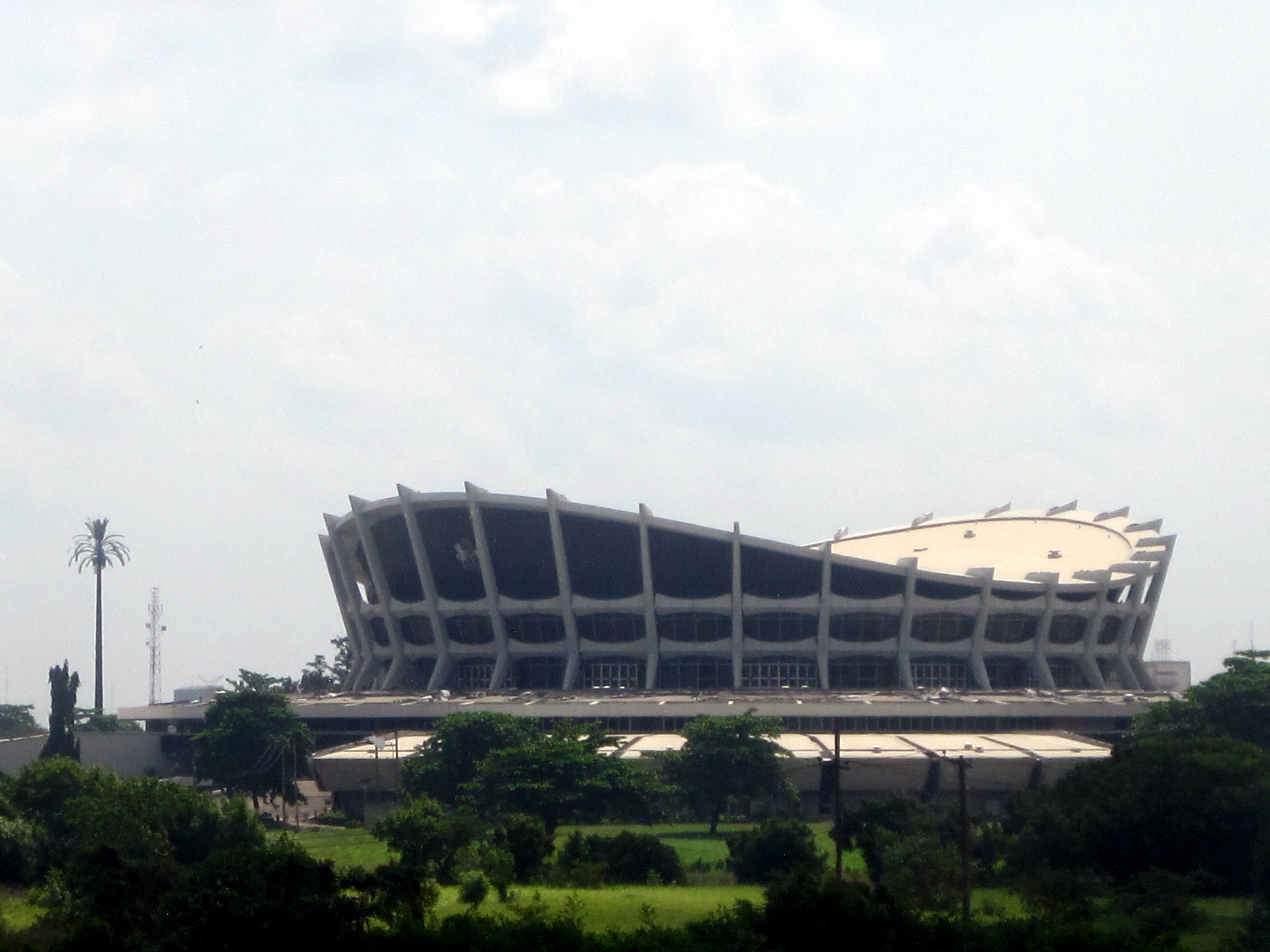
In one of these pictures, you will see the Lagos Lagoon, a pedestrian bridge, commercial motorbikes, plantain chips (snacks), and – in the last shot – the National Theatre.

This is Lagos. Well, some parts of it. Enjoy.