The Ransome Kuti Museum in Abẹ́òkuta

Sometime in April of last year (2019), I visited the site of the Kuti Heritage Museum in Abẹ́òkuta. Located on NEPA Road, Isábọ̀ Abẹ́òkuta, the house was the famous home of the Reverend I.O. Ransome-Kútì and Mrs. Fúnmiláyọ̀ Ransome-Kútì, and the likely birthplace of Fẹlá and some of his brothers.
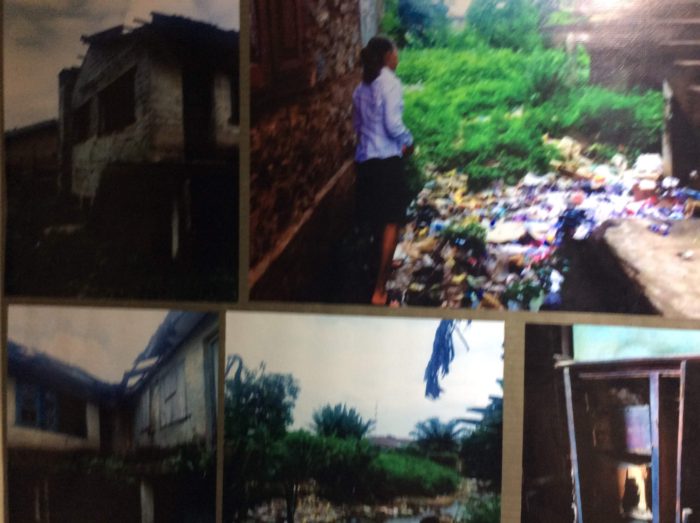
This restoration project has been ongoing for a while. The home of the famous Kútì couple had, over the years, become victim to negligence and decay. Photos exhibited at the venue, showing the transformation of the structure from its earlier state of rot shows it as sometimes being a site for refuse dumping by neighbours and passers-by.
But it was not always this way. Copious paragraphs from Wọlé Ṣóyínká’s autobiography Aké were dedicated to memories of times spent in this place to visit his uncle who was by then the headmaster of Abẹ́òkuta Grammar School, and his wife whose organising of women to protest the misrule of the Aláké led to the Abẹ́òkuta Women’s Tax Riots and the eventual abdication of the king in early 1940s.
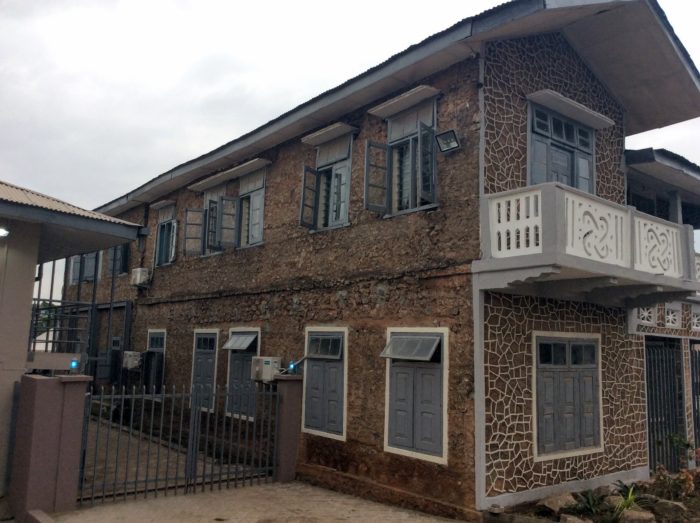
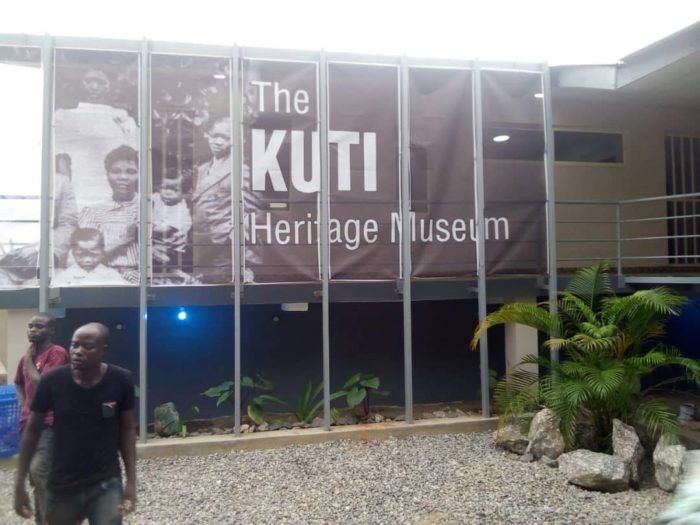
Over time, the successful careers of many of the house’s famous former occupants notwithstanding, the home had gradually settled into oblivion. But the Ògùn State Government, in collaboration with members of the family, returned a few years ago to restore the building to its rightful place in the Nigerian consciousness as bearers of history. From what I gathered, the building adjoining the original home is the museum, set up to inform visitors about the family, its famous members, and their role in Nigerian and world history. I could not enter this building itself on this day.
But I did enter the main home, restored to its old stone form, and girded on each corner downstairs with metal beams. Word is that the project was supervised by Theo Lawson, the same architect behind the Freedom Park and the Kalakuta Museum in Ìkẹjà. Being nothing more than a casual observer of art and documentation myself, I was impressed by the presentation.
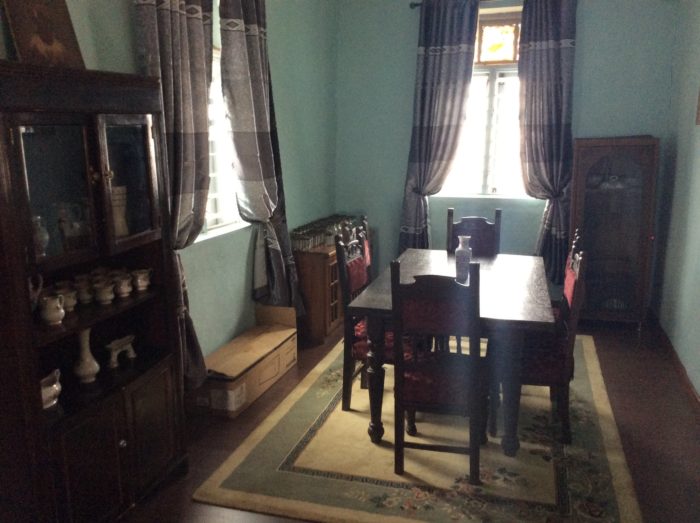
All the rooms in the old building have retained their sense of time. The furniture reflect those of the 40s, and the upper-class aesthetic that the Kútìs must have enjoyed among the society. The bathroom had a bathtub — what would seem like a sign of opulence in that part of Abẹ́òkuta and that time period. The plumbing of the house was modern, even though the house was made of mud and stones. This restoration has added a few more things to the aesthetic: air conditioning — which should tell us something else about the changing climate.
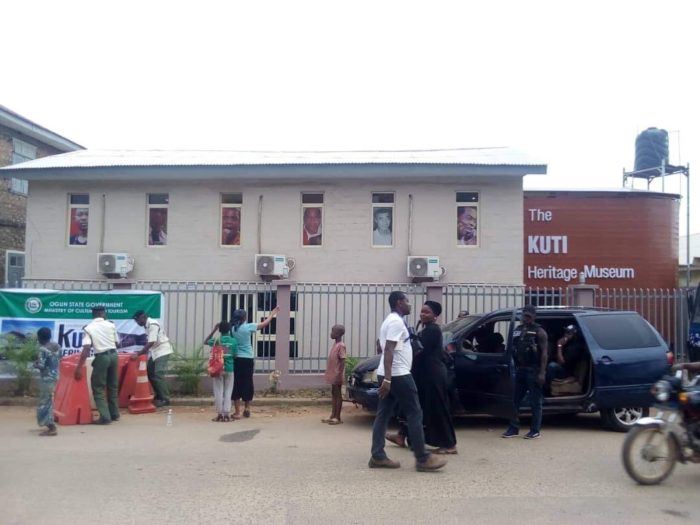
The veiw of the Museum from across the street.

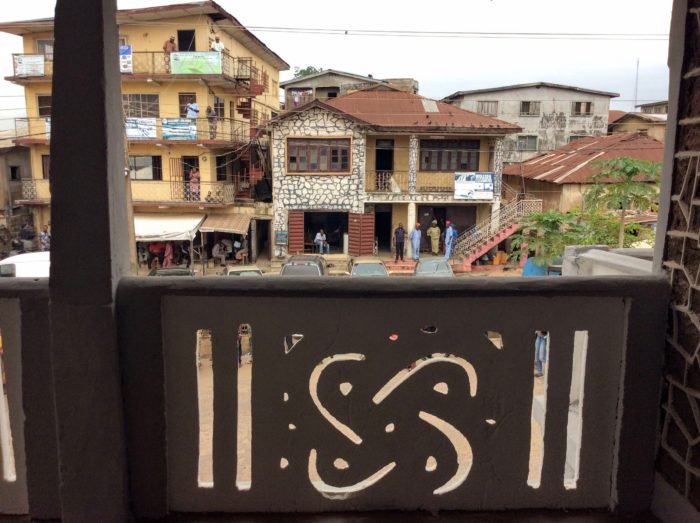
From the balcony, one could see a good view of the town itself, and one can imagine the Reverend himself, on a cool day, standing there, toothpick or pákò in mouth, staring out or greeting a passerby.
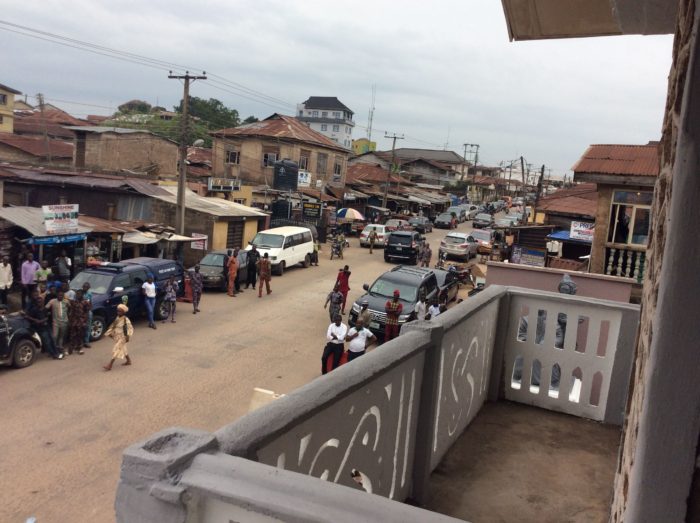
The view from the Reverend I.O’s Balcony.

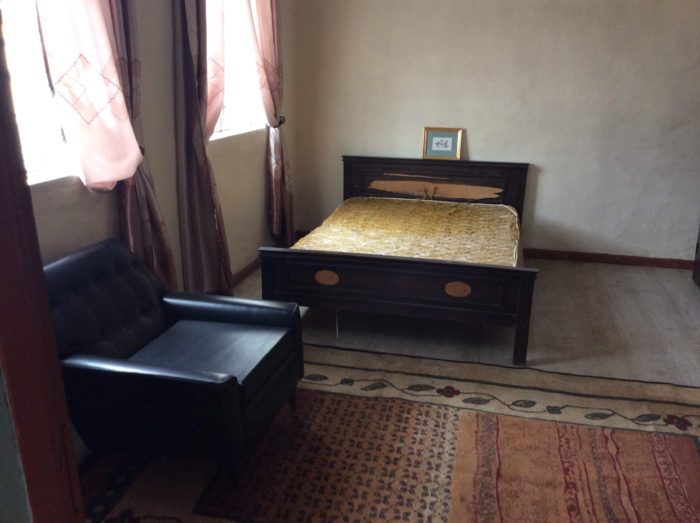
Even much of the smell has remained, a rusty old smell from the mattresses, stationeries, rug, and furniture.
I recommend the building to anyone in Abẹ́òkuta, especially the adjoining Museum. I hope to visit it again when I’m in town. I am already impressed by this attempt at keeping history alive through structures and other non-conventional means of keeping the names of our famous citizens in the memory of contemporary children.

A few more photos below. Here is a more comprehensive report of the launch.

Exploring the Luxor Museum

by Adrienne Chamberlain


In a land where the last remaining structures of the ancient world still stand, you might think that modern museums pale in comparison. However, the marvels of Egypt do not stop at the pyramids, tombs, and temples found across the country. In fact, plenty of the nation’s ancient, fascinating history is preserved in its museums, from excavated sarcophagi down to remarkable ancient relics. In fact, the country’s museums tend to be filled to the brim with thousands of these wonders, but such is not the case with Luxor Museum.

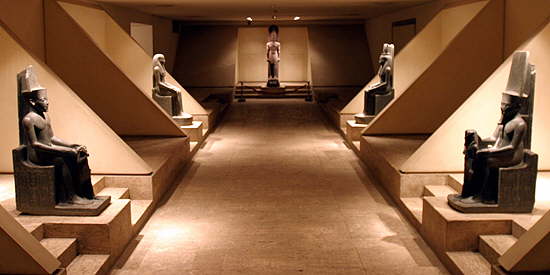
Standing on a corniche overlooking the west bank of the Nile River, the Luxor Museum was established in 1975 by the Egyptian Ministry of Culture. The two-story windowless building is only a fraction of the size of the country’s biggest museum in Cairo, but that’s okay — the Luxor Museum takes pride in the quality of its collection, rather than its quantity.

Image Source: EgyptianMuseums.net

Egypt Today notes that some of the best antiquities inside are the preserved mummies of Ramses II and Ahmose I. These are displayed without their wrappings in one of the museum’s newer wings. The first is regarded as the greatest and most celebrated pharaoh of the New Kingdom, while the second was the founder of the Eighteenth Dynasty. Both are located in a section dedicated to the New Kingdom, which marked a great period of imperial power for the country.

Image Source: EgyptianMuseums.net

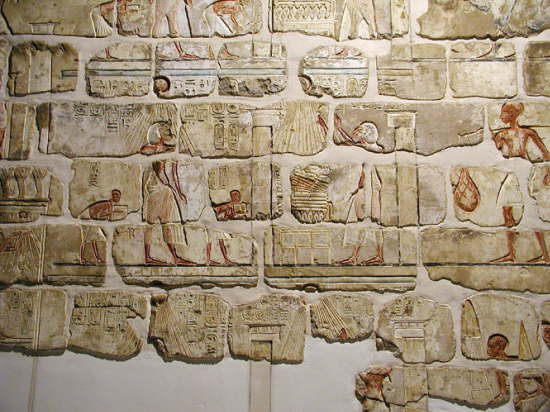
Another of the museum’s main features, this time located on the upper floor, is a reconstructed wall made up of 283 sandstone blocks from the Karnak temple built for Amenhotep IV. The wall illustrates residential and royal scenes as well as solar Jubilee scenes from the first Sed festival. This is a priceless exhibit, as very little of the actual temple remains in modern times.

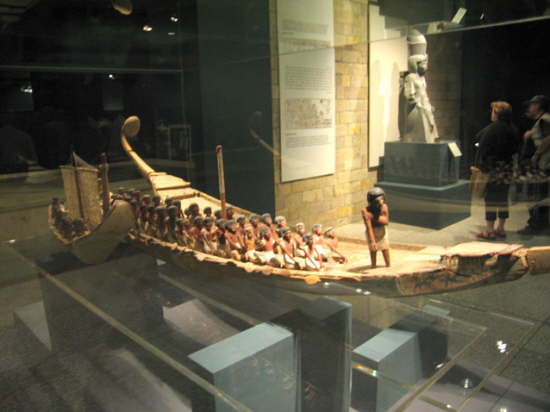
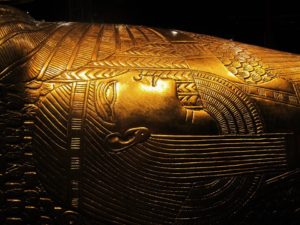
Some other of the museum’s highlights are the artifacts that have been gathered from the tomb of King Tutankhamun. Model boats, sandals, arrows, and figures of servants once decorated the area surrounding his resting place. Because ancient pharaohs believed in the afterlife and kept their most prized belongings close to their burial site in preparation, this is a major part of the museum.

Image Source: EgyptianMuseums.net

Indeed, the scale of the burial site was a major factor in the discovery of Tutankhamun’s tomb in 1922, which received worldwide media attention. It sparked a newfound interest in Ancient Egypt, a fascination that has stood the test of time. Egypt’s rich history is reflected in a wide array of modern media across the world. For instance, the fantastical film Gods of Egypt heavily draws inspiration from Ancient Egypt and even deviates from actual history in favor of creative interpretation. A more traditional depiction can be seen in a slew of video games, particularly in a collection of Egyptian-themed titles on Slingo Slots. Games like Cleopatra’s Riches, Temple of Tut, and Temple of Iris are a nod to the actual ancient history of Egypt. Though there are a few creative liberties, the images featured are more or less based on Egypt’s past — much of which resembles the surviving remnants of the ancient world housed in the Luxor Museum.

Recently, the Luxor Museum celebrated the 96th anniversary of the discovery of Tutankhamun’s tomb, acknowledging the event as a turning point in the country’s tourism and the world’s interest in it.

Fortunately, you don’t have to fly all the way to Egypt to catch a glimpse of its many relics. If you somehow find yourself in Turin, Italy, and are interested to know more about Egypt’s ancient past, you can also pay a visit to the wonderful Museo Egizio.

—-

Adrienne Chamberlain is a history enthusiast who is particularly interested in the mysteries of the ancient world. She mainly travels to see ancient structures (or at least what’s left of them) for herself. She’s already been to Egypt several times.

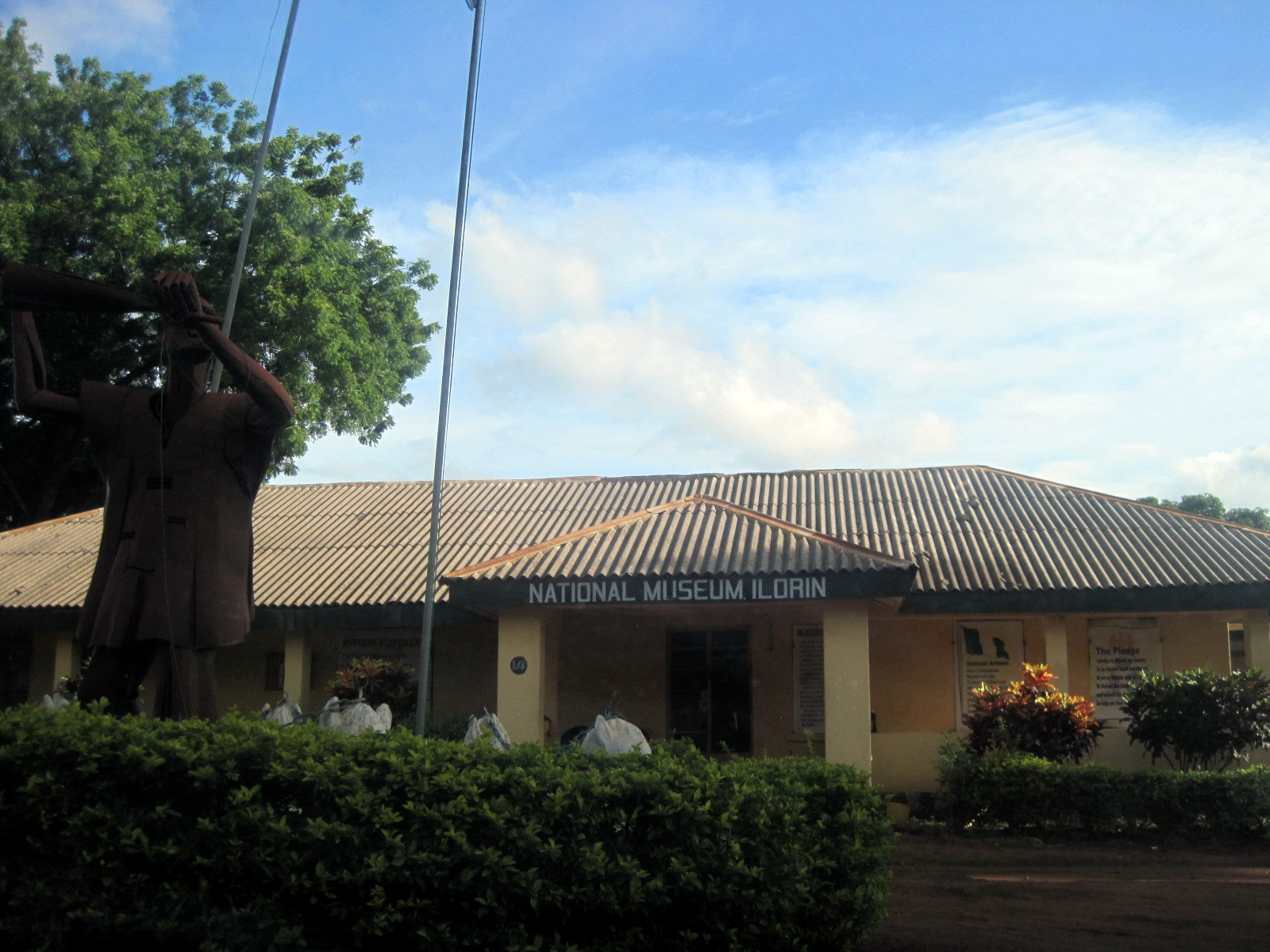
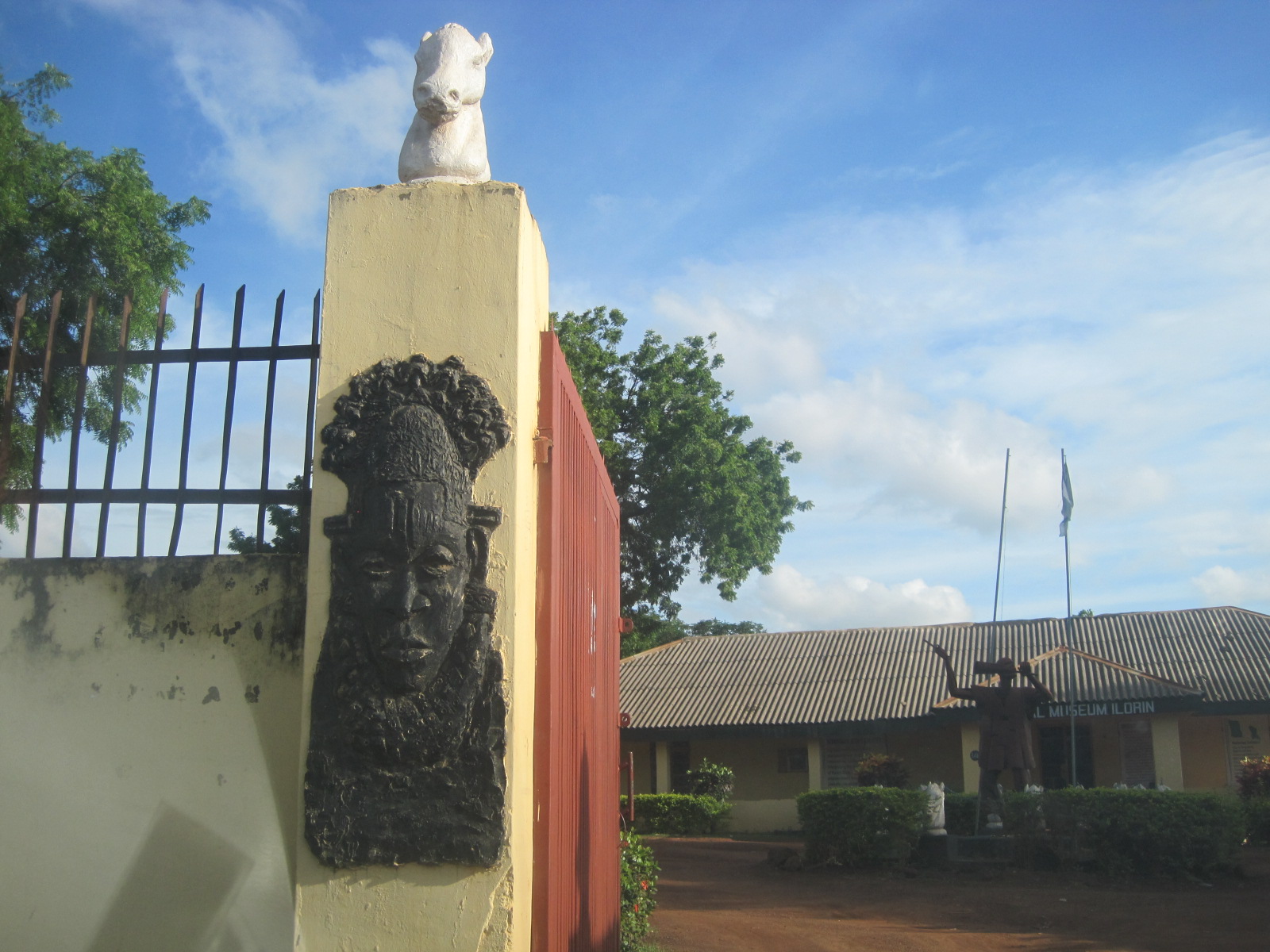
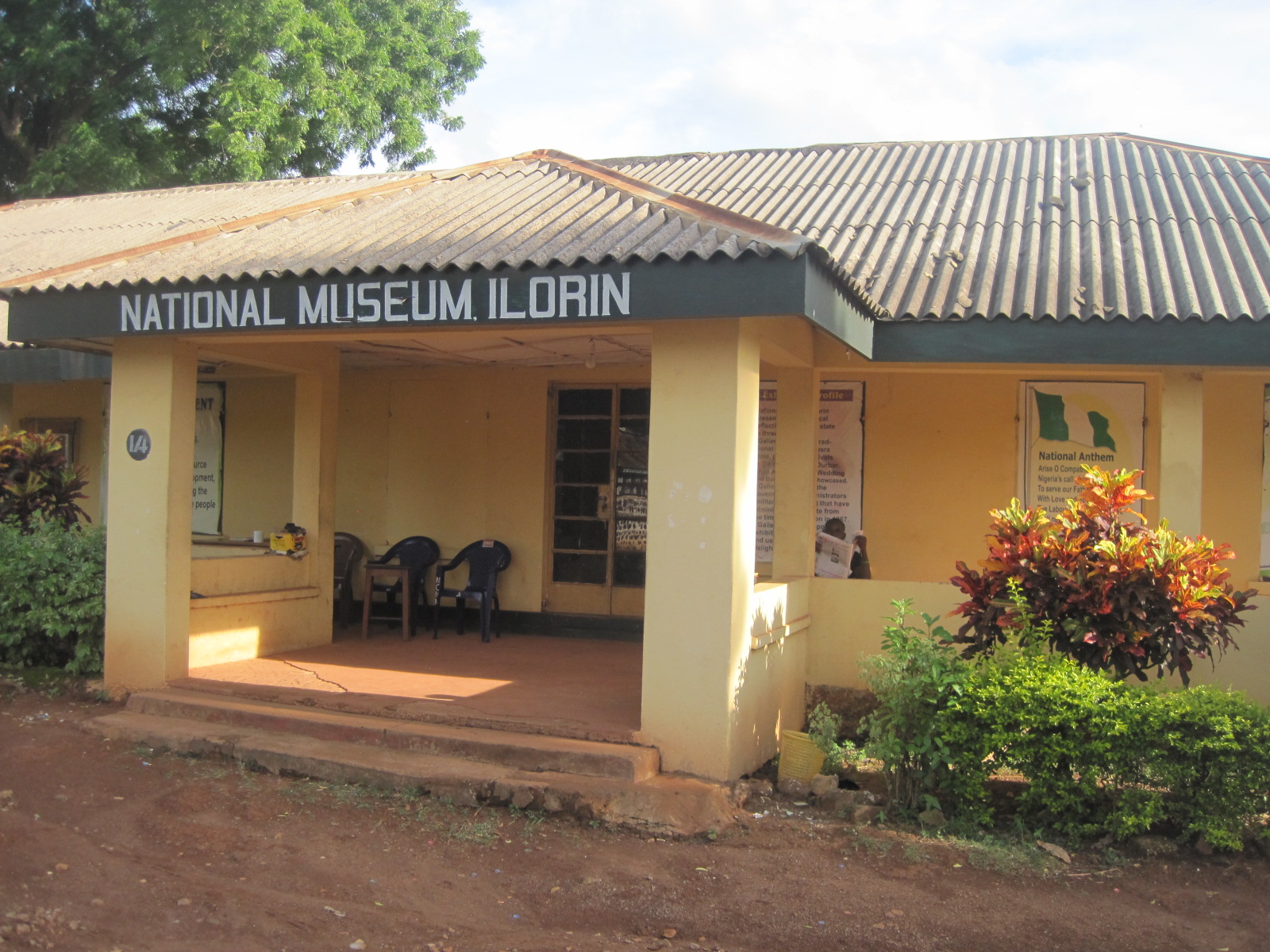
Ilorin National Museum

I was at the Ilorin National Museum over the weekend in company of a few friends one of whom had just happened to be in the town by chance.

One peculiar characteristics of this museum is that it is housed in the same compound as a bar, eating joint, and a hairdressing salon. The signboard at the junction close to the museum itself had the name of the museum written in equally small letters as the other services offered in the premises.

It’s not altogether a bad thing. On the one hand, the presence of a bar might actually be a better attraction to the building than the content of the museum itself. From the patronage of the bar, it was clear that there is some complementarity at work there. The museum was closed because it was a Saturday and we couldn’t get to see the contents.

On Slavery Museums

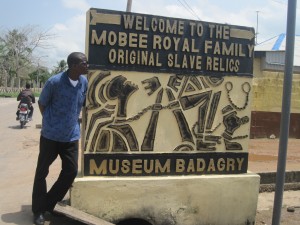
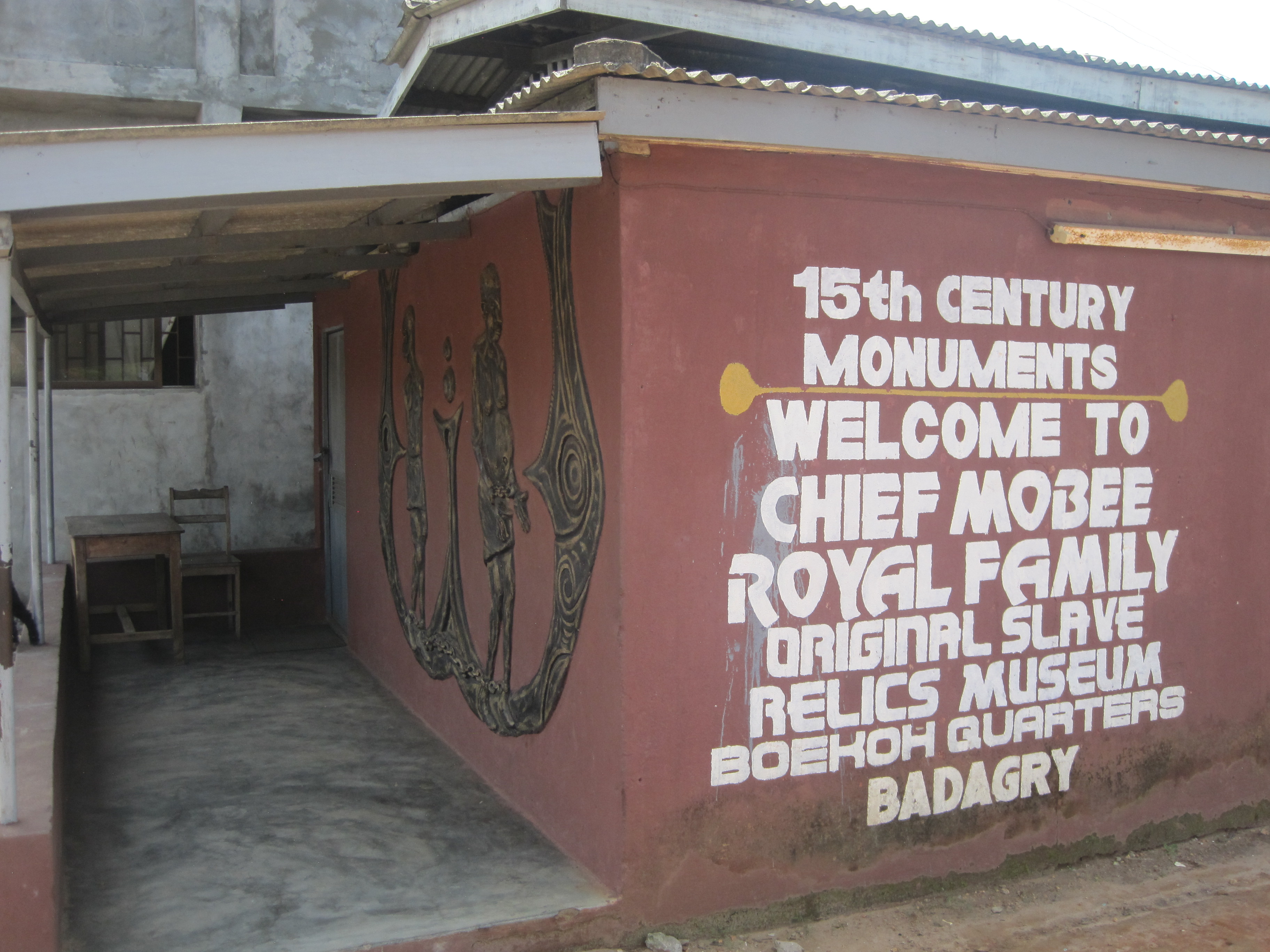
Slavery in the world was an absolute evil, and its transatlantic brand has become one of the most visible and contemporary pointers to its gruesome reality. Many things have crossed my mind since I wrote the article for the Nigerian newspaper NEXT (reproduced here on the blog) on my experience at Badagry examining the slave relics and the role of African (nay, Nigerian) families in the propagation of the trade. One of the pressing ones was whether it was right or moral or fair that descendants of the slave traders were the owners of the many private museums now at Badagry housing the original relics of the horrible time. Unfortunately it is not a slam-dunk open and shut case.

On the one hand is the right of any citizen to make money off of anything as long as it doesn’t pose any harm to the other person. On the other hand is the tug of annoyance in our heads when we realize that every time we pay money to gain access into the private museums, we continue to fund the machinery that once profited at the expense of millions of helpless lives. Then there is the added complexity we find in the need for information from whatever source. The slave trade is a historical fact, and there is so much that needs to be told about it. Generations after us will retain the same level of curiosity as us, if not more, and would ask questions. And who best to answer them than the true descendants of the slavers who know either from word of mouth or from family treasures of relics exactly what went on at the time and the role their families played.

In a normal working society though, one would expect that those artifacts would be in custody of a working government, with sufficient documents and audio-visual materials there detailing all that needs to be told about the period, and the proceeds going to take care of the citizens. Will this, if implemented, violate some principle of “free market” and private ownerships? Maybe. But when descendants of slavers still profit from the trade this indirectly, it rubs the nose of the society in the indignity, and it elevates evil one some level. The Mobee “royal family” of Badagry are an elite family already there. I don’t assume that they need any more of the dirty money that must come from tourists all over the world wanting to know about slavery. How do they even deal with the shame it must bring to ask people to bring their money to see what your ancestors used to enslave others? Have they thought about it, or don’t they care about what their lineage represent in history? I imagine a private concentration camp in Germany – if there was one – being run today by descendants of the racist anti-semitic people and profiting from it, whether or not their descendants still retain the same level of hate for the descendants of the victims. Or descendants of John Wilkes Booth being the ones in charge of the Lincoln Presidenial Museum earning money by showing off a few of the killer’s tools to the world. Something is definitely wrong there.

Badagry

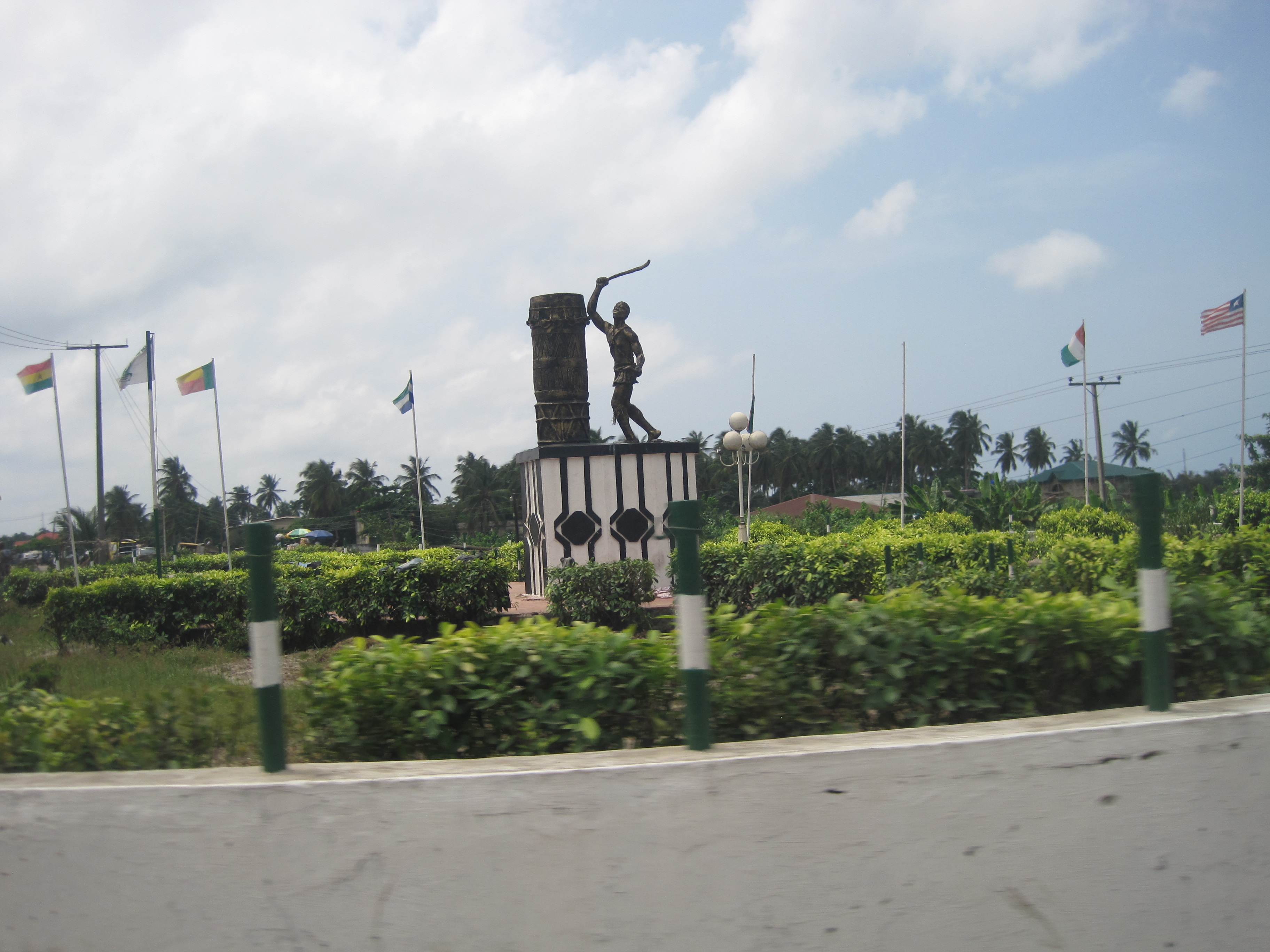
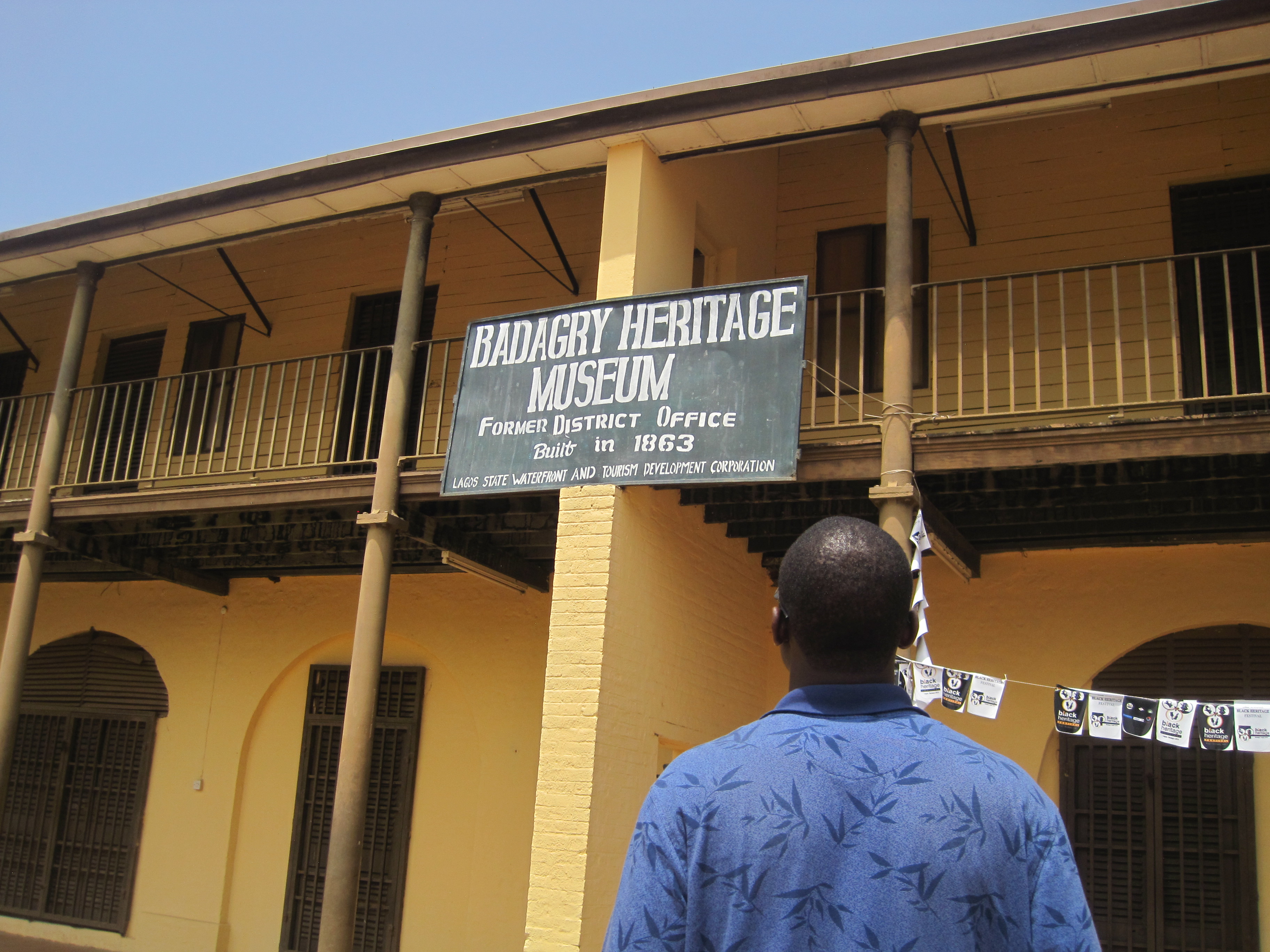
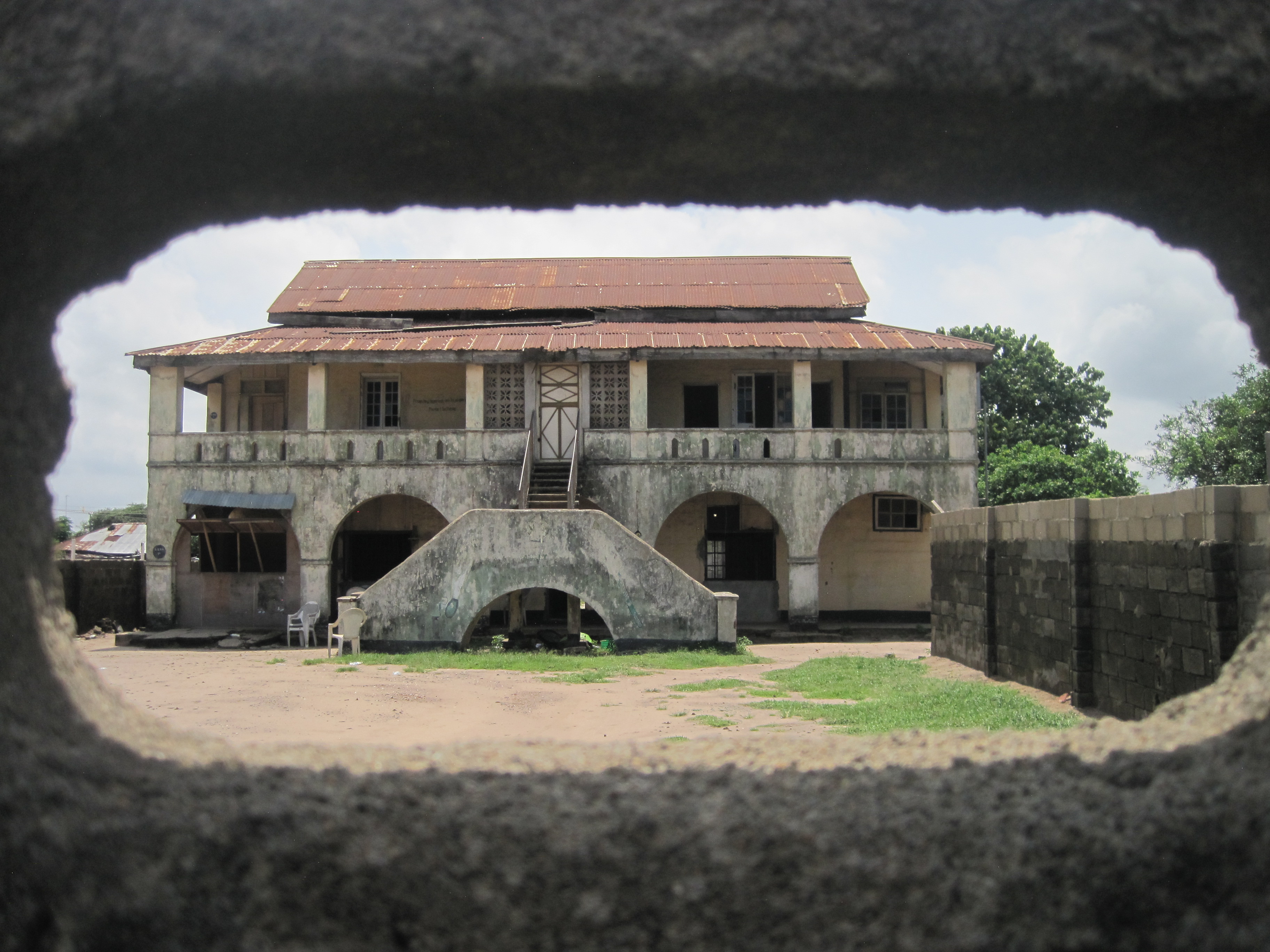
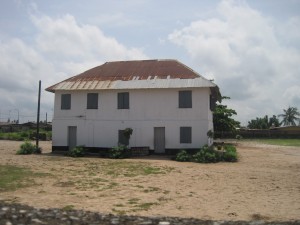
The First Storey Building in NigeriaBeginning my promised trip to yet undiscovered places in Nigeria, I took a long overdue trip to the slave town of Badagry on Sunday in company of a friend. It was an educative and enlightening experience that took us to the first storey building in Nigeria where the bible was first translated, the house in which the Amalgamation of Northern and Southern Nigeria was signed, and a house now used as the Badagry Heritage Museum that was built in 1863.

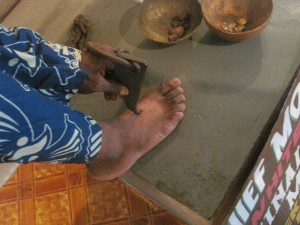
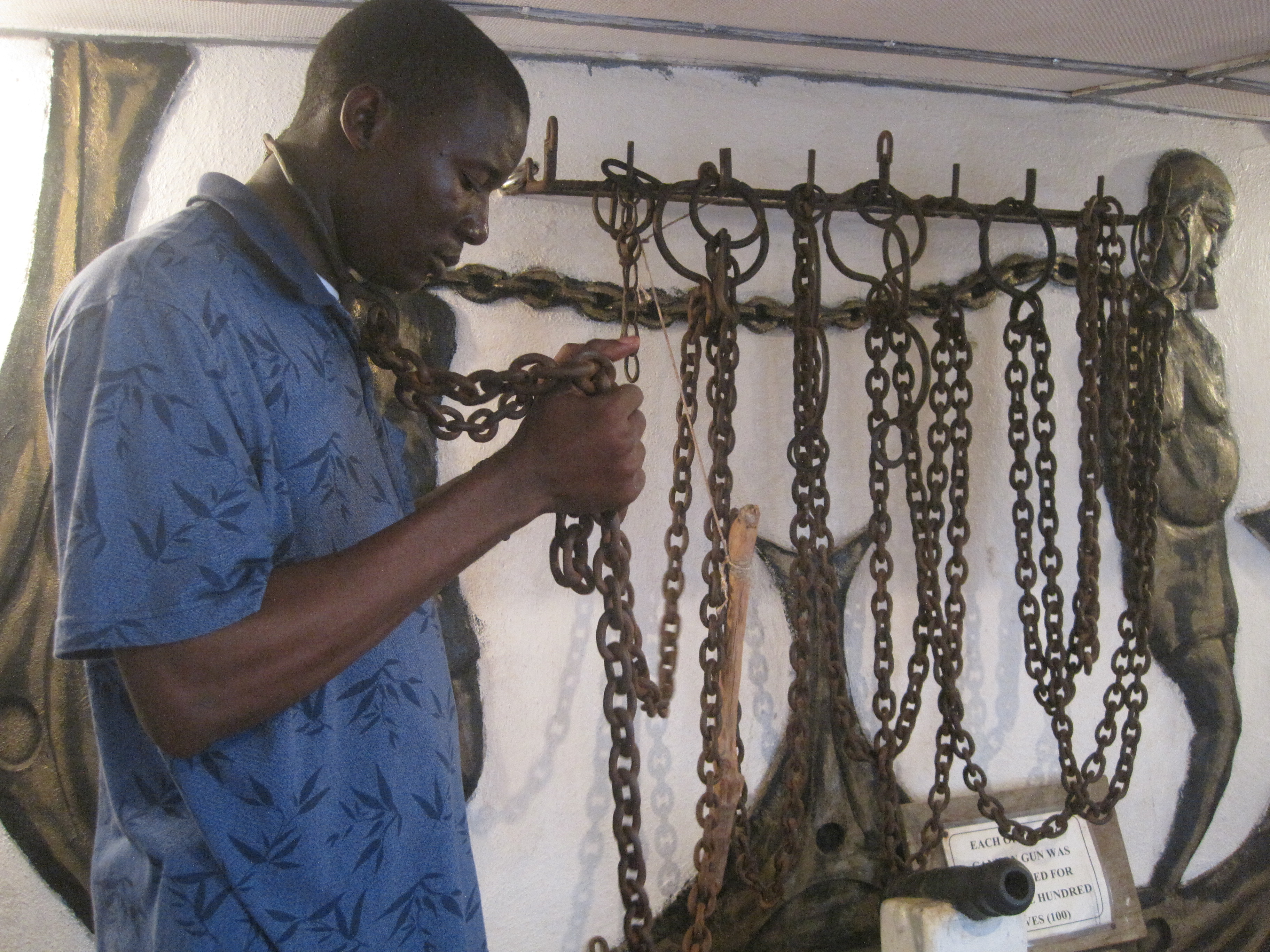
We also saw the slave relics, and I got to try on some of the chains and manacles – a very moving experience. Then we saw the Brazilian baracoons where the slaves were kept before being shipped, and we saw the grave sites of the many influential figures in the slave trade. Then we went to the lagoon front and enjoyed the breeze while pondering history.

Enjoy these few pictures from the experience while I write a more detailed  report. I’ll put up more pictures when I have the time.

Photos by Liz Ughoro