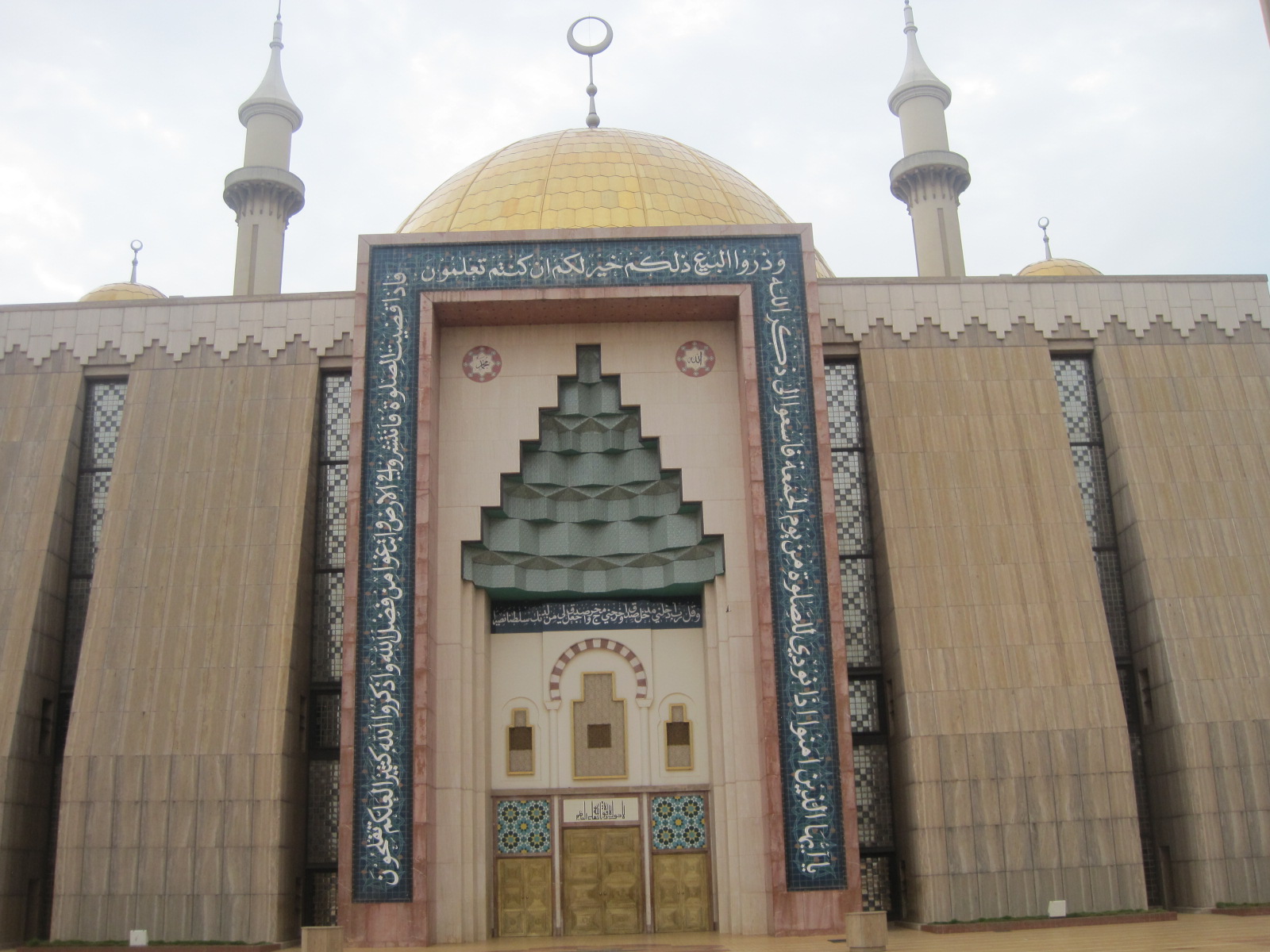
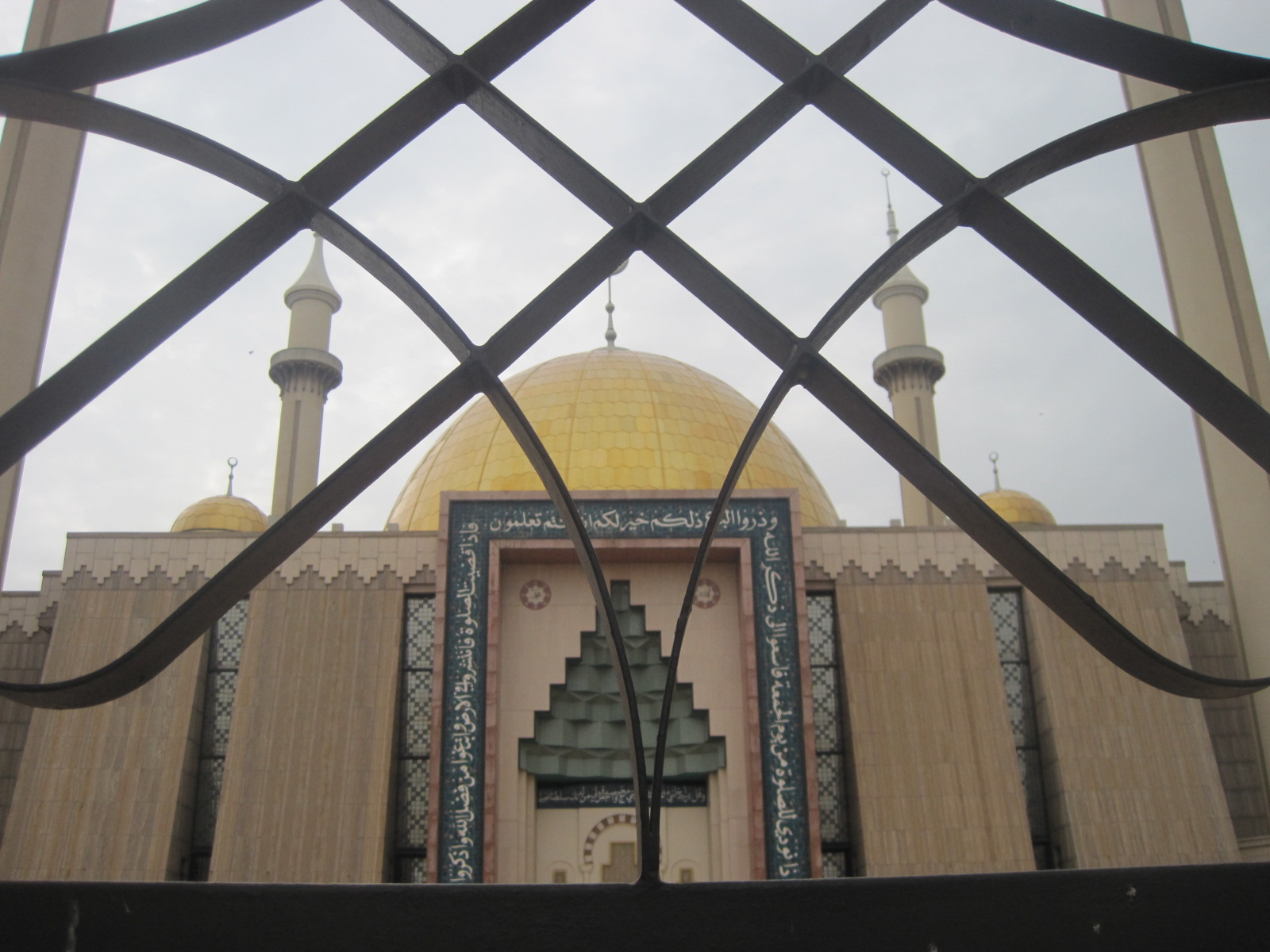
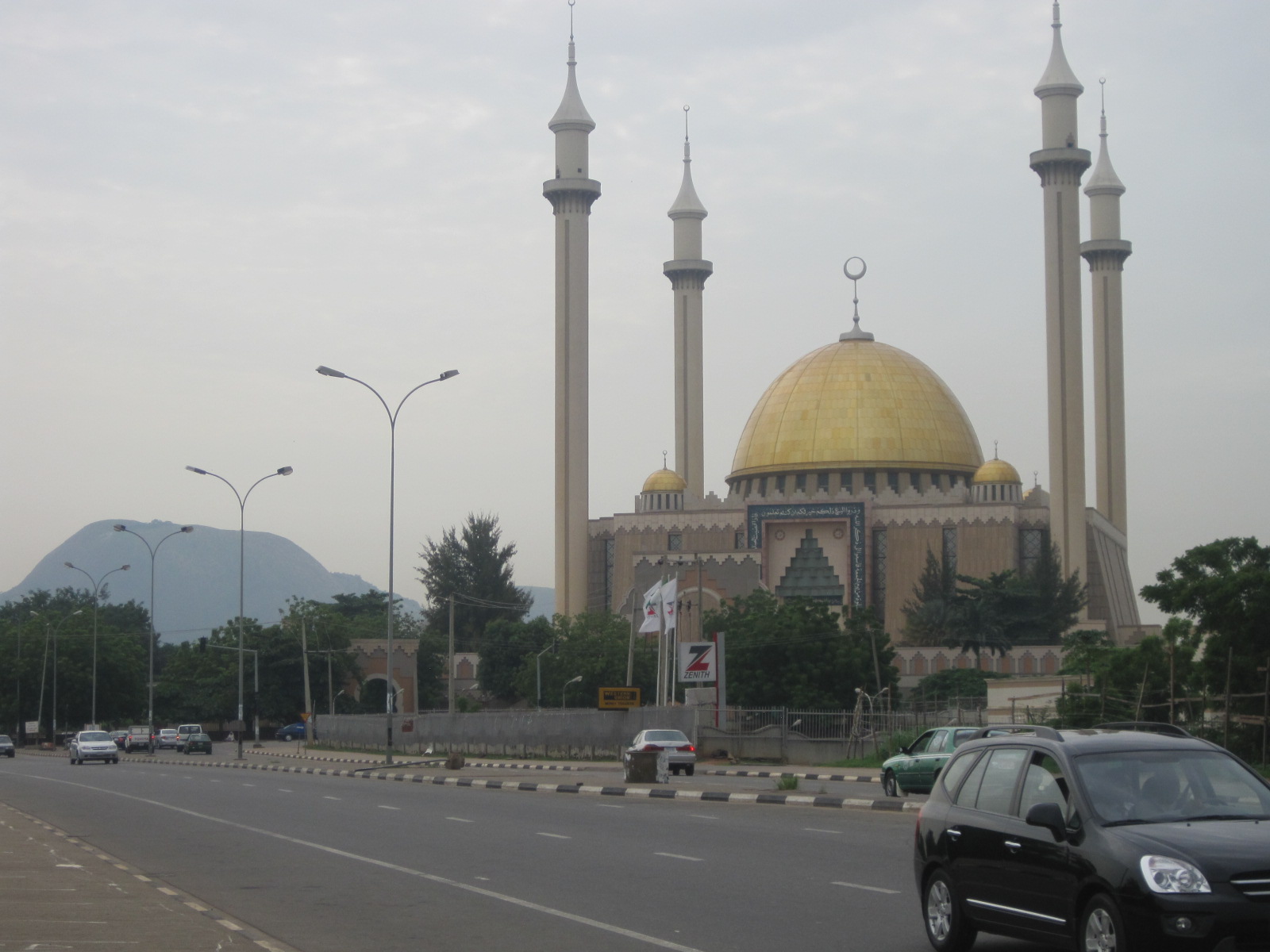
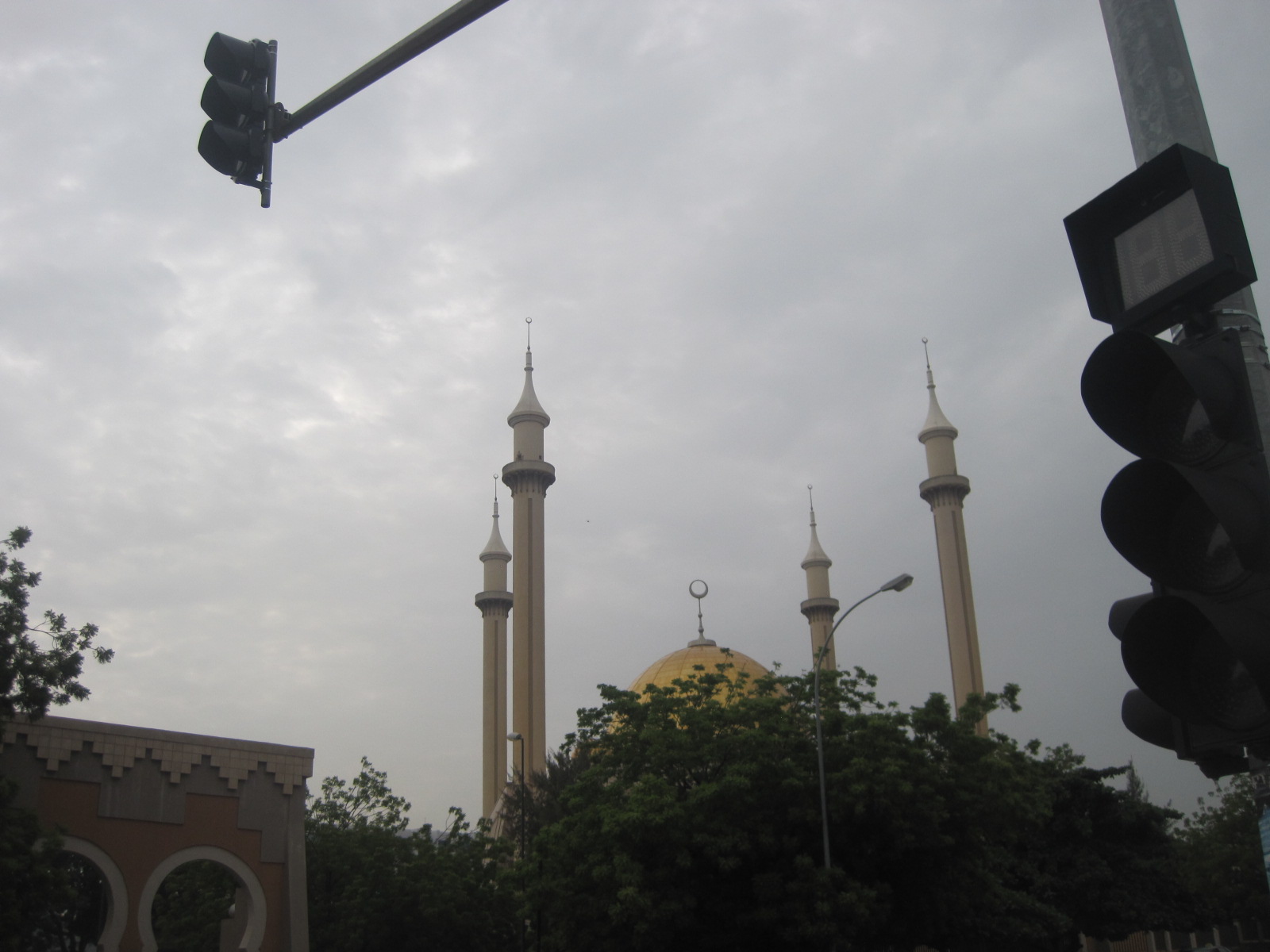
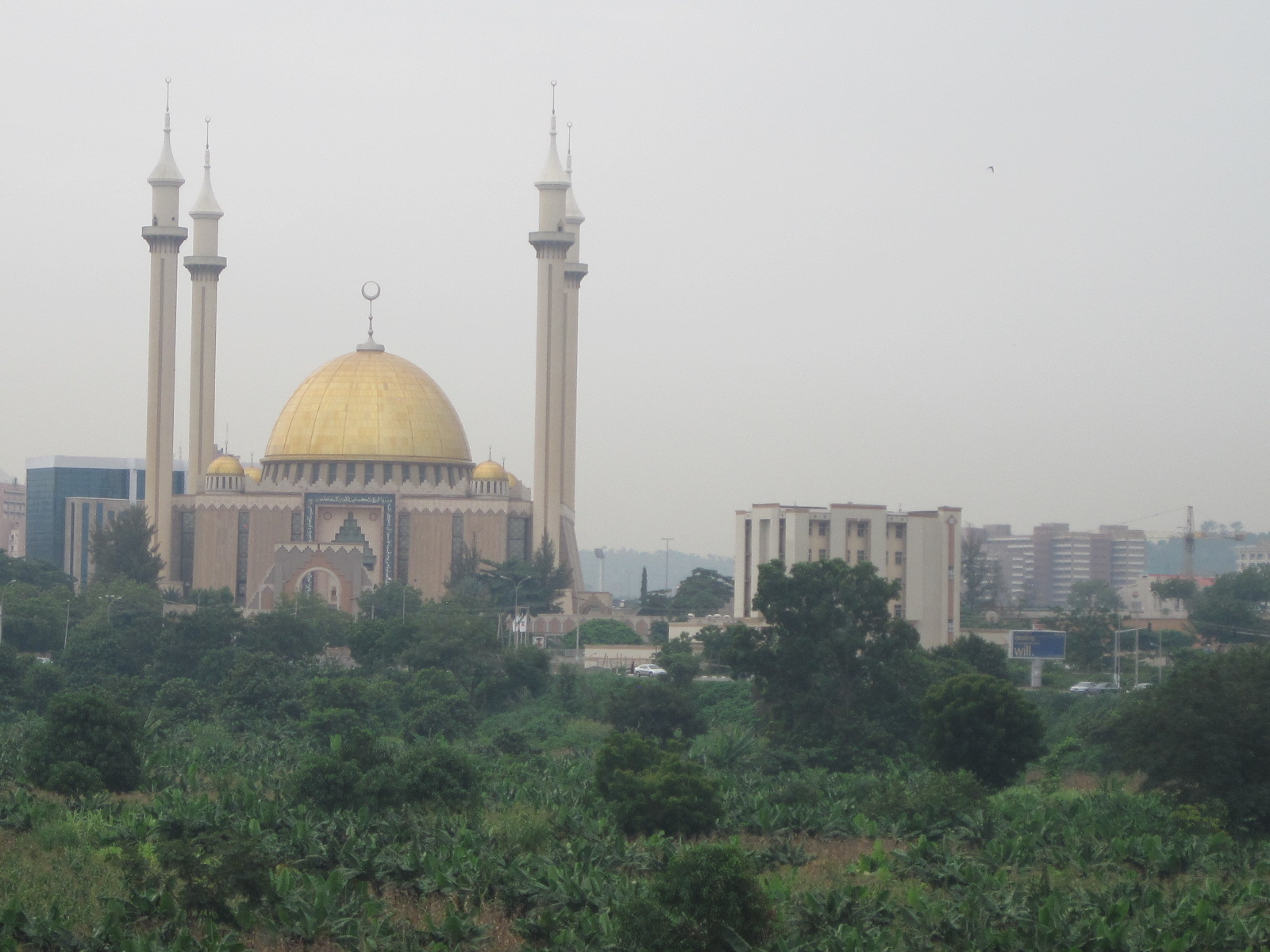
The Sheik Zayed Grand Mosque on the outskirts of Abu Dhabi was completed in 2007 after about 11 years of construction efforts, and about $545million to become the 21st largest mosque in the world by crowd capacity. On a typical Friday, it can host about 41,000 worshippers.
From my room at the Ritz Carlton where I was spending about a week, the view of the mosque dominated the evening, with specialized lighting constructed to reflect the phases of the moon. Luminescent from afar, inviting through the otherwise irregularly lit night, the Zayed Grand Mosque sat resplendent in the distance, refusing to be ignored.
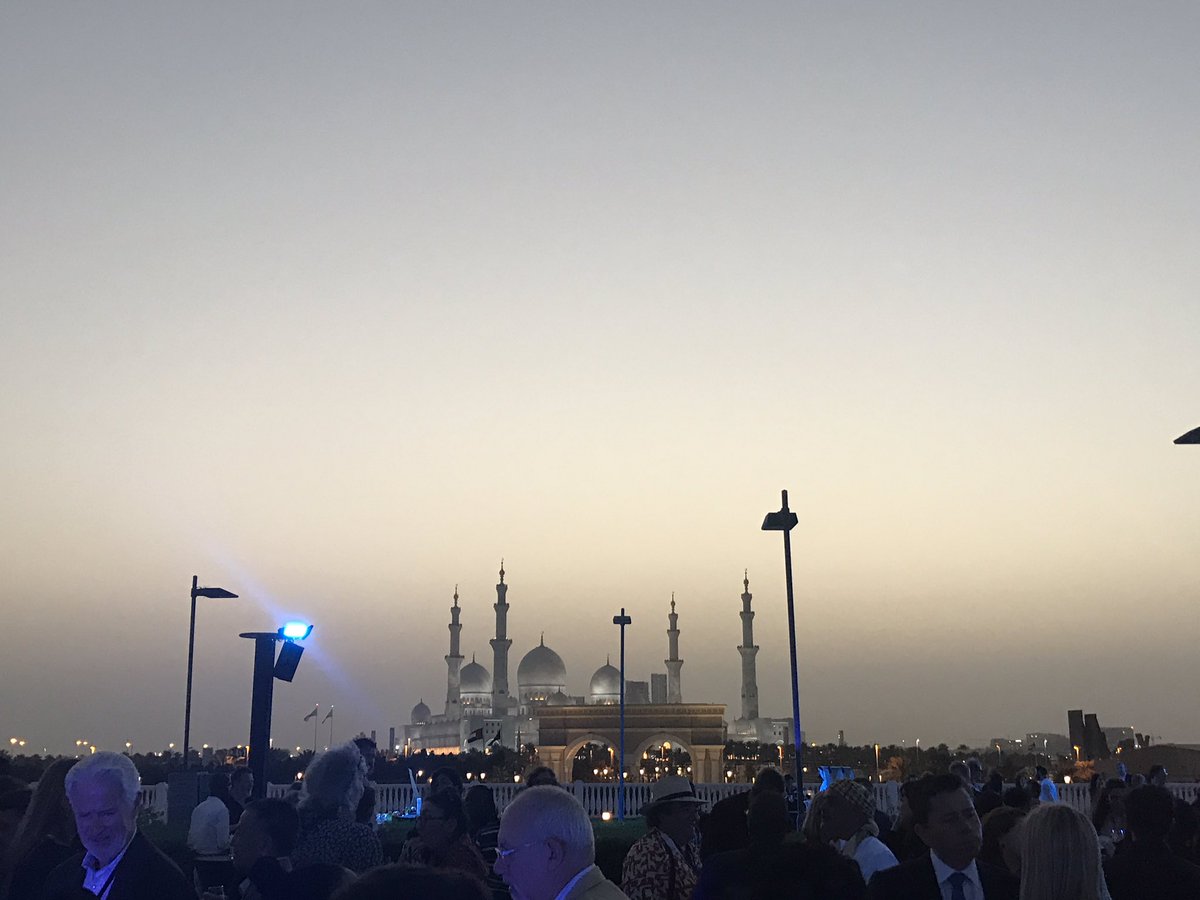
So on one evening, on the day when dignitaries like the former US Secretary of State Madeline Albright were feted in an open ceremony on the lawn of the Ritz Carlton, with the outside temperature dropping significantly to a level familiar with an African’s skin, an opportunity presents itself for an evening walk.
From that hotel, where the security official at the gate merely saluted the stranger as he headed out by himself into an unknown town, the path to the main road was barely lit, but it lacked any overwhelming feeling of fright as guests returning from town drove back into the hotel and taxis headed out into town, occasionally taking a look at the walking traveller as if to offer a better option than walking in what seemed like evening heat. Lagos weather is typically more humid, so this was a more tolerable atmosphere.
On either side of the road were sprinklers that kept the grasses fresh and green, something that must cost a fortune to maintain all through the year, not just in water supply but also in electricity. In an off-site parking lot on the left side were a few cars that I wondered contained plain-clothed policeman awaiting orders about any skirmish in town, or lovers too shy or too broke to book a space in the hotel just a few feet away. To the right of the junction where the road from the Ritz met the highway was the Memorial Park, built to commemorate the death of soldiers who died defending the country in the March 2015 war with Yemen. On the Park is an imposing steel and concrete monument by Idris Khan, a British-Pakistani artist.
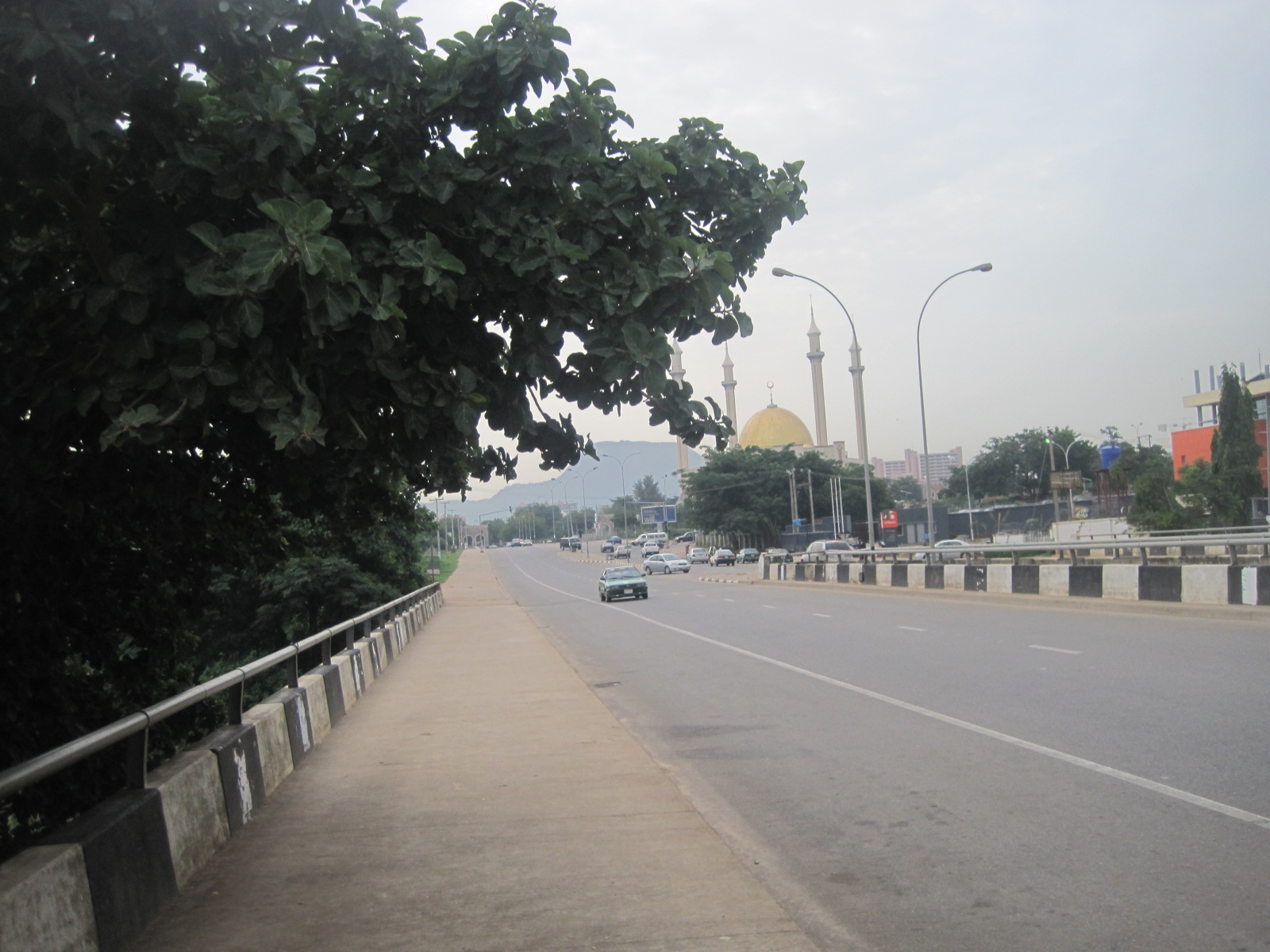
At the road, cars flew by towards various destinations. A few feet away to the left is a pedestrian bridge, lit on all sides to solidify the ambiance of security. At the foot of the bridge, built into its base, was an elevator, for elders, children, and the infirm. It looked like it hadn’t seen too much action.
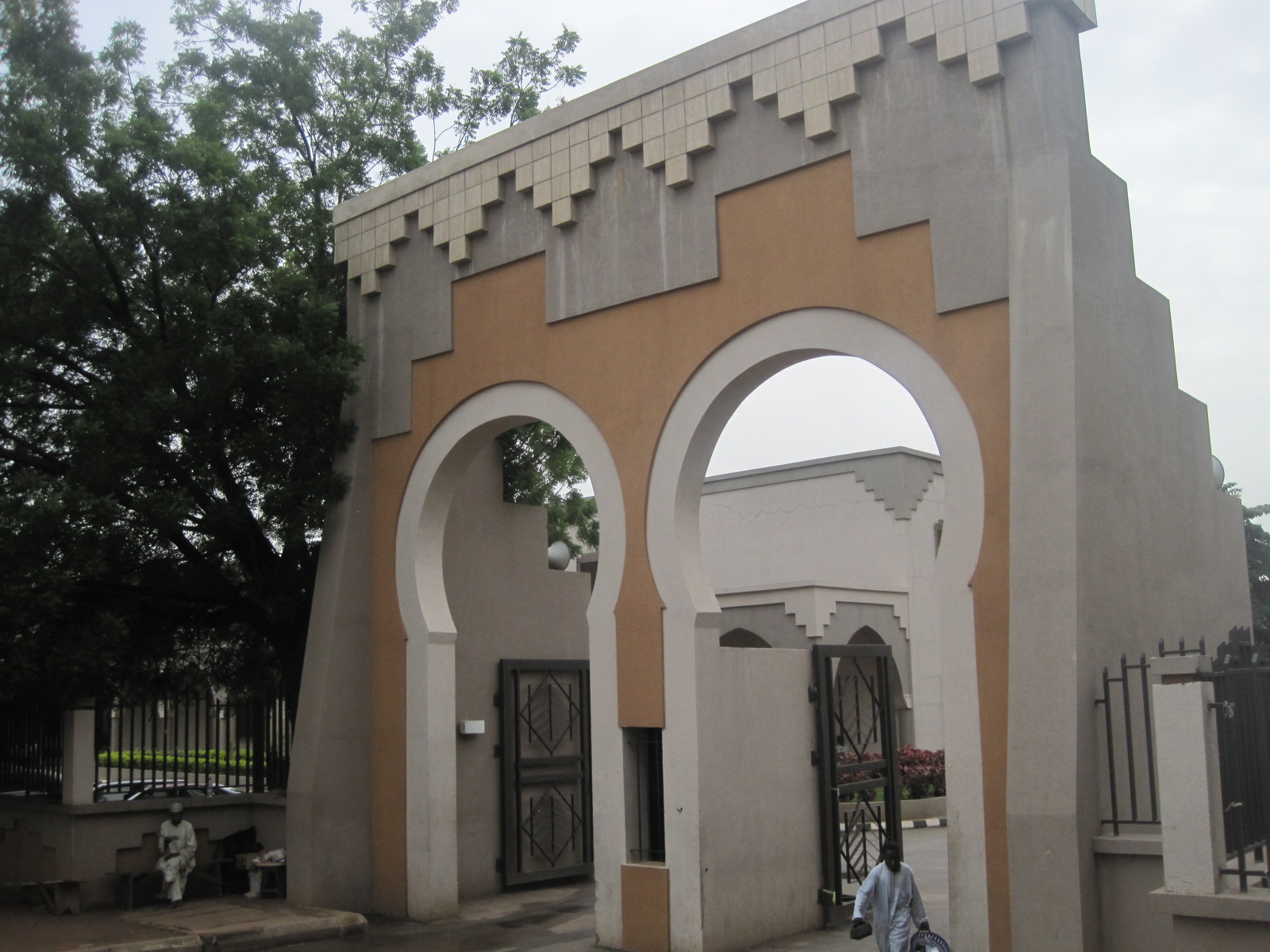
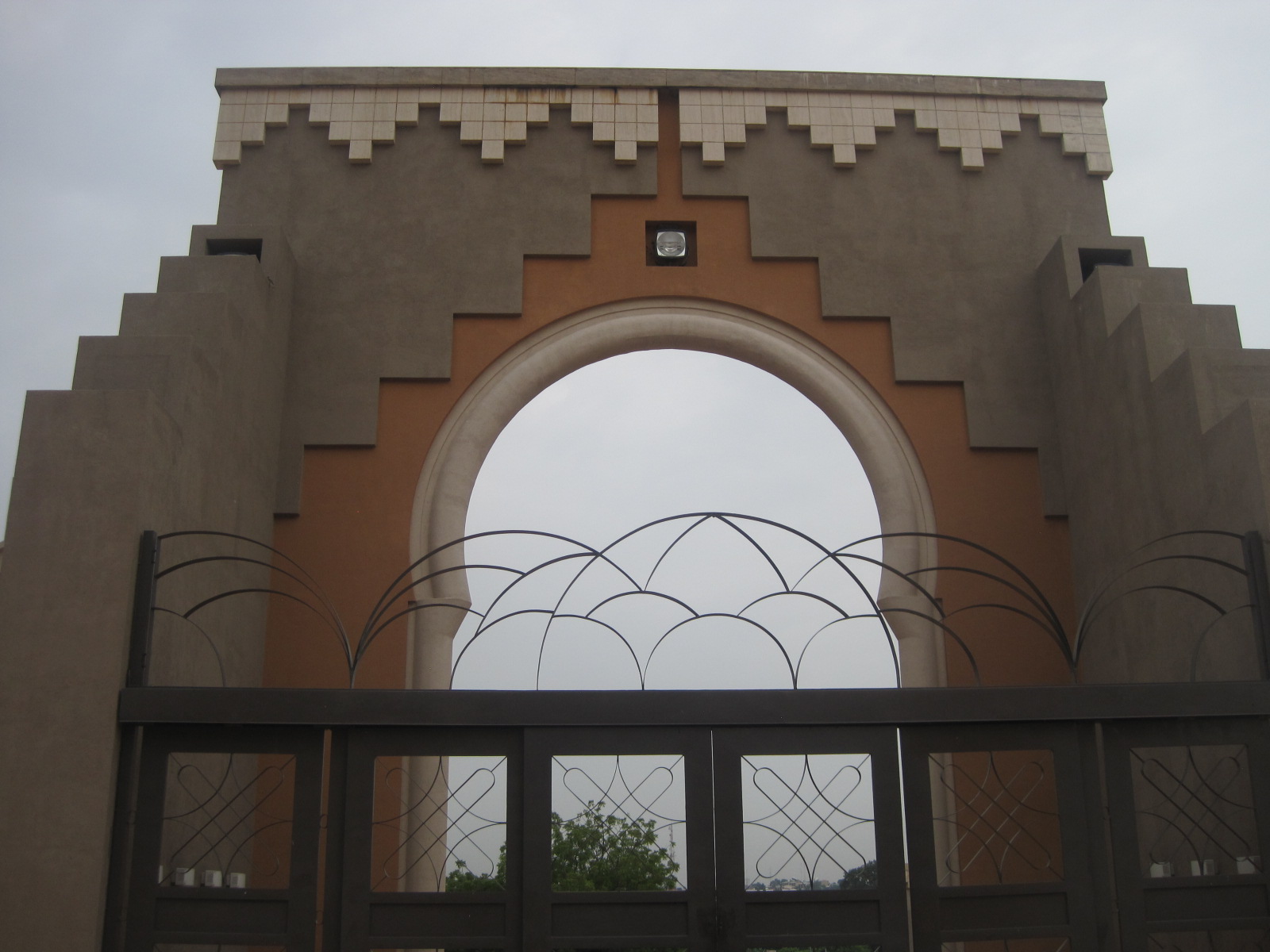
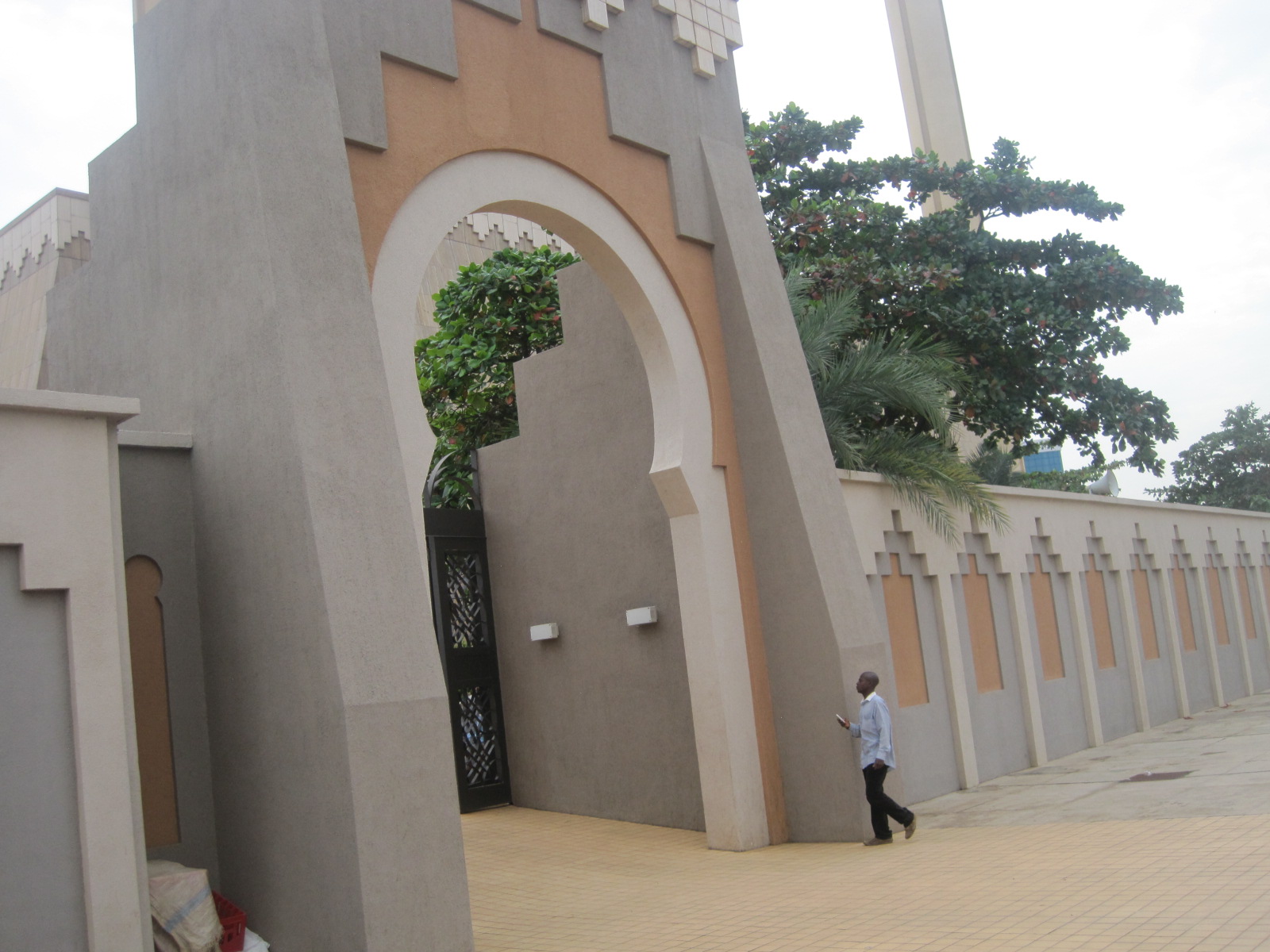
Once on the other side of the road, the mosque emerged within reach. But it was only on getting to its southern steps that one realizes that visitors are not allowed entry through there, even though there are no gates. The security officers there, Indian by their looks and accents, were firm but polite. “Walk all the way”, they said, “by the wide ornamented fence of the premises as if navigating the whole circumference of the mosque grounds. You’ll get to the visitor’s gate, also called ‘the northern parking entrance'”.
To get into the mosque itself, I had to pass through a metal detector. Not knowing better, I tried to take off my shoes as well, and the security man laughed at me. “This isn’t America, my friend.” I found it funny and asked where he was from. “Morocco”, he said.
“What about you?”
“Nigeria. Know about us?”
“Yes. Football.”
***
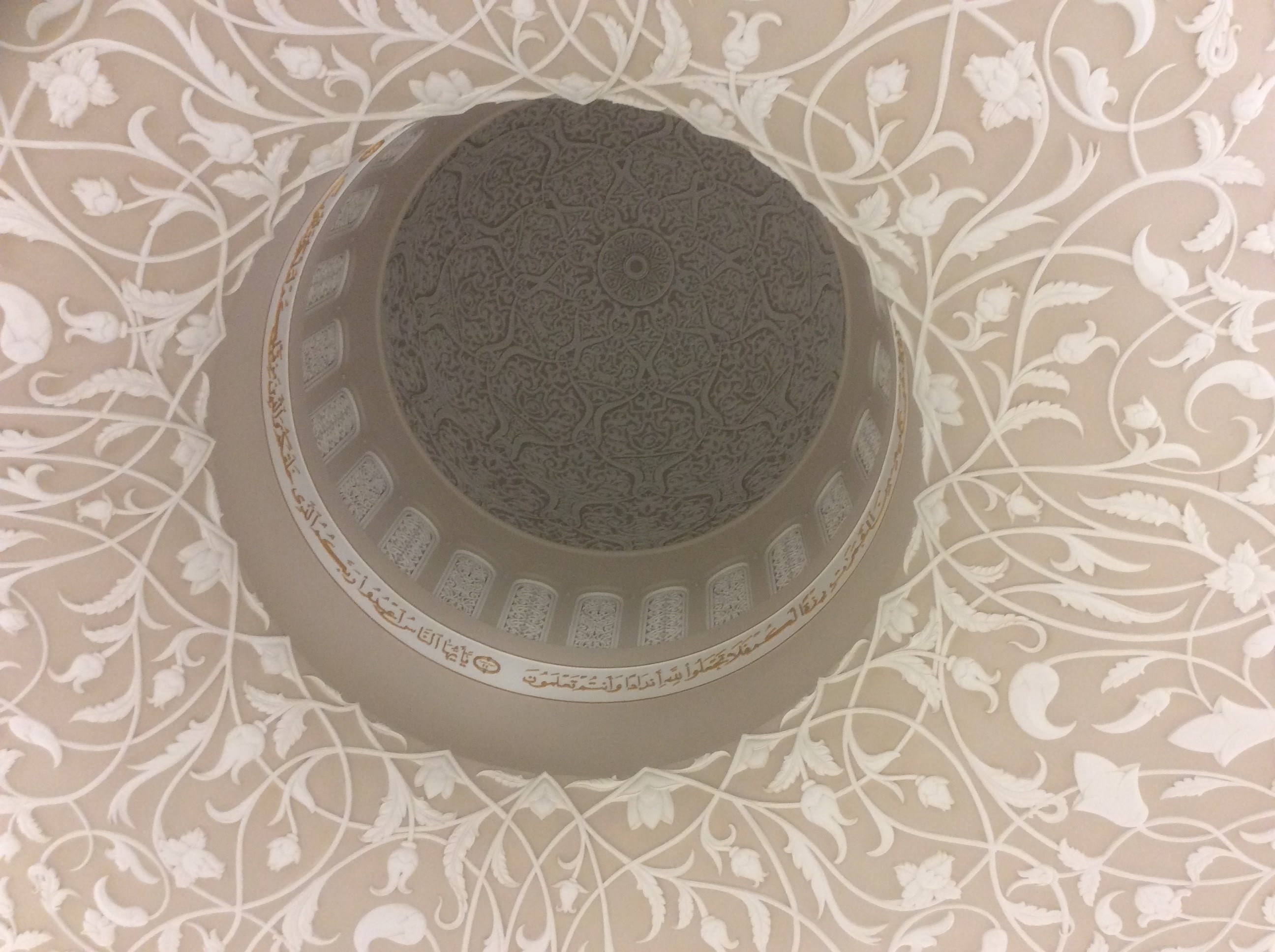
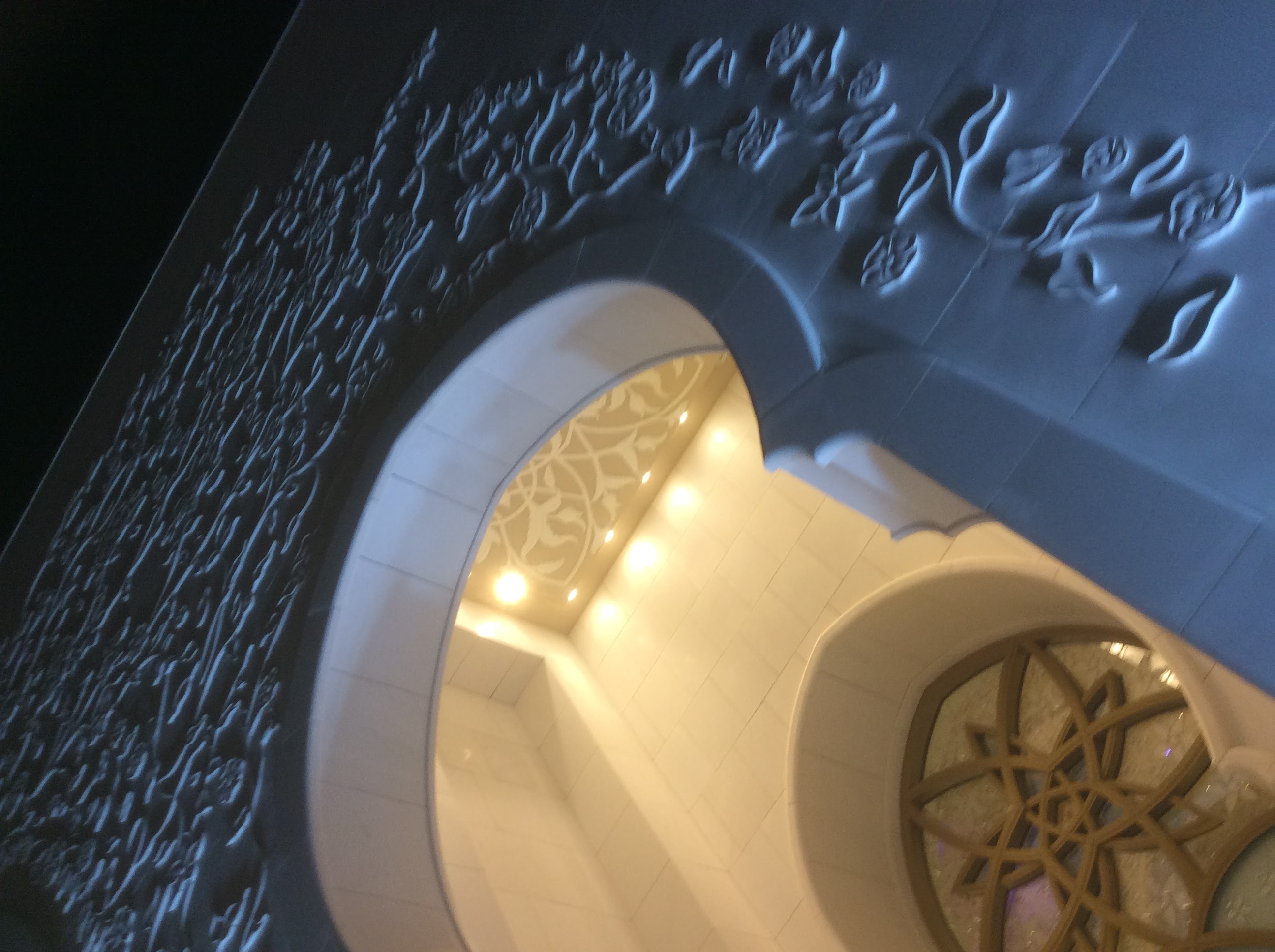
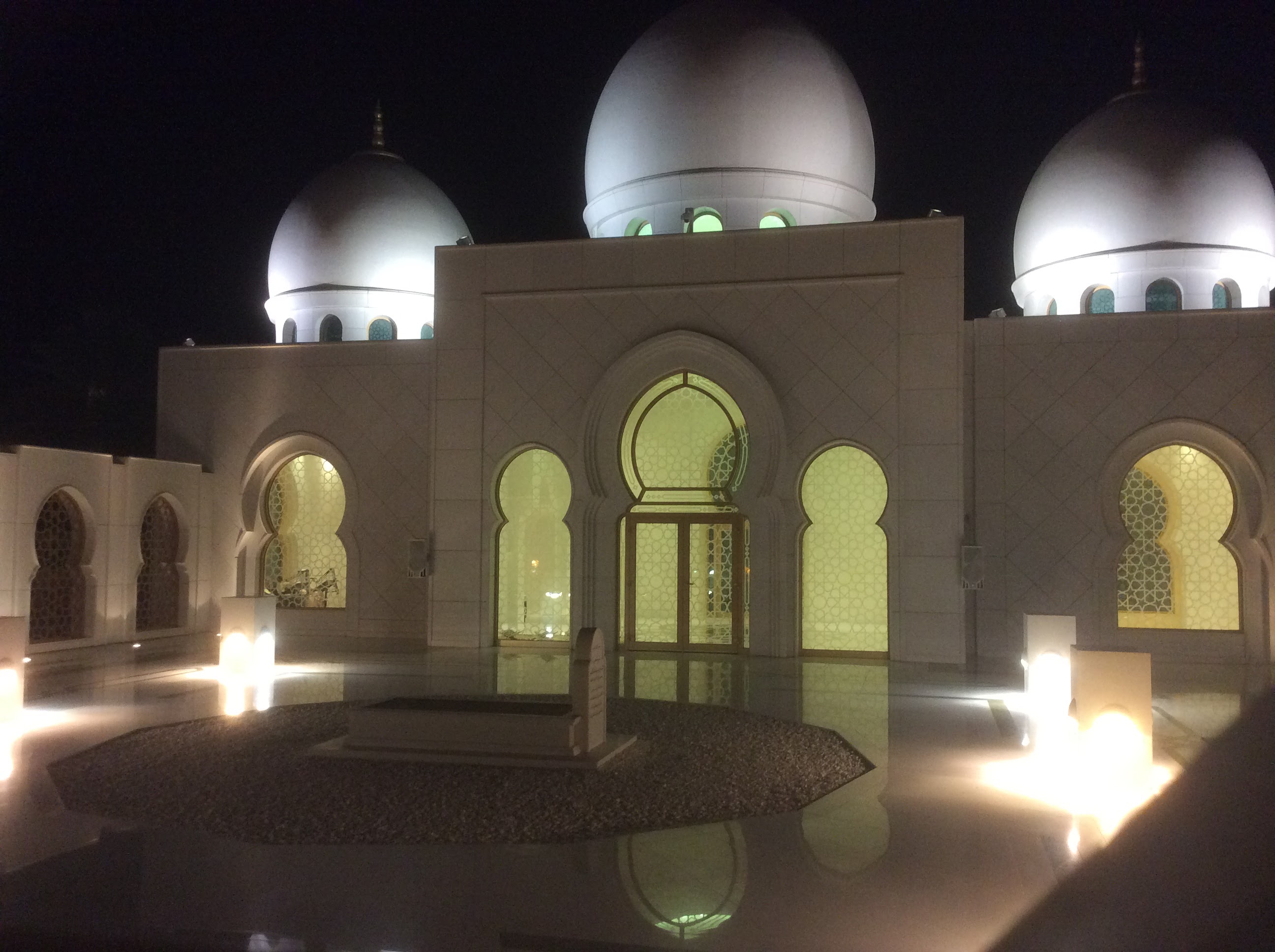
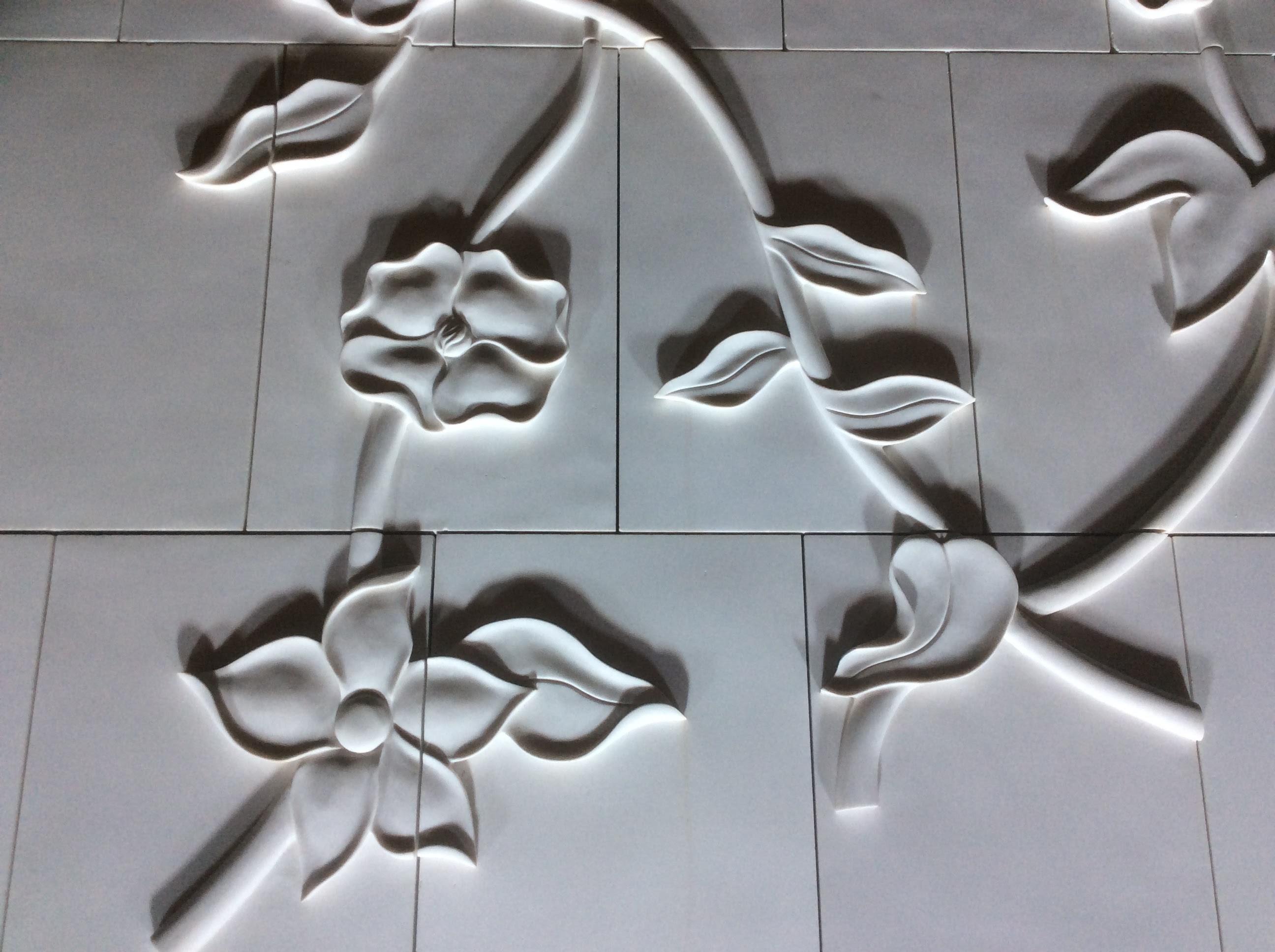
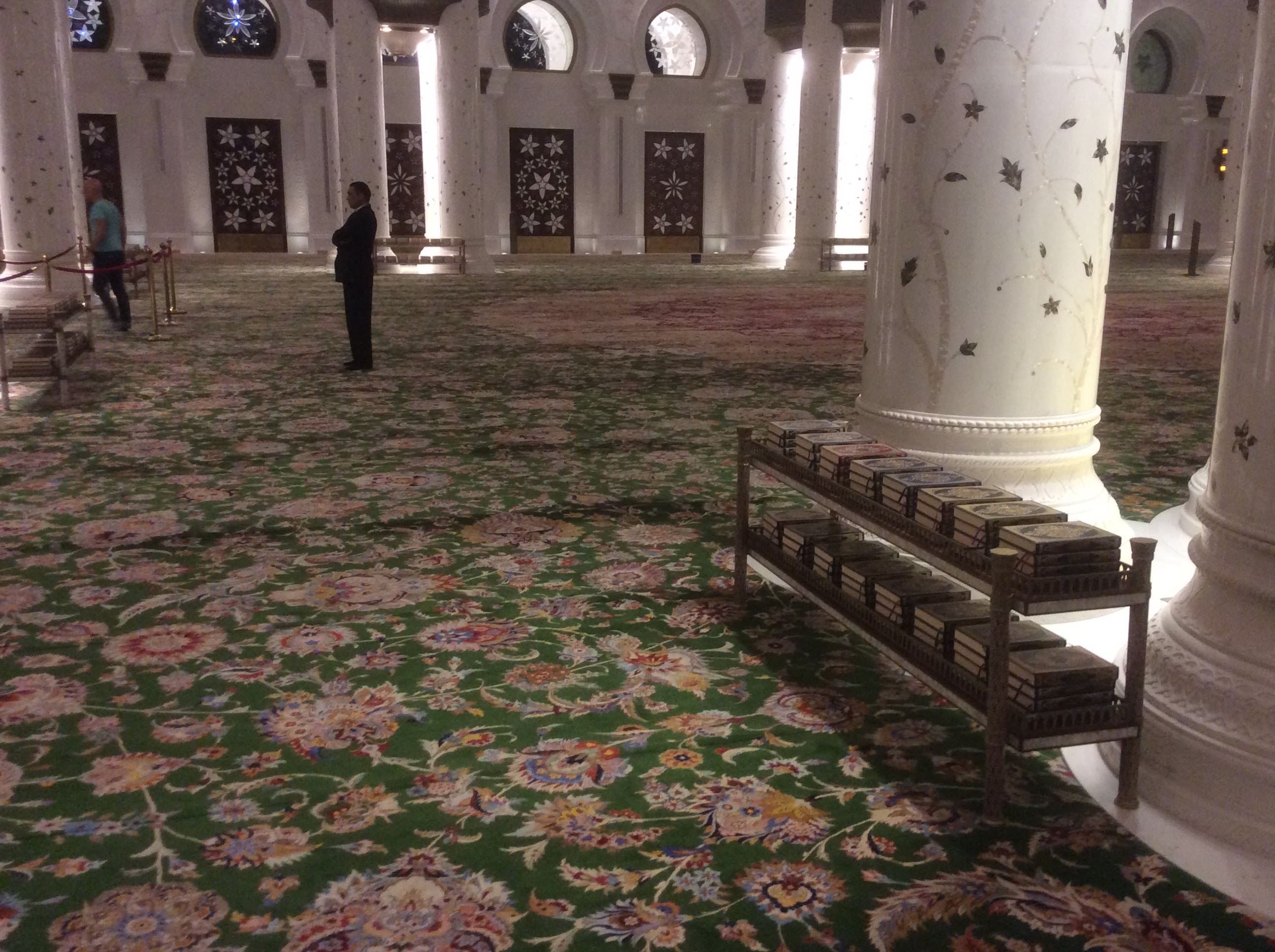
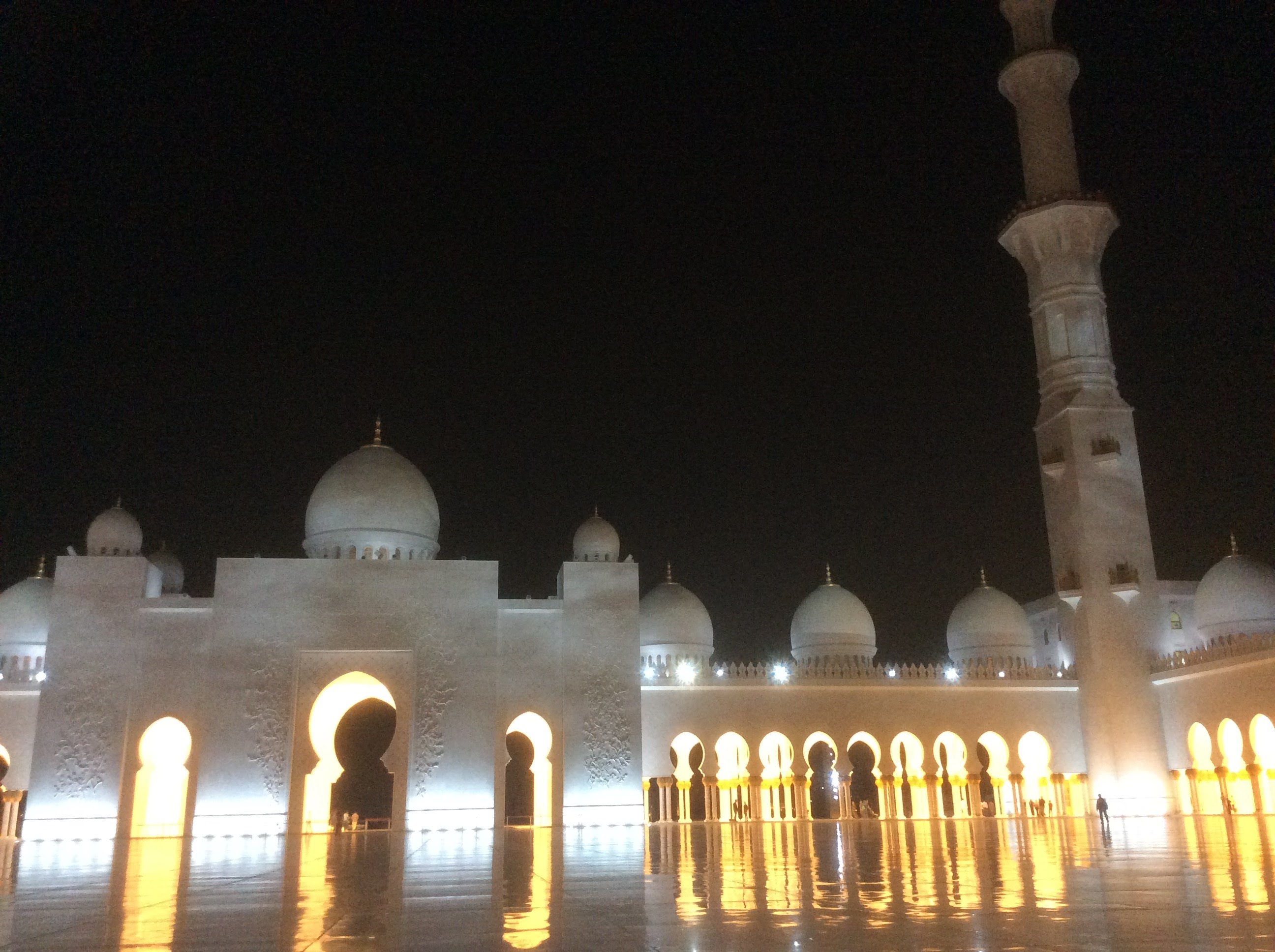
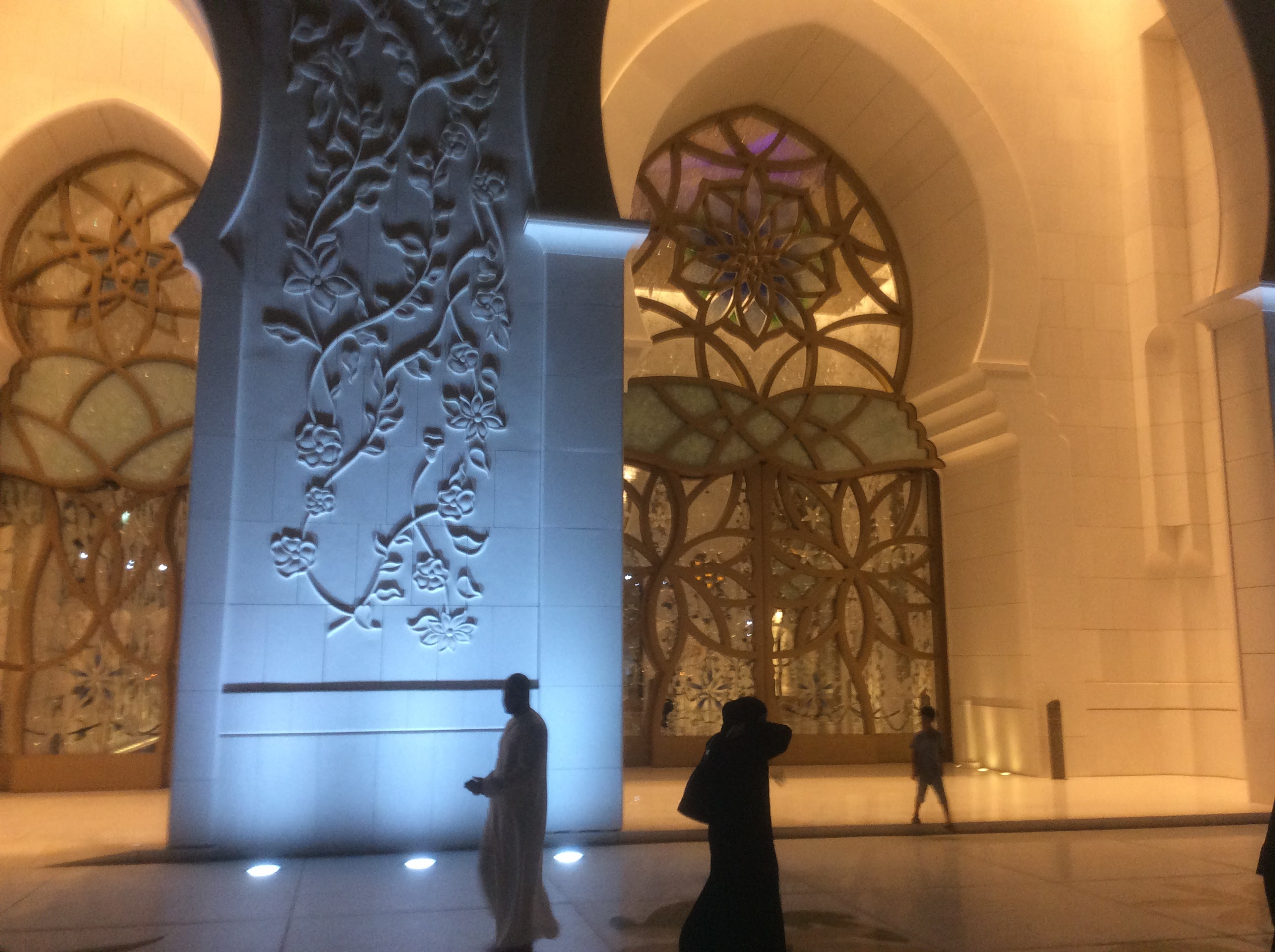
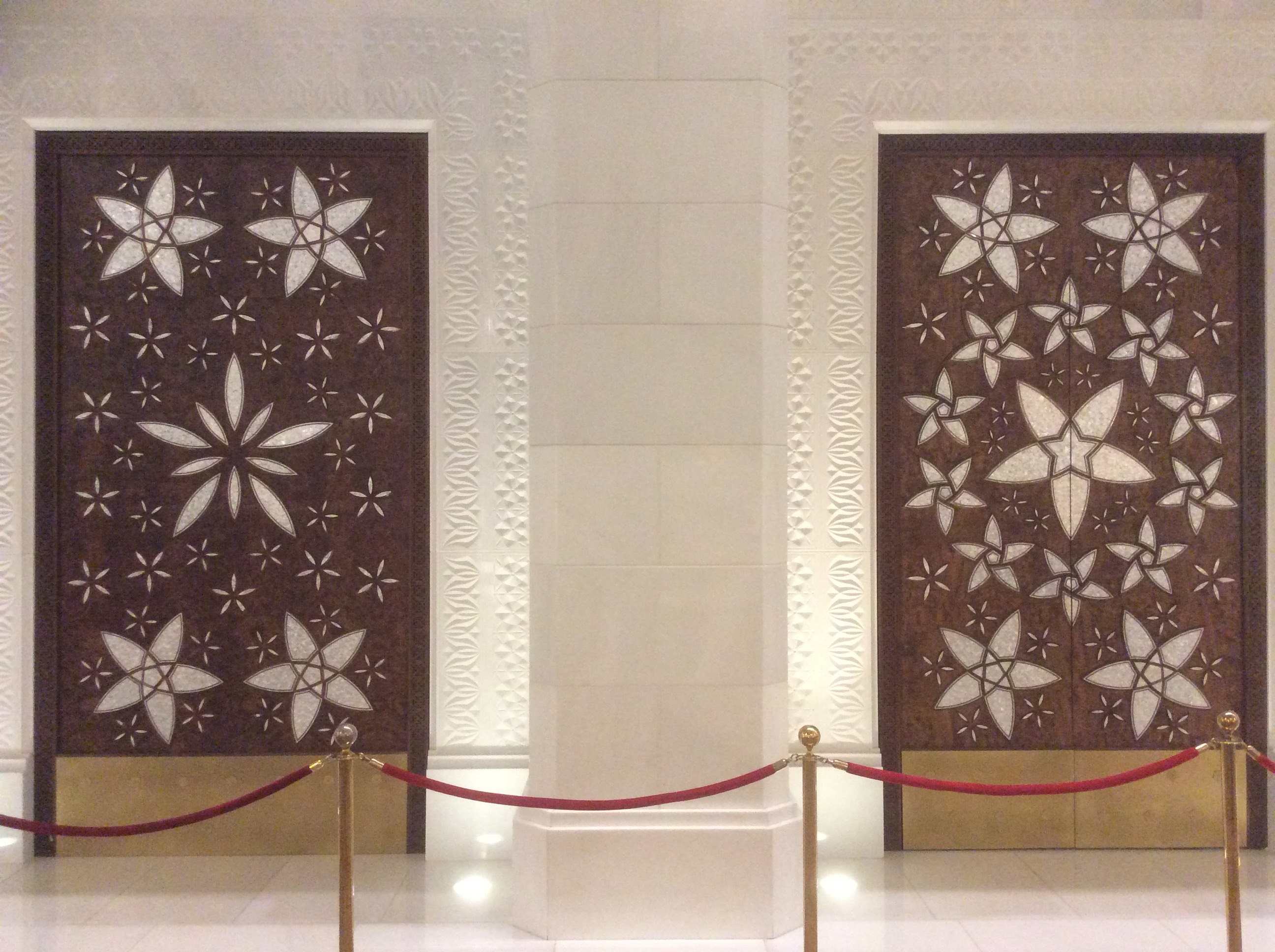 My feelings on entering the mosque itself have not found easy expression within words. But I concede now that an unfair collision of a perfect weather, full moon, and a highly anticipated contact with this building may have added too much to the most perfect first experience. resulted in so perfect an evening.
What WonderMondo described as the scope and ambition of the construction as “a structure that would unite the cultural diversity of the Islamic world with the historical and modern values of architecture and art” lived up to its expectation but much more in the way it carried the dignity of the faith it represented and the expectation of awe that its imposing nature adds to one’s contemplation of solitude while within its embrace. I still haven’t found the right words, but if the intention behind the construction included creating a serene space for contemplation of a version of paradise, then it is a successful experiment. I assume, thinking about it now, that most places of worship across cultures have aspired to that physical architectural effect
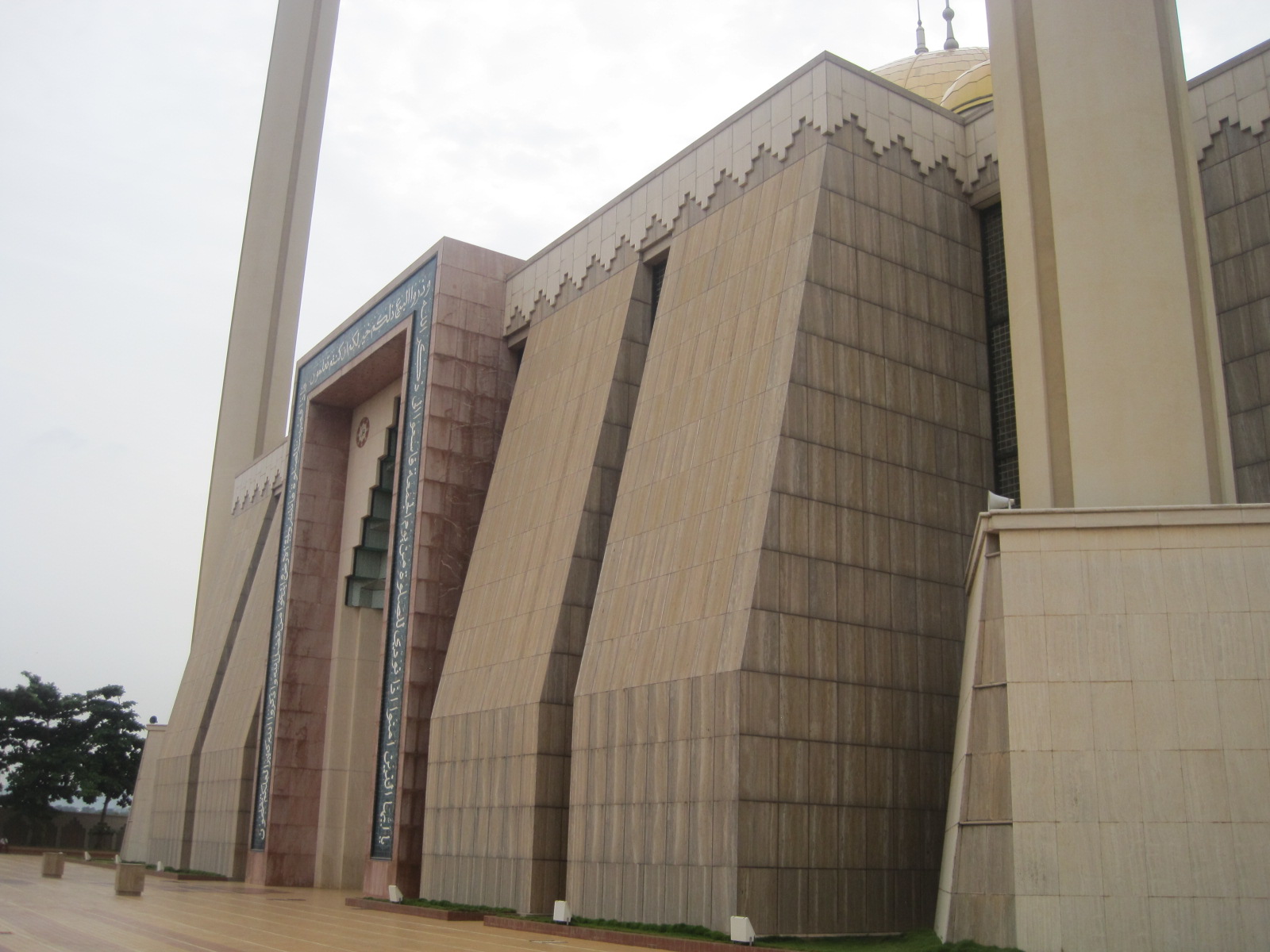
I have experienced this feeling before, at one time while observing the mosaics inside the ceilings at the Cathedral Basilica in St. Louis . The difference here is the scope of the ambition and the archetypal spread that Muslim prayer grounds have typically worn to maximize the smooth passage of breeze. Add to that, a reflecting pool, columns with Arabic calligraphy, marble carvings that go all around the face of the building, and a sense of serenity that surrounds the expectation of piety from worshippers and visitors. It was perfect.
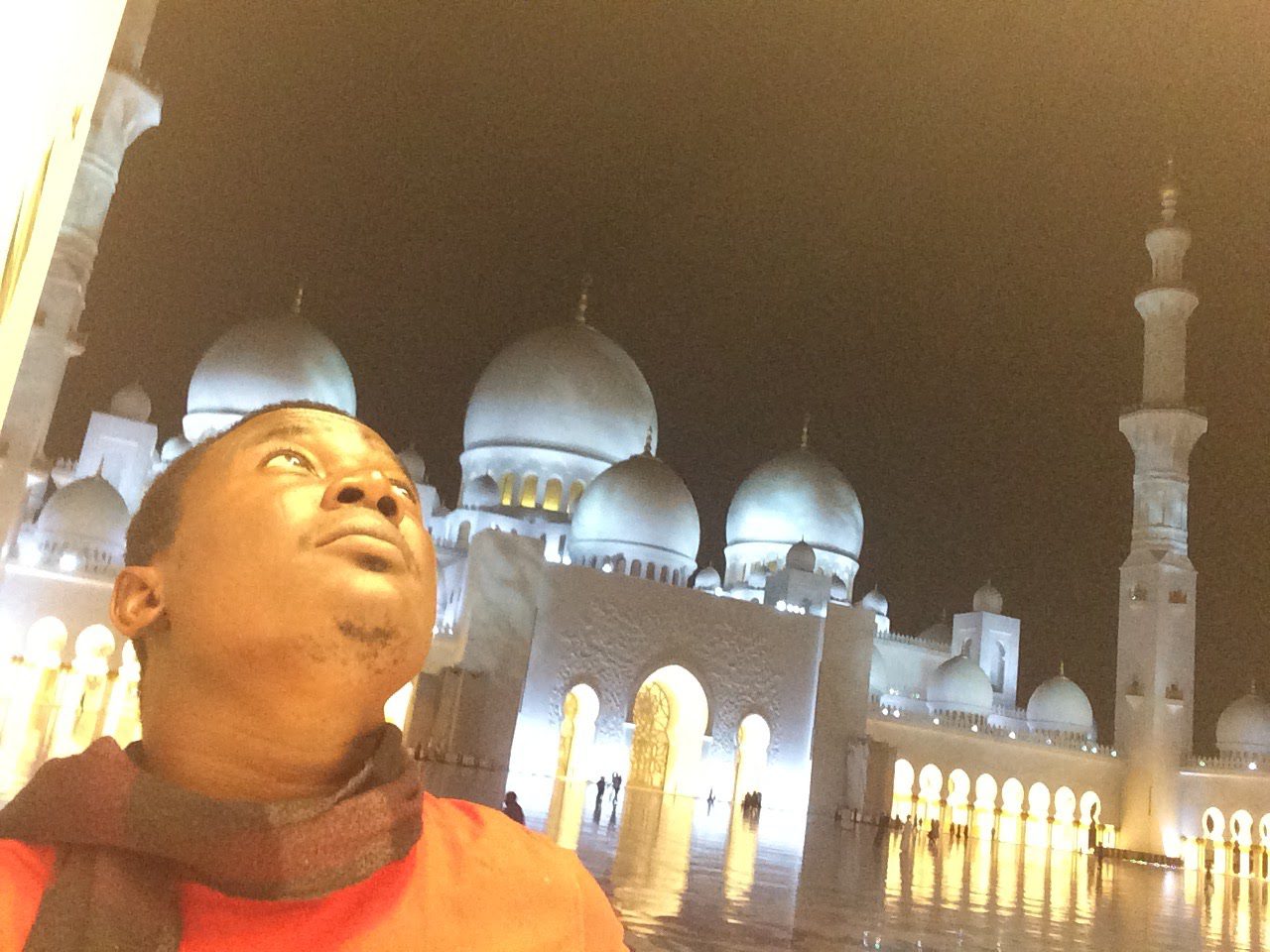
But I was a visitor, and not a worshipper. My agnosticism stood me out, at least in my mind, as an outside gaze into a least familiar space. But like others, I took off my shoes where necessary, and took a tour of the inner chamber where prayers are done every Friday, where all and sundry gathered weekly to submit as the prophet instructed. At that innermost chamber was a rug, the world’s largest carpet, believed to measure 60,570 sq ft, created by around 1,200-1,300 carpet knotters, and weighing 35 tonne. Without shoes, its soft soothing face massaged my feet as it did others. A security man stood around a rope line preventing visitors from going too far into the centre of the room where, perhaps, the lead Imam led the prayers from every Friday. I imagined too, that this must have been where Sheikh Zayed Al Nahyan, the founding father and first president of the UAE, and in whose honour the mosque was built and named, prayed every week.
He died in 2004, leaving a progressive Islamic country with a culture of (or at least a genuine aspiration to) openness and multiculturalism. Many other structures in the country, and in the hearts of his subjects and children, bear his name. At the Culture Summit where I first encountered his name, an anecdote was told of him having to, some time ago at the founding of the country, park by the side of the road in order to correct someone who had climbed a date palm tree in a way that he, Sheikh Zayed, felt was harmful to the tree. A conservationist, then.
Outside of this mosque, in a small mausoleum constructed for the purpose, lay the rest of him, many feet under the ground. Into the air above where his body lay beneath the marble grounds, loudspeakers blared sequences of Arabic prayers in perpetuity, and a small camera stayed trained on a good view of the small enclosure.
You shouldn’t take pictures here, I was told, much too late.
***
The walk back to the hotel was filled with calm recollections of whatever else the night held in store. One of the other random thoughts that entered my head asked why only religious centres benefited from this kind of architecture that invited meditation and reverence. What if, it wondered, bookstores and libraries were also built with this kind of spacious and elaborate architecture in which one could spend many hours just longingly gazing into images of marble and the sentences of Shaw or Chaucer?
I had not taken a book along to the mosque, and suddenly I wished that I had.