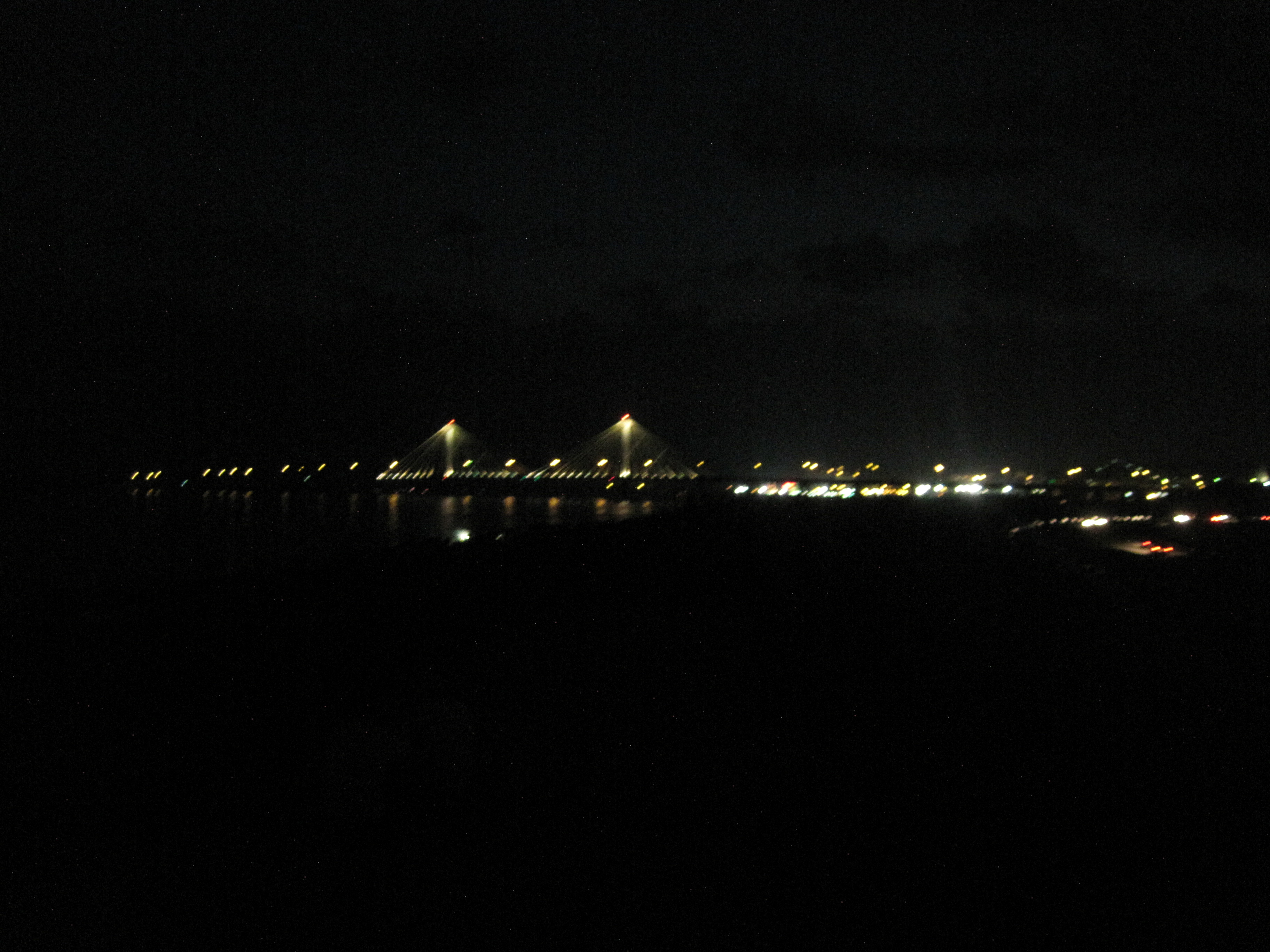
Today, I went to the Principia College, Elsah Illinois with a two professors from SIUe and another international student from here. Retired Professor Wilson had been invited to give a talk on diversity to a few students in the University, and it turned out to be a nice experience. The campus of the College (called University in Nigeria) is located at a site off the river road and overlooking the great Mississippi River. No words can describe the grandeur of the river as seen from the road while driving. I’m much convinced that it would look and feel so much better while on a bicycle. According to Prof Wilson, Mark Twain the writer used to come over to the river to get inspiration. Oh well.
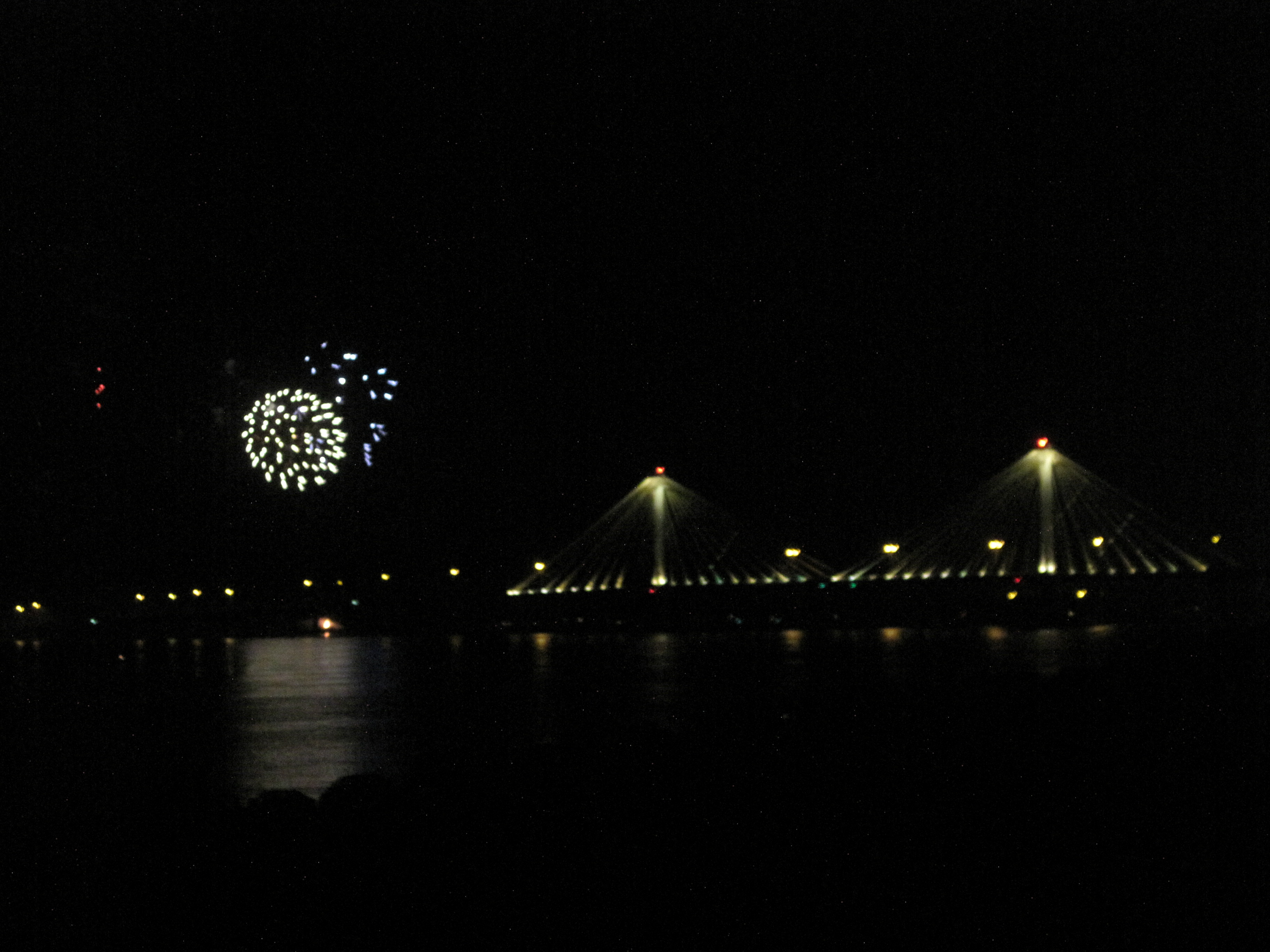
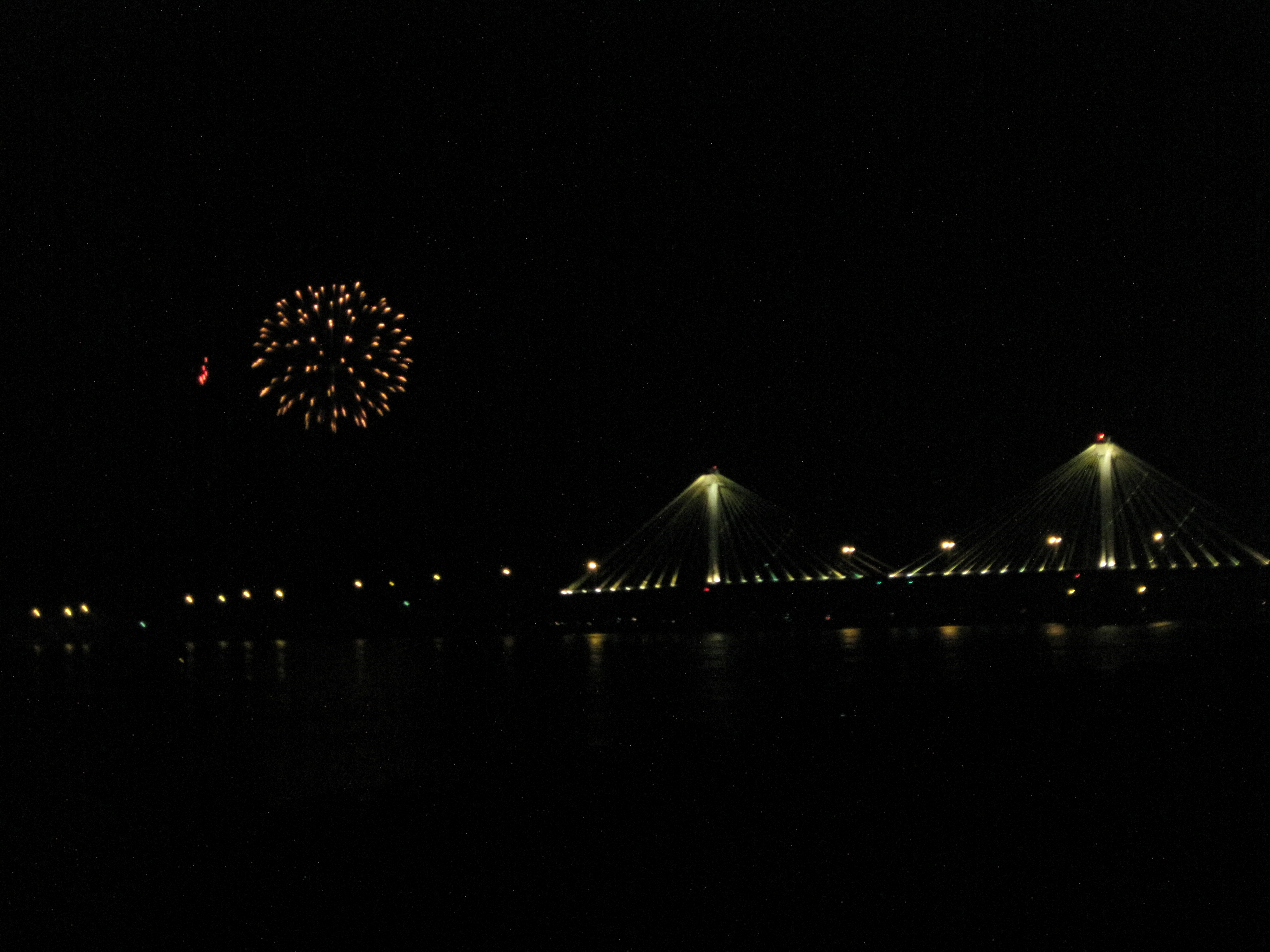
The journey to Principia took a little over thirty minutes from the SIUe campus, and we had to pass through a few small towns including Alton and Elsah, each with a repertoire of historical information, especially about the Native Americans that made the area their habitation for many years before their forceful dispersal. Alton has the famous Clark Bridge, and there is a famous painting of a prehistoric piasa bird on the face of the cliff also overlooking the Mississippi river. According to Wikipedia, Alton has “its steep-sloped streets filled with silos, railroad tracks, and brick commercial buildings”, and it counts among its famous former residents Miles Davies, the legendary trumpeter/musician, Elijah Lovejoy, an abolitionist who was murdered in 1937 for his role in anti-slavery movements (and after whom the Library at SIUe is named), and James Earl Ray, the murderer of civil rights activist Martin Luther King Jnr.
 Today, I went to the Principia College, Elsah Illinois with two professors from SIUe and another international student from here. Retired Professor Wilson had been invited to give a talk on diversity to a few students in the University, and it turned out to be a nice experience. The campus of the College (called University in Nigeria) is located at a site off the river road and overlooking the great Mississippi River. No words can describe the grandeur of the river as seen from the road while driving. I’m much convinced that it would look and feel so much better while on a bicycle. According to Prof Wilson, Mark Twain the writer used to come over to the river to get inspiration. Oh well.
 The journey to Principia took a little over thirty minutes from the SIUe campus, and we had to pass through a few small towns including Alton and Elsah, each with a repertoire of historical information, especially about the Native Americans that made the area their habitation for many years before their forceful dispersal. Alton has the famous Clark Bridge, and the even famous painting of a prehistoric piasa bird on the face of the cliff also overlooking the Mississippi river. According to Wikipedia, Alton has “its steep-sloped streets filled with silos, railroad tracks, and brick commercial buildings”, and it counts among its famous former residents Miles Davies, the legendary trumpeter/musician, Elijah Lovejoy, an abolitionist who was murdered in 1937 for his role in anti-slavery movements (and after whom the Library at SIUe is named), and James Earl Ray, the murderer of civil rights activist Martin Luther King Jnr.
 One of the notable sights on the way from Edwardsville are the many oil refineries in Illinois that litter the way. “Those refineries refine the crude oil from Nigeria”, the professor quipped “before they are sold in the United States at different rates.” The crude oil is brought from different parts of the world – and indeed from Nigeria – in large ocean vessels, are refined, and sold as “gas”. What he didn’t know until I told him was that the finished petroleum products are also sold back to Nigeria – like chocolate products – at exorbitant prices whenever the steam engines of Nigeria’s refineries go down and the continent’s petroleum giant finds it hard to refine its own products. Passing through those areas of Illinois that I’ve never been before only reminded me of Nigeria’s Niger Delta: plenty smoke in the air, and plenty smell of gas – a depleting environment under serious gas pollution.
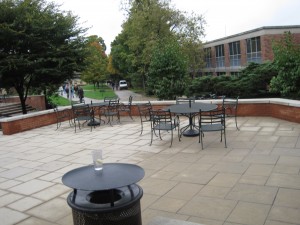 The Principia College is an institution for Christian Scientists and it graduated its first products in 1934. The campus is small, yet beautiful. The student population is 490 and from the little we saw, the students are warm, and all find a way of interacting with one another much more than one would find in a large campus as SIU because of the size. An interesting discovery I made was that one in every five students there was an international student. And over seventy percent of those international students are from Kenya. All of a sudden, it felt like if I was back on the campus of Moi University in Kenya again. I still haven’t discovered the reason for this density in Kenyan students population. At SIUe, the international students population is mainly Indian, and then a few others. In 1993,according to Wikipedia, the campus was designated a National Historic Landmark by the United States Department of the Interior.
The visit ended with a very delicious lunch at the University cafeteria where many of the international students worked as kitchen staff among others. The food also somehow reminded me of my stay in Kenya in 2005. Maybe it was because it was the first time I was eating rice again in a very long time. Luckily, we made it out of the campus early enough to get back to campus so that I was still able to get to class where my students, who had already waited for nine minutes, said that I was indeed lucky by a minute, or I would have met another empty class. Spoiled brats, those kids.
 It is easy to ponder what would have happened if another country began from right here which spoke only French. Even without that, all the language influences remain in the town names all around here: Edwardsville, Maryville, Fayetteville, Collinsville, Louisville, Carlinville, Belleville, Taylorville, Greenville, Catonsville, Merrillville, Vermontville, Danville, Warrenville, Romeoville, Pinckneyville, Nashville, Shelbyville, Jacksonville, Lawrenceville, Naperville, Libertyville, Higginsville, Aullville, Boonville, Wentzville, Noblesville and the very many dozen -villes dotting this area and the Mid-western landscape.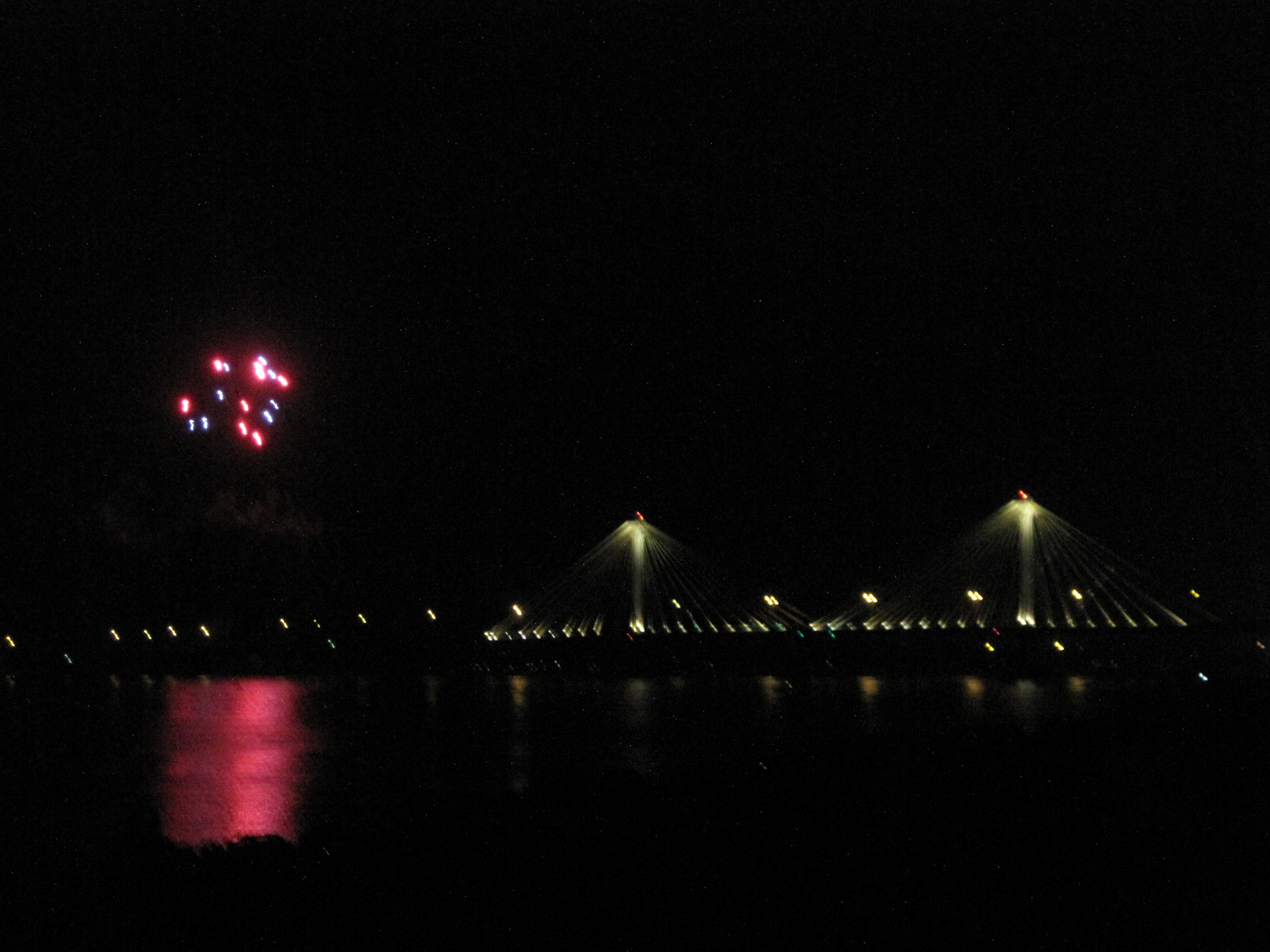
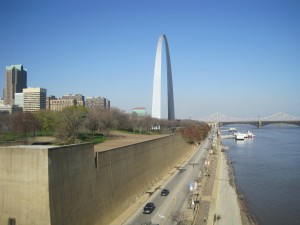
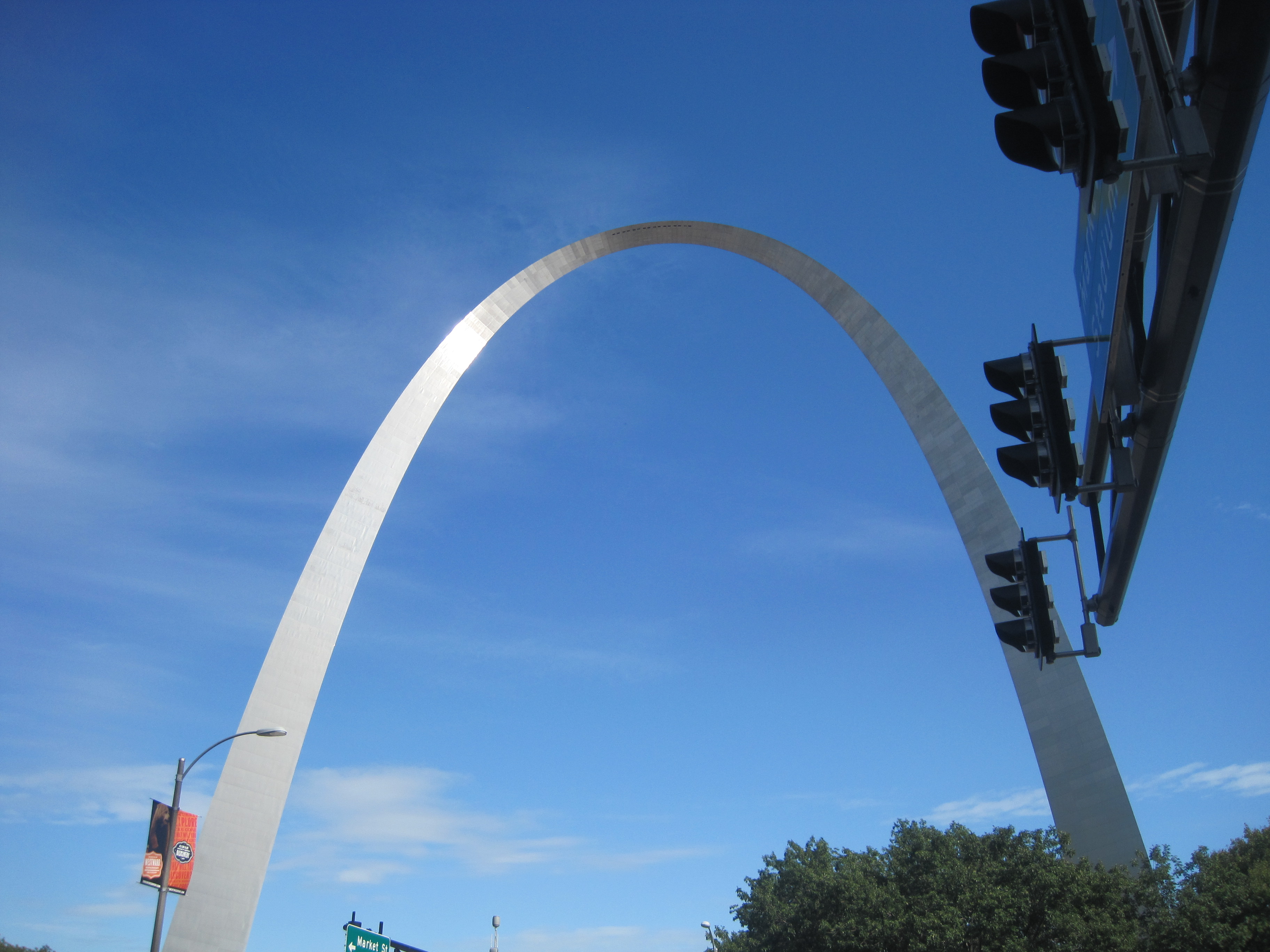
 A little after we left Cahokia on Saturday, we headed to the St. Louis to visit the state of Missouri’s most famous landmark – the St. Louis Gateway Arch, also called the “Gateway to the West” because of its place in history as the spot where the first expedition to the Western part of the United States began. It is an integral part of the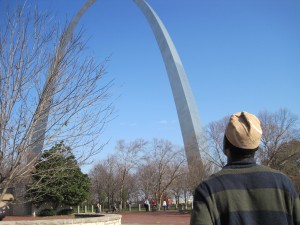
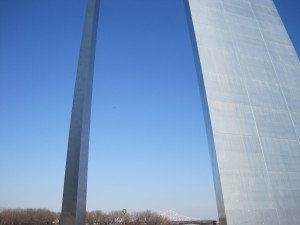
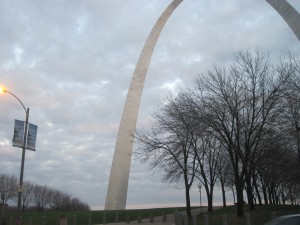
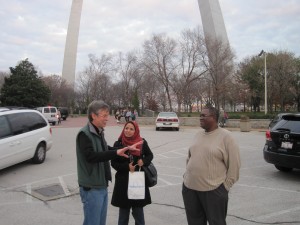 The St. Louis Arch is located along the Mississippi river and close to the road bridges that connect the states of Illinois and Missouri. It is called the Gateway to the West because of the role it played when officers
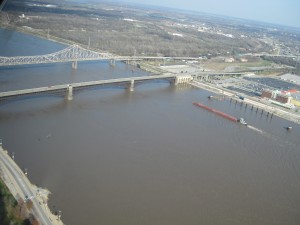
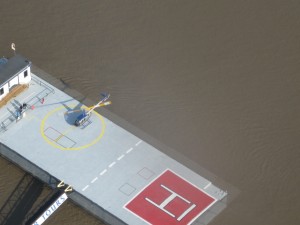
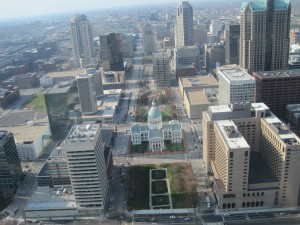 At the top, we got off and walked up the flight of a few steps into the observatory itself where we were able to look down out of a series of windows. Even though it didn’t shake with the wind that must have been blowing outside, and even though there had never been a terrorist or vandalism attack on the monument that could have given me given me fright of death or falling, I felt a little afraid looking into the river from over six hundred feet above the earth. What if? There was a helicopter landing pad nearby where one landed and shortly took off. From afar, I could see that it was a tourist helicopter – for hire – and not a police one, so I wasn’t immediately relieved from my anxiety. If anything had happened while we were up there, I’d probably be long dead before landing on the pavement below, except I was lucky to have been blown by a strong wind right into the Mississippi river.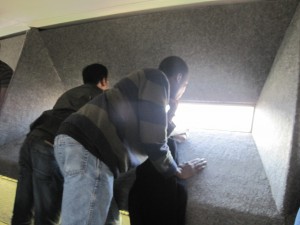
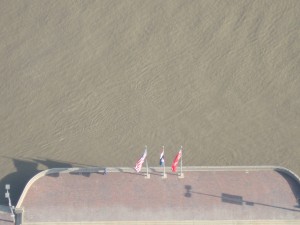
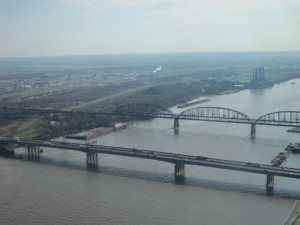
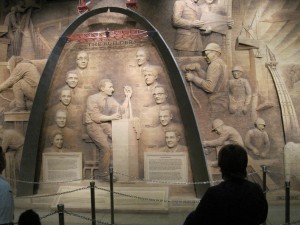
 But we were lucky, Reham and I. There were no attacks, and the uniformed officers on the observation deck with us didn’t have any work to do while we were up there than to pace up and down observing everyone as they did so. When we got enough of our shots up there, we went back down the same way we came, this time faster. It is always easier coming down in an elevator than going up. We then went around the gift shop, and later into the theatre within the complex, to see a documentary movie about the expedition of Louis and Clark, also eponymously titled, before going into the museum where we saw even more of the Native-American history. The famous expedition of officers